

Abruzzo · Teramo
Campli
A 393-meter town under the Monti della Laga, held by the Farnese for two centuries, with a Scala Santa carrying papal indulgence.
Known for
SCALA SANTA
Twenty-eight olive-wood steps with plenary indulgence granted by Pope Clement XIV, built in 1776, climbed on the knees by pilgrims.
PORCHETTA ITALICA
Porchetta tradition documented in Roman decuriones, codified in the 1575 municipal statutes; the August sagra has run since 1964.
FARNESE FIEF
Held by the Farnese from 1538 to 1734, brought as dowry by Margherita d'Austria when she married Ottavio Farnese.
When to visit
Best · Apr–Oct
- J
- F
- M
- A
- M
- J
- J
- A
- S
- O
- N
- D
- Best
- Hot or crowded
- Quiet
- Mostly closed
Why come
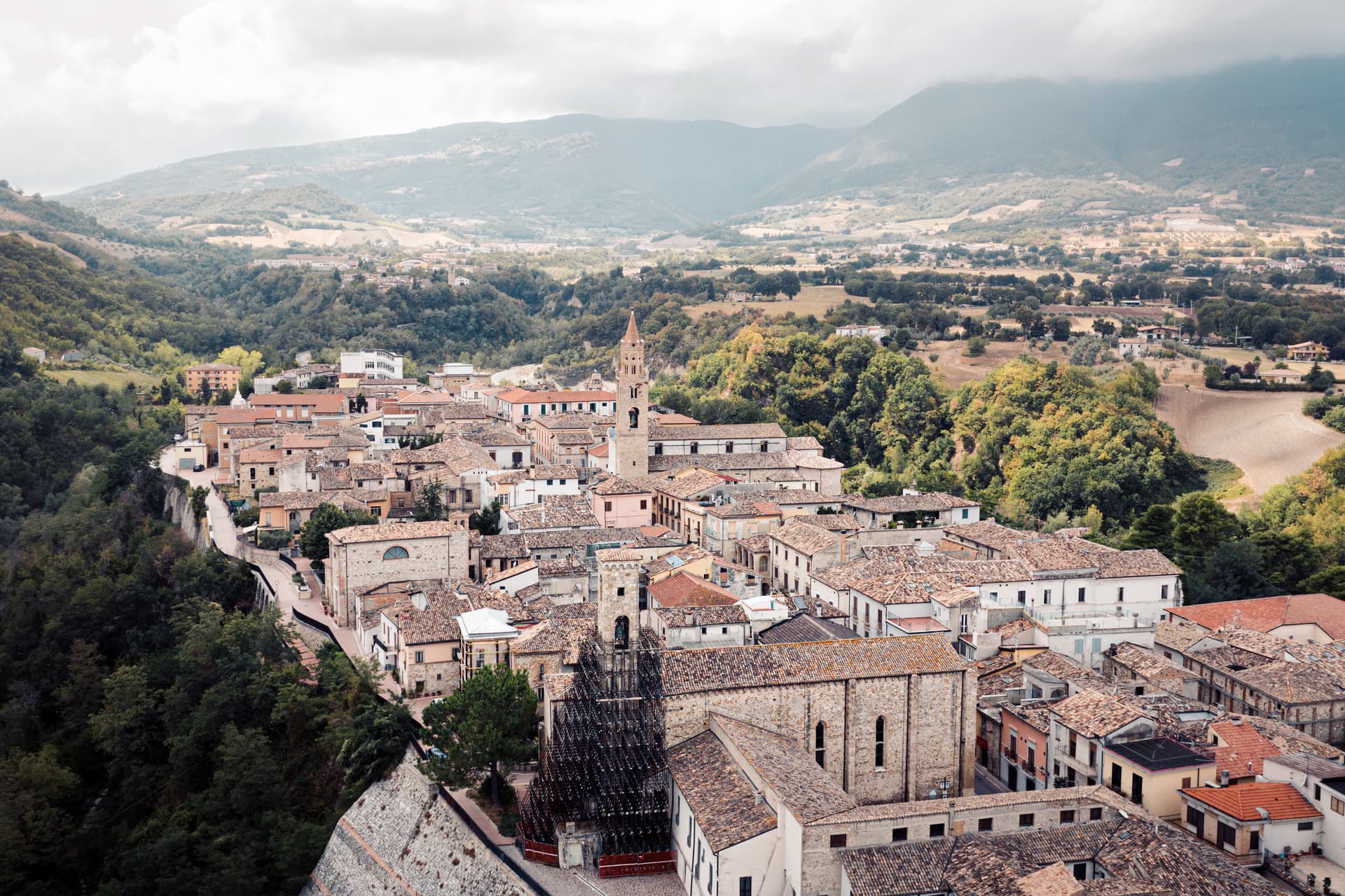
Campli sits under the Monti della Laga, on a triangle of land between the Siccagno and Fiumicino streams, a few kilometres from Teramo. It was a fief of the Farnese family from 1538 to 1734, brought as dowry by Margherita d'Austria, natural daughter of Charles V, when she married Ottavio Farnese. Pope Clement XIV granted the town the privilege of plenary indulgence to those climbing the Scala Santa in prayer, the same privilege held by the staircase at San Giovanni in Laterano in Rome.
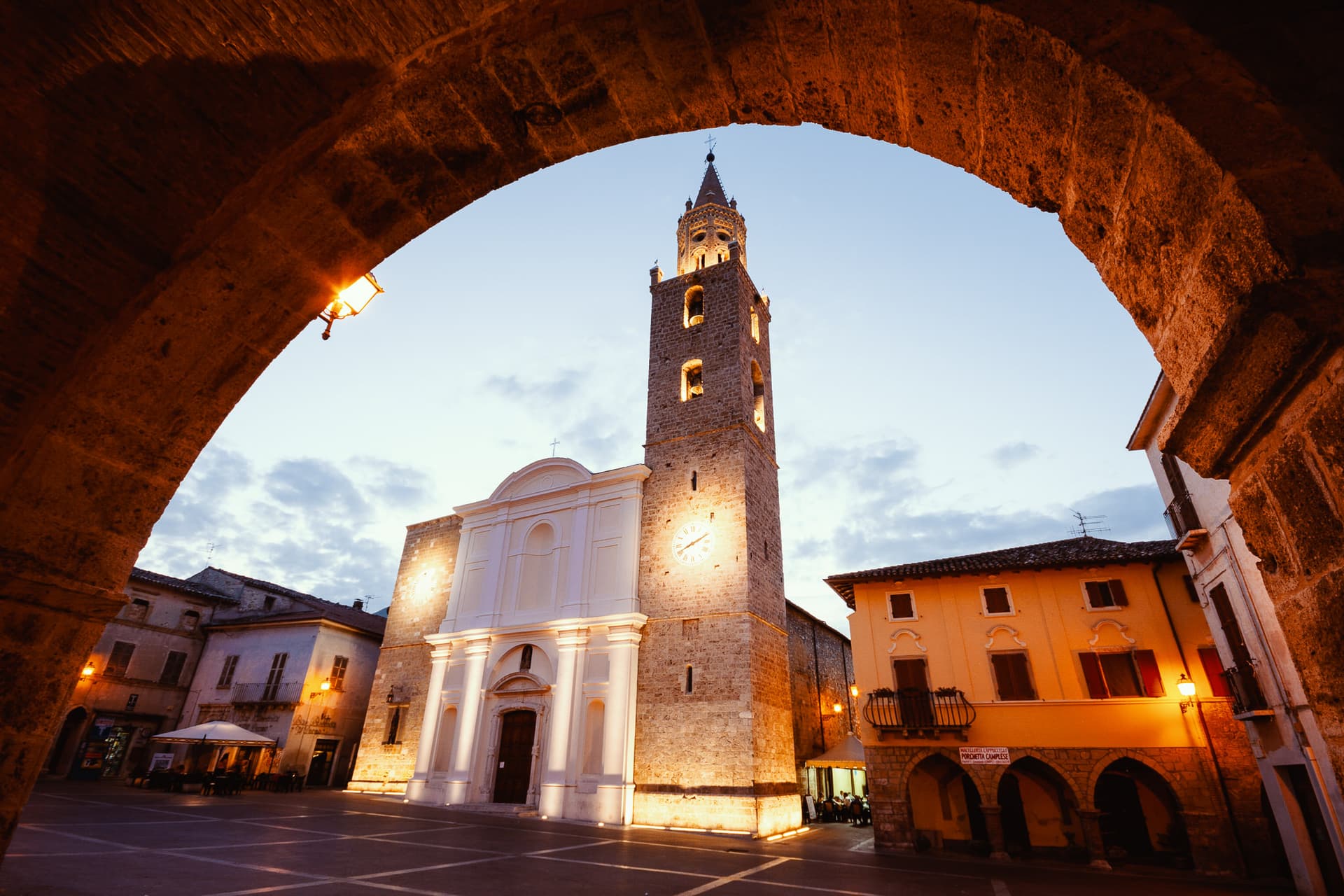
Campli's Scala Santa was built in 1776 next to the Church of San Paolo, twenty-eight steps in olive wood leading to a Sancta Sanctorum chapel; pilgrims still climb it on their knees. The Collegiate Church of Santa Maria in Platea has a 14th-century carved wooden ceiling and a Romanesque bell tower. The Palazzo Farnese (Palazzo del Parlamento) anchors the main square with a portico. Campli is also the home of the Sagra della Porchetta Italica, a porchetta tradition documented in the Roman decuriones and codified in the 1575 municipal statutes signed by Margherita d'Austria.
The Sunday letter
We haven’t written Campli’s letter yet.
One town every Sunday, with the photo, the food, the festa. Be there when this one comes up. Free, by Peter & Sophia from Pietrasanta.
By subscribing you agree to Substack’s Terms of Use, our Privacy Policy and our Information collection notice.
What to see
Scala Santa
Twenty-eight olive-wood steps next to the Church of San Paolo, built in 1776, granted plenary indulgence by Pope Clement XIV, climbed on the knees.
Collegiata di Santa Maria in Platea
14th-century collegiate church with a carved wooden ceiling, Romanesque bell tower, and frescoes from the Farnese period.
Palazzo Farnese (Palazzo del Parlamento)
Renaissance palazzo on the main square with magnificent portico, seat of the city government during two centuries of Farnese rule.
Chiesa di San Francesco d'Assisi
Franciscan church with adjoining cloister, founded in the 13th century, with frescoed chapels and a museum of religious art.
Casa dei Massei e Casa dello Speziale
Late-medieval and Renaissance houses in the centro storico, the Speziale once an apothecary, preserved as examples of urban Farnese-era architecture.
Necropoli di Campovalano
Italic necropolis at a frazione of Campli, with thousands of tombs from the 11th century BC to Roman times, finds in the National Archaeological Museum.
The slow-trip planner
Building a trip? Find where Campli fits in a slow Italy circuit.
Answer five questions. We will shape a geographically coherent slow trip from the 1,000 Italian towns most travelers skip. Yours to save and share.
Living here
- Population 6,560
- Commuter belti
- Pharmacy in town
- High school within a 30-minute drive
- Nearest airport Ancona / Pescara, 1 h 45 min drive
- Regional capital L'Aquila, 58 min drive
Tags & datadesignations · numbers · sources
Recognised as
The numbers
- Elevation: 393 m
- Population: 6,560
- Surface area: 73.43 km²
These figures were compiled from public directories — ISTAT, OpenStreetMap, Wikidata — and from the official listings of the guides named on this page. Town details change; verify with official sources before you travel.
Close by
More towns near Campli
Civitella del Tronto
Province: Teramo
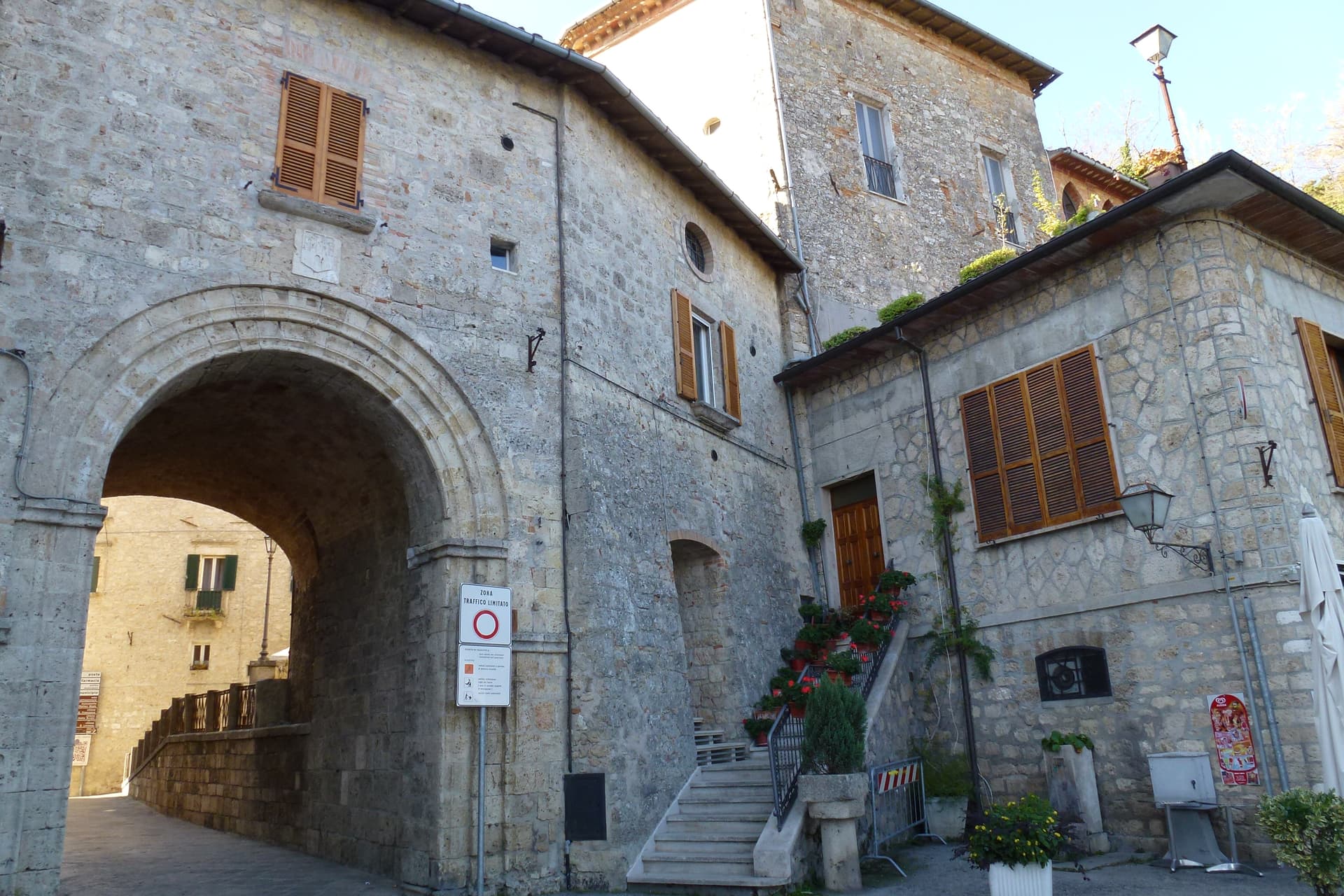
A rocky crest at 589 meters above the Tronto valley, crowned by the last Bourbon fortress to surrender to united Italy in March 1861.
Controguerra
Province: Teramo
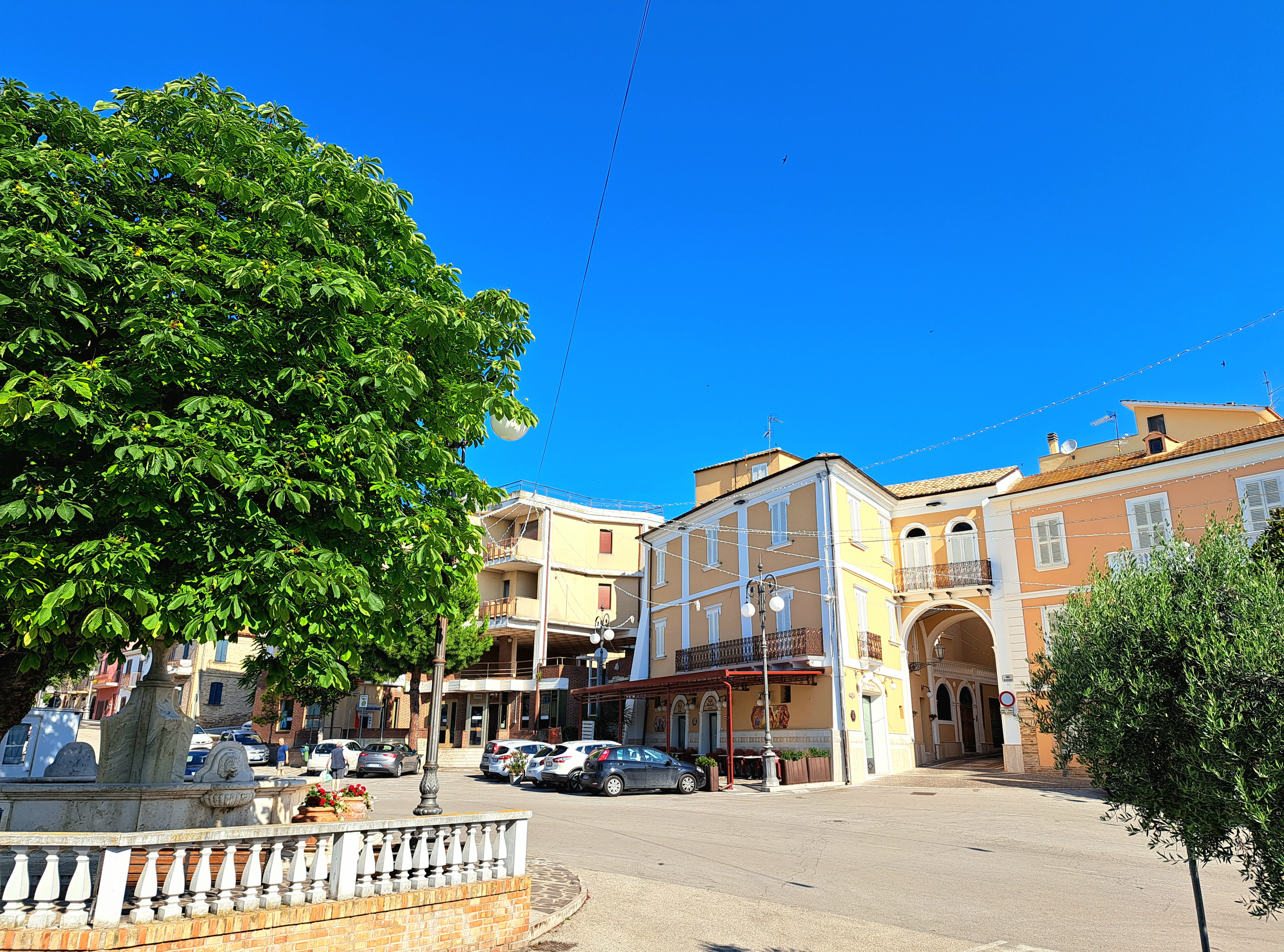
A 267-meter Val Vibrata wine village, seat of the Controguerra DOC since 1996, and a founding Cittaslow of the Teramo hills.
Roseto degli Abruzzi
Province: Teramo
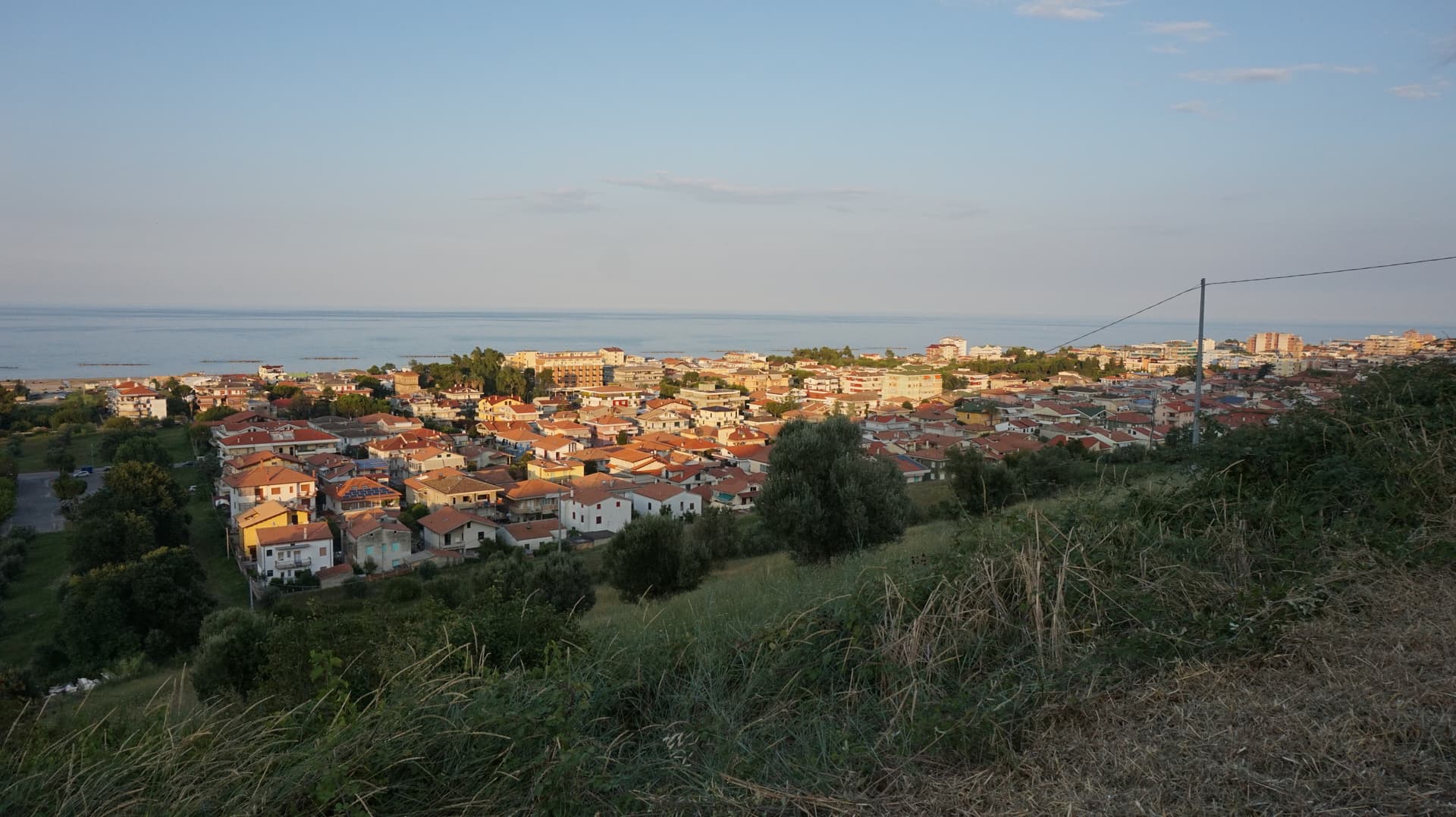
An Adriatic beach town of 25,500 with ten kilometers of low-rise sand, a hilltop frazione at 285 meters, and Blue Flags since 1995.
Giulianova
Province: Teramo
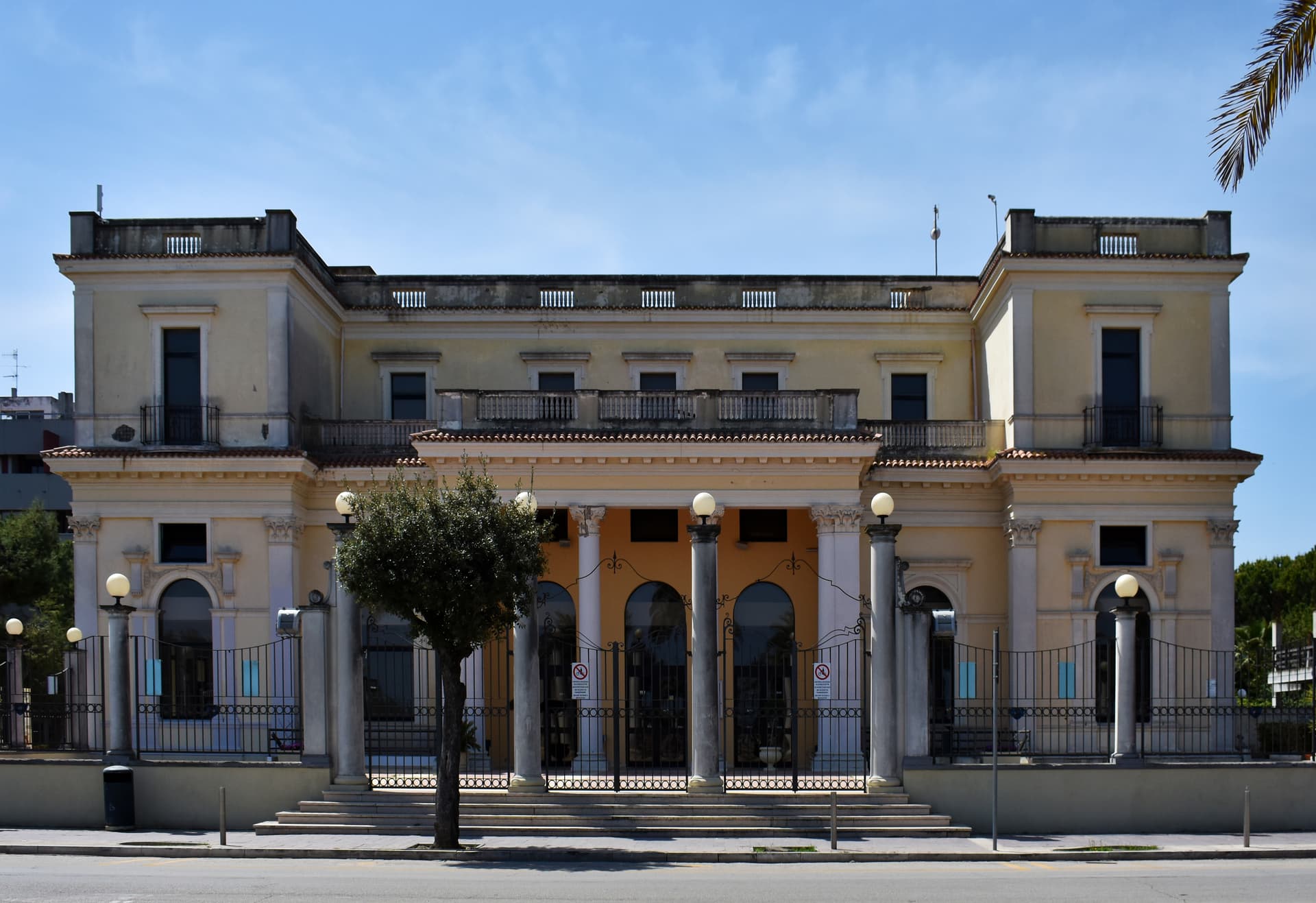
Coastal town split between hilltop Paese at 68 meters and the lido, rebuilt in 1471 as a Renaissance ideal city by Giulio Antonio Acquaviva.
Alba Adriatica
Province: Teramo
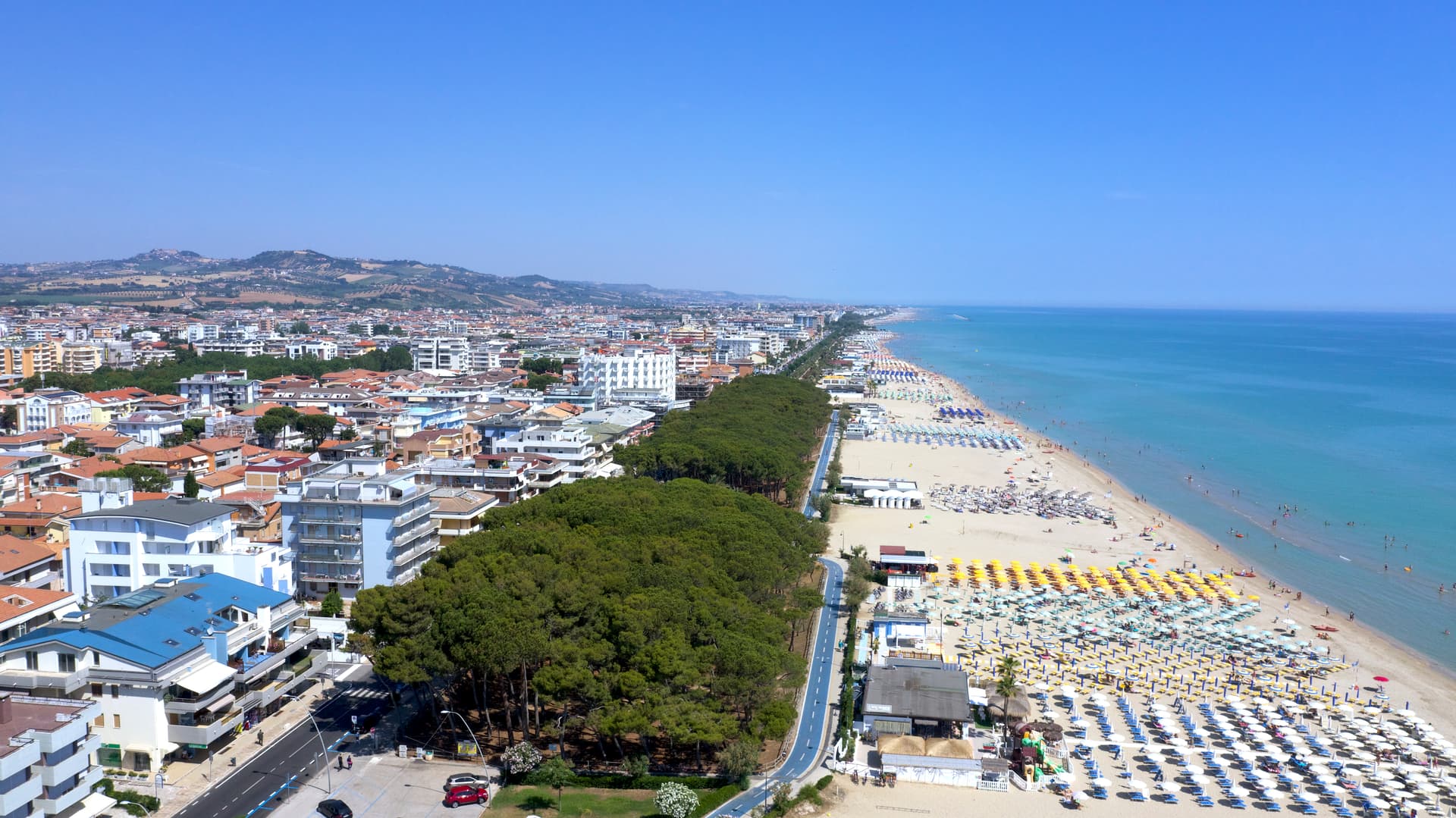
The northernmost of the Teramo coast's seven sisters, a 1956 spin-off from Tortoreto with a fine-sand beach known as the Spiaggia d'Argento.
🎨 Borghi più belli d'Italia
More Borghi più belli d'Italia towns in Abruzzo
Anversa degli Abruzzi
Province: L'Aquila
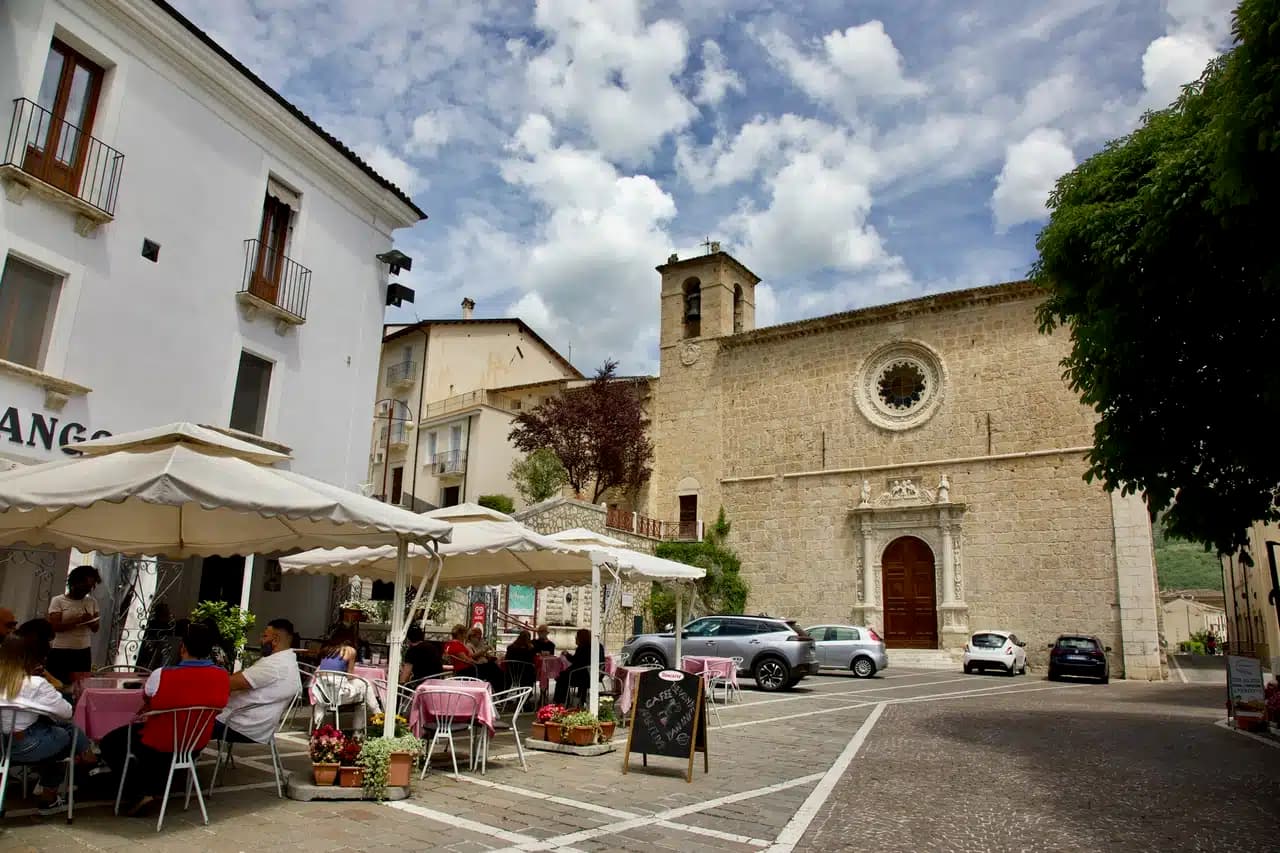
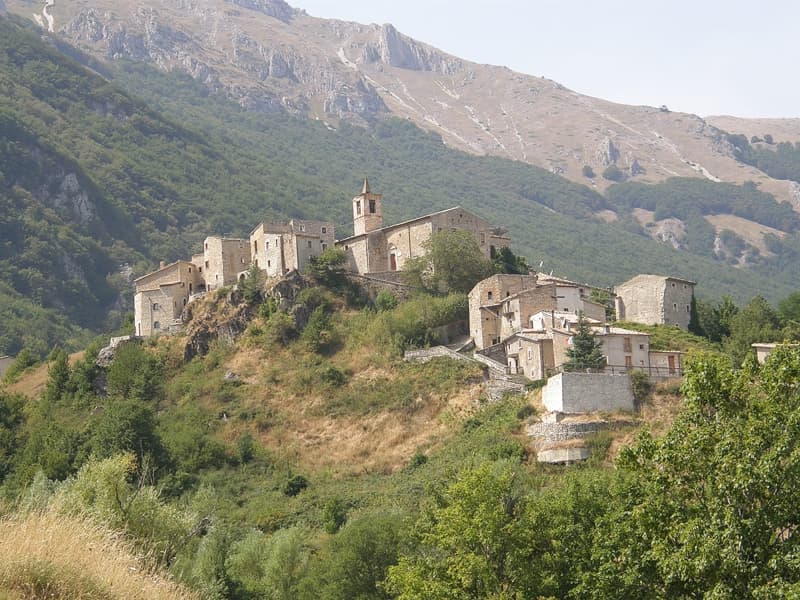
At 604 meters above the Sagittario Gorges, the cliff village where D'Annunzio set La Fiaccola sotto il moggio in 1905.
Caramanico Terme
Province: Pescara
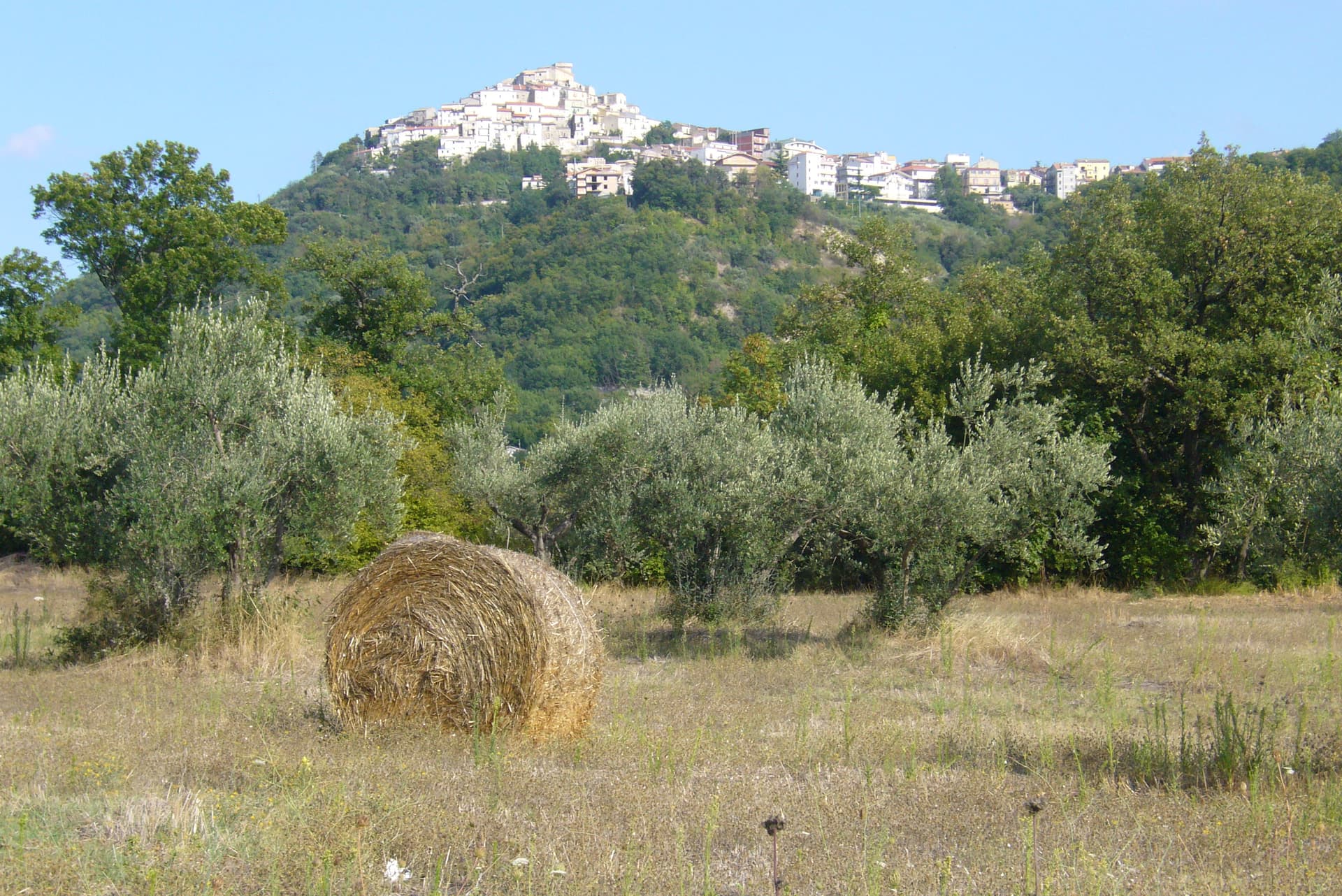
A 650-meter Majella spa village at the confluence of the Orfento and Orta, with sulphurous springs whose properties were documented in 1576.
Casoli
Province: Chieti
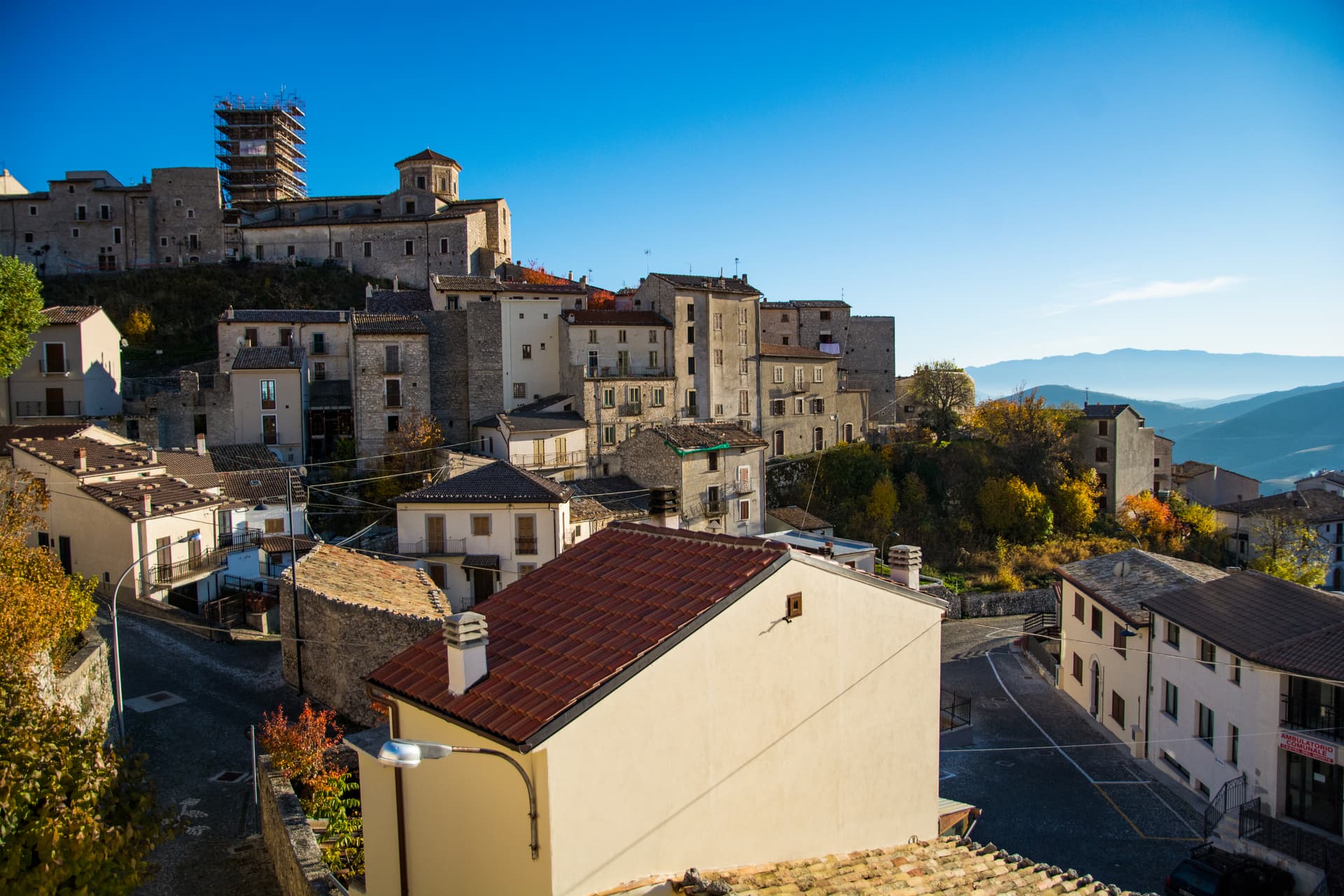
A 378-meter hill town above the Aventino under the Maiella, with a pentagonal Norman tower where Gabriele D'Annunzio held a Renaissance court of artists.
Castel del Monte
Province: L'Aquila
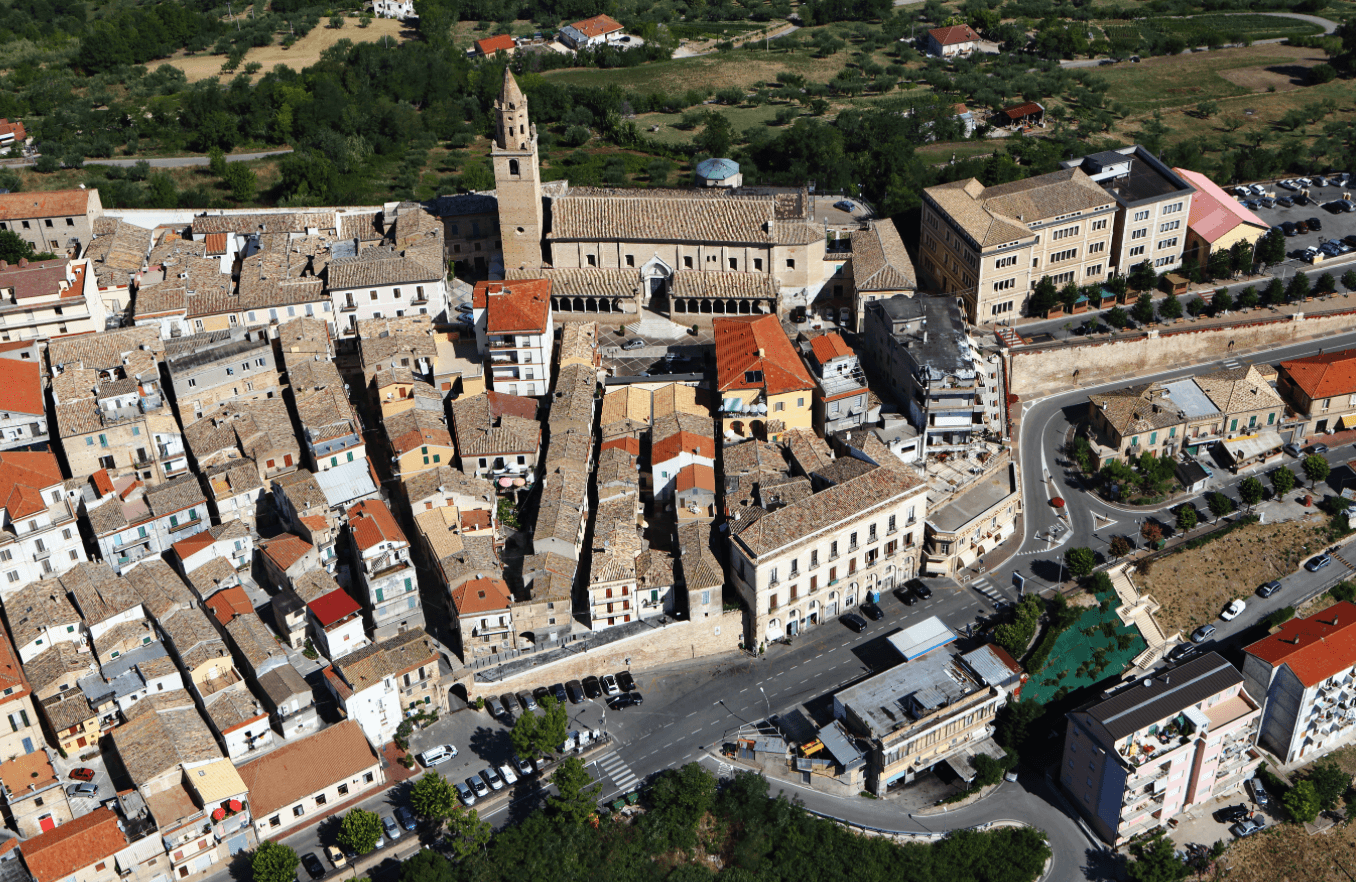
At 1,346 meters under Monte Bolza facing Rocca Calascio, the capital of shepherds, whose wool reached the Medici and whose witches return each August.
Città Sant'Angelo
Province: Pescara
A hilltop borgo at 320 meters between the Vestina hills and the Adriatic, named for the Archangel and known since 1352 as a Collegiata seat.