

Abruzzo · Pescara
Caramanico Terme
A 650-meter Majella spa village at the confluence of the Orfento and Orta, with sulphurous springs whose properties were documented in 1576.
Known for
SULPHUR SPRINGS
La Salute and Gisella springs, sulphurous mineral water documented since 1576, treating respiratory, skin and joint conditions.
VALLE DELL'ORFENTO
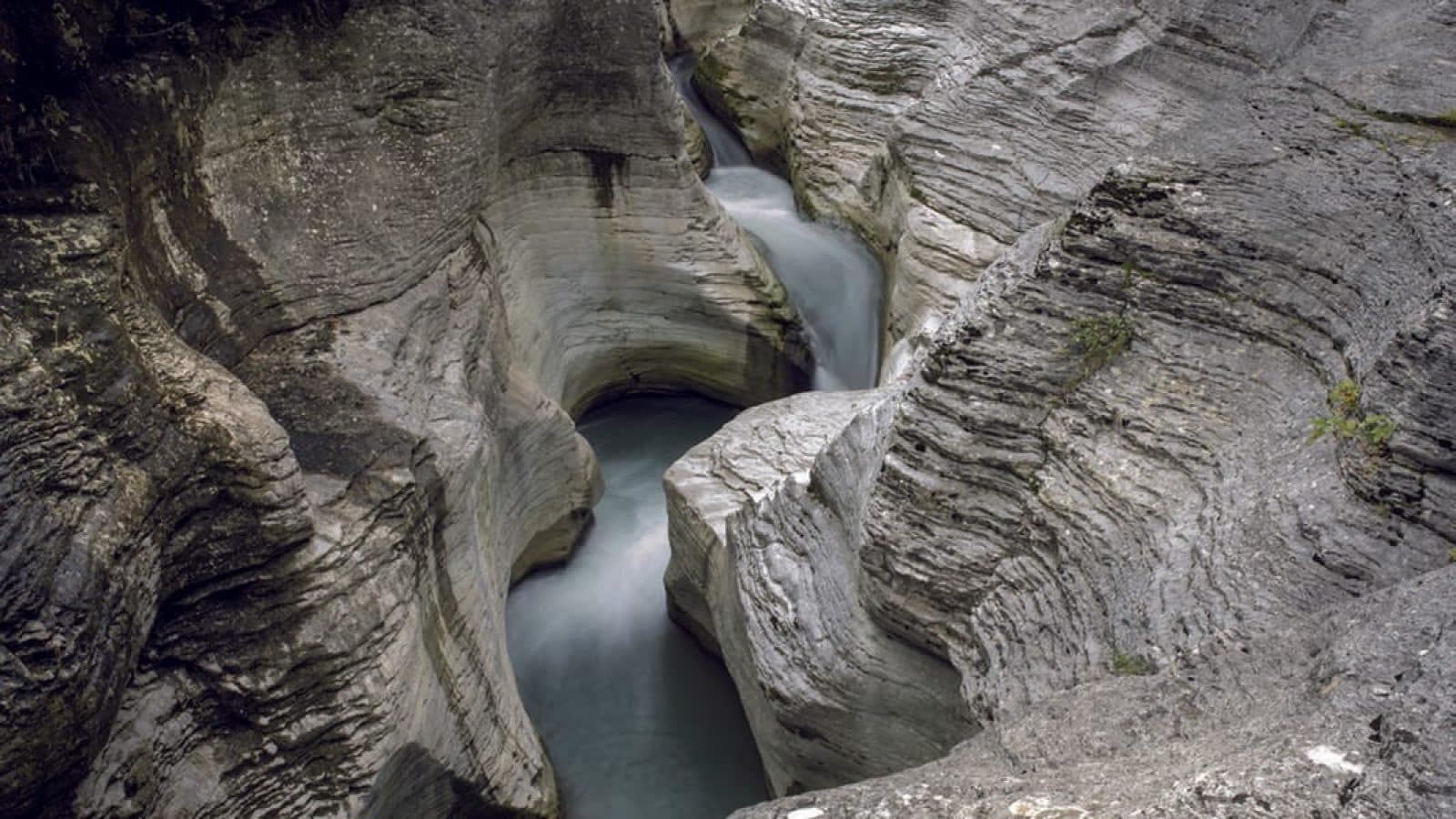
Deep beech-forest gorge cut into the Majella, the main hiking gateway into the park's western wall.
SAN TOMMASO BECKET
Unfinished 1202 abbey to Thomas of Canterbury five kilometers out of town, built over a ninth-century pieve.
When to visit
Best · All year
- J
- F
- M
- A
- M
- J
- J
- A
- S
- O
- N
- D
- Best
- Hot or crowded
- Quiet
- Mostly closed
Why come
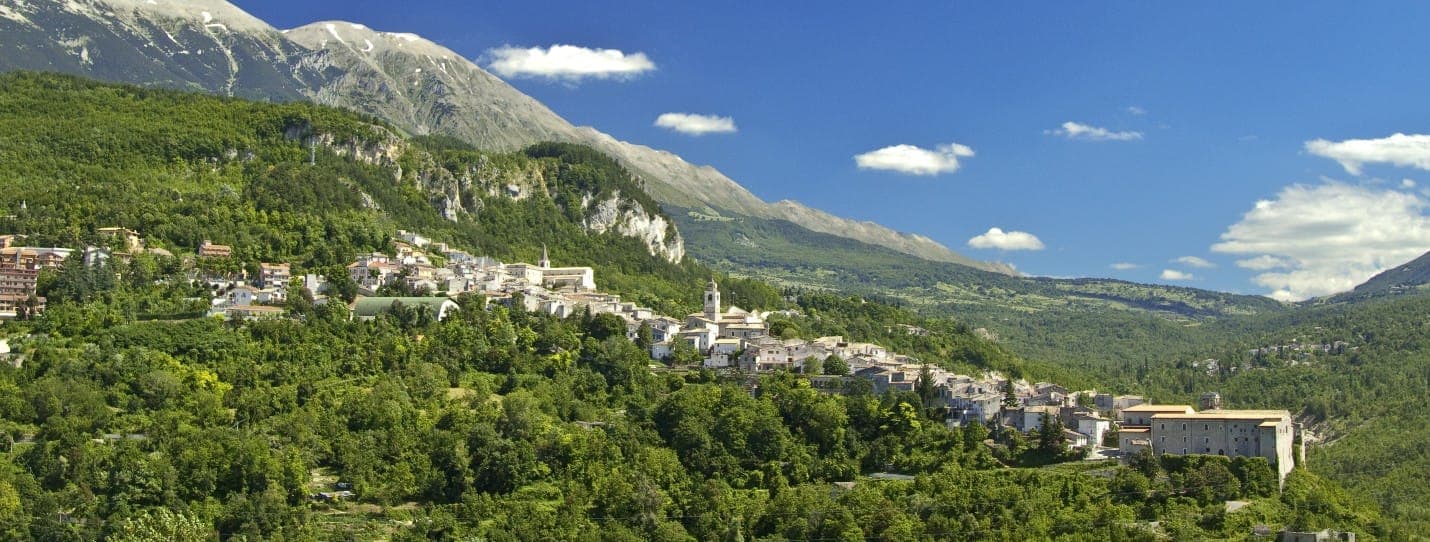
Caramanico Terme sits at 650 meters between Monte Morrone and the Majella, at the meeting of the Orfento and Orta rivers. The name carries the Lombard arimannia, a settled clan of the late Middle Ages; the town grew under the D'Aquino family in the fourteenth and fifteenth centuries, when the main religious buildings went up. Terme was added to the name in 1960, recognising what had been known and used since at least 1576, when the first chemical analyses of the local waters were recorded.
The two main springs, La Salute and Gisella, feed sulphurous mineral water used for respiratory, skin and joint complaints. Five kilometers out of the village stands the unfinished abbey of San Tommaso Becket, started in 1202 in honour of Thomas of Canterbury, built over a ninth-century pieve. The Valle dell'Orfento behind the village, cut deep into the Majella's western wall, is one of the central Apennines' most spectacular gorges.
The Sunday letter
We haven’t written Caramanico Terme’s letter yet.
One town every Sunday, with the photo, the food, the festa. Be there when this one comes up. Free, by Peter & Sophia from Pietrasanta.
By subscribing you agree to Substack’s Terms of Use, our Privacy Policy and our Information collection notice.
What to see
Abbazia di San Tommaso Becket
Unfinished Romanesque abbey started in 1202 in honour of Thomas of Canterbury, built five kilometers from the centre over a ninth-century pieve.
Chiesa di Santa Maria Maggiore
Fifteenth-century church with a Gothic exterior and an ogival portal showing the Coronation of the Virgin dated 1476.
Terme di Caramanico
Spa complex with two springs (La Salute, Gisella), sulphurous water for respiratory, ENT, skin and joint treatments, in use since 1576.
Valle dell'Orfento
Deep gorge cut into the Majella's western wall behind the village, with marked trails through beech forest and the river below.
Chiesa di San Domenico
Smaller centro-storico church with a pointed-arch doorway, on the route down the village toward the valley floor.
Centro storico
Hilltop medieval core above the spa, with the D'Aquino-era street layout intact and views back toward Monte Morrone.
The slow-trip planner
Building a trip? Find where Caramanico Terme fits in a slow Italy circuit.
Answer five questions. We will shape a geographically coherent slow trip from the 1,000 Italian towns most travelers skip. Yours to save and share.
Living here
- Population 1,779
- Off the beaten pathi
- Pharmacy in town
- Nearest high school over ~30 minutes away
- Nearest airport Ancona / Pescara, 2 h 36 min drive
- Regional capital L'Aquila, 1 h 52 min drive
This is a thermal town — terme operate here.
Tags & datadesignations · numbers · sources
The numbers
- Elevation: 650 m
- Population: 1,779
- Surface area: 84.99 km²
These figures were compiled from public directories — ISTAT, OpenStreetMap, Wikidata — and from the official listings of the guides named on this page. Town details change; verify with official sources before you travel.
Close by
More towns near Caramanico Terme
Pacentro
Province: L'Aquila
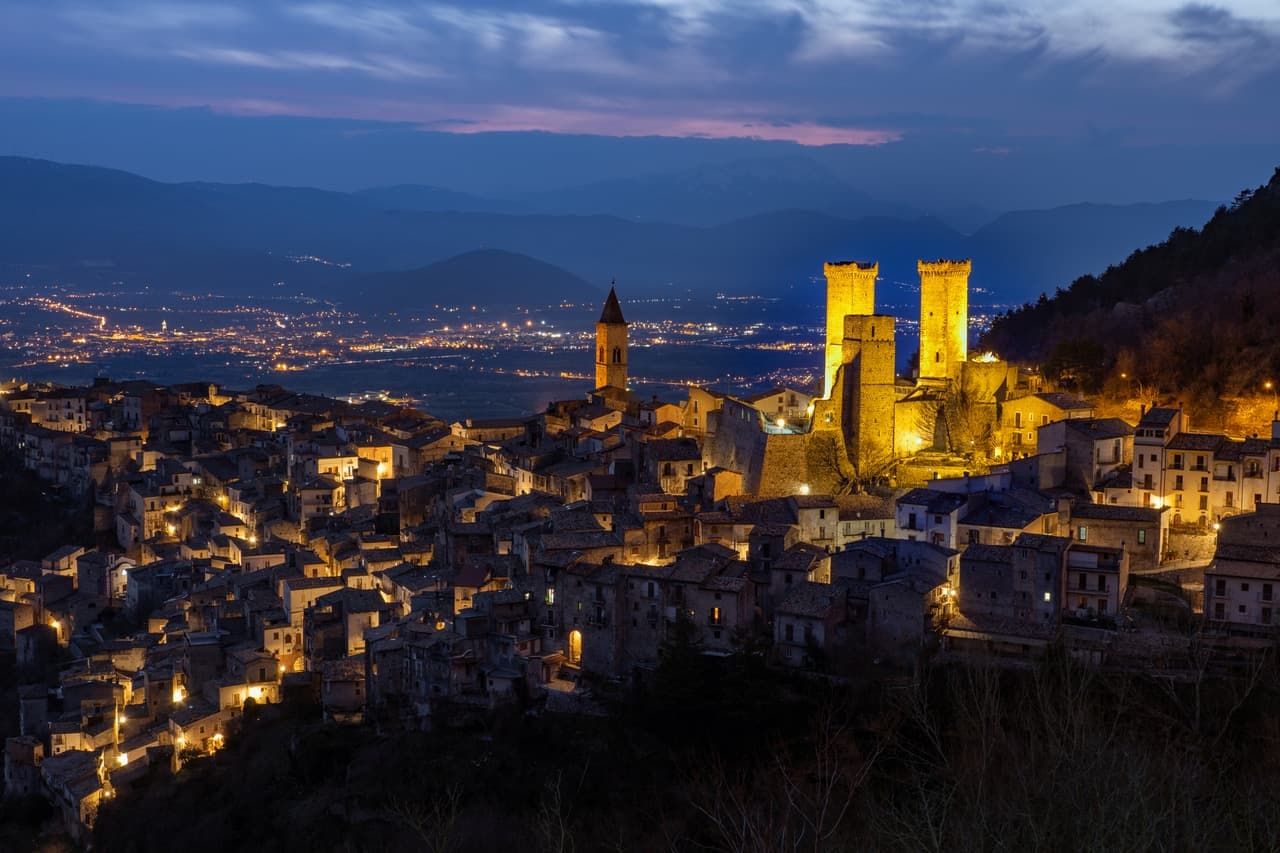
A medieval village at 650 meters under the Caldora castle towers, where every September a barefoot race honors a Madonna and a pop singer's grandparents.
Roccamorice
Province: Pescara
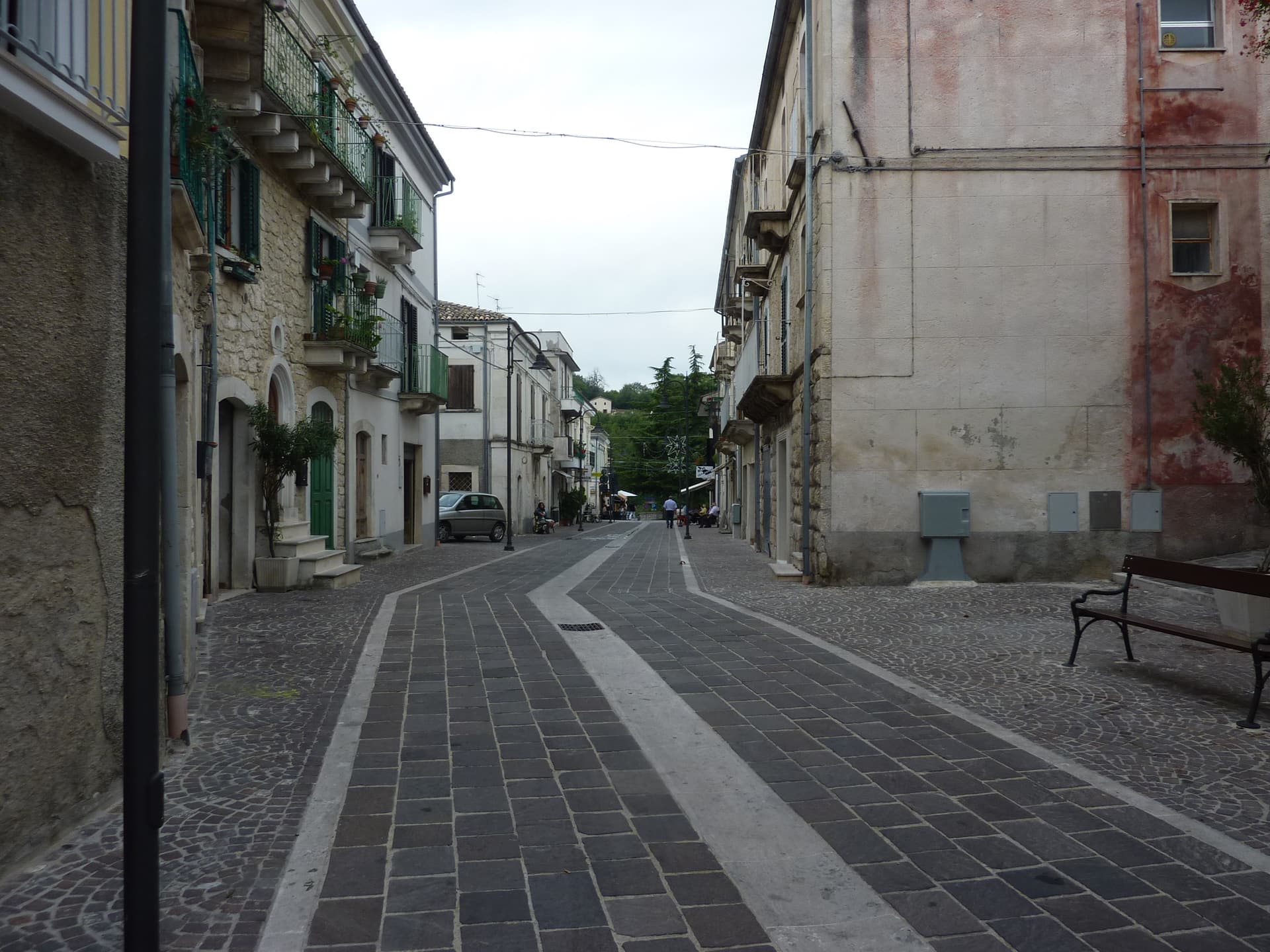
A village at 520 meters in the Majella foothills, gateway to the rock-cut hermitages where Pietro da Morrone lived before becoming Pope Celestine V.
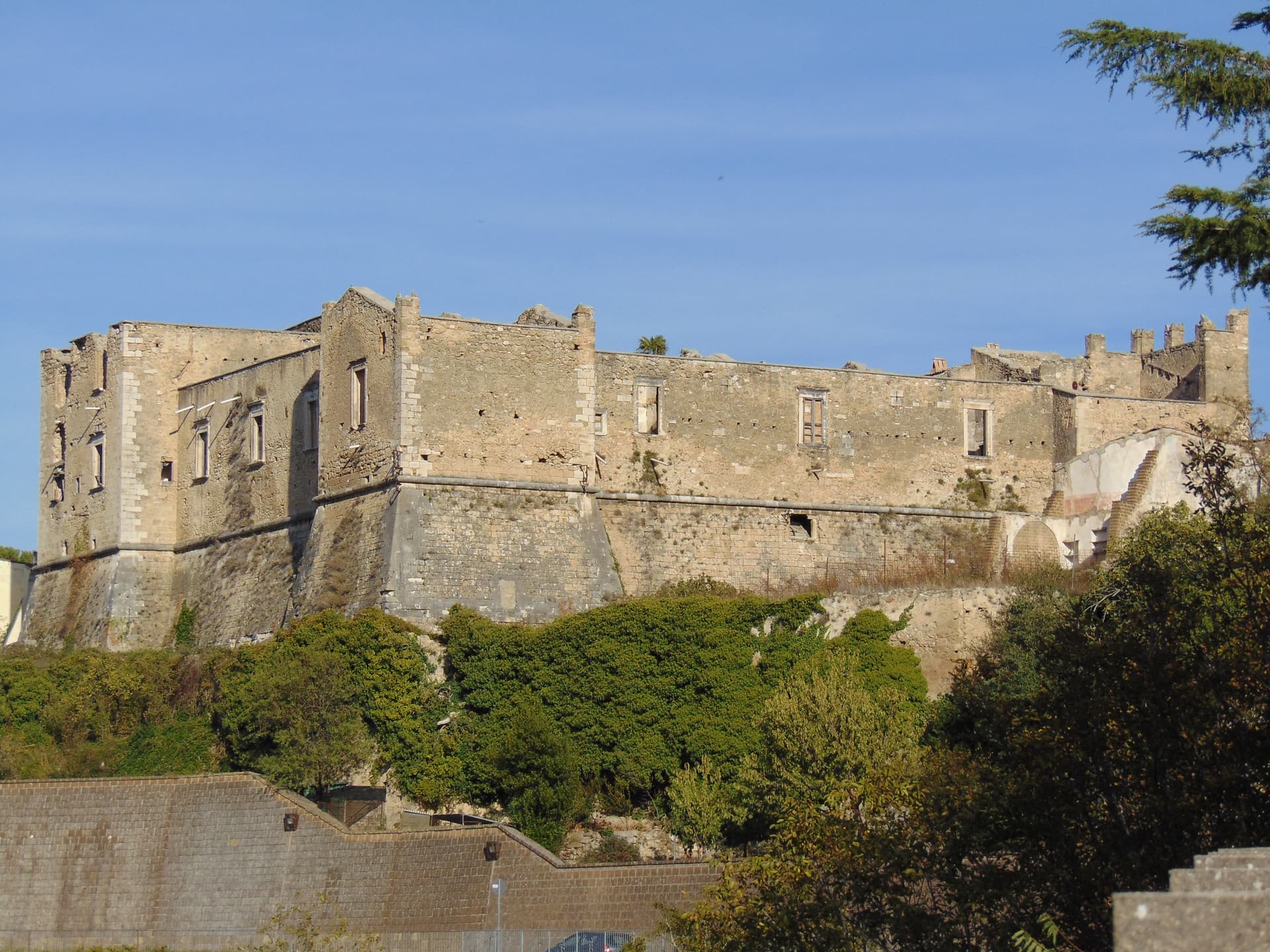
Tocco da Casauria
Province: Pescara
A 356-meter hill town between the Pescara river and the Maiella, built around a Carolingian abbey and an herb liqueur called Centerba.
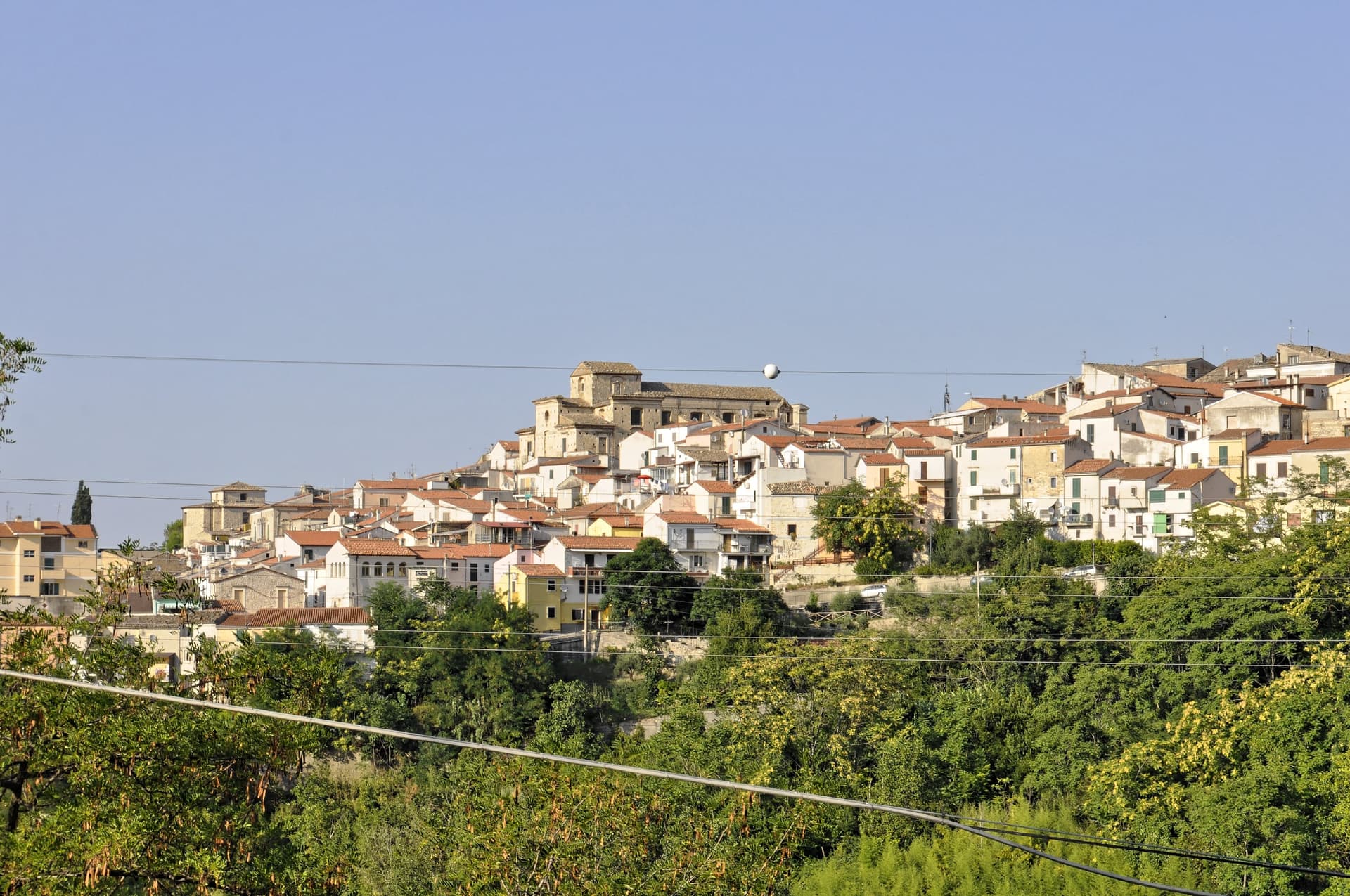
Manoppello
Province: Pescara
A hill town at 257 meters above the Pescara river, custodian since 1620 of the byssus veil known as the Volto Santo.
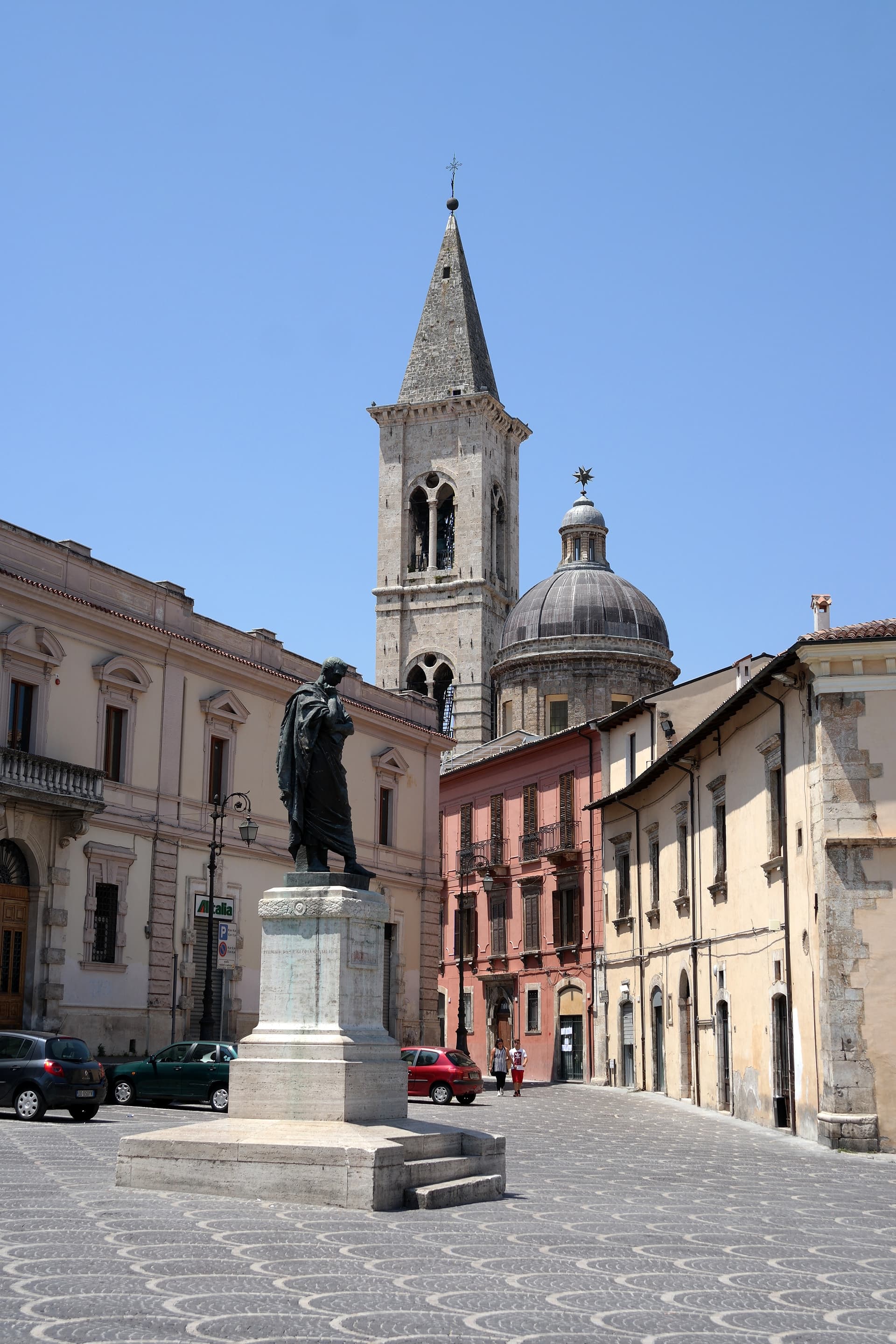
Sulmona
Province: L'Aquila
At 405 meters in the Valle Peligna, birthplace of Ovid in 43 BC and home of the sugared-almond confetti industry since the 14th century.
🎨 Borghi più belli d'Italia
More Borghi più belli d'Italia towns in Abruzzo
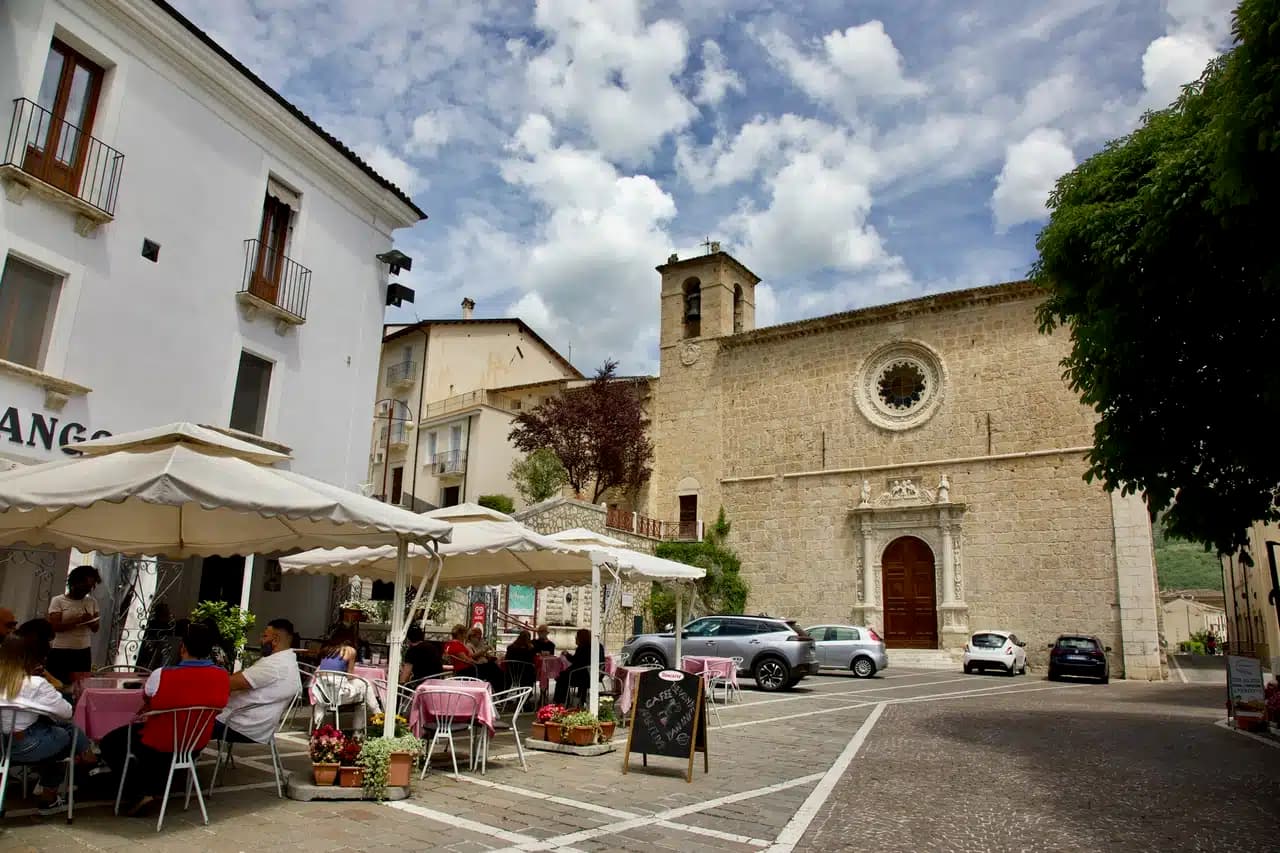
Anversa degli Abruzzi
Province: L'Aquila
At 604 meters above the Sagittario Gorges, the cliff village where D'Annunzio set La Fiaccola sotto il moggio in 1905.
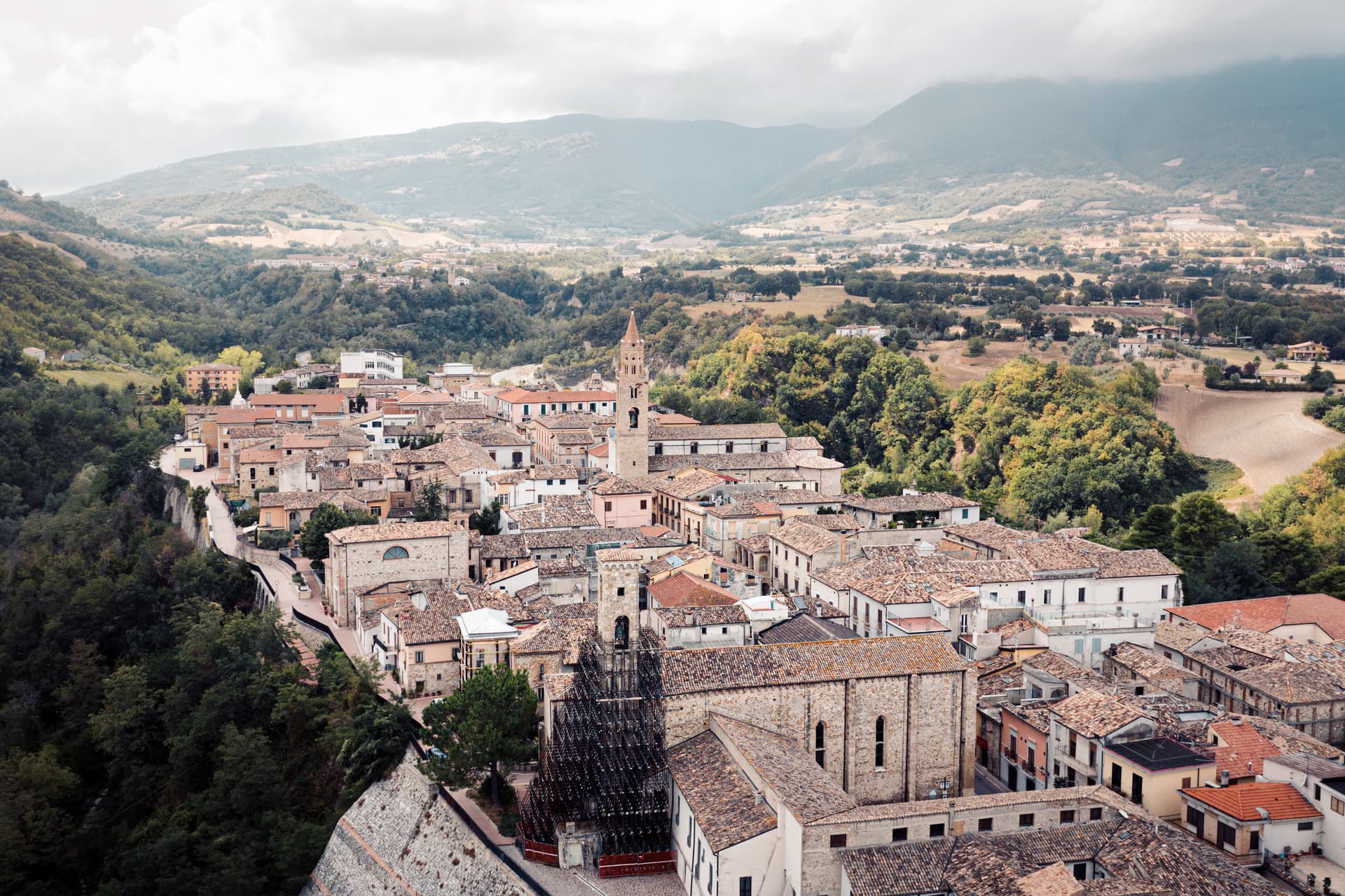
Campli
Province: Teramo
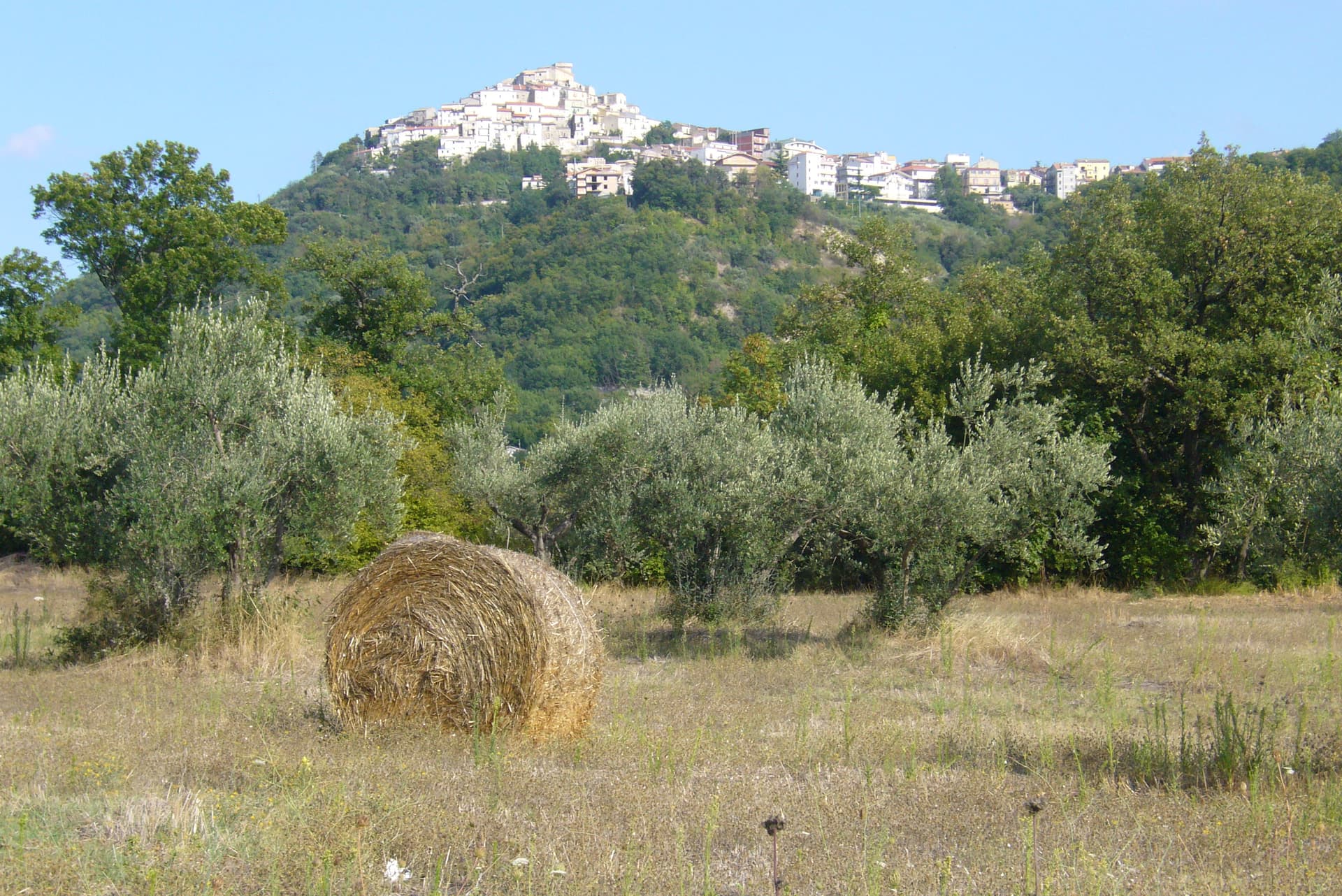
A 393-meter town under the Monti della Laga, held by the Farnese for two centuries, with a Scala Santa carrying papal indulgence.
Casoli
Province: Chieti
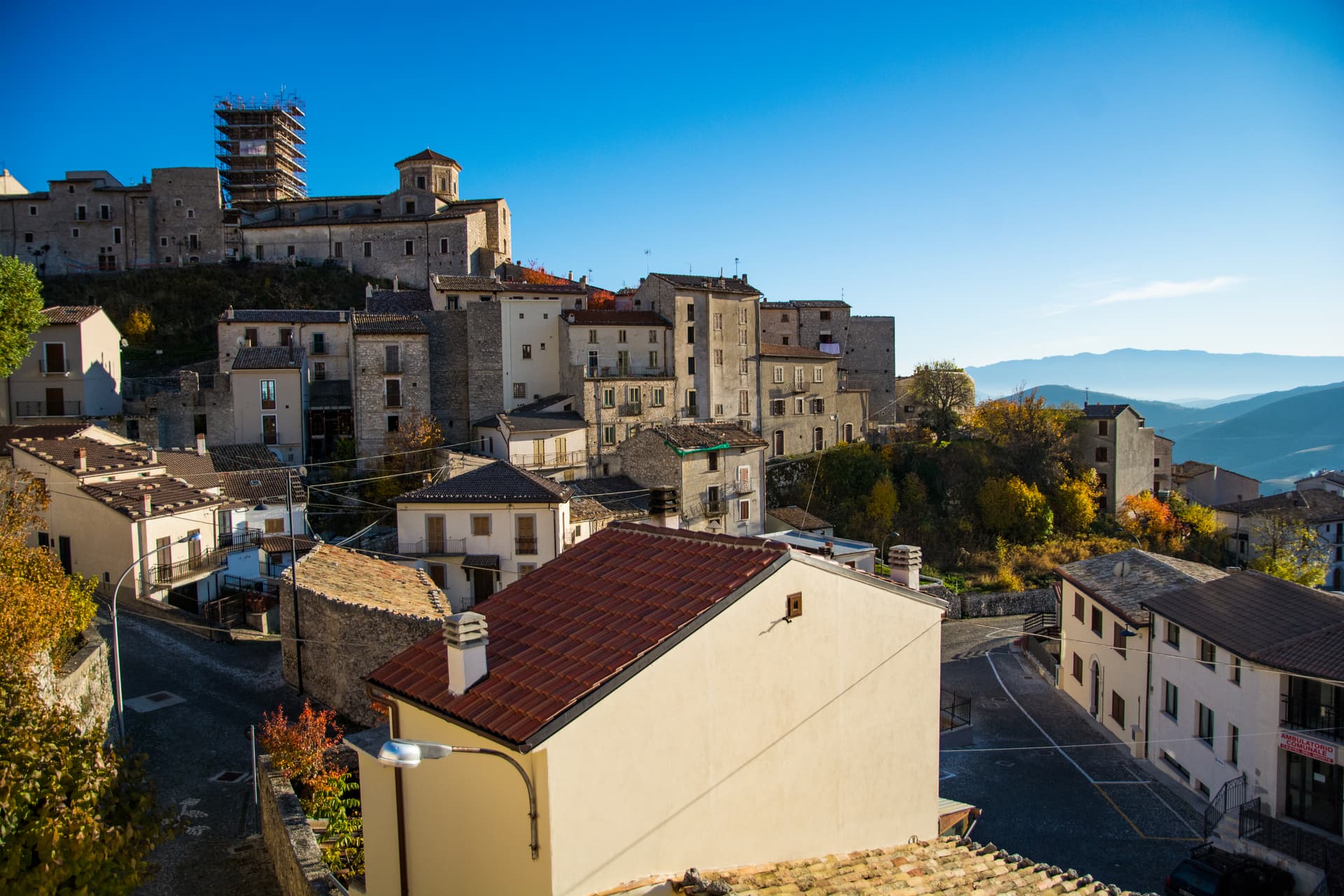
A 378-meter hill town above the Aventino under the Maiella, with a pentagonal Norman tower where Gabriele D'Annunzio held a Renaissance court of artists.
Castel del Monte
Province: L'Aquila
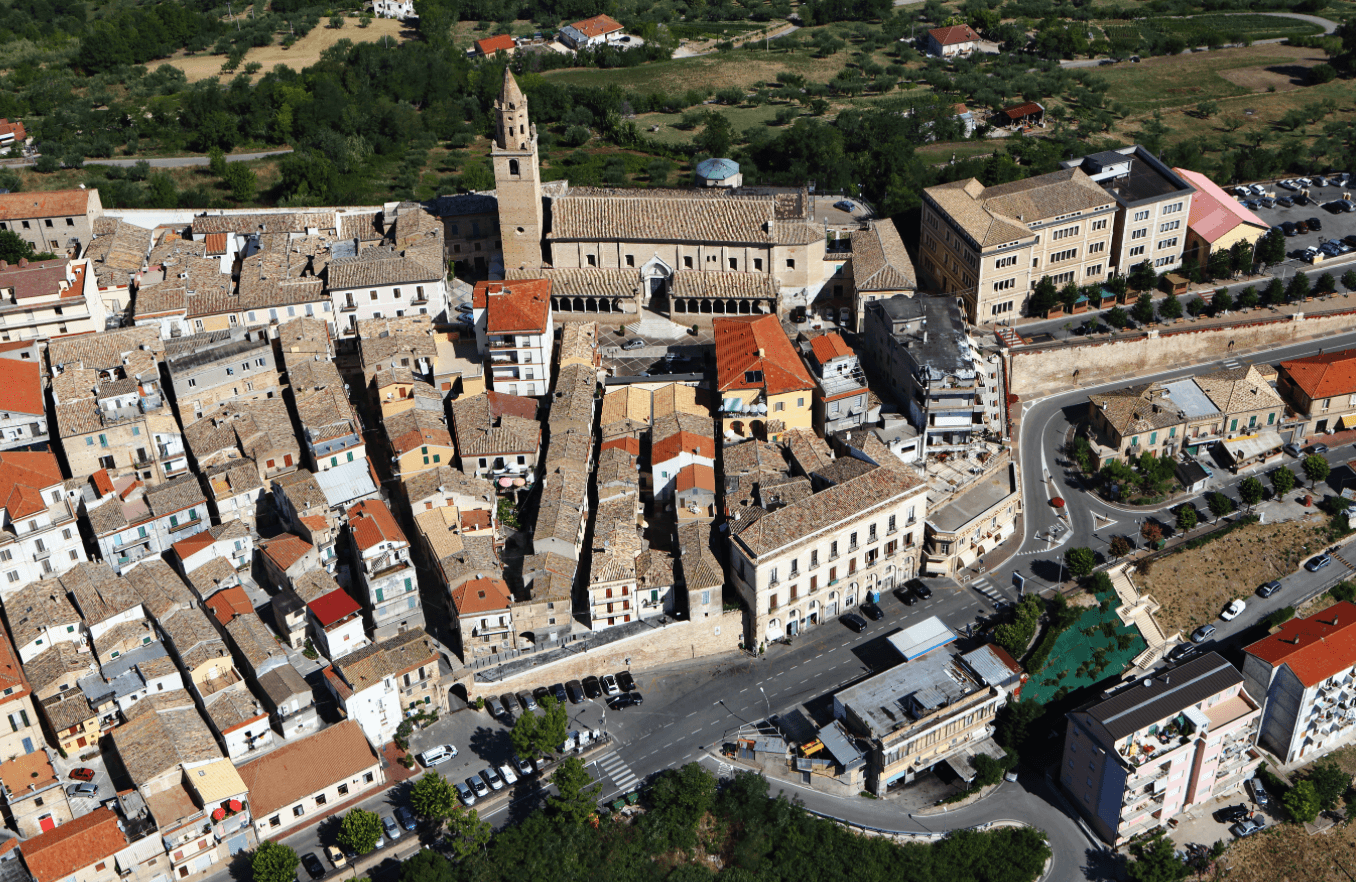
At 1,346 meters under Monte Bolza facing Rocca Calascio, the capital of shepherds, whose wool reached the Medici and whose witches return each August.
Città Sant'Angelo
Province: Pescara
A hilltop borgo at 320 meters between the Vestina hills and the Adriatic, named for the Archangel and known since 1352 as a Collegiata seat.