

Umbria · Perugia
Scheggino
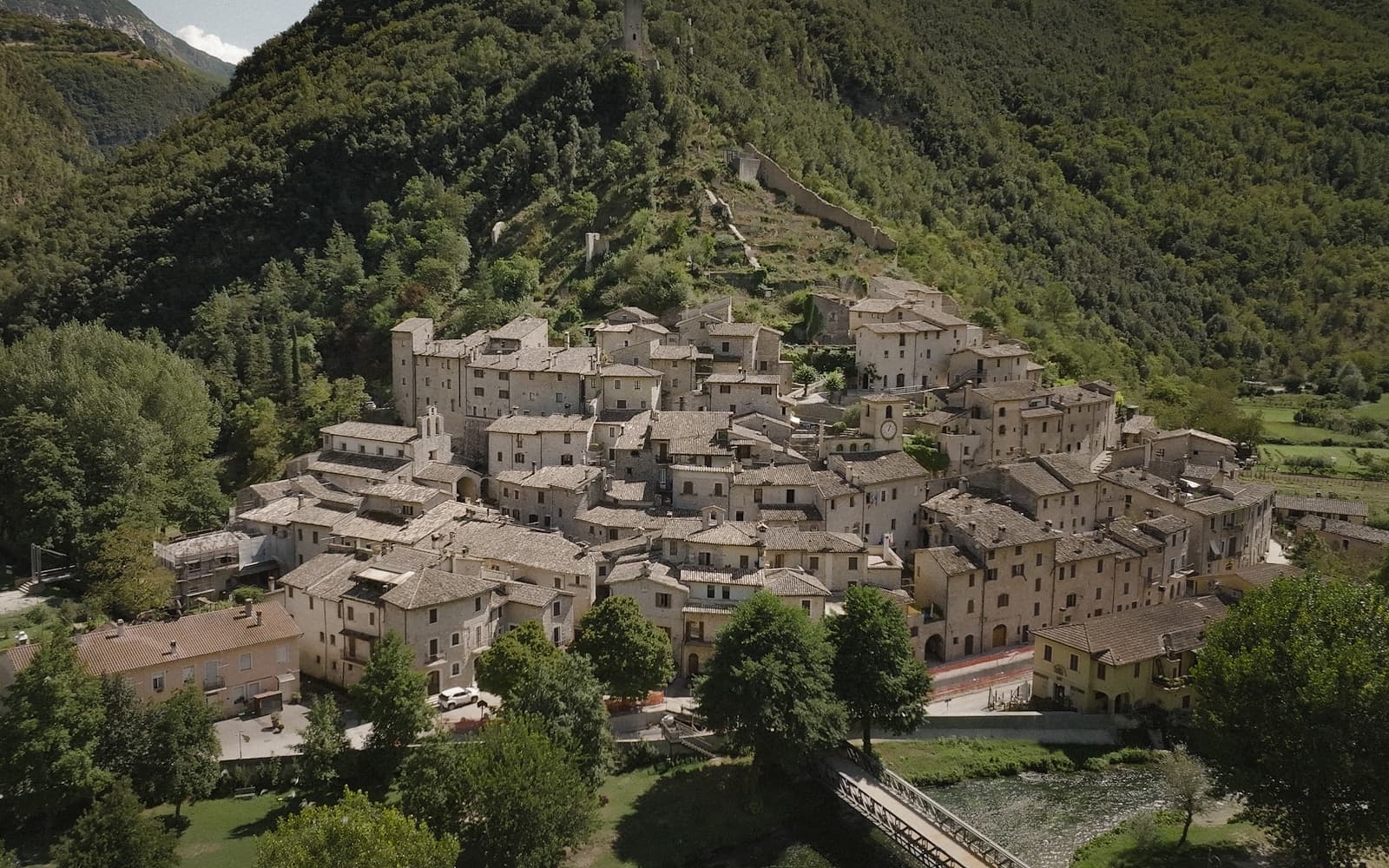
Triangular castle village on the banks of the Nera, where the first commercial Italian truffle company was founded in 1928.
Known for
BLACK TRUFFLE
Urbani Tartufi, the first Italian commercial truffle company, was founded in Scheggino in 1928; black truffle of the Valnerina is the village specialty.
TRIANGULAR CASTLE
Twelfth-century plan, three walls meeting at the tower, built by the Duchy of Spoleto to guard one of three bridges over the Nera.
DIAMANTE NERO
Summer festival prepares a giant frittata of more than 2,000 eggs and 80 kilos of black truffle on the banks of the Nera.
When to visit
Best · Apr–Oct
- J
- F
- M
- A
- M
- J
- J
- A
- S
- O
- N
- D
- Best
- Hot or crowded
- Quiet
- Mostly closed
Why come
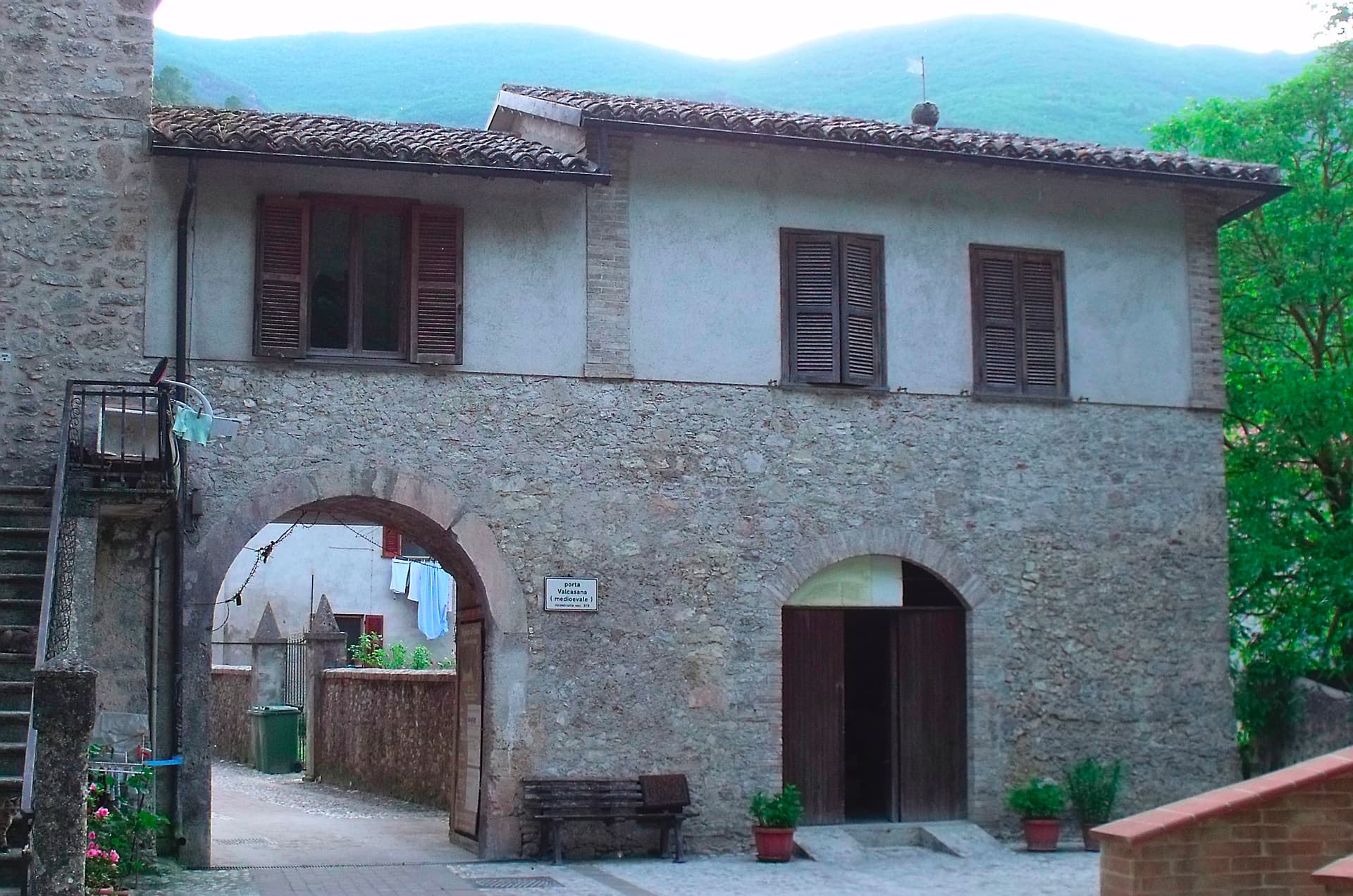
Scheggino sits in the heart of the Valnerina, the village wedged into a triangle of walls between the slope above and the Nera river below. The Duchy of Spoleto built it around the 12th century to defend one of the three bridges over the Nera; the triangular plan and the watchtower of white and pink stone, about 20 meters high, still mark the top of the castle. The Nera runs alongside the lower edge of the village, divided into channels that once turned mills and now hold trout and the springs that feed the truffle washing rooms.
Scheggino is the home of Urbani Tartufi, the first commercial company for the storage and processing of truffle, founded in 1928, which still has its plant on the river. The Diamante Nero festival each summer prepares a giant frittata with more than 2,000 eggs and 80 kilos of black truffle. The Cammino di San Francesco passes through the village on the way south.
The Sunday letter
We haven’t written Scheggino’s letter yet.
One town every Sunday, with the photo, the food, the festa. Be there when this one comes up. Free, by Peter & Sophia from Pietrasanta.
By subscribing you agree to Substack’s Terms of Use, our Privacy Policy and our Information collection notice.
What to see
Castello di Scheggino
Twelfth-century triangular castle of the Duchy of Spoleto, with a watchtower in white and pink stone about 20 meters high at the summit.
Chiesa di San Nicola
Romanesque parish church at the heart of the centro storico, frescoes of the Umbrian school of the 15th century in the apse.
Nera river canals
Channels of the Nera divided through the lower village, once for mills and now for trout farming and the truffle washing rooms of Urbani.
Cammino di San Francesco
The Franciscan pilgrim route from La Verna to Assisi and on to Rome passes through Scheggino along the Nera.
The slow-trip planner
Building a trip? Find where Scheggino fits in a slow Italy circuit.
Answer five questions. We will shape a geographically coherent slow trip from the 1,000 Italian towns most travelers skip. Yours to save and share.
Living here
- Population 446
- Commuter belti
- Pharmacy in town
- Nearest high school over ~30 minutes away
- Nearest airport Ancona / Pescara, 2 h 15 min drive
- Regional capital Perugia, 1 h 14 min drive
Tags & datadesignations · numbers · sources
The numbers
- Elevation: 280 m
- Population: 446
- Surface area: 35.85 km²
These figures were compiled from public directories — ISTAT, OpenStreetMap, Wikidata — and from the official listings of the guides named on this page. Town details change; verify with official sources before you travel.
Close by
More towns near Scheggino
Vallo di Nera
Province: Perugia
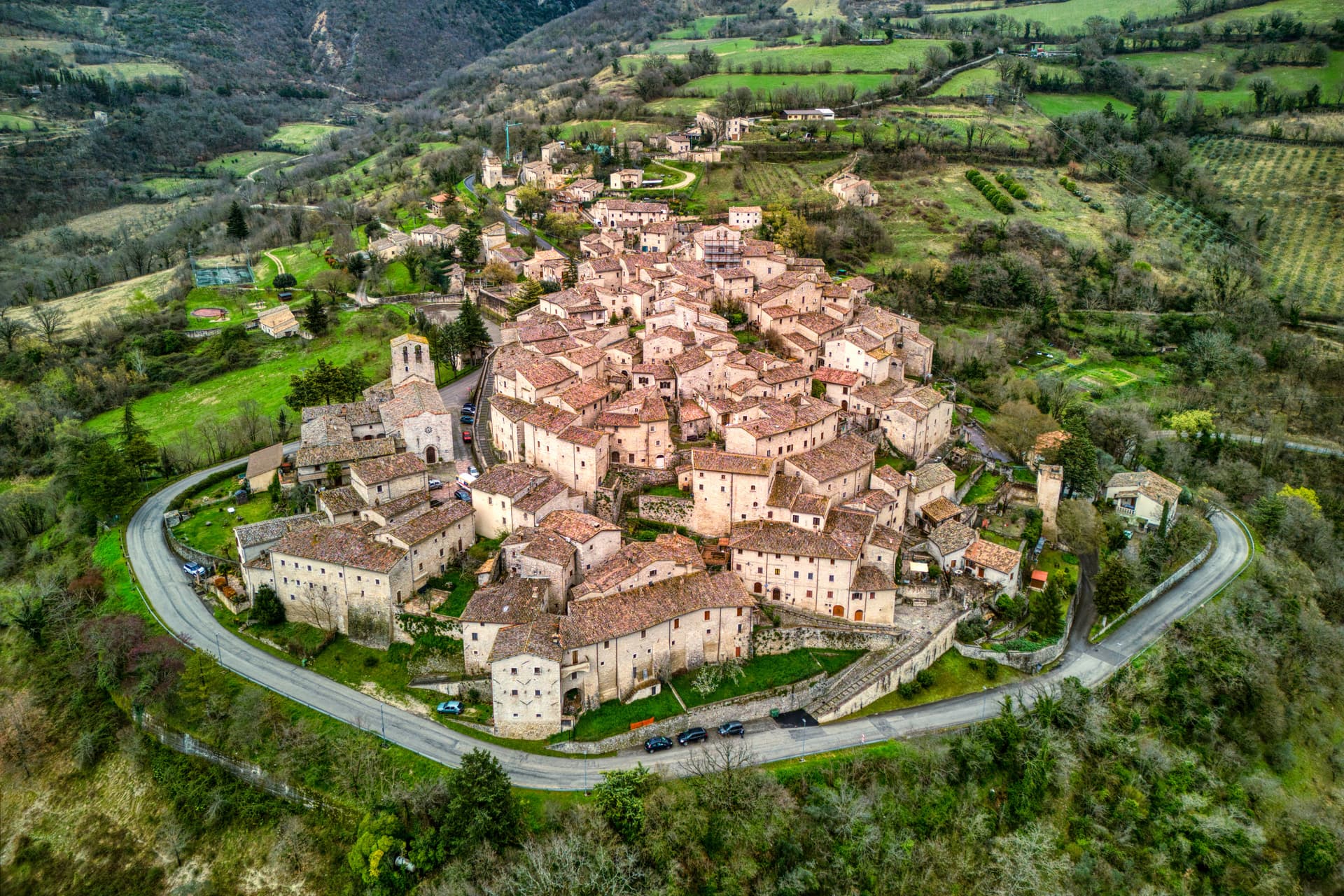
Castle village of 345 people at 467 meters in the upper Valnerina, granted by Spoleto in 1217 and barely changed since.
Spoleto
Province: Perugia
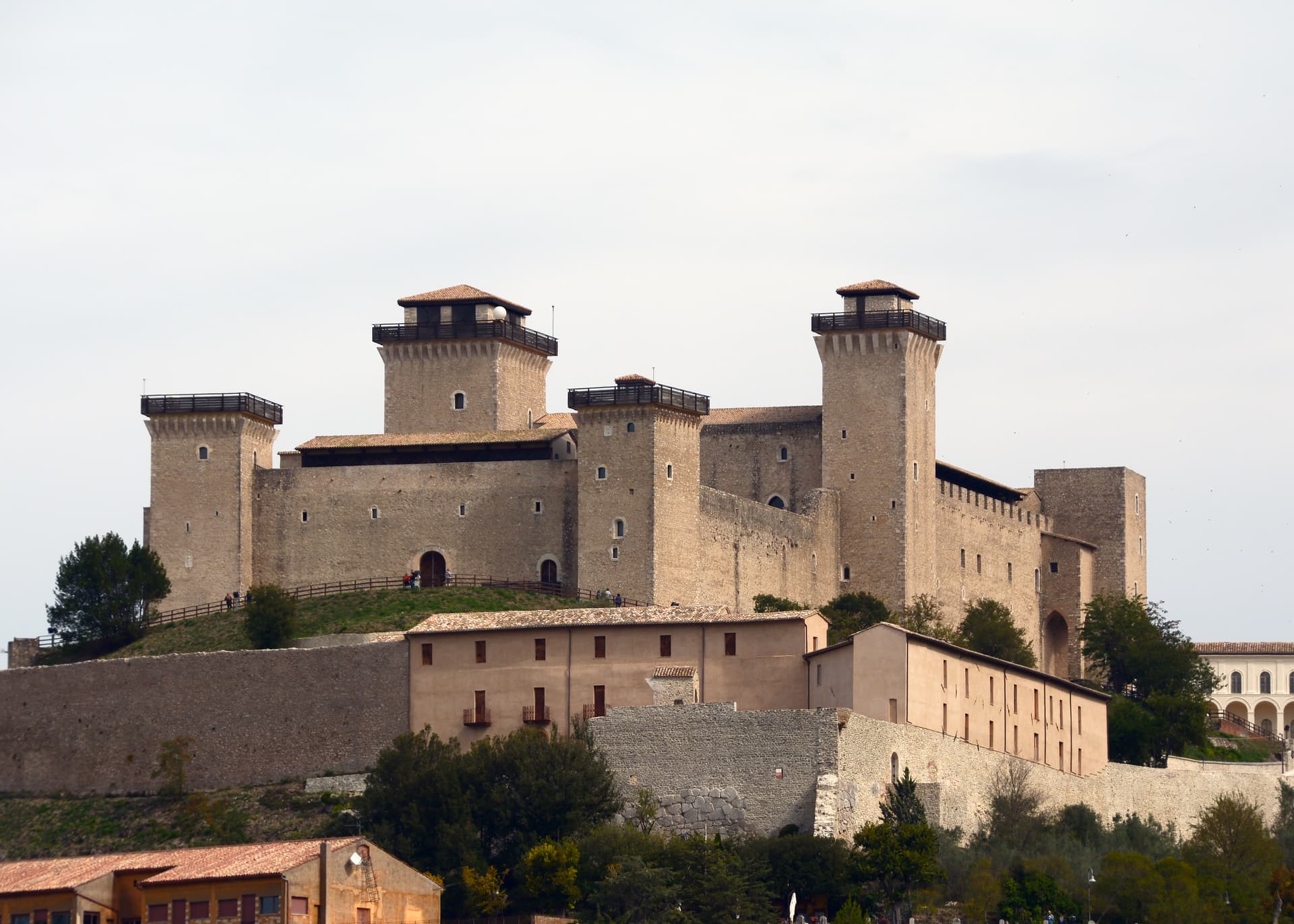
Lombard ducal capital at 396 meters under the Rocca Albornoziana, where a 230-meter aqueduct bridge crosses to Monteluco and Menotti founded the Festival in 1958.
Trevi
Province: Perugia
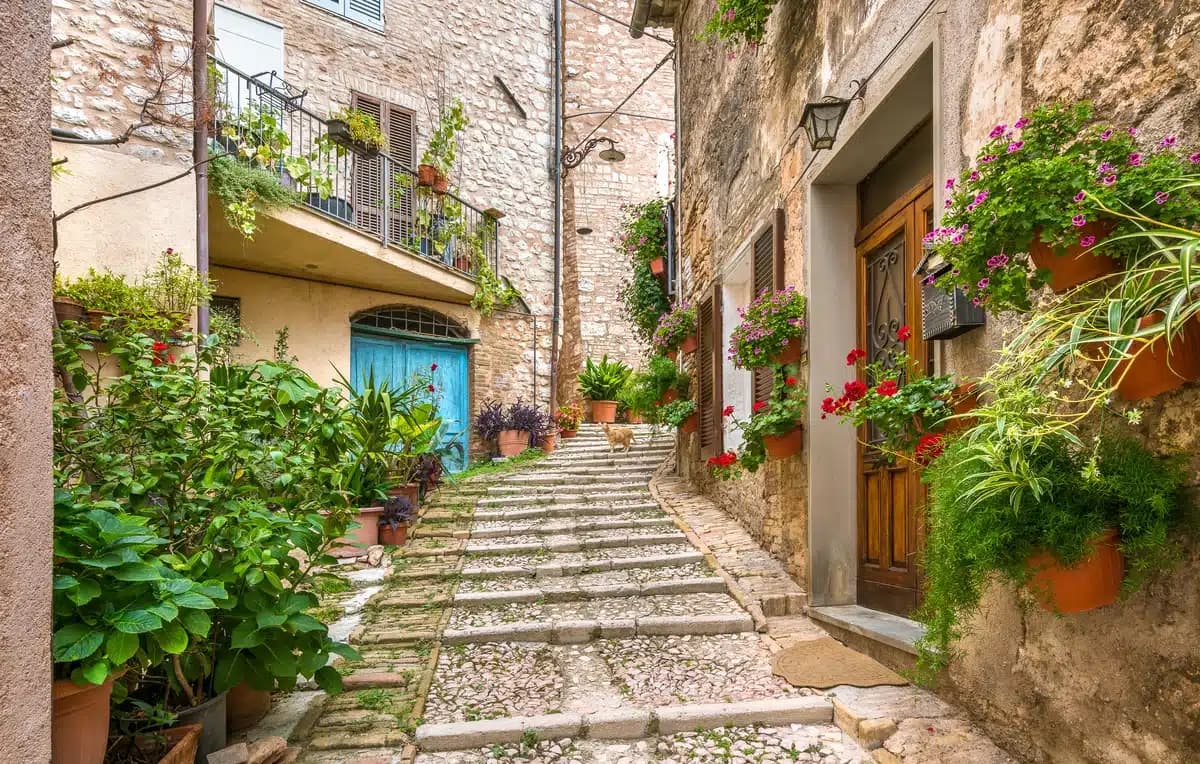
A walled town at 412 meters above the Spoleto valley, ringed by 200,000 olive trees that make it the Umbrian capital of olive oil.
Arrone
Province: Terni
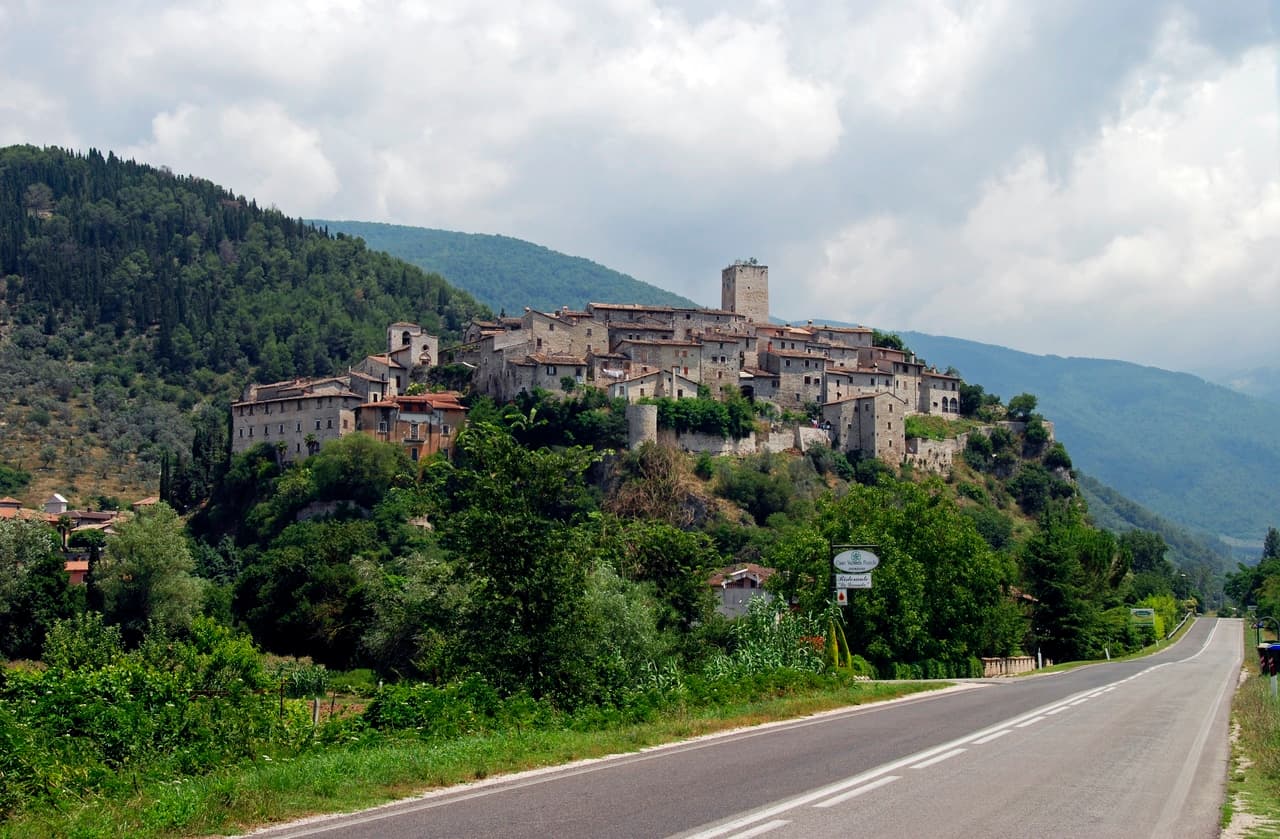
Medieval castle village on the left bank of the Nera at 243 meters, upstream from the largest man-made waterfall in the world.
Labro
Province: Rieti
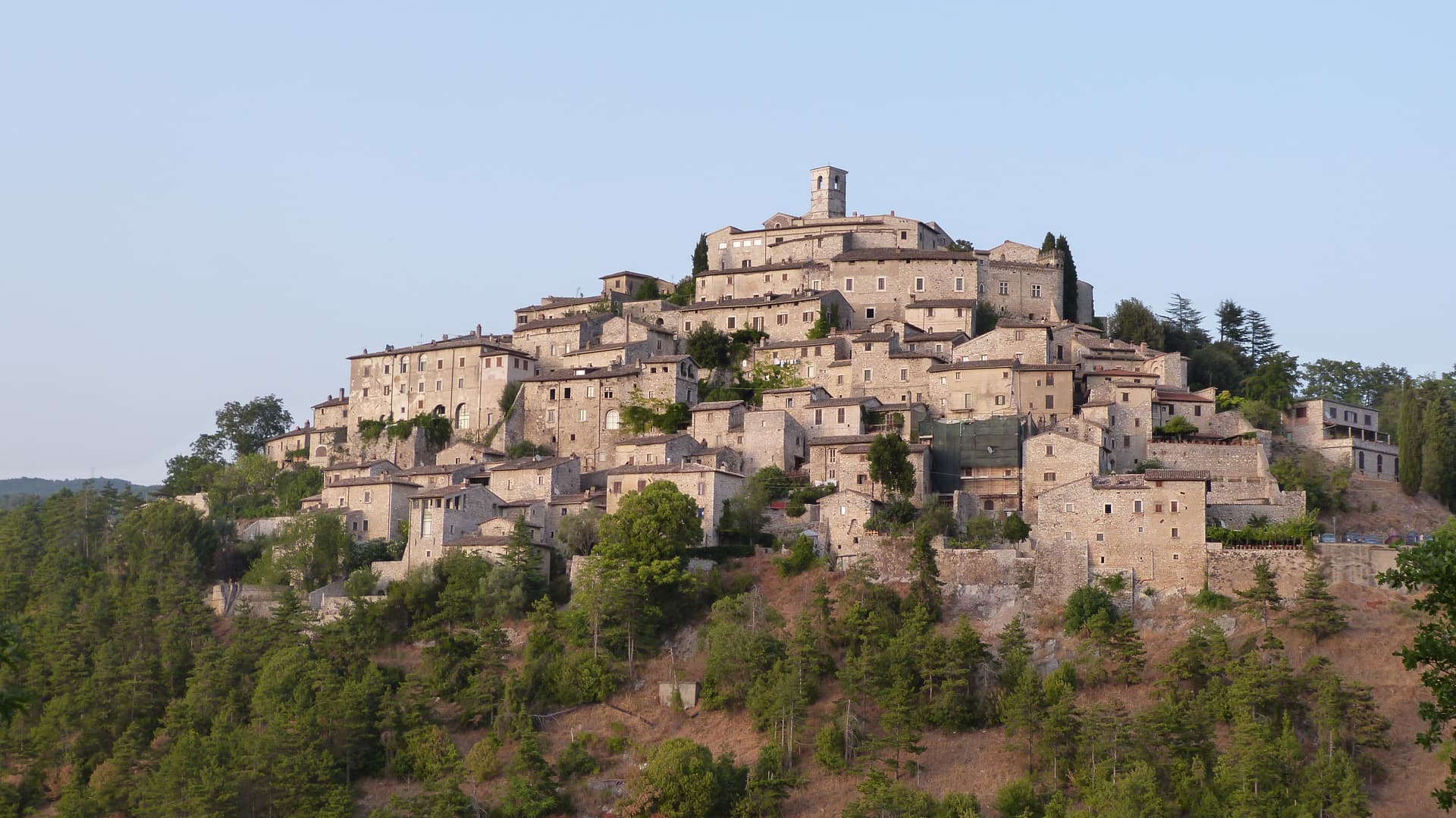
A 355-person stone borgo at 628 meters above Lake Piediluco, restored since the 1960s by a Belgian architect and his descendants.
🎨 Borghi più belli d'Italia
More Borghi più belli d'Italia towns in Umbria
Acquasparta
Province: Terni
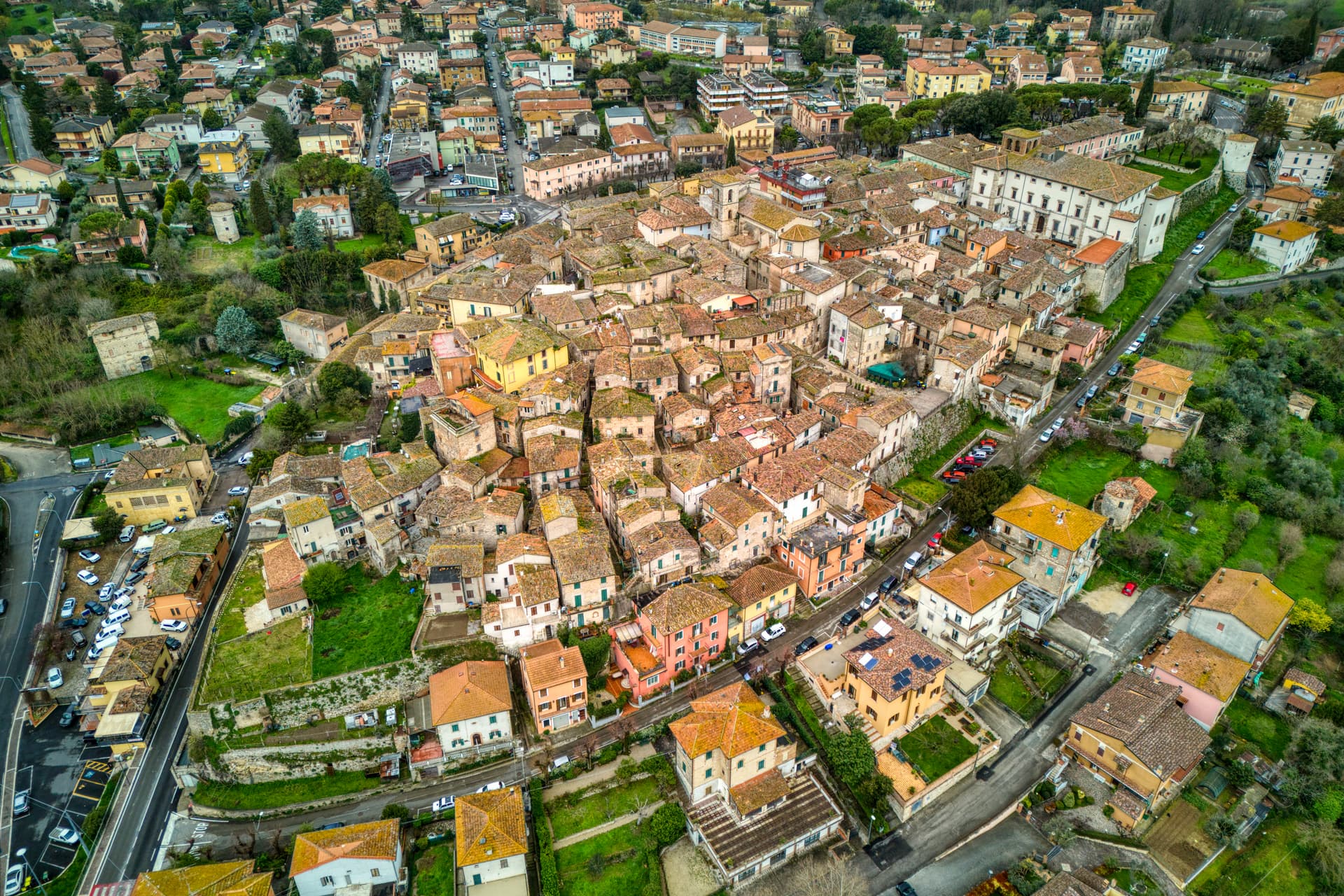
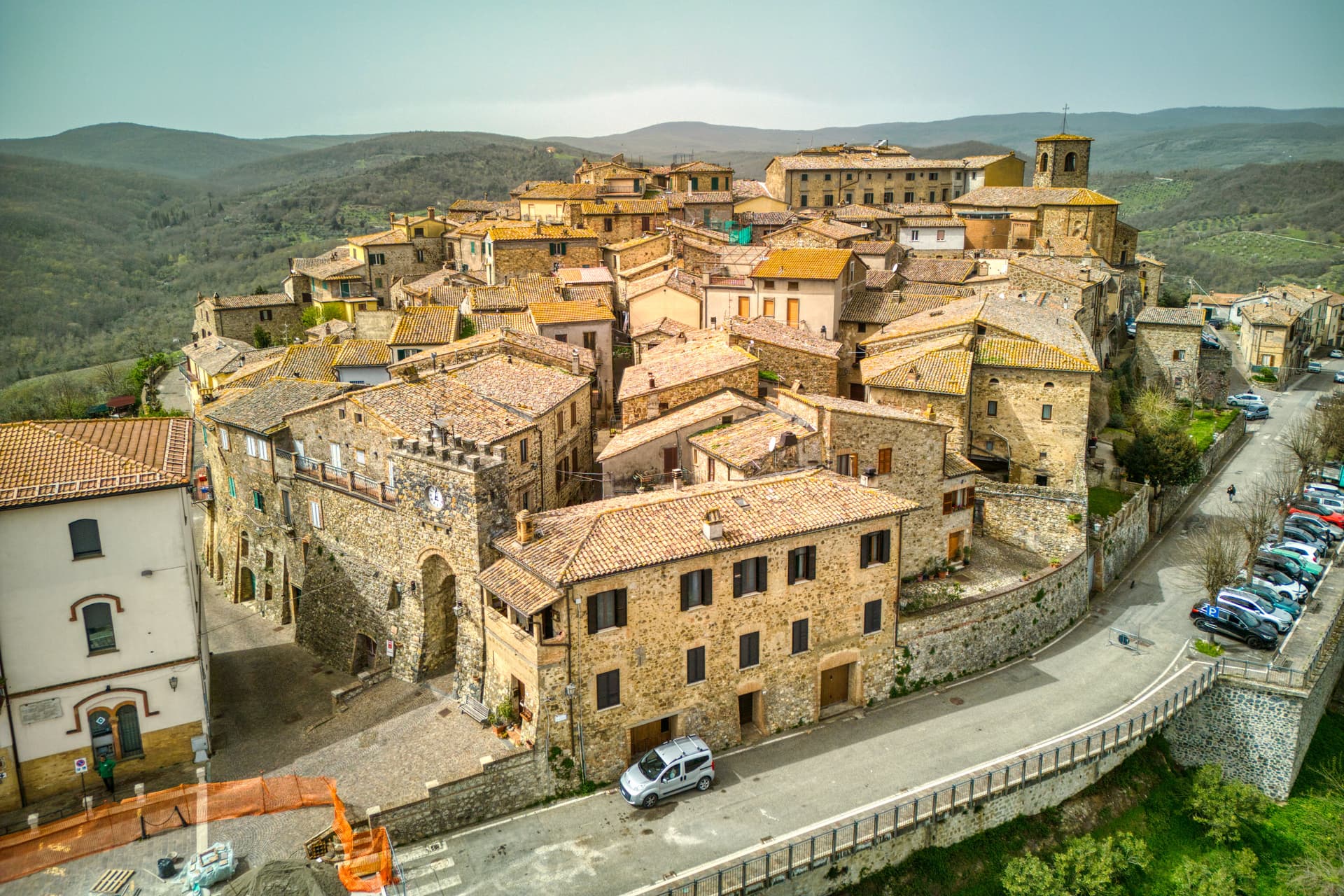
A hill town at 350 meters above the Naia valley, where Federico Cesi convened the first Accademia dei Lincei in his Palazzo Cesi in 1603.
Allerona
Province: Terni
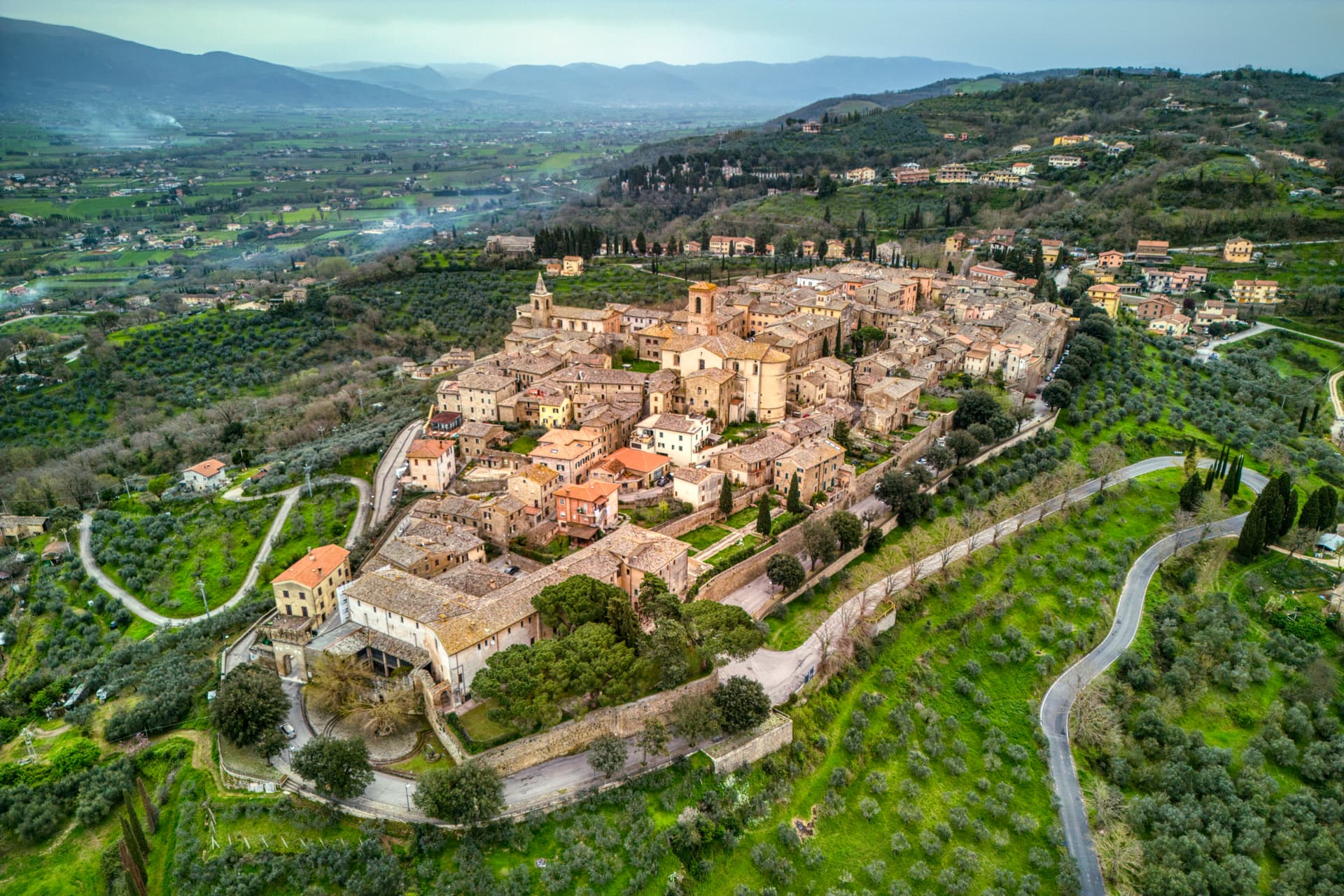
A stone borgo at 472 meters between the Paglia valley and the Valdichiana, an Orvieto outpost whose Monaldeschi castle fell to Charles V.
Bettona
Province: Perugia
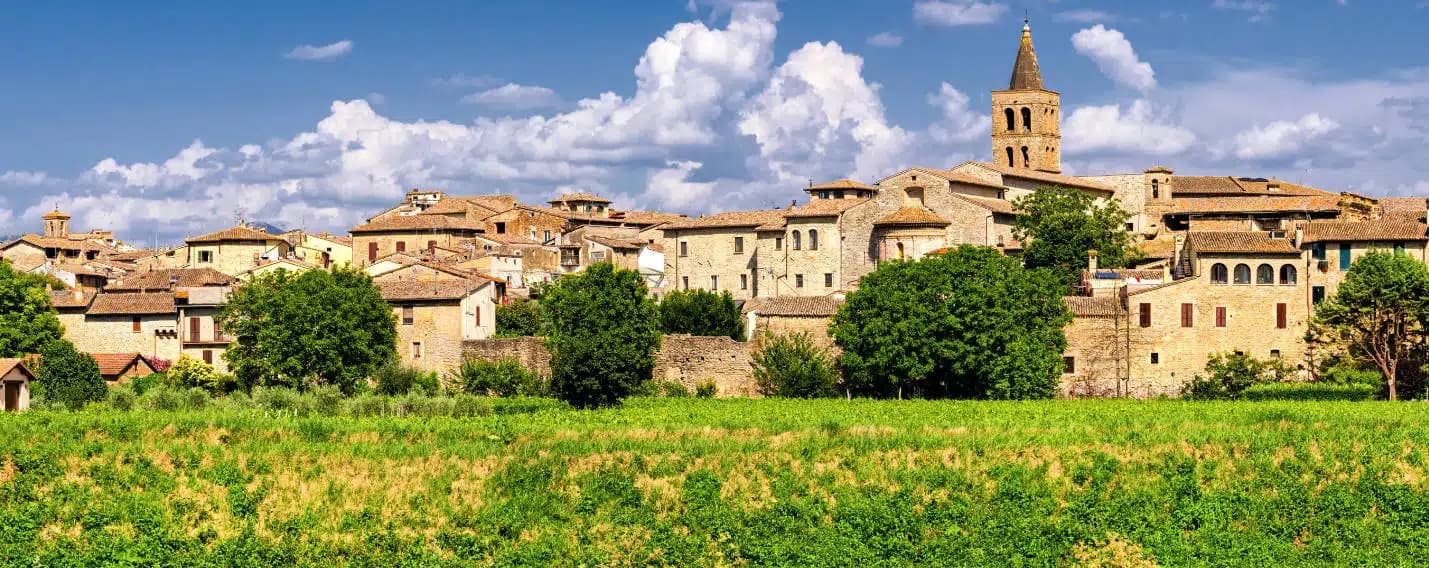
A hill town at 353 meters between the Topino and Chiascio rivers, the only Etruscan settlement ever built east of the Tiber.
Bevagna
Province: Perugia
Roman Mevania on the Umbrian plain at 225 meters, four medieval quarters that compete every June in a reconstructed market of the 13th century.
Castiglione del Lago
Province: Perugia
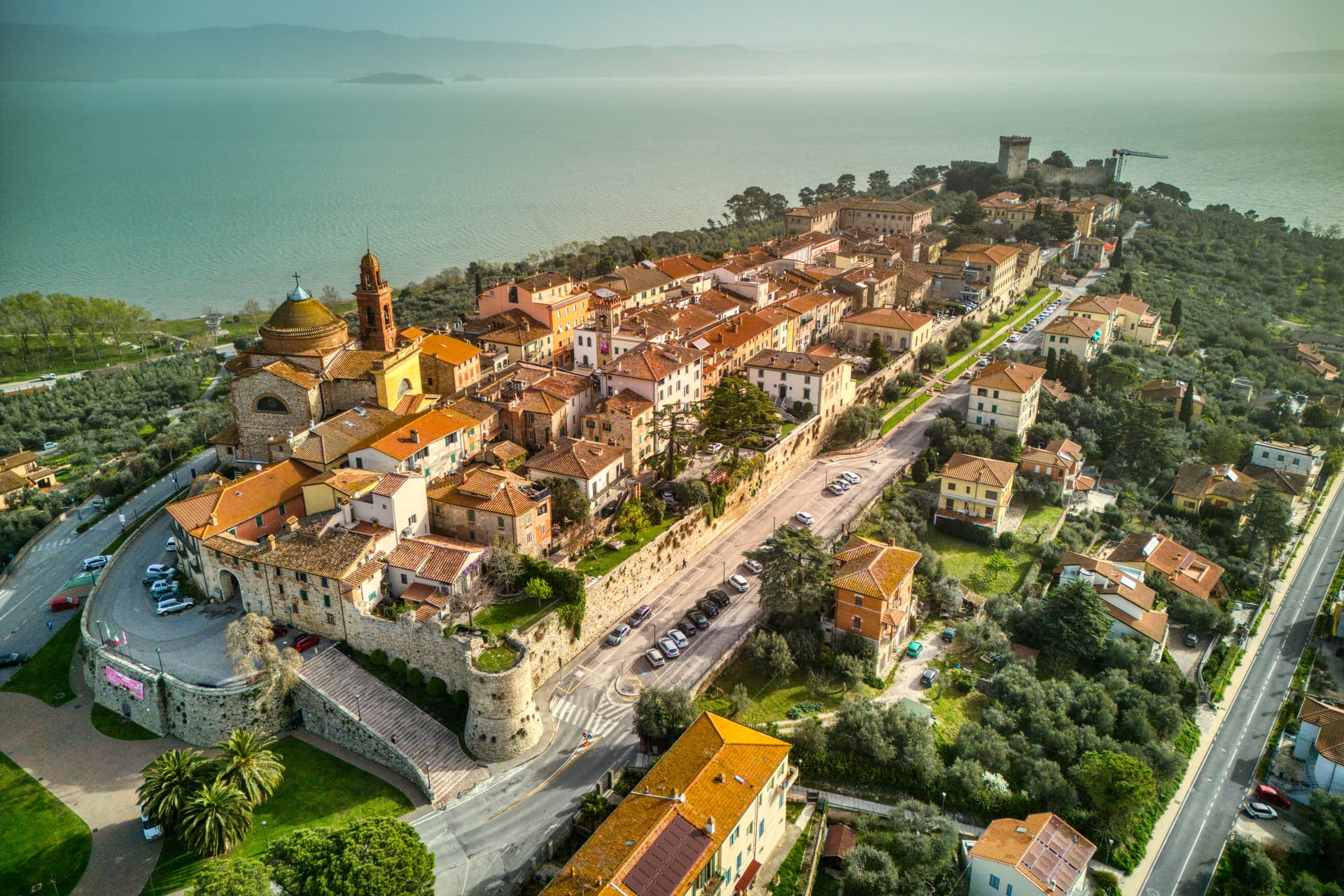
Trasimeno's western promontory, once the lake's fourth island, fortified by Federico II in 1247 and frescoed by Pomarancio for the Corgna marquises.