
Moving to Italy
Where to live in Italy
We moved to Italy from Hungary in 2022, spent three years in Pietrasanta, and have lived in Turin since October 2026. This is how we would choose a town now.
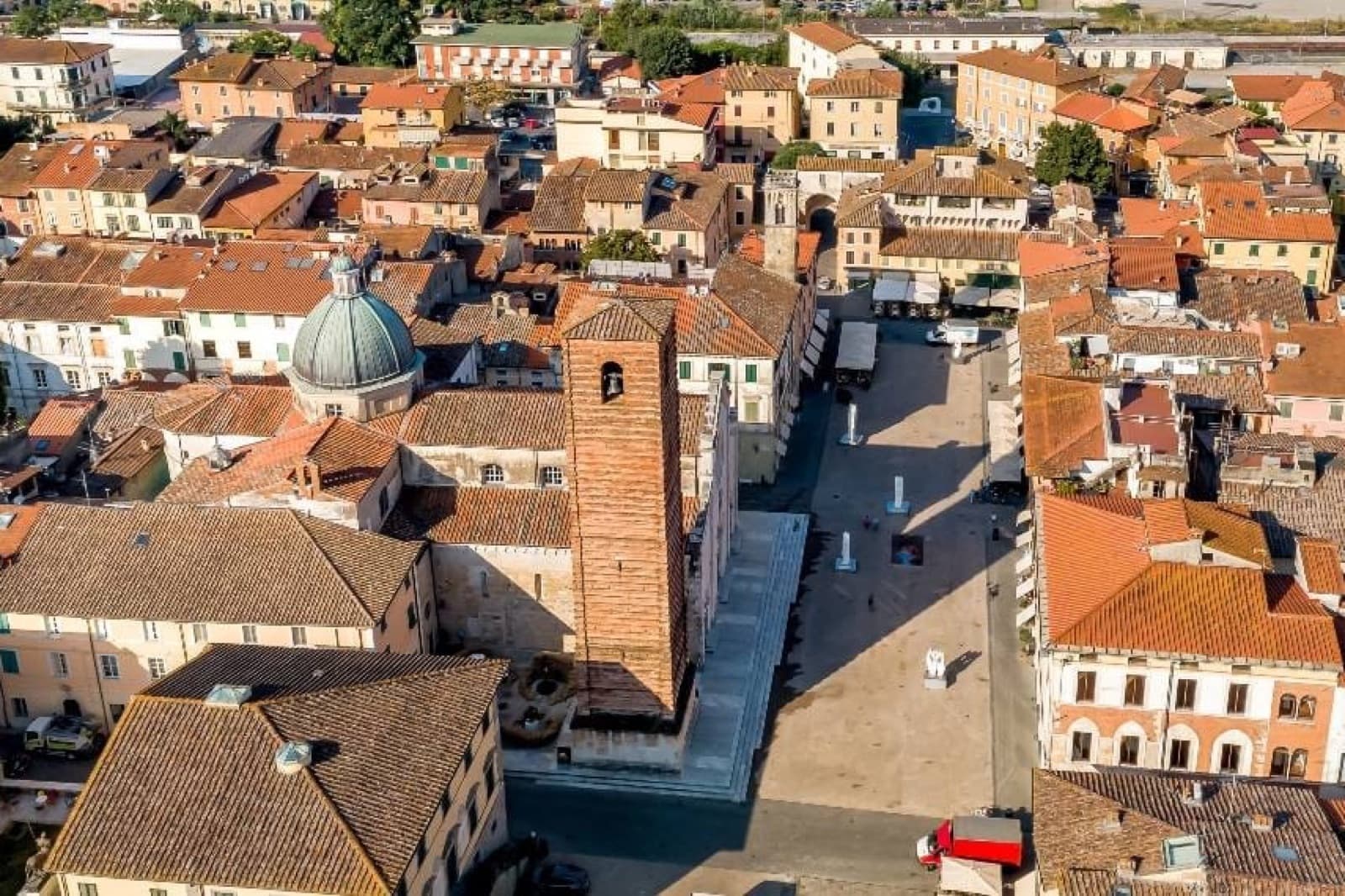
The road up to Marciaso stops being a road when it rains. We lived there for two months one autumn, in a borgo of about 80 people in the mountains of Lunigiana, where the only bar opened at weekends for hikers and a truck came up now and then to sell cheese and salami. The nearest grocery shop was a ten-minute drive down the mountain, the nearest restaurant twenty, and Carrara, the first place with a mall and a mechanic, forty. We learned what a grocery run means. Then we moved down to the coast, to Marina di Pietrasanta, and stayed for more than three years.
Most people choosing where to live in Italy start with the name of a town. We think that is the second step. The first is the kind of place you want to live in, then the area, and only then the town. Everything on this page comes from our six-part letter, Where to Move in Italy, and from the places we have lived: that borgo, a seaside town in Versilia, Rome for almost a year, Florence and Verona for shorter stays, weeks in Scilla and in Chioggia, and now Turin, where we own our home.
Our point of view shapes all of it, so here it is. We are a couple without children, we both work online, we drive, and we came from Hungary without a word of Italian, which we have been learning slowly ever since. Pensioners and families will weigh some of this differently, and we say where.
First, choose the kind of place
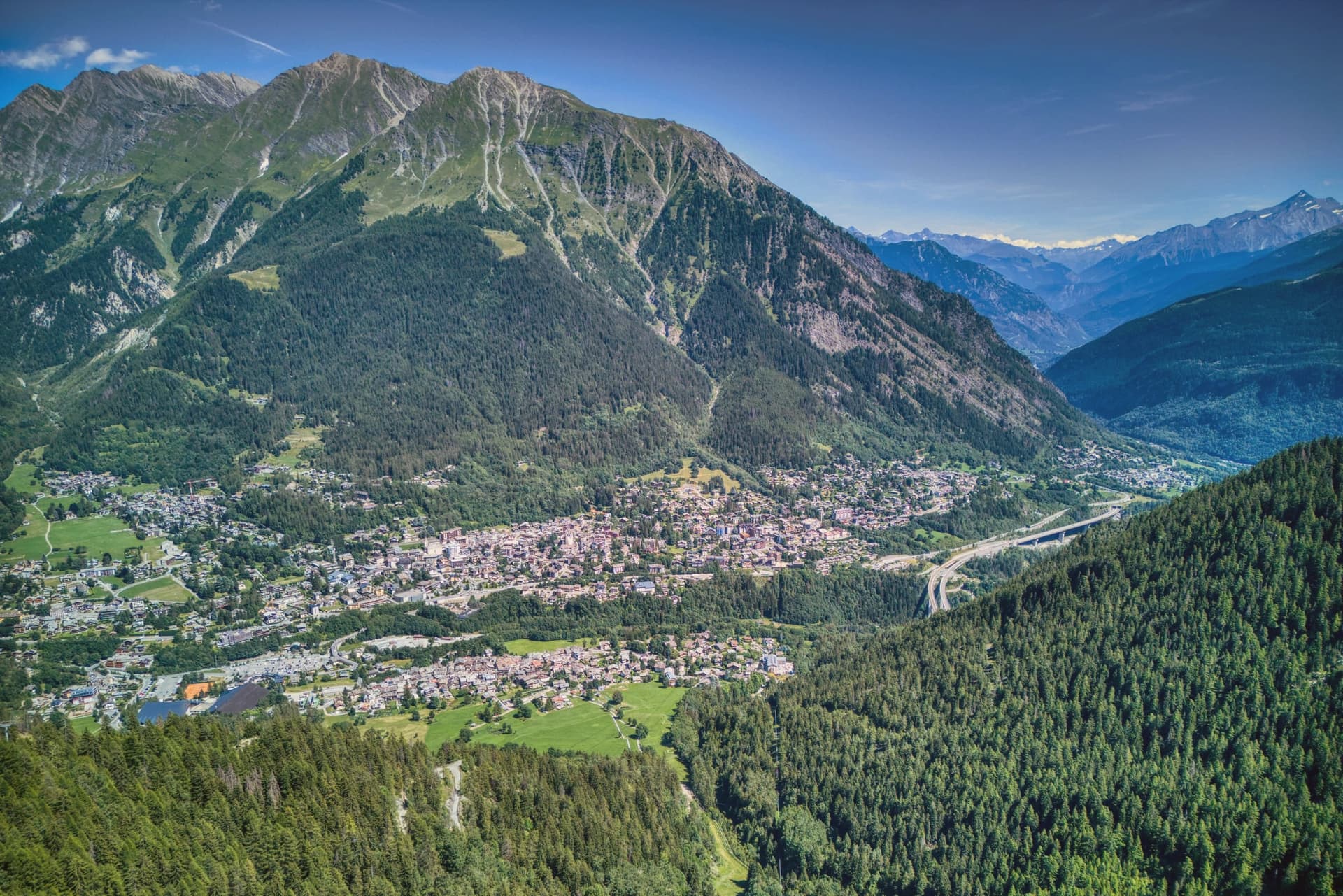
The end of the road. The villa under the cypresses, the stone house in a hill village, the house on a cliff above the sea. This is where the gap between the dream and daily life is widest. The silence is real, the kind we have found only a handful of times anywhere, and nature starts at the door. So does the car: every carton of milk is a drive, the repairman comes from thirty minutes away when he comes at all, and the dry cleaner is an hour off. Old country houses come with single glazing, damp, mold, a pellet stove that works on paper, and rats that spend the winter in your engine bay and eat the wiring. If anyone in the house has a health problem, ask how long an ambulance takes to climb that road. An island is the end of all roads, with a ferry between you and everything else.
If it is still the dream, do one of two things. Either go all the way into nature (the Dolomites, the Apennines, a national park, a pilgrim route), or choose a road close to civilization: a small town within 15 minutes for the shopping and a meal out, and a provincial capital 30 to 60 minutes away for everything else. Buy a house that is already renovated, and a car with ground clearance and a big trunk.
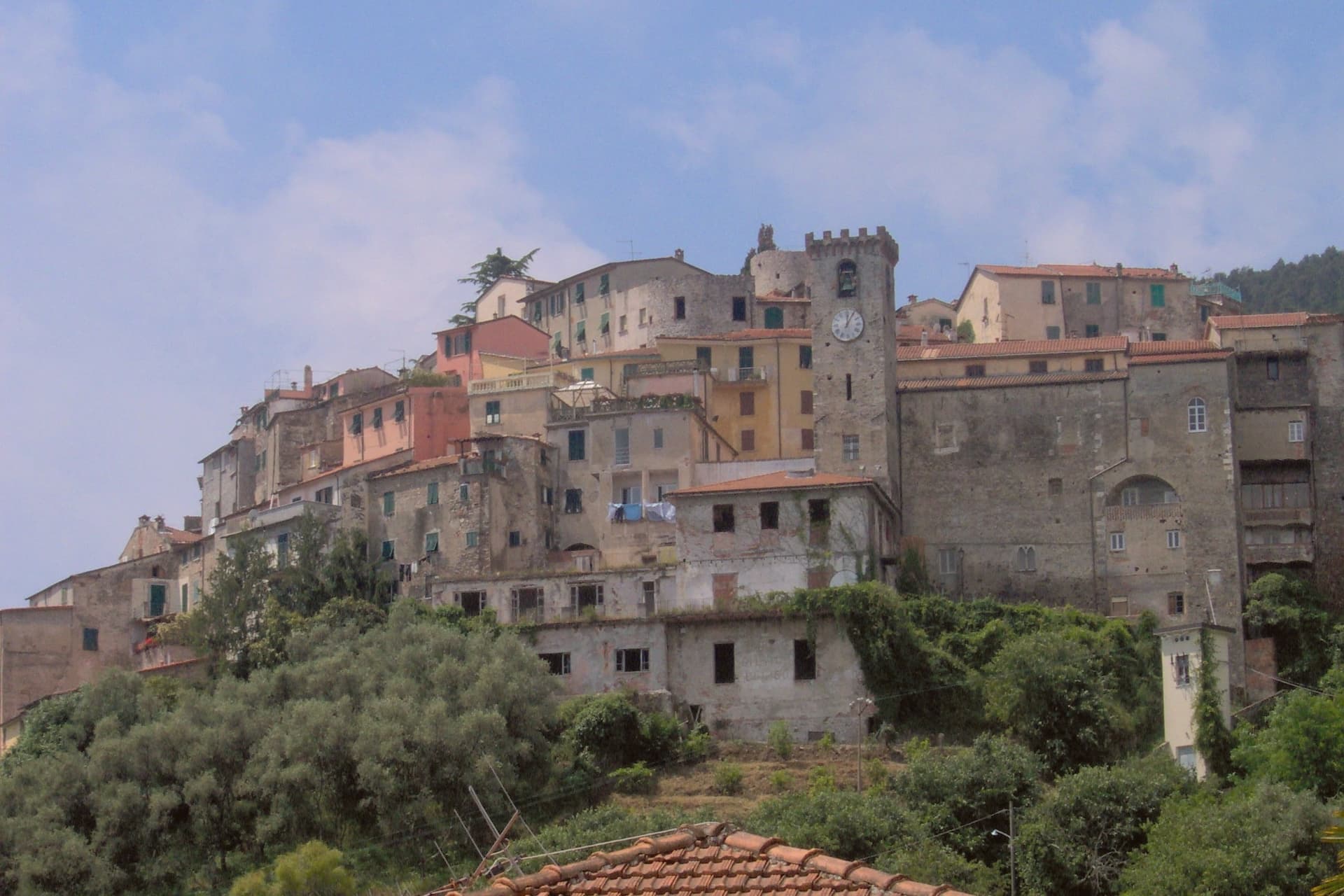
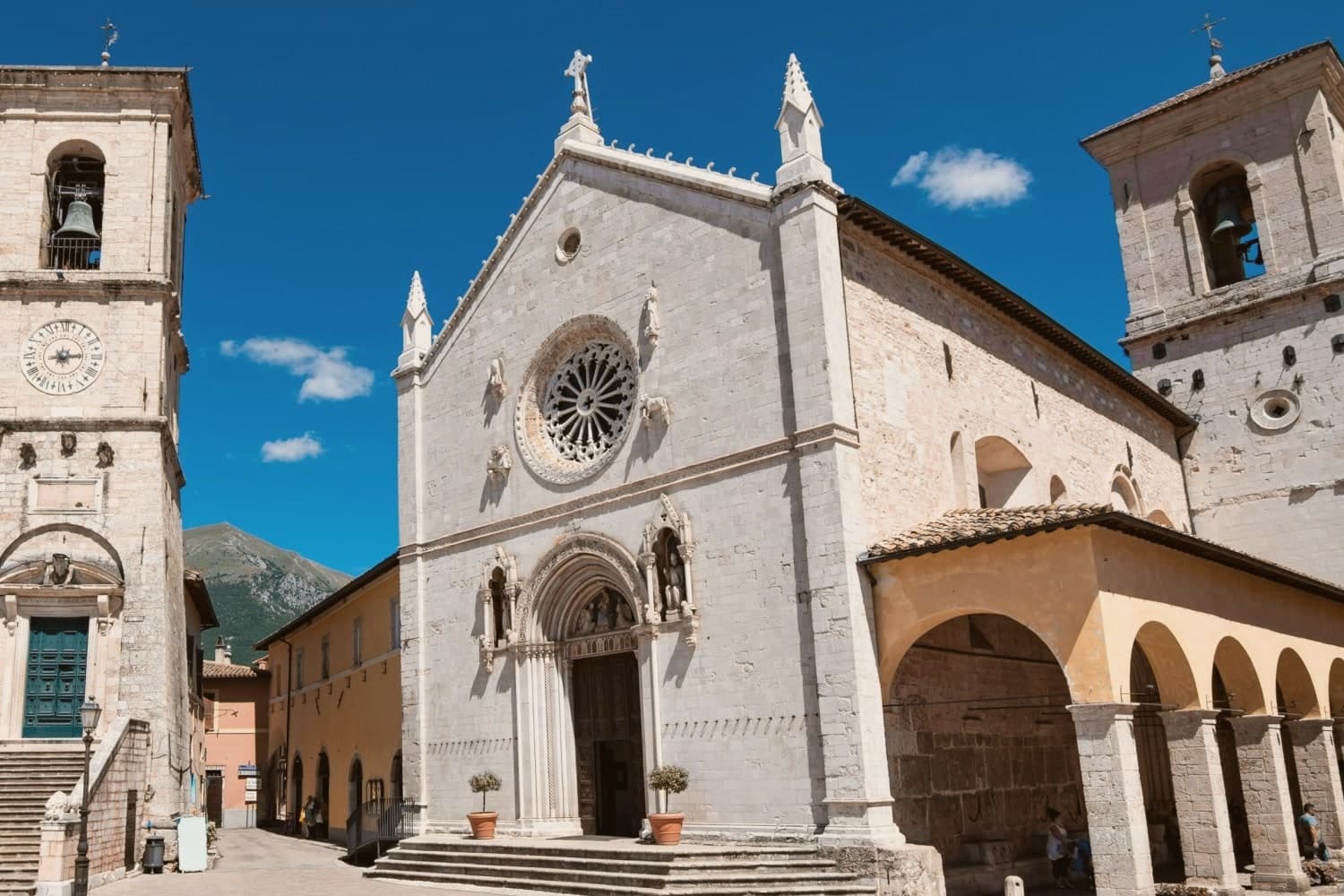
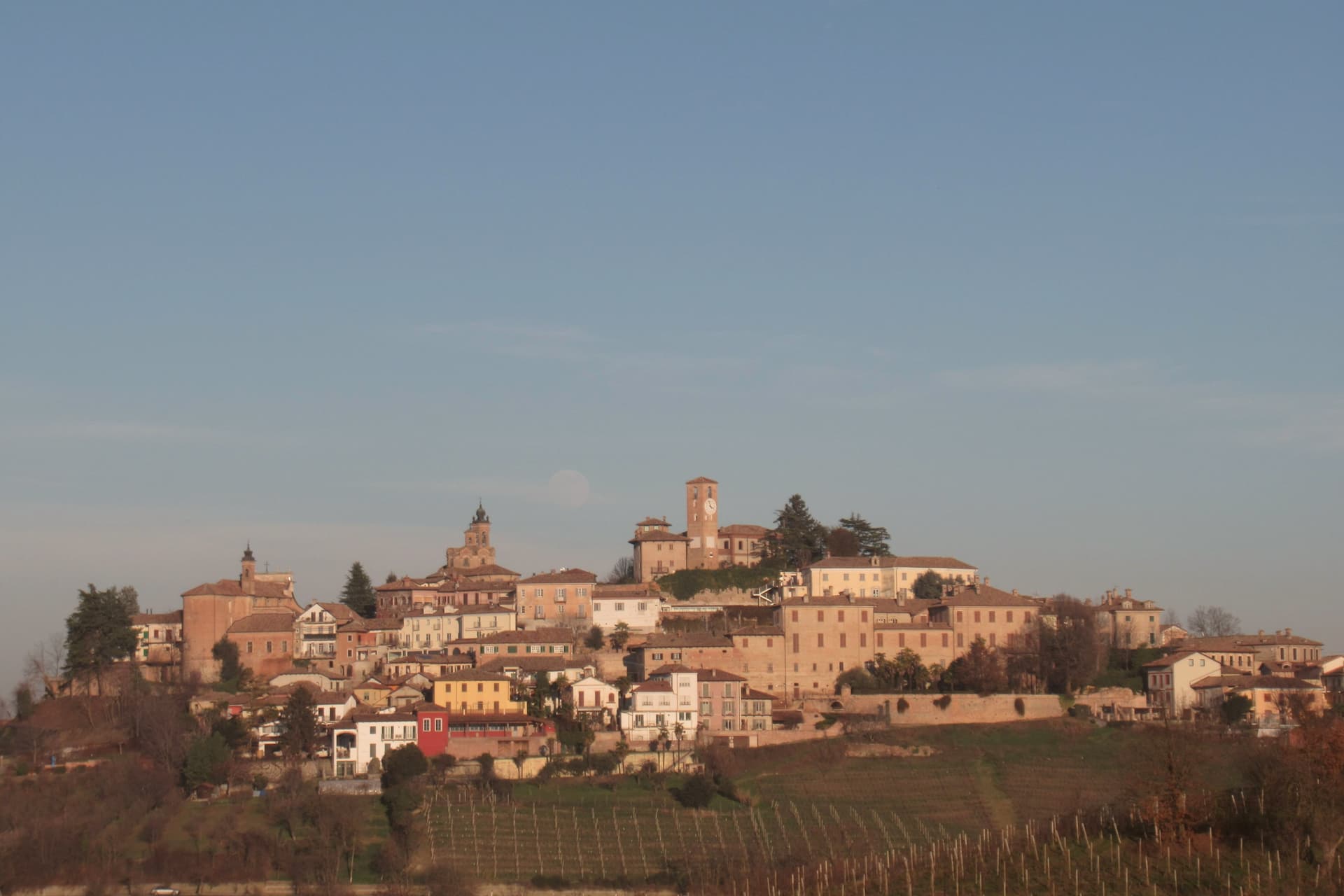
The small town. The seaside town, the medieval town with a real local life, the mountain town without tour buses. This is where the dream comes closest to the life you will live, if you choose with care. Our rules for it are below.
The city. By city we mean a provincial capital: Lucca, Treviso, Arezzo, Padua, Viterbo, and about a hundred others. Services work, life is comfortable, and it is still the Italian life you came for. Hardly anyone dreams of living in one, and most of them have no landmark that pulls the crowds, so the tourists have not found them either.
The postcard. Rome, Florence, Venice, Milan, the Amalfi Coast. You can live in the big ones if you know where the crowds go and stay out of their circle: in Rome, draw a circle of 1.5 km around the Pantheon and live outside it. Never move to a postcard small town. In San Gimignano the town itself is the landmark, and you share its few streets with every day trip from Florence.
The small town, by our rules
5,000 to 20,000 people. Below 5,000 it is a village. Above 20,000 the town starts to split into neighborhoods and stops being one community. There are exceptions both ways, and a village can work when a real town is within 15 minutes.
A city 30 to 60 minutes away by car. A city of 50,000 people or more, or a provincial capital, covers what a small town lacks. Closer than 30 minutes and the town becomes its suburb, where people sleep and work somewhere else. Italians live and work locally, so a town that far from the city keeps a life of its own. The same goes for a regional capital next door: you want to live near Siena, Pisa or Lucca, and not near Florence.
A station, if you can get one. Trains on the main lines run well, the stations sit in the center, and you arrive without circling a medieval town for a parking space that does not exist.
No postcard towns. If the shops sell fridge magnets and lemon pasta, keep driving.
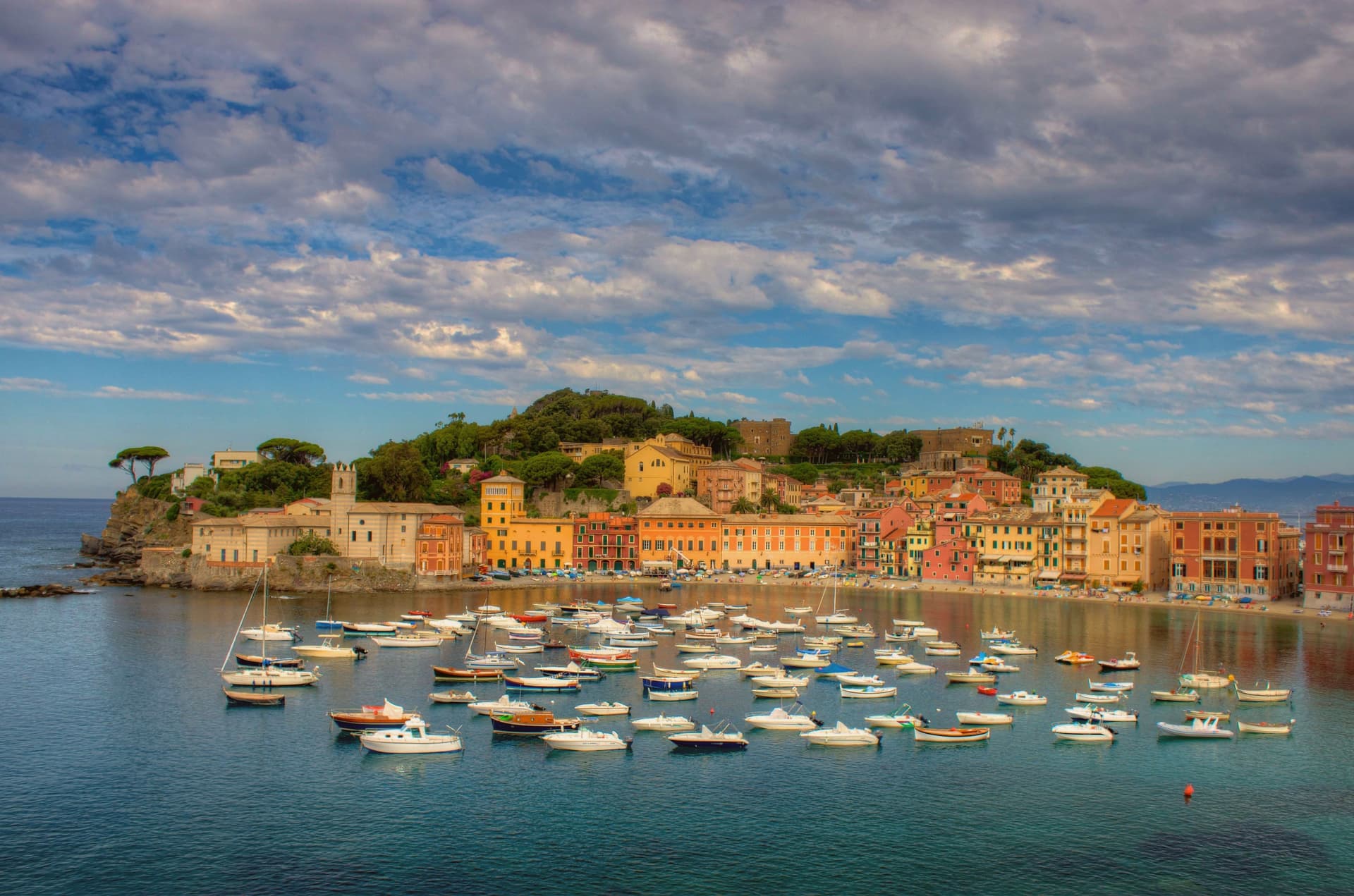
The sea costs extra. The closer you live to the sea, the more you pay, to rent or to buy. Our four-bedroom flat in Pietrasanta cost more in rent than our place in Rome, and more than a whole floor of a palazzo in the center of Florence.
Live in the center, with a guest room. You want to walk to the piazza for a coffee and watch the town go by. And your friends will come, from as far as they have to. We had two guest rooms.
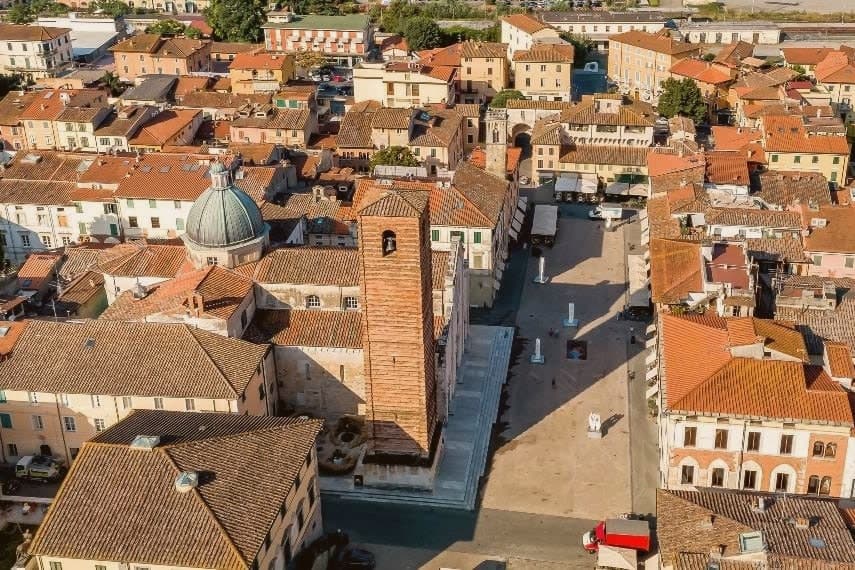
 A real town5,000 to 20,000 people: big enough to live in, still one community.
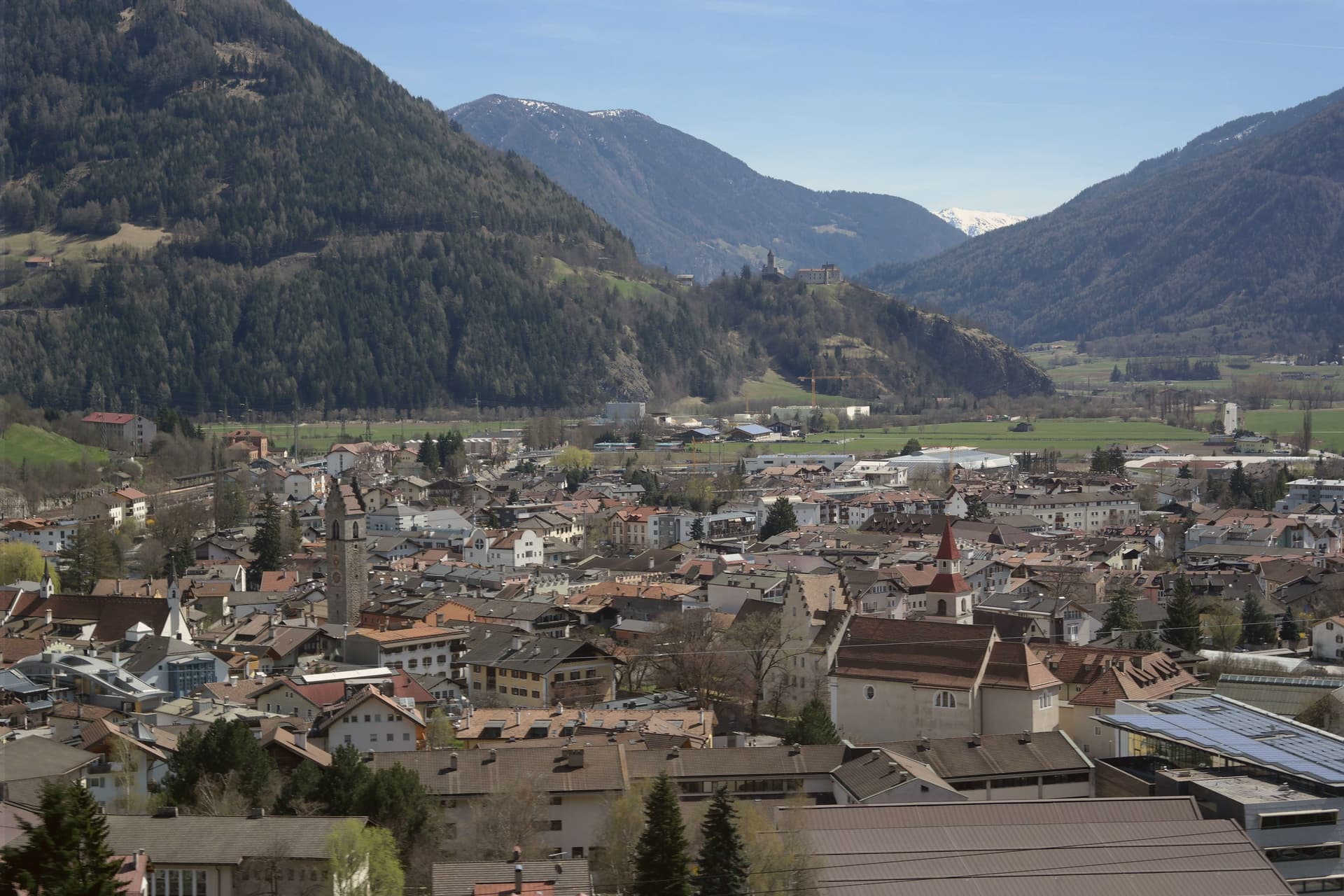
 A city close, but not too close30 to 60 minutes from a city of 50,000 or a provincial capital: close for the services, far enough to keep its own life.
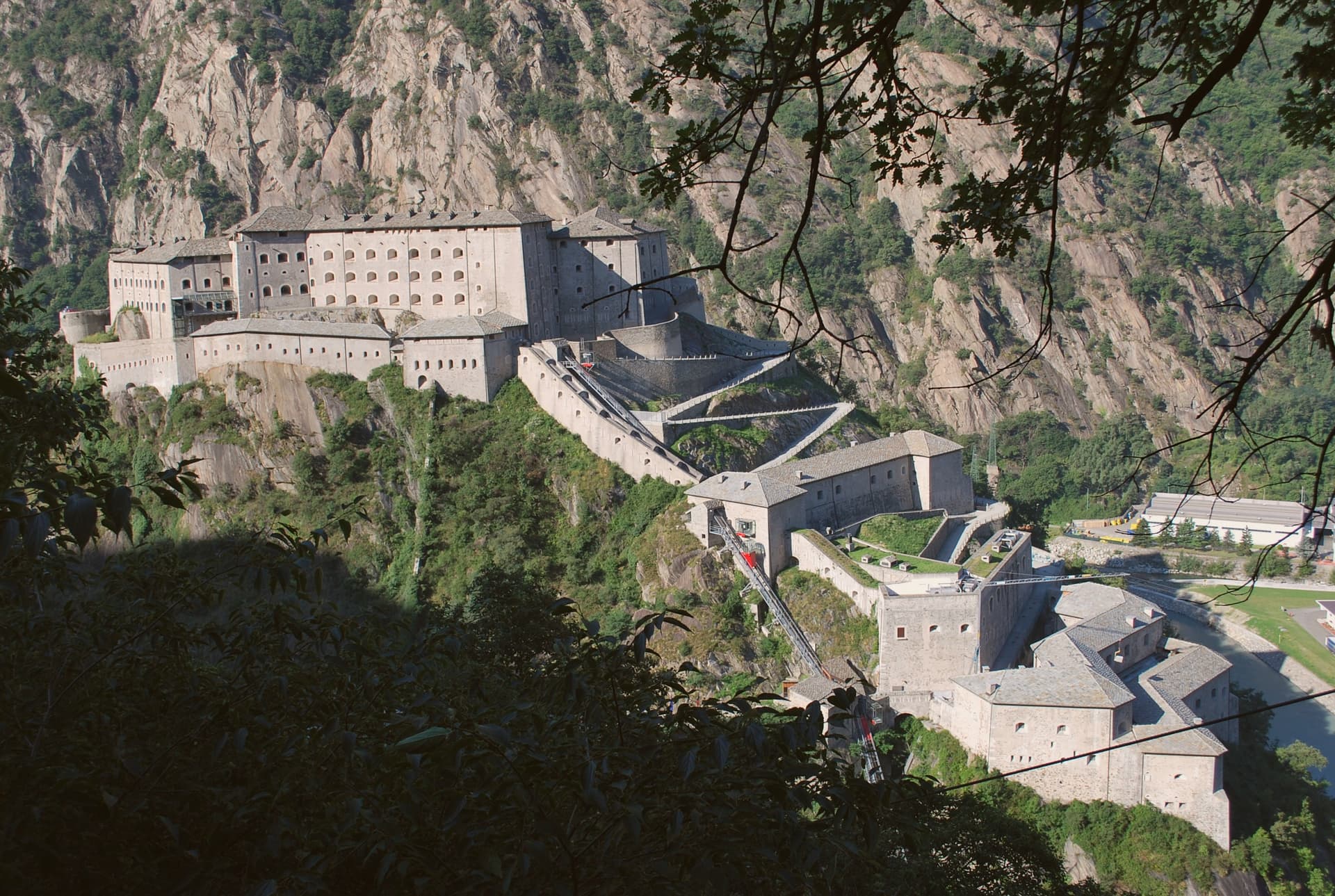
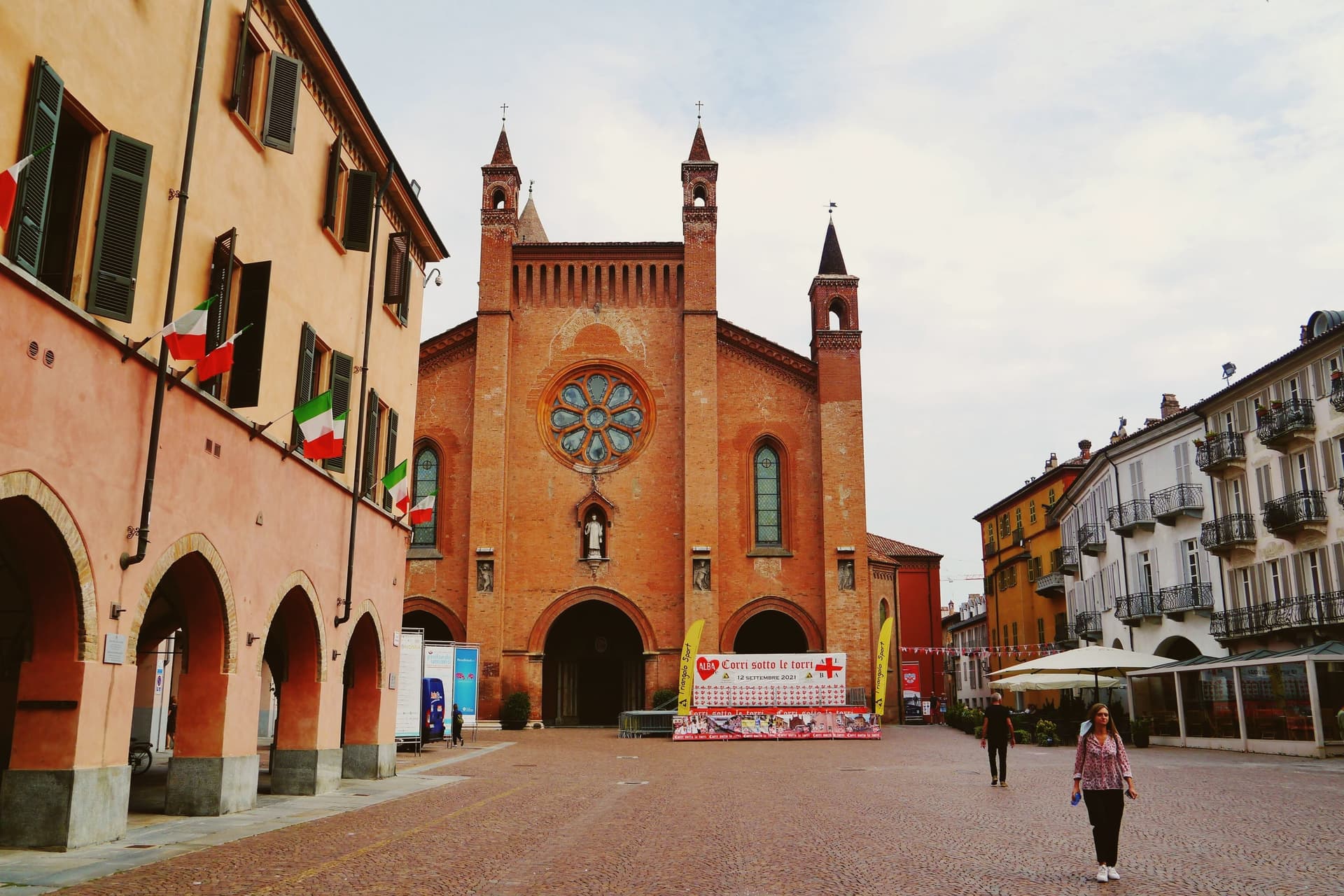 A train, if you canA station of its own: no parking, straight into the center.
294 of our 1,000 towns pass every rule here that a map can check: the size of the town (or, for a village, a real town within 15 minutes), a city no more than 60 minutes away, and the station where there is one. A city closer than 30 minutes is not counted against a town, because Pietrasanta, the town this series holds up, has Viareggio a short drive away; the town page says so, and it is worth checking that such a town keeps a life of its own. The rest is for your own eyes. Each town page says which rules its town passes and which it misses.
A city: read its economy first
If you choose a city, live in its center. A suburb of a provincial capital is a small town without the small-town life. Before you choose one, look at what it makes. Pisa runs mostly on its university, public jobs and the tower. Treviso, thirty minutes from Venice, has De'Longhi, Benetton and Geox in its province, Prosecco in its hills and an airport of its own, and you can see it in the streets: everything renovated, the medieval center kept in good order. A richer city usually runs better services, and services are the reason to choose a city at all.
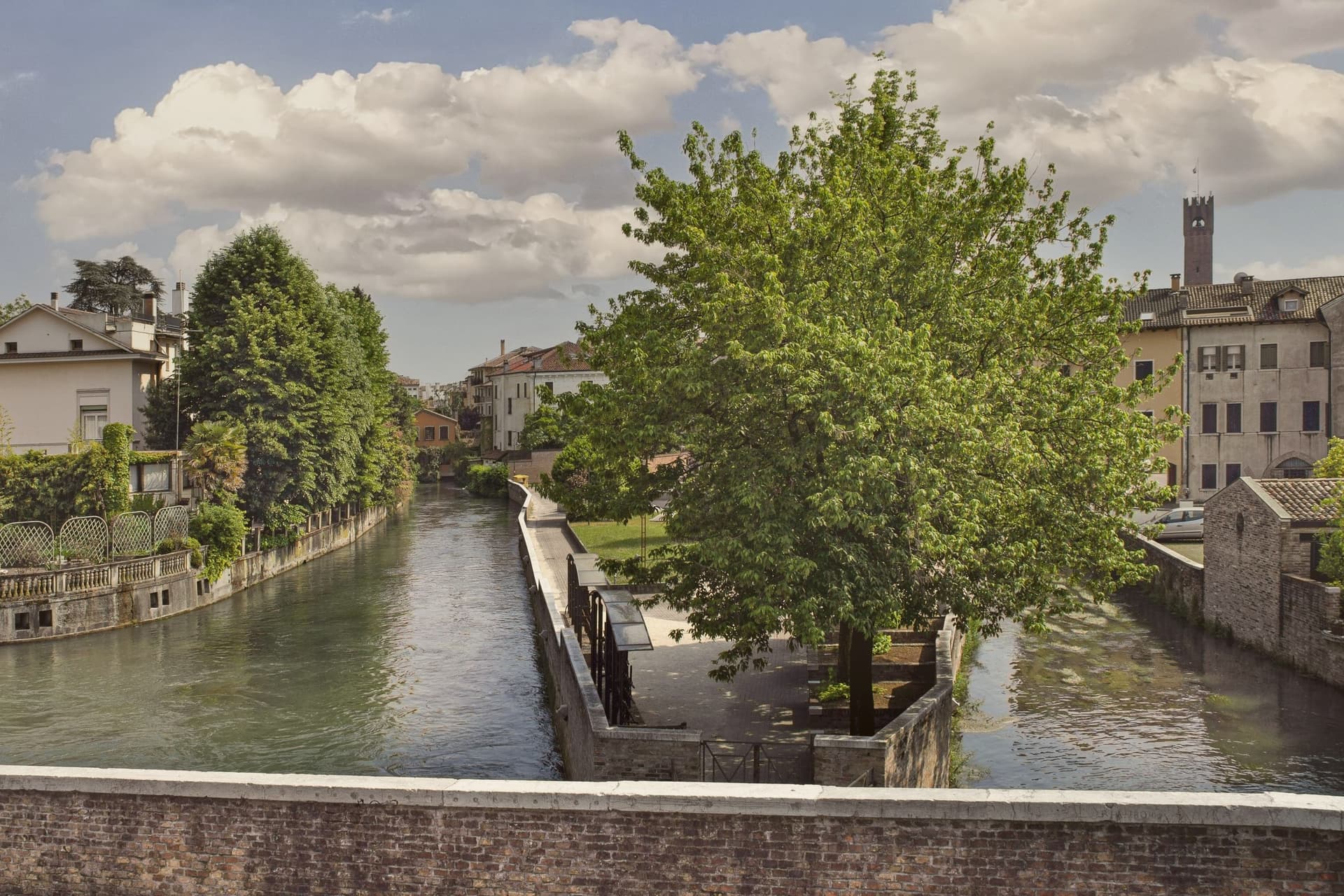
Sometimes a regional capital is the better answer, when mass tourism has passed it by: Perugia, Trieste, Turin. Florence, no.
North or South
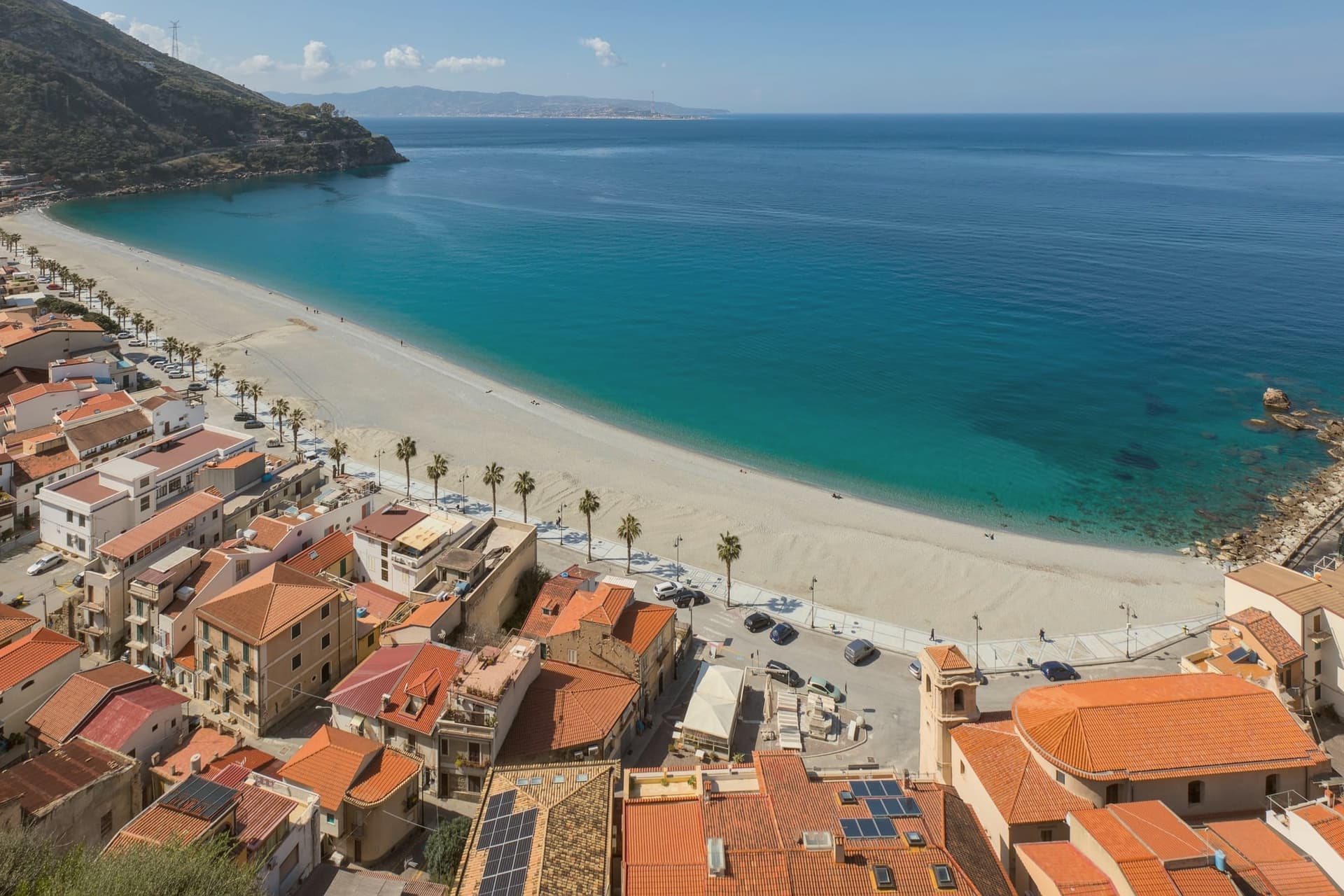
The South is poorer than the North, and you see it in the roads, the hospitals and the offices. Drive the motorway down from Trieste and by Calabria the guardrails start to disappear. Most of the problems people there live with are not problems for someone whose income comes from elsewhere, though, and on a pension or online work the South is a very good deal: the sea, the food, money that goes much further, and people who can make you feel at home within days, where in Veneto or Piedmont it can take months or years. Pensioners may also qualify for the 7% tax on foreign pensions, and towns where it may apply are marked on their pages. Information, not tax advice. Confirm with a professional.
Think twice about the South if you have a chronic illness, because for special care even local people travel north. Think twice if you need things to happen on the day they were promised, or if you will not learn Italian, because outside the cities few people speak English. And think twice if you cannot take the heat. The power grid can fail in a heatwave, the repairman may not come that week, and for us the South is off the list in summer.
What we check for every town
Our town pages run these rules for you, and then go further: the nearest hospital and emergency room, full fibre, the earthquake zone, flood and landslide risk, the nearest international school, how many people from abroad already live there, the climate zone and when the heating may run, what homes sell and rent for per square meter, and the local taxes. Two lists come from newer data: the small towns where everyday life is a walk, counted on the map around each town's center, and the safest places to live in Italy, from the crimes reported in each province. And the towns that pass every one of these rules, with daily life on foot: the best small towns to live in Italy, and the same in Liguria, Piemonte and Puglia. The practical part below covers visas, the cost of living and healthcare. Start with the one thing that matters most to you, and narrow from there.
Try it before you move
At the end of the road, rent the dream for a month before you buy it. A month is enough: you will either want it more or want out. A city is easier to test, and a week or two there, even in a hotel, tells you whether it clicks. We did that in many cities. Some became candidates, and we let the others go.
The towns we would name
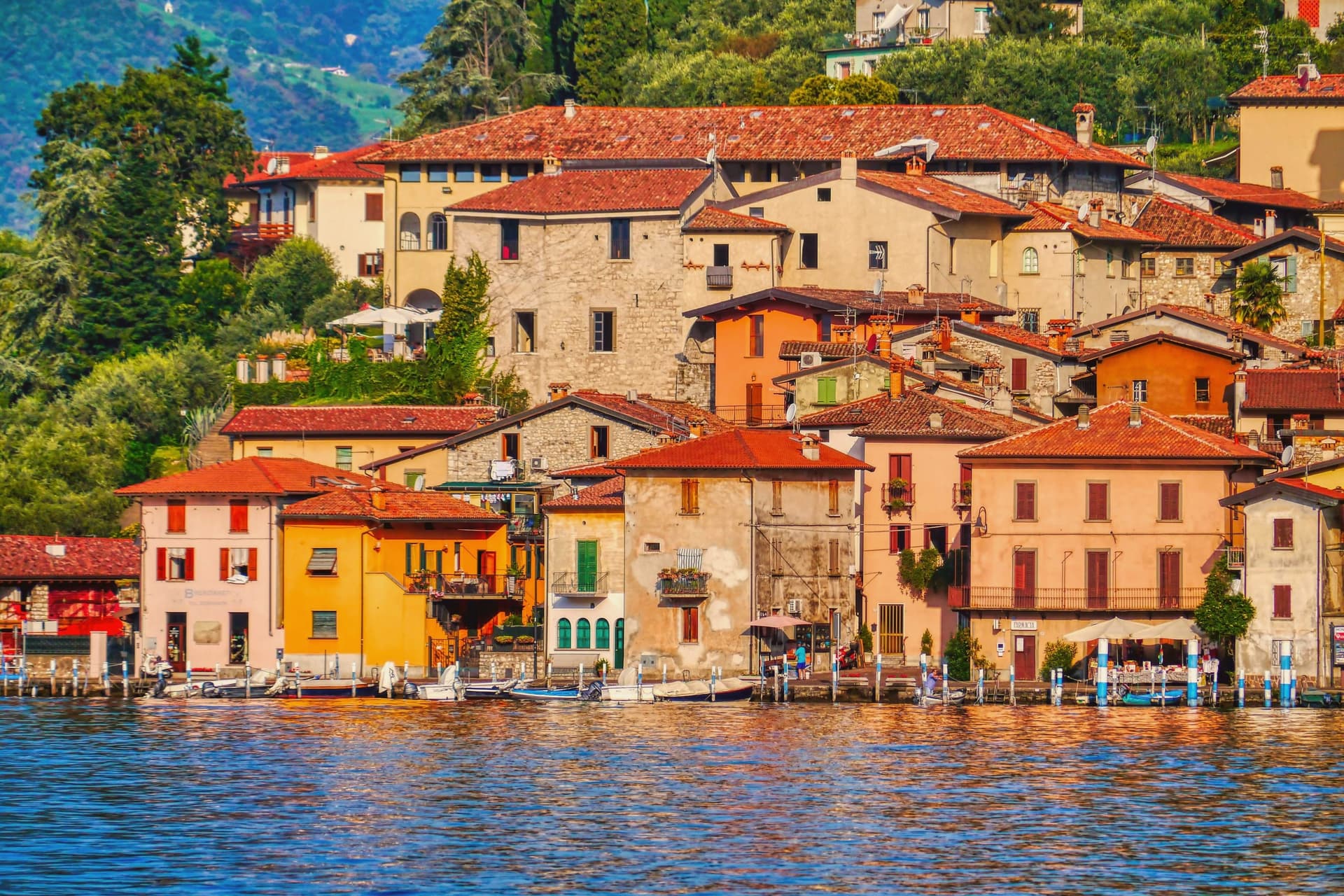
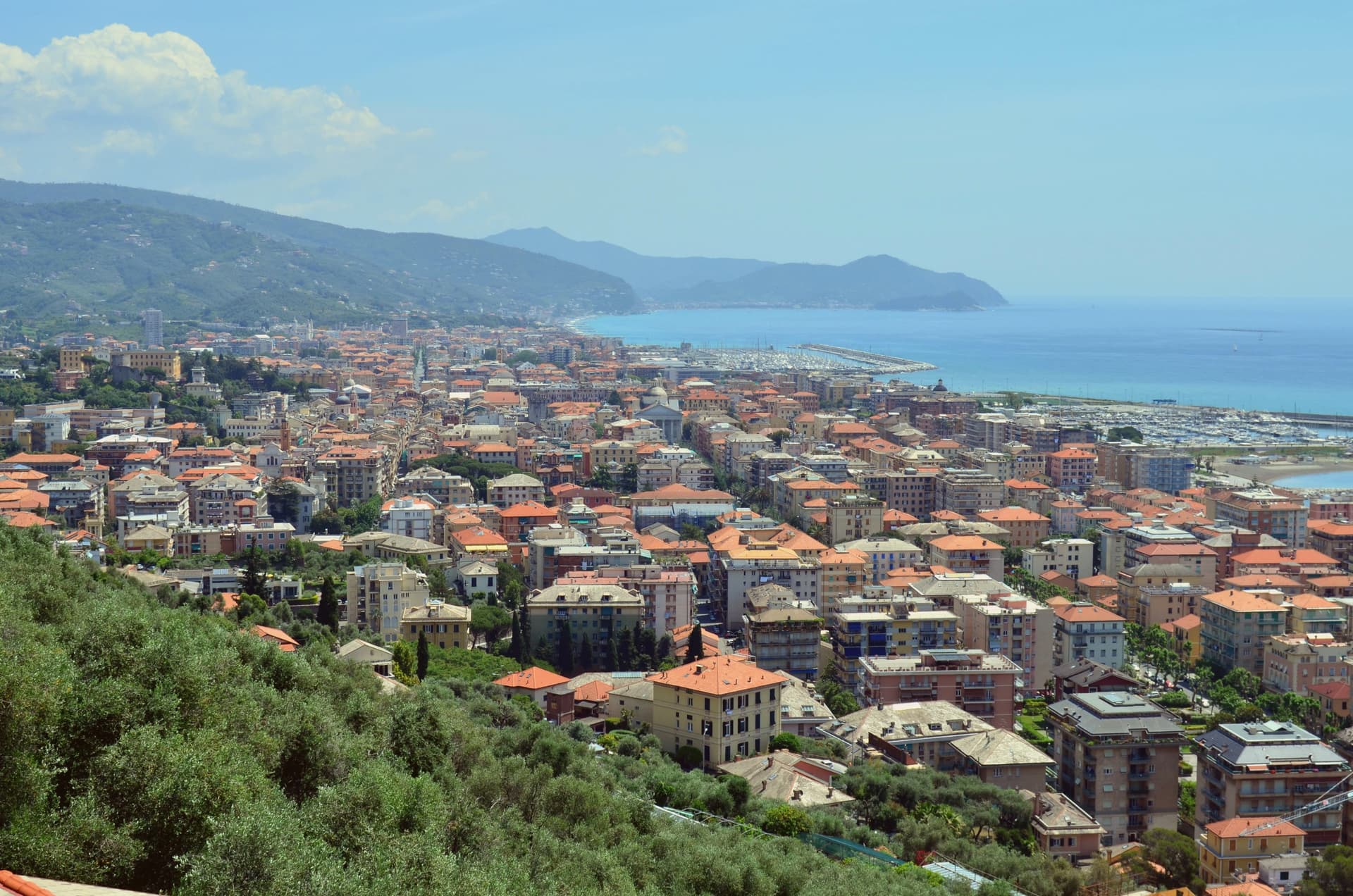
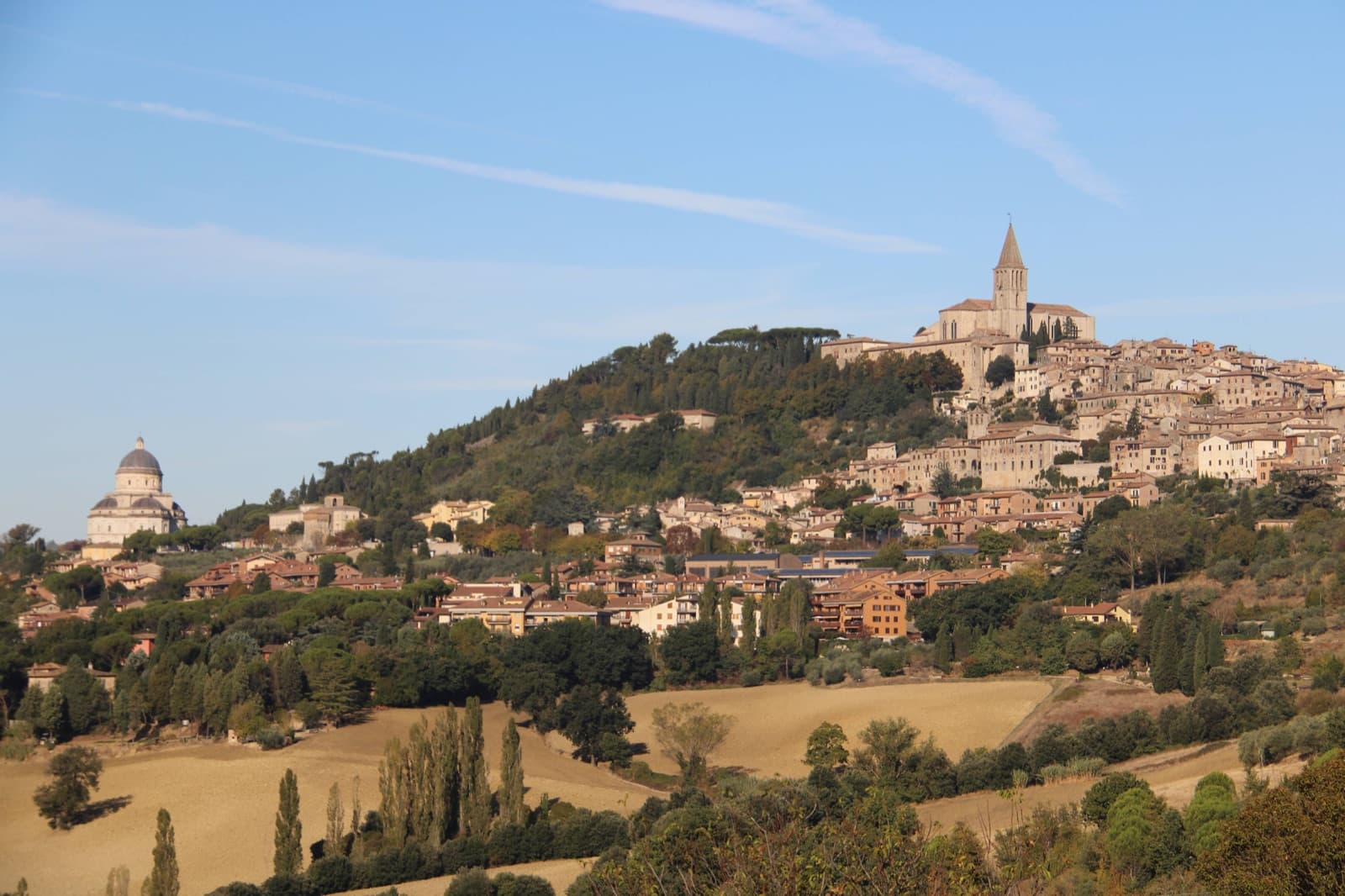
These are places we have lived in or know first-hand, with the reasons in Part 6. By the sea: Lerici on the Gulf of Poets, Versilia, where we lived (Pietrasanta, Forte dei Marmi, Camaiore, Seravezza, Viareggio), Chioggia at the bottom of the Venetian Lagoon, and Sestri Levante and Chiavari on the Tigullio. Inland: Ronciglione by Lake Vico, Todi, Barga in the Serchio valley facing the Apuan Alps and Bra in the province of Cuneo. Cities: Lucca, Padua and Viterbo, with Treviso, Ferrara and Arezzo close behind. For anyone who loves a port, Livorno and Genoa. Among the big cities, Turin first, then Rome and Naples, each with its warnings.
We came to Pietrasanta at the end of November with no plan to stay; our home in Budapest was rented out until January. A month later we knew we were not going back. Within three months we had a lease for a year, within six we had signed for several, and we started learning Italian properly.
Find yours
Start with what matters most to you, then narrow it down by region or landscape.
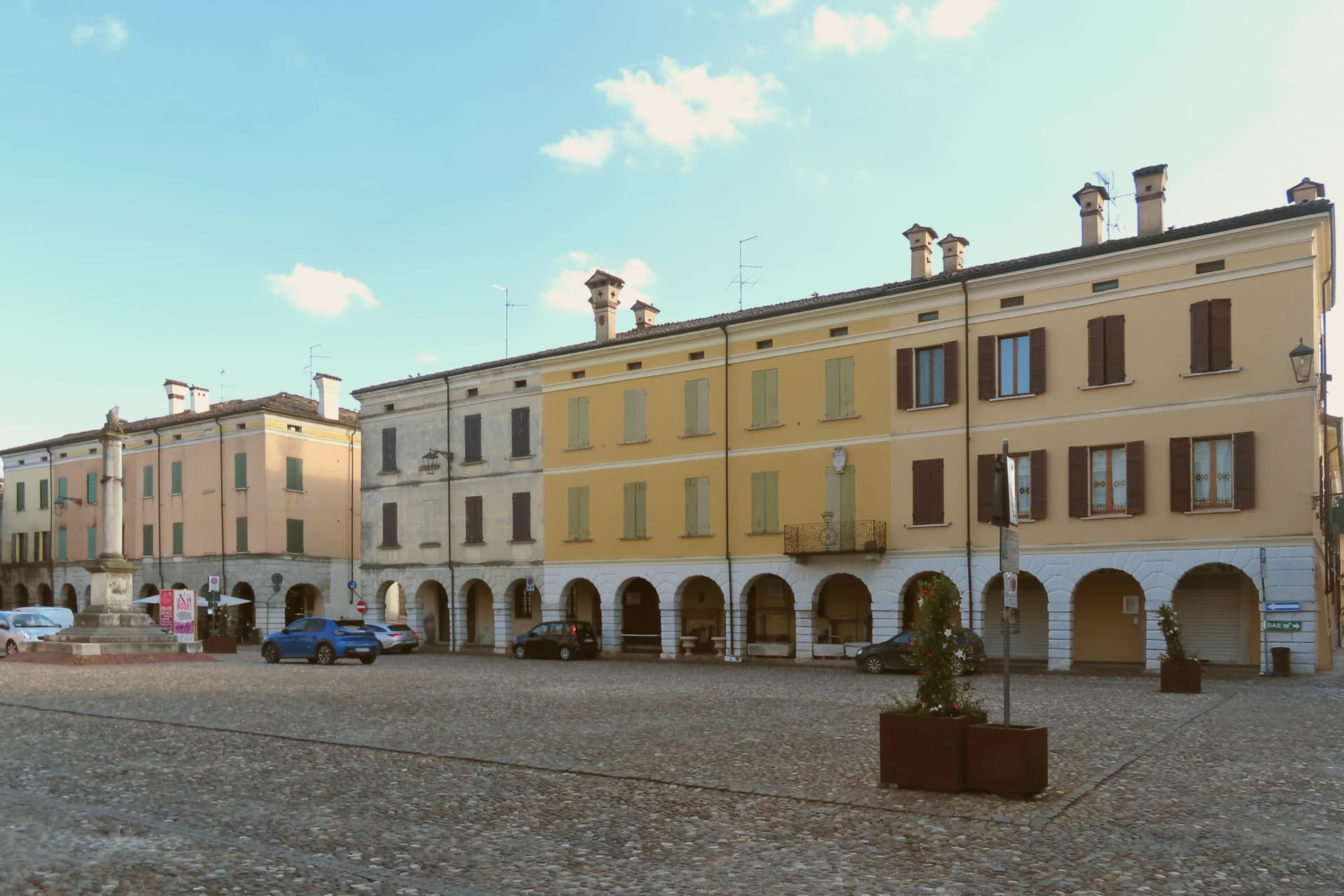 The ones we would look at firstThey pass every test above.
 Fast internetFull fibre to most homes, for working from here.
 An emergency room close byWithin 15 km.
 An international school in reachAn IB school within 40 km.
 Other foreigners already thereAt least 50 residents from English-speaking countries or western and northern Europe.
 Mild wintersClimate zones A to C.
 The 7% pension taxTowns where it may apply.
 Lower earthquake riskNational zones 3 and 4.
 Lower flood and landslide riskFew residents in the high-risk zones.
From our hundred, towns that pass every rule
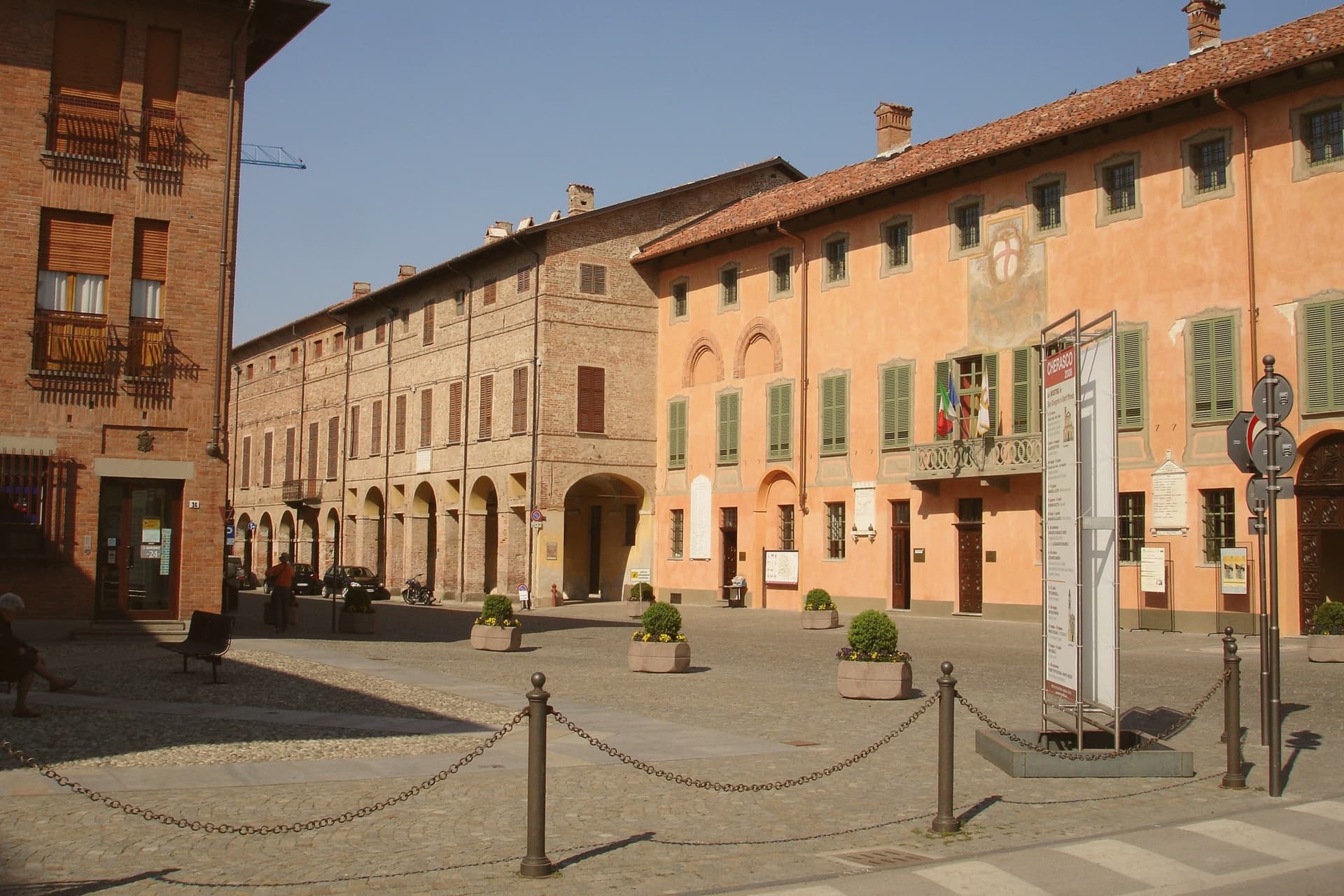
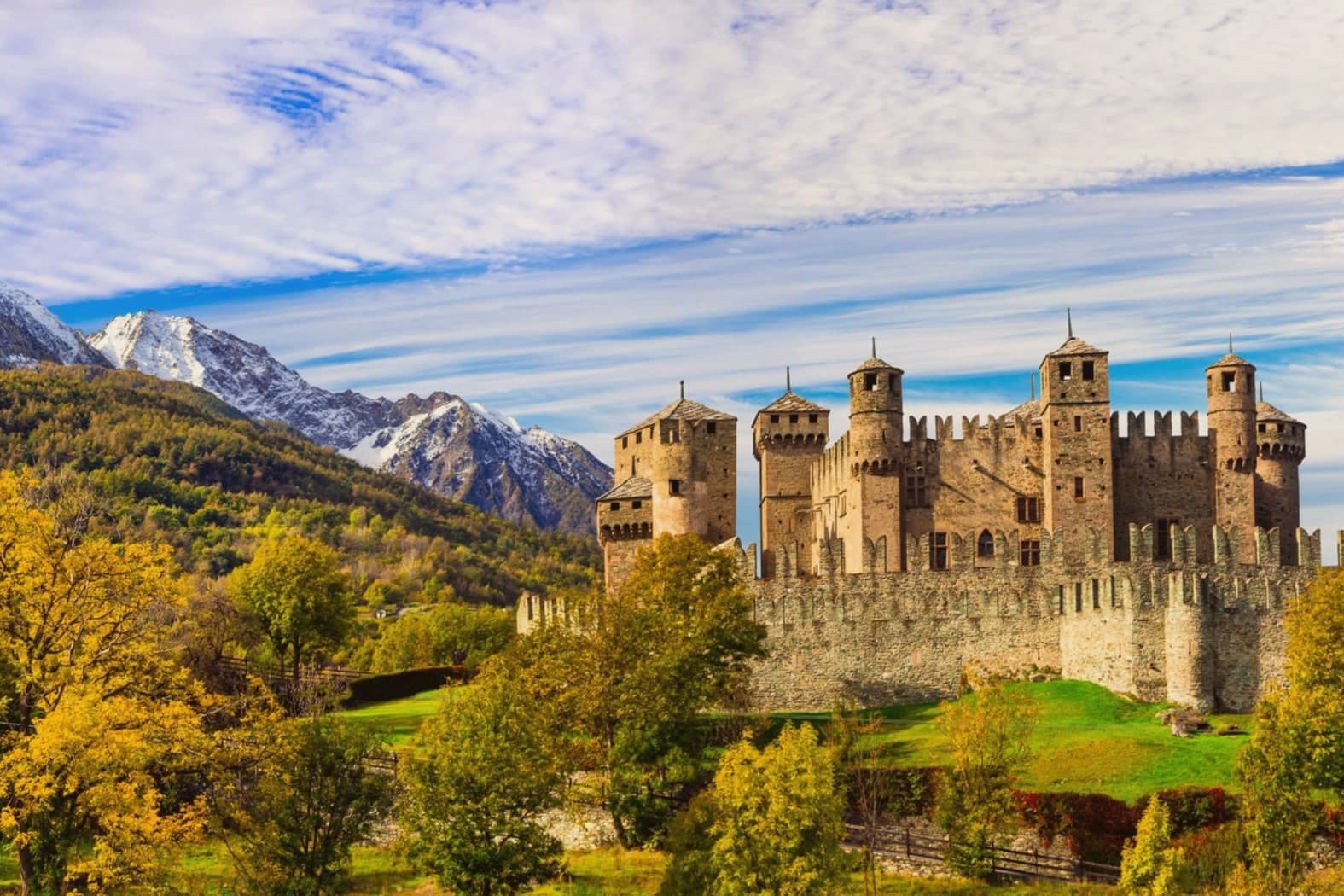
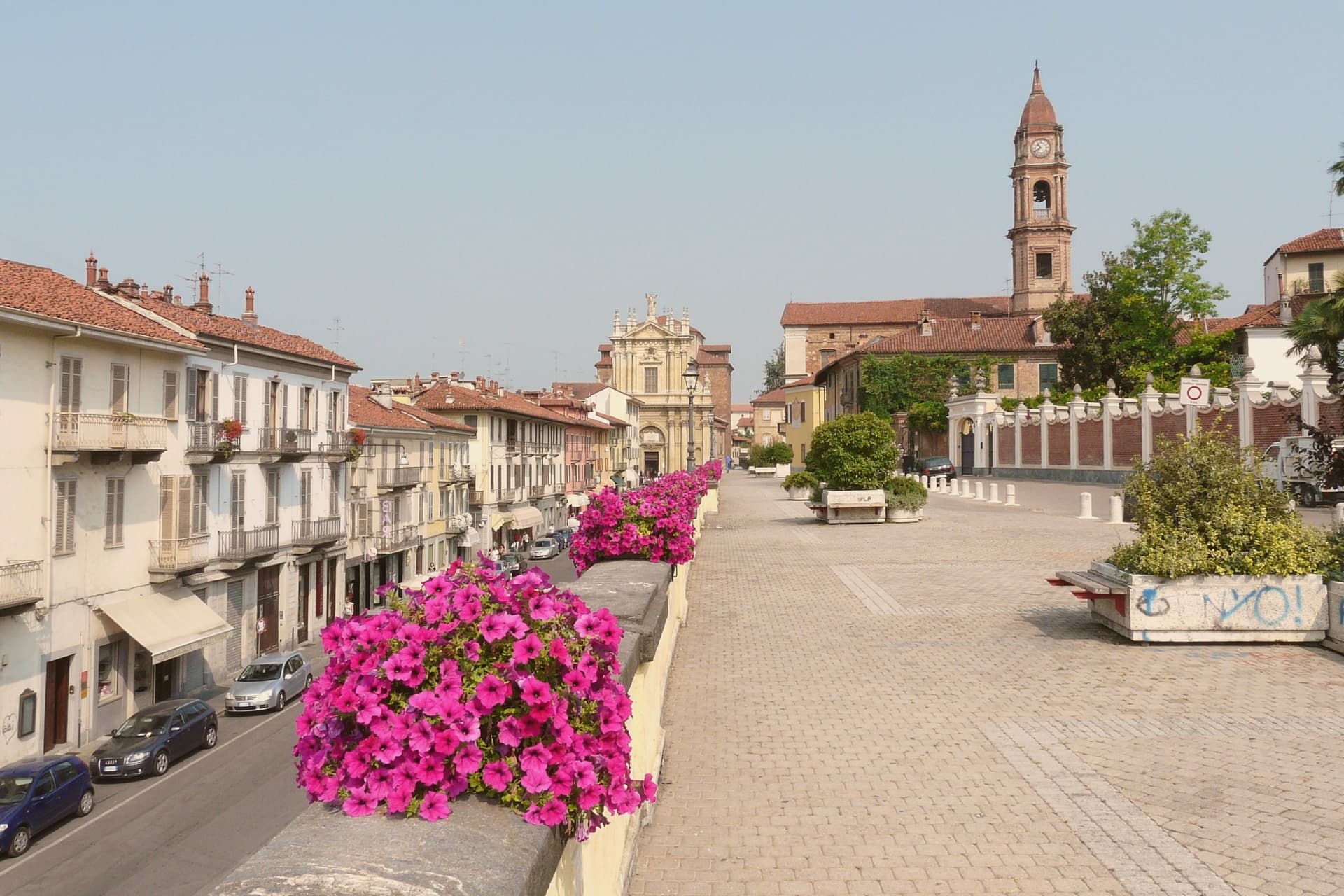
Cherasco
Province: Cuneo · 288 m
A walled grid-plan town on the river terrace where the Stura di Demonte meets the Tanaro, on the western edge of the Langhe.
San Benedetto Po
Province: Mantova · 19 m
A former river island whose entire existence traces back to the Benedictine abbey founded on it in 1007.
Soncino
Province: Cremona · 88 m
A walled borgo on the Oglio, held by a brick Sforza fortress and a printing house that once worked in Hebrew.
Kastelruth
Province: Bolzano · 1,060 m
South Tyrolean village on a shelf below the Sciliar, eighty-two-metre bell tower over the square, home of the Kastelruther Spatzen.
Asolo
Province: Treviso · 205 m
A walled hill town at 205 meters that Caterina Cornaro ran as her court after trading Cyprus to Venice in 1489.
Valdobbiadene
Province: Treviso · 253 m
The Prosecco Superiore capital at 253 meters in the Treviso Prealps, where Glera grown on Cartizze's 108 hectares produces Prosecco's top cru.
The practical part
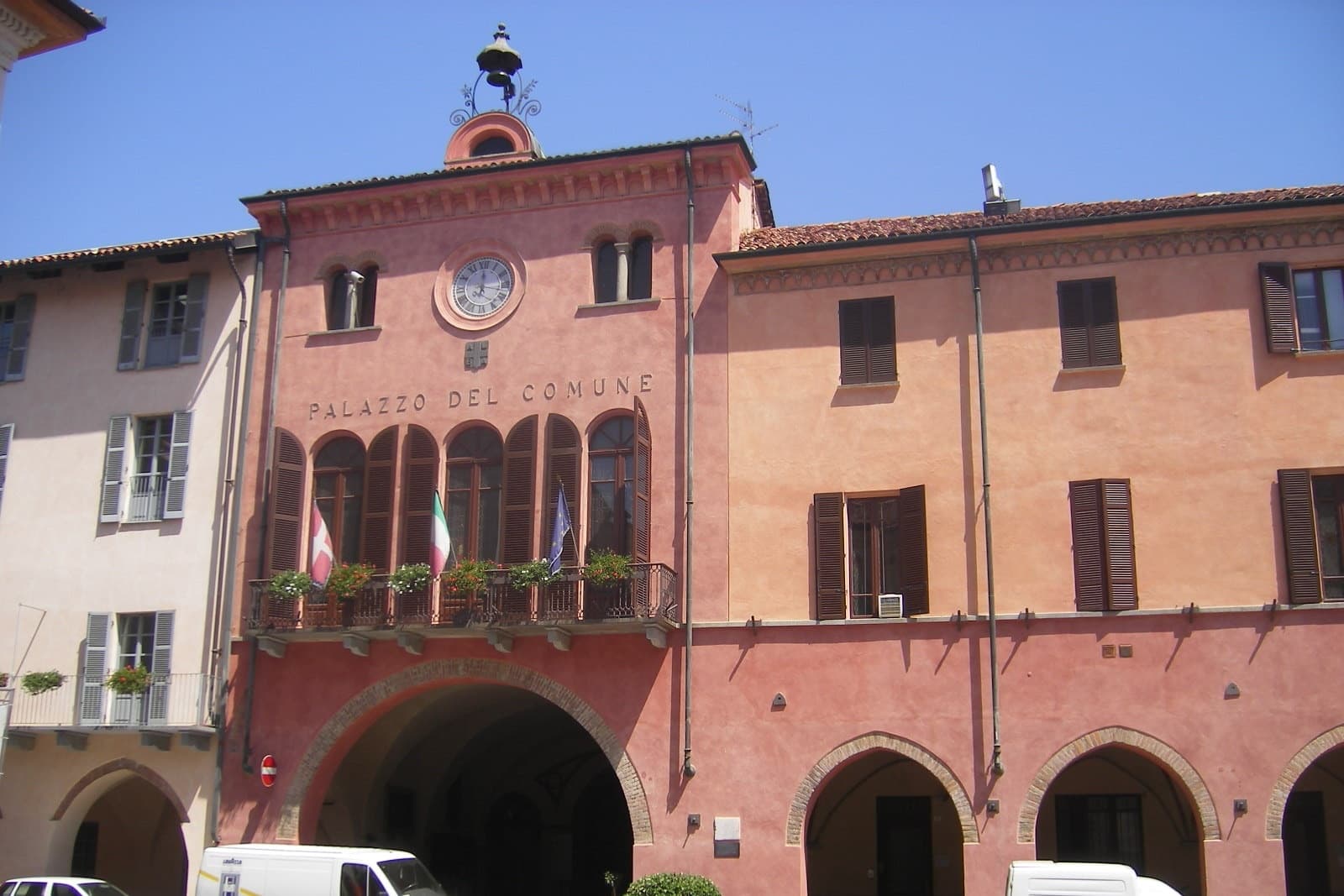
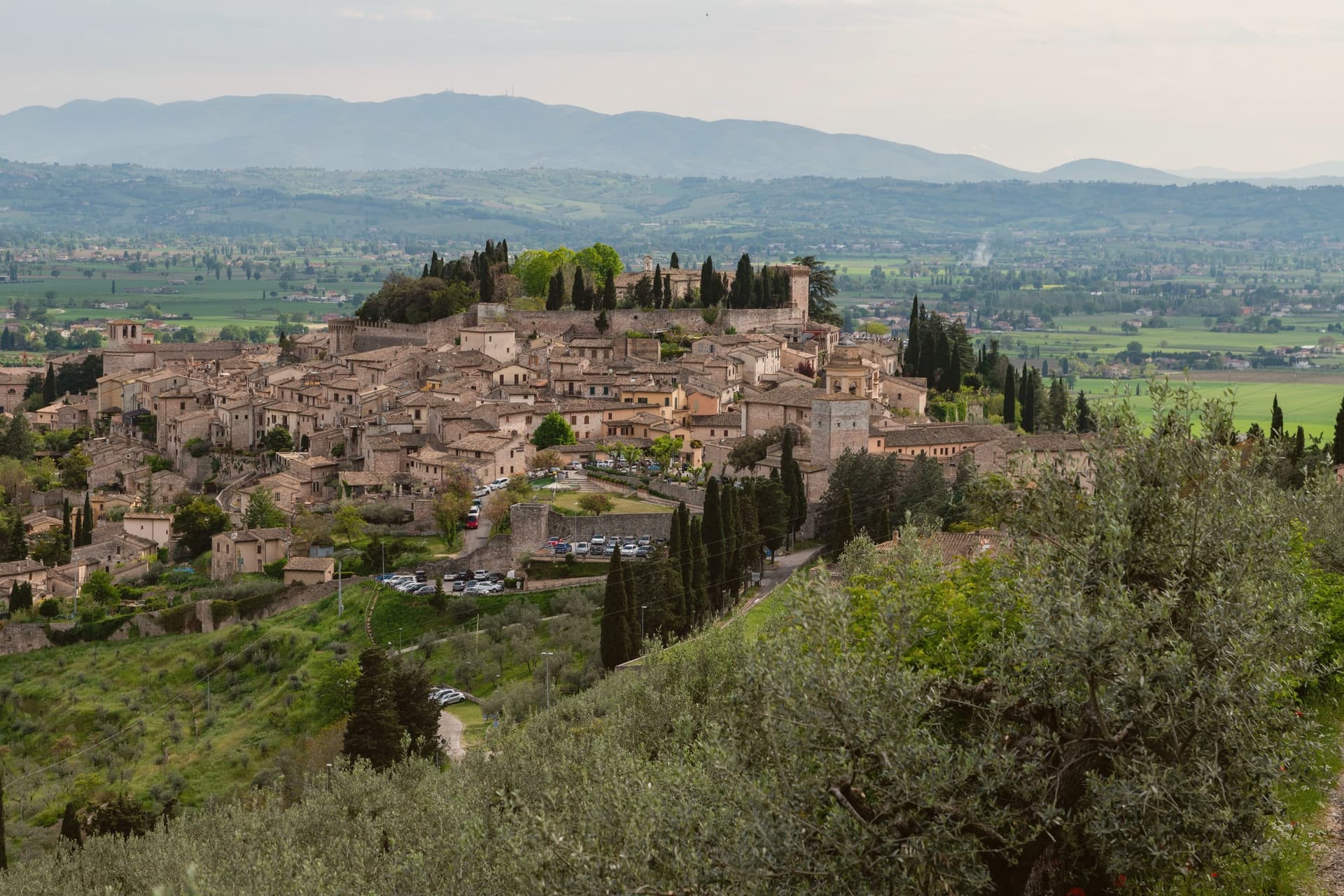
Take Spello
About 8,200 people live there, and Foligno is 10 minutes away by car. It has its own station. The nearest hospital is in Foligno, 10 km as the crow flies. Full fibre reaches 83% of homes. It sits in earthquake zone 2, medium hazard. Homes in the center sell for €1,000 to €1,450 per square meter, and rent for €3.20 to €4.80.
Every town page reads like this, and goes on to who lives there, the local taxes, the nearest emergency room and international school, flood and landslide risk, and when the heating may run. It also says whether the town qualifies for the 7% tax on foreign pensions.
Information, not tax advice. Confirm with a professional.
For people moving to Italy
The moving year
We moved to Italy from Hungary in 2022, spent three years in Pietrasanta, and have lived in Turin since October 2026. For one year, we help you choose your town.
- Everything in Travel
- One 60-minute call on where to move
- A written review of up to 5 towns on your shortlist
- 3 follow-up questions over the 12 months
You pay on Substack. We email you within 24 hours with an intake form and a link to book the call.
from €250 a year
Get the moving yearSubstack asks for your email, then shows the plans: pick Consigliere. It bills yearly. After the first year it renews for access to everything members get, not a second call and review.
This is the Move tier. All three tiers are on the membership page.
Not ready for that?
The letter is free, and it goes to the towns we would look at ourselves.