

Tuscany · Lucca
Lucca
The provincial capital ringed by four kilometers of intact sixteenth-century walls, birthplace of Puccini and the only fully walled Italian city of its scale.
Known for
THE WALLS
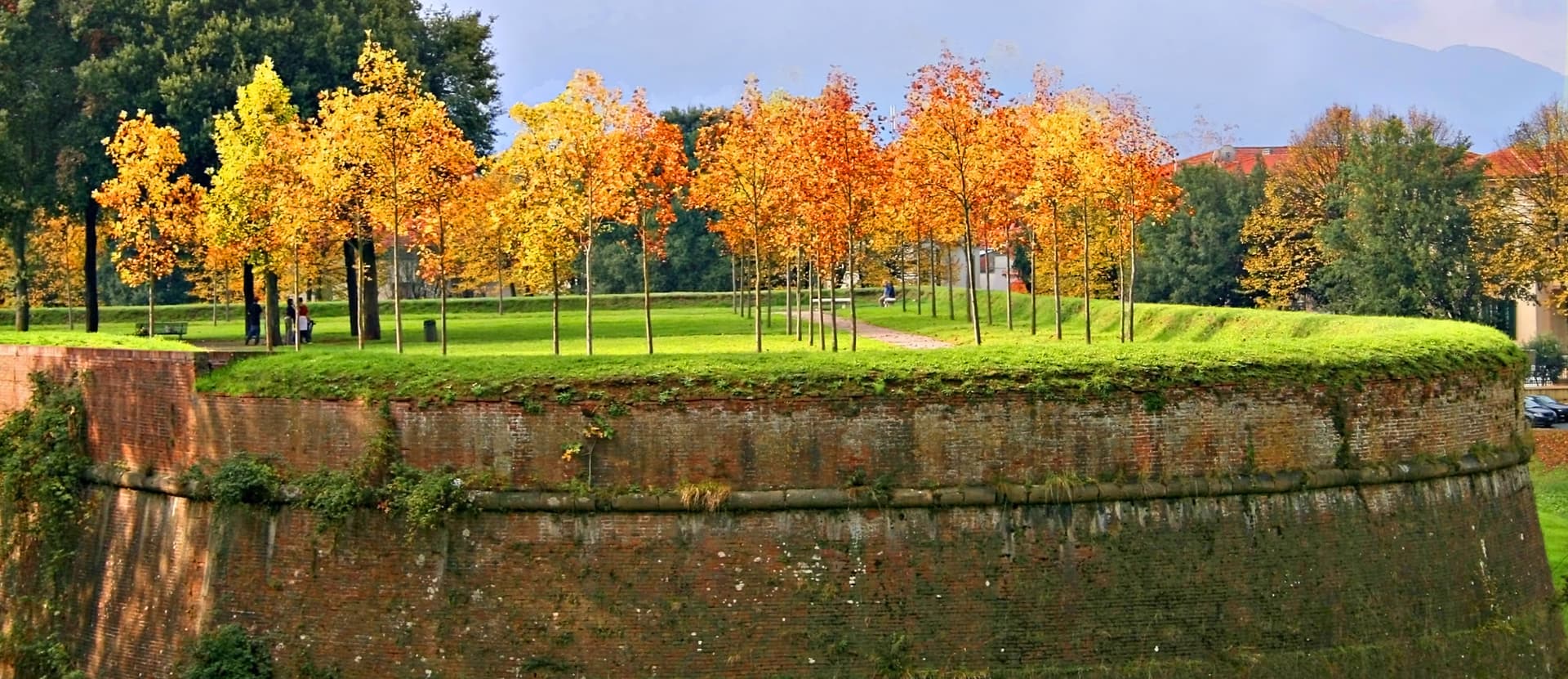
Four kilometers of intact sixteenth-century Renaissance city walls, the only complete walls of their scale left in Italy, now a tree-lined promenade.
PUCCINI
Giacomo Puccini was born in Lucca in 1858; his birthplace is a museum and the Puccini Festival runs each summer at nearby Torre del Lago.
LUCCA COMICS & GAMES
Annual comics, games and pop-culture festival running each October-November, the largest of its kind in Europe with around 300,000 attendees.
When to visit
Best · Apr–Oct
- J
- F
- M
- A
- M
- J
- J
- A
- S
- O
- N
- D
- Best
- Hot or crowded
- Quiet
- Mostly closed
The festa: Paolino di Lucca, 12 July
Why come
Lucca sits on the Serchio plain, a Roman colony from 180 BC laid out in a grid still visible in the centro storico. The current walls run four kilometers around the city, twelve meters high and thirty meters wide, built between 1513 and 1645 and never breached. They are now a tree-lined elevated promenade circling the old city, and one of the only complete Renaissance city walls left in Italy.
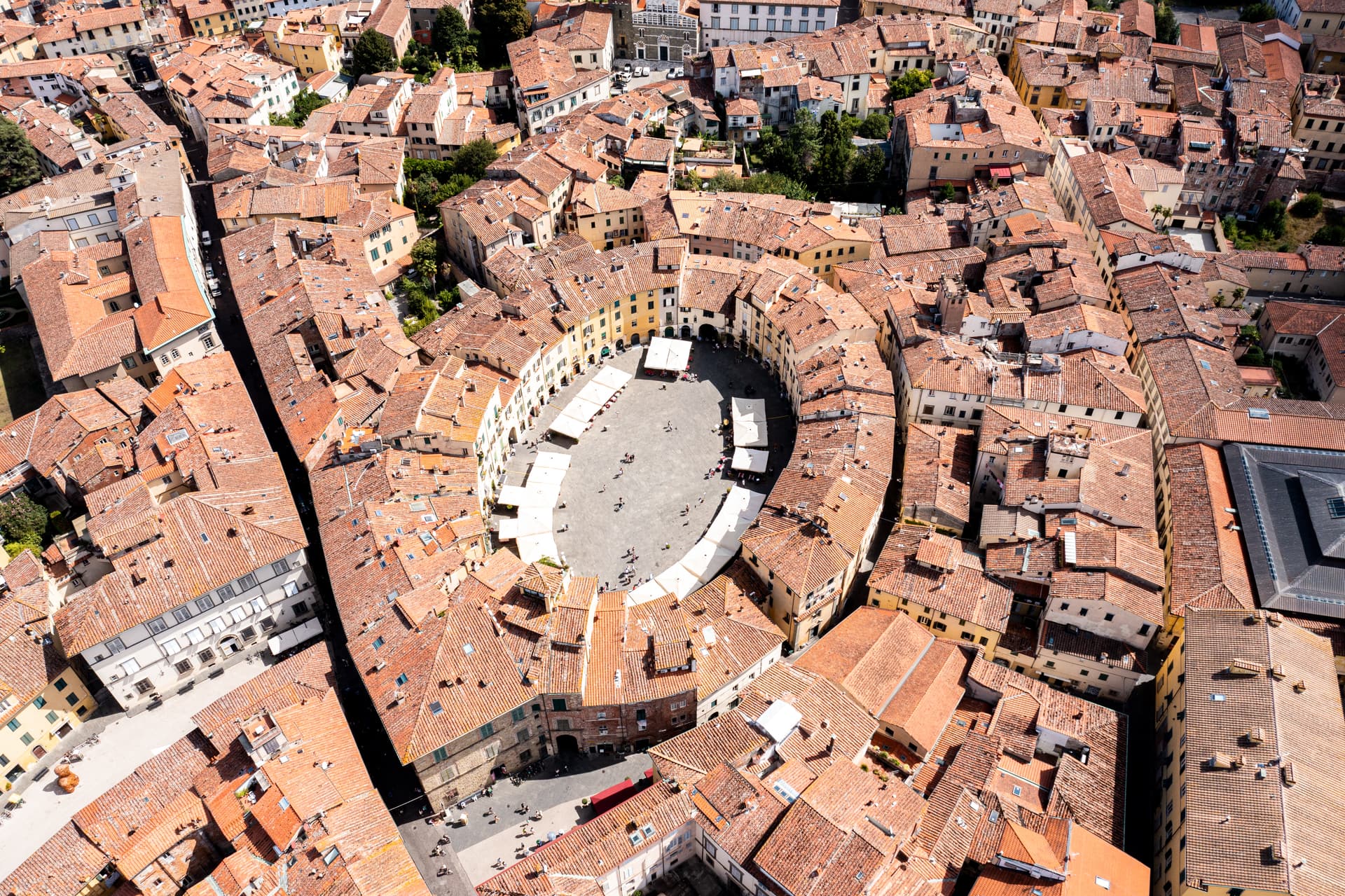
The Piazza dell'Anfiteatro preserves the elliptical footprint of a second-century Roman amphitheater that once held ten thousand spectators; the ring of houses follows the arena's exact shape. The Cattedrale di San Martino holds the Volto Santo crucifix and Jacopo della Quercia's tomb of Ilaria del Carretto. Giacomo Puccini was born here in 1858. The town gets the Lucca Comics & Games festival every October-November, the largest comics convention in Europe at 300,000 attendees.
What to see
Mura di Lucca
Four kilometers of intact sixteenth-century walls, 12 meters high and 30 meters wide, built 1513-1645, now an elevated tree-lined promenade.
Piazza dell'Anfiteatro
Elliptical square preserving the footprint of a second-century Roman amphitheater that once seated ten thousand.
Cattedrale di San Martino
Eleventh-century cathedral with a Romanesque-Gothic façade, the Volto Santo crucifix and Jacopo della Quercia's tomb of Ilaria del Carretto from 1406.
San Michele in Foro
Romanesque church built on the site of the Roman forum, with a four-tier marble façade and a Filippino Lippi panel inside.
Torre Guinigi
Fourteenth-century brick tower with seven holm oaks growing from its rooftop terrace, 45 meters above the centro storico.
Casa Natale di Puccini
Giacomo Puccini's birthplace on Corte San Lorenzo, now a museum with the Steinway he used to compose Turandot.
The slow-trip planner
Building a trip? Find where Lucca fits in a slow Italy circuit.
Answer five questions. We will shape a geographically coherent slow trip from the 1,000 Italian towns most travelers skip. Yours to save and share.
We’ve tried
What we got up to
Restaurants, walks, swims — the things we actually did in and around Lucca, each with the piece we wrote about it.
The tordello, the meat-stuffed pasta that is Versilia telling you it isn't Lucca.
We recommend
Where to eat and stay
Not our picks, but places the guides put their name to — a Michelin star, a Gambero Rosso fork, a Slow Food snail, a Michelin Key for the hotels. Worth a table, a counter, or a night when you pass through.
L'ImbutoRistorante
L'Imbuto has two Gambero Rosso forks (89/100), a place in L'Espresso's Top 300 and a spot in the Michelin Guide.
Antica Locanda di SestoRistorante
Antica Locanda di Sesto carries a Michelin Bib Gourmand, plus a place on Italy's historic-locali register.
Buca di Sant'AntonioRistorante
Buca di Sant'Antonio has a place on Italy's historic-locali register and a spot in the Michelin Guide.
GiglioRistorante
Giglio has two Gambero Rosso forks (87/100) and a spot in the Michelin Guide.
Il MecenateRistorante
Il Mecenate carries a Slow Food snail, plus a spot in the Michelin Guide.
All'OlivoRistorante
All'Olivo carries a spot in the Michelin Guide.
Da Giulio in PelleriaTrattoria
Da Giulio in Pelleria carries a Gambero Rosso listing.
La DrittaTrattoria
A Gambero Rosso listing, at La Dritta.
MecenateTrattoria
Mecenate has two Gambero Rosso prawns to its name.
NidaRistorante
Nida holds a Michelin Bib Gourmand.
Ristoro della Fattoria SardiRistorante
Ristoro della Fattoria Sardi carries one Gambero Rosso fork (79/100).
Hotel Albergo Villa MartaHotel
A place in the Michelin hotel guide, at Hotel Albergo Villa Marta.
Signature dish
Tordelli lucchesiPasta
Meat-filled pasta in a slow ragù, served at feast days alongside buccellato, the town's ring-shaped anise bread.
See every town in our catalogue with a dish of its own.
The Sunday letter
Lucca got its letter. One town every Sunday, free — the photo, the food, the festa.
By subscribing you agree to Substack’s Terms of Use, our Privacy Policy and our Information collection notice.
Living here
- Population 88,798
- A local hubi
- Pharmacy in town
- High school within a 30-minute drive
- Train station in the comune
- Nearest airport Florence / Pisa, 49 min drive
- Regional capital Firenze, 1 h 8 min drive
Tags & datadesignations · numbers · sources
Recognised as
The numbers
- Elevation: 19 m
- Population: 88,798
- Surface area: 185.79 km²
These figures were compiled from public directories — ISTAT, OpenStreetMap, Wikidata — and from the official listings of the guides named on this page. Town details change; verify with official sources before you travel.
Close by
More towns near Lucca
San Giuliano Terme
Province: Pisa
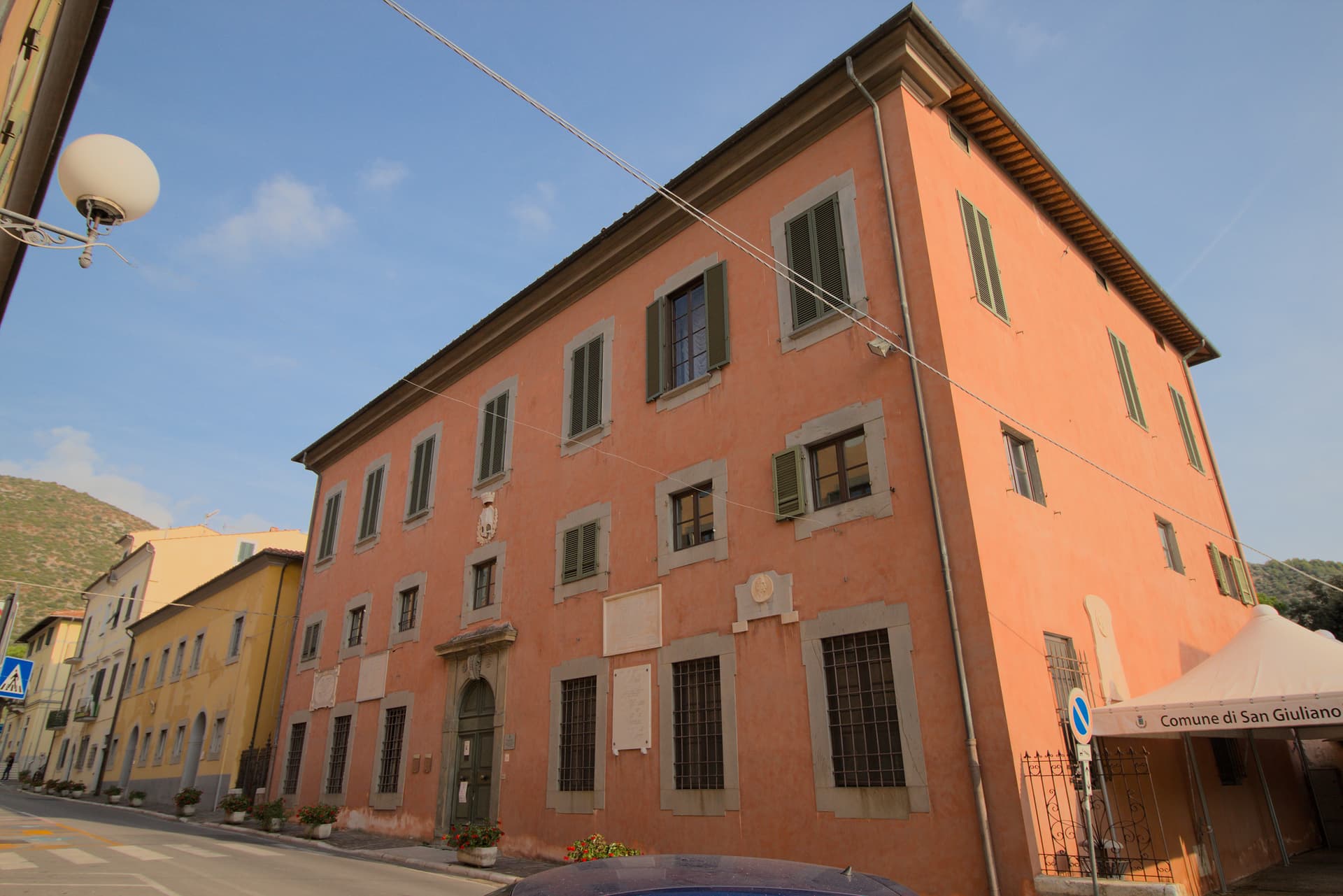
A thermal spa at the foot of Monte Pisano, ten kilometers from Pisa, where the springs were bathed since the Romans called them Aquae Pisanae.
Montecarlo
Province: Lucca
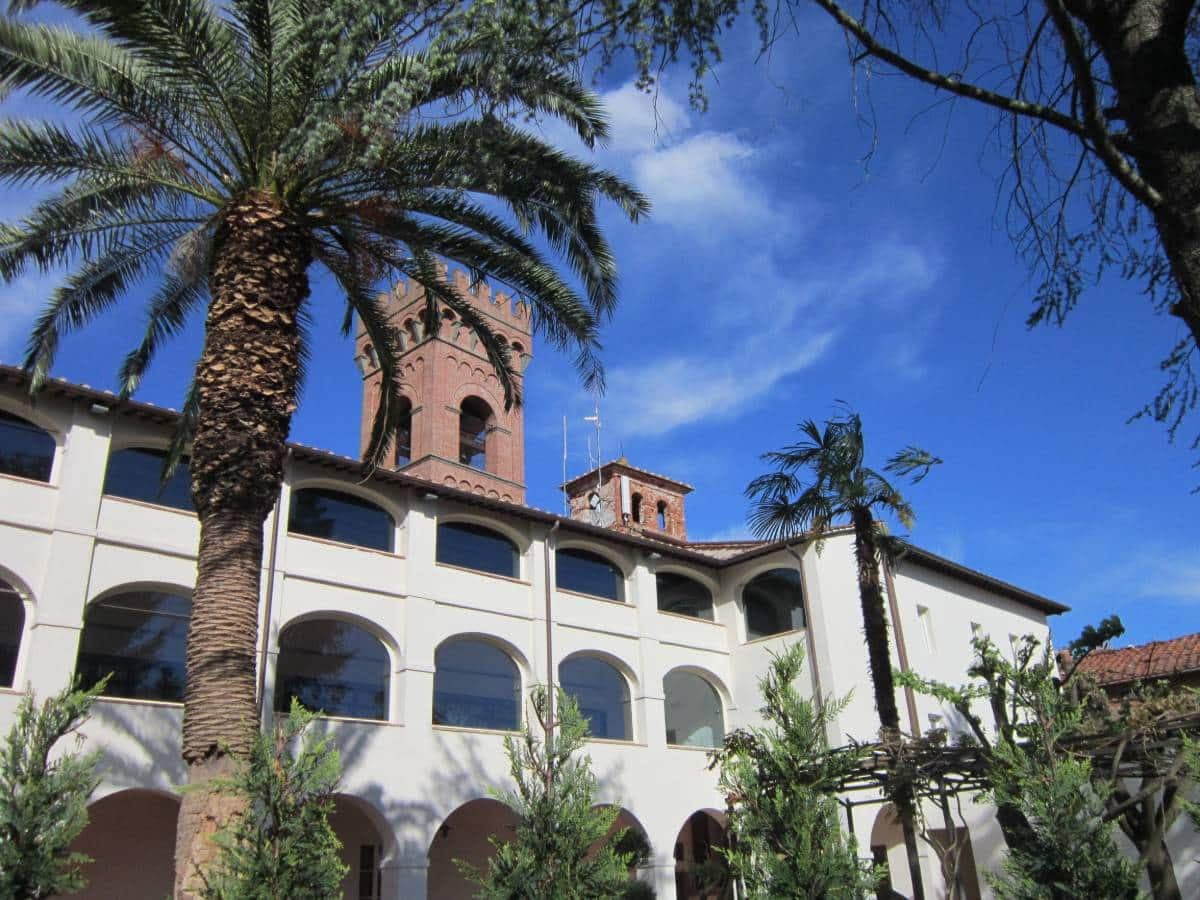
A walled hill village at 163 meters above the Lucca plain, founded by Emperor Charles IV in 1333 and named for him, surrounded by twenty wineries.
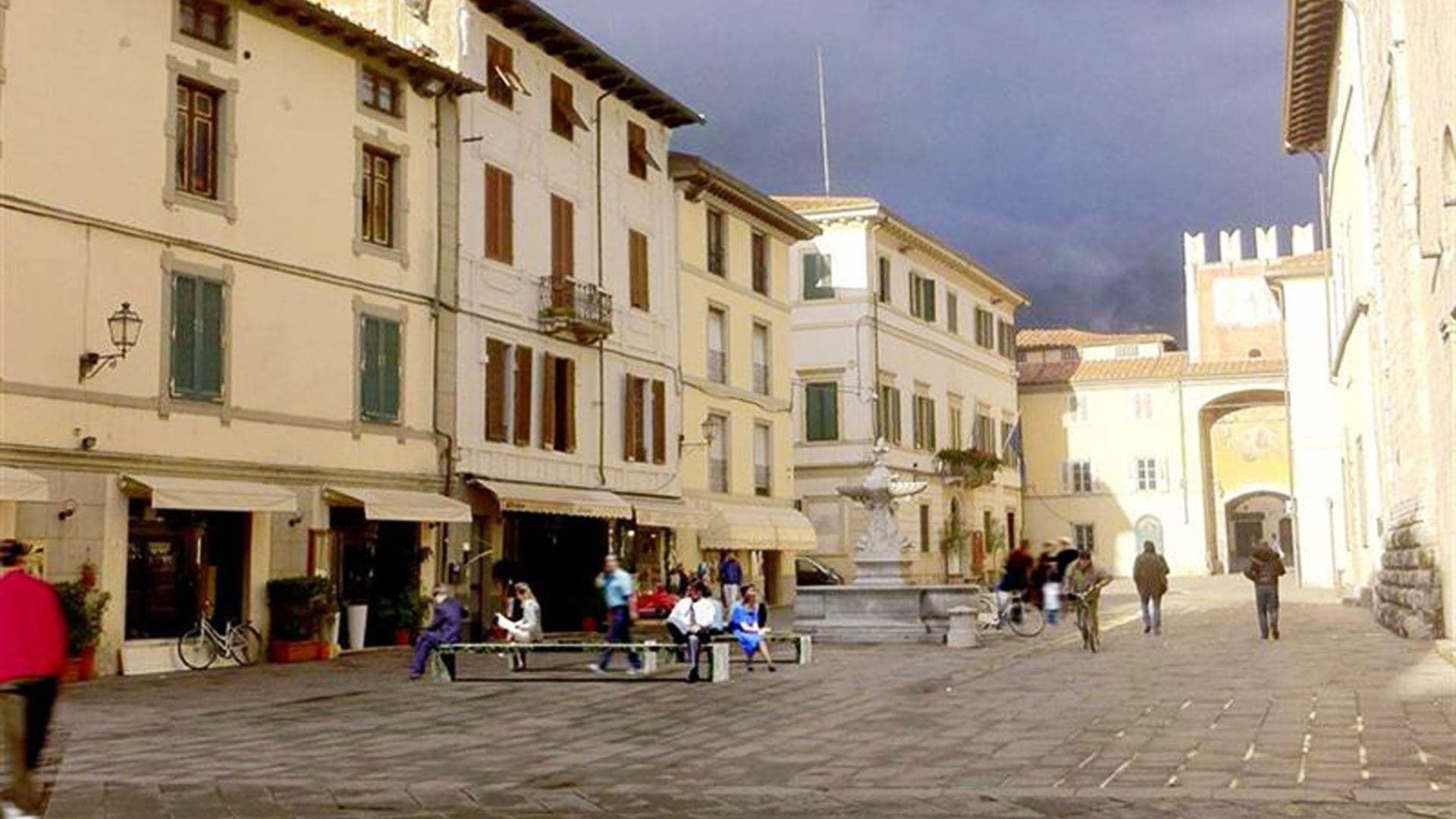
Camaiore
Province: Lucca
The Versilia commune that runs from the Apuan Alps to the sea, a Roman Campus Maior on the Via Francigena with a beach at its western end.
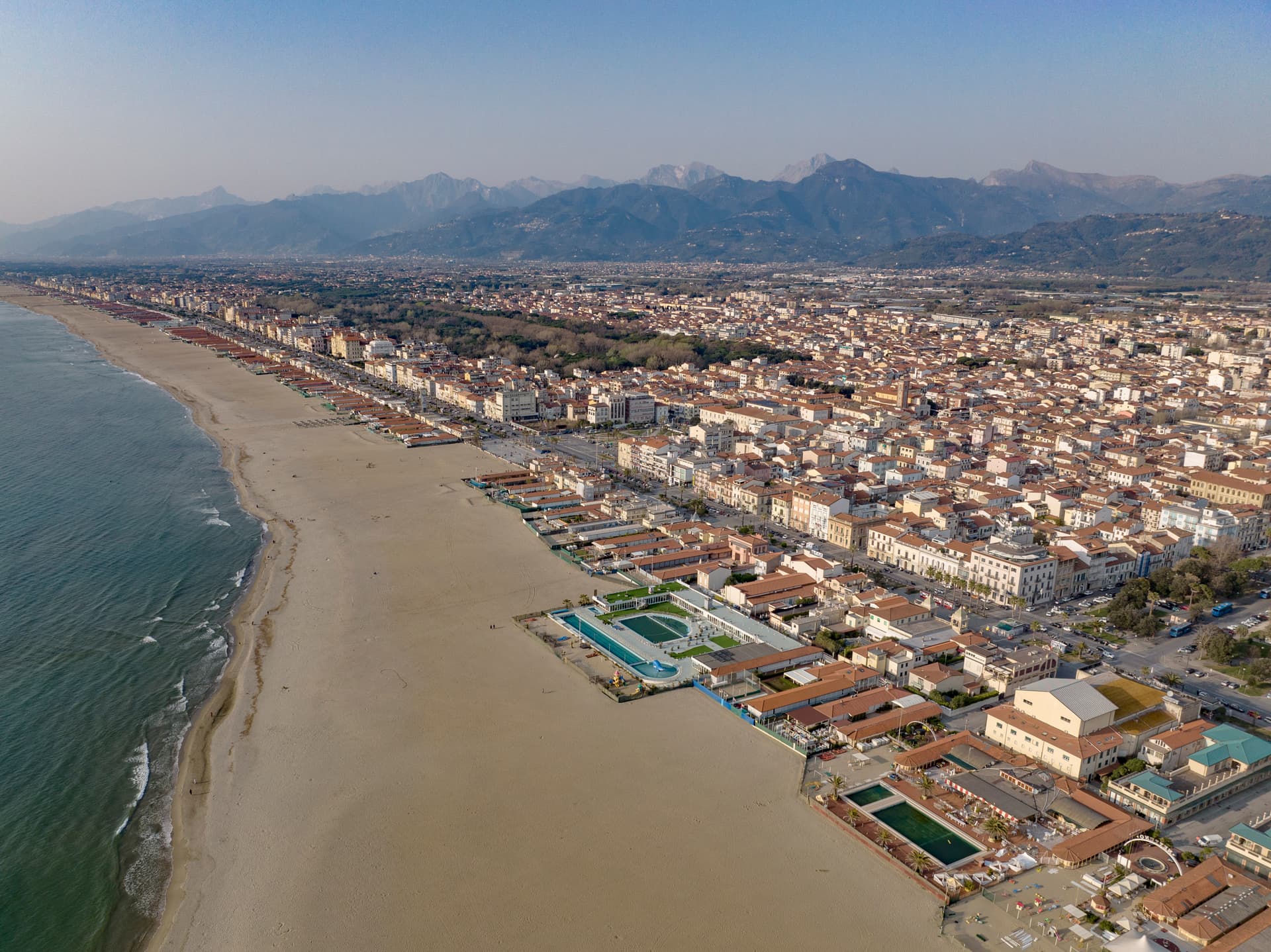
Viareggio
Province: Lucca
The Versilia capital, a Liberty-architecture seafront built around the 1873 Carnival and the 254-kilogram papier-mâché floats that still parade every February.
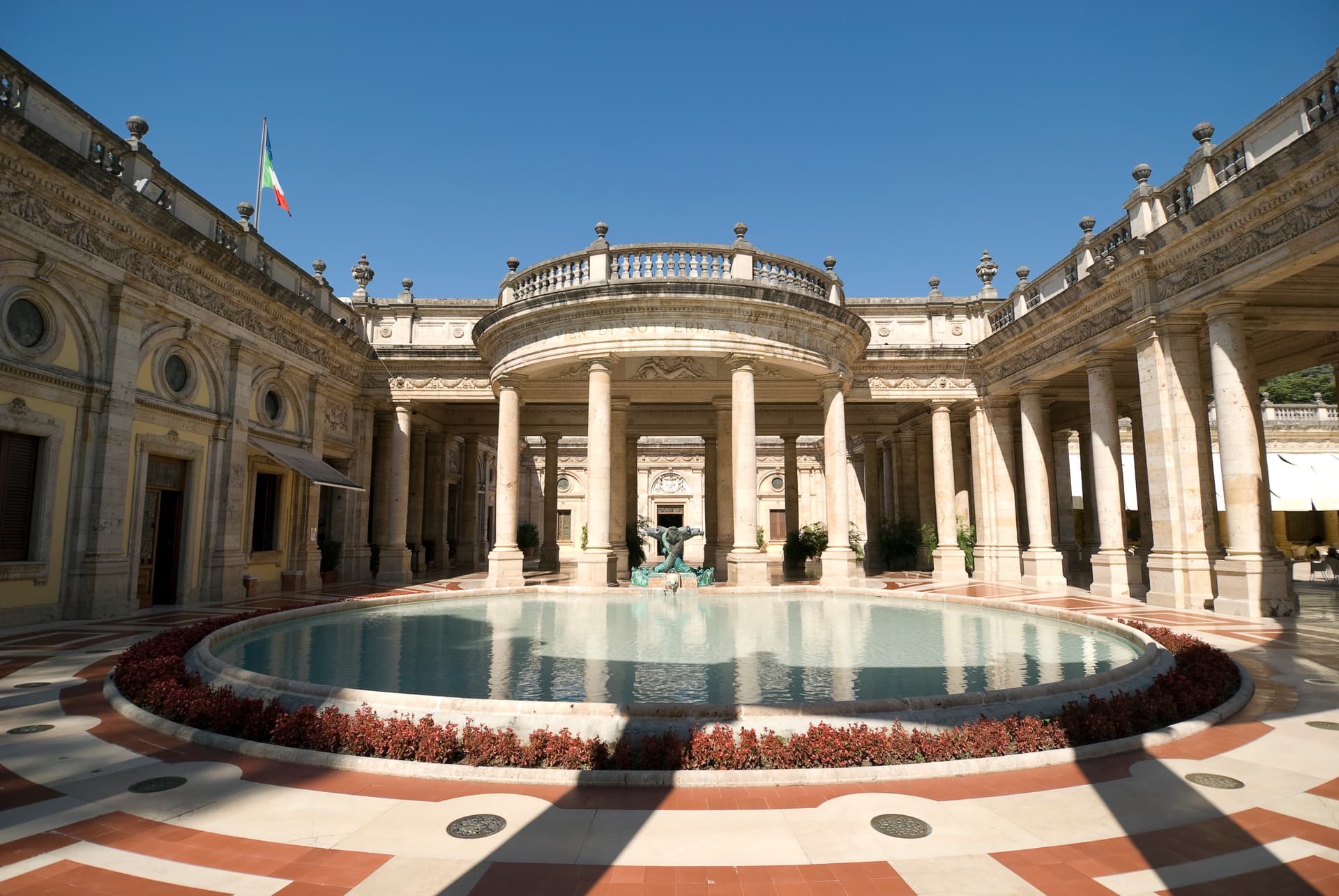
Montecatini-Terme
Province: Pistoia
Eleven thermal springs in a Liberty-style park at the foot of the Apennines, one of the Great Spa Towns of Europe inscribed by UNESCO in 2021.
👣 Via Francigena
More Via Francigena towns in Tuscany
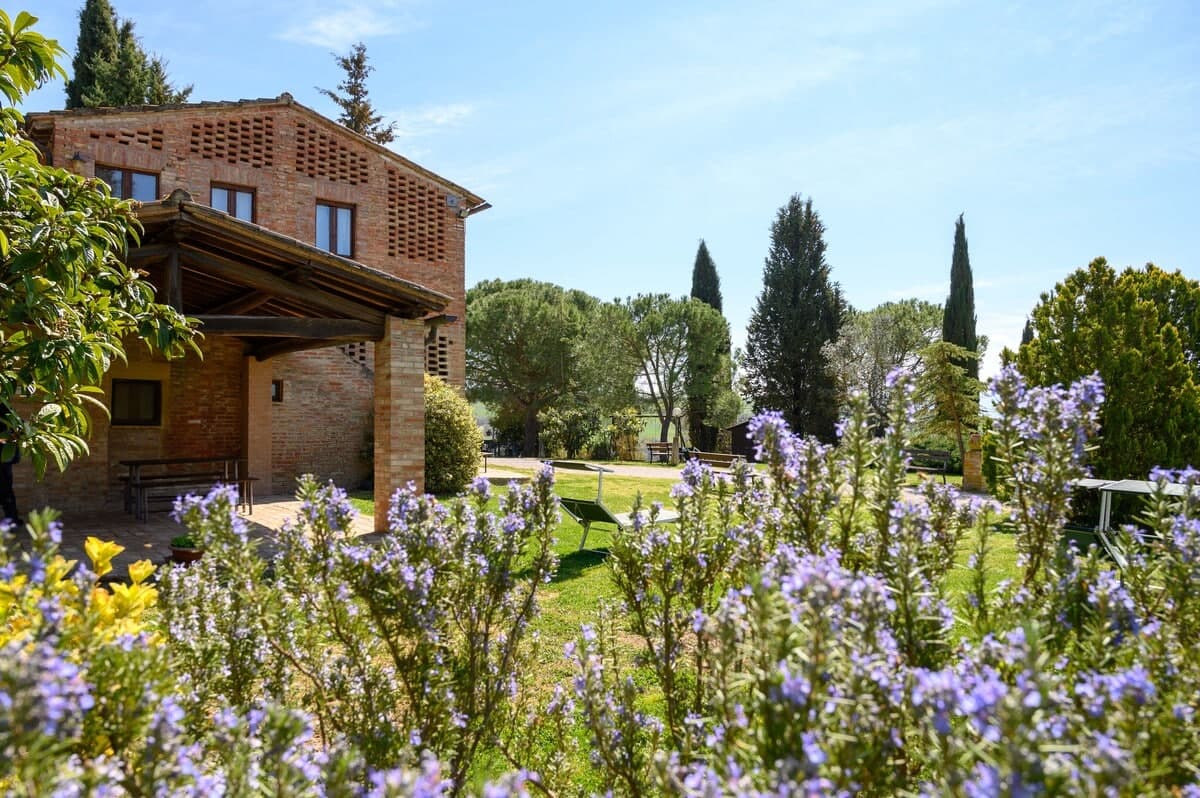
Buonconvento
Province: Siena
The walled brick borgo in the Crete Senesi where Emperor Henry VII died in 1313, on the Via Cassia at the confluence of the Arbia and Ombrone.
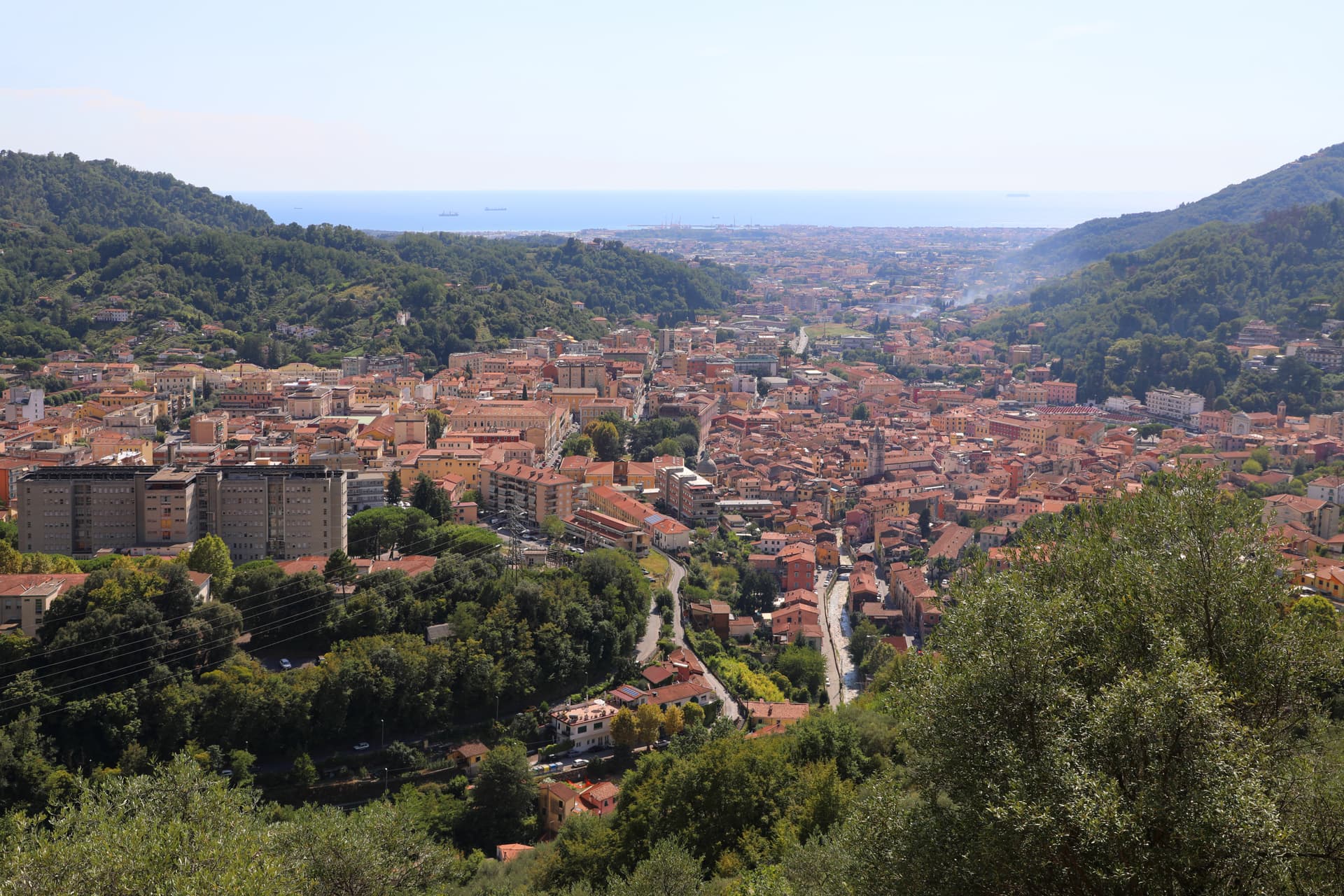
Carrara
Province: Massa-Carrara
The marble town at the foot of the Apuan Alps, with over 650 quarry sites in the valleys above and the stone that built the Pantheon, the Pietà and Michelangelo's David.
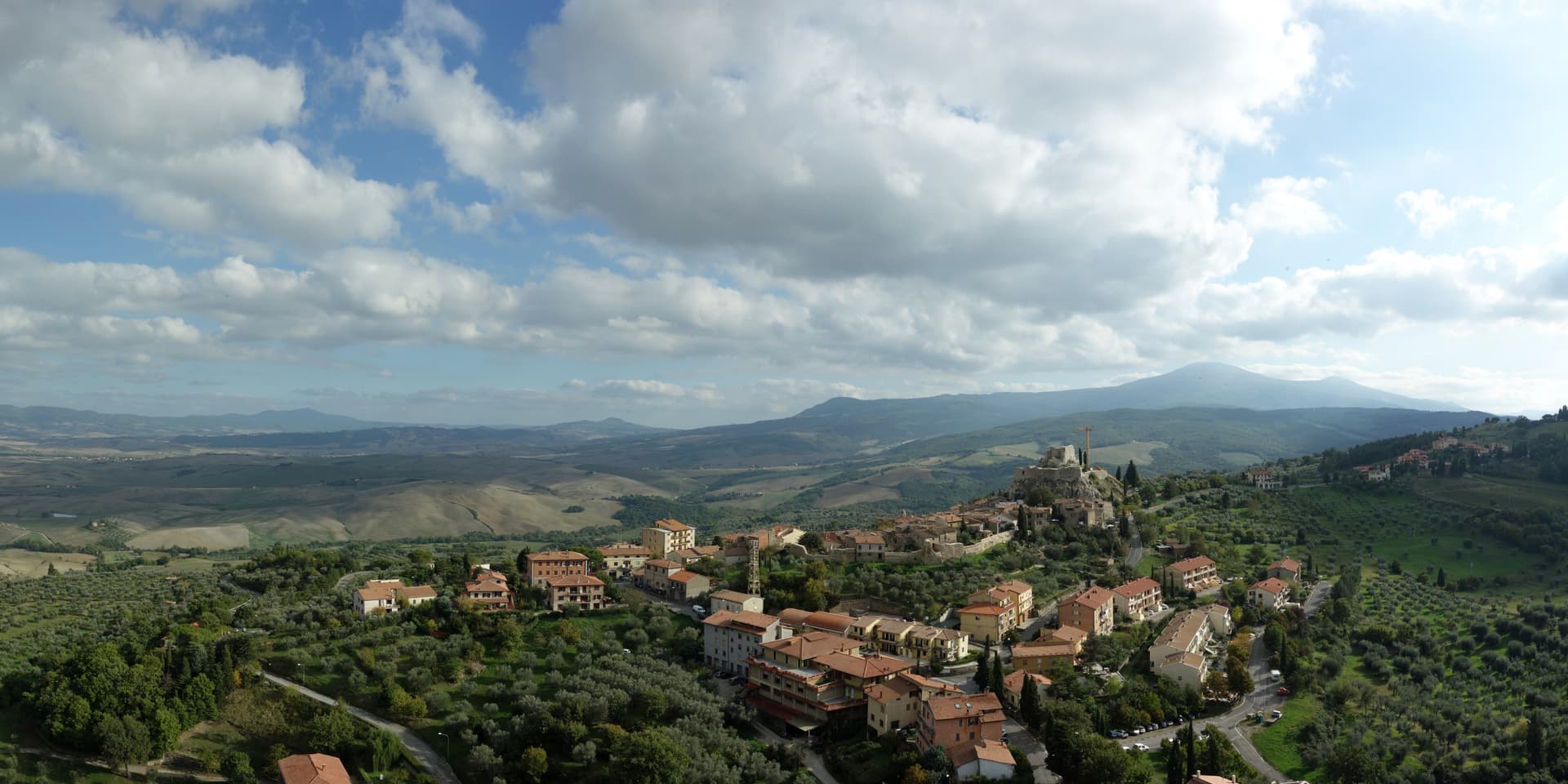
Castiglione d'Orcia
Province: Siena
A stone borgo at 540 meters in the UNESCO Val d'Orcia, first recorded in 714, with two fortresses guarding the road from Amiata to the Via Francigena.
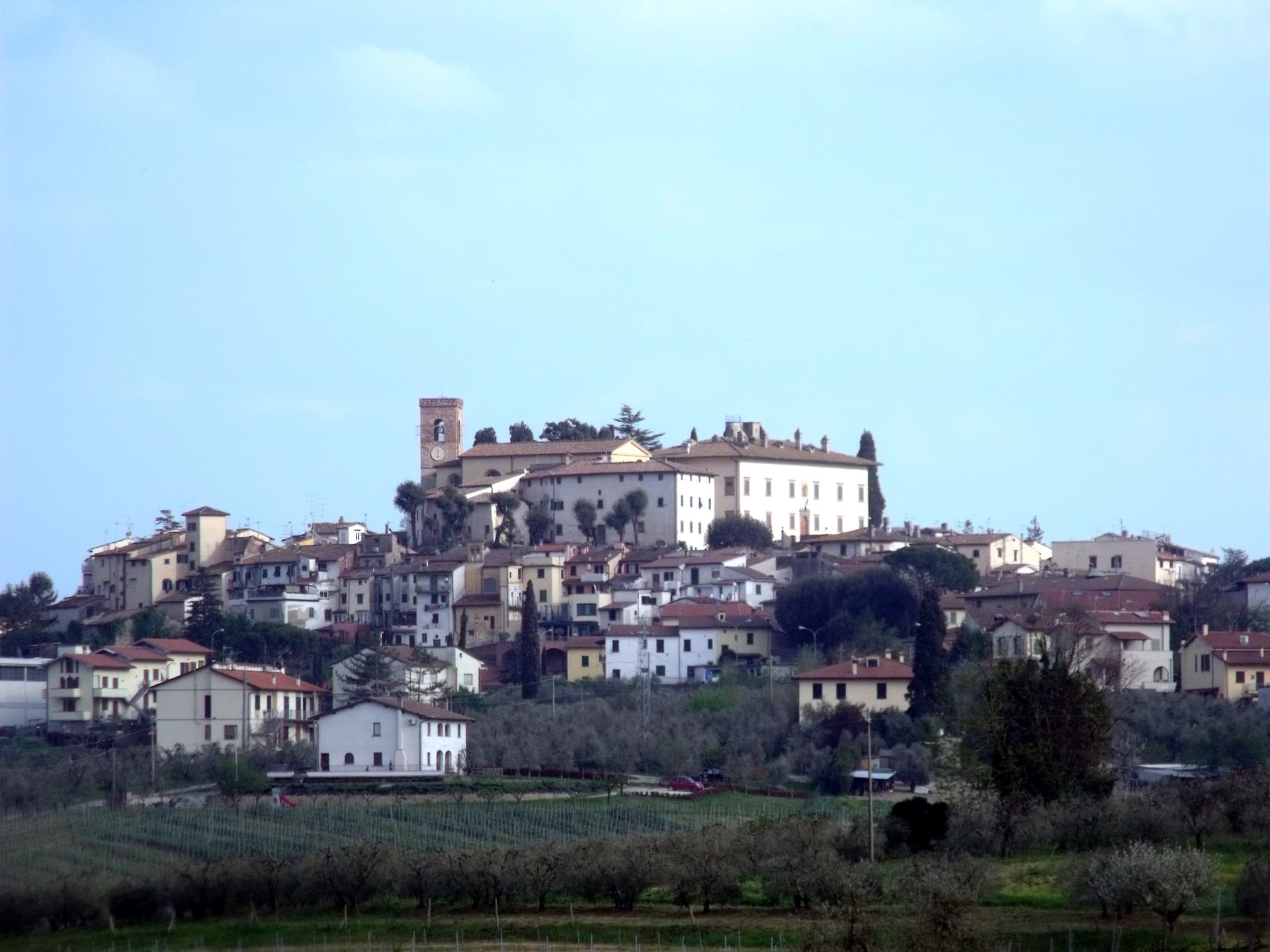
Cerreto Guidi
Province: Firenze
The Medici hunting villa above the Padule di Fucecchio, where Cosimo I sent his court for the marshland game and Buontalenti built four ramps of stairs.
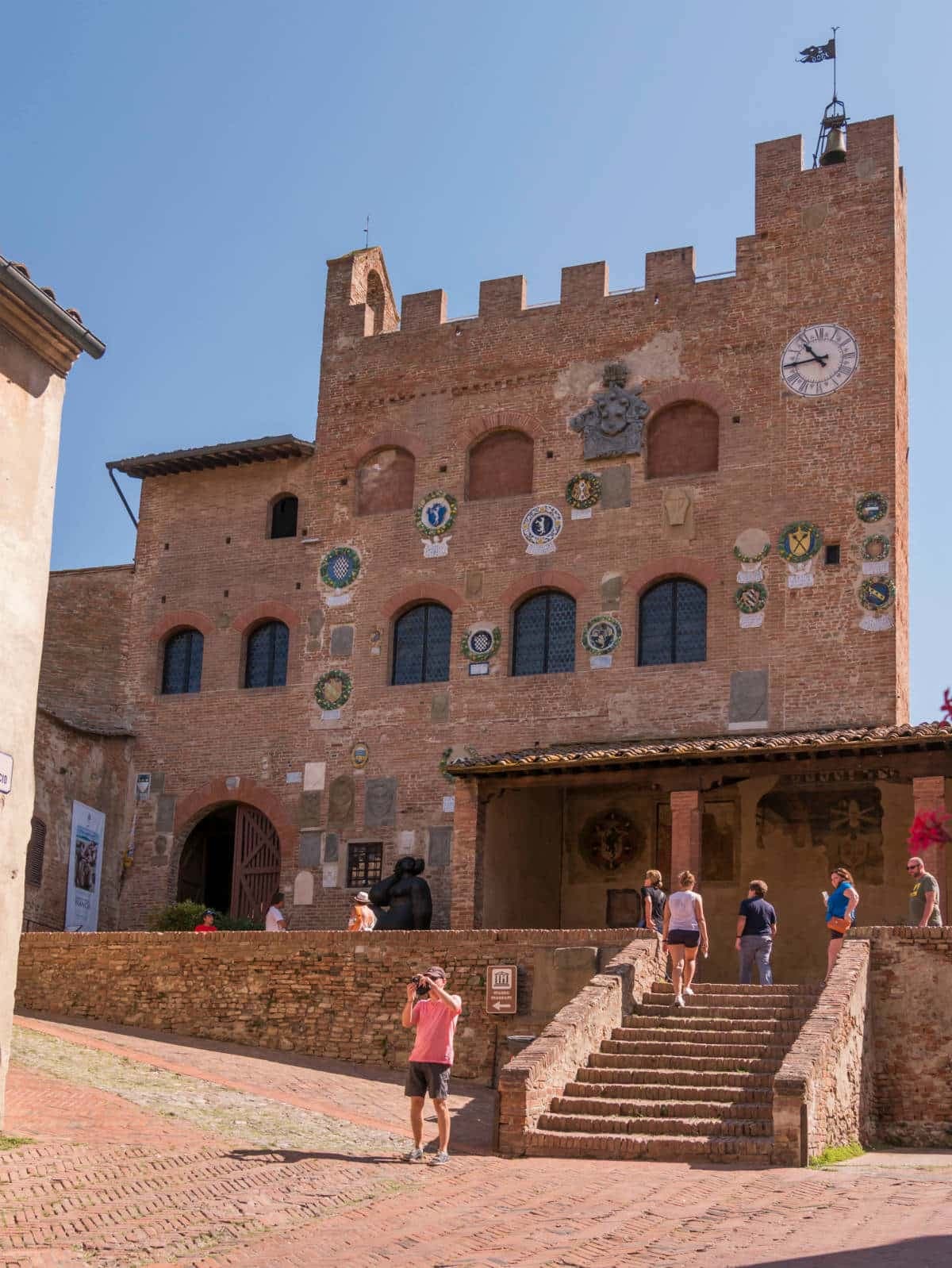
Certaldo
Province: Firenze
The brick-built upper town in the Valdelsa where Boccaccio spent his last years, twenty-five kilometers from Florence on the medieval road to Siena.