

Tuscany · Lucca
Montecarlo
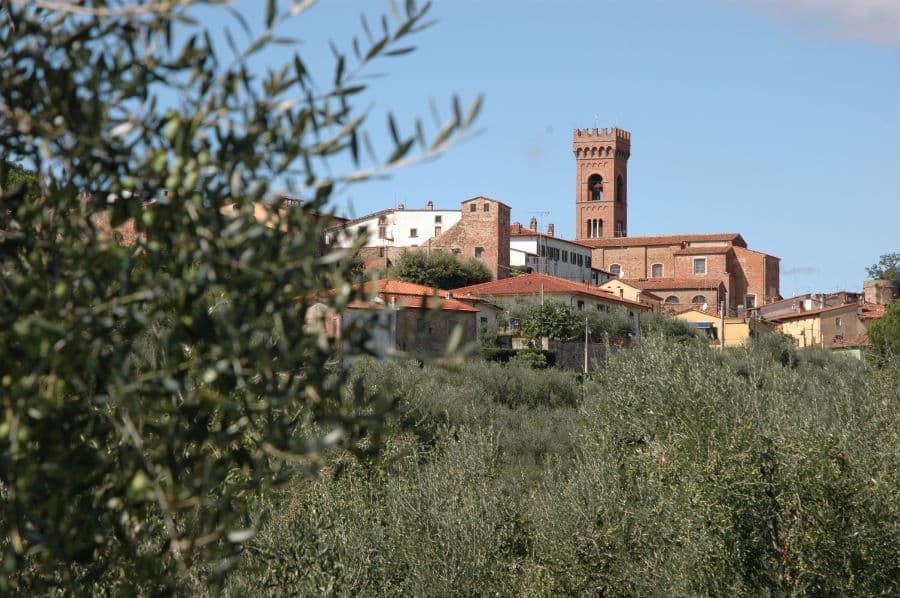
A walled hill village above the Lucca plain, founded by Emperor Charles IV in 1333 and named for him, surrounded by twenty wineries.
Known for
MONTECARLO DOC
1969 DOC for a Trebbiano-French white blend and a Sangiovese-led red, with around twenty wineries inside the commune.
FORTEZZA DEL CERRUGLIO
Fourteenth-century fortress at the top of the walled hill, expanded by Castruccio Castracani and the Florentines.
CHARLES IV
Founded in 1333 by Holy Roman Emperor Charles IV after he ended Pisan rule over Lucca; the name means Charles's Mountain.
When to visit
Best · Apr–Oct
- J
- F
- M
- A
- M
- J
- J
- A
- S
- O
- N
- D
- Best
- Hot or crowded
- Quiet
- Mostly closed
Why come
Montecarlo sits on an isolated hill above the Lucca plain, looking south toward the Valdinievole. Holy Roman Emperor Charles IV founded it in 1333 after liberating Lucca from Pisan rule, on a site previously called Vivinaia for the wine roads that crossed the hill. The name Monte di Carlo, Charles's mountain, has held since.
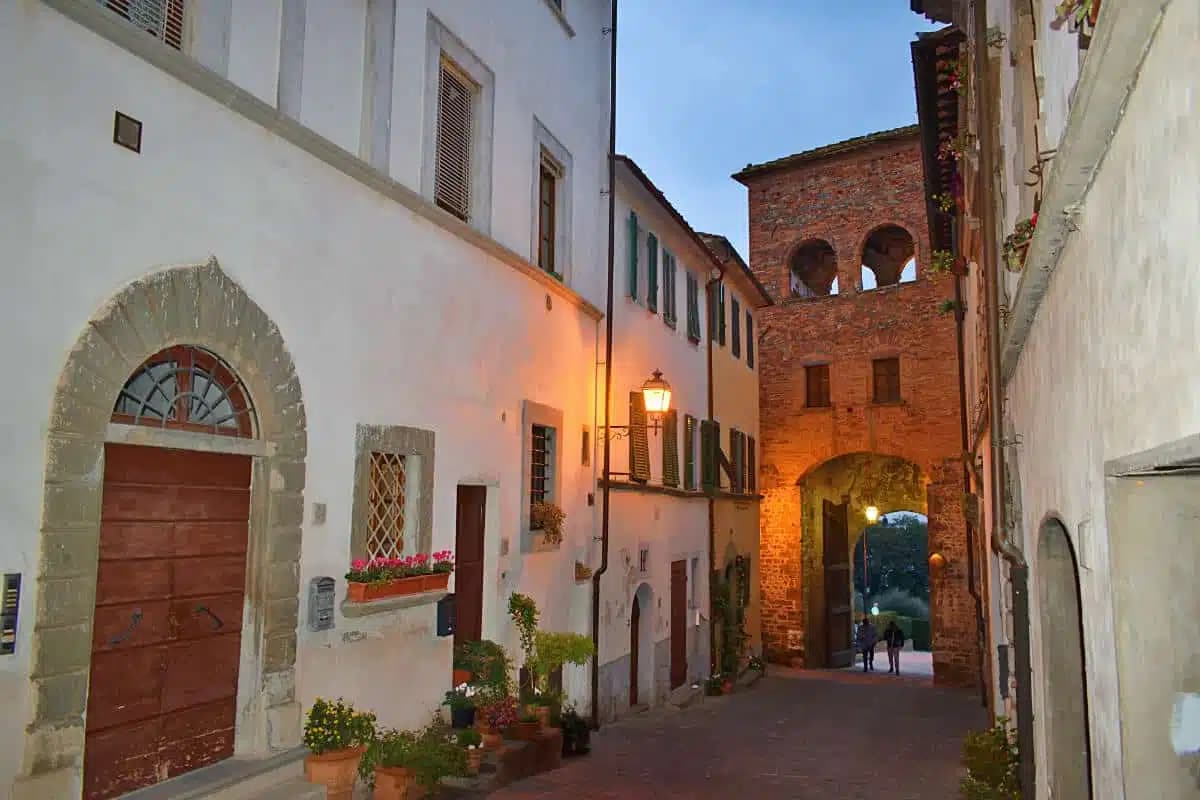
The walled centro storico is still ringed by its fourteenth-century defensive walls, with the Fortezza del Cerruglio rising above the highest point. Wine production has been documented here since Roman times; the first tavern keepers selling Trebbiano in barrels appear in records in 1371. The Montecarlo DOC was established in 1969, the white blends Trebbiano with French varieties including Sémillon and Pinot Gris, and roughly twenty wineries operate within the commune, a notable density for a population under 4,500.
The Sunday letter
We haven’t written Montecarlo’s letter yet.
One town every Sunday, with the photo, the food, the festa. Be there when this one comes up. Free, by Peter & Sophia from Pietrasanta.
By subscribing you agree to Substack’s Terms of Use, our Privacy Policy and our Information collection notice.
What to see
Fortezza del Cerruglio
Fourteenth-century fortress on the highest point of the hill, expanded by Castruccio Castracani and the Florentines in the fifteenth century.
Centro storico
Walled medieval village founded by Charles IV in 1333, still inside its original defensive perimeter along Via Roma.
Teatro dei Rassicurati
Small eighteenth-century theatre with 95 seats and a horseshoe plan, inaugurated in 1795 and still used for the autumn season.
Chiesa di Sant'Andrea
Fourteenth-century parish church inside the walls, with a Crucifixion attributed to the school of the Lucchese painter Berlinghieri.
Strada del Vino di Montecarlo
Wine road circuit linking roughly twenty wineries that produce the Montecarlo DOC, a Trebbiano-led white and a Sangiovese-led red.
The slow-trip planner
Building a trip? Find where Montecarlo fits in a slow Italy circuit.
Answer five questions. We will shape a geographically coherent slow trip from the 1,000 Italian towns most travelers skip. Yours to save and share.
We recommend
Where to eat and stay
Not our picks, but places the guides put their name to — a Michelin star, a Gambero Rosso fork, a Slow Food snail, a Michelin Key for the hotels. Worth a table, a counter, or a night when you pass through.
Locanda Agricola PosapianoAgriturismo
A Slow Food snail for Locanda Agricola Posapiano, and a Gambero Rosso listing.
Antico Ristorante ForassiepiRistorante
Antico Ristorante Forassiepi holds a spot in the Michelin Guide.
ForassiepiRistorante
One Gambero Rosso fork (78/100), at Forassiepi.
Living here
- Population 4,389
- Commuter belti
- Pharmacy in town
- High school within a 30-minute drive
- Train station in the comune
- Nearest airport Florence / Pisa, 57 min drive
- Regional capital Firenze, 53 min drive
Tags & datadesignations · numbers · sources
Recognised as
The numbers
- Elevation: 163 m
- Population: 4,389
- Surface area: 15.67 km²
These figures were compiled from public directories — ISTAT, OpenStreetMap, Wikidata — and from the official listings of the guides named on this page. Town details change; verify with official sources before you travel.
Featured on
Montecarlo appears on 3 themed picks from our Collections:
Close by
More towns near Montecarlo
Montecatini-Terme
Province: Pistoia
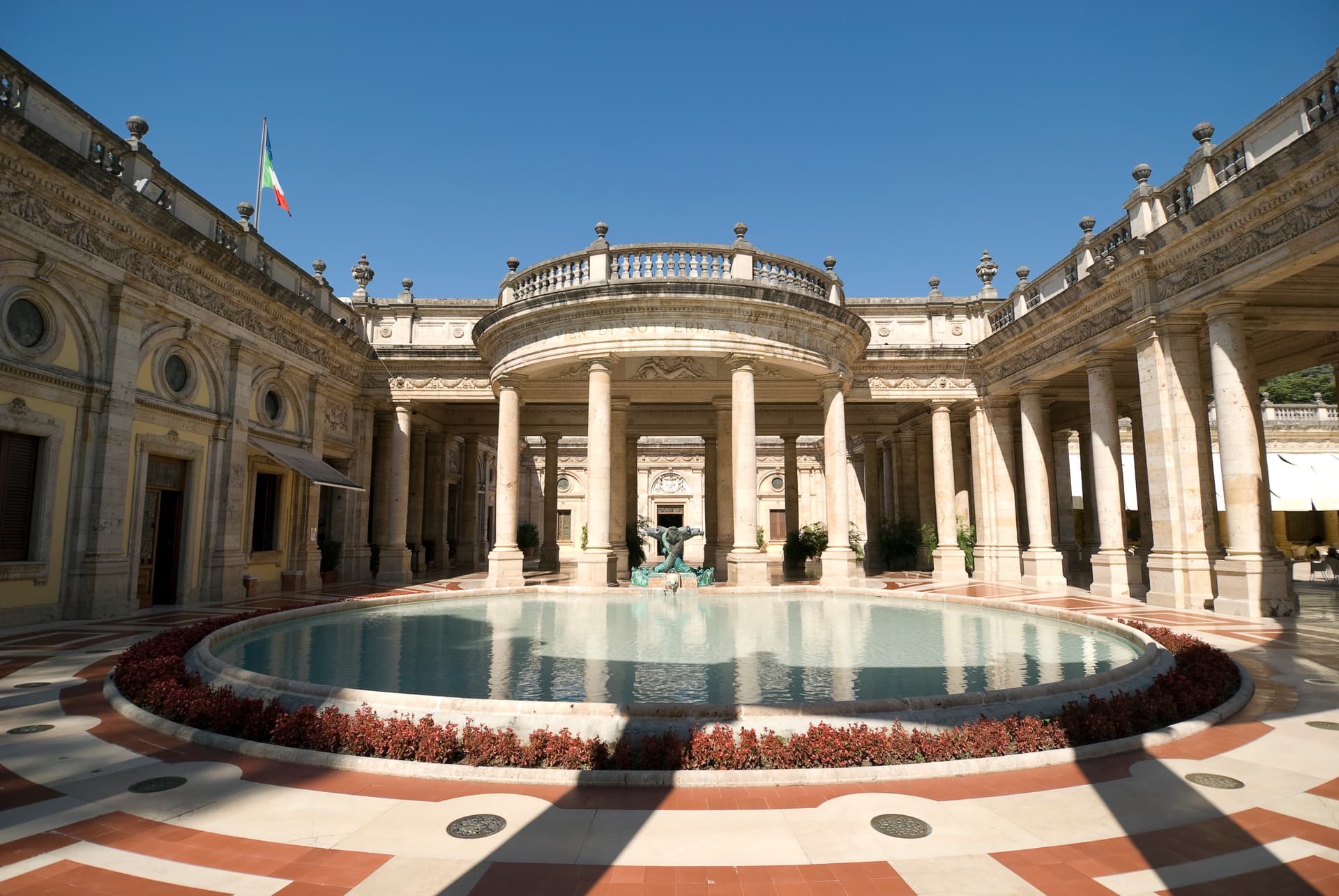
Eleven thermal springs in a Liberty-style park at the foot of the Apennines, one of the Great Spa Towns of Europe inscribed by UNESCO in 2021.

Pistoia
Province: Pistoia
Italy's nursery capital and the medieval Tuscan rival that gave its name to the pistol — a quietly extraordinary centro storico of zebra-striped Romanesque churches, Andrea della Robbia's polychrome frieze on the Ospedale del Ceppo, and Italy's Capital of Culture 2017, all 30 minutes from Florence by train.
Lucca
Province: Lucca
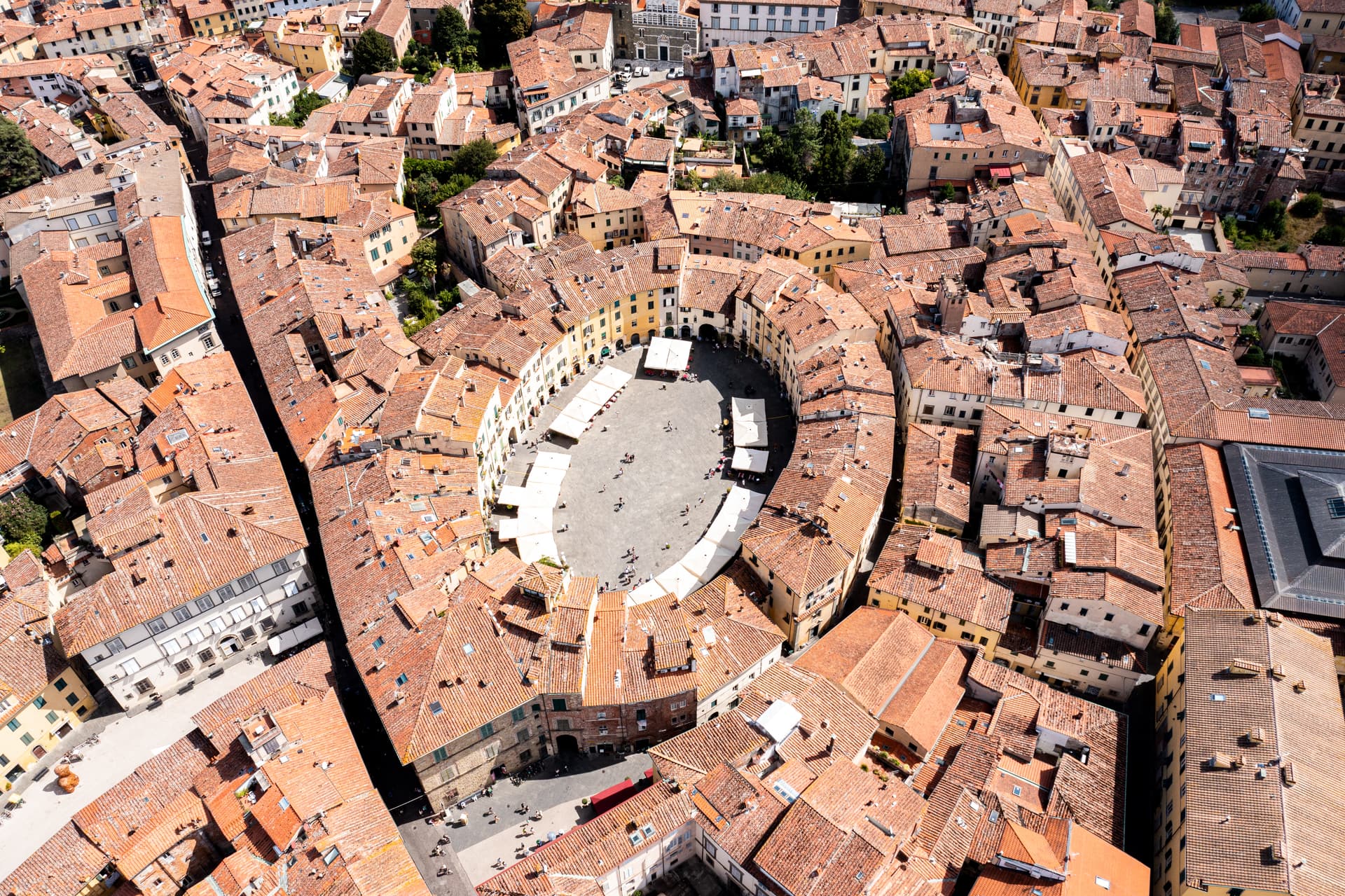
The provincial capital ringed by four kilometers of intact sixteenth-century walls, birthplace of Puccini and the only fully walled Italian city of its scale.
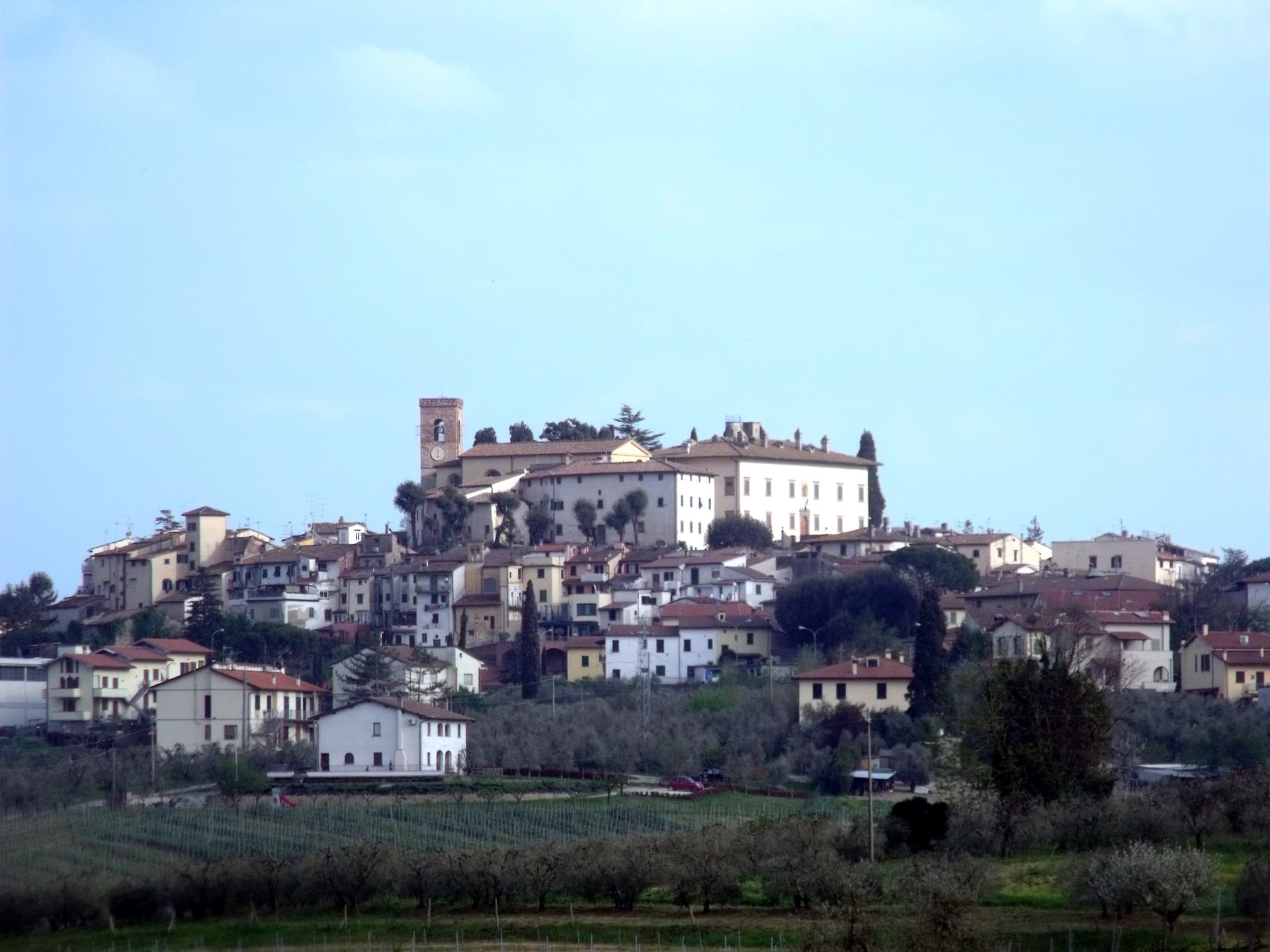
Cerreto Guidi
Province: Firenze
The Medici hunting villa above the Padule di Fucecchio, where Cosimo I sent his court for the marshland game and Buontalenti built four ramps of stairs.
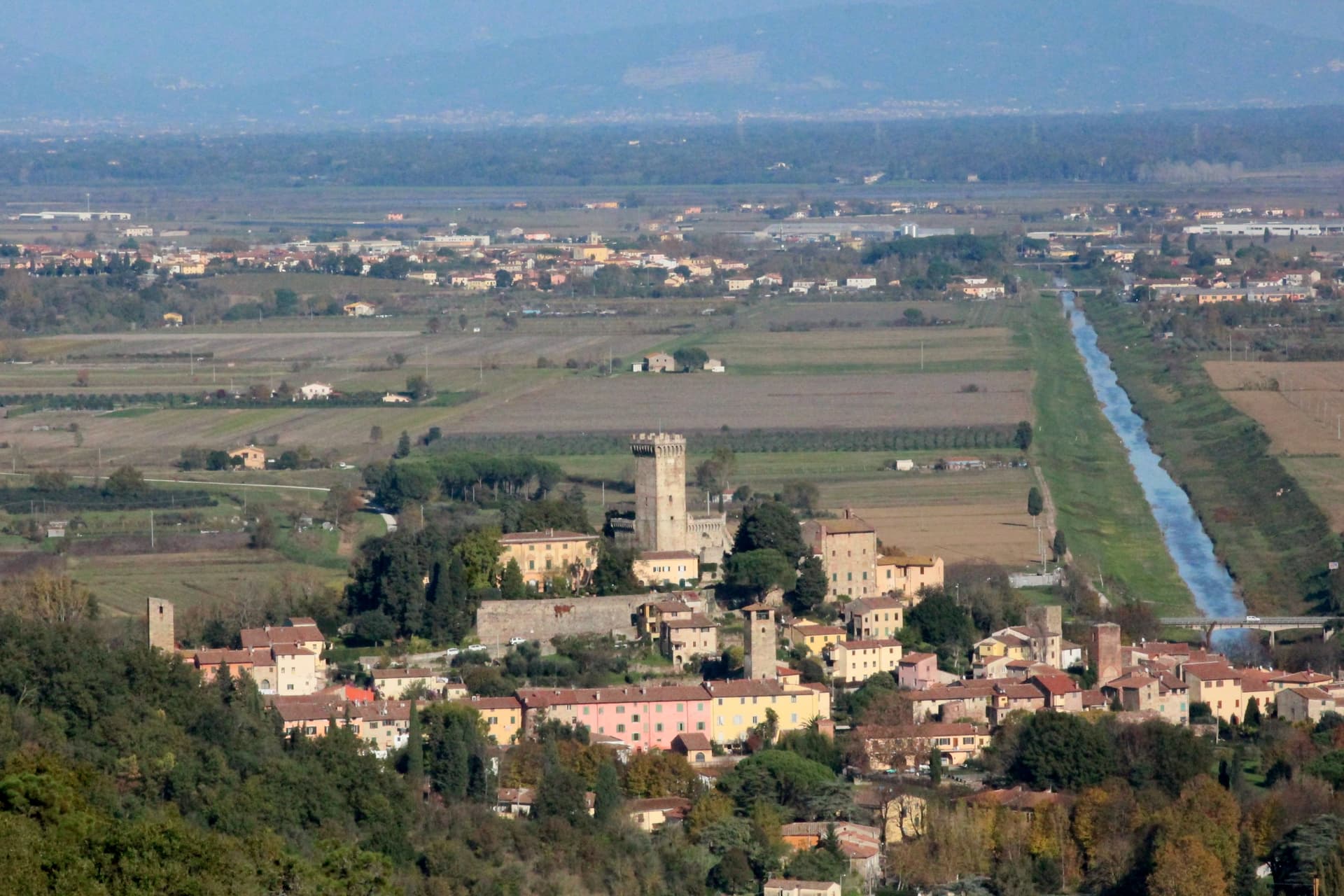
Vicopisano
Province: Pisa
A medieval river port on the southern slope of Monte Pisano, rebuilt by Brunelleschi in 1434 after Florence took the town from Pisa.
🟠 Bandiera Arancione
More Bandiera Arancione towns in Tuscany
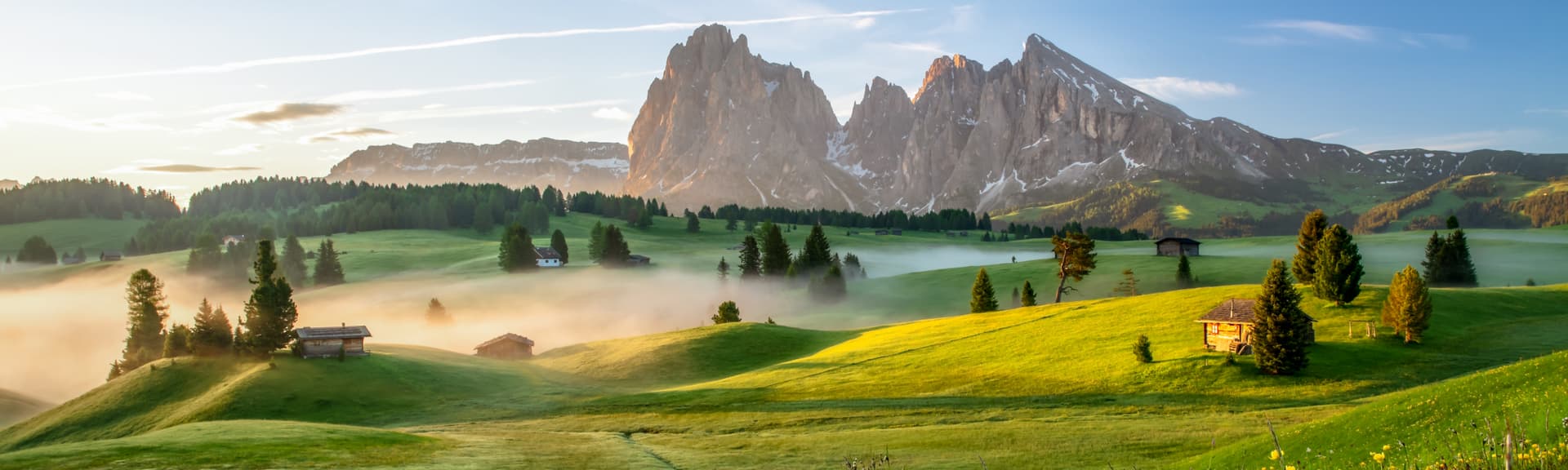
Abetone Cutigliano
Province: Pistoia
The Apennine ski pass at 1,388 meters where the Granduca's two stone pyramids of 1778 mark the old Tuscan-Modenese border.
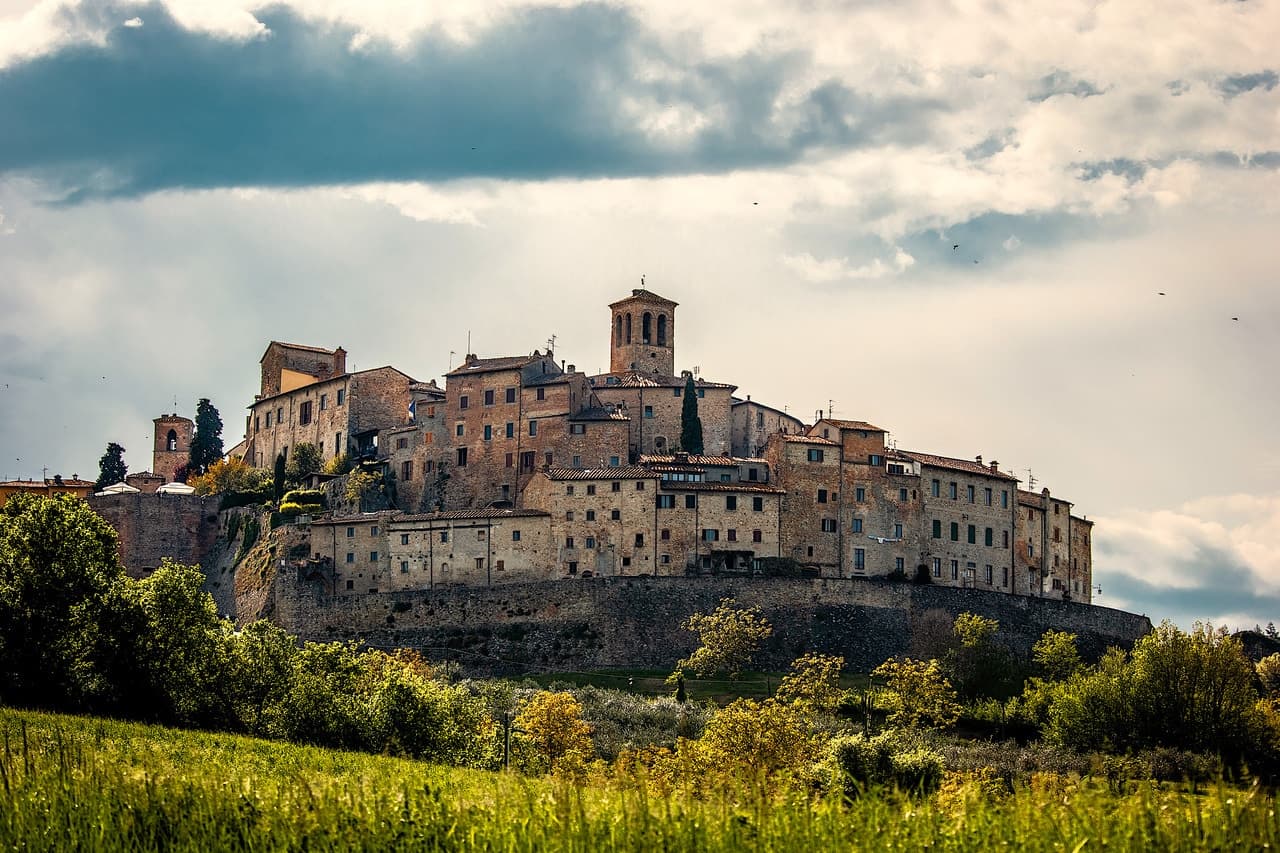
Anghiari
Province: Arezzo
A walled medieval town at 430 meters over the upper Tiber valley, where Florence beat Milan in 1440 and Leonardo started the fresco he never finished.
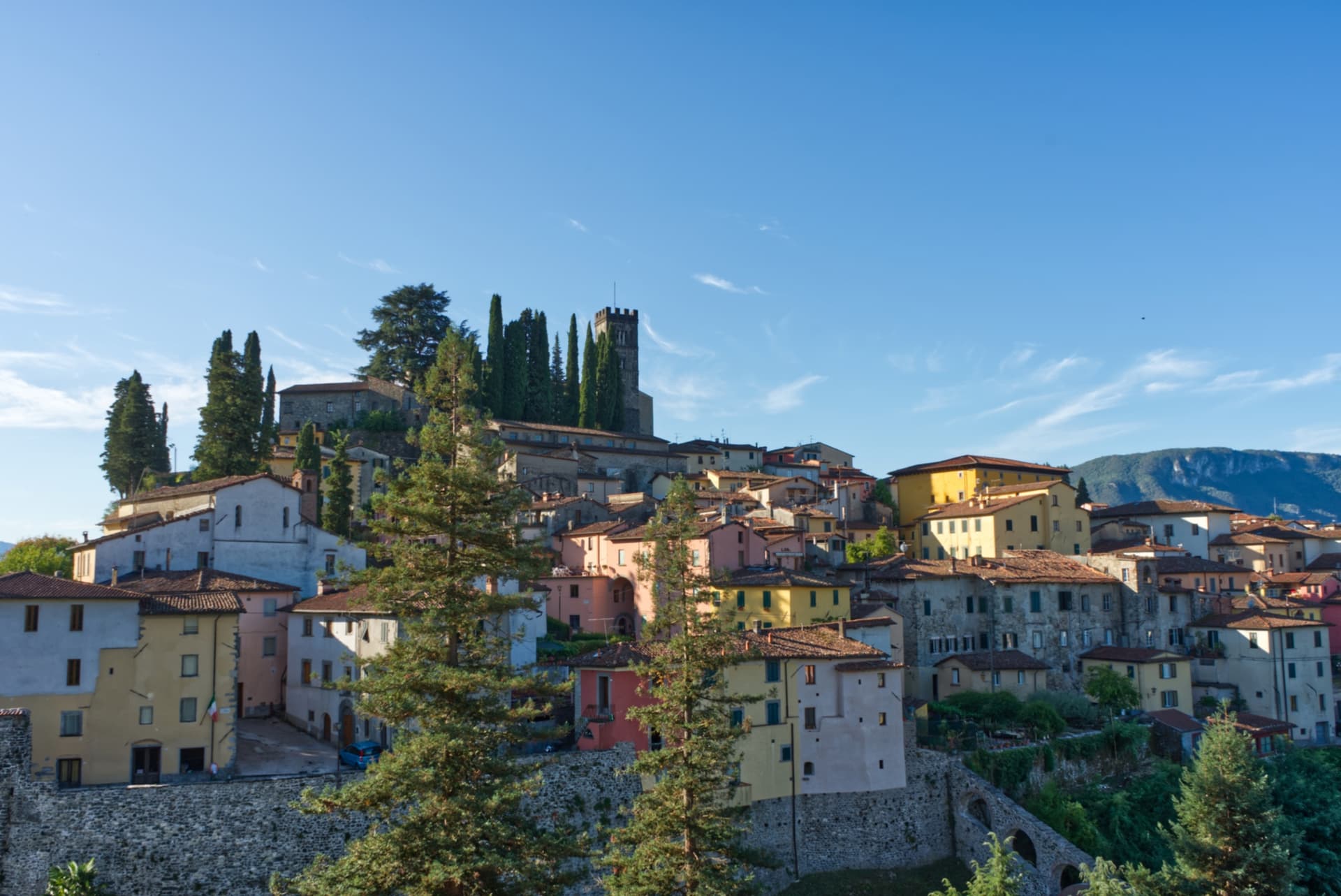
Barga
Province: Lucca
A medieval hilltop town at 410 meters in the Serchio valley between the Apuan Alps and the Apennines, where Giovanni Pascoli wrote his last poems and the August festival serves fish and chips.
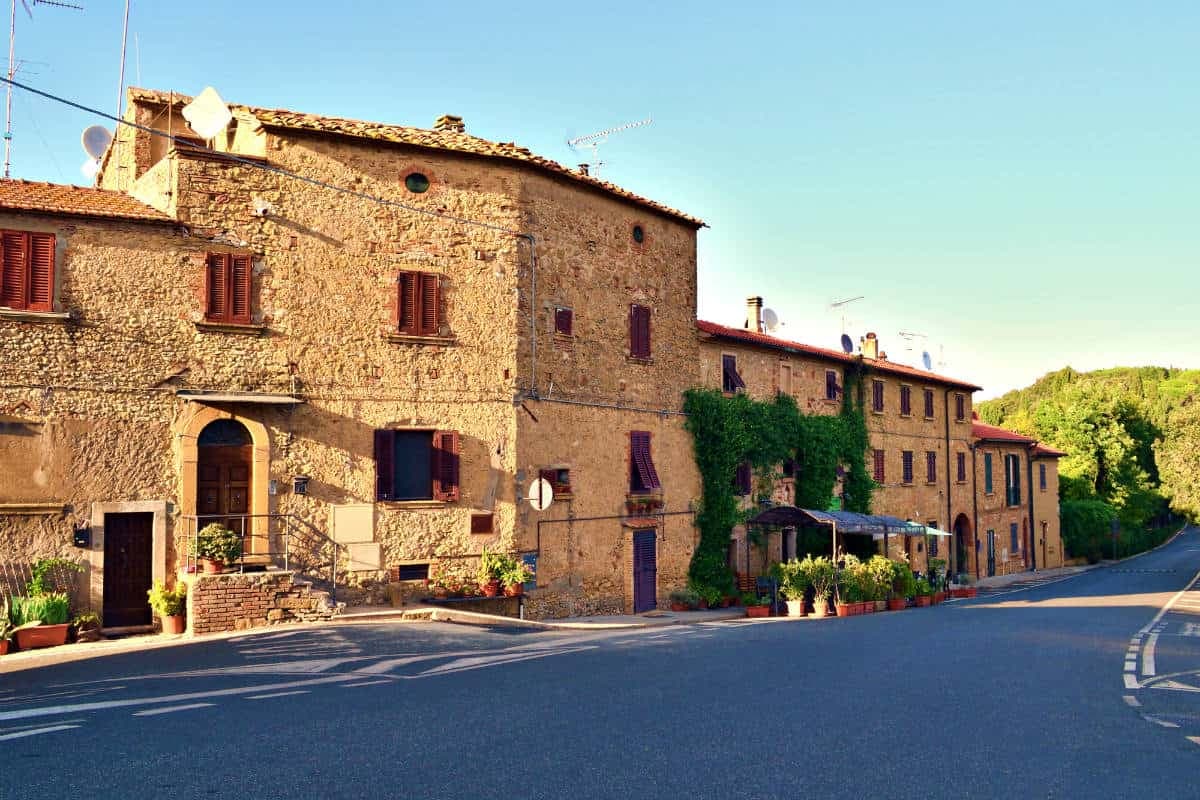
Casale Marittimo
Province: Pisa
A concentric stone borgo at 214 meters above the Val di Cecina, built where a seventh-century BC Etruscan outpost of Volterra once stood.
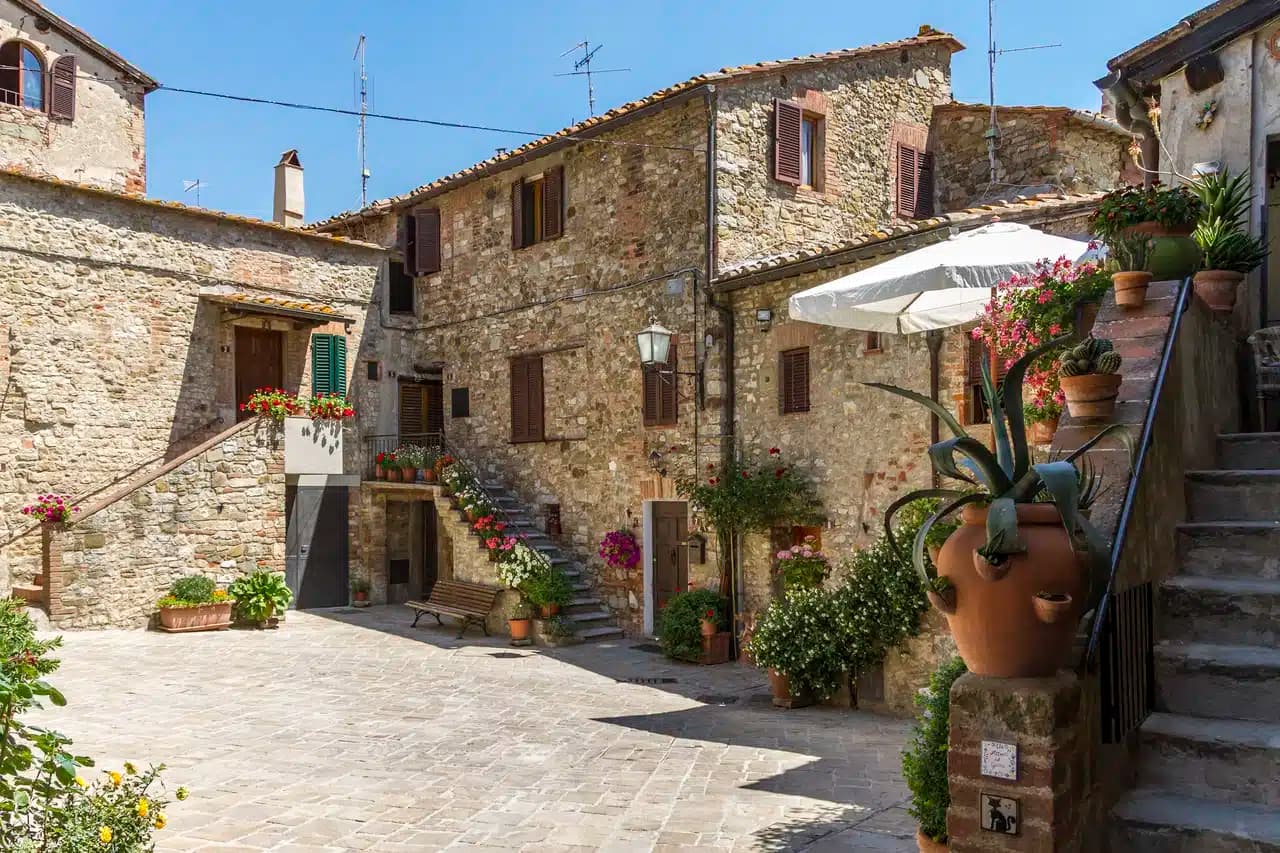
Castelnuovo Berardenga
Province: Siena
A Chianti Classico commune at 351 meters between the Ombrone and the Crete Senesi, the last castle Siena built against Florence, in 1366.