

Tuscany · Arezzo
Anghiari
A walled medieval town over the upper Tiber valley, where Florence beat Milan in 1440 and Leonardo started the fresco he never finished.
Known for
BATTAGLIA DEL 1440
Florentine victory over Milan on 29 June 1440 in the plain below town, commissioned as Leonardo's Palazzo Vecchio fresco in 1505 and never finished.
MOSTRA MERCATO
Spring craft fair filling the centro storico with Valtiberina artisans every year since 1976, the working continuation of the town's textile and woodwork traditions.
PALAZZO TAGLIESCHI
State museum holding Jacopo della Quercia's wooden Madonna, Della Robbian terracottas and a sixteenth-century table organ that still plays.
When to visit
Best · Apr–Oct
- J
- F
- M
- A
- M
- J
- J
- A
- S
- O
- N
- D
- Best
- Hot or crowded
- Quiet
- Mostly closed
Why come
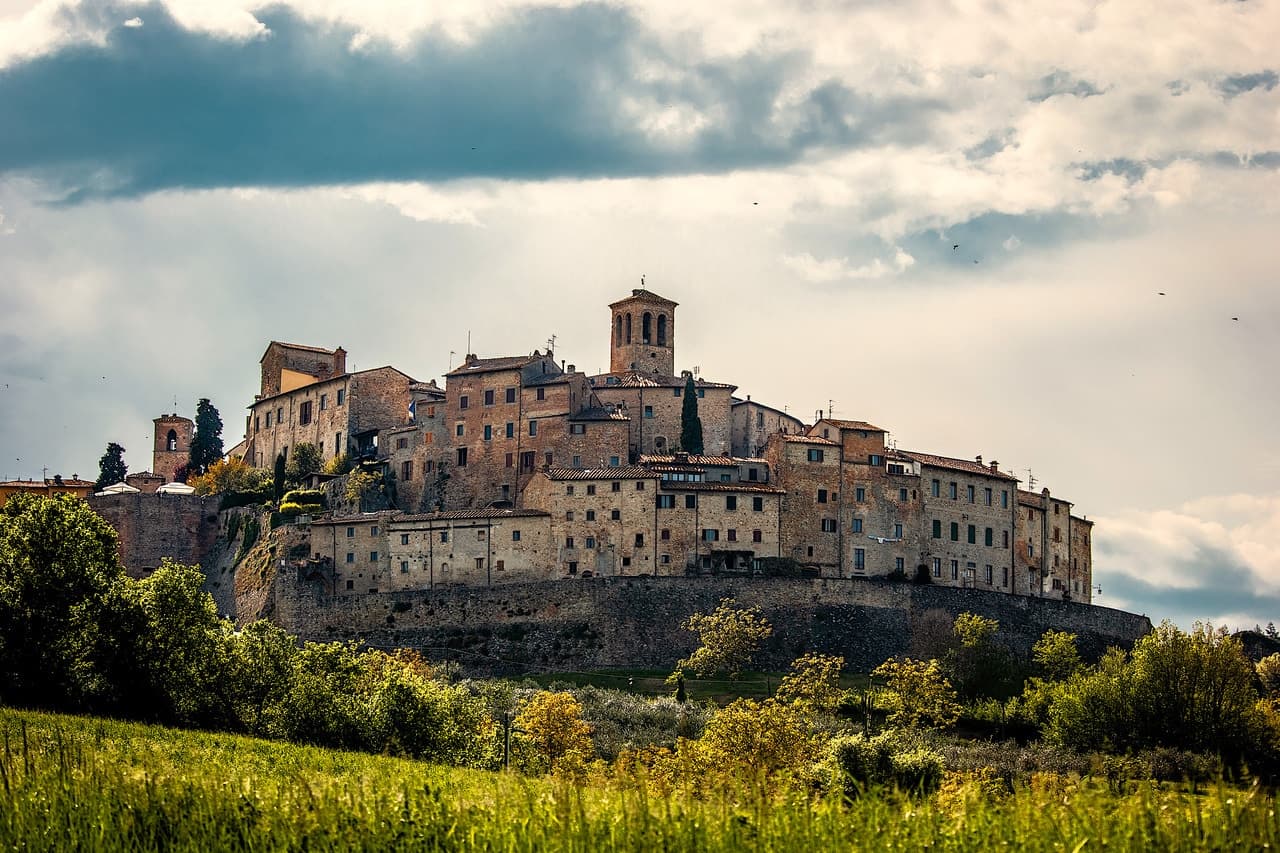
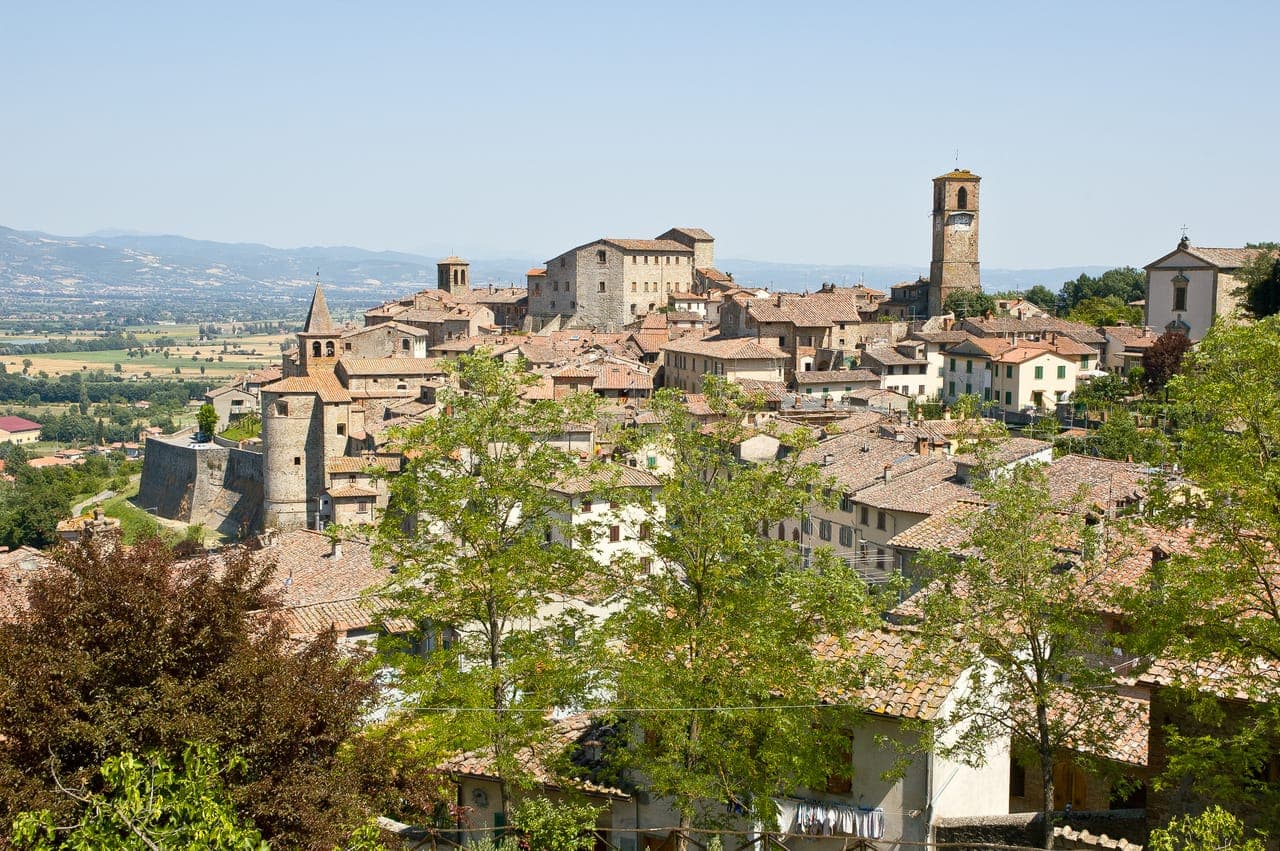
Anghiari sits on a spur above the upper Tiber valley, the Valtiberina, between Arezzo and the Umbrian border. The walled centro storico is intact, the streets running steeply from the Porta Sant'Angelo up to the Castello. On 29 June 1440 the Florentine army defeated a Milanese force under Niccolò Piccinino in the plain below town, a battle that secured Florence's hold over central Italy and gave Leonardo da Vinci the commission for the Palazzo Vecchio fresco he started in 1505 and never finished.
The painting, the Lost Leonardo, is presumed still to be hidden behind a Vasari wall in Florence. Palazzo Taglieschi in the centro storico holds a polychrome wooden Madonna by Jacopo della Quercia and a working sixteenth-century table organ. The Mostra Mercato dell'Artigianato della Valtiberina has filled the streets with craft producers every spring since 1976, a working continuation of the textile and woodwork traditions that supported the town through the twentieth century.
The Sunday letter
We haven’t written Anghiari’s letter yet.
One town every Sunday, with the photo, the food, the festa. Be there when this one comes up. Free, by Peter & Sophia from Pietrasanta.
By subscribing you agree to Substack’s Terms of Use, our Privacy Policy and our Information collection notice.
What to see
Palazzo Taglieschi
Sixteenth-century palace in the centro storico, now the Museo Statale di Palazzo Taglieschi, with a wooden Madonna by Jacopo della Quercia and a working table organ.
Castello di Anghiari
Medieval fortified core at the top of the town, walls and gates still intact, the visual anchor of the silhouette from the valley below.
Campo della Battaglia
The plain at the foot of the walls where Florence defeated Milan on 29 June 1440, the battle that inspired Leonardo's lost Palazzo Vecchio fresco.
Museo della Battaglia
Civic museum in Palazzo del Marzocco dedicated to the 1440 battle and the Leonardo cartoon, with weapons, banners and contemporary documents.
Badia di San Bartolomeo
Eleventh-century Camaldolese abbey at the lower edge of the centro storico, with frescoes and a thirteenth-century crucifix attributed to the school of Cimabue.
The slow-trip planner
Building a trip? Find where Anghiari fits in a slow Italy circuit.
Answer five questions. We will shape a geographically coherent slow trip from the 1,000 Italian towns most travelers skip. Yours to save and share.
We recommend
Where to eat and stay
Not our picks, but places the guides put their name to — a Michelin star, a Gambero Rosso fork, a Slow Food snail, a Michelin Key for the hotels. Worth a table, a counter, or a night when you pass through.
Da AlighieroRistorante
Da Alighiero has a Michelin Bib Gourmand to its name.
Il Cappello di PagliaRistorante
A Slow Food snail, at Il Cappello di Paglia.
Living here
- Population 5,384
- In-betweeni
- Pharmacy in town
- High school within a 30-minute drive
- Nearest airport Rimini, 2 h 14 min drive
- Regional capital Firenze, 1 h 27 min drive
Tags & datadesignations · numbers · sources
The numbers
- Elevation: 430 m
- Population: 5,384
- Surface area: 130.92 km²
These figures were compiled from public directories — ISTAT, OpenStreetMap, Wikidata — and from the official listings of the guides named on this page. Town details change; verify with official sources before you travel.
Close by
More towns near Anghiari
Citerna
Province: Perugia
A medieval borgo at 480 meters above the upper Tiber valley, holding the only sculpture by Donatello in Umbria.

Città di Castello
Province: Perugia
The upper Tiber valley's Renaissance + 20th-c art capital — 38,000-resident walled town in the Alta Valtiberina where Raphael painted his first independent commissions, where Alberto Burri (1915-95) founded the Fondazione that now occupies the 14th-c Ex Seccatoi del Tabacco + the Palazzo Albizzini, and where the white truffle season + the Mostra del Tartufo in November are the year's headline food event.
Arezzo
Province: Arezzo
Tuscany's other set-piece — a 96,000-resident Etruscan-Roman-medieval hilltop city 80 km southeast of Florence, with Piero della Francesca's Leggenda della Vera Croce fresco cycle in San Francesco (1452–66), the sloped Piazza Grande set used by Roberto Benigni in Life is Beautiful, and the Fiera Antiquaria — Italy's largest monthly antique fair, running since 1968.
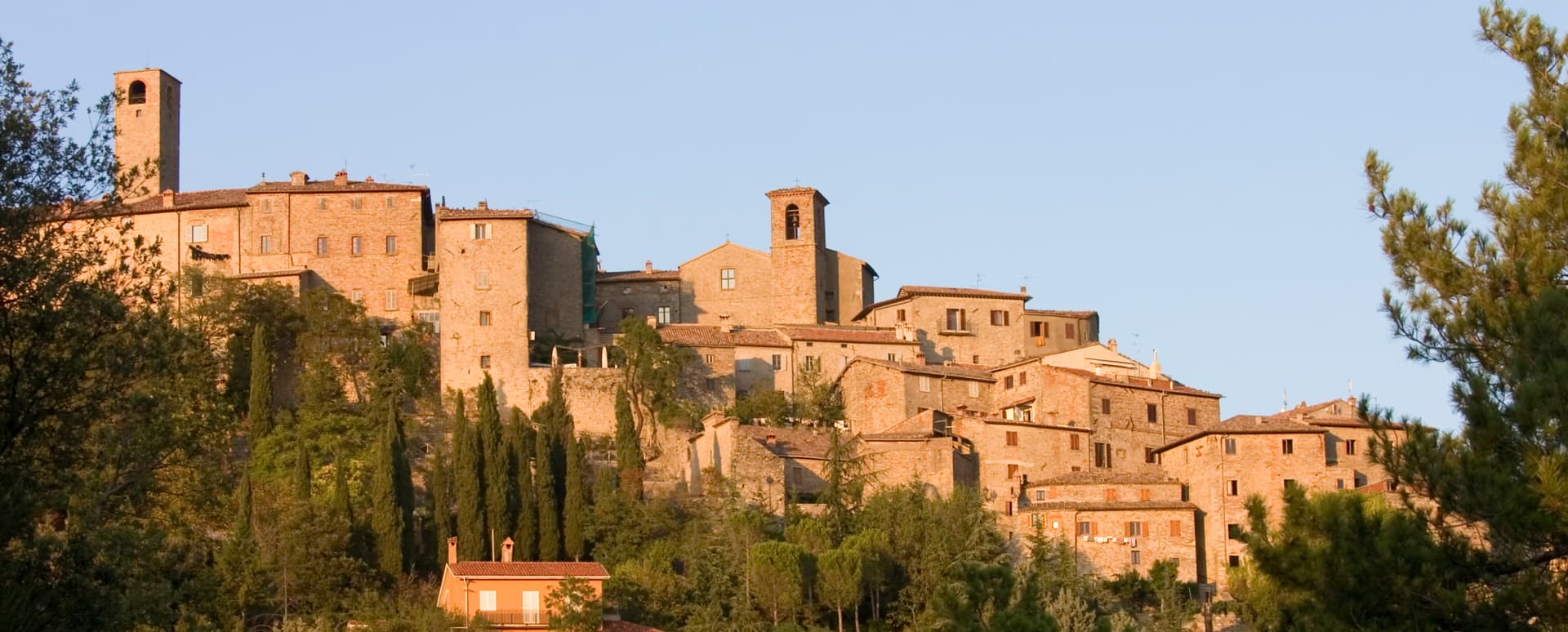
Monte Santa Maria Tiberina
Province: Perugia
An imperial-fief borgo at 688 meters above the Upper Tiber valley, held by the Bourbon del Monte marquises from 1250 to 1815.
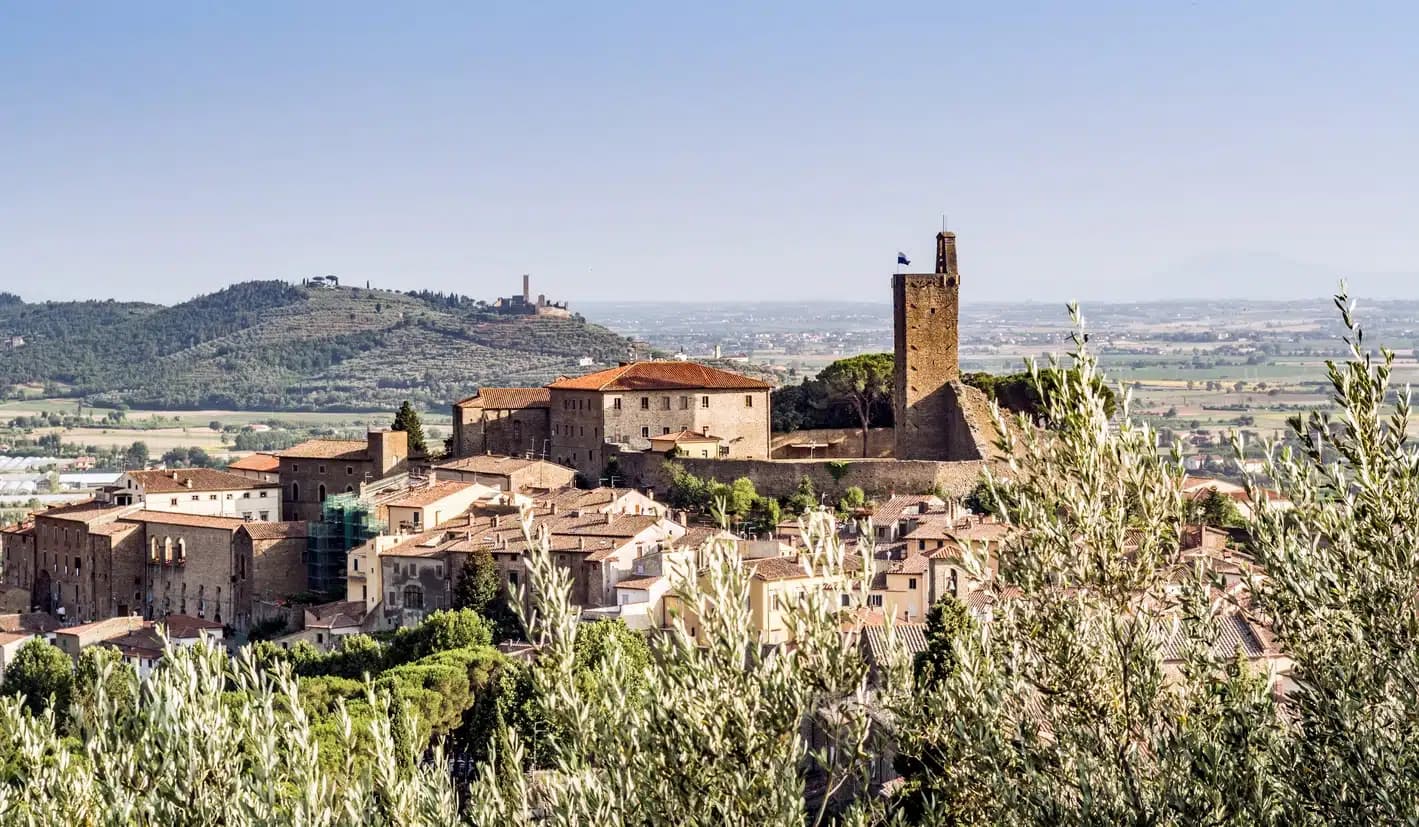
Castiglion Fiorentino
Province: Arezzo
A walled hill town at 342 meters between Arezzo and Cortona, where Etruscan walls support the medieval Cassero and Vasari's loggia frames the Val di Chiana below.
🎨 Borghi più belli d'Italia
More Borghi più belli d'Italia towns in Tuscany
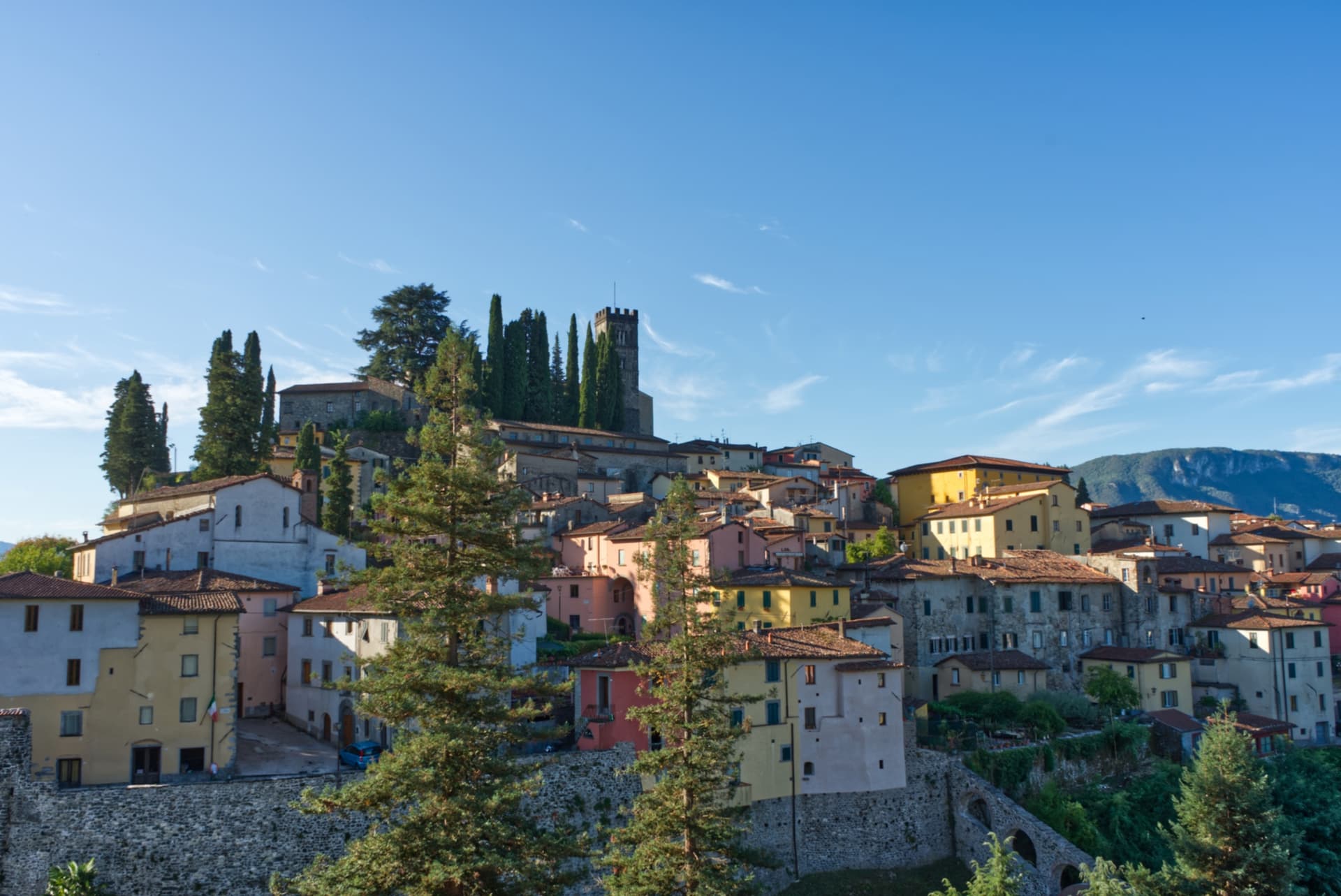
Barga
Province: Lucca
A medieval hilltop town at 410 meters in the Serchio valley between the Apuan Alps and the Apennines, where Giovanni Pascoli wrote his last poems and the August festival serves fish and chips.
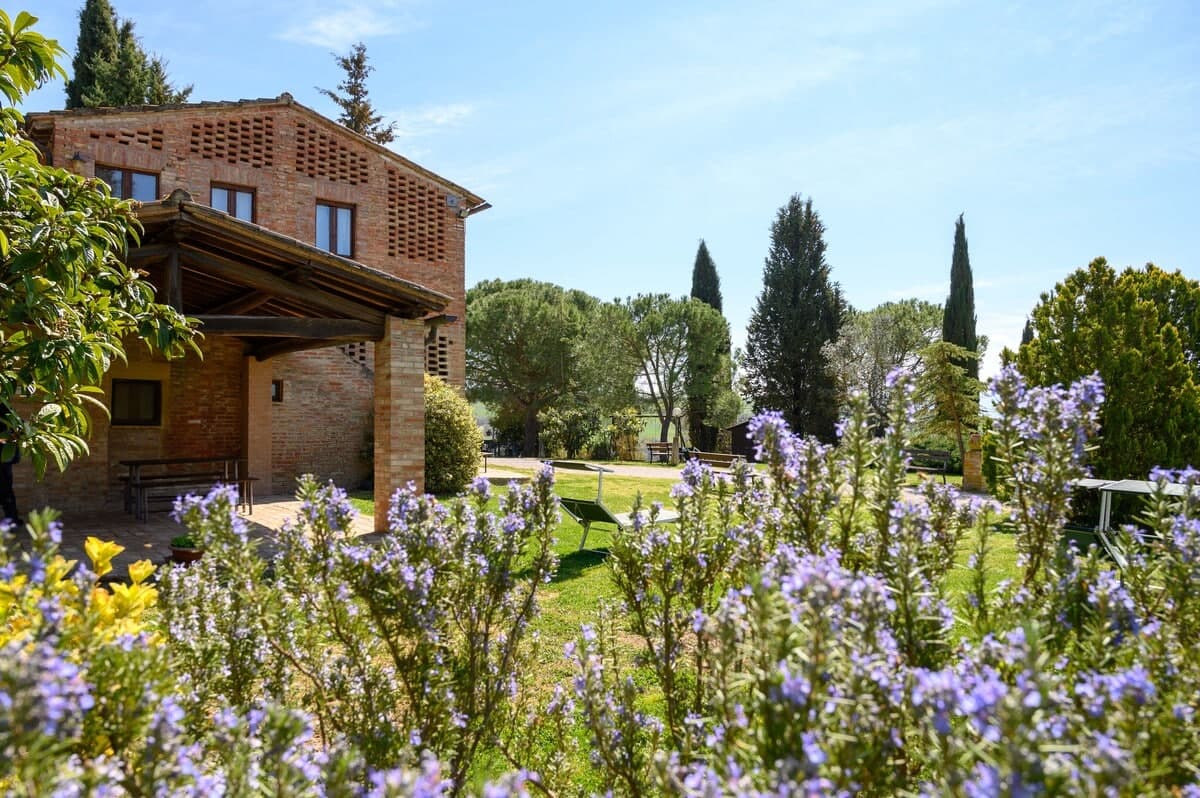
Buonconvento
Province: Siena
The walled brick borgo in the Crete Senesi where Emperor Henry VII died in 1313, on the Via Cassia at the confluence of the Arbia and Ombrone.
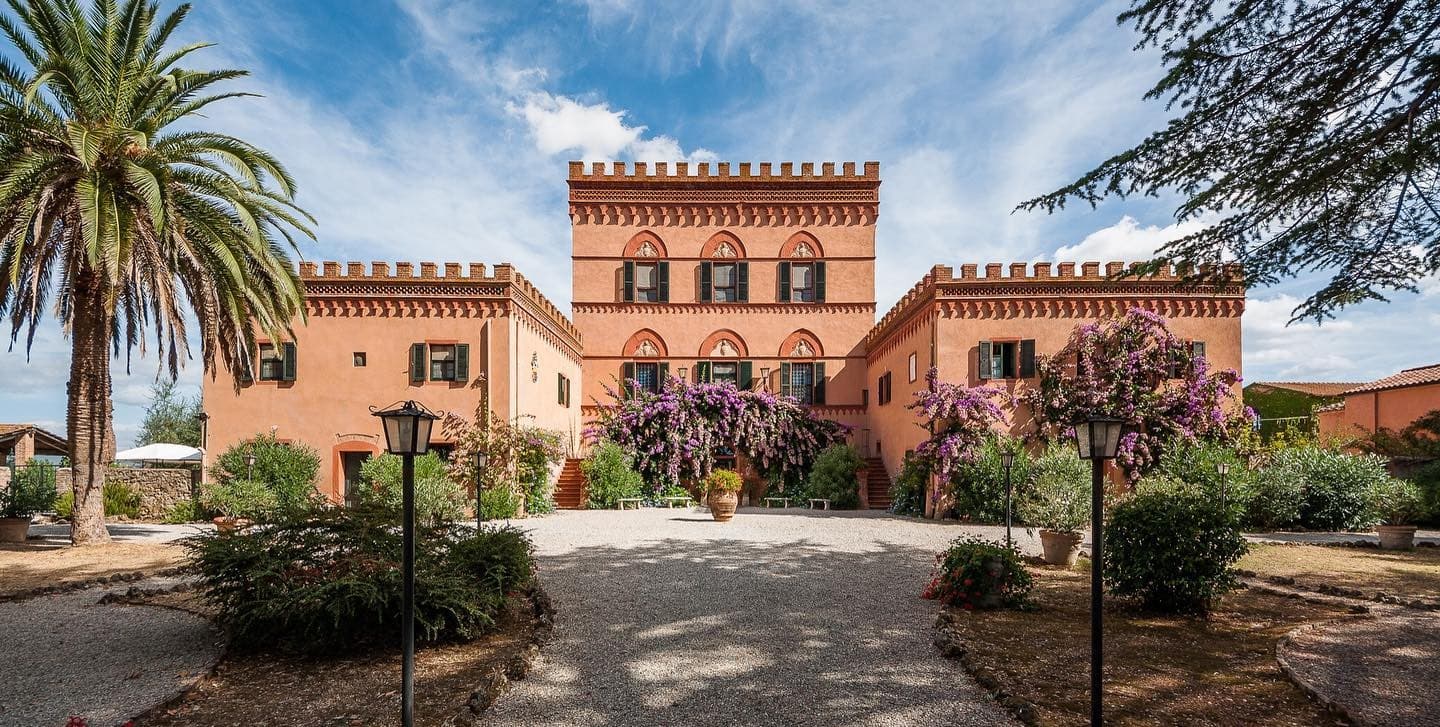
Campiglia Marittima
Province: Livorno
A walled hilltop borgo above the Val di Cornia, where the Rocca tower watches a mining landscape worked from the Etruscans to 1976.
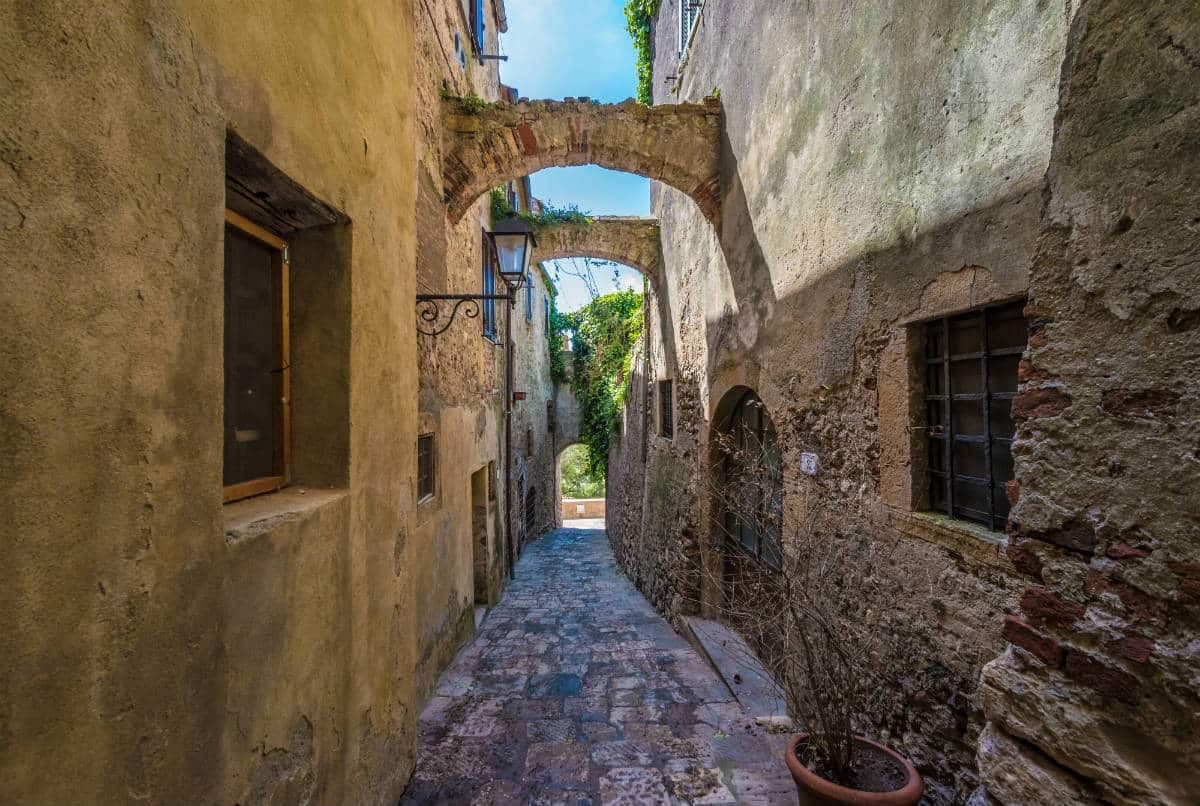
Capalbio
Province: Grosseto
A walled hilltop borgo at 217 meters in the southern Maremma, donated to the Abbey of Tre Fontane by Charlemagne and home of Niki de Saint Phalle's Tarot Garden.
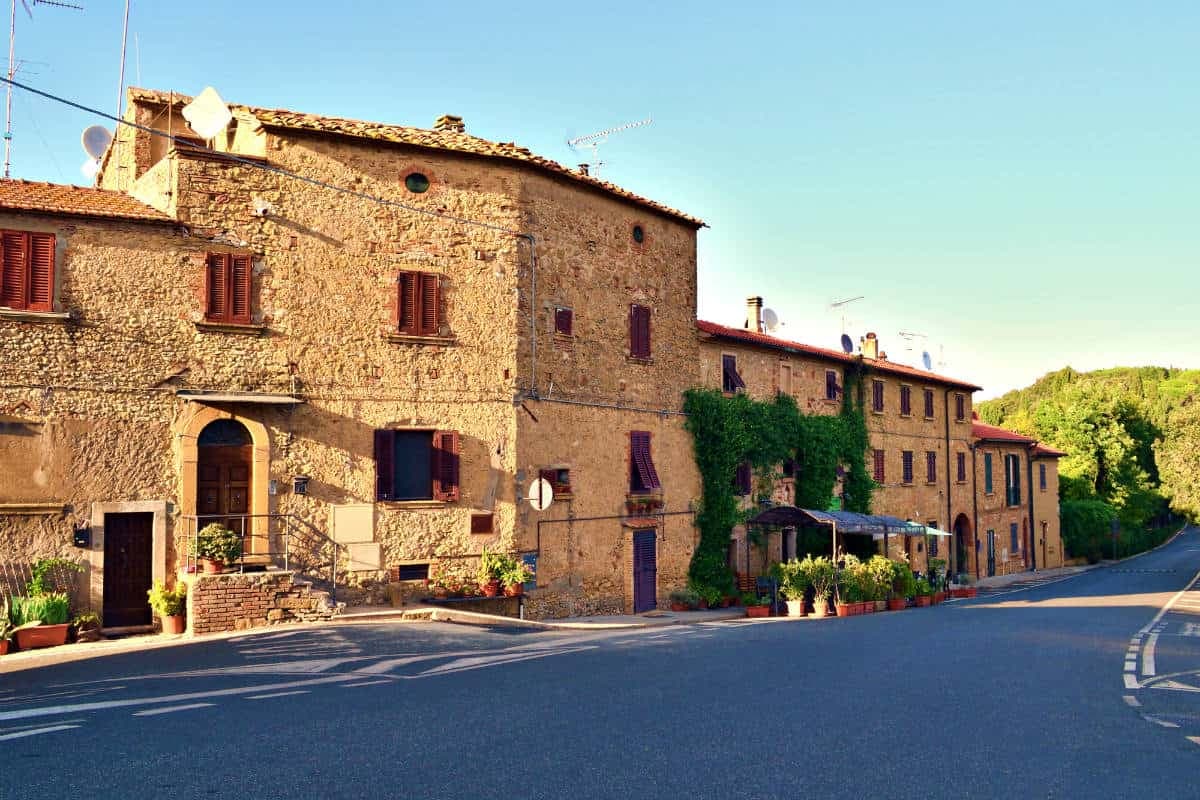
Casale Marittimo
Province: Pisa
A concentric stone borgo at 214 meters above the Val di Cecina, built where a seventh-century BC Etruscan outpost of Volterra once stood.