

Tuscany · Arezzo
Castiglion Fiorentino
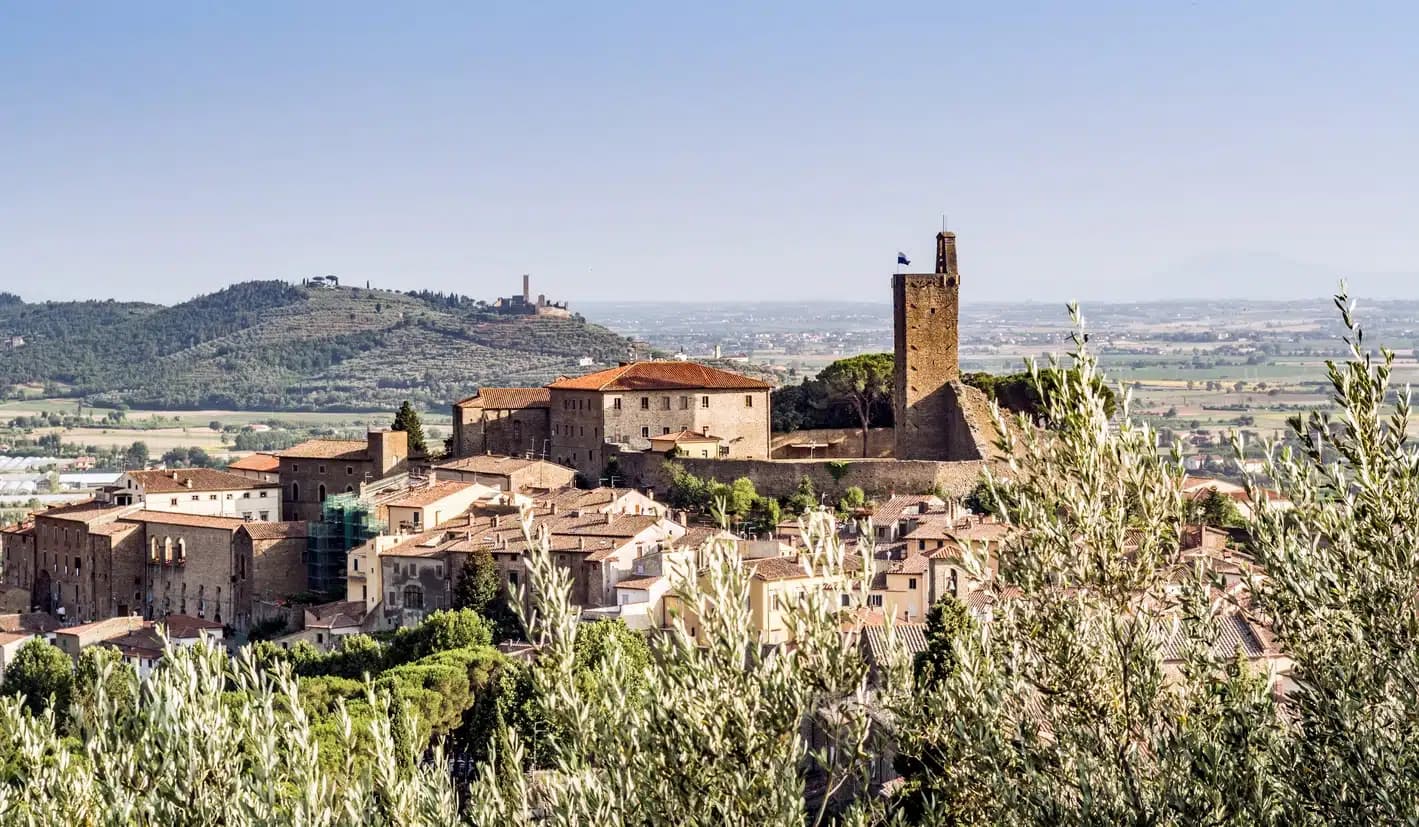
A walled hill town between Arezzo and Cortona, where Etruscan walls support the medieval Cassero and Vasari's loggia frames the Val di Chiana below.
Known for
CASSERO
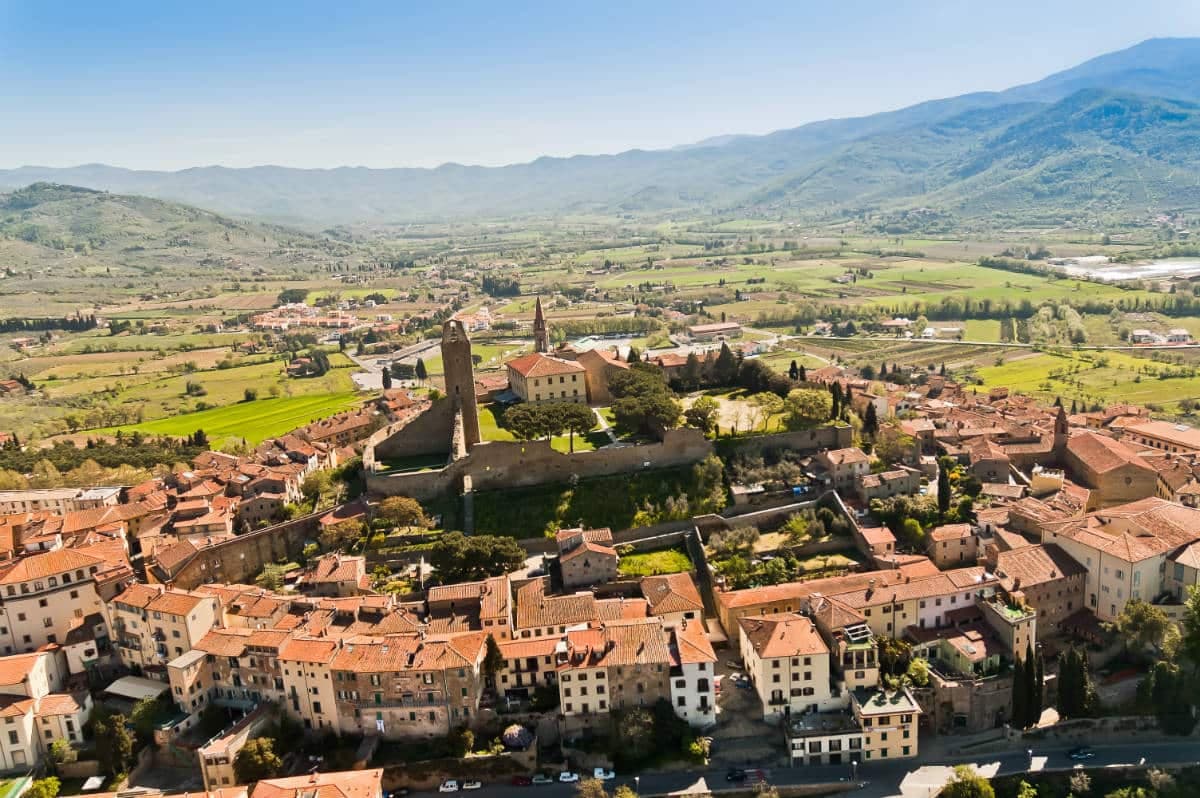
Medieval fortified core with high tower grafted onto Etruscan fourth-century BC walls, the visual symbol of the town from the Val di Chiana below.
LOGGE DEL VASARI
Vasari's tripartite arcade designed 1565 and built 1570-1583 on Piazza del Municipio, framing the Val di Chiana view through three round arches.
ETRUSCAN ORIGINS
Fourth-century BC walls and sacred area beneath the Cassero, uncovered in excavations and visited as the Area archeologica del Cassero.
When to visit
Best · Apr–Oct
- J
- F
- M
- A
- M
- J
- J
- A
- S
- O
- N
- D
- Best
- Hot or crowded
- Quiet
- Mostly closed
The festa: Michele, 29 September
Why come
Castiglion Fiorentino sits between Arezzo and Cortona, on a hill overlooking the fertile Val di Chiana. The centro storico is built on Etruscan foundations: excavations beneath the Piazzale del Cassero have uncovered the remains of a fourth-century BC city wall and sacred area. The Cassero, the medieval fortified core at the top of the town with its high tower, is grafted directly onto that earlier structure and remains the symbol of the place.
The Logge del Vasari, a tripartite arcade on Piazza del Municipio designed by Giorgio Vasari in 1565 and built between 1570 and 1583, opens through three round arches onto a view that runs from the Val di Chiana to the Apennine ridge beyond. The Pinacoteca Comunale next door holds works by Bartolomeo della Gatta, Margaritone d'Arezzo and Taddeo Gaddi. The town carried allegiance first to Perugia, then to Florence from 1384, and was renamed Castiglion Fiorentino at that moment.
The Sunday letter
We haven’t written Castiglion Fiorentino’s letter yet.
One town every Sunday, with the photo, the food, the festa. Be there when this one comes up. Free, by Peter & Sophia from Pietrasanta.
By subscribing you agree to Substack’s Terms of Use, our Privacy Policy and our Information collection notice.
What to see
Cassero
Medieval fortified core at the top of the town, with the high tower that is the town's symbol, built on Etruscan fourth-century BC foundations.
Logge del Vasari
Tripartite arcade on Piazza del Municipio designed by Giorgio Vasari in 1565, built 1570-1583, opening through three arches onto the Val di Chiana.
Pinacoteca Comunale
Civic gallery next to the Logge with works by Bartolomeo della Gatta, Margaritone d'Arezzo, Taddeo Gaddi and a notable bust reliquary in gilded silver.
Area archeologica del Cassero
Excavations beneath Piazzale del Cassero with Etruscan city wall and sacred area from the fourth century BC, visited on guided tour.
Pieve di San Giuliano
Sixteenth-century parish church on the main piazza, with a tabernacle attributed to Andrea della Robbia and a Renaissance organ.
Chiesa del Gesù
Renaissance church on the upper terrace, with a Crucifixion attributed to Bartolomeo della Gatta and frescoes from the fifteenth century.
The slow-trip planner
Building a trip? Find where Castiglion Fiorentino fits in a slow Italy circuit.
Answer five questions. We will shape a geographically coherent slow trip from the 1,000 Italian towns most travelers skip. Yours to save and share.
Living here
- Population 12,918
- In-betweeni
- Pharmacy in town
- High school within a 30-minute drive
- Train station in the comune
- Nearest airport Bologna, 2 h 13 min drive
- Regional capital Firenze, 1 h 14 min drive
Tags & datadesignations · numbers · sources
Recognised as
The numbers
- Elevation: 342 m
- Population: 12,918
- Surface area: 111.58 km²
These figures were compiled from public directories — ISTAT, OpenStreetMap, Wikidata — and from the official listings of the guides named on this page. Town details change; verify with official sources before you travel.
Featured on
Castiglion Fiorentino appears on this themed pick from our Collections:
Close by
More towns near Castiglion Fiorentino
Cortona
Province: Arezzo
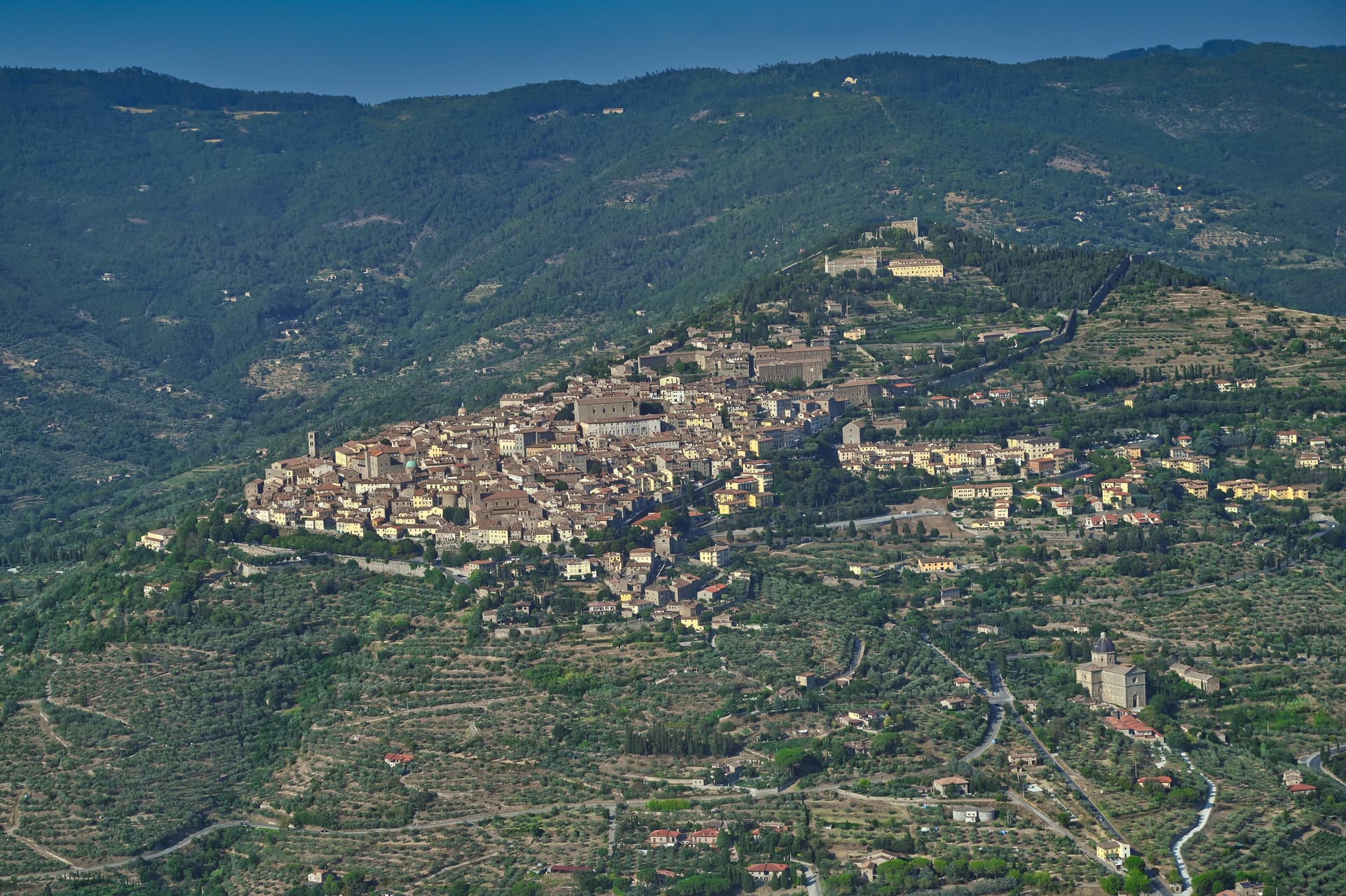
An Etruscan lucumonia at 494 meters with two kilometers of walls older than Rome, looking down on the Val di Chiana and Lake Trasimeno.
Arezzo
Province: Arezzo
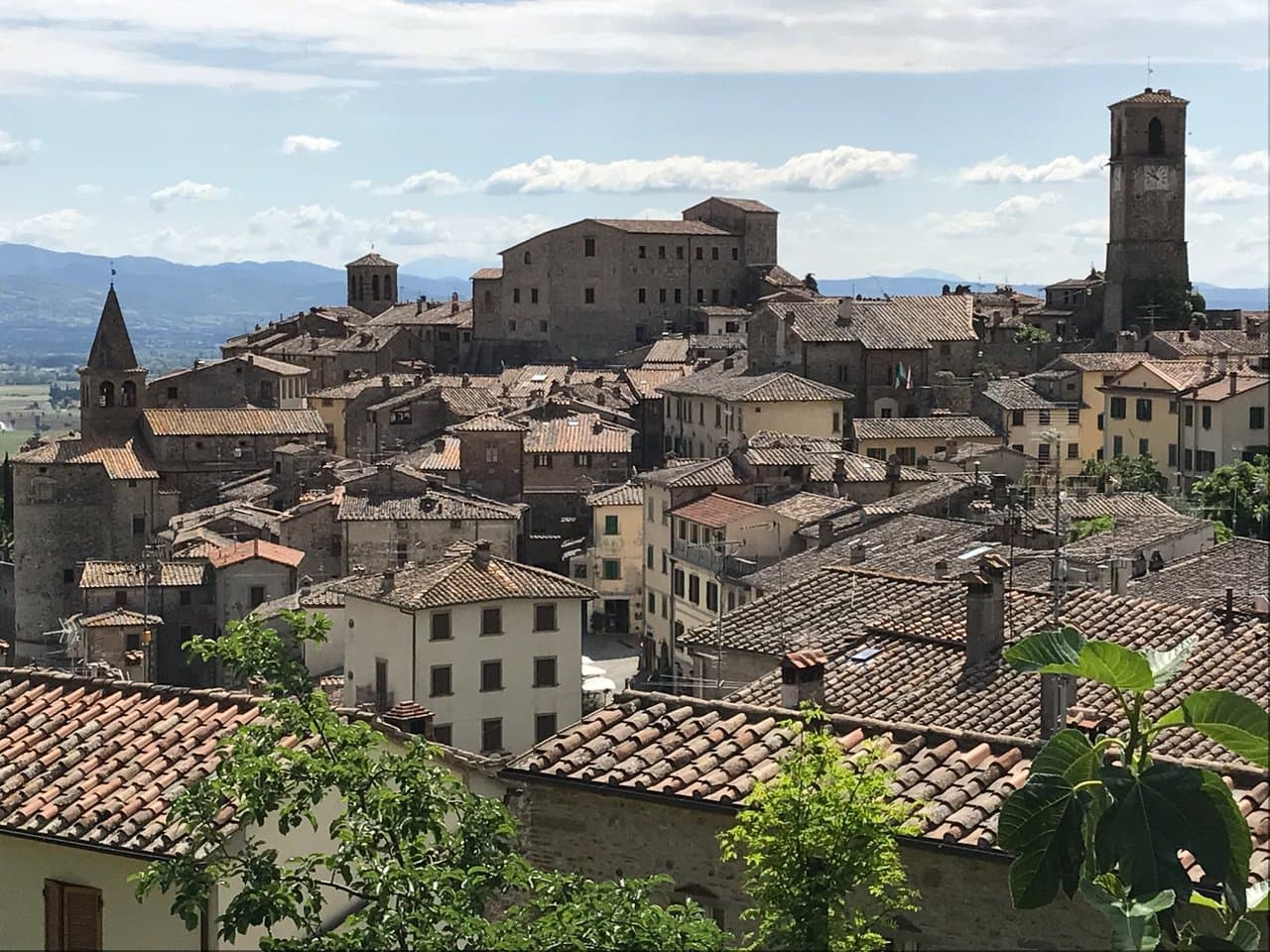
Tuscany's other set-piece — a 96,000-resident Etruscan-Roman-medieval hilltop city 80 km southeast of Florence, with Piero della Francesca's Leggenda della Vera Croce fresco cycle in San Francesco (1452–66), the sloped Piazza Grande set used by Roberto Benigni in Life is Beautiful, and the Fiera Antiquaria — Italy's largest monthly antique fair, running since 1968.
Lucignano
Province: Arezzo
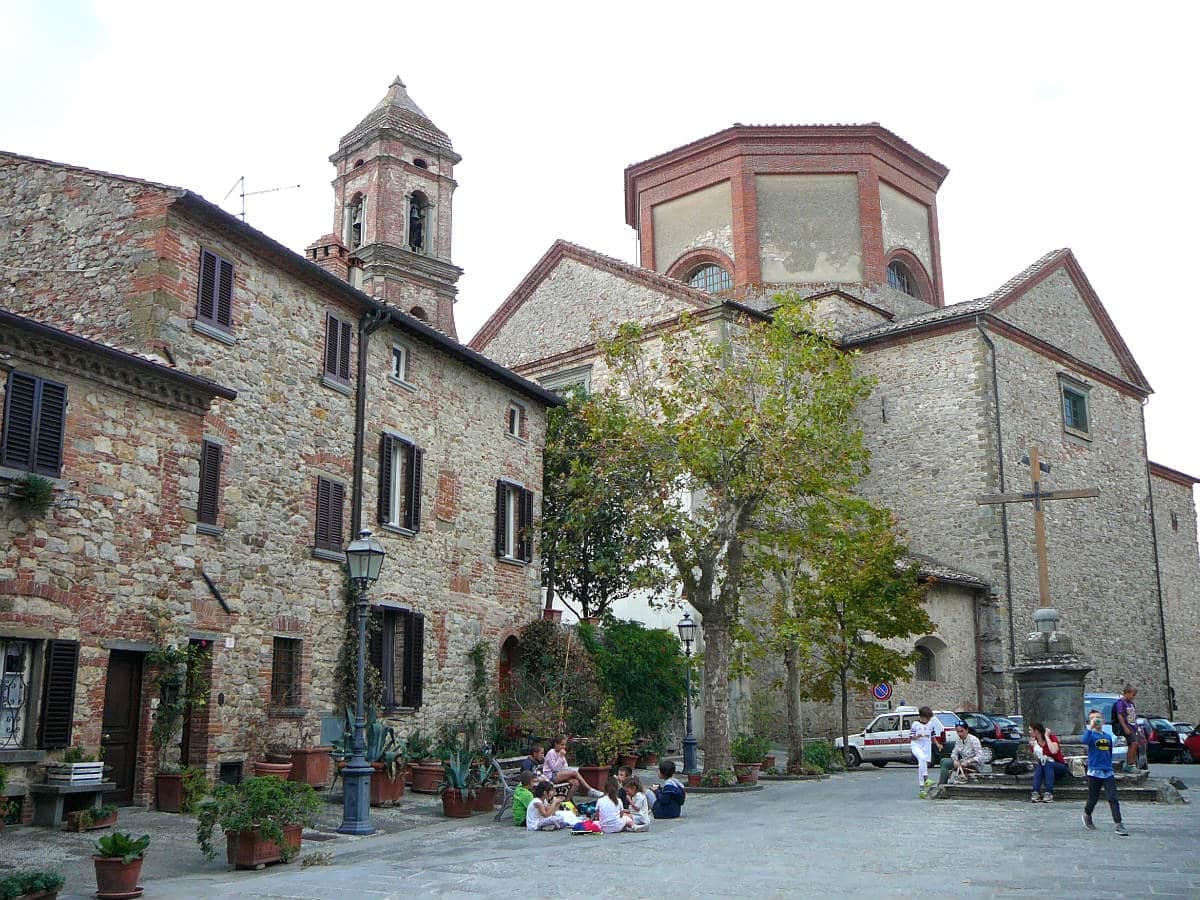
A walled elliptical hill town at 400 meters between Siena and Arezzo, planned in medieval concentric rings around the goldsmith's reliquary called the Tree of Life.
Passignano sul Trasimeno
Province: Perugia
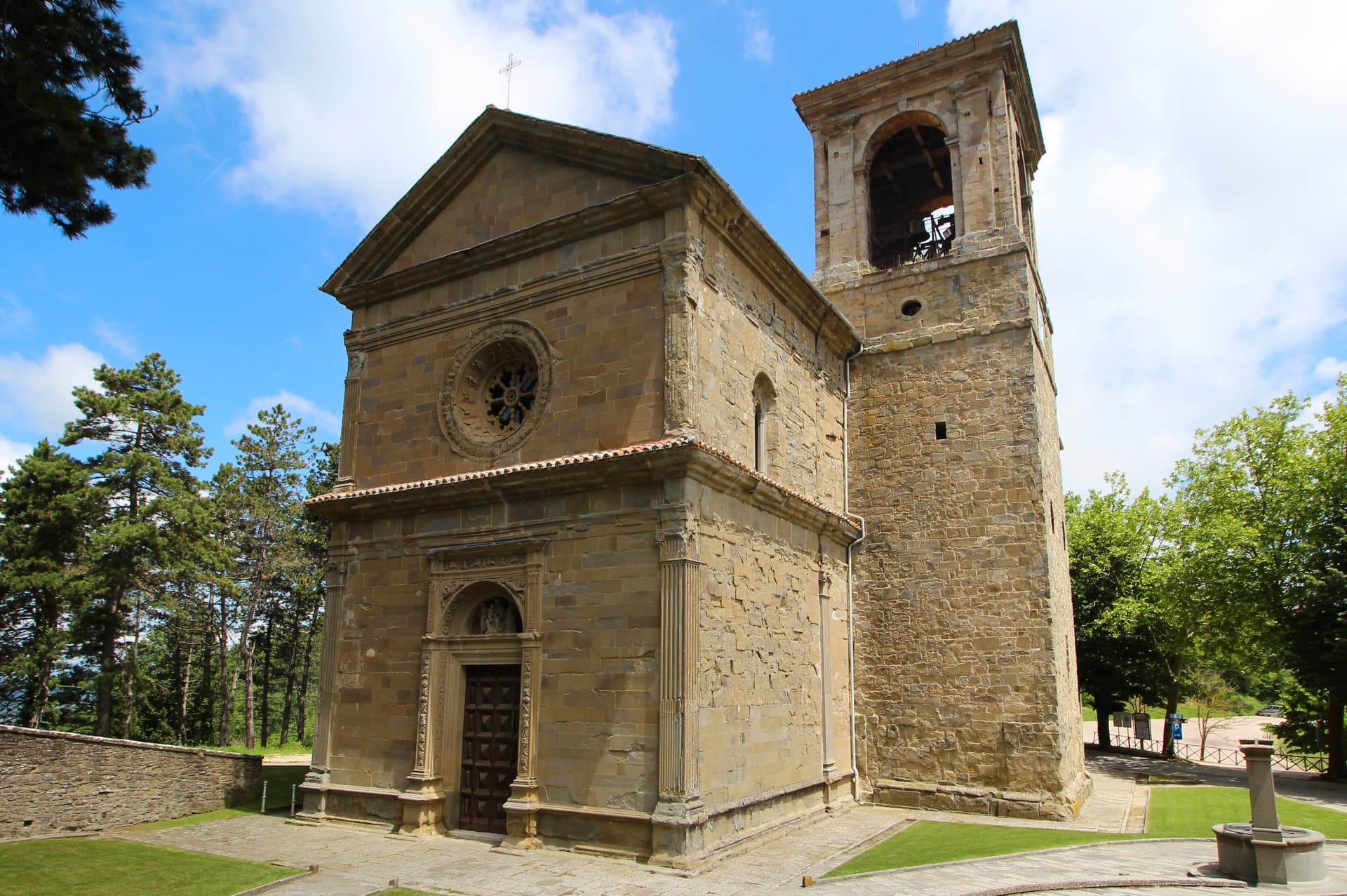
A near-peninsula on the northern shore of Lake Trasimeno, on the road Hannibal closed when he ambushed the Romans in 217 BC.
Montepulciano
Province: Siena
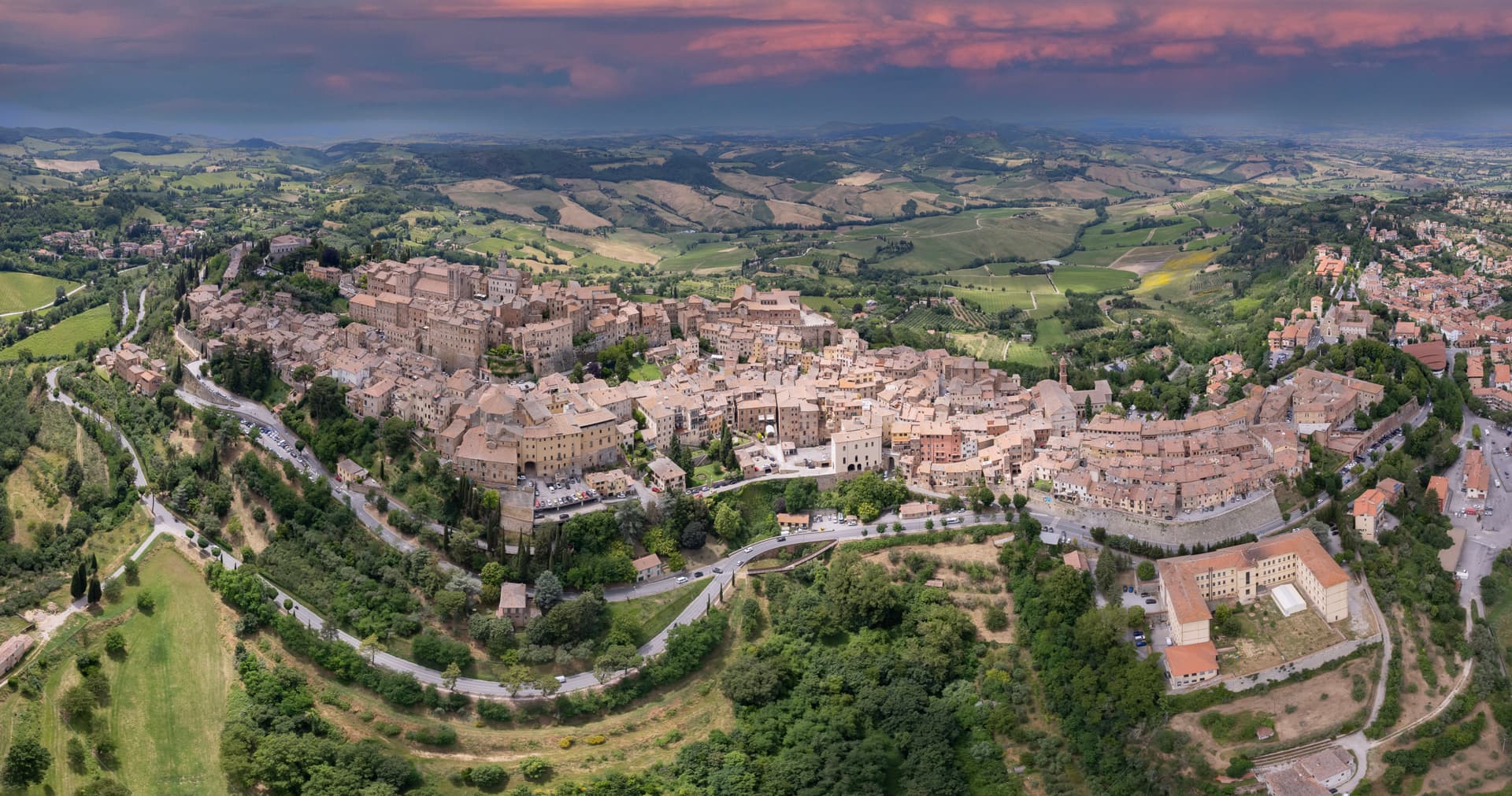
A Renaissance hill town at 605 meters on a limestone ridge, where Vino Nobile is aged in vaulted cellars beneath the palazzi of Piazza Grande.
🟠 Bandiera Arancione
More Bandiera Arancione towns in Tuscany
Abetone Cutigliano
Province: Pistoia
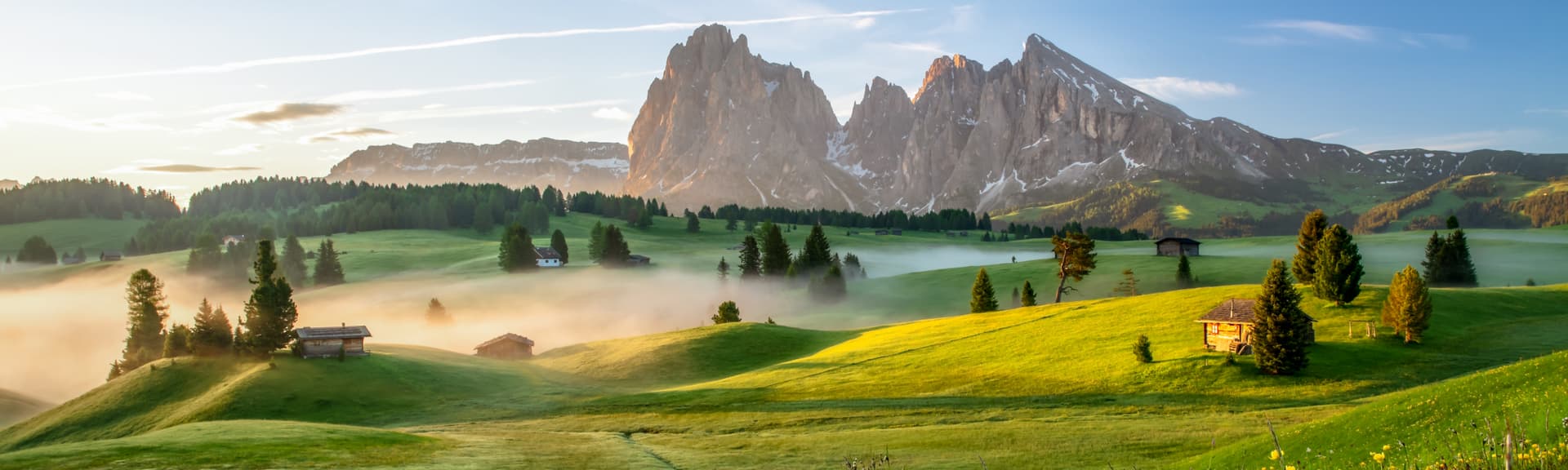
The Apennine ski pass at 1,388 meters where the Granduca's two stone pyramids of 1778 mark the old Tuscan-Modenese border.
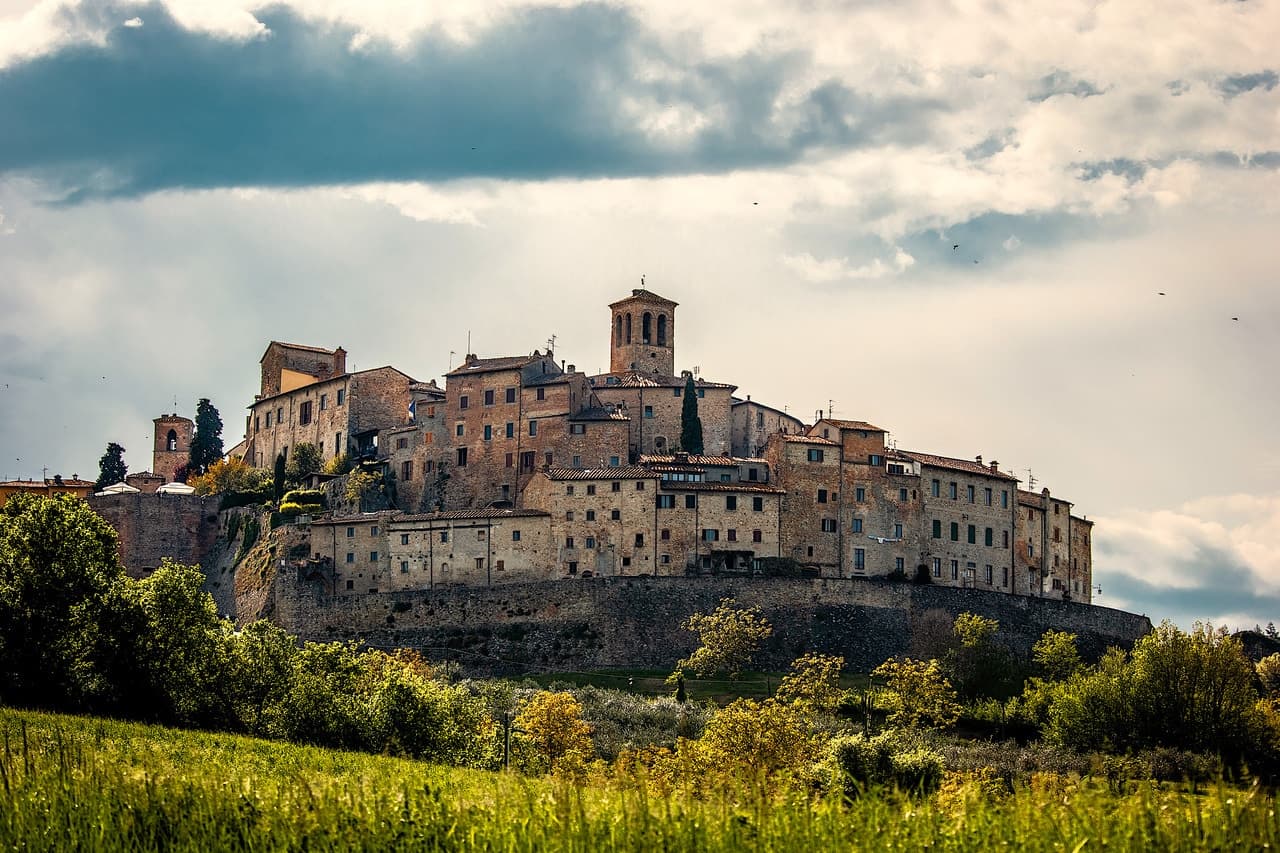
Anghiari
Province: Arezzo
A walled medieval town at 430 meters over the upper Tiber valley, where Florence beat Milan in 1440 and Leonardo started the fresco he never finished.
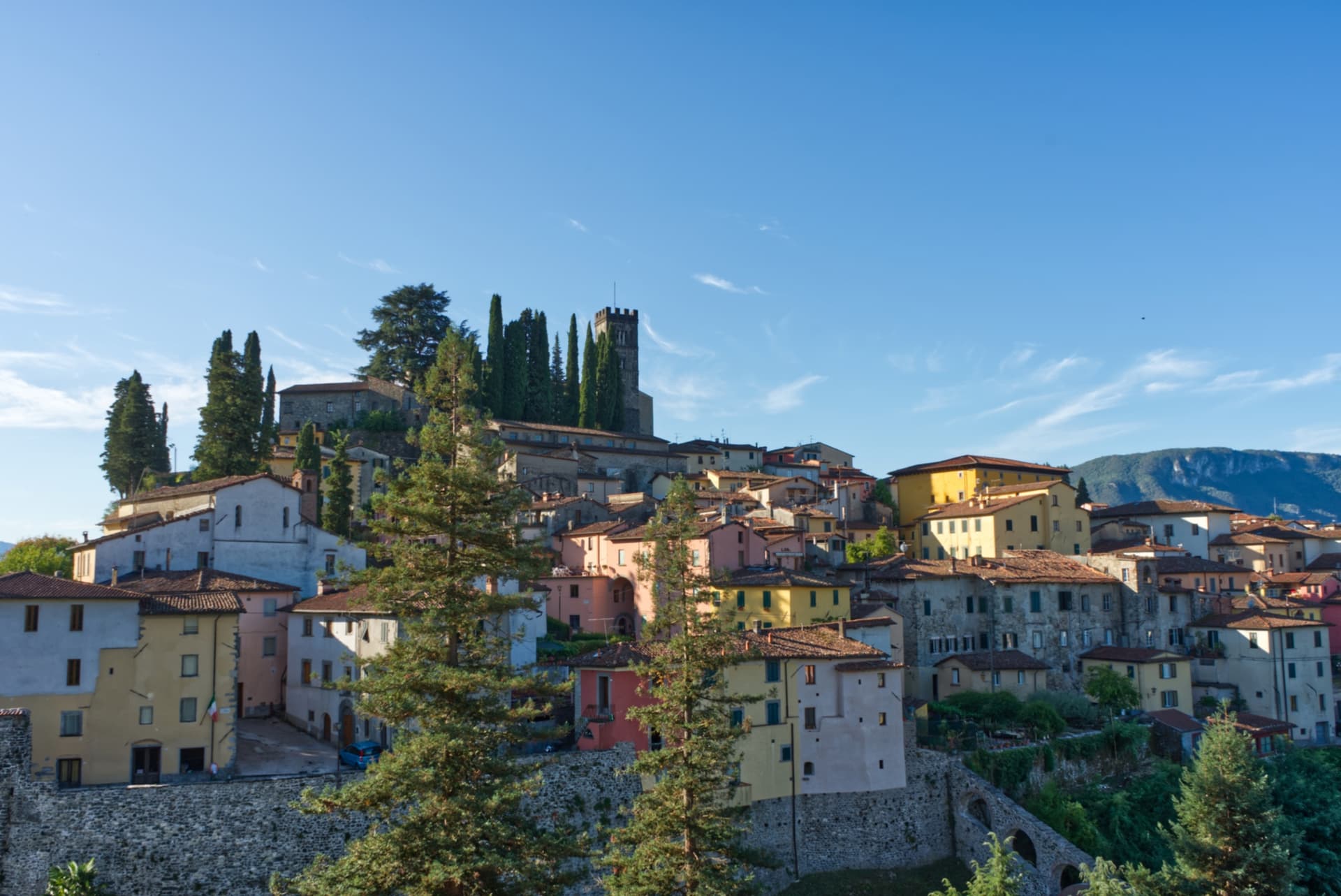
Barga
Province: Lucca
A medieval hilltop town at 410 meters in the Serchio valley between the Apuan Alps and the Apennines, where Giovanni Pascoli wrote his last poems and the August festival serves fish and chips.
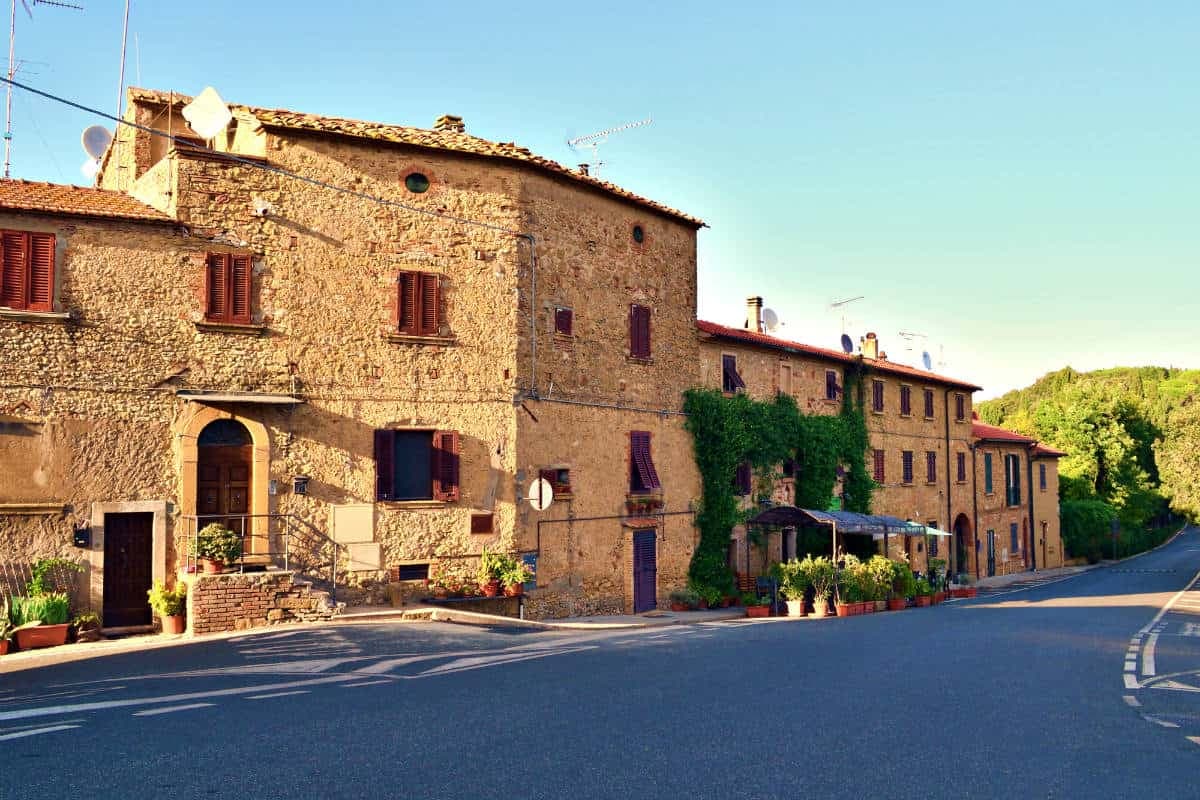
Casale Marittimo
Province: Pisa
A concentric stone borgo at 214 meters above the Val di Cecina, built where a seventh-century BC Etruscan outpost of Volterra once stood.
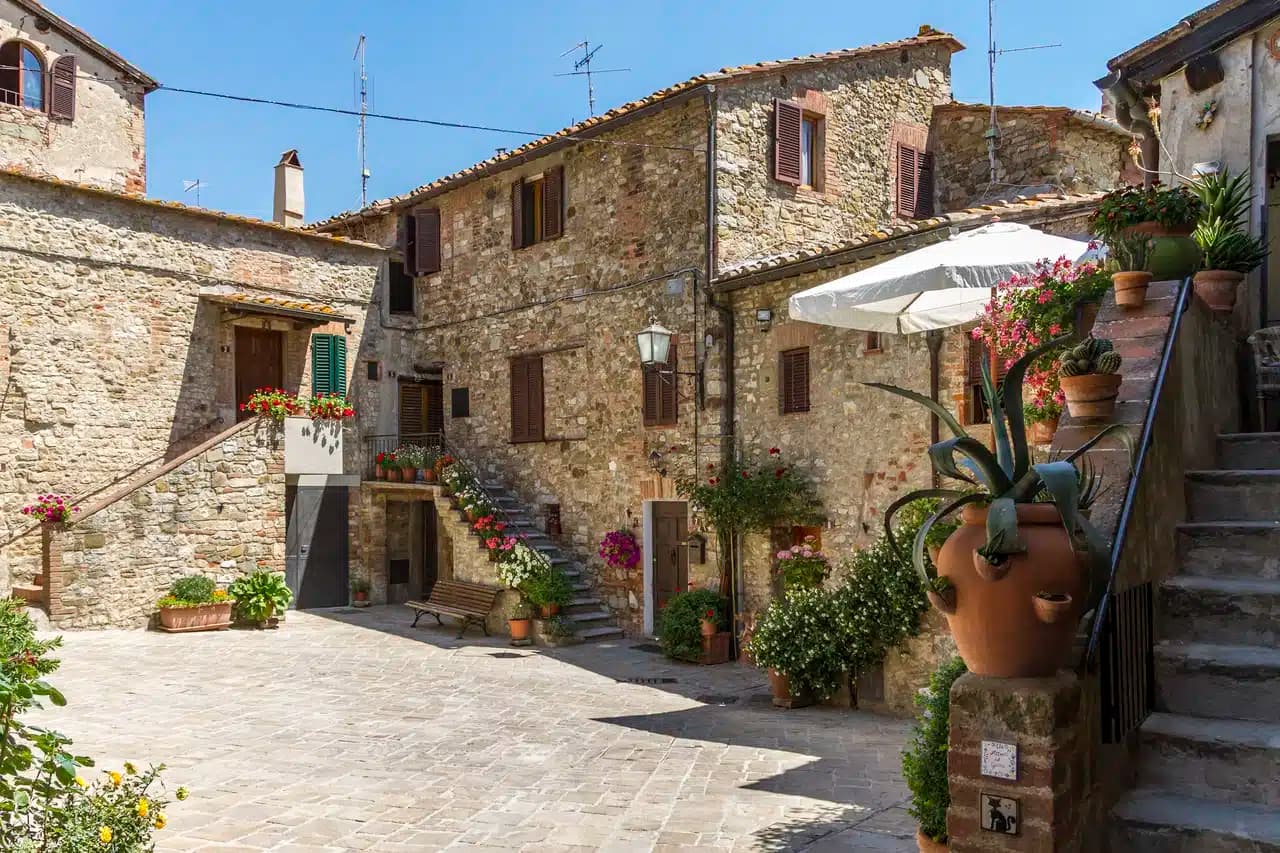
Castelnuovo Berardenga
Province: Siena
A Chianti Classico commune at 351 meters between the Ombrone and the Crete Senesi, the last castle Siena built against Florence, in 1366.