

Tuscany · Arezzo
Cortona
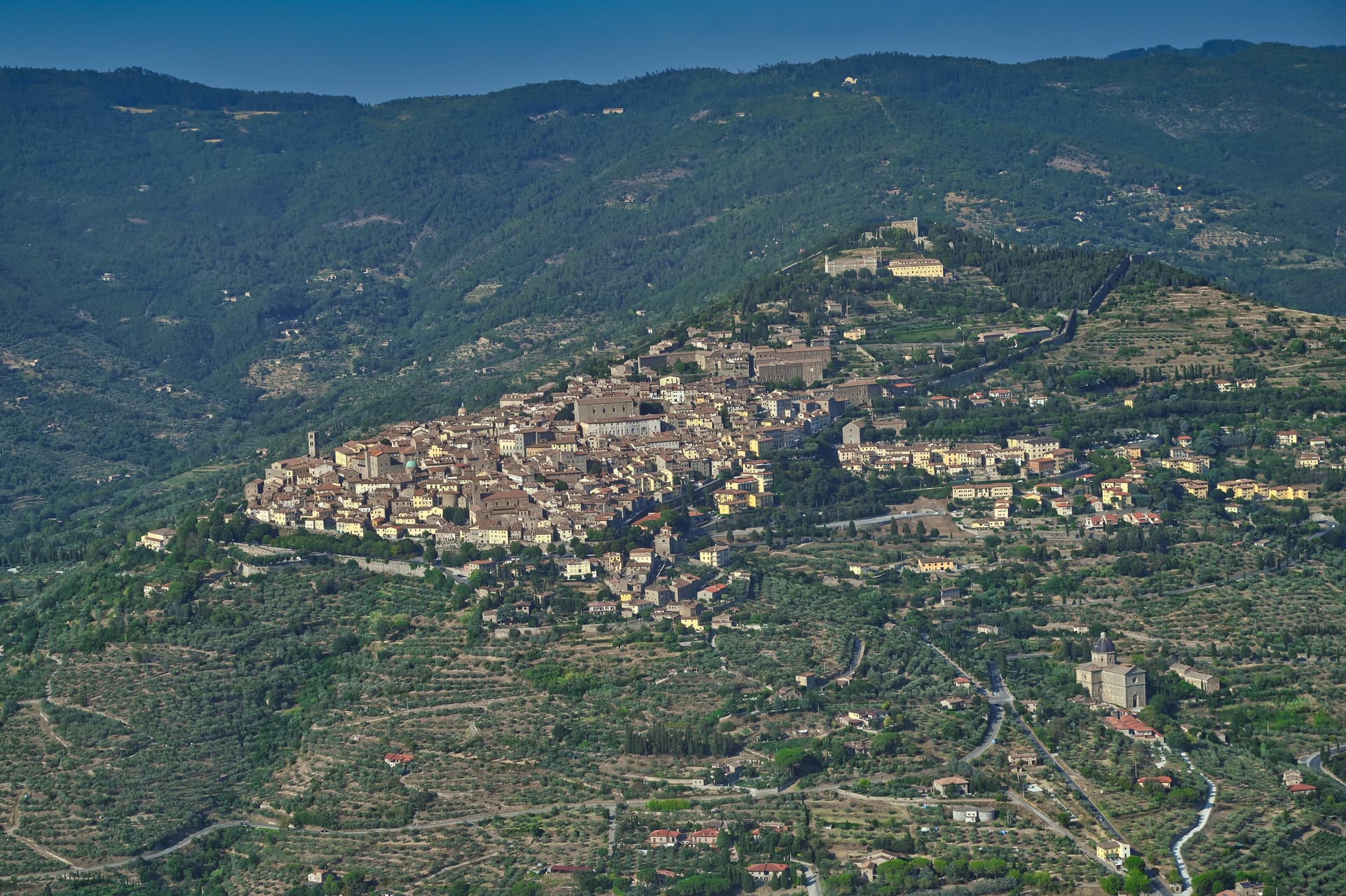
An Etruscan lucumonia with two kilometers of walls older than Rome, looking down on the Val di Chiana and Lake Trasimeno.
Known for
ETRUSCAN LUCUMONIA
One of the twelve cities of the Etruscan League, with two kilometers of fourth-century BC walls still standing.
TABULA CORTONENSIS
Second-century BC bronze plaque in the MAEC, the longest known inscription in the Etruscan language.
UNDER THE TUSCAN SUN
Frances Mayes's 1996 memoir of buying a villa outside town that turned Cortona into one of the most visited hill towns in Tuscany.
When to visit
Best · Apr–Oct
- J
- F
- M
- A
- M
- J
- J
- A
- S
- O
- N
- D
- Best
- Hot or crowded
- Quiet
- Mostly closed
The festa: Margherita da Cortona, 22 February
Why come
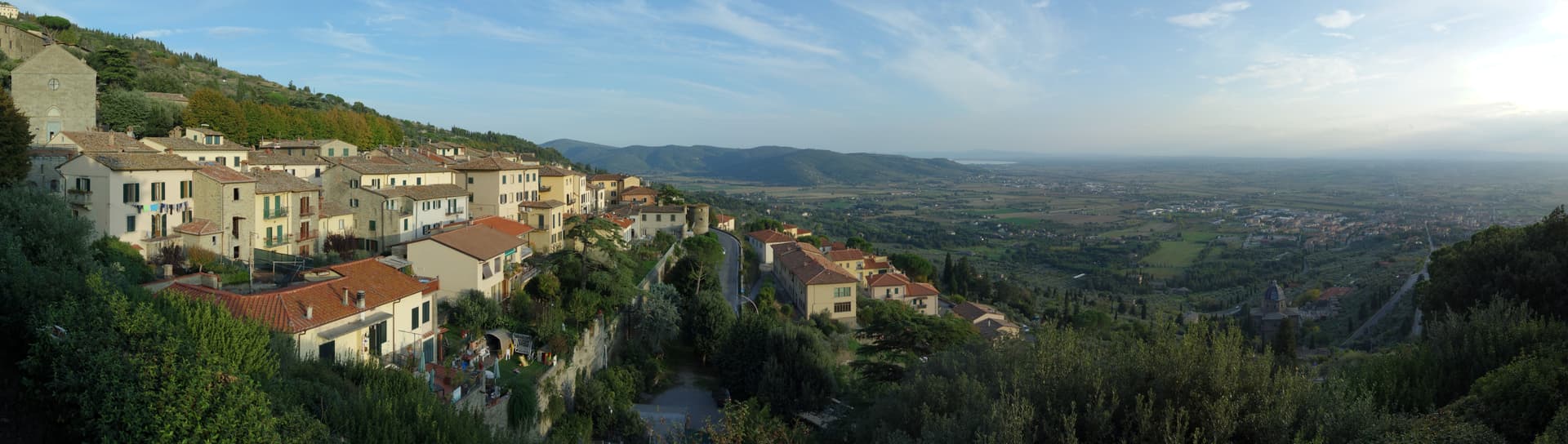
Cortona stands on the southern flank of the Val di Chiana, looking across to Lake Trasimeno. The Etruscan name Curtun is fixed on the Tabula Cortonensis, a second-century BC bronze plaque now in the MAEC, the longest known inscription in the language. In the fourth century BC, Cortona was one of the twelve lucumoniae of the Etruscan League.
Two kilometers of Etruscan walls still ring the city, the foundation under everything Roman and medieval that came after. In 1211, Francis of Assisi asked the bishop for a place to retreat in prayer; Le Celle, three kilometers below the town, was the result and remains a working Franciscan convent. Santa Margherita, the city's patron, lived and died here in 1297 and her basilica caps the ridge.
The painters Luca Signorelli and Pietro da Cortona were born inside the walls. Frances Mayes published Under the Tuscan Sun in 1996. The town has not been quiet since.
The Sunday letter
We haven’t written Cortona’s letter yet.
One town every Sunday, with the photo, the food, the festa. Be there when this one comes up. Free, by Peter & Sophia from Pietrasanta.
By subscribing you agree to Substack’s Terms of Use, our Privacy Policy and our Information collection notice.
What to see
Mura etrusche
Two kilometers of fourth-century BC walls still ringing the city, the foundation of every later layer of building.
MAEC
Museum of the Etruscan Academy in Palazzo Casali, holding the Tabula Cortonensis and the lampadario di Cortona.
Museo Diocesano
Collection in the former Chiesa del Gesù with Beato Angelico's Annunciation of 1430 and works by Luca Signorelli.
Basilica di Santa Margherita
Fourteenth-century basilica above the town, holding the body of Cortona's patron saint who died here in 1297.
Eremo Le Celle
Franciscan convent founded in 1211 at the request of Francis of Assisi, still inhabited by friars in cells on both sides of a narrow valley.
Fortezza del Girifalco
Medicean fortress at the top of the hill, built on Etruscan foundations, used for exhibitions and views over the Val di Chiana.
Piazza della Repubblica
Civic square at the city's center, dominated by the Palazzo Comunale and its open stone stairs.
The slow-trip planner
Building a trip? Find where Cortona fits in a slow Italy circuit.
Answer five questions. We will shape a geographically coherent slow trip from the 1,000 Italian towns most travelers skip. Yours to save and share.
We’ve tried
What we got up to
Restaurants, walks, swims — the things we actually did in and around Cortona, each with the piece we wrote about it.
Erbe, the bitter boiled greens that make a kilo of rare beef sit like a virtue.
The bistecca alla fiorentina, and why everyone who tries to improve it ruins it.
We recommend
Where to eat and stay
Not our picks, but places the guides put their name to — a Michelin star, a Gambero Rosso fork, a Slow Food snail, a Michelin Key for the hotels. Worth a table, a counter, or a night when you pass through.
Osteria del TeatroRistorante
A Slow Food snail for Osteria del Teatro, along with a Gambero Rosso listing and a spot in the Michelin Guide.
Il FalconiereRistorante
Il Falconiere has one Michelin star and two Gambero Rosso forks (83/100).
Al ToccoRistorante
Al Tocco carries a Gambero Rosso listing.
Enoteca MeucciRistorante
Enoteca Meucci carries a spot in the Michelin Guide.
La BucacciaRistorante
La Bucaccia holds a Michelin Bib Gourmand.
Locanda del MolinoRistorante
Locanda del Molino carries a spot in the Michelin Guide.
Taverna Pane e VinoWine Bar
Taverna Pane e Vino holds two Gambero Rosso bottles.
Monastero di CortonaHotel
One Michelin Key, at Monastero di Cortona.
Relais Il FalconiereHotel
Relais Il Falconiere carries a place in the Michelin hotel guide.
Relais La Corte Dei PapiHotel
Relais La Corte Dei Papi holds a place in the Michelin hotel guide.
Living here
- Population 21,133
- Off the beaten pathi
- Pharmacy in town
- High school within a 30-minute drive
- Train station in the comune
- Nearest airport Ancona / Pescara, 2 h 17 min drive
- Regional capital Firenze, 1 h 25 min drive
Tags & datadesignations · numbers · sources
Recognised as
The numbers
- Elevation: 494 m
- Population: 21,133
- Surface area: 342.97 km²
These figures were compiled from public directories — ISTAT, OpenStreetMap, Wikidata — and from the official listings of the guides named on this page. Town details change; verify with official sources before you travel.
Close by
More towns near Cortona
Castiglion Fiorentino
Province: Arezzo
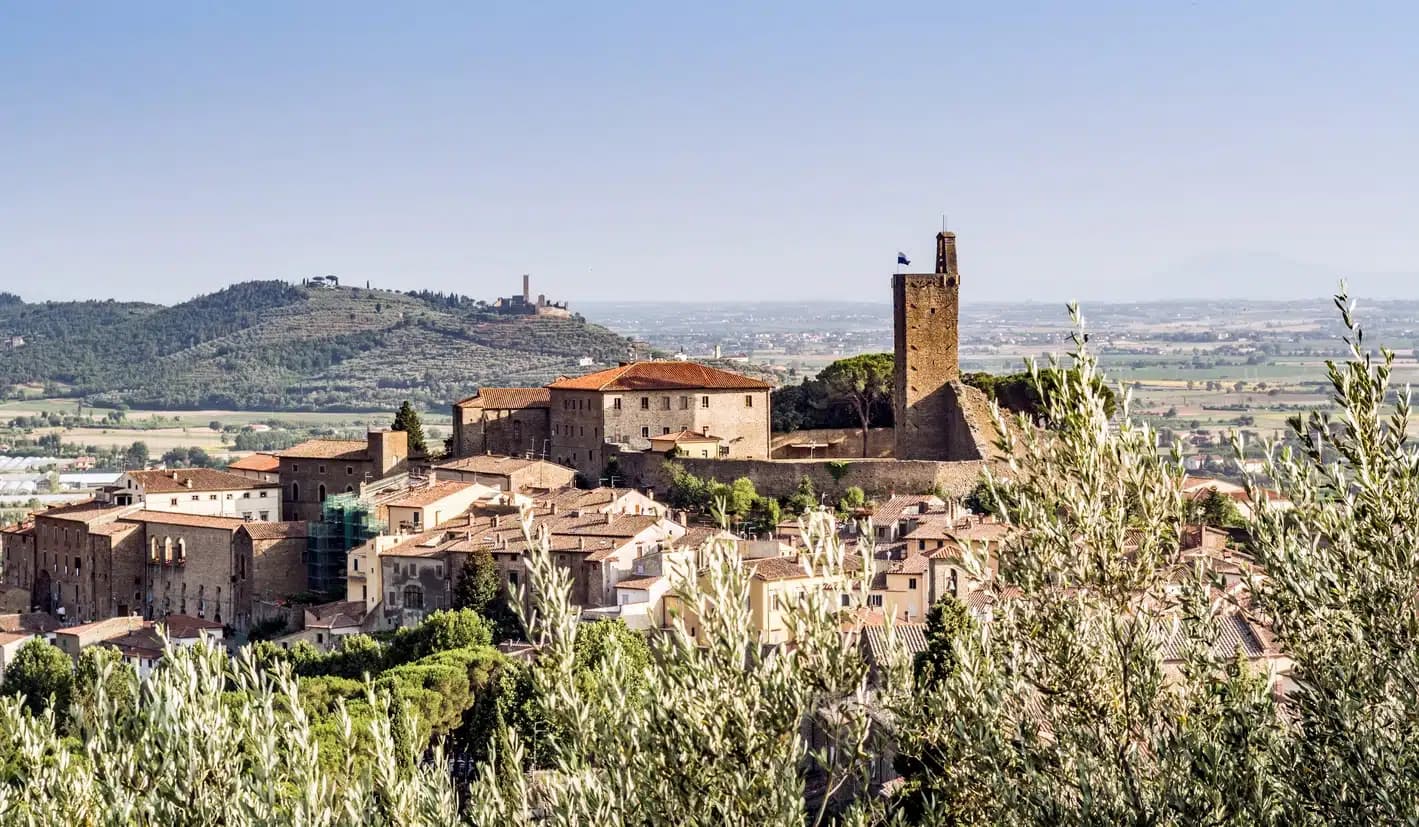
A walled hill town at 342 meters between Arezzo and Cortona, where Etruscan walls support the medieval Cassero and Vasari's loggia frames the Val di Chiana below.
Passignano sul Trasimeno
Province: Perugia
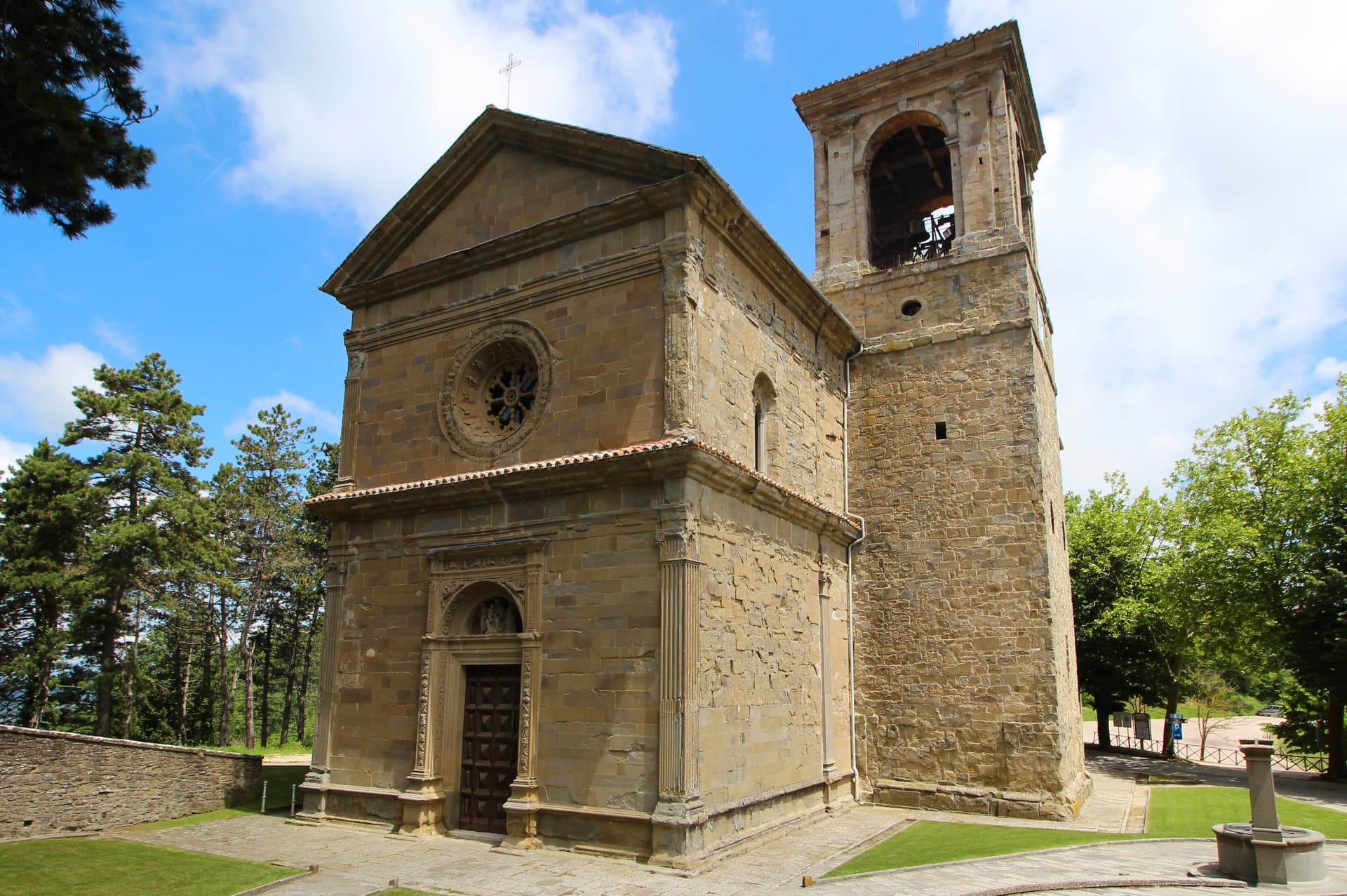
A near-peninsula on the northern shore of Lake Trasimeno, on the road Hannibal closed when he ambushed the Romans in 217 BC.
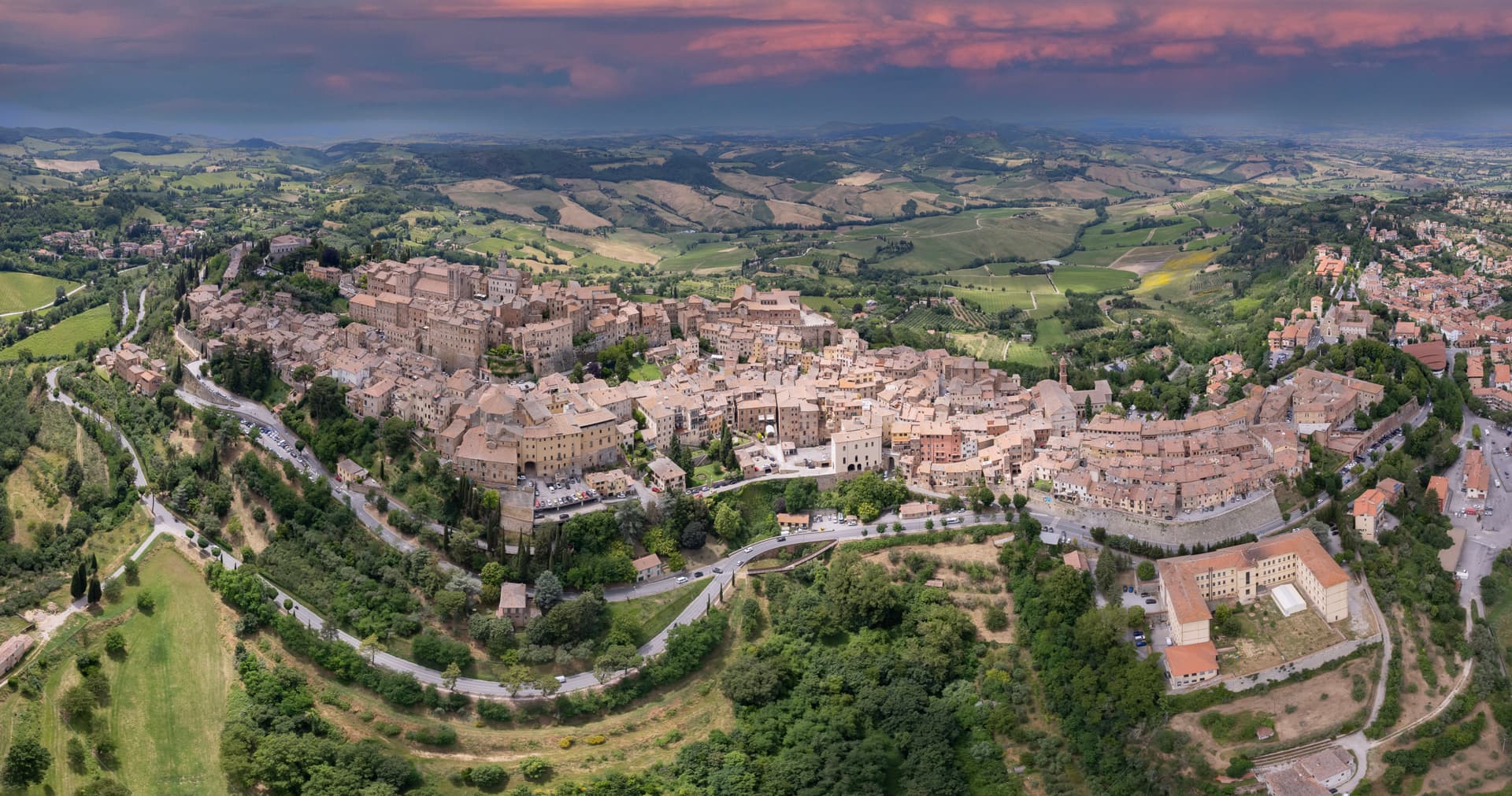
Montepulciano
Province: Siena
A Renaissance hill town at 605 meters on a limestone ridge, where Vino Nobile is aged in vaulted cellars beneath the palazzi of Piazza Grande.
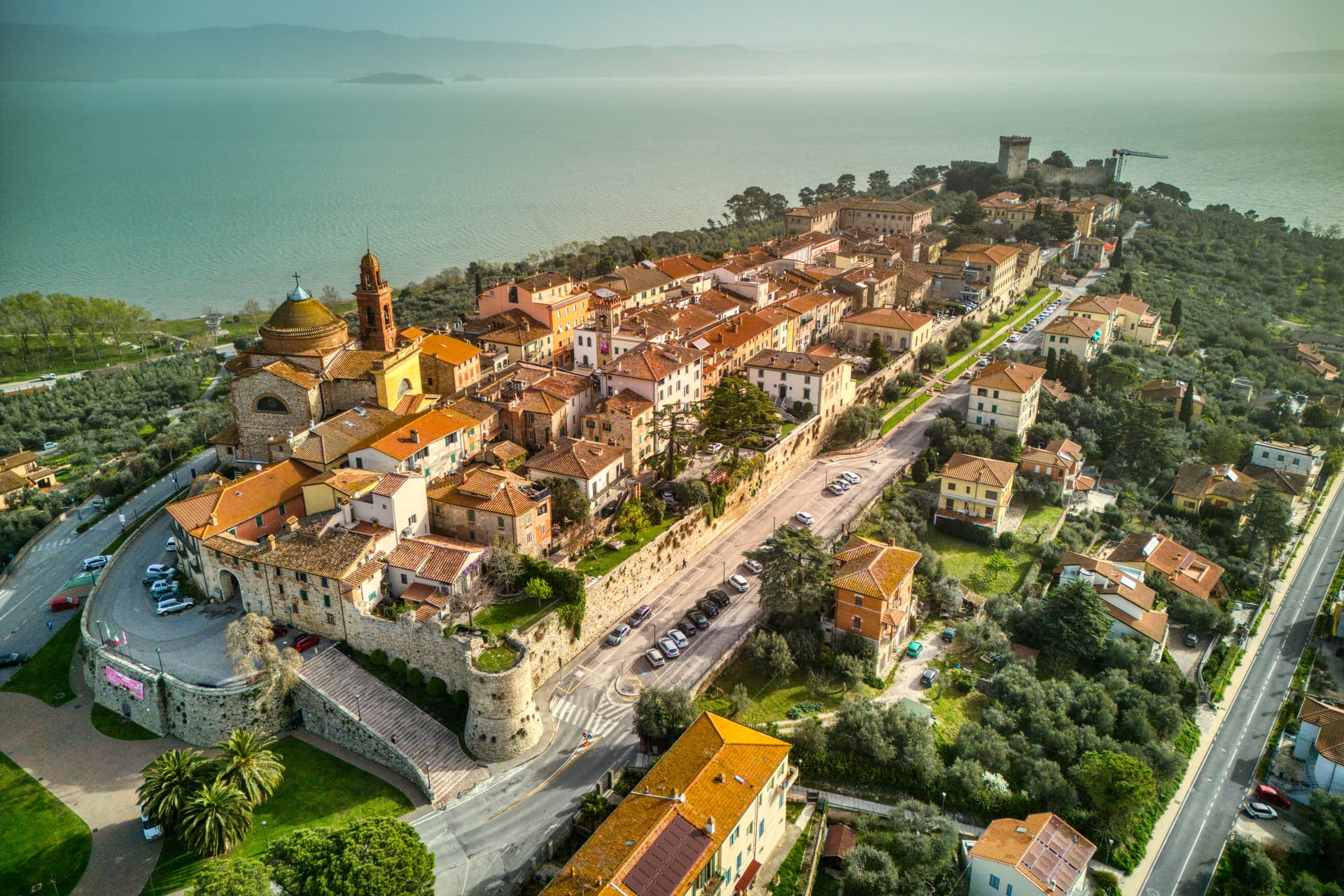
Castiglione del Lago
Province: Perugia
Trasimeno's western promontory, once the lake's fourth island, fortified by Federico II in 1247 and frescoed by Pomarancio for the Corgna marquises.
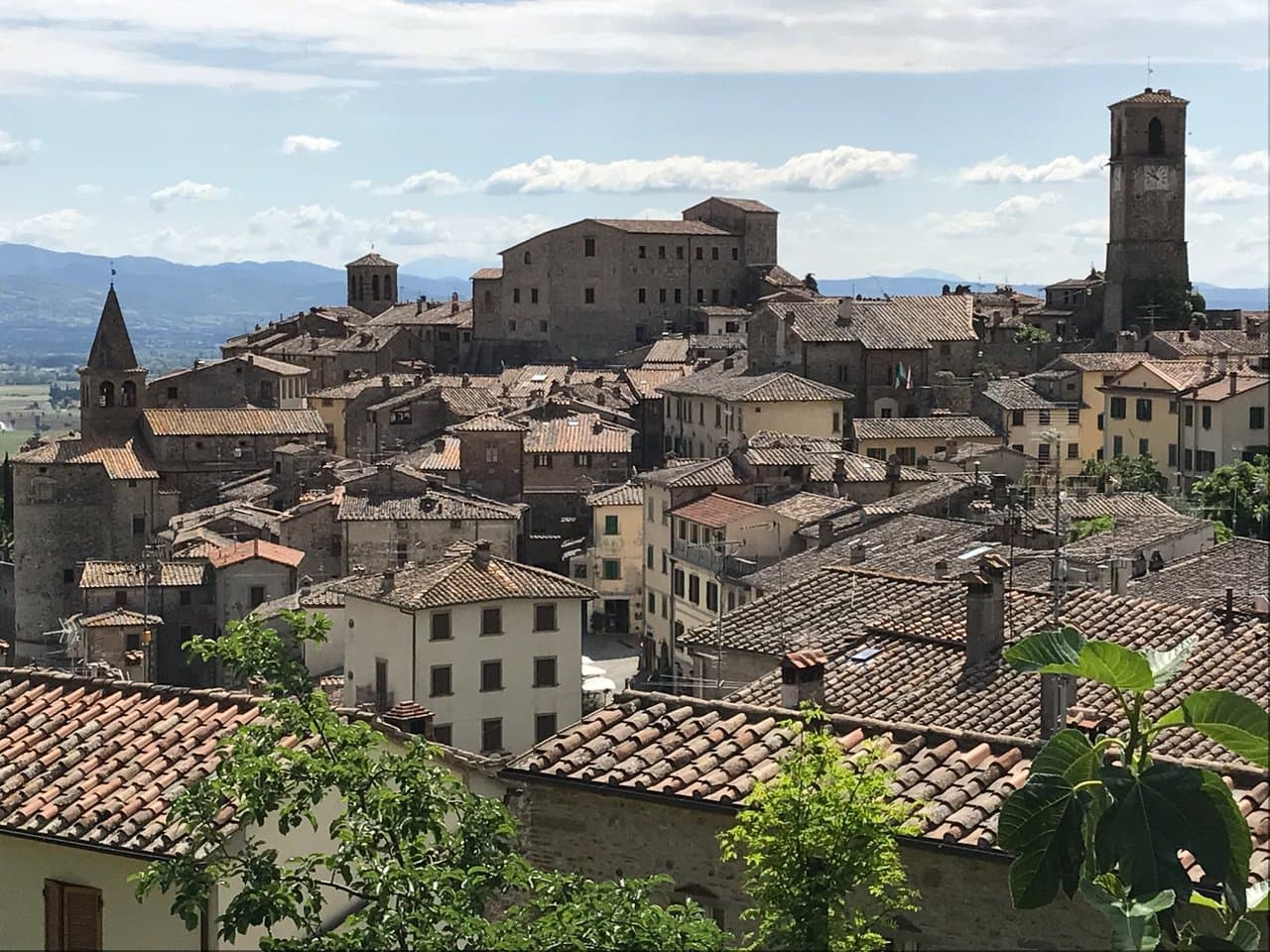
Arezzo
Province: Arezzo
Tuscany's other set-piece — a 96,000-resident Etruscan-Roman-medieval hilltop city 80 km southeast of Florence, with Piero della Francesca's Leggenda della Vera Croce fresco cycle in San Francesco (1452–66), the sloped Piazza Grande set used by Roberto Benigni in Life is Beautiful, and the Fiera Antiquaria — Italy's largest monthly antique fair, running since 1968.
🐌 Cittaslow
More Cittaslow towns in Tuscany
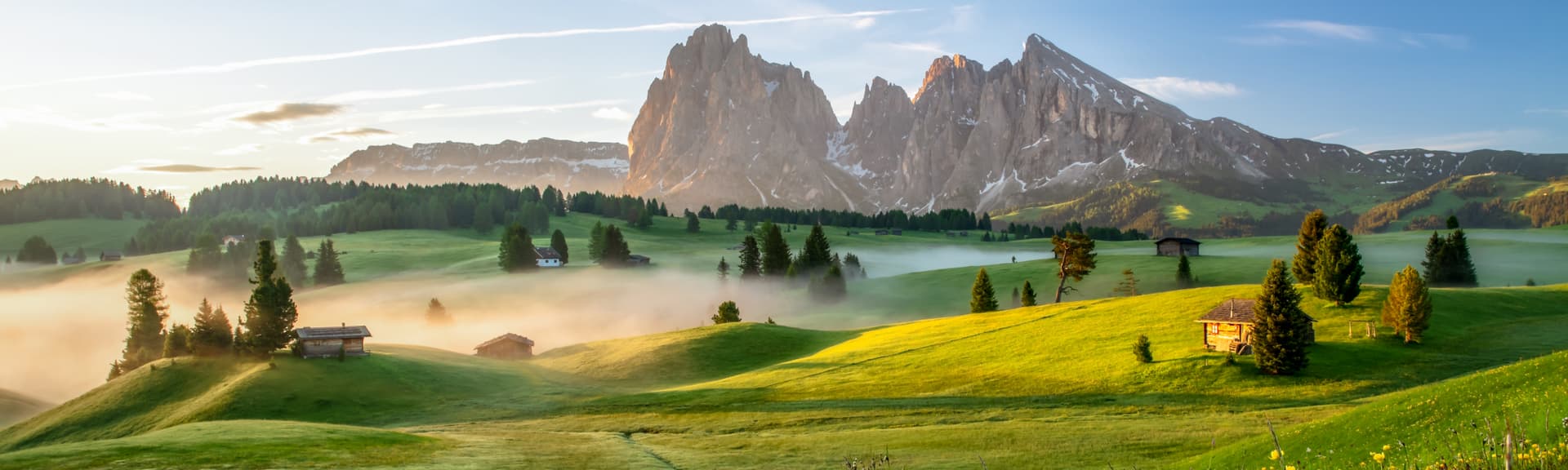
Abetone Cutigliano
Province: Pistoia
The Apennine ski pass at 1,388 meters where the Granduca's two stone pyramids of 1778 mark the old Tuscan-Modenese border.
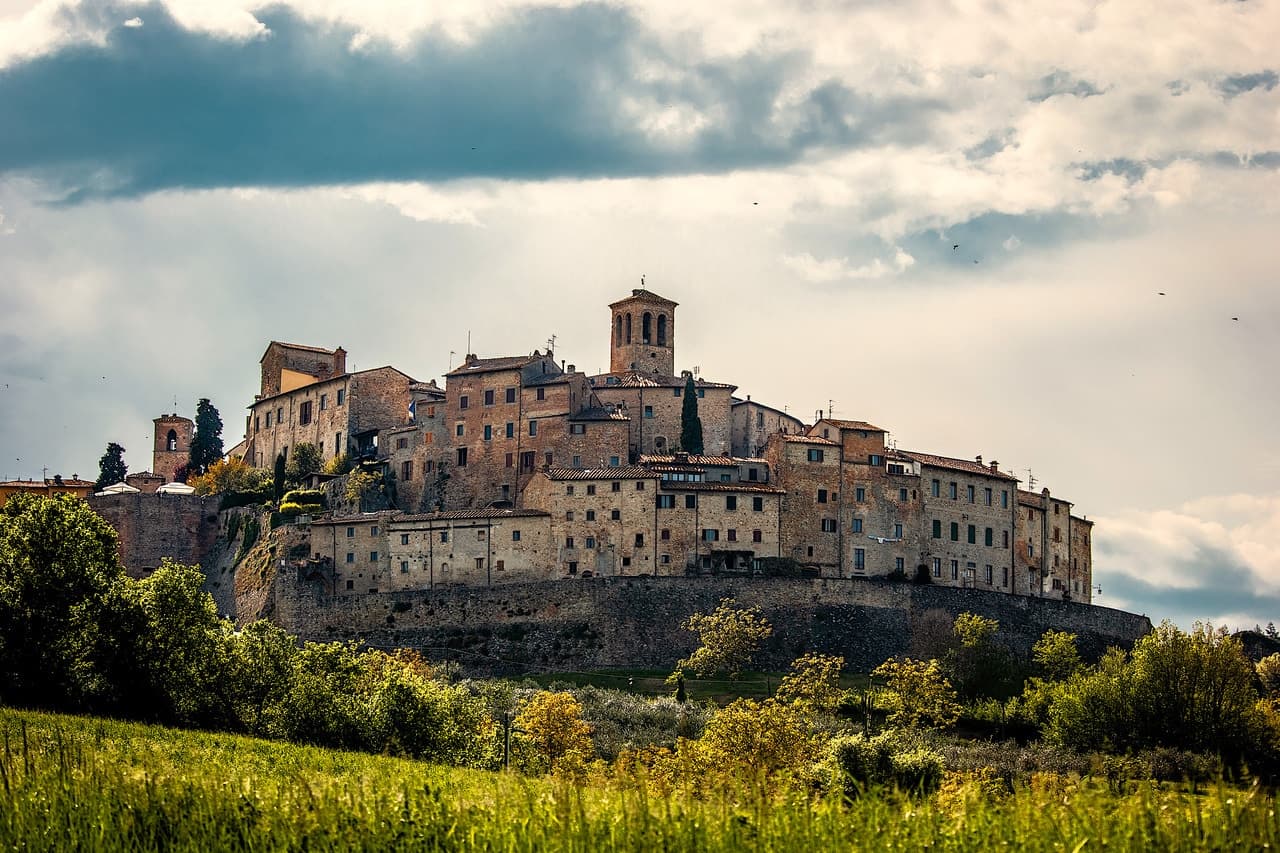
Anghiari
Province: Arezzo
A walled medieval town at 430 meters over the upper Tiber valley, where Florence beat Milan in 1440 and Leonardo started the fresco he never finished.
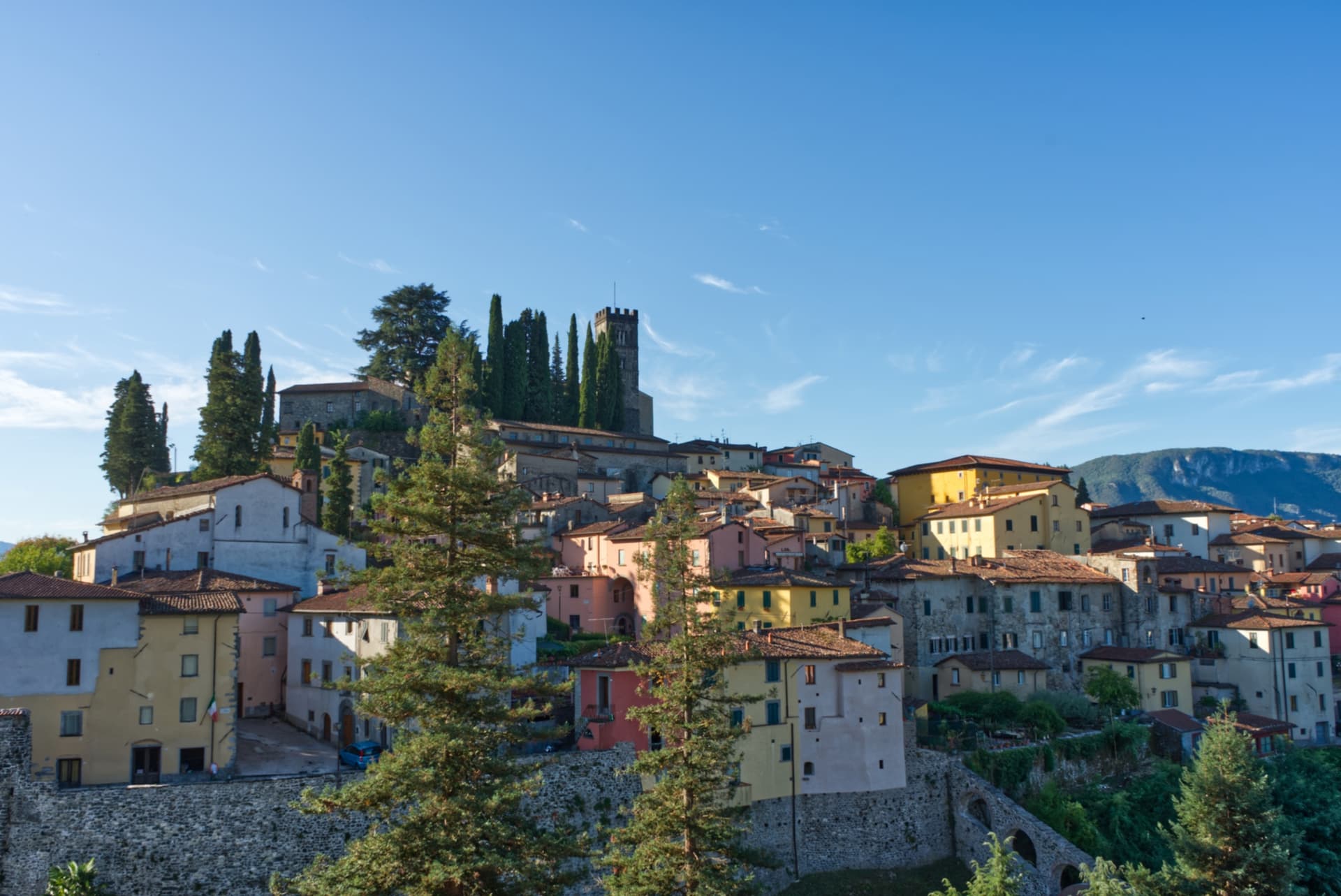
Barga
Province: Lucca
A medieval hilltop town at 410 meters in the Serchio valley between the Apuan Alps and the Apennines, where Giovanni Pascoli wrote his last poems and the August festival serves fish and chips.
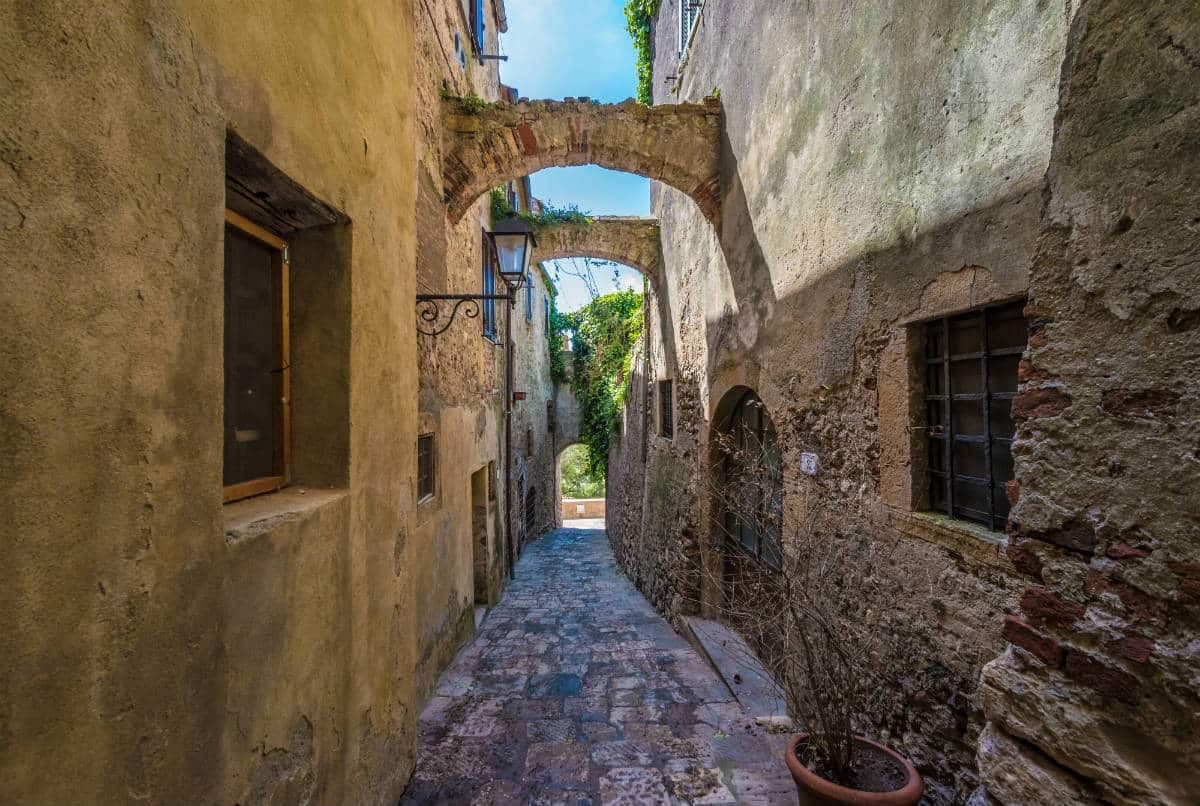
Capalbio
Province: Grosseto
A walled hilltop borgo at 217 meters in the southern Maremma, donated to the Abbey of Tre Fontane by Charlemagne and home of Niki de Saint Phalle's Tarot Garden.
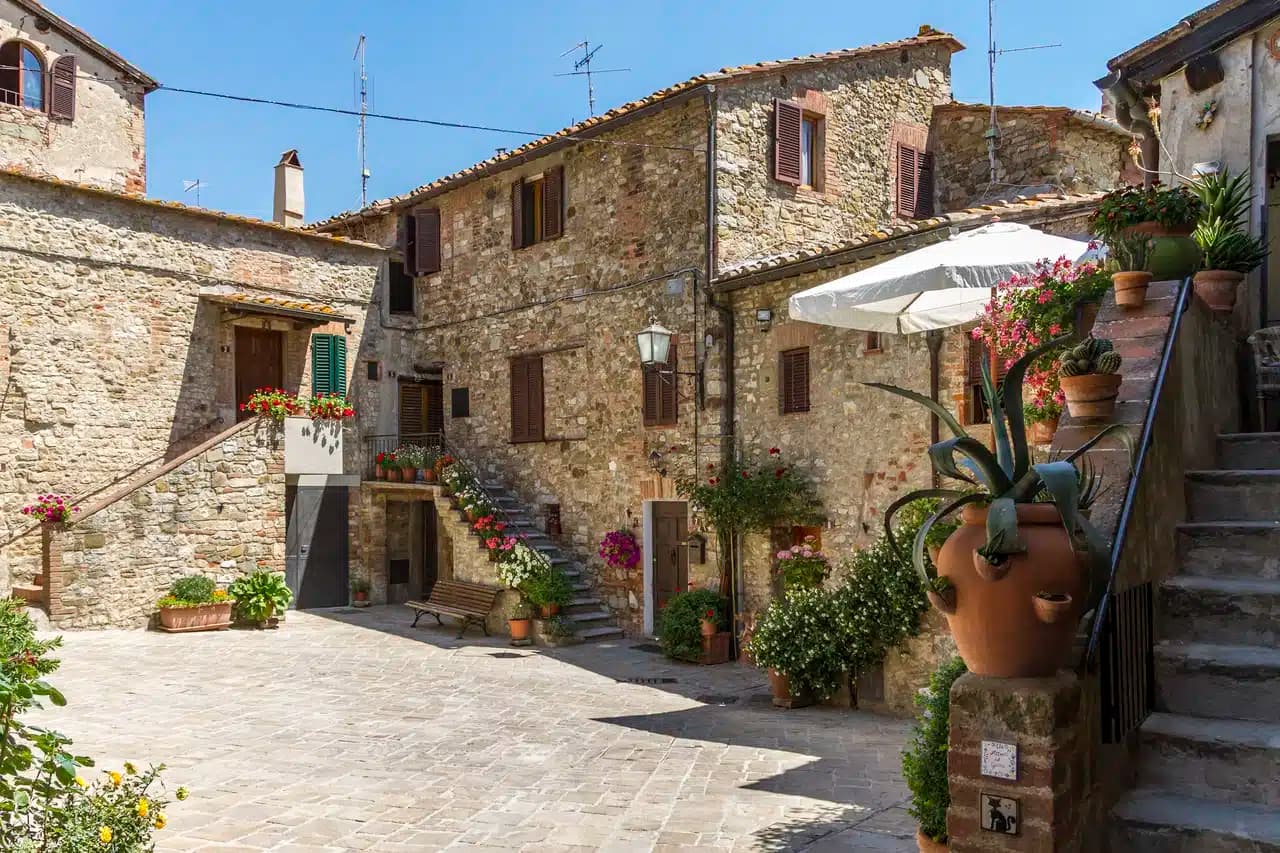
Castelnuovo Berardenga
Province: Siena
A Chianti Classico commune at 351 meters between the Ombrone and the Crete Senesi, the last castle Siena built against Florence, in 1366.