
Tuscany · Arezzo
Arezzo
Tuscany's other set-piece — a 96,000-resident Etruscan-Roman-medieval hilltop city 80 km southeast of Florence, with Piero della Francesca's Leggenda della Vera Croce fresco cycle in San Francesco (1452–66), the sloped Piazza Grande set used by Roberto Benigni in Life is Beautiful, and the Fiera Antiquaria — Italy's largest monthly antique fair, running since 1968.
Known for
PIERO DELLA FRANCESCA
The Leggenda della Vera Croce cycle in San Francesco — 'one of the most beautiful things in the world' (Kenneth Clark). Early-Renaissance geometric serenity.
FIERA ANTIQUARIA
Italy's largest monthly antique fair (every first weekend since 1968). 500+ dealers in the Piazza Grande. European-scale antique market.
GIOSTRA DEL SARACINO
Medieval jousting between four quartieri, June + September. Wooden Saracen target in the Piazza Grande. Running continuously since the 13th c.
VASARI + LIFE IS BEAUTIFUL
Giorgio Vasari's home town — designed the Loggia in Piazza Grande (1573). Roberto Benigni used Piazza Grande as the Life is Beautiful set.
When to visit
Best · Apr–Jun, Sep–Oct
- J
- F
- M
- A
- M
- J
- J
- A
- S
- O
- N
- D
- Best
- Hot or crowded
- Quiet
- Mostly closed
The festa: Donato d'Arezzo, 7 August
Why come
Arezzo is Tuscany's quietly under-appreciated set-piece — 96,000 residents on a Tuscan hilltop 80 km southeast of Florence, with one of the densest concentrations of Etruscan, Roman, medieval and early-Renaissance heritage anywhere in the region but without the tour-bus crush of its more famous siblings. The headline is Piero della Francesca's Leggenda della Vera Croce — the fresco cycle (1452–66) in the Cappella Bacci of the Basilica di San Francesco that Kenneth Clark called 'one of the most beautiful things in the world', narrating the journey of the Cross from Adam's grave through Solomon to Constantine to Heraclius in 10 panels of geometric serenity and silver-grey light. Timed entry, 25 people for 30 minutes; book 2–3 weeks ahead.
Beyond Piero: the Piazza Grande (the sloped trapezoidal square Roberto Benigni used as Life is Beautiful's central set — surrounded by the Palazzo della Fraternita dei Laici with its 14th-c facade, the Palazzo delle Logge by Vasari (Arezzo's other native son, designed in 1573), and the apse of the Pieve di Santa Maria's 12th-c Romanesque exterior); the Pieve di Santa Maria itself (the Lombard-Romanesque parish church with a five-tier facade widely copied across central Italy); the Cattedrale di San Donato (Gothic, with stained glass by Guillaume de Marcillat); the Casa Vasari (the painter-architect's own house, frescoed by himself); the Museo Archeologico Nazionale on the site of the Roman Amphitheatre (the famous Vasi corallini — coral-red glazed Roman pottery — were made here, the manufacturing centre for the empire). The other big draw is the Fiera Antiquaria — every first weekend of the month, 500+ antique dealers fill the Piazza Grande and the surrounding streets in Italy's largest monthly antique fair (since 1968), drawing dealers from across Europe. And twice a year (June + September), the Giostra del Saracino — the medieval jousting tournament between the four city quartieri (Porta Crucifera, Porta del Foro, Porta Sant'Andrea, Porta Santo Spirito) with horse riders charging a wooden Saracen target in the Piazza Grande, running since the 13th century. The food is Tuscan: pici with hare ragù, ribollita, the local bistecca chianina from the surrounding Val di Chiana valley (the giant Chianina breed of cattle that the Florentine bistecca is properly cut from), Pecorino Toscano, and the Vino Nobile + Brunello + Chianti Classico are all within an hour's drive south.

What to see
Piero della Francesca's Leggenda della Vera Croce
10-panel fresco cycle (1452–66) in the Cappella Bacci of San Francesco — one of the supreme works of the early Renaissance. Timed entry: 25 people, 30 min, book 2-3 weeks ahead.
Piazza Grande + Pieve di Santa Maria
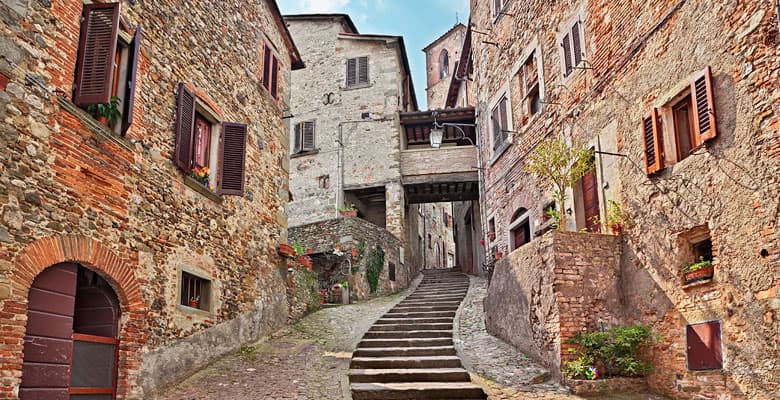
Sloped trapezoidal square — Roberto Benigni's Life is Beautiful central set. Palazzo della Fraternita + Vasari's Loggia + the 12th-c Lombard-Romanesque apse of Santa Maria.
Fiera Antiquaria (every first weekend)
Italy's largest monthly antique fair, running since 1968. 500+ dealers fill the Piazza Grande and surrounding streets — draws dealers + buyers from across Europe.
Giostra del Saracino (June + September)
Medieval jousting tournament between the four city quartieri running since the 13th c. Riders charge a wooden Saracen target in the Piazza Grande. Costumed pageant the whole weekend.
Chianina + Tuscan kitchen
The Val di Chiana below the city is the home of the Chianina cattle breed — the giant cattle from which proper bistecca alla fiorentina is cut. Pici with hare ragù, ribollita, Pecorino Toscano.
The slow-trip planner
Building a trip? Find where Arezzo fits in a slow Italy circuit.
Answer five questions. We will shape a geographically coherent slow trip from the 1,000 Italian towns most travelers skip. Yours to save and share.
We’ve tried
What we got up to
Restaurants, walks, swims — the things we actually did in and around Arezzo, each with the piece we wrote about it.
Erbe, the bitter boiled greens that make a kilo of rare beef sit like a virtue.
The bistecca alla fiorentina, and why everyone who tries to improve it ruins it.
We recommend
Where to eat and stay
Not our picks, but places the guides put their name to — a Michelin star, a Gambero Rosso fork, a Slow Food snail, a Michelin Key for the hotels. Worth a table, a counter, or a night when you pass through.
Buca di San FrancescoRistorante
Buca di San Francesco has a place on Italy's historic-locali register and a Gambero Rosso listing.
Le Chiavi d'OroRistorante
Le Chiavi d'Oro has one Gambero Rosso fork (77/100) and a spot in the Michelin Guide.
Osteria GrandeRistorante
Osteria Grande has two Gambero Rosso forks (80/100) and a spot in the Michelin Guide.
Caffè dei CostantiCaffè
Caffè dei Costanti holds a place on Italy's historic-locali register.
Gabbo Cave a VinBistrot
Two Gambero Rosso tables, at Gabbo Cave a Vin.
OctavinRistorante
Octavin carries two Gambero Rosso forks (83/100).
Badia di PomaioHotel
Badia di Pomaio holds a place in the Michelin hotel guide.
The Sunday letter
Arezzo got its letter. One town every Sunday, free — the photo, the food, the festa.
By subscribing you agree to Substack’s Terms of Use, our Privacy Policy and our Information collection notice.
Living here
- Population 96,260
- A local hubi
- Pharmacy in town
- High school within a 30-minute drive
- Train station in the comune
- Nearest airport Bologna, 2 h 2 min drive
- Regional capital Firenze, 1 h 2 min drive
Tags & datadesignations · numbers · sources
Recognised as
The numbers
- Elevation: 296 m
- Population: 96,260
- Surface area: 384.7 km²
These figures were compiled from public directories — ISTAT, OpenStreetMap, Wikidata — and from the official listings of the guides named on this page. Town details change; verify with official sources before you travel.
Close by
More towns near Arezzo
Castiglion Fiorentino
Province: Arezzo
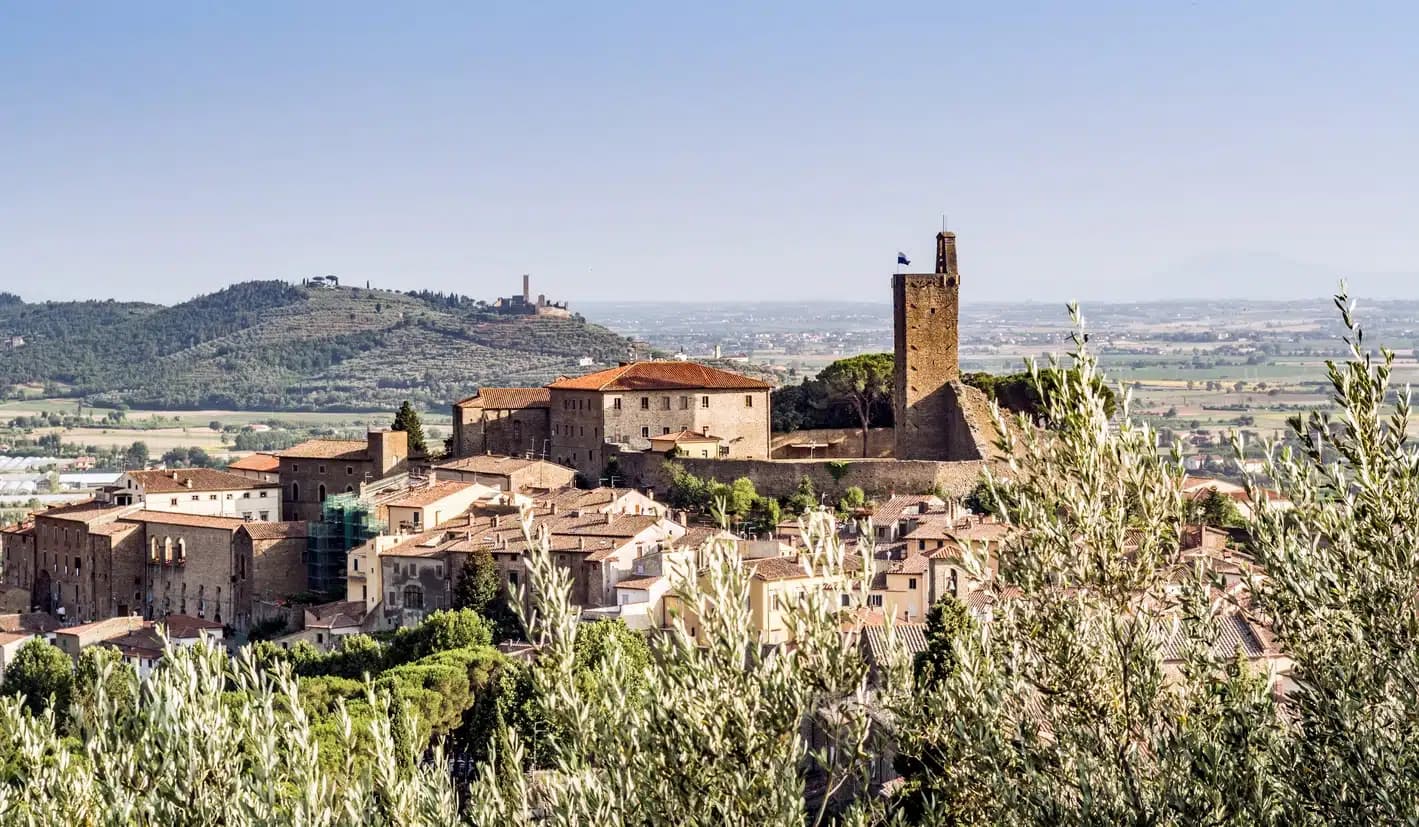
A walled hill town at 342 meters between Arezzo and Cortona, where Etruscan walls support the medieval Cassero and Vasari's loggia frames the Val di Chiana below.
Lucignano
Province: Arezzo
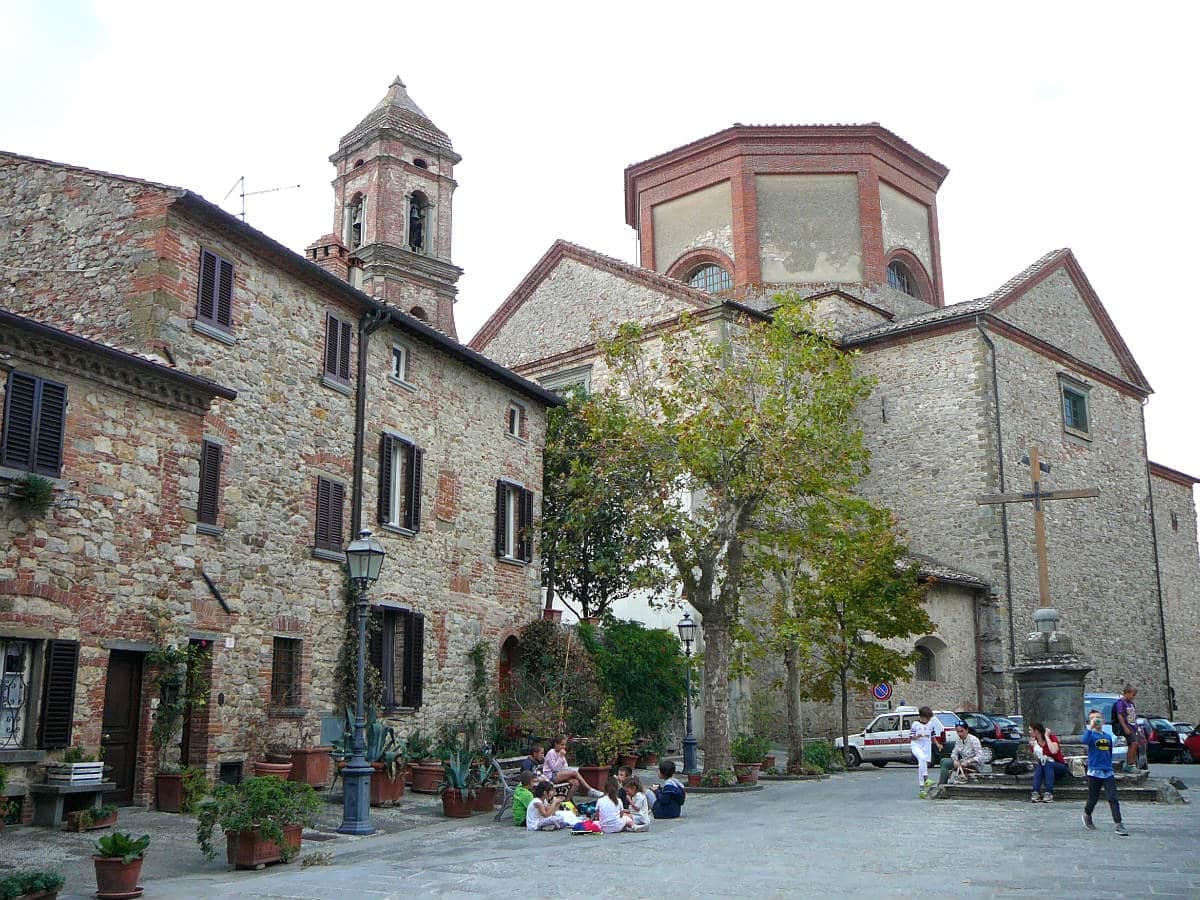
A walled elliptical hill town at 400 meters between Siena and Arezzo, planned in medieval concentric rings around the goldsmith's reliquary called the Tree of Life.
Citerna
Province: Perugia
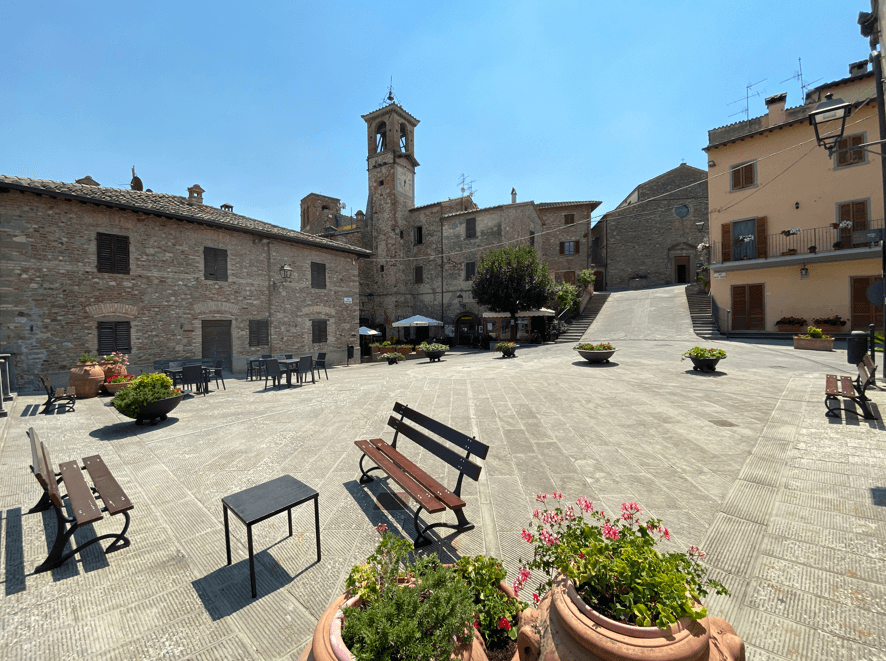
A medieval borgo at 480 meters above the upper Tiber valley, holding the only sculpture by Donatello in Umbria.
Cortona
Province: Arezzo
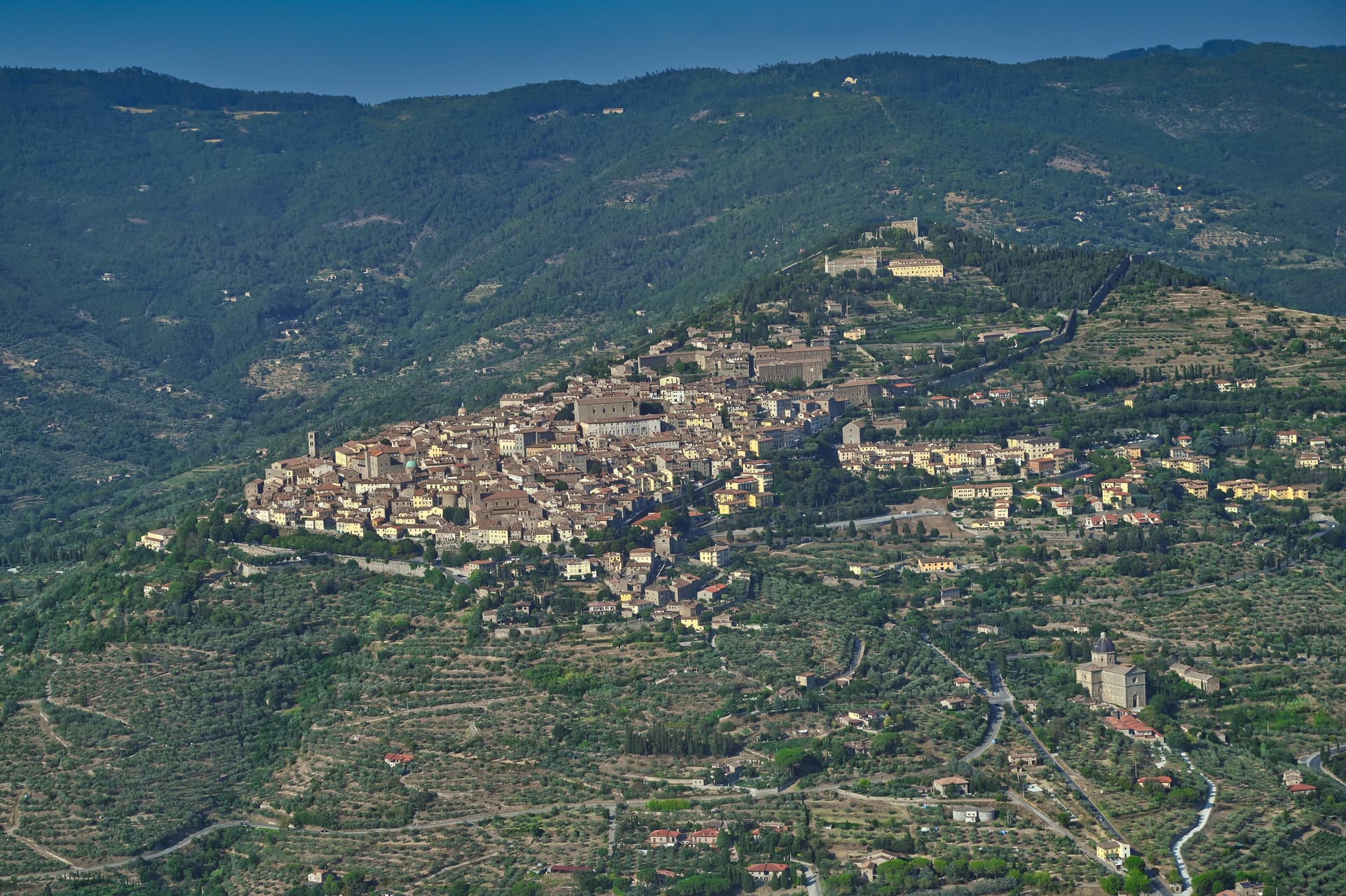
An Etruscan lucumonia at 494 meters with two kilometers of walls older than Rome, looking down on the Val di Chiana and Lake Trasimeno.
Anghiari
Province: Arezzo
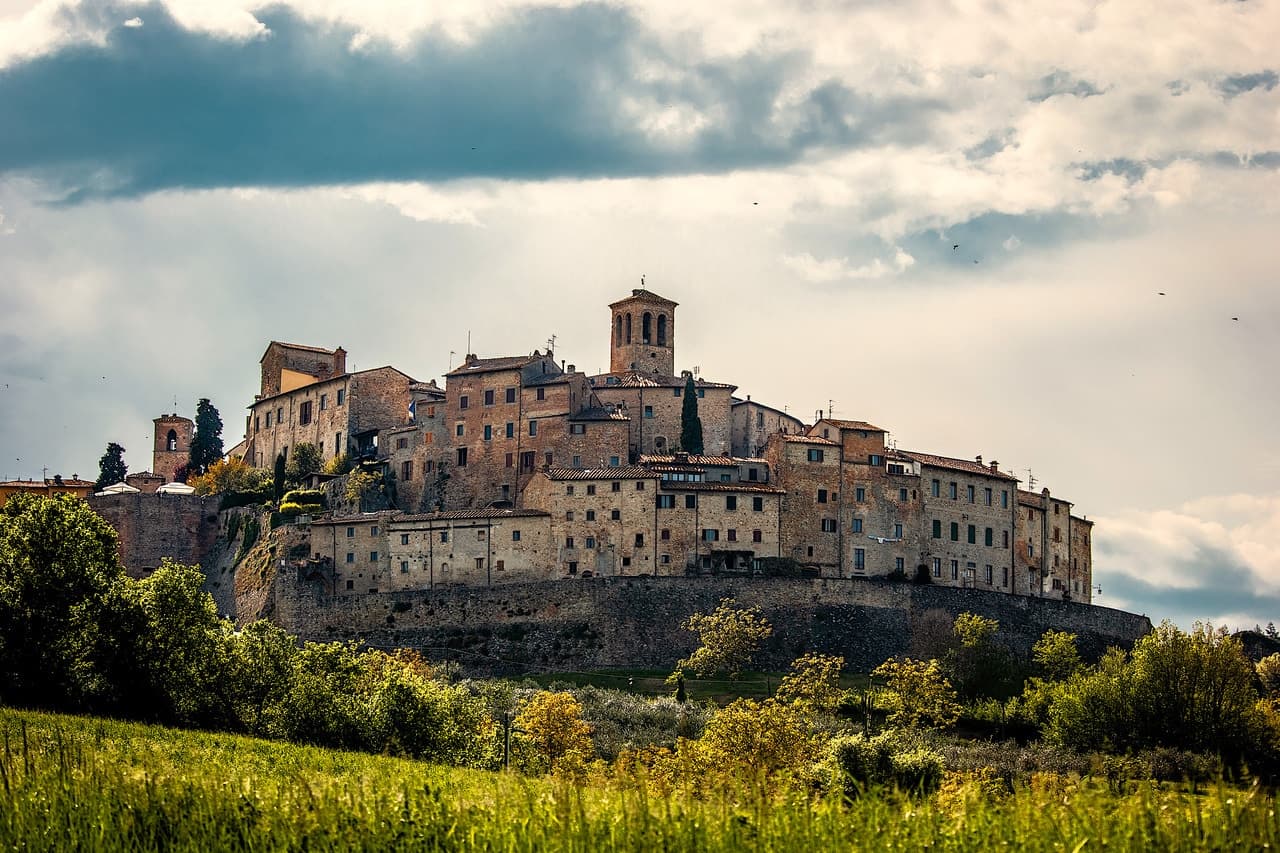
A walled medieval town at 430 meters over the upper Tiber valley, where Florence beat Milan in 1440 and Leonardo started the fresco he never finished.
🌿 Riserva Naturale
More Riserva Naturale towns in Tuscany
Abetone Cutigliano
Province: Pistoia
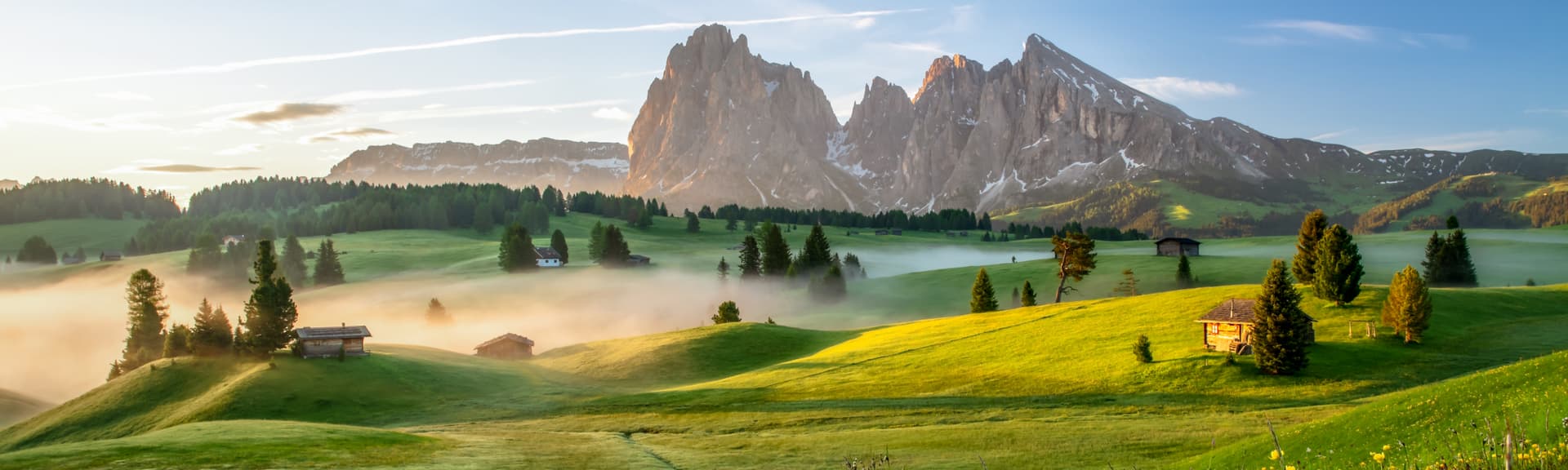
The Apennine ski pass at 1,388 meters where the Granduca's two stone pyramids of 1778 mark the old Tuscan-Modenese border.
Capalbio
Province: Grosseto
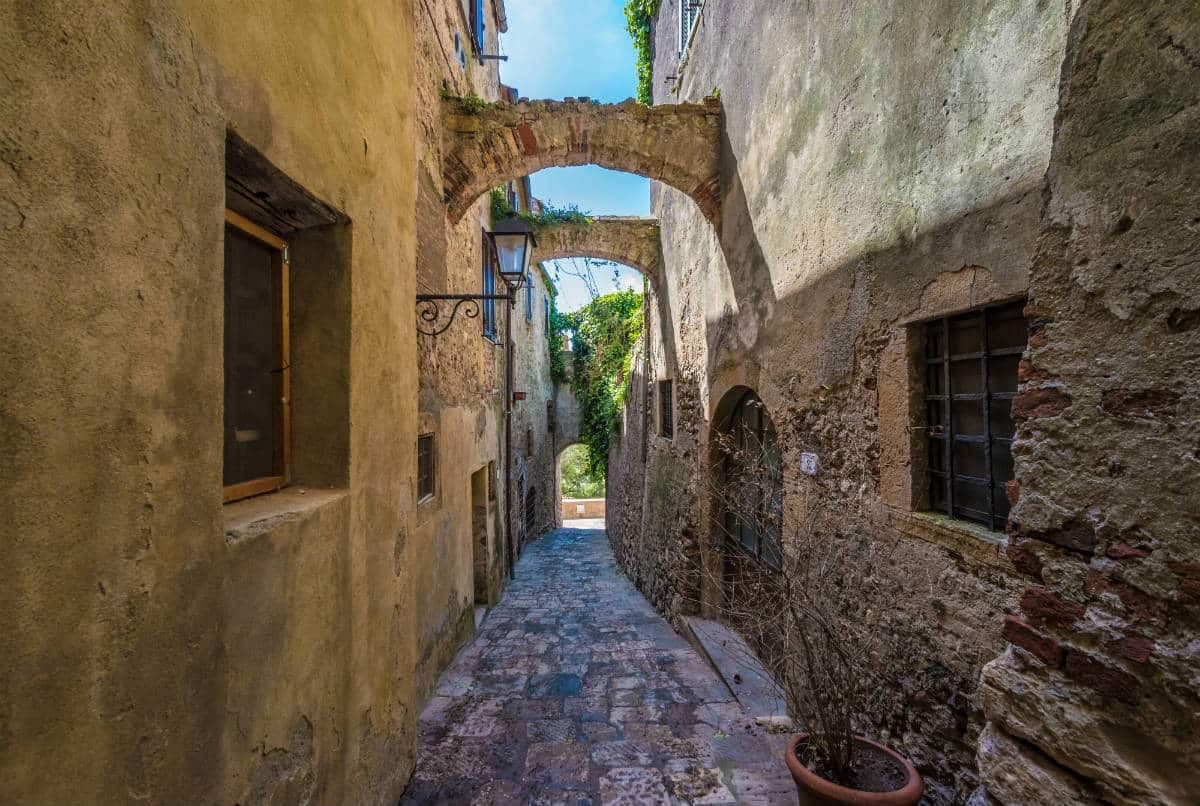
A walled hilltop borgo at 217 meters in the southern Maremma, donated to the Abbey of Tre Fontane by Charlemagne and home of Niki de Saint Phalle's Tarot Garden.
Castellina in Chianti
Province: Siena
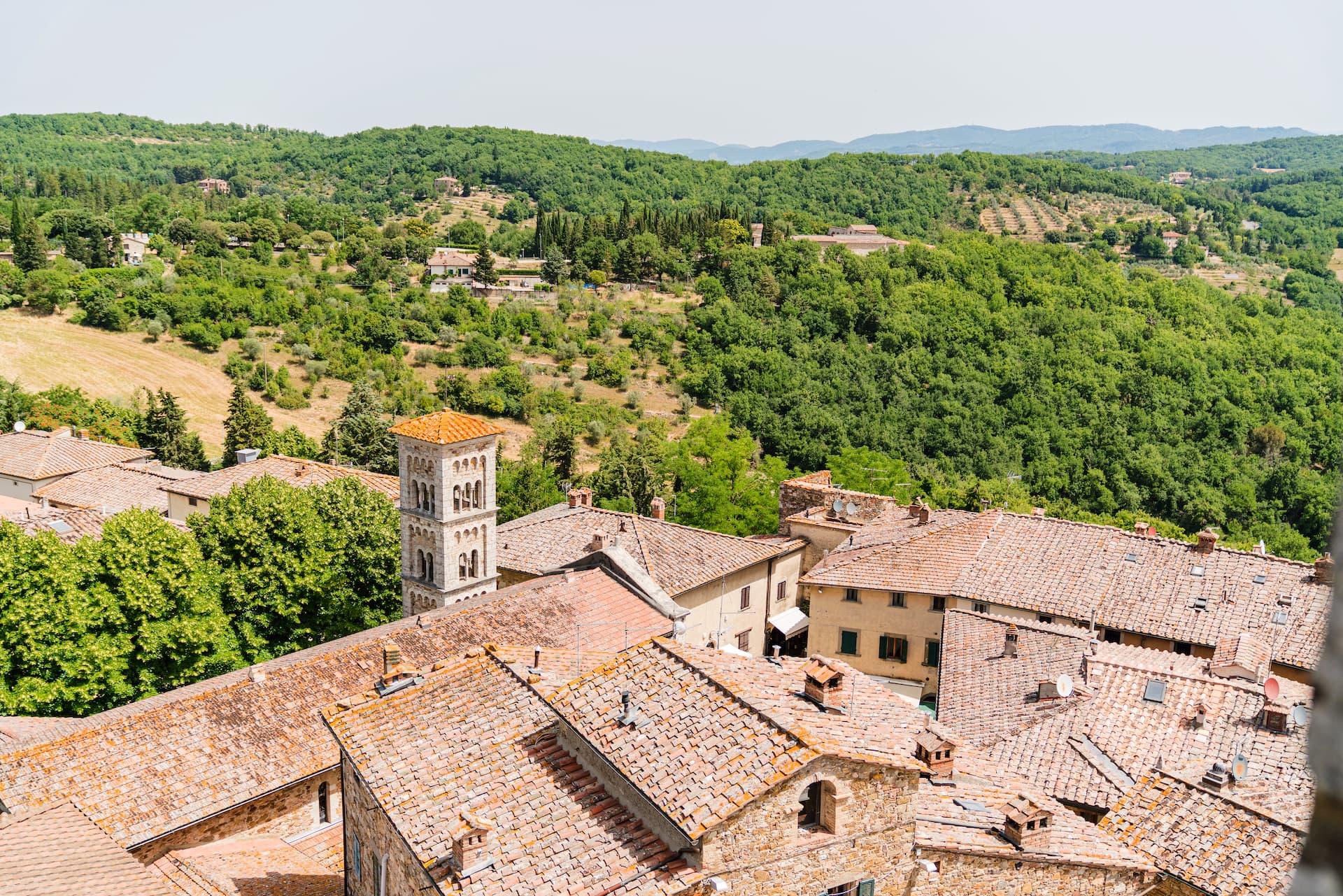
A Chianti hill town at 578 meters on the watershed between the Arno and the Ombrone, with an Etruscan tumulus, a Brunelleschi-reinforced wall and a covered medieval walkway around its edge.
Castiglione della Pescaia
Province: Grosseto
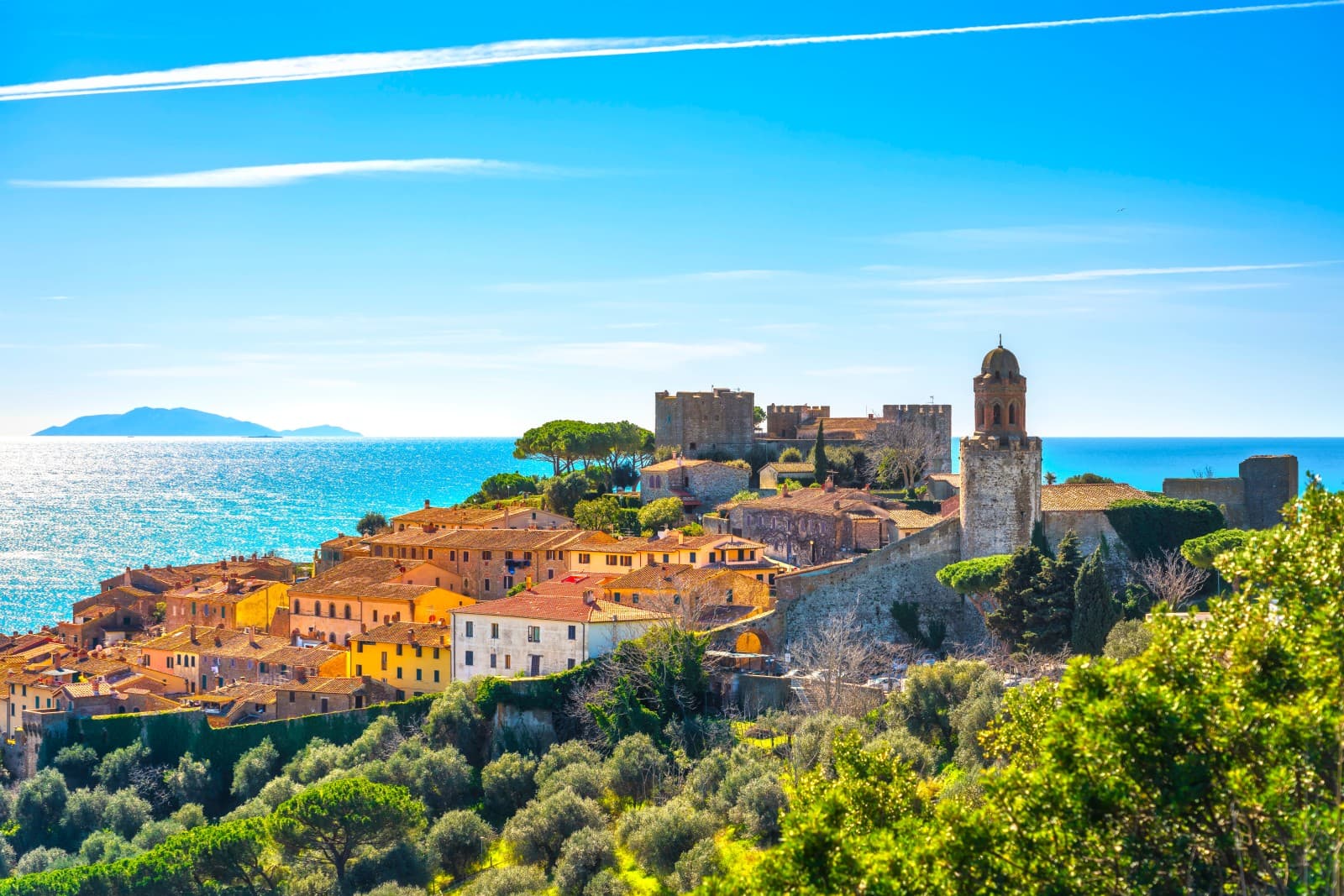
A Maremma seaside town under an Aragonese castle, with the Vetulonia necropolis behind it, the Diaccia Botrona wetland beside it, and Italo Calvino buried on the hill.
Chiusdino
Province: Siena
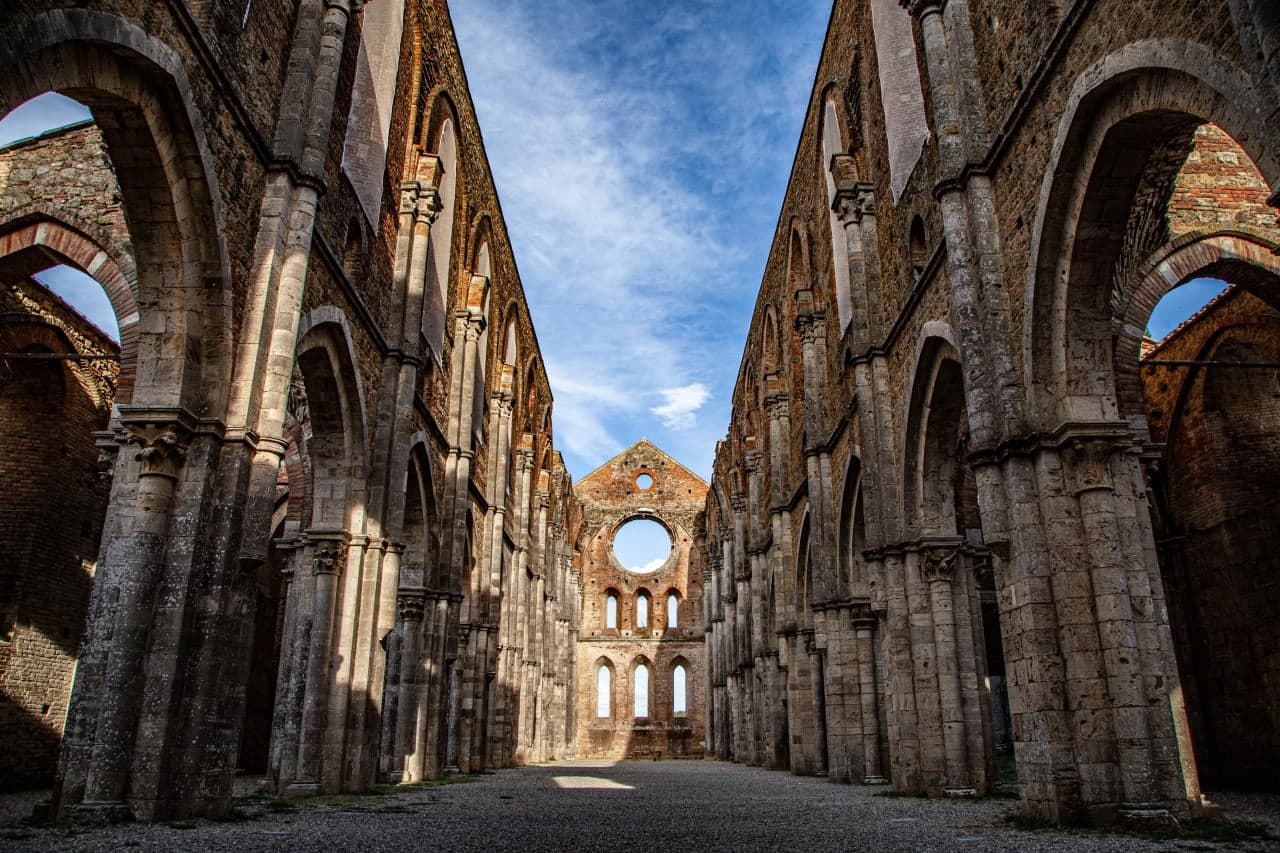
A medieval village at 564 meters in the Val di Merse where Galgano Guidotti plunged his sword into a rock in 1180 and the roofless Cistercian abbey grew up below.