

Umbria · Perugia
Citerna
A medieval borgo above the upper Tiber valley, holding the only sculpture by Donatello in Umbria.
Known for
DONATELLO
Polychrome terracotta Madonna of around 1415 in San Francesco, attributed to Donatello in 2007 and the only one of his works in Umbria.
THE CISTERNS
Underground camminamenti and rainwater cisterns hollowed below the streets gave the town its name; sections are now walkable.
FIRST IN 1860
The first Umbrian town to join the Kingdom of Italy at unification in 1860, ahead of the rest of the region.
When to visit
Best · Apr–Oct
- J
- F
- M
- A
- M
- J
- J
- A
- S
- O
- N
- D
- Best
- Hot or crowded
- Quiet
- Mostly closed
The festa: Michele, 8 May
Why come
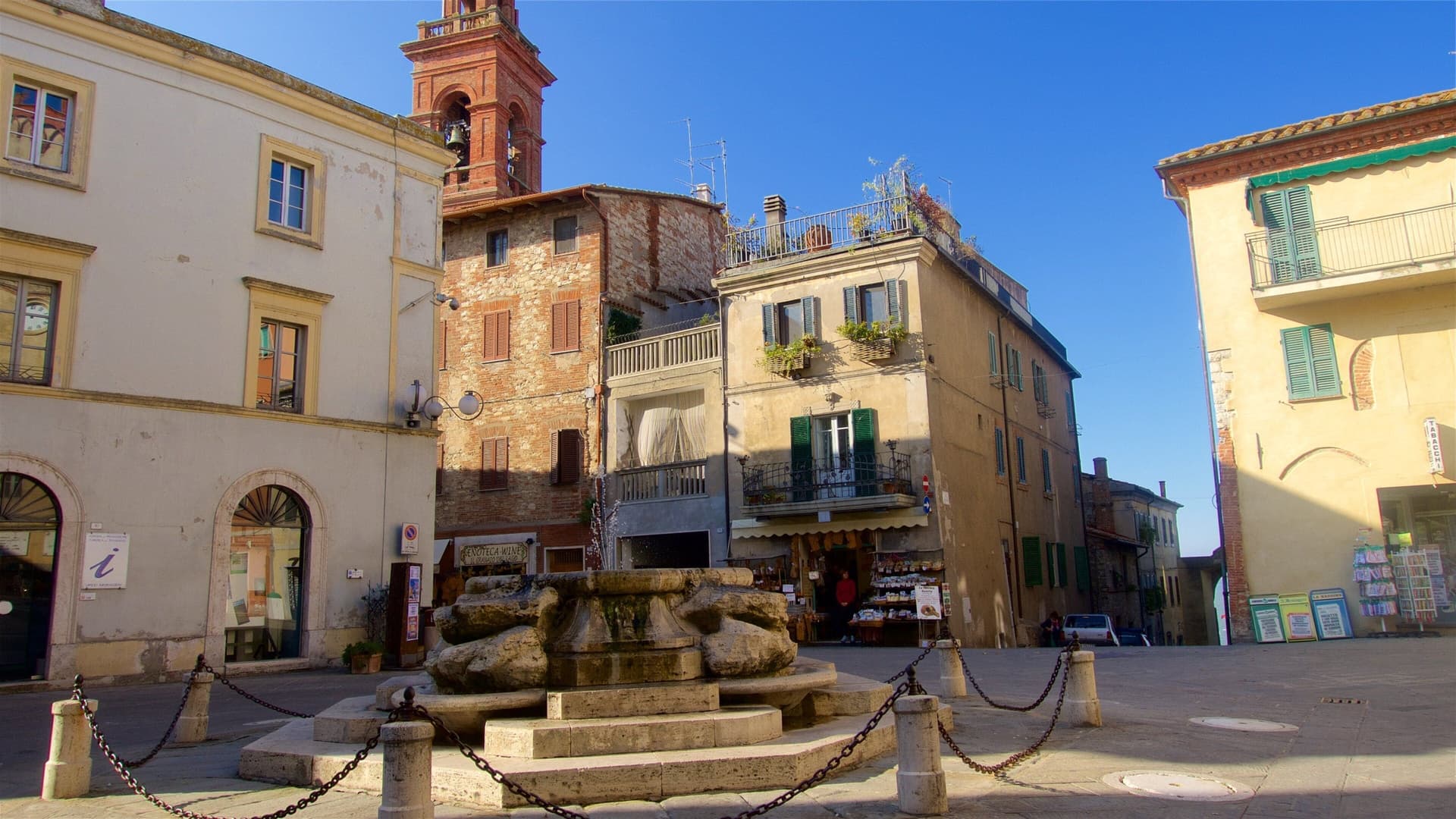
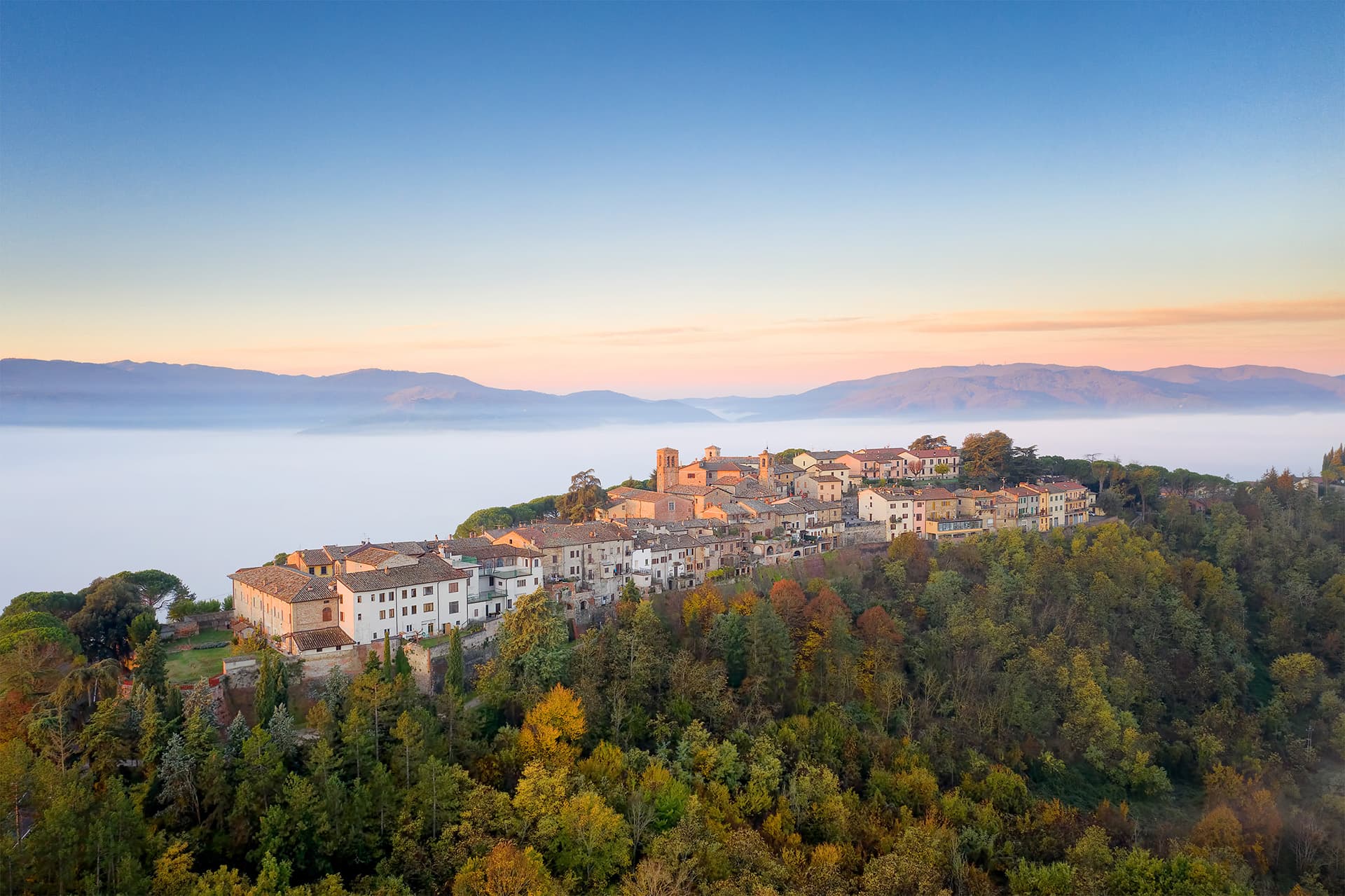
Citerna sits on a ridge at the confluence of the Cerfone and Sovara streams, fifty kilometers north of Perugia in the upper Tiber valley. The name comes from the rainwater cisterns hollowed under the town, still walkable through the underground camminamenti that run beneath the medieval streets. Umbrian and Etruscan settlement preceded the Roman finds at San Fista and Pistrino.
In 1221 Citerna swore loyalty to Città di Castello in exchange for protection, then passed to the Vitelli of Città di Castello as a vicariate in the early sixteenth century, and joined the Kingdom of Italy in 1860 as the first Umbrian town to do so. The Chiesa di San Francesco on Corso Garibaldi holds a polychrome terracotta Madonna by Donatello, dated around 1415, the only work by the sculptor in Umbria, alongside paintings by Pomarancio, Luca Signorelli and Raffaellino del Colle. The view from the ramparts reaches the mountains of La Verna and Gubbio on a clear day.
The Sunday letter
We haven’t written Citerna’s letter yet.
One town every Sunday, with the photo, the food, the festa. Be there when this one comes up. Free, by Peter & Sophia from Pietrasanta.
By subscribing you agree to Substack’s Terms of Use, our Privacy Policy and our Information collection notice.
What to see
Madonna di Donatello
Polychrome terracotta Madonna and Child of around 1415 in the Chiesa di San Francesco, the only sculpture by Donatello in Umbria.
Chiesa di San Francesco
Convent church on Corso Garibaldi with works by Pomarancio, Luca Signorelli, Raffaellino del Colle and a Della Robbia school Madonna.
Camminamenti medievali
Underground walkways and rainwater cisterns hollowed below the streets, the source of the town's name and now open to visit.
Teatro Bontempelli
Small sixteenth-century theatre built by the Vitelli family on the eastern edge of the historic core, restored and active.
Torre Civica
Medieval bell tower above the centro storico with a panorama across the upper Tiber to La Verna and the Gubbio mountains.
The slow-trip planner
Building a trip? Find where Citerna fits in a slow Italy circuit.
Answer five questions. We will shape a geographically coherent slow trip from the 1,000 Italian towns most travelers skip. Yours to save and share.
Living here
- Population 3,367
- In-betweeni
- Pharmacy in town
- High school within a 30-minute drive
- Nearest airport Rimini, 2 h 11 min drive
- Regional capital Perugia, 1 h 3 min drive
Tags & datadesignations · numbers · sources
Recognised as
The numbers
- Elevation: 480 m
- Population: 3,367
- Surface area: 23.53 km²
These figures were compiled from public directories — ISTAT, OpenStreetMap, Wikidata — and from the official listings of the guides named on this page. Town details change; verify with official sources before you travel.
Close by
More towns near Citerna

Città di Castello
Province: Perugia
The upper Tiber valley's Renaissance + 20th-c art capital — 38,000-resident walled town in the Alta Valtiberina where Raphael painted his first independent commissions, where Alberto Burri (1915-95) founded the Fondazione that now occupies the 14th-c Ex Seccatoi del Tabacco + the Palazzo Albizzini, and where the white truffle season + the Mostra del Tartufo in November are the year's headline food event.
Anghiari
Province: Arezzo
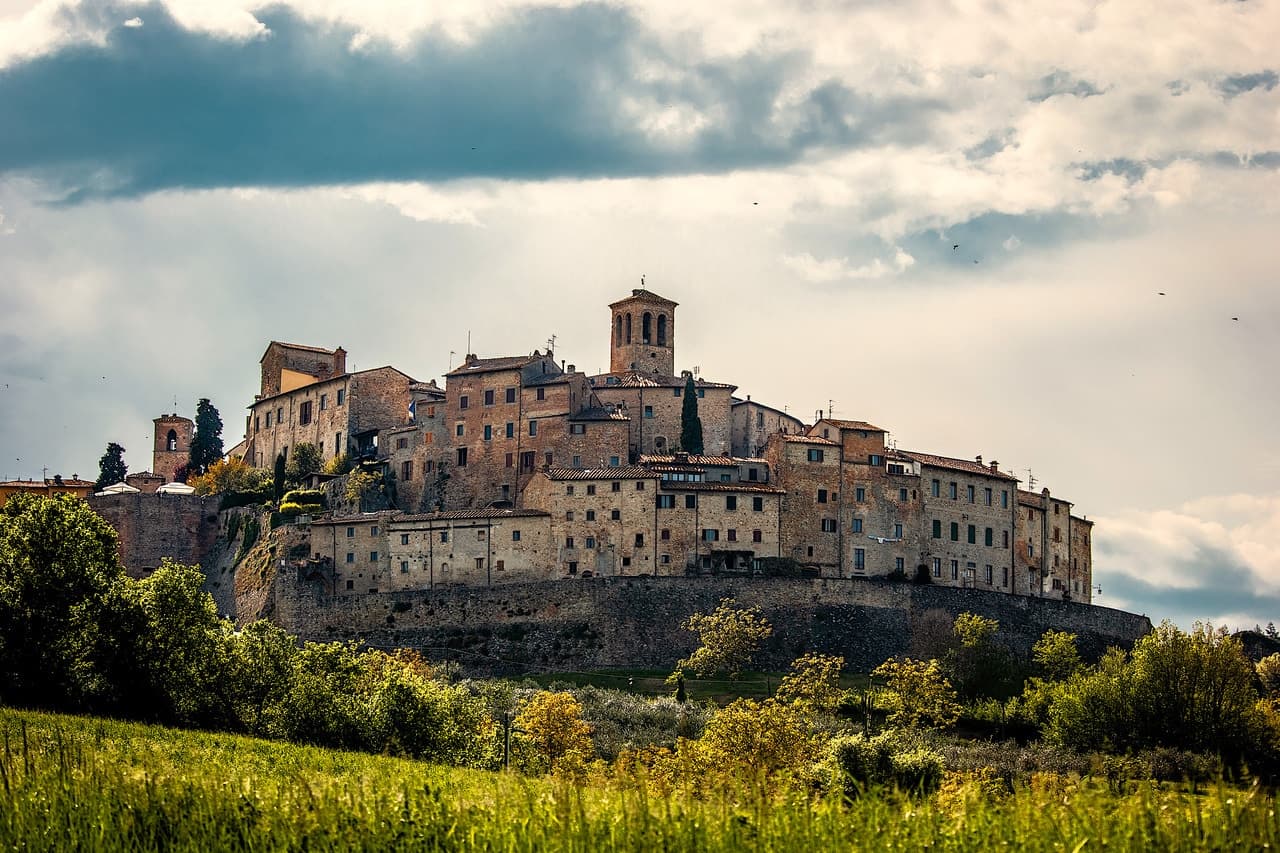
A walled medieval town at 430 meters over the upper Tiber valley, where Florence beat Milan in 1440 and Leonardo started the fresco he never finished.
Arezzo
Province: Arezzo
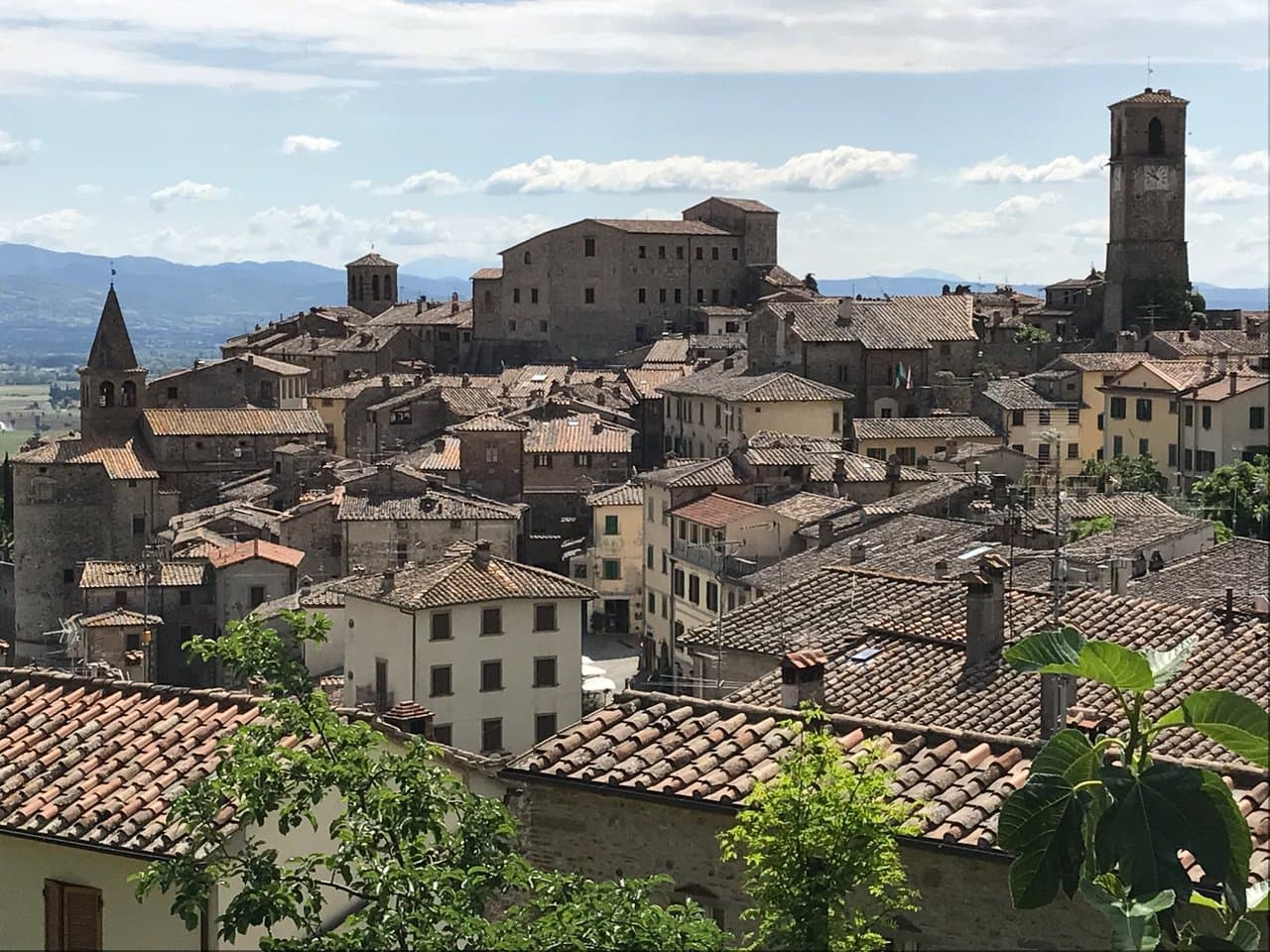
Tuscany's other set-piece — a 96,000-resident Etruscan-Roman-medieval hilltop city 80 km southeast of Florence, with Piero della Francesca's Leggenda della Vera Croce fresco cycle in San Francesco (1452–66), the sloped Piazza Grande set used by Roberto Benigni in Life is Beautiful, and the Fiera Antiquaria — Italy's largest monthly antique fair, running since 1968.
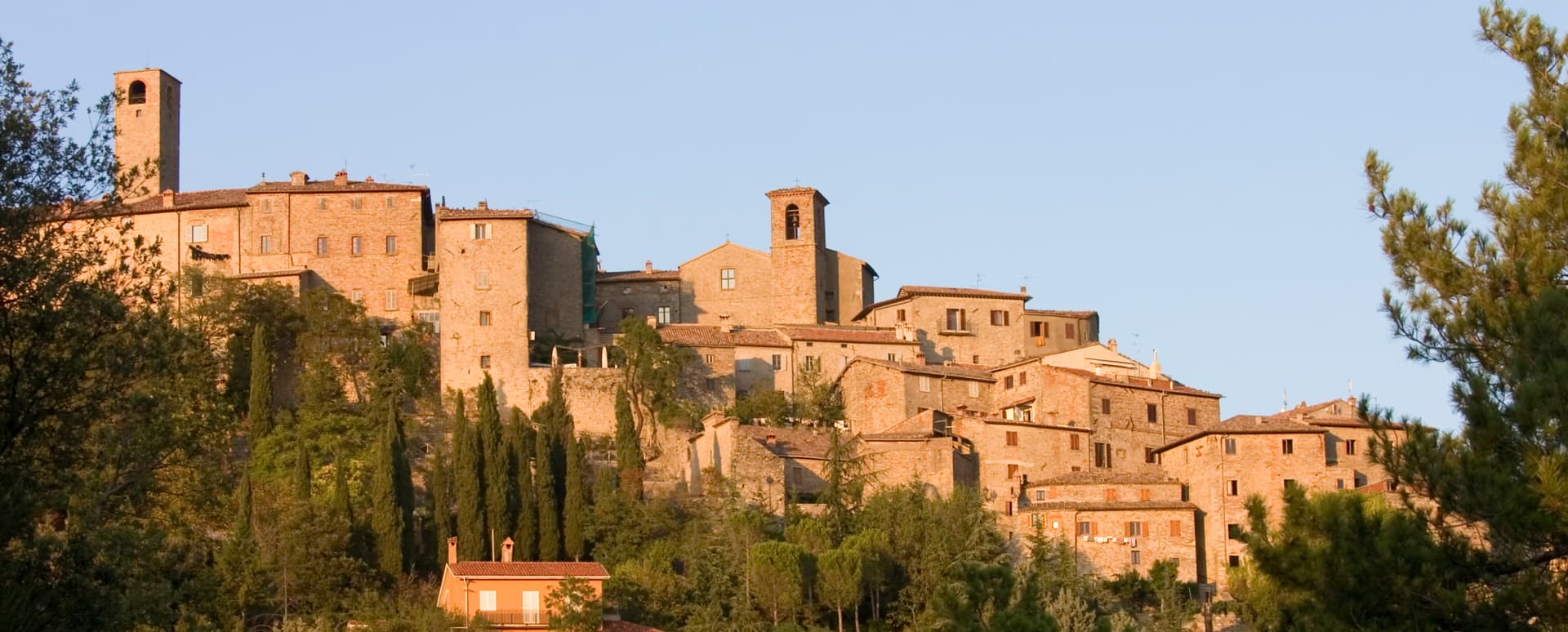
Monte Santa Maria Tiberina
Province: Perugia
An imperial-fief borgo at 688 meters above the Upper Tiber valley, held by the Bourbon del Monte marquises from 1250 to 1815.
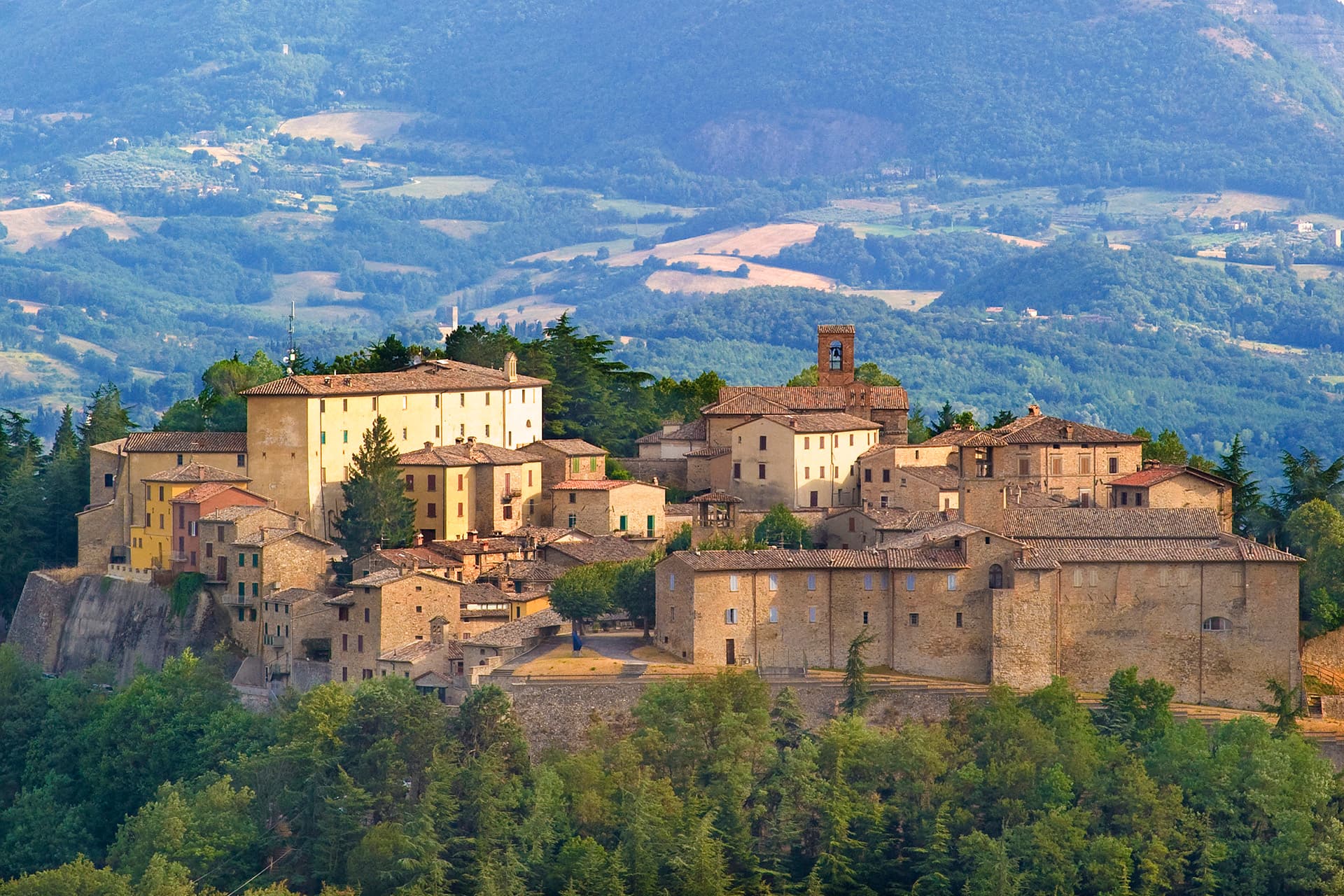
Montone
Province: Perugia
A walled medieval hill town at 482 meters above the upper Tiber, birthplace of the condottiero Braccio Fortebracci.
🎨 Borghi più belli d'Italia
More Borghi più belli d'Italia towns in Umbria
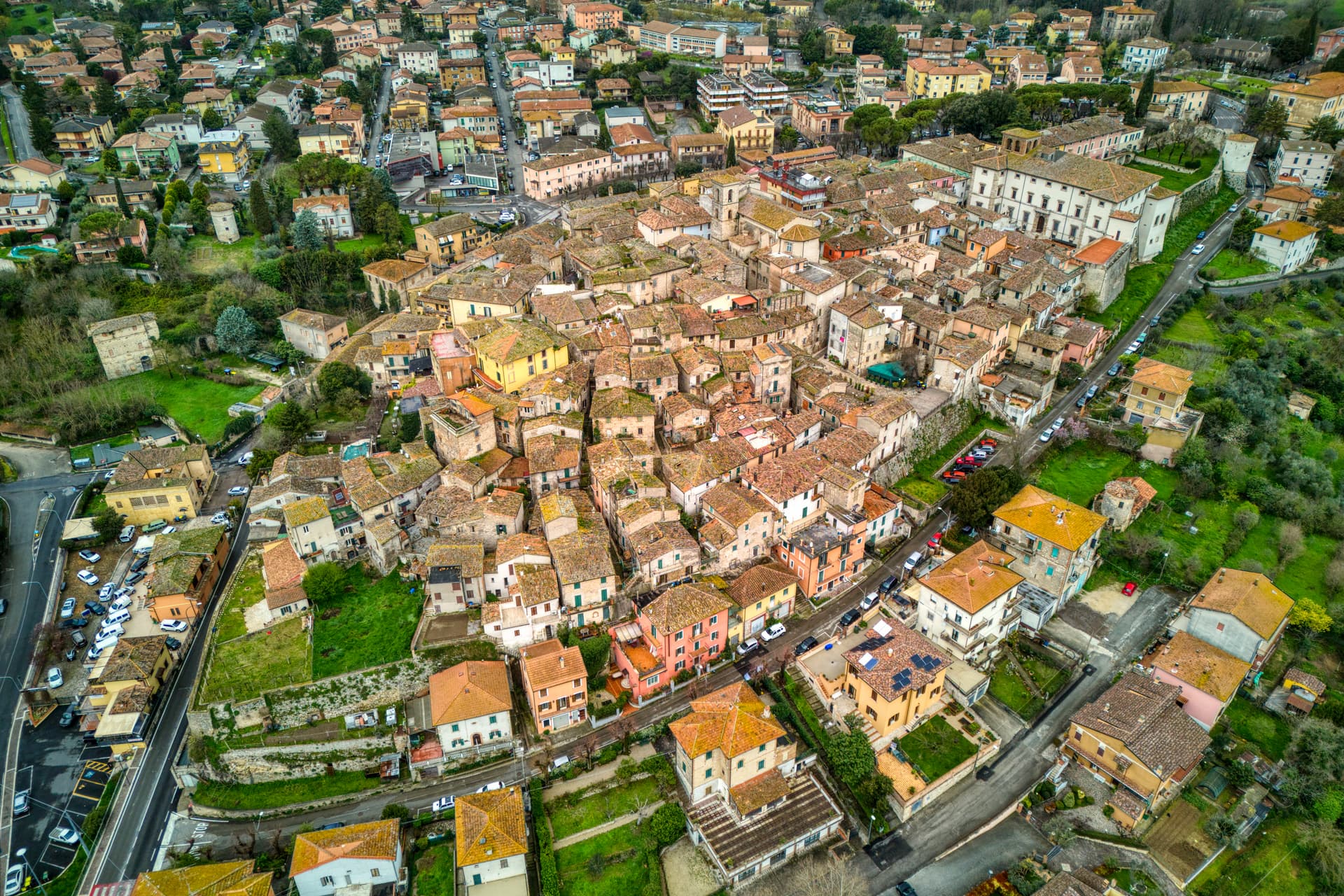
Acquasparta
Province: Terni
A hill town at 350 meters above the Naia valley, where Federico Cesi convened the first Accademia dei Lincei in his Palazzo Cesi in 1603.
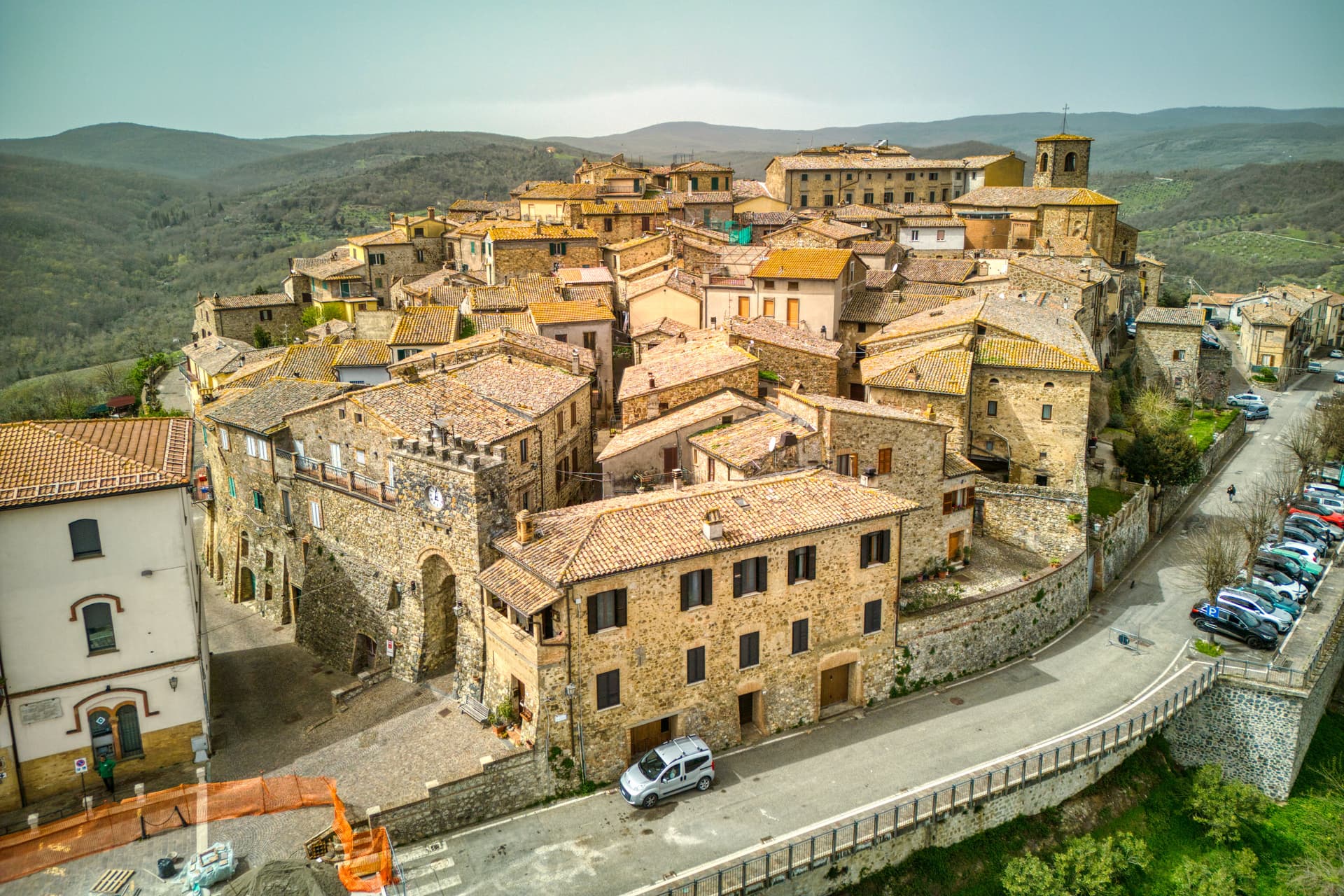
Allerona
Province: Terni
A stone borgo at 472 meters between the Paglia valley and the Valdichiana, an Orvieto outpost whose Monaldeschi castle fell to Charles V.
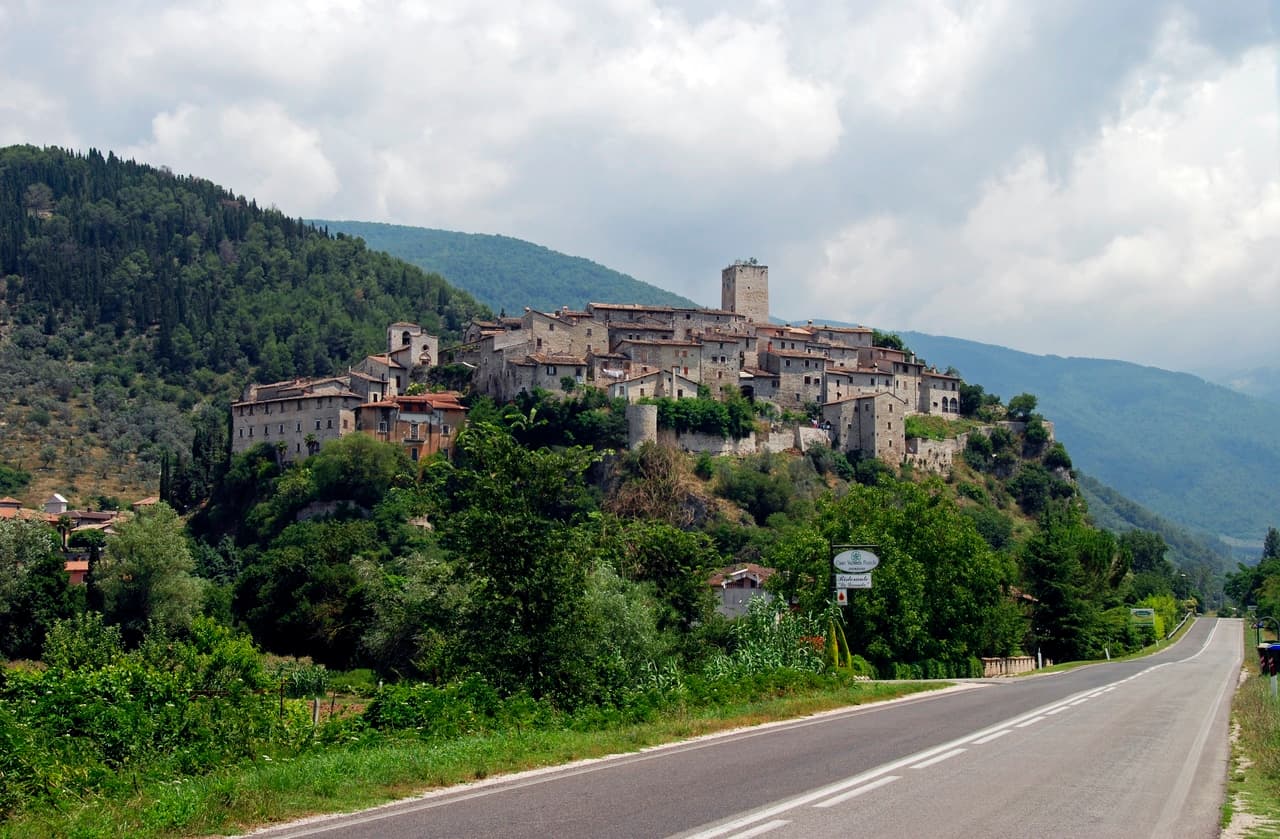
Arrone
Province: Terni
Medieval castle village on the left bank of the Nera at 243 meters, upstream from the largest man-made waterfall in the world.
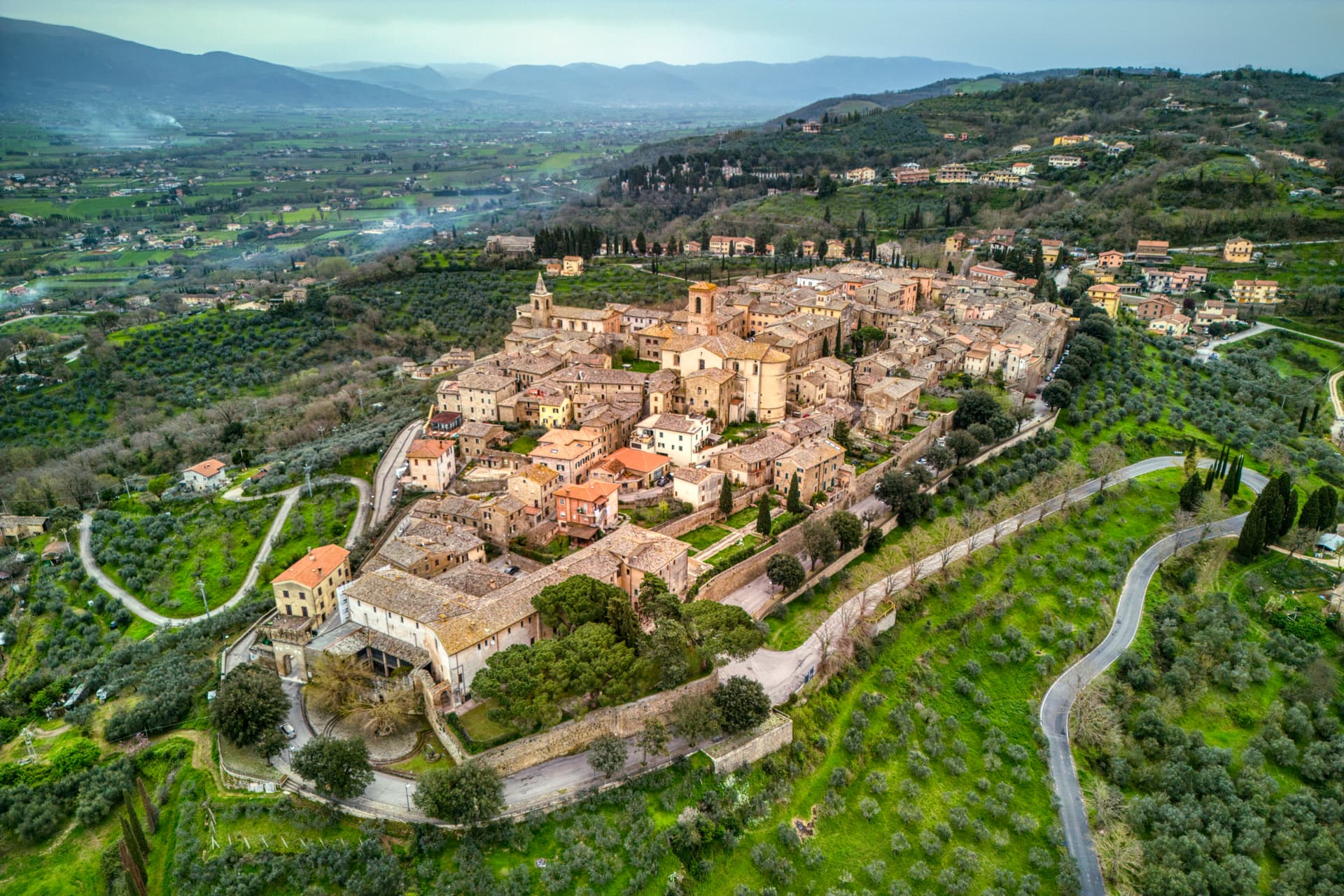
Bettona
Province: Perugia
A hill town at 353 meters between the Topino and Chiascio rivers, the only Etruscan settlement ever built east of the Tiber.
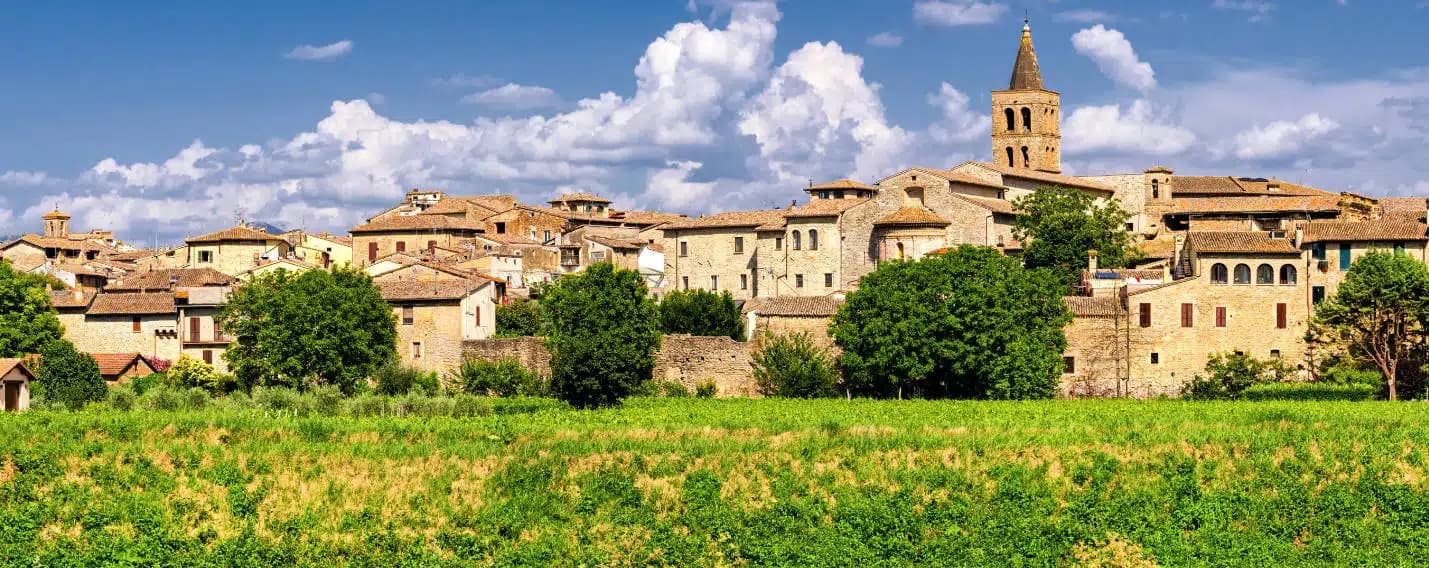
Bevagna
Province: Perugia
Roman Mevania on the Umbrian plain at 225 meters, four medieval quarters that compete every June in a reconstructed market of the 13th century.