

Tuscany · Lucca
Barga
A medieval hilltop town in the Serchio valley between the Apuan Alps and the Apennines, where Giovanni Pascoli wrote his last poems and the August festival serves fish and chips.
Known for
GIOVANNI PASCOLI
The poet lived in Barga from 1895 to 1912, wrote his last collections here, and is buried beside his Casa Museo on the Colle di Caprona.
FISH AND CHIPS
The Sagra del Pesce e Patate has run every August since the early 1980s, the legacy of late nineteenth-century emigration to Glasgow's chip shops.
DUOMO ROMANICO
Eleventh-century collegiate church with Guido Bigarelli's red marble pulpit, the 3.5-meter wooden Saint Christopher, and Apuan Alps view from the terrace.
When to visit
Best · Apr–Oct
- J
- F
- M
- A
- M
- J
- J
- A
- S
- O
- N
- D
- Best
- Hot or crowded
- Quiet
- Mostly closed
The festa: San Cristoforo, 25 July
Why come
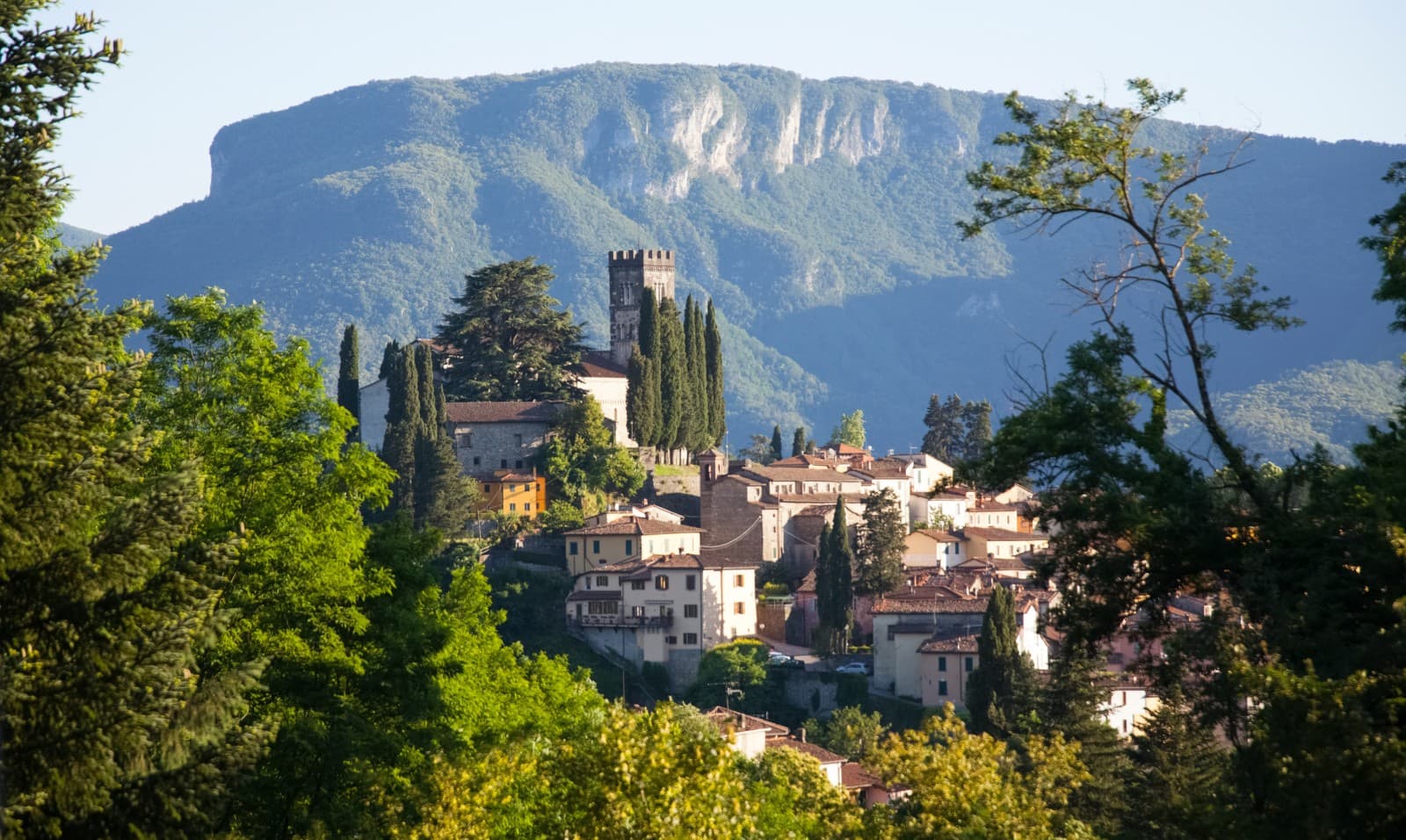
Barga sits on the Colle Remeggio above the Serchio river, between the marble peaks of the Apuan Alps to the west and the Apennine ridge to the east. The Duomo di San Cristoforo, the Romanesque collegiate church begun in the eleventh century and worked into the sixteenth, holds a 3. 5-meter wooden statue of Saint Christopher and a twelfth-century pulpit by Guido Bigarelli da Como, four red marble columns resting on stone lions.
Giovanni Pascoli lived in the Casa Museo on the Colle di Caprona from 1895 to 1912 and is buried in the chapel beside it. The town has a parallel Scottish identity: a wave of late nineteenth-century emigration to Scotland produced generations of Barga families running fish and chip shops in Glasgow, and the Sagra del Pesce e Patate has filled the streets every August since the early 1980s. Few Tuscan borghi this small carry both a Romanesque cathedral and a Scottish festival.
What to see
Duomo di San Cristoforo
Romanesque collegiate church begun in the eleventh century, with a 3.5-meter wooden Saint Christopher and a twelfth-century pulpit by Guido Bigarelli da Como.
Casa Museo Giovanni Pascoli
House on the Colle di Caprona where the poet lived from 1895 to 1912, preserved with original furnishings and library, the chapel next door holds his tomb.
Centro storico
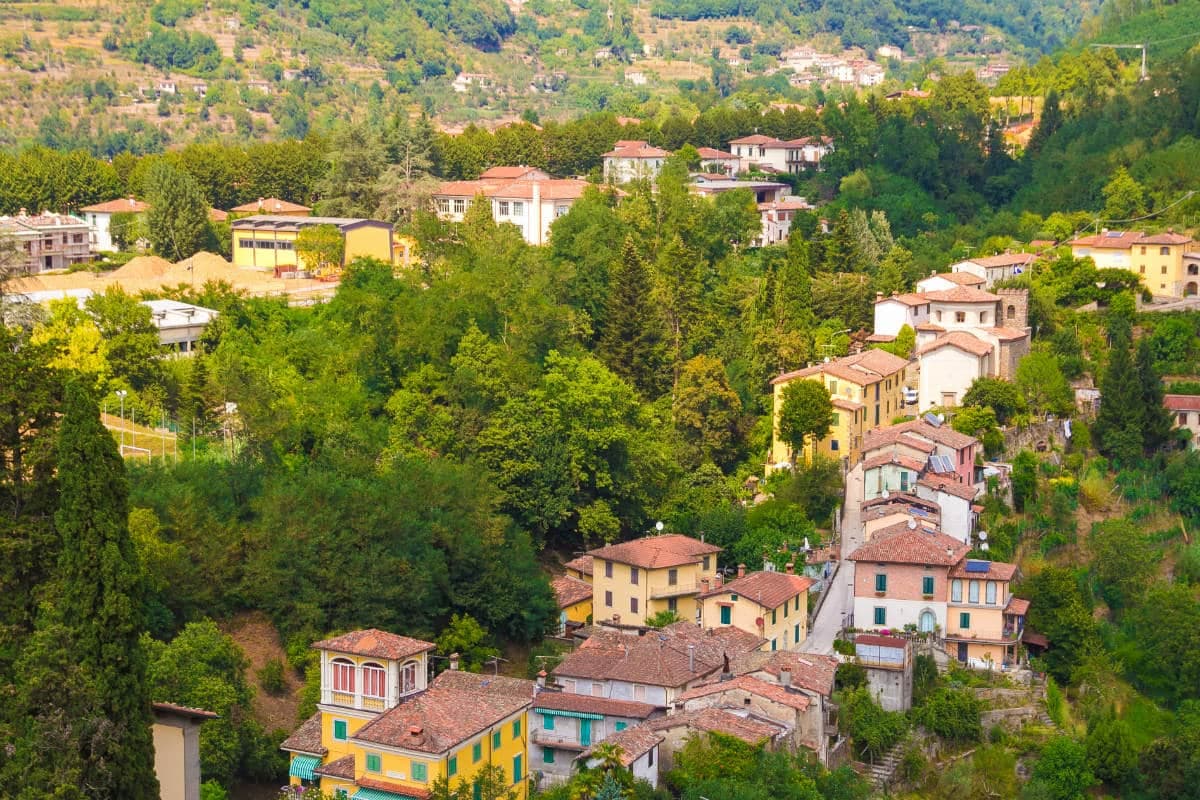
Walled medieval town climbing the colle, narrow streets of stone houses leading from Porta Reale up to the Duomo on the highest terrace.
Alpi Apuane
Marble peaks rising sharply west of the Serchio valley, the Pania della Croce visible from the Duomo terrace, the source of Carrara stone.
Teatro dei Differenti
Eighteenth-century horseshoe theater inside the walls, restored in 1795, host to the Opera Barga summer festival of chamber and lyric performances.
The slow-trip planner
Building a trip? Find where Barga fits in a slow Italy circuit.
Answer five questions. We will shape a geographically coherent slow trip from the 1,000 Italian towns most travelers skip. Yours to save and share.
The Sunday letter
Barga got its letter. One town every Sunday, free — the photo, the food, the festa.
By subscribing you agree to Substack’s Terms of Use, our Privacy Policy and our Information collection notice.
Living here
- Population 9,415
- Off the beaten pathi
- Pharmacy in town
- High school within a 30-minute drive
- Train station in the comune
- Nearest airport Florence / Pisa, 1 h 31 min drive
- Regional capital Firenze, 1 h 45 min drive
Tags & datadesignations · numbers · sources
Recognised as
The numbers
- Elevation: 410 m
- Population: 9,415
- Surface area: 66.47 km²
These figures were compiled from public directories — ISTAT, OpenStreetMap, Wikidata — and from the official listings of the guides named on this page. Town details change; verify with official sources before you travel.
Close by
More towns near Barga
Castelnuovo di Garfagnana
Province: Lucca
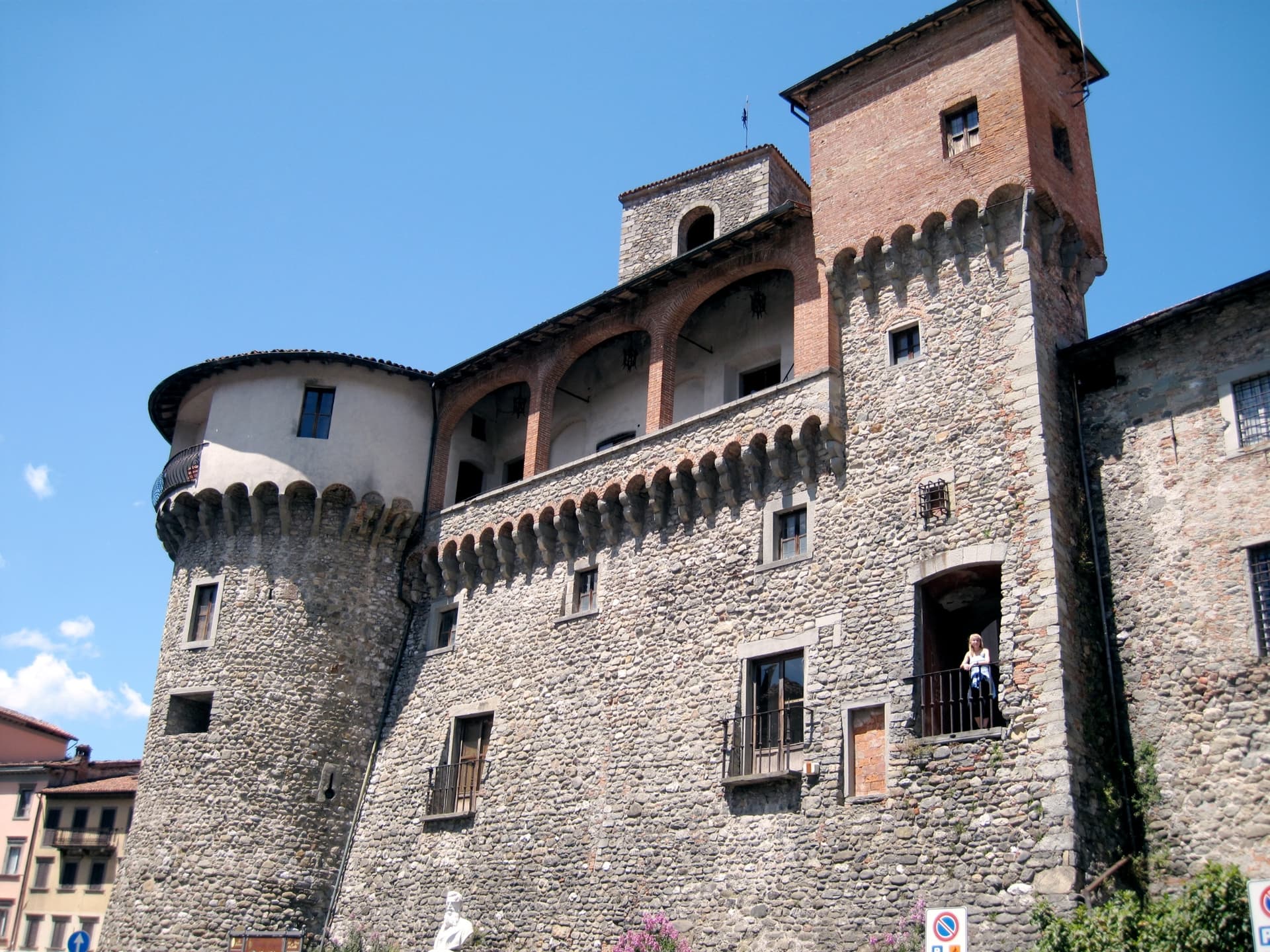
The Garfagnana capital where Ariosto served as Este governor — a fortified medieval borgo at the confluence of the Serchio and the Turrite where the Tuscan Apennines meet the Alpi Apuane, and where the local farro IGP and chestnut flour are the foundation of one of Italy's most distinctive mountain kitchens.
Castiglione di Garfagnana
Province: Lucca
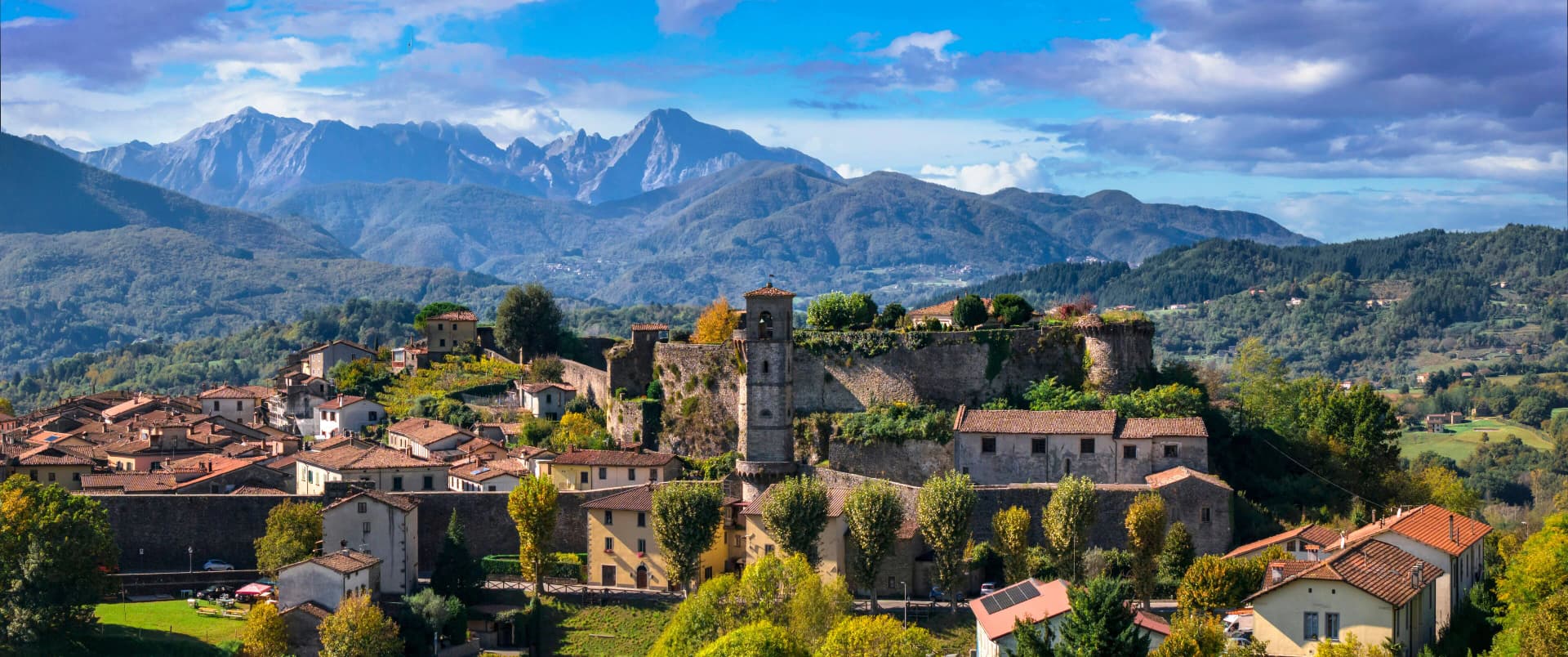
A walled medieval town at 540 meters in the Garfagnana, the Lucca outpost that refused to submit to the Este and held the pass to San Pellegrino.
Lucca
Province: Lucca
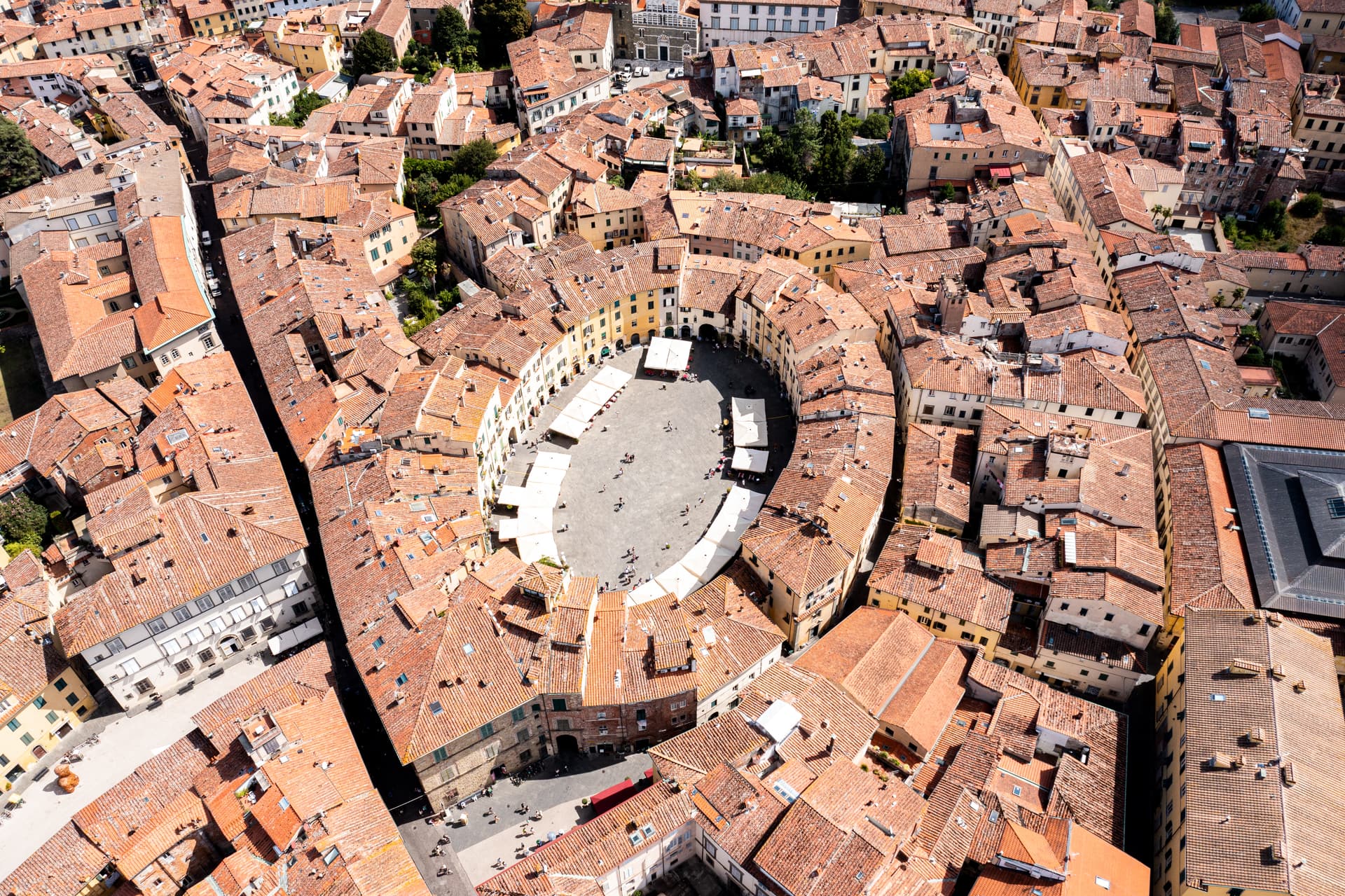
The provincial capital ringed by four kilometers of intact sixteenth-century walls, birthplace of Puccini and the only fully walled Italian city of its scale.
Montecarlo
Province: Lucca
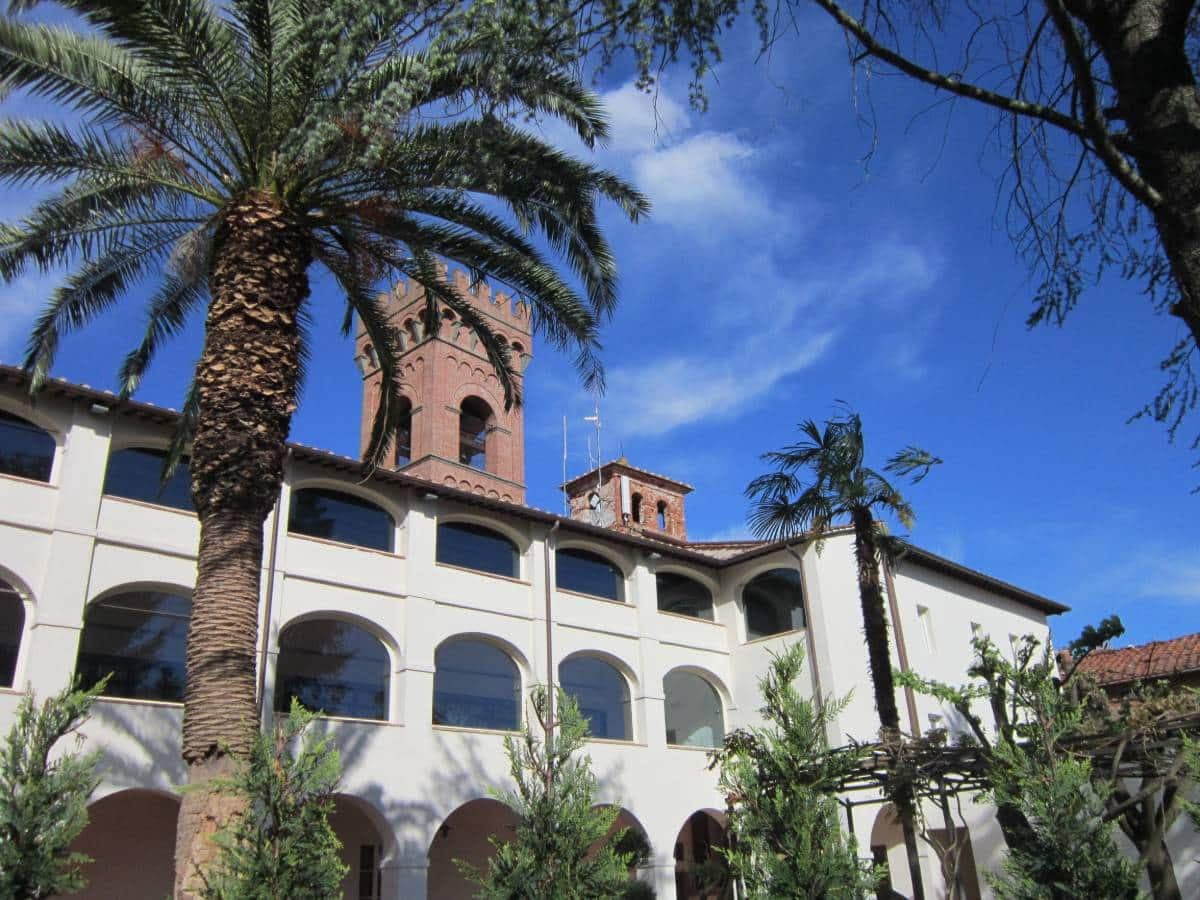
A walled hill village at 163 meters above the Lucca plain, founded by Emperor Charles IV in 1333 and named for him, surrounded by twenty wineries.
Abetone Cutigliano
Province: Pistoia
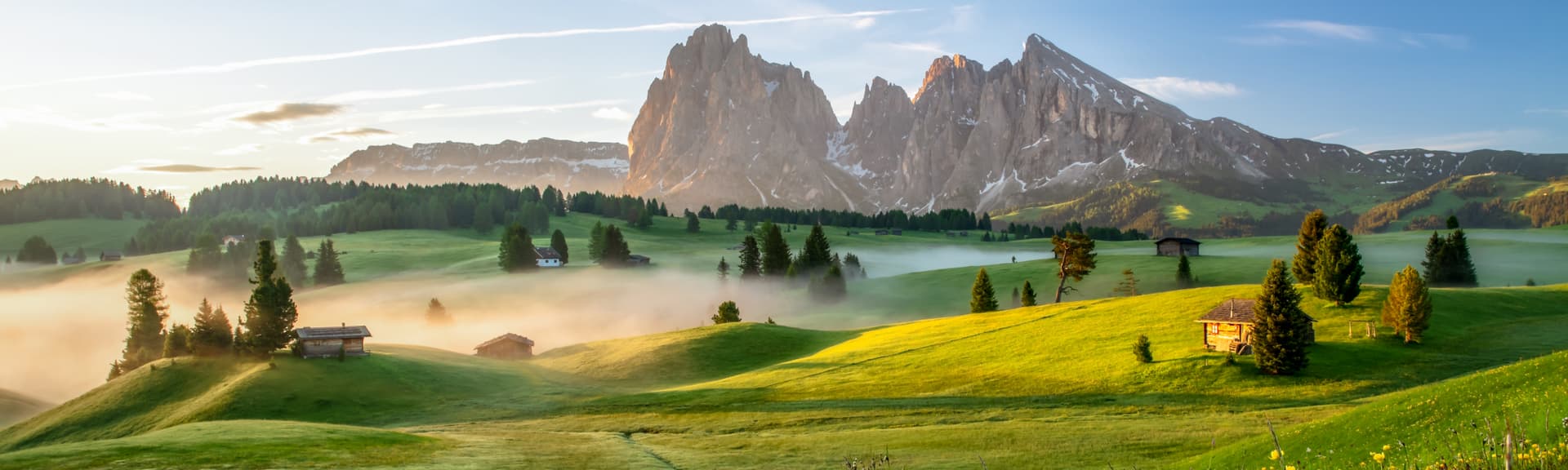
The Apennine ski pass at 1,388 meters where the Granduca's two stone pyramids of 1778 mark the old Tuscan-Modenese border.
🎨 Borghi più belli d'Italia
More Borghi più belli d'Italia towns in Tuscany
Anghiari
Province: Arezzo
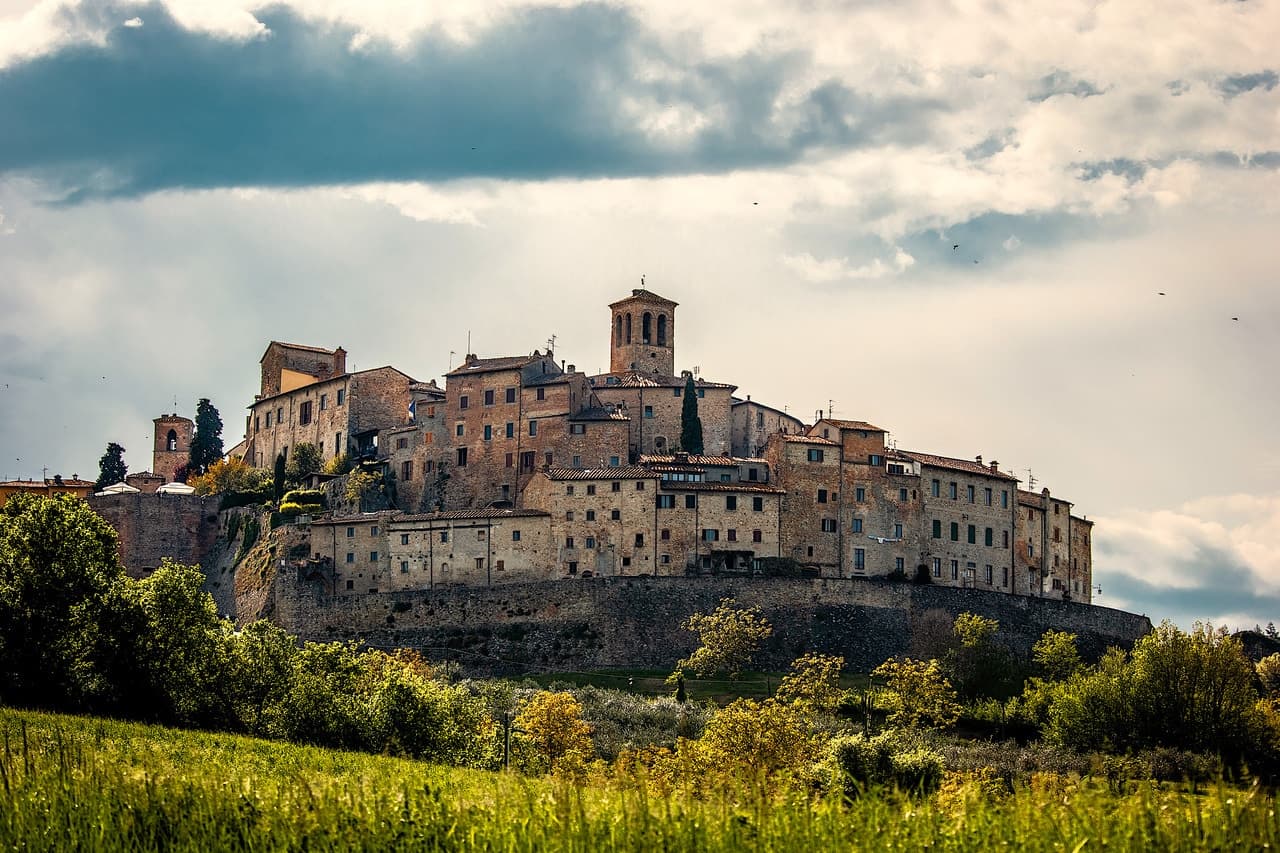
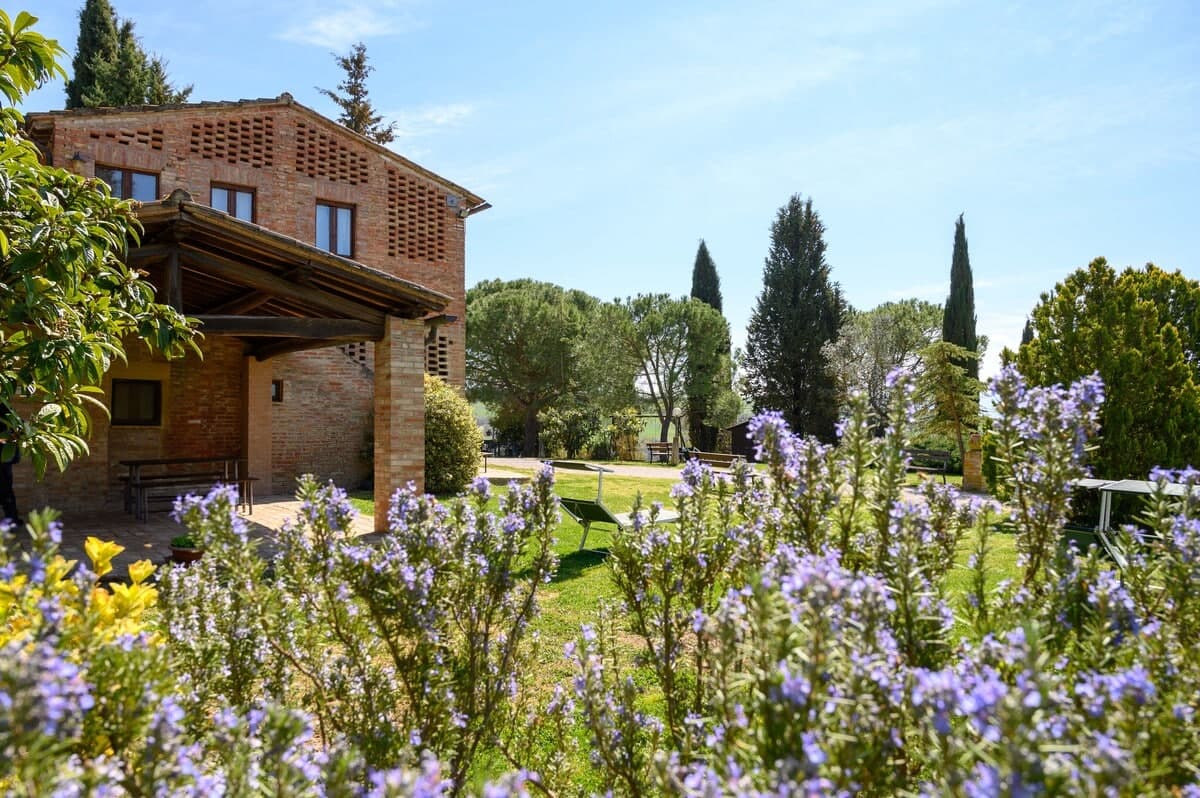
A walled medieval town at 430 meters over the upper Tiber valley, where Florence beat Milan in 1440 and Leonardo started the fresco he never finished.
Buonconvento
Province: Siena
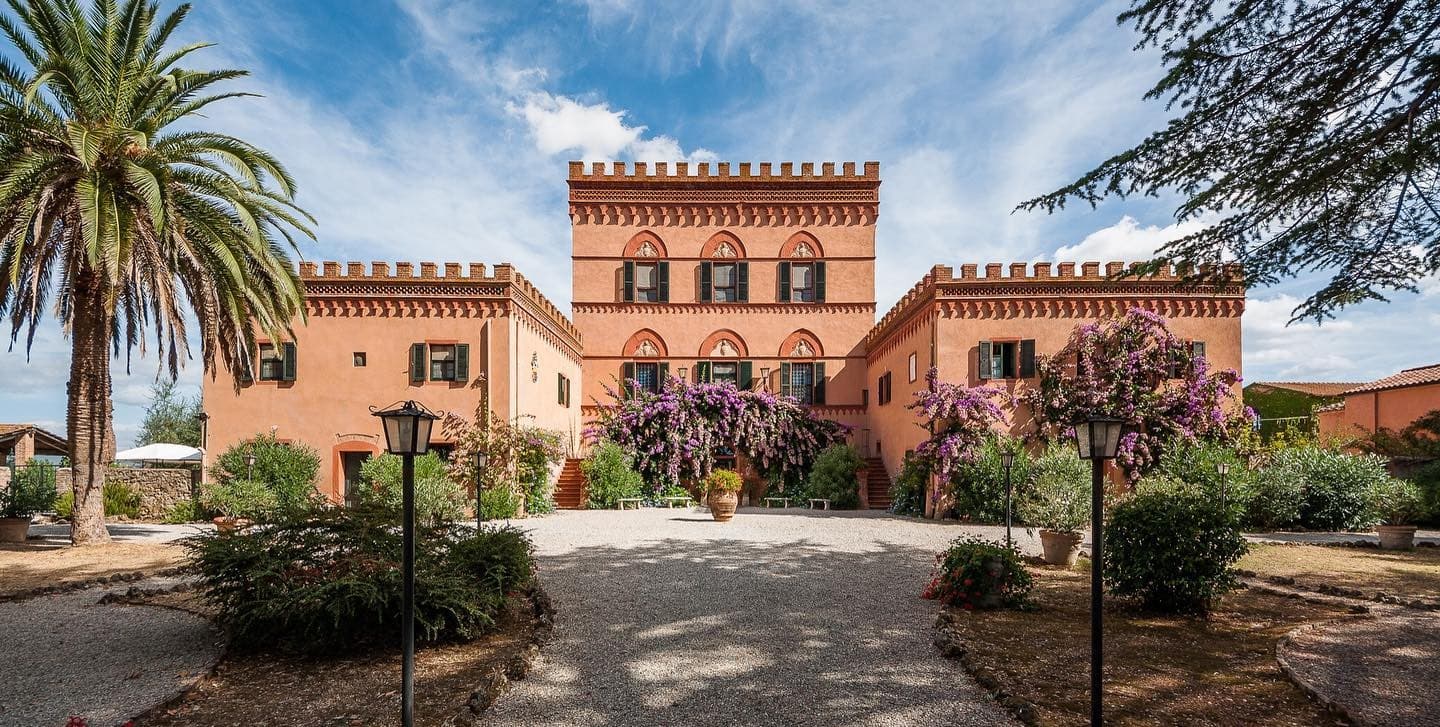
The walled brick borgo in the Crete Senesi where Emperor Henry VII died in 1313, on the Via Cassia at the confluence of the Arbia and Ombrone.
Campiglia Marittima
Province: Livorno
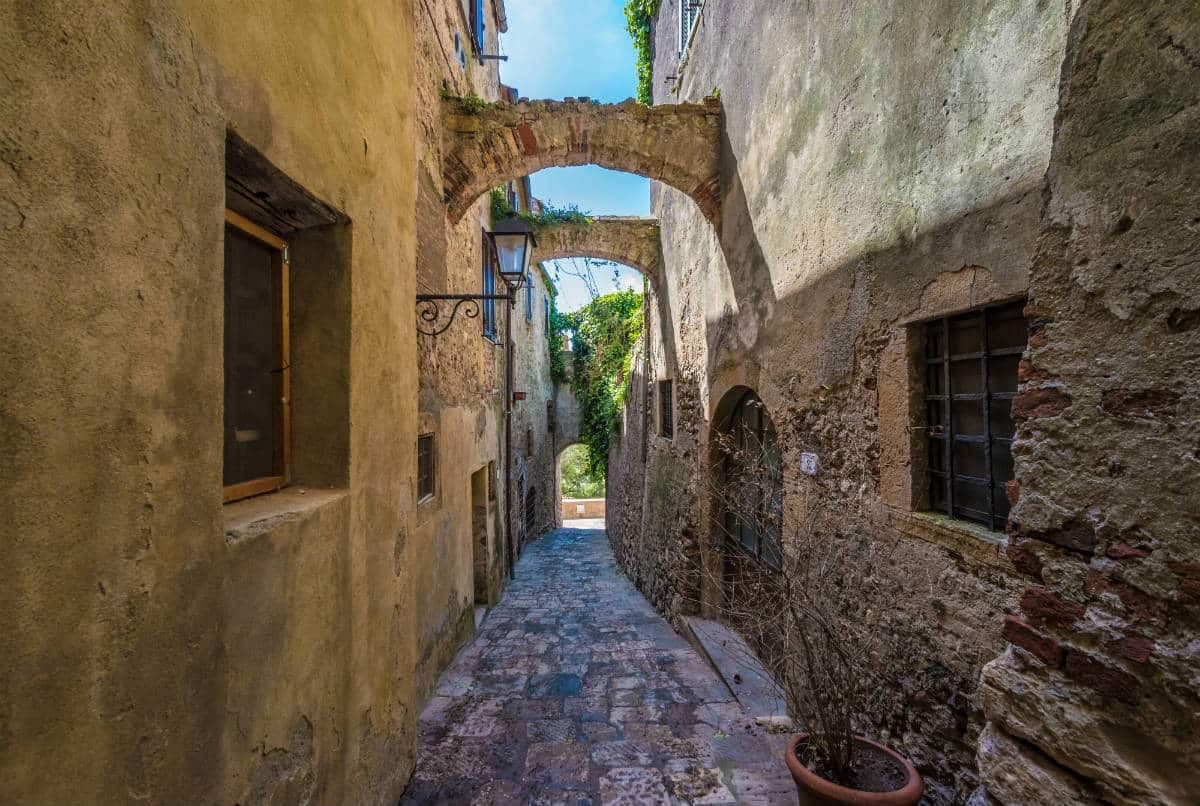
A walled hilltop borgo above the Val di Cornia, where the Rocca tower watches a mining landscape worked from the Etruscans to 1976.
Capalbio
Province: Grosseto
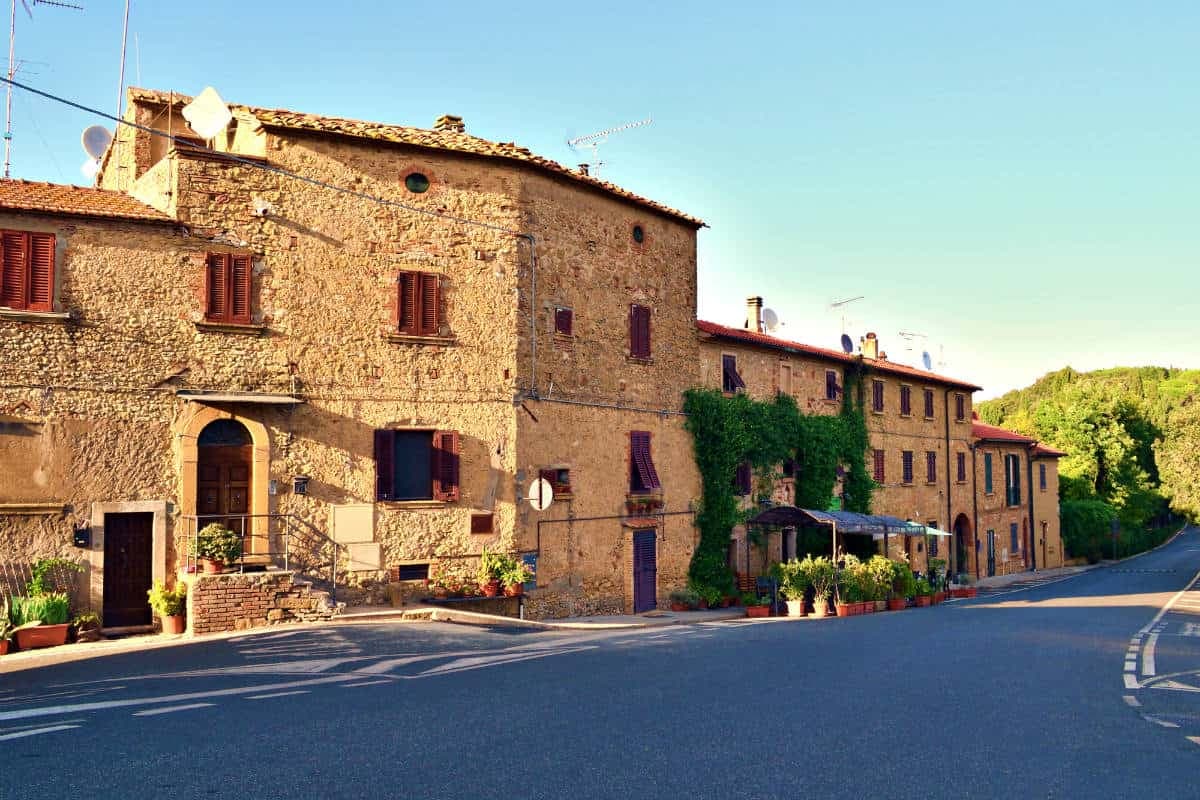
A walled hilltop borgo at 217 meters in the southern Maremma, donated to the Abbey of Tre Fontane by Charlemagne and home of Niki de Saint Phalle's Tarot Garden.
Casale Marittimo
Province: Pisa
A concentric stone borgo at 214 meters above the Val di Cecina, built where a seventh-century BC Etruscan outpost of Volterra once stood.