

Tuscany · Lucca
Castelnuovo di Garfagnana
The Garfagnana capital where Ariosto served as Este governor — a fortified medieval borgo at the confluence of the Serchio and the Turrite where the Tuscan Apennines meet the Alpi Apuane, and where the local farro IGP and chestnut flour are the foundation of one of Italy's most distinctive mountain kitchens.
Known for
ARIOSTO'S FORTRESS
The author of Orlando Furioso lived in the Rocca 1522–25 as Este governor of the Garfagnana — and complained in letters about it daily.
FARRO IGP CAPITAL
Emmer wheat grown on these hillsides for 2,000 years. Zuppa di farro at every trattoria. The Garfagnana's identifying dish.
APUANE + APENNINE GATEWAY
Where the marble peaks of Carrara meet the main Apennine ridge — 200+ km of trails, Orecchiella park, Grotta del Vento show cave.
CHESTNUT-FLOUR KITCHEN
Necci, castagnaccio, neccio sandwiches — the Garfagnana's subsistence food, now its proud identifying cuisine.
When to visit
Best · Jun–Sep
- J
- F
- M
- A
- M
- J
- J
- A
- S
- O
- N
- D
- Best
- Hot or crowded
- Quiet
- Mostly closed
Why come
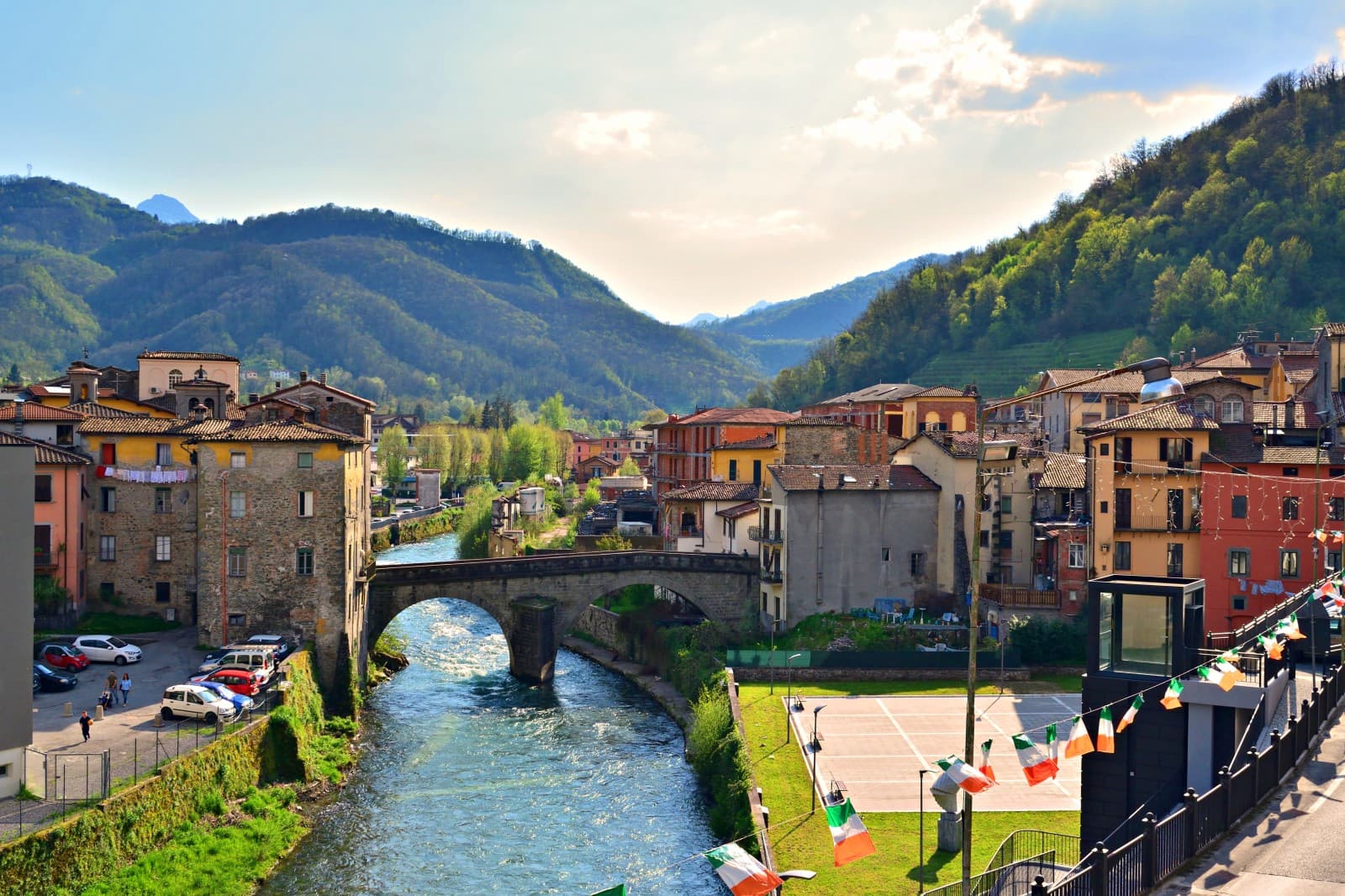
Castelnuovo di Garfagnana is the historic capital of the Garfagnana — the deep mountain valley between the Apuane Alps and the Tuscan Apennine main ridge, 50 km north of Lucca along the Serchio river. The town anchors the valley politically and economically; 5,600 residents, the only real services (hospital, secondary schools, government offices) for the 30,000 people of the Garfagnana comuni around it. The historic core is the Rocca Ariostesca — Ludovico Ariosto served as governor of the Garfagnana for the Este Dukes of Ferrara 1522–1525 and lived in this fortress while writing the final additions to the Orlando Furioso, complaining bitterly in letters to friends about being stuck among 'bandits and chestnut-eaters'.
The Rocca is now the municipal museum. The Fortezza di Mont'Alfonso, a much larger Este fortress on the hill above town (1579, built to control the trans-Apennine trade), is now a cultural centre and concert venue with the most photographed view of the Apuane peaks. Castelnuovo is the gateway for: the Apuane Regional Park (white-marble peaks of Carrara seen from the back), the Parco dell'Orecchiella higher up, the Grotta del Vento show cave (45 min south), the Eremo di Calomini cliff-monastery, and 200+ km of marked Apennine trails. The food: farro della Garfagnana IGP (emmer wheat, used in zuppa di farro, the valley's identifying dish), castagne and the chestnut-flour necci + castagnaccio + neccio sandwiches at every bakery, the formentone otto file (a special local maize cornbread), pecorino della Garfagnana, biroldo (a sweet-spiced blood sausage), and salt-cured prosciutto bazzone from the indigenous Garfagnana pig breed.
What to see
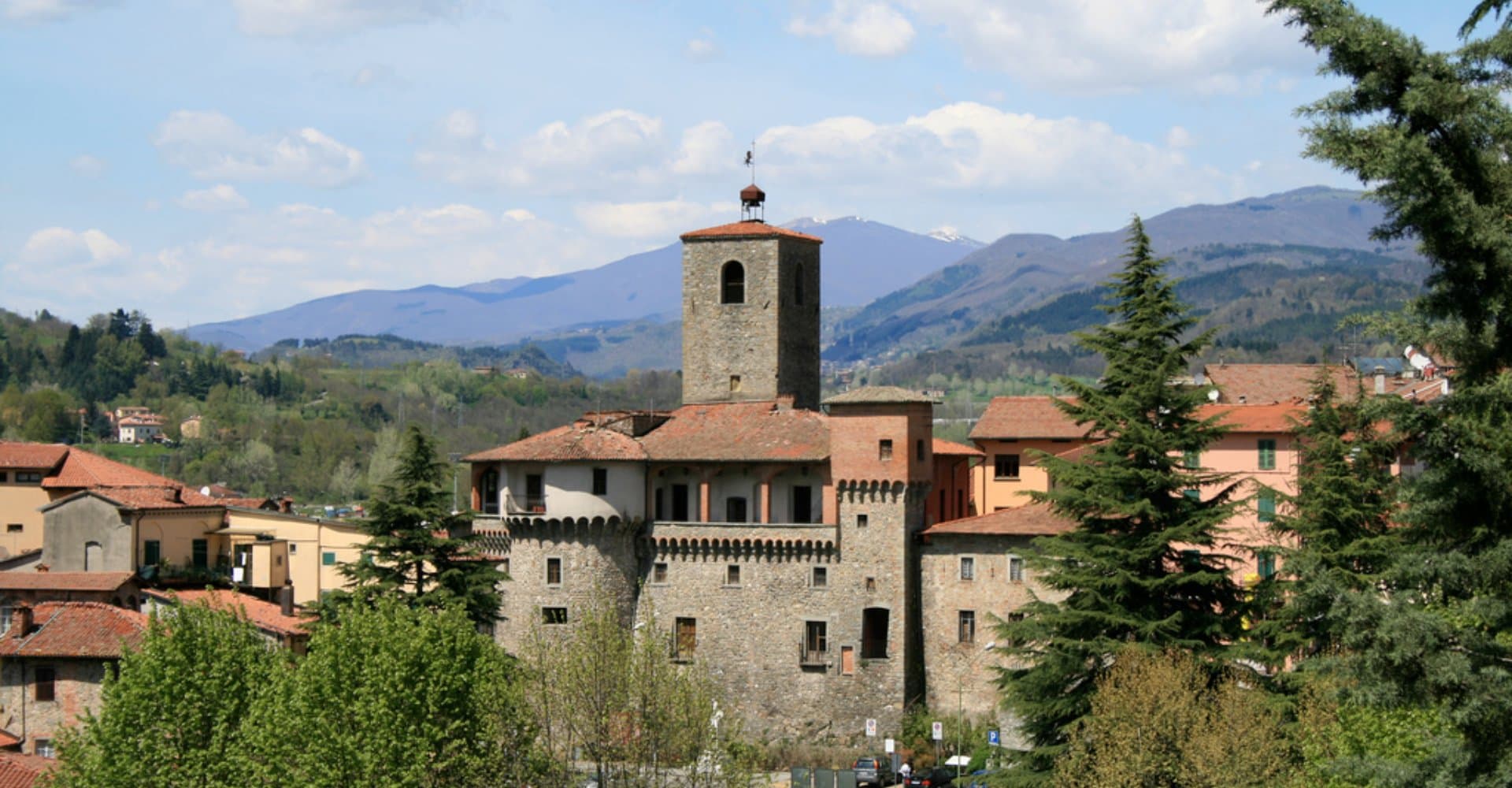
Rocca Ariostesca
The Este fortress where Ludovico Ariosto served as governor 1522–25, writing the final additions to Orlando Furioso. Now the municipal museum.
Fortezza di Mont'Alfonso
Larger Este fortress on the hill above town (1579), built to control the trans-Apennine route. Now a cultural centre + concert venue with the great Apuane view.
Farro della Garfagnana IGP + zuppa di farro
The valley's identifying grain — emmer wheat grown on terraced hillsides for 2,000 years. Zuppa di farro at every trattoria. Buy bags at the Saturday market.
Castagne + chestnut-flour kitchen
Necci (chestnut crepes with ricotta), castagnaccio, neccio sandwiches at every bakery — the Garfagnana subsistence food still proudly served.
Apuane + Orecchiella parks
Castelnuovo is the gateway: 200+ km of marked trails, the marble peaks of the Apuane, the Orecchiella higher Apennines, the Grotta del Vento show cave 45 min south.
The slow-trip planner
Building a trip? Find where Castelnuovo di Garfagnana fits in a slow Italy circuit.
Answer five questions. We will shape a geographically coherent slow trip from the 1,000 Italian towns most travelers skip. Yours to save and share.
We recommend
Where to eat and stay
Not our picks, but places the guides put their name to — a Michelin star, a Gambero Rosso fork, a Slow Food snail, a Michelin Key for the hotels. Worth a table, a counter, or a night when you pass through.
BoniniTrattoria
Bonini carries a Gambero Rosso listing.
Il Vecchio MulinoWine Bar
Il Vecchio Mulino holds a Gambero Rosso listing.
The Sunday letter
Castelnuovo di Garfagnana got its letter. One town every Sunday, free — the photo, the food, the festa.
By subscribing you agree to Substack’s Terms of Use, our Privacy Policy and our Information collection notice.
Living here
- Population 5,623
- Off the beaten pathi
- Pharmacy in town
- High school within a 30-minute drive
- Train station in the comune
- Nearest airport Florence / Pisa, 1 h 36 min drive
- Regional capital Firenze, 1 h 55 min drive
Tags & datadesignations · numbers · sources
Recognised as
The numbers
- Elevation: 277 m
- Population: 5,623
- Surface area: 28.48 km²
These figures were compiled from public directories — ISTAT, OpenStreetMap, Wikidata — and from the official listings of the guides named on this page. Town details change; verify with official sources before you travel.
Close by
More towns near Castelnuovo di Garfagnana
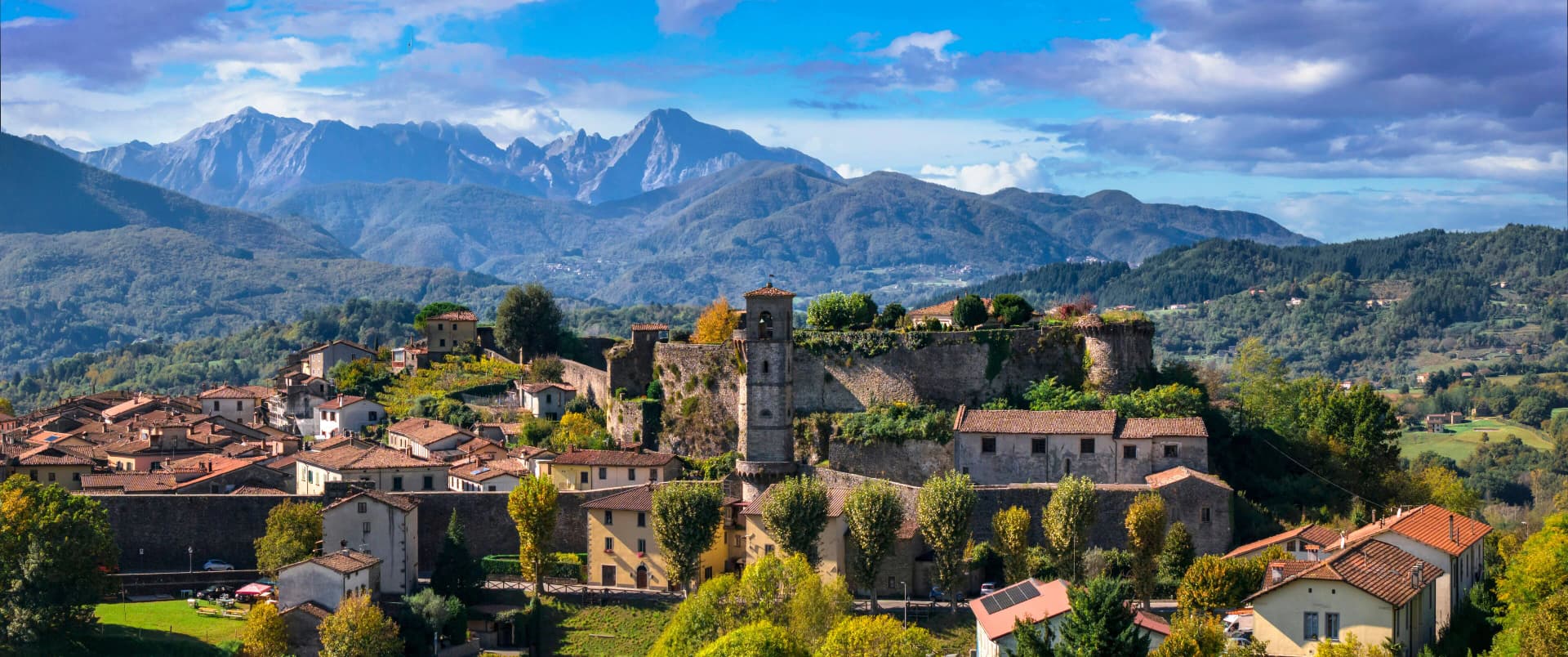
Castiglione di Garfagnana
Province: Lucca
A walled medieval town at 540 meters in the Garfagnana, the Lucca outpost that refused to submit to the Este and held the pass to San Pellegrino.
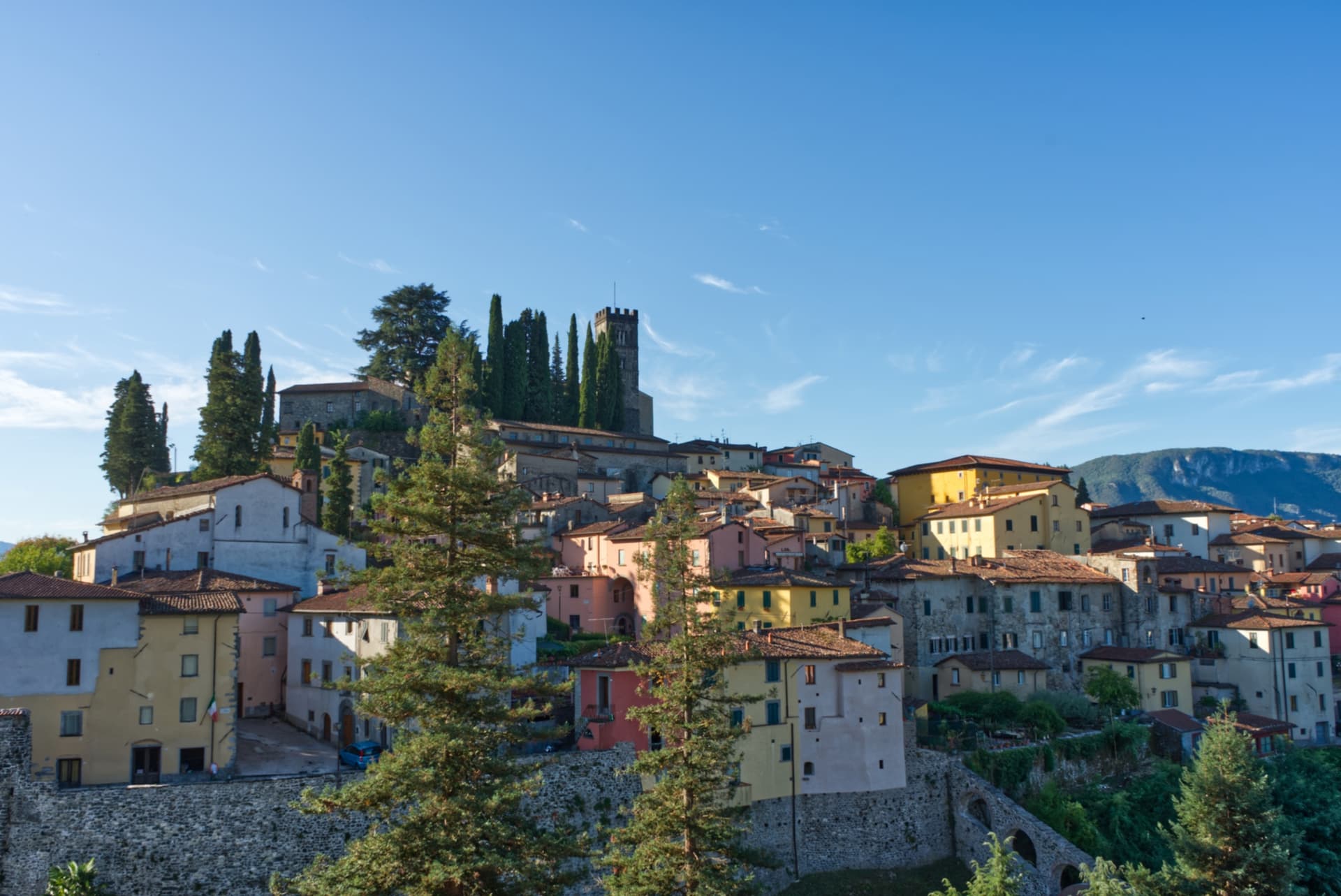
Barga
Province: Lucca
A medieval hilltop town at 410 meters in the Serchio valley between the Apuan Alps and the Apennines, where Giovanni Pascoli wrote his last poems and the August festival serves fish and chips.
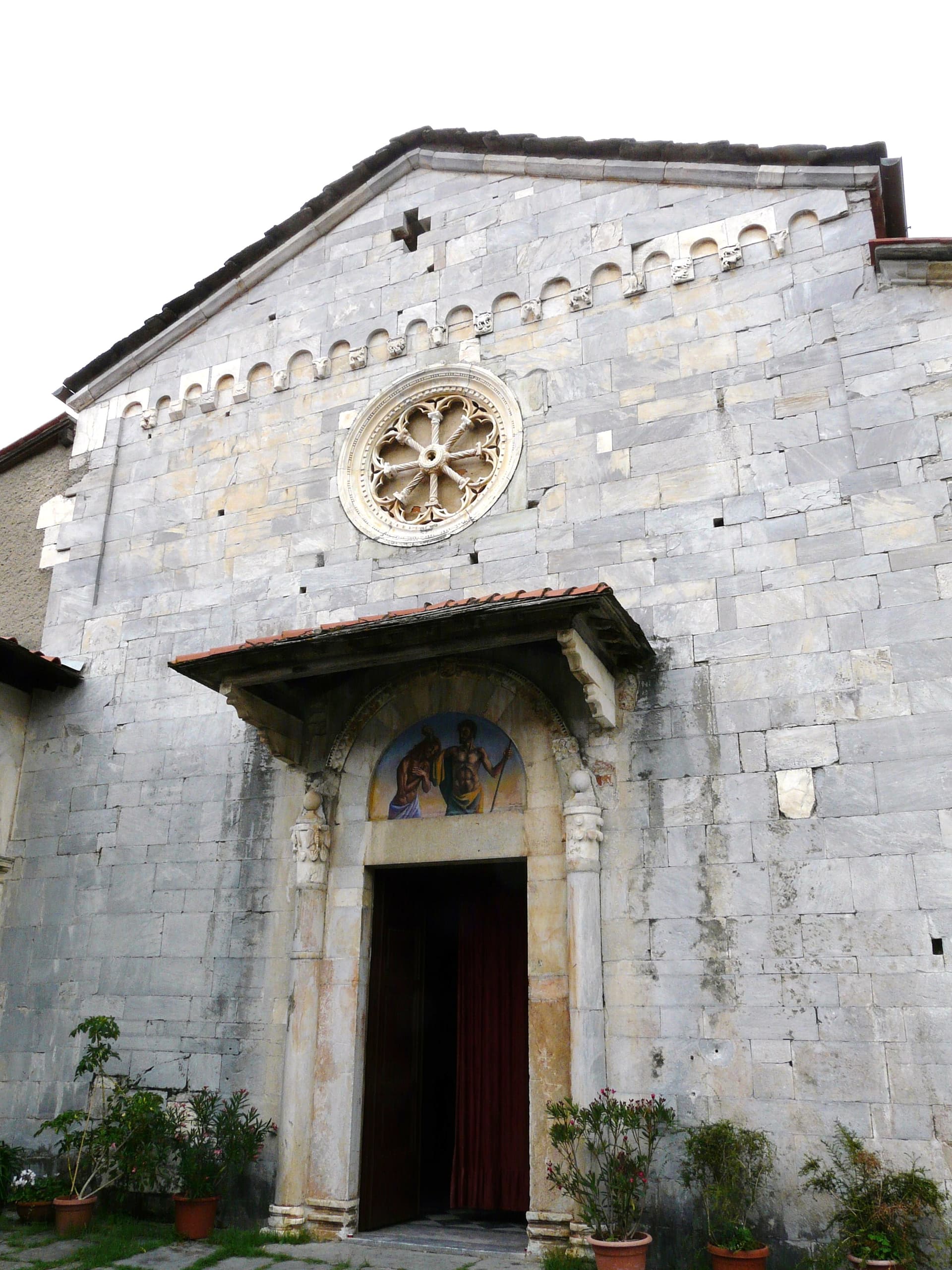
Stazzema
Province: Lucca
A mountain commune of seventeen hamlets in the Apuan Alps, site of the August 1944 Sant'Anna massacre and Italy's National Park of Peace.
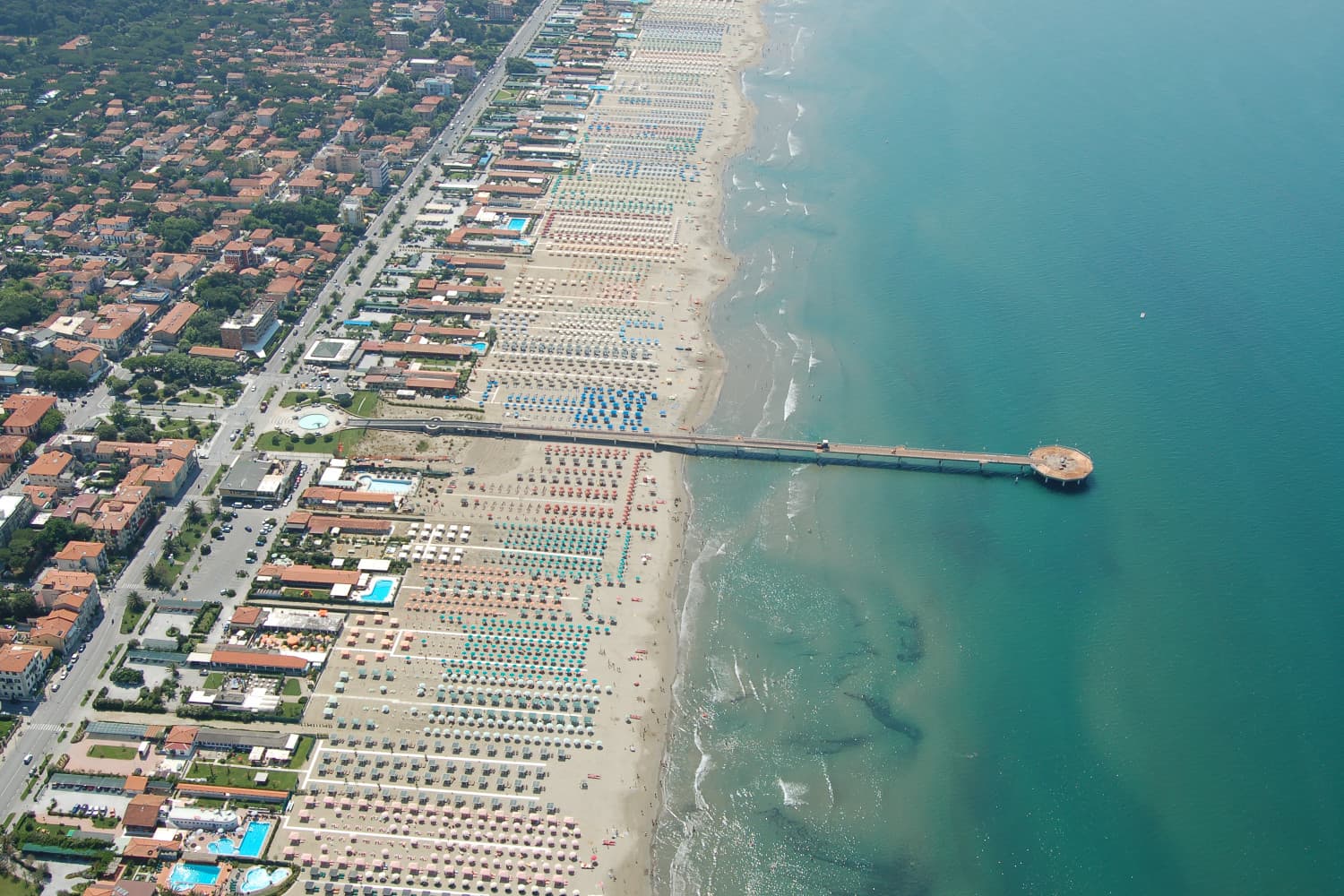
Pietrasanta
Province: Lucca
The marble-processing town under the Apuan Alps, founded in 1255 and worked since by Michelangelo, Henry Moore, Joan Miró and Fernando Botero.
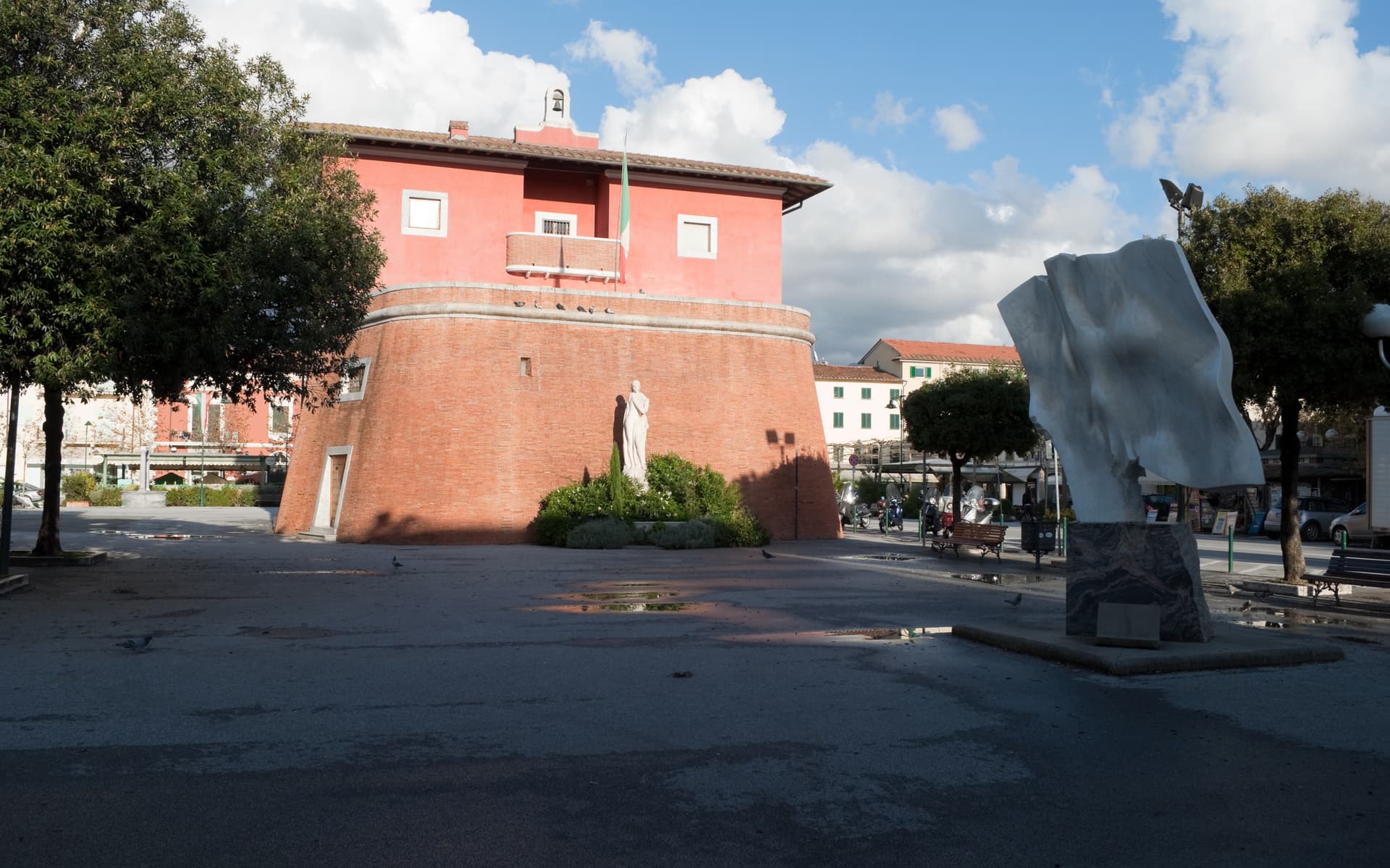
Forte dei Marmi
Province: Lucca
The Versilia luxury beach built around an eighteenth-century marble-loading fort, with 99 bagni concessions and a Wednesday market that draws Milan.
🌳 Parco Regionale
More Parco Regionale towns in Tuscany
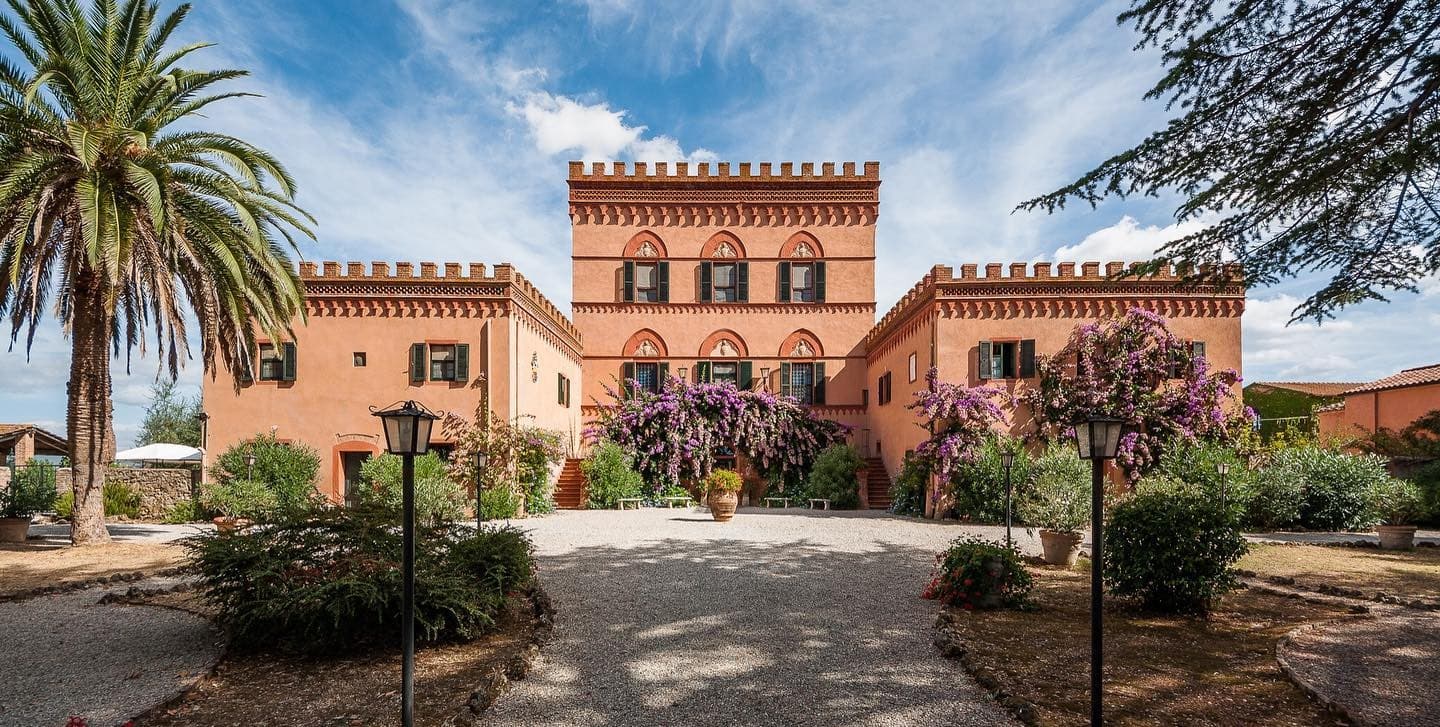
Campiglia Marittima
Province: Livorno
A walled hilltop borgo above the Val di Cornia, where the Rocca tower watches a mining landscape worked from the Etruscans to 1976.
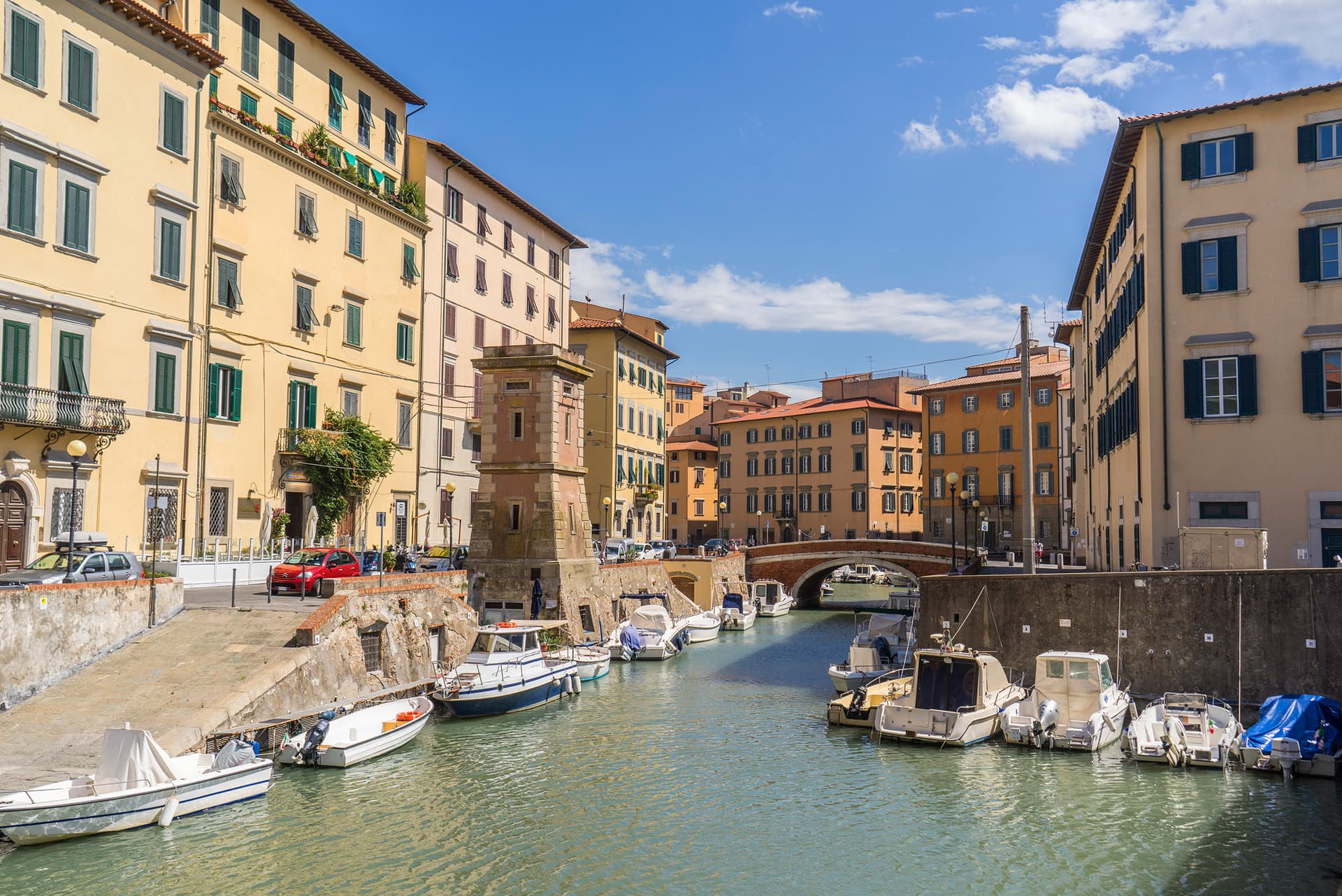
Livorno
Province: Livorno
Tuscany's working port and Medici-planned 'New City' — a 16th-century planned town built on reclaimed coast, with a Venice-like canal quarter, the Quattro Mori monument, and a 1.5-km seafront promenade that locals call the world's most beautiful balcony.
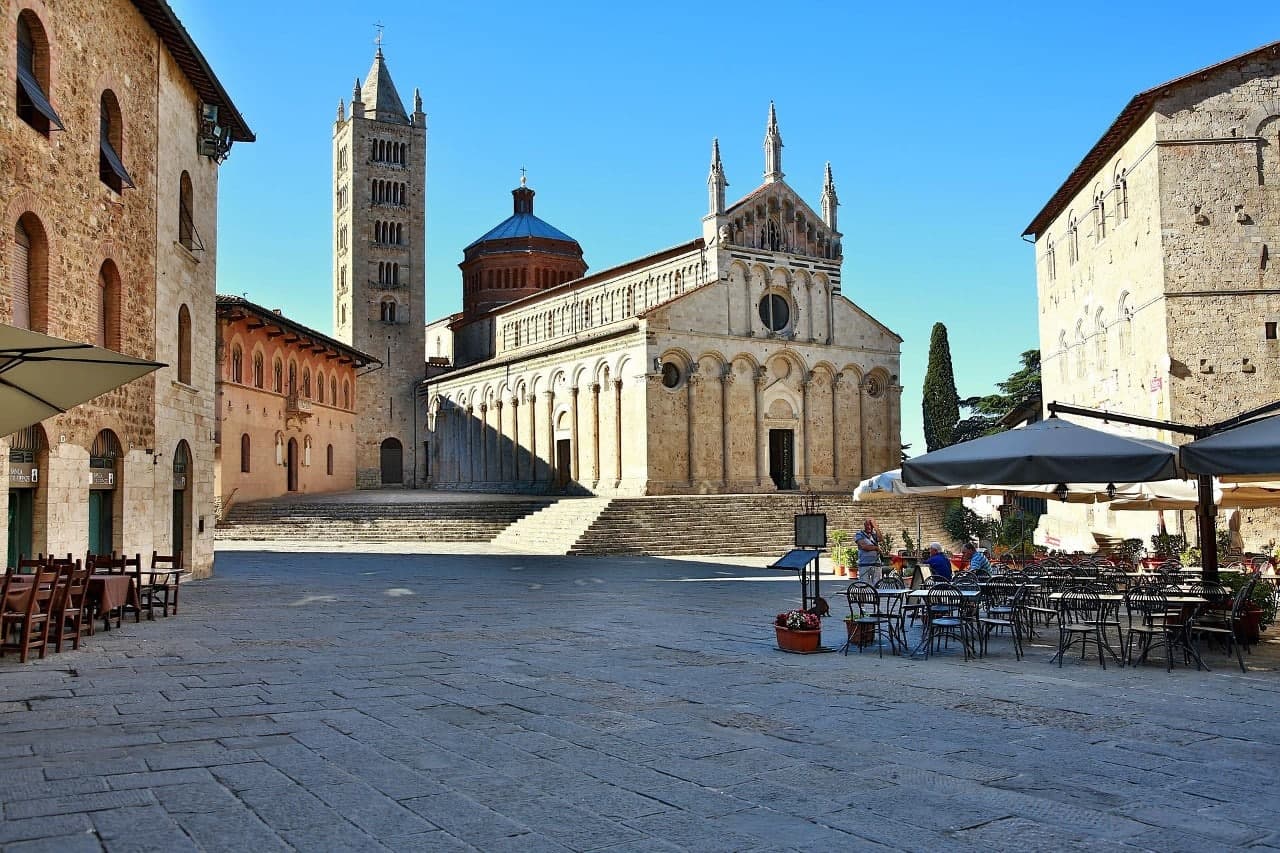
Massa Marittima
Province: Grosseto
A medieval mining town at 380 meters in the Colline Metallifere, free commune from 1255 to 1337, whose cathedral holds the relics of San Cerbone.
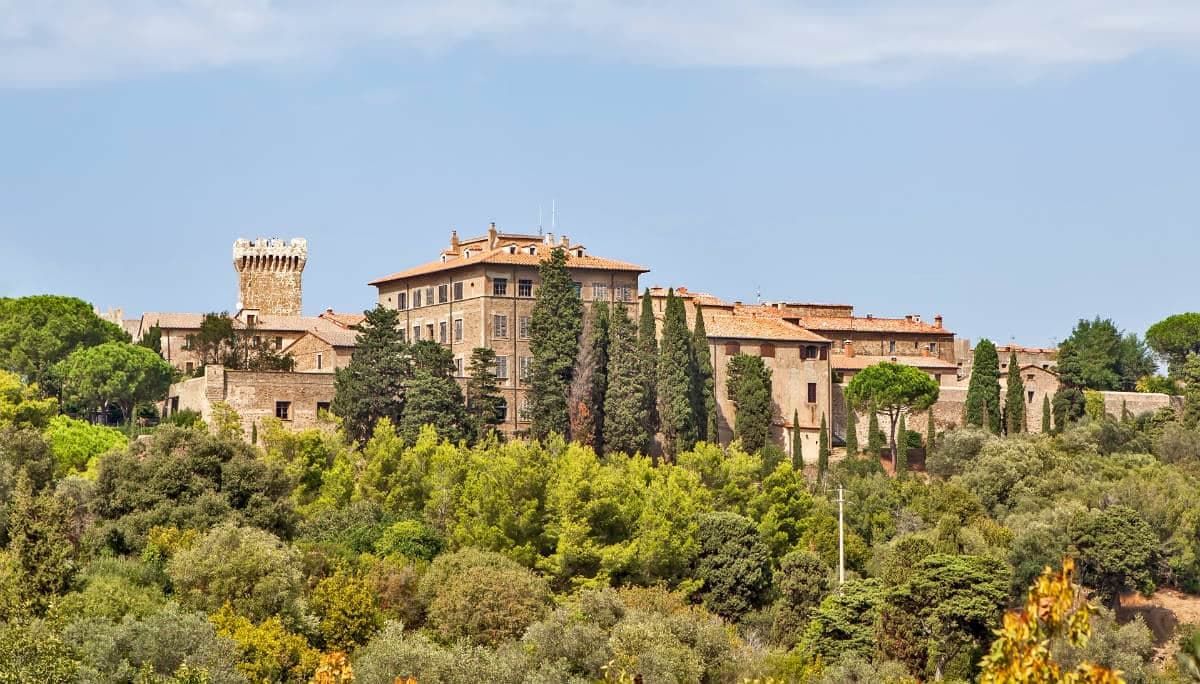
Piombino
Province: Livorno
A promontory port facing Elba across the channel, founded by refugees from Etruscan Populonia and now the Tuscan archipelago's ferry capital.
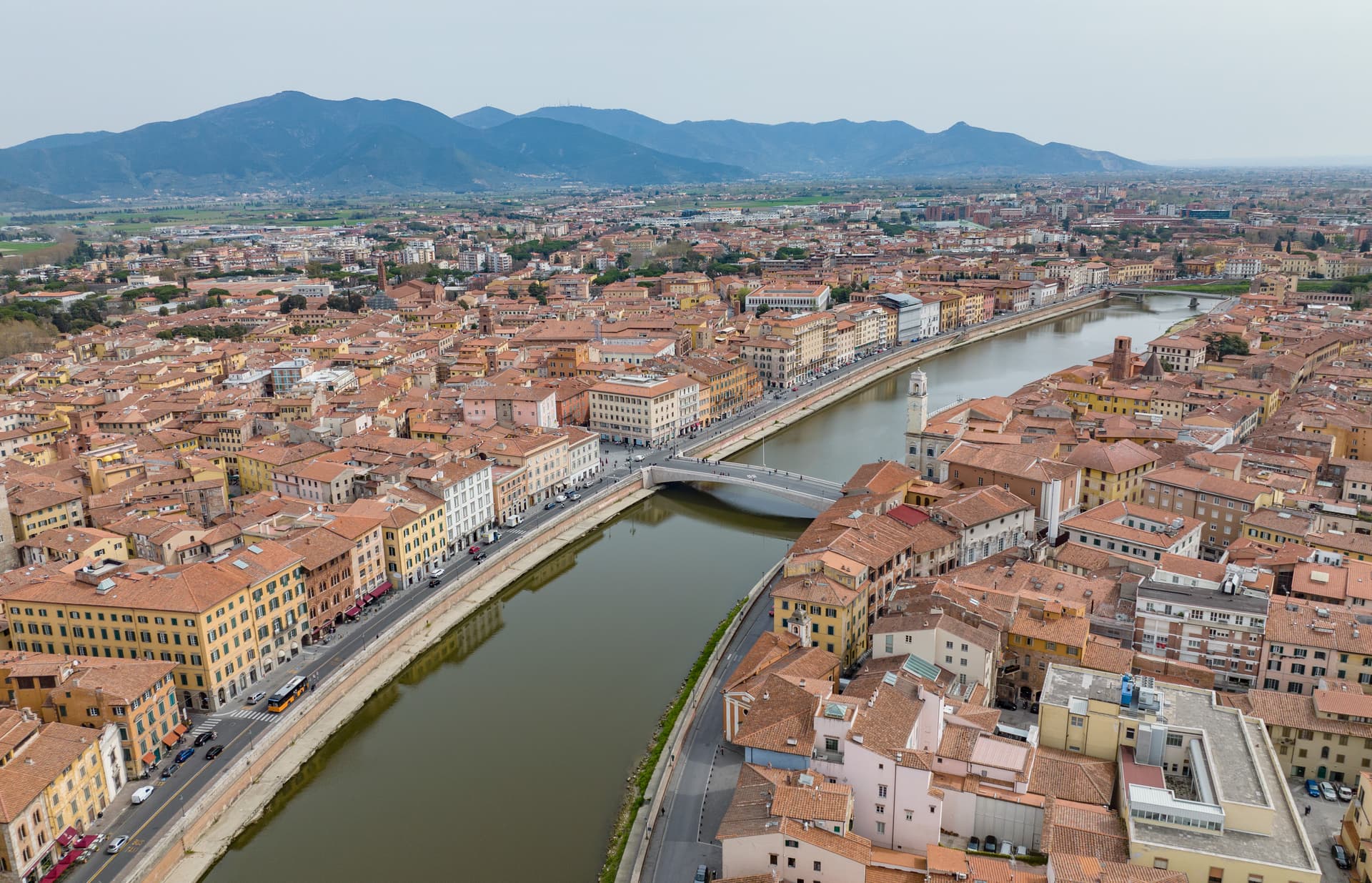
Pisa
Province: Pisa
Maritime republic on the Arno, twelve kilometers from the Ligurian Sea, with the leaning bell tower at the center of a single UNESCO-listed walled compound.