

Tuscany · Livorno
Livorno
Tuscany's working port and Medici-planned 'New City' — a 16th-century planned town built on reclaimed coast, with a Venice-like canal quarter, the Quattro Mori monument, and a 1.5-km seafront promenade that locals call the world's most beautiful balcony.
Known for
MEDICI'S PLANNED CITY
Founded ex novo in 1577 by Buontalenti for the Medici — Italy's purest Renaissance city plan, pentagonal walls and canal quarter intact.
CACCIUCCO + PONCE
Five-fish stew (one for each 'c' in the name) and rum-laced coffee — both invented here, both still served at the same Caffè Civili since 1880.
MACCHIAIOLI BIRTHPLACE
Fattori, Lega, Signorini — the Italian impressionists worked here. Modigliani born here in 1884.
GATEWAY TO THE ARCHIPELAGO
Ferries to Capraia, Gorgona, Elba, Sardinia and Corsica leave from the port — visible from the Terrazza.
When to visit
Best · Apr–Jun, Sep–Oct
- J
- F
- M
- A
- M
- J
- J
- A
- S
- O
- N
- D
- Best
- Hot or crowded
- Quiet
- Mostly closed
Why come
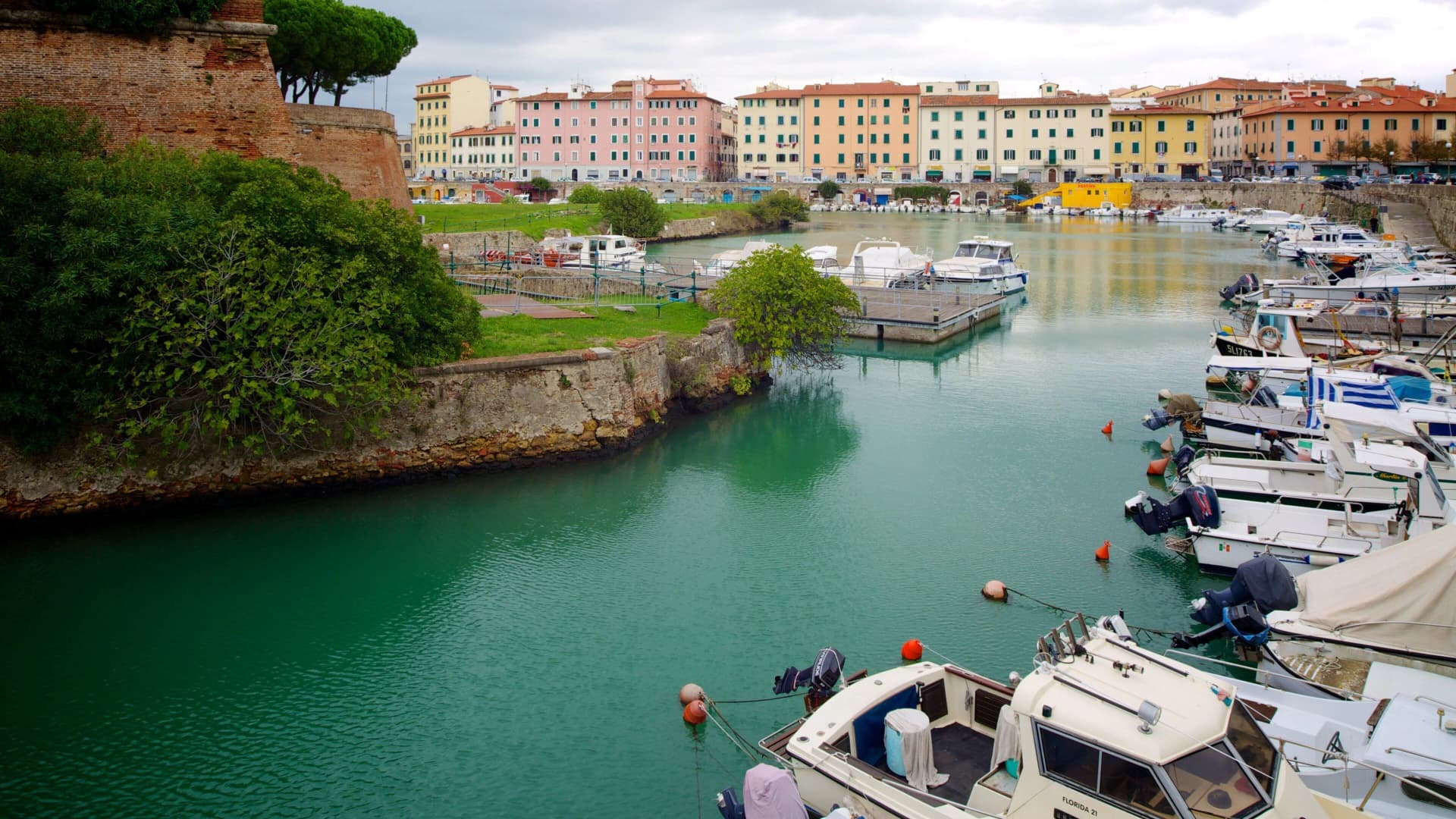
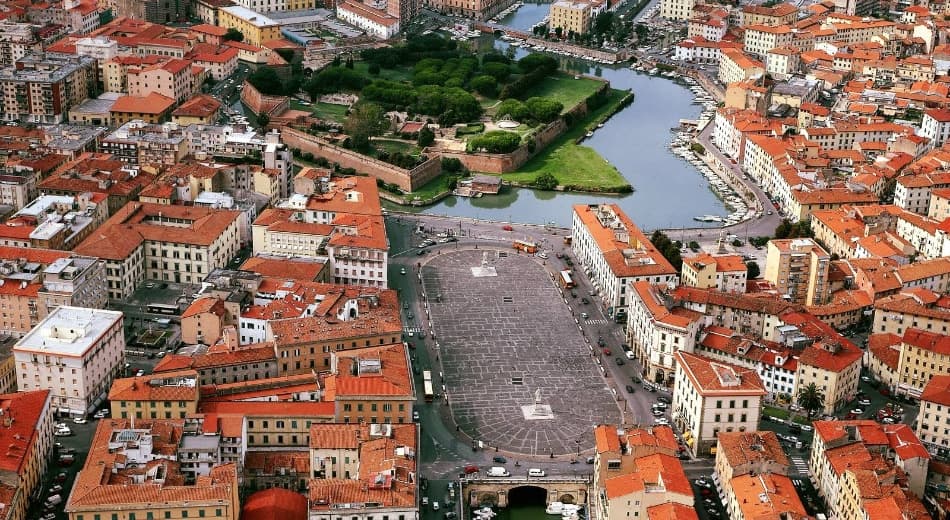
Livorno is the Tuscan coast you don't expect: Medici-founded in 1577 as Nova Civitas, planned from scratch by Bernardo Buontalenti as a free port to rival Genoa and Venice, and unique among Tuscan cities for being entirely a Renaissance-era invention rather than a medieval inheritance. The original pentagonal city walls enclosed a Venetian-style quarter (Venezia Nuova) laced with navigable canals where merchant warehouses opened directly to the water — Jews, Greeks, Armenians, English, Dutch and North Africans were all invited to settle under the 1591–1593 'Livornine' laws granting freedom of worship and trade, making Livorno the most cosmopolitan port on the Mediterranean for two centuries. What you see today: Fortezza Vecchia (1521) and Fortezza Nuova (1590) guarding the inner harbour; the four bronze Moors (1626) chained to the base of Ferdinando I's monument facing the port; the Terrazza Mascagni (a 1925 Art Deco chequerboard promenade with 4,100 black-and-white tiles facing the Tyrrhenian); the Cattedrale rebuilt after 1944 bombing; the Pentagono di Buontalenti street grid still visible from above.
The Macchiaioli painters' movement was born here in the 1860s (Fattori, Lega, Signorini all lived and painted the local light). Modigliani was born in Livorno in 1884. And the food: cacciucco — a 5-fish stew with toasted bread and red wine, the city's totemic dish — plus ponce alla livornese (rum-spiked coffee) at the Caffè Civili. The Tuscan archipelago (Capraia, Gorgona, Elba) ferries out from the port within view of the promenade.
The Sunday letter
We haven’t written Livorno’s letter yet.
One town every Sunday, with the photo, the food, the festa. Be there when this one comes up. Free, by Peter & Sophia from Pietrasanta.
By subscribing you agree to Substack’s Terms of Use, our Privacy Policy and our Information collection notice.
What to see
Terrazza Mascagni
A 1925 Art Deco seafront promenade with 4,100 black-and-white tiles facing the open Tyrrhenian — locals call it the world's most beautiful balcony, especially at sunset.
Venezia Nuova quarter
The Medici-planned canal district from 1629. Walkable bridges, warehouse-doors-on-water, and the Effetto Venezia summer festival turn it into Tuscany's Venice.
Quattro Mori (Monumento dei Quattro Mori)
Pietro Tacca's four bronze Moors (1626) chained to the base of Grand Duke Ferdinando I's statue facing the port. Livorno's civic icon.
Fortezza Vecchia + Fortezza Nuova
Twin Medici fortresses (1521 and 1590) guarding the port — connected by canals and walkable for free.
Mercato Centrale (Mercato delle Vettovaglie)
1894 covered market — one of Europe's largest. Buy the fish, then eat cacciucco at the surrounding trattorias.
The slow-trip planner
Building a trip? Find where Livorno fits in a slow Italy circuit.
Answer five questions. We will shape a geographically coherent slow trip from the 1,000 Italian towns most travelers skip. Yours to save and share.
We recommend
Where to eat and stay
Not our picks, but places the guides put their name to — a Michelin star, a Gambero Rosso fork, a Slow Food snail, a Michelin Key for the hotels. Worth a table, a counter, or a night when you pass through.
Azzighe Osteria a metàTrattoria
Azzighe Osteria a metà carries a Michelin Bib Gourmand, two Gambero Rosso prawns, plus a Slow Food snail.
OscarRistorante
Oscar carries a Gambero Rosso listing, plus a spot in the Michelin Guide.
CiglieriRistorante
One Gambero Rosso fork (77/100), at Ciglieri.
La PersianaRistorante
La Persiana carries one Gambero Rosso fork (77/100).
NanniniRistorante
Nannini holds a spot in the Michelin Guide.
Living here
- Population 152,914
- A local hubi
- Pharmacy in town
- High school within a 30-minute drive
- Train station in the comune
- Nearest airport Florence / Pisa, 38 min drive
- Regional capital Firenze, 1 h 29 min drive
Thermal baths in town: Bagnetti della Puzzolente, Stabilimento termale Acque della Salute.
Tags & datadesignations · numbers · sources
The numbers
- Elevation: 3 m
- Population: 152,914
- Surface area: 104.71 km²
These figures were compiled from public directories — ISTAT, OpenStreetMap, Wikidata — and from the official listings of the guides named on this page. Town details change; verify with official sources before you travel.
Close by
More towns near Livorno
Pisa
Province: Pisa
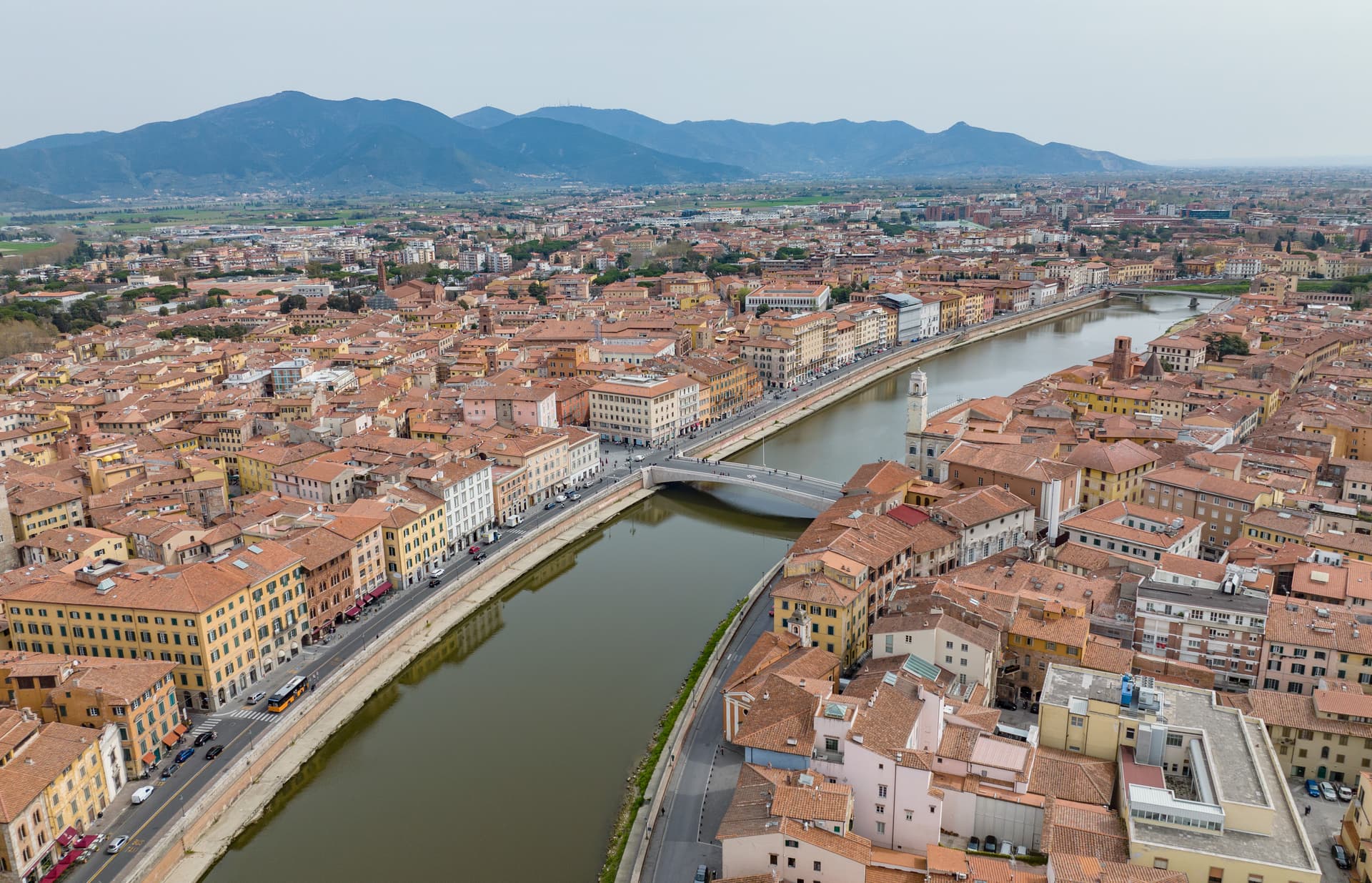
Maritime republic on the Arno, twelve kilometers from the Ligurian Sea, with the leaning bell tower at the center of a single UNESCO-listed walled compound.
San Giuliano Terme
Province: Pisa
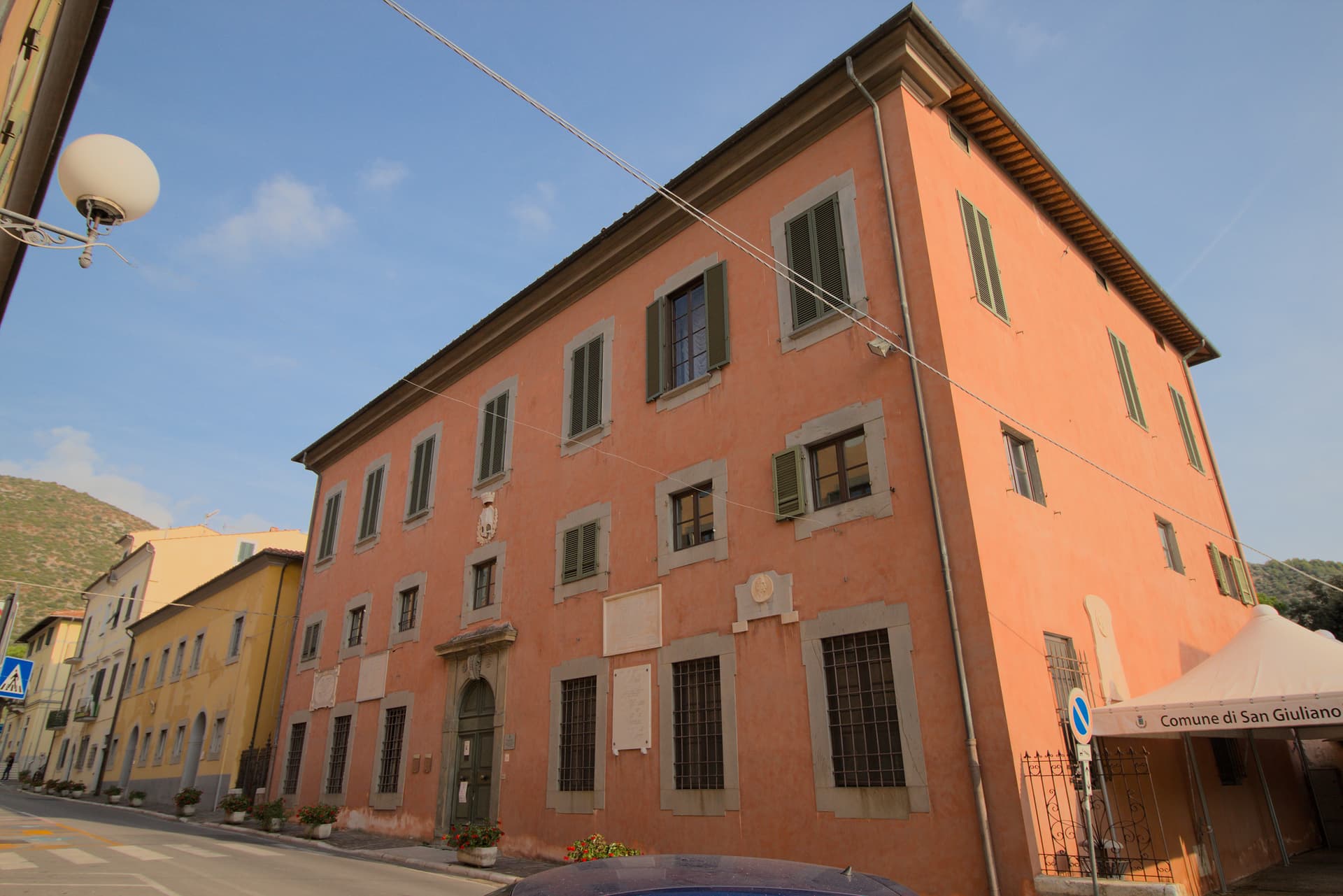
A thermal spa at the foot of Monte Pisano, ten kilometers from Pisa, where the springs were bathed since the Romans called them Aquae Pisanae.
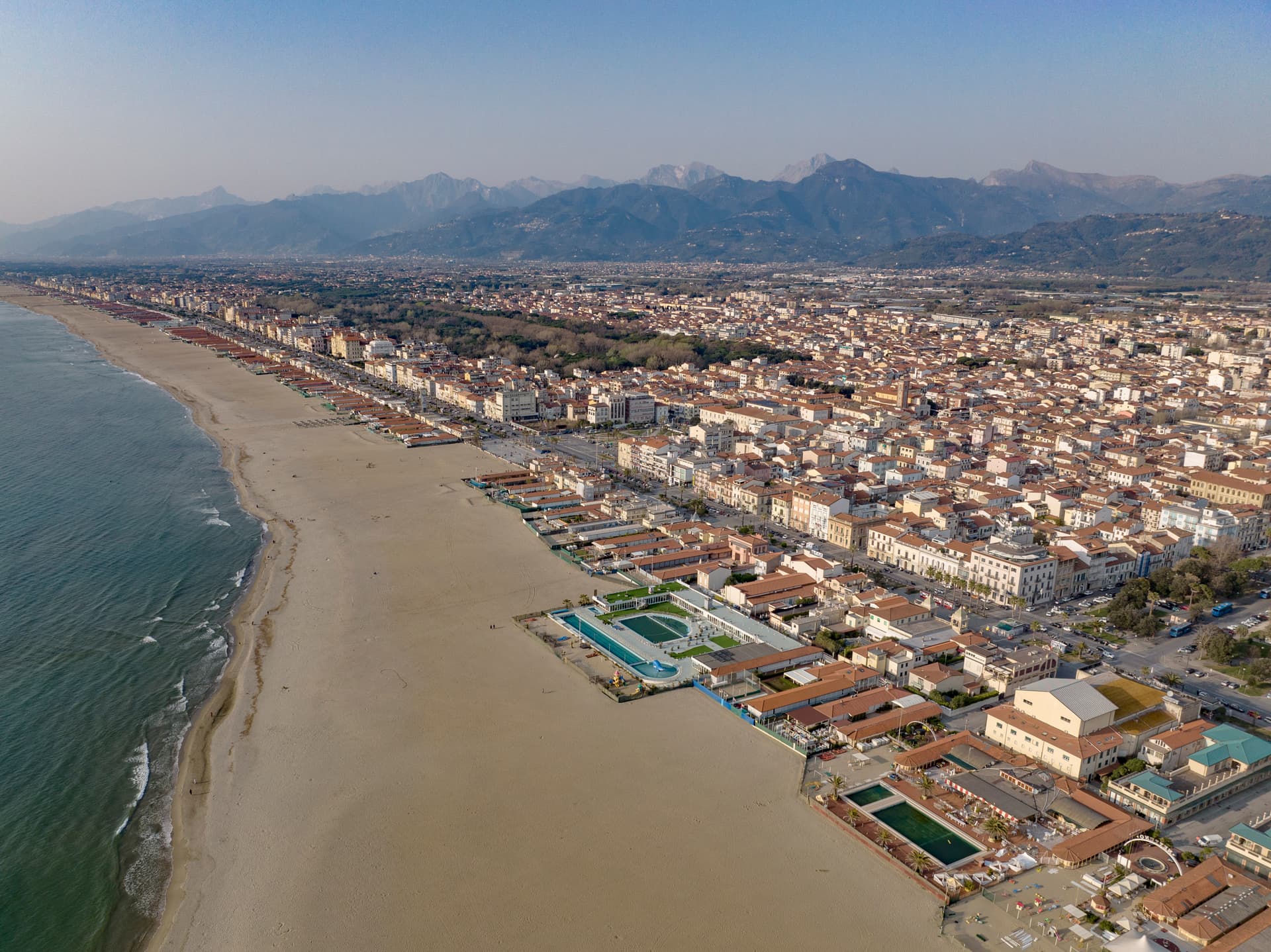
Viareggio
Province: Lucca
The Versilia capital, a Liberty-architecture seafront built around the 1873 Carnival and the 254-kilogram papier-mâché floats that still parade every February.
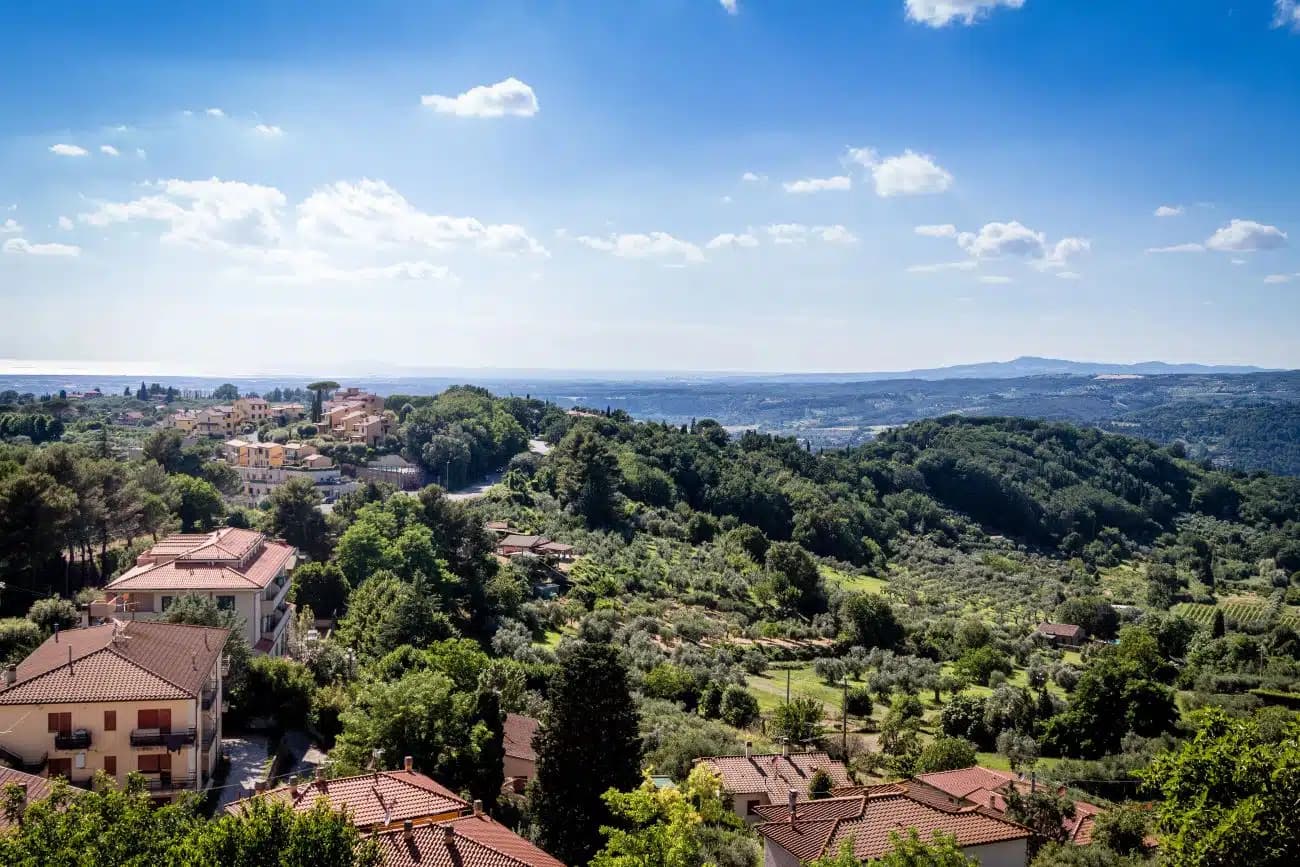
Montescudaio
Province: Pisa
A fortified hill borgo at 242 meters above the Val di Cecina, named for a mountain of shields, with DOC wine since 1977 and bread, oil and grape all stamped in its identity.
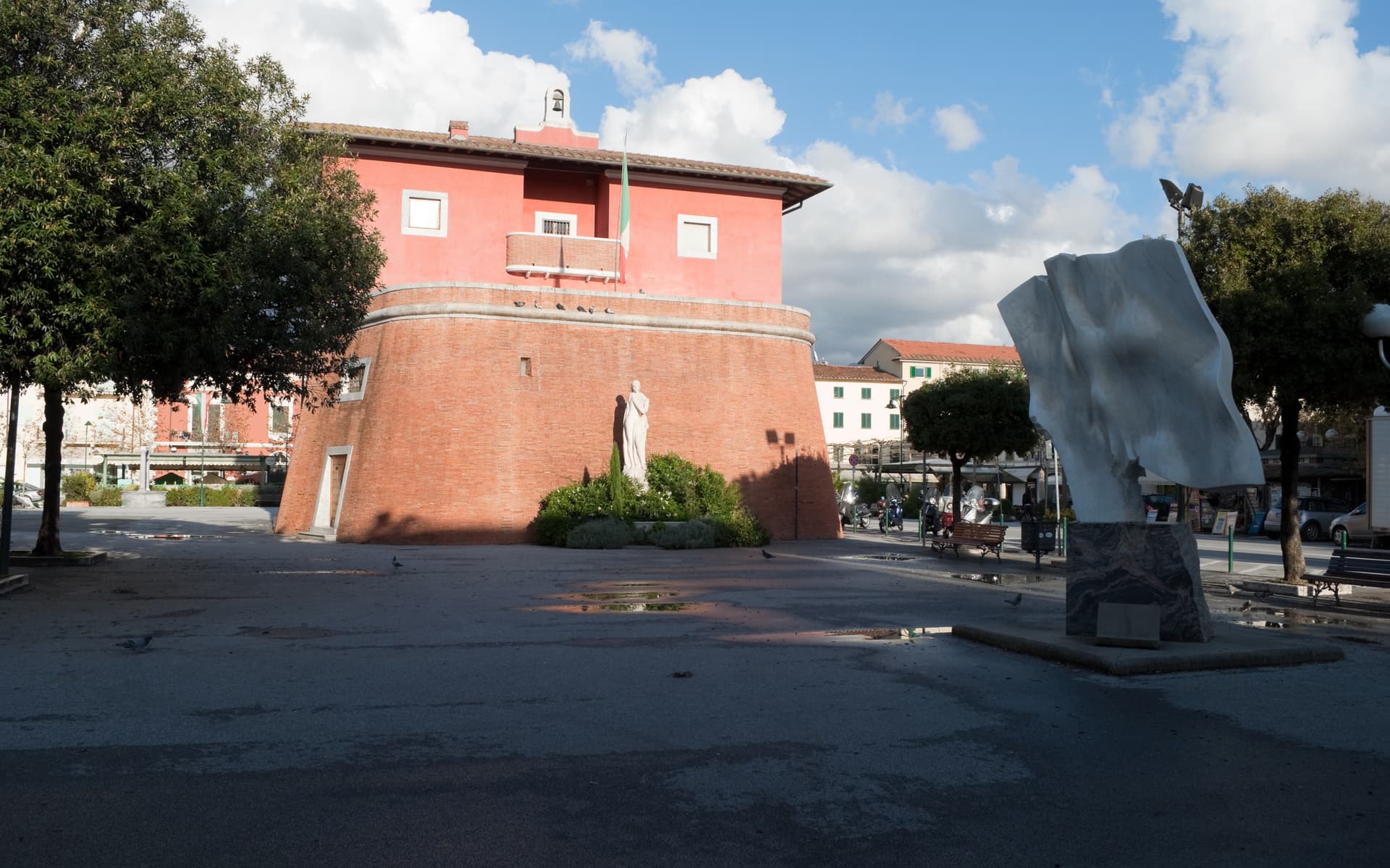
Forte dei Marmi
Province: Lucca
The Versilia luxury beach built around an eighteenth-century marble-loading fort, with 99 bagni concessions and a Wednesday market that draws Milan.
🟦 Bandiera Blu
More Bandiera Blu towns in Tuscany
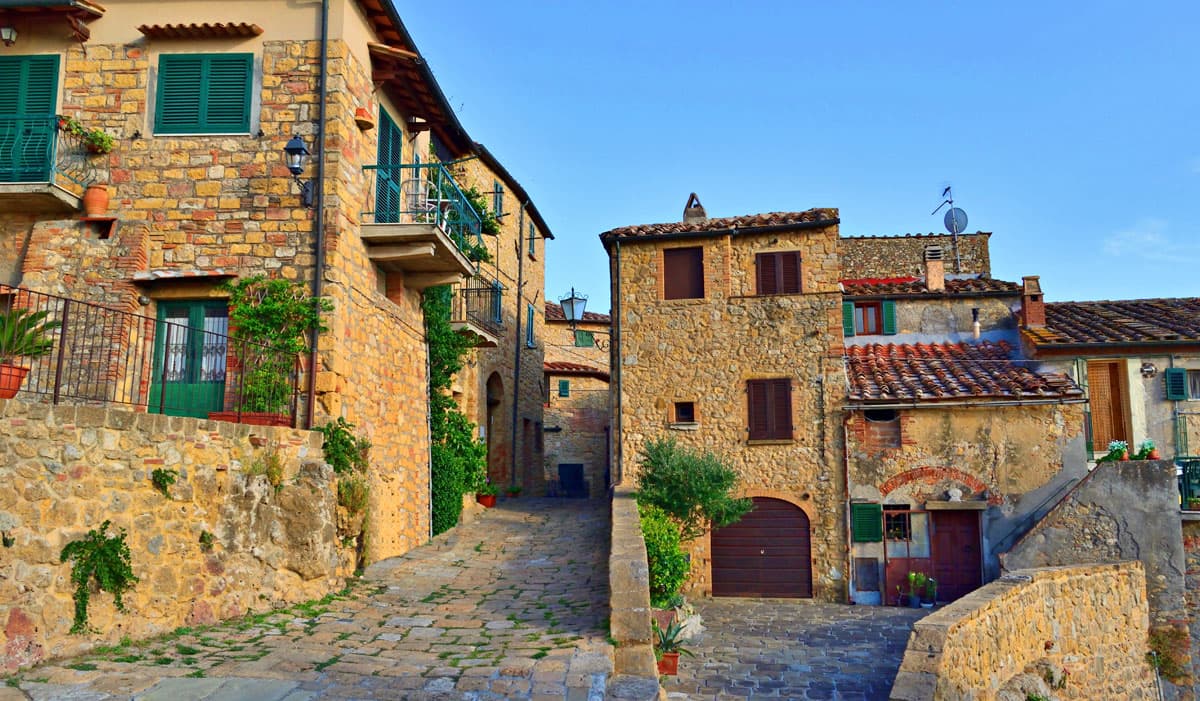
Bibbona
Province: Livorno
An Etruscan-origin hill village above the Costa degli Etruschi, with a Romanesque parish church and a Lorraine-built coastal fort eight kilometers down the road at Marina di Bibbona.
Camaiore
Province: Lucca
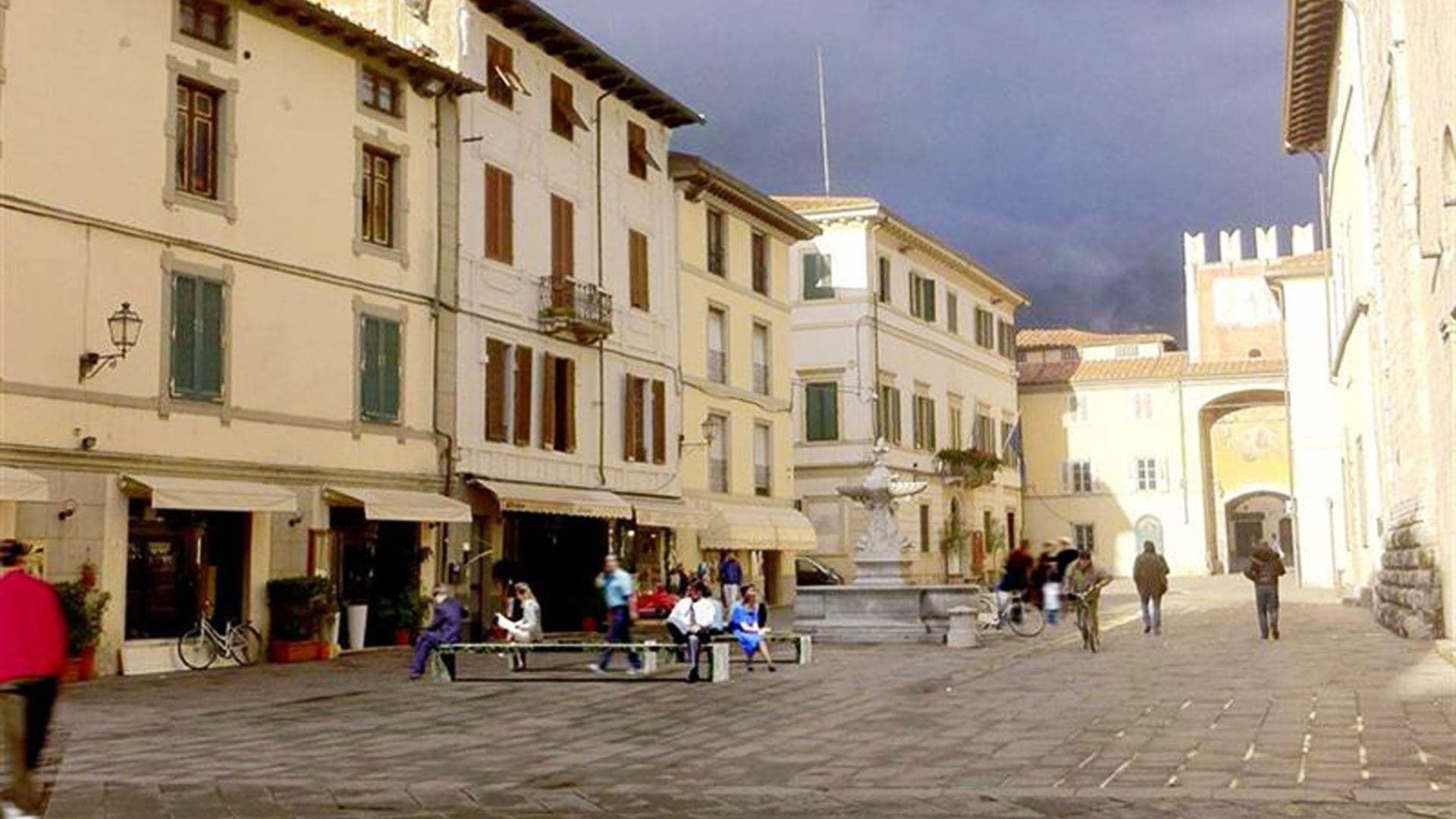
The Versilia commune that runs from the Apuan Alps to the sea, a Roman Campus Maior on the Via Francigena with a beach at its western end.
Carrara
Province: Massa-Carrara
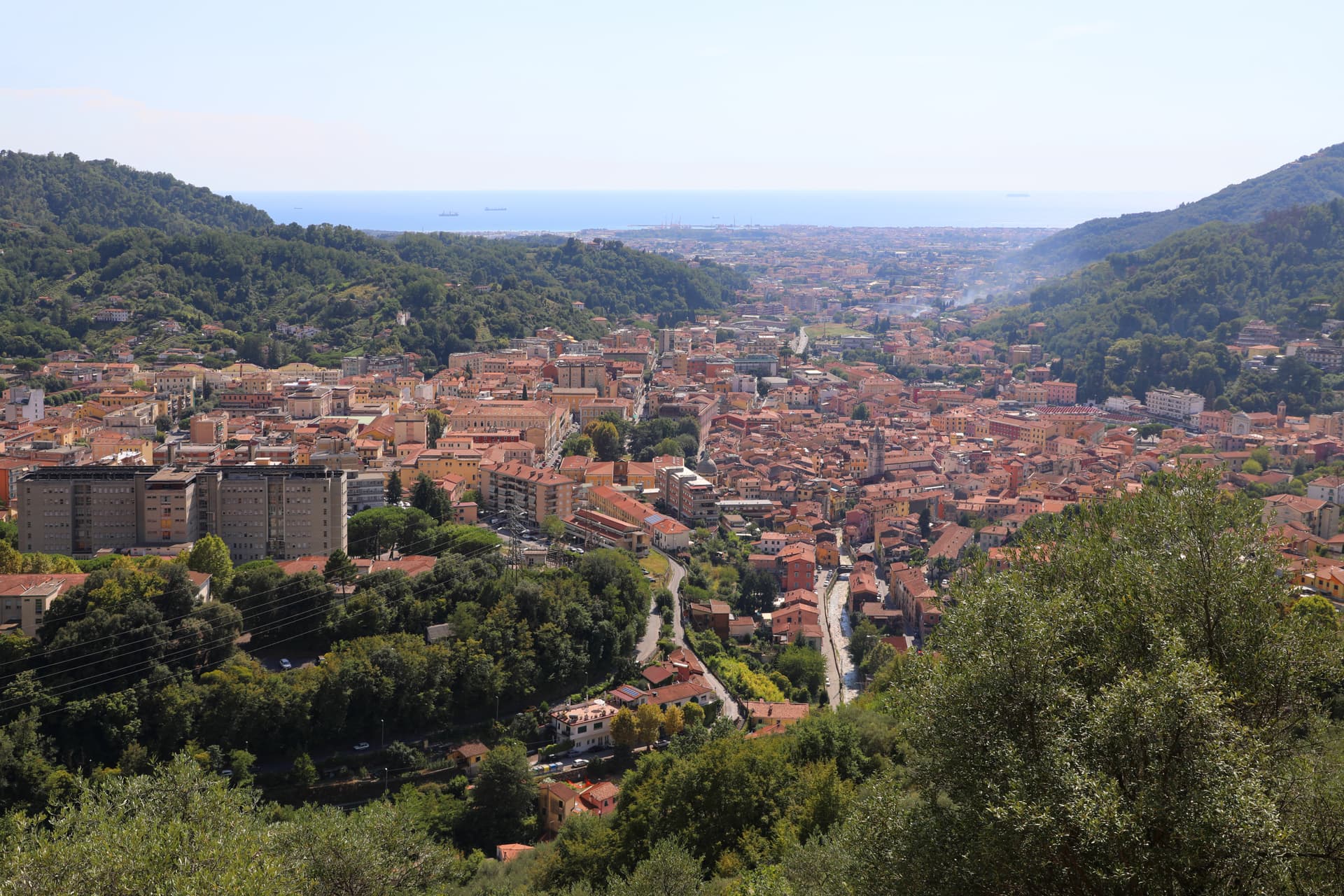
The marble town at the foot of the Apuan Alps, with over 650 quarry sites in the valleys above and the stone that built the Pantheon, the Pietà and Michelangelo's David.

Castagneto Carducci
Province: Livorno
A hilltop borgo at 194 meters above the Costa degli Etruschi, renamed for the poet Carducci in 1907 and the home of Bolgheri and Sassicaia.
Castiglione della Pescaia
Province: Grosseto
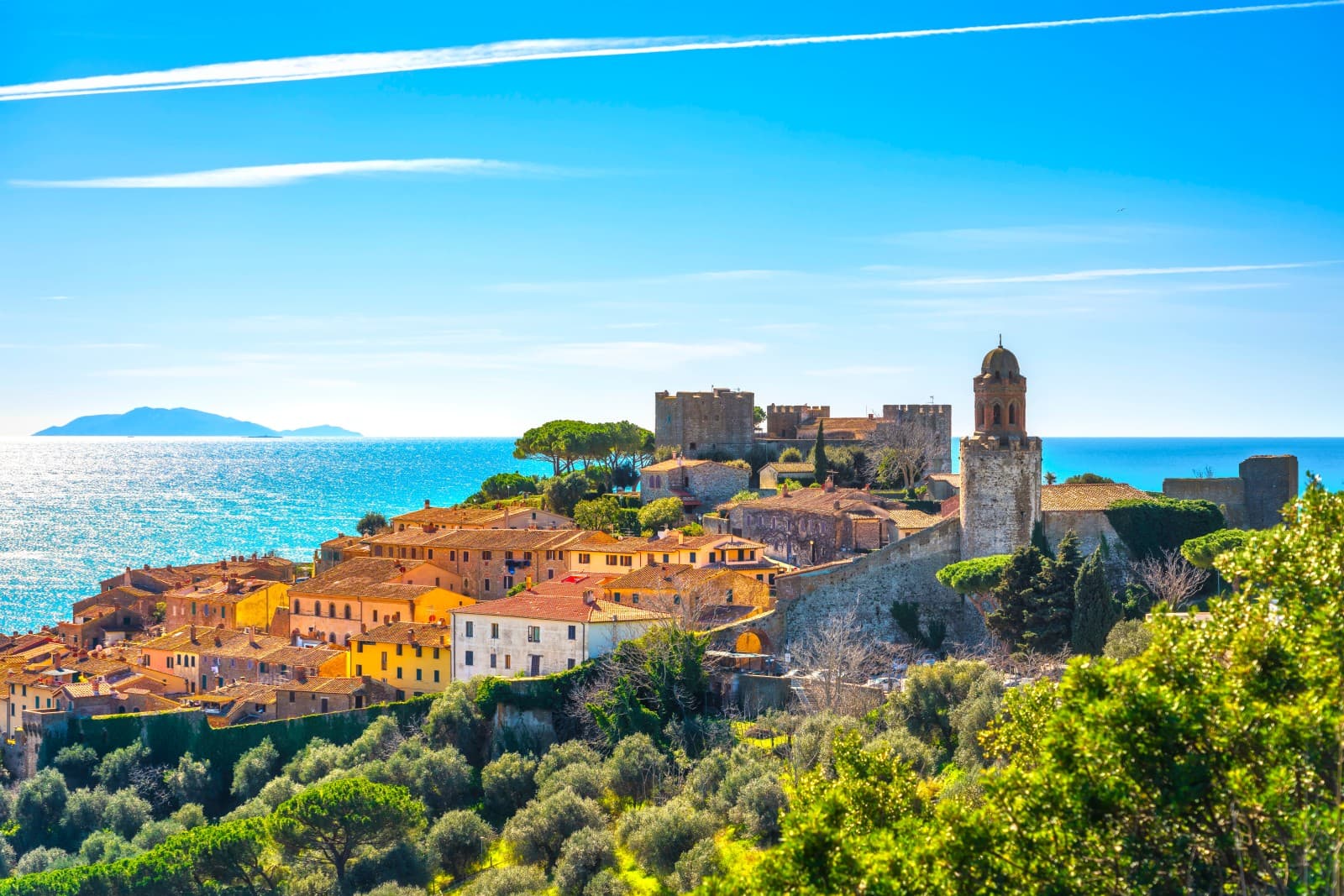
A Maremma seaside town under an Aragonese castle, with the Vetulonia necropolis behind it, the Diaccia Botrona wetland beside it, and Italo Calvino buried on the hill.