
Designation
Terme
60 towns across 17 regions
Browse by region
Abruzzo2
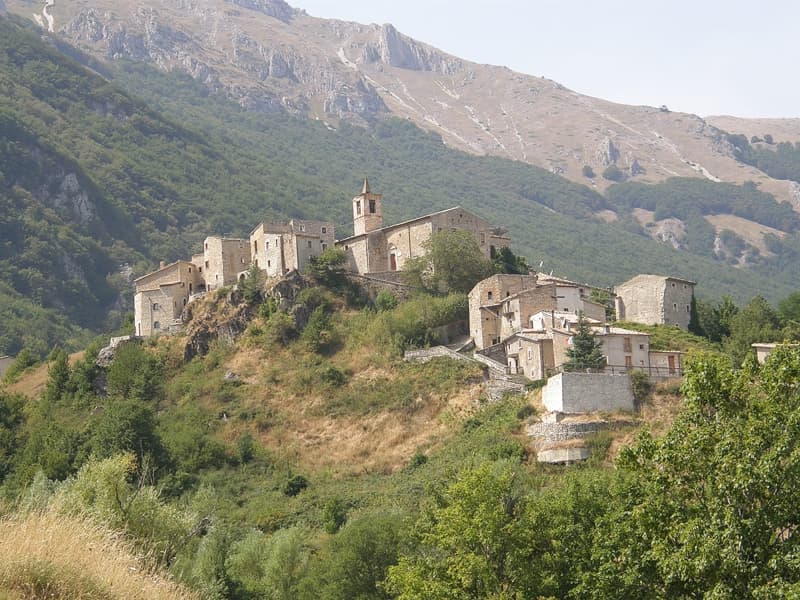
Caramanico Terme
Province: Pescara · 650 m
A 650-meter Majella spa village at the confluence of the Orfento and Orta, with sulphurous springs whose properties were documented in 1576.
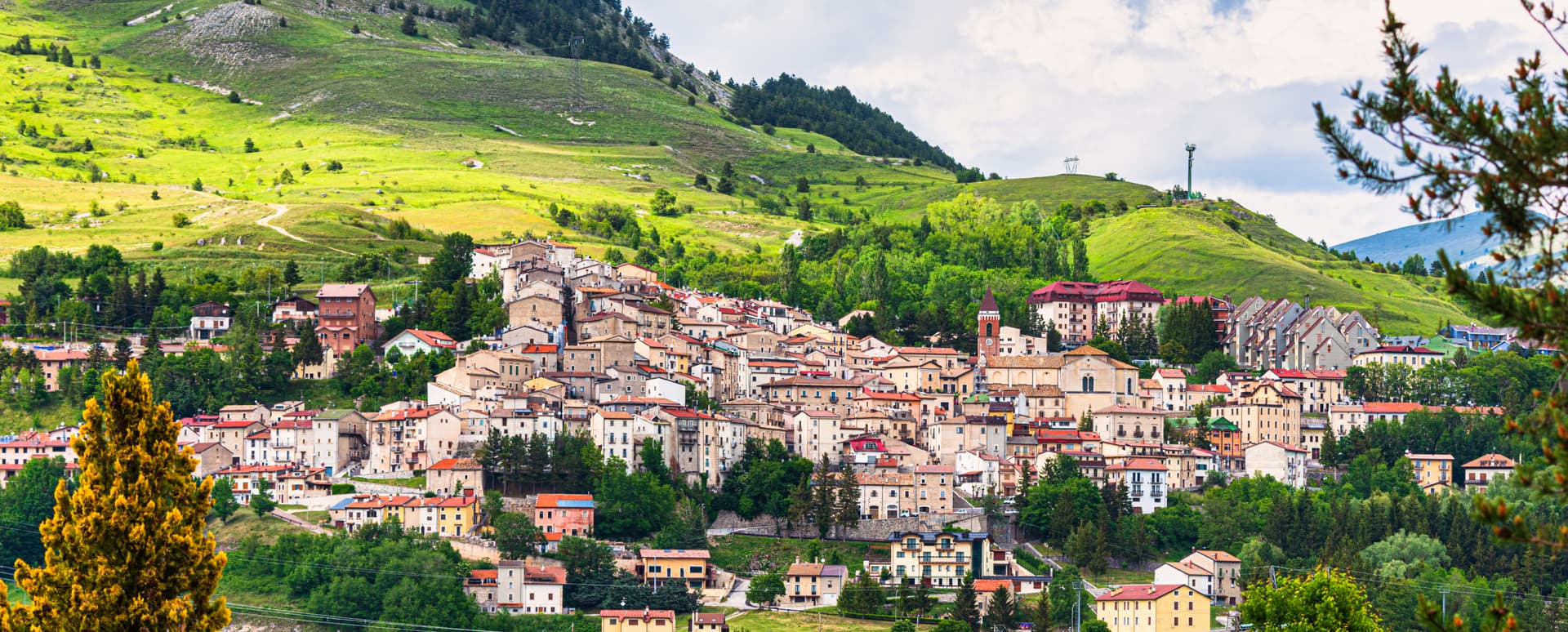
Rivisondoli
Province: L'Aquila · 1,320 m
At 1,320 meters on the Cinque Miglia plateau, paired with Roccaraso in the Alto Sangro ski domain and known for its Epiphany living nativity.
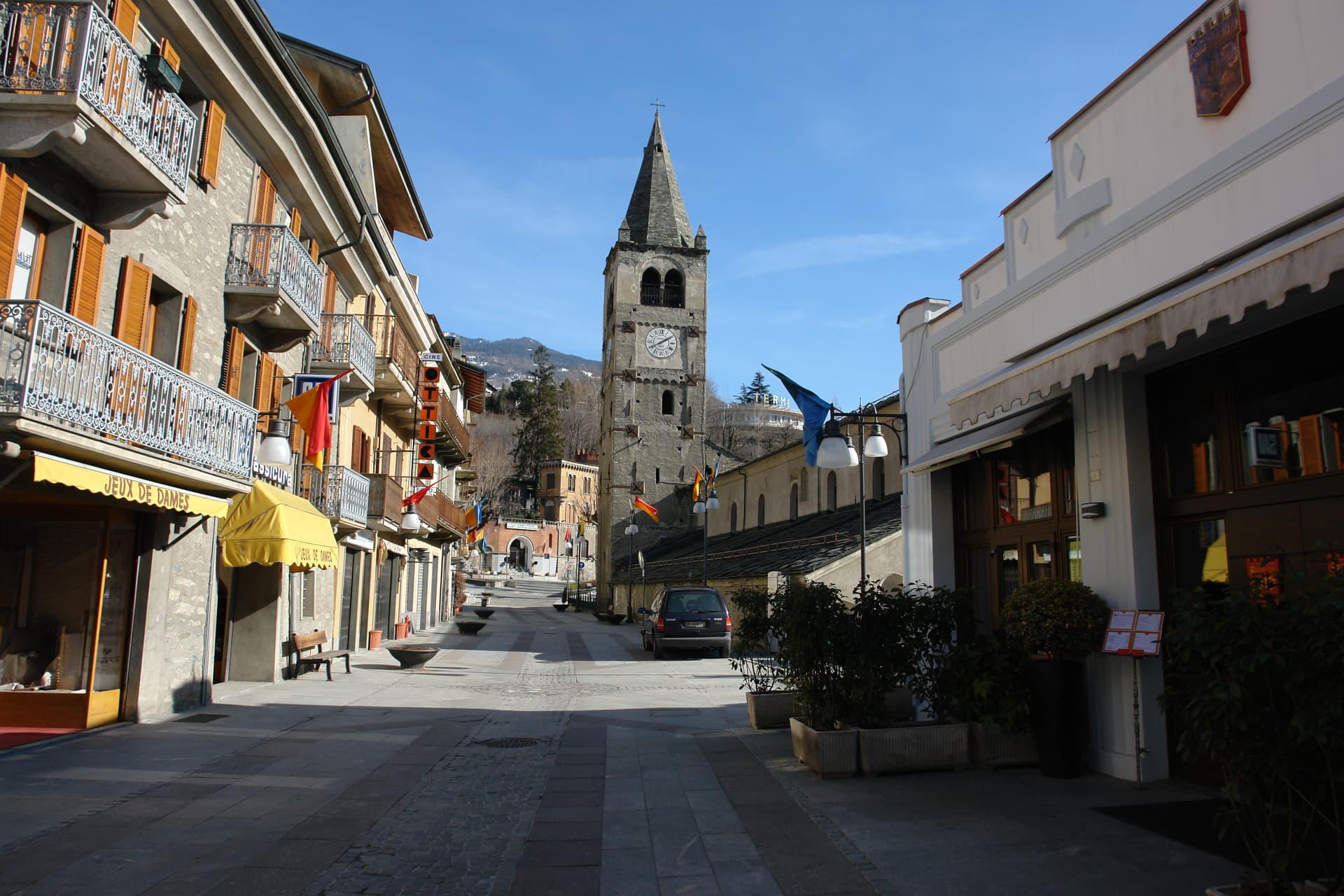
Basilicata2
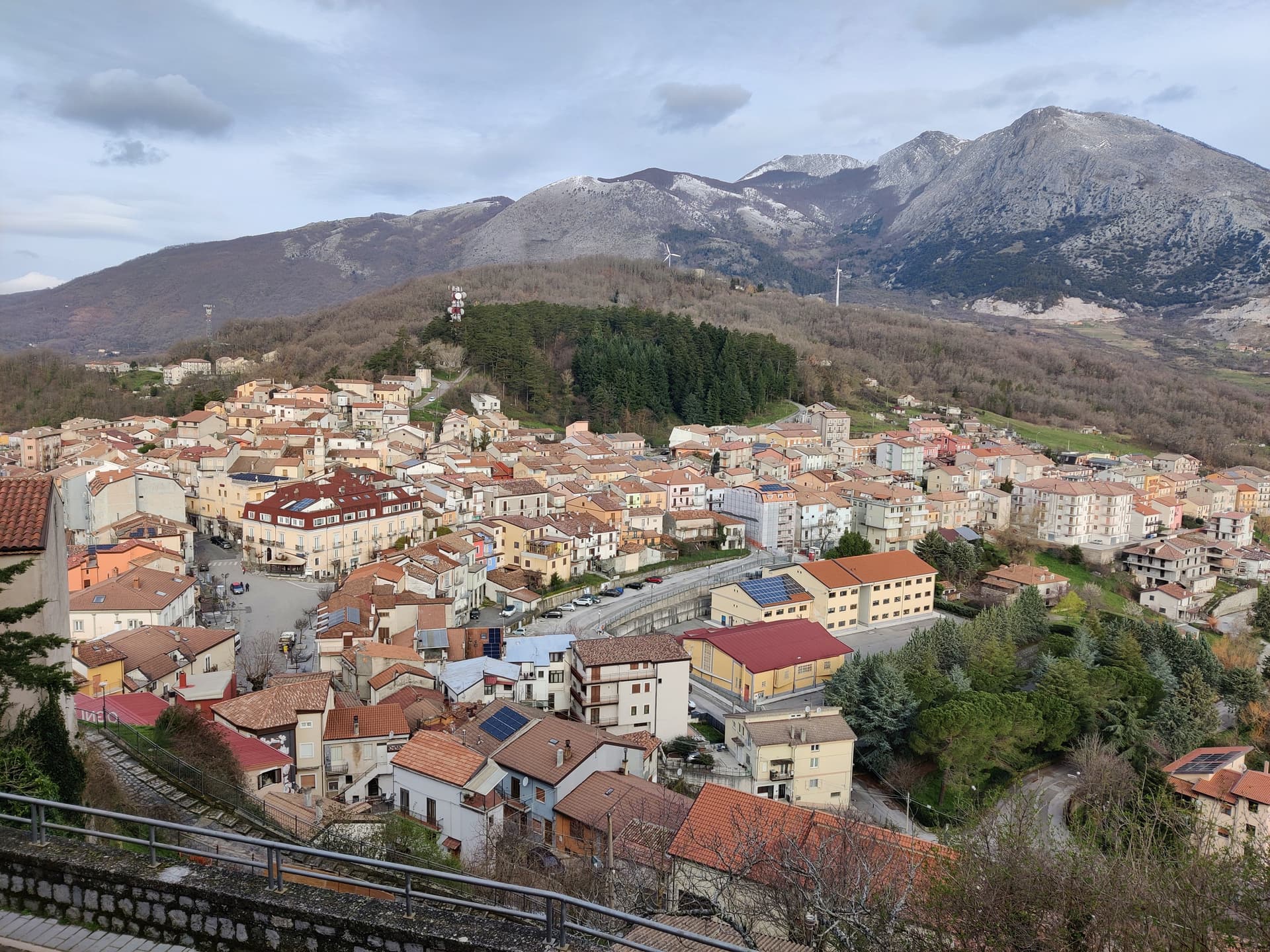
Latronico
Province: Potenza · 888 m
A mountain town at 888 meters on the northern edge of the Pollino, with two prehistoric thermal springs at the Calda hamlet below.
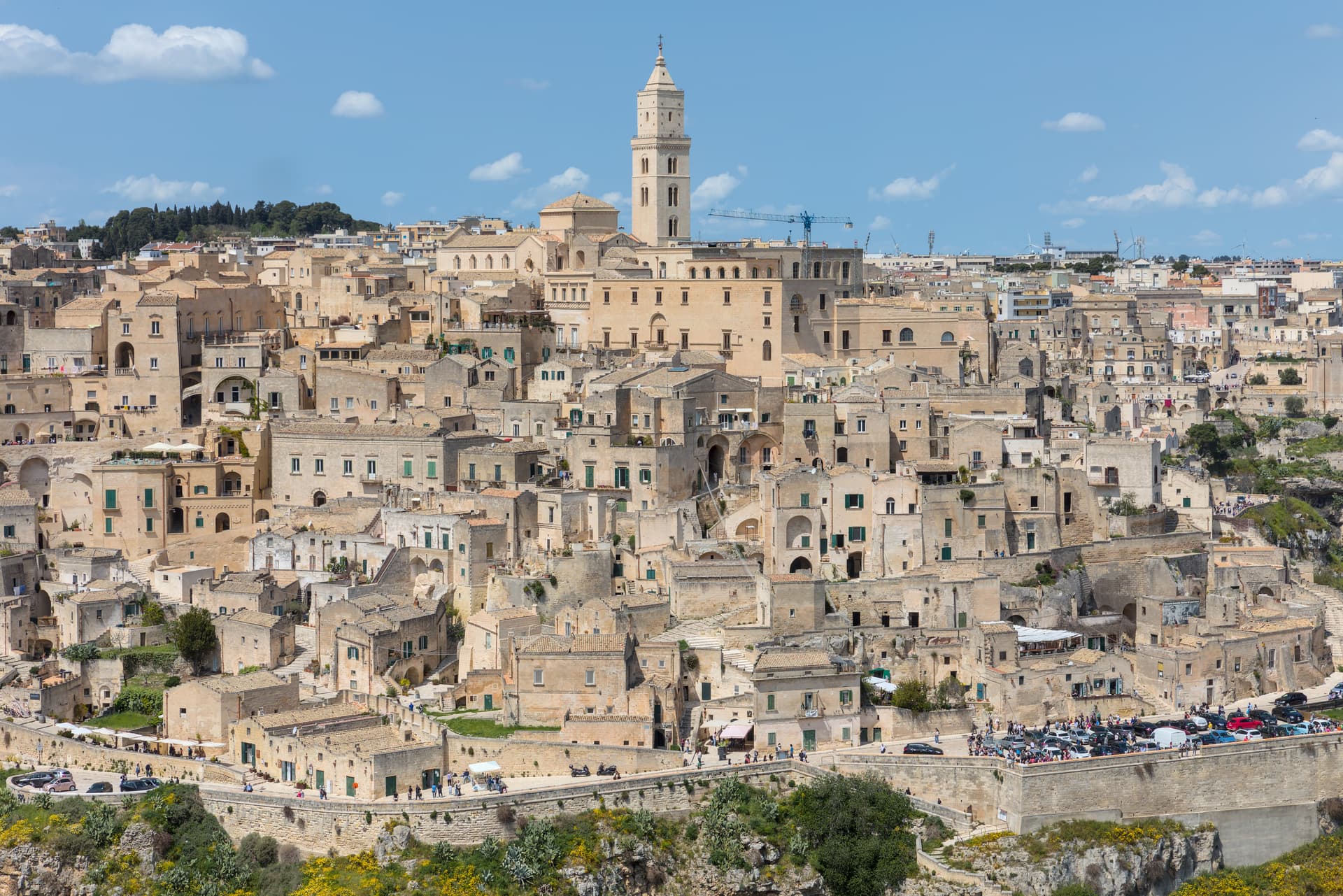
Matera
Province: Matera · 401 m
Cave dwellings carved into limestone since the Paleolithic, called the shame of Italy in the 1950s and made European Capital of Culture in 2019.
Calabria2
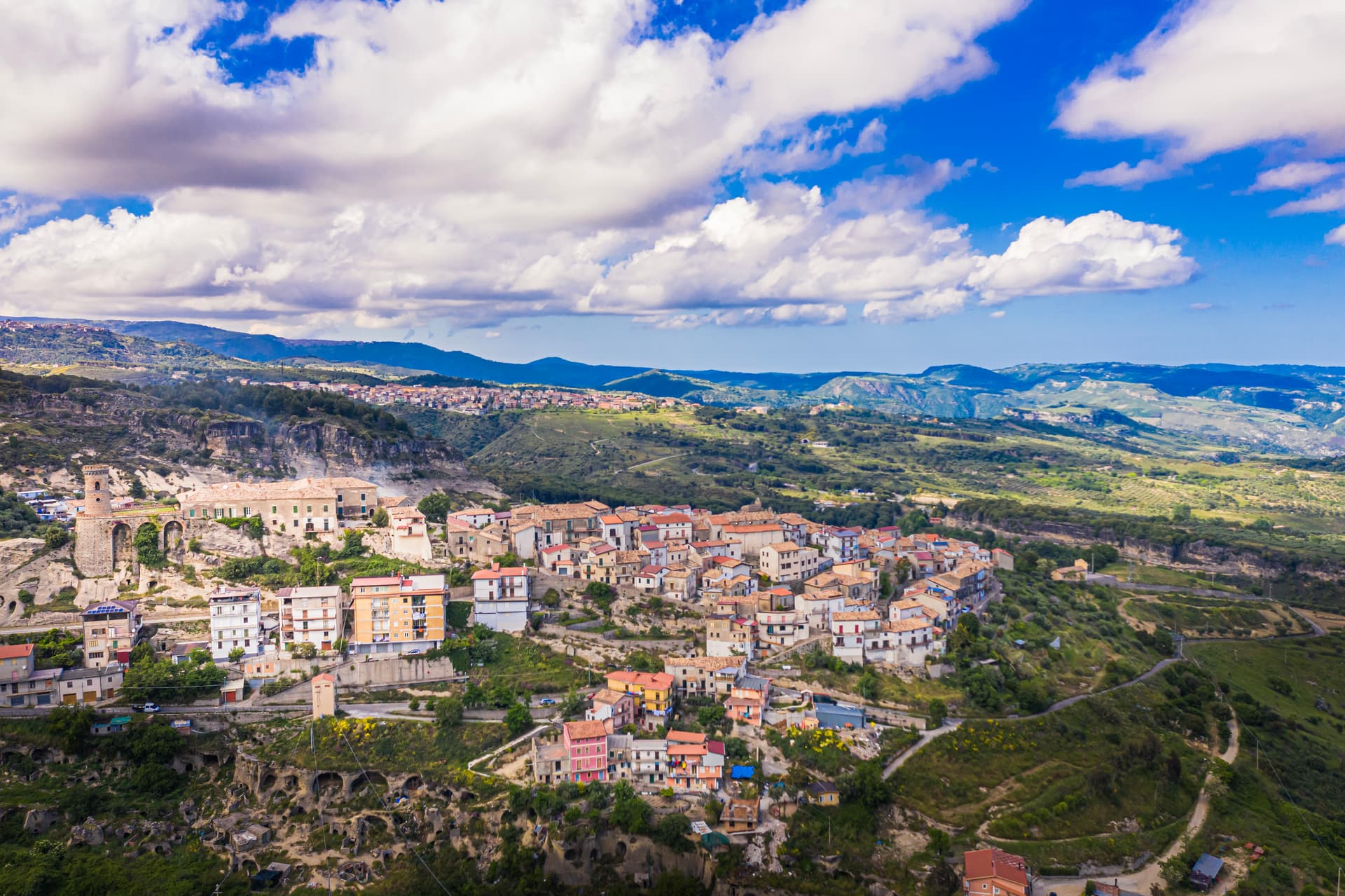
Caccuri
Province: Crotone · 646 m
A 646-meter Presila borgo dominated by a sixth-century Byzantine castle with a cylindrical tower built in 1882, birthplace of Renaissance statesman Cicco Simonetta.
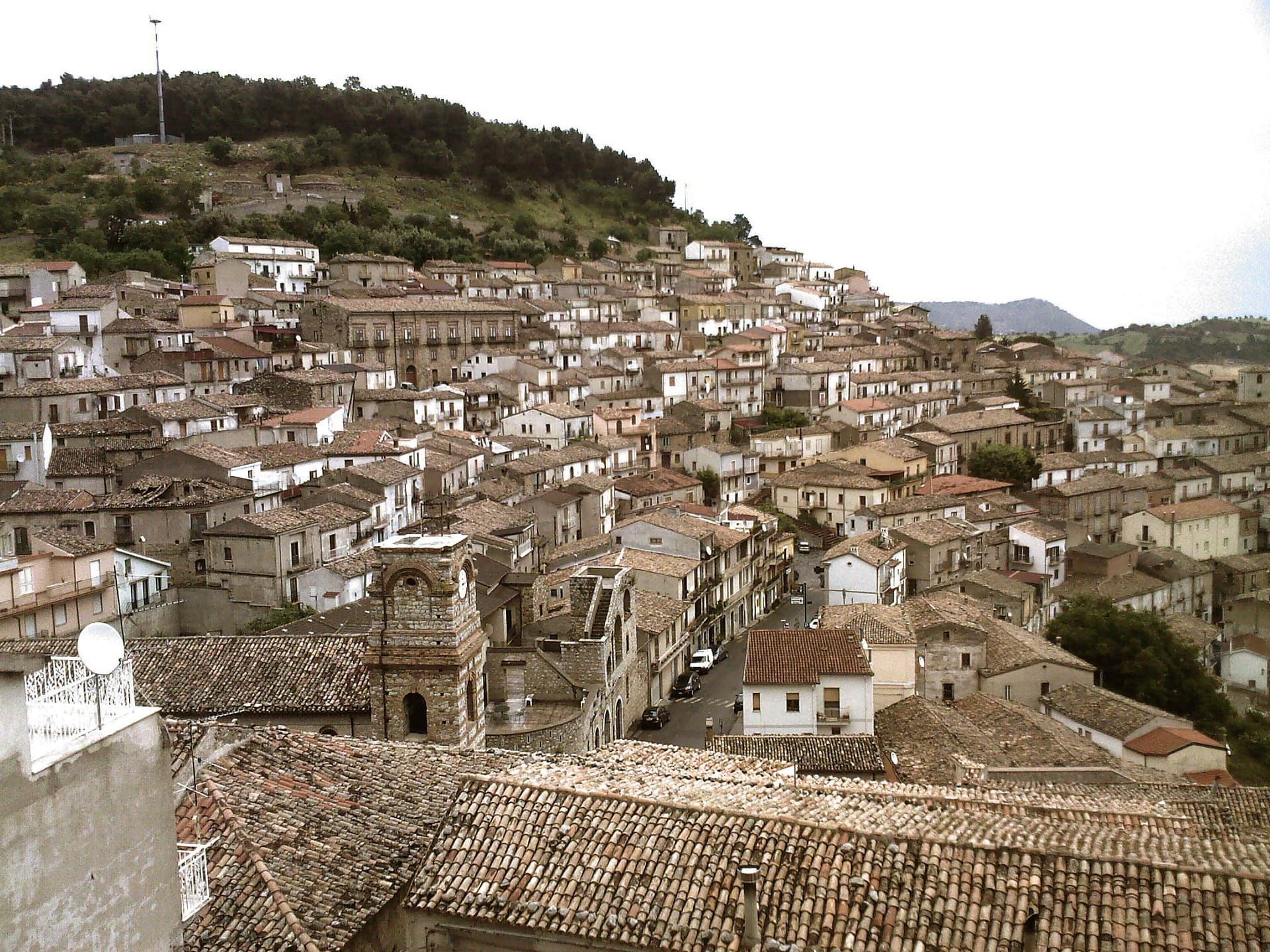
Cerchiara di Calabria
Province: Cosenza · 650 m
A Città del Pane at 650 meters under Mount Sellaro, with a rock sanctuary at 1,015 meters and a sulphurous Cave of the Nymphs feeding the thermal springs.
Campania4
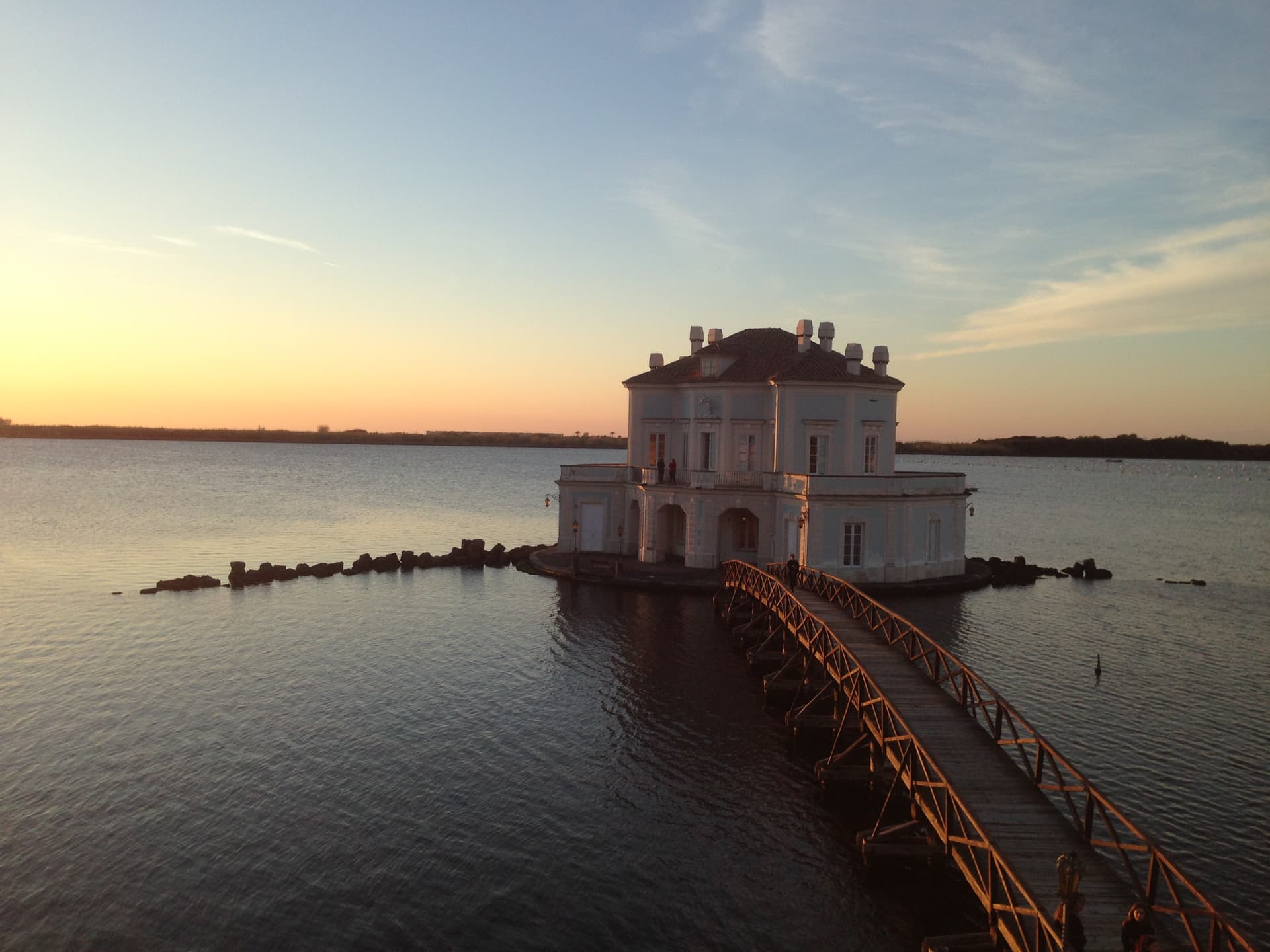
Bacoli
Province: Napoli · 30 m
A Campi Flegrei town twenty kilometers west of Napoli, the Roman Bauli, where the Piscina Mirabilis fed the imperial fleet at Miseno.
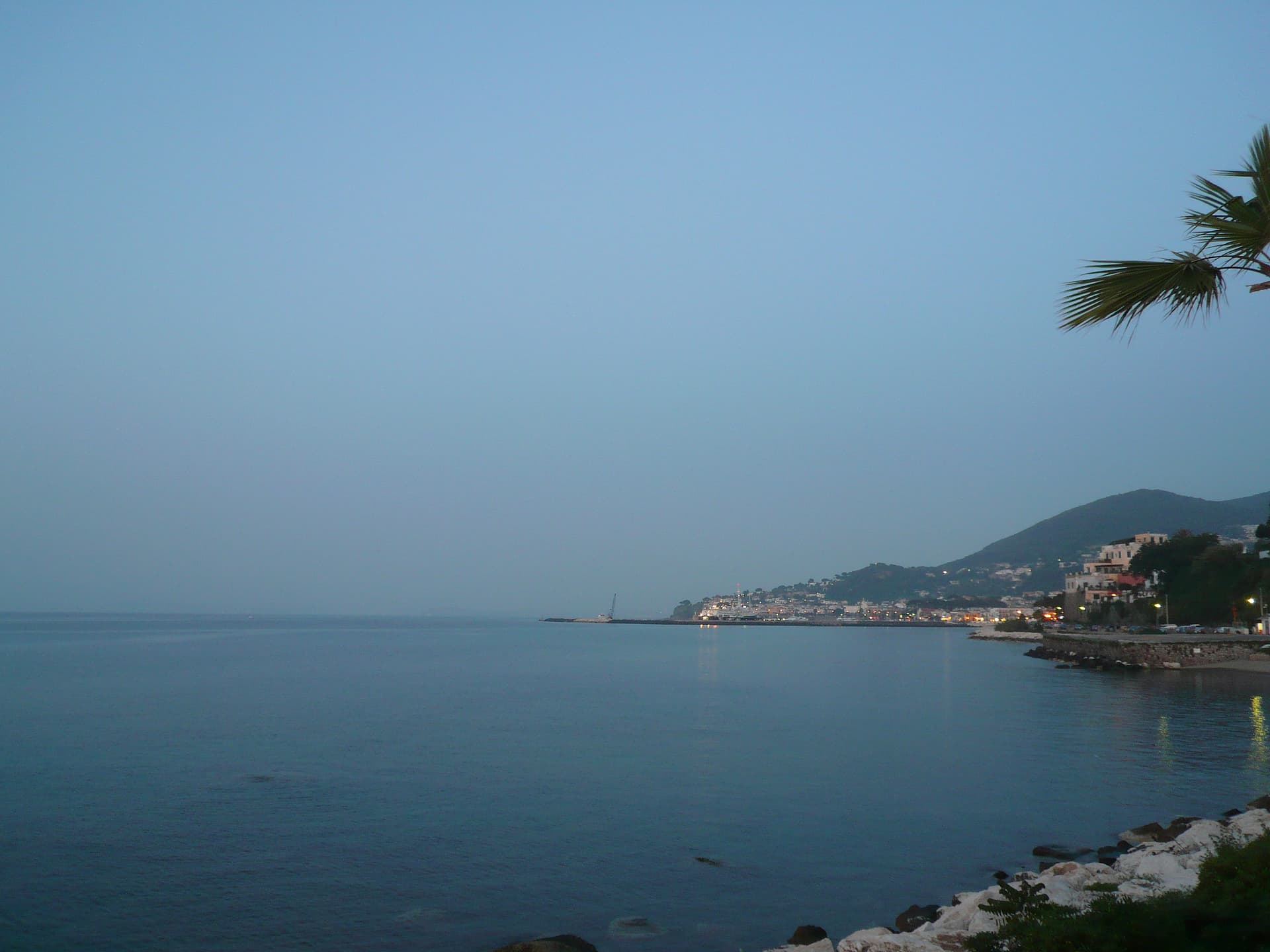
Casamicciola Terme
Province: Napoli · 81 m
Ischia's thermal town on the flank of Monte Epomeo, levelled by the 1883 earthquake and again in 2017, rebuilt on the Gurgitello springs.
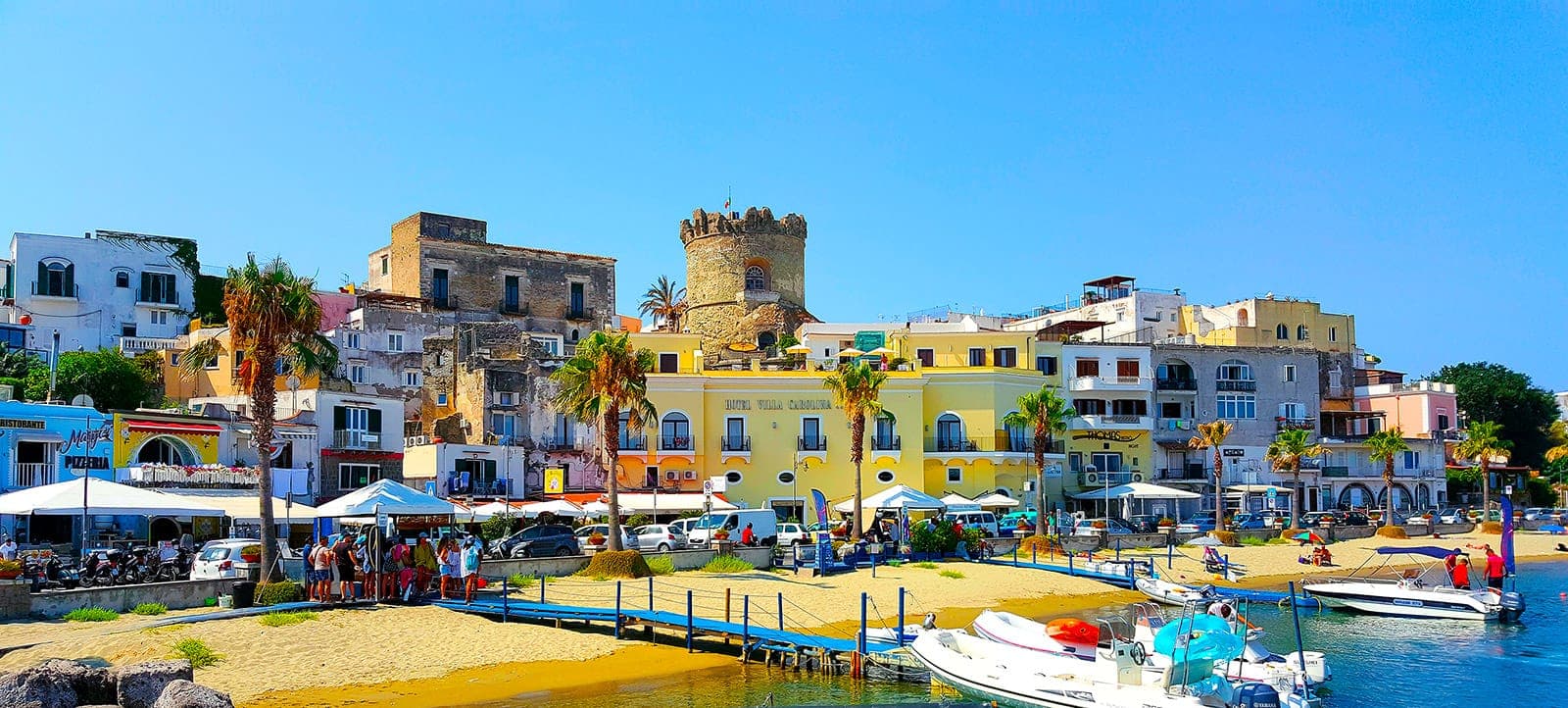
Forio
Province: Napoli · 18 m
The largest Ischia commune by area, a Tyrrhenian coastal town with the white Soccorso church on a sea promontory and the Walton gardens above.
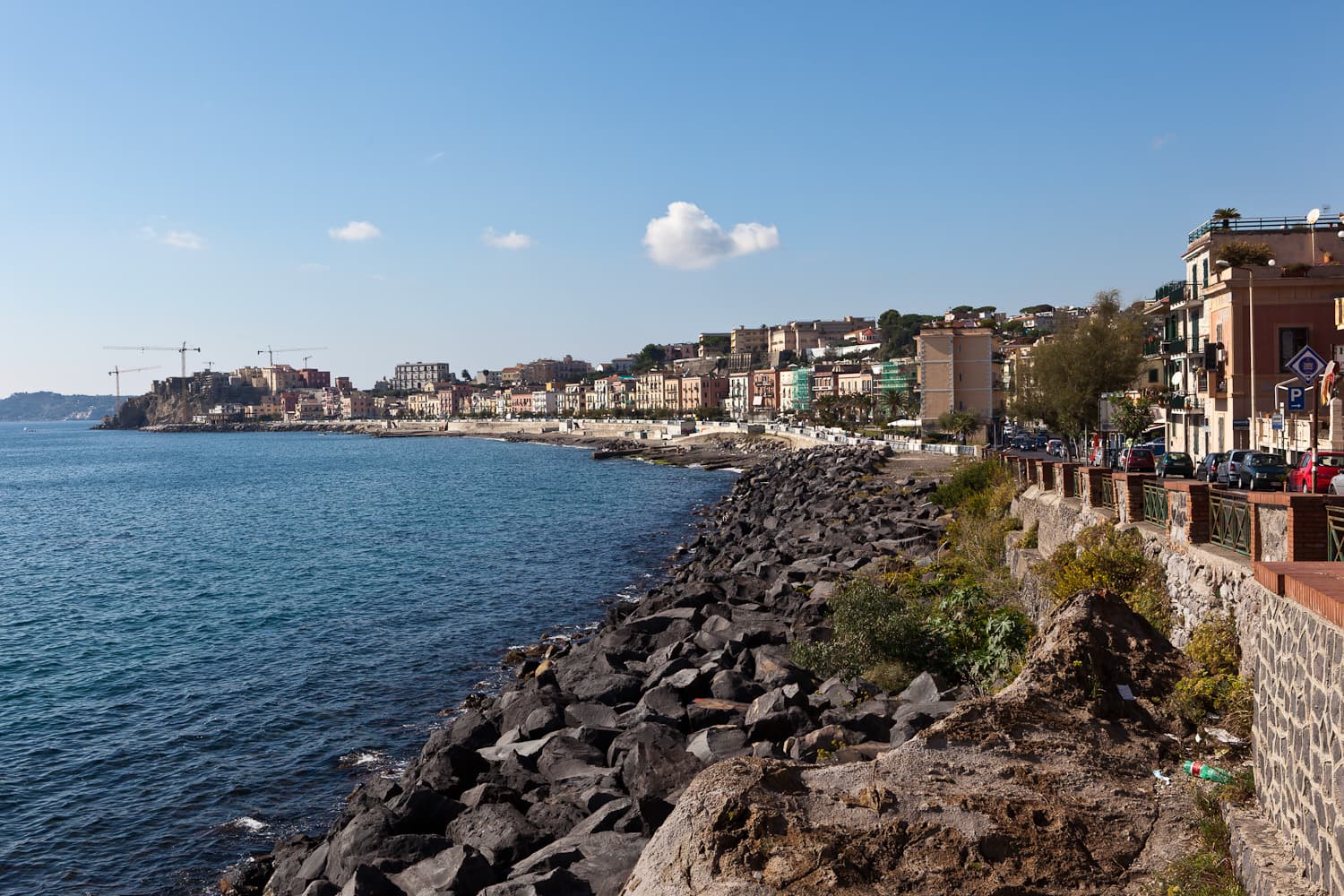
Pozzuoli
Province: Napoli · 28 m
A Roman port on the Campi Flegrei caldera, the Greek Dicearchia and Roman Puteoli, where the Macellum columns first proved bradyseism.
Emilia-Romagna7
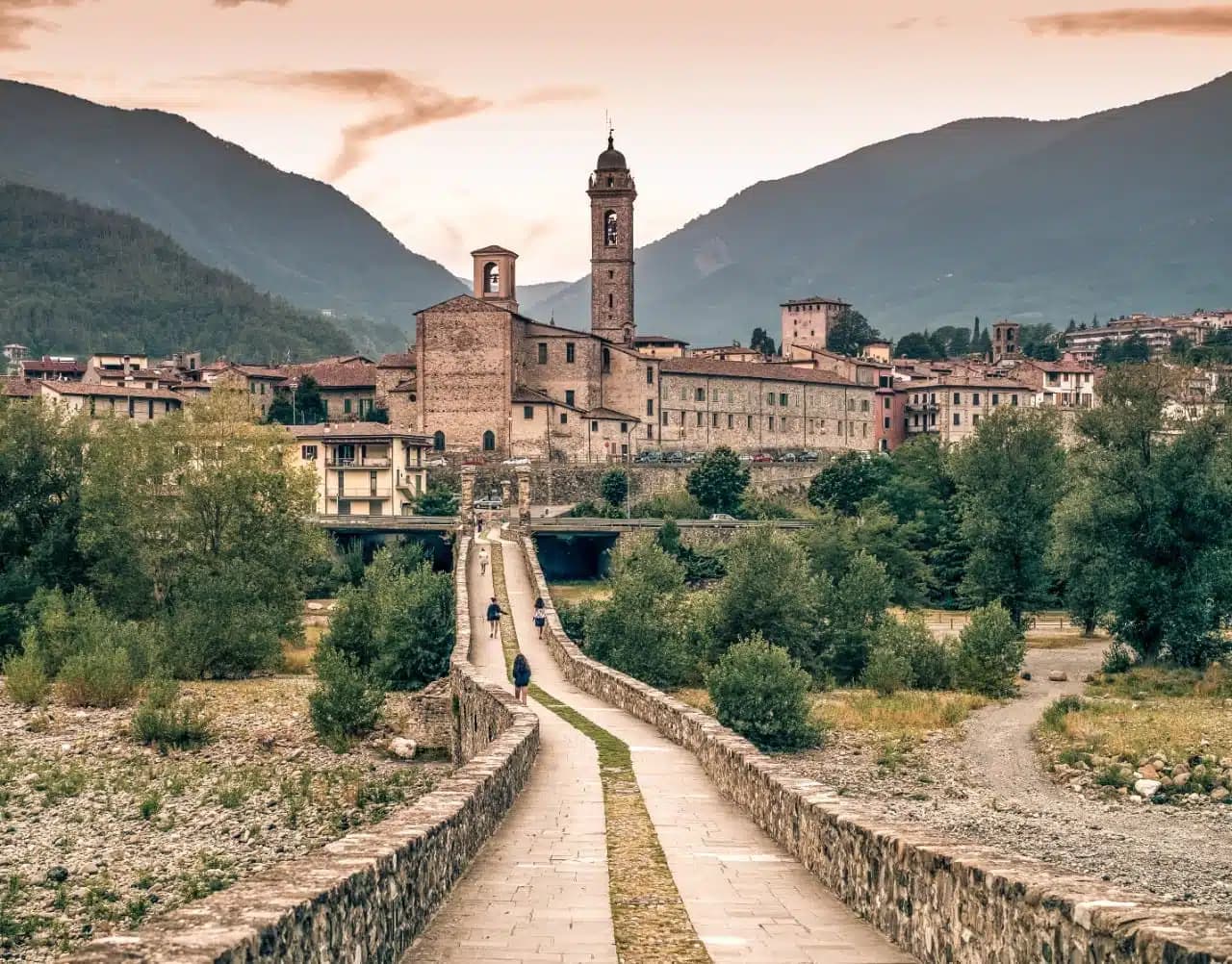
Bobbio
Province: Piacenza · 272 m
A 272-meter Trebbia-valley town built around the abbey Saint Columbanus founded in 614, named Borgo dei Borghi by RAI in 2019.
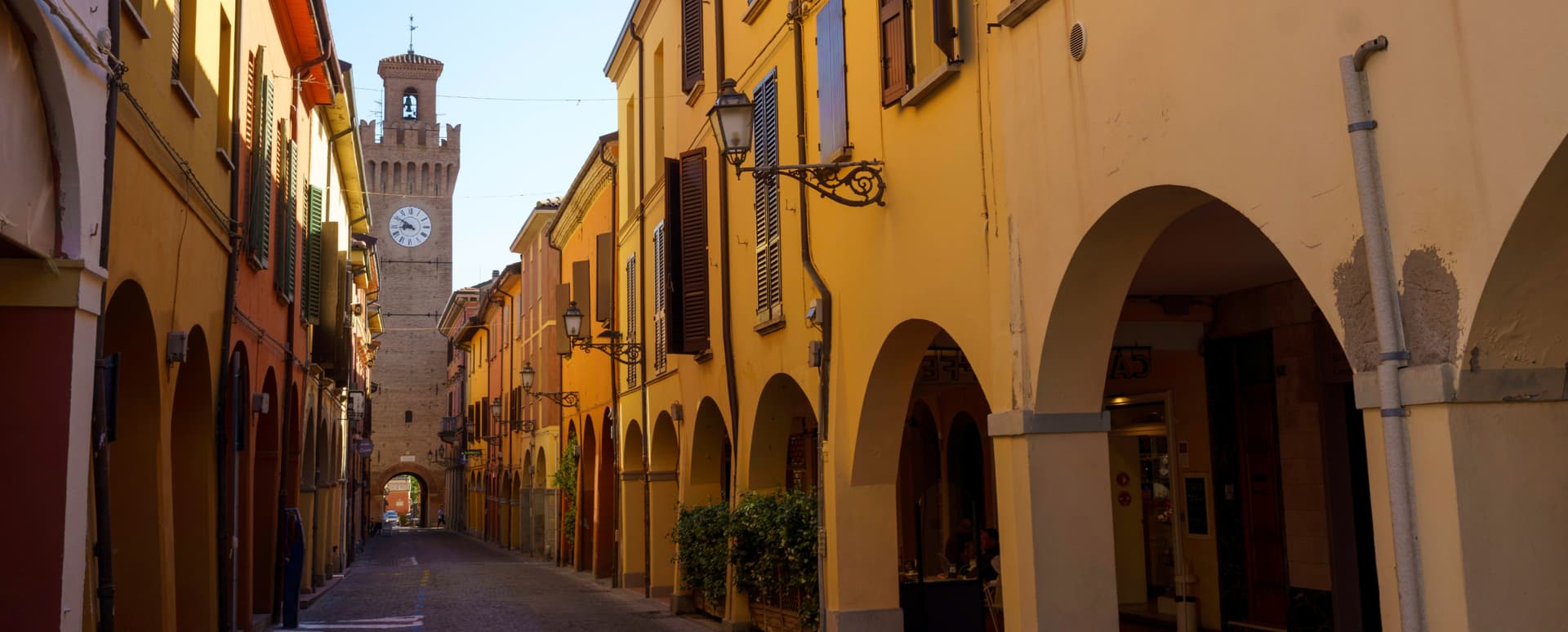
Castel San Pietro Terme
Province: Bologna · 75 m
A 75-meter thermal town on the Via Emilia east of Bologna, with sulphurous waters in use since 1137 and a 1200-built Cassero.
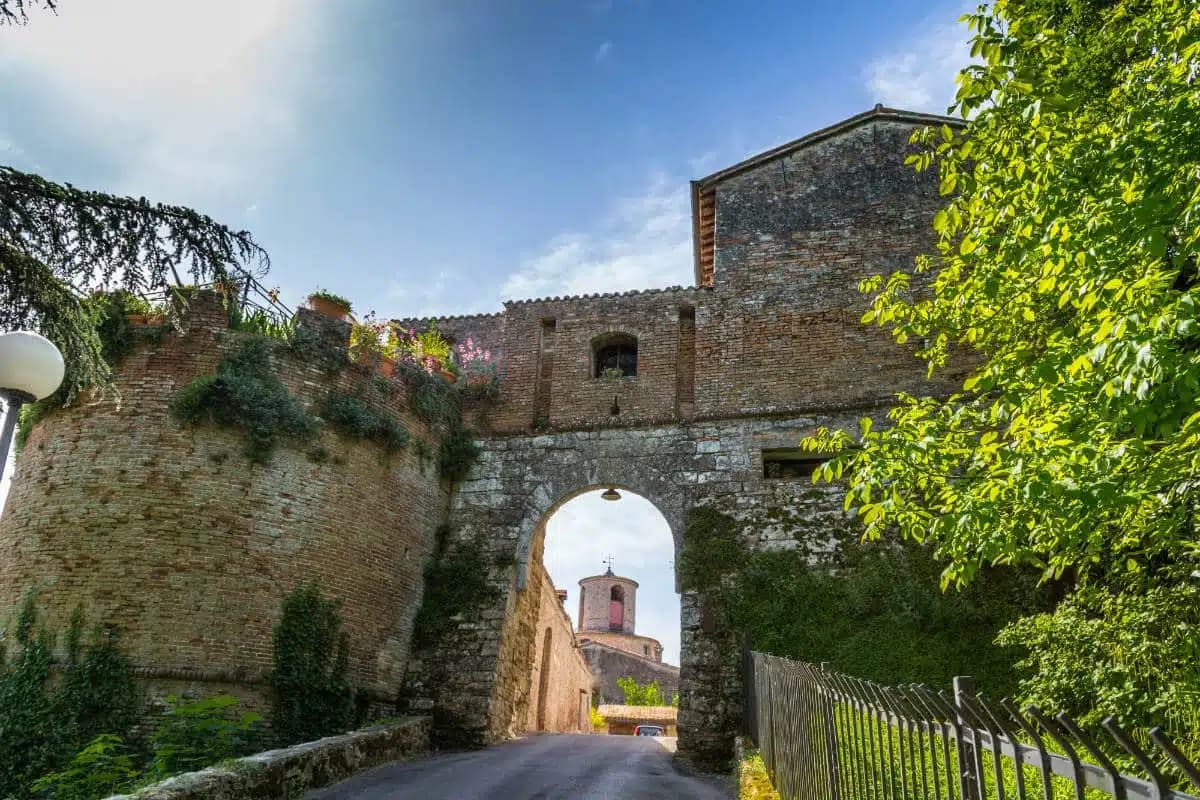
Castrocaro Terme e Terra del Sole
Province: Forlì-Cesena · 68 m
A pairing of two towns: a ninth-century fortress at Castrocaro and Cosimo I de' Medici's planned Renaissance fortress of Terra del Sole, founded 1564.
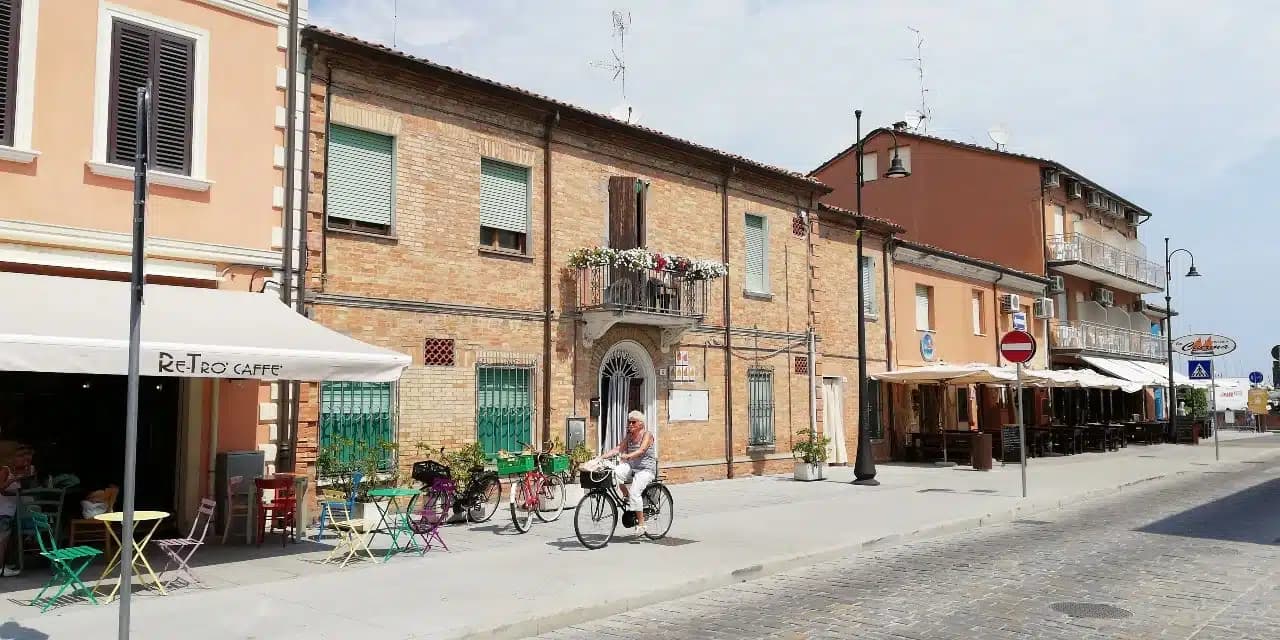
Cervia
Province: Ravenna · 2 m
The Adriatic salt town with 827 hectares of working saline, planned in 1697 around a grid of salt workers' houses.
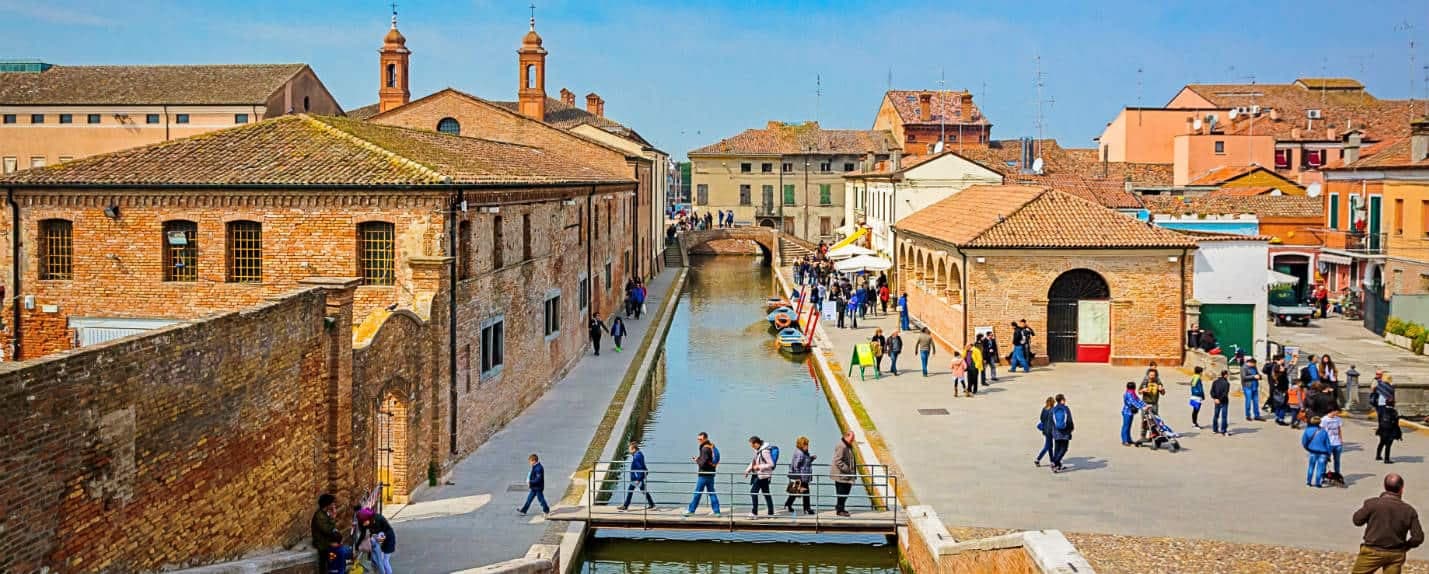
Comacchio
Province: Ferrara
A canal town on thirteen islets at the edge of the Po Delta, with brackish lagoons that hold three hundred bird species.
Imola
Province: Bologna · 47 m
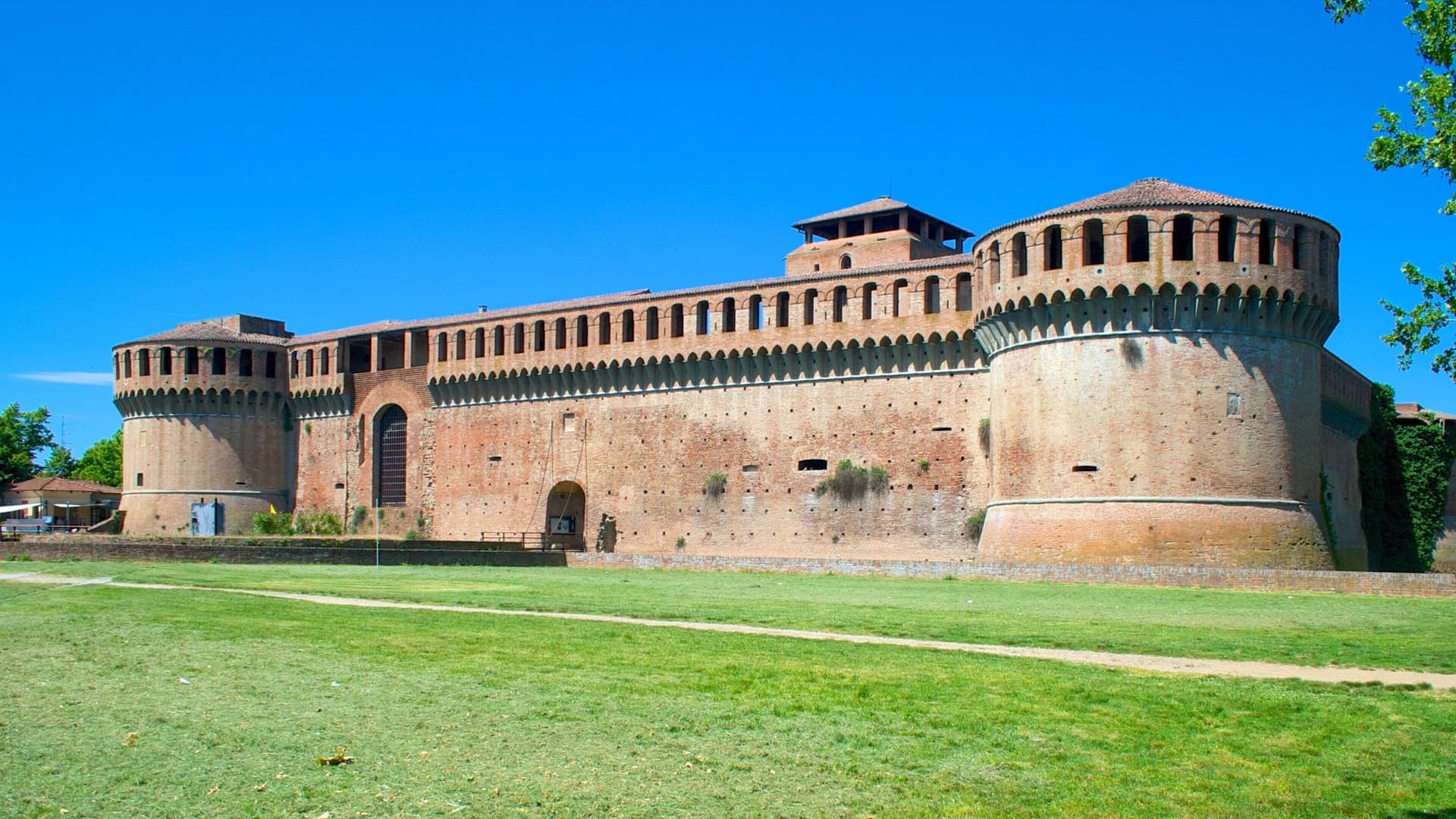
Bologna's Romagna twin — a medieval brick centro anchored by the Caterina Sforza-fortified Rocca, with the Autodromo Enzo e Dino Ferrari (the Imola F1 circuit) wrapping the Santerno river at the southern edge of town.
Montechiarugolo
Province: Parma · 130 m
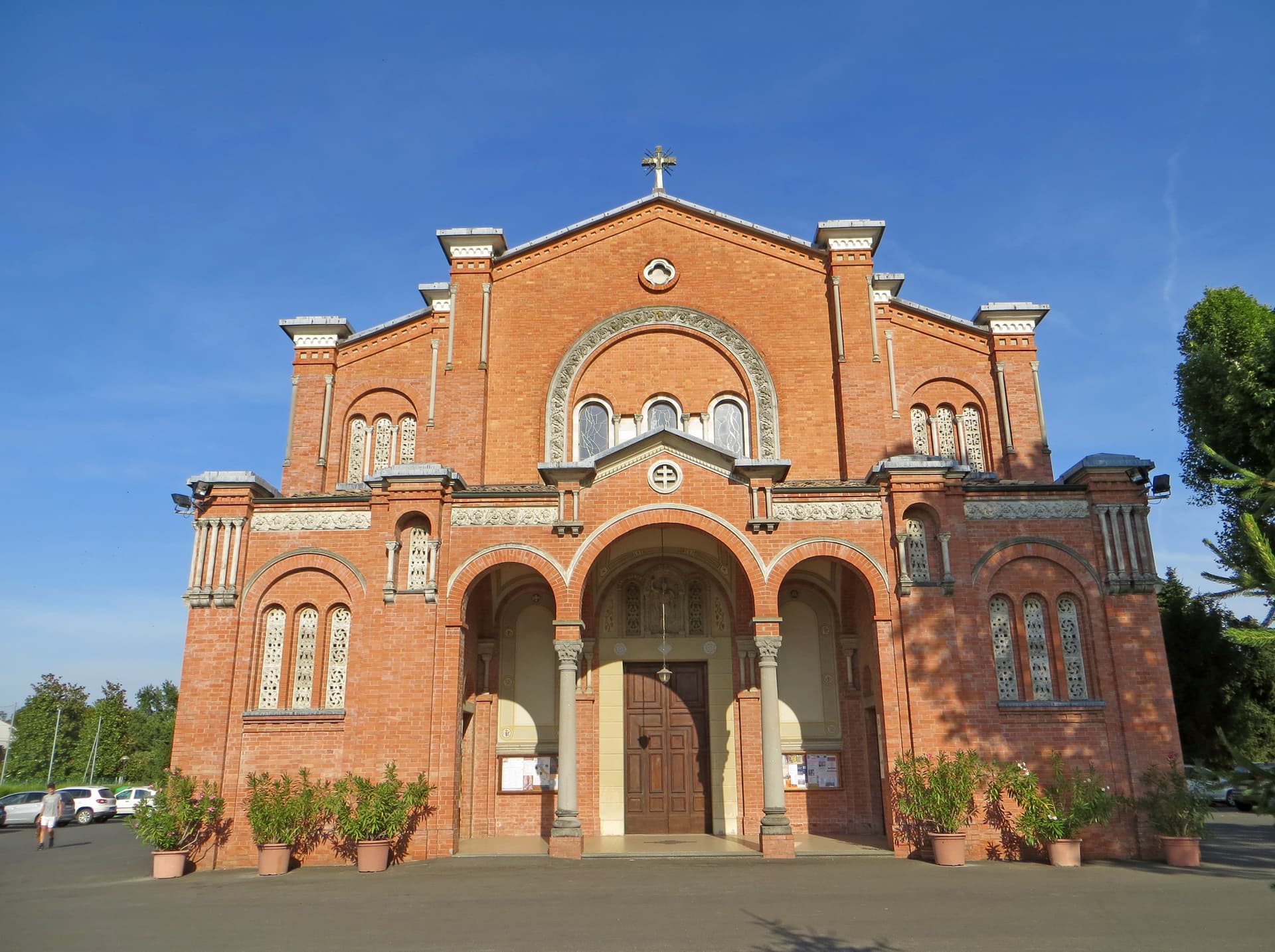
A Parmigiano-country borgo on the Enza river, built around a fourteenth-century castle that has stayed in the Marchi family since 1864.
Friuli-Venezia Giulia1
Lazio5
Canale Monterano
Province: Roma · 376 m
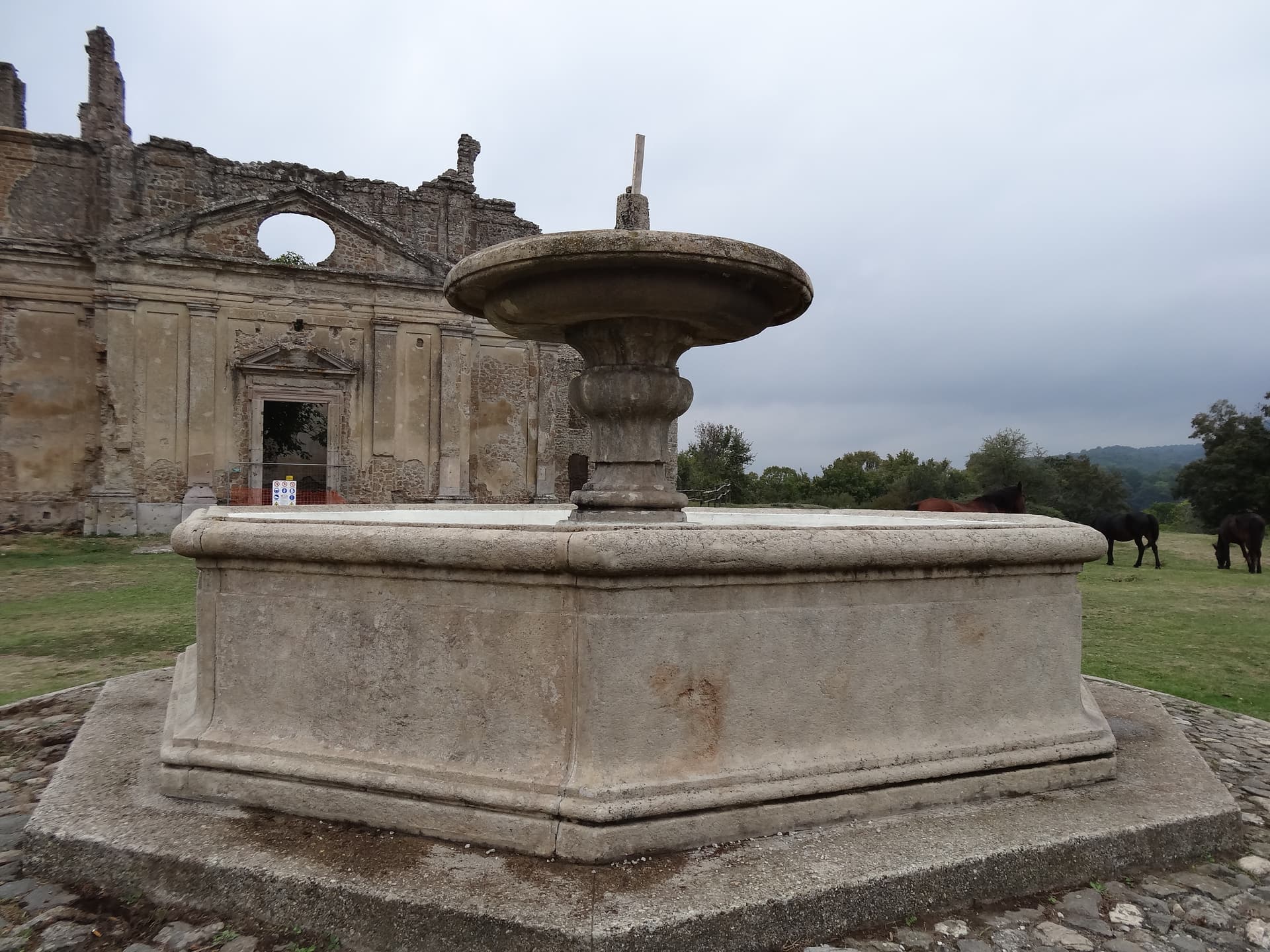
A hilltop village next to the burned ghost town of Monterano, where Bernini's San Bonaventura and the Baroque fountain stand roofless.
Fiuggi
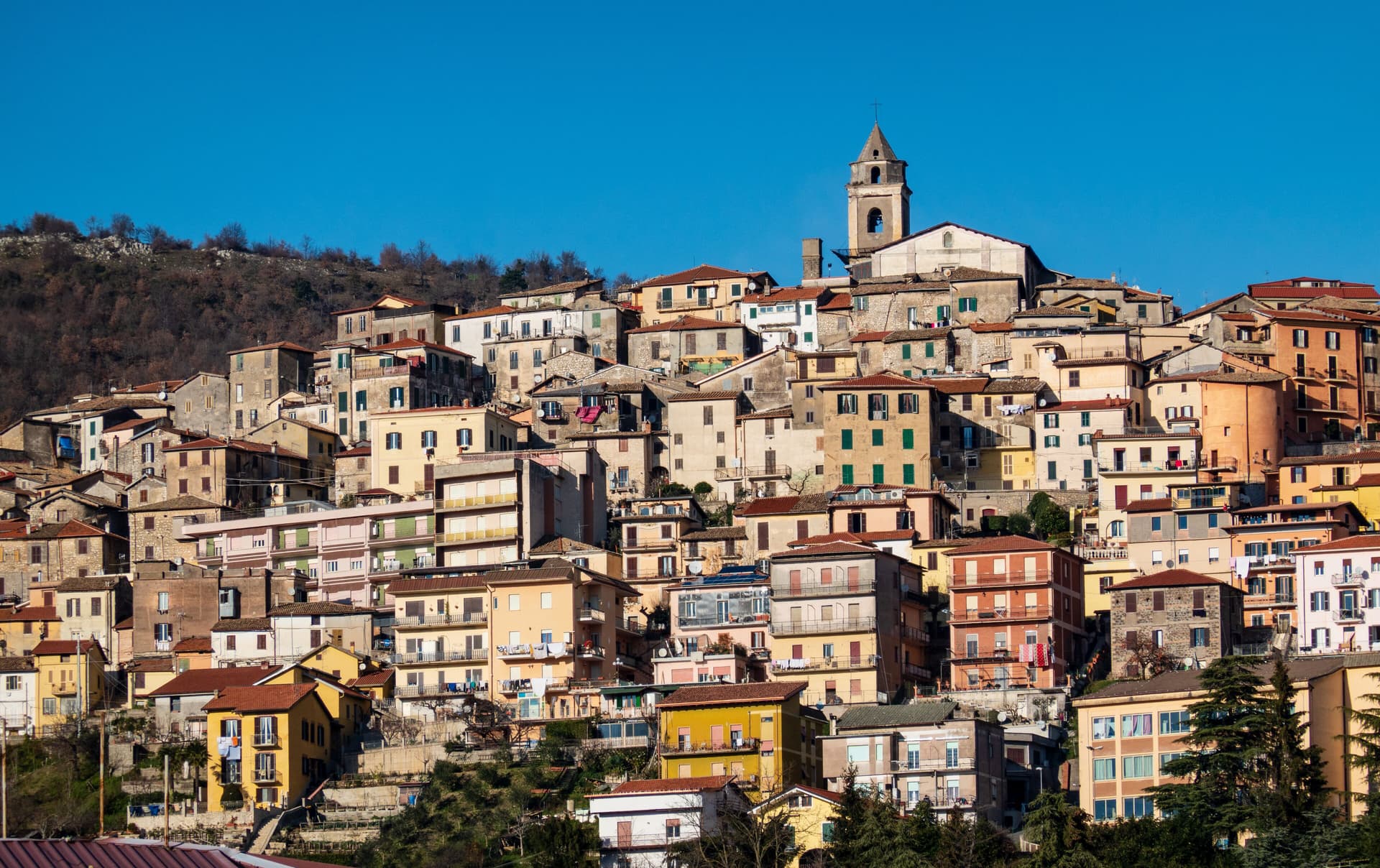
Province: Frosinone · 747 m
The Ernici-mountain thermal town where Boniface VIII and Michelangelo both came to dissolve kidney stones with the oligomineral spring water.
Oriolo Romano
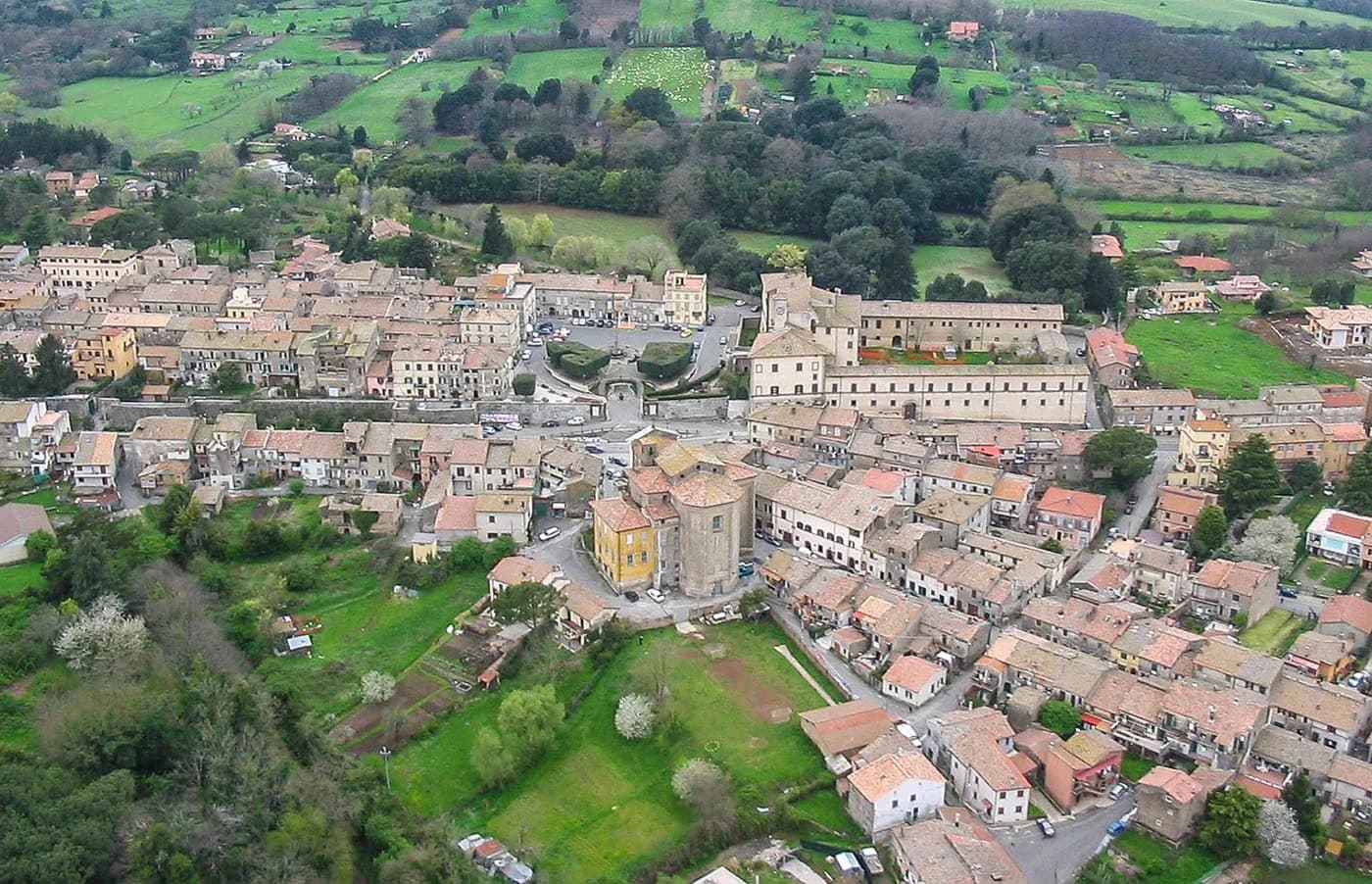
Province: Viterbo · 420 m
A planned sixteenth-century village in the Sabatini hills, founded in 1560 by a Santacroce nobleman next to the UNESCO beech forest of Monte Raschio.
Tivoli
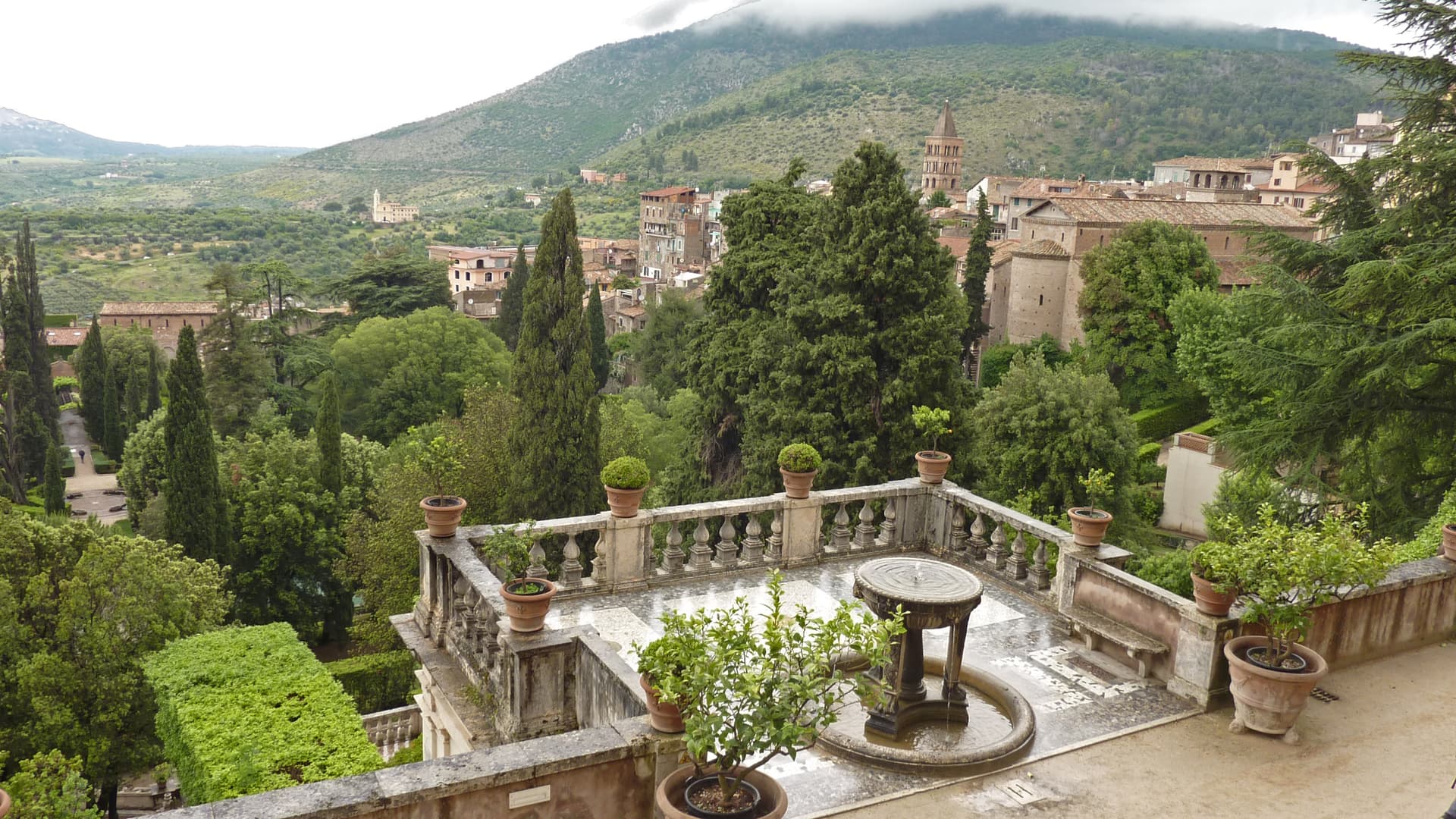
Province: Roma · 235 m
A travertine town on the Aniene falls twenty-five kilometers east of Rome, holding two separate UNESCO sites: Hadrian's villa below and the Villa d'Este above.
Viterbo
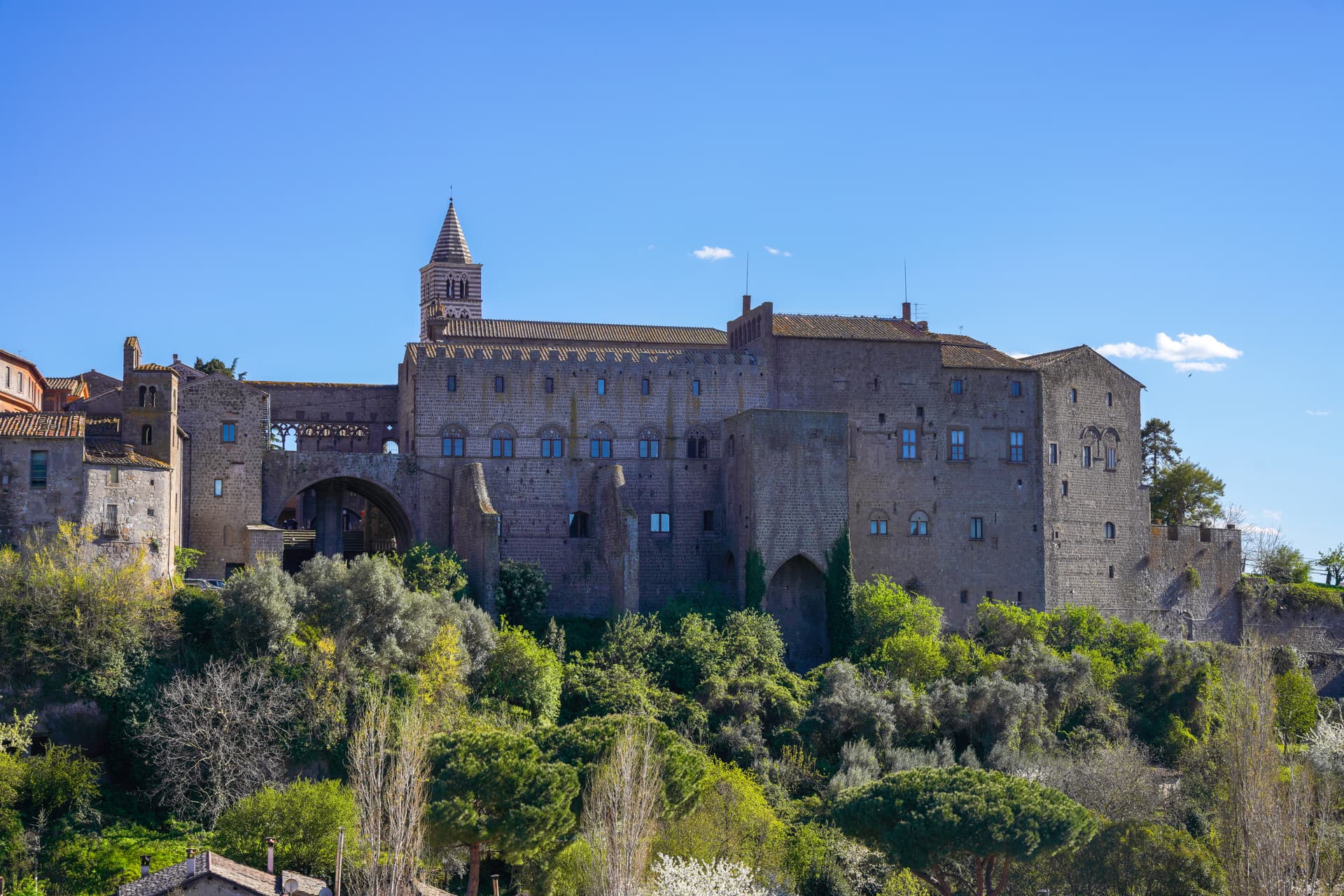
Province: Viterbo · 326 m
The medieval capital of the Tuscia, papal seat for five popes between 1257 and 1281 and home to the longest conclave in Church history.
Lombardy4
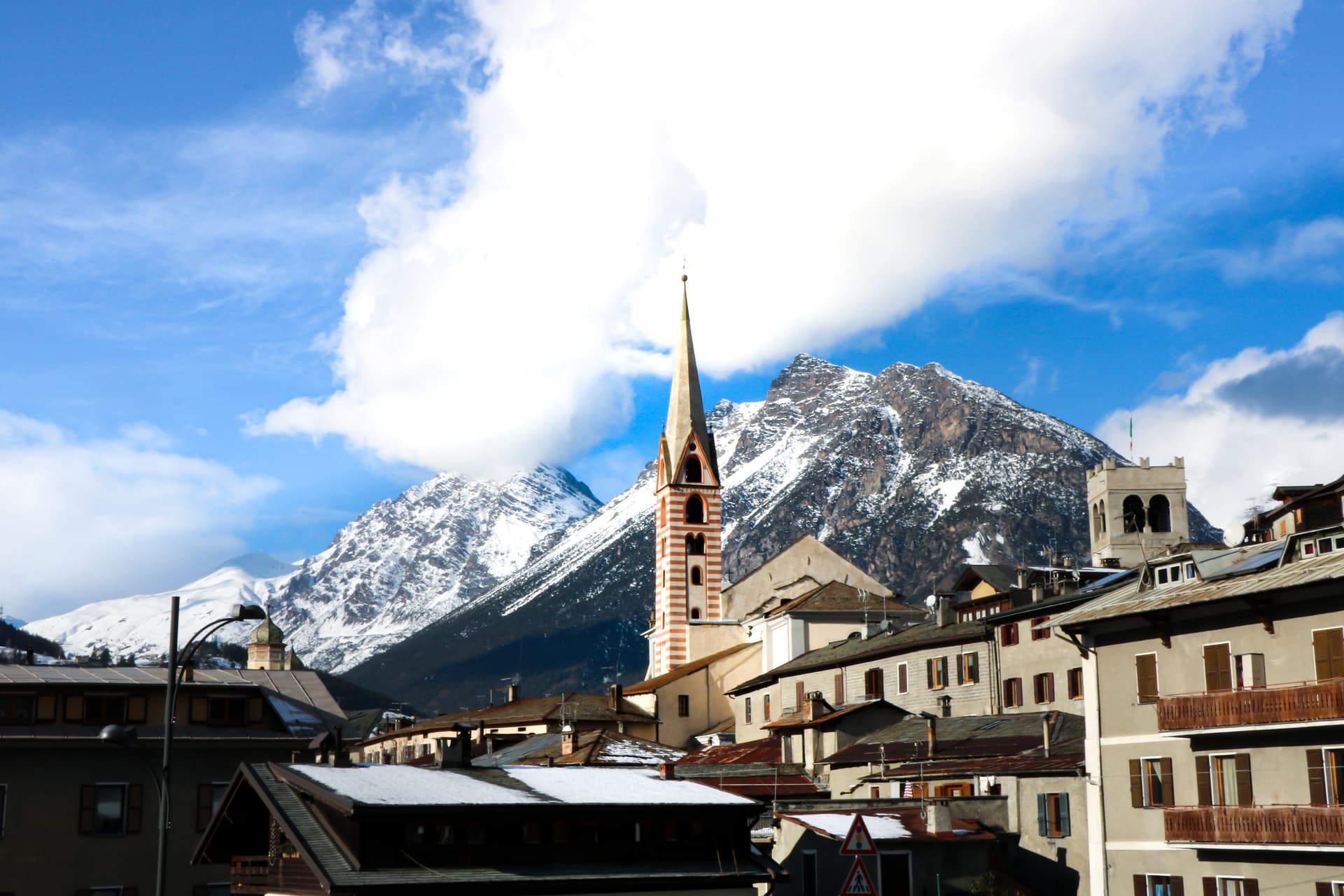
Bormio
Province: Sondrio · 1,225 m
An Alpine spa town at 1,225 meters where three high passes meet and Roman thermal water has fed the baths for two thousand years.
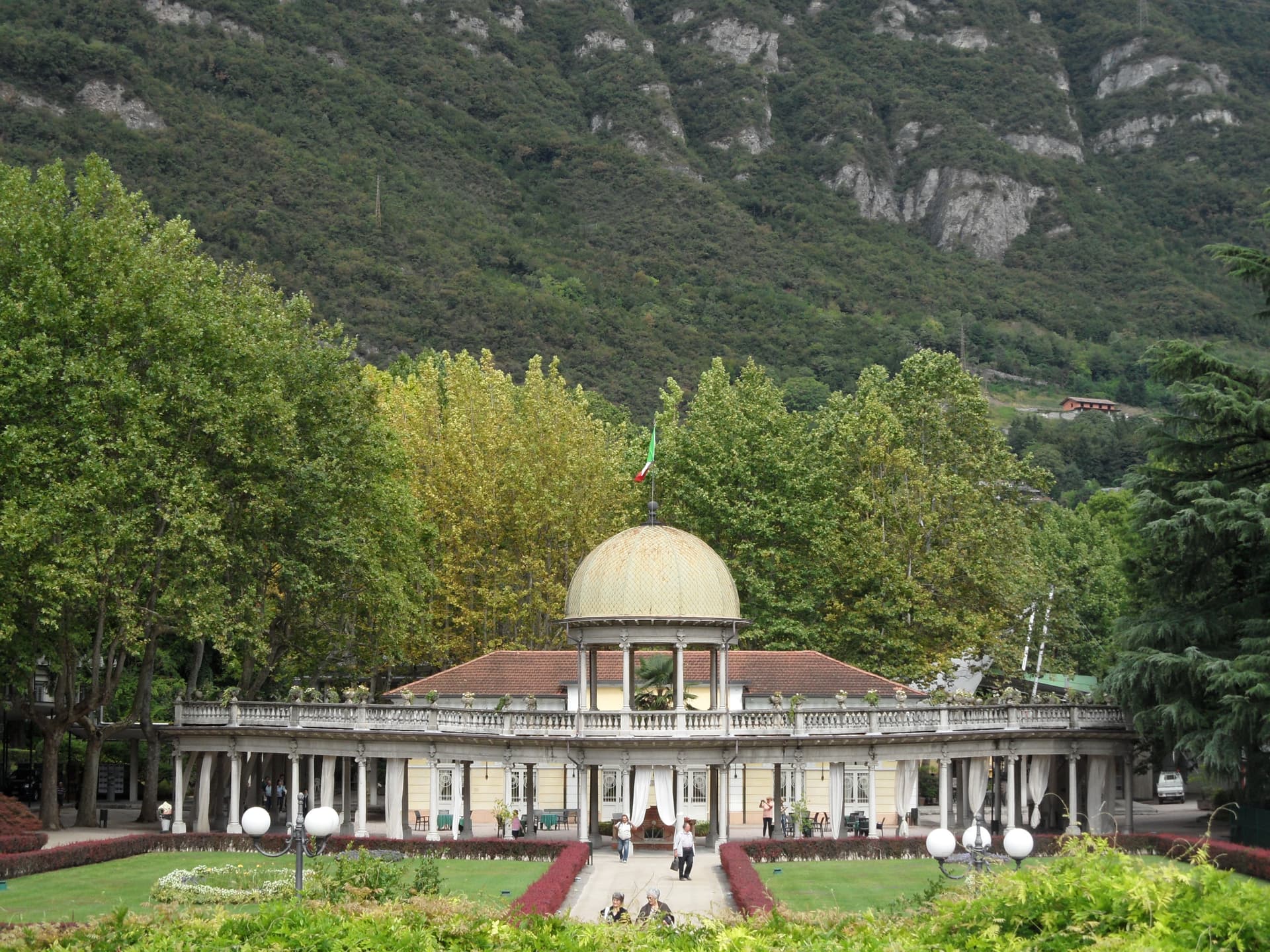
Darfo Boario Terme
Province: Brescia · 218 m
At the mouth of the Valle Camonica, an Art Nouveau spa town next to one of the first UNESCO rock-engraving sites in Italy.
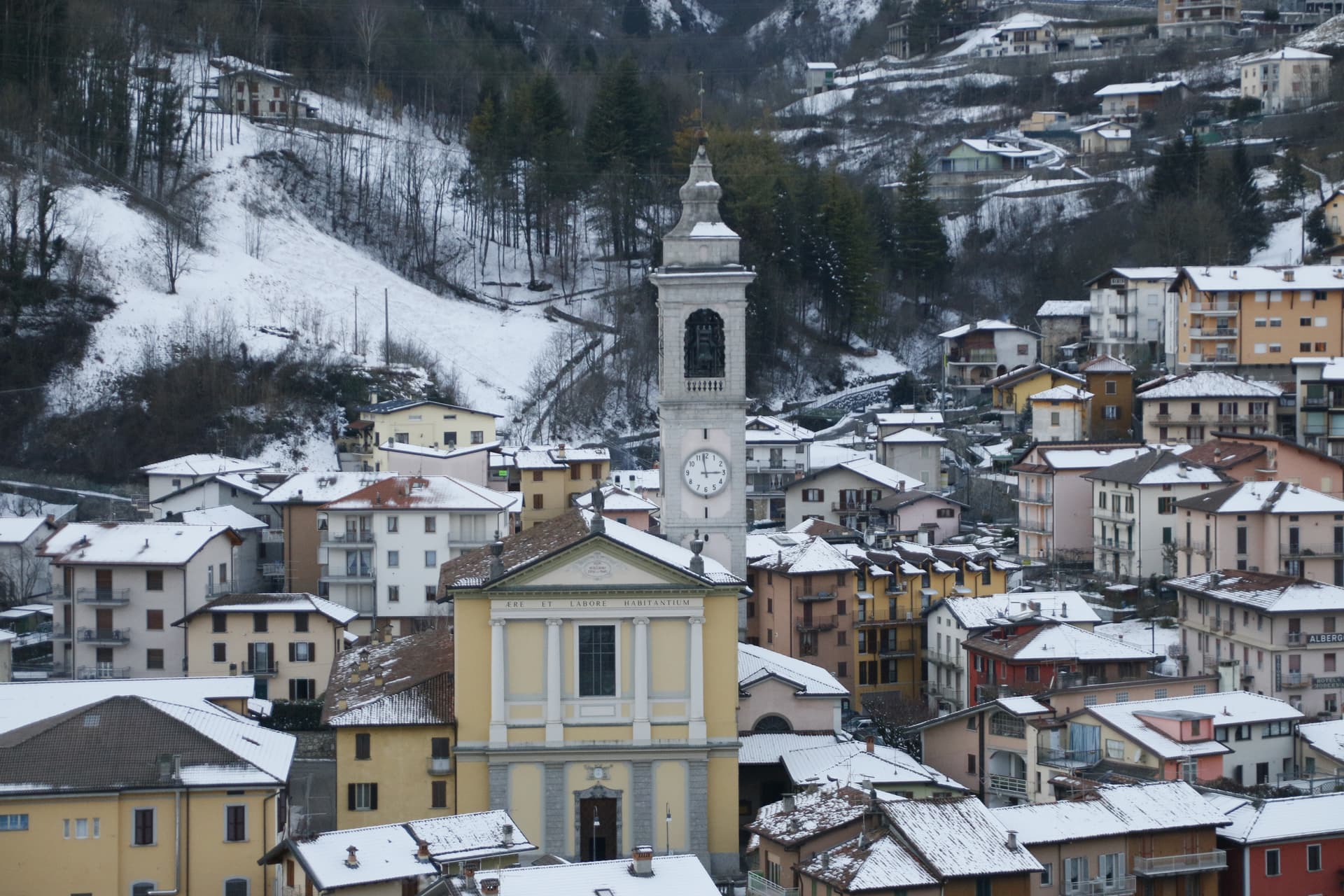
San Pellegrino Terme
Province: Bergamo · 358 m
A Liberty-era spa town in the Val Brembana — home of the San Pellegrino mineral water and a complete Art Nouveau ensemble of Grand Hotel, Casinò and thermal baths built between 1899 and 1907 around the original sulfur springs.
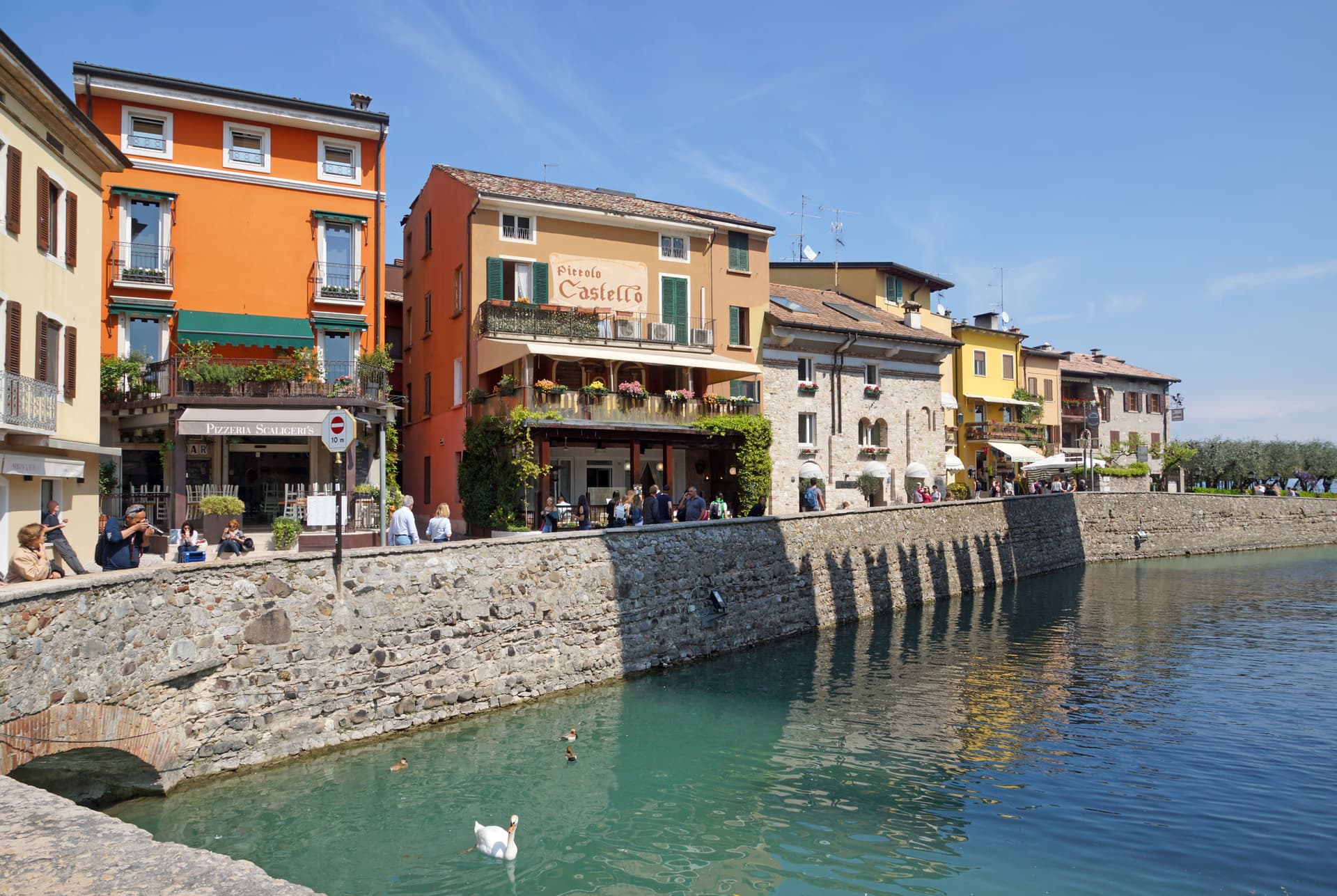
Sirmione
Province: Brescia · 91 m
A 4-kilometer peninsula reaching into the southern Garda, with the Scaliger fortified port and the Roman villa called the Grotte di Catullo at its tip.
Marche2
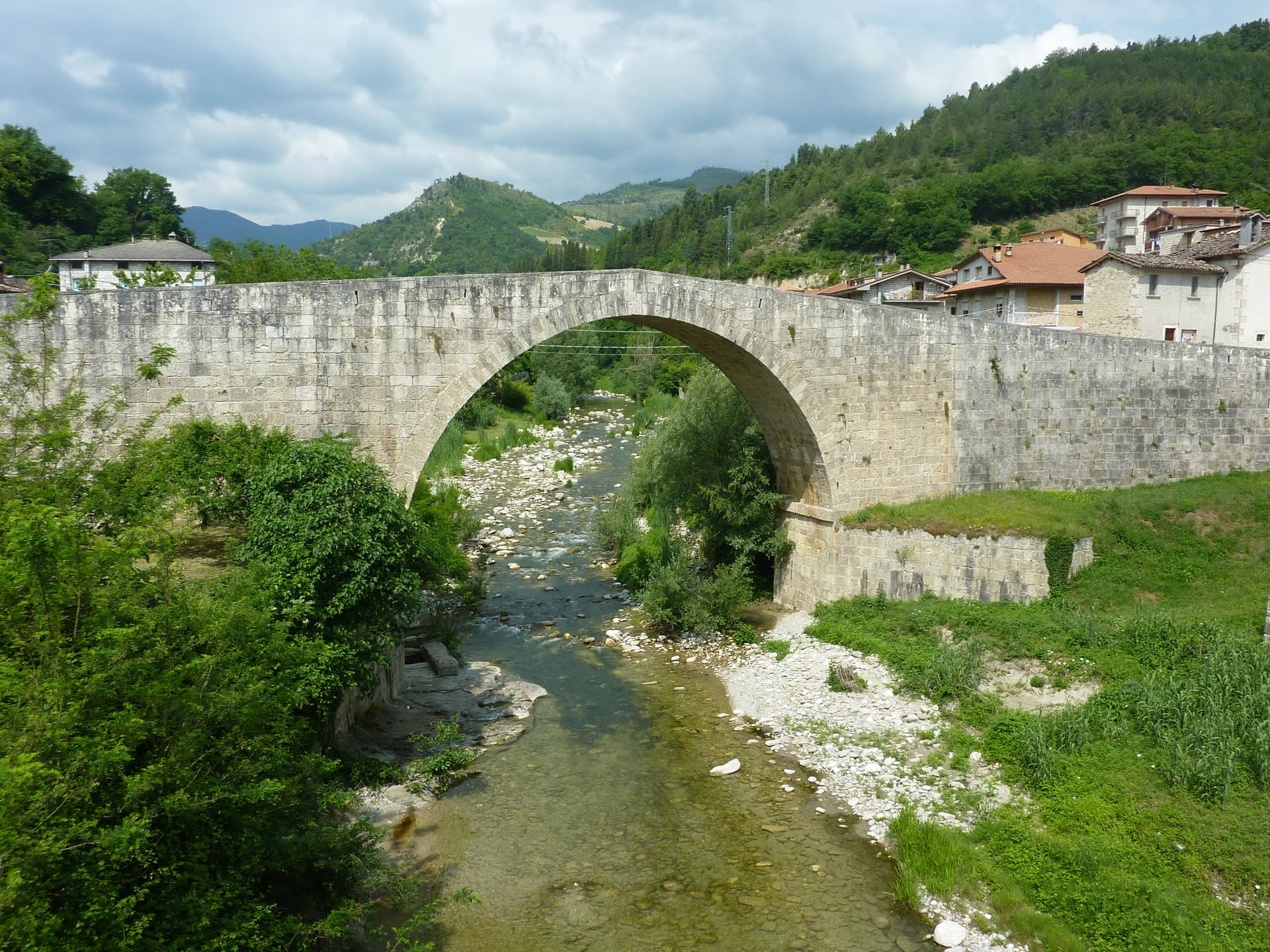
Acquasanta Terme
Province: Ascoli Piceno · 392 m
A sulphur-spring spa at 392 meters in the upper Tronto valley, used for cures since the Roman consul Lucio Munazio Planco around 50 AD.
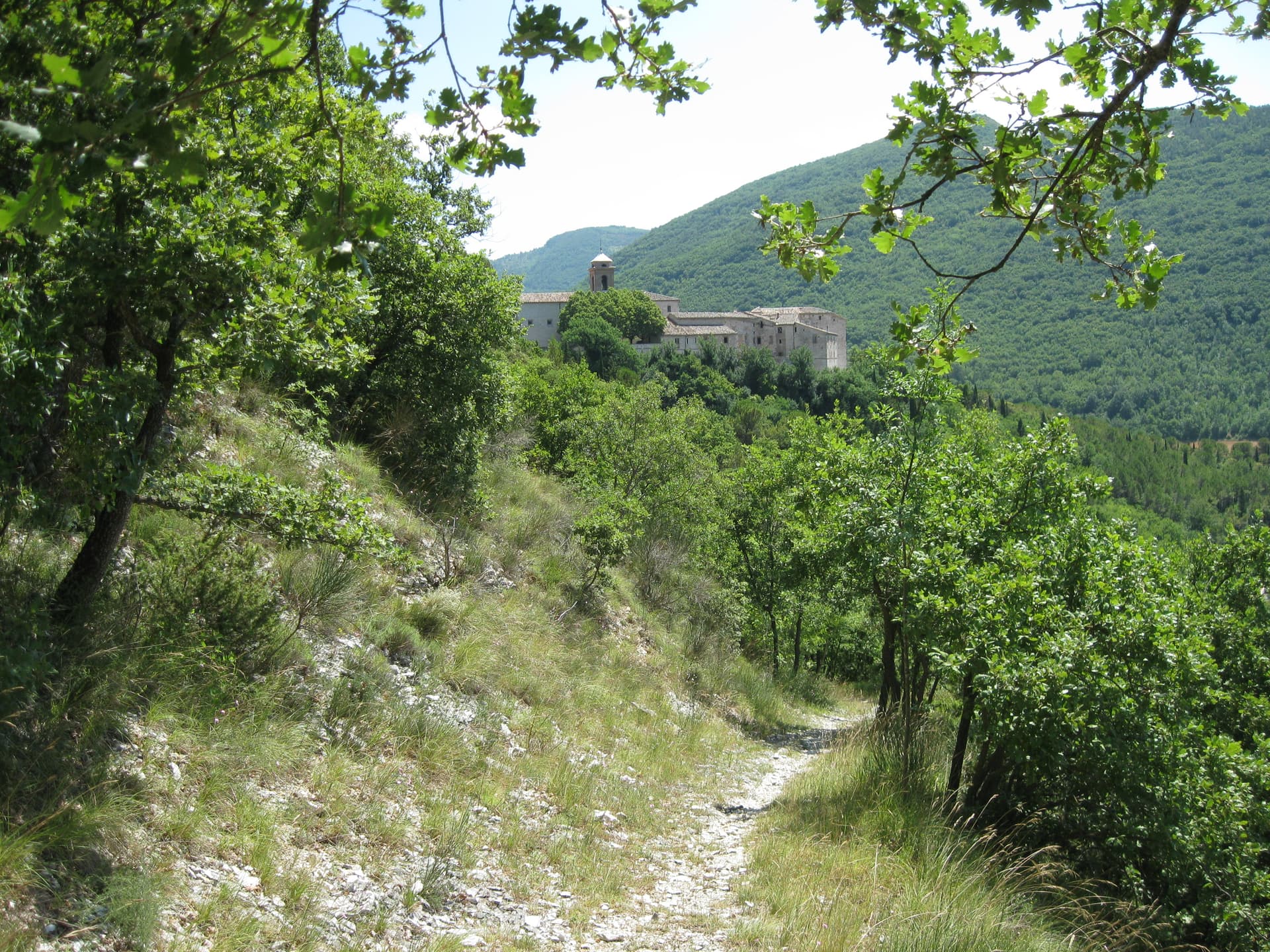
Genga
Province: Ancona · 322 m
A small Sentino-valley commune at 322 meters whose territory holds the Frasassi caves, the largest karst show cave in Italy.
Piedmont2
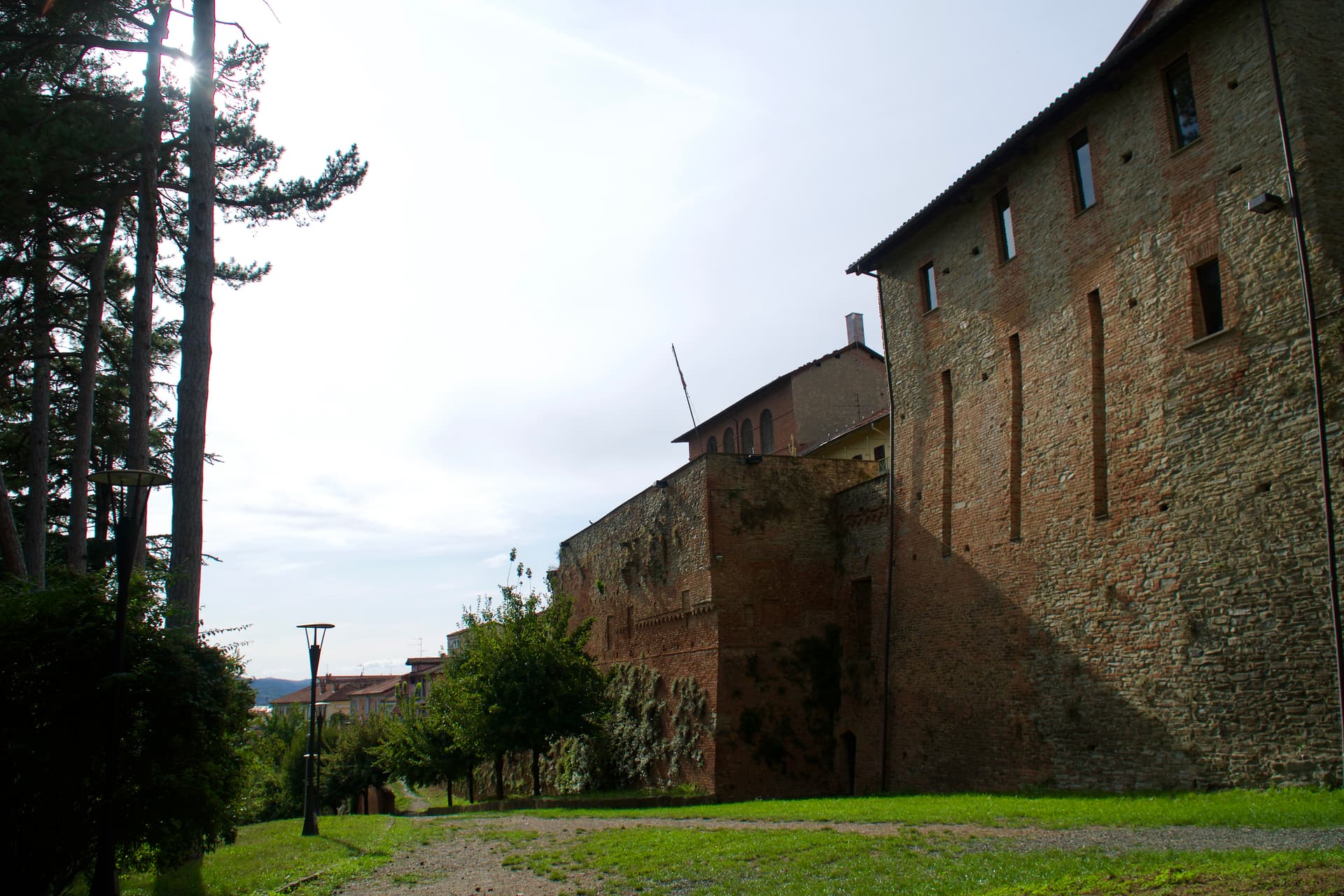
Acqui Terme
Province: Alessandria · 156 m
A Roman spa town at 156 meters on the Bormida, where a sulphurous spring still surfaces at 74.5 degrees under an 1870 pavilion.
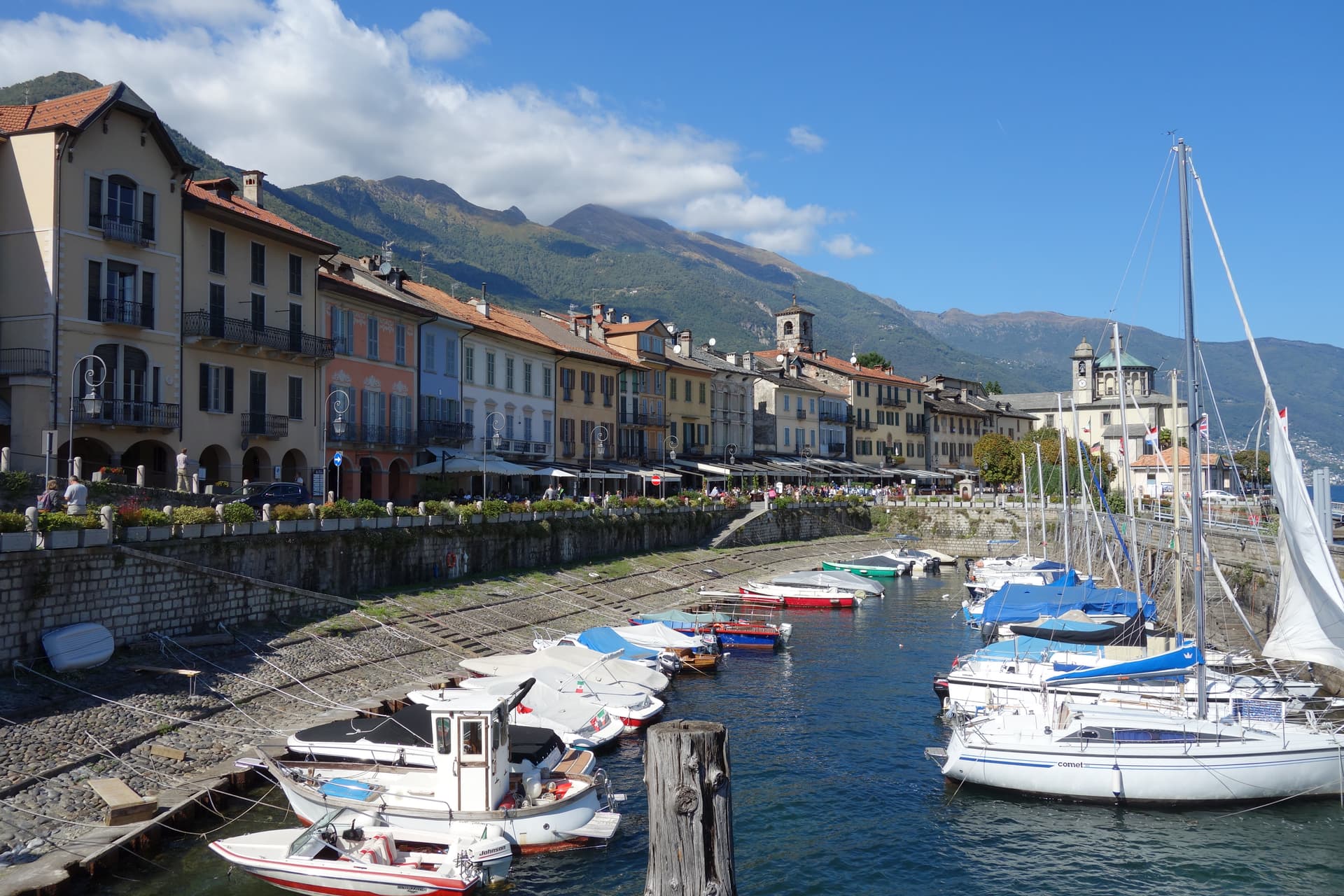
Cannobio
Province: Verbano-Cusio-Ossola · 214 m
A medieval lake town at 214 meters on Maggiore's western shore, host to one of the largest Sunday markets on the lake.
Sicily3
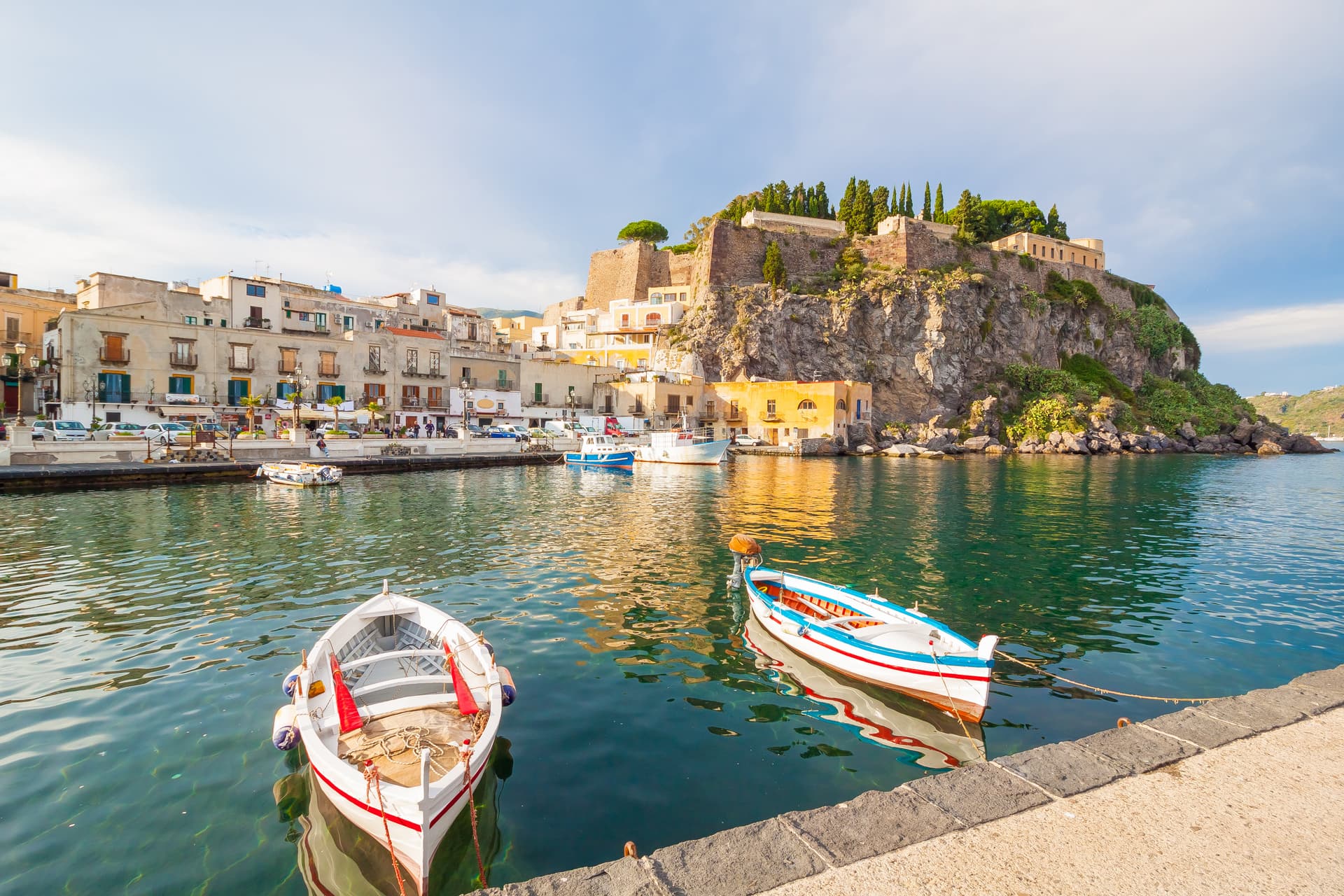
Lipari
Province: Messina · 44 m
The largest Aeolian island and the only municipality that administers six of the seven, with a clifftop castle citadel rising above two harbors.
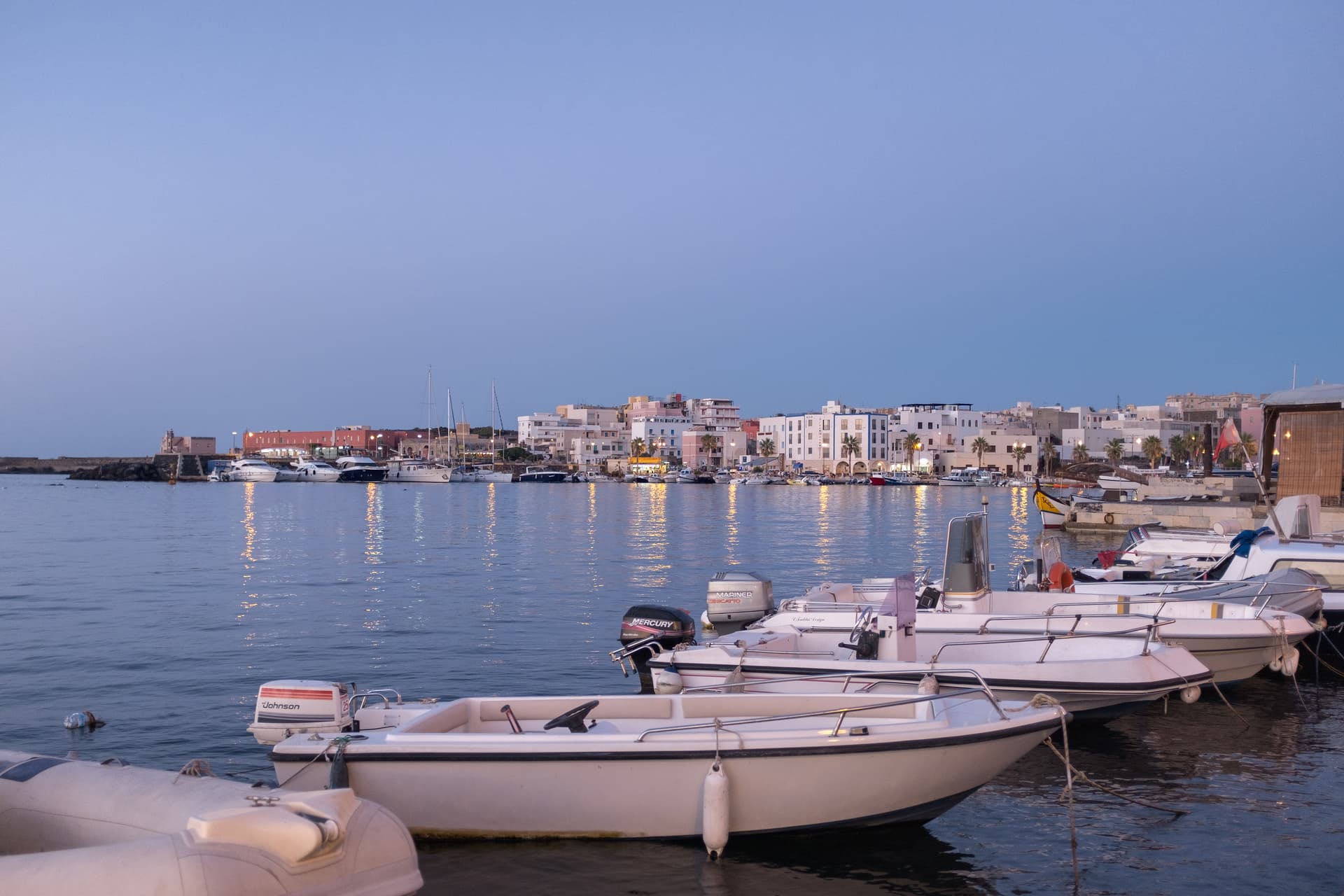
Pantelleria
Province: Trapani · 8 m
A volcanic island closer to Tunisia than Sicily, where dry-stone dammusi sit among bush-trained Zibibbo vines listed by UNESCO.
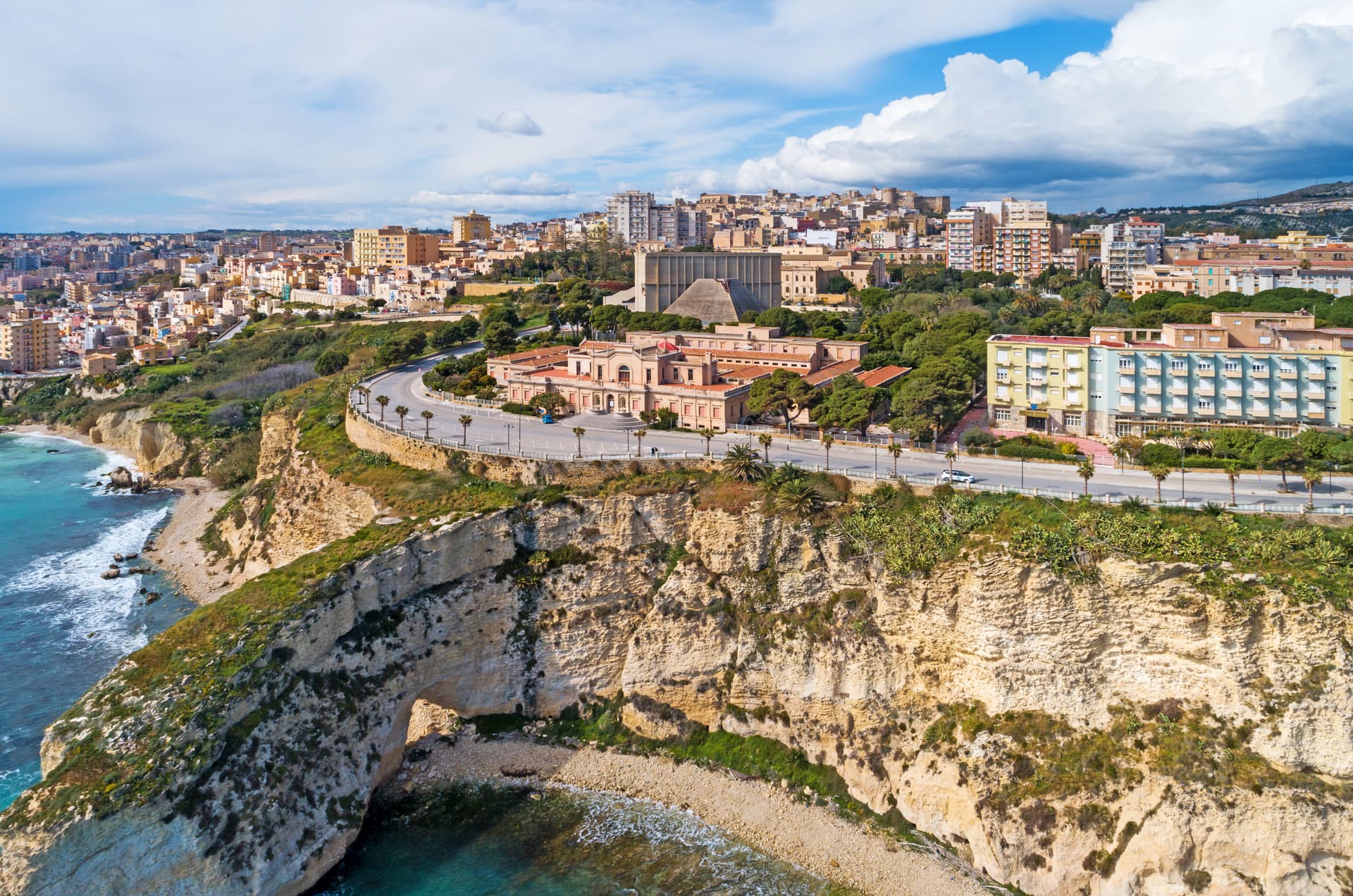
Sciacca
Province: Agrigento · 60 m
A terraced fishing harbor on Sicily's southwestern coast, Selinunte's thermal spa in the fifth century BC and a ceramics city since the fourteenth.
Trentino-Alto Adige/Südtirol3
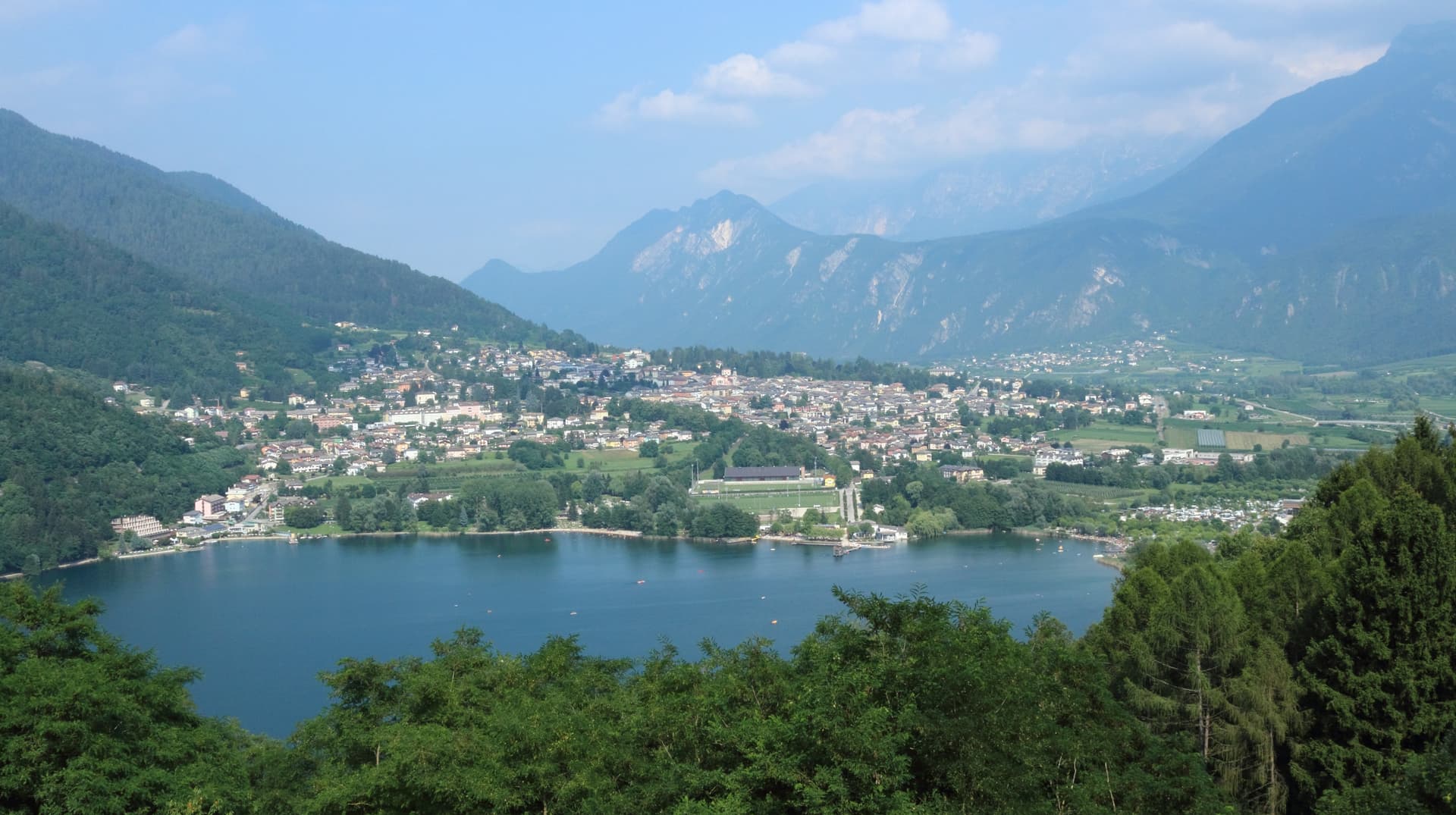
Levico Terme
Province: Trento · 520 m
A Habsburg spa town in the Valsugana at 520 metres, with arsenic-iron thermal waters, an English park and a Blue Flag lake at the edge of the centre.
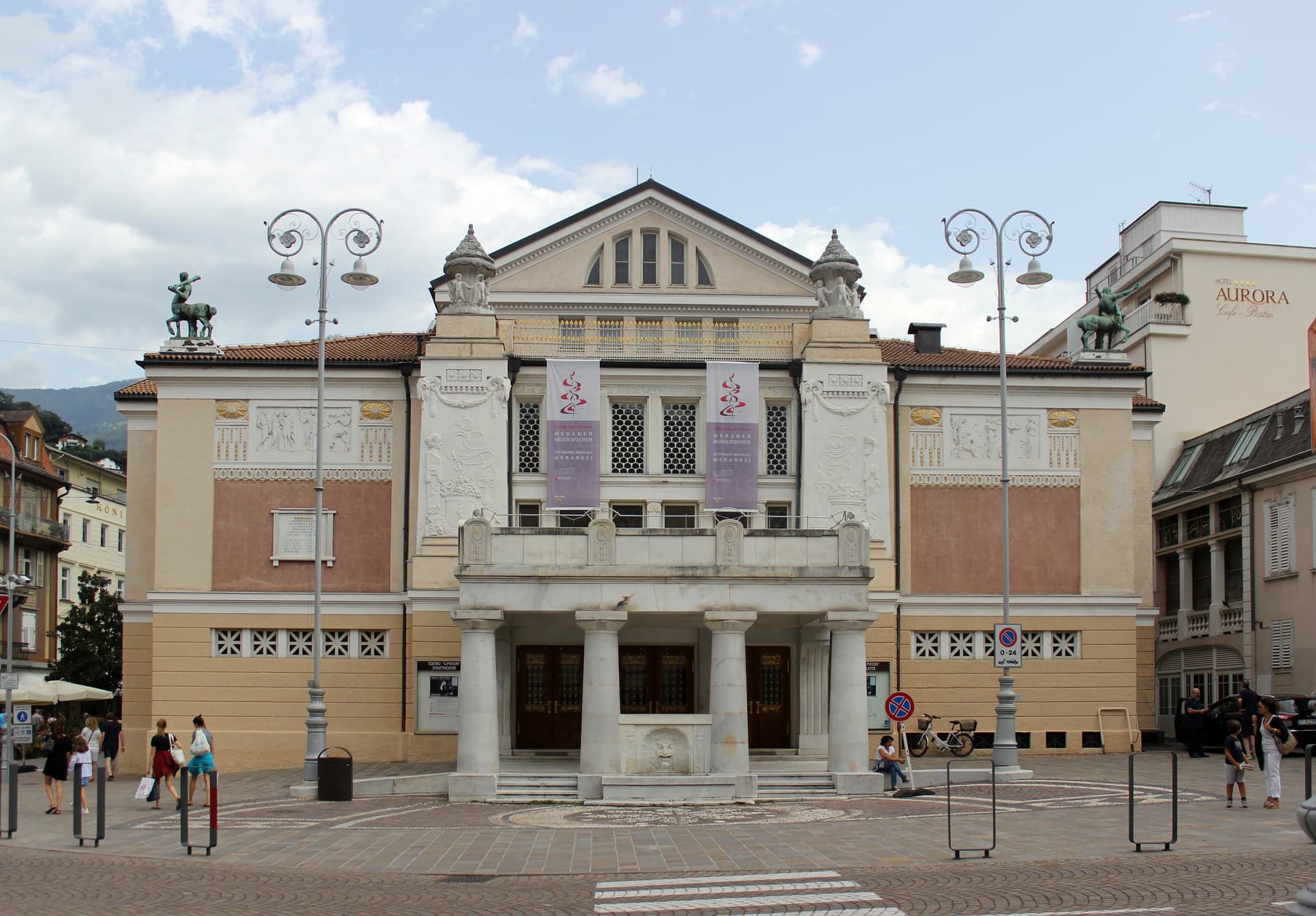
Meran
Province: Bolzano · 324 m
A Habsburg spa city at 324 metres on the Passer river, palm-lined promenades below 3,000-metre peaks and the gardens where Empress Sissi spent her winters.
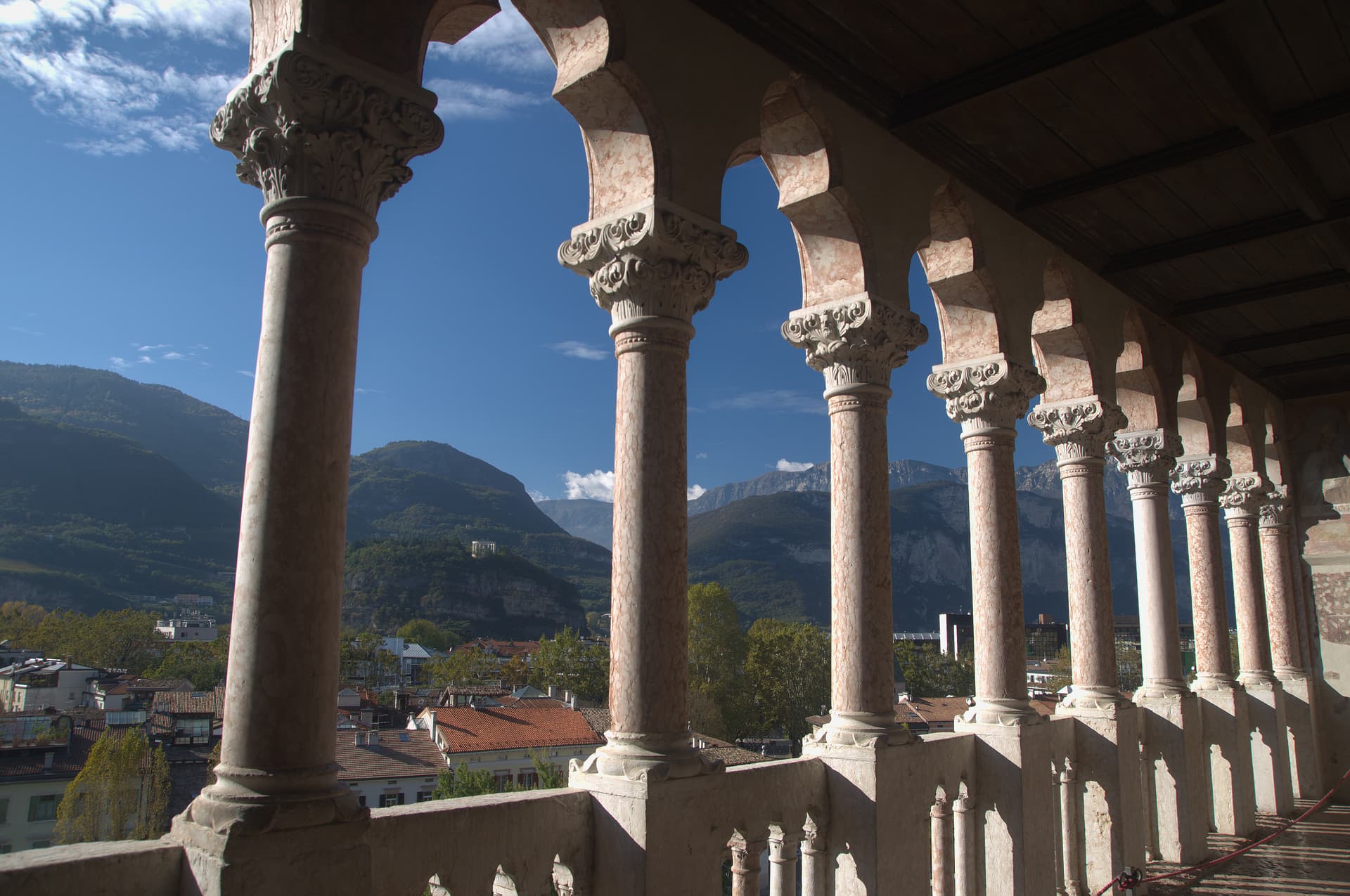
Trento
Province: Trento · 194 m
The Alpine capital on the Adige at 194 metres, where the Council that reshaped the Catholic Church met in a castle still standing above the city.
Tuscany16
- ✷ We've been
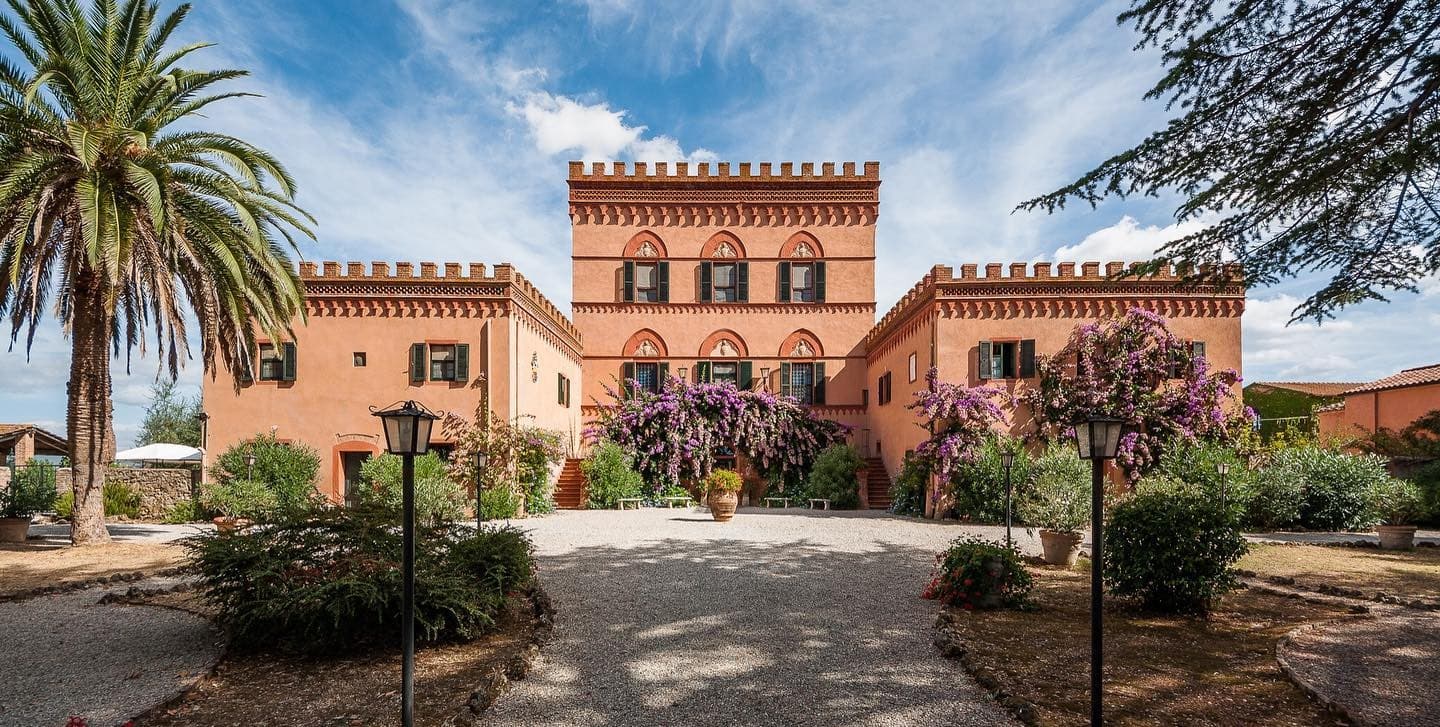
Campiglia Marittima
Province: Livorno · 231 m
A walled hilltop borgo above the Val di Cornia, where the Rocca tower watches a mining landscape worked from the Etruscans to 1976.
- ✷ We've been
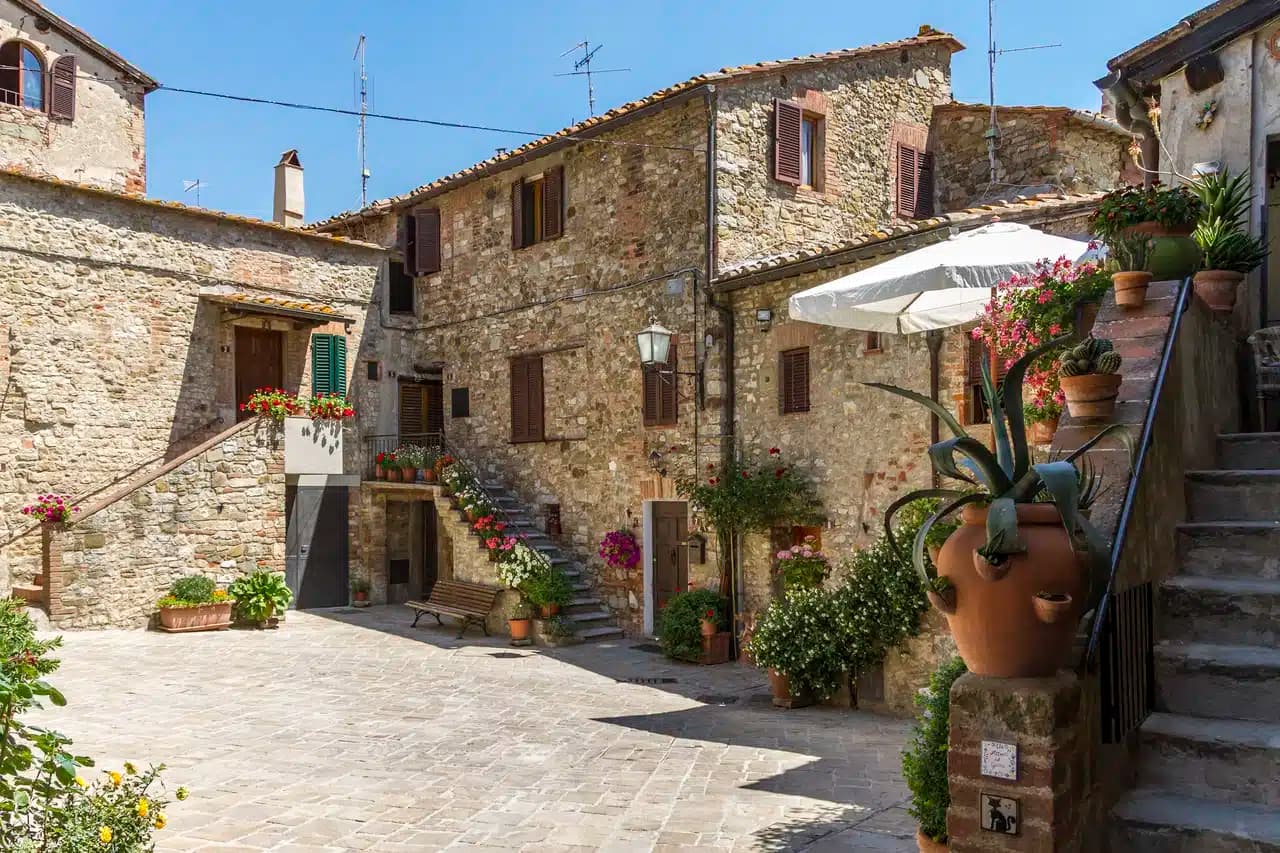
Castelnuovo Berardenga
Province: Siena · 351 m
A Chianti Classico commune at 351 meters between the Ombrone and the Crete Senesi, the last castle Siena built against Florence, in 1366.
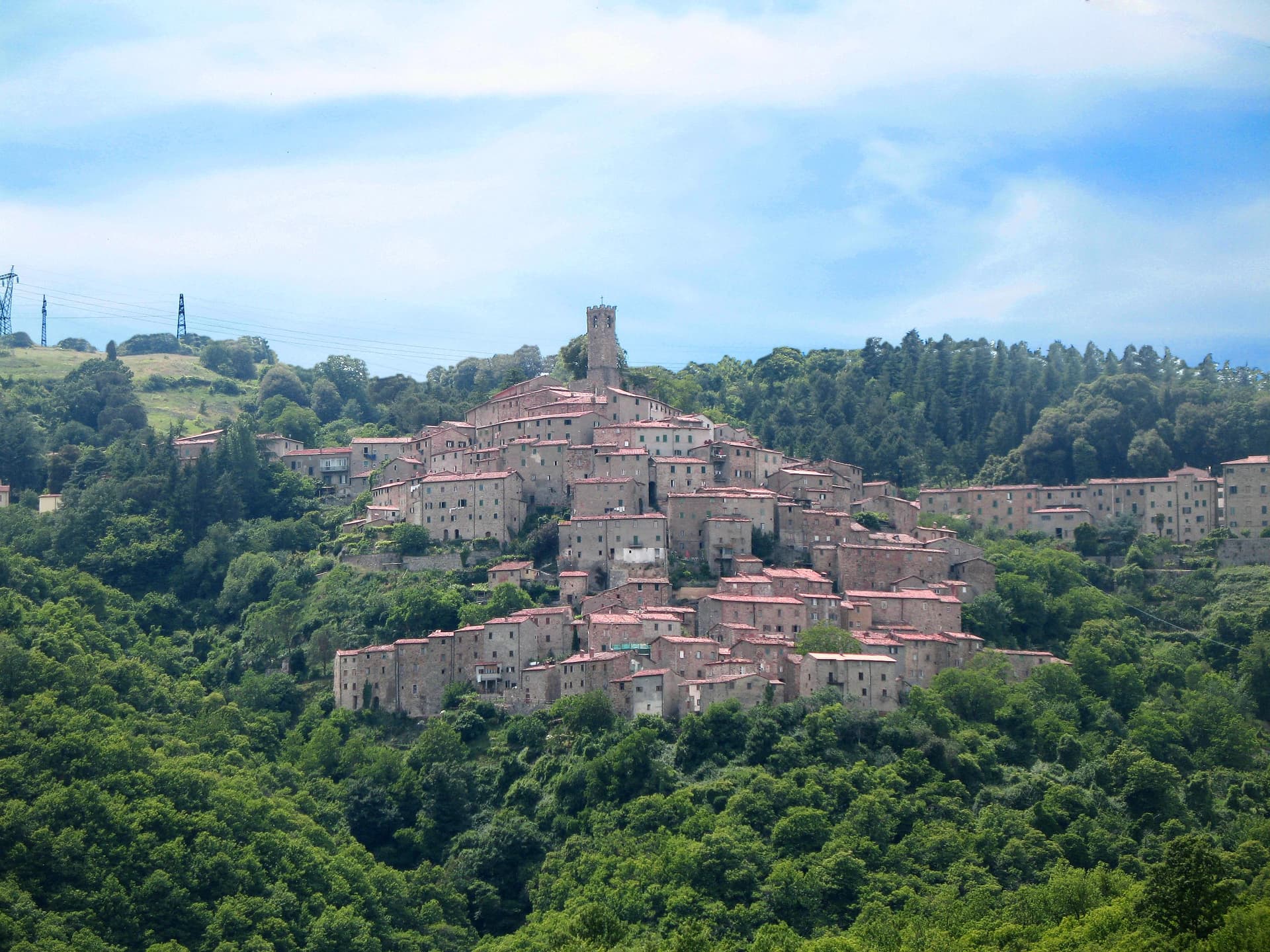
Castelnuovo di Val di Cecina
Province: Pisa · 576 m
A copper and geothermal borgo at 576 meters in the Cecina valley, where natural steam vents and medieval towers sit on the same hill.
- ✷ We've been
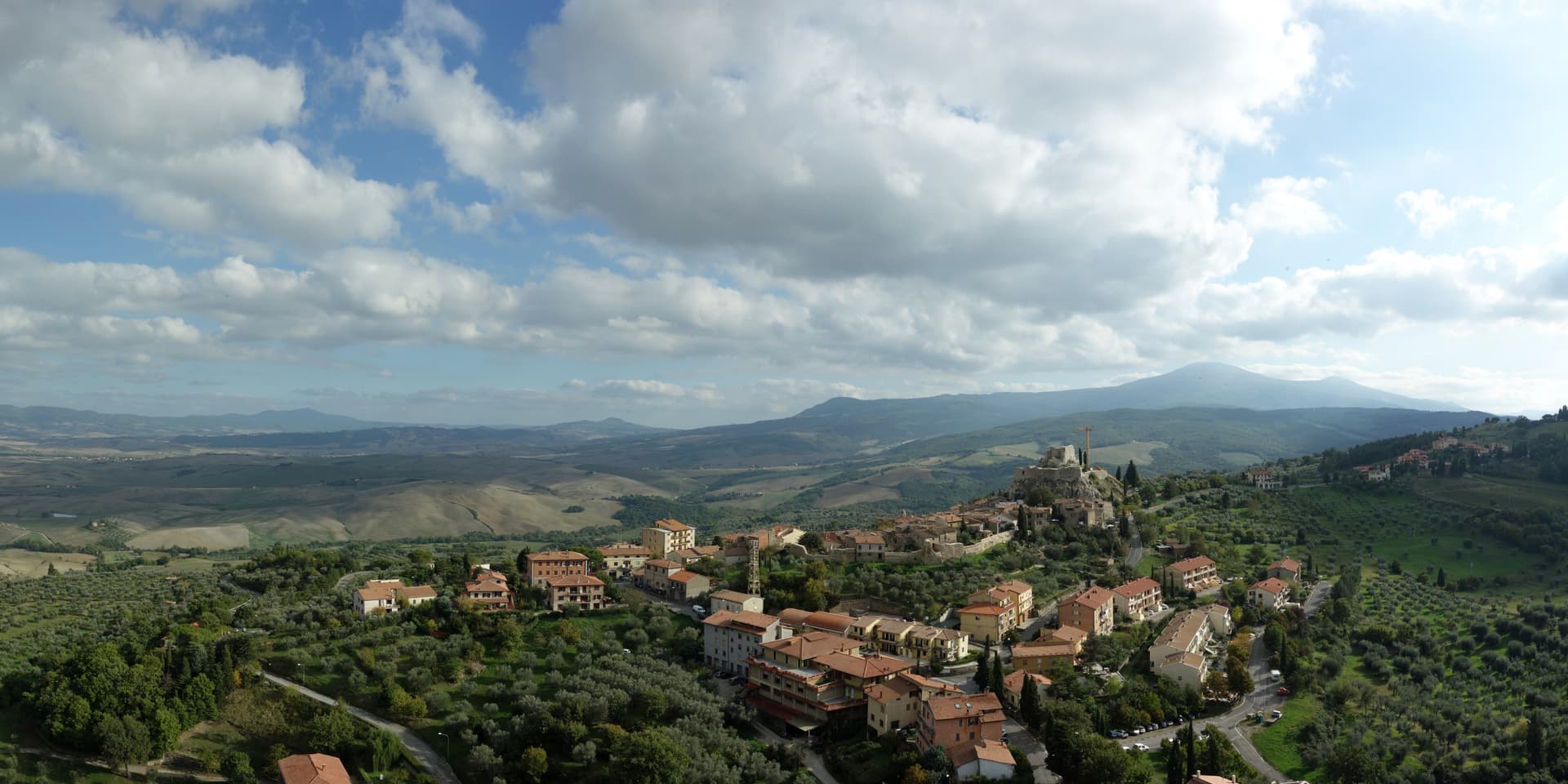
Castiglione d'Orcia
Province: Siena · 540 m
A stone borgo at 540 meters in the UNESCO Val d'Orcia, first recorded in 714, with two fortresses guarding the road from Amiata to the Via Francigena.
- ✷ We've been
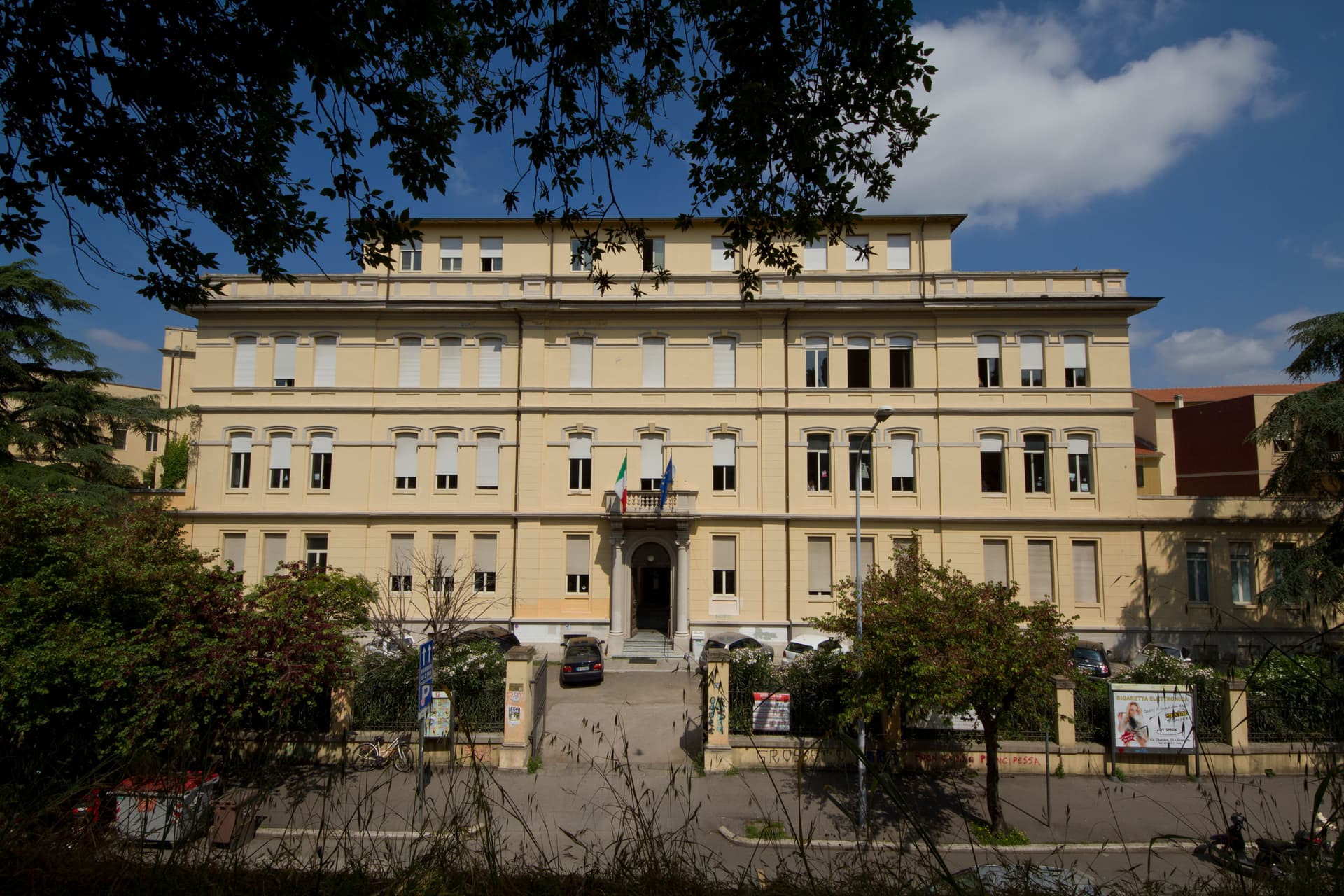
Grosseto
Province: Grosseto · 10 m
The Maremma capital on the Ombrone river, ringed by hexagonal Medici walls of 1564 that now serve as the city's public park.
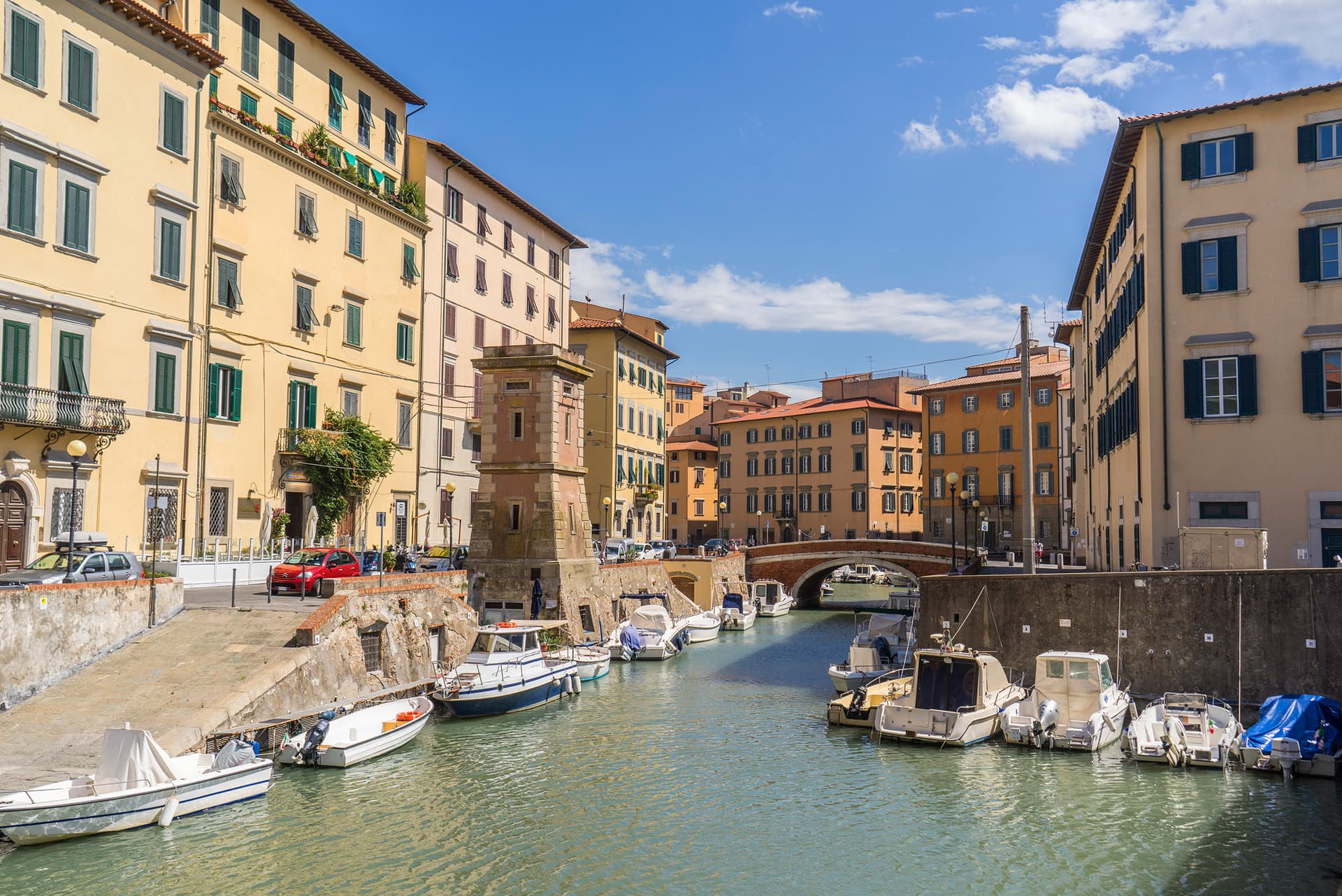
Livorno
Province: Livorno · 3 m
Tuscany's working port and Medici-planned 'New City' — a 16th-century planned town built on reclaimed coast, with a Venice-like canal quarter, the Quattro Mori monument, and a 1.5-km seafront promenade that locals call the world's most beautiful balcony.
- ✷ We've been
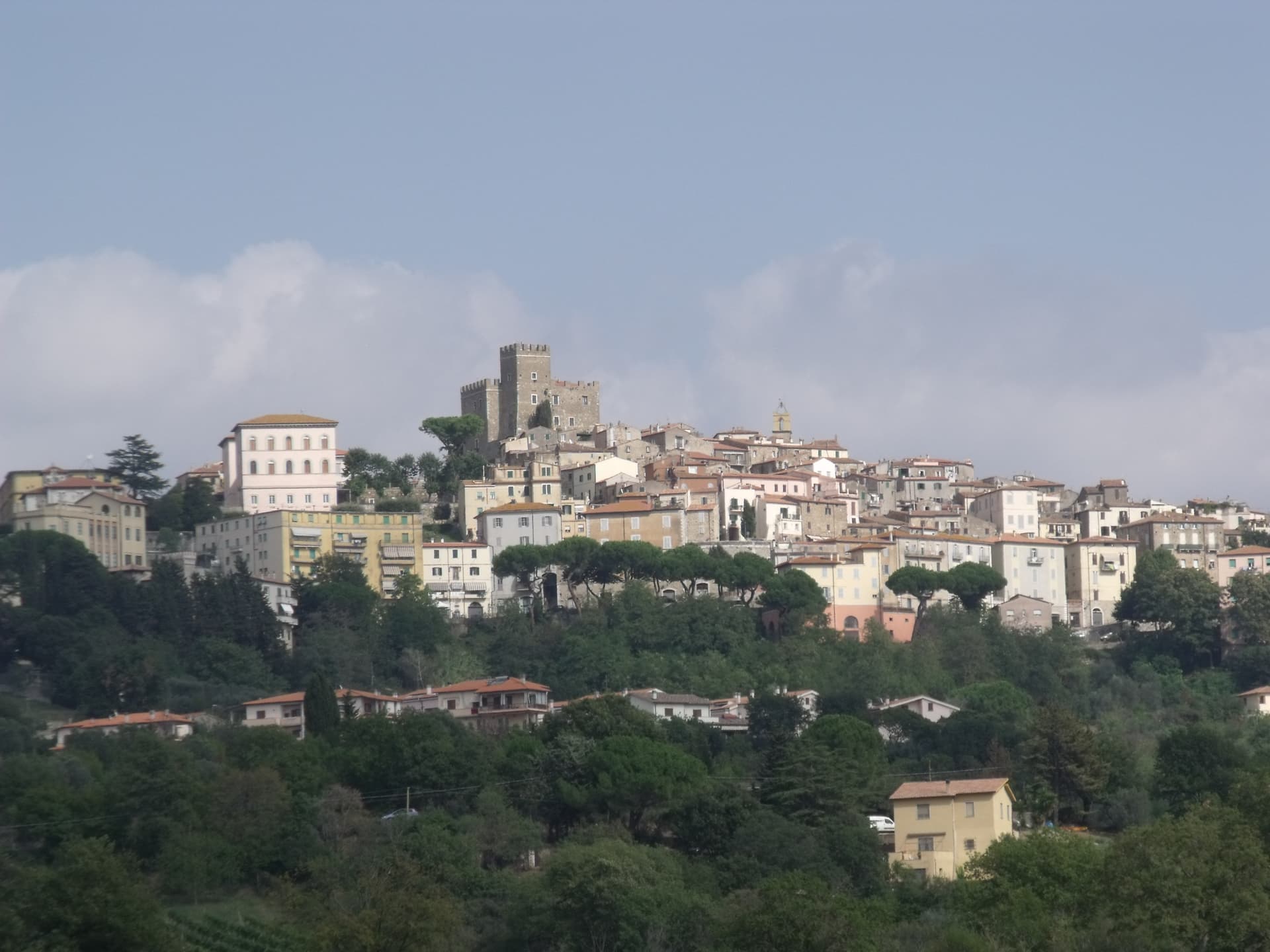
Manciano
Province: Grosseto · 444 m
A market town at 444 meters in the southern Maremma, with a Sienese fortress of 1424 and the thermal frazione of Saturnia in its territory.
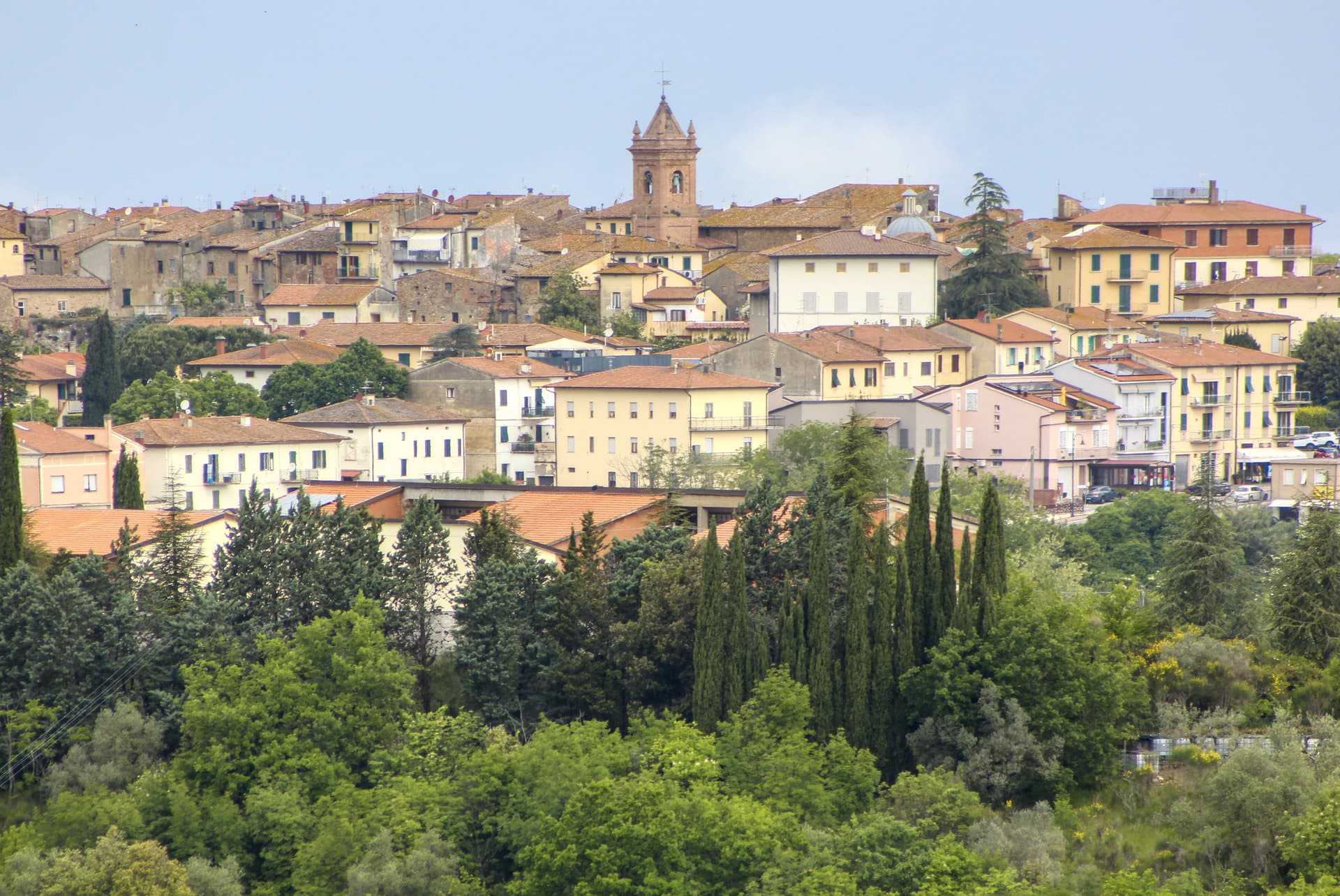
Montaione
Province: Firenze · 341 m
A medieval glassmaking and truffle borgo at 341 meters above the Valdelsa, with a Franciscan replica of Jerusalem in the woods at San Vivaldo.
- ✷ We've been
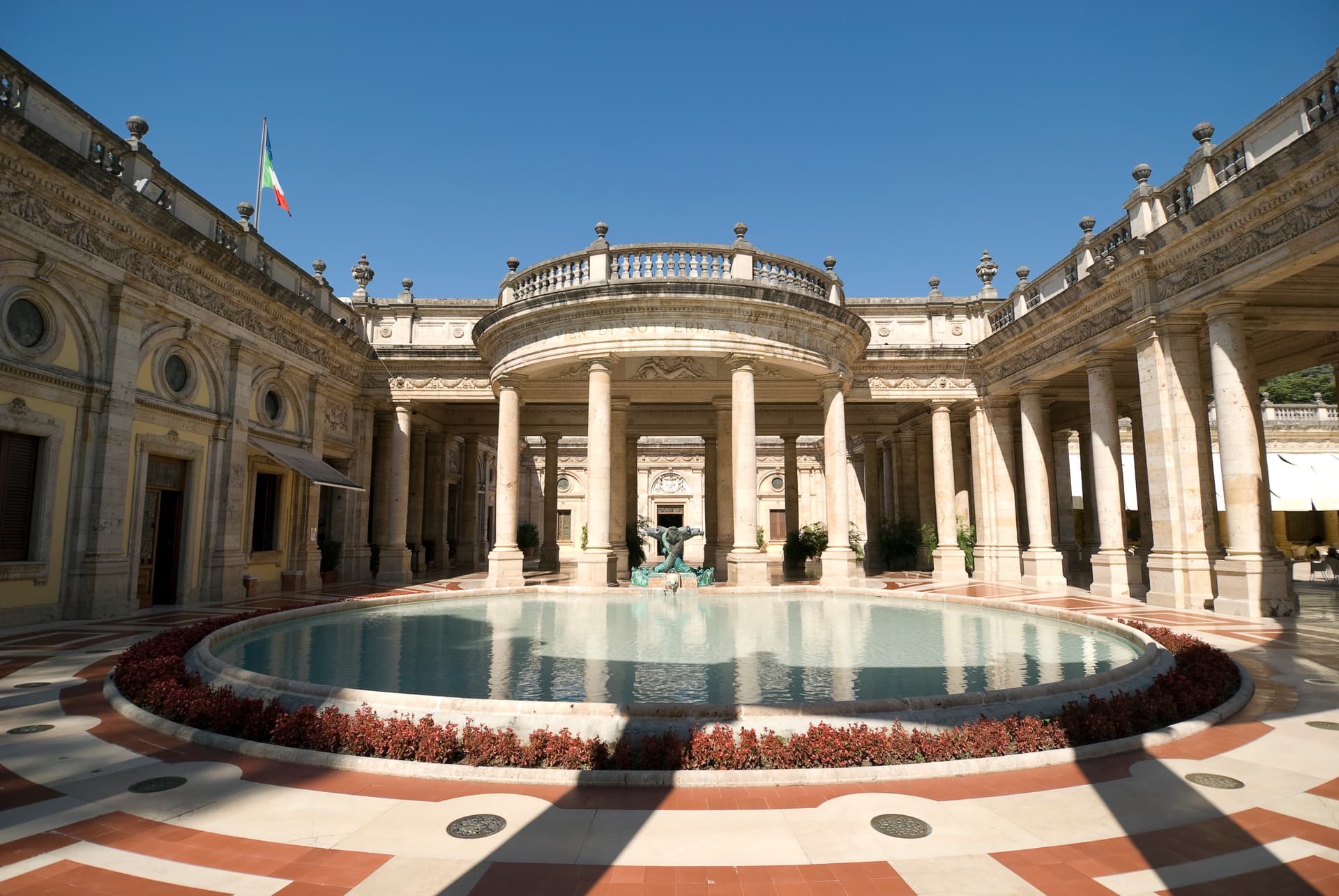
Montecatini-Terme
Province: Pistoia · 27 m
Eleven thermal springs in a Liberty-style park at the foot of the Apennines, one of the Great Spa Towns of Europe inscribed by UNESCO in 2021.
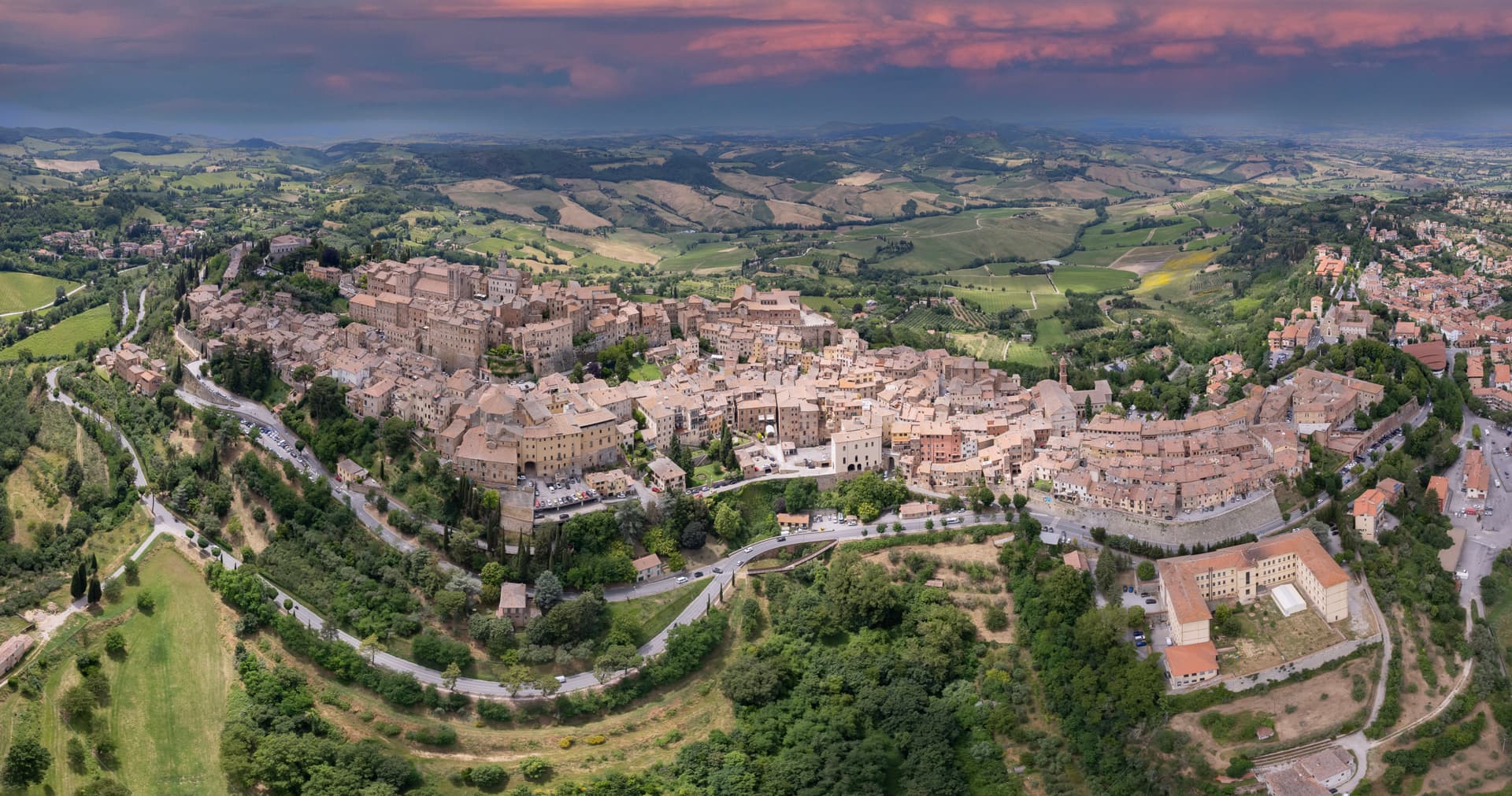
Montepulciano
Province: Siena · 605 m
A Renaissance hill town at 605 meters on a limestone ridge, where Vino Nobile is aged in vaulted cellars beneath the palazzi of Piazza Grande.
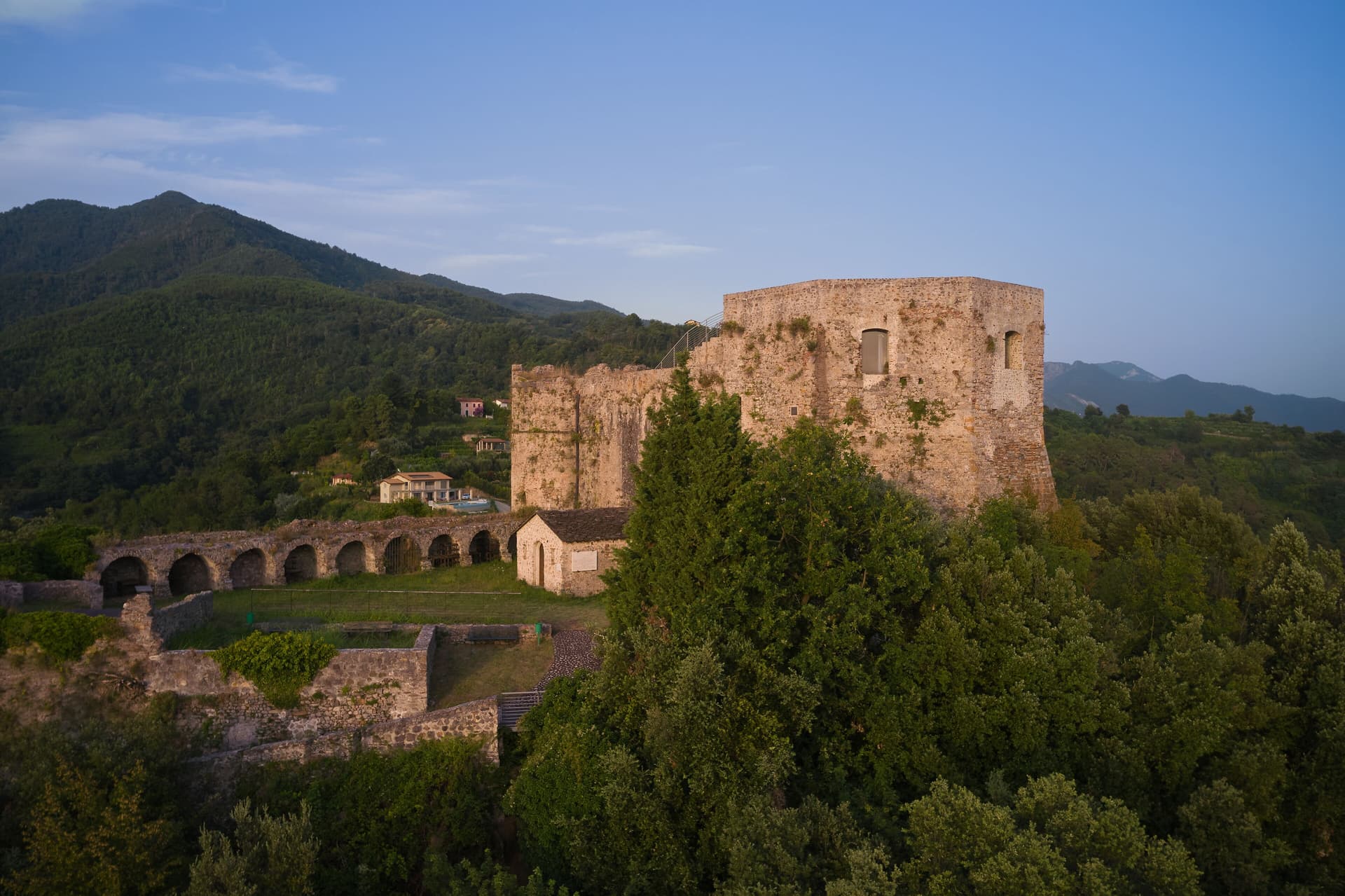
Montignoso
Province: Massa-Carrara · 132 m
A Riviera Apuana commune split between the Cinquale coastal frazione, the Castello Aghinolfi on the hill, and the Lago di Porta wetland on the Versilia plain.
- ✷ We've been
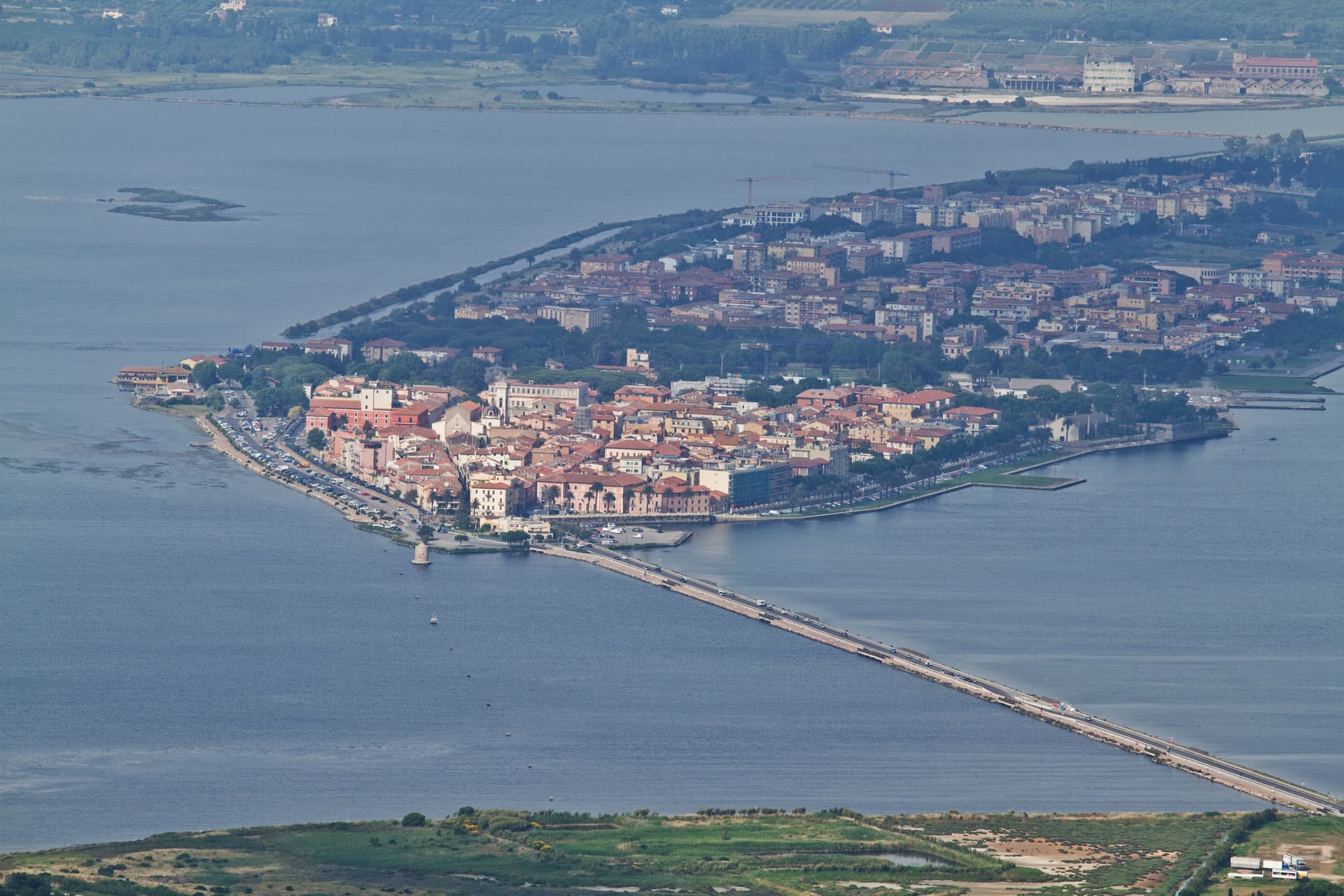
Orbetello
Province: Grosseto · 3 m
A town on a narrow isthmus at the center of its own lagoon, fortified by Spain in 1557 and tied to Monte Argentario by two tombolos.
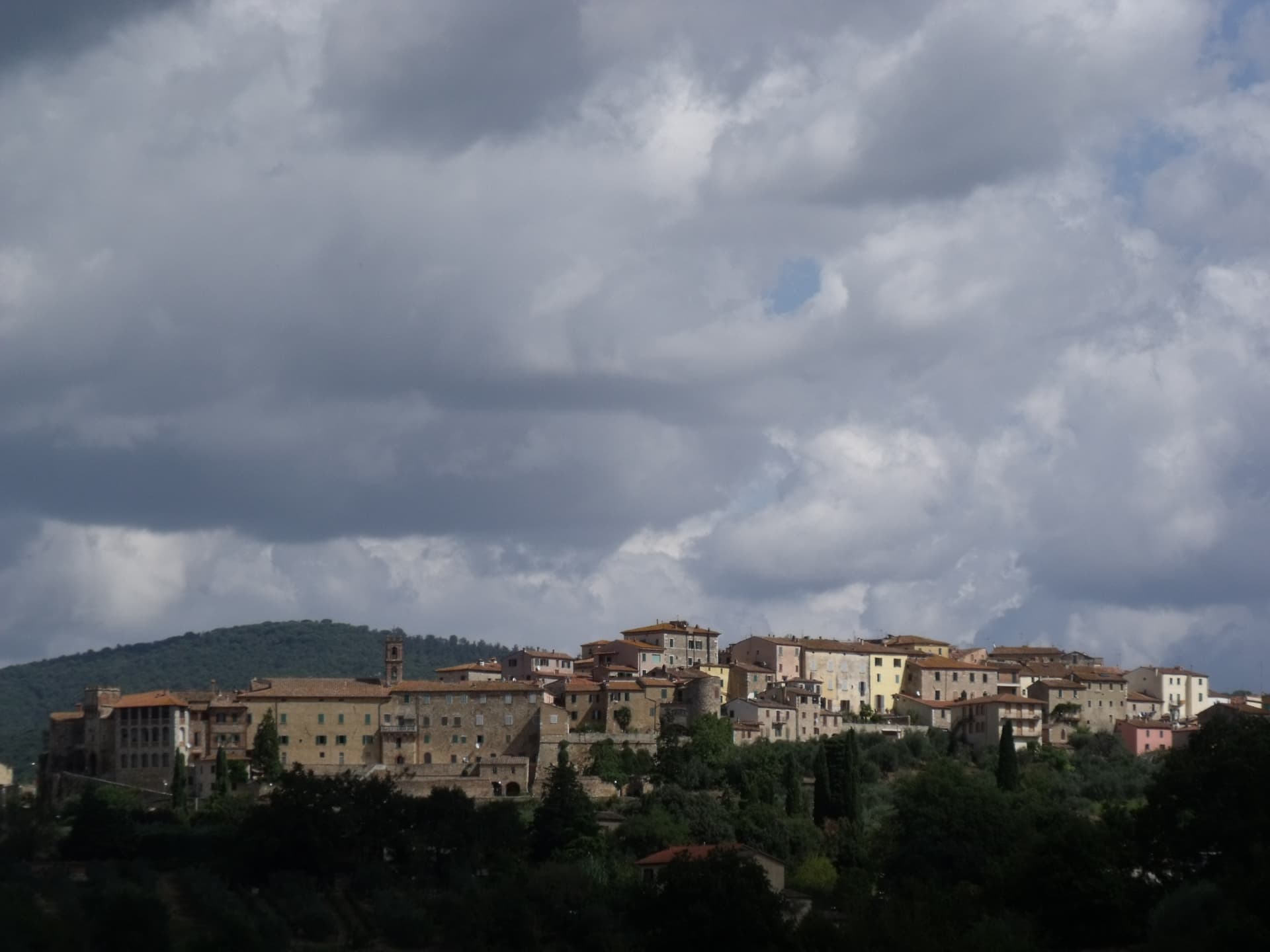
Rapolano Terme
Province: Siena · 334 m
A Sienese thermal town in the Crete Senesi, 38-degree calcium-sulphur waters and travertine quarries that supplied the Pienza Duomo and Montepulciano's San Biagio.
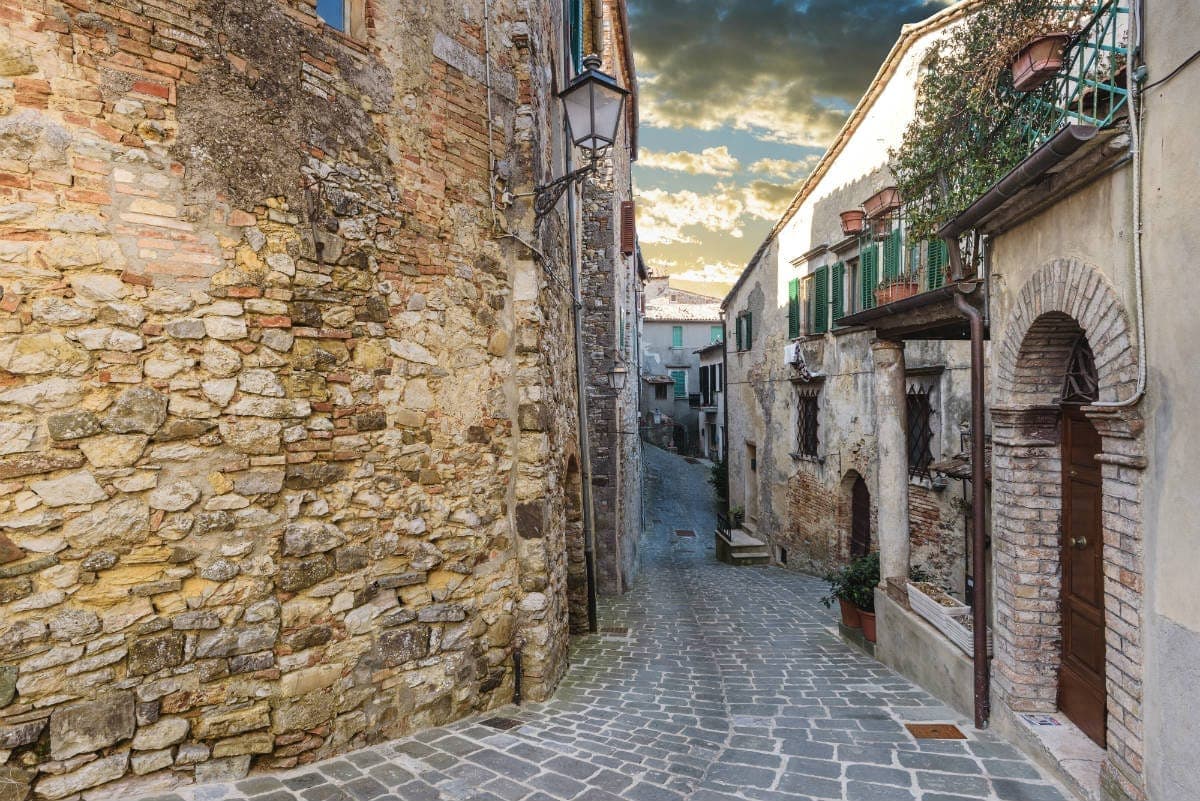
San Casciano dei Bagni
Province: Siena · 582 m
A hilltop borgo at 582 meters above 42 hot springs that produced the largest Etruscan bronze hoard of the last fifty years.
- ✷ We've been
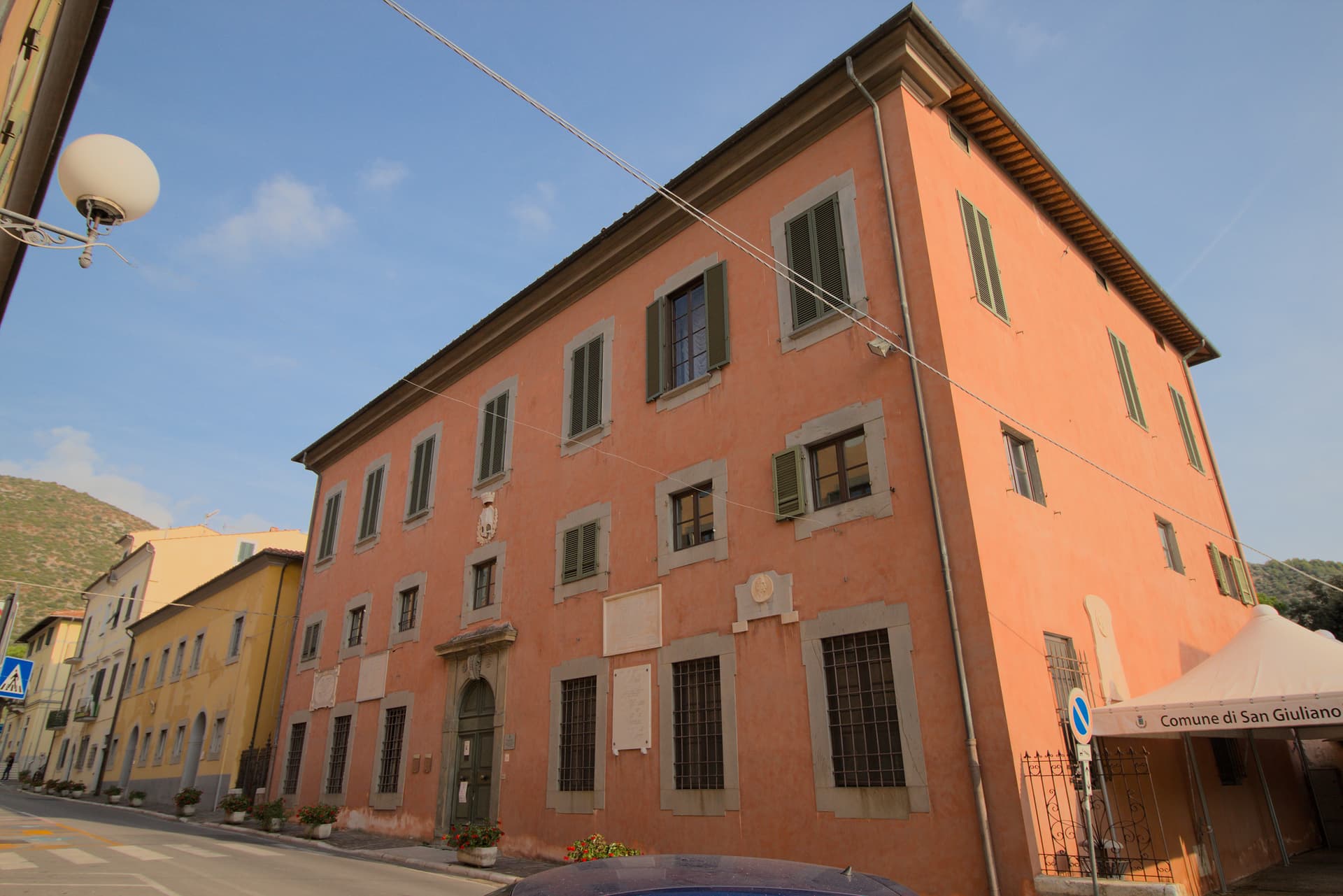
San Giuliano Terme
Province: Pisa · 10 m
A thermal spa at the foot of Monte Pisano, ten kilometers from Pisa, where the springs were bathed since the Romans called them Aquae Pisanae.
- ✷ We've been
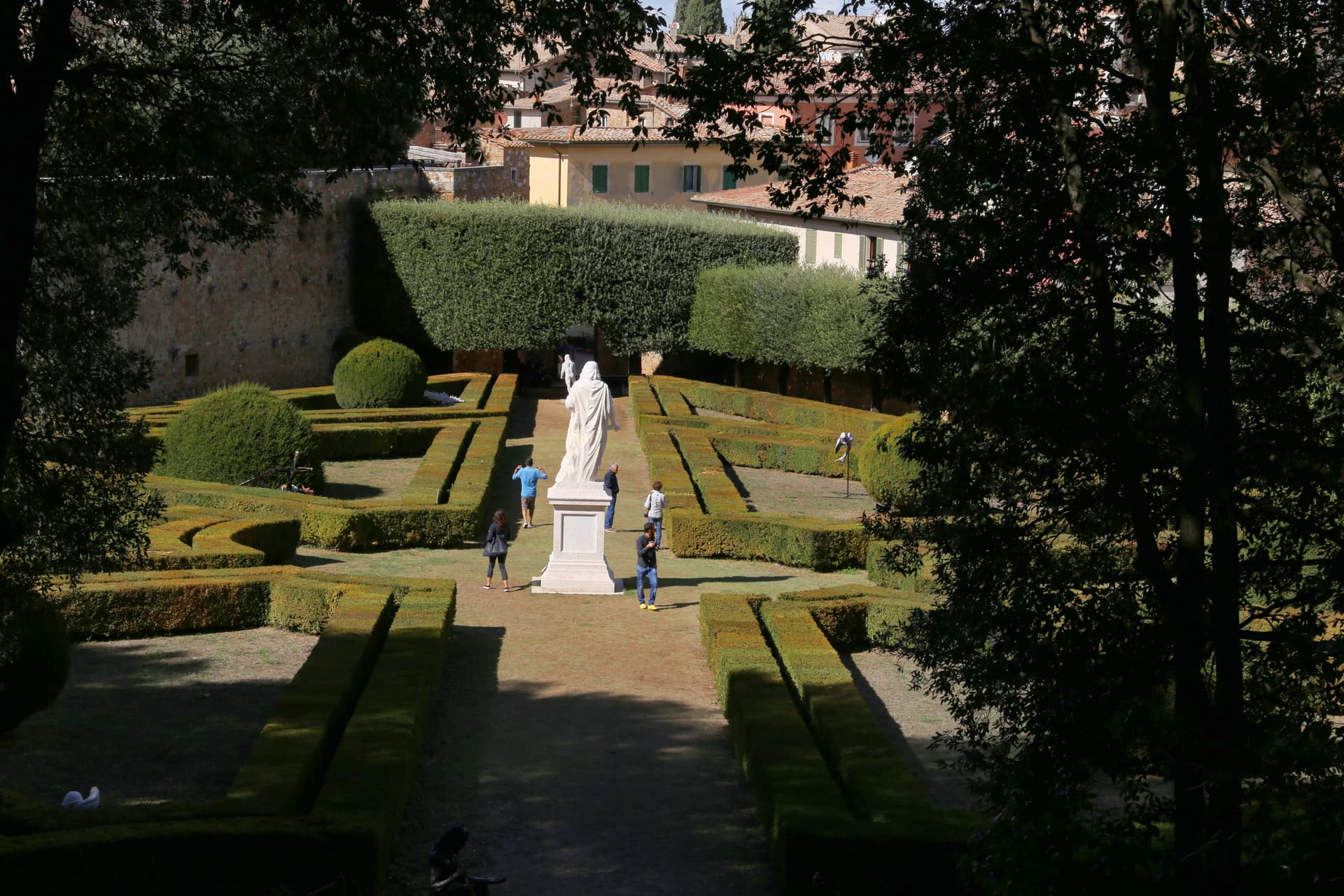
San Quirico d'Orcia
Province: Siena · 409 m
A walled stop on the Via Francigena at 409 meters in the UNESCO Val d'Orcia, where a twelfth-century Collegiata, a Renaissance garden and the Bagno Vignoni thermal pool sit within fifteen kilometers of each other.
Umbria2
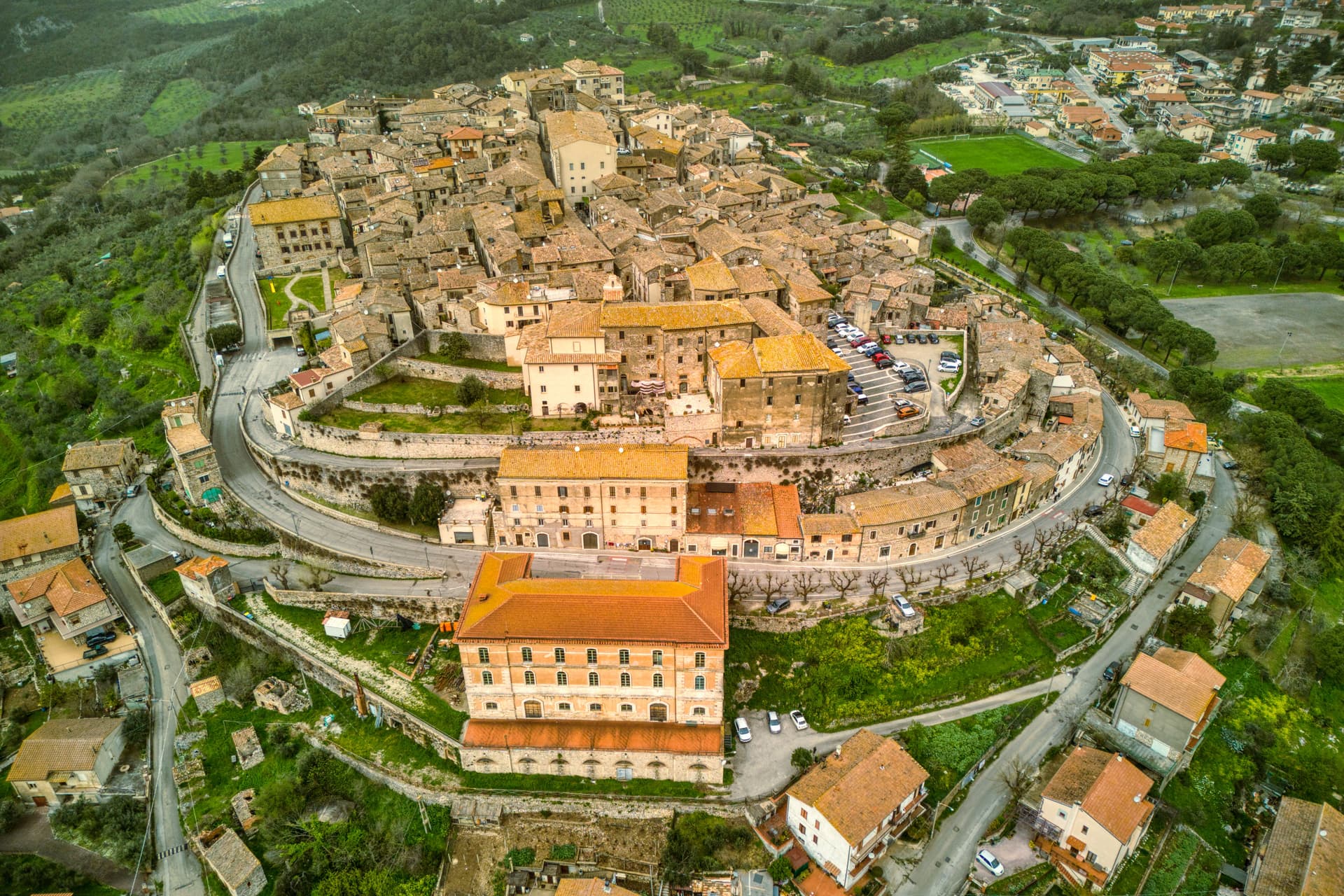
Lugnano in Teverina
Province: Terni · 441 m
A ridge town at 441 meters above the lower Tiber valley, with a 1230 Romanesque collegiata and a late-Roman infant cemetery on the hill below.
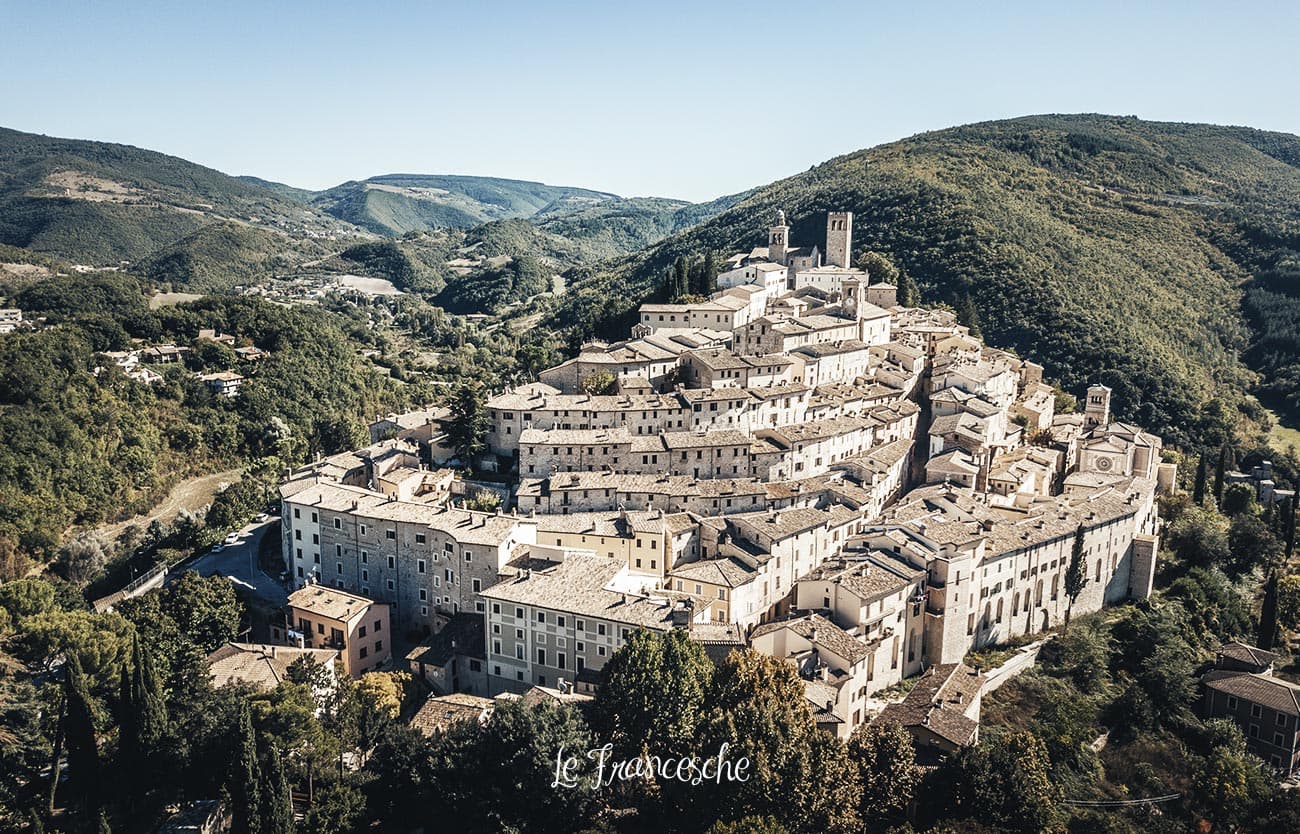
Nocera Umbra
Province: Perugia · 520 m
A hill town at 520 meters on the Apennine slope, leveled by the 1997 earthquake and rebuilt, with mineral springs flowing since the sixteenth century.
Veneto3
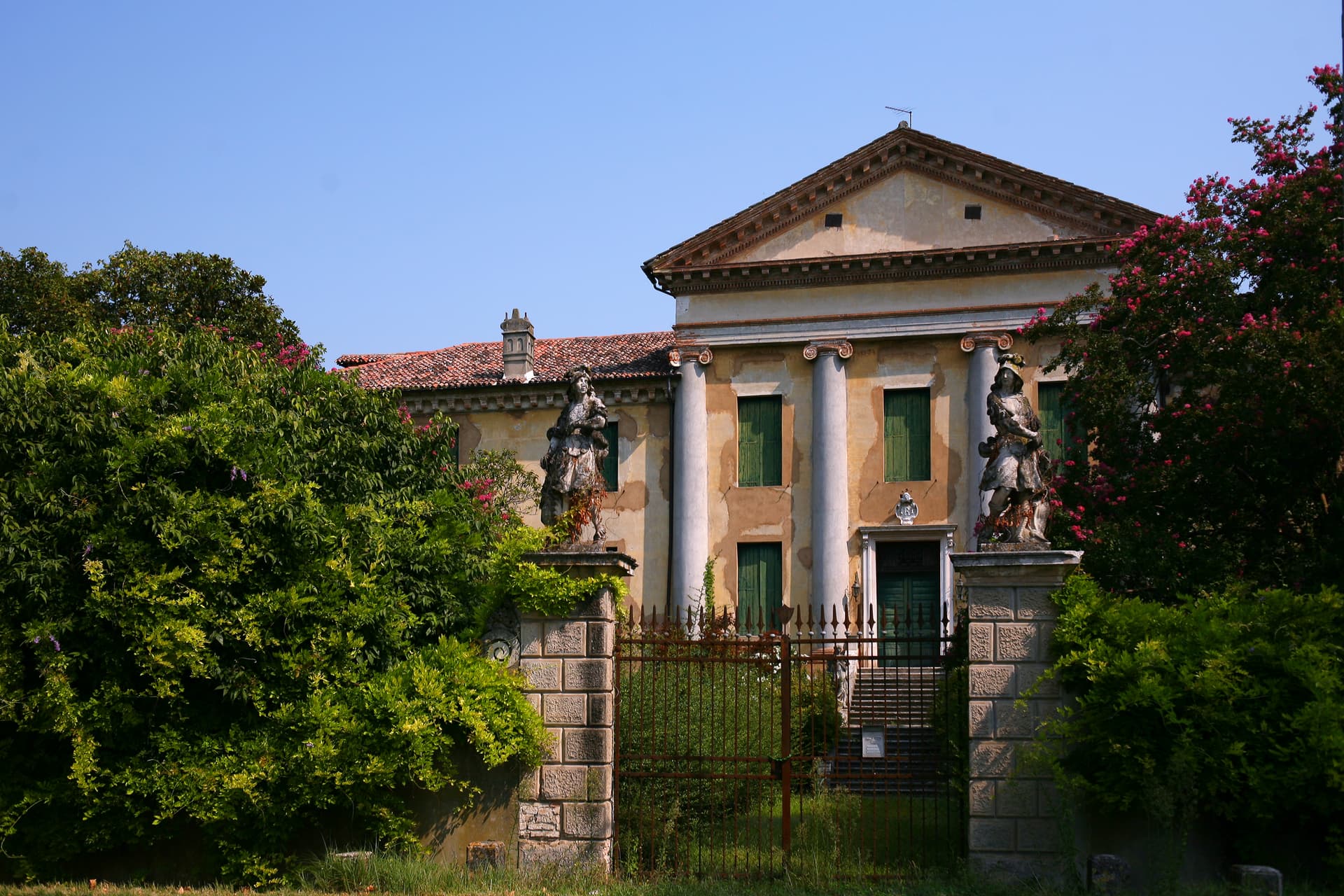
Abano Terme
Province: Padova · 14 m
Europe's oldest thermal town on the Euganean Hills' eastern slope, where 80°C bromo-iodine springs have been drawing bathers since the eighth century BC.
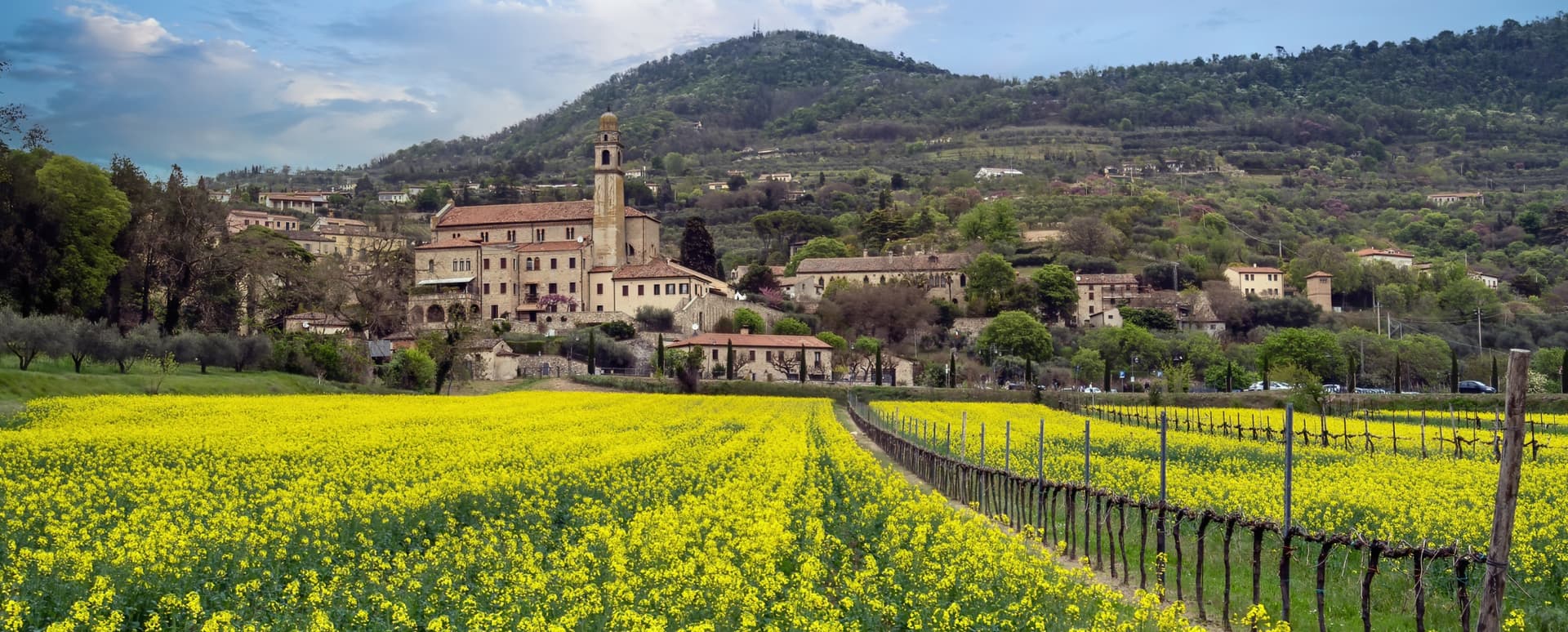
Arquà Petrarca
Province: Padova · 56 m
The Euganean Hills village where Francesco Petrarca spent his last four years and died in 1374, renamed in his honor in 1868.
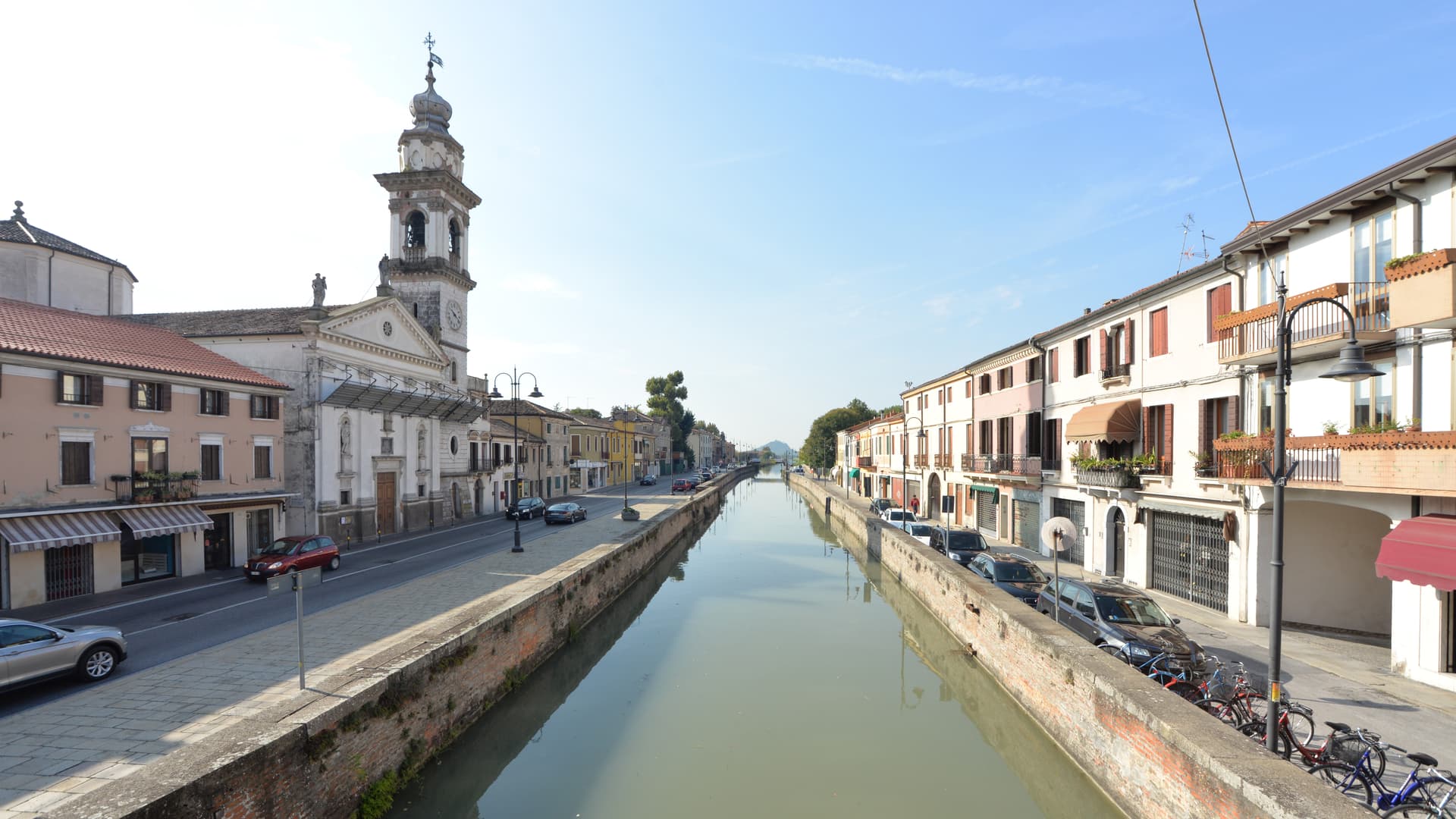
Battaglia Terme
Province: Padova · 9 m
A barge village at the foot of the Euganean Hills, built around the 1201 canal and Italy's only river navigation museum.
Subscribe — free
Get the best guides on hidden Italian towns.
One letter on Sundays. The week’s town, with the photo, the food, the festa. Free, by Peter & Sophia from Pietrasanta.
Substack sends a confirmation link to your inbox. The signup finishes when it’s clicked.
From elsewhere in Italy
Five more towns to discover
Putignano
Province: Bari
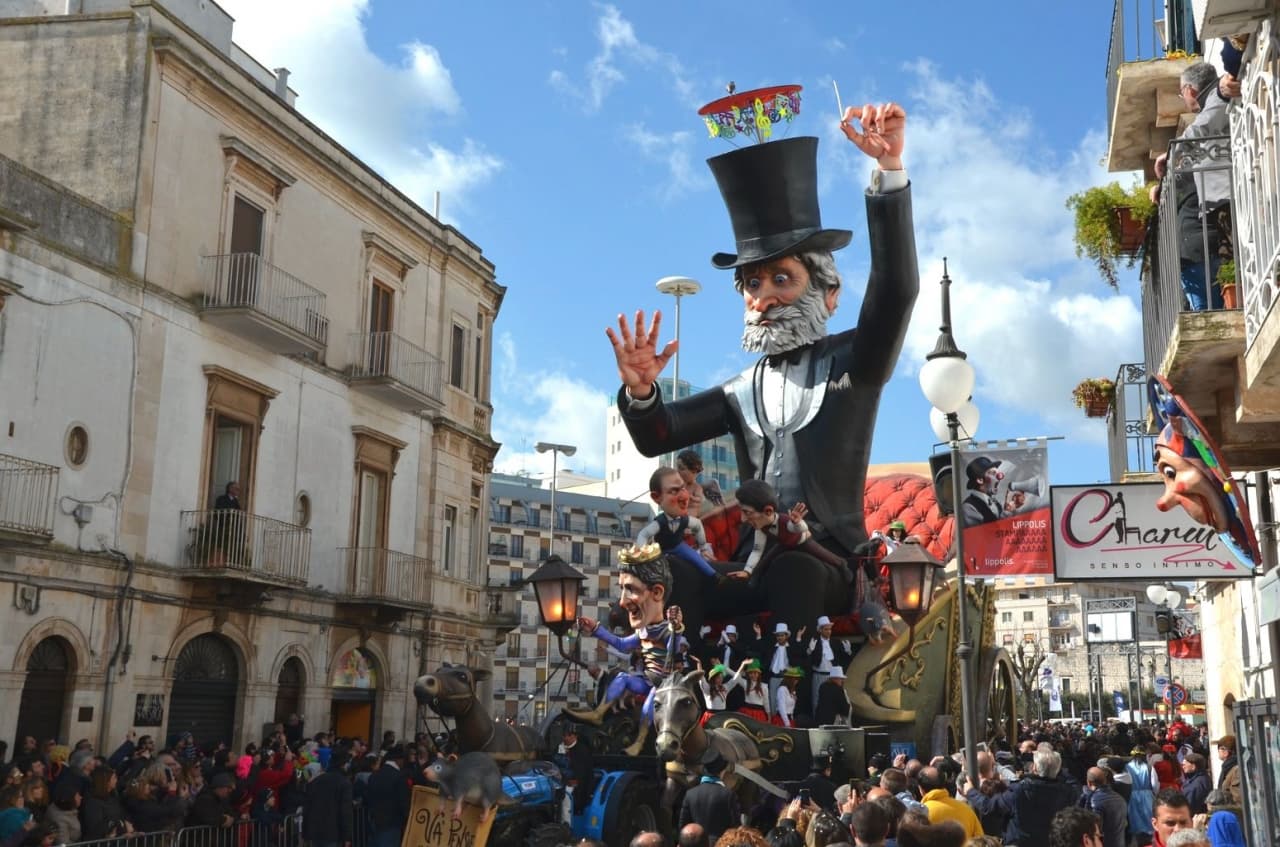
Europe's longest-running carnival — Putignano Carnevale has run continuously since 1394, with 631 years of cartapesta papier-mâché floats, a 26,000-resident Murgia town on the Bari–Lecce plateau, and the Grotta del Trullo karst cave inside the centro.

Pistoia
Province: Pistoia
Italy's nursery capital and the medieval Tuscan rival that gave its name to the pistol — a quietly extraordinary centro storico of zebra-striped Romanesque churches, Andrea della Robbia's polychrome frieze on the Ospedale del Ceppo, and Italy's Capital of Culture 2017, all 30 minutes from Florence by train.
Tropea
Province: Vibo Valentia
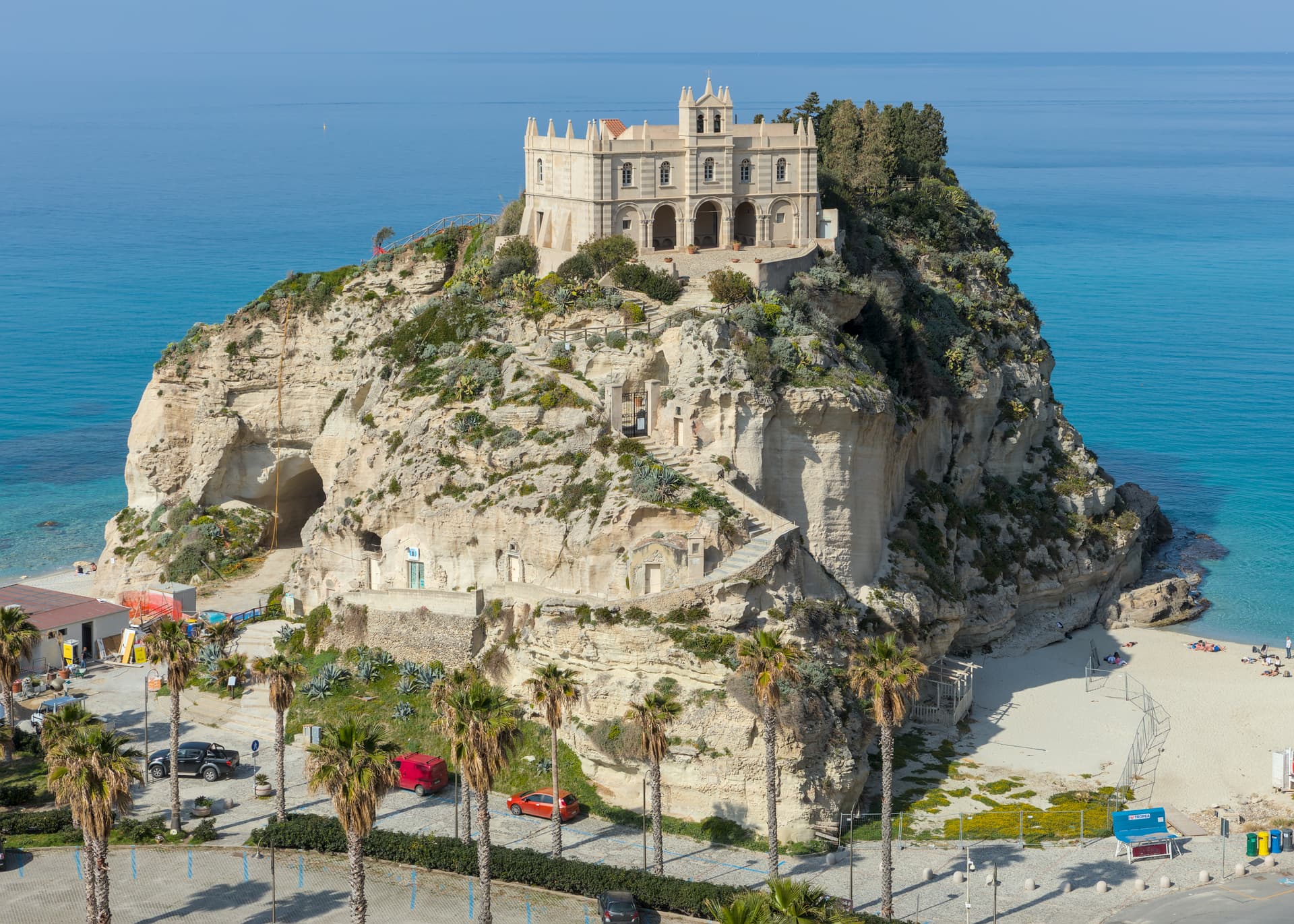
Cliff town on a tufa headland over the Tyrrhenian Coast of the Gods, with a Norman monastery on a sea rock.
Caldes
Province: Trento
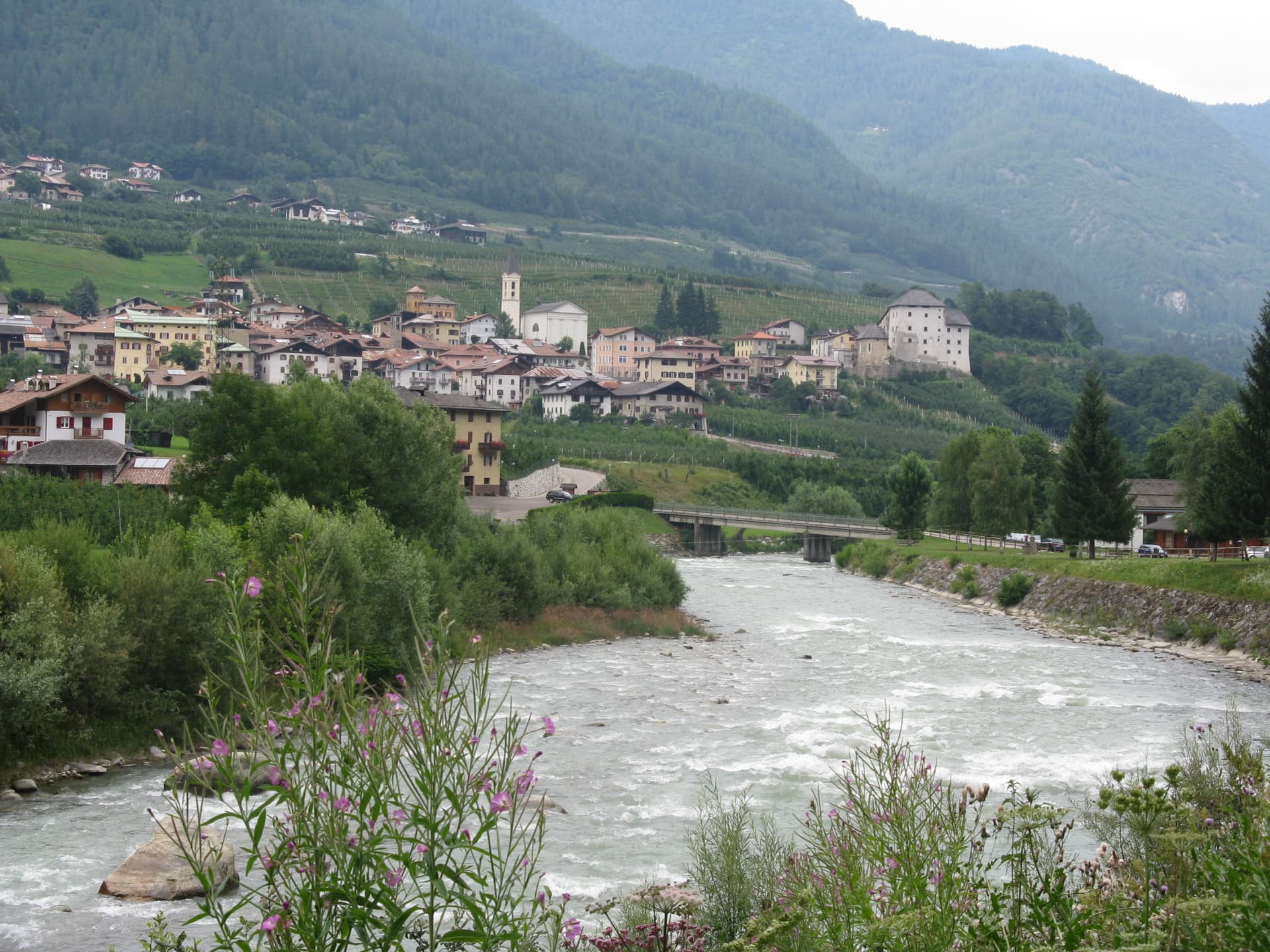
A scattered Val di Sole commune on the Noce, six hamlets gathered around a thirteenth-century tower-house castle that once belonged to the Thun family.
Cantiano
Province: Pesaro e Urbino
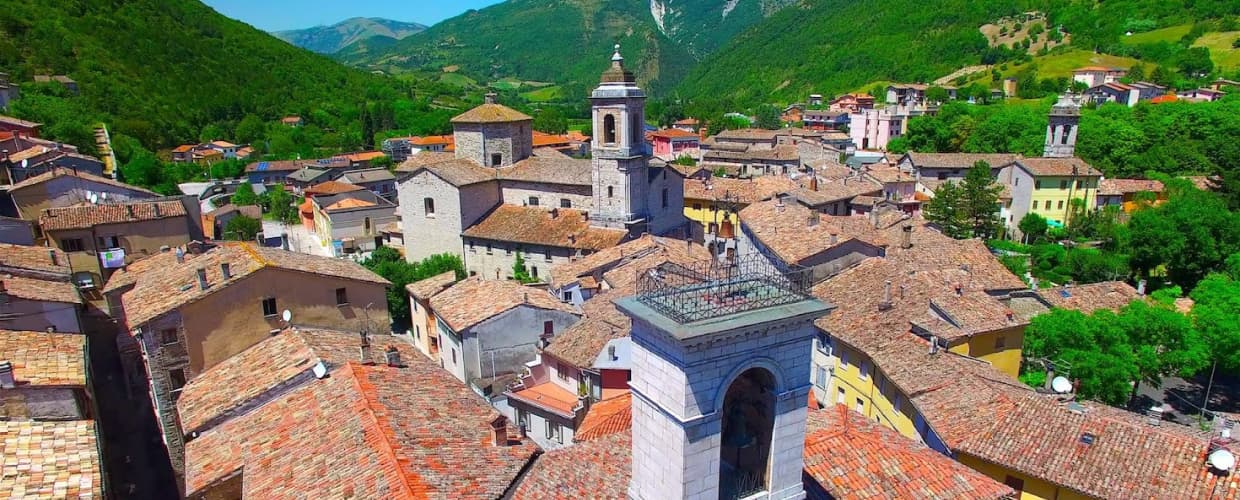
A border borgo at 374 meters under Monte Catria on the old Via Flaminia, known for the Good Friday Turba and the sour-cherry visciola harvest.