

Campania · Napoli
Bacoli
A Campi Flegrei town twenty kilometers west of Napoli, the Roman Bauli, where the Piscina Mirabilis fed the imperial fleet at Miseno.
Known for
PISCINA MIRABILIS
Largest Roman cistern in the western Empire, seventy by twenty-five by fifteen meters, built to supply fresh water to the imperial fleet at Misenum.
MISENUM
Base of the Classis Misenensis, the largest Roman fleet in the Mediterranean, now a frazione of Bacoli with a natural harbor and Roman ruins.
BRADYSEISM
Active geothermal phenomenon raising and lowering the Campi Flegrei coastline; underwater Roman ruins at Baia are the visible result.
When to visit
Best · May–Sep
- J
- F
- M
- A
- M
- J
- J
- A
- S
- O
- N
- D
- Best
- Hot or crowded
- Quiet
- Mostly closed
The festa: Sant'Anna, 26 July
Why come
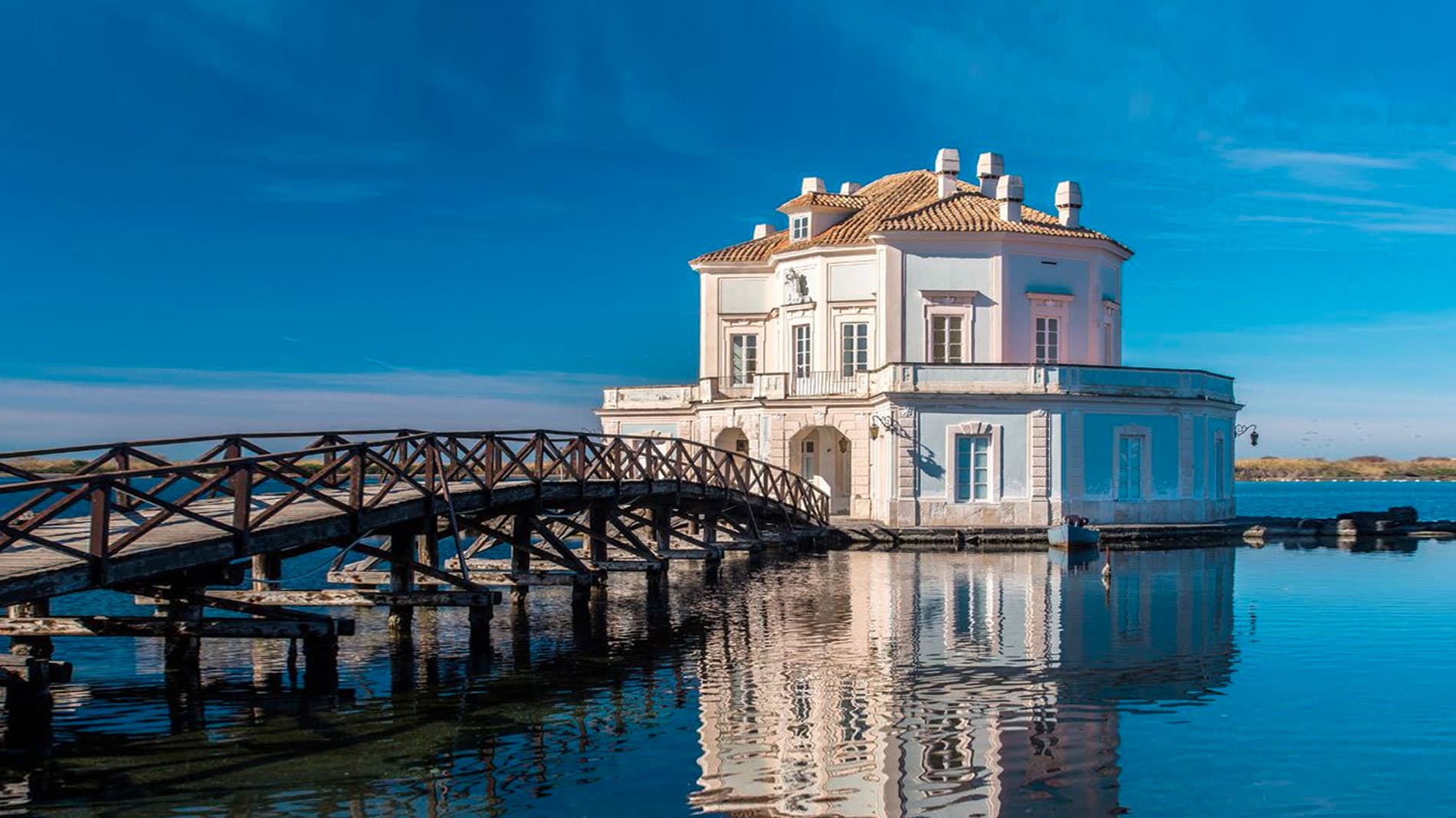
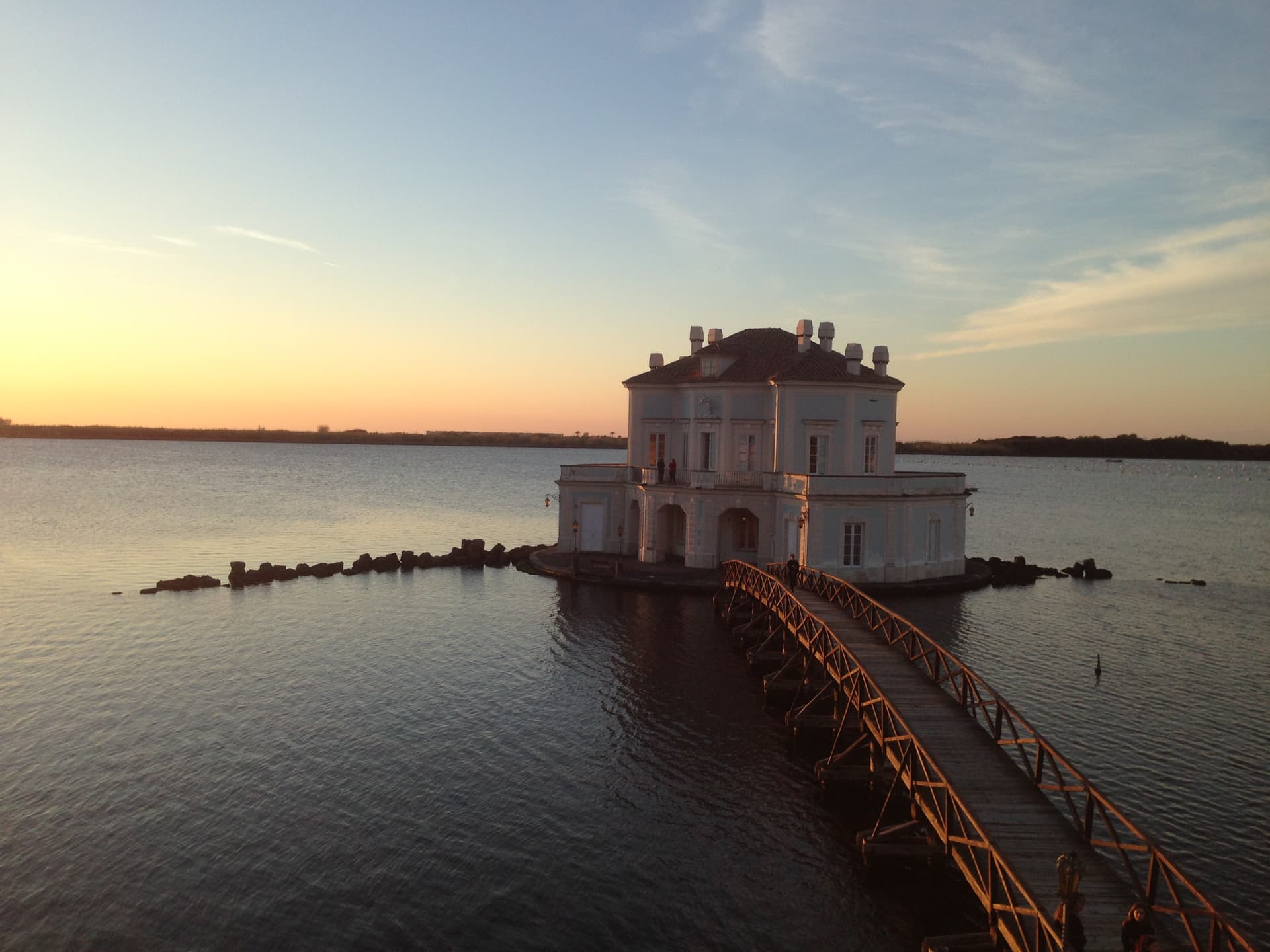
Bacoli sits at thirty meters on the western lobe of the Campi Flegrei, twenty kilometers from Napoli, looking onto Lake Miseno and the headland of Capo Miseno across the Bay of Pozzuoli. The Romans called it Bauli; in the late Republic and early Empire it was a resort lined with the villas of senators and emperors, and the fleet base at Misenum, the Classis Misenensis, was the largest in the Mediterranean. Most of that infrastructure is still here, scattered through residential blocks.
The Piscina Mirabilis, the largest Roman cistern ever discovered in the west, holds seventy meters by twenty-five, fifteen meters deep, on forty-eight cross-shaped pillars; it supplied fresh water to the fleet. The Cento Camerelle, a second cistern complex four hundred meters away, is locally called Nero's Prisons. The Aragonese castle at Baia, on the next promontory, holds the Archaeological Museum of the Campi Flegrei. Bacoli is also an active geothermal zone with bradyseism still raising and lowering the coastline.
The Sunday letter
We haven’t written Bacoli’s letter yet.
One town every Sunday, with the photo, the food, the festa. Be there when this one comes up. Free, by Peter & Sophia from Pietrasanta.
By subscribing you agree to Substack’s Terms of Use, our Privacy Policy and our Information collection notice.
What to see
Piscina Mirabilis
Largest Roman cistern ever discovered in the western Empire, seventy meters long and fifteen high on forty-eight cross-shaped pillars, supplying water to the fleet at Misenum.
Cento Camerelle
Second Roman cistern complex four hundred meters from the Piscina Mirabilis, on two superimposed levels, locally called the Prisons of Nero.
Castello Aragonese di Baia
Late-fifteenth-century Aragonese fortress on the Baia promontory, since 1993 the seat of the Museo Archeologico dei Campi Flegrei.
Capo Miseno
Headland and former Roman fleet base on the western tip of the Bay of Napoli, with the natural harbor of Misenum and a panoramic walk to the lighthouse.
Parco Archeologico Sommerso di Baia
Underwater archaeological park of submerged Roman villas, accessible by glass-bottom boat or snorkel tour, the result of bradyseismic subsidence over centuries.
The slow-trip planner
Building a trip? Find where Bacoli fits in a slow Italy circuit.
Answer five questions. We will shape a geographically coherent slow trip from the 1,000 Italian towns most travelers skip. Yours to save and share.
We recommend
Where to eat and stay
Not our picks, but places the guides put their name to — a Michelin star, a Gambero Rosso fork, a Slow Food snail, a Michelin Key for the hotels. Worth a table, a counter, or a night when you pass through.
CaracolRistorante
One Michelin star for Caracol, along with two Gambero Rosso forks (83/100) and a place in L'Espresso's Top 300.
Aguglia osteria di mare 2021Ristorante
Aguglia osteria di mare 2021 has a Gambero Rosso listing to its name.
Hosteria BugiardaRistorante
Hosteria Bugiarda has one Gambero Rosso fork (78/100) to its name.
Il Testardo - Locanda AtipicaRistorante
A Gambero Rosso listing, at Il Testardo - Locanda Atipica.
Riccio RestaurantRistorante
Riccio Restaurant holds a spot in the Michelin Guide.
Living here
- Population 25,230
- Commuter belti
- Pharmacy in town
- High school within a 30-minute drive
- Train station in the comune
- Nearest airport Naples / Salerno, 35 min drive
- Regional capital Napoli, 31 min drive
This is a thermal town — terme operate here.
Tags & datadesignations · numbers · sources
Recognised as
The numbers
- Elevation: 30 m
- Population: 25,230
- Surface area: 13.47 km²
These figures were compiled from public directories — ISTAT, OpenStreetMap, Wikidata — and from the official listings of the guides named on this page. Town details change; verify with official sources before you travel.
Close by
More towns near Bacoli
Pozzuoli
Province: Napoli
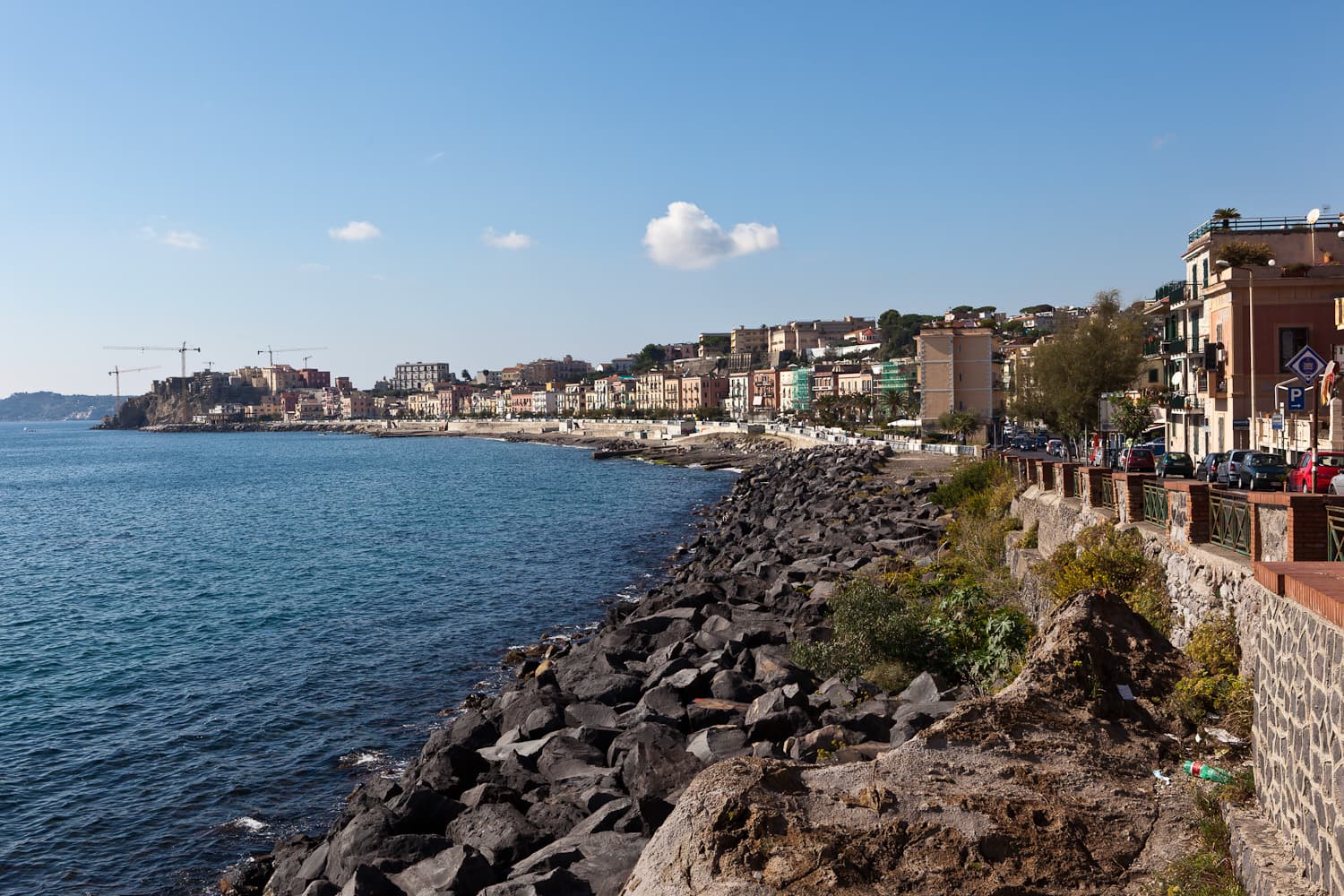
A Roman port on the Campi Flegrei caldera, the Greek Dicearchia and Roman Puteoli, where the Macellum columns first proved bradyseism.
Ercolano
Province: Napoli
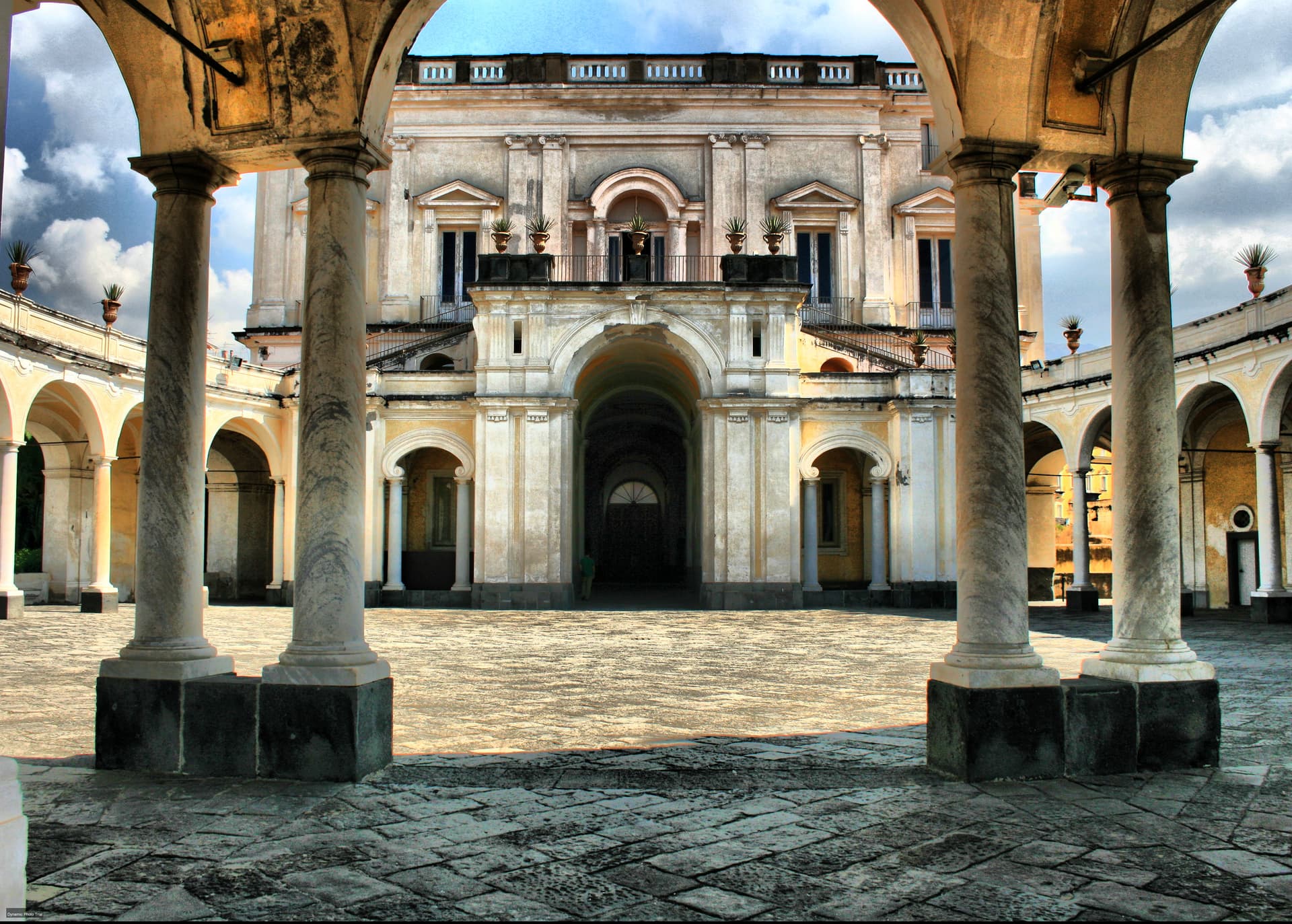
The smaller, denser, more intact Pompeii — Herculaneum was buried under 25m of pyroclastic mud (not ash) on 24 October AD 79, preserving wooden roofs, papyrus scrolls, and second-storey balconies that no other Roman site has, and the modern comune of Ercolano above it adds the Vesuvius National Park gateway and the 18th-c Bourbon Ville Vesuviane along the Miglio d'Oro.
Torre Annunziata
Province: Napoli
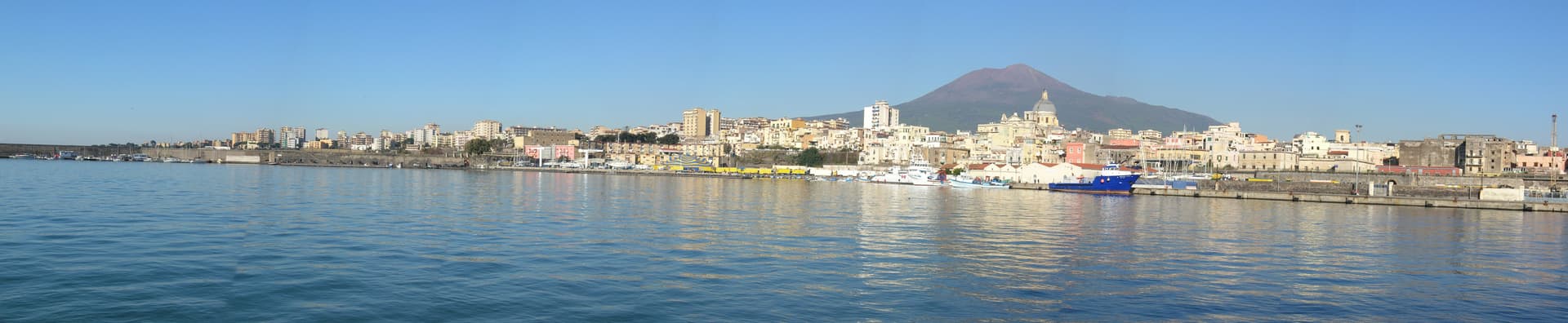
Capital of Italian pasta in the interwar period and home of the Roman Villa di Poppea, on the bay at the foot of Vesuvius.
Nola
Province: Napoli
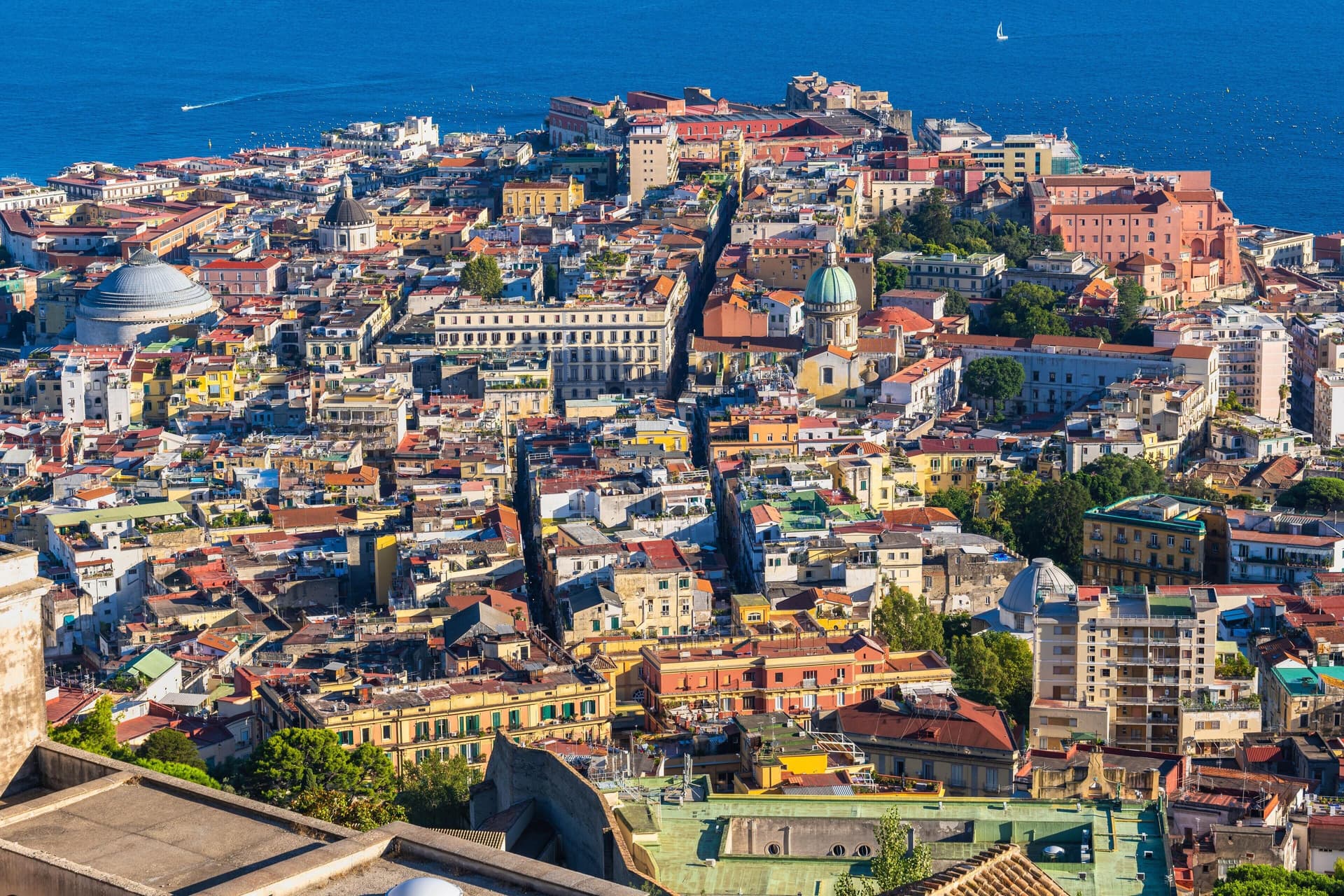
The Campanian plain town where Augustus died in AD 14 and Giordano Bruno was born in 1548, famous for the June Festa dei Gigli.
Pompei
Province: Napoli
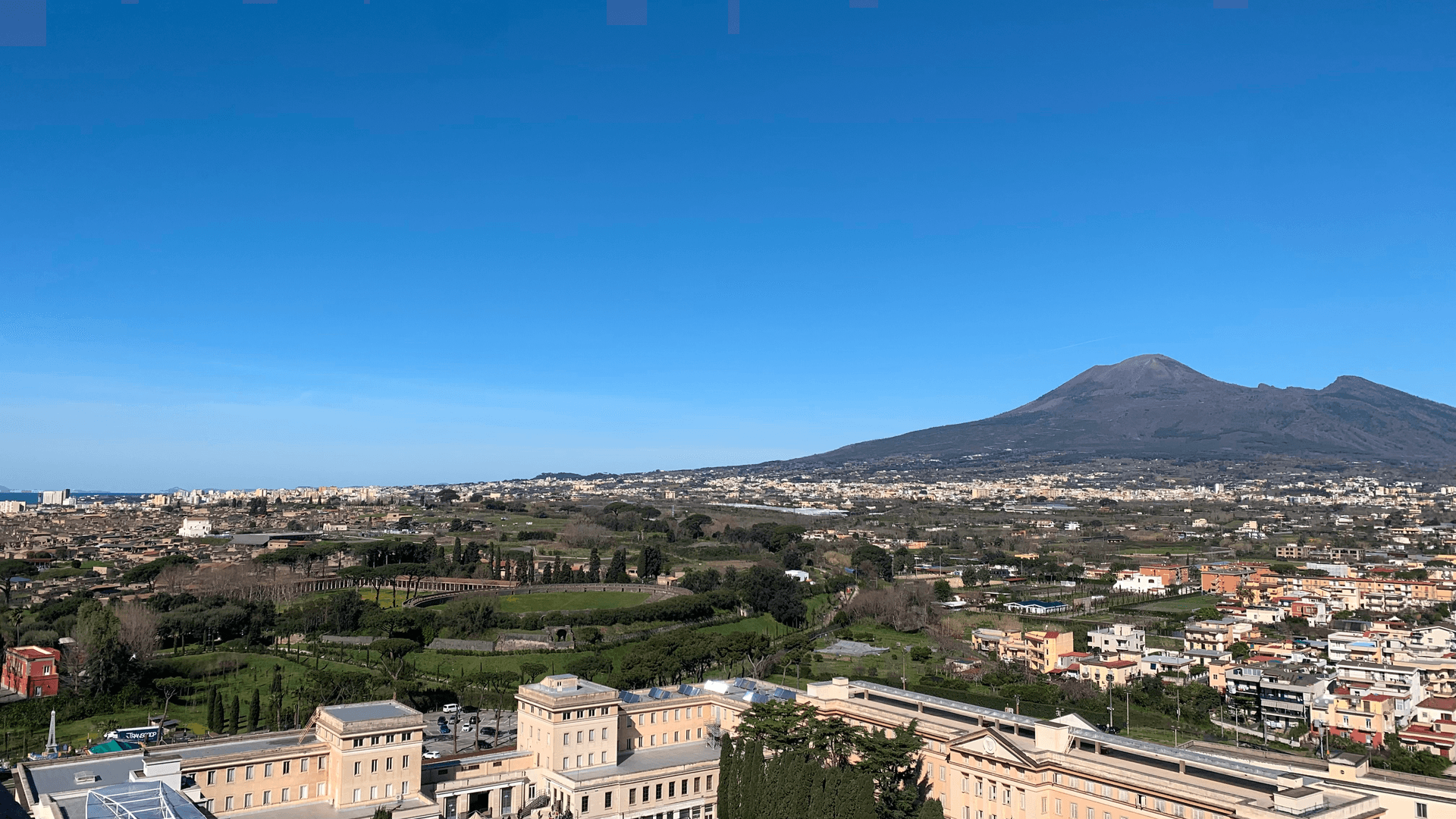
The Roman city buried by Vesuvius in 79 AD, dug back up since 1748, and a modern town around Bartolo Longo's 1876 sanctuary.
♨️ Comuni Termali
More Comuni Termali towns
Caramanico Terme
Province: Pescara
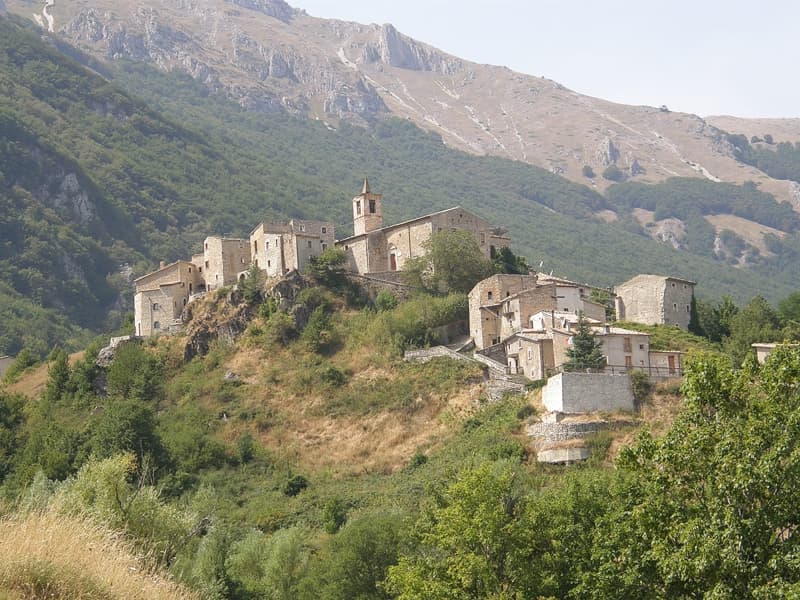
A 650-meter Majella spa village at the confluence of the Orfento and Orta, with sulphurous springs whose properties were documented in 1576.
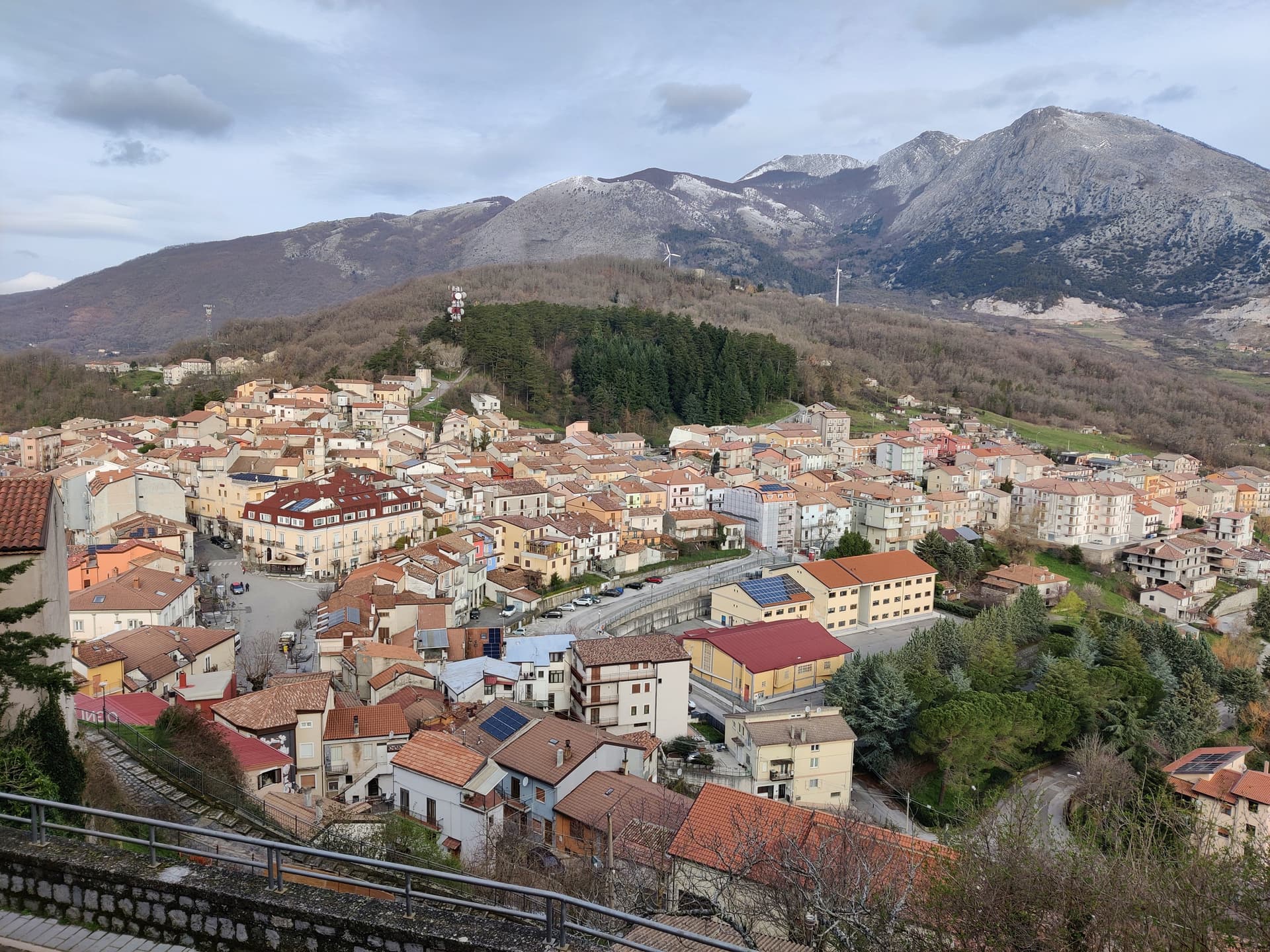
Latronico
Province: Potenza
A mountain town at 888 meters on the northern edge of the Pollino, with two prehistoric thermal springs at the Calda hamlet below.
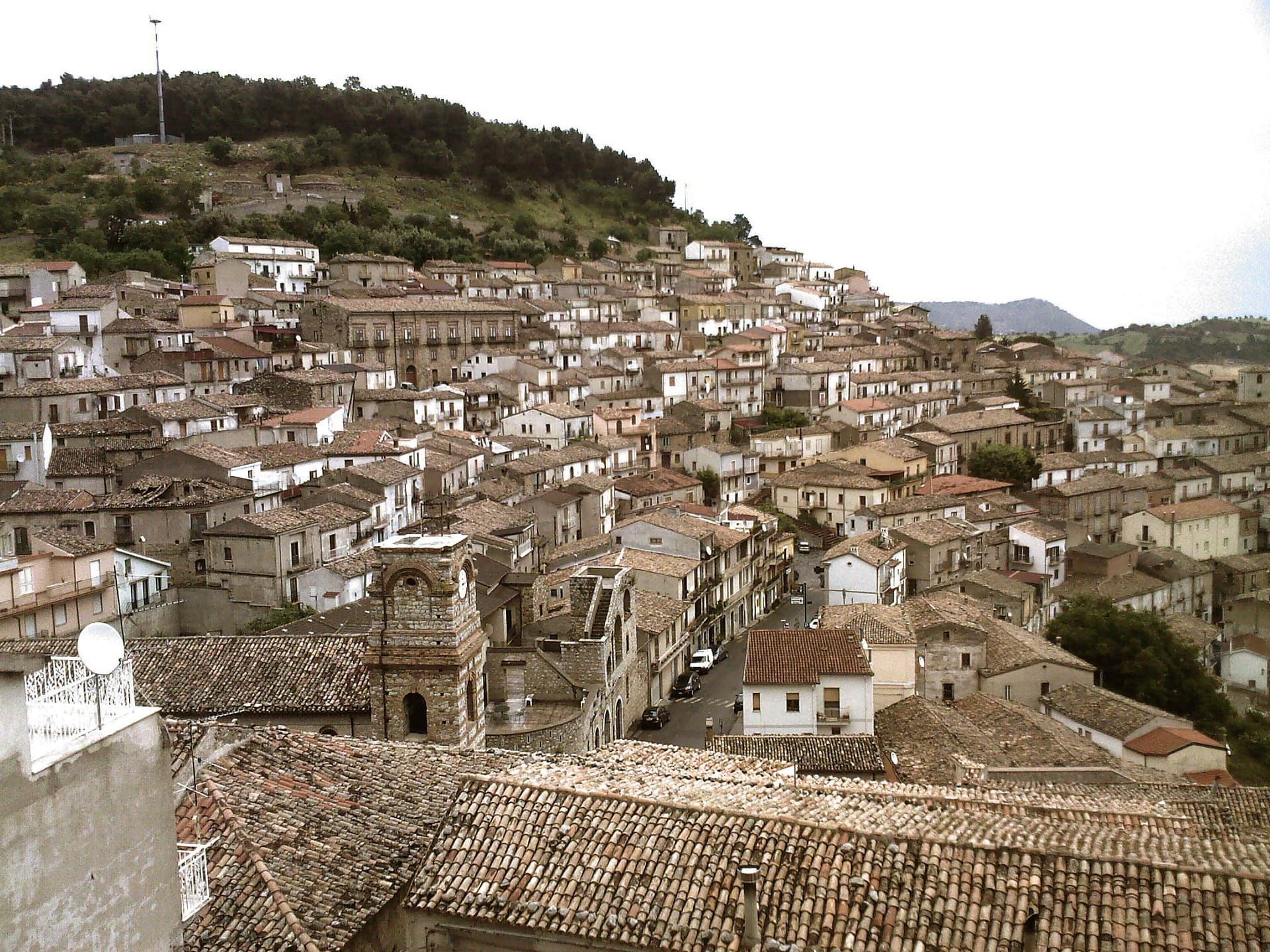
Cerchiara di Calabria
Province: Cosenza
A Città del Pane at 650 meters under Mount Sellaro, with a rock sanctuary at 1,015 meters and a sulphurous Cave of the Nymphs feeding the thermal springs.
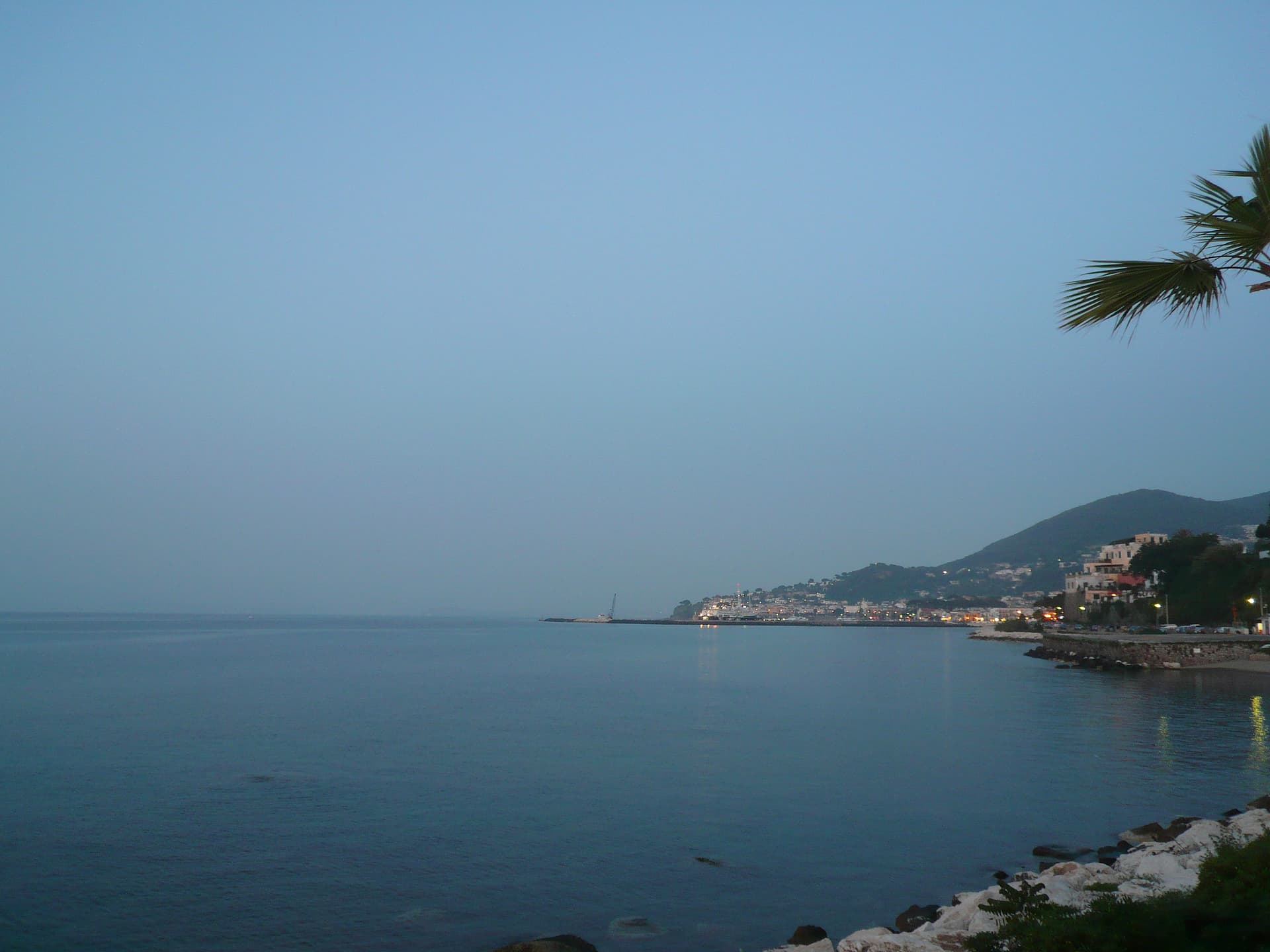
Casamicciola Terme
Province: Napoli
Ischia's thermal town on the flank of Monte Epomeo, levelled by the 1883 earthquake and again in 2017, rebuilt on the Gurgitello springs.
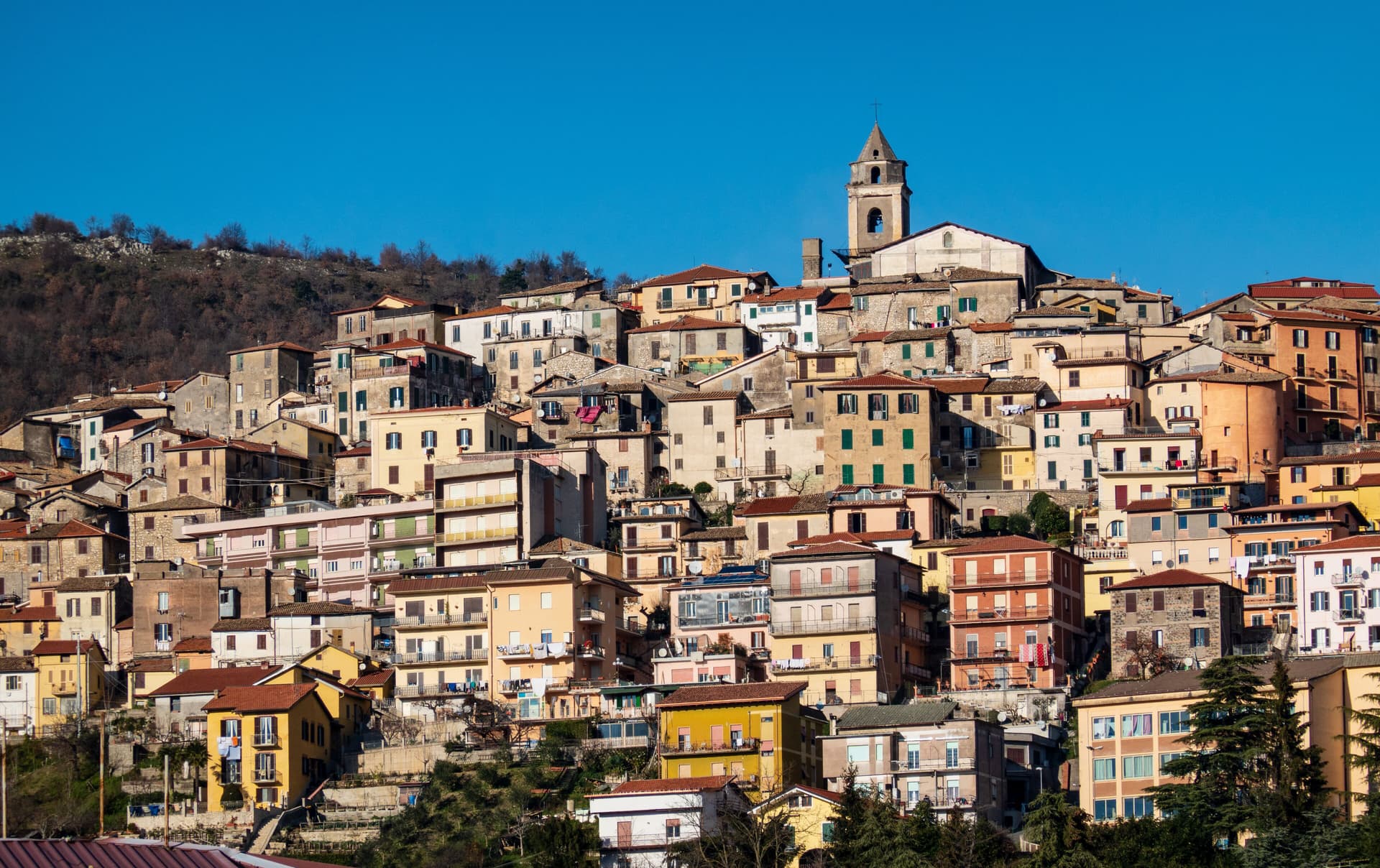
Fiuggi
Province: Frosinone
The Ernici-mountain thermal town where Boniface VIII and Michelangelo both came to dissolve kidney stones with the oligomineral spring water.