

Campania · Napoli
Ercolano
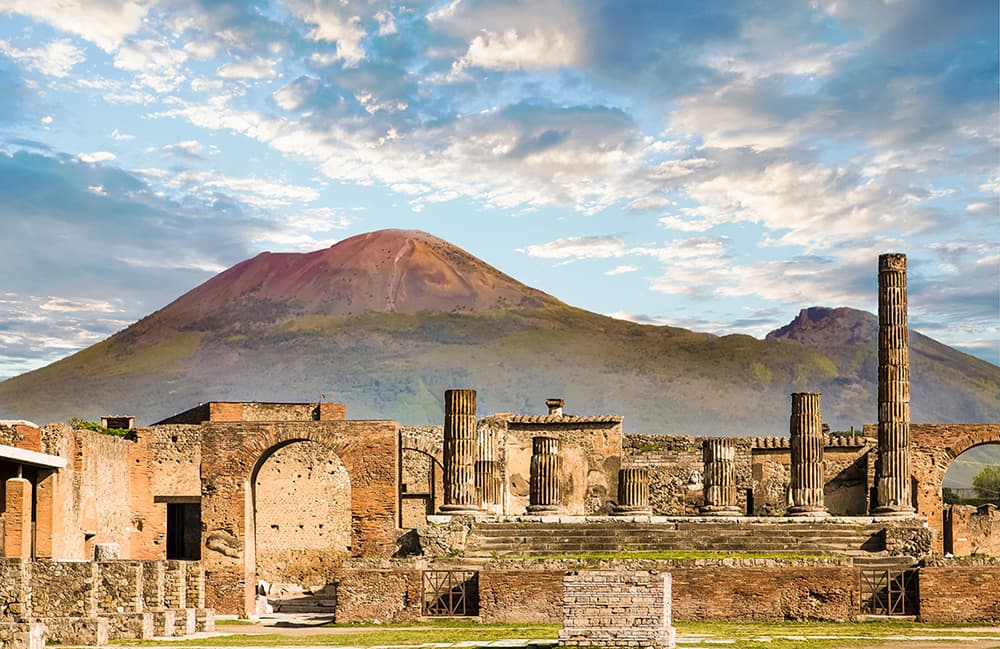
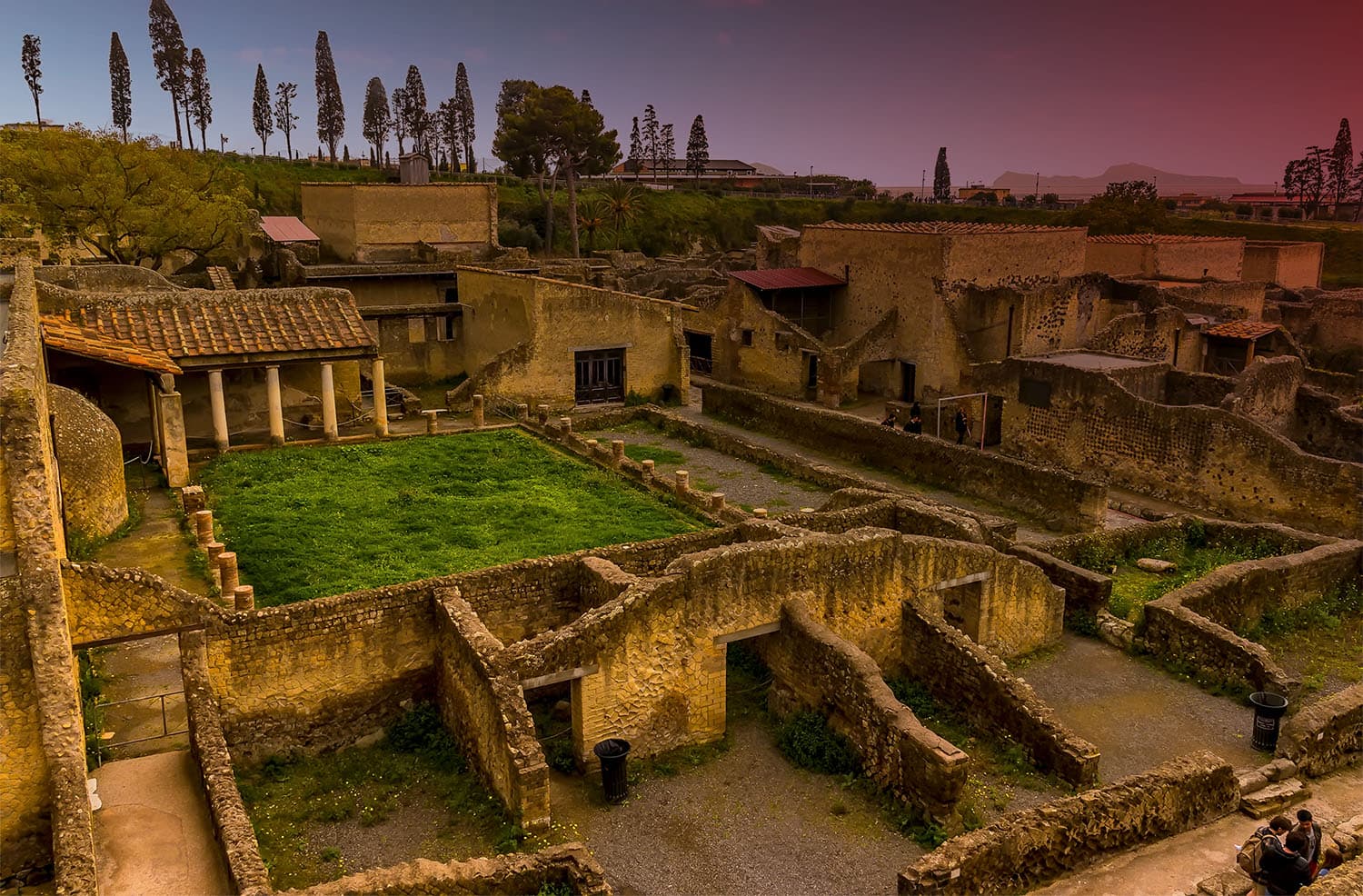
The smaller, denser, more intact Pompeii — Herculaneum was buried under 25m of pyroclastic mud (not ash) on 24 October AD 79, preserving wooden roofs, papyrus scrolls, and second-storey balconies that no other Roman site has, and the modern comune of Ercolano above it adds the Vesuvius National Park gateway and the 18th-c Bourbon Ville Vesuviane along the Miglio d'Oro.
Known for
UNESCO HERCULANEUM
The only Roman site where wood, papyrus, and textiles survive — preserved under 25m of pyroclastic mud from AD 79. Smaller + denser + more intact than Pompeii.
VILLA DEI PAPIRI LIBRARY
1,800 carbonised papyrus scrolls — the largest single ancient library ever recovered. Still being unrolled with multispectral imaging. The Getty Villa is its 1:1 replica.
VESUVIO PARK GATEWAY
Eastern entrance to the Parco Nazionale del Vesuvio. Gran Cono crater hike is the standard half-day from the upper car park.
MIGLIO D'ORO VILLAS
122 Bourbon-era aristocratic villas line the SS18 from Ercolano to Torre del Greco. Vanvitelli's Villa Campolieto (1763) is the headline open one.
When to visit
Best · Mar–Jun, Sep–Oct
- J
- F
- M
- A
- M
- J
- J
- A
- S
- O
- N
- D
- Best
- Hot or crowded
- Quiet
- Mostly closed
Why come
Ercolano is the modern town built directly on top of ancient Herculaneum — the Roman seaside resort buried in the same AD 79 Vesuvius eruption that destroyed Pompeii, but preserved very differently. While Pompeii was buried under 3-4m of ash (which scorched but didn't soak the organic material), Herculaneum was hit by repeated pyroclastic surges and ultimately buried under 25 meters of fine pyroclastic mud that cooled hard and sealed every wooden roof, every papyrus scroll, every second-storey balcony, and every textile in place. The result, excavated since 1738 by Charles of Bourbon and progressively since, is the only place where you can see Roman daily life with the wood still there — the carbonised wooden screen of the House of the Wooden Partition, the wooden bed in the House of the Carbonised Furniture, the second-storey overhangs that don't survive at Pompeii.
The Villa dei Papiri (the 100m-long suburban villa attributed to Julius Caesar's father-in-law Lucius Calpurnius Piso, where ~1,800 carbonised papyrus scrolls were recovered including the entire Epicurean philosophical library of Philodemus of Gadara, the largest single ancient library ever recovered — still being unrolled with multispectral imaging at the Officina dei Papiri Ercolanesi in Naples) is the site that the J. Paul Getty Museum in Malibu literally replicated 1:1 as its main building. The skeletons in the boathouse arches (300 fugitives who fled to the seafront and were killed by the 500°C pyroclastic surge while waiting for evacuation, discovered in the 1980s and 1990s) are the most-photographed image of the catastrophic moment.
The site is UNESCO World Heritage (1997, jointly with Pompeii and Torre Annunziata). Above the ruins, the modern Ercolano (50,000 residents on the lower slopes of Vesuvius) is the eastern gateway to the Parco Nazionale del Vesuvio — the Gran Cono crater hike (1,281m, 30 minutes from the upper car park, reservation required) is the standard half-day. Along the SS18 (the Miglio d'Oro, the Golden Mile), 122 Bourbon-era villas built 1730s-1820s by the Naples aristocracy line the road from Ercolano to Torre del Greco — Villa Campolieto (Vanvitelli, 1763, now restored as a cultural centre) and Villa Favorita (royal residence) are open. The food is Vesuvian: spaghetti alle vongole, mozzarella di bufala, pomodorino del piennolo del Vesuvio DOP (the cherry tomatoes from the volcanic slopes), and the Lacryma Christi del Vesuvio DOC red and white from vineyards on the volcanic soil.
The Sunday letter
We haven’t written Ercolano’s letter yet.
One town every Sunday, with the photo, the food, the festa. Be there when this one comes up. Free, by Peter & Sophia from Pietrasanta.
By subscribing you agree to Substack’s Terms of Use, our Privacy Policy and our Information collection notice.
What to see
Parco Archeologico di Ercolano (UNESCO)
The only Roman site where Roman wood survives — wooden screens, beds, second-storey balconies all preserved by the 25m pyroclastic mud blanket from AD 79. Smaller + denser + more intact than Pompeii.
Villa dei Papiri
100m-long suburban villa attributed to Caesar's father-in-law. 1,800 carbonised papyrus scrolls recovered — the largest single ancient library ever found. The Getty Villa in Malibu is a 1:1 replica.
Boathouse skeletons
300 fugitives killed by the 500°C pyroclastic surge while waiting for evacuation on the ancient seafront — discovered in the 1980s. The most-photographed image of the AD 79 moment.
Vesuvio National Park + Gran Cono
Eastern gateway to the Parco Nazionale del Vesuvio. The Gran Cono crater hike (1,281m) is the standard half-day — 30 min from the upper car park, reservation required.
Miglio d'Oro Ville Vesuviane
122 Bourbon-era villas built 1730s-1820s along the SS18 between Ercolano and Torre del Greco. Villa Campolieto (Vanvitelli 1763) + Villa Favorita open for visits.
The slow-trip planner
Building a trip? Find where Ercolano fits in a slow Italy circuit.
Answer five questions. We will shape a geographically coherent slow trip from the 1,000 Italian towns most travelers skip. Yours to save and share.
Living here
- Population 50,124
- Commuter belti
- Pharmacy in town
- High school within a 30-minute drive
- Train station in the comune
- Nearest airport Naples / Salerno, 22 min drive
- Regional capital Napoli, 16 min drive
Tags & datadesignations · numbers · sources
Recognised as
The numbers
- Elevation: 44 m
- Population: 50,124
- Surface area: 19.89 km²
These figures were compiled from public directories — ISTAT, OpenStreetMap, Wikidata — and from the official listings of the guides named on this page. Town details change; verify with official sources before you travel.
Close by
More towns near Ercolano
Torre Annunziata
Province: Napoli
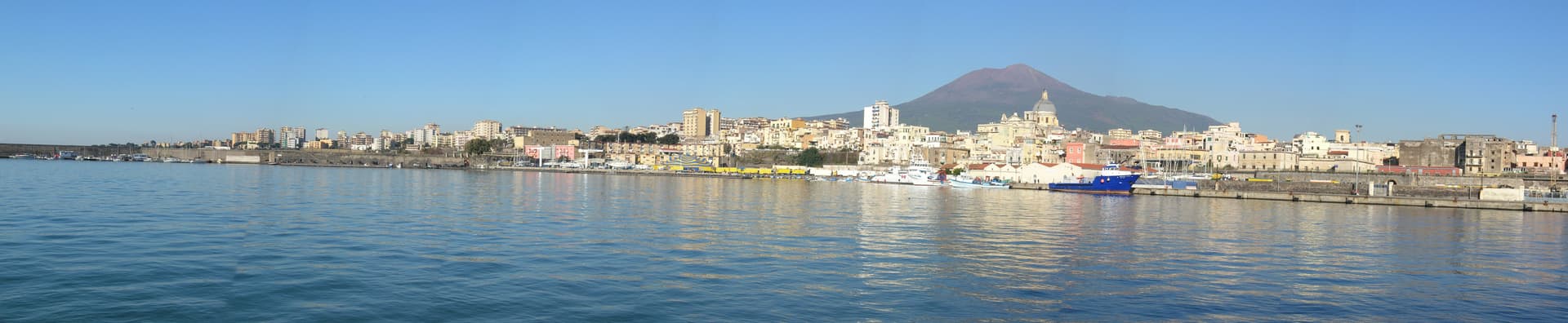
Capital of Italian pasta in the interwar period and home of the Roman Villa di Poppea, on the bay at the foot of Vesuvius.
Pompei
Province: Napoli
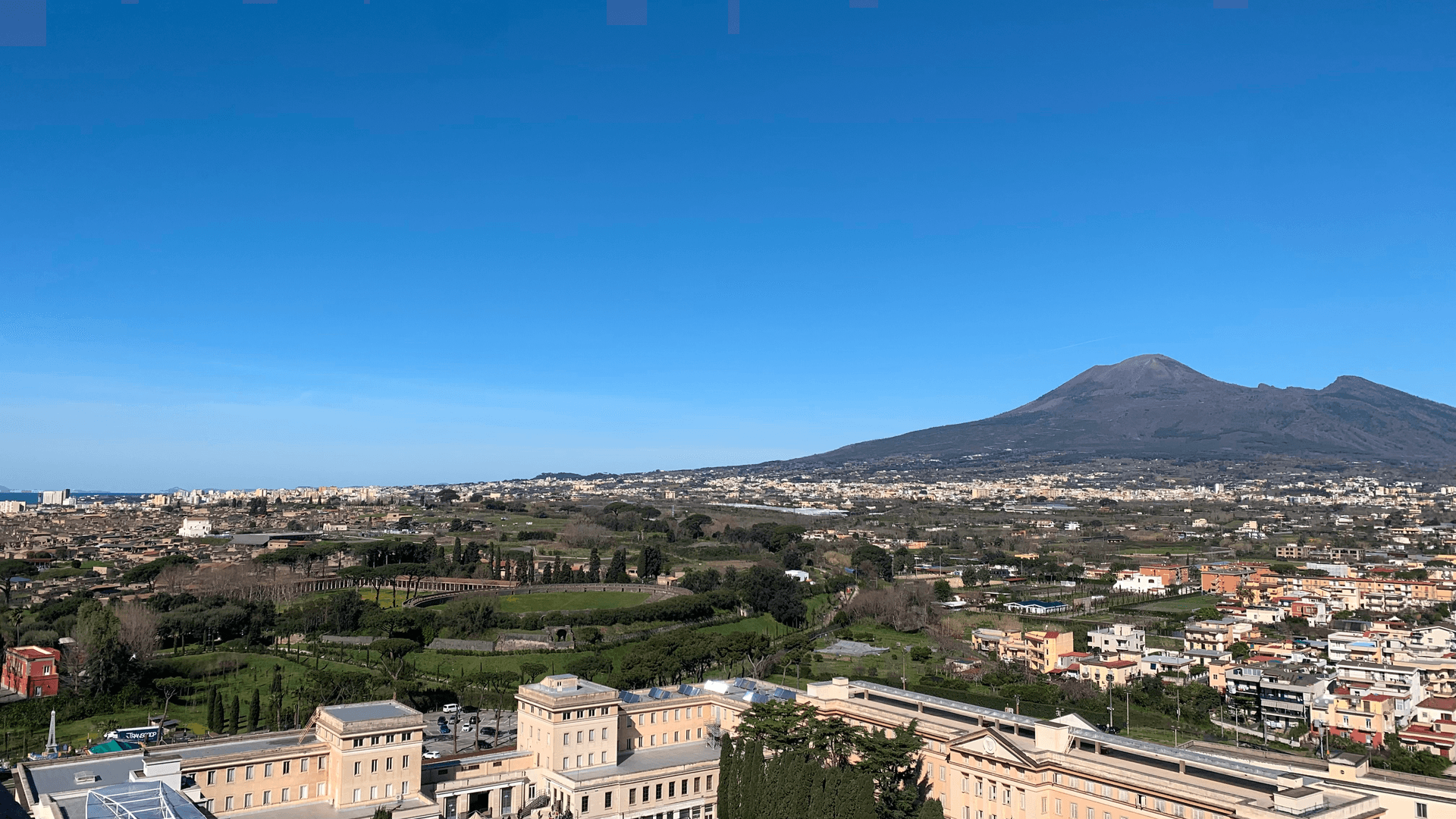
The Roman city buried by Vesuvius in 79 AD, dug back up since 1748, and a modern town around Bartolo Longo's 1876 sanctuary.
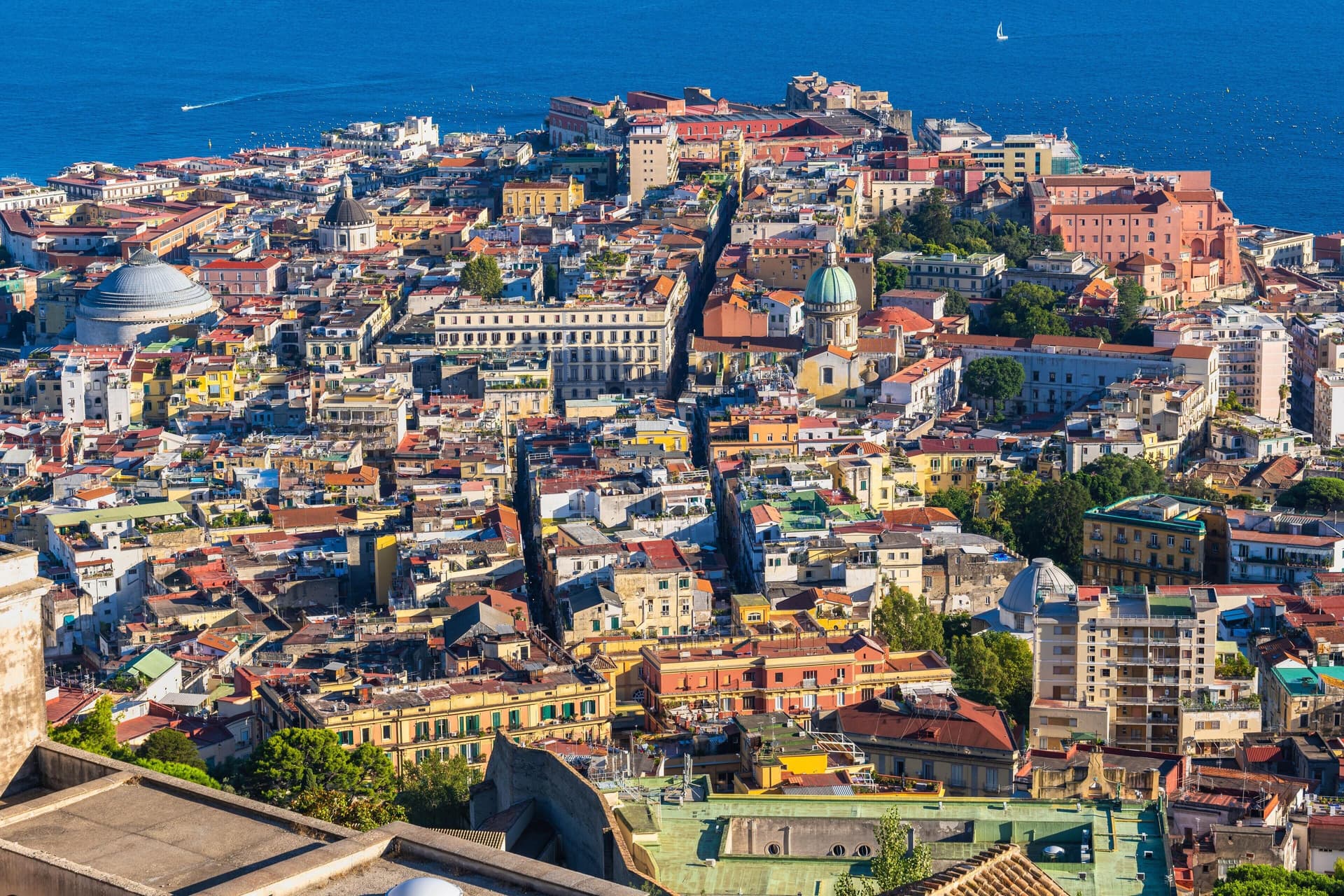
Nola
Province: Napoli
The Campanian plain town where Augustus died in AD 14 and Giordano Bruno was born in 1548, famous for the June Festa dei Gigli.
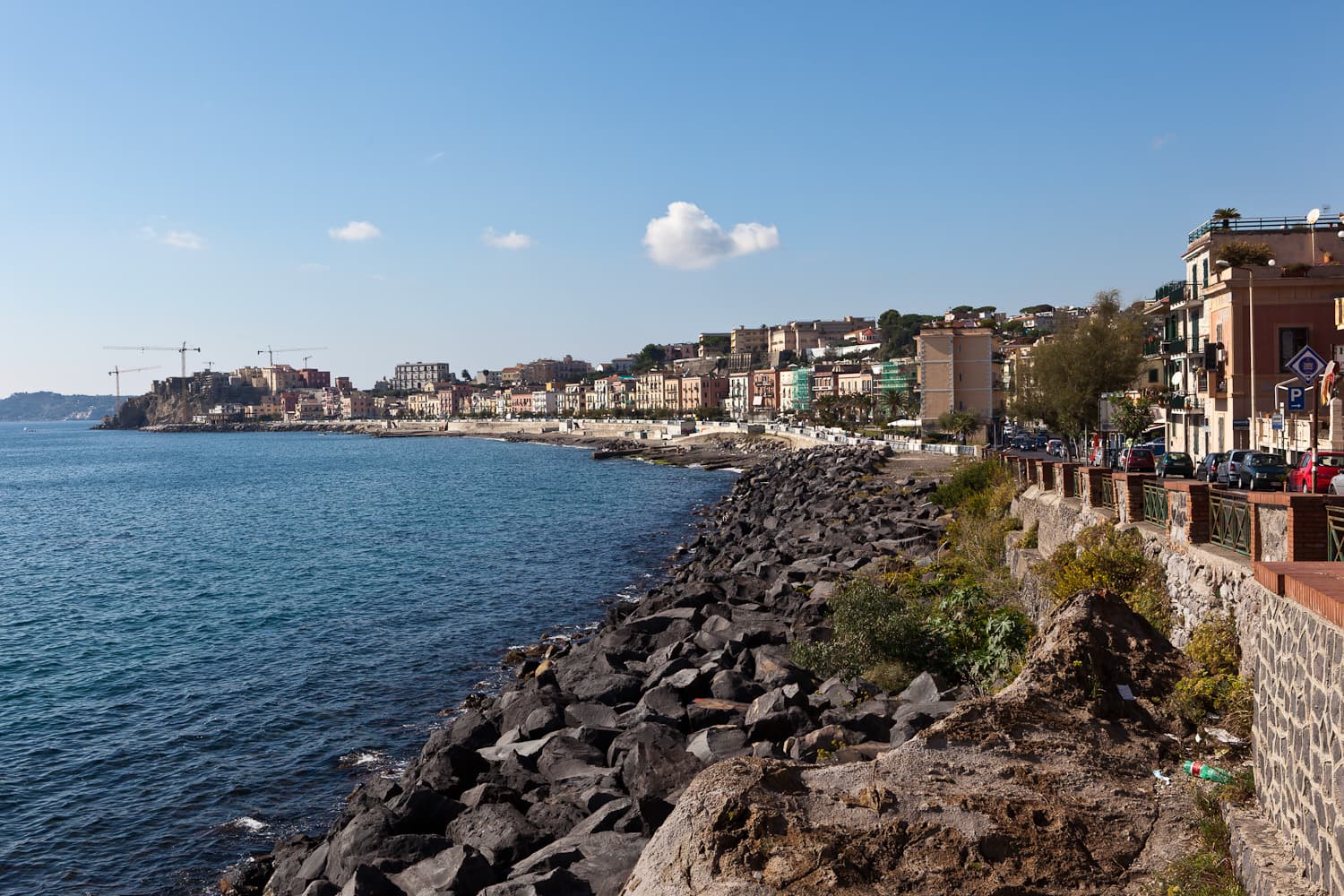
Pozzuoli
Province: Napoli
A Roman port on the Campi Flegrei caldera, the Greek Dicearchia and Roman Puteoli, where the Macellum columns first proved bradyseism.
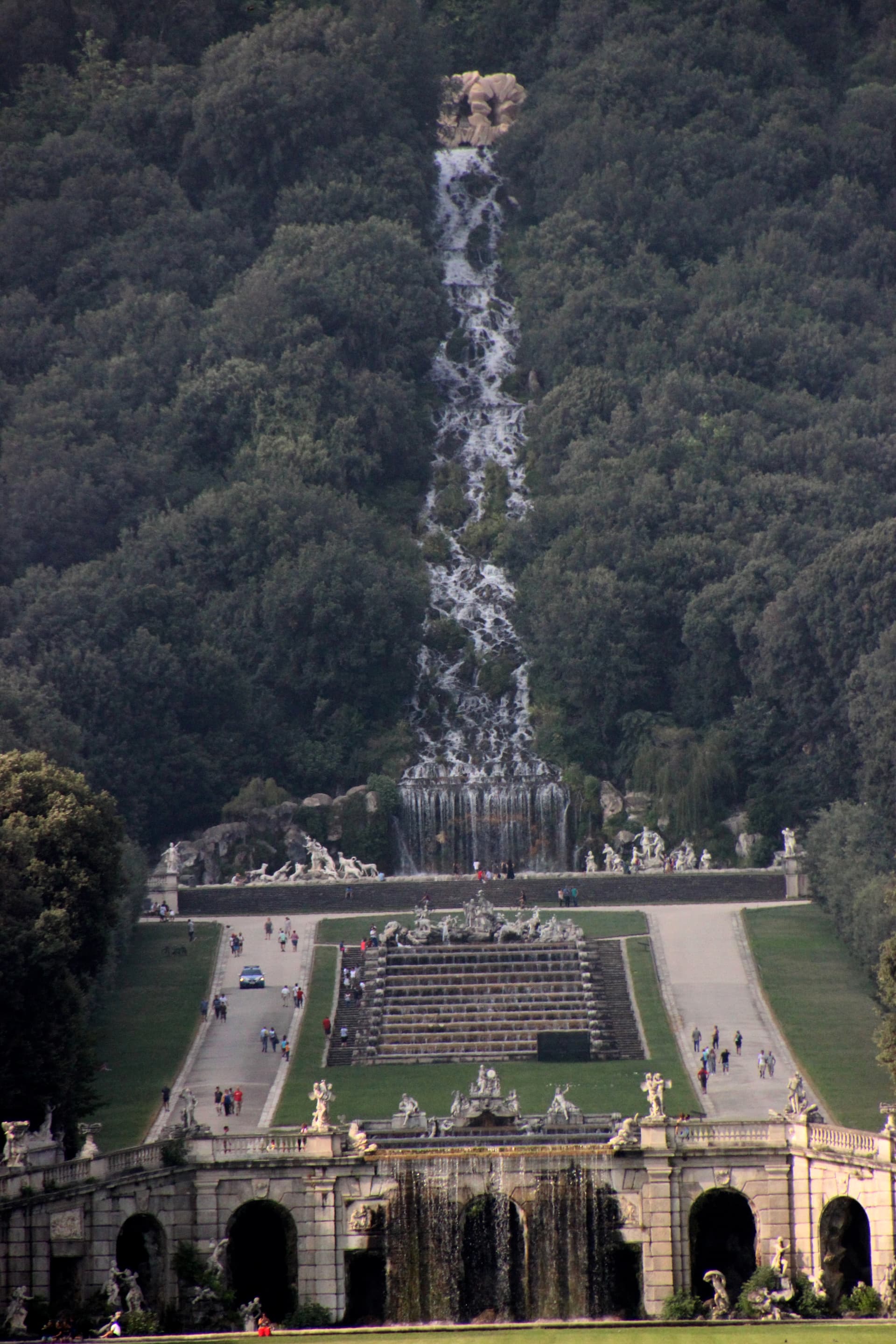
Caserta
Province: Caserta
Italy's answer to Versailles, built by the Bourbons on the Campanian plain with 1,200 rooms and a three-kilometer water axis.
🏛️ UNESCO
More UNESCO towns in Campania
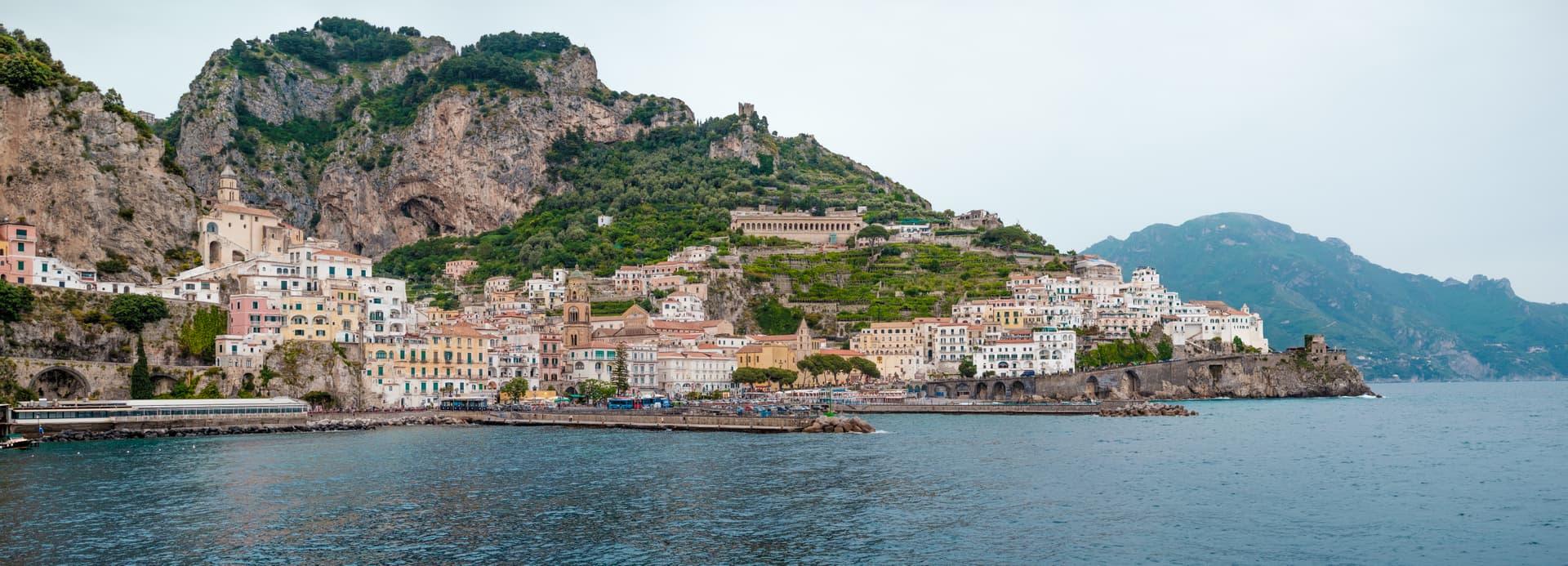
Amalfi
Province: Salerno
The first Italian maritime republic and the coast it named, six meters above the sea between cliffs that close around the duomo's steps.
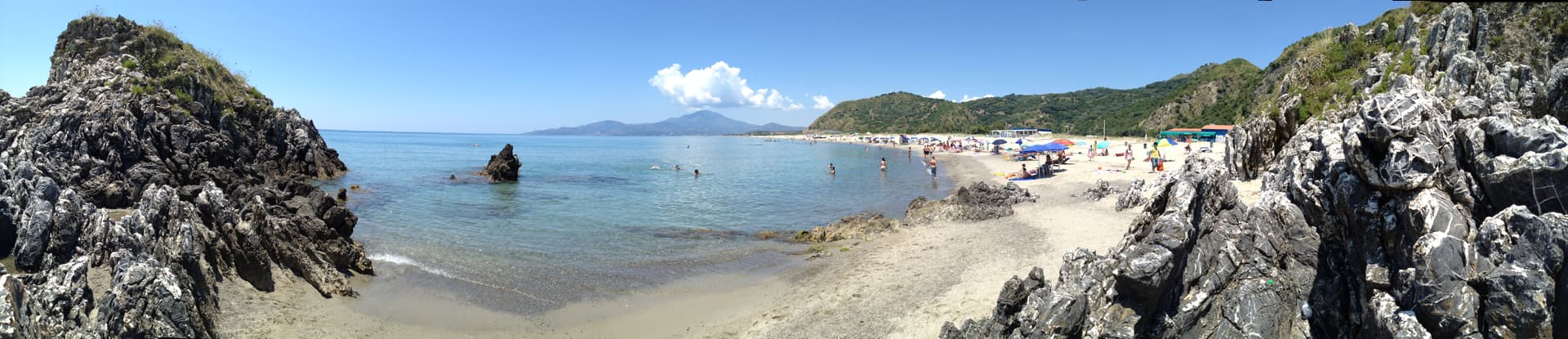
Ascea
Province: Salerno
Two villages, a hilltown at 230 meters and a Cilento marina, with Parmenides and Zeno's Eleatic school in the ruins of Greek Velia below.
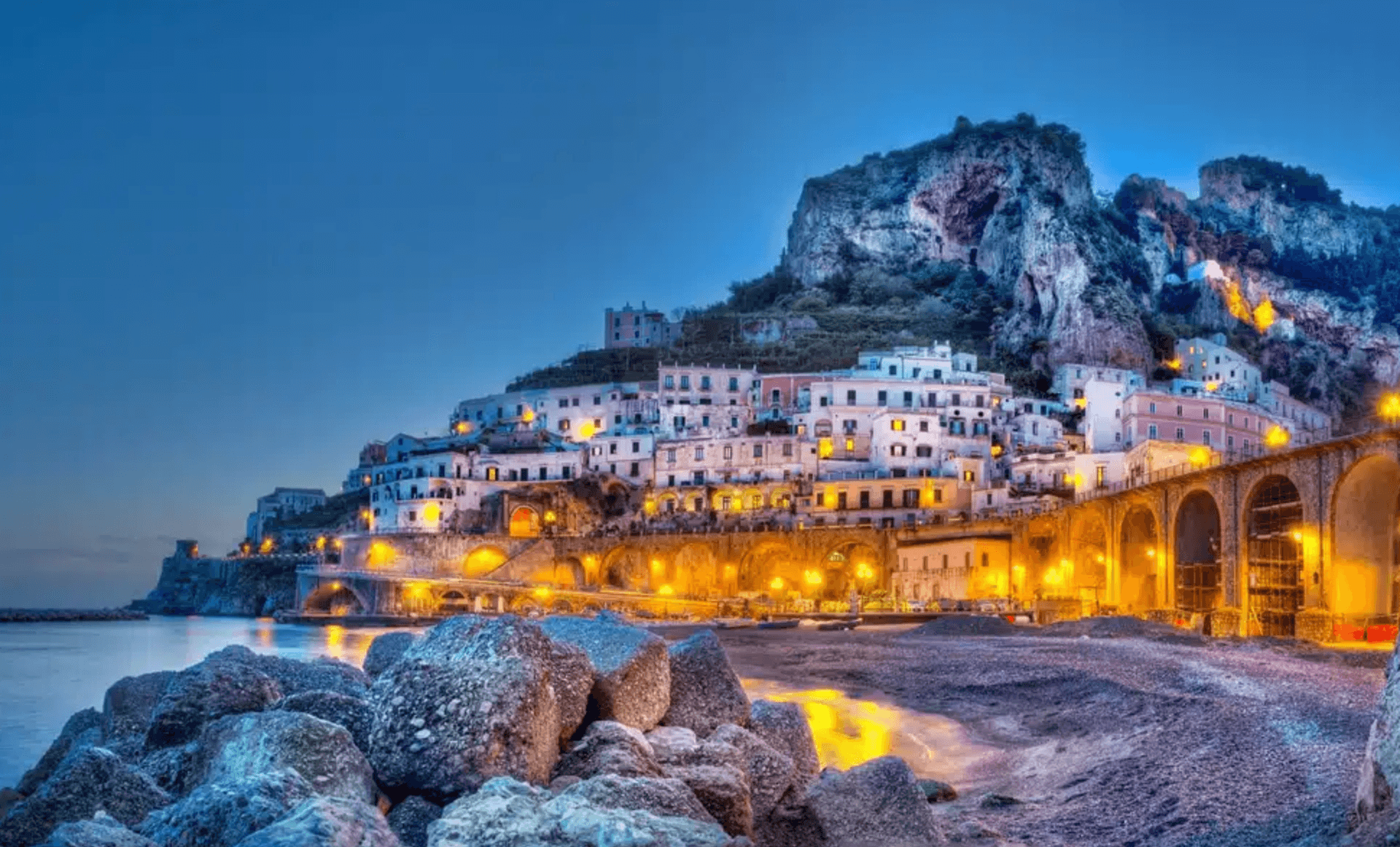
Atrani
Province: Salerno
The smallest commune in Italy by area, twelve hectares of stacked houses where the Amalfi Coast pinches shut around a single piazza.
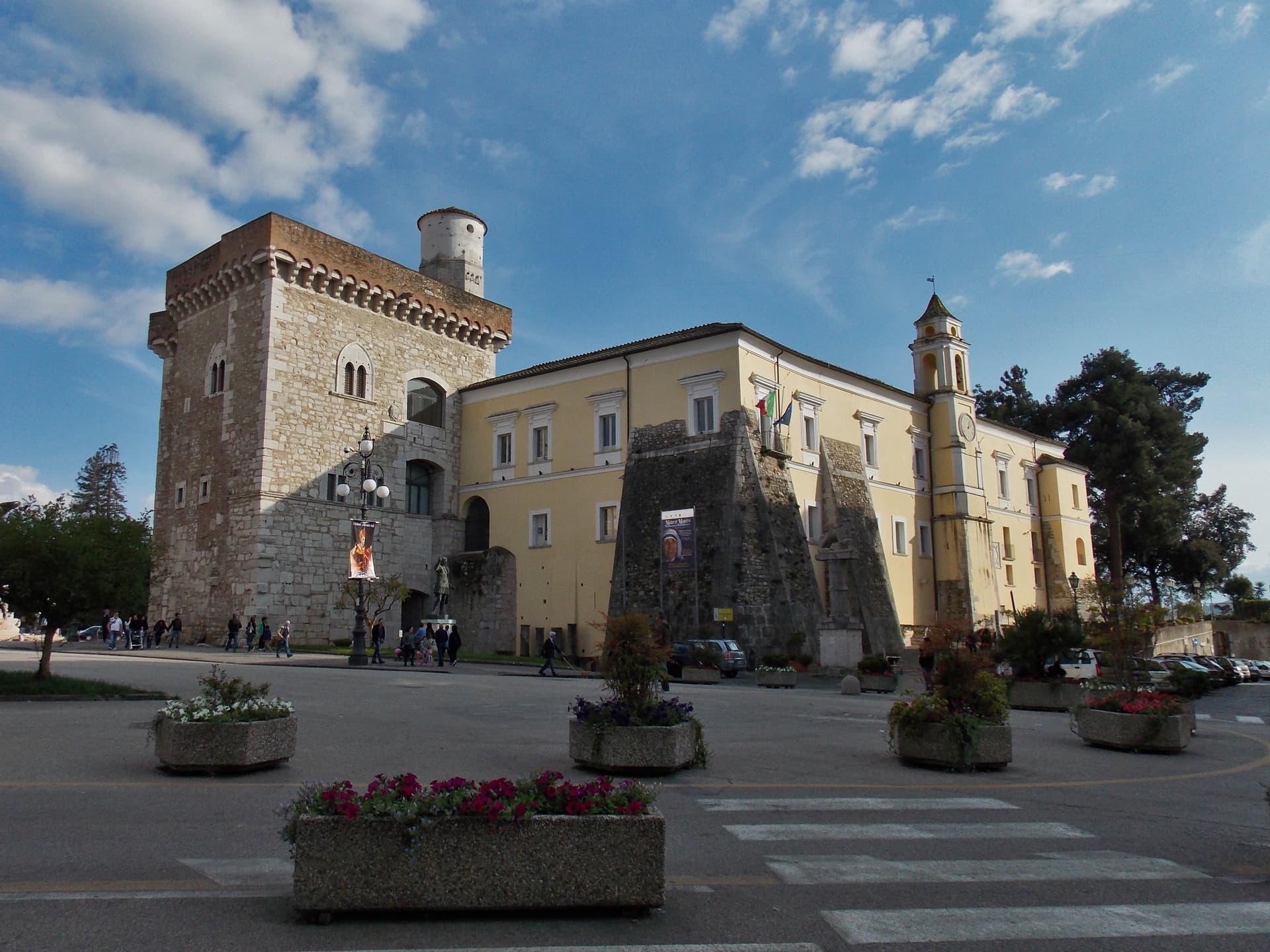
Benevento
Province: Benevento
Sannio capital at the Calore-Sabato confluence, with a 114 AD Trajan arch and a Lombard rotunda on the UNESCO list.
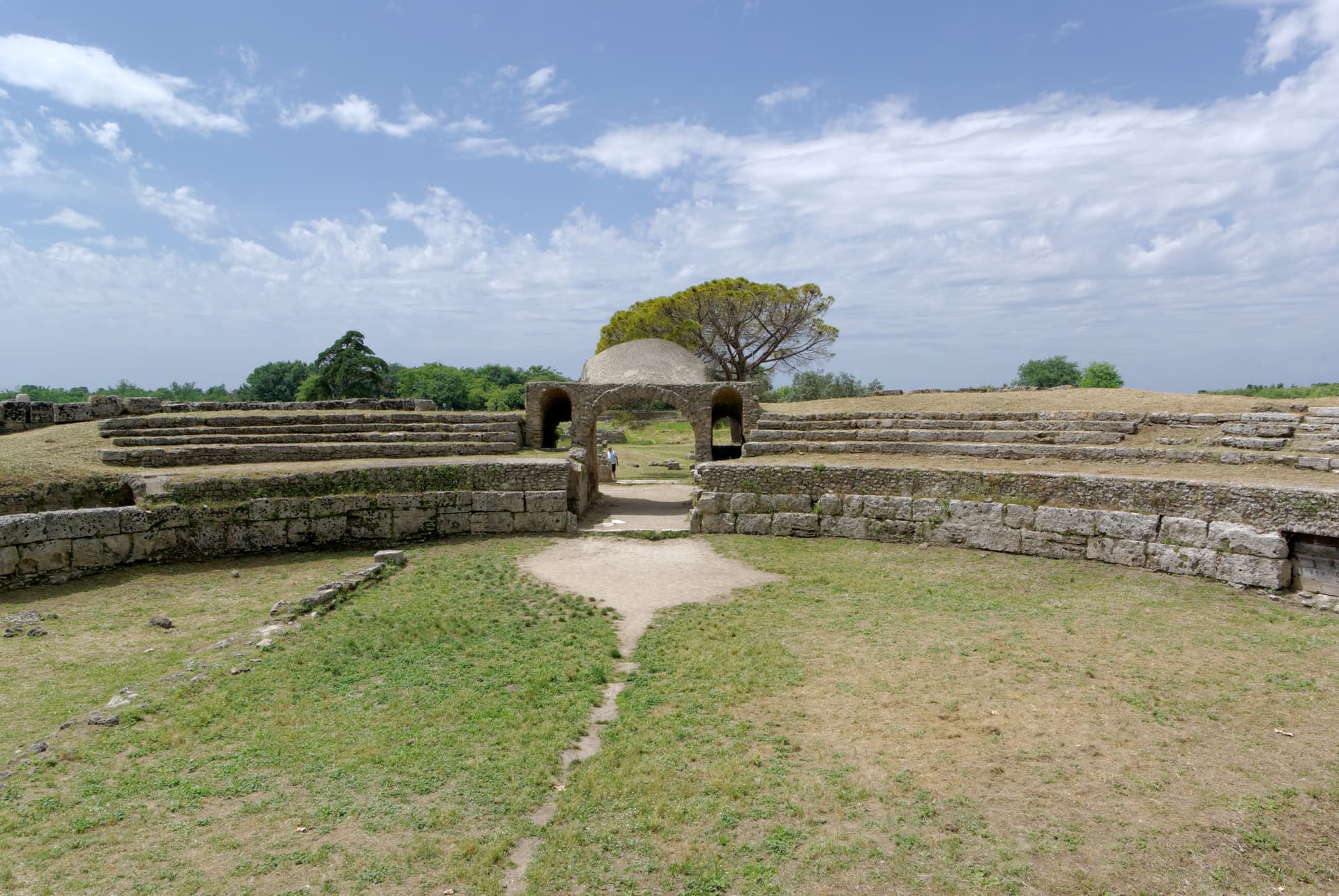
Capaccio Paestum
Province: Salerno
Three Doric temples of 550 to 450 BC on the Sele plain, with mozzarella di bufala DOP on the buffalo flats below Monte Calpazio.