

Campania · Benevento
Benevento
Sannio capital at the Calore-Sabato confluence, with a 114 AD Trajan arch and a Lombard rotunda on the UNESCO list.
Known for
ARCO DI TRAIANO
Roman triumphal arch of 114-117, one of the best-preserved in the empire, marking the start of the Via Traiana to Brindisi.
UNESCO LOMBARD
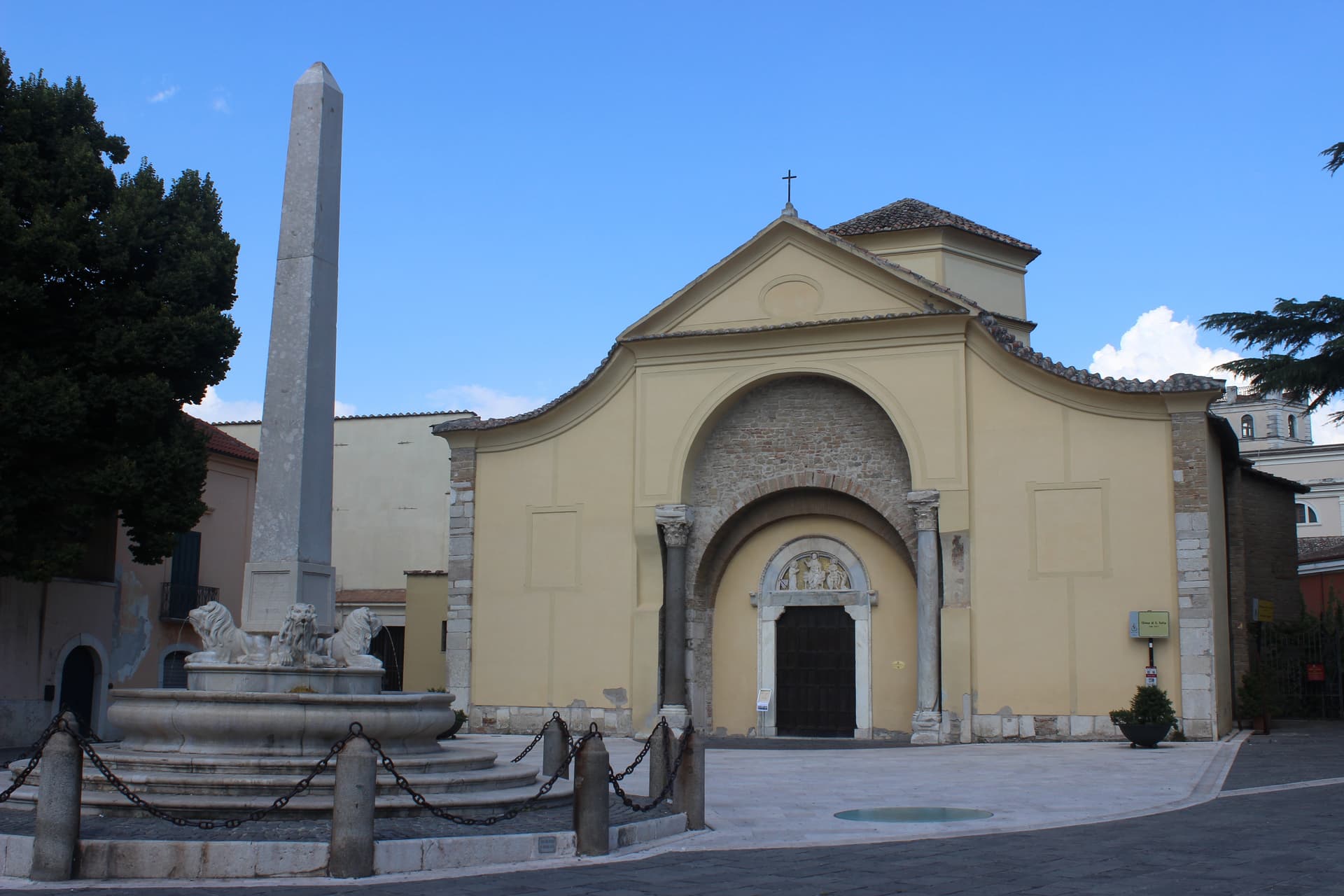
Santa Sofia church, founded around 760 by Duke Arechis II, inscribed in 2011 as part of the Longobards in Italy serial site.
STREGA LIQUEUR
Yellow herbal liqueur distilled in Benevento since 1860 by the Alberti family, gave its name to Italy's leading literary prize founded in 1947.
When to visit
Best · Apr–Oct
- J
- F
- M
- A
- M
- J
- J
- A
- S
- O
- N
- D
- Best
- Hot or crowded
- Quiet
- Mostly closed
Why come
Benevento sits at the confluence of the Calore and Sabato rivers, fifty-five kilometers northeast of Naples, the historic capital of the Sannio. The Romans built the Arco di Traiano between 114 and 117 to mark the new Via Traiana to Brindisi; the marble reliefs still read as a programmatic statement of imperial policy under Trajan, and the arch is among the best-preserved in the empire. The Lombard Duchy of Benevento, founded in 571, left the small circular Chiesa di Santa Sofia around 760, inscribed in 2011 as part of the UNESCO serial site Longobards in Italy, Places of Power.
The city centre still carries that double layer. Walking from the cathedral down Corso Garibaldi, past the Hortus Conclusus by Mimmo Paladino, ends at the arch. The countryside around the city is Aglianico del Taburno wine and Strega liqueur, distilled here since 1860.
The Sunday letter
We haven’t written Benevento’s letter yet.
One town every Sunday, with the photo, the food, the festa. Be there when this one comes up. Free, by Peter & Sophia from Pietrasanta.
By subscribing you agree to Substack’s Terms of Use, our Privacy Policy and our Information collection notice.
What to see
Arco di Traiano
Roman triumphal arch built 114-117 to mark the Via Traiana to Brindisi, with marble reliefs of Trajan's domestic and military policy, among the empire's best-preserved.
Chiesa di Santa Sofia
Lombard circular church built around 760 under Duke Arechis II, inscribed by UNESCO in 2011 as part of Longobards in Italy, Places of Power.
Teatro Romano
Roman theatre begun under Hadrian and completed under Caracalla, capacity for ten thousand spectators, still used for summer performances.
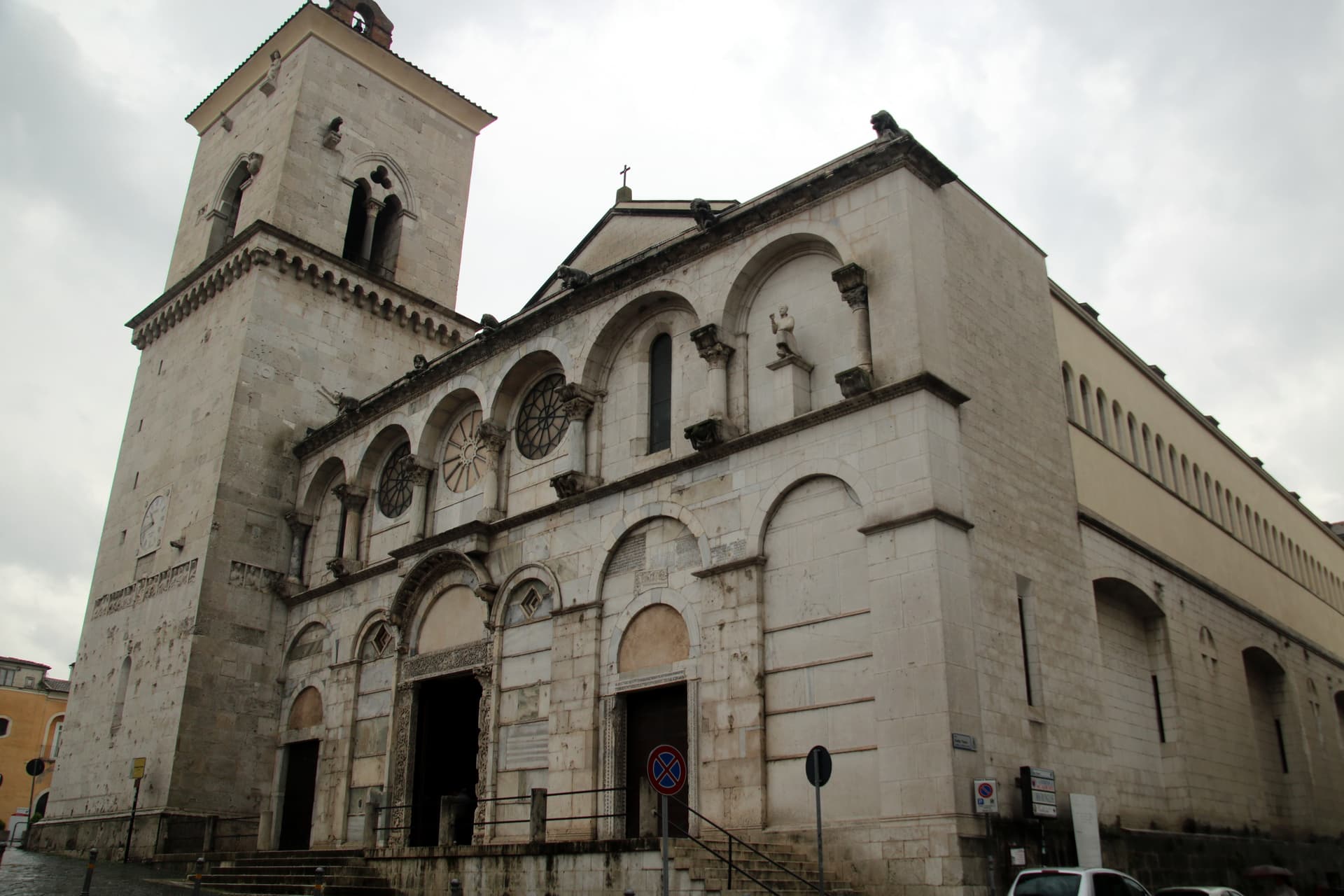
Cattedrale di Santa Maria de Episcopio
Romanesque cathedral with twelfth-century bell tower built into ancient Roman masonry, rebuilt after wartime bombing and reopened in the 1960s.
Hortus Conclusus
Permanent open-air installation by Mimmo Paladino completed in 1992 in the cloister of San Domenico, sculptures set against the medieval wall.
Museo del Sannio
Provincial museum in the former Santa Sofia abbey, with Samnite finds, Roman sculpture and a section on the Temple of Isis brought from Egypt under Domitian.
The slow-trip planner
Building a trip? Find where Benevento fits in a slow Italy circuit.
Answer five questions. We will shape a geographically coherent slow trip from the 1,000 Italian towns most travelers skip. Yours to save and share.
We recommend
Where to eat and stay
Not our picks, but places the guides put their name to — a Michelin star, a Gambero Rosso fork, a Slow Food snail, a Michelin Key for the hotels. Worth a table, a counter, or a night when you pass through.
Albori Ristorante & BarBistrot
Albori Ristorante & Bar carries two Gambero Rosso tables.
AlimentaBistrot
A Gambero Rosso listing, at Alimenta.
Sapori RistoranteRistorante
A Gambero Rosso listing, at Sapori Ristorante.
Living here
- Population 56,201
- A local hubi
- Pharmacy in town
- High school within a 30-minute drive
- Train station in the comune
- Nearest airport Naples / Salerno, 1 h 25 min drive
- Regional capital Napoli, 1 h 29 min drive
Tags & datadesignations · numbers · sources
The numbers
- Elevation: 130 m
- Population: 56,201
- Surface area: 130.84 km²
These figures were compiled from public directories — ISTAT, OpenStreetMap, Wikidata — and from the official listings of the guides named on this page. Town details change; verify with official sources before you travel.
Close by
More towns near Benevento
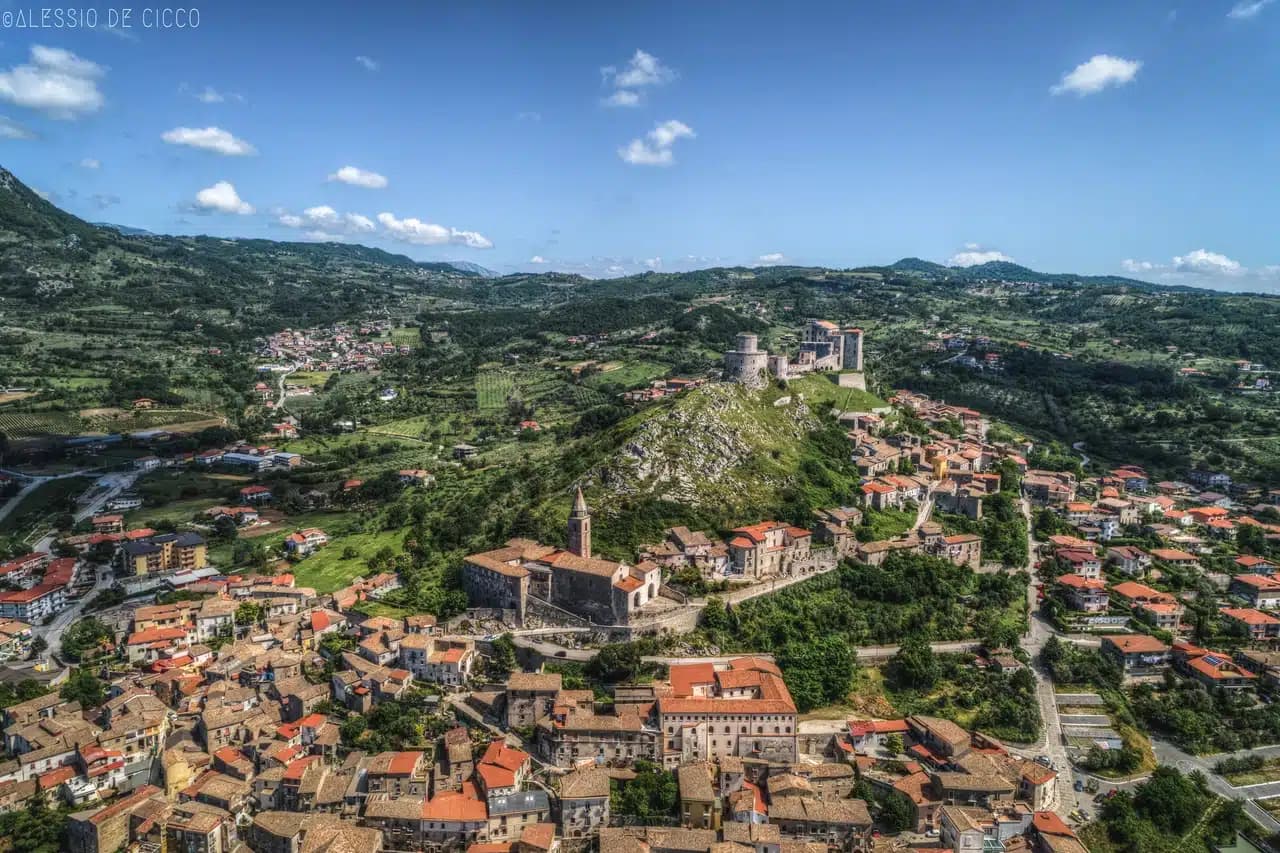
Montesarchio
Province: Benevento
Ancient Caudium at 300 meters in the Valle Caudina, the Roman defeat at the Forche Caudine still attached to the name two thousand years later.
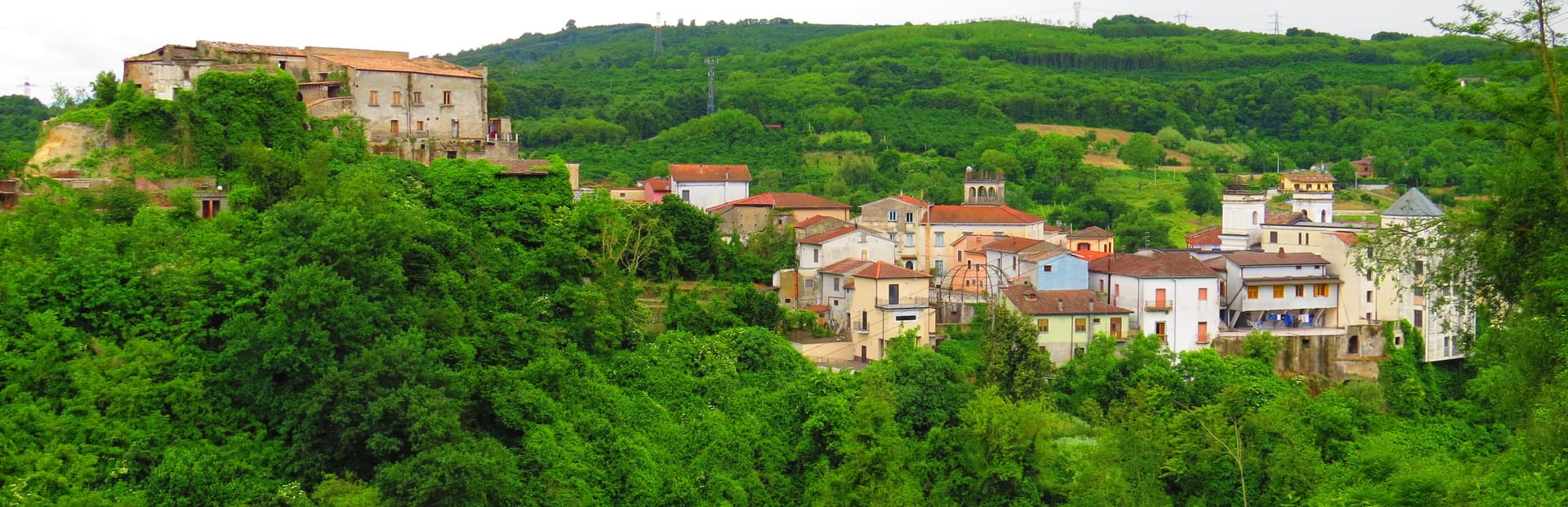
Tufo
Province: Avellino
A 250-meter Irpinia hill town that gives its name to Greco di Tufo DOCG, the white wine grown on sulfur-rich limestone slopes around it.
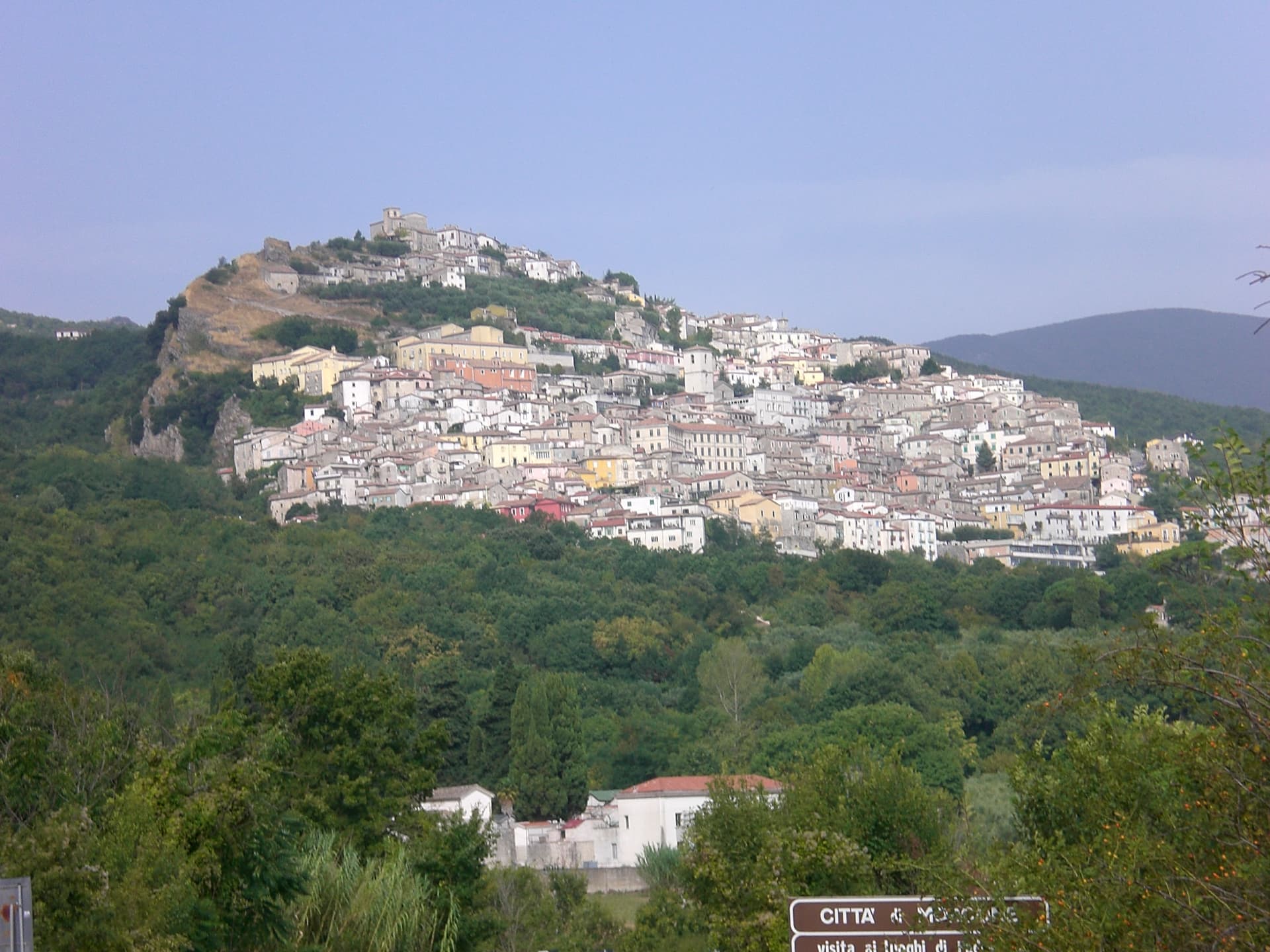
Morcone
Province: Benevento
A Sannite hill town at 600 meters above the Tammaro valley, with 5th-century BC walls and the convent where Padre Pio took vows.
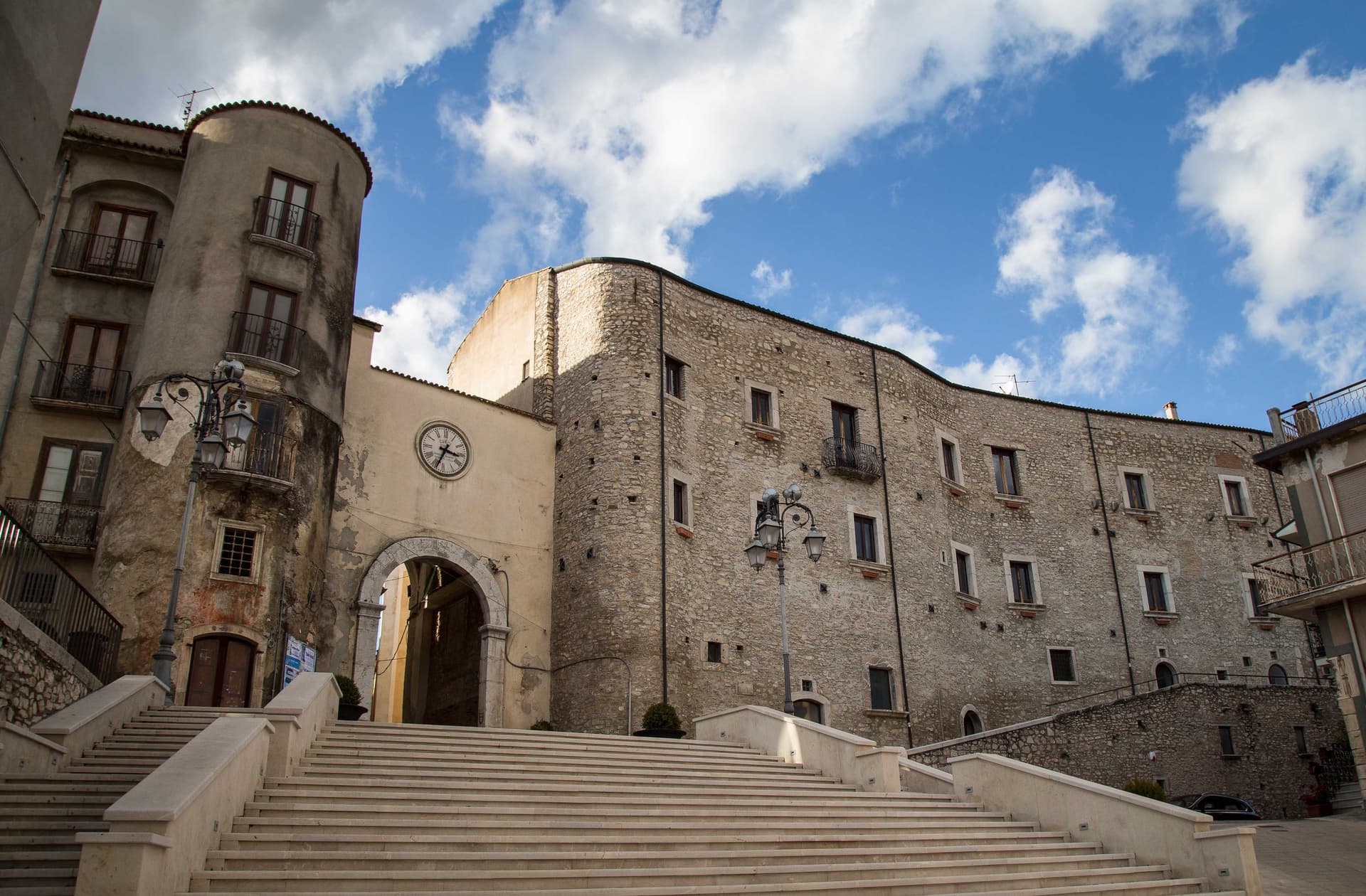
Taurasi
Province: Avellino
An Irpinia wine village at 400 meters above the Calore valley, the namesake of Taurasi DOCG, the southern Aglianico called Barolo of the South.
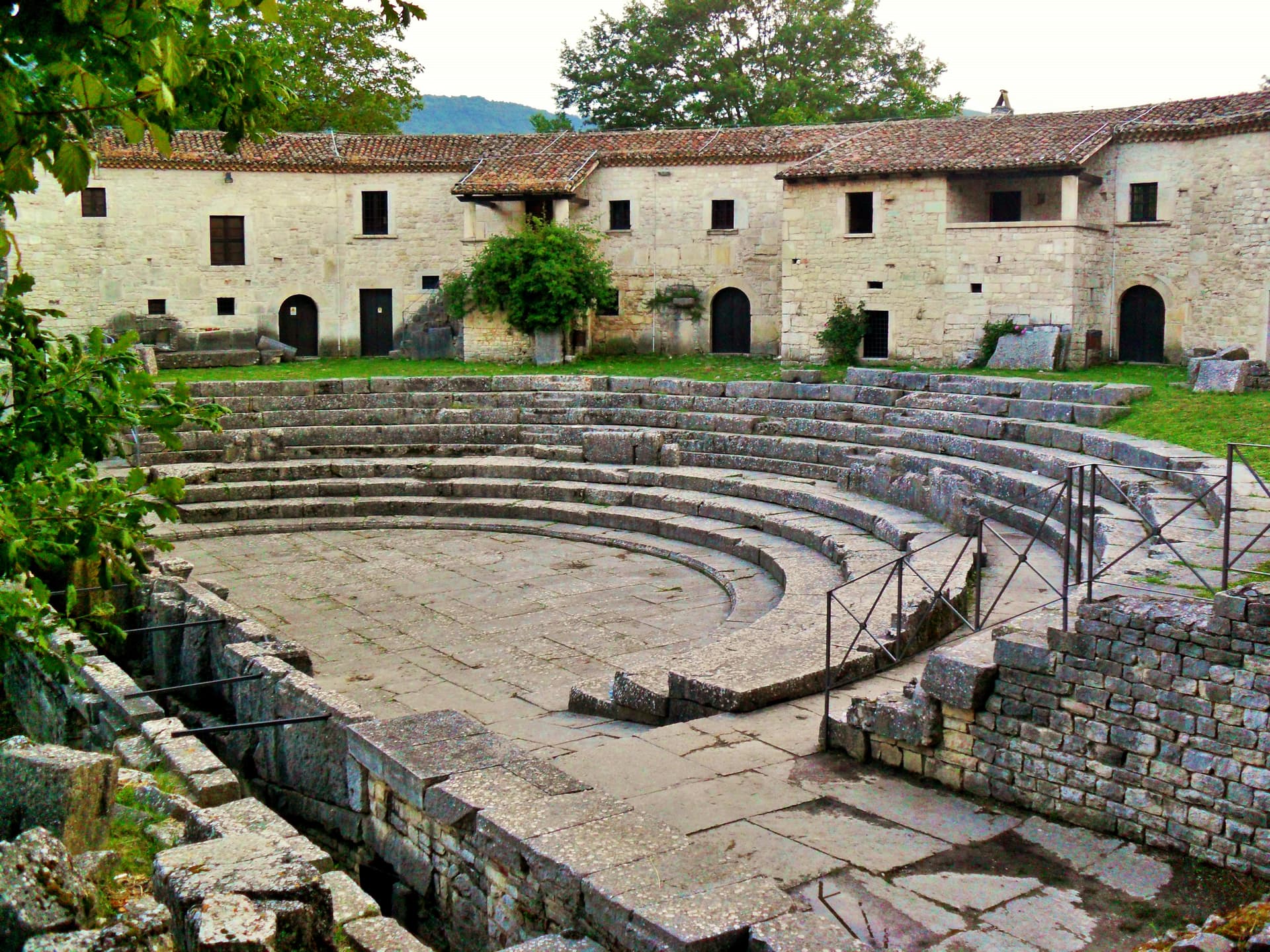
Sepino
Province: Campobasso
A hilltop borgo at 698 meters at the foot of the Matese, two kilometers above the Roman Saepinum, the open-air city the sheep tracks built.
🏛️ UNESCO
More UNESCO towns in Campania
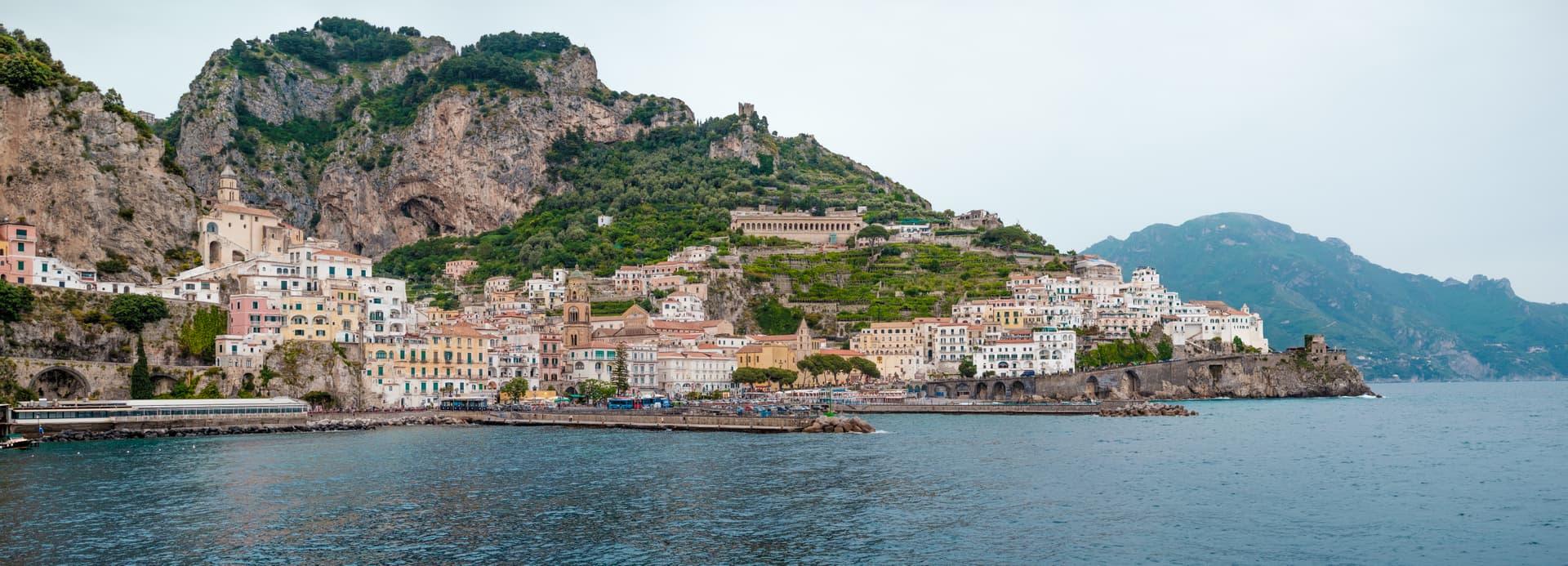
Amalfi
Province: Salerno
The first Italian maritime republic and the coast it named, six meters above the sea between cliffs that close around the duomo's steps.
Ascea
Province: Salerno
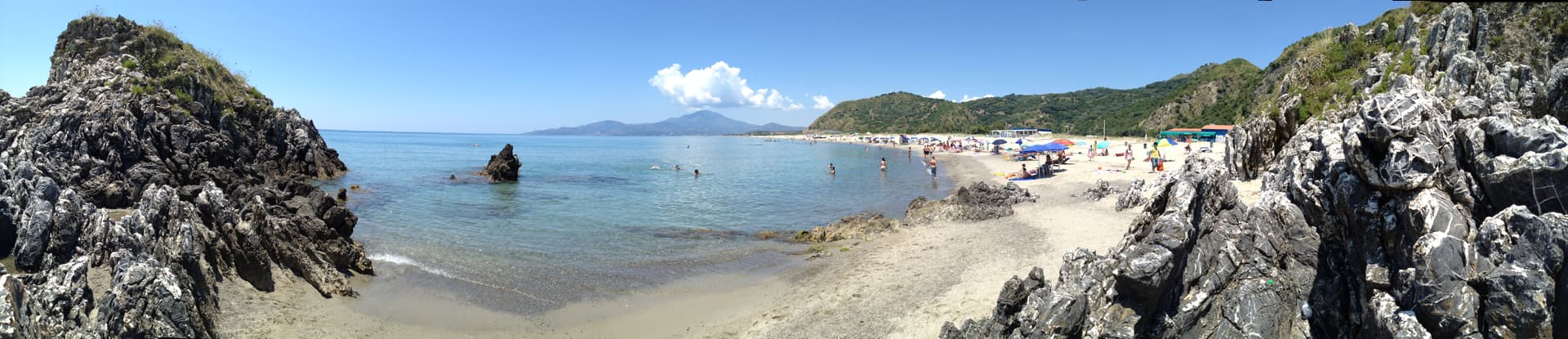
Two villages, a hilltown at 230 meters and a Cilento marina, with Parmenides and Zeno's Eleatic school in the ruins of Greek Velia below.
Atrani
Province: Salerno
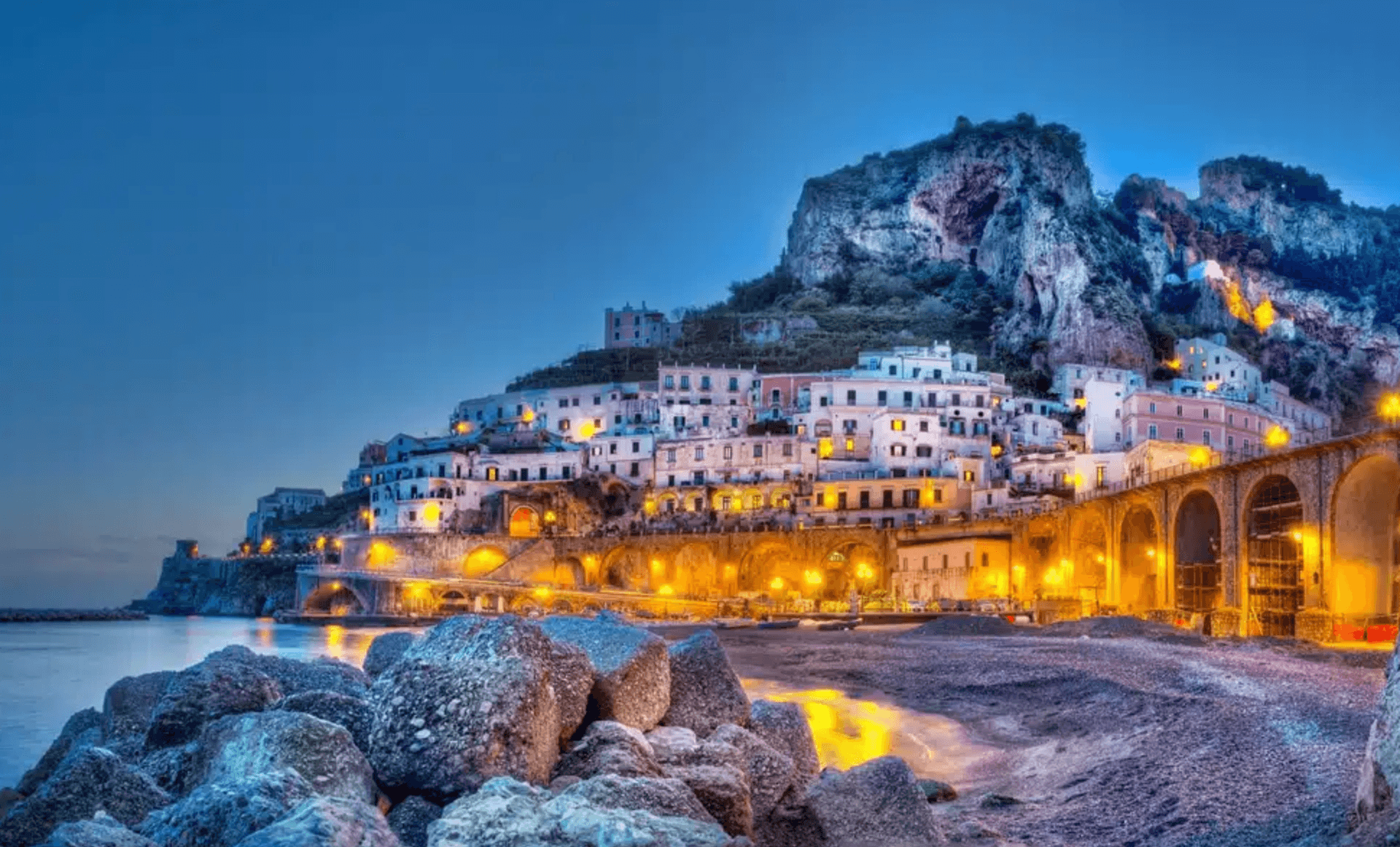
The smallest commune in Italy by area, twelve hectares of stacked houses where the Amalfi Coast pinches shut around a single piazza.
Capaccio Paestum
Province: Salerno
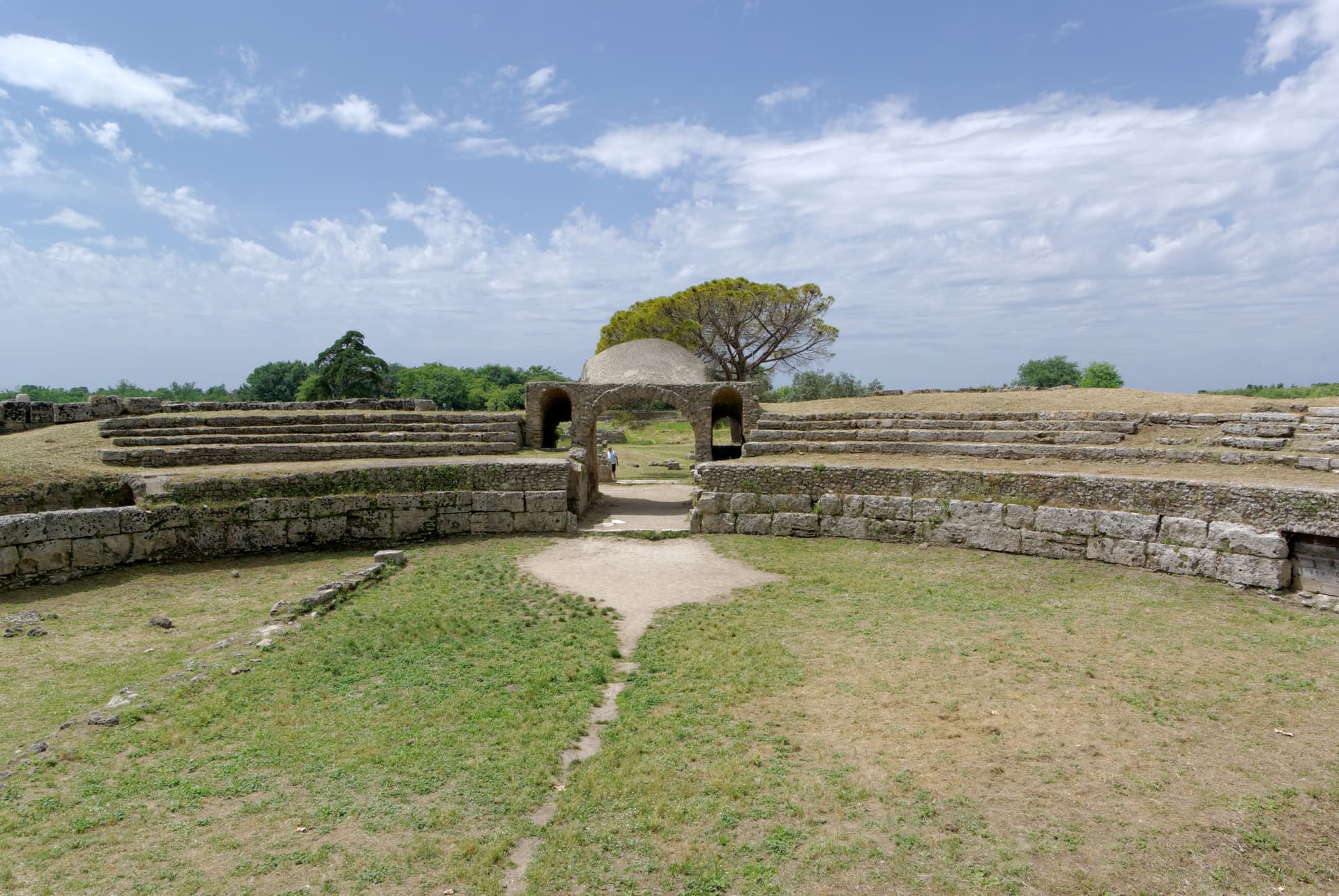
Three Doric temples of 550 to 450 BC on the Sele plain, with mozzarella di bufala DOP on the buffalo flats below Monte Calpazio.
Caserta
Province: Caserta
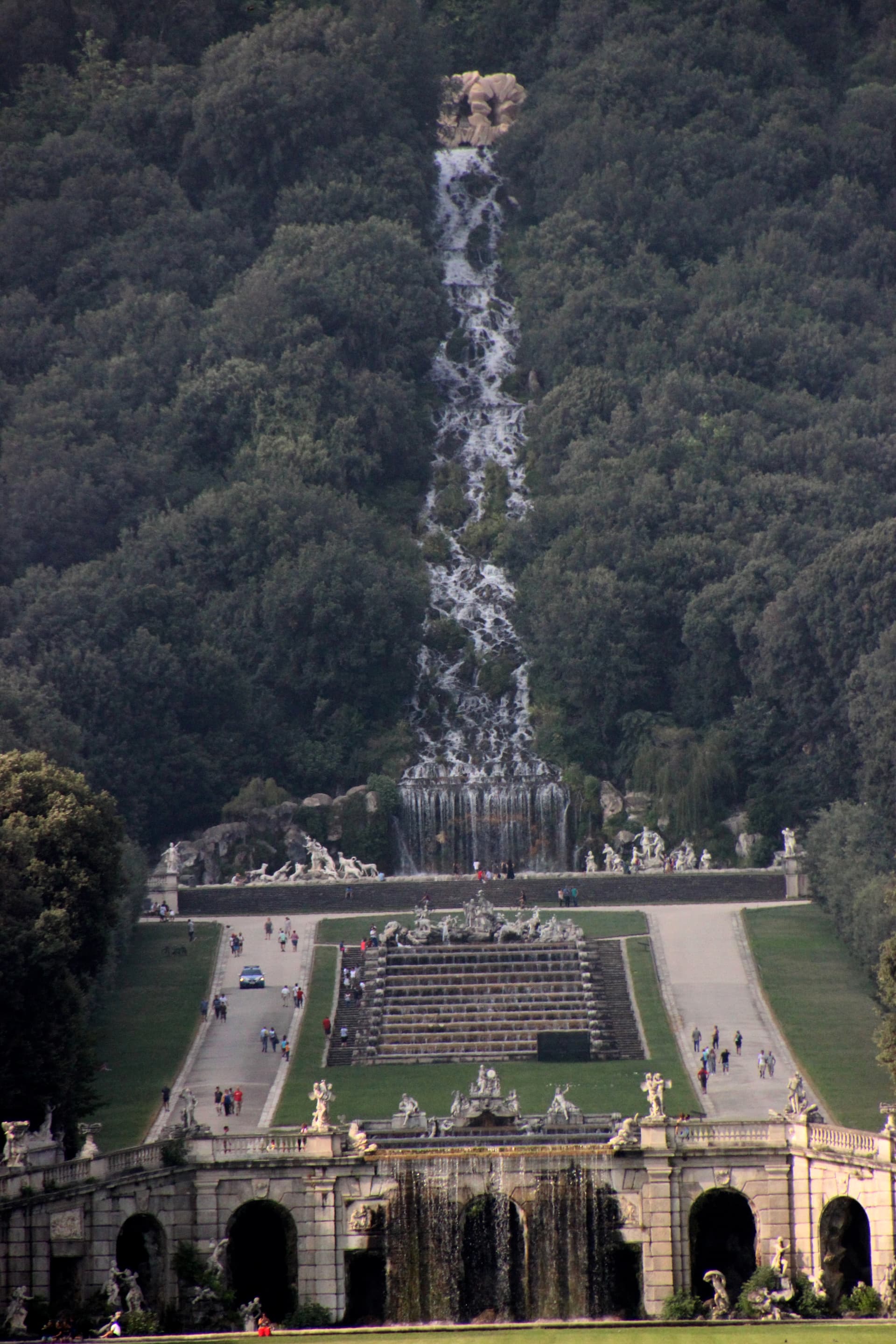
Italy's answer to Versailles, built by the Bourbons on the Campanian plain with 1,200 rooms and a three-kilometer water axis.