
Molise · Campobasso
Sepino
A hilltop borgo at 698 meters at the foot of the Matese, two kilometers above the Roman Saepinum, the open-air city the sheep tracks built.
Known for
SAEPINUM
Roman city on the plain below the village, walls built by Tiberius, twelve hectares of open-air ruins one of the best preserved in central Italy.
THE TRATTURO
Pescasseroli-Candela transhumance route, 211 km from Abruzzo to Puglia, ran straight through Saepinum and shaped its streets.
MATESE
Limestone range south of the village, the high country of the regional park and the geographic anchor of southern Molise.
When to visit
Best · May–Oct
- J
- F
- M
- A
- M
- J
- J
- A
- S
- O
- N
- D
- Best
- Hot or crowded
- Quiet
- Mostly closed
The festa: Cristina di Bolsena, 9 January
Why come
Sepino sits at 698 meters on a slope of the Matese in southern Molise, the modern village two kilometers above the Roman Saepinum-Altilia on the plain. Saepinum was Samnite first, captured by Rome in 293 BC, and given its surviving walls by Tiberius between 2 BC and 4 AD. Twelve hectares of forum, basilica, baths, theatre and four monumental gates are still standing, immersed in the open countryside at the foot of the Matese; recent excavations in 2023 uncovered a monumental domus on the decumanus maximus.
The Pescasseroli-Candela tratturo, the 211-kilometer transhumance route that once moved sheep flocks from Abruzzo to Puglia, ran through the Roman town and shaped its street grid. The modern Sepino, above on the hillside, is a Borghi più belli; the archaeological park below is one of the best-preserved Roman cities in central Italy and one of the few in continuous open-air access.
The Sunday letter
We haven’t written Sepino’s letter yet.
One town every Sunday, with the photo, the food, the festa. Be there when this one comes up. Free, by Peter & Sophia from Pietrasanta.
By subscribing you agree to Substack’s Terms of Use, our Privacy Policy and our Information collection notice.
What to see
Saepinum-Altilia
Twelve-hectare Roman city on the plain below the modern village, with walls built by Tiberius and forum, basilica, baths and theatre still standing.
Teatro di Saepinum
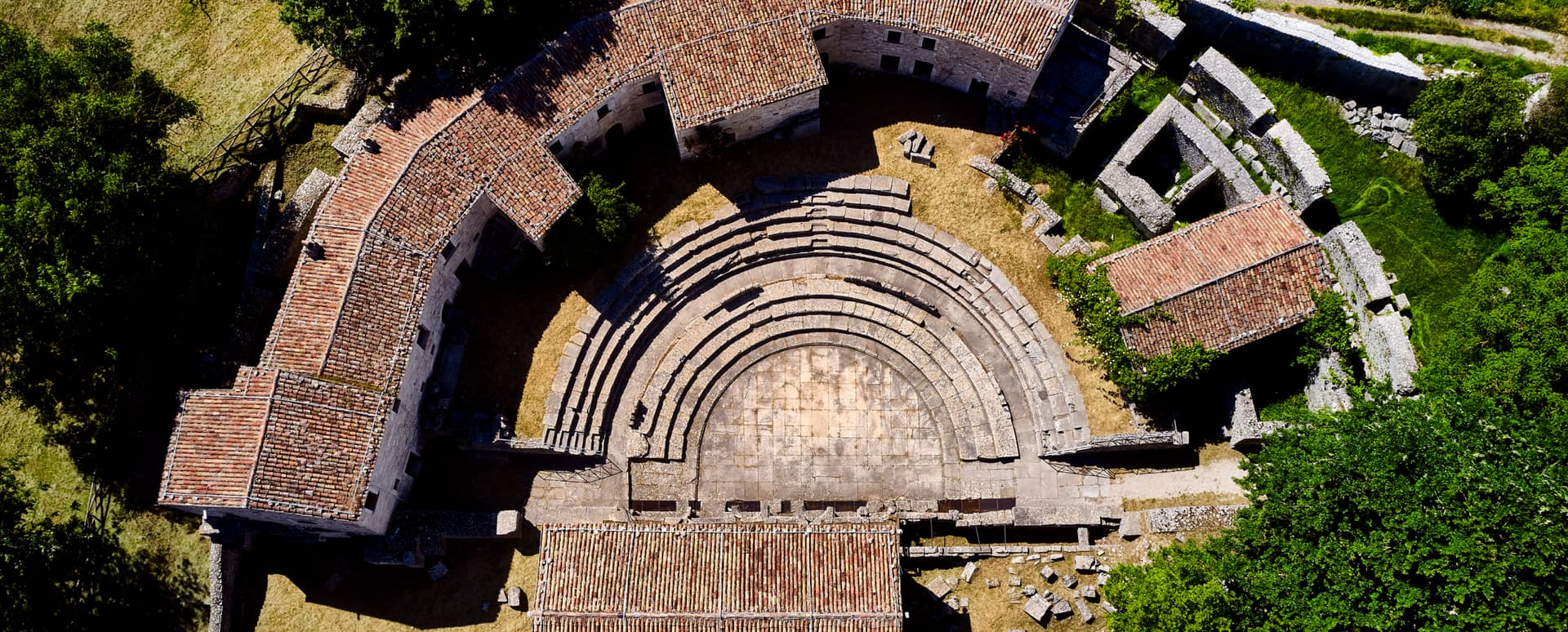
Roman theatre at the south end of the archaeological park, partly absorbed into a later farm complex that grew up around its arc.
Tratturo Pescasseroli-Candela
Ancient sheep-track from Abruzzo to Puglia that ran straight through Saepinum and shaped its street grid; still walkable across the site.
Sepino centro storico
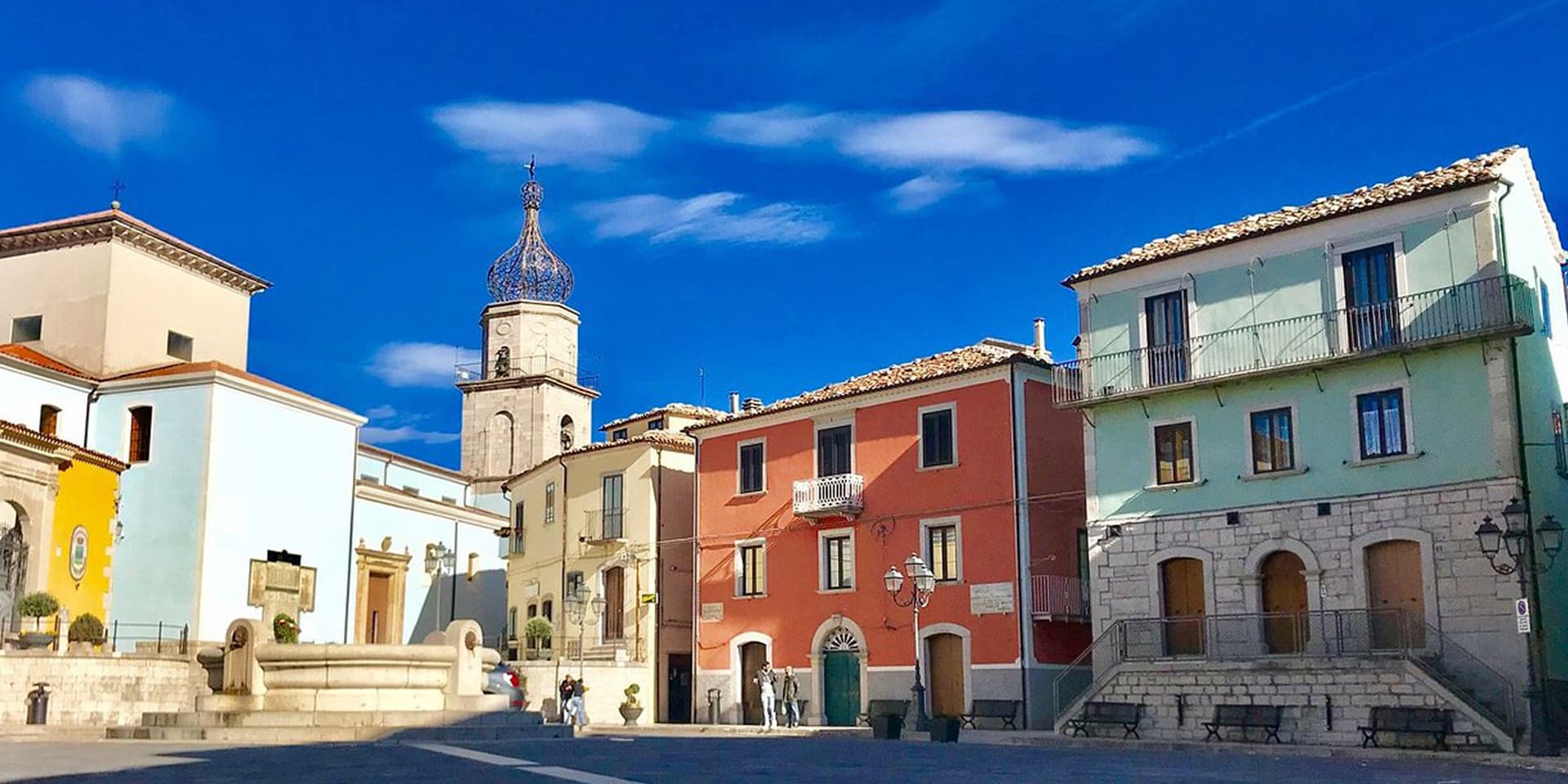
Modern hilltop village two kilometers above the Roman ruins, a Borghi più belli with stone streets stepped up the Matese slope.
Massiccio del Matese
Limestone range rising south of the village, the high country of the Parco Naturale Regionale del Matese and a summer walking ground.
The slow-trip planner
Building a trip? Find where Sepino fits in a slow Italy circuit.
Answer five questions. We will shape a geographically coherent slow trip from the 1,000 Italian towns most travelers skip. Yours to save and share.
Living here
- Population 1,798
- Commuter belti
- Pharmacy in town
- High school within a 30-minute drive
- Train station in the comune
- Nearest airport Naples / Salerno, 1 h 53 min drive
- Regional capital Campobasso, 31 min drive
Tags & datadesignations · numbers · sources
Recognised as
The numbers
- Elevation: 698 m
- Population: 1,798
- Surface area: 61.37 km²
These figures were compiled from public directories — ISTAT, OpenStreetMap, Wikidata — and from the official listings of the guides named on this page. Town details change; verify with official sources before you travel.
Close by
More towns near Sepino
Morcone
Province: Benevento
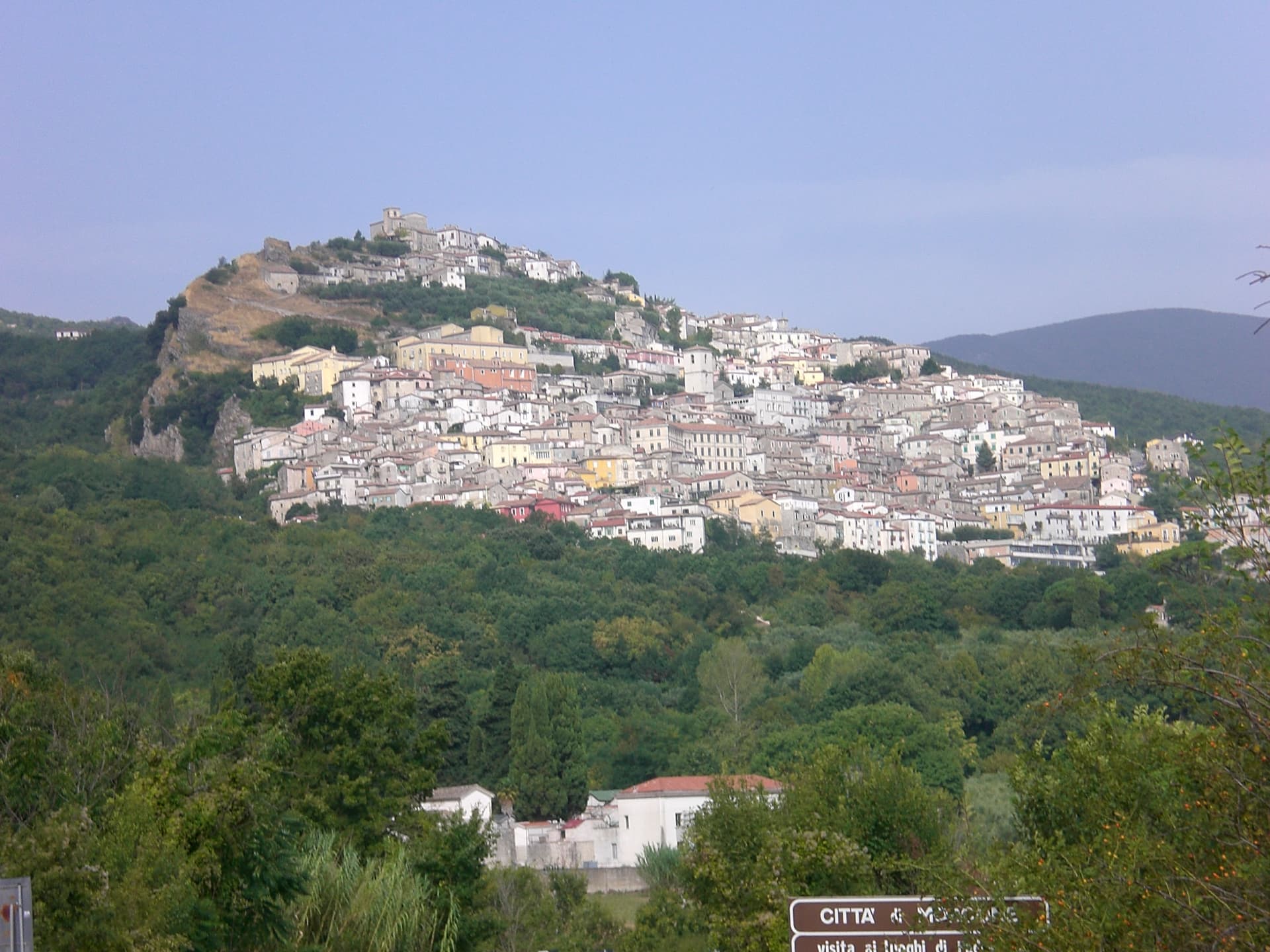
A Sannite hill town at 600 meters above the Tammaro valley, with 5th-century BC walls and the convent where Padre Pio took vows.
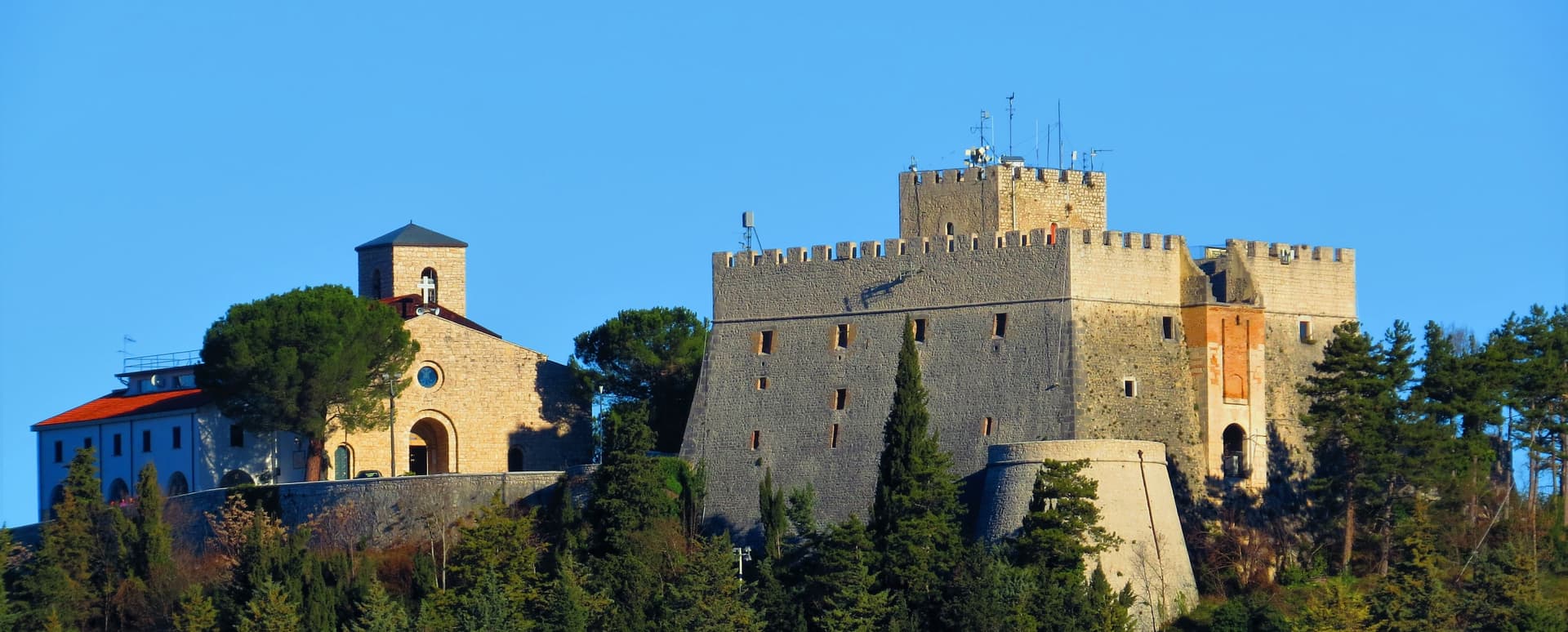
Campobasso
Province: Campobasso
Molise's regional capital and the smallest in Italy — 47,000 residents at 701m on a wooded Apennine ridge, with the Castello Monforte on the summit, the Sagra dei Misteri (a UNESCO-recognised Corpus Domini procession of 24 child-borne aerial 'mysteries' since 1740), and a centro storico that climbs the hillside in stone-paved switchbacks.
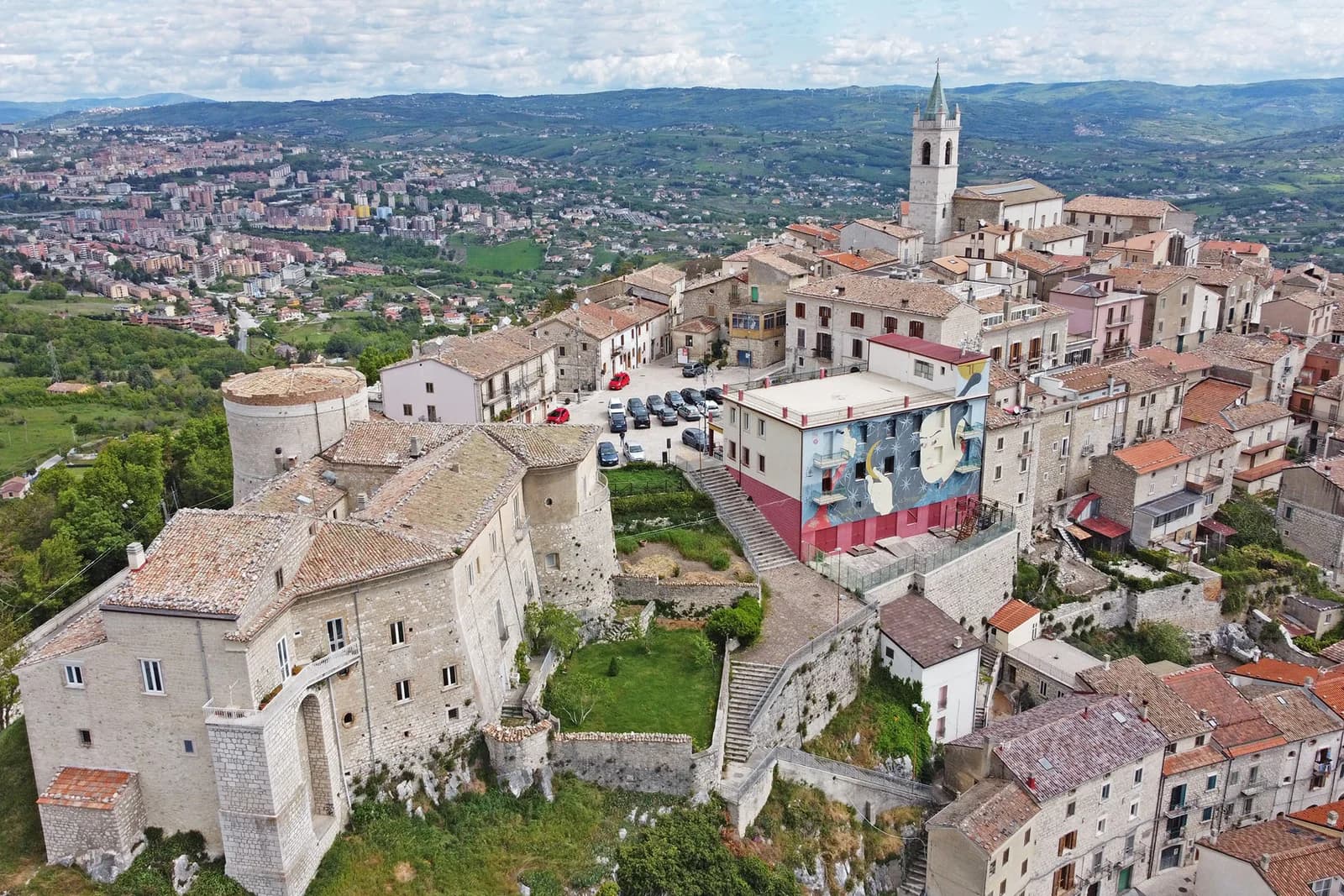
Ferrazzano
Province: Campobasso
A hilltop borgo at 872 meters above Campobasso, called the Sentinel of Molise, where Robert De Niro's great-grandparents lived before sailing in 1887.
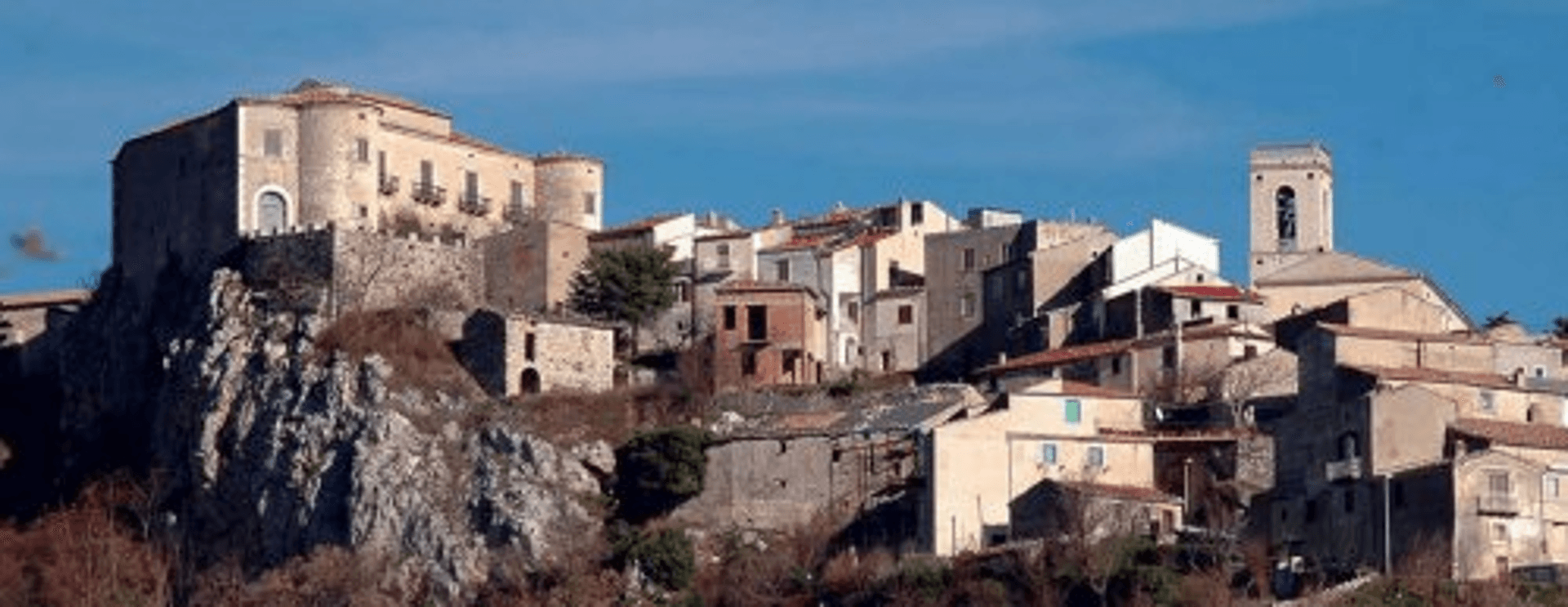
Macchiagodena
Province: Isernia
Molise's white truffle capital — a 1,648-resident hilltop borgo at 868m in the Apennine middle Molise, with the Castello dei Pignatelli on the summit, intact medieval streets, and 30+ active truffle hunters working the surrounding oak forests with the local Molise white truffle harvest October-December.
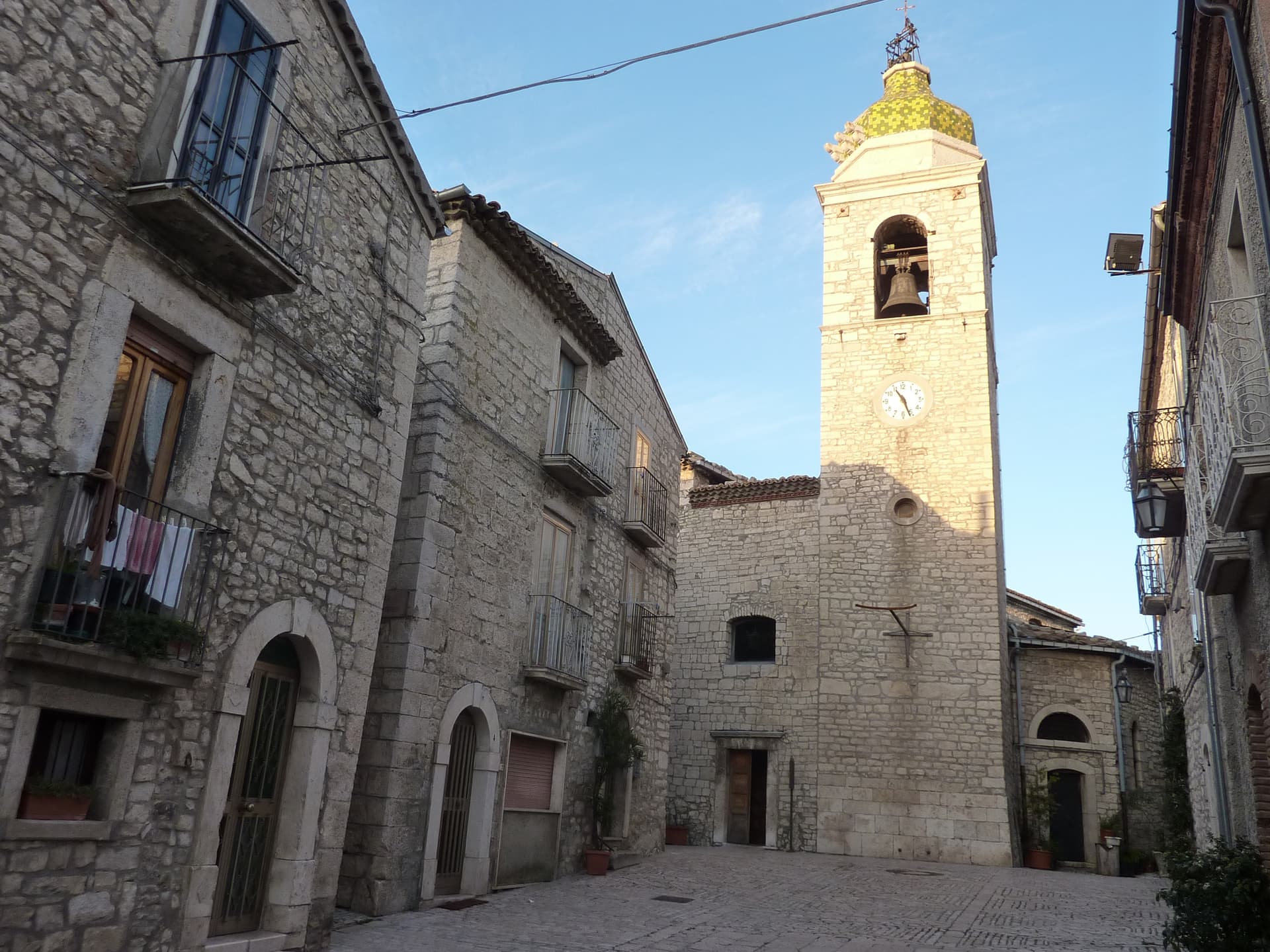
Oratino
Province: Campobasso
A stonemason borgo at 780 meters above the Biferno, with a square tower on a limestone spur that an earthquake in 1456 left standing alone.
🎨 Borghi più belli d'Italia
More Borghi più belli d'Italia towns in Molise
Fornelli
Province: Isernia
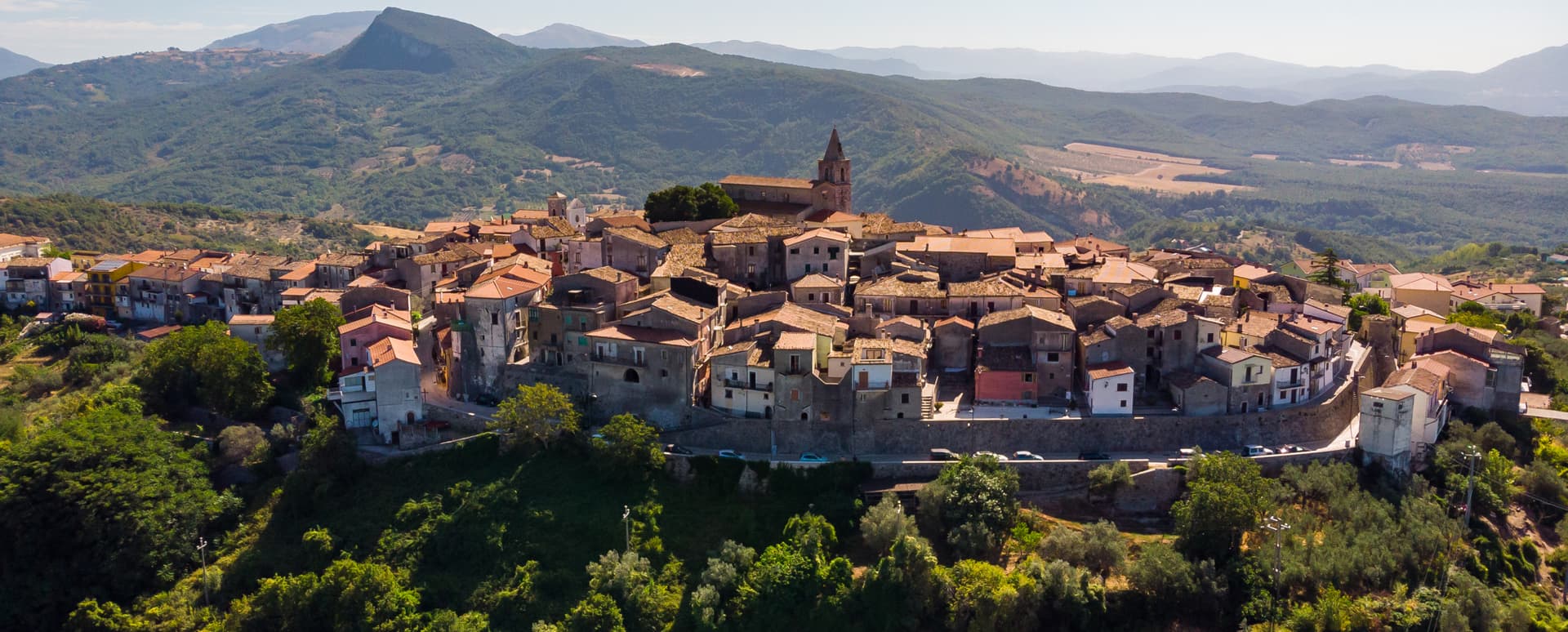
A walled medieval borgo at 530 meters with seven towers and the birthplace of Nancy Pelosi's mother, eight kilometers west of Isernia.
Frosolone
Province: Isernia
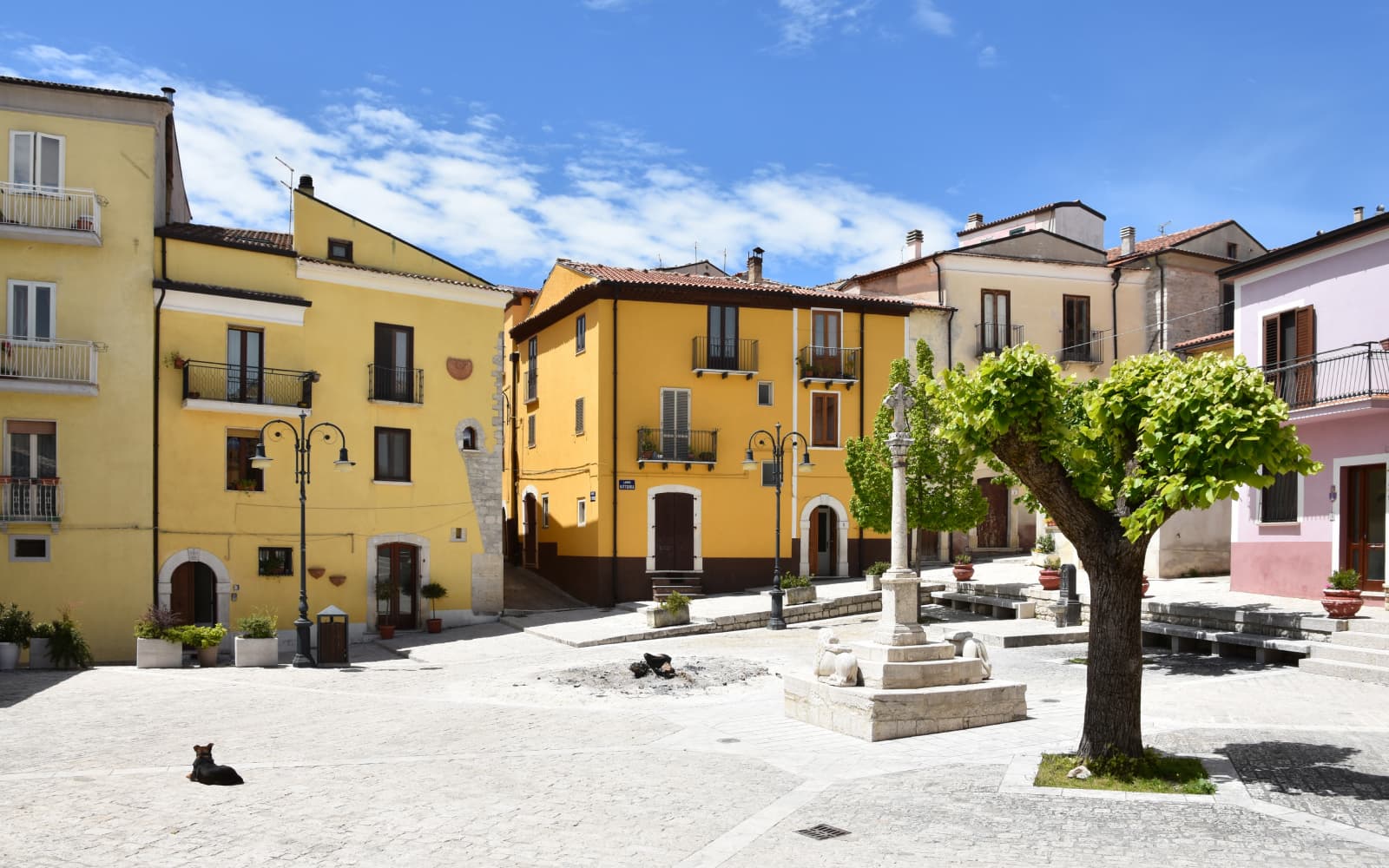
A 900-meter blade-making town in the Matese foothills, called Italy's Toledo for the knives and scissors forged here since the 1800s.
Termoli
Province: Campobasso
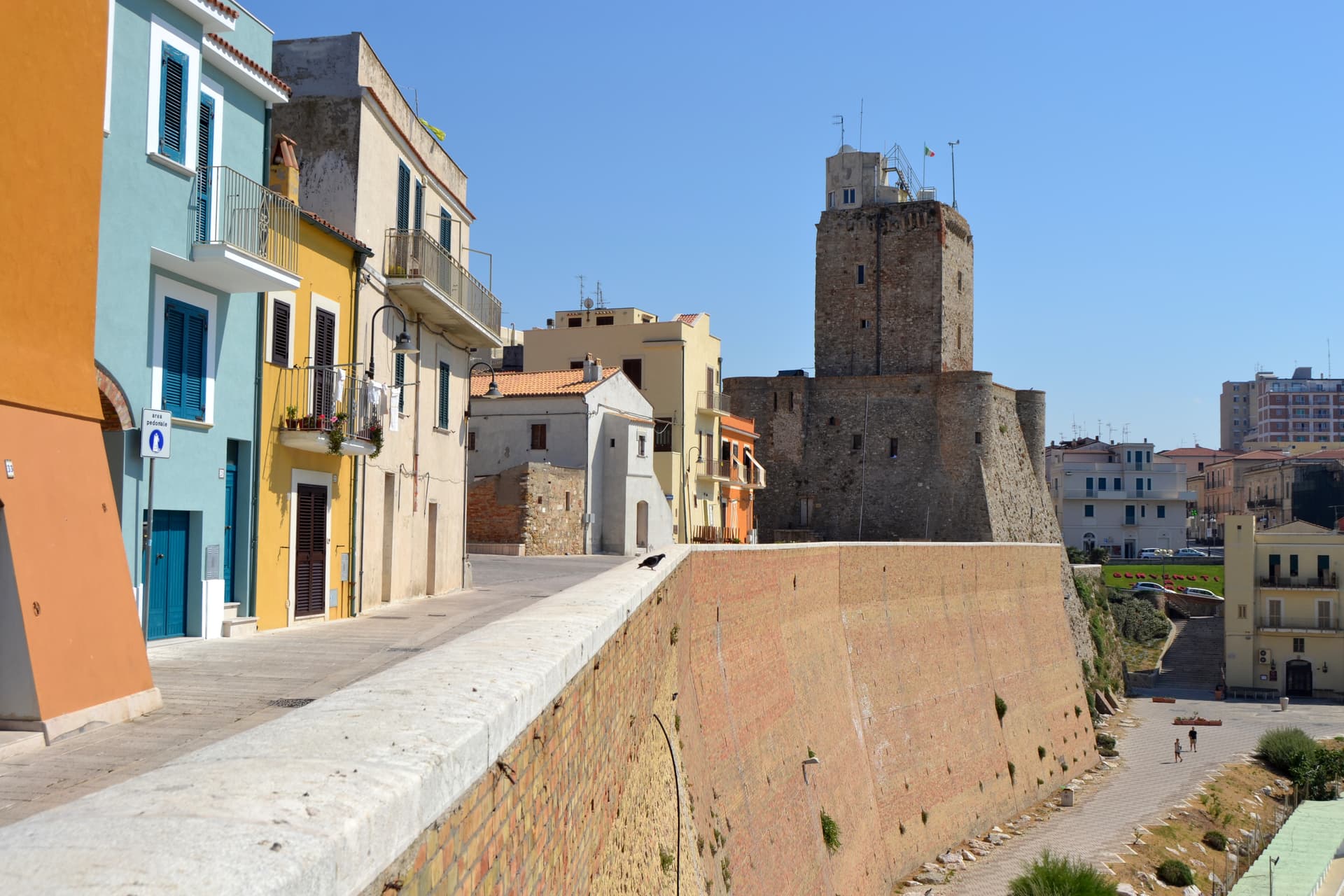
Molise's only port, a walled promontory of fishermen's houses on the Adriatic with a Frederick II castle and the ferry pier for the Tremiti islands.