

Campania · Benevento
Morcone
A Sannite hill town at 600 meters above the Tammaro valley, with 5th-century BC walls and the convent where Padre Pio took vows.
Known for
SANNITE WALLS
Polygonal stones from the 5th century BC, foundation of the medieval castle, evidence of the Sannite oppidum Mucrae.
PADRE PIO
Francesco Forgione completed his Capuchin novitiate at the Morcone convent in 1903-1904 before becoming Padre Pio of Pietrelcina.
RI SUPPORTI
Covered passages that thread the five concentric rings of the centro storico, with maronnelle shrines at the corners.
When to visit
Best · May–Oct
- J
- F
- M
- A
- M
- J
- J
- A
- S
- O
- N
- D
- Best
- Hot or crowded
- Quiet
- Mostly closed
The festa: Bernardino da Siena, 20 May
Why come
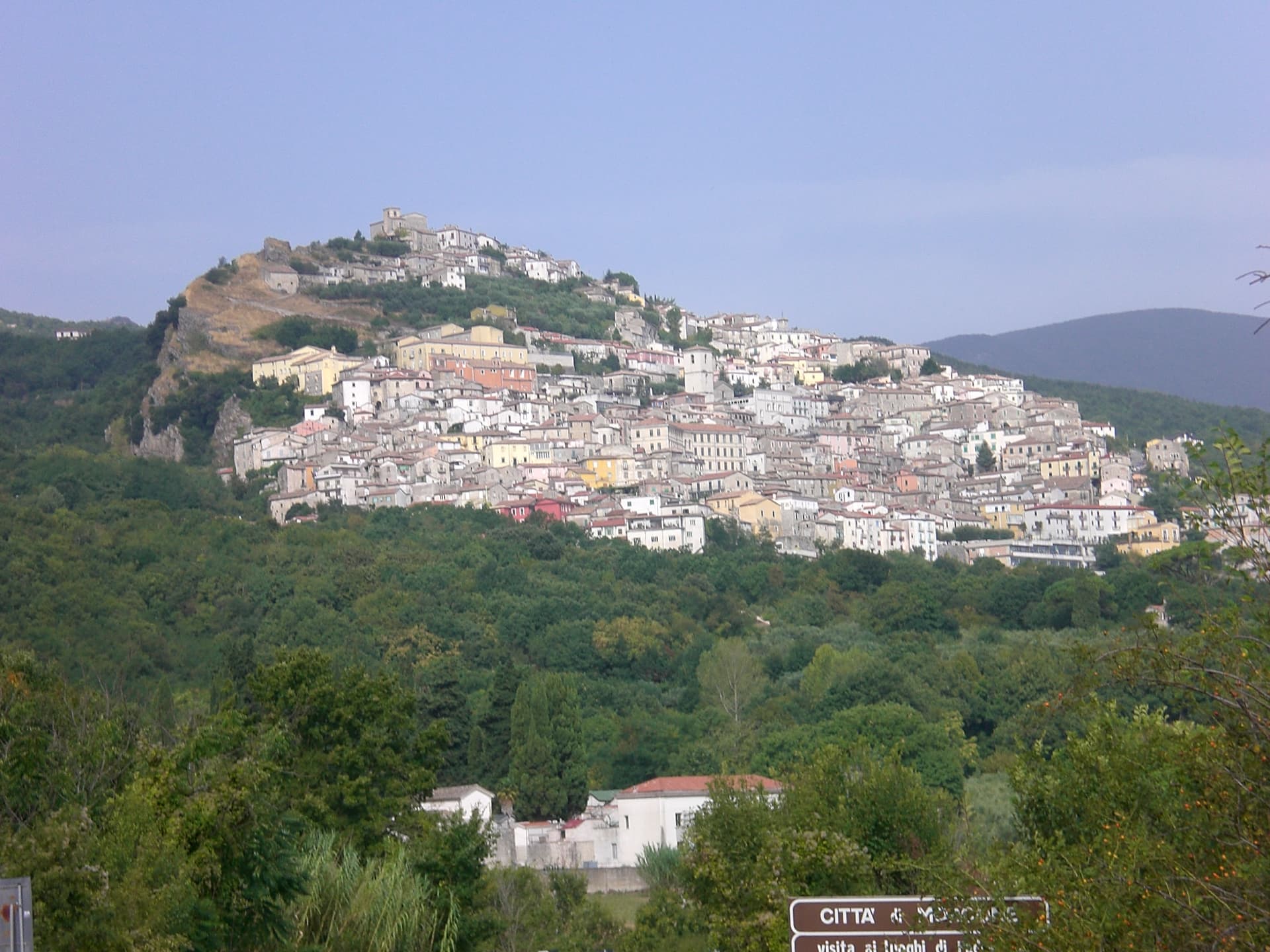
Morcone sits at 600 meters on a hill above the Tammaro valley in northern Benevento province, the gateway to the Matese massif and the border with Molise. The site was the Sannite oppidum Mucrae, one of the strongholds of the Sanniti Pentri, and its polygonal stone walls from the 5th century BC still form the foundation of the medieval castle on the summit. After the Sannite Wars the settlement passed to Rome, then in 776 AD became a Lombard gastaldate within the Duchy of Benevento, then Norman in the 11th and 12th centuries on the trade route between Benevento, Molise and Puglia.
The centro storico is built in white limestone, stacked up the hill in five concentric rings connected by stairs, covered passages called ri supporti and votive shrines called maronnelle. The Capuchin convent on the lower slope was founded in 1603; Francesco Forgione, the future Padre Pio of Pietrelcina, took his vows here as a novice between January 1903 and January 1904.
The Sunday letter
We haven’t written Morcone’s letter yet.
One town every Sunday, with the photo, the food, the festa. Be there when this one comes up. Free, by Peter & Sophia from Pietrasanta.
By subscribing you agree to Substack’s Terms of Use, our Privacy Policy and our Information collection notice.
What to see
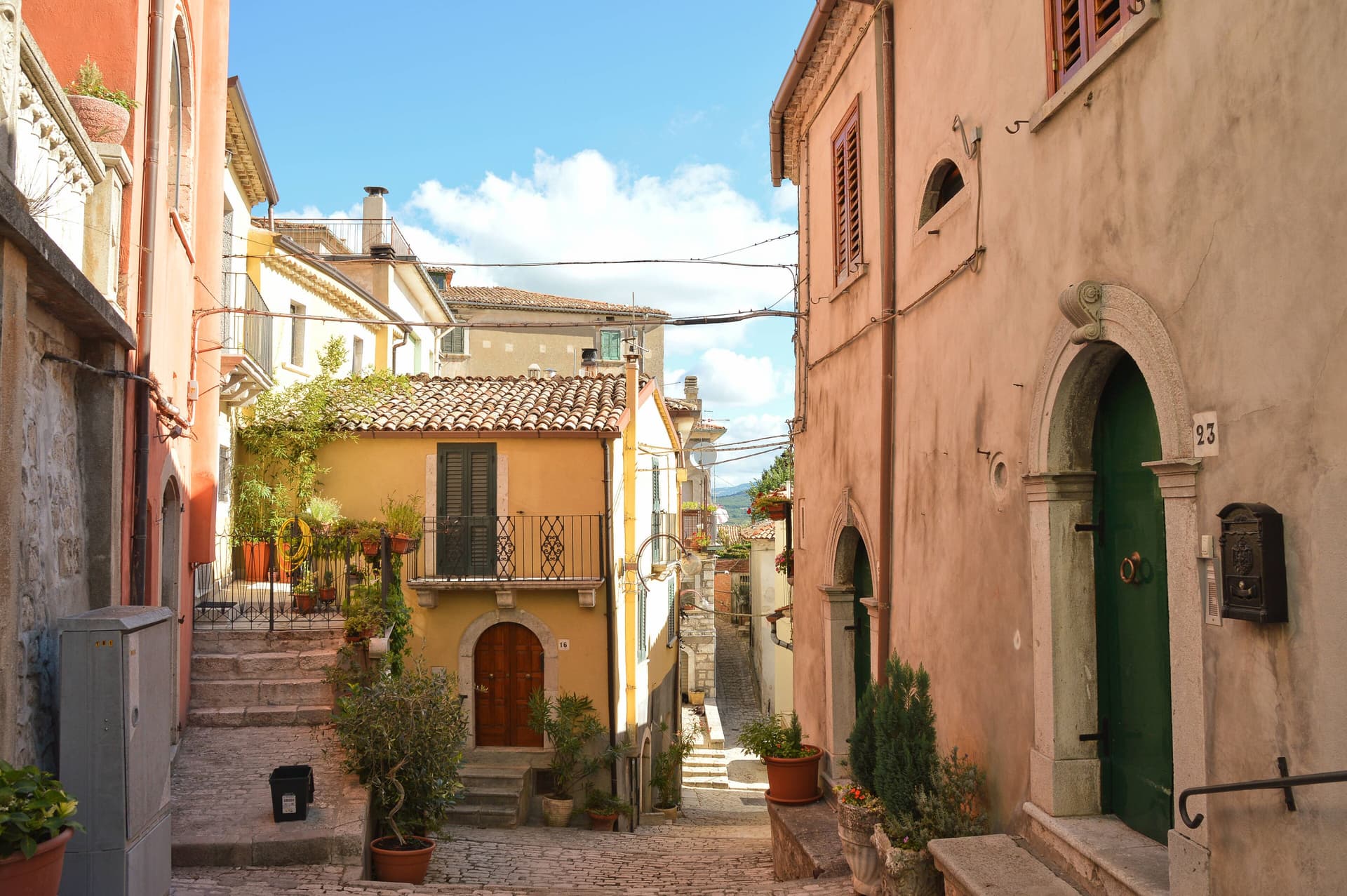
Centro storico di Morcone
Five concentric rings of white limestone houses connected by stairs, covered passages called ri supporti and small votive shrines called maronnelle.
Mura poligonali sannite
Polygonal stone walls dating from the 5th century BC, foundation of the medieval castle on the summit, surviving evidence of the Sannite oppidum Mucrae.
Convento dei Cappuccini
Capuchin convent founded 1603 on the lower slope, where the future Padre Pio of Pietrelcina completed his novitiate between January 1903 and January 1904.
Castello di Morcone
Norman castle on the highest point of the hill, built atop the Sannite walls in the 11th-12th centuries to control the routes to Molise and Puglia.
Monti del Matese
Limestone massif rising west of town to the Molise border, hiking and grazing country, included in the regional park of the Matese.
The slow-trip planner
Building a trip? Find where Morcone fits in a slow Italy circuit.
Answer five questions. We will shape a geographically coherent slow trip from the 1,000 Italian towns most travelers skip. Yours to save and share.
Living here
- Population 4,515
- In-betweeni
- Pharmacy in town
- High school within a 30-minute drive
- Nearest airport Naples / Salerno, 1 h 46 min drive
- Regional capital Napoli, 1 h 50 min drive
Tags & datadesignations · numbers · sources
Recognised as
The numbers
- Elevation: 600 m
- Population: 4,515
- Surface area: 101.33 km²
These figures were compiled from public directories — ISTAT, OpenStreetMap, Wikidata — and from the official listings of the guides named on this page. Town details change; verify with official sources before you travel.
Close by
More towns near Morcone
Sepino
Province: Campobasso
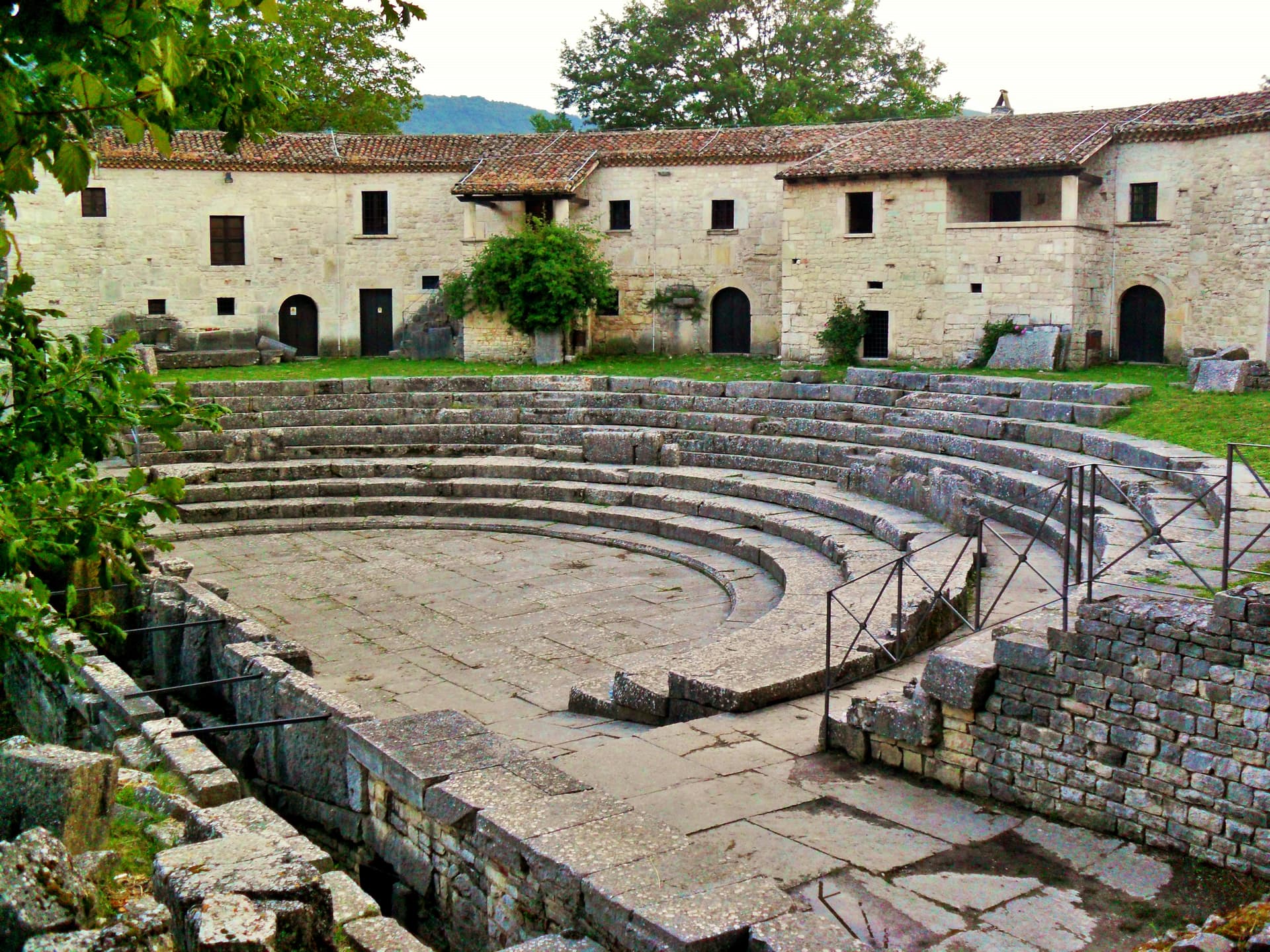
A hilltop borgo at 698 meters at the foot of the Matese, two kilometers above the Roman Saepinum, the open-air city the sheep tracks built.
Benevento
Province: Benevento
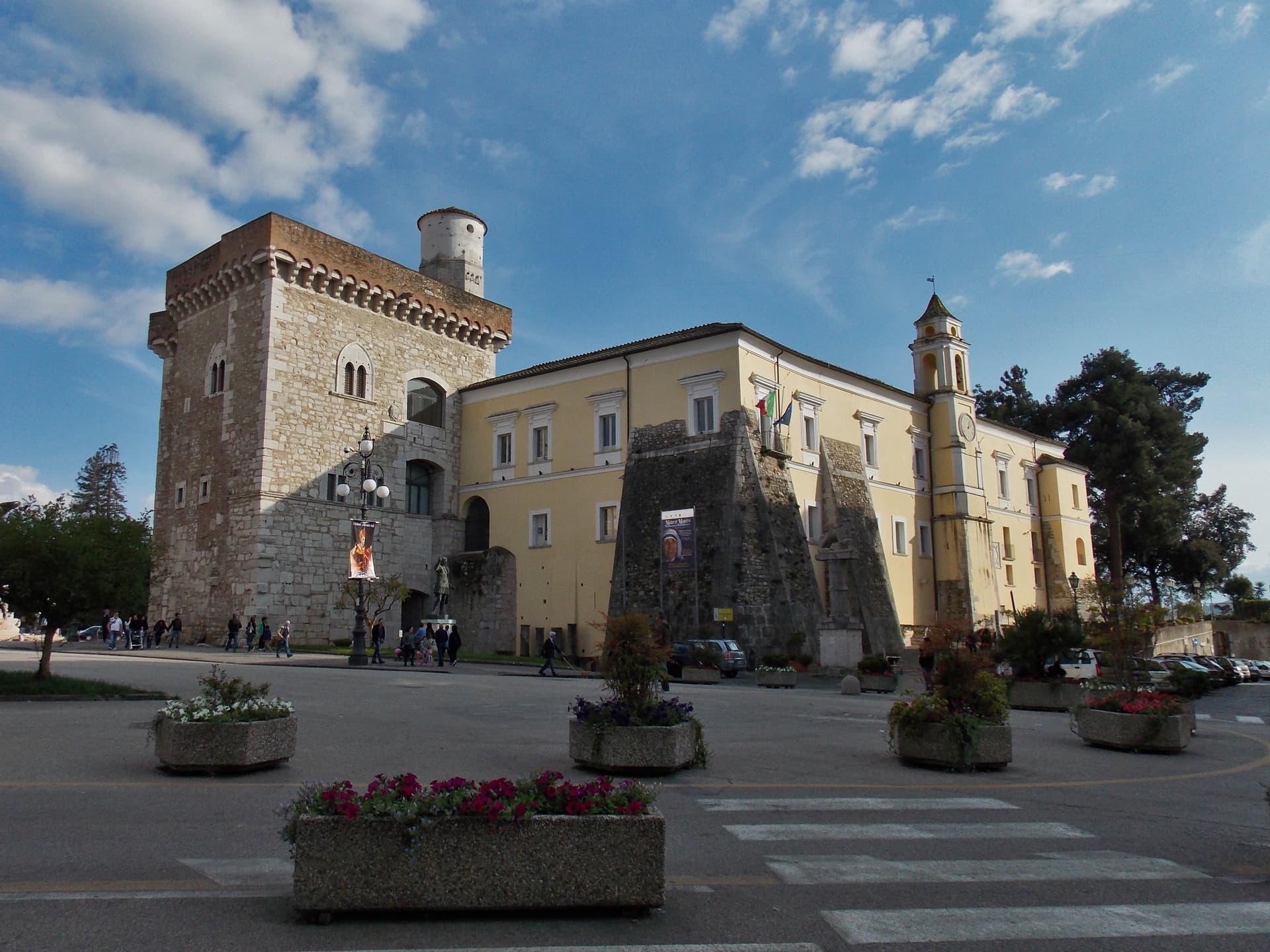
Sannio capital at the Calore-Sabato confluence, with a 114 AD Trajan arch and a Lombard rotunda on the UNESCO list.
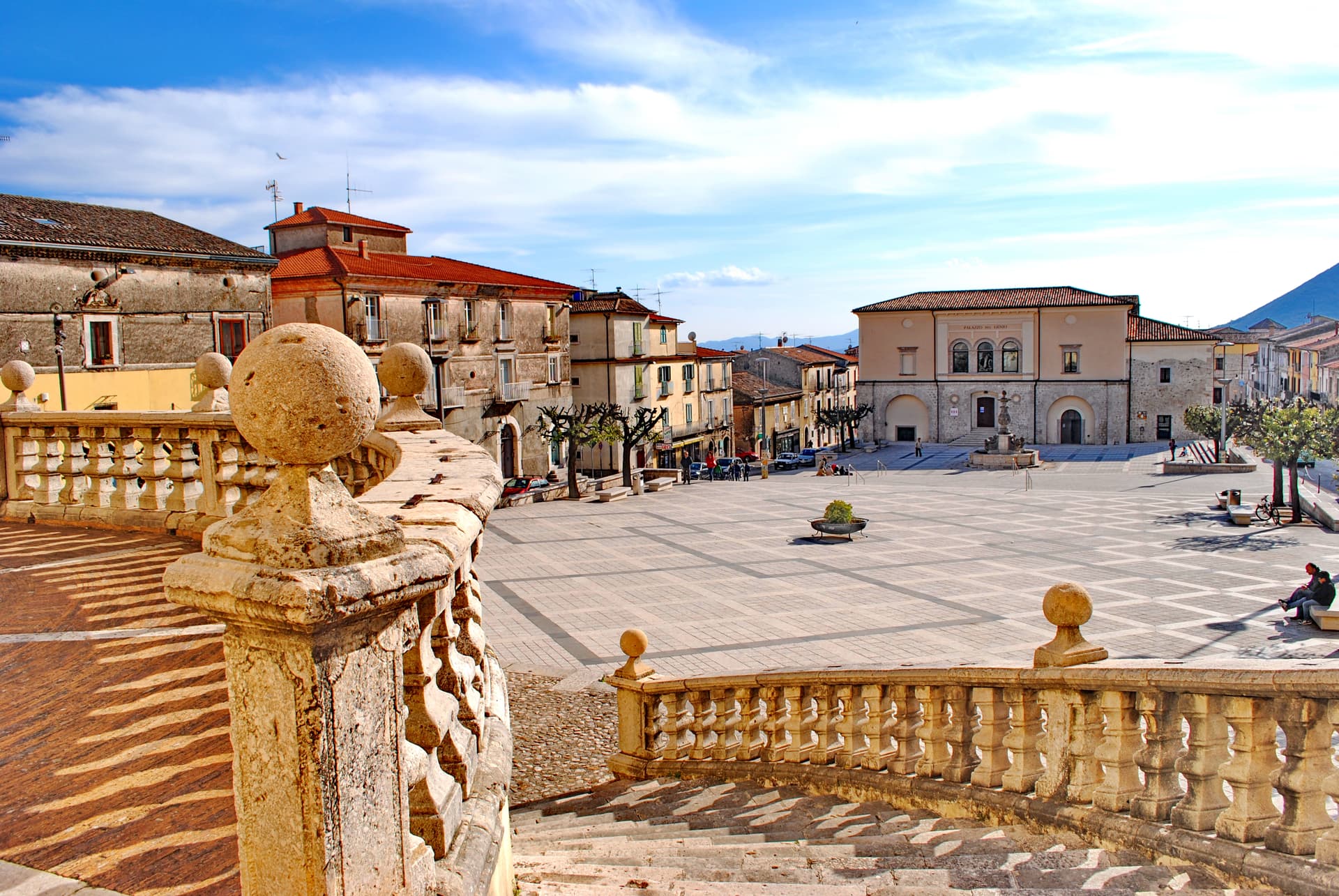
Cerreto Sannita
Province: Benevento
A Sannio ceramics town at 290 meters, rebuilt from scratch by royal engineer Giovanni Battista Manni after the 1688 earthquake leveled the old hill.
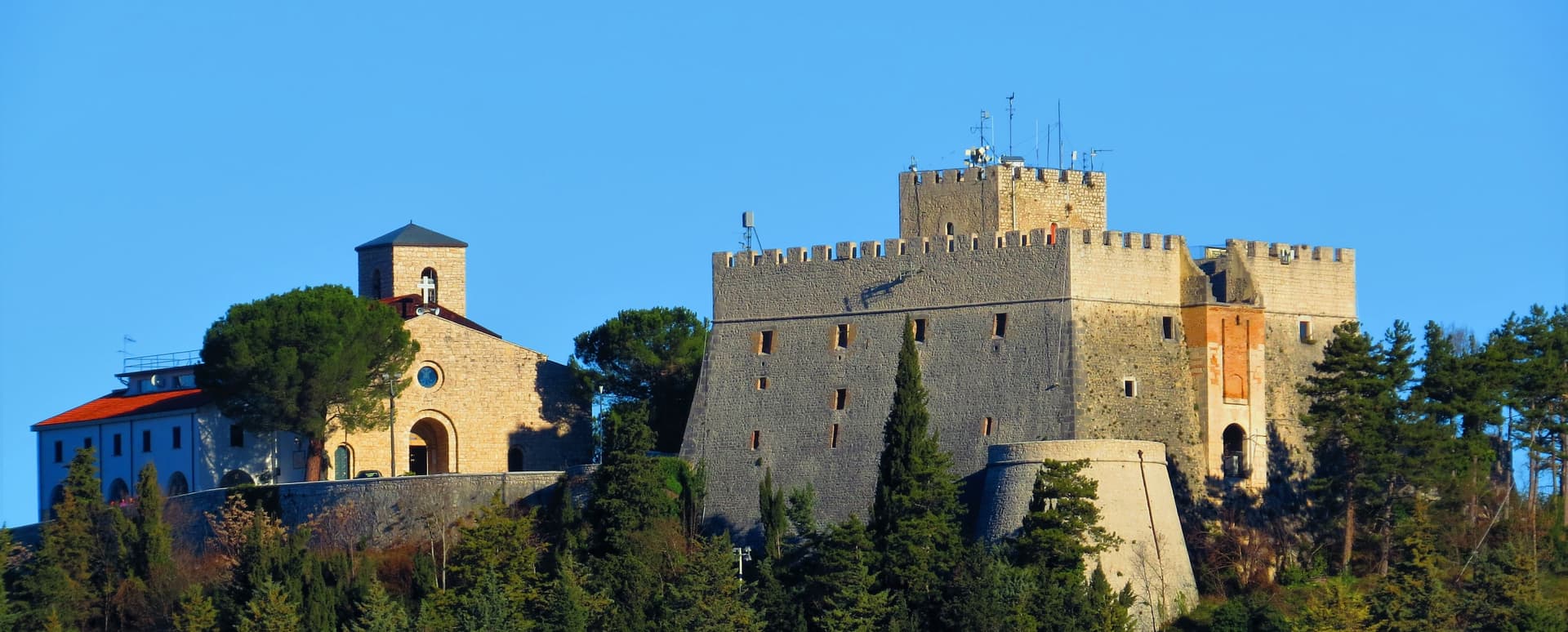
Campobasso
Province: Campobasso
Molise's regional capital and the smallest in Italy — 47,000 residents at 701m on a wooded Apennine ridge, with the Castello Monforte on the summit, the Sagra dei Misteri (a UNESCO-recognised Corpus Domini procession of 24 child-borne aerial 'mysteries' since 1740), and a centro storico that climbs the hillside in stone-paved switchbacks.
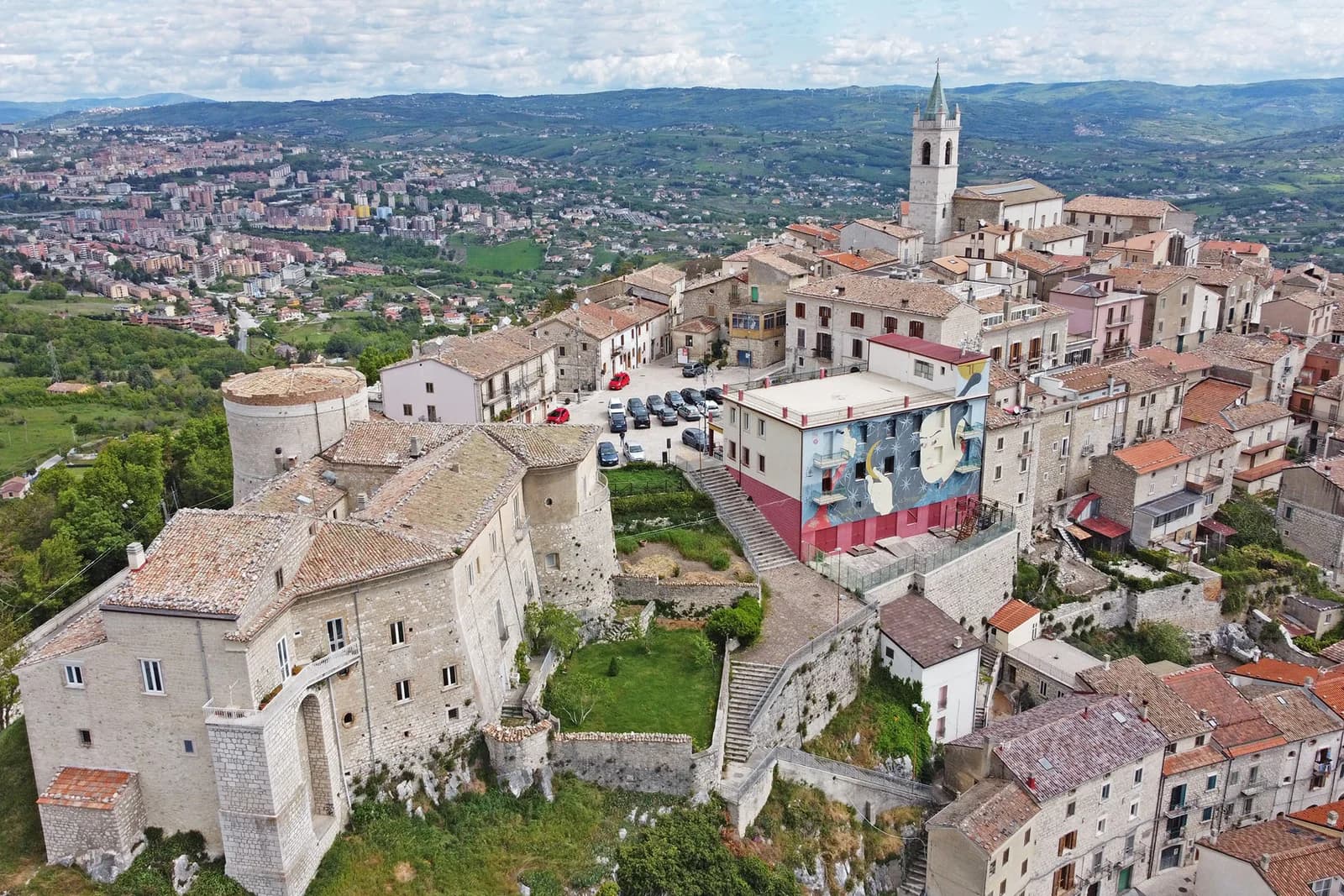
Ferrazzano
Province: Campobasso
A hilltop borgo at 872 meters above Campobasso, called the Sentinel of Molise, where Robert De Niro's great-grandparents lived before sailing in 1887.
💎 Borghi Autentici
More Borghi Autentici towns
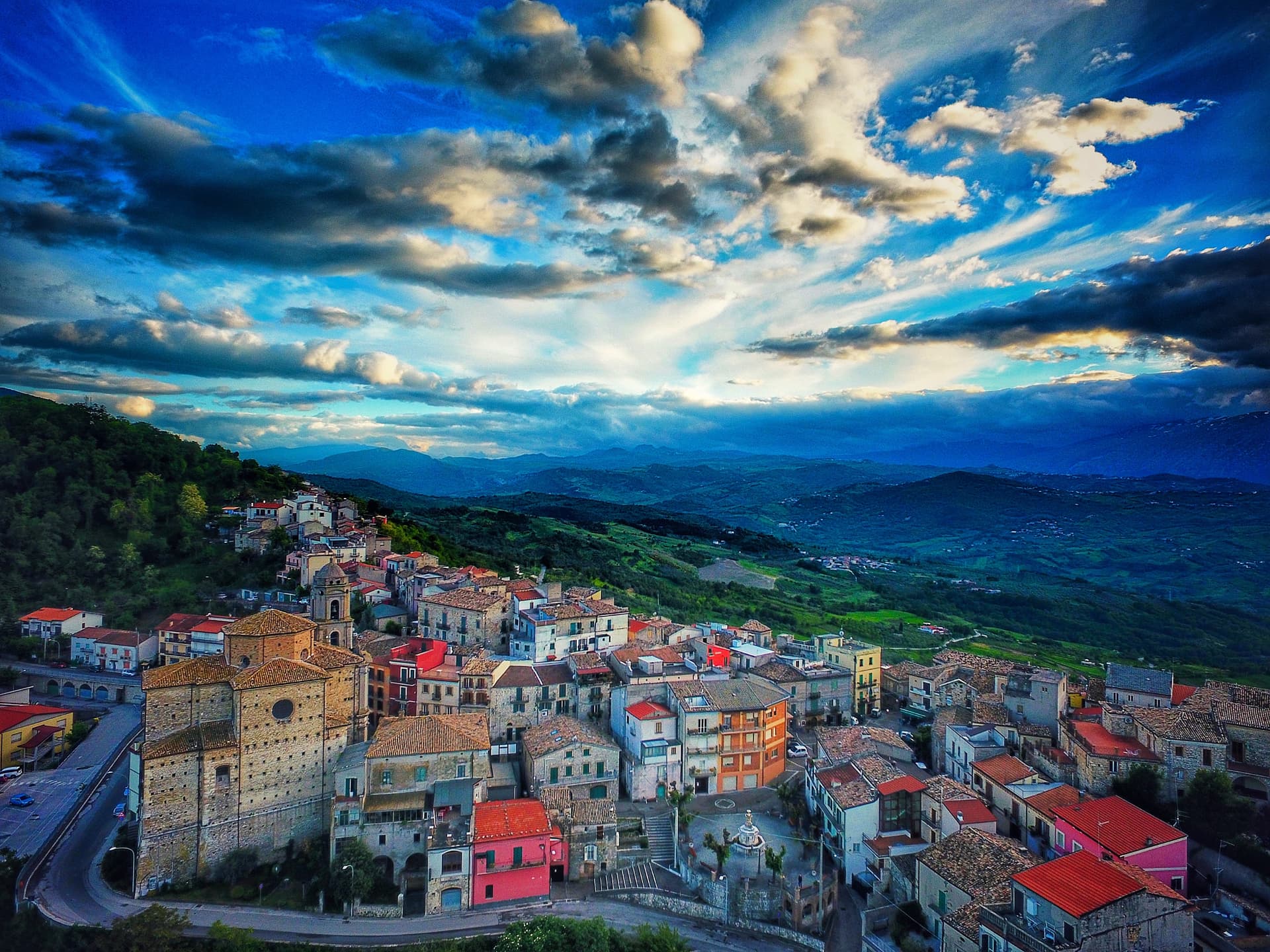
Archi
Province: Chieti
A 492-meter rocky spur called the Terrazza sul Sangro, fief of del Balzo, Cantelmo, Colonna and Carafa, now Città del Tartufo and Città dell'Olio.
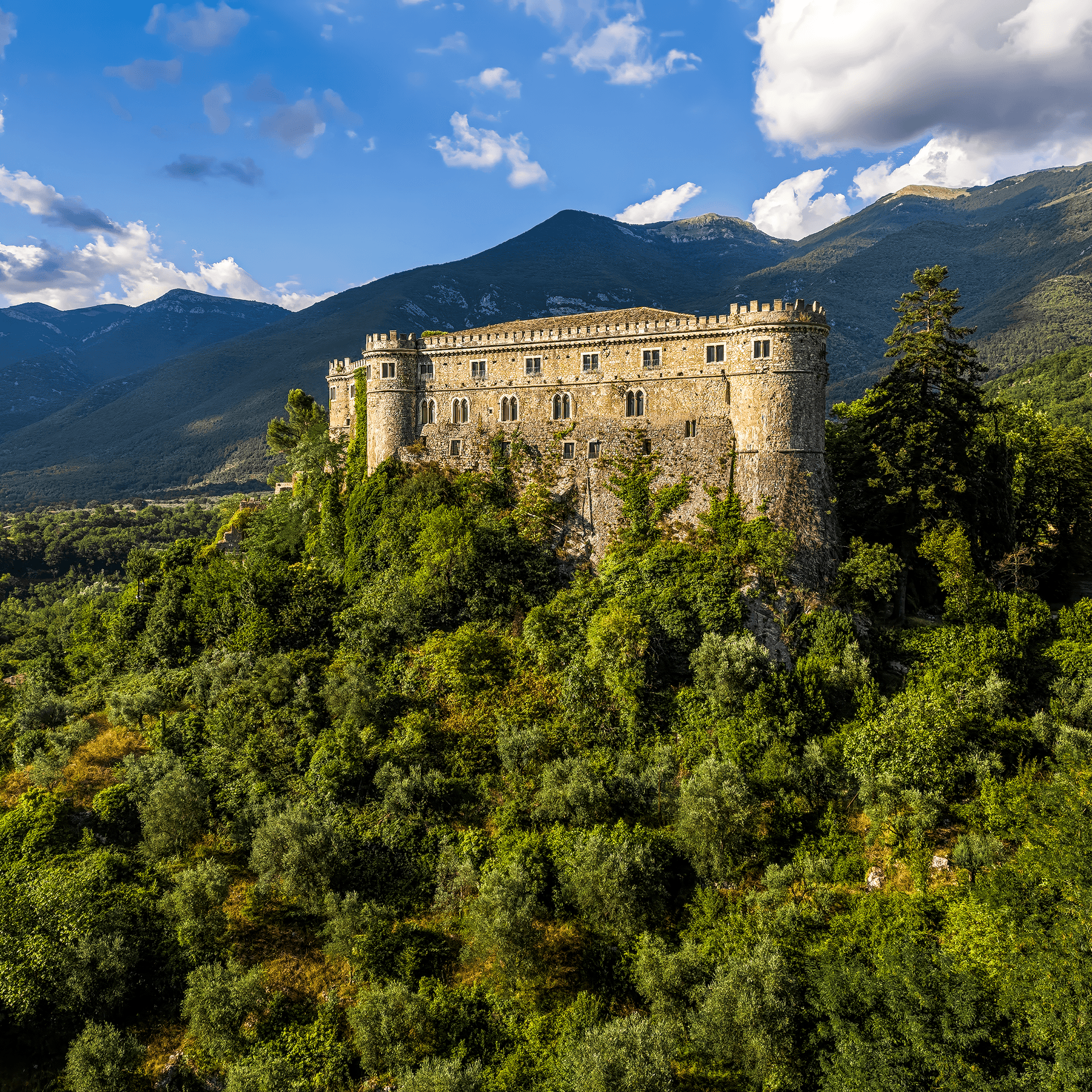
Balsorano
Province: L'Aquila
At 359 meters in the Valle Roveto, a Piccolomini castle that became the backdrop for half of 1970s Italian horror cinema.
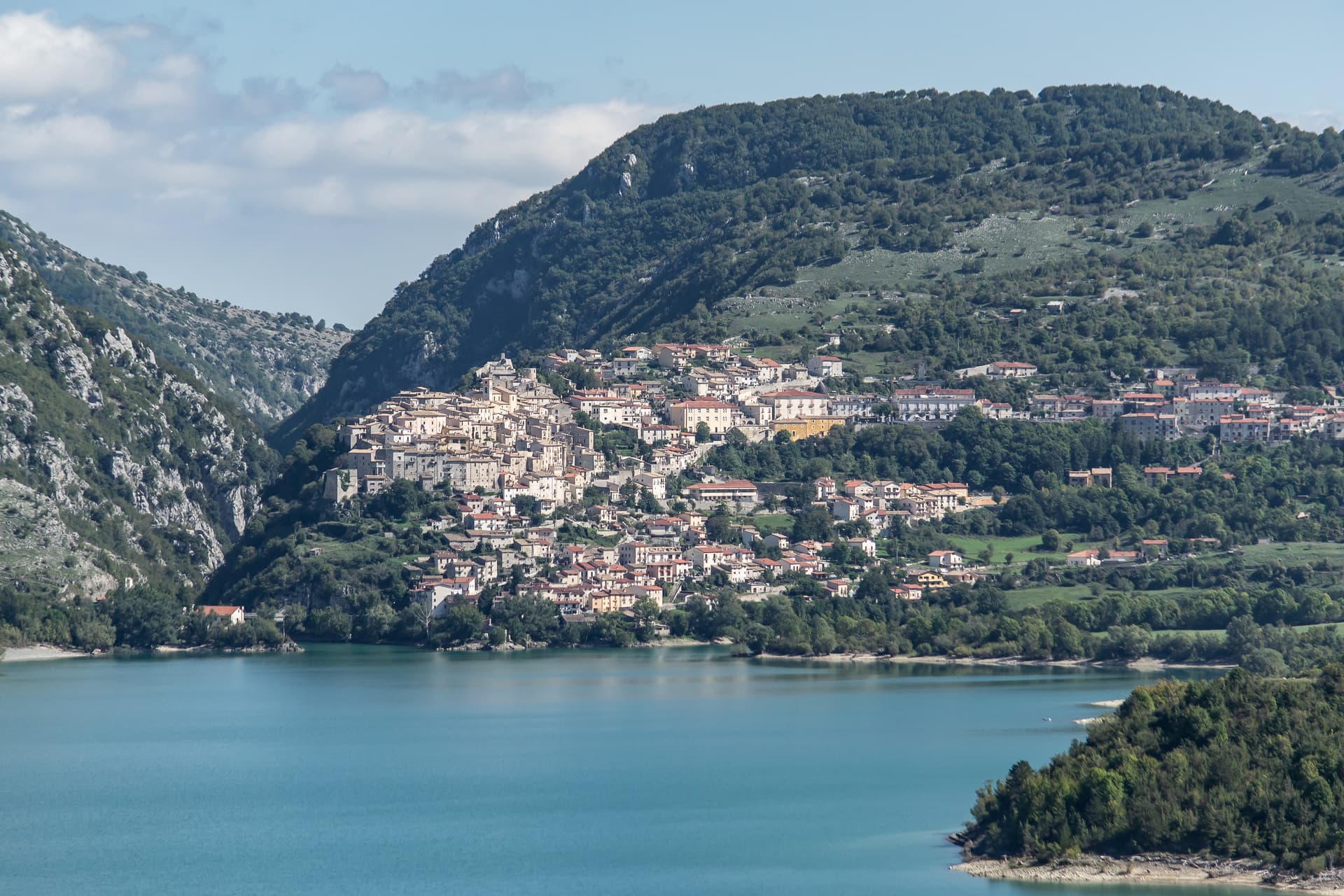
Barrea
Province: L'Aquila
A 1,066-meter spur above an artificial lake at the heart of the Abruzzo National Park, with a Samnite necropolis and an 11th-century di Sangro castle.
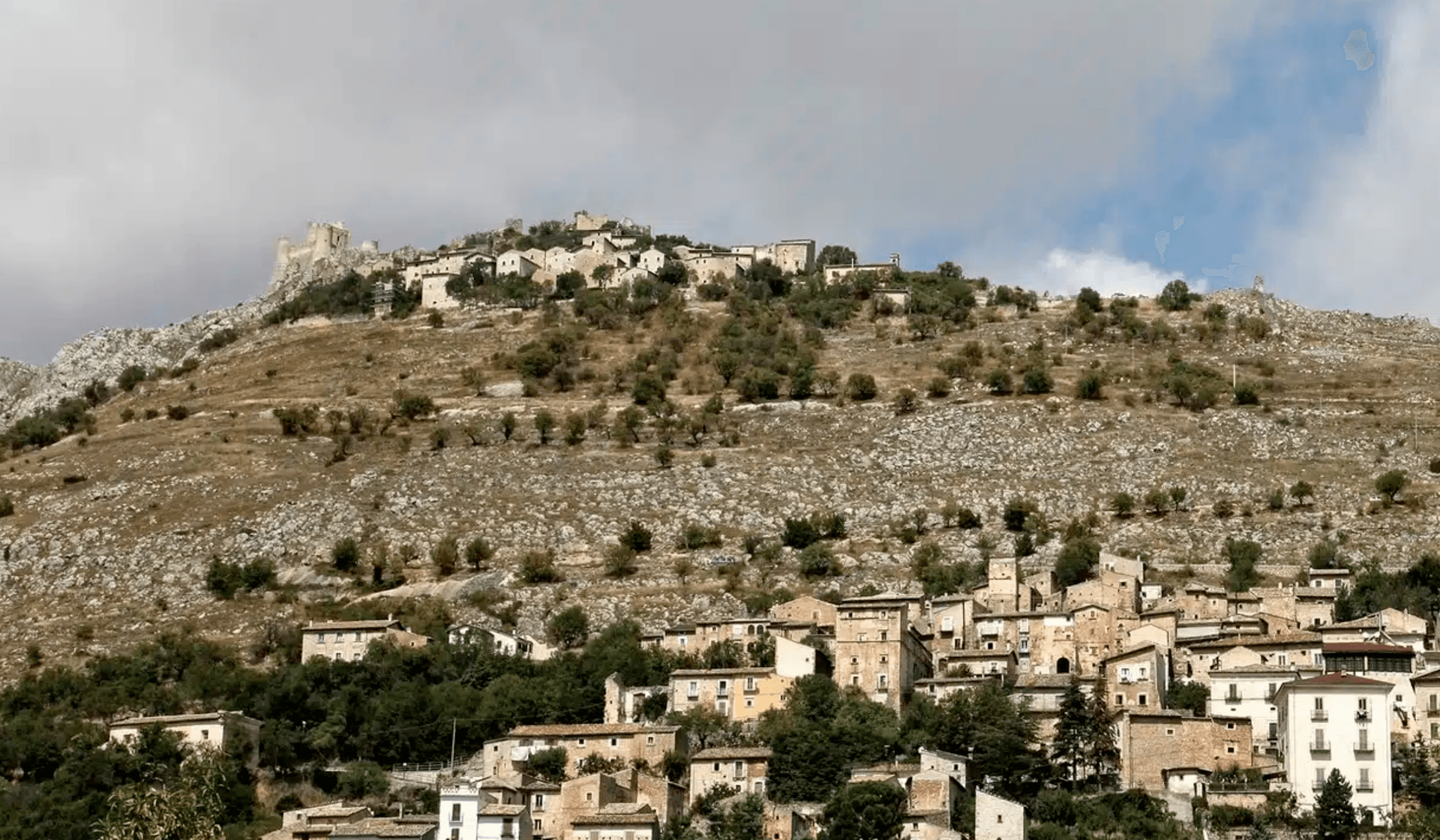
Calascio
Province: L'Aquila
At 1,200 meters under the highest castle in the Apennines, a village of 125 people that played the monk's refuge in Ladyhawke.
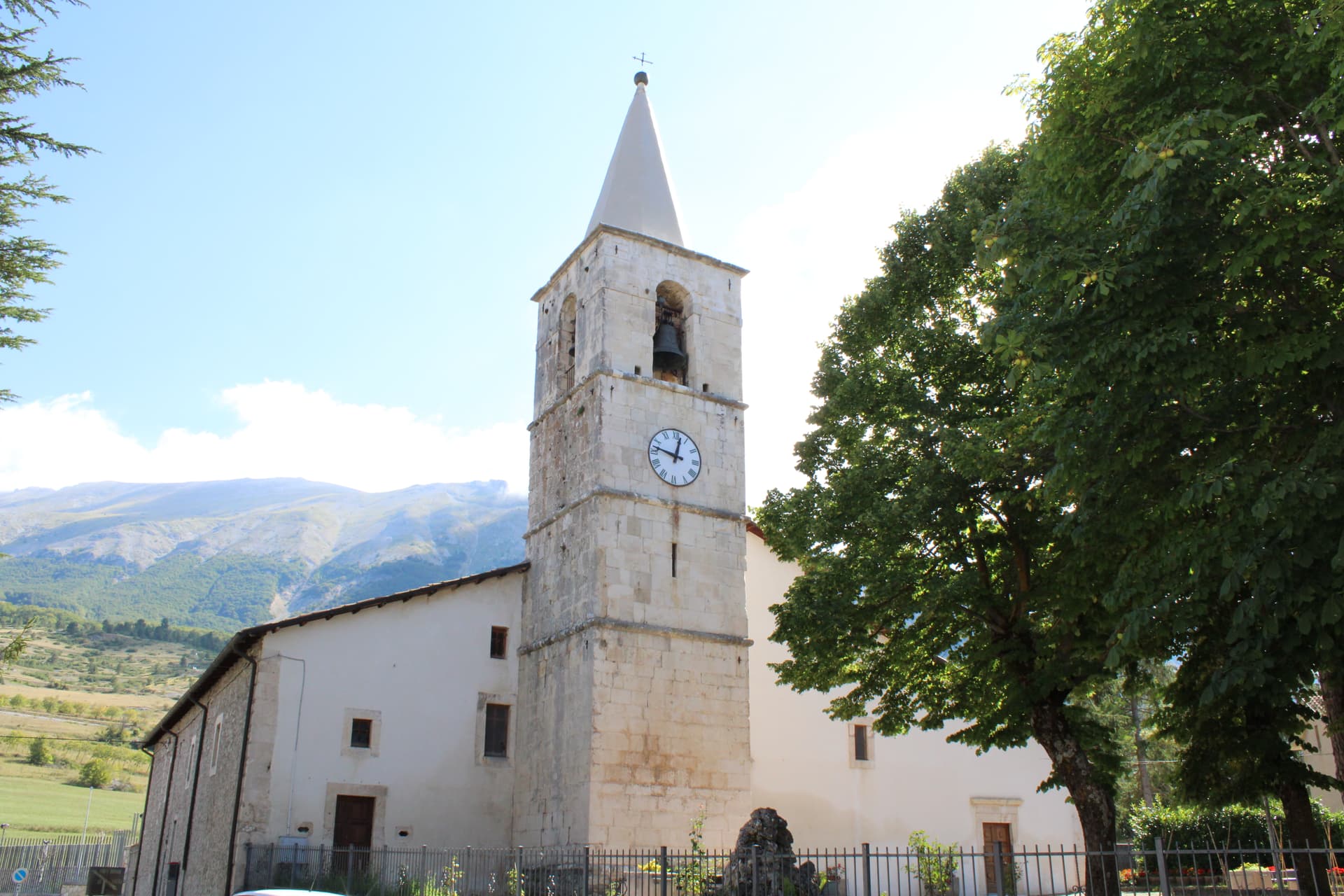
Campo di Giove
Province: L'Aquila
At 1,064 meters under the southwestern Maiella, the highest village in the park, named for a Roman temple to Jupiter.