

Abruzzo · L'Aquila
Balsorano
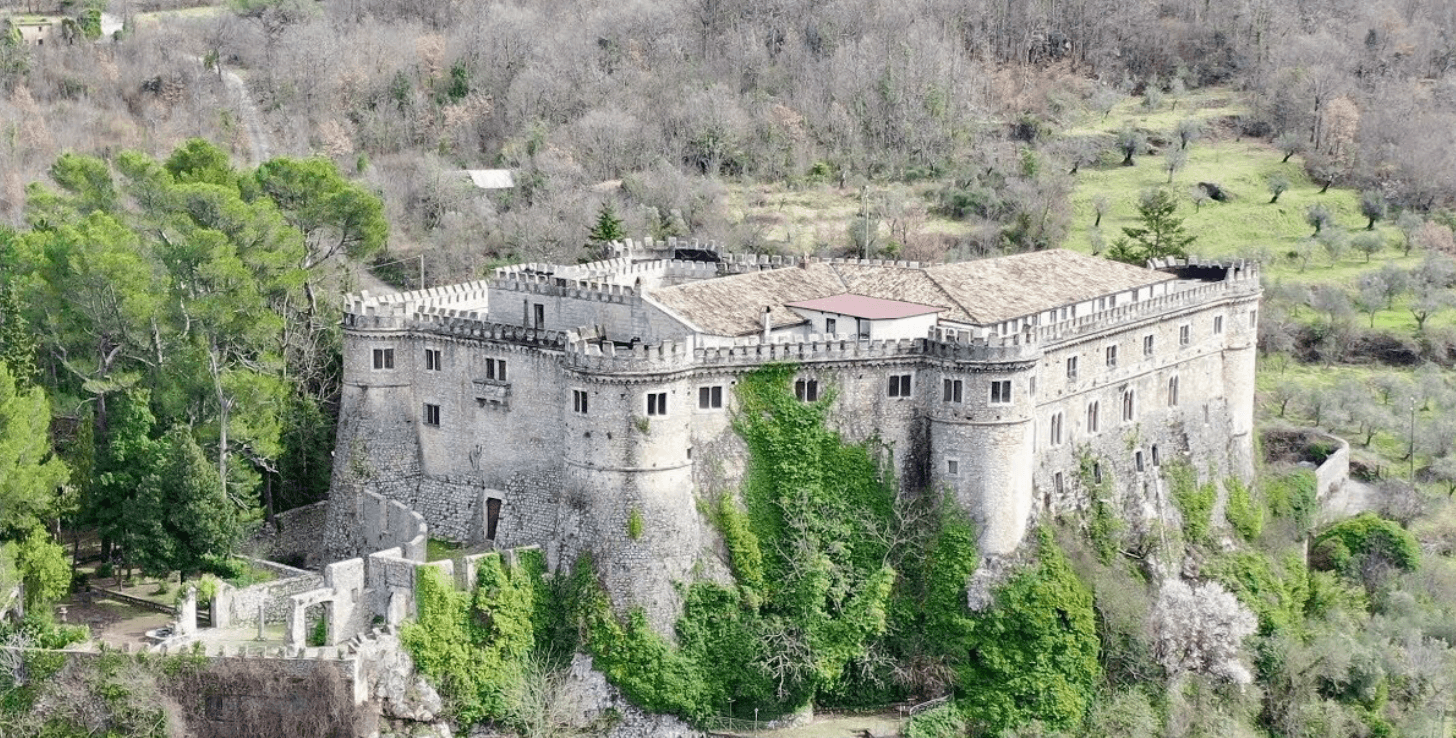
in the Valle Roveto, a Piccolomini castle that became the backdrop for half of 1970s Italian horror cinema.
Known for
PICCOLOMINI CASTLE
Pentagonal 1460 fortress built by the nephew of Pope Pius II, intact through earthquakes and now operating as a hotel.
HORROR CINEMA
Filming location for Italian gothic and giallo features through the 1960s and 70s, the castle's most cited cultural role.
1915 EARTHQUAKE
Marsica quake leveled the old village and pushed the population a kilometer north to form Balsorano Nuovo.
When to visit
Best · Apr–Oct
- J
- F
- M
- A
- M
- J
- J
- A
- S
- O
- N
- D
- Best
- Hot or crowded
- Quiet
- Mostly closed
The festa: San Giorgio, 23 April
Why come
Balsorano lies in the lower Valle Roveto along the Liri river, at the southern edge of Marsica. The town is first documented in the 10th century and was held through the Middle Ages and early modern era by the Piccolomini barons. Antonio Piccolomini, nephew of Pope Pius II, built the Castello Piccolomini in 1460, an irregular pentagonal fortress with circular corner towers on a ridge above the valley.
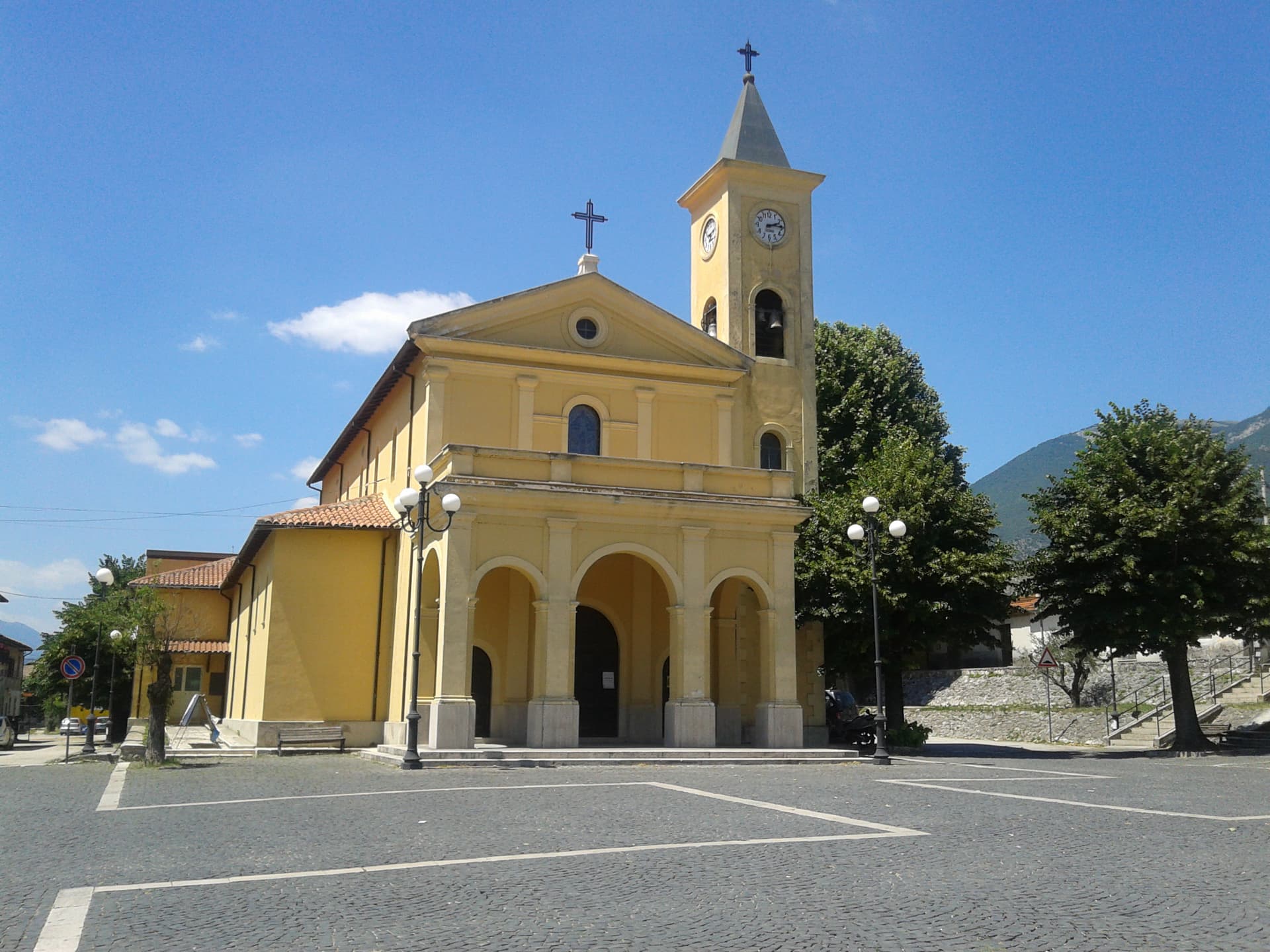
The 1915 Marsica earthquake destroyed most of the old village, and the population relocated about a kilometer north to form Balsorano Nuovo, where the current town sits. The castle survived. From the 1960s through the 70s it served as a location for Italian horror films by directors including Mario Bava and the contemporaries who built the giallo and gothic genre, and now operates as a hotel. The valley around it grows mostly chestnuts and olives.
The Sunday letter
We haven’t written Balsorano’s letter yet.
One town every Sunday, with the photo, the food, the festa. Be there when this one comes up. Free, by Peter & Sophia from Pietrasanta.
By subscribing you agree to Substack’s Terms of Use, our Privacy Policy and our Information collection notice.
What to see
Castello Piccolomini
Pentagonal fortress built in 1460 by Antonio Piccolomini, nephew of Pope Pius II, now operating as a hotel above the Valle Roveto.
Balsorano Vecchio
Original medieval village largely destroyed by the 1915 Marsica earthquake, the ruins still visible on the slope below the castle.
Balsorano Nuovo
Post-1915 reconstruction one kilometer north of the old village, now the principal inhabited center of the comune.
Valle Roveto
Liri valley running south toward the Lazio border, planted in olives and chestnuts and traced by the SS690 highway.
The slow-trip planner
Building a trip? Find where Balsorano fits in a slow Italy circuit.
Answer five questions. We will shape a geographically coherent slow trip from the 1,000 Italian towns most travelers skip. Yours to save and share.
Living here
- Population 3,265
- Commuter belti
- Pharmacy in town
- High school within a 30-minute drive
- Train station in the comune
- Nearest airport Naples / Salerno, 1 h 53 min drive
- Regional capital L'Aquila, 1 h 7 min drive
Tags & datadesignations · numbers · sources
Recognised as
The numbers
- Elevation: 359 m
- Population: 3,265
- Surface area: 58.85 km²
These figures were compiled from public directories — ISTAT, OpenStreetMap, Wikidata — and from the official listings of the guides named on this page. Town details change; verify with official sources before you travel.
Close by
More towns near Balsorano
Capistrello
Province: L'Aquila
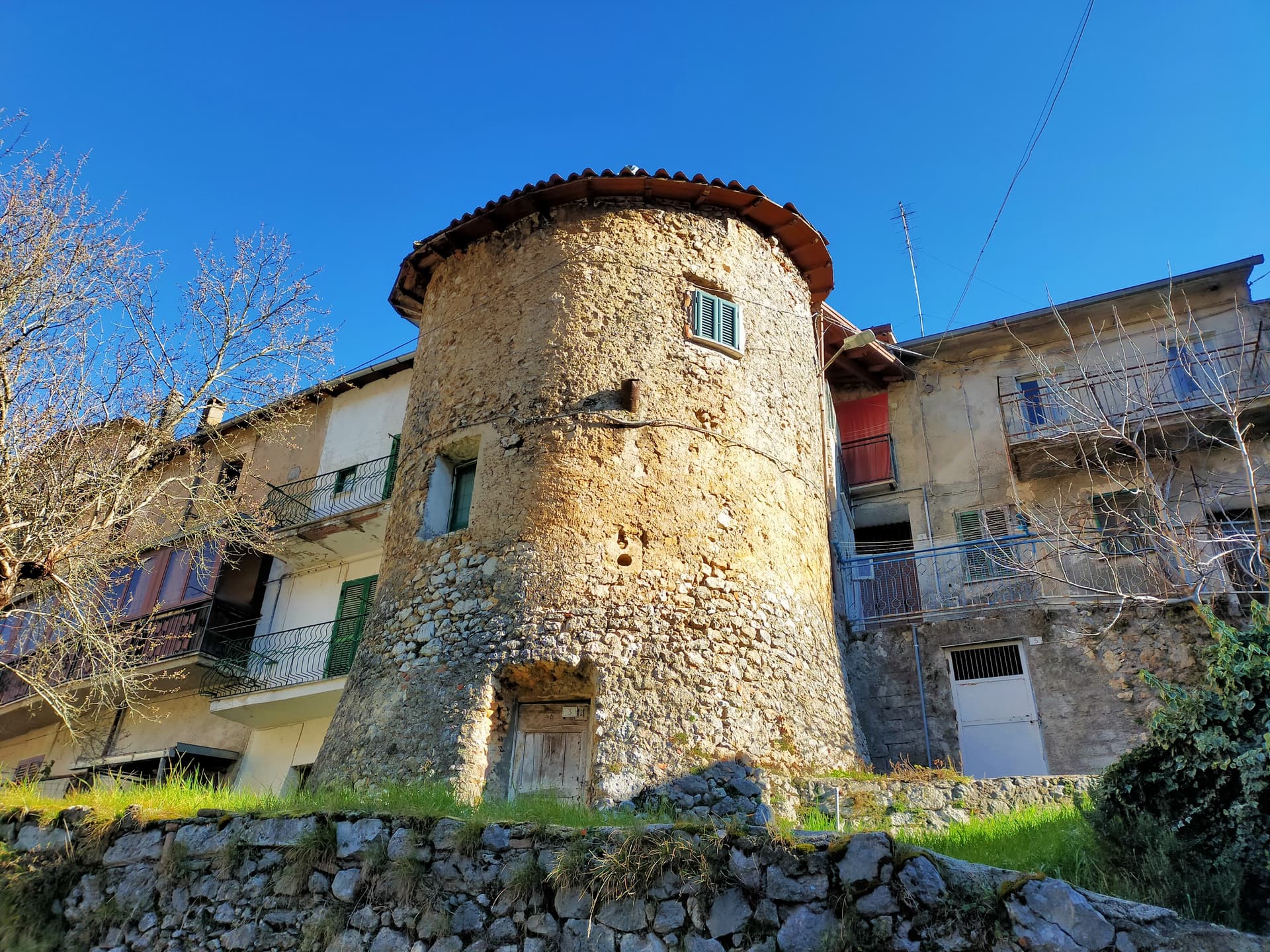
At 734 meters where the upper Liri valley meets the Marsica, the village where Emperor Claudius's 52 AD tunnel emptied a lake into a river.
Isola del Liri
Province: Frosinone
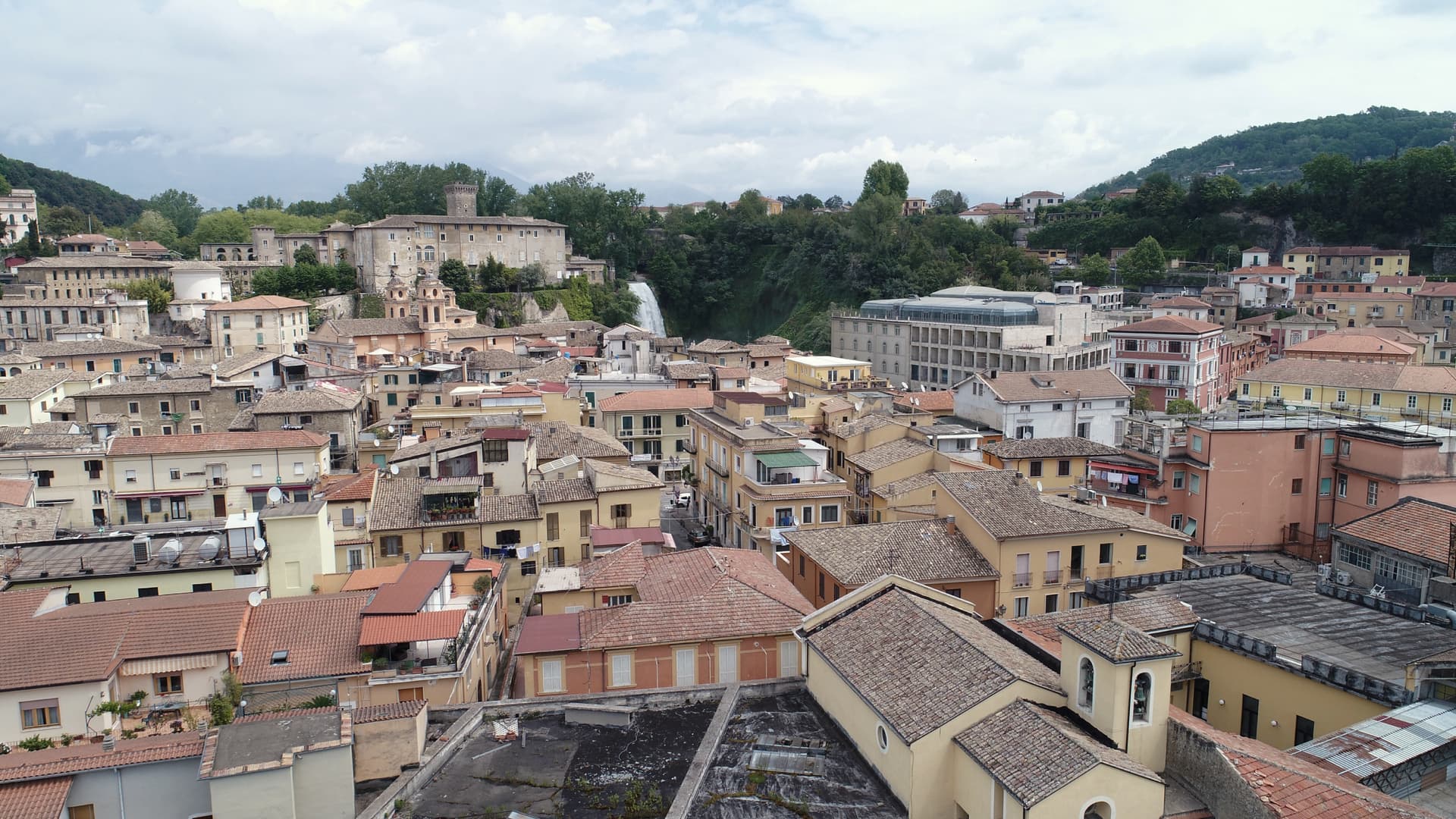
The Ciociaria town with a 27-meter waterfall in its centro storico and a paper-mill past once called the Manchester of Italy.
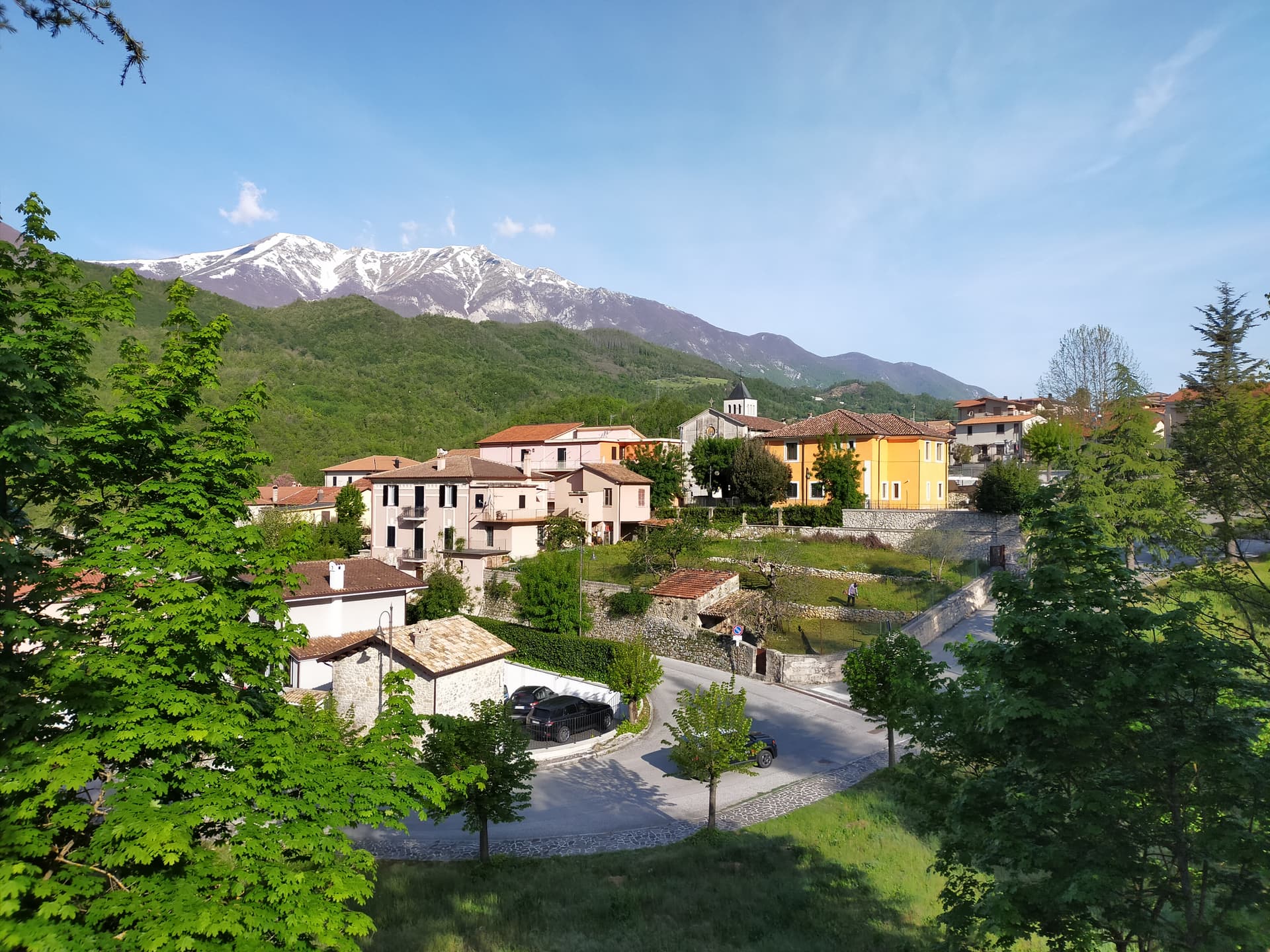
Civita d'Antino
Province: L'Aquila
At 904 meters above the Roveto valley, the ancient Marsi town that became a Danish painters' colony from 1883 until the 1915 earthquake.
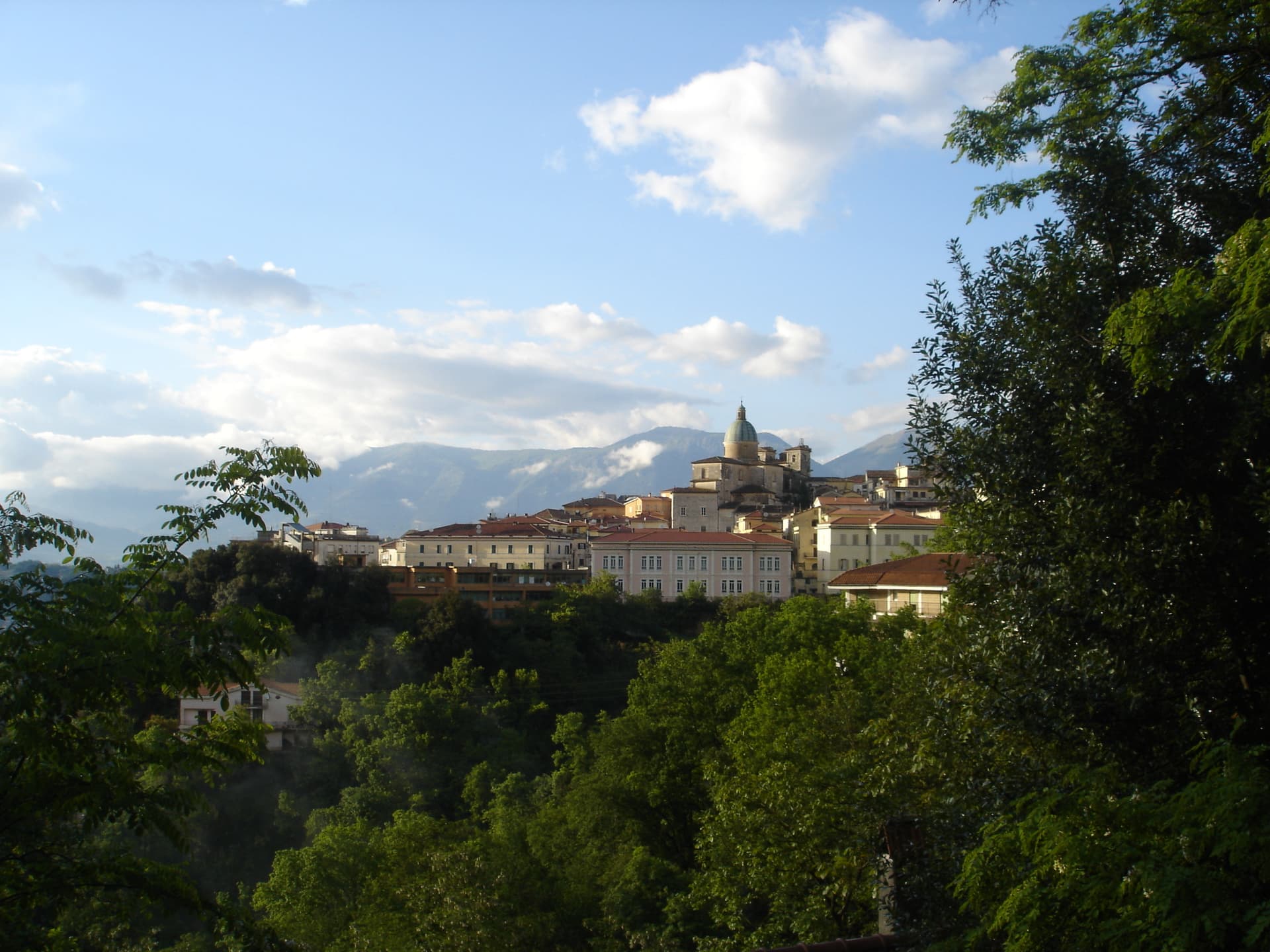
Atina
Province: Frosinone
A polygonal-walled town in the Val di Comino at the foot of the Mainarde, and the DOC that makes Cabernet in central Italy.
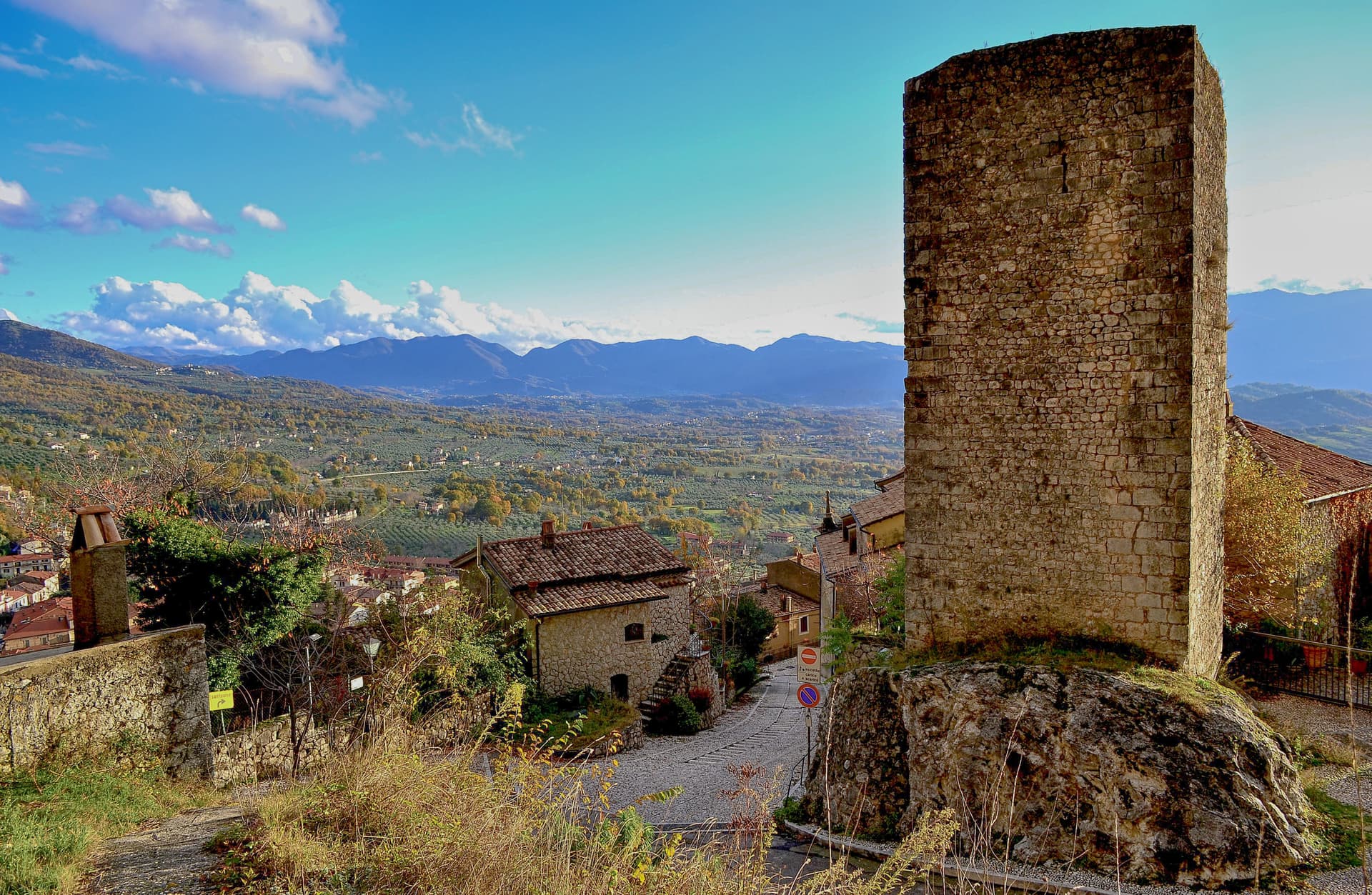
San Donato Val di Comino
Province: Frosinone
A medieval village at 728 meters at the gateway to Forca d'Acero, the pass into the Abruzzo National Park.
💎 Borghi Autentici
More Borghi Autentici towns in Abruzzo
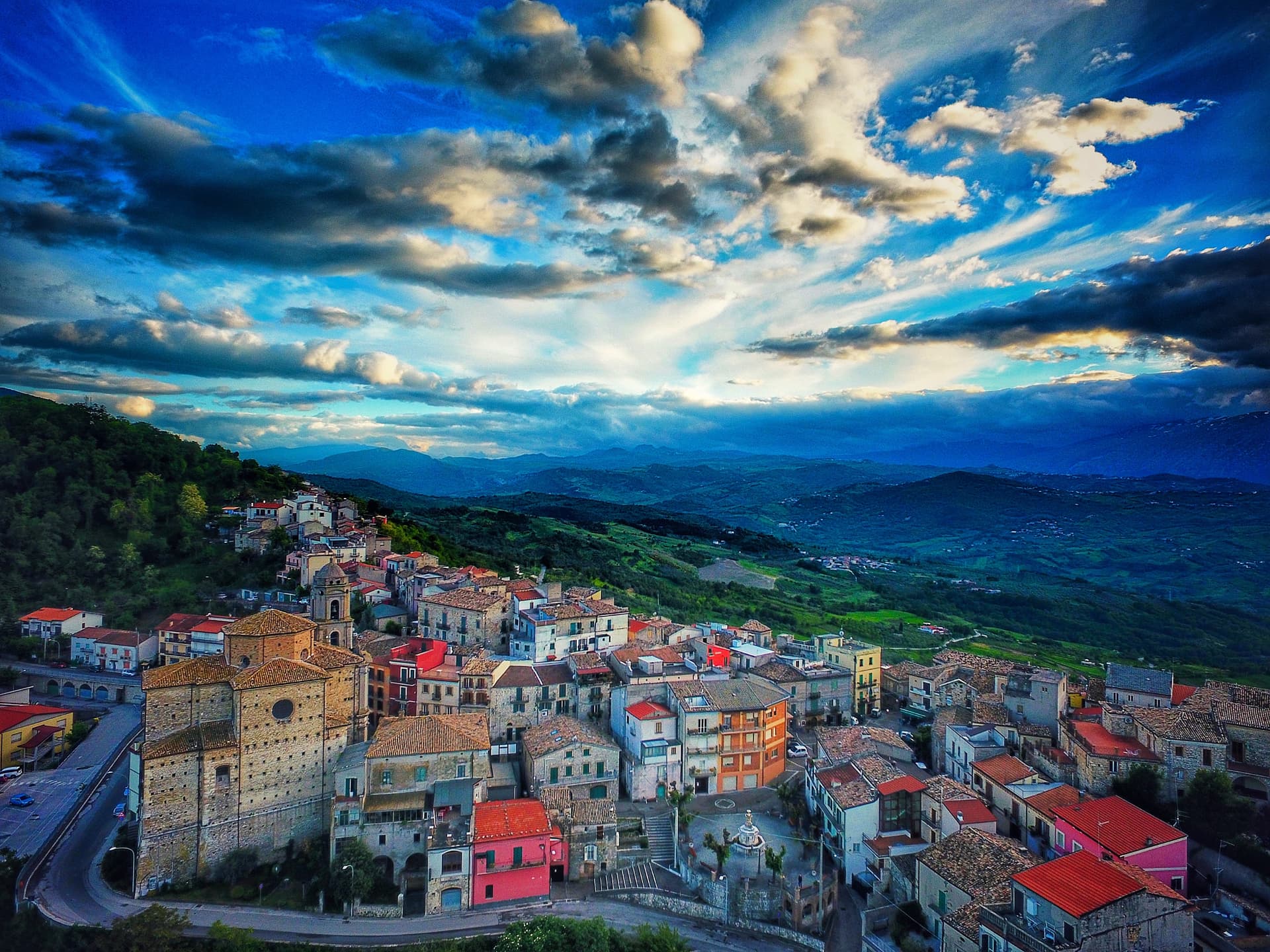
Archi
Province: Chieti
A 492-meter rocky spur called the Terrazza sul Sangro, fief of del Balzo, Cantelmo, Colonna and Carafa, now Città del Tartufo and Città dell'Olio.
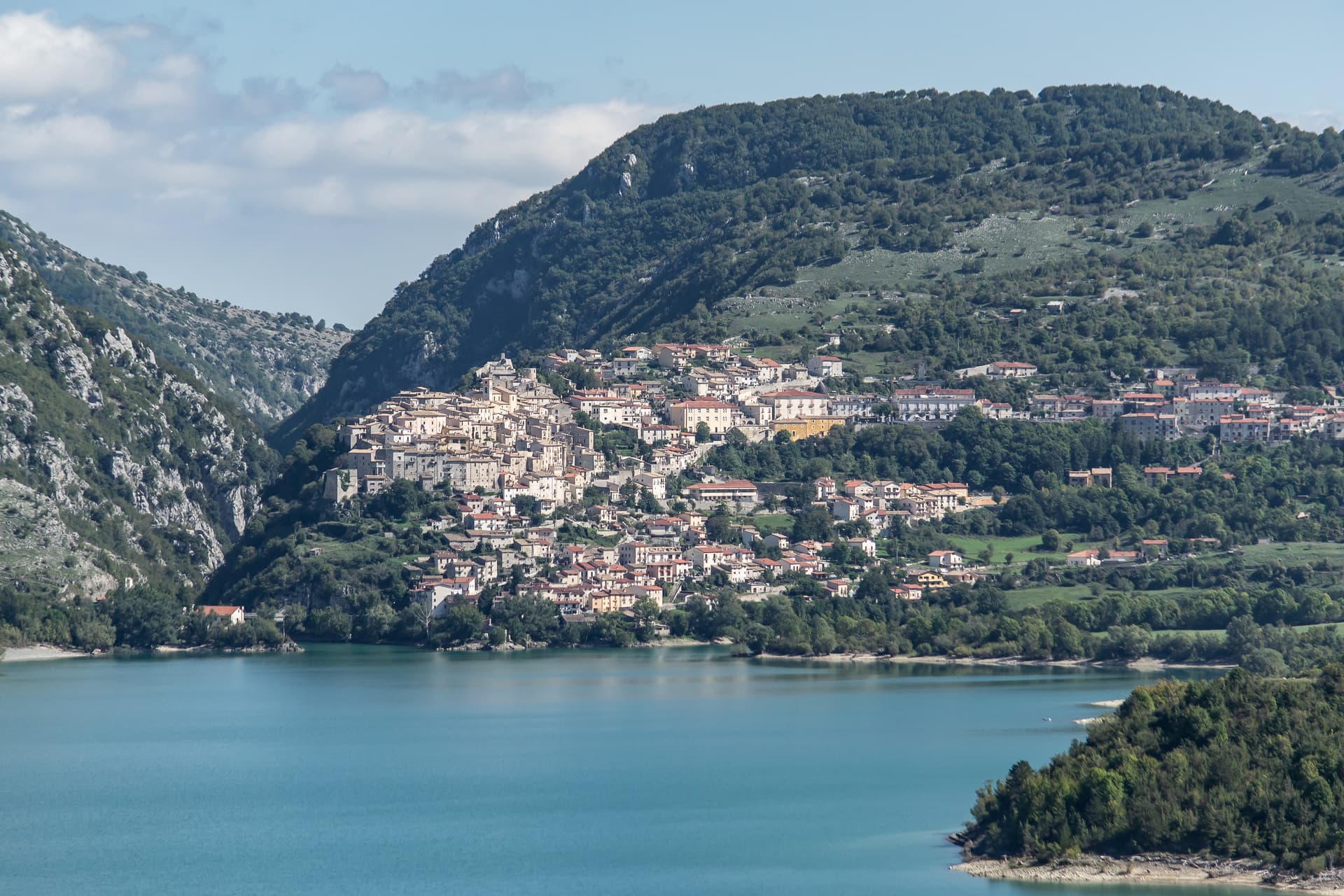
Barrea
Province: L'Aquila
A 1,066-meter spur above an artificial lake at the heart of the Abruzzo National Park, with a Samnite necropolis and an 11th-century di Sangro castle.
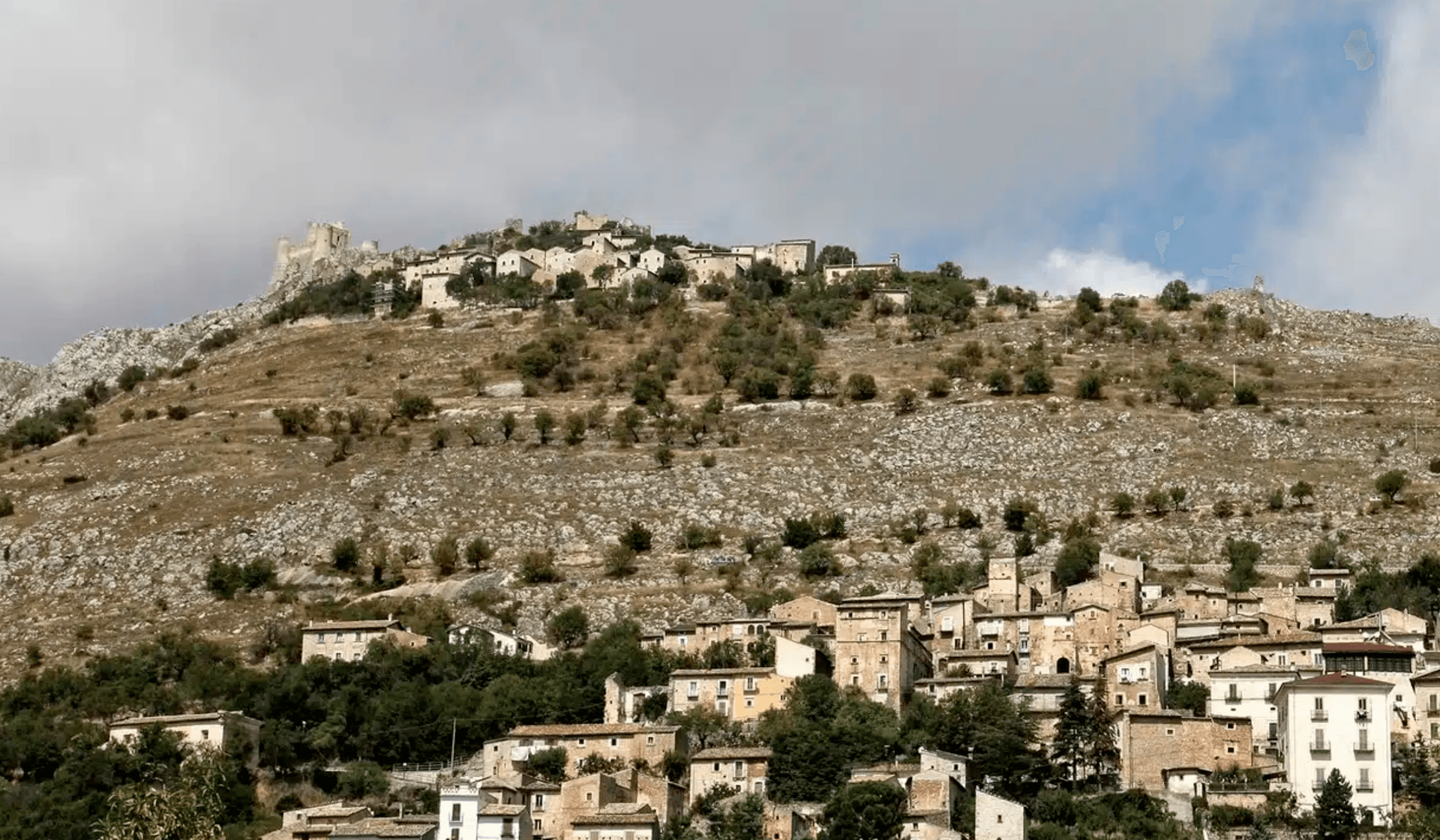
Calascio
Province: L'Aquila
At 1,200 meters under the highest castle in the Apennines, a village of 125 people that played the monk's refuge in Ladyhawke.
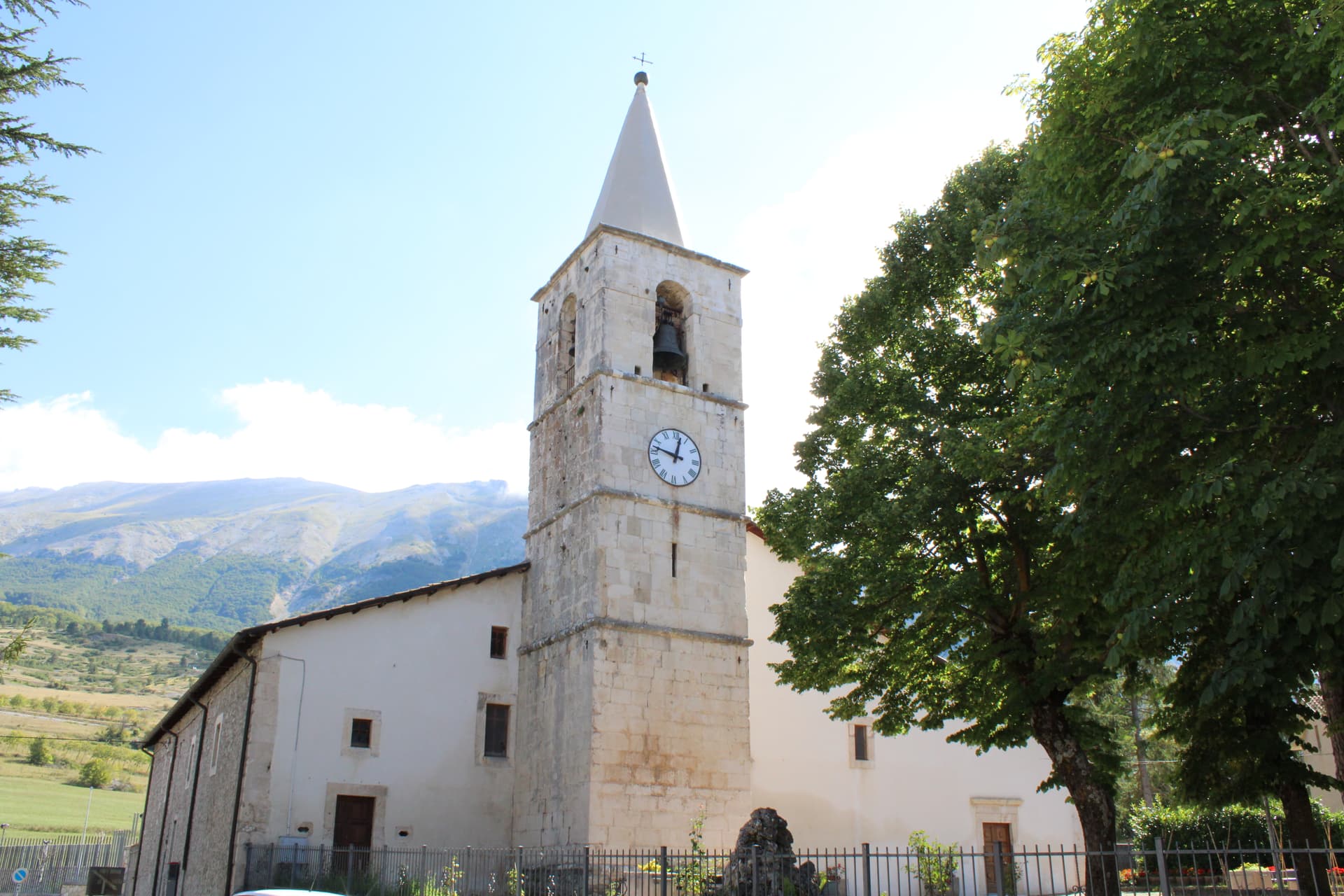
Campo di Giove
Province: L'Aquila
At 1,064 meters under the southwestern Maiella, the highest village in the park, named for a Roman temple to Jupiter.
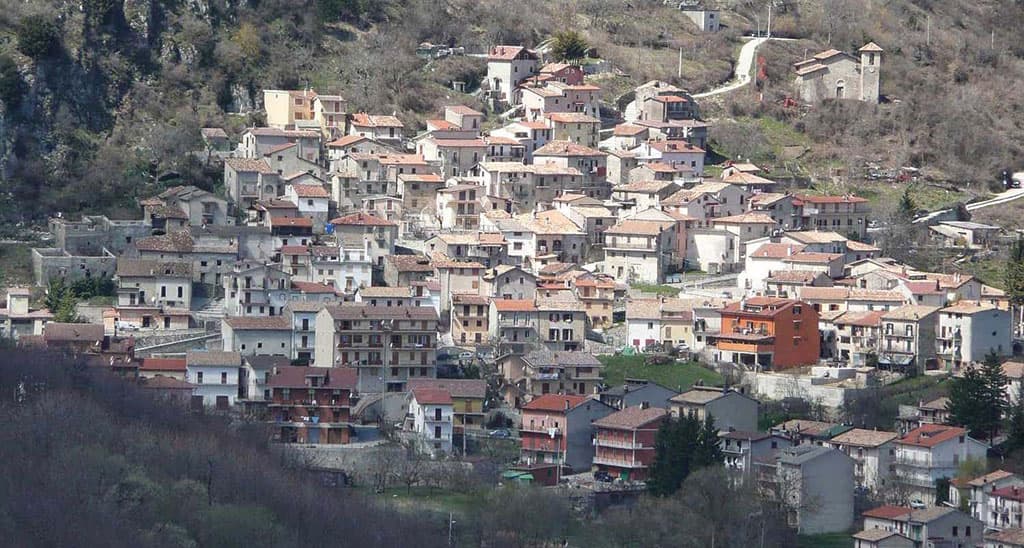
Cappadocia
Province: L'Aquila
Italy's Cappadocia — a 575-resident Marsican borgo at 1,102m in Abruzzo's western mountains, with the spectacular Grotte di Pietrasecca karst cave system (the longest in the central Apennines), Borgo Autentico + Città delle Grotte signals, and a name that does cause genuine reservations for travellers expecting Turkey's hot-air balloon landscape.