

Abruzzo · L'Aquila
Cappadocia
Italy's Cappadocia — a 575-resident Marsican borgo at 1,102m in Abruzzo's western mountains, with the spectacular Grotte di Pietrasecca karst cave system (the longest in the central Apennines), Borgo Autentico + Città delle Grotte signals, and a name that does cause genuine reservations for travellers expecting Turkey's hot-air balloon landscape.
Known for
GROTTE DI PIETRASECCA
Longest cave system in the central Apennines, ~5 km mapped. Città delle Grotte network member. Guided tours since 1991.
BORGO AUTENTICO
Italian small-village quality mark for community life + authenticity in the Marsican mountains at 1,102m.
BYZANTINE NAME ORIGIN
Tradition: 7th-8th c AD Byzantine refugees from Anatolian Cappadocia brought the name when fleeing the Arab conquests.
MONTI SIMBRUINI GATEWAY
Immediate access to the Monti Simbruini Regional Park — Monte Calvo, the central Apennine trail network, Marsica plain views.
When to visit
Best · May–Sep
- J
- F
- M
- A
- M
- J
- J
- A
- S
- O
- N
- D
- Best
- Hot or crowded
- Quiet
- Mostly closed
The festa: Biagio di Sebaste, 3 February
Why come
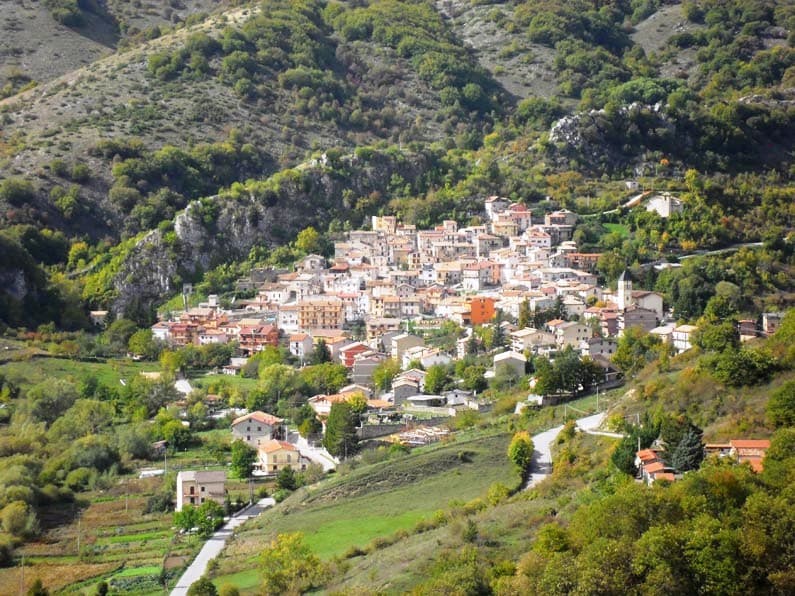
Cappadocia is here for two reasons — the cave system and the name confusion that gets it into 'oddly named Italian villages' listicles every year. The geography first: a 575-resident Marsican mountain borgo at 1,102m altitude in the western Abruzzo (32 km north of Avezzano on the SS5 toward Tagliacozzo), in a karst-limestone valley that produced one of the most extensive cave systems in the central Apennines. The Grotte di Pietrasecca (discovered 1893, opened to public visits 1991) extend ~5 km in mapped passages, with three large chambers (Sala del Tempio, Sala del Drago, Sala del Lago) on the standard 90-min guided tour, plus active speleological exploration in the deeper sections.
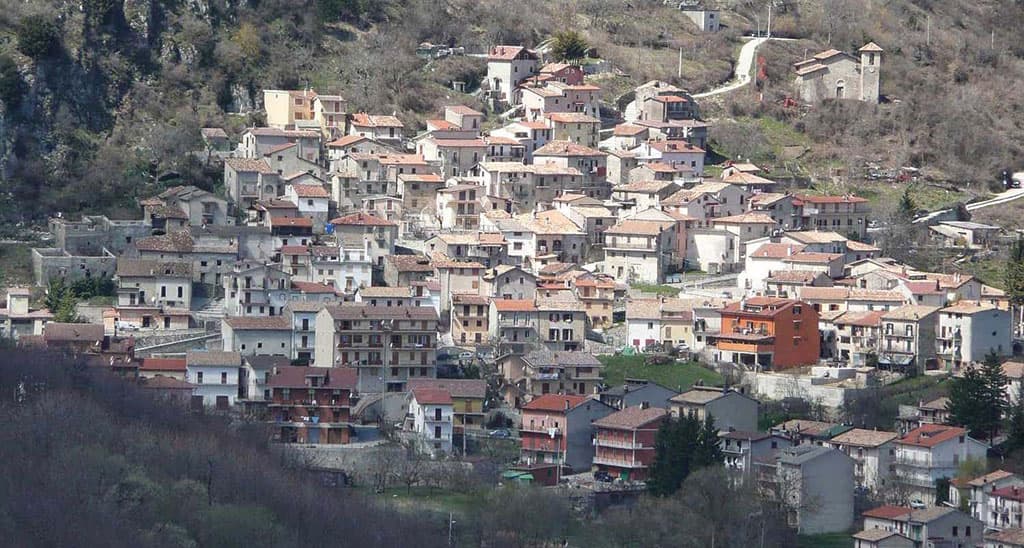
Pietrasecca is a Città delle Grotte (the Italian network of cave-tourism towns) and the cave is what brings the bulk of visitors. The borgo itself is a quietly handsome medieval mountain settlement — stone houses, the Chiesa di San Biagio (12th-c with later restorations), the partial medieval walls. The other identifying feature is, yes, the name: 'Cappadocia' here derives from the same Greek root (Καππαδοκία, the ancient Anatolian region) but the connection is purely toponymic — local tradition says Byzantine refugees from the original Anatolian Cappadocia settled here in the 7th-8th c AD fleeing the Arab conquests, bringing the name with them.
The community is a Borgo Autentico (the Italian small-village quality mark for authenticity + community life). Surrounding: the Monte Calvo (1,500m) and the Monti Simbruini Regional Park are immediate access for hiking, the Marsica plain spreads east toward Avezzano, and the Roveto valley is the route west toward Sora and Frosinone. The food is Marsican-mountain: pasta alla mugnaia (hand-rolled durum-wheat strings), arrosticini (skewered castrato lamb), pecorino di Capracotta, the local Cesanese del Piglio red. Like all Marsican mountain villages, depopulation is heavy — 1,800 residents in 1951, 575 today.
The Sunday letter
We haven’t written Cappadocia’s letter yet.
One town every Sunday, with the photo, the food, the festa. Be there when this one comes up. Free, by Peter & Sophia from Pietrasanta.
By subscribing you agree to Substack’s Terms of Use, our Privacy Policy and our Information collection notice.
What to see
Grotte di Pietrasecca
The longest cave system in the central Apennines — ~5 km mapped, 3 large chambers (Sala del Tempio, Sala del Drago, Sala del Lago) on the 90-min guided tour. Active speleological exploration continues in the deeper sections.
Centro storico + Chiesa di San Biagio
Quietly handsome medieval mountain settlement at 1,102m. Stone houses, the 12th-c Chiesa di San Biagio with later restorations, partial medieval walls.
Monti Simbruini + Monte Calvo
Immediate access to the Monti Simbruini Regional Park. Monte Calvo (1,500m) is the standard half-day summit from the village.
Byzantine refugee toponym
Local tradition: Byzantine refugees from the original Anatolian Cappadocia settled here 7th-8th c AD fleeing the Arab conquests, bringing the name. The connection is purely toponymic — no hot-air balloons.
Marsican mountain kitchen
Pasta alla mugnaia (hand-rolled durum strings), arrosticini (castrato lamb skewers), pecorino di Capracotta, Cesanese del Piglio red.
The slow-trip planner
Building a trip? Find where Cappadocia fits in a slow Italy circuit.
Answer five questions. We will shape a geographically coherent slow trip from the 1,000 Italian towns most travelers skip. Yours to save and share.
Living here
- Population 575
- In-betweeni
- Pharmacy in town
- Nearest high school over ~30 minutes away
- Nearest airport Rome, 3 h 1 min drive
- Regional capital L'Aquila, 1 h 56 min drive
Tags & datadesignations · numbers · sources
Recognised as
The numbers
- Elevation: 1102 m
- Population: 575
- Surface area: 68.58 km²
These figures were compiled from public directories — ISTAT, OpenStreetMap, Wikidata — and from the official listings of the guides named on this page. Town details change; verify with official sources before you travel.
Close by
More towns near Cappadocia
Tagliacozzo
Province: L'Aquila
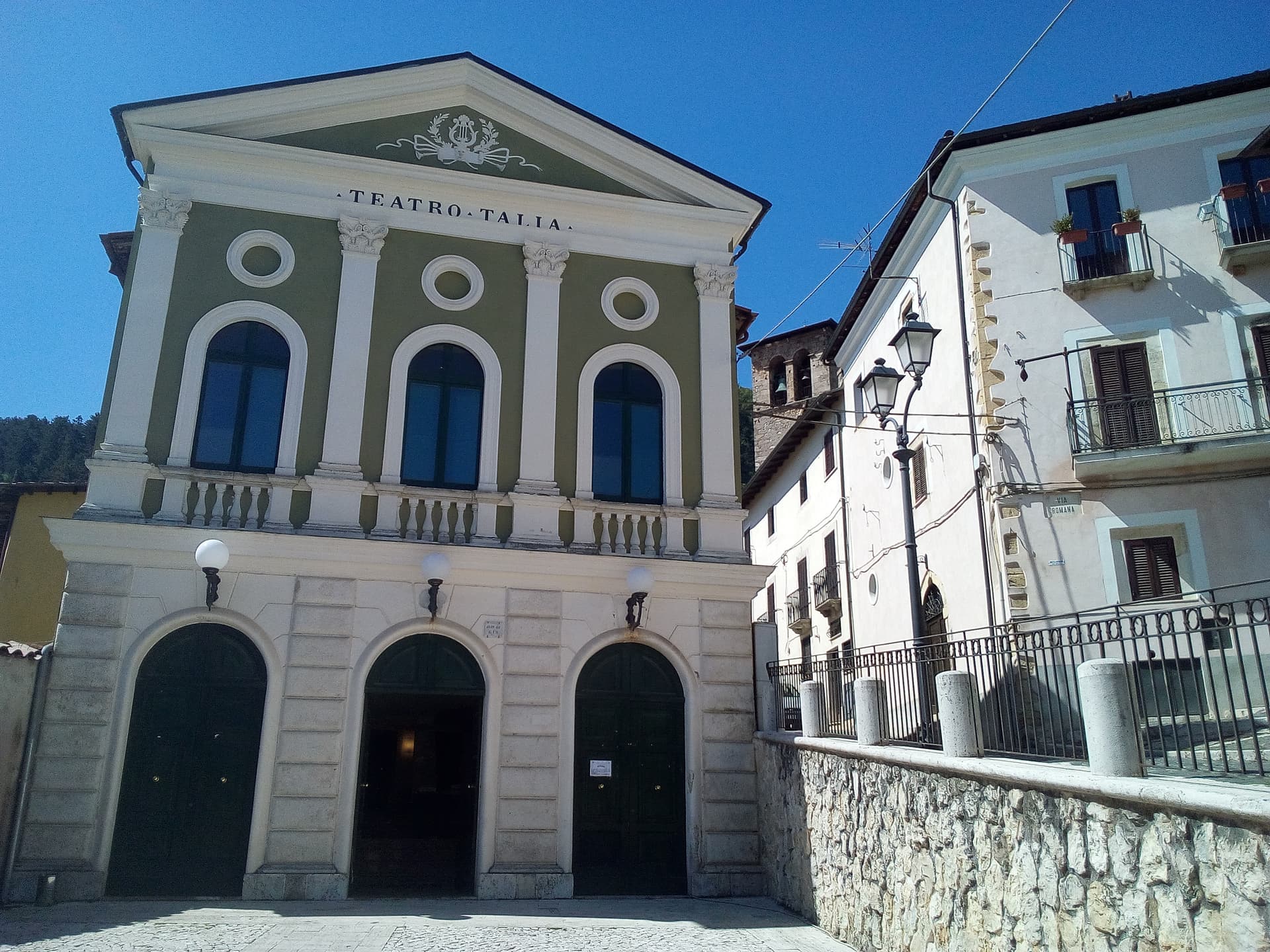
A Marsica town at 740 meters below Monte Civita, where Charles of Anjou won the 1268 battle and the Orsini built the ducal palace.
Capistrello
Province: L'Aquila
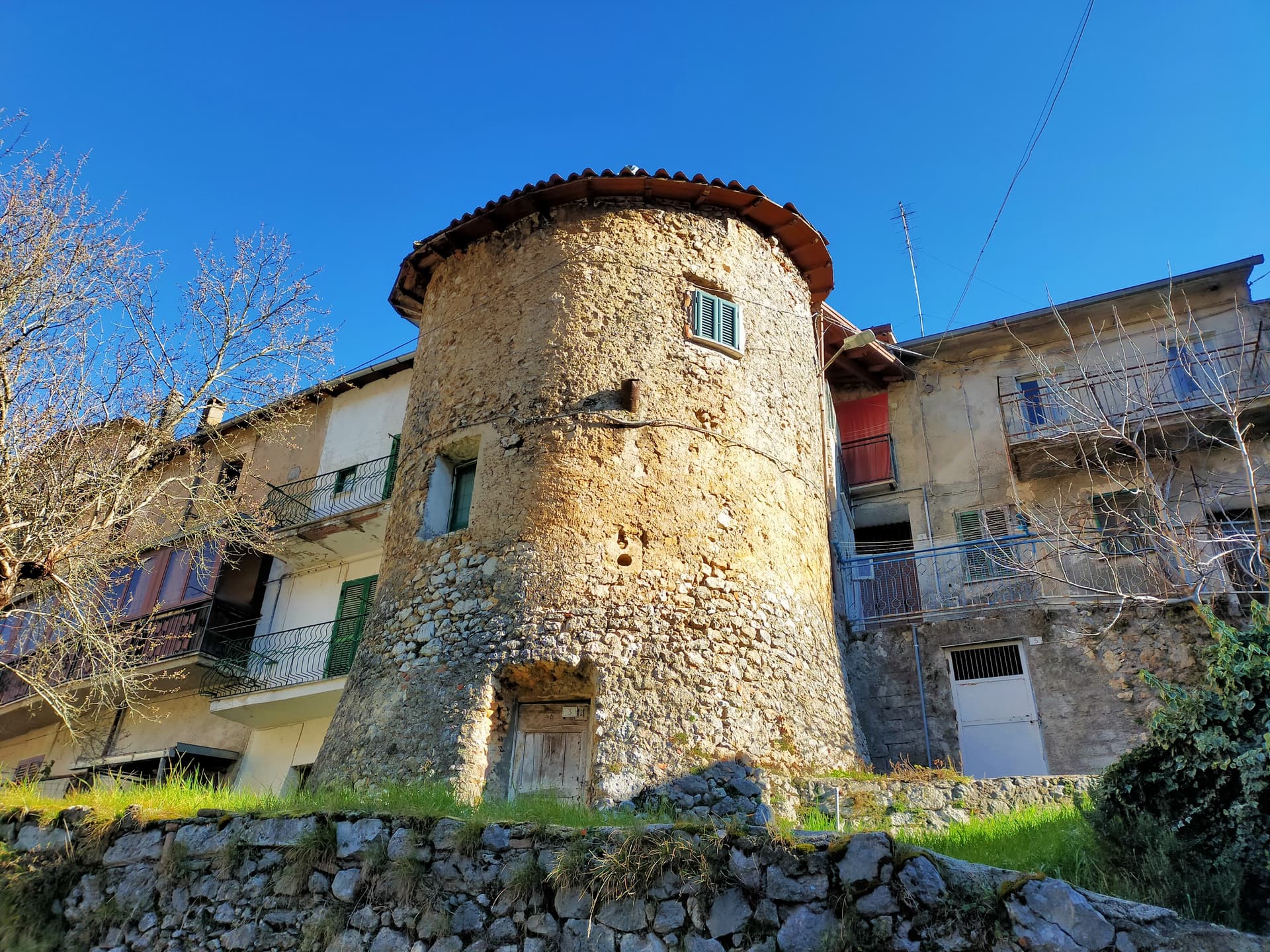
At 734 meters where the upper Liri valley meets the Marsica, the village where Emperor Claudius's 52 AD tunnel emptied a lake into a river.
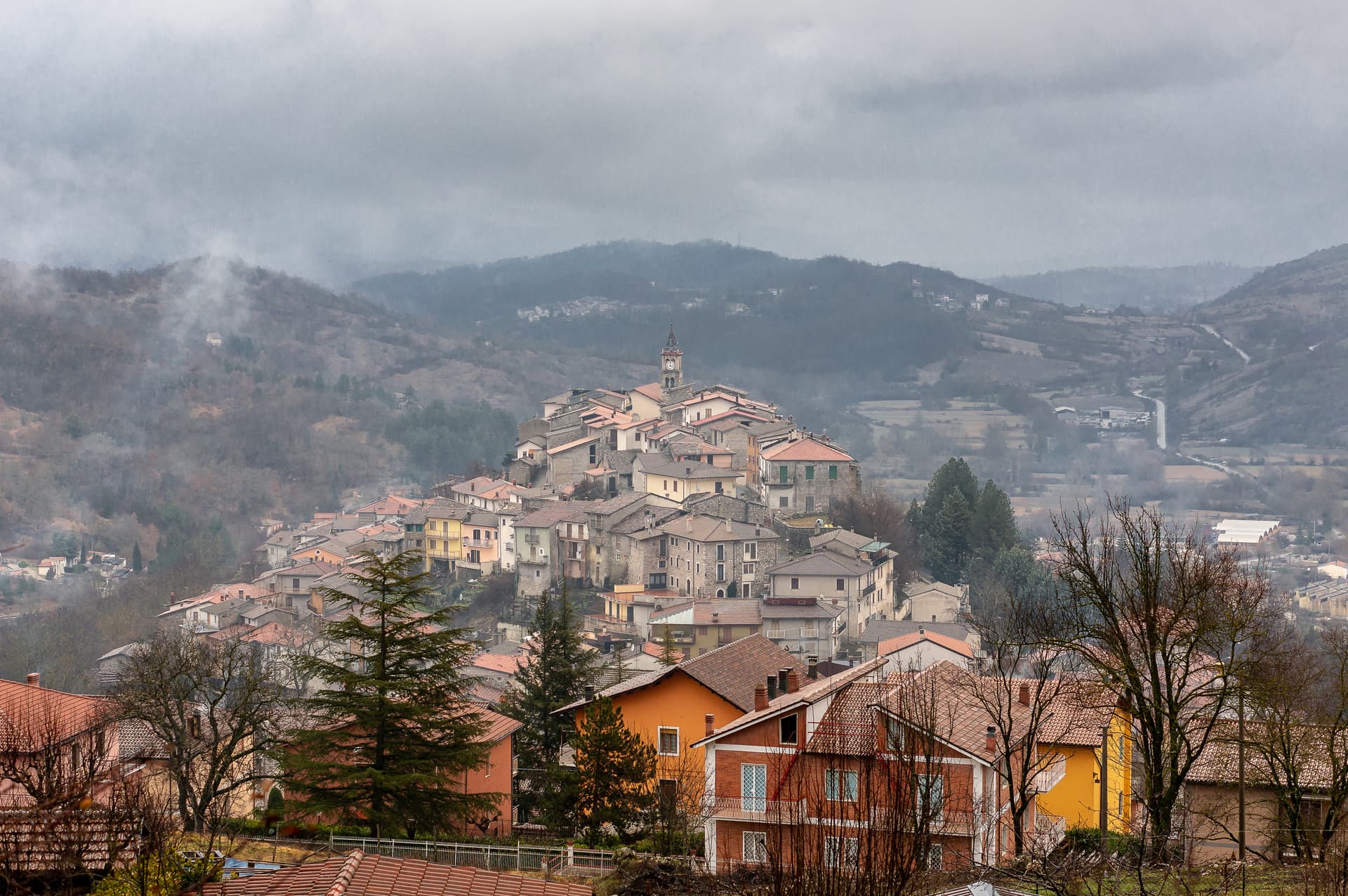
Sante Marie
Province: L'Aquila
A 950-meter Marsica village and the trailhead of the Cammino dei Briganti, the seven-day brigand trail through the Cartore band's territory.
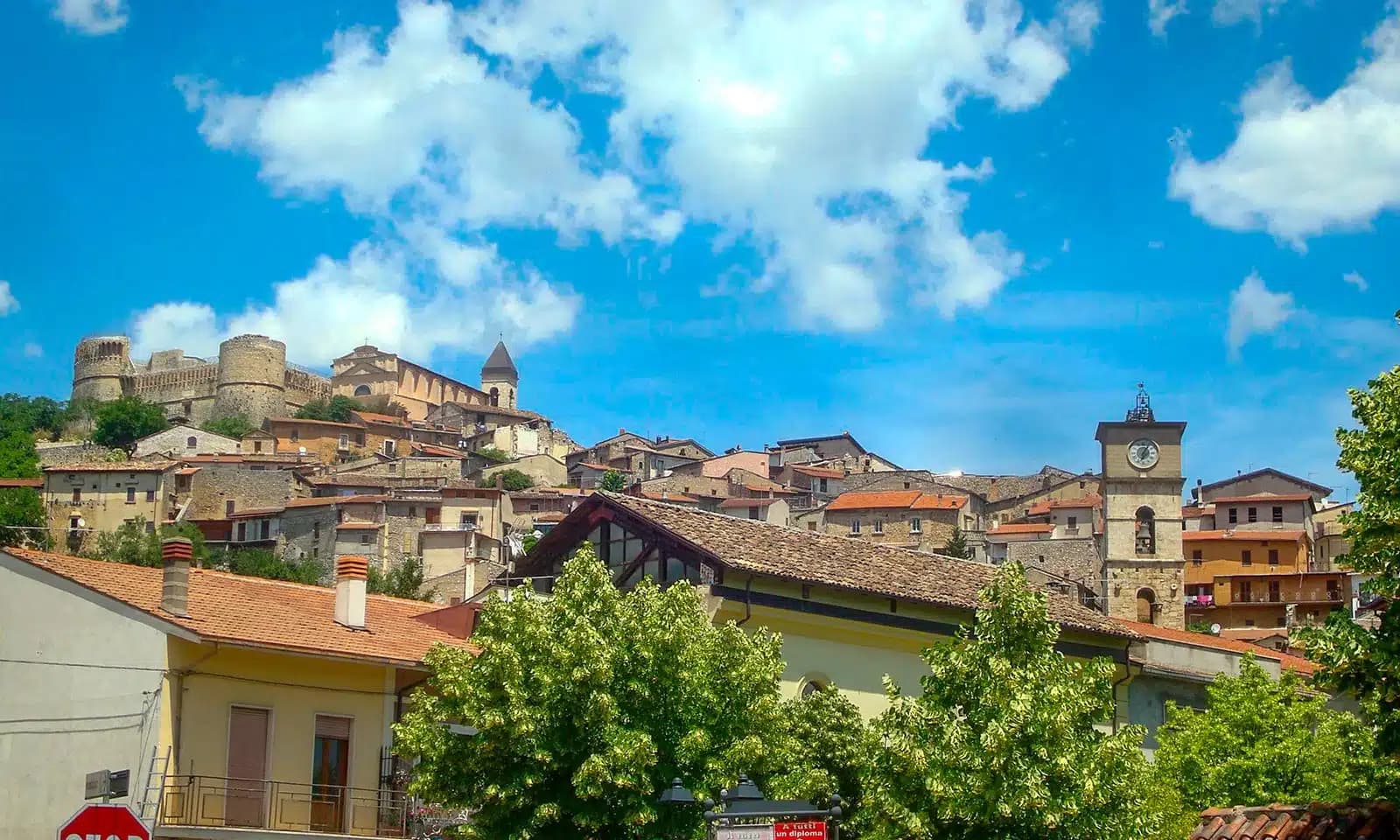
Scurcola Marsicana
Province: L'Aquila
At 700 meters below Monte San Nicola on the Piani Palentini, the field where Charles of Anjou broke the Hohenstaufen in 1268.
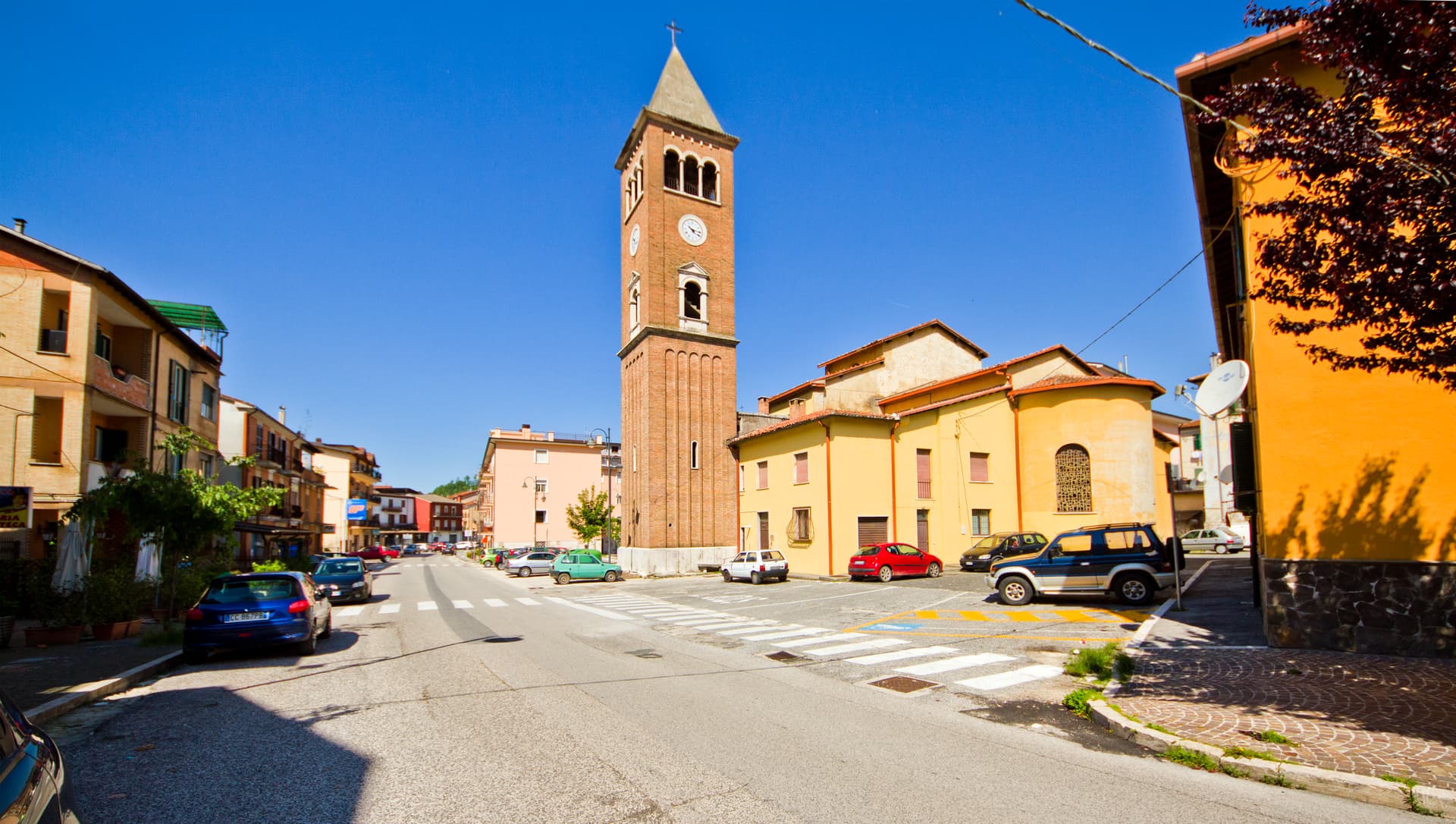
Carsoli
Province: L'Aquila
A 616-meter mountain town in the Marsica, built next to the ruins of Roman Carsioli, the 4th-century BC fortress on the road to Alba Fucens.
💎 Borghi Autentici
More Borghi Autentici towns in Abruzzo
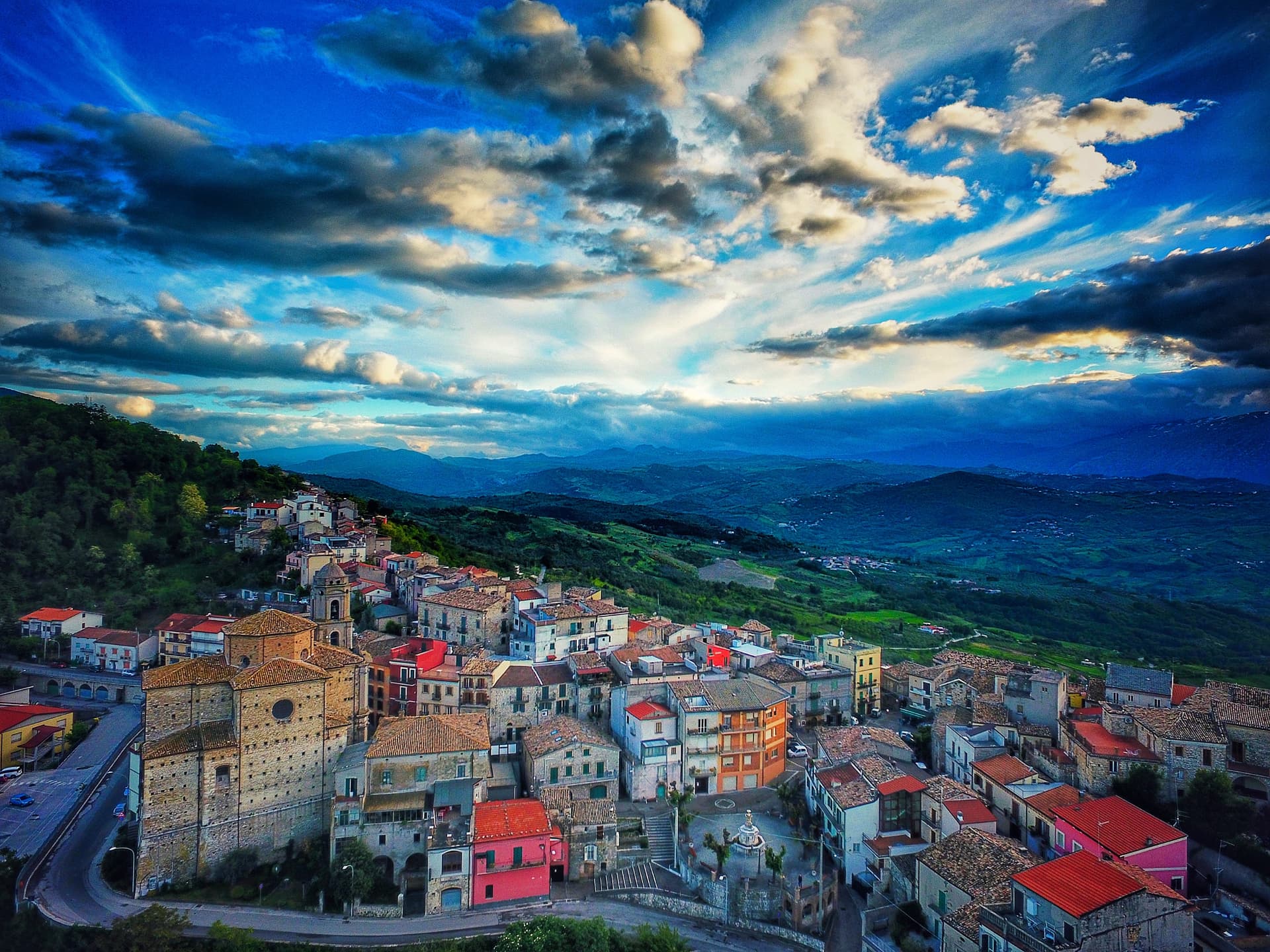
Archi
Province: Chieti
A 492-meter rocky spur called the Terrazza sul Sangro, fief of del Balzo, Cantelmo, Colonna and Carafa, now Città del Tartufo and Città dell'Olio.
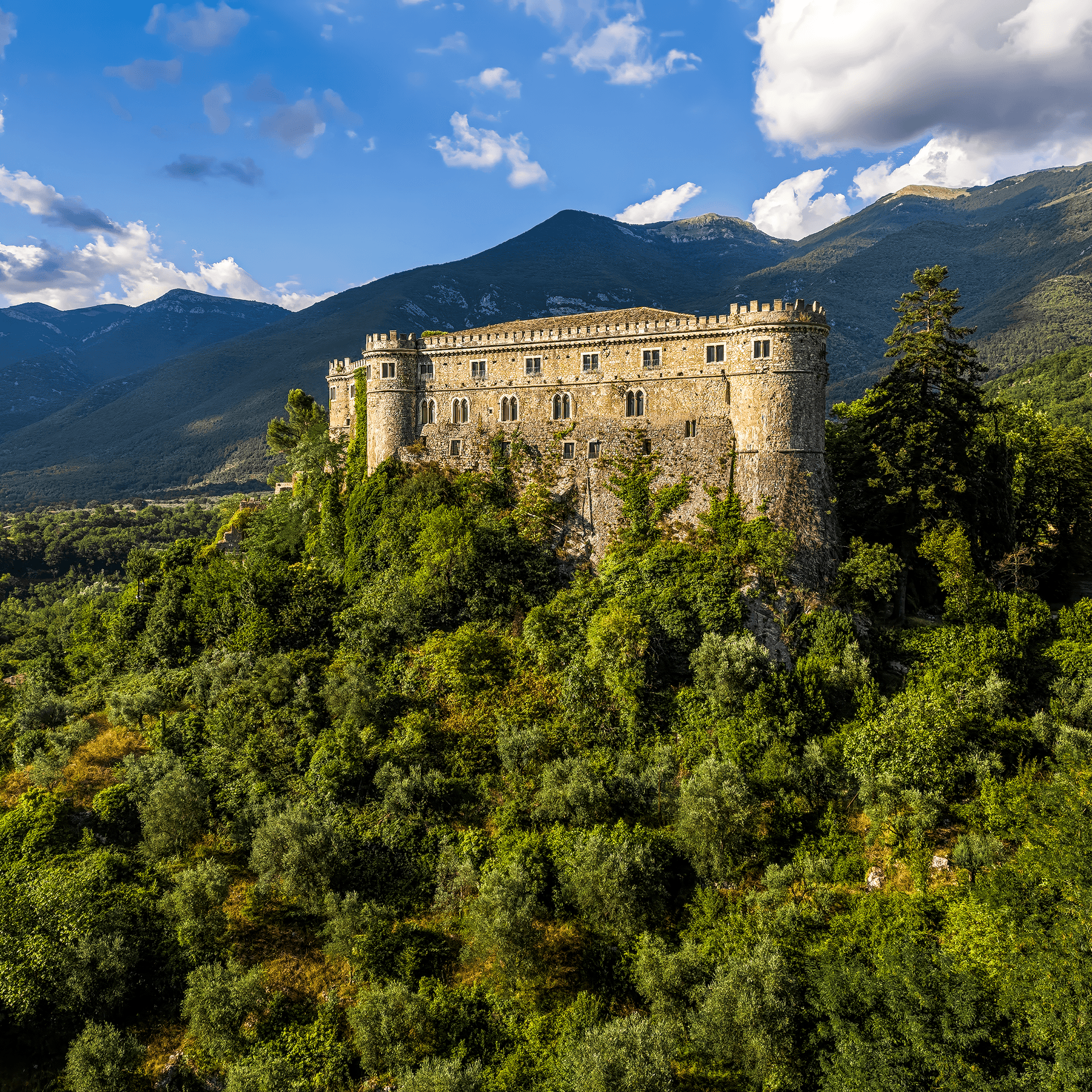
Balsorano
Province: L'Aquila
At 359 meters in the Valle Roveto, a Piccolomini castle that became the backdrop for half of 1970s Italian horror cinema.
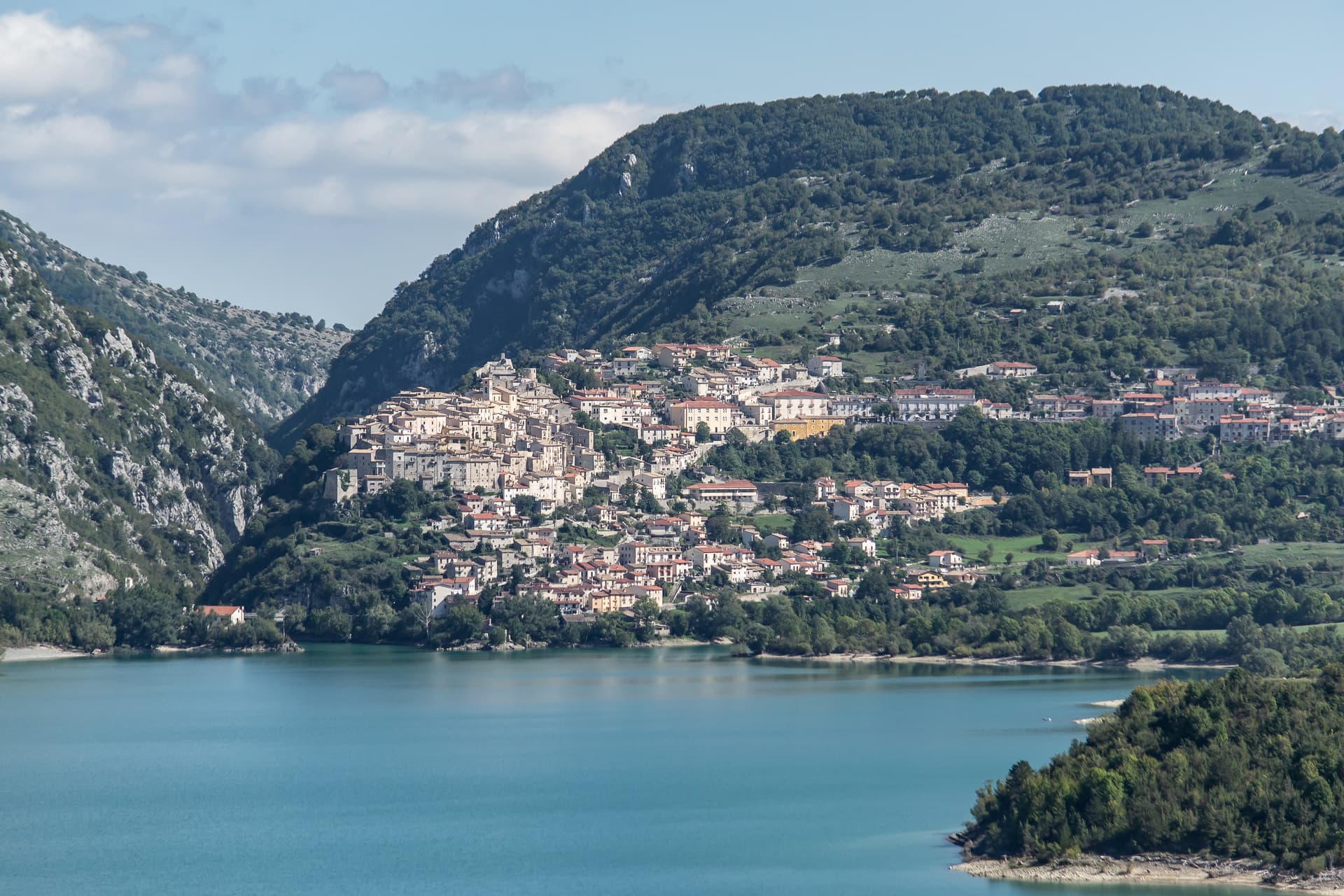
Barrea
Province: L'Aquila
A 1,066-meter spur above an artificial lake at the heart of the Abruzzo National Park, with a Samnite necropolis and an 11th-century di Sangro castle.
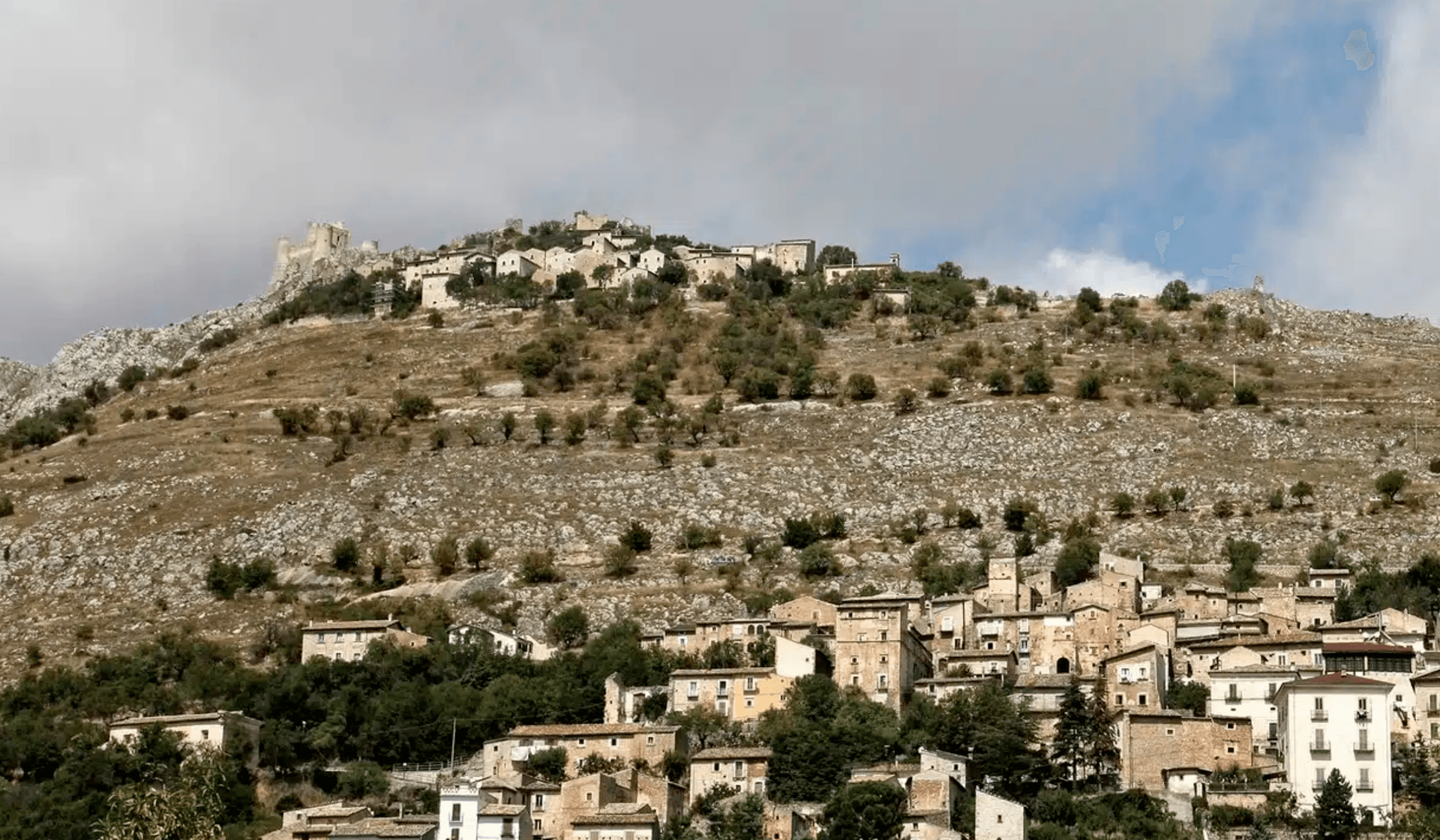
Calascio
Province: L'Aquila
At 1,200 meters under the highest castle in the Apennines, a village of 125 people that played the monk's refuge in Ladyhawke.
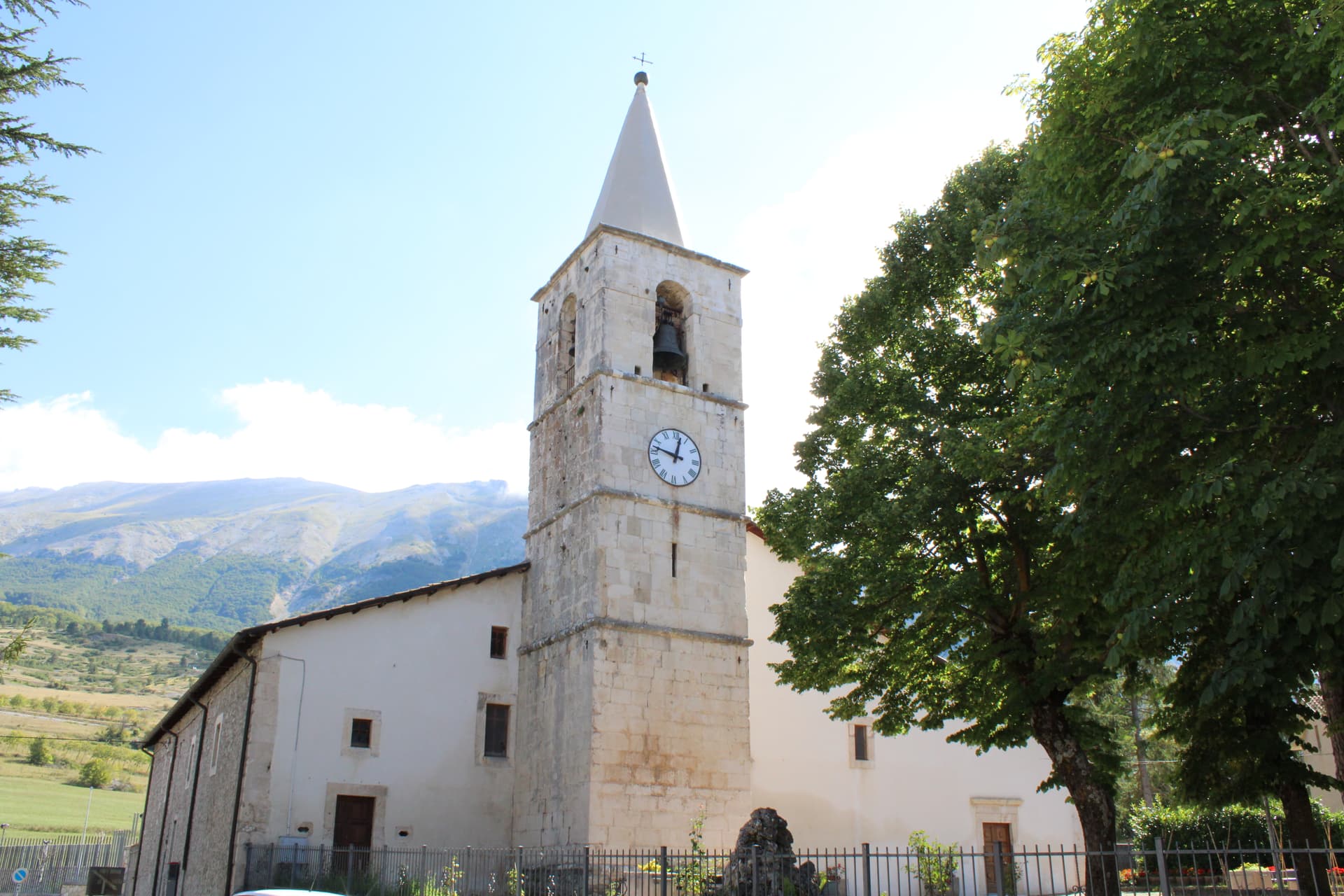
Campo di Giove
Province: L'Aquila
At 1,064 meters under the southwestern Maiella, the highest village in the park, named for a Roman temple to Jupiter.