

Abruzzo · L'Aquila
Scurcola Marsicana
At 700 meters below Monte San Nicola on the Piani Palentini, the field where Charles of Anjou broke the Hohenstaufen in 1268.
Known for
BATTLE OF 1268
Charles of Anjou defeated Conradin of Hohenstaufen on the Piani Palentini on 23 August 1268, a battle cited in Dante's Inferno.
ABBAZIA DELLA VITTORIA
Cistercian abbey founded by Charles in 1274 and consecrated in 1278, built to commemorate the victory and house monks from Burgundy.
FESTONE
Annual August procession reenacting the Madonna della Vittoria tradition that grew up around the medieval abbey.
When to visit
Best · May–Oct
- J
- F
- M
- A
- M
- J
- J
- A
- S
- O
- N
- D
- Best
- Hot or crowded
- Quiet
- Mostly closed
The festa: Antonio di Padova, 13 June
Why come
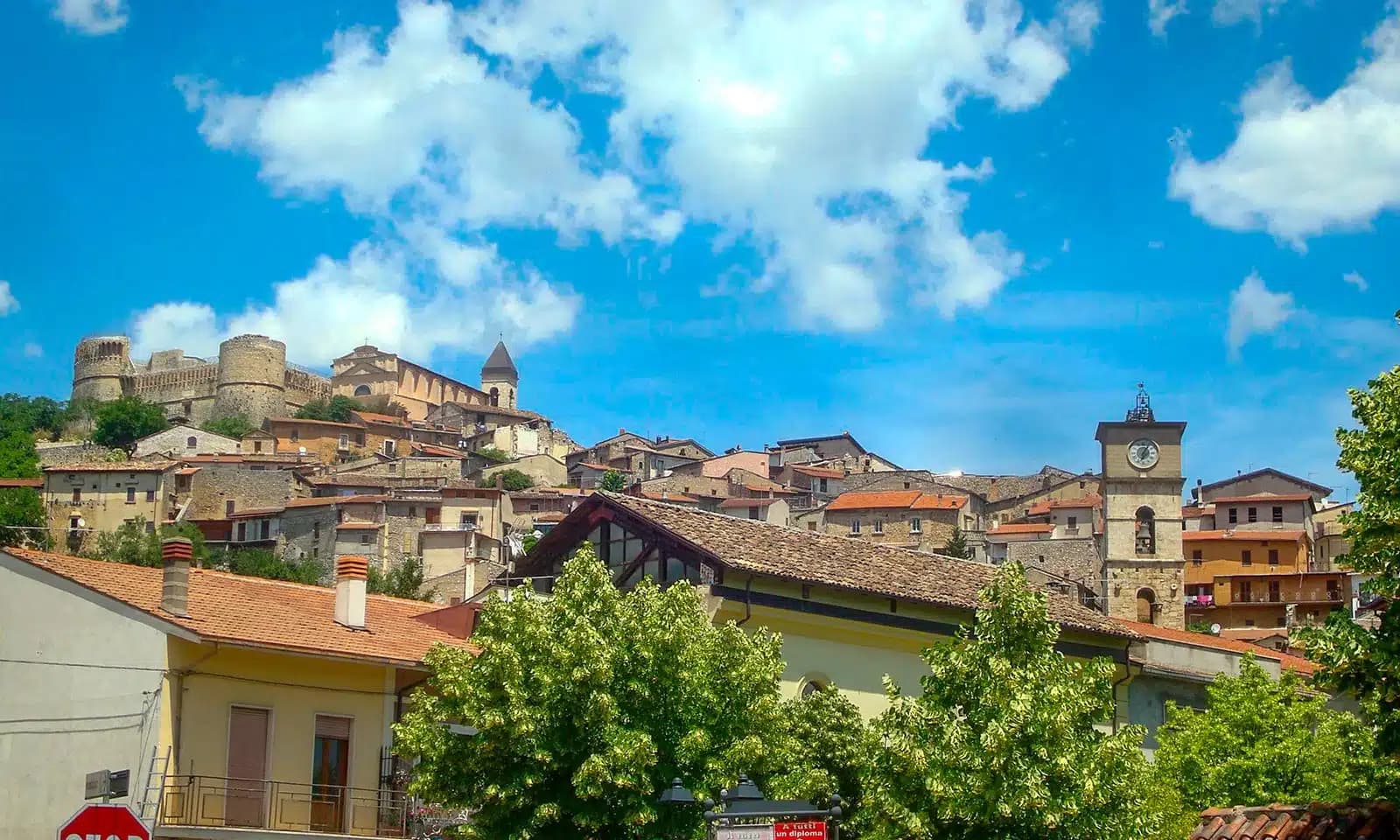
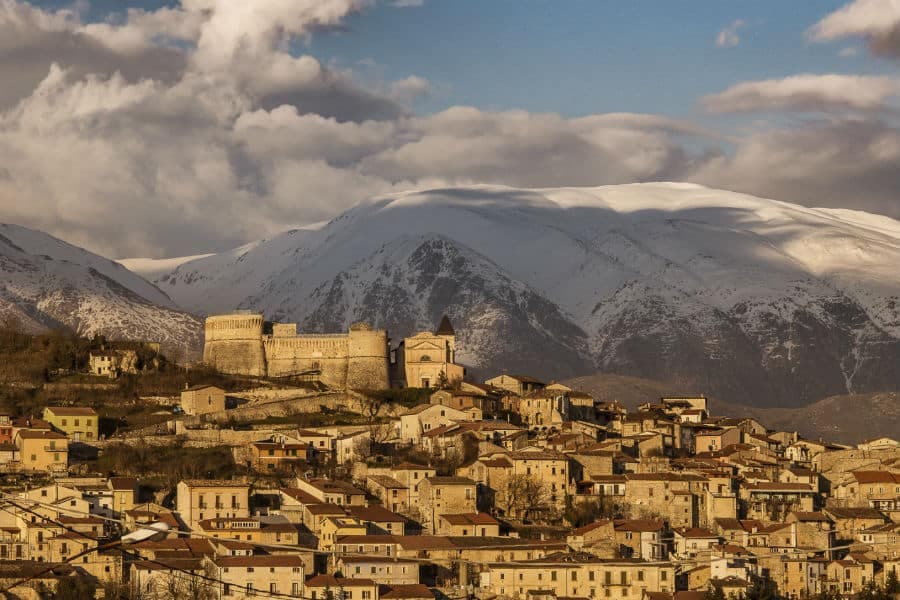
Scurcola Marsicana sits at 700 meters below Monte San Nicola, on the western rim of what was once the Fucine lake, looking out over the Piani Palentini. The earliest finds in the area date to the ninth and eighth centuries BC; the toponym is Lombard and shows up around 1150. The plain in front of the village is where Charles of Anjou destroyed Conradin of Hohenstaufen on 23 August 1268, ending Swabian power in southern Italy.
Charles founded the abbey of Santa Maria della Vittoria here in 1274 to mark the victory; it was consecrated in 1278 and is cited in Dante's Inferno. The other layer of history is darker: after Italian unification in 1861, Piedmontese troops carried out a massacre of the local population. The commune has 2,670 residents today, and the Festone every August reenacts the Madonna della Vittoria tradition.
The Sunday letter
We haven’t written Scurcola Marsicana’s letter yet.
One town every Sunday, with the photo, the food, the festa. Be there when this one comes up. Free, by Peter & Sophia from Pietrasanta.
By subscribing you agree to Substack’s Terms of Use, our Privacy Policy and our Information collection notice.
What to see
Ex Abbazia di Santa Maria della Vittoria
Cistercian abbey founded by Charles of Anjou in 1274 to commemorate the Battle of Tagliacozzo, consecrated in 1278, now ruined but still readable.
Castello Orsini
Medieval fortress on the hill above the village, later passed to the Colonna family with the rest of the marquisate.
Piani Palentini
Wide plain in front of the village, the battlefield of 23 August 1268 between Charles of Anjou and Conradin of Hohenstaufen.
Monte San Nicola
Apennine peak of about 1,265 meters above Scurcola, with a marked trail leading from the village to the summit.
The slow-trip planner
Building a trip? Find where Scurcola Marsicana fits in a slow Italy circuit.
Answer five questions. We will shape a geographically coherent slow trip from the 1,000 Italian towns most travelers skip. Yours to save and share.
Living here
- Population 2,670
- Commuter belti
- Pharmacy in town
- High school within a 30-minute drive
- Train station in the comune
- Nearest airport Rome, 1 h 52 min drive
- Regional capital L'Aquila, 36 min drive
Tags & datadesignations · numbers · sources
Recognised as
The numbers
- Elevation: 700 m
- Population: 2,670
- Surface area: 30.38 km²
These figures were compiled from public directories — ISTAT, OpenStreetMap, Wikidata — and from the official listings of the guides named on this page. Town details change; verify with official sources before you travel.
Close by
More towns near Scurcola Marsicana
Tagliacozzo
Province: L'Aquila
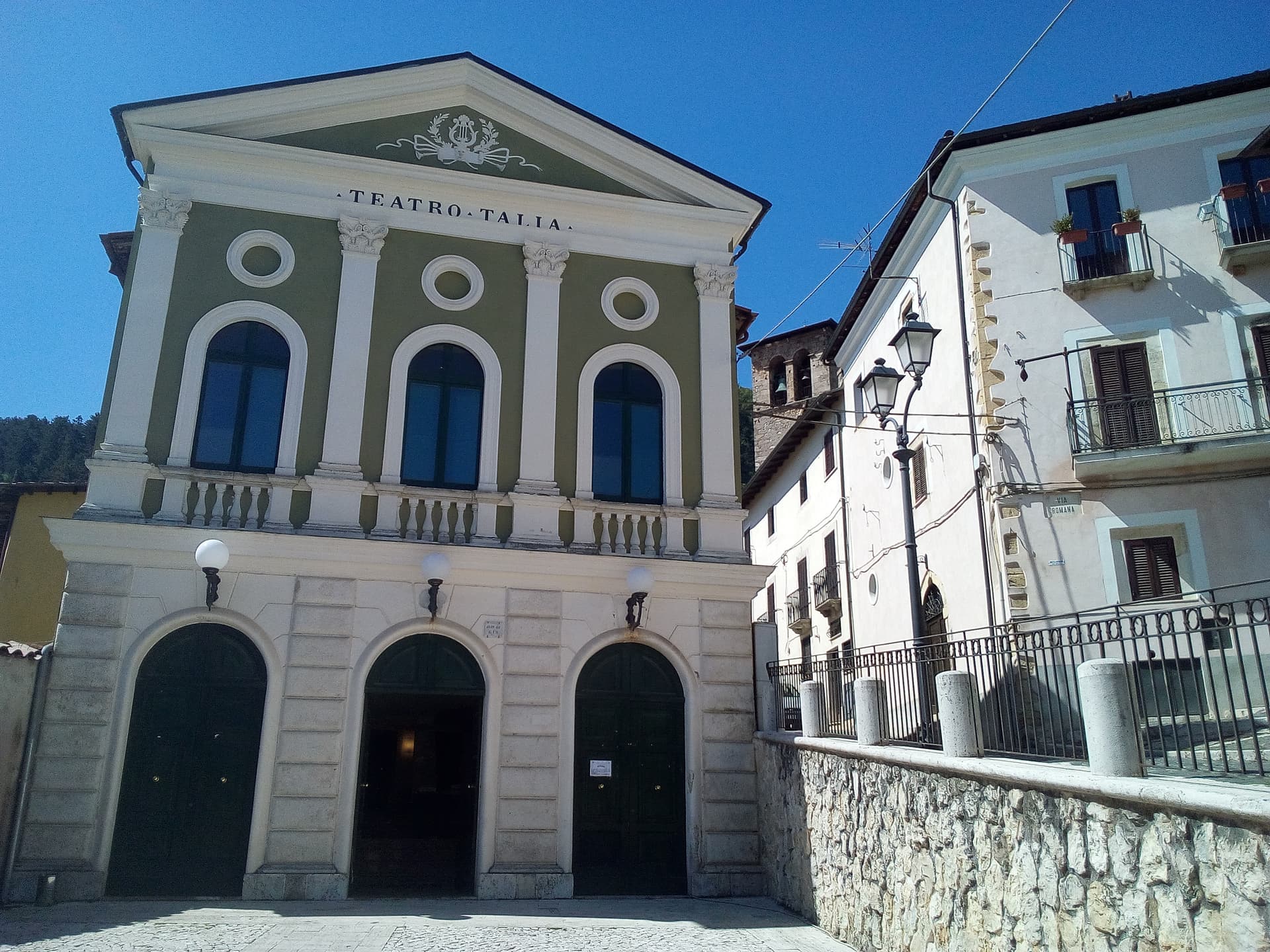
A Marsica town at 740 meters below Monte Civita, where Charles of Anjou won the 1268 battle and the Orsini built the ducal palace.
Capistrello
Province: L'Aquila
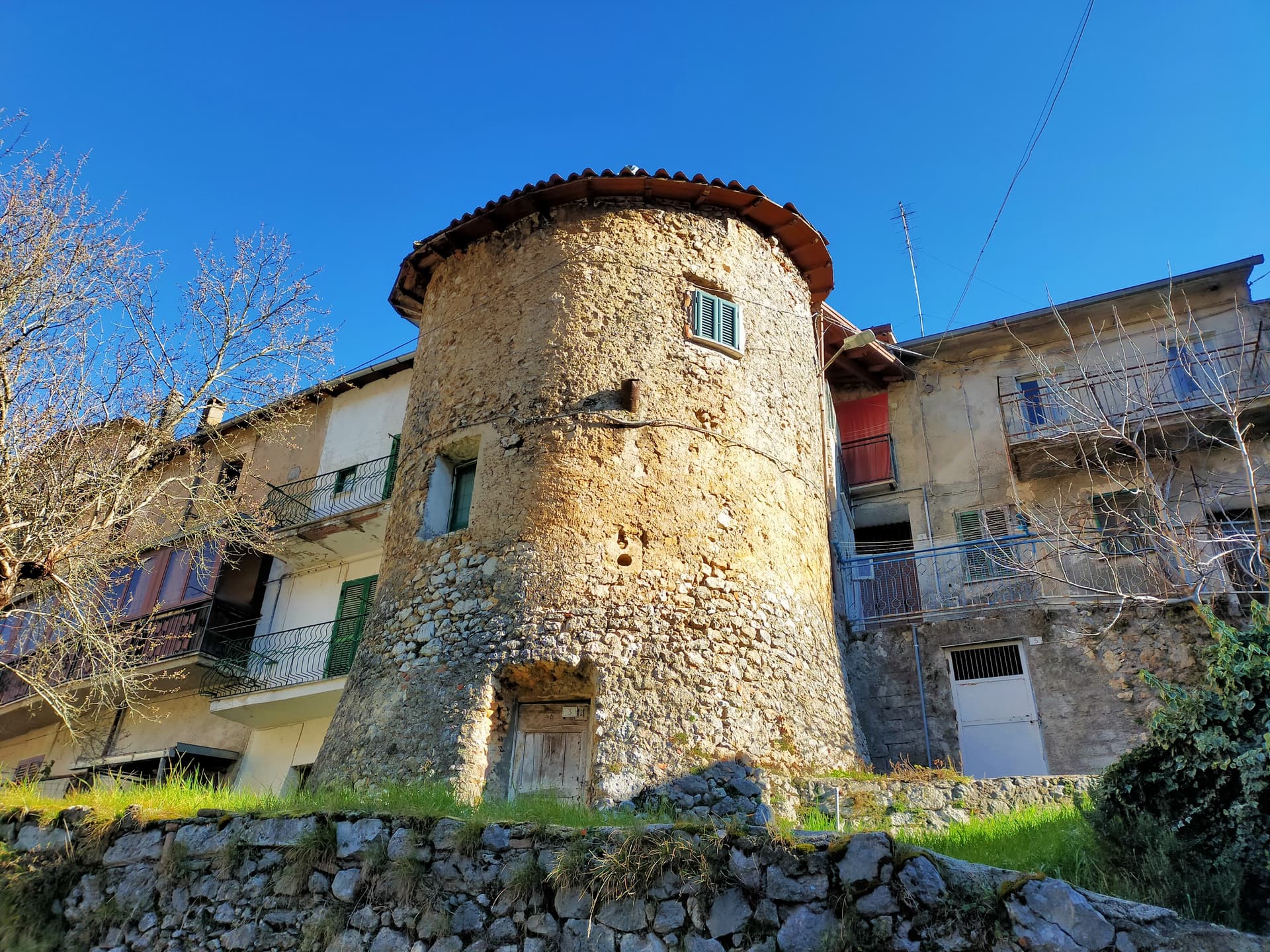
At 734 meters where the upper Liri valley meets the Marsica, the village where Emperor Claudius's 52 AD tunnel emptied a lake into a river.
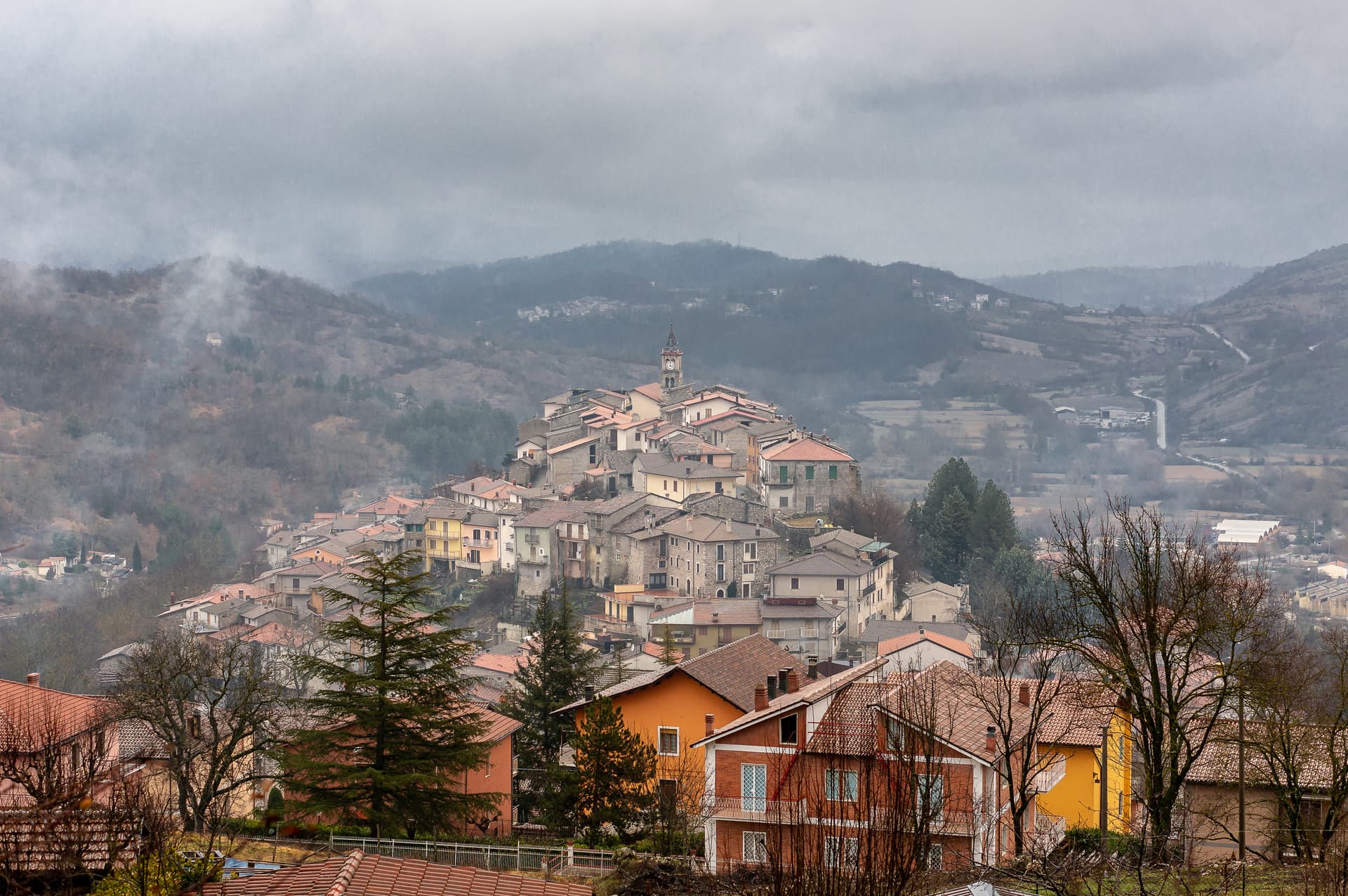
Sante Marie
Province: L'Aquila
A 950-meter Marsica village and the trailhead of the Cammino dei Briganti, the seven-day brigand trail through the Cartore band's territory.
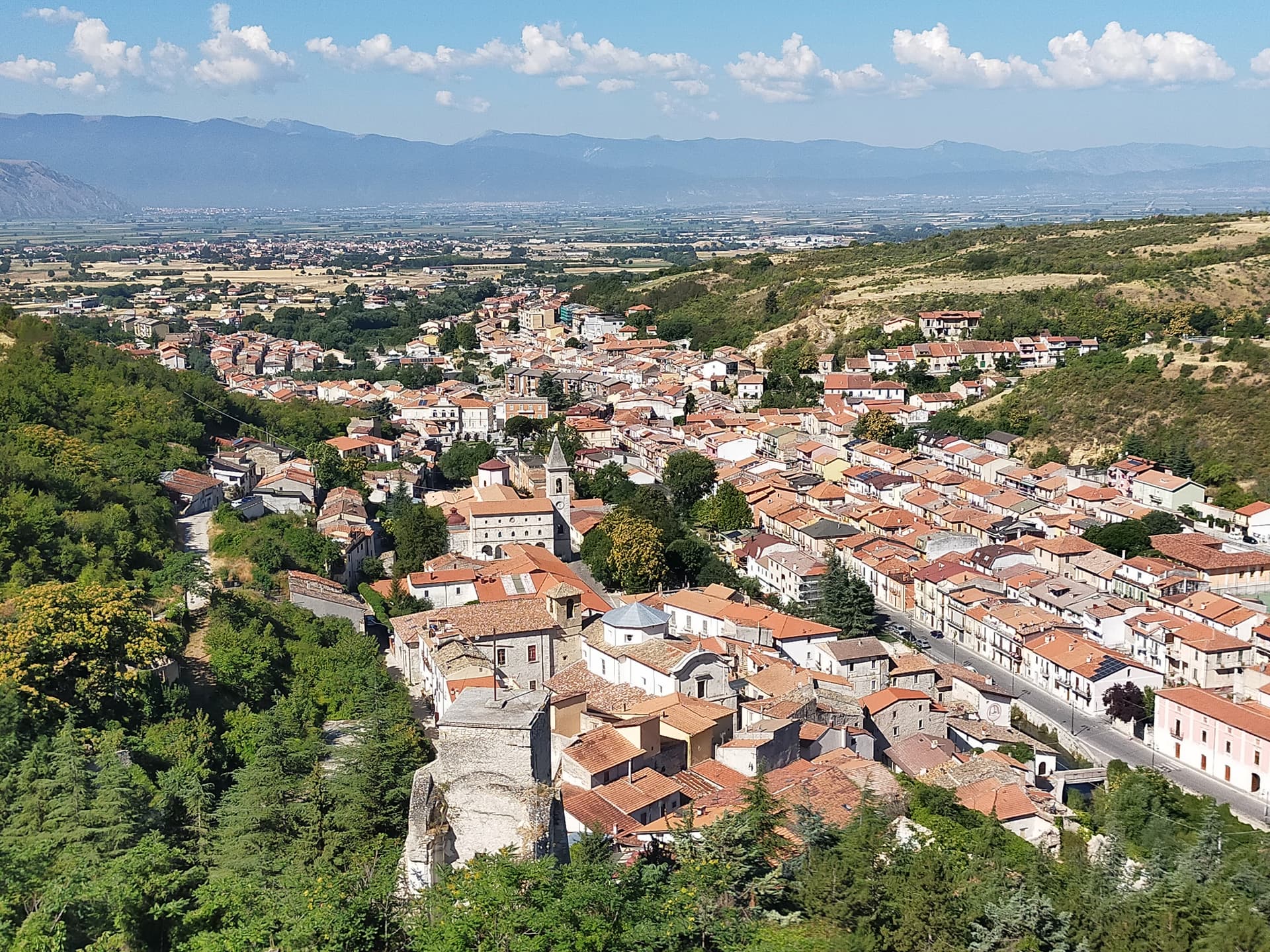
Pescina
Province: L'Aquila
A Marsica town at 735 meters that lost five thousand of six thousand people in the 1915 earthquake, birthplace of Cardinal Mazarin and Ignazio Silone.
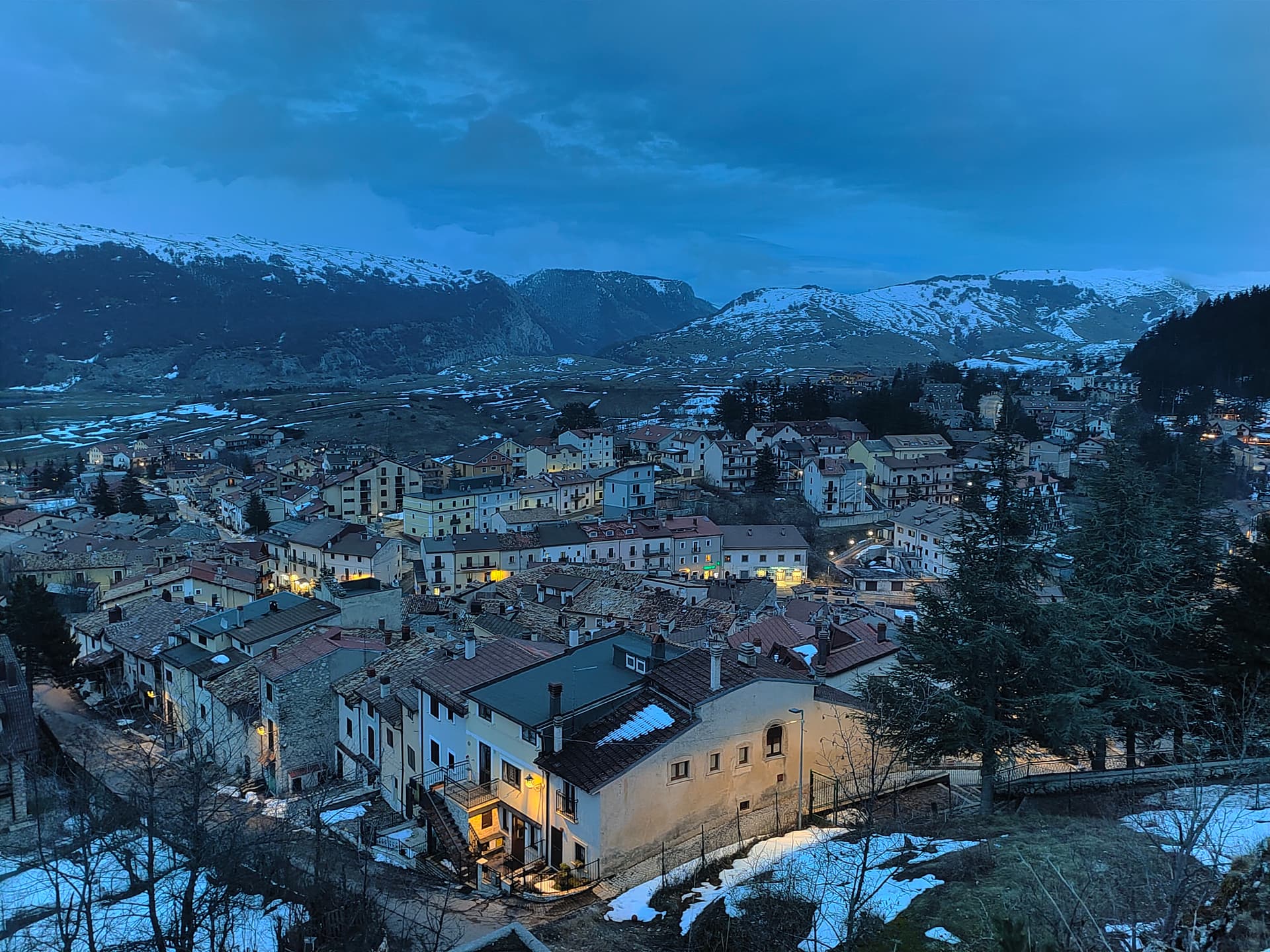
Ovindoli
Province: L'Aquila
At 1,375 meters on the Altopiano delle Rocche, the closest serious ski station to Rome, working since 1959 on the slopes of Monte Magnola.
💎 Borghi Autentici
More Borghi Autentici towns in Abruzzo
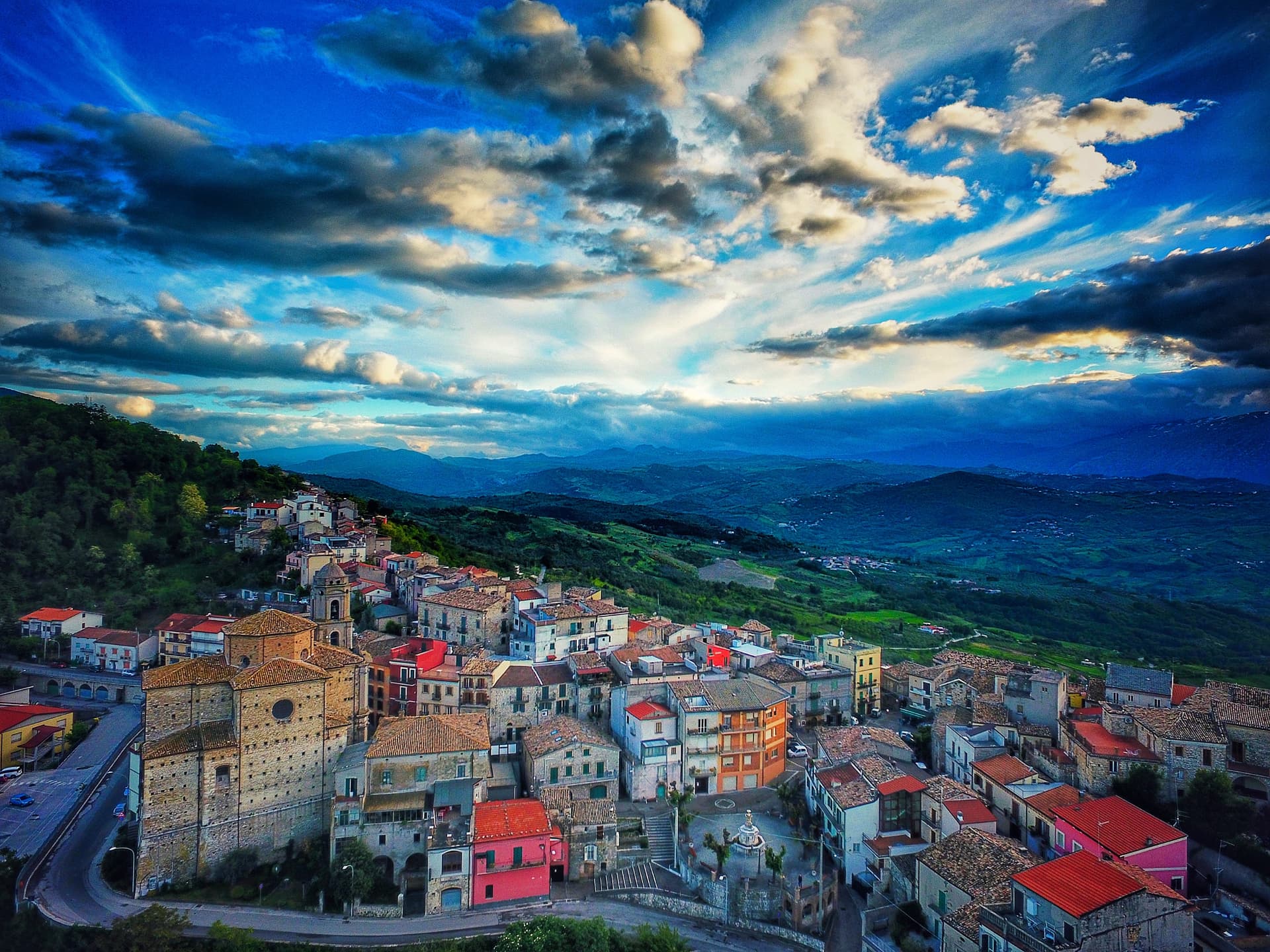
Archi
Province: Chieti
A 492-meter rocky spur called the Terrazza sul Sangro, fief of del Balzo, Cantelmo, Colonna and Carafa, now Città del Tartufo and Città dell'Olio.
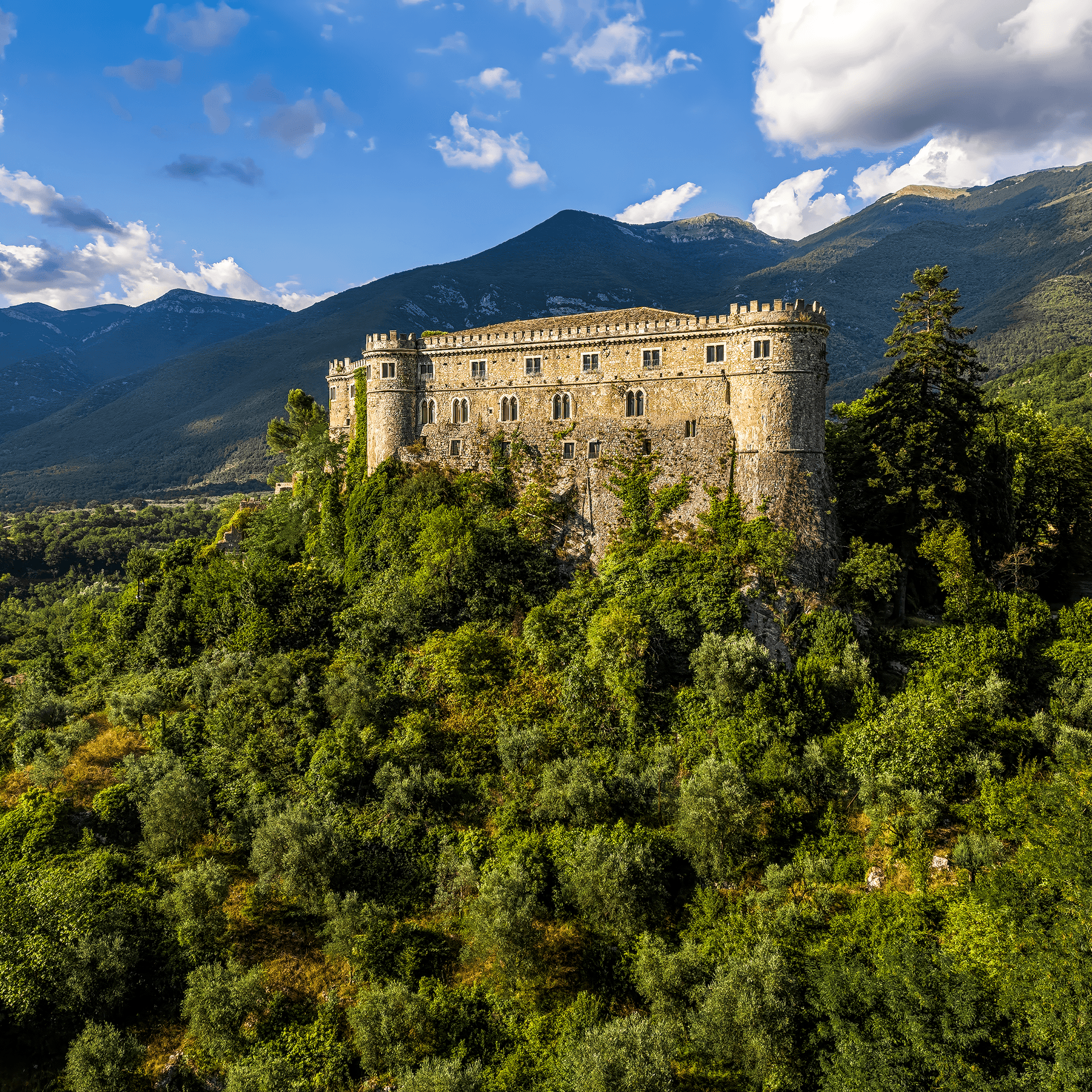
Balsorano
Province: L'Aquila
At 359 meters in the Valle Roveto, a Piccolomini castle that became the backdrop for half of 1970s Italian horror cinema.
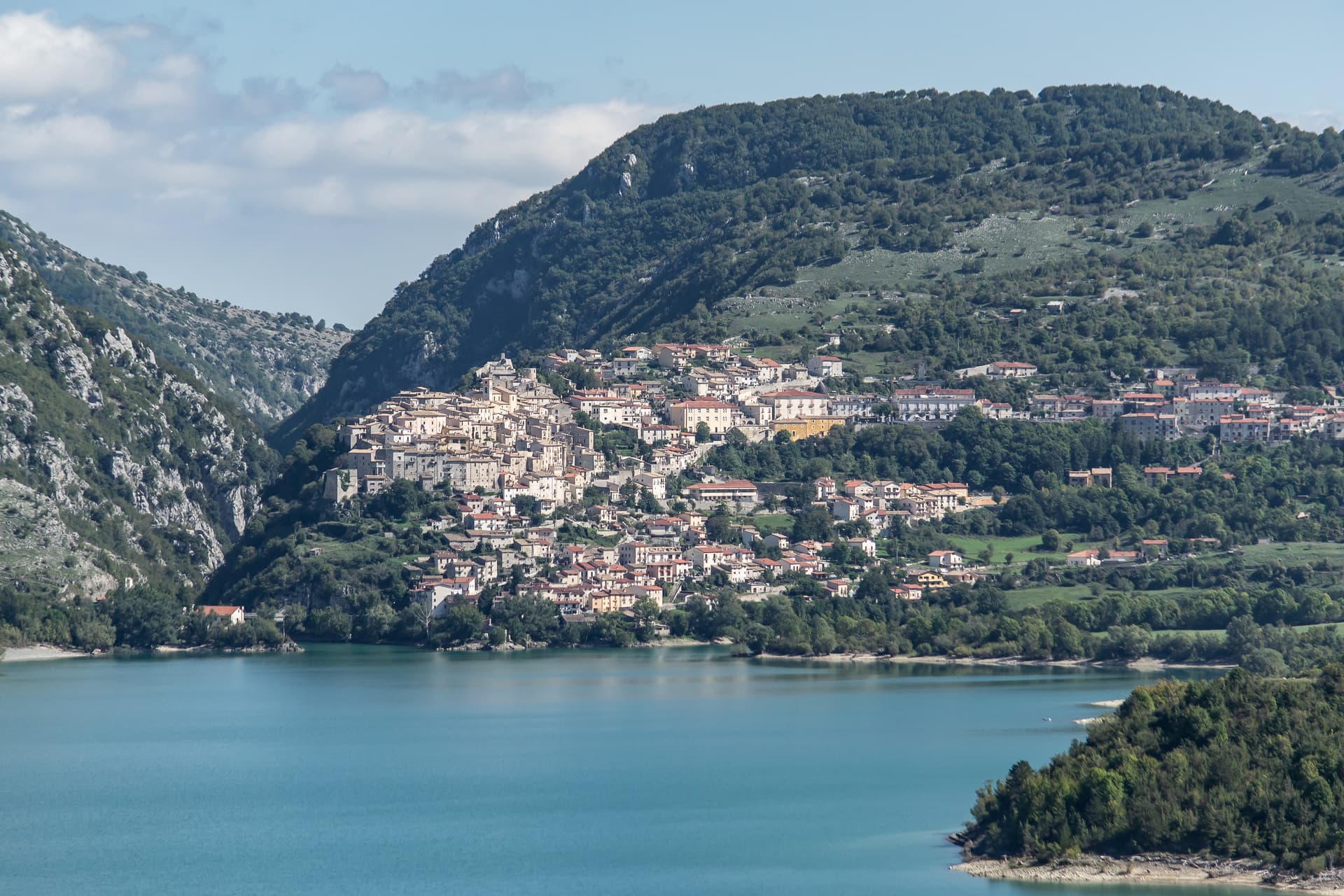
Barrea
Province: L'Aquila
A 1,066-meter spur above an artificial lake at the heart of the Abruzzo National Park, with a Samnite necropolis and an 11th-century di Sangro castle.
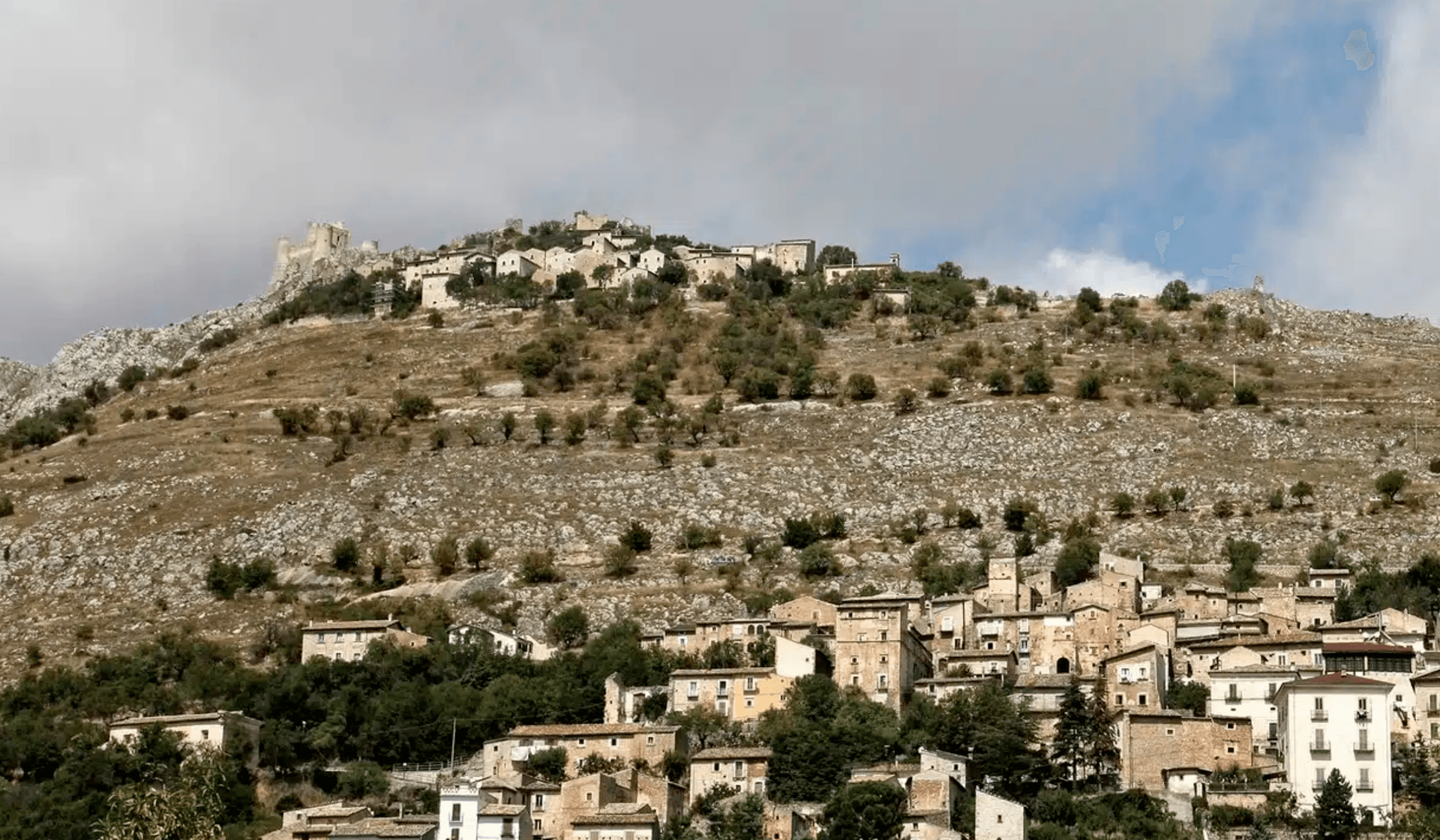
Calascio
Province: L'Aquila
At 1,200 meters under the highest castle in the Apennines, a village of 125 people that played the monk's refuge in Ladyhawke.
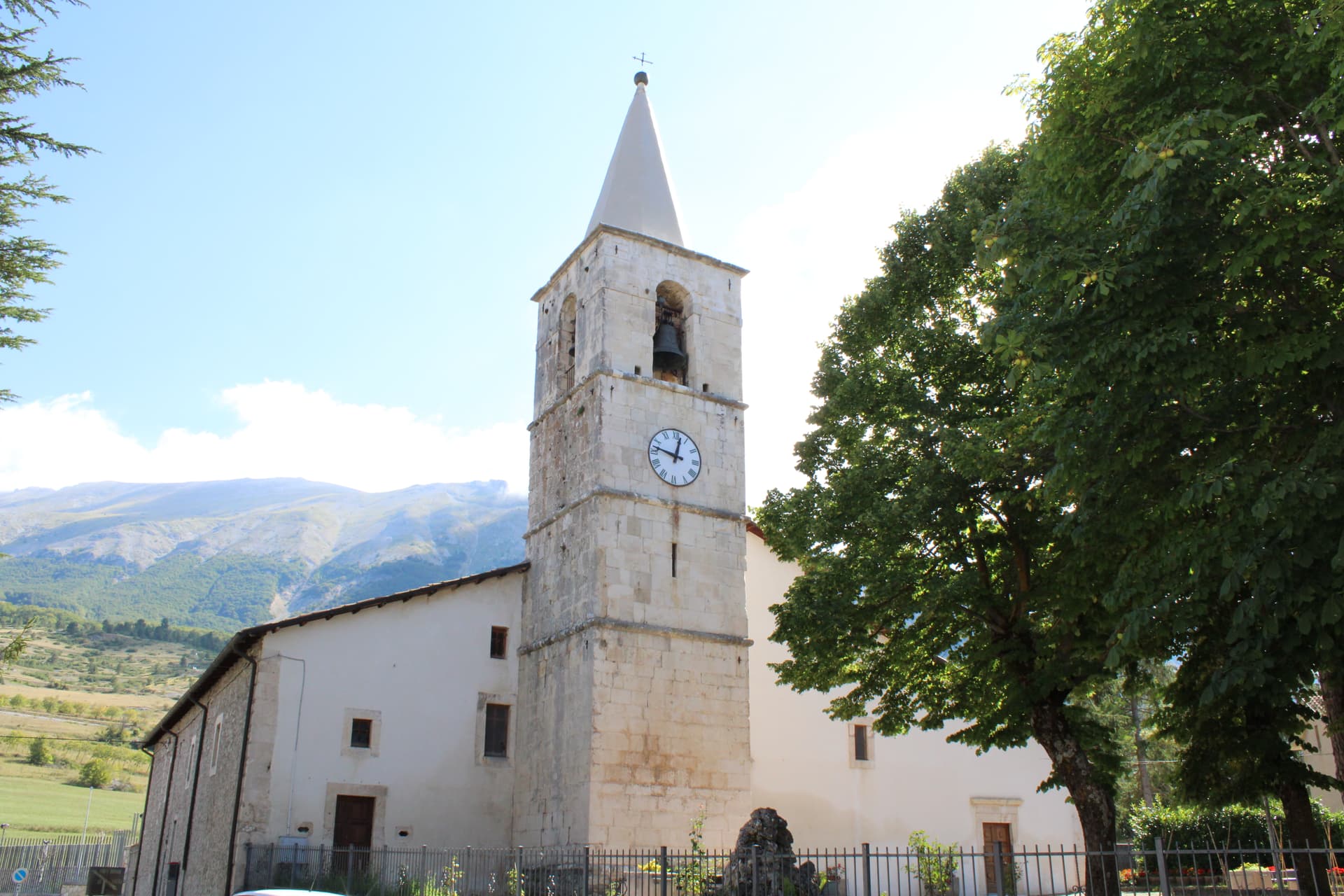
Campo di Giove
Province: L'Aquila
At 1,064 meters under the southwestern Maiella, the highest village in the park, named for a Roman temple to Jupiter.