
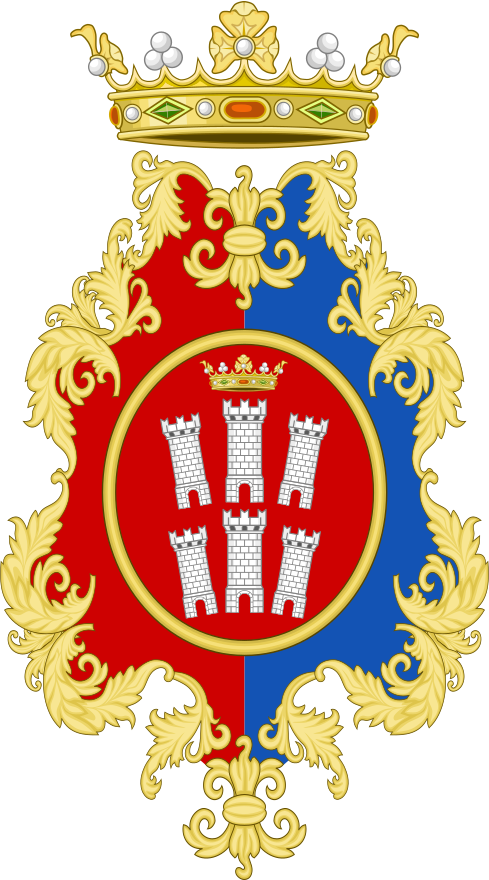
Molise · Campobasso
Campobasso
Molise's regional capital and the smallest in Italy — 47,000 residents at 701m on a wooded Apennine ridge, with the Castello Monforte on the summit, the Sagra dei Misteri (a UNESCO-recognised Corpus Domini procession of 24 child-borne aerial 'mysteries' since 1740), and a centro storico that climbs the hillside in stone-paved switchbacks.
Known for
MOLISE REGIONAL CAPITAL
Italy's smallest regional capital (47k pop), administrative centre of the second-smallest region. The hub for everything Molisan.
UNESCO MISTERI
Corpus Domini procession of airborne child-actors on 1740 iron Ingegni — UNESCO Representative List of Italian intangible heritage.
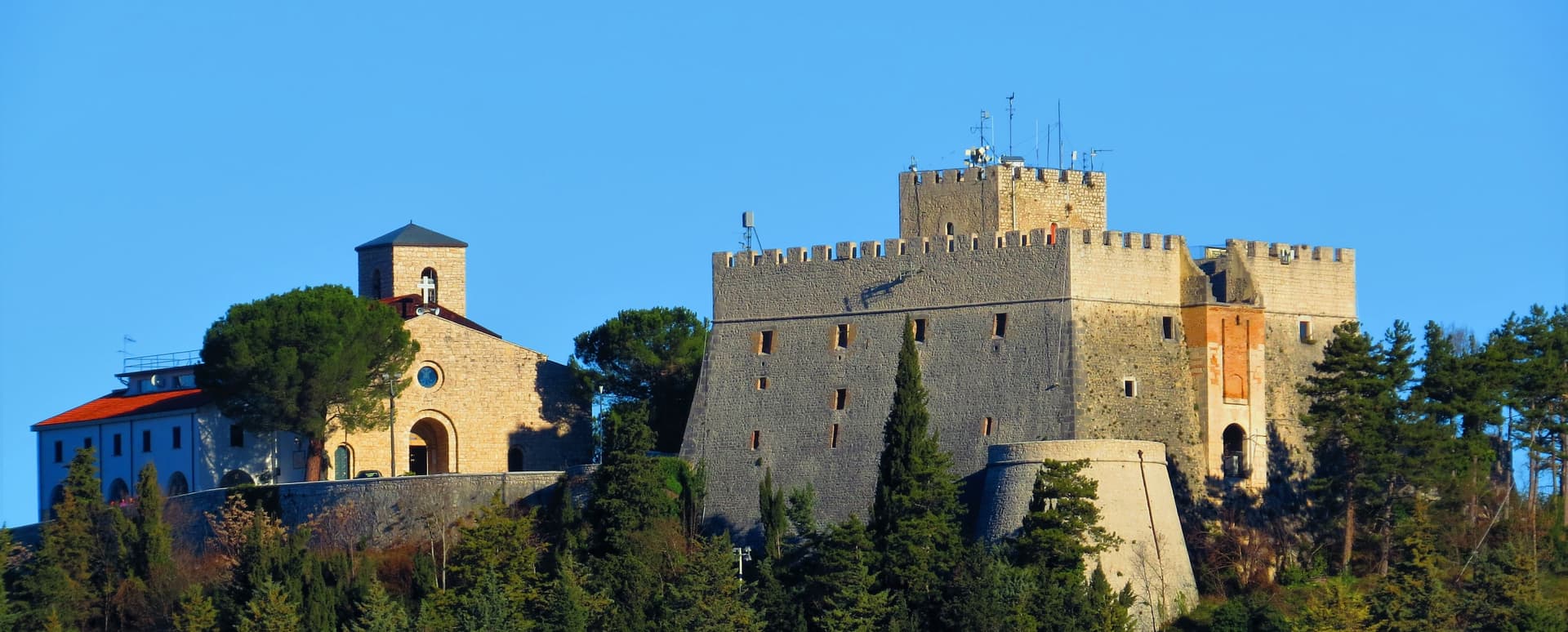
CASTELLO MONFORTE
14th-c fortress crowning the centro at 701m. Free terrace with view to Vesuvius 90 km away on clear days.
TINTILIA WINE
The Molise indigenous red grape, DOC since 2011. Bottled by ~30 small producers across the region — cellars 20 km south at Sepino and Larino.
When to visit
Best · May–Sep
- J
- F
- M
- A
- M
- J
- J
- A
- S
- O
- N
- D
- Best
- Hot or crowded
- Quiet
- Mostly closed
The festa: San Giorgio, 19 April
Why come
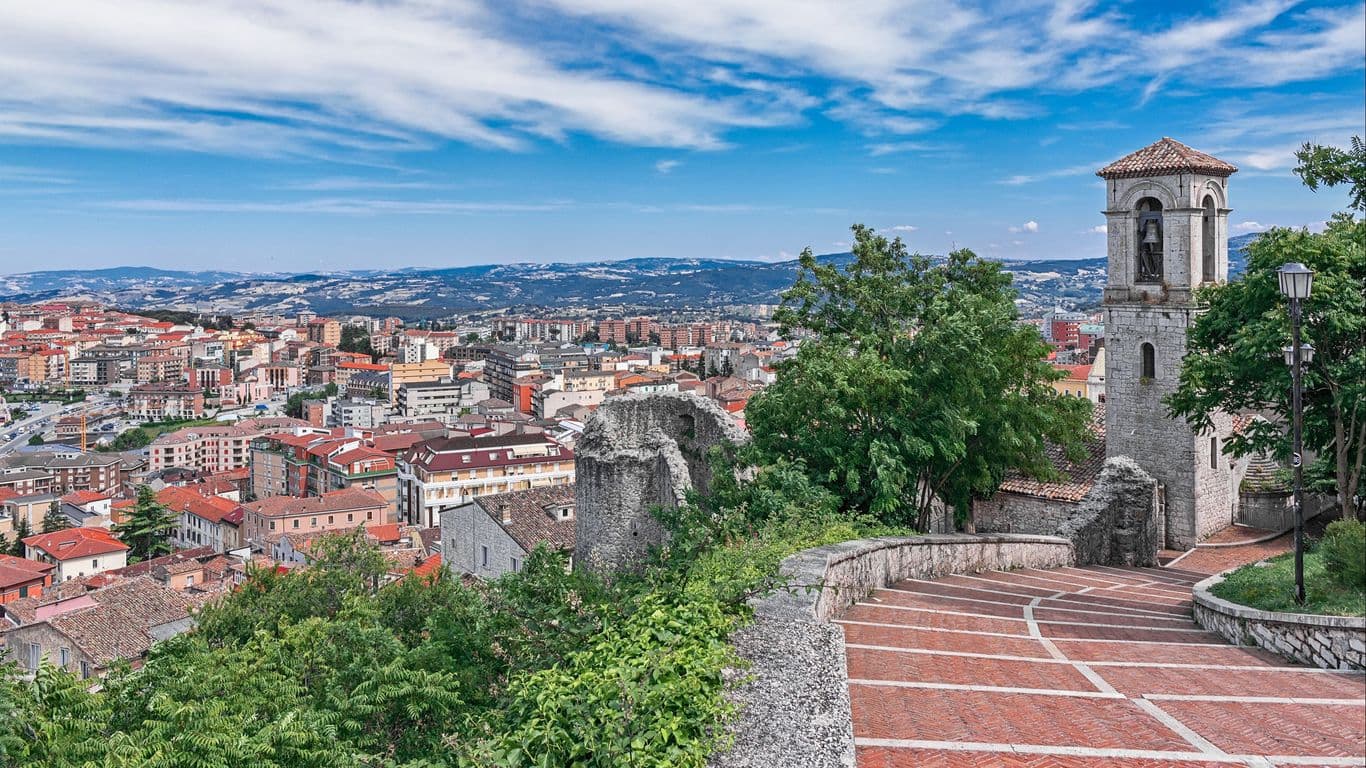
Campobasso is Italy's smallest regional capital — 47,075 residents and the political/administrative centre of Molise, the second-smallest Italian region by area. The city sits at 701m on a wooded Apennine ridge, with the Castello Monforte (the 14th-c Lombard-Norman fortress rebuilt by the Monforte family) crowning the summit and the centro storico cascading down the hillside in stone-paved switchback streets. From the Castello terrace on a clear day: the entire Sannio (the central Molise plateaux), Mount Vesuvius 90 km southwest, and on the rarest days the Adriatic 50 km east.
The set-piece event is the Sagra dei Misteri — every year on Corpus Domini Sunday (May or June), a procession of 13 large iron-and-wire 'Ingegni' carries 76 child-actors costumed as saints and angels through the streets, suspended in mid-air on hidden iron frames, a tradition designed by Paolo Saverio Di Zinno in 1740 and inscribed on the UNESCO Representative List of Intangible Cultural Heritage of Italy. The 'Misteri' (mysteries) refer to allegorical religious scenes — the Last Judgment, the Immaculate Conception, the Assumption — and the Saverian engineering that holds the children airborne with hidden harnesses is the technical reason the tradition survived. Beyond Corpus Domini: the Cattedrale della Santissima Trinità (early-19th c neoclassical, rebuilt after the 1805 earthquake), the Romanesque Chiesa di San Bartolomeo and San Giorgio in the upper old town, the Museo Sannitico (regional archaeological museum with Samnite + Roman material from across Molise), and the Villa Comunale park.
The food is Molisan: pampanella, caciocavallo and treccia stretched cheeses, pasta alla chitarra with wild boar or lamb ragù, picellati pastries (filled with grape must, chocolate, walnuts) at Christmas, the local Tintilia red (the Molise indigenous grape, now DOC). The city anchors all of Molise — the borghi to the north (Civitacampomarano, Bagnoli del Trigno) and the Adriatic coast at Termoli are both 30–45 minutes away.
The Sunday letter
We haven’t written Campobasso’s letter yet.
One town every Sunday, with the photo, the food, the festa. Be there when this one comes up. Free, by Peter & Sophia from Pietrasanta.
By subscribing you agree to Substack’s Terms of Use, our Privacy Policy and our Information collection notice.
What to see
Castello Monforte
14th-c Lombard-Norman fortress rebuilt by the Monforte family, crowning the summit. Free terrace gives the panoramic view across the Sannio + Vesuvius + (rarely) the Adriatic.
Sagra dei Misteri (Corpus Domini)
UNESCO-recognised procession of 13 large iron-and-wire 'Ingegni' carrying 76 child-actors airborne through the streets — a 1740 tradition by Paolo Saverio Di Zinno. May/June annually.
Museo Sannitico
Regional archaeological museum — Samnite warrior gear, Roman material from Saepinum (just 20 km south), Lombard finds from across the Molise plateaux.
Centro storico + Romanesque churches
Stone-paved switchback streets climbing the hillside; the 11th-c Chiesa di San Bartolomeo and the 14th-c San Giorgio in the upper old town.
Picellati + pampanella + Tintilia
The Molisan kitchen: caciocavallo and treccia cheeses, picellati pastries (grape-must filling), pampanella pork, Tintilia red (Molise indigenous grape, DOC since 2011).
The slow-trip planner
Building a trip? Find where Campobasso fits in a slow Italy circuit.
Answer five questions. We will shape a geographically coherent slow trip from the 1,000 Italian towns most travelers skip. Yours to save and share.
We recommend
Where to eat and stay
Not our picks, but places the guides put their name to — a Michelin star, a Gambero Rosso fork, a Slow Food snail, a Michelin Key for the hotels. Worth a table, a counter, or a night when you pass through.
La Grotta da ConcettaTrattoria
Two Gambero Rosso prawns for La Grotta da Concetta, and a Slow Food snail.
AcinielloTrattoria
Aciniello has one Gambero Rosso prawn to its name.
I Peccati di BaccoWine Bar
I Peccati di Bacco carries one Gambero Rosso bottle.
Miseria & NobiltàRistorante
Miseria & Nobiltà holds one Gambero Rosso fork (78/100).
Monticelli Sapere & SaporiRistorante
Monticelli Sapere & Sapori holds one Gambero Rosso fork (75/100).
Living here
- Population 47,075
- A local hubi
- Pharmacy in town
- High school within a 30-minute drive
- Train station in the comune
- Nearest airport Naples / Salerno, 2 h 18 min drive
- Regional capital Campobasso, 3 min drive
Tags & datadesignations · numbers · sources
The numbers
- Elevation: 701 m
- Population: 47,075
- Surface area: 56.11 km²
These figures were compiled from public directories — ISTAT, OpenStreetMap, Wikidata — and from the official listings of the guides named on this page. Town details change; verify with official sources before you travel.
Close by
More towns near Campobasso
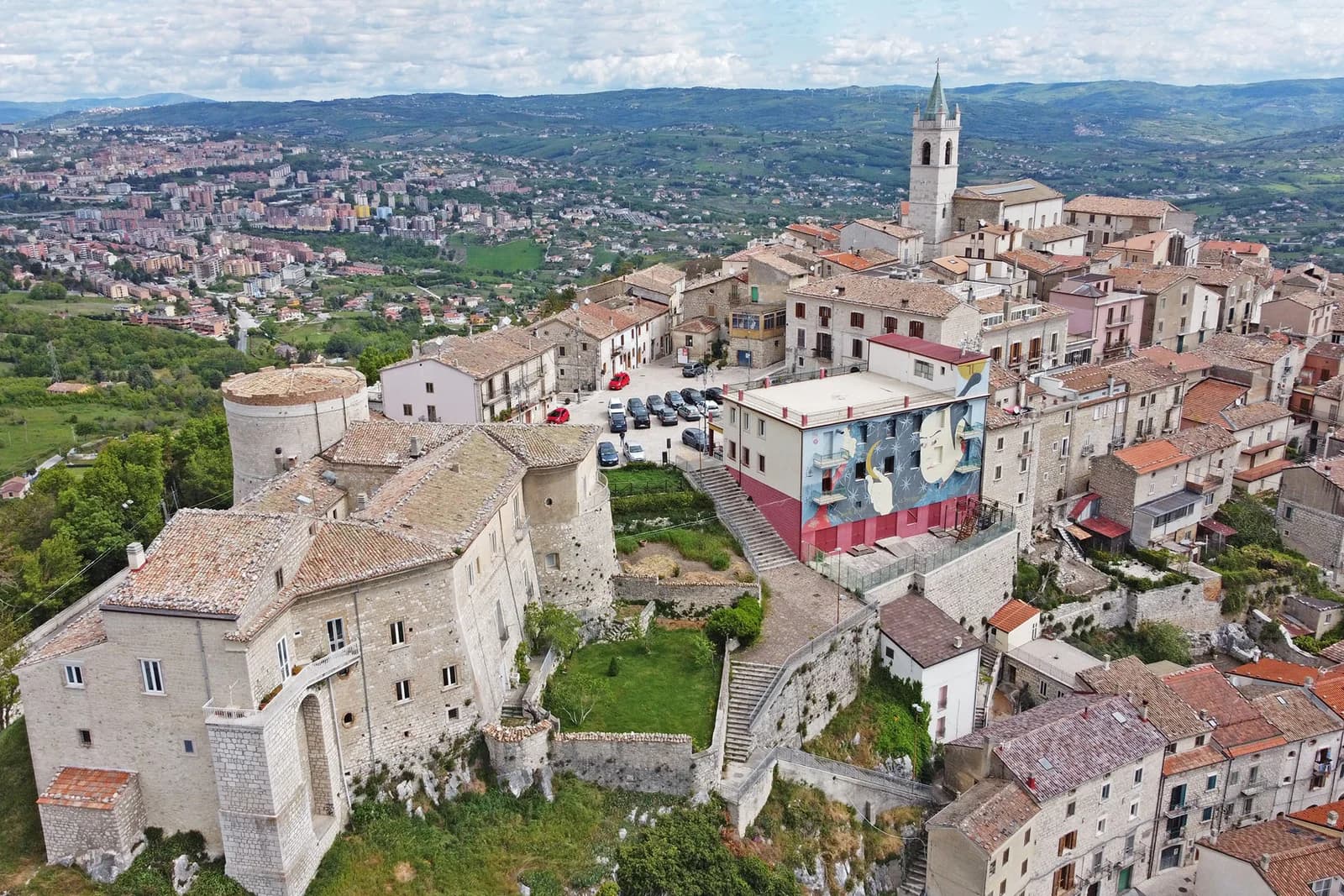
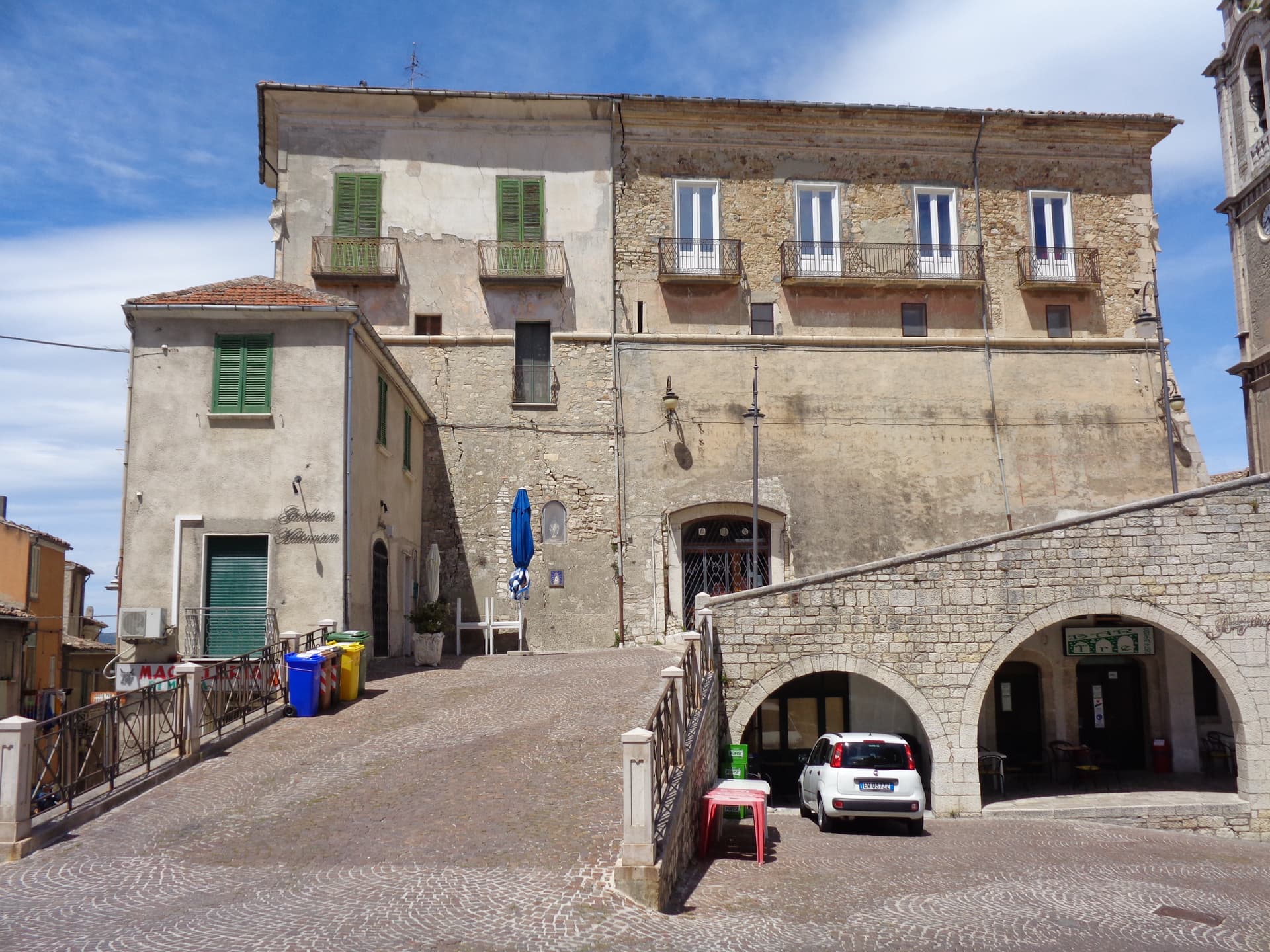
Ferrazzano
Province: Campobasso
A hilltop borgo at 872 meters above Campobasso, called the Sentinel of Molise, where Robert De Niro's great-grandparents lived before sailing in 1887.
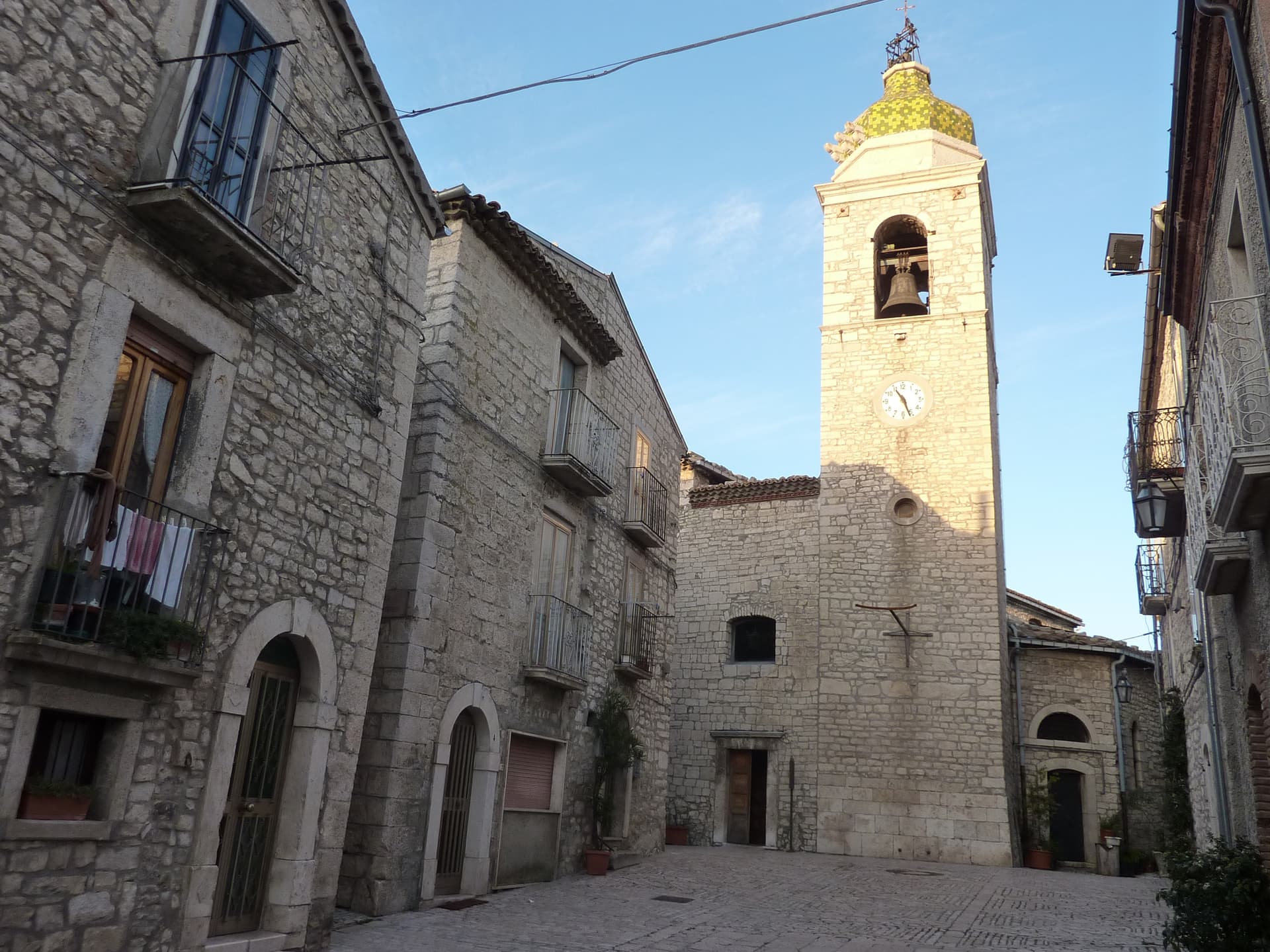
Ripalimosani
Province: Campobasso
A sandstone-ridge village at 640 meters above the Biferno valley, the historic land of the funai rope makers and a Tintilia wine commune.
Oratino
Province: Campobasso
A stonemason borgo at 780 meters above the Biferno, with a square tower on a limestone spur that an earthquake in 1456 left standing alone.
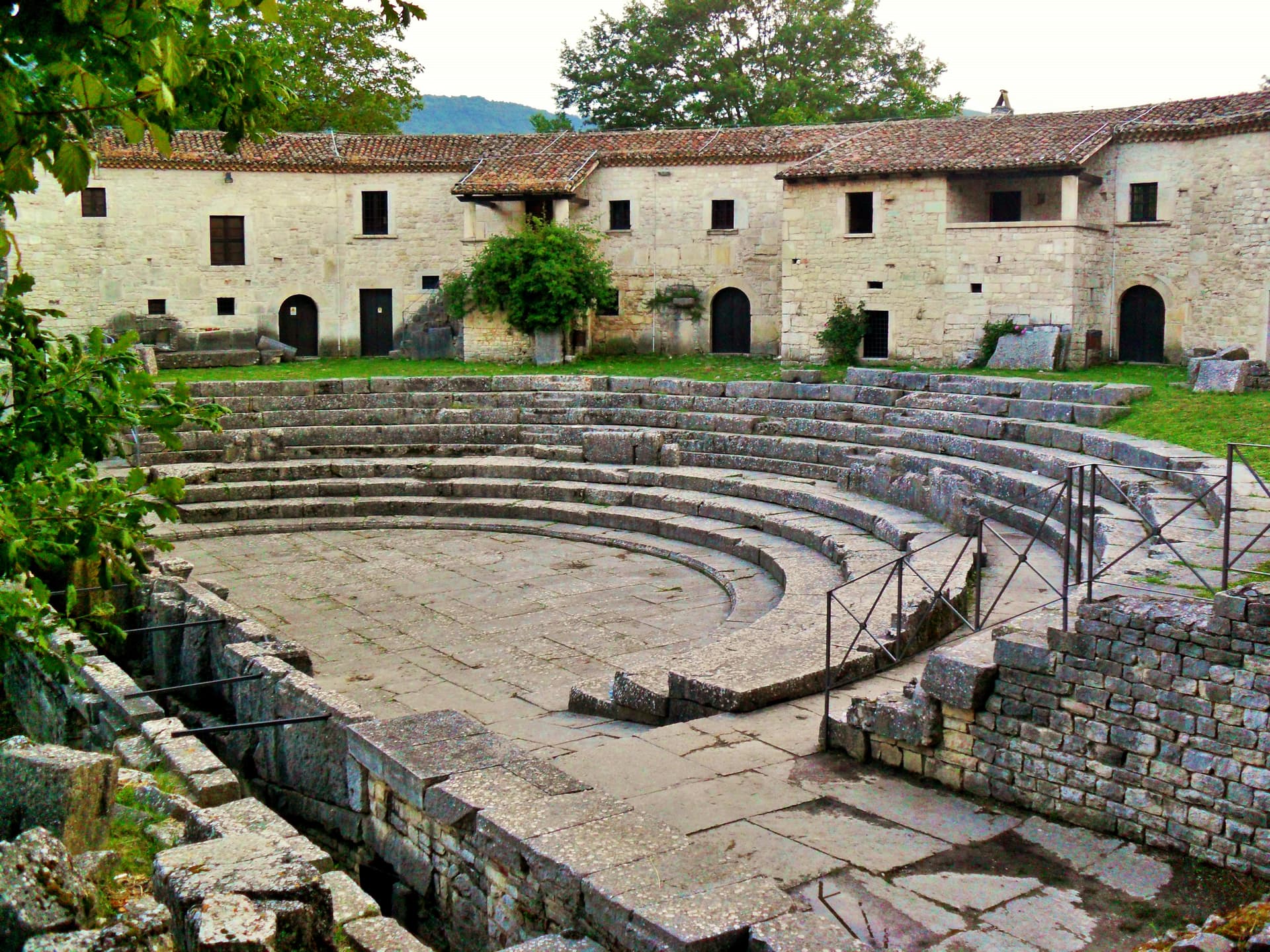
Sepino
Province: Campobasso
A hilltop borgo at 698 meters at the foot of the Matese, two kilometers above the Roman Saepinum, the open-air city the sheep tracks built.
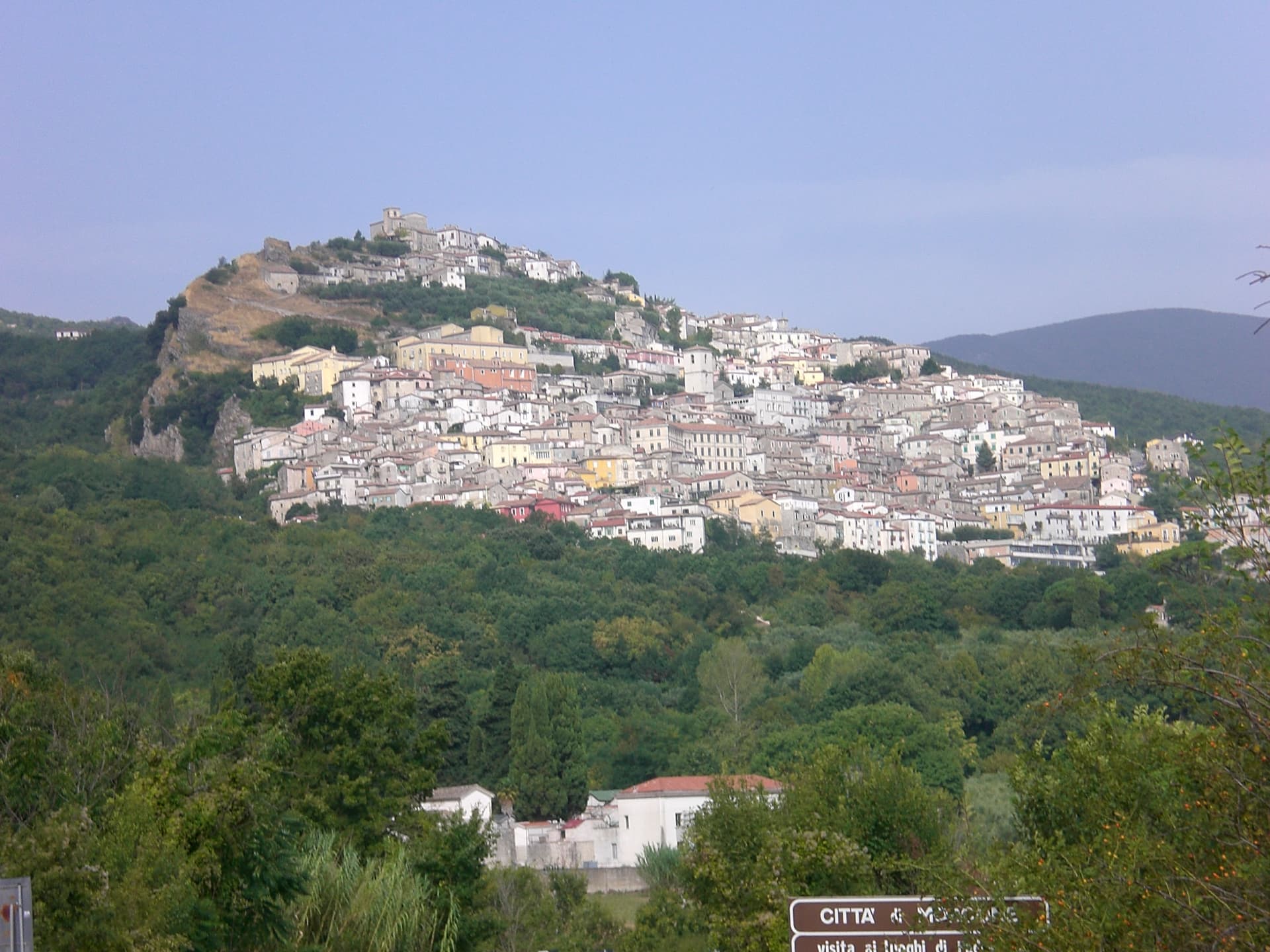
Morcone
Province: Benevento
A Sannite hill town at 600 meters above the Tammaro valley, with 5th-century BC walls and the convent where Padre Pio took vows.