
Molise · Campobasso
Oratino
A stonemason borgo at 780 meters above the Biferno, with a square tower on a limestone spur that an earthquake in 1456 left standing alone.
Known for
LA ROCCA
Square stone tower on a limestone spur, all that stood after the 1456 earthquake destroyed the surrounding castle and medieval village.
BRUNETTI BROTHERS
Eighteenth-century painter-decorators who frescoed the Assumption and decorated the Loreto church; the centre of an Oratino artistic school.
STONEMASONS
Village of scalpellini whose carved doorways and balconies still mark the centro storico; the craft outlived the families that paid for it.
When to visit
Best · May–Oct
- J
- F
- M
- A
- M
- J
- J
- A
- S
- O
- N
- D
- Best
- Hot or crowded
- Quiet
- Mostly closed
The festa: Bonifacio di Tarso, 14 May
Why come
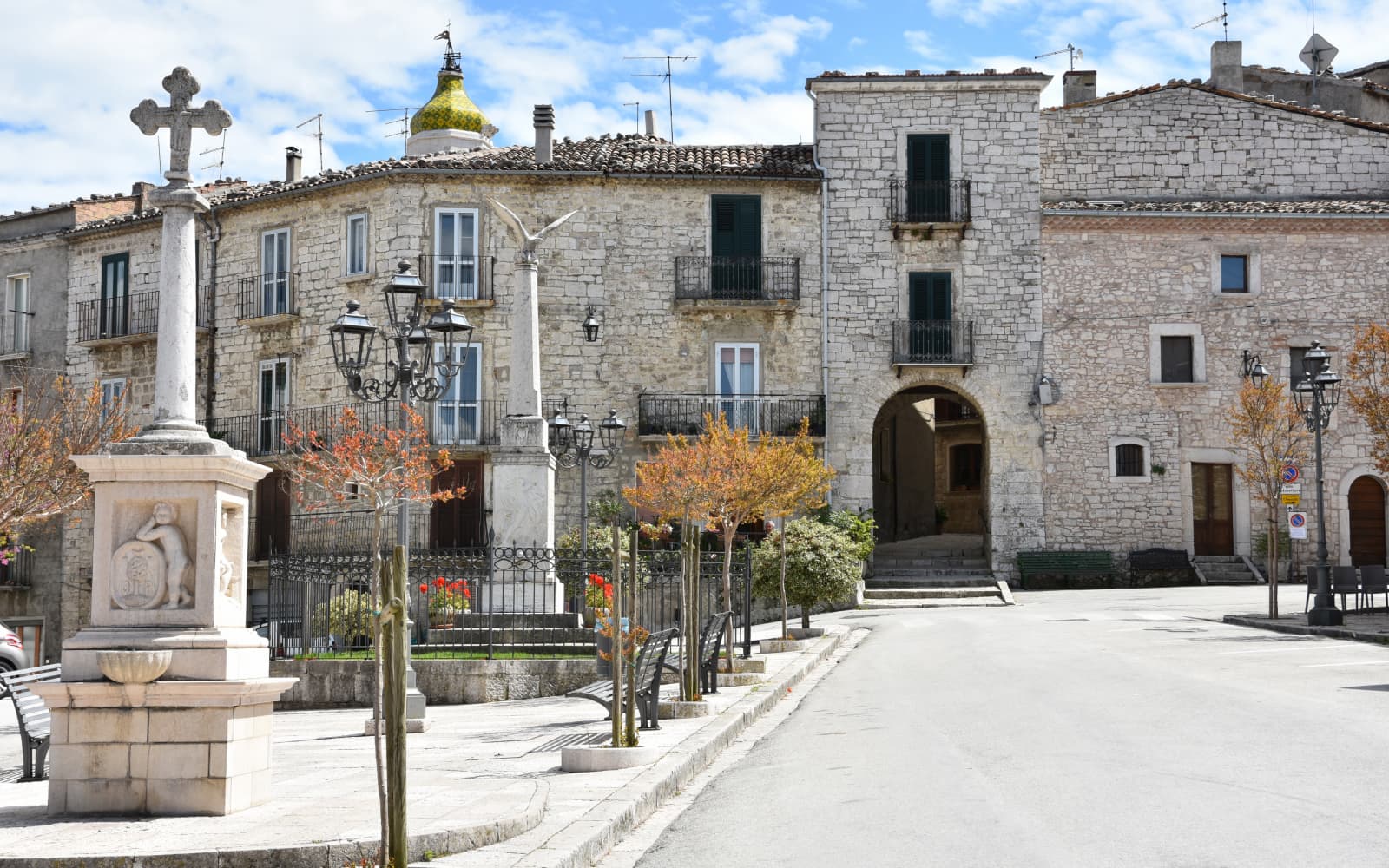
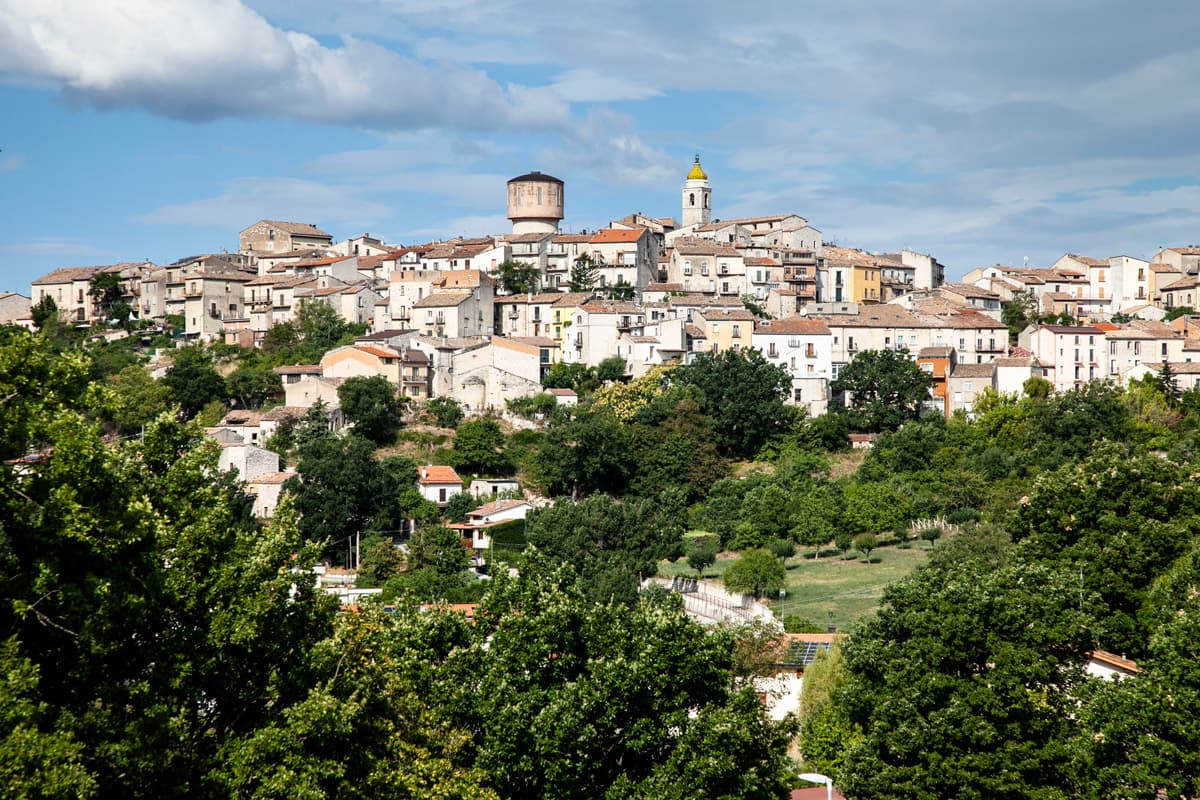
Oratino sits at 780 meters on a hill above the middle Biferno valley, seven kilometers west of Campobasso. The village's signature image is La Rocca, a square stone tower on a limestone spur called u Pischie that an earthquake in 1456 left standing after the surrounding castle and medieval houses collapsed; the tower was built between the tenth and twelfth centuries and archaeological work below it has surfaced Bronze Age material. Oratino is known as a village of stonemasons.
The Giordano family that took the fief in the seventeenth century built the Baroque Palazzo Giordano with its acanthus-leaf portal; the Brunetti brothers, working through the eighteenth century, frescoed the Assumption in the Chiesa di Santa Maria Assunta and decorated the Chiesa di Santa Maria di Loreto where the Giordani are buried. The centro storico still carries the stonemasons' work in its doorways and balconies. Oratino is one of two Borghi più belli in this part of Molise.
The Sunday letter
We haven’t written Oratino’s letter yet.
One town every Sunday, with the photo, the food, the festa. Be there when this one comes up. Free, by Peter & Sophia from Pietrasanta.
By subscribing you agree to Substack’s Terms of Use, our Privacy Policy and our Information collection notice.
What to see
La Rocca
Square stone tower on the u Pischie limestone spur, built between the tenth and twelfth centuries and left standing alone by the 1456 earthquake.
Palazzo Giordano
Baroque ducal palace of the Giordano family, with acanthus-leaf portal and fortified outer walls, the principal civic monument of the borgo.
Chiesa di Santa Maria Assunta
Parish church with an Assumption fresco by Ciriaco Brunetti completed in 1791, one of the strongest works of the Brunetti school.
Chiesa di Santa Maria di Loreto
Smaller church holding the tombs of the Giordano family and decorated by the Brunetti brothers through the eighteenth century.
Centro storico
Stone village of the scalpellini, with finely carved doorways, decorated balconies and lintels signed by generations of Oratino stonemasons.
The slow-trip planner
Building a trip? Find where Oratino fits in a slow Italy circuit.
Answer five questions. We will shape a geographically coherent slow trip from the 1,000 Italian towns most travelers skip. Yours to save and share.
Living here
- Population 1,676
- Commuter belti
- Pharmacy in town
- High school within a 30-minute drive
- Nearest airport Naples / Salerno, 2 h 22 min drive
- Regional capital Campobasso, 14 min drive
Tags & datadesignations · numbers · sources
Recognised as
The numbers
- Elevation: 780 m
- Population: 1,676
- Surface area: 17.89 km²
These figures were compiled from public directories — ISTAT, OpenStreetMap, Wikidata — and from the official listings of the guides named on this page. Town details change; verify with official sources before you travel.
Close by
More towns near Oratino
Campobasso
Province: Campobasso
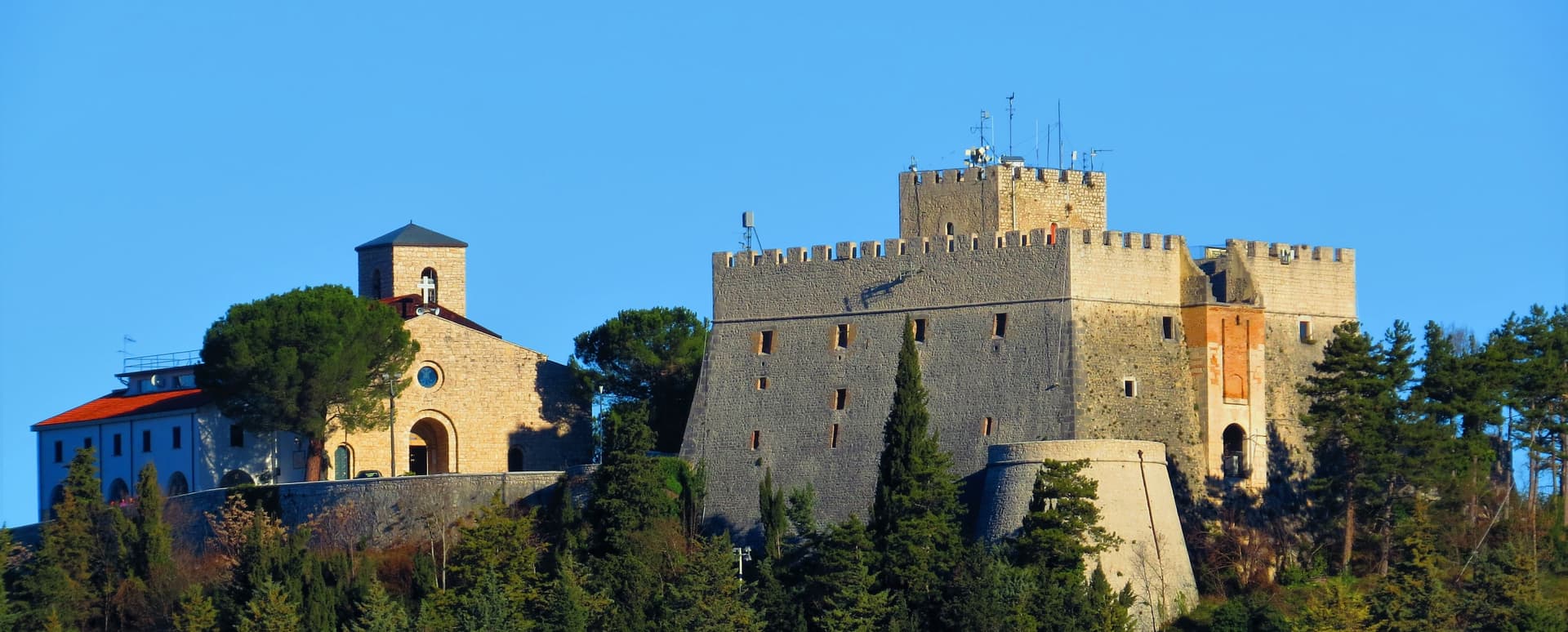
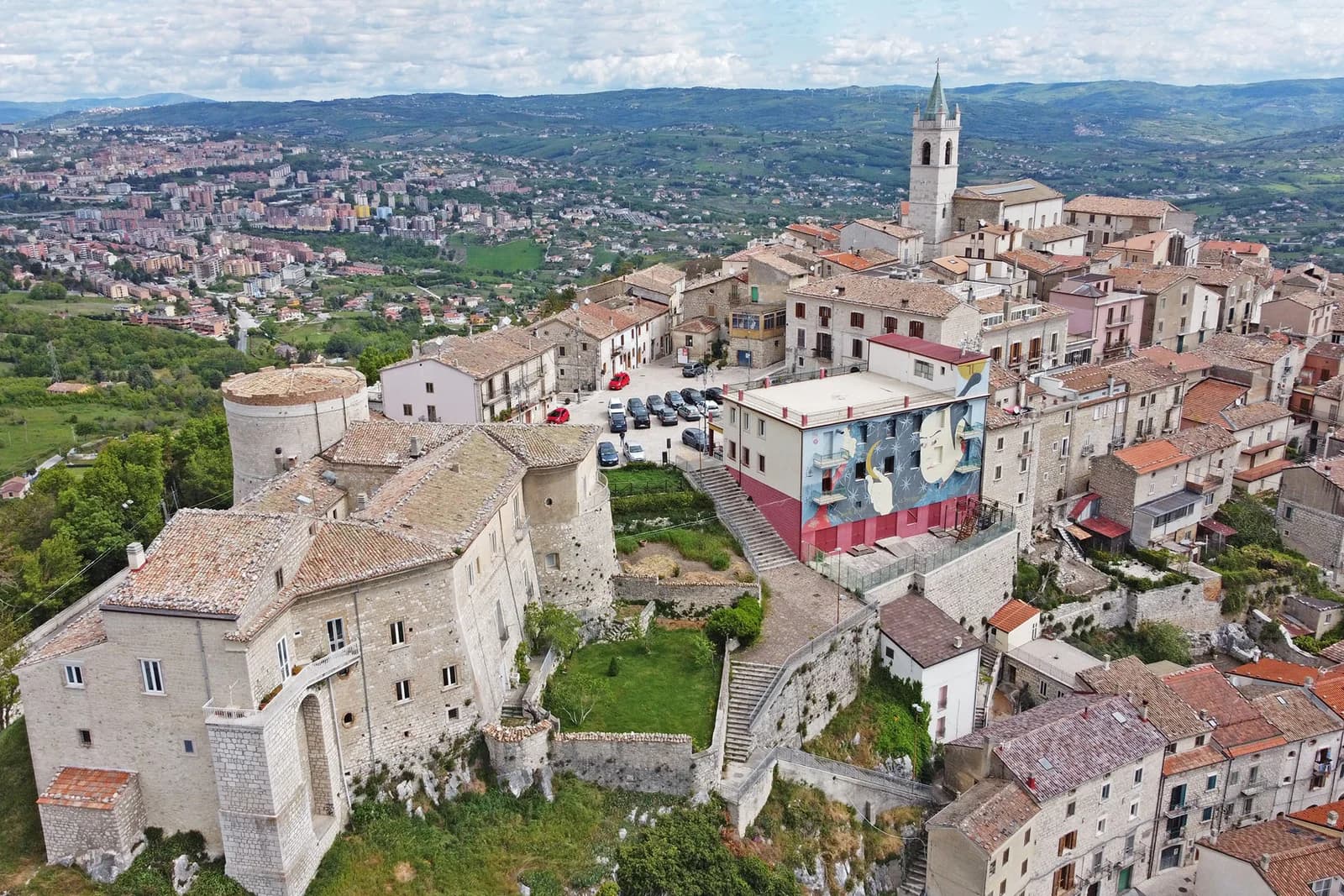
Molise's regional capital and the smallest in Italy — 47,000 residents at 701m on a wooded Apennine ridge, with the Castello Monforte on the summit, the Sagra dei Misteri (a UNESCO-recognised Corpus Domini procession of 24 child-borne aerial 'mysteries' since 1740), and a centro storico that climbs the hillside in stone-paved switchbacks.
Ferrazzano
Province: Campobasso
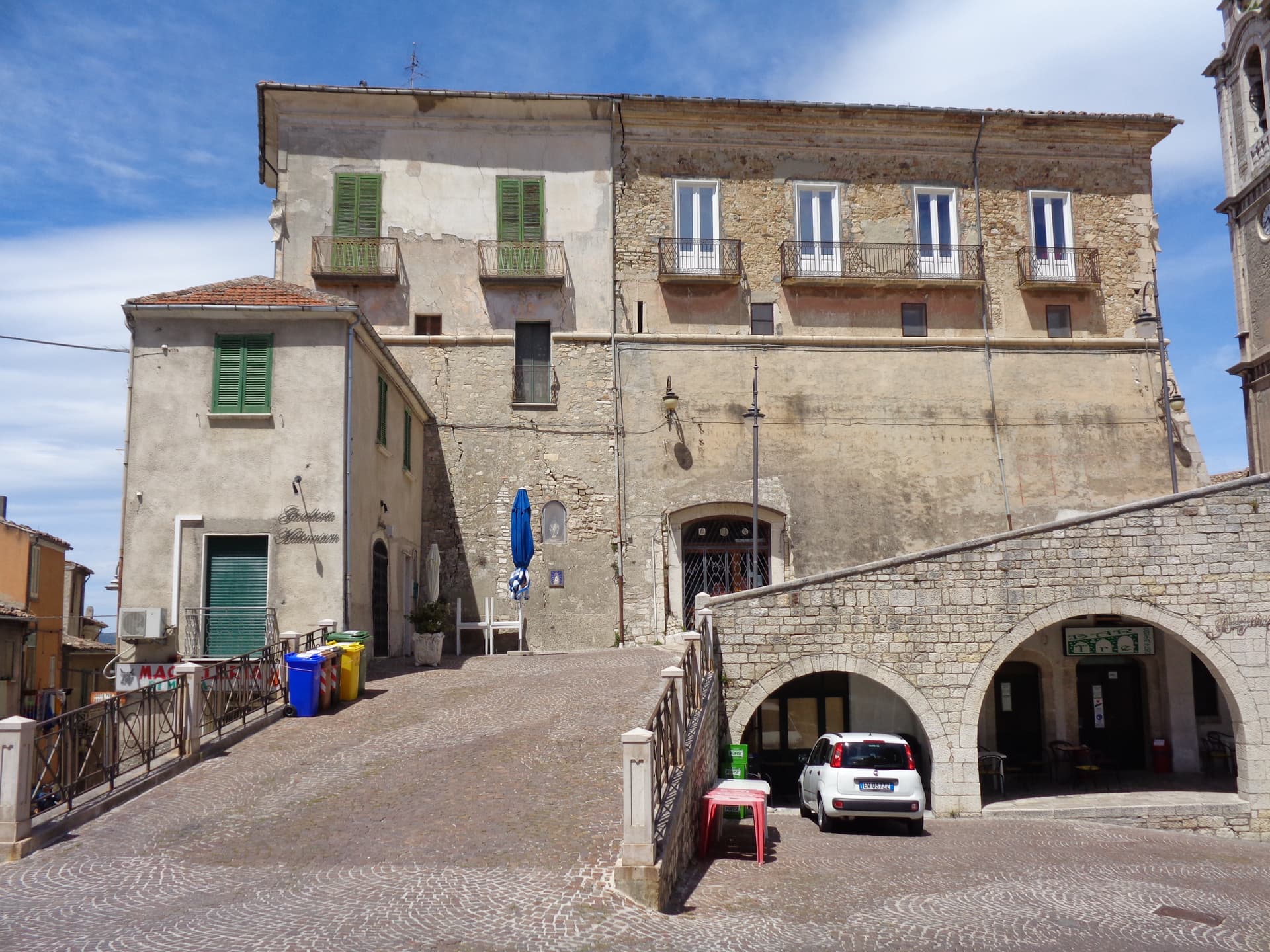
A hilltop borgo at 872 meters above Campobasso, called the Sentinel of Molise, where Robert De Niro's great-grandparents lived before sailing in 1887.
Ripalimosani
Province: Campobasso
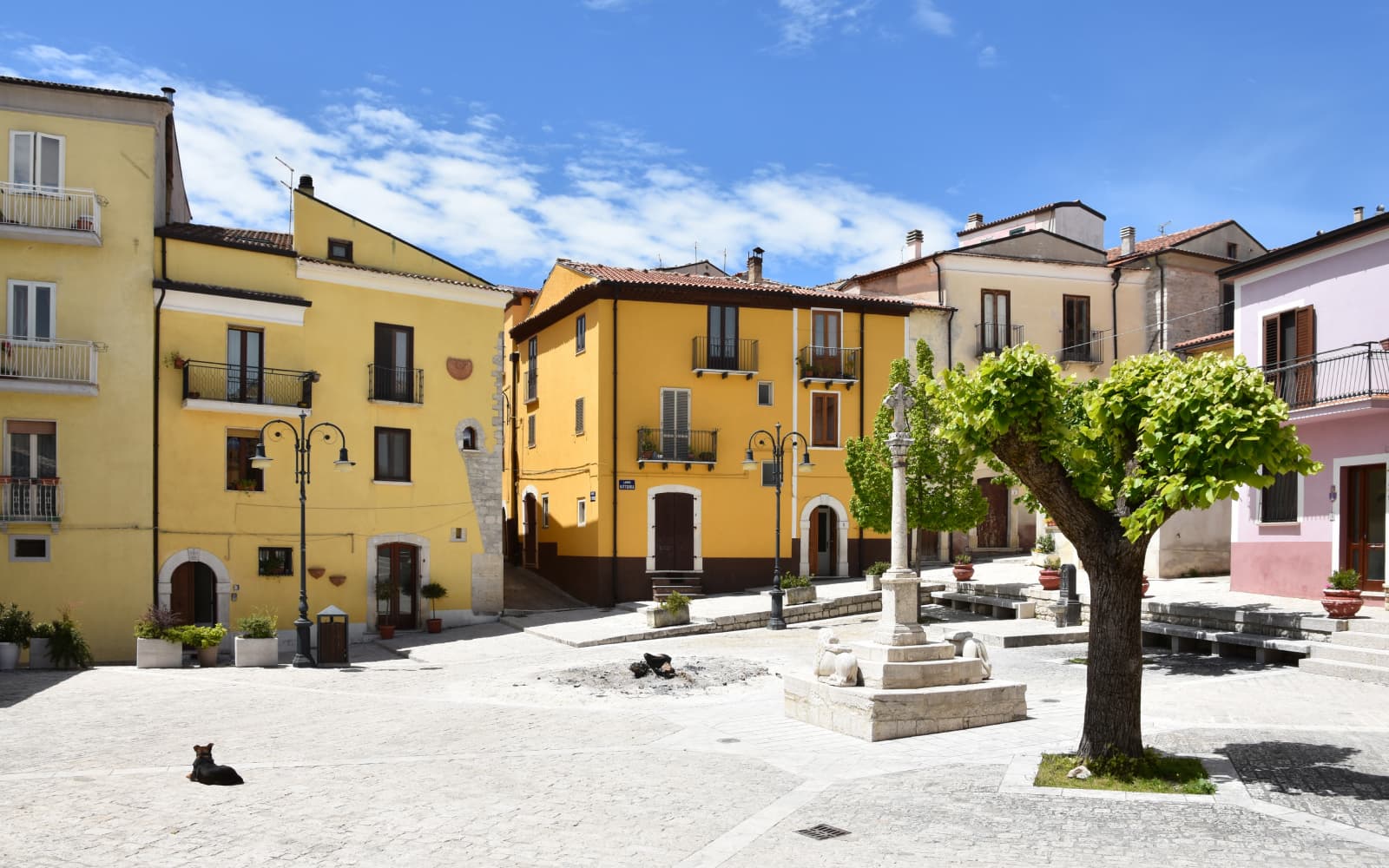
A sandstone-ridge village at 640 meters above the Biferno valley, the historic land of the funai rope makers and a Tintilia wine commune.
Frosolone
Province: Isernia
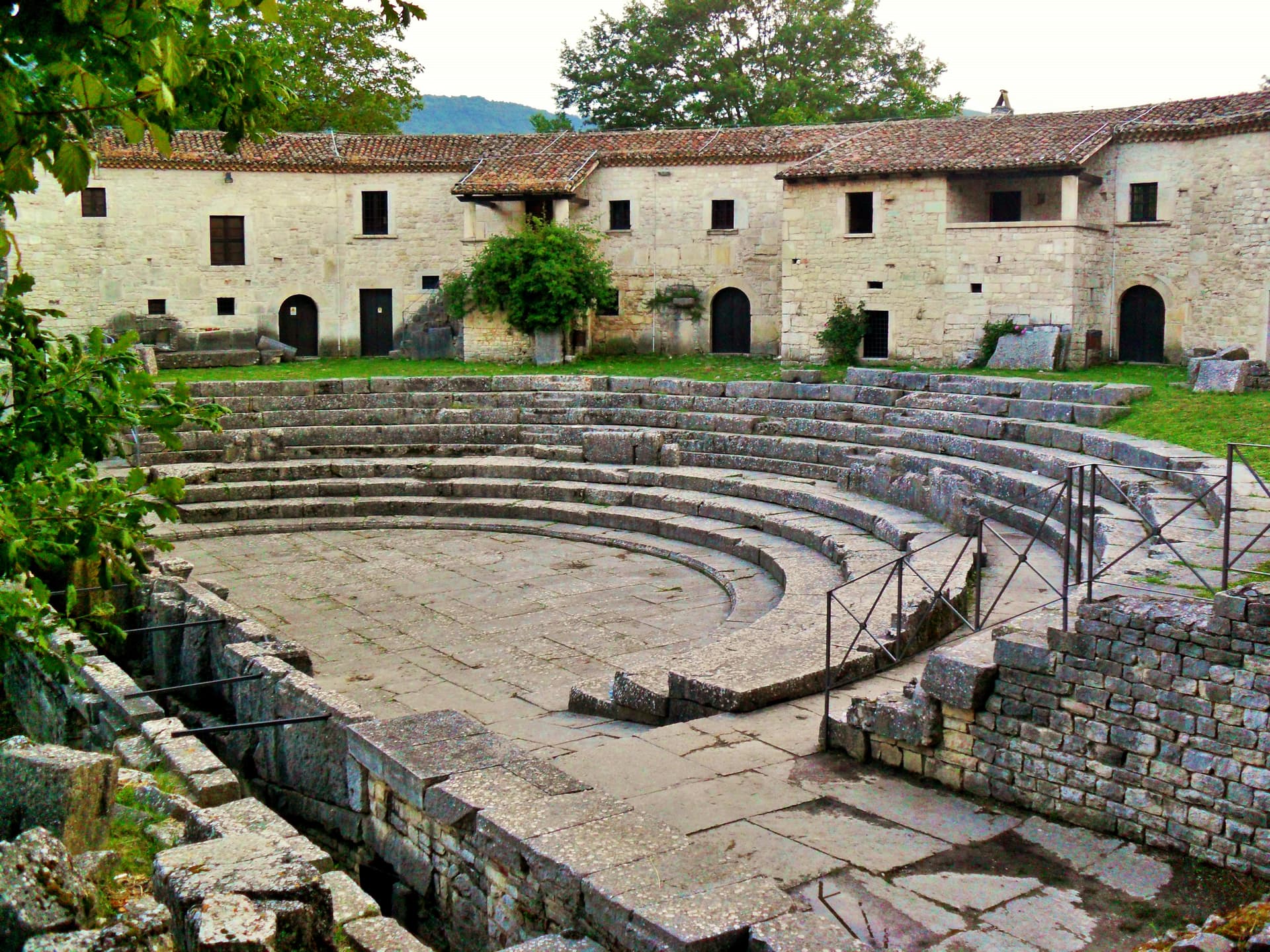
A 900-meter blade-making town in the Matese foothills, called Italy's Toledo for the knives and scissors forged here since the 1800s.
Sepino
Province: Campobasso
A hilltop borgo at 698 meters at the foot of the Matese, two kilometers above the Roman Saepinum, the open-air city the sheep tracks built.
🎨 Borghi più belli d'Italia
More Borghi più belli d'Italia towns in Molise
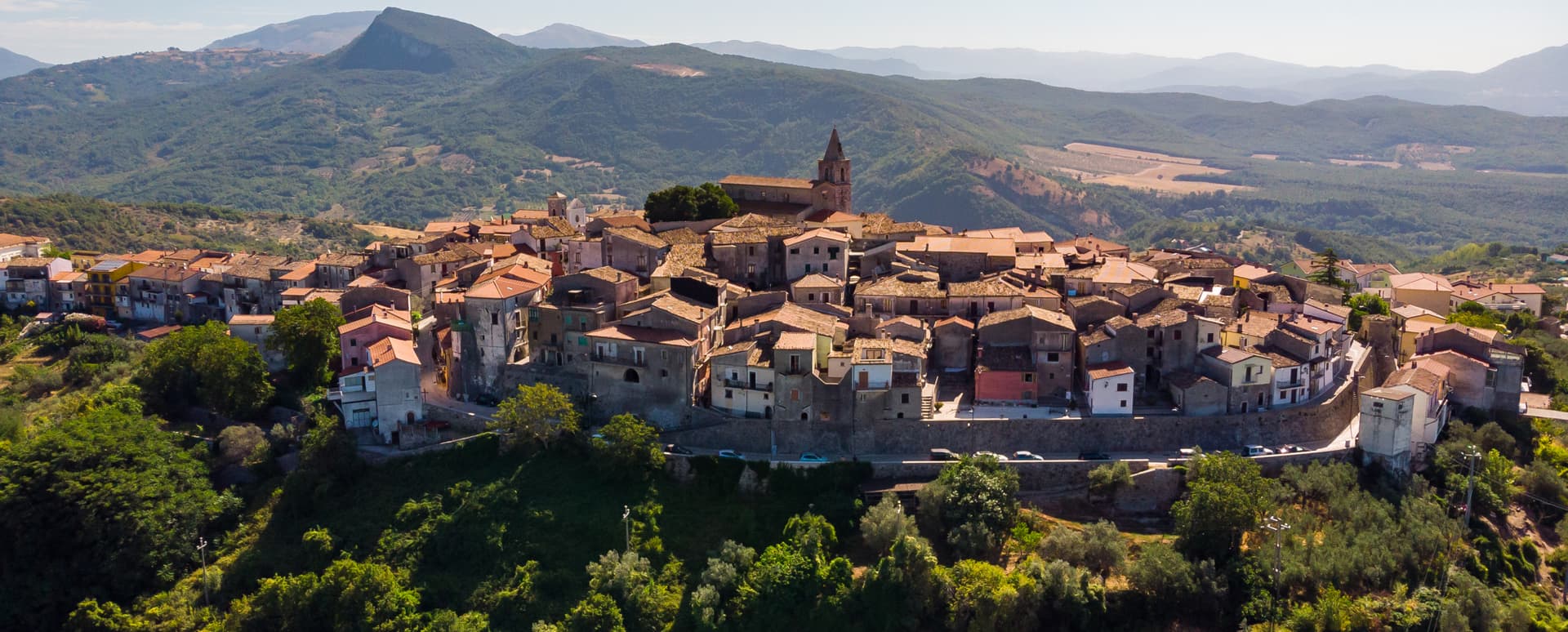
Fornelli
Province: Isernia
A walled medieval borgo at 530 meters with seven towers and the birthplace of Nancy Pelosi's mother, eight kilometers west of Isernia.
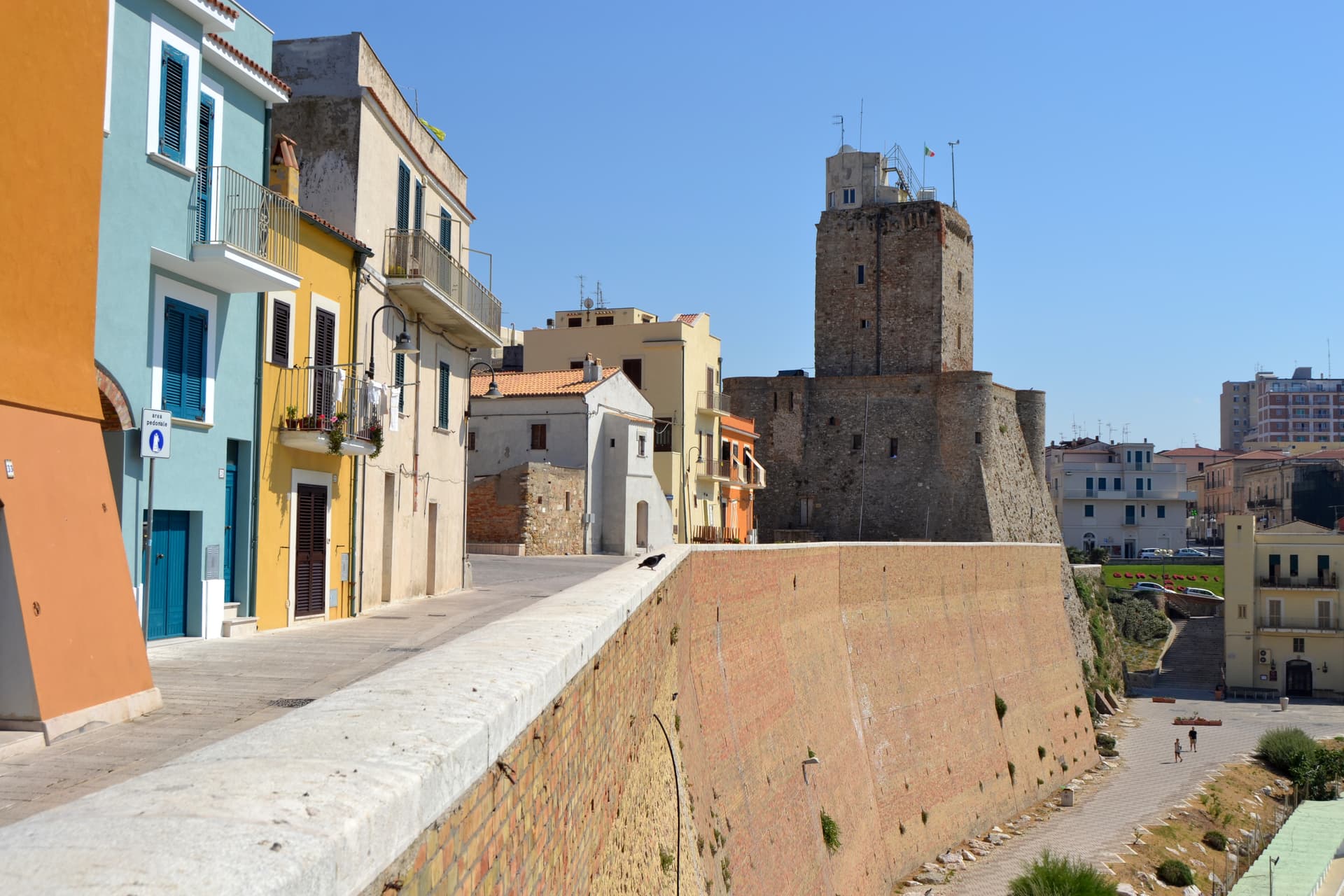
Termoli
Province: Campobasso
Molise's only port, a walled promontory of fishermen's houses on the Adriatic with a Frederick II castle and the ferry pier for the Tremiti islands.