

Campania · Benevento
Cerreto Sannita
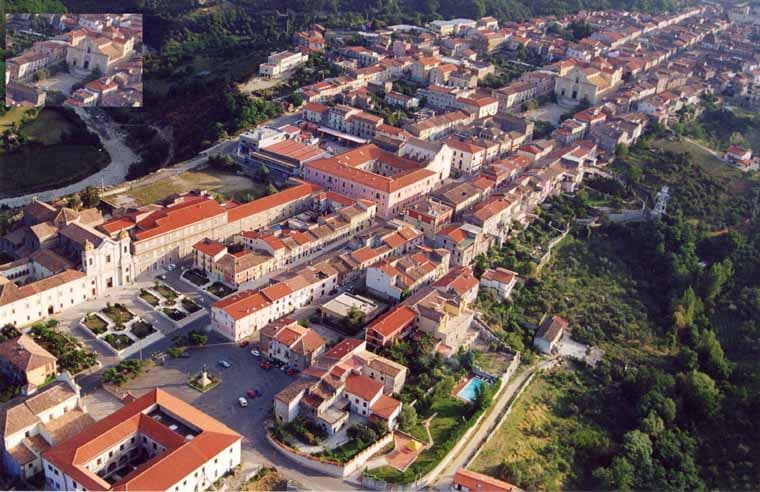
A Sannio ceramics town, rebuilt from scratch by royal engineer Giovanni Battista Manni after the 1688 earthquake leveled the old hill.
Known for
MAJOLICA
Centuries-old ceramic tradition shared with San Lorenzello, revived by the State Art Institute in the twentieth century and recognized as Città della Ceramica.
1688 REBUILD
Entire town leveled by the 5 June 1688 earthquake and replanned on an orthogonal grid by royal engineer Giovanni Battista Manni.
MATESE PARK
On the southern edge of the Matese Regional Park, with limestone slopes, beech forest and trails into the Sannio interior.
When to visit
Best · Apr–Oct
- J
- F
- M
- A
- M
- J
- J
- A
- S
- O
- N
- D
- Best
- Hot or crowded
- Quiet
- Mostly closed
The festa: Antonio di Padova, 13 June
Why come
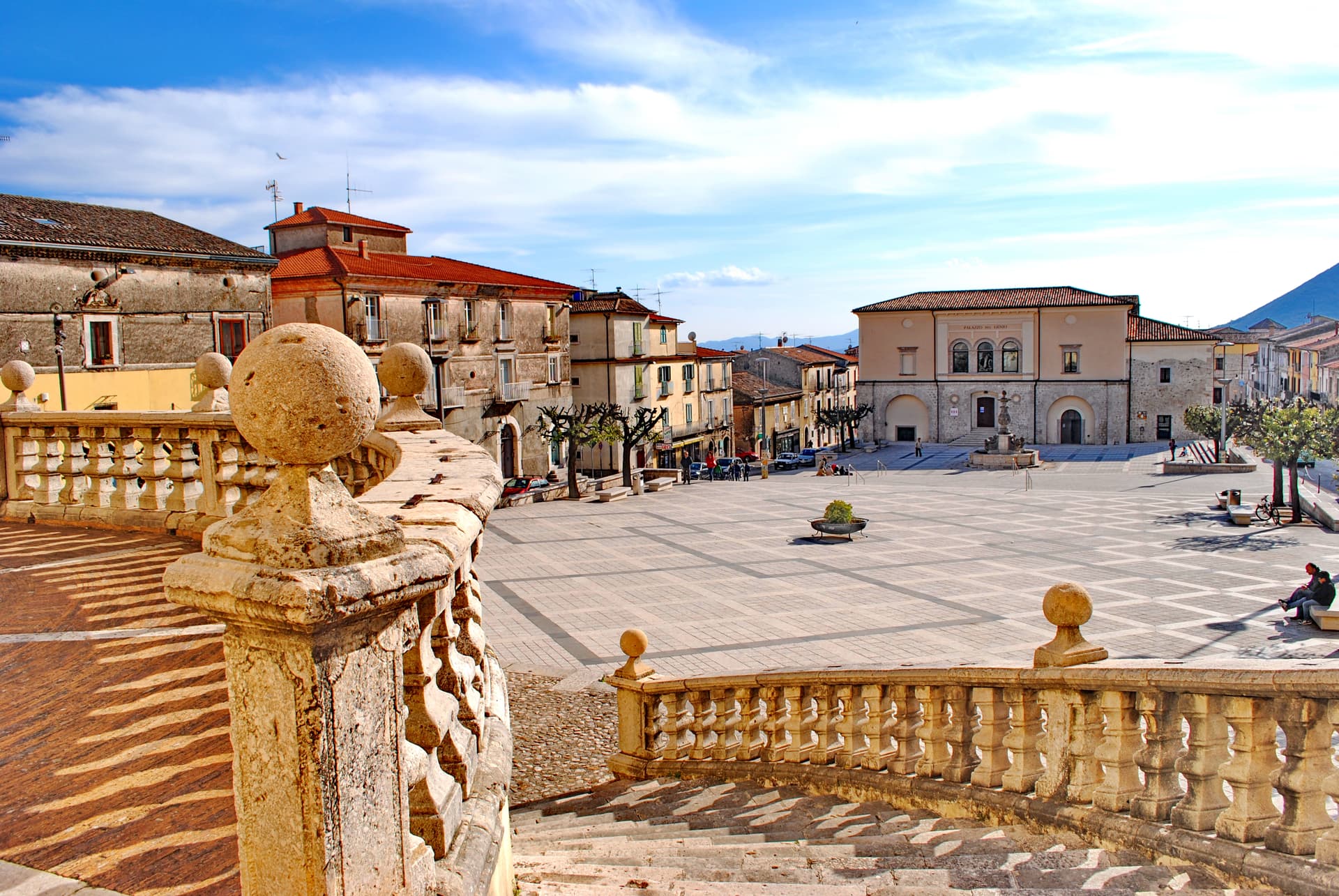
Cerreto Sannita sits in the Titerno valley of the Sannio, fifty-five kilometers northeast of Naples, with the Matese massif rising behind. The earthquake of 5 June 1688 leveled the old town; what visitors walk today was planned and rebuilt between 1688 and 1696 by royal engineer Giovanni Battista Manni at the order of Count Marzio Carafa, his brother Marino, and Bishop Giovanni Battista de Bellis. The new grid runs orthogonally around a central piazza, a rare case of late-baroque urban planning in southern Italy.
The other anchor is ceramics. Cerreto and neighbouring San Lorenzello have produced majolica since at least the sixteenth century, and the State Art Institute revived the craft in the mid-twentieth. Workshops still turn out ceremonial plates, lobed jugs, apothecary jars and riggiole tiles painted with wind-rose and garland motifs. The town is a Bandiera Arancione, a Cittaslow, and one of Italy's official Città della Ceramica.
The Sunday letter
We haven’t written Cerreto Sannita’s letter yet.
One town every Sunday, with the photo, the food, the festa. Be there when this one comes up. Free, by Peter & Sophia from Pietrasanta.
By subscribing you agree to Substack’s Terms of Use, our Privacy Policy and our Information collection notice.
What to see
Cattedrale della Santissima Trinità
Cathedral rebuilt after the 1688 earthquake at the centre of Manni's new town plan, with baroque facade and tiled dome.
Museo Civico e della Ceramica Cerretese
Civic museum dedicated to four centuries of local majolica, with ceremonial plates, riggiole tiles and apothecary jars from Cerreto and San Lorenzello workshops.
Chiesa di San Martino
Late seventeenth-century church with painted majolica floor of Cerreto tiles, one of the best preserved riggiole pavements in the Sannio.
Centro storico orthogonal grid
Late-baroque street plan laid out by Giovanni Battista Manni between 1688 and 1696, a rare case of planned reconstruction after seismic destruction.
Matese Regional Park slopes
Limestone massif rising north of the town, beech forest, karst lakes and the Sant'Erasmo trail above the Titerno valley.
The slow-trip planner
Building a trip? Find where Cerreto Sannita fits in a slow Italy circuit.
Answer five questions. We will shape a geographically coherent slow trip from the 1,000 Italian towns most travelers skip. Yours to save and share.
Living here
- Population 3,607
- In-betweeni
- Pharmacy in town
- High school within a 30-minute drive
- Nearest airport Naples / Salerno, 1 h 21 min drive
- Regional capital Napoli, 1 h 25 min drive
Tags & datadesignations · numbers · sources
Recognised as
The numbers
- Elevation: 290 m
- Population: 3,607
- Surface area: 33.35 km²
These figures were compiled from public directories — ISTAT, OpenStreetMap, Wikidata — and from the official listings of the guides named on this page. Town details change; verify with official sources before you travel.
Close by
More towns near Cerreto Sannita
Cusano Mutri
Province: Benevento
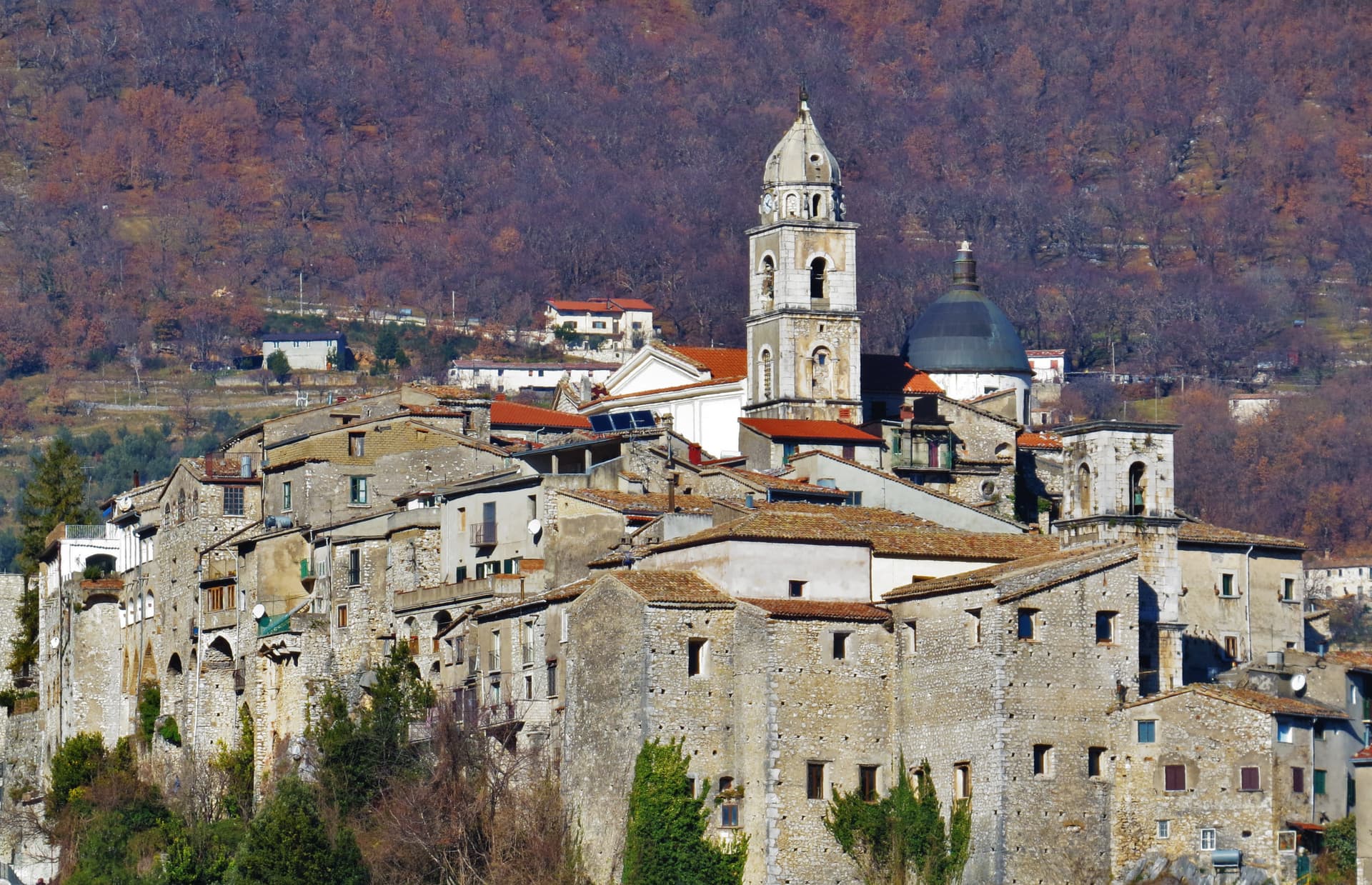
A Sannio hill borgo at 475 meters on the south face of the Matese, the only town in the area spared by the 1688 earthquake.
Morcone
Province: Benevento
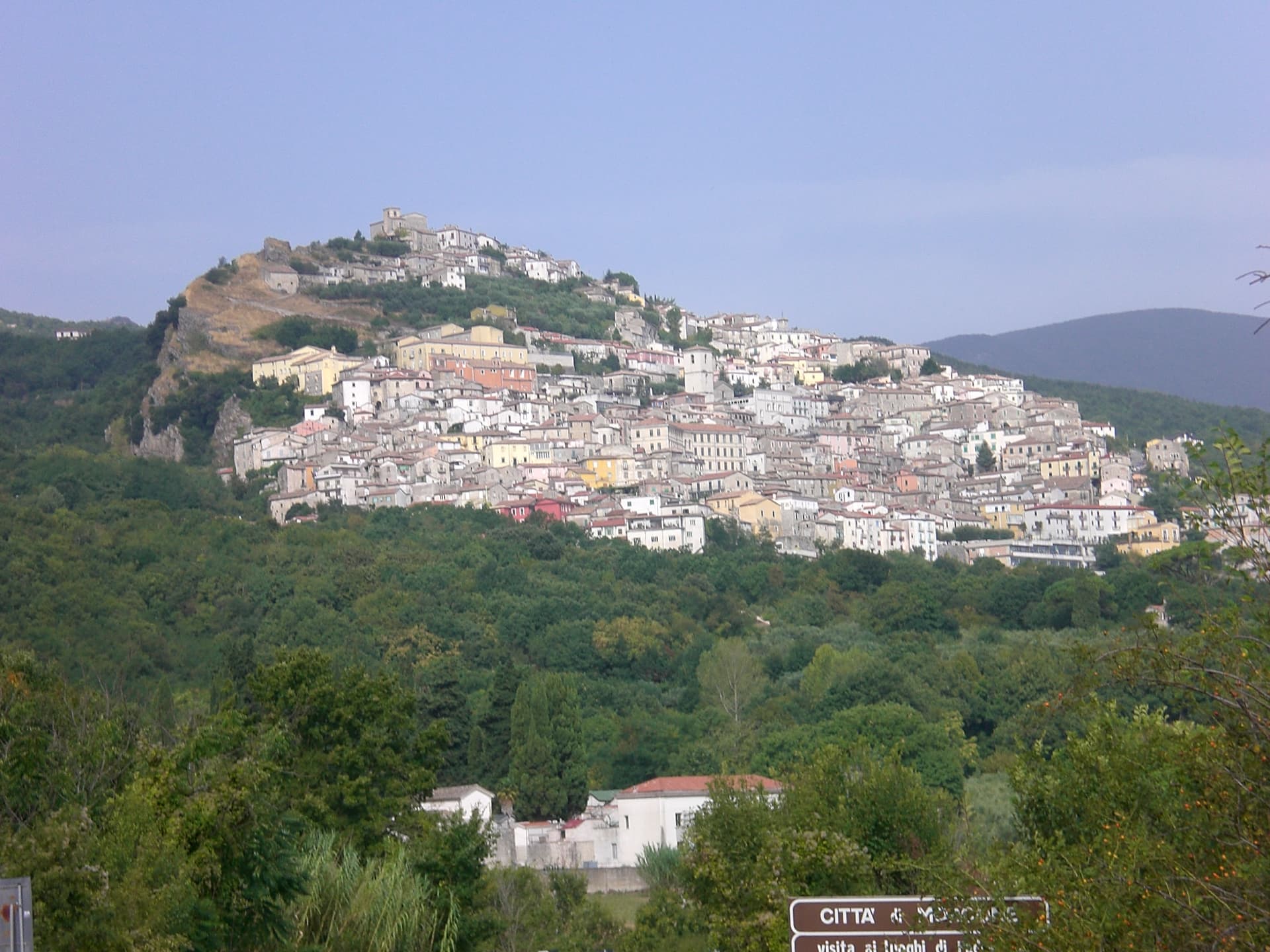
A Sannite hill town at 600 meters above the Tammaro valley, with 5th-century BC walls and the convent where Padre Pio took vows.
Sant'Agata de' Goti
Province: Benevento
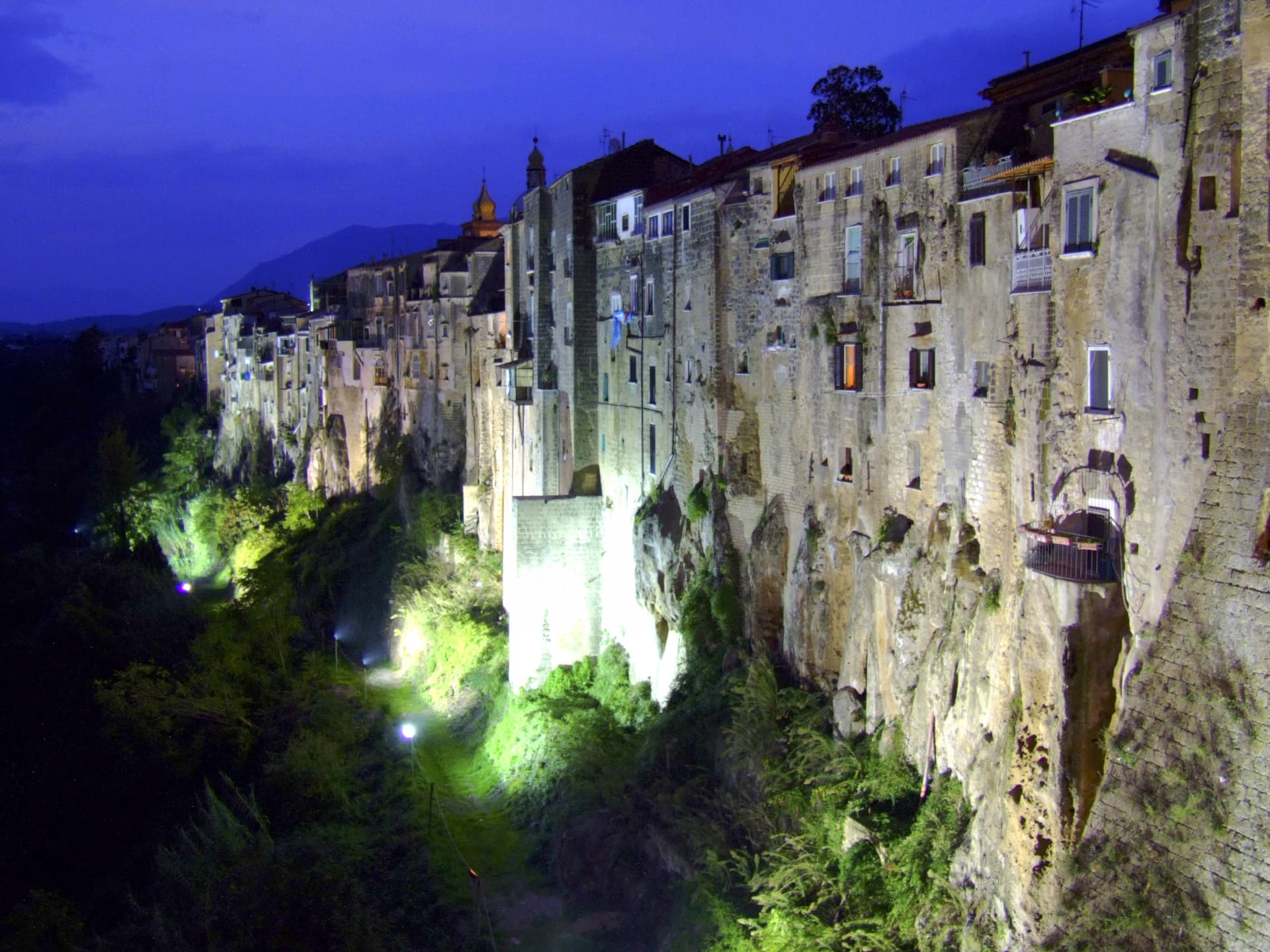
A medieval town built on a tuff cliff between two gorges, the houses standing flush with the edge over the Isclero river below.
Caiazzo
Province: Caserta
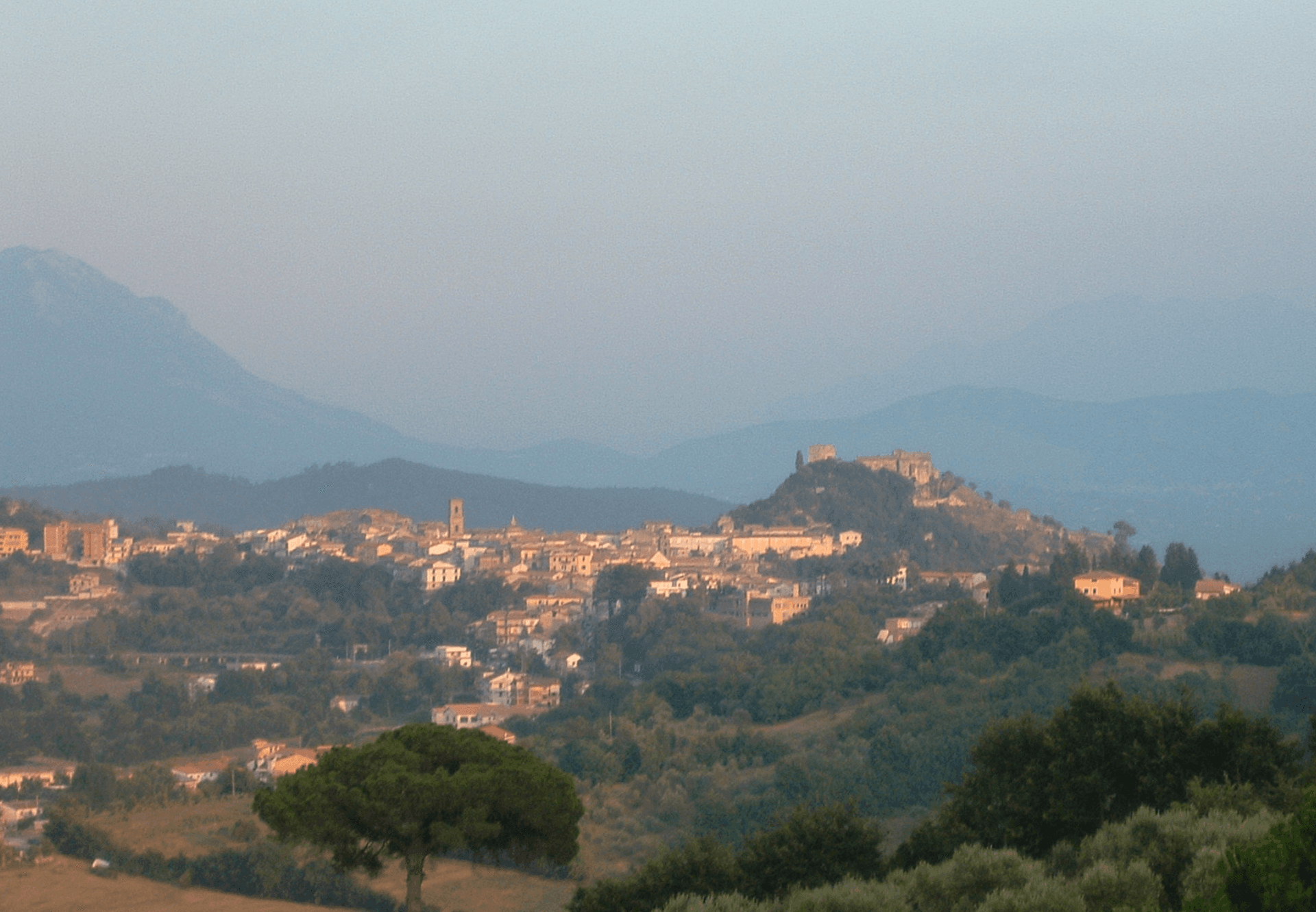
A Cittaslow hill above the Volturno, turned by Franco Pepe's pizza into a destination for 800 covers a day in eighteenth-century rooms.
Benevento
Province: Benevento
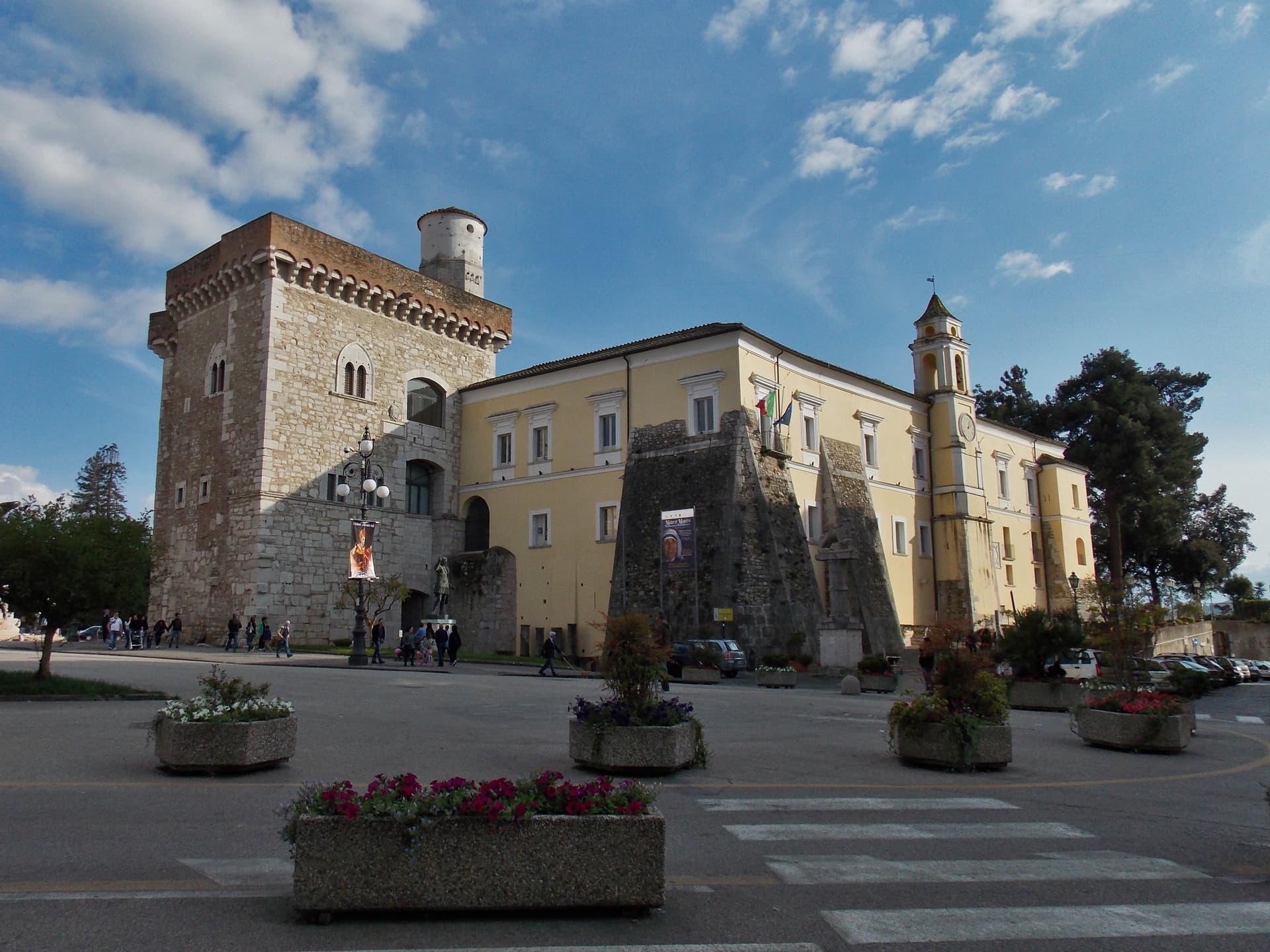
Sannio capital at the Calore-Sabato confluence, with a 114 AD Trajan arch and a Lombard rotunda on the UNESCO list.
🟠 Bandiera Arancione
More Bandiera Arancione towns in Campania
Letino
Province: Caserta
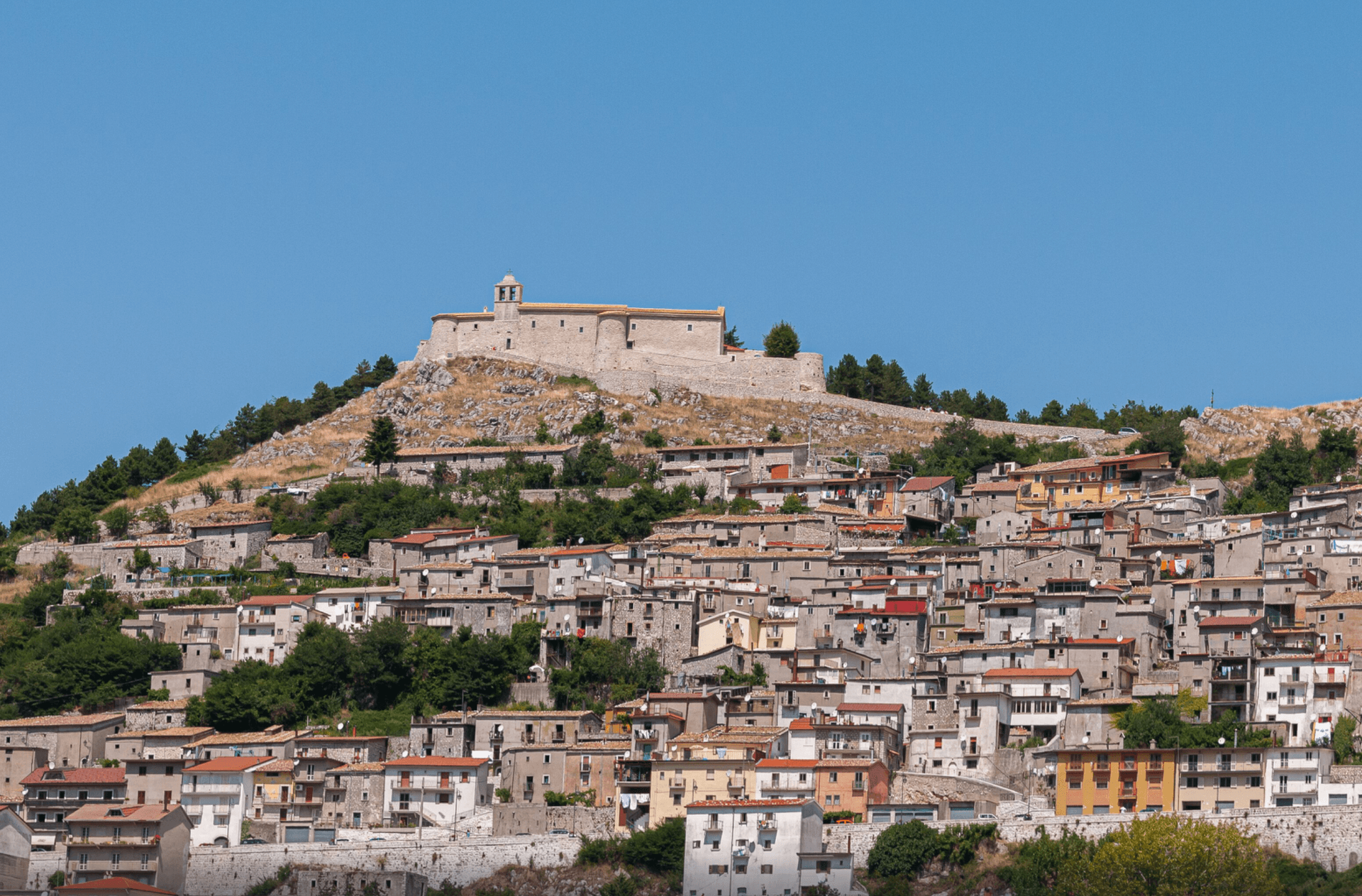
At 961 meters the highest commune in the province of Caserta, where in April 1877 anarchists declared a Republic of Letino in the village hall.
Morigerati
Province: Salerno
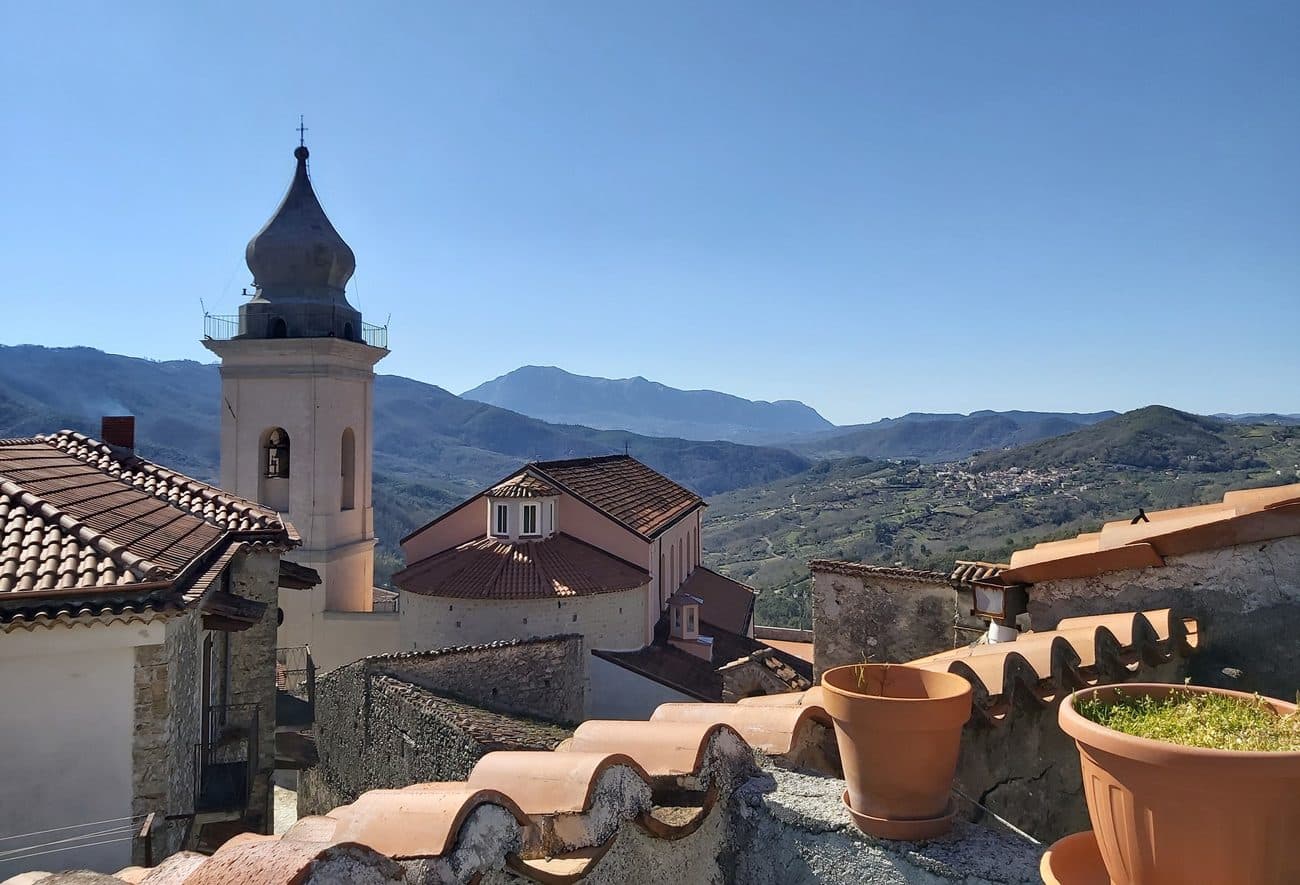
A 608-person Cilento village above the Bussento gorge, the river surfacing from underground caves directly beneath the cliffs.
Zungoli
Province: Avellino
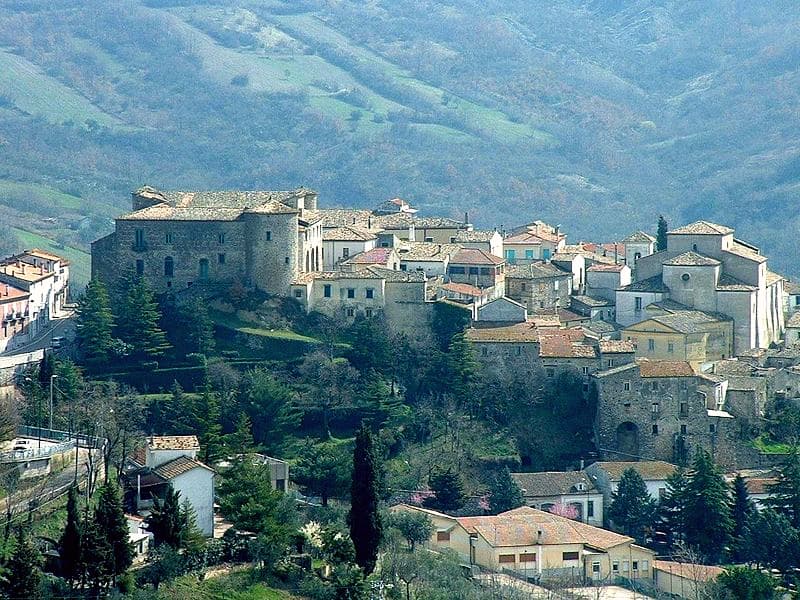
An Irpinia ridge at 657 meters between the Ufita valley and the Daunian hills, with Norman walls above and Byzantine tuff caves below the houses.