

Campania · Caserta
Letino
At 961 meters the highest commune in the province of Caserta, where in April 1877 anarchists declared a Republic of Letino in the village hall.
Known for
REPUBLIC OF LETINO
Anarchist insurrection of April 1877, when Malatesta, Cafiero and the Matese Band declared King Victor Emanuel II deposed in the village hall.
FIUME LETE
Karst river that rises at 1,028 meters in Campo delle Secine and disappears underground into the Grotte del Caùto cave system.
BANDIERA ARANCIONE
Touring Club Italiano Orange Flag awarded in 2014, only the fifth commune in Campania to receive the quality-of-hospitality mark.
When to visit
Best · May–Oct
- J
- F
- M
- A
- M
- J
- J
- A
- S
- O
- N
- D
- Best
- Hot or crowded
- Quiet
- Mostly closed
The festa: Giovanni Battista, domenica più vicina
Why come
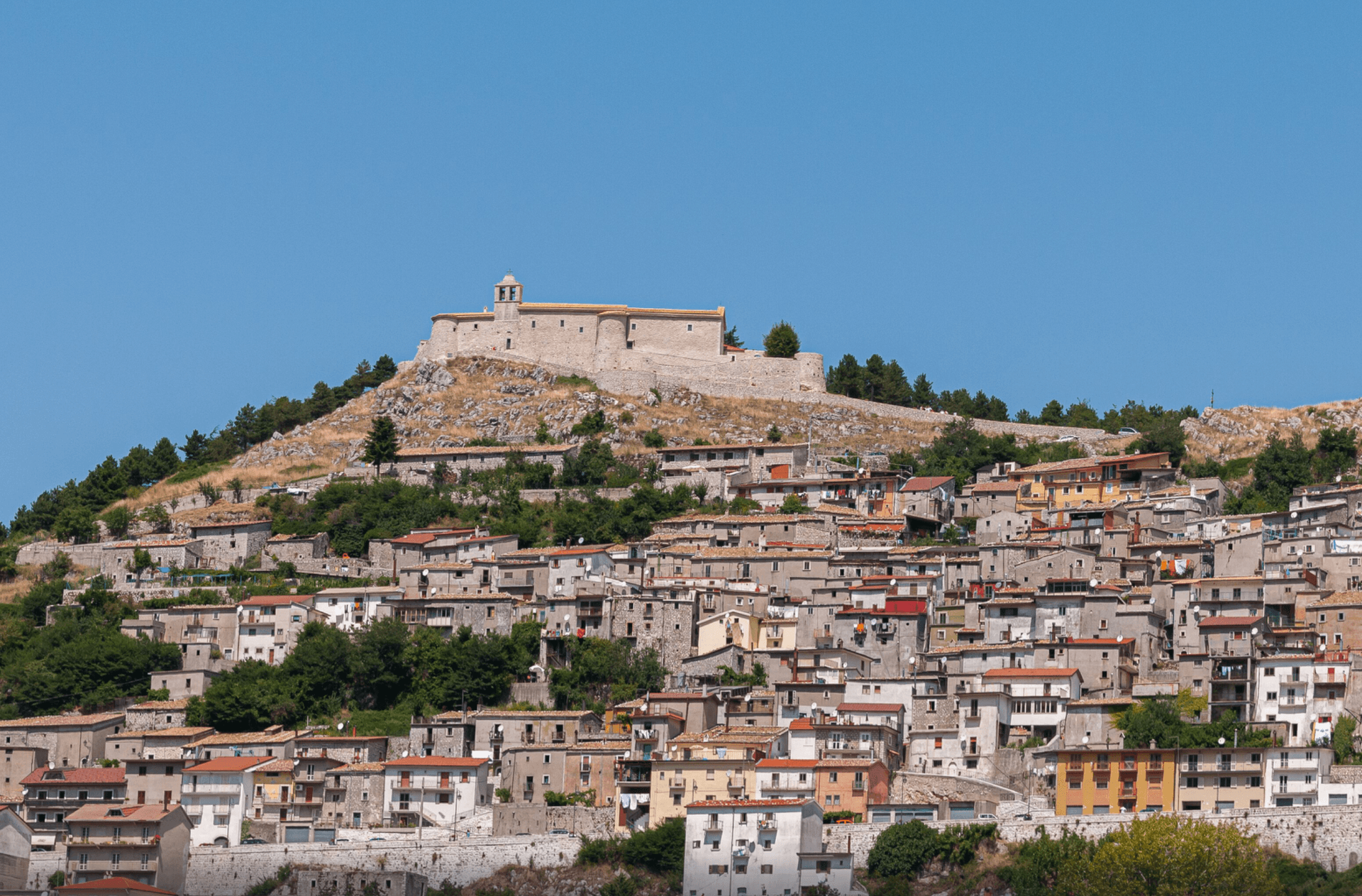
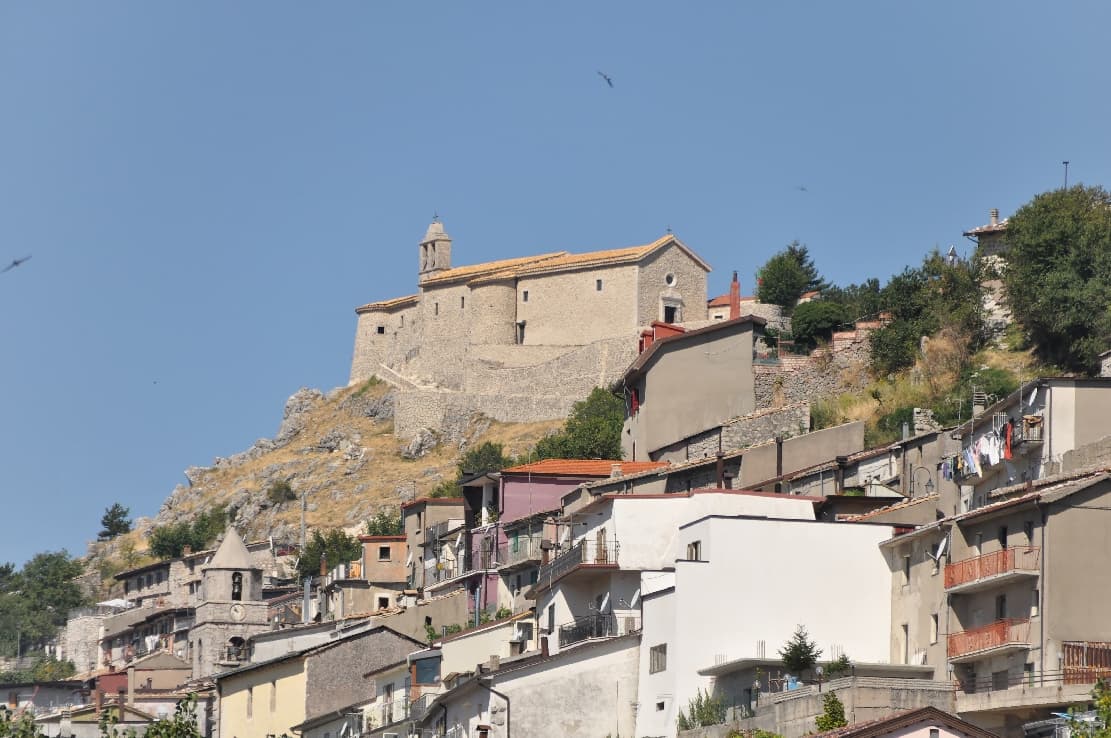
Letino sits at 961 meters in the Matese, the highest commune in the province of Caserta, with its castle on a rock at roughly 1,200 meters and the artificial Lago di Letino just below. In April 1877 the Matese Band, anarchists led by Errico Malatesta and Carlo Cafiero with the Russian Stepniak and roughly thirty others, marched into the village during a council session, declared King Victor Emanuel II deposed, proclaimed the Republic of Letino, burned tax records in the square, distributed arms to peasants and ordered the lands divided. The insurrection lasted days.
The municipal museum keeps the local archive of the events. The Castle of Letino, hosting the Madonna del Castello sanctuary within seventeenth-century walls, stands above the town. The Lete river is born from a karst phenomenon at 1,028 meters in the locality of Campo delle Secine and disappears into the Grotte del Caùto, a cave system known since the 1920s. The Touring Club Italiano awarded the Orange Flag in 2014, only the fifth Campanian commune to receive it.
The Sunday letter
We haven’t written Letino’s letter yet.
One town every Sunday, with the photo, the food, the festa. Be there when this one comes up. Free, by Peter & Sophia from Pietrasanta.
By subscribing you agree to Substack’s Terms of Use, our Privacy Policy and our Information collection notice.
What to see
Castello di Letino
Castle on a rock above the village at roughly 1,200 meters, walls dating to the 1600s, hosting the Sanctuary of the Madonna del Castello.
Lago di Letino
Artificial lake (also called Lago Caùto) of 1.1 km², built in the early 1900s for the Prata Sannita hydroelectric plant.
Grotte del Caùto
Karst cave system carved by the Lete river, explored since the 1920s, with two parallel galleries averaging 89 meters apart.
Fiume Lete
Karst-fed river that rises at Campo delle Secine (1,028 meters), runs above ground briefly, then descends into the Grotte del Caùto.
Museo dell'Internazionalismo Anarchico
Permanent exhibition in the municipal building on the 1877 Matese Band insurrection, with local documents and press of the era.
The slow-trip planner
Building a trip? Find where Letino fits in a slow Italy circuit.
Answer five questions. We will shape a geographically coherent slow trip from the 1,000 Italian towns most travelers skip. Yours to save and share.
Living here
- Population 631
- Off the beaten pathi
- Pharmacy: none mapped
- Nearest high school over ~30 minutes away
- Nearest airport Naples / Salerno, 1 h 46 min drive
- Regional capital Napoli, 1 h 50 min drive
Tags & datadesignations · numbers · sources
Recognised as
The numbers
- Elevation: 961 m
- Population: 631
- Surface area: 31.59 km²
These figures were compiled from public directories — ISTAT, OpenStreetMap, Wikidata — and from the official listings of the guides named on this page. Town details change; verify with official sources before you travel.
Close by
More towns near Letino
Venafro
Province: Isernia
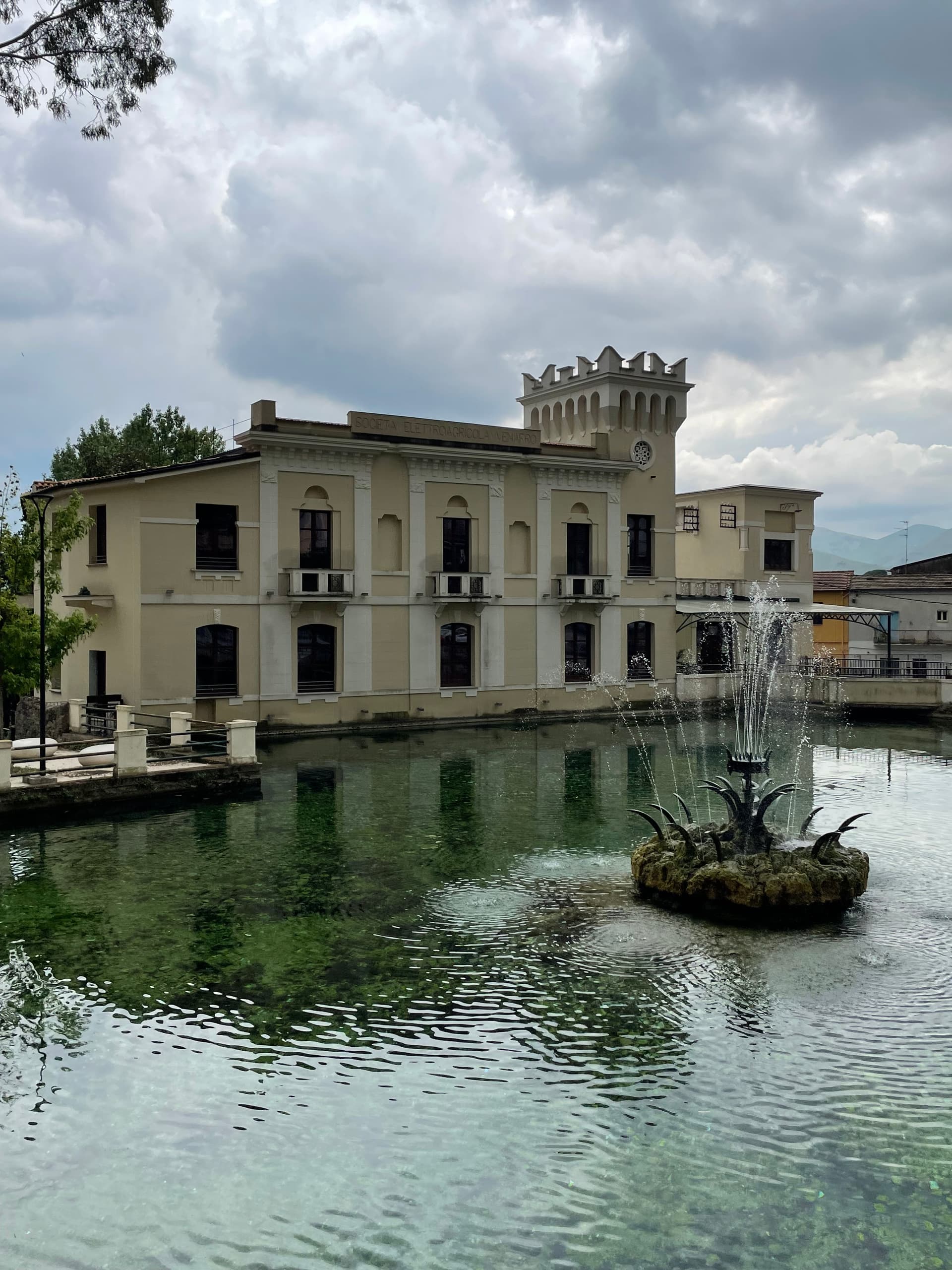
A 222-meter town near the Lazio border where Augustus founded a colony and Pliny called the olive oil the best in the Roman Empire.
Isernia
Province: Isernia
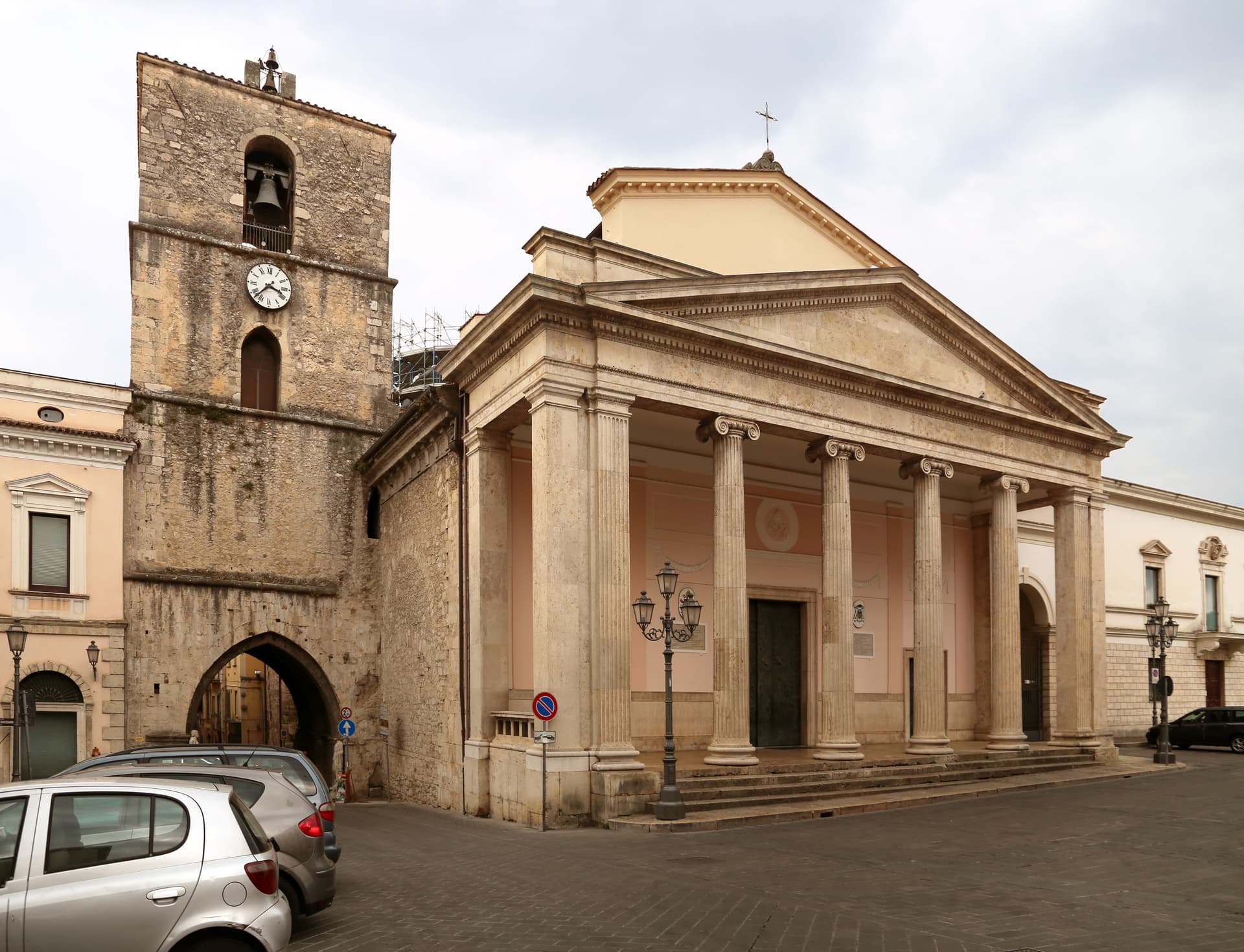
A provincial capital on a 423-meter rock spine, with a Paleolithic site dated 700,000 years and a thirteenth-century public fountain.
Alife
Province: Caserta
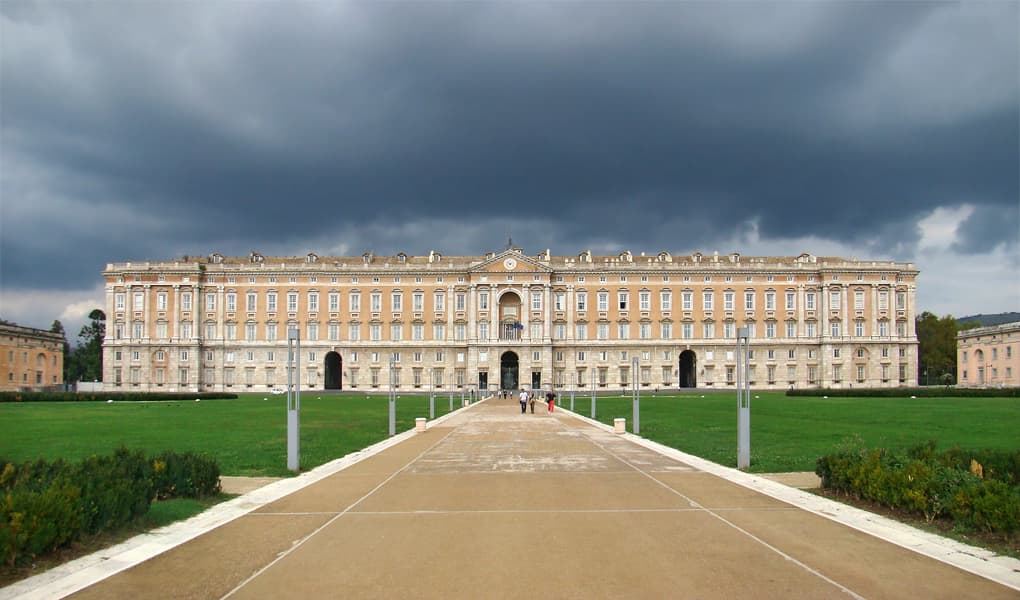
A Roman walled town at the foot of the Matese, founded as a 326 BC oppidum, with Italy's fourth-largest amphitheatre still half-buried.
Fornelli
Province: Isernia
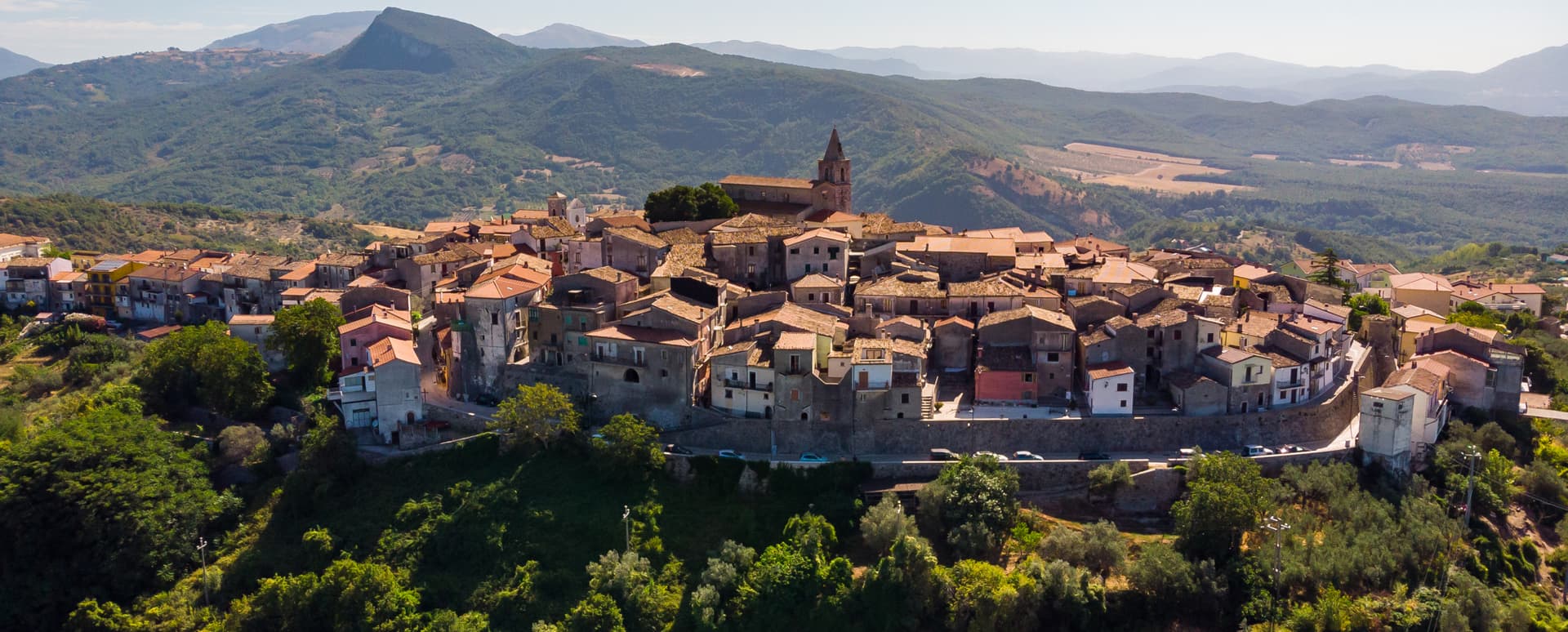
A walled medieval borgo at 530 meters with seven towers and the birthplace of Nancy Pelosi's mother, eight kilometers west of Isernia.
Sepino
Province: Campobasso
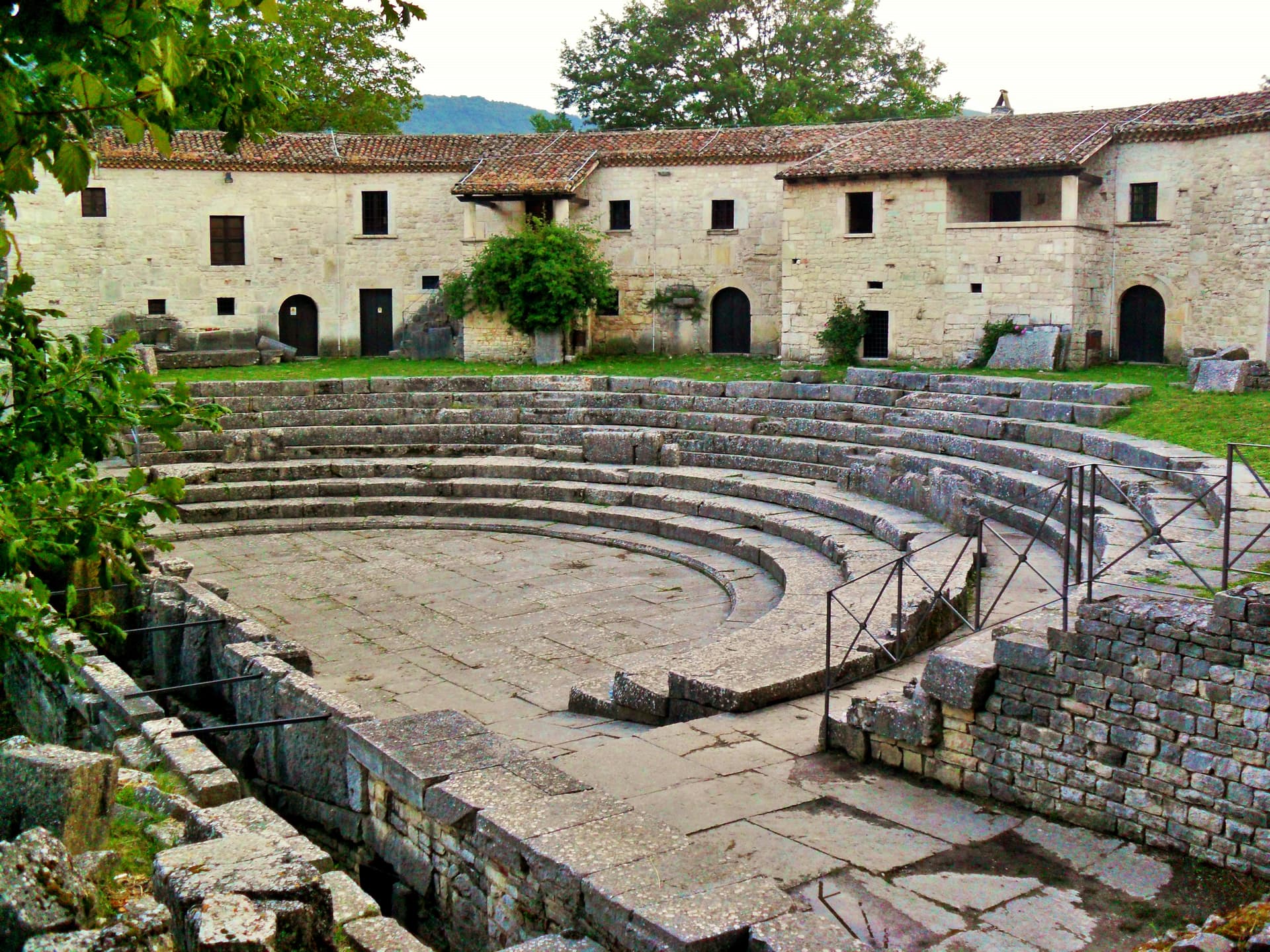
A hilltop borgo at 698 meters at the foot of the Matese, two kilometers above the Roman Saepinum, the open-air city the sheep tracks built.
🟠 Bandiera Arancione
More Bandiera Arancione towns in Campania
Cerreto Sannita
Province: Benevento
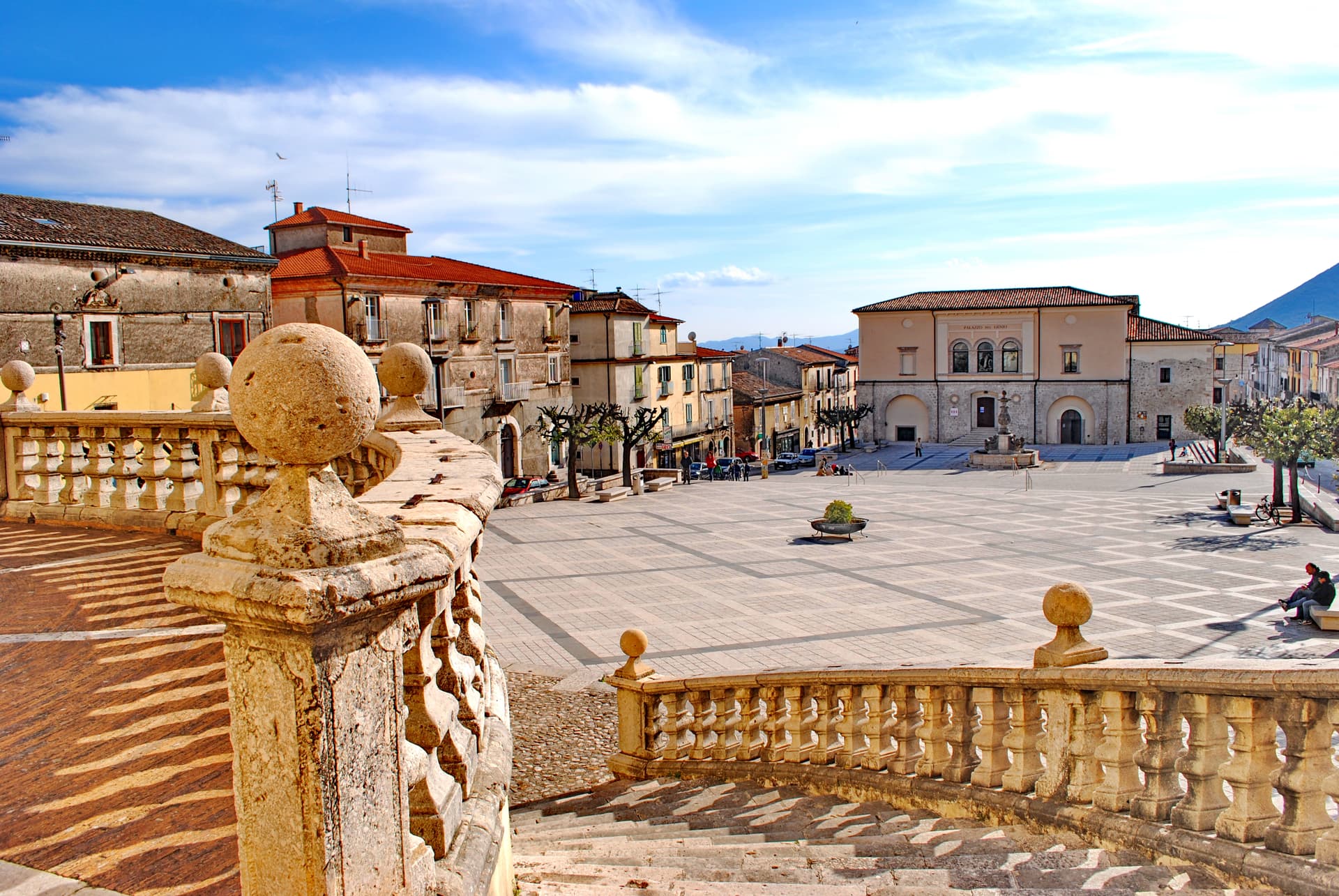
A Sannio ceramics town at 290 meters, rebuilt from scratch by royal engineer Giovanni Battista Manni after the 1688 earthquake leveled the old hill.
Morigerati
Province: Salerno
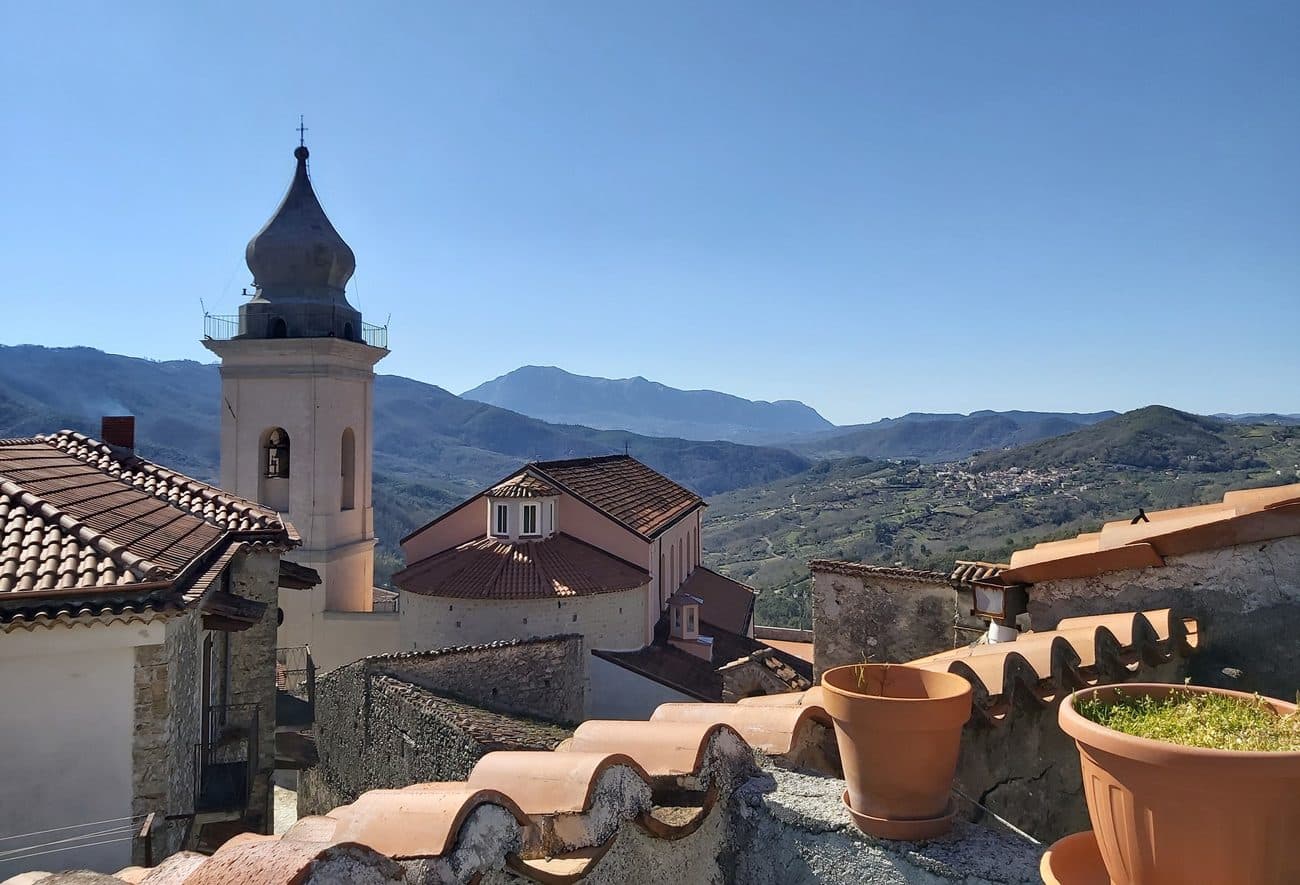
A 608-person Cilento village above the Bussento gorge, the river surfacing from underground caves directly beneath the cliffs.
Sant'Agata de' Goti
Province: Benevento
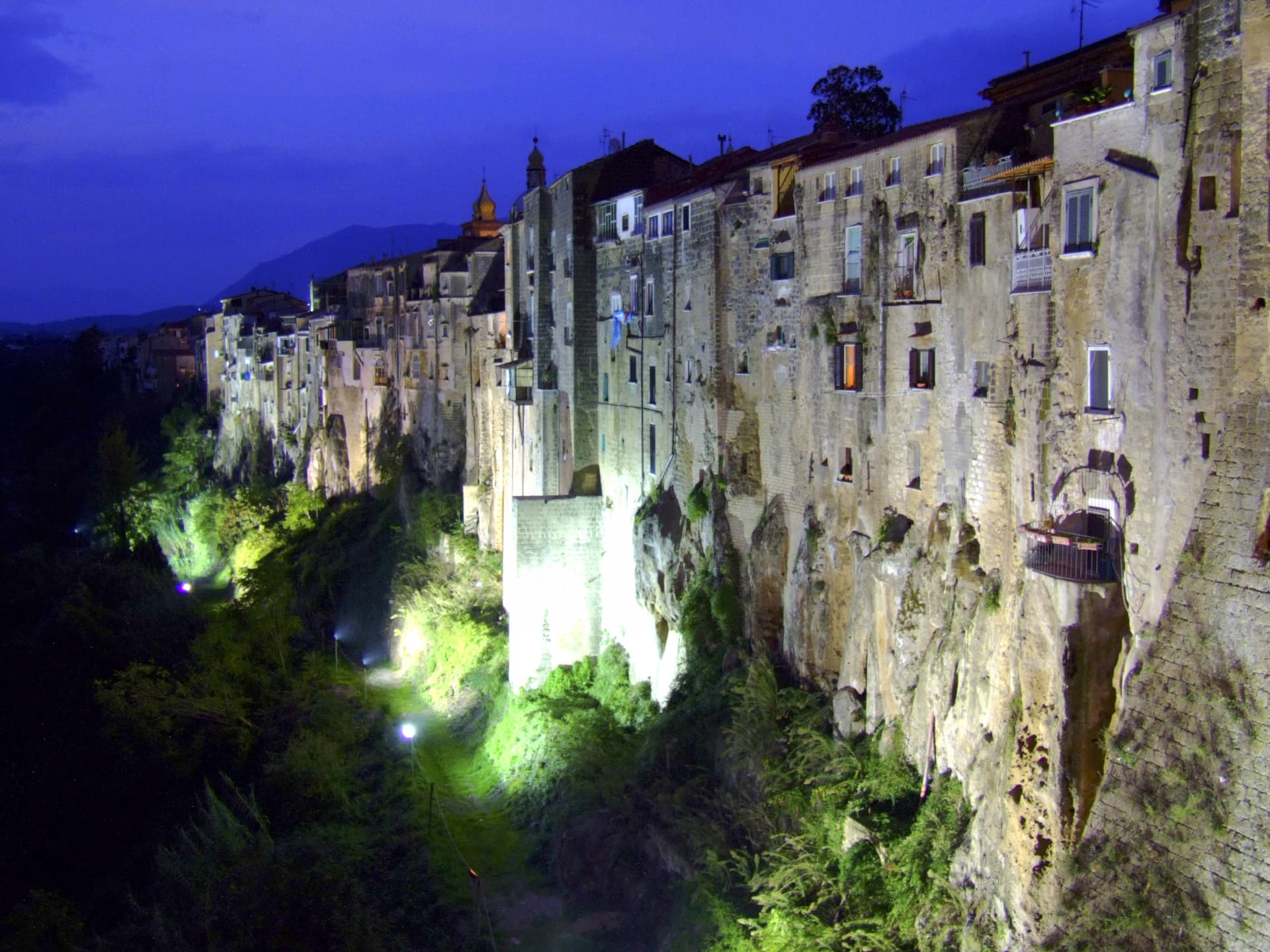
A medieval town built on a tuff cliff between two gorges, the houses standing flush with the edge over the Isclero river below.
Zungoli
Province: Avellino
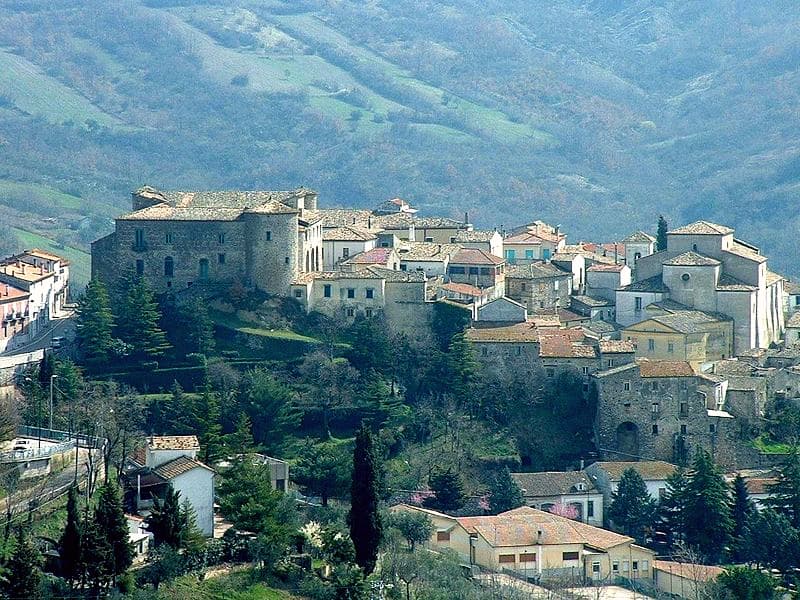
An Irpinia ridge at 657 meters between the Ufita valley and the Daunian hills, with Norman walls above and Byzantine tuff caves below the houses.