

Campania · Napoli
Pompei
The Roman city buried by Vesuvius in 79 AD, dug back up since 1748, and a modern town around Bartolo Longo's 1876 sanctuary.
Known for
79 AD ERUPTION
Five to six meters of ash and lapilli buried the Roman city in October 79 AD, killing the residents who had not fled the early tremors.
BARTOLO LONGO
The lawyer who founded modern Pompei in 1881 around the Santuario della Madonna del Rosario, beatified in 1980 and canonized in 2025.
VESUVIUS
The volcano three kilometers north of the town, last erupted in 1944, with the national park trail climbing to the 1,281-meter crater rim.
When to visit
Best · May–Sep
- J
- F
- M
- A
- M
- J
- J
- A
- S
- O
- N
- D
- Best
- Hot or crowded
- Quiet
- Mostly closed
The festa: Madonna del Rosario, 8 May
Why come
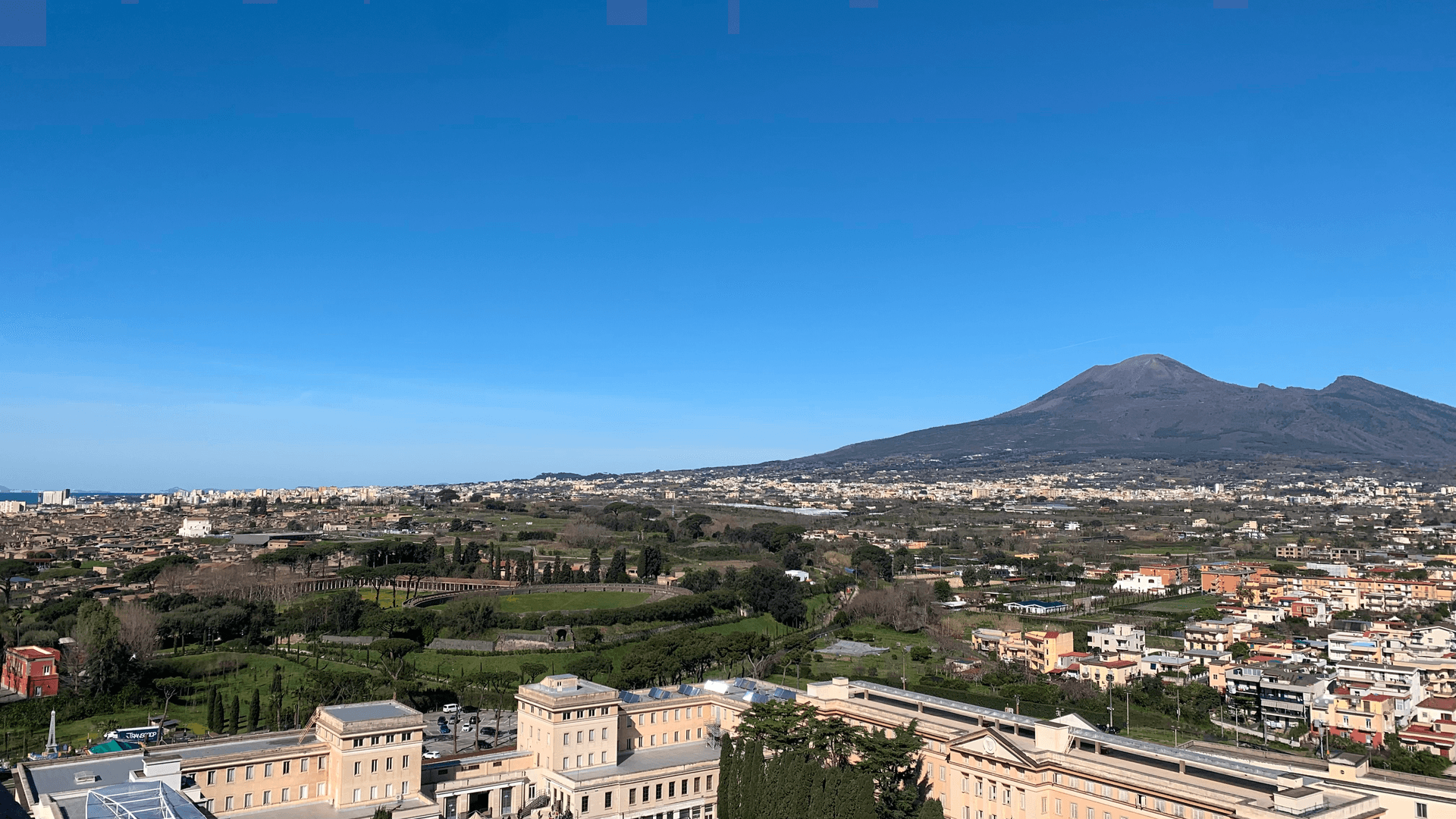
Pompei sits on a volcanic plateau on the south slope of Vesuvius, twenty kilometers from Naples and a hundred meters from where the Sarno meets the sea. The Roman city was buried under five to six meters of ash and lapilli when the volcano erupted on 24 October 79 AD, killing the part of the population that had not already left. Excavations began in 1748 under the Bourbons and have never stopped; the site has been UNESCO-listed since 1997 alongside Herculaneum and Torre Annunziata, and is the third most visited archaeological site in the world.
Modern Pompei was founded in 1881 by the lawyer Bartolo Longo, who built the Santuario della Beata Vergine del Rosario as a center for pilgrimage and social work. The basilica with its 80-meter campanile and the surrounding grid of streets are entirely a creation of the 1880s, separate from the dig and laid over fields that had been farmland until then.
The Sunday letter
We haven’t written Pompei’s letter yet.
One town every Sunday, with the photo, the food, the festa. Be there when this one comes up. Free, by Peter & Sophia from Pietrasanta.
By subscribing you agree to Substack’s Terms of Use, our Privacy Policy and our Information collection notice.
What to see
Parco Archeologico di Pompei
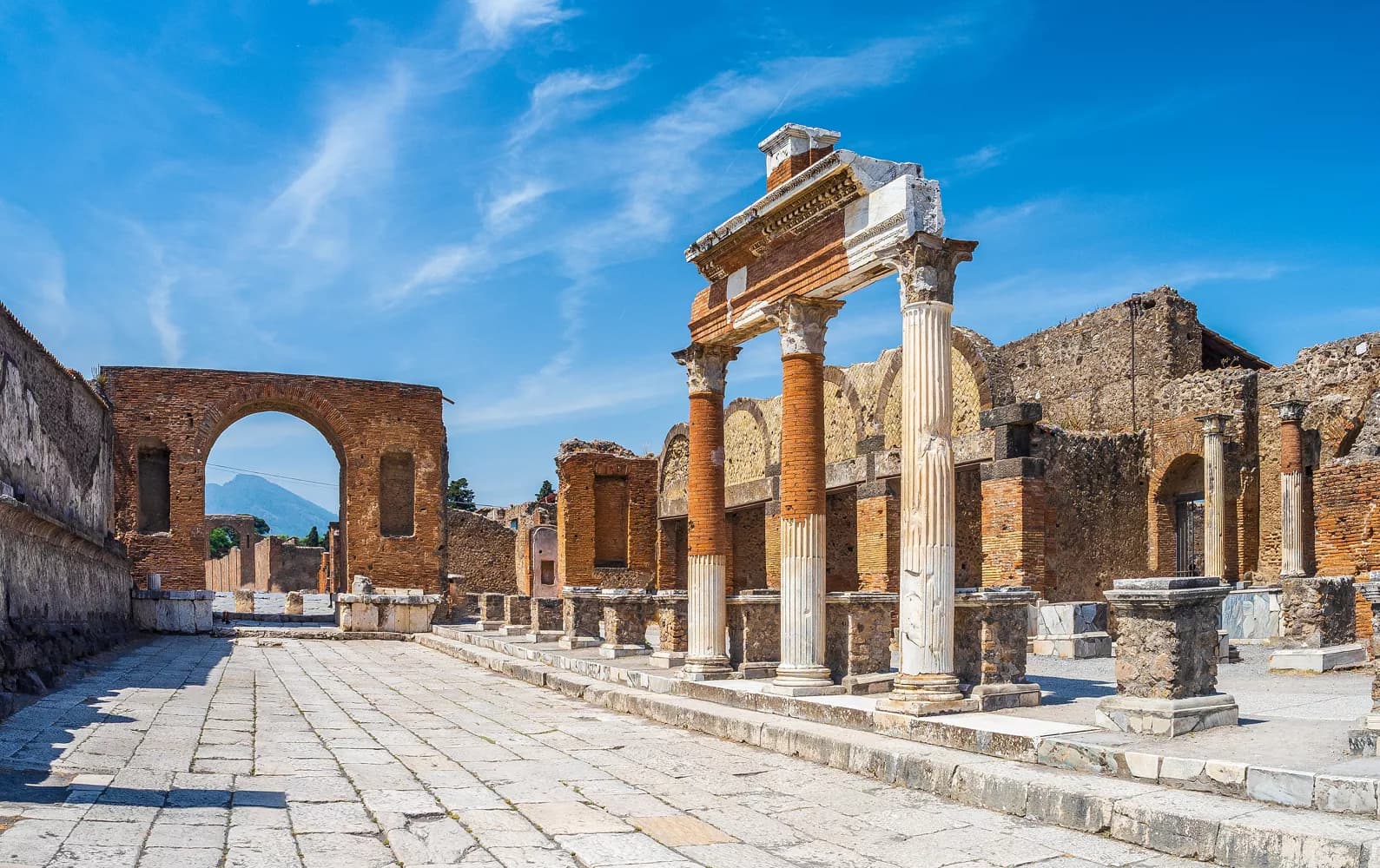
The Roman city buried in 79 AD and excavated since 1748, UNESCO-listed since 1997, with the Forum, the Villa dei Misteri and the Lupanare.
Santuario della Beata Vergine del Rosario
Pontifical basilica built between 1876 and 1891 by the lawyer Bartolo Longo, the heart of modern Pompei and a pilgrimage site of four million a year.
Casa del Fauno
Roman patrician house in the dig with a bronze faun at its center and the Alexander Mosaic floor depicting Issus, now in the Naples museum.
Villa dei Misteri
Suburban Roman villa with frescoes of Dionysiac initiation rites, painted in the first century BC and uncovered between 1909 and 1930.
Teatro Grande di Pompei
Hellenistic theater carved from the slope of the southern wall, seating five thousand and still used for summer performances.
Vesuvio
1,281-meter active volcano three kilometers north of the town, last erupted in 1944, with a national park trail to the crater rim.
The slow-trip planner
Building a trip? Find where Pompei fits in a slow Italy circuit.
Answer five questions. We will shape a geographically coherent slow trip from the 1,000 Italian towns most travelers skip. Yours to save and share.
We recommend
Where to eat and stay
Not our picks, but places the guides put their name to — a Michelin star, a Gambero Rosso fork, a Slow Food snail, a Michelin Key for the hotels. Worth a table, a counter, or a night when you pass through.
Il PrincipeRistorante
Il Principe carries two Gambero Rosso forks (84/100), plus a spot in the Michelin Guide.
CapasantaRistorante
Capasanta holds a spot in the Michelin Guide.
Cosmo RestaurantRistorante
Cosmo Restaurant has a spot in the Michelin Guide to its name.
PresidentRistorante
President has one Michelin star to its name.
Living here
- Population 23,910
- Commuter belti
- Pharmacy in town
- High school within a 30-minute drive
- Train station in the comune
- Nearest airport Naples / Salerno, 30 min drive
- Regional capital Napoli, 24 min drive
Tags & datadesignations · numbers · sources
The numbers
- Elevation: 30 m
- Population: 23,910
- Surface area: 12.42 km²
These figures were compiled from public directories — ISTAT, OpenStreetMap, Wikidata — and from the official listings of the guides named on this page. Town details change; verify with official sources before you travel.
Close by
More towns near Pompei
Torre Annunziata
Province: Napoli
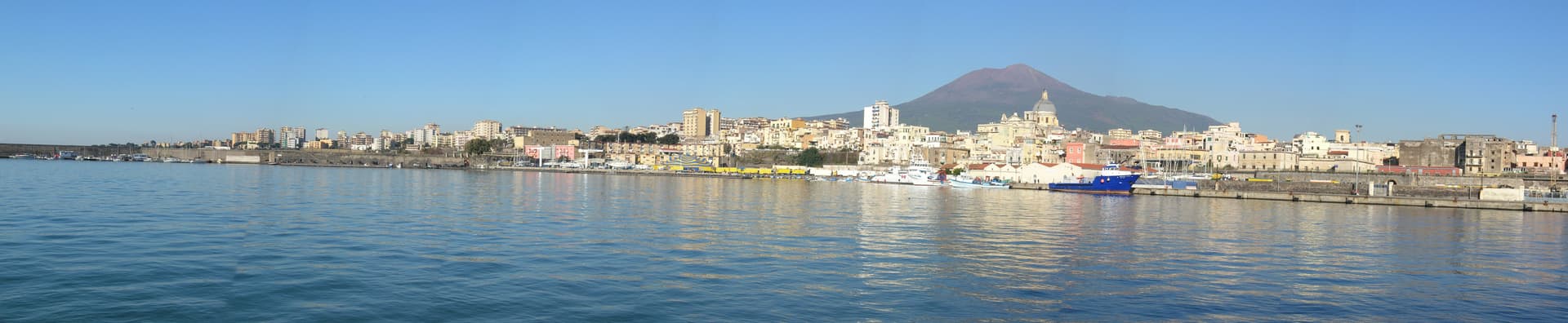
Capital of Italian pasta in the interwar period and home of the Roman Villa di Poppea, on the bay at the foot of Vesuvius.
Ercolano
Province: Napoli
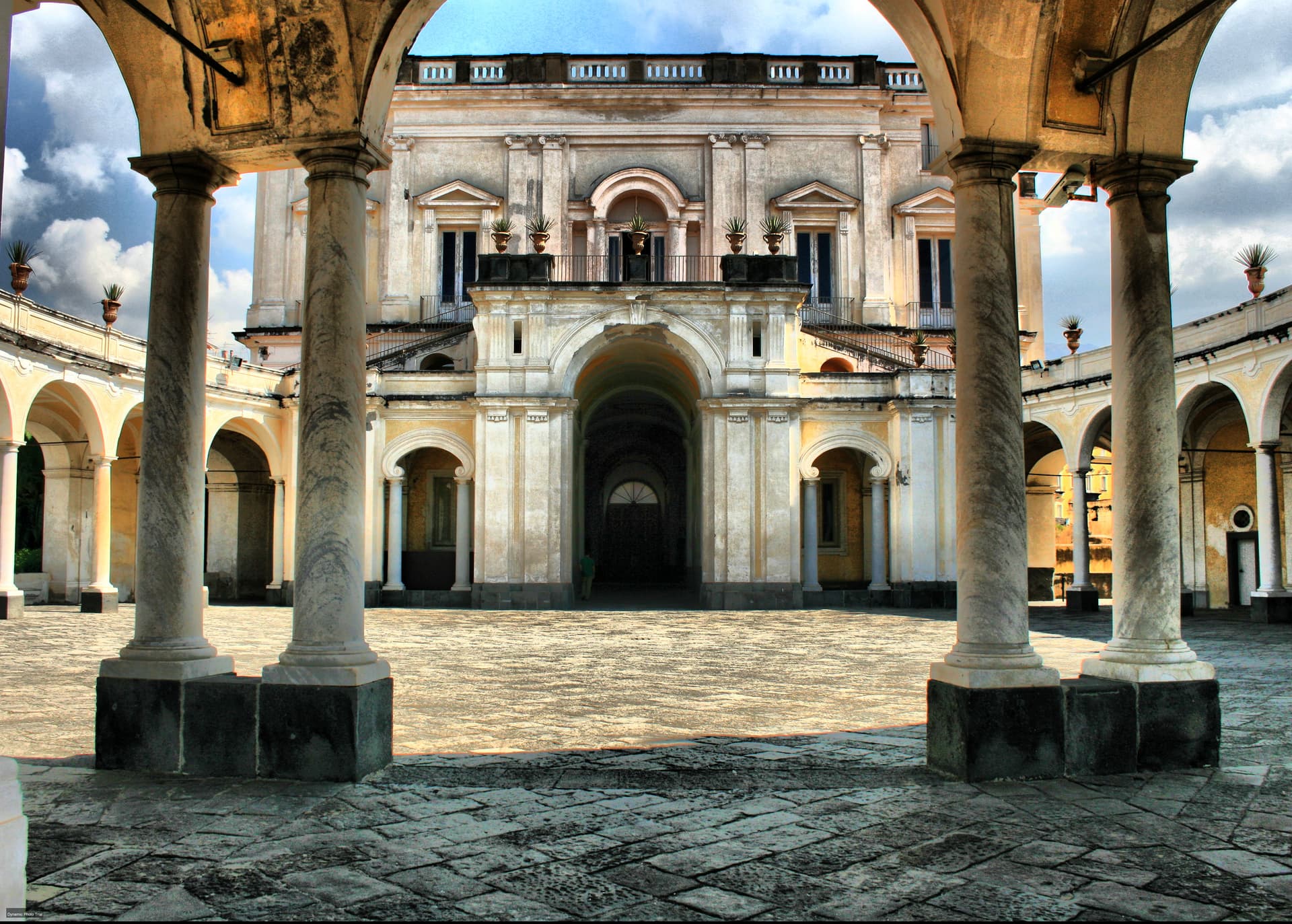
The smaller, denser, more intact Pompeii — Herculaneum was buried under 25m of pyroclastic mud (not ash) on 24 October AD 79, preserving wooden roofs, papyrus scrolls, and second-storey balconies that no other Roman site has, and the modern comune of Ercolano above it adds the Vesuvius National Park gateway and the 18th-c Bourbon Ville Vesuviane along the Miglio d'Oro.
Nola
Province: Napoli
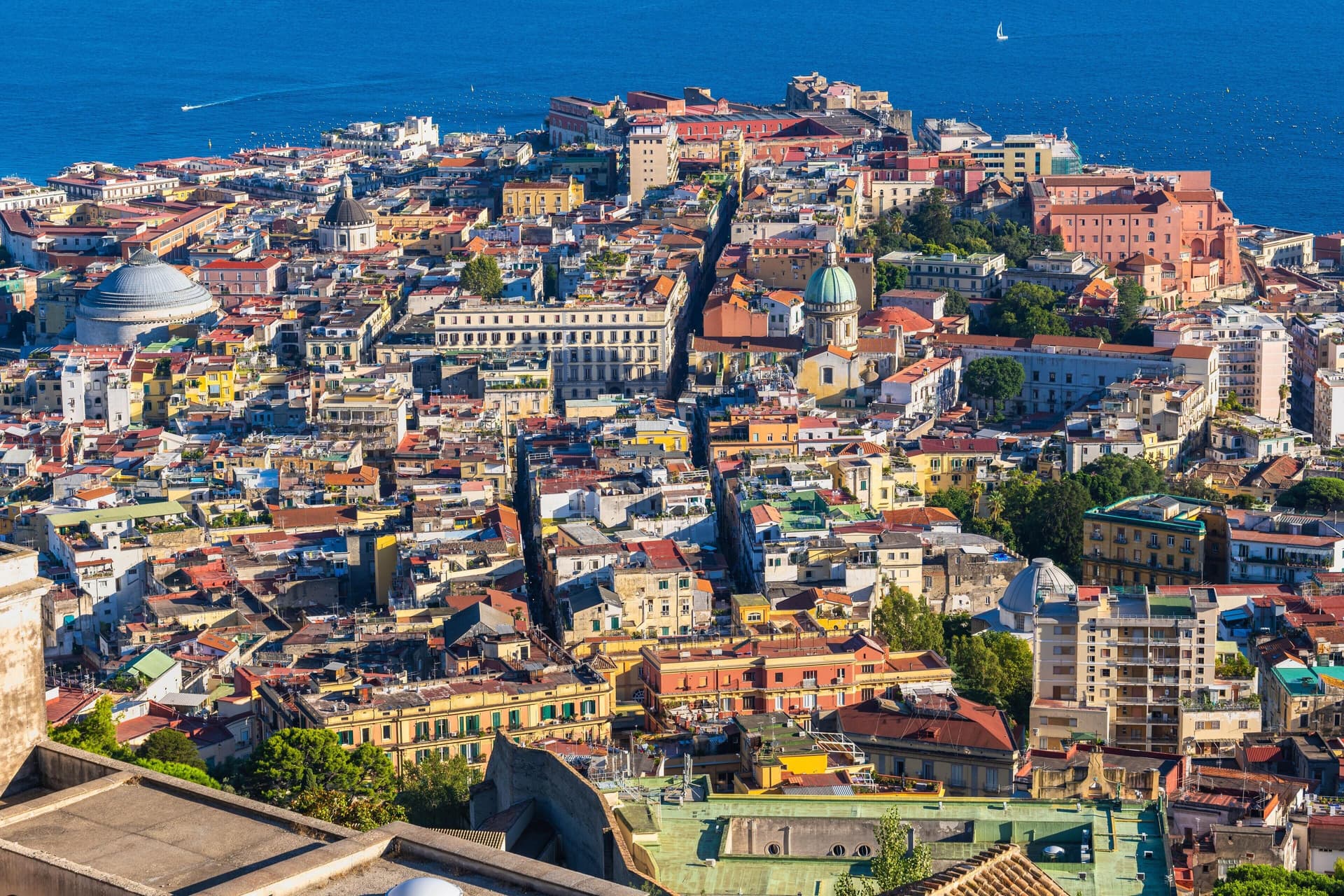
The Campanian plain town where Augustus died in AD 14 and Giordano Bruno was born in 1548, famous for the June Festa dei Gigli.
Vietri sul Mare
Province: Salerno
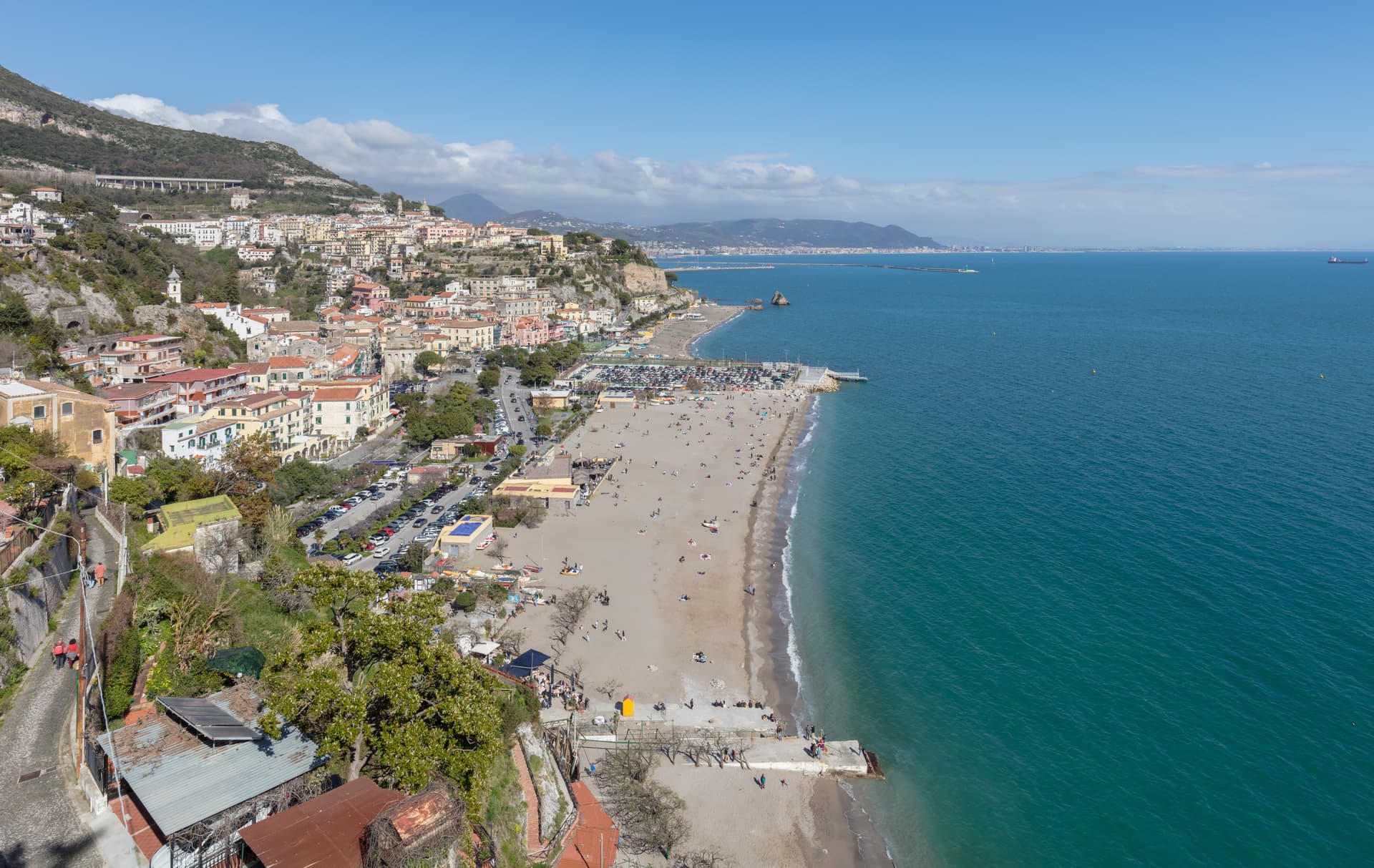
The eastern end of the Amalfi Coast at 80 meters, the ceramics town since the fifteenth century, the gateway between Salerno and the cliff road.
Furore
Province: Salerno
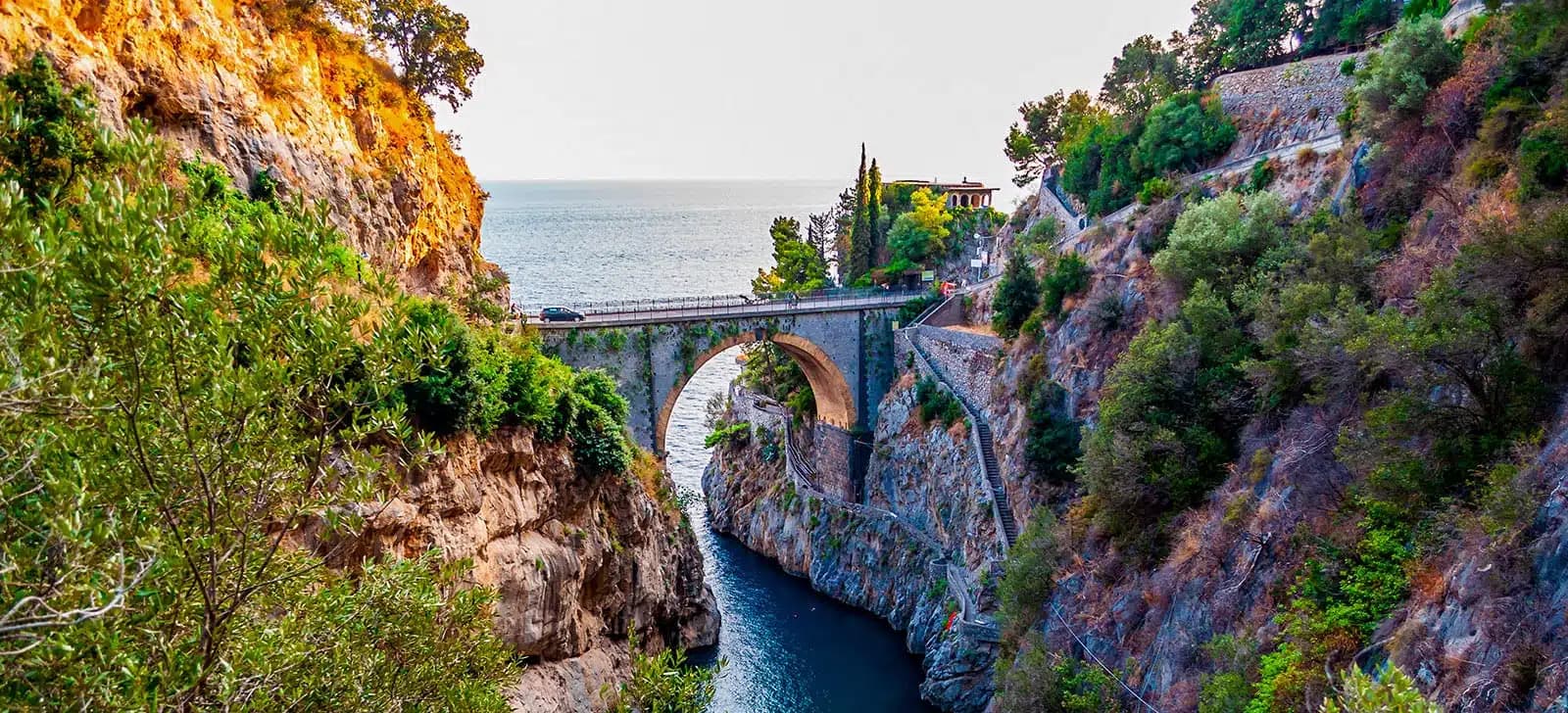
The Amalfi Coast village with no piazza and no center, scattered on rock walls 300 meters above the only fjord in southern Italy.
🏛️ UNESCO
More UNESCO towns in Campania
Amalfi
Province: Salerno
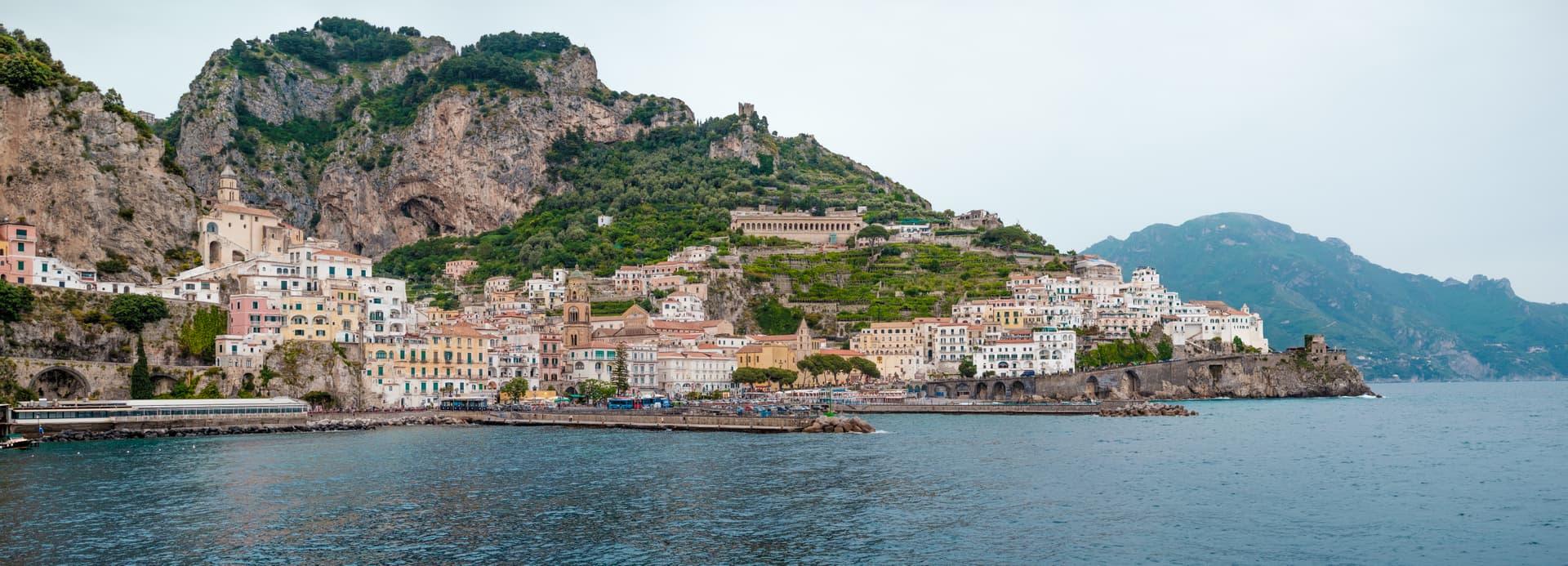
The first Italian maritime republic and the coast it named, six meters above the sea between cliffs that close around the duomo's steps.
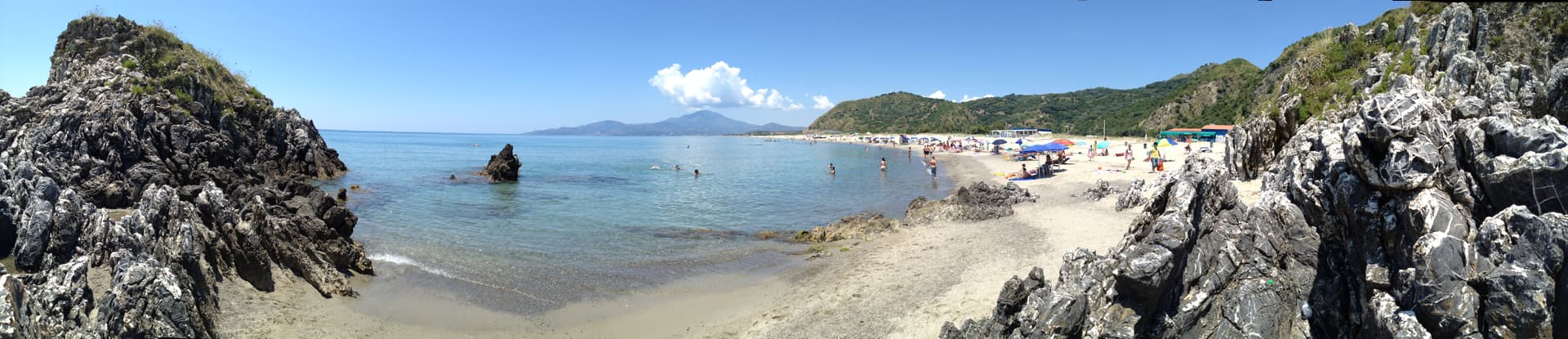
Ascea
Province: Salerno
Two villages, a hilltown at 230 meters and a Cilento marina, with Parmenides and Zeno's Eleatic school in the ruins of Greek Velia below.
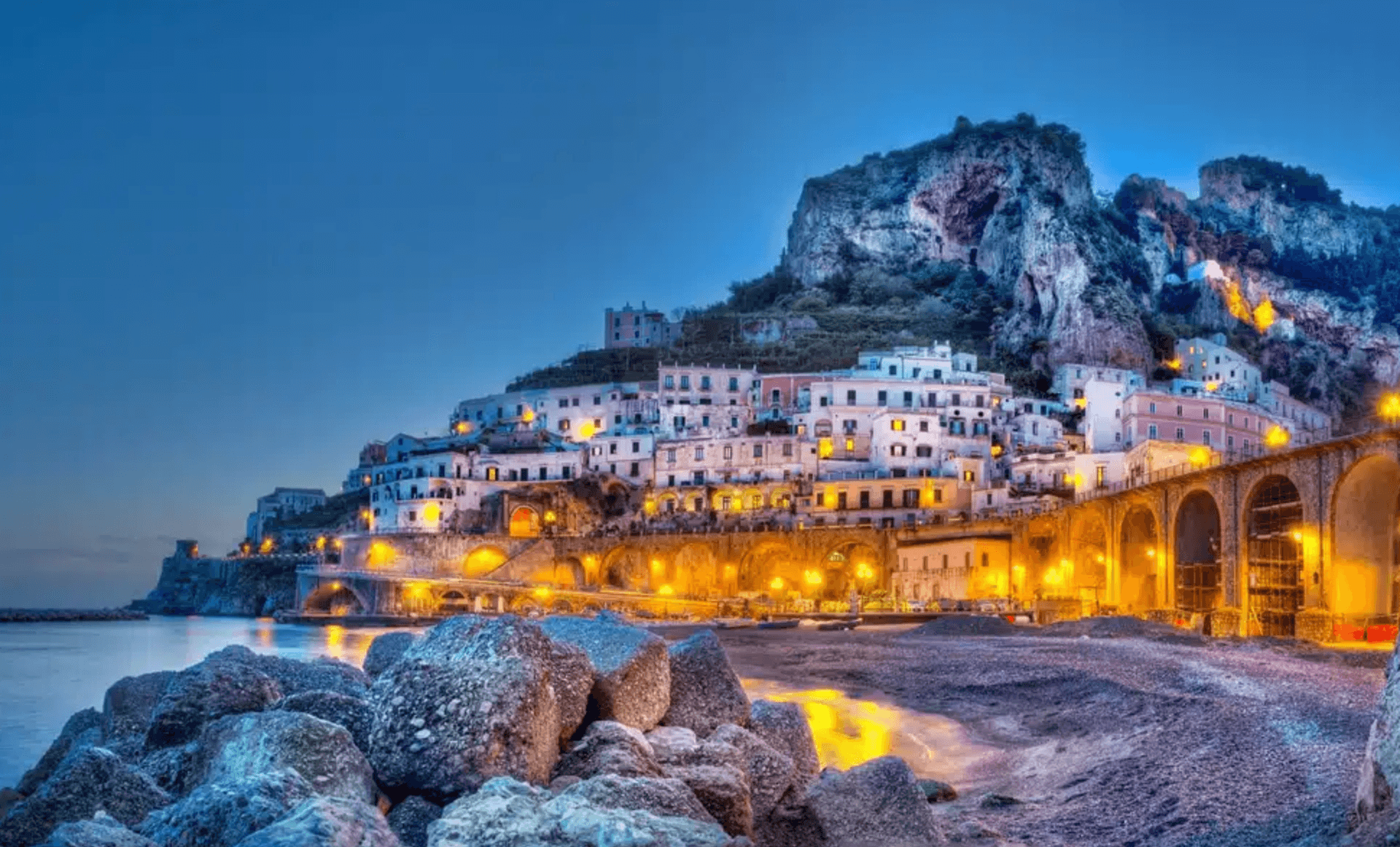
Atrani
Province: Salerno
The smallest commune in Italy by area, twelve hectares of stacked houses where the Amalfi Coast pinches shut around a single piazza.
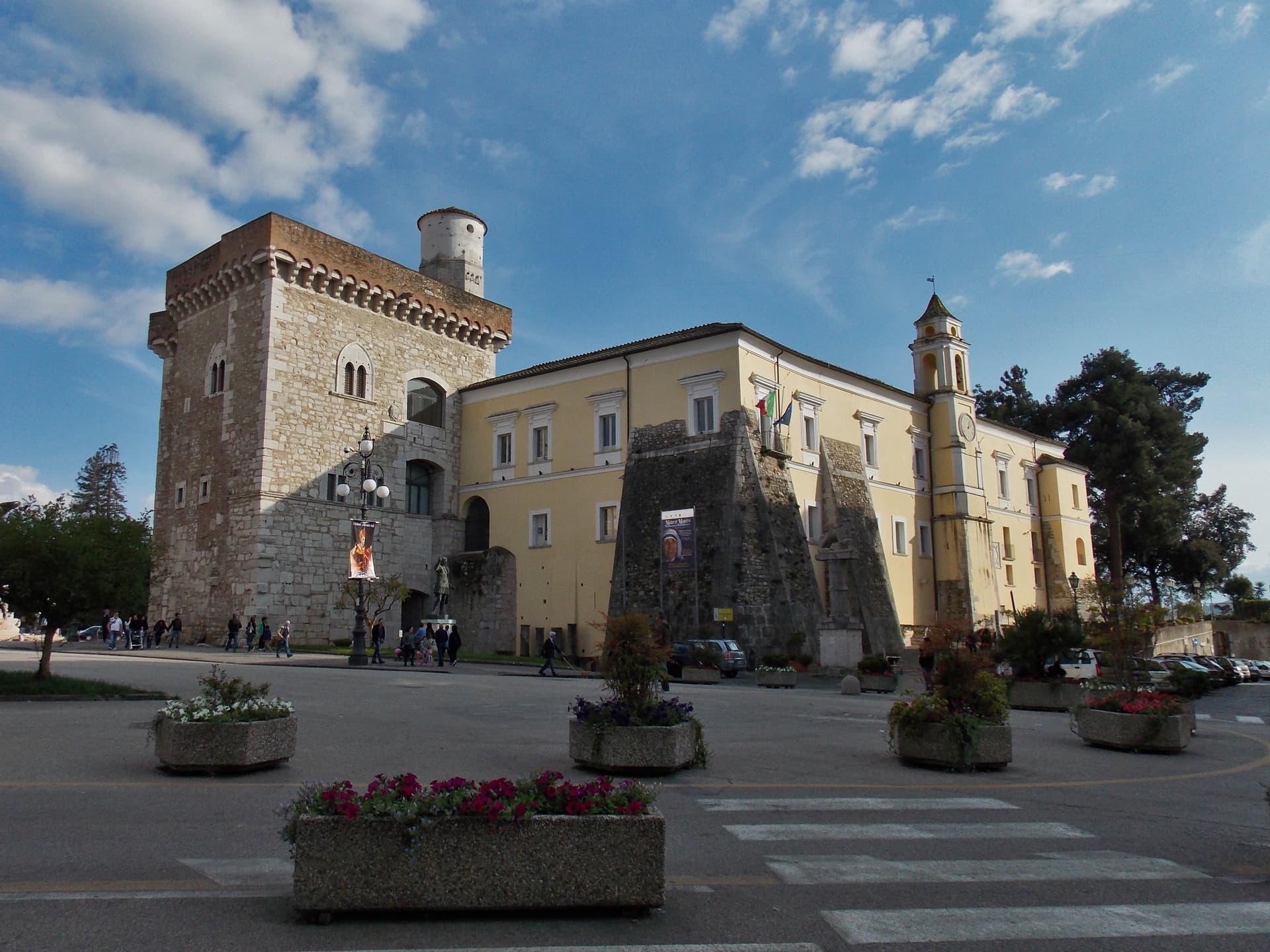
Benevento
Province: Benevento
Sannio capital at the Calore-Sabato confluence, with a 114 AD Trajan arch and a Lombard rotunda on the UNESCO list.
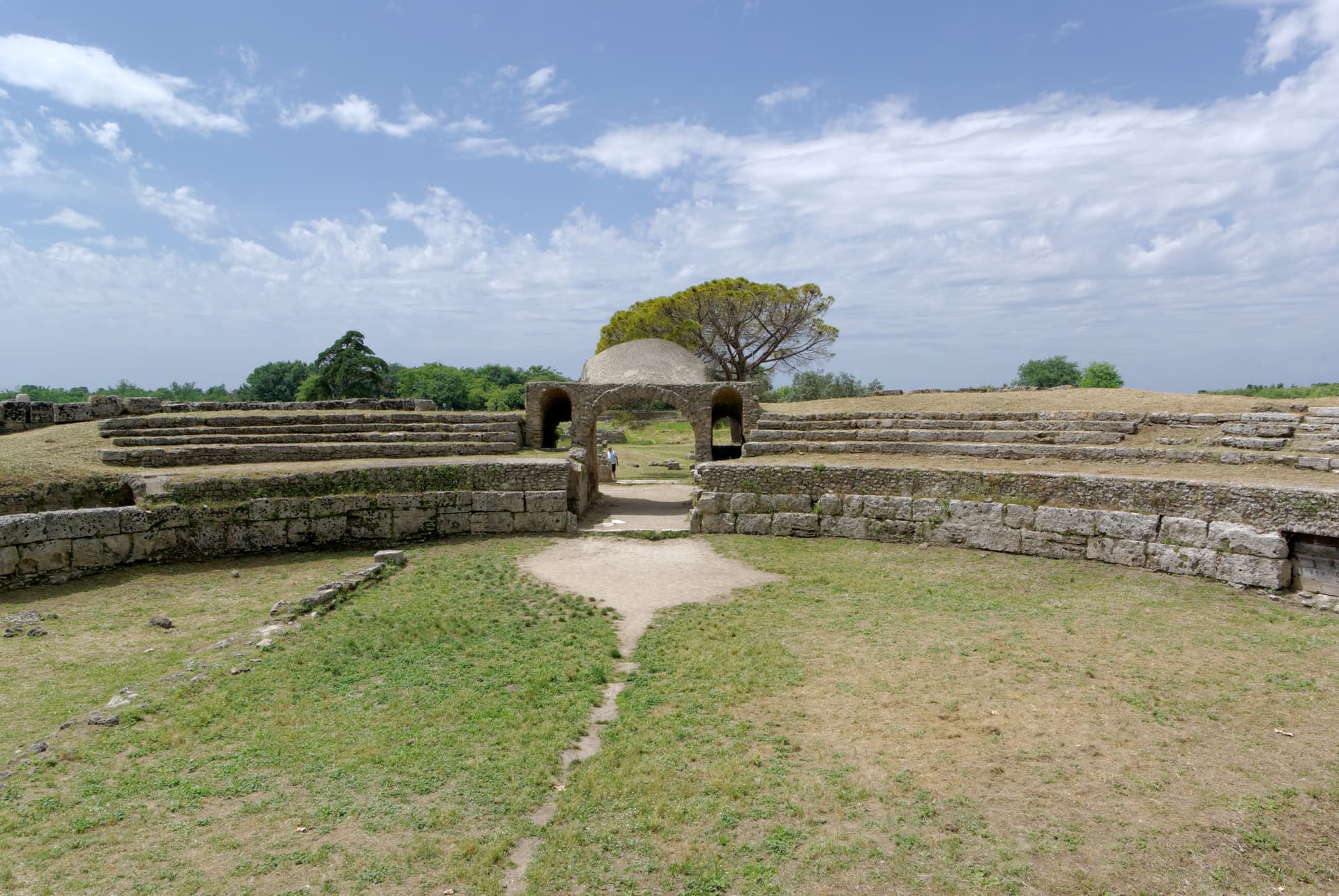
Capaccio Paestum
Province: Salerno
Three Doric temples of 550 to 450 BC on the Sele plain, with mozzarella di bufala DOP on the buffalo flats below Monte Calpazio.