
Designation
Città della Nocciola
27 towns across 6 regions
Browse by region
Campania7
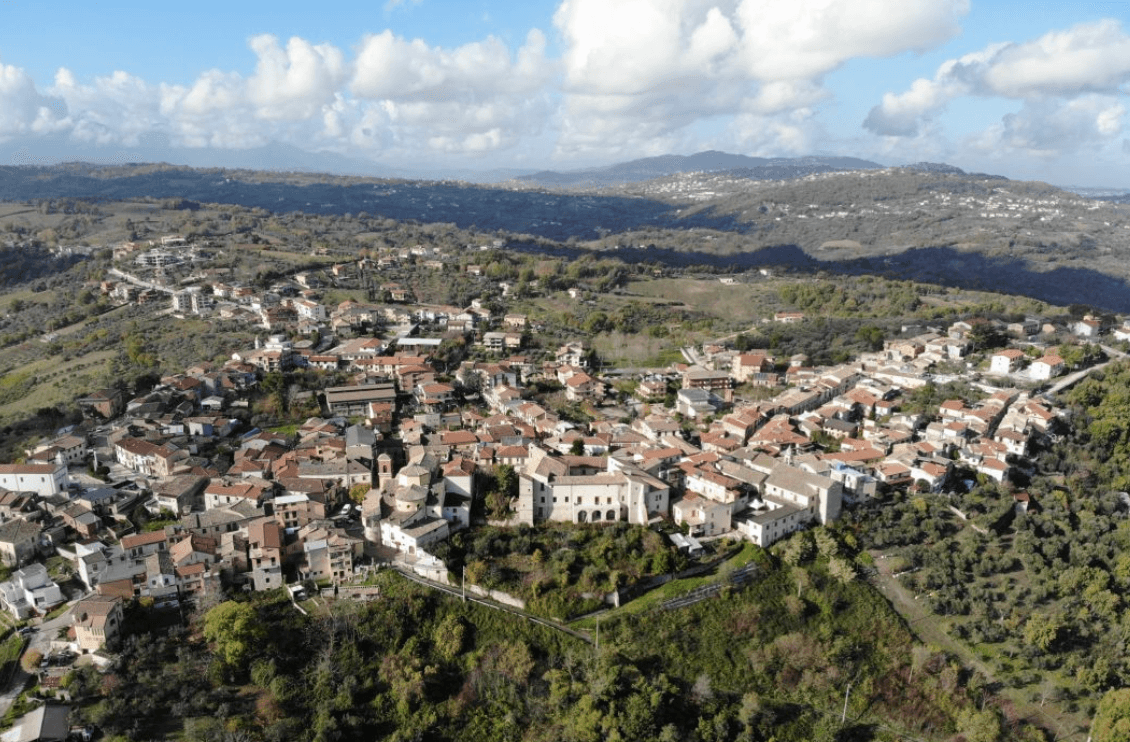
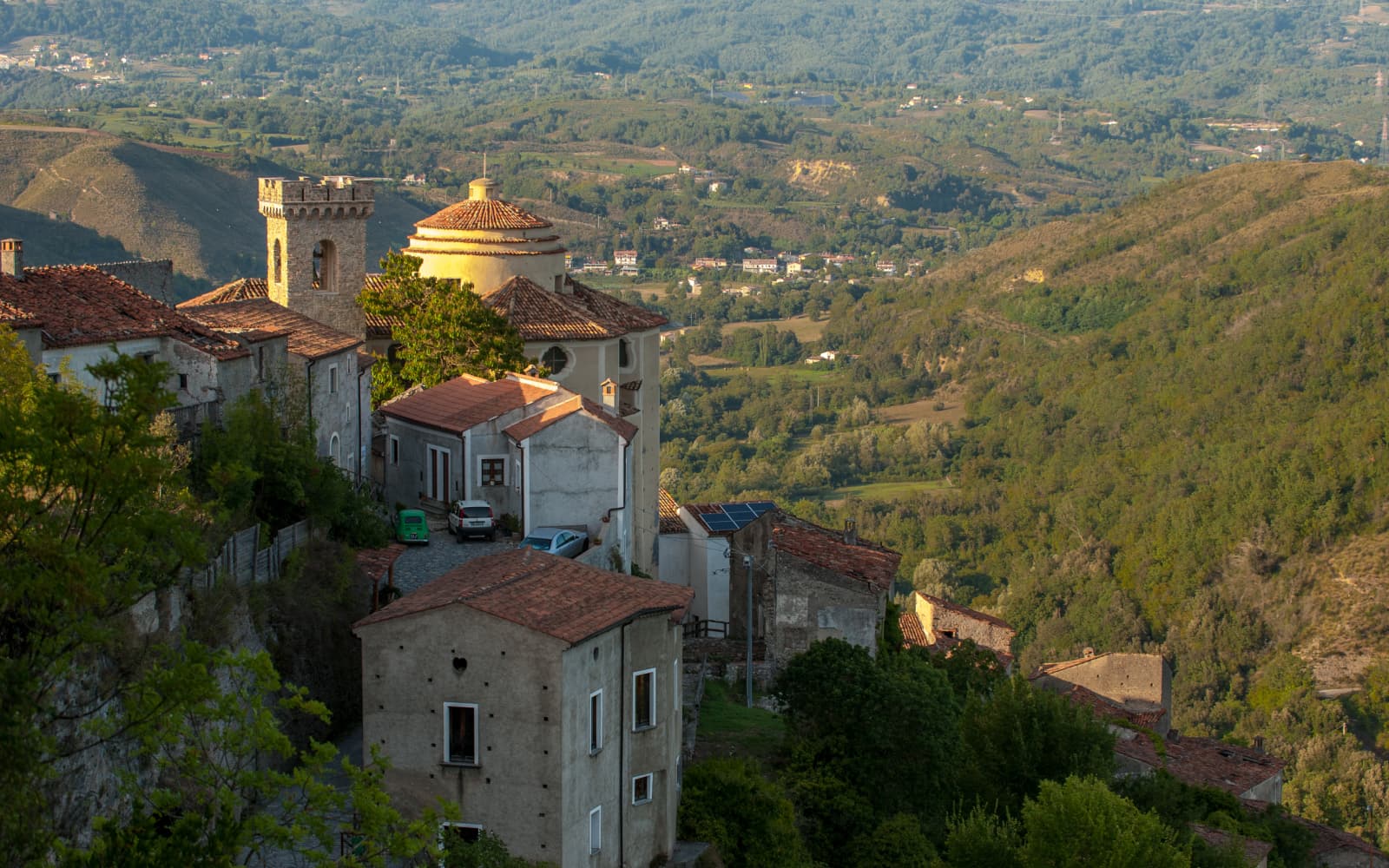
Lapio
Province: Avellino · 590 m
The heart of Fiano di Avellino DOCG country — a 1,428-resident Irpinia borgo at 590m in the hills east of Avellino, with the medieval Castello Filangieri anchoring an intact centro and a rare four-signal combination (Città del Vino + Olio + Miele + Nocciola) recognising the whole local agricultural ecosystem.
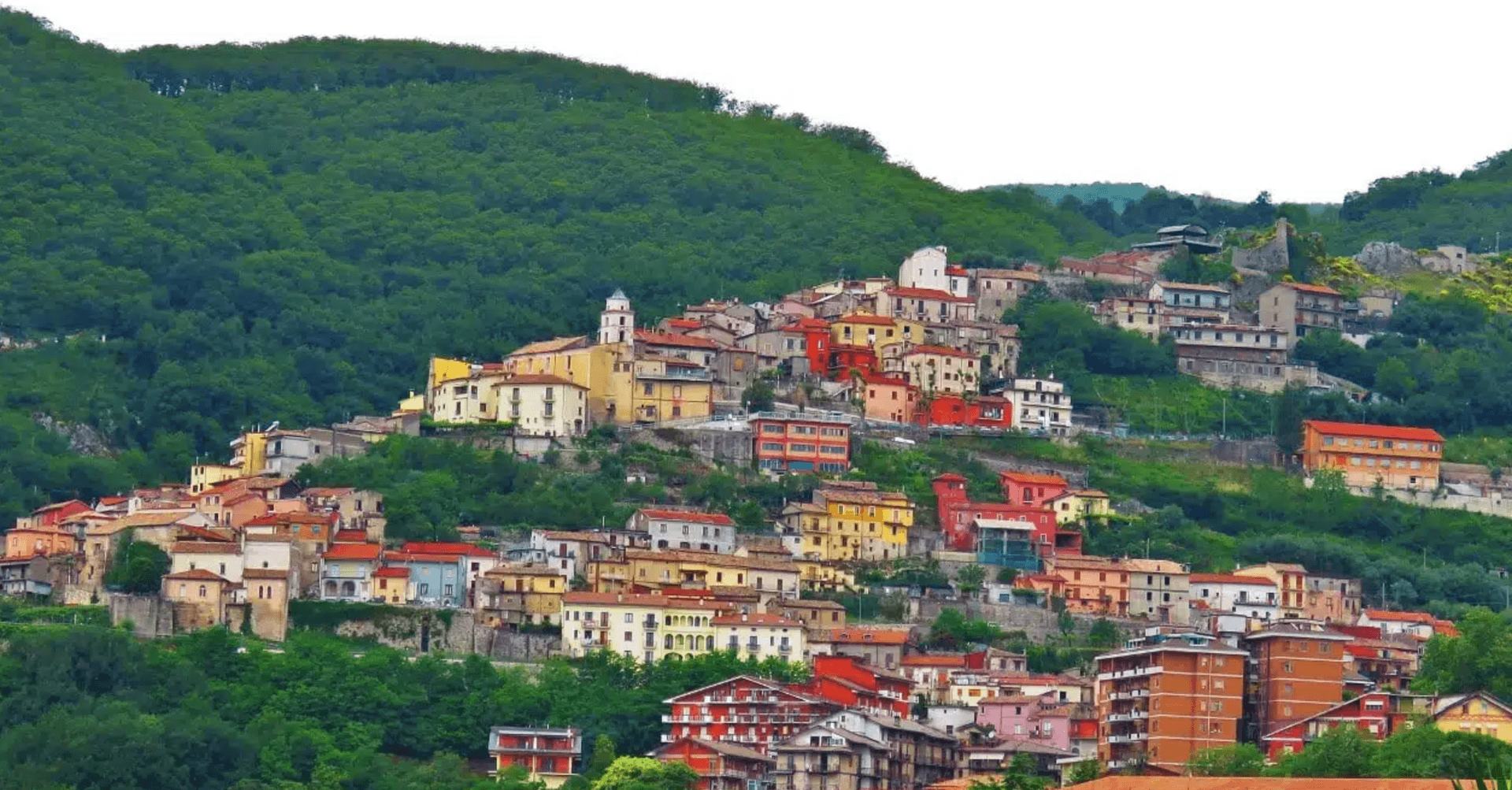
Mercogliano
Province: Avellino · 550 m
A 550-meter Irpinia town on the slope of Partenio, gateway to the Montevergine Sanctuary 1,270 meters above and its Black Madonna.
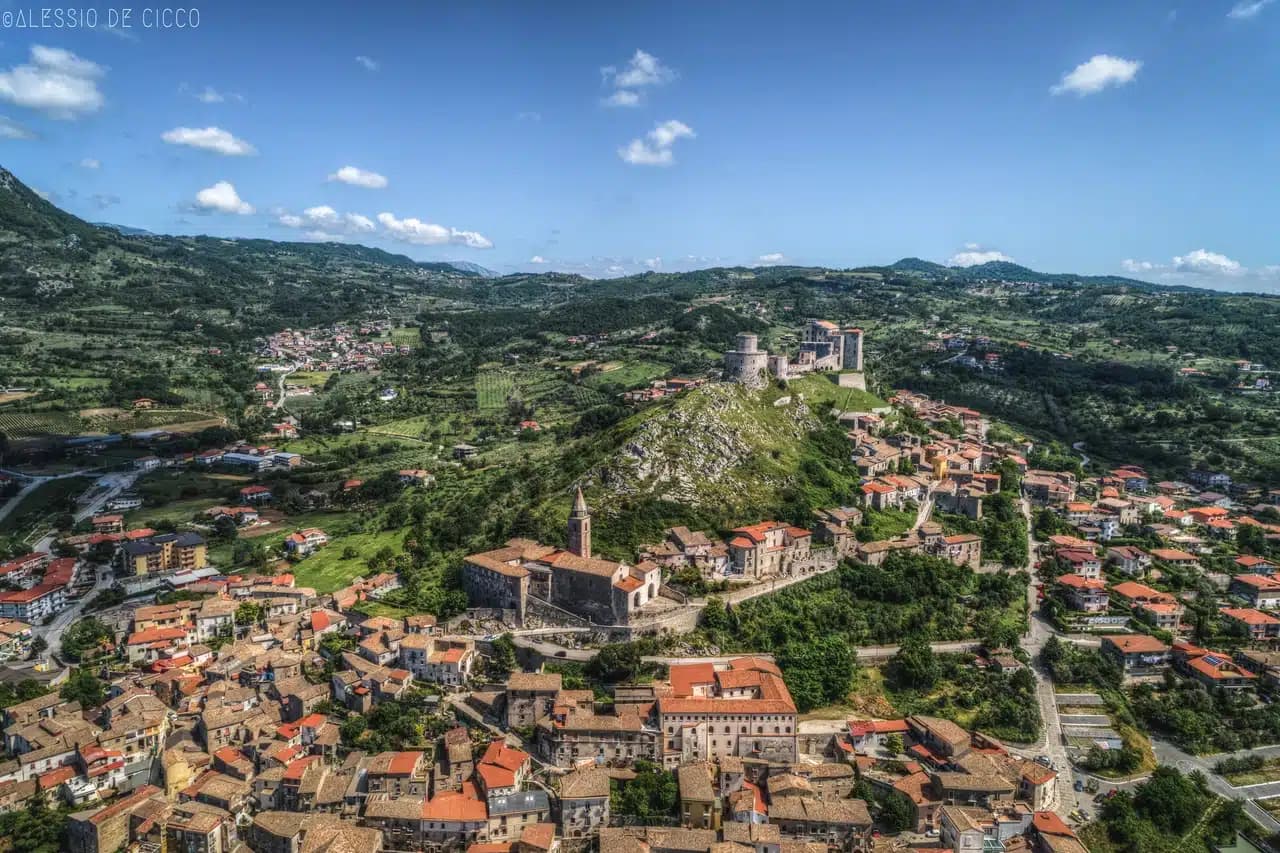
Montesarchio
Province: Benevento · 300 m
Ancient Caudium at 300 meters in the Valle Caudina, the Roman defeat at the Forche Caudine still attached to the name two thousand years later.
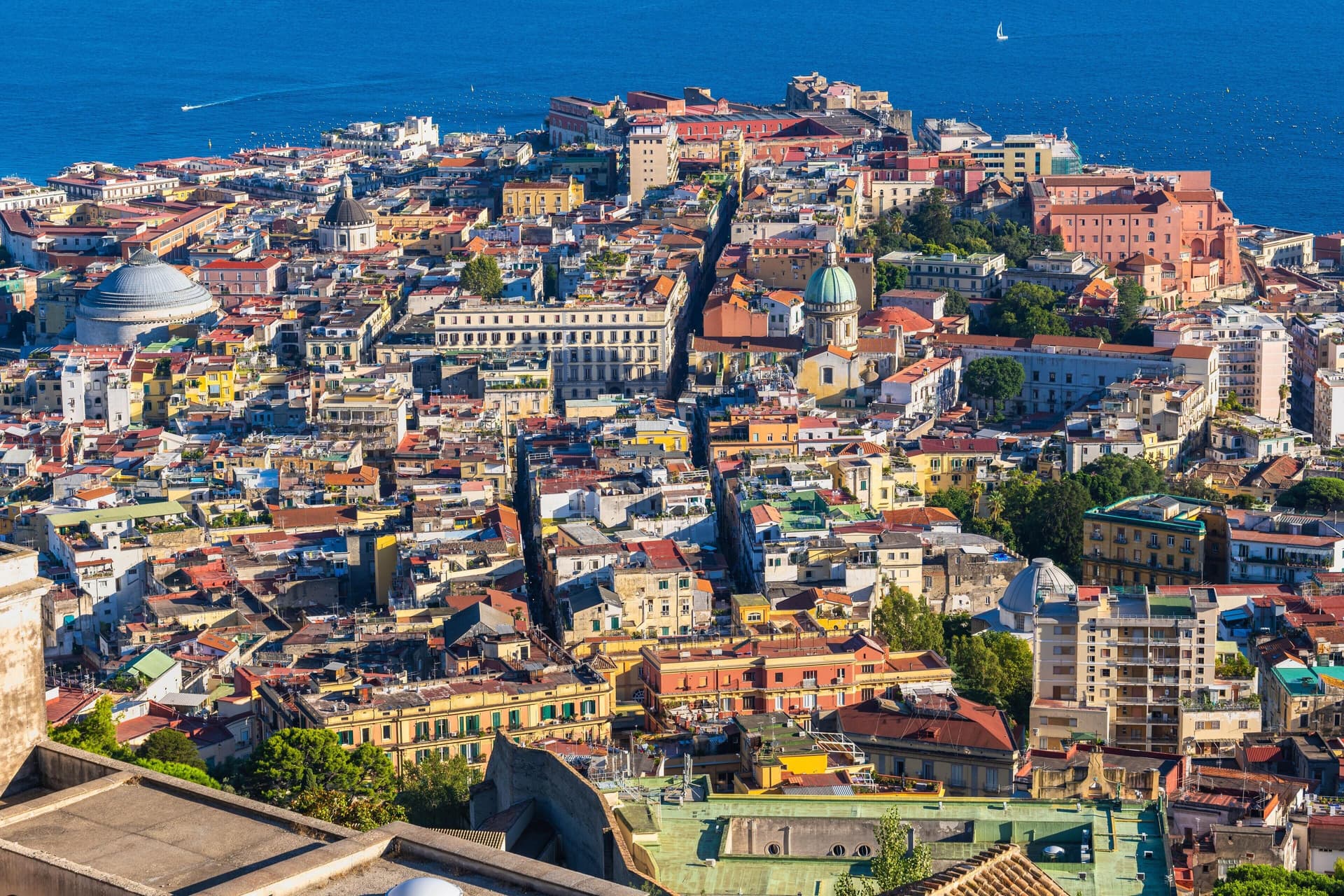
Nola
Province: Napoli · 34 m
The Campanian plain town where Augustus died in AD 14 and Giordano Bruno was born in 1548, famous for the June Festa dei Gigli.
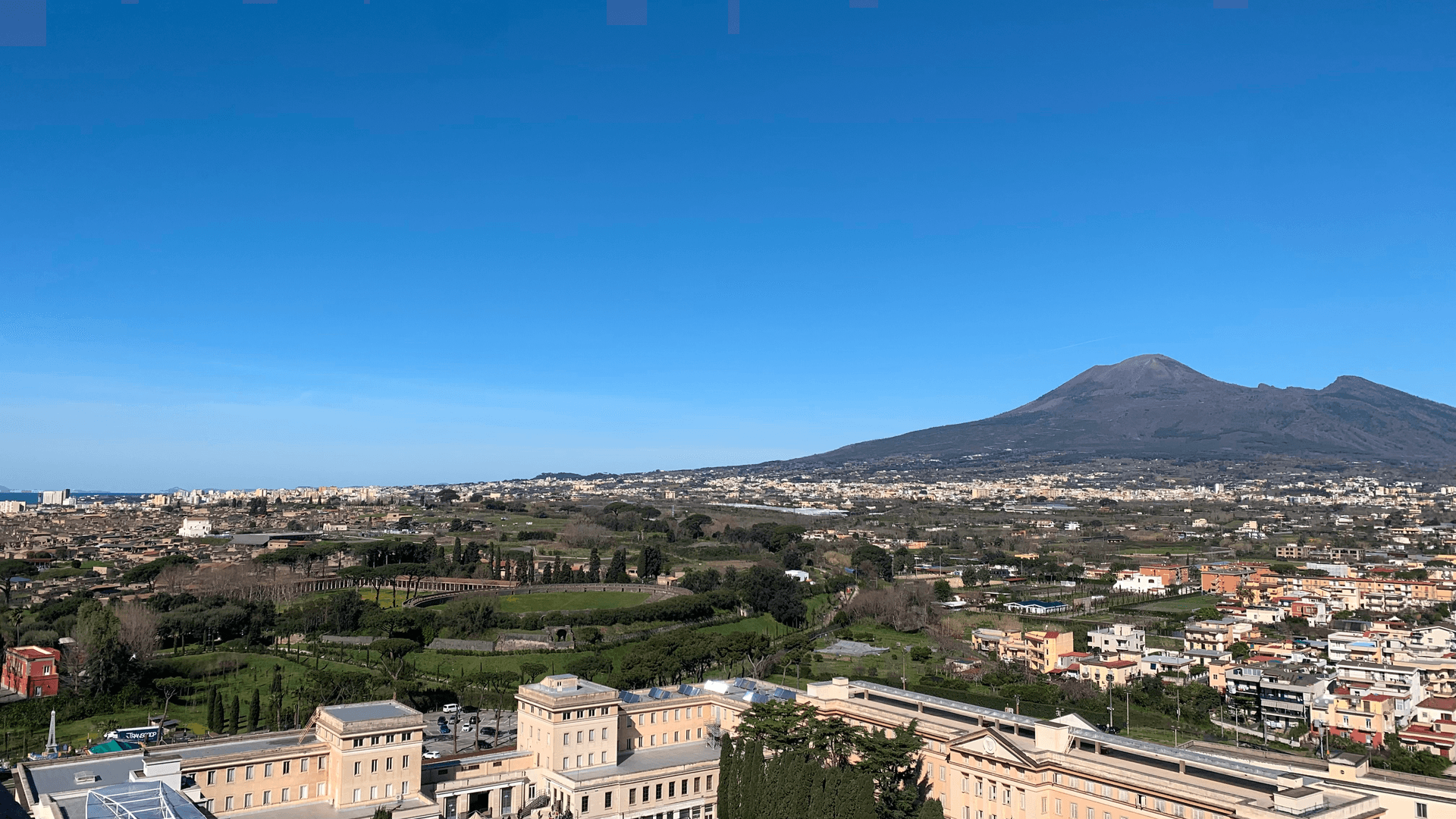
Pompei
Province: Napoli · 30 m
The Roman city buried by Vesuvius in 79 AD, dug back up since 1748, and a modern town around Bartolo Longo's 1876 sanctuary.
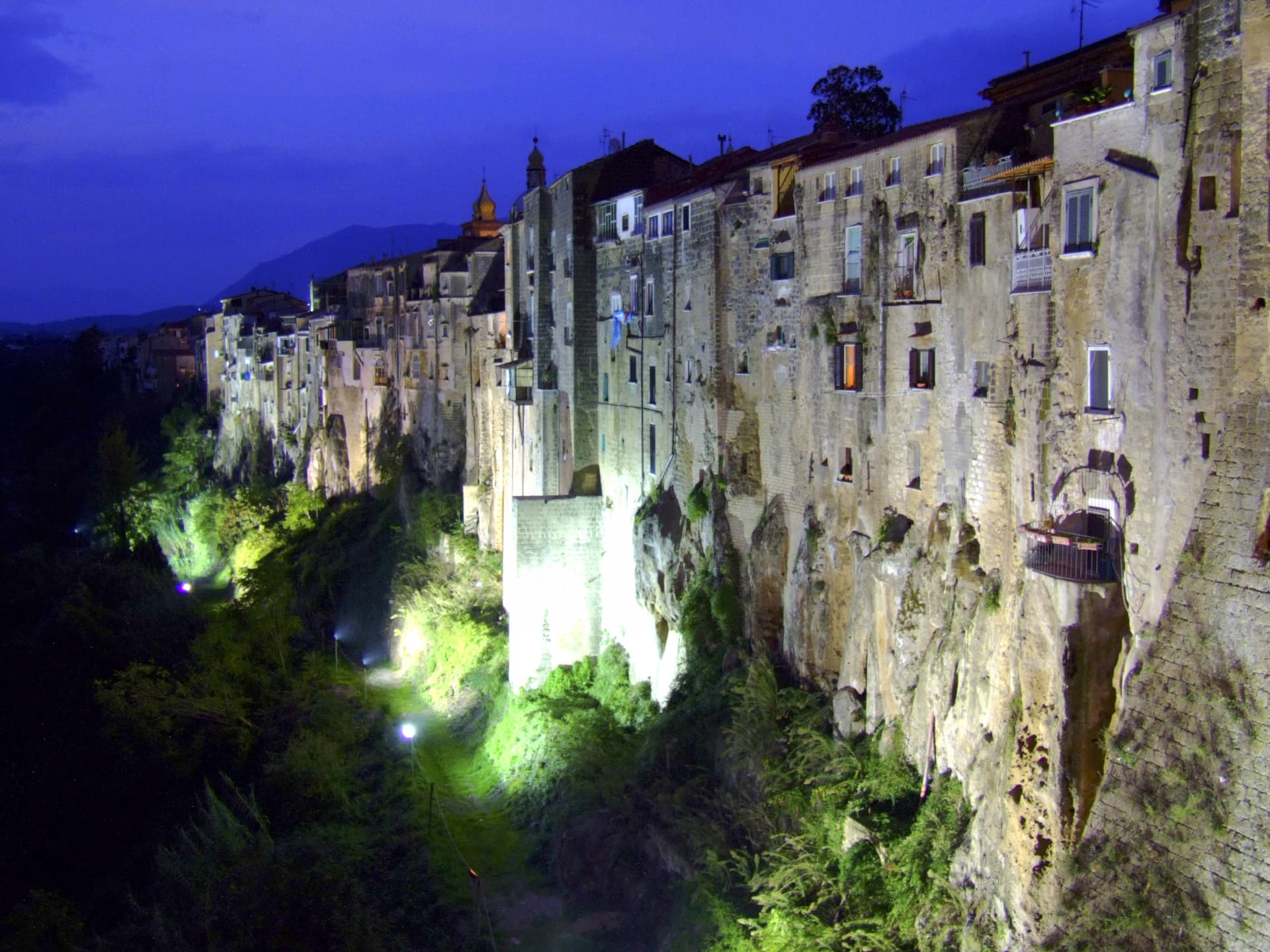
Sant'Agata de' Goti
Province: Benevento · 156 m
A medieval town built on a tuff cliff between two gorges, the houses standing flush with the edge over the Isclero river below.
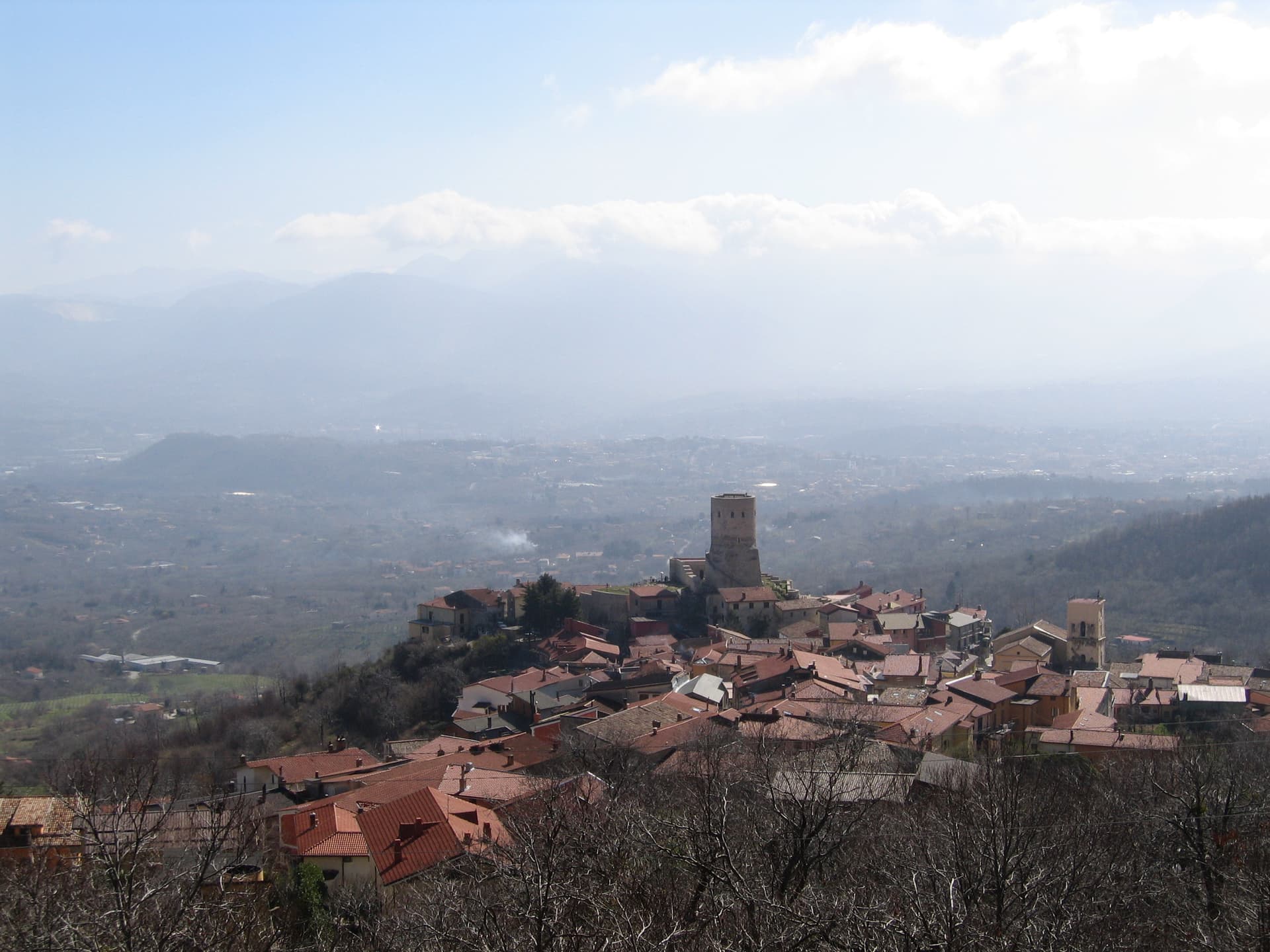
Summonte
Province: Avellino · 738 m
An Irpinia hill village at 738 meters on the slope of Monte Vallatrone, built around a 16-meter Angevin cylinder tower over the Partenio.
Lazio11
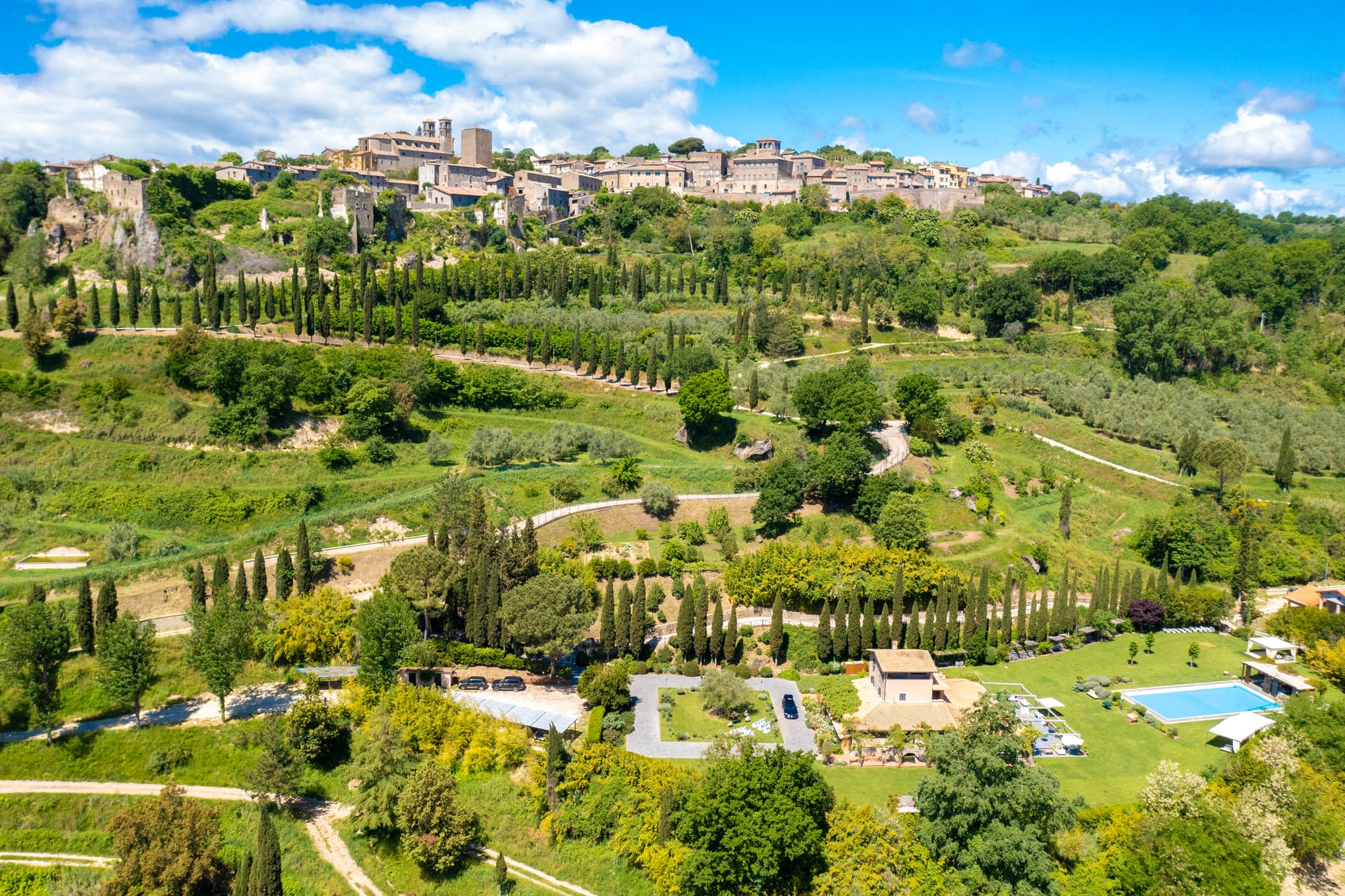
Bassano in Teverina
Province: Viterbo · 304 m
A tufa-spur borgo of 1,260 above the Tiber valley between Lazio and Umbria, with a clock tower that hides an eleventh-century animated bell tower.
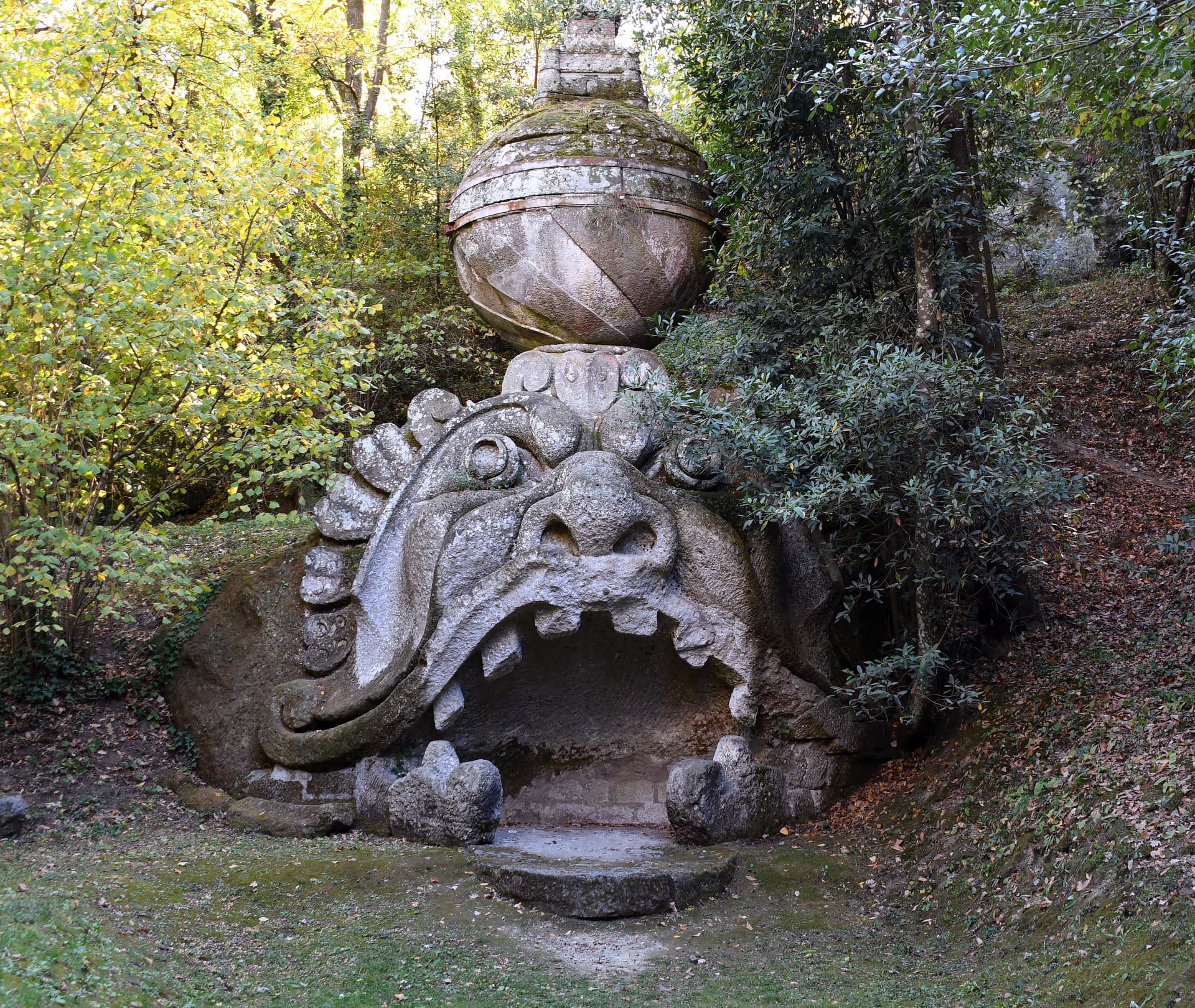
Bomarzo
Province: Viterbo · 263 m
The Tuscia village below the Sacro Bosco, the 16th-century stone-monster garden built by a grieving condottiero for his dead wife.
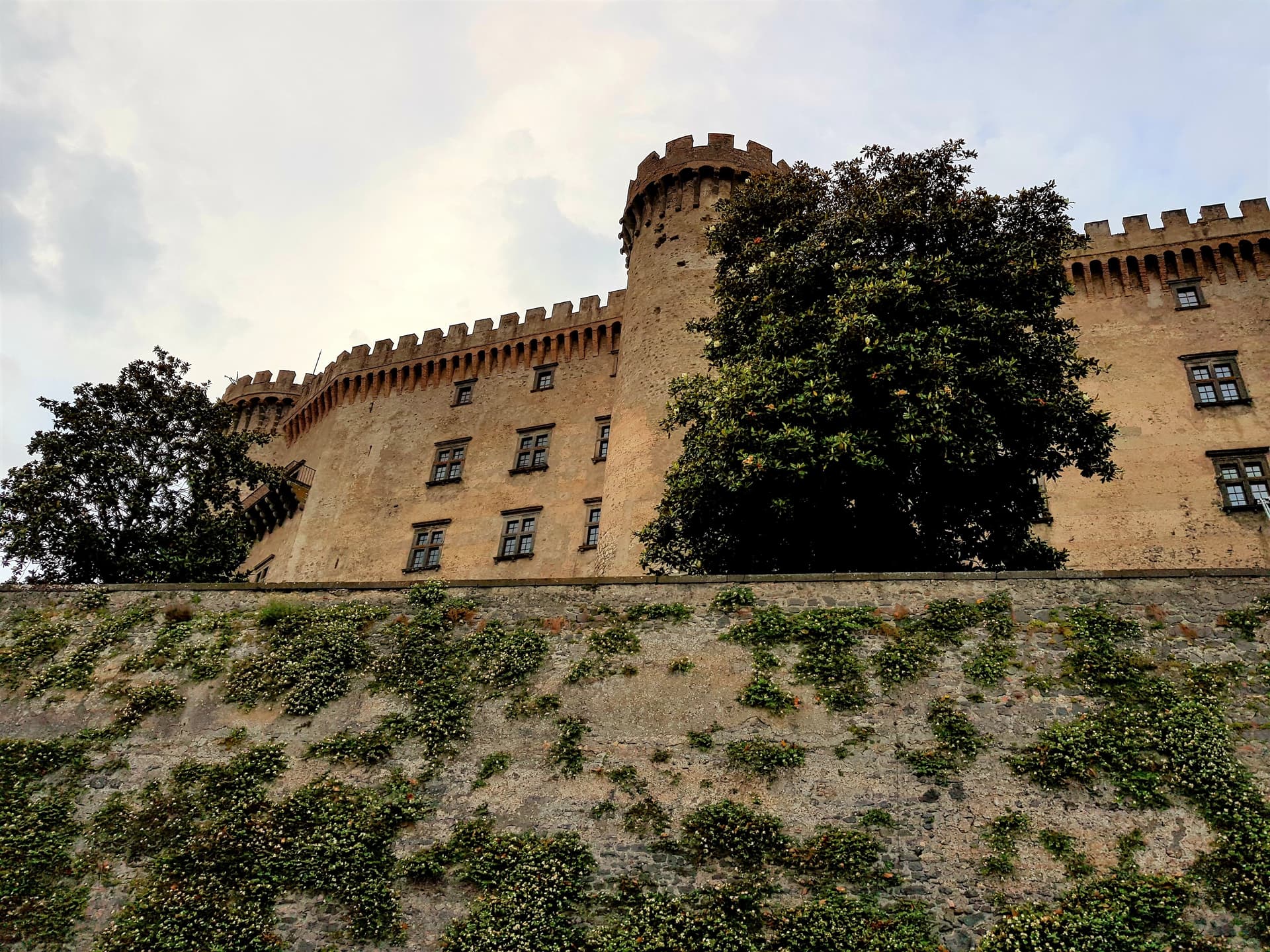
Bracciano
Province: Roma · 280 m
The Lazio lake town with the eighth-largest lake in Italy below it and one of the best-preserved Renaissance castles in the country above it.
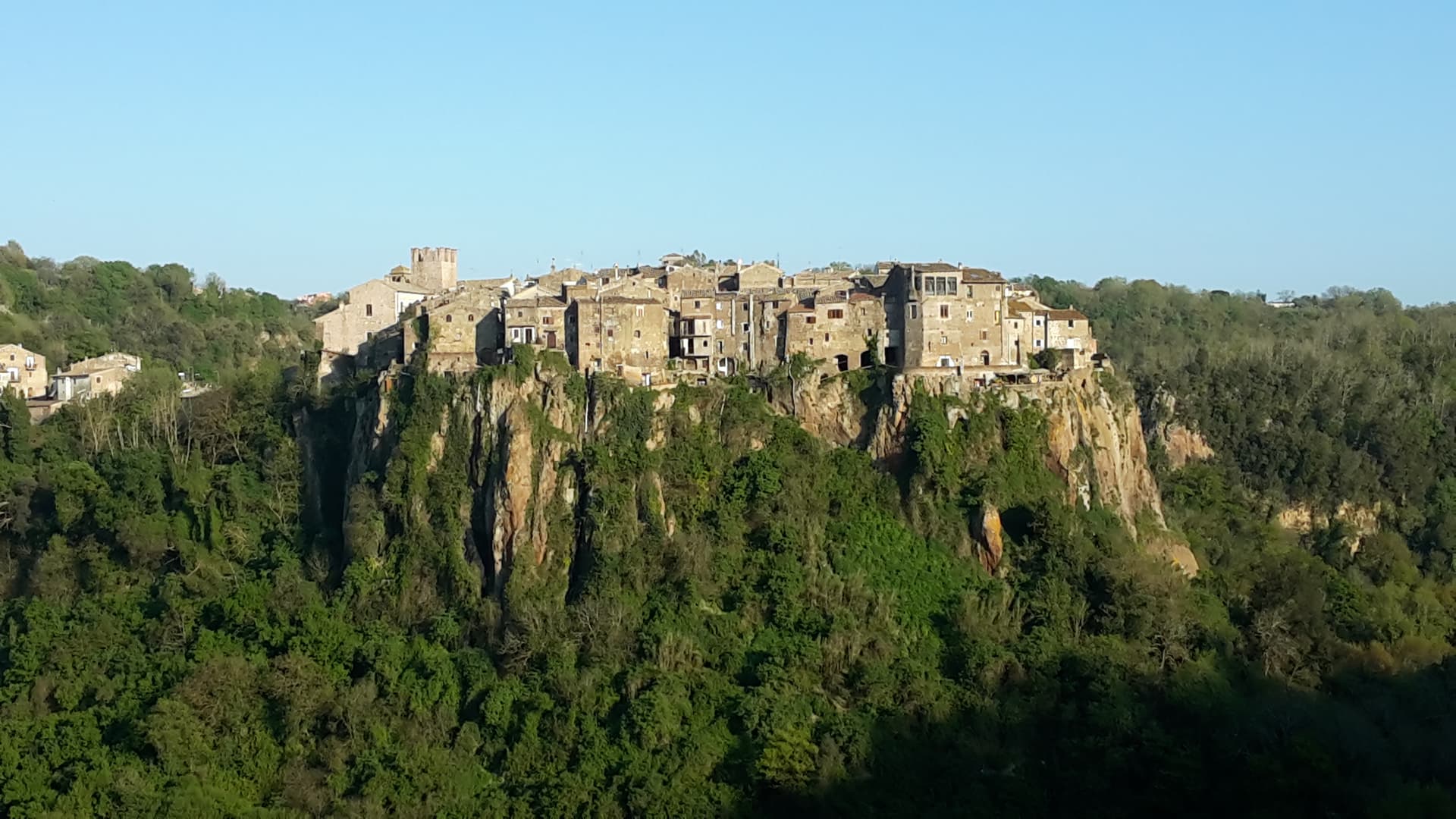
Calcata
Province: Viterbo · 220 m
A tufa-cliff village forty kilometers north of Rome, condemned and abandoned in the 1930s, then occupied by artists and never left.
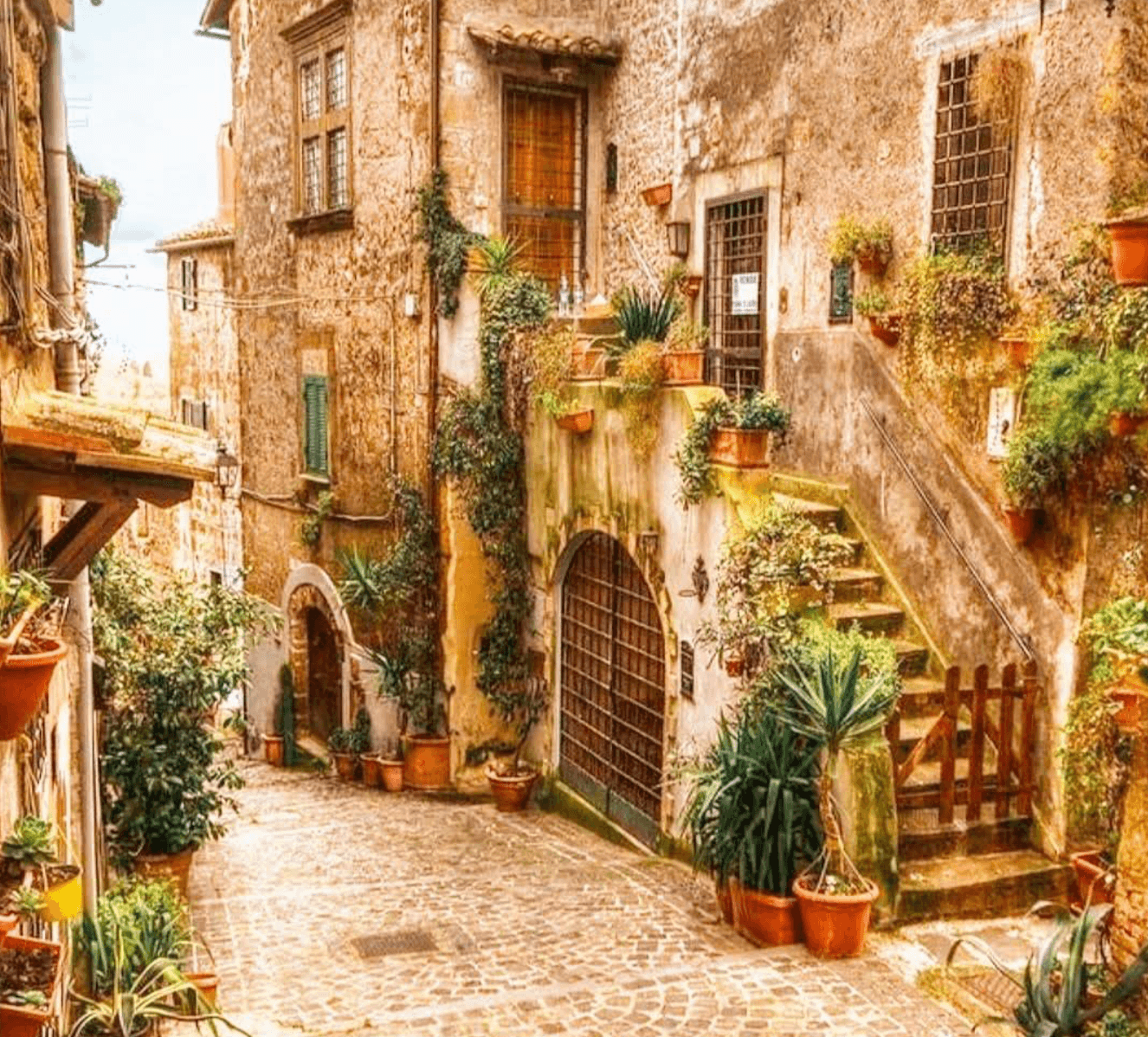
Capranica
Province: Viterbo · 370 m
A medieval hill town on the old Via Cassia, taken by the Anguillara family in 1305 and remembered as the place Petrarch stayed in 1337.
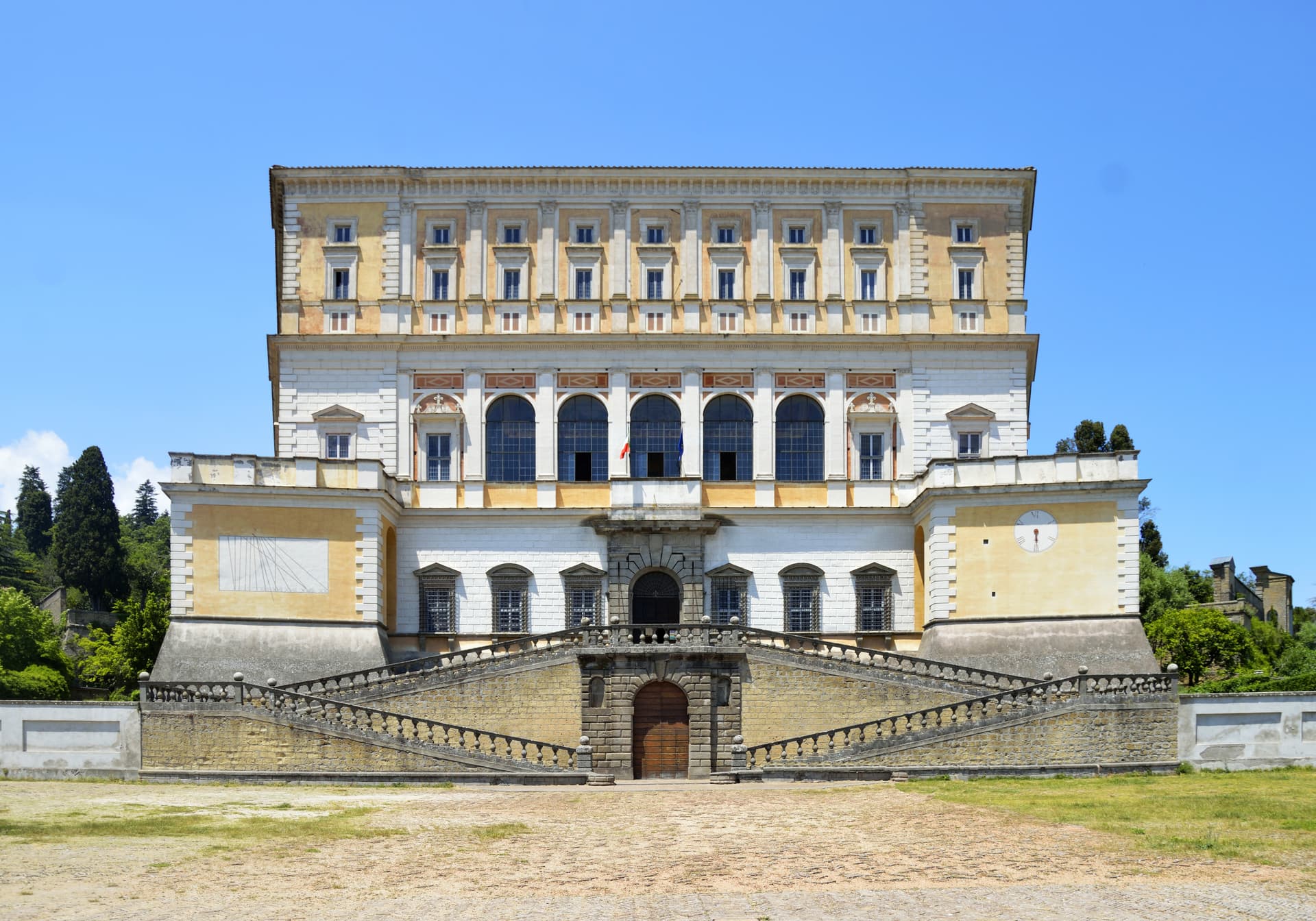
Caprarola
Province: Viterbo · 510 m
A Cimini hill town above Lago di Vico, dominated by the pentagonal Villa Farnese that Vignola built for the Farnese cardinals between 1559 and 1573.
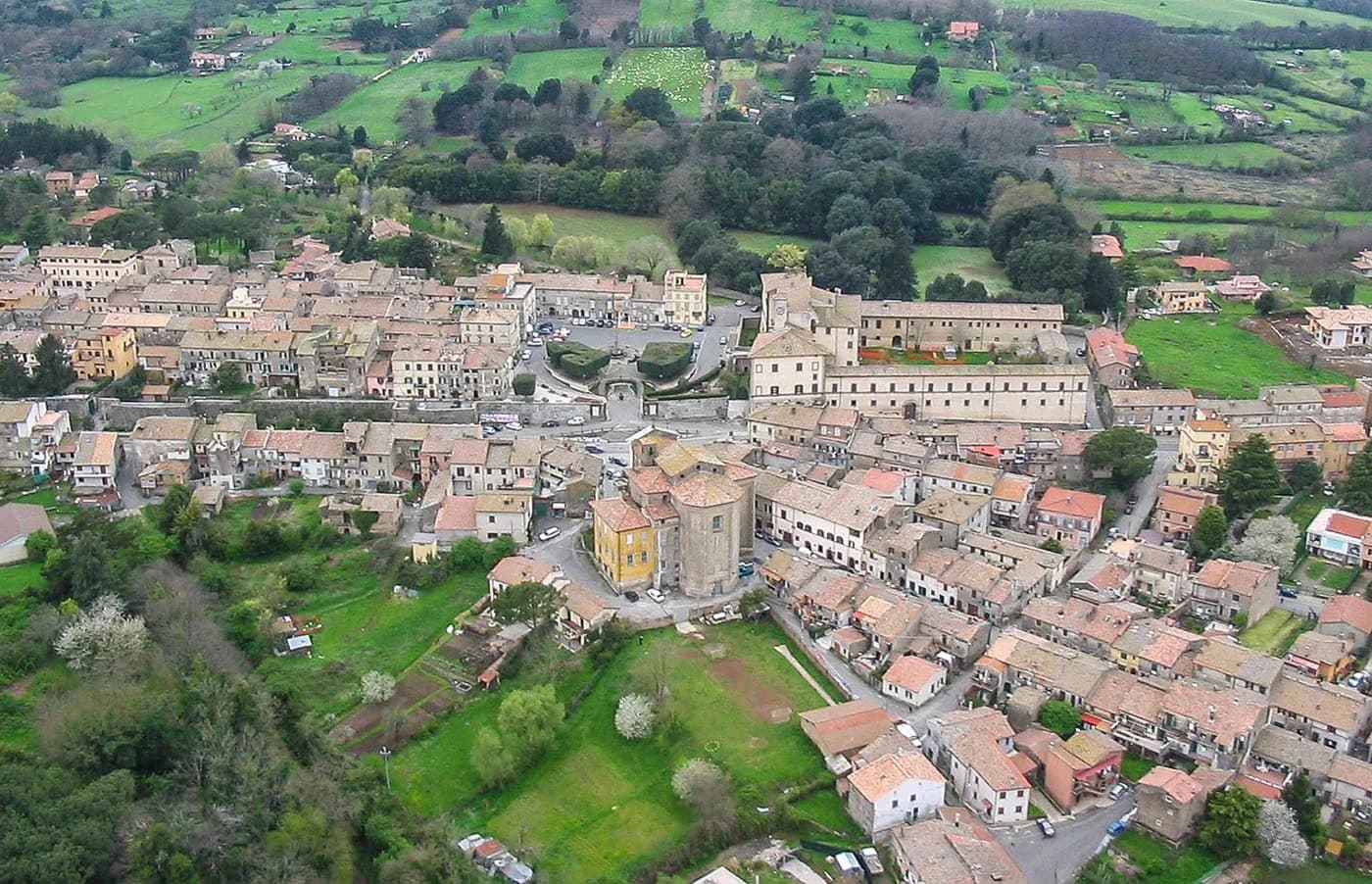
Oriolo Romano
Province: Viterbo · 420 m
A planned sixteenth-century village in the Sabatini hills, founded in 1560 by a Santacroce nobleman next to the UNESCO beech forest of Monte Raschio.
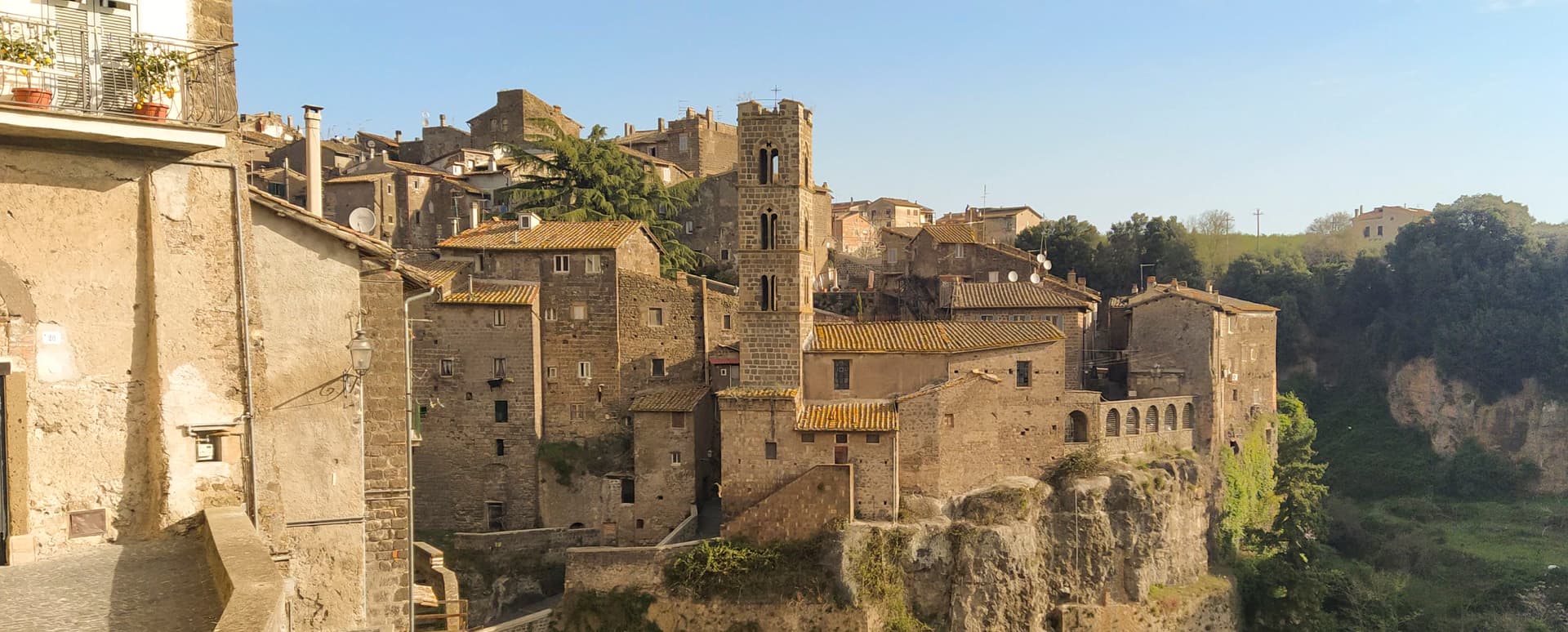
Ronciglione
Province: Viterbo · 441 m
A tufa-brick borgo above Lake Vico at 441 meters, fortified by the Prefects of Vico and crowned Borgo dei Borghi in 2023.
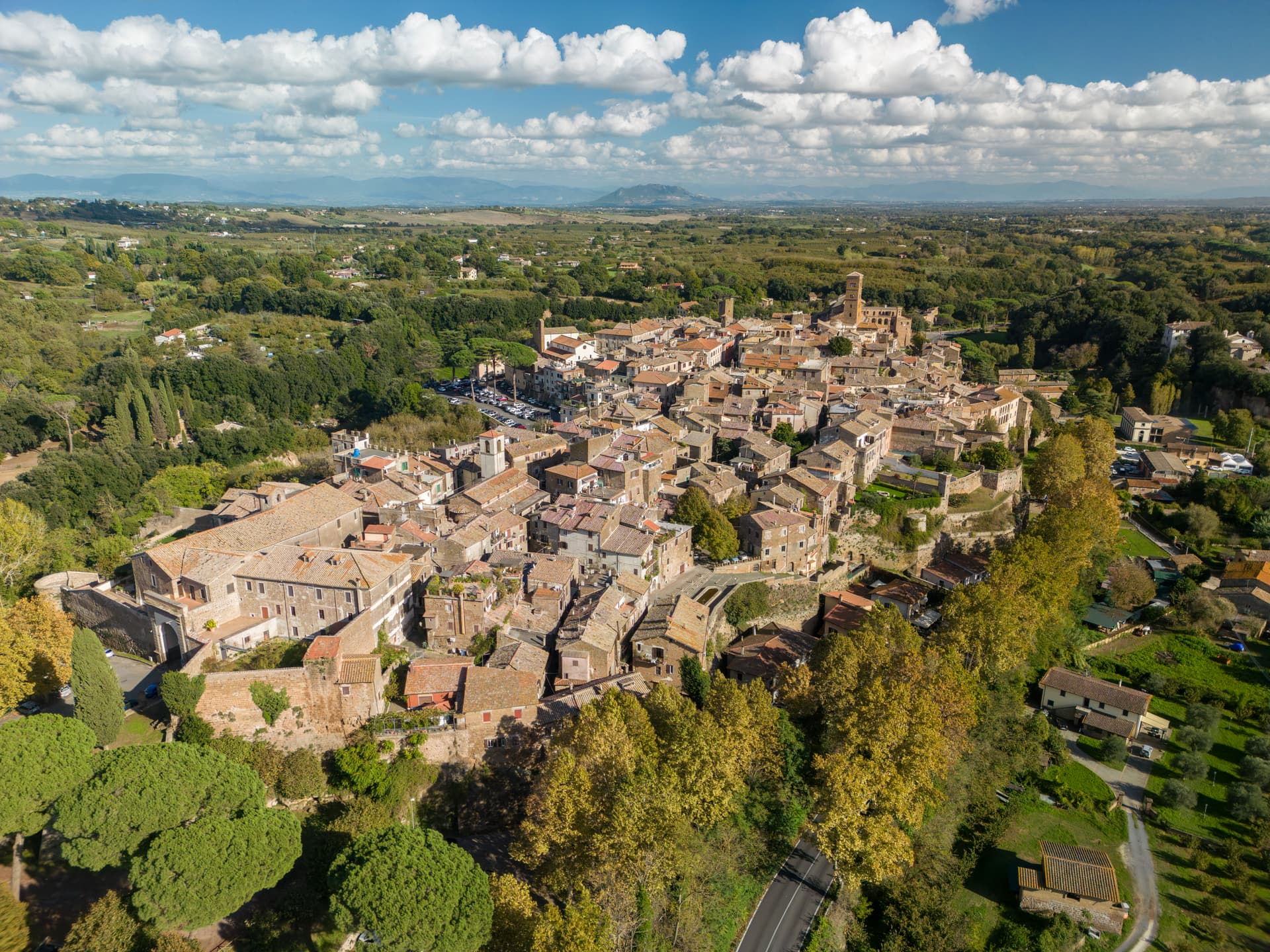
Sutri
Province: Viterbo · 291 m
An Etruscan and Roman town on a tuff spur, with a rock-cut amphitheater carved straight from the volcanic stone of the Cimini.
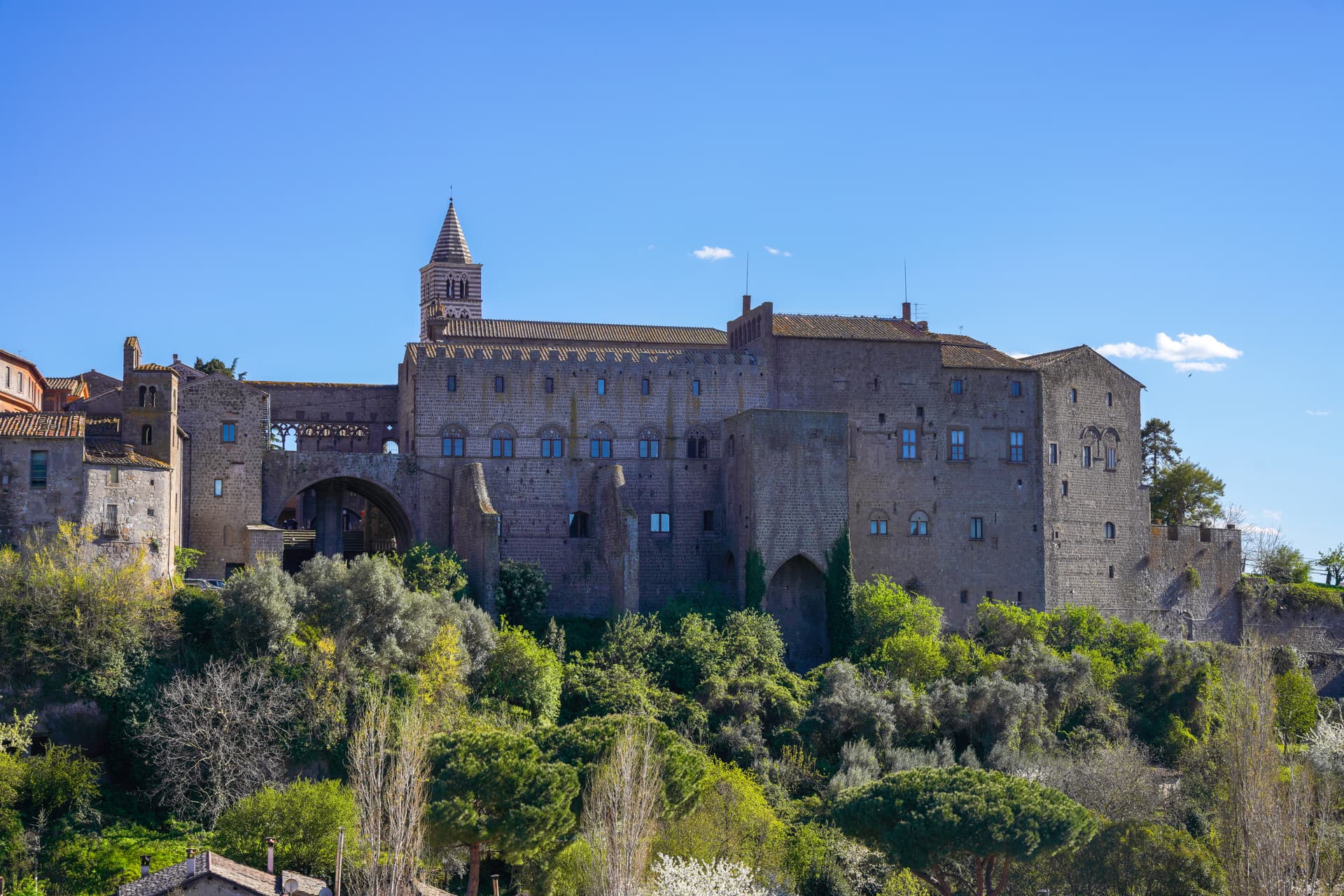
Viterbo
Province: Viterbo · 326 m
The medieval capital of the Tuscia, papal seat for five popes between 1257 and 1281 and home to the longest conclave in Church history.
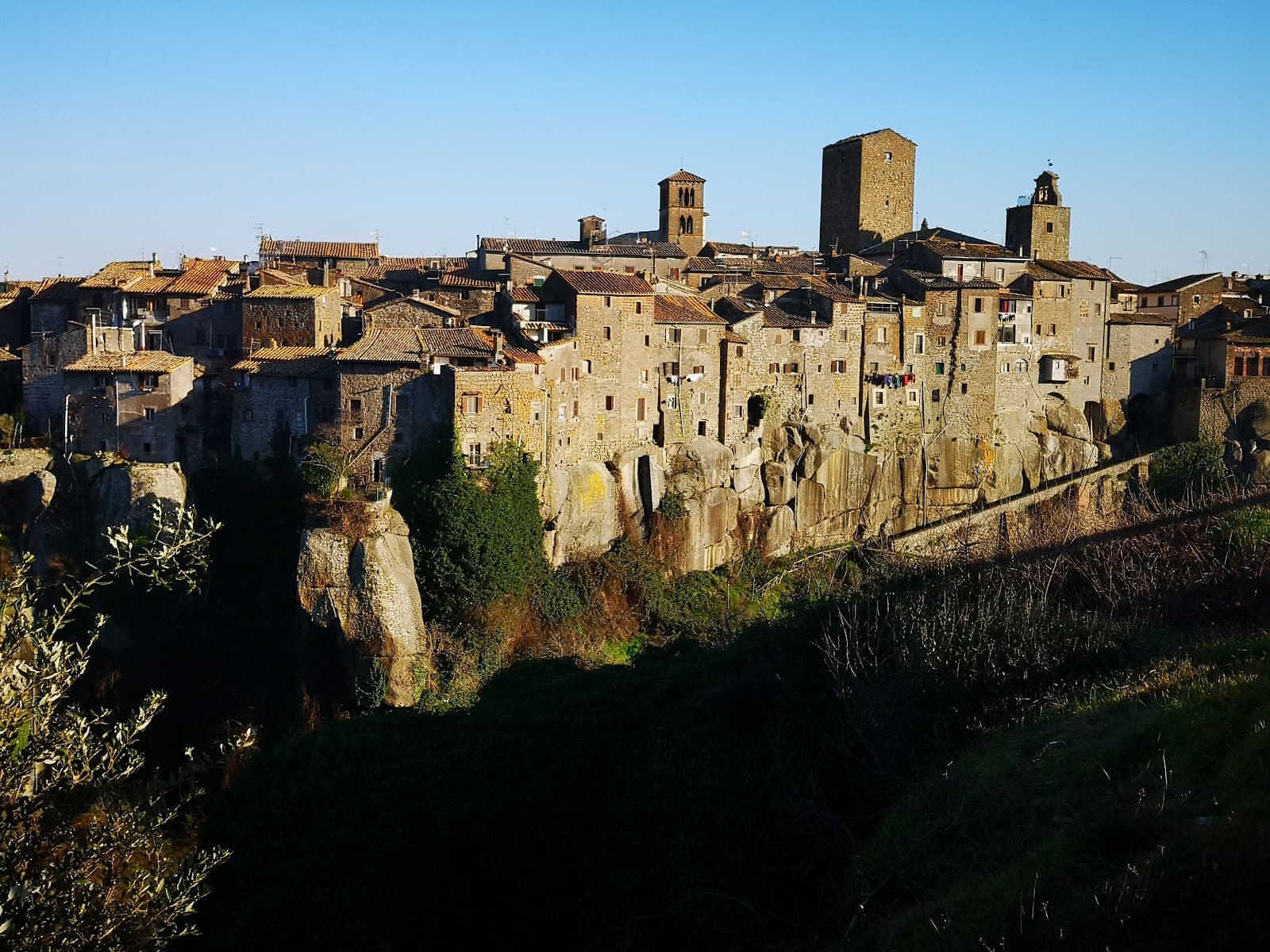
Vitorchiano
Province: Viterbo · 285 m
A peperino borgo built on a single volcanic boulder near Viterbo, and the only place outside Easter Island with a true Moai.
Piedmont5
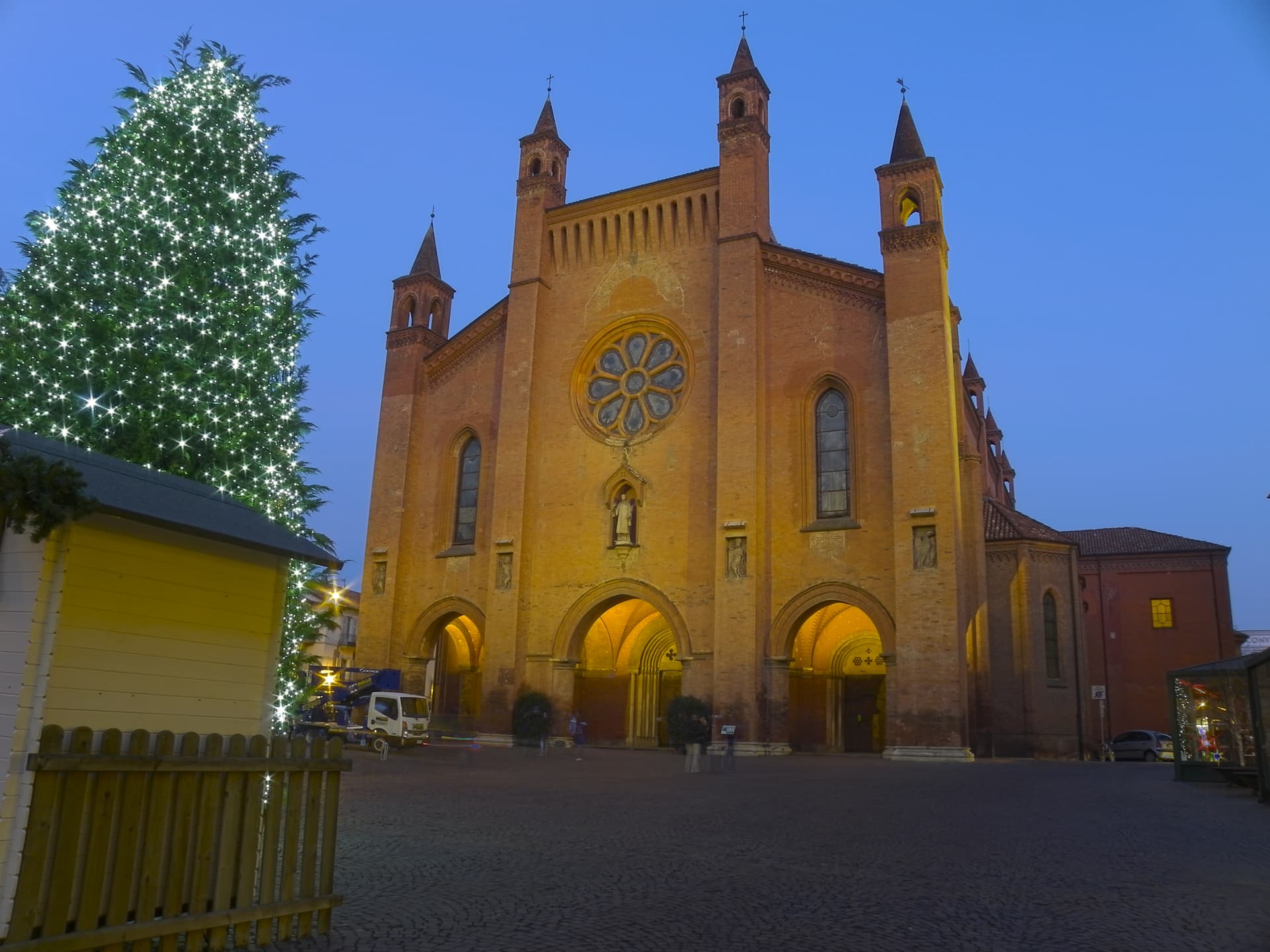
Alba
Province: Cuneo · 172 m
The Langhe capital at 172 meters on the Tanaro, world reference for white truffle and Nebbiolo, headquarters of Ferrero.
Canelli
Province: Asti · 157 m
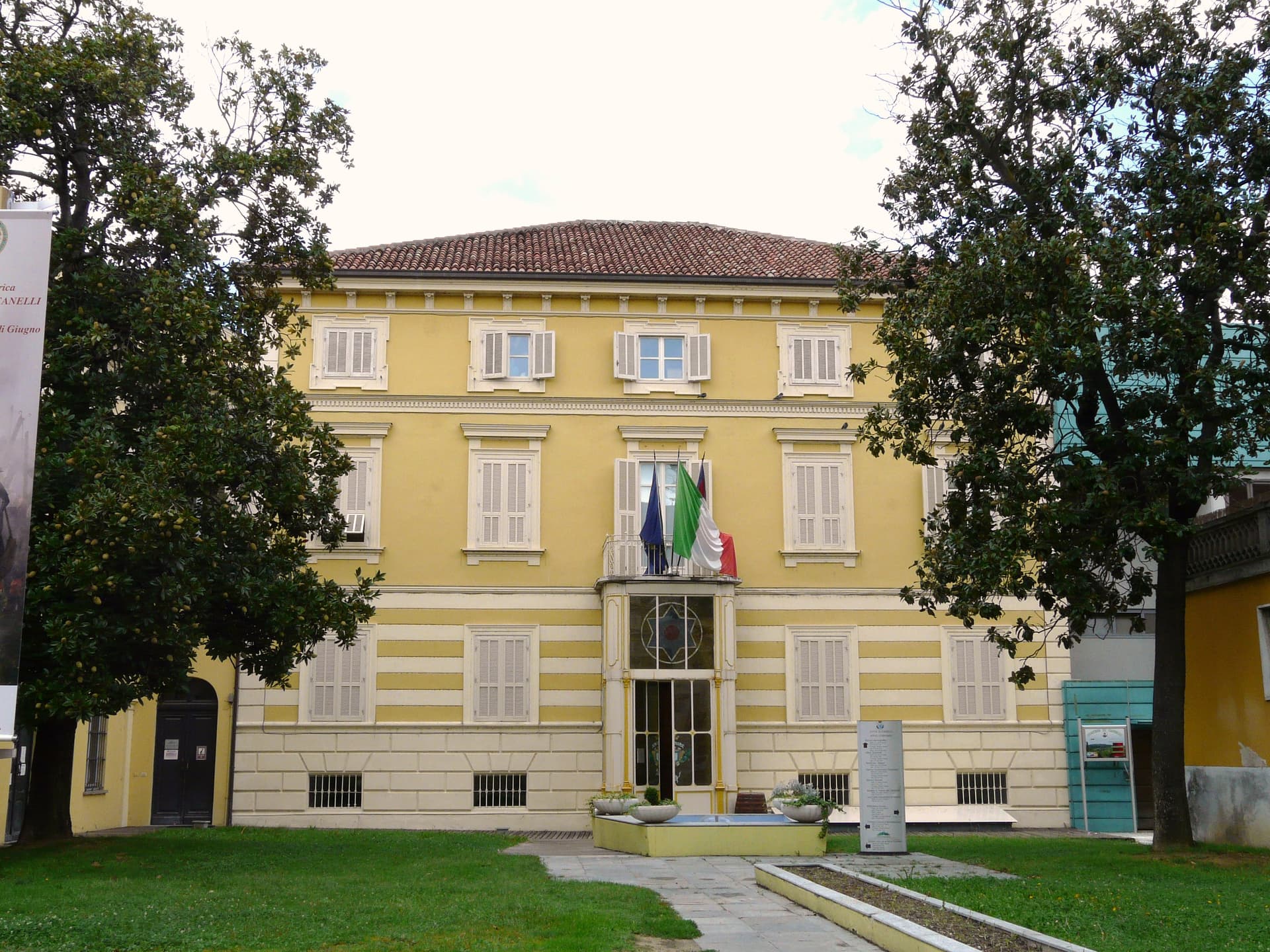
The Asti Spumante town at 157 meters in the Belbo valley, where 20 kilometers of underground tuff cellars hold millions of bottles at constant temperature.
Castagnole delle Lanze
Province: Asti · 298 m
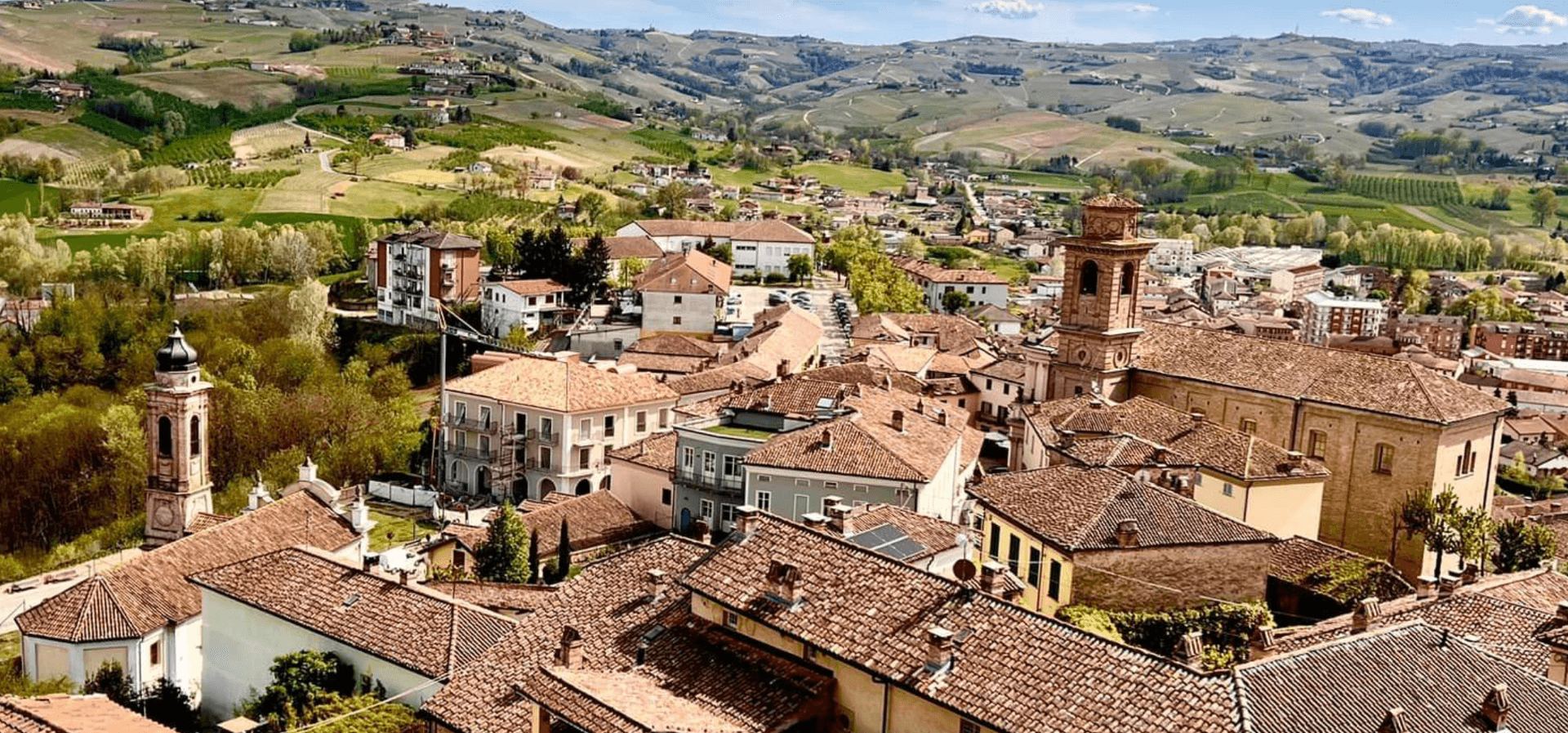
An Asti hill town at 298 meters between Langhe and Monferrato, with two Baroque churches and a nineteenth-century astronomical tower.
Cortemilia
Province: Cuneo · 247 m
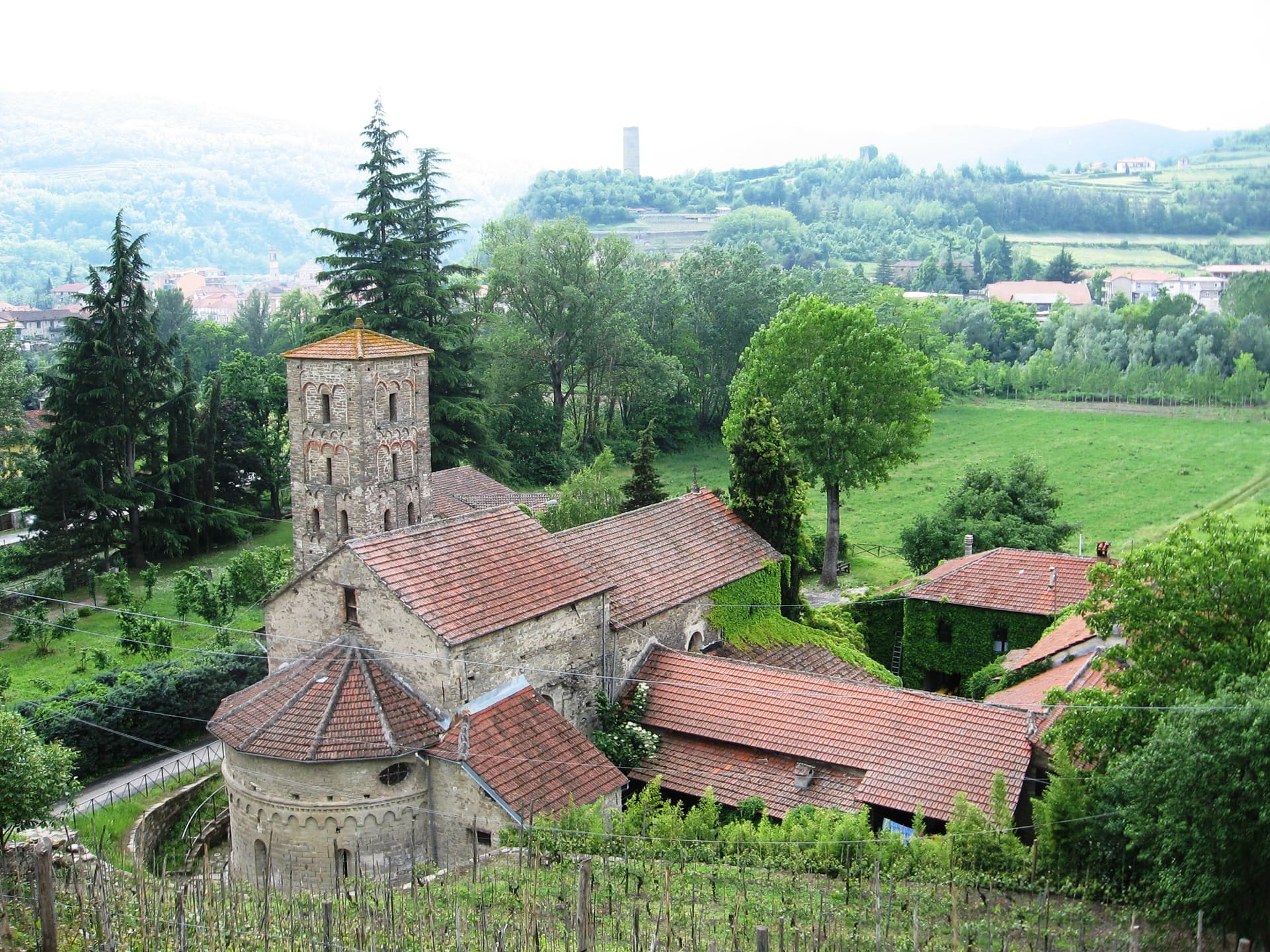
An Alta Langa town at 247 meters split by the Bormida, capital of the Tonda Gentile di Langa hazelnut.
Santo Stefano Belbo
Province: Cuneo · 175 m
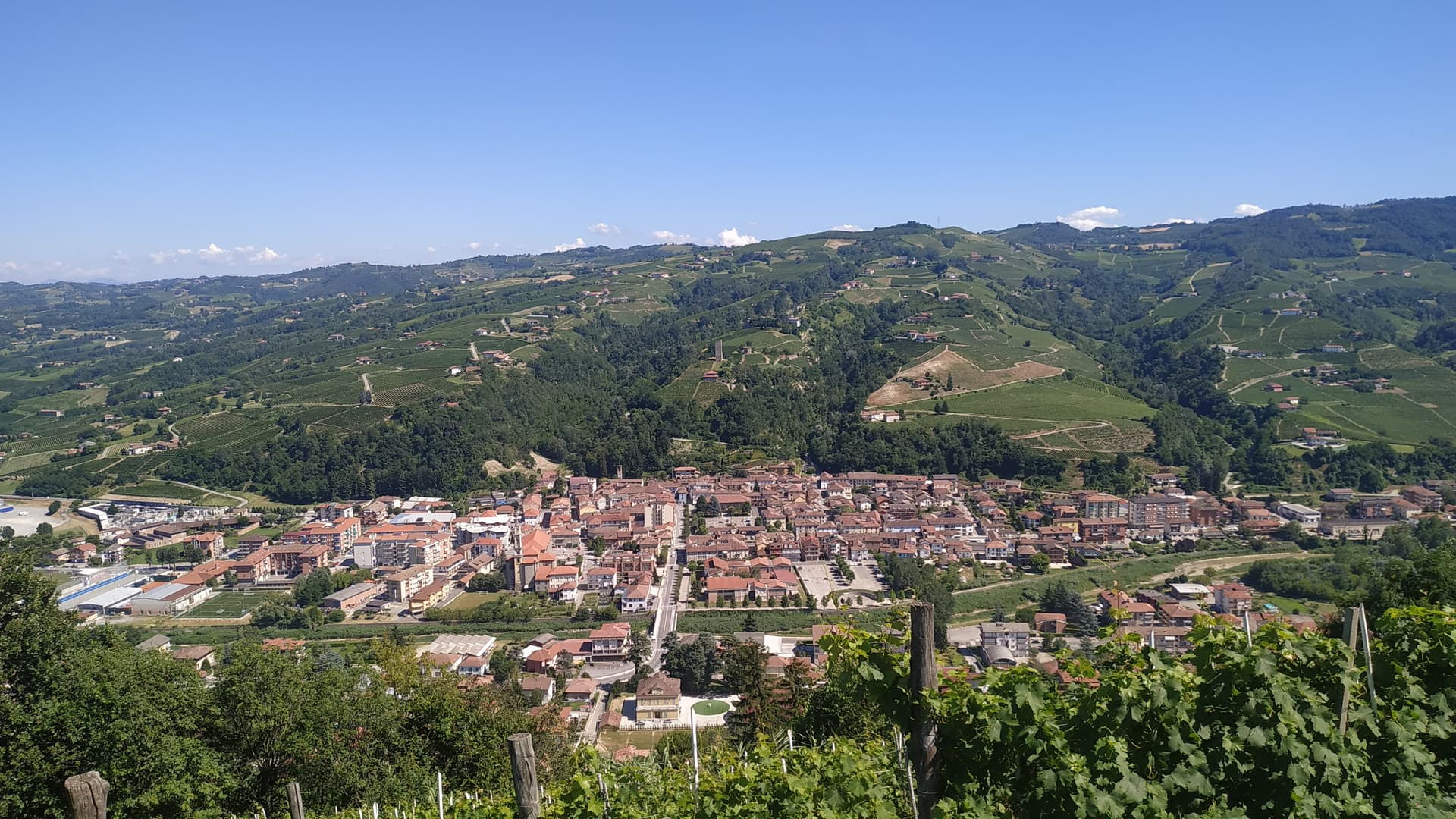
A Belbo valley village at 175 meters between the Langhe and Asti hills, birthplace of Cesare Pavese and the largest producer of Moscato d'Asti.
Sicily2
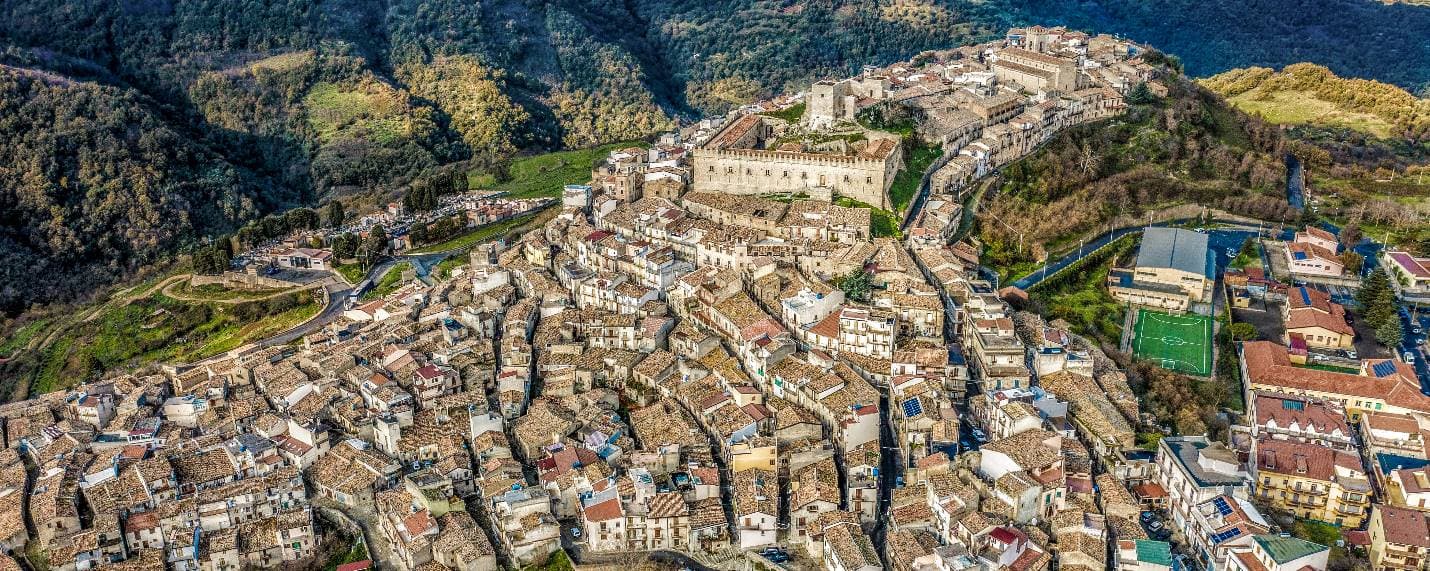
Montalbano Elicona
Province: Messina · 907 m
A Nebrodi castle town at 907 meters, Frederick III of Aragon's summer residence and gateway to the Argimusco megalithic plateau.
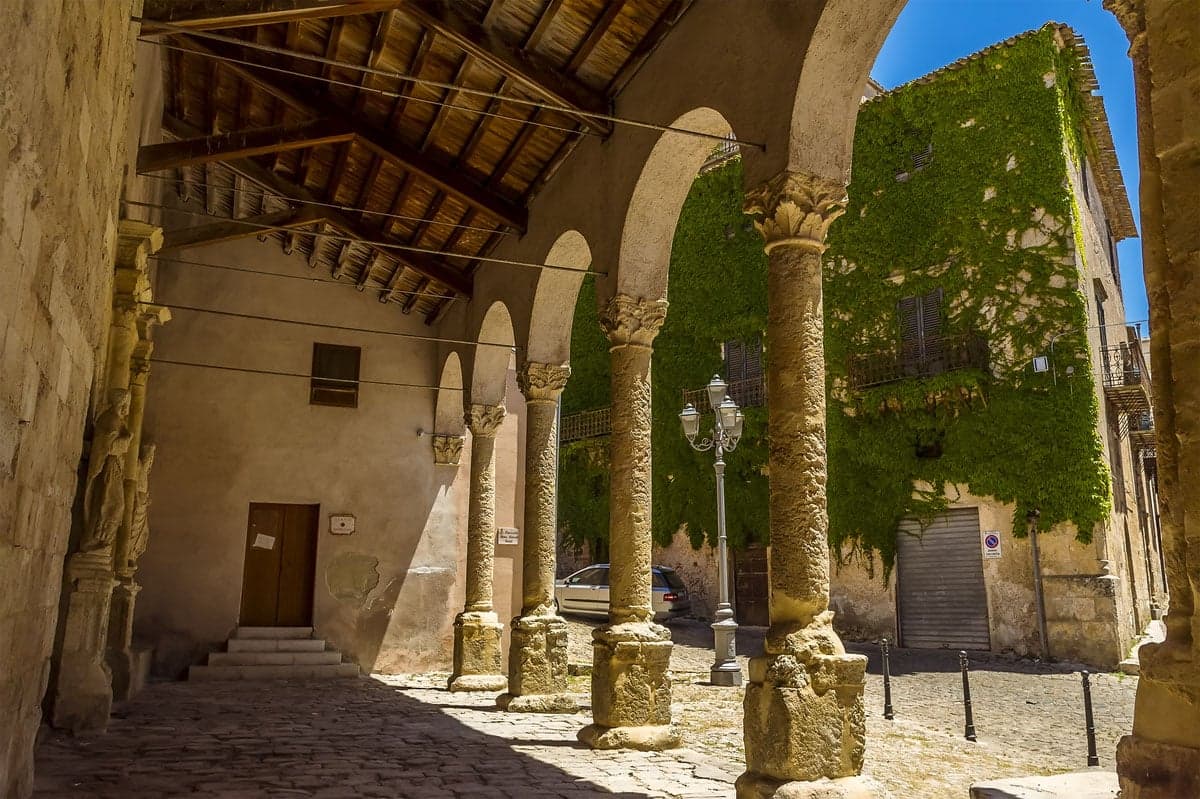
Polizzi Generosa
Province: Palermo · 917 m
A Madonie town at 917 meters inside a UNESCO Global Geopark, hazelnut country and the birthplace of Domenico Dolce.
Subscribe — free
Get the best guides on hidden Italian towns.
One letter on Sundays. The week’s town, with the photo, the food, the festa. Free, by Peter & Sophia from Pietrasanta.
Substack sends a confirmation link to your inbox. The signup finishes when it’s clicked.
From elsewhere in Italy
Five more towns to discover
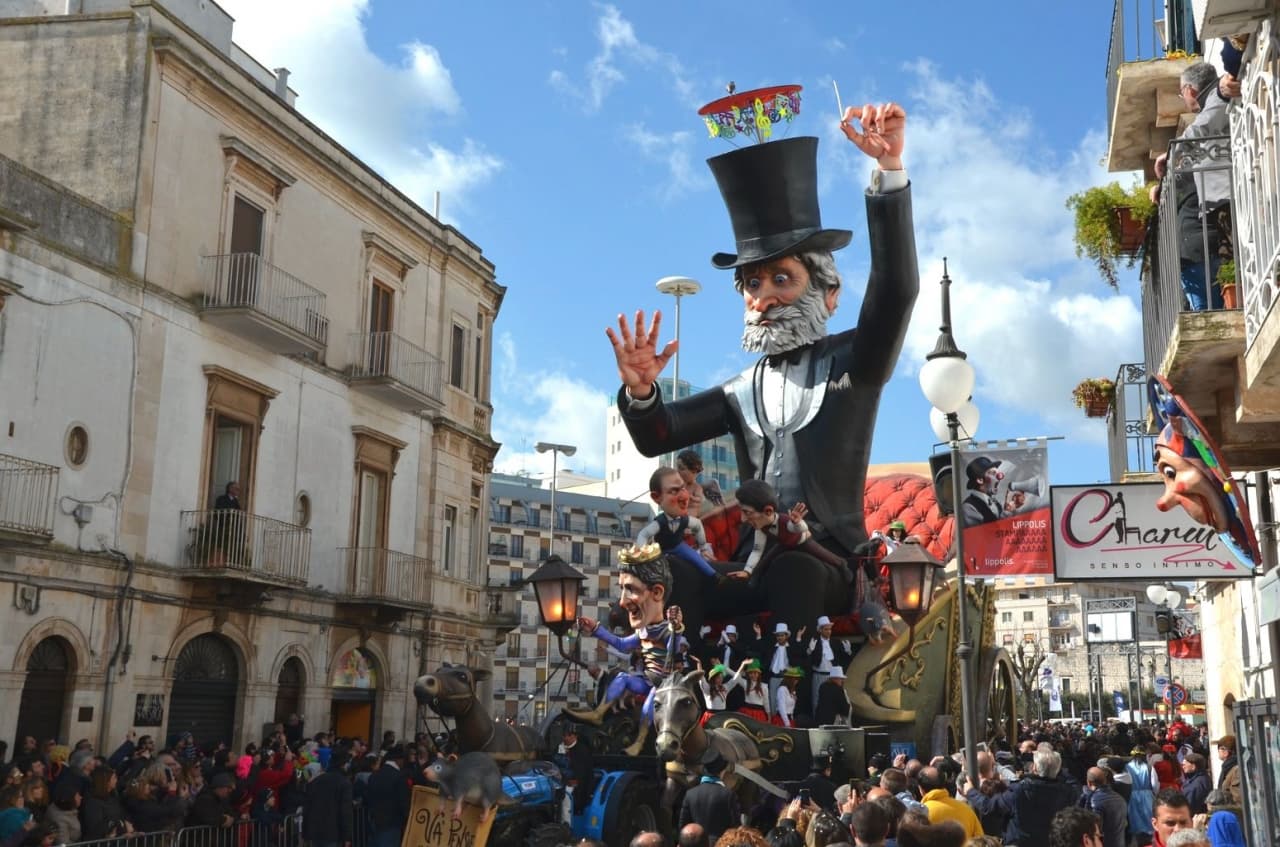
Putignano
Province: Bari
Europe's longest-running carnival — Putignano Carnevale has run continuously since 1394, with 631 years of cartapesta papier-mâché floats, a 26,000-resident Murgia town on the Bari–Lecce plateau, and the Grotta del Trullo karst cave inside the centro.

Pistoia
Province: Pistoia
Italy's nursery capital and the medieval Tuscan rival that gave its name to the pistol — a quietly extraordinary centro storico of zebra-striped Romanesque churches, Andrea della Robbia's polychrome frieze on the Ospedale del Ceppo, and Italy's Capital of Culture 2017, all 30 minutes from Florence by train.
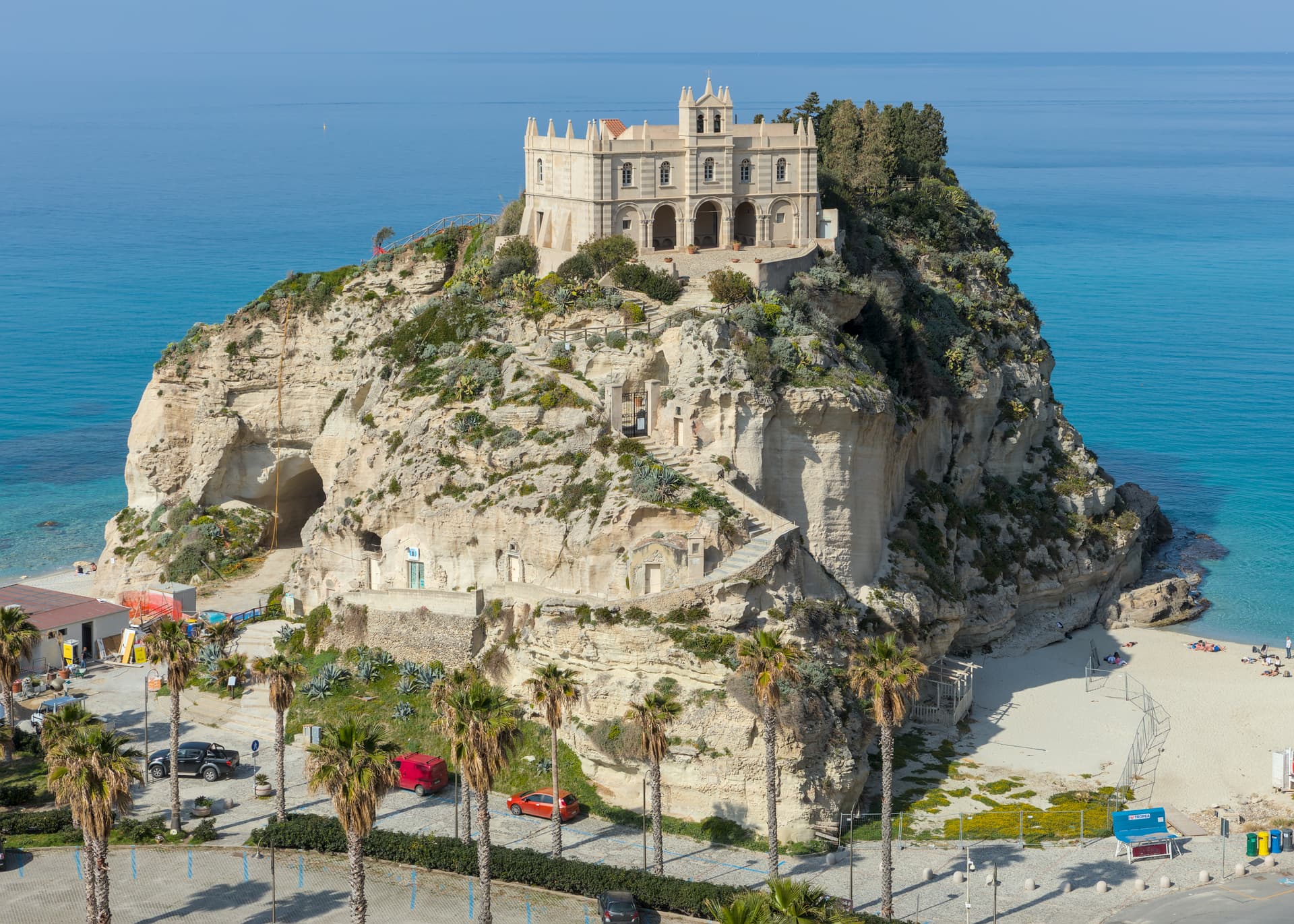
Tropea
Province: Vibo Valentia
Cliff town on a tufa headland over the Tyrrhenian Coast of the Gods, with a Norman monastery on a sea rock.
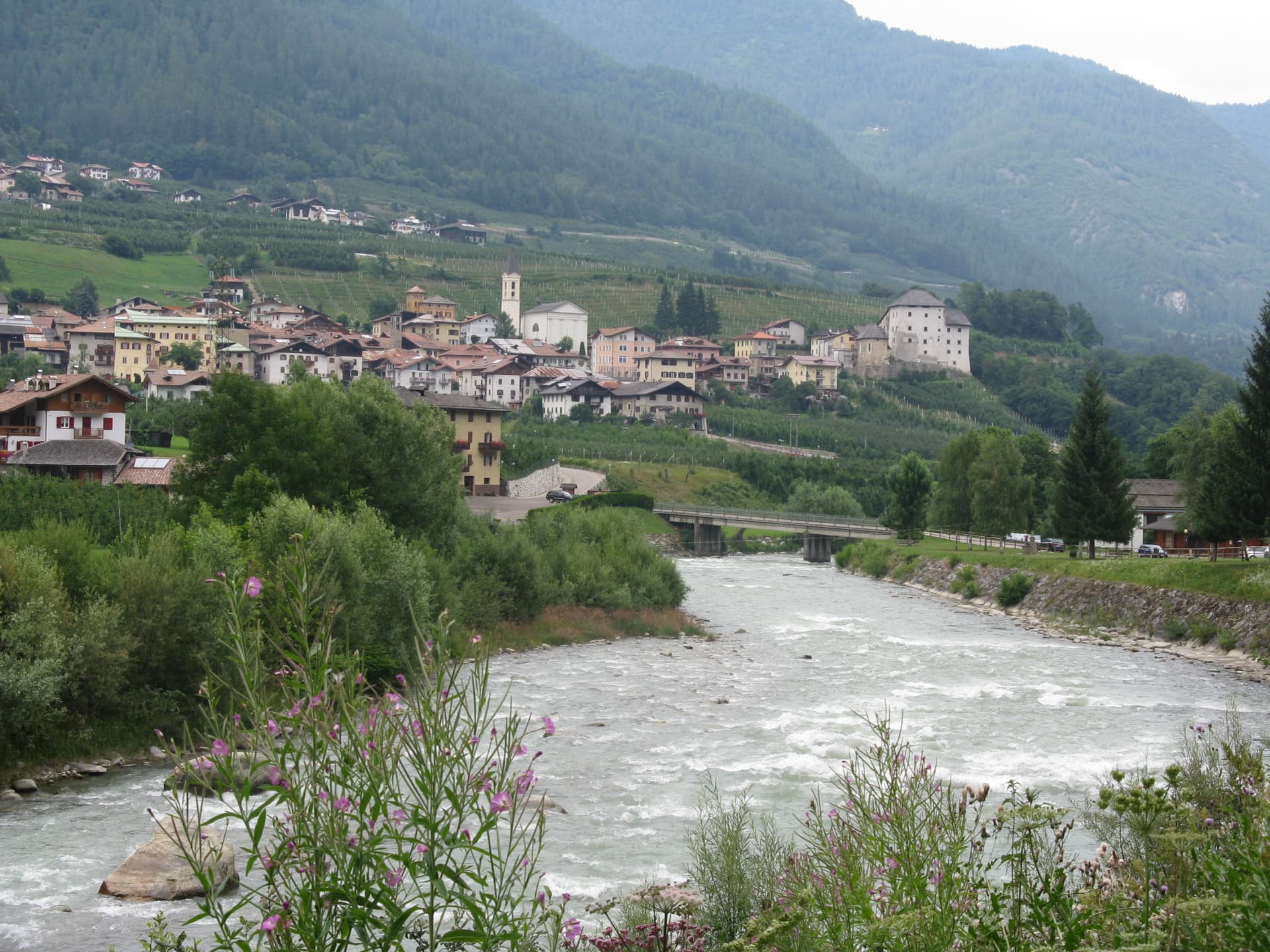
Caldes
Province: Trento
A scattered Val di Sole commune on the Noce, six hamlets gathered around a thirteenth-century tower-house castle that once belonged to the Thun family.
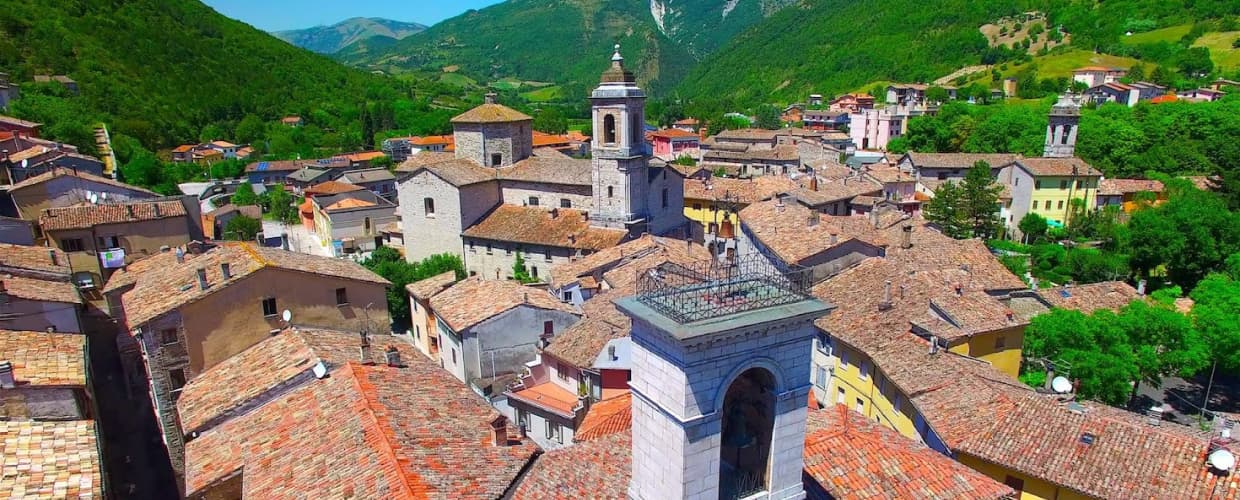
Cantiano
Province: Pesaro e Urbino
A border borgo at 374 meters under Monte Catria on the old Via Flaminia, known for the Good Friday Turba and the sour-cherry visciola harvest.