
Piedmont · Asti
Canelli
The Asti Spumante town in the Belbo valley, where 20 kilometers of underground tuff cellars hold millions of bottles at constant temperature.
Known for
ASTI SPUMANTE
Birthplace of Italian sparkling wine; Carlo Gancia produced the first bottle here in 1865 from Moscato Bianco on the Champagne model.
CATTEDRALI SOTTERRANEE
Twenty kilometers of tuff-cut wine cellars under the town, descending to 32 meters; UNESCO World Heritage component since 2014.
CASTELLO GANCIA
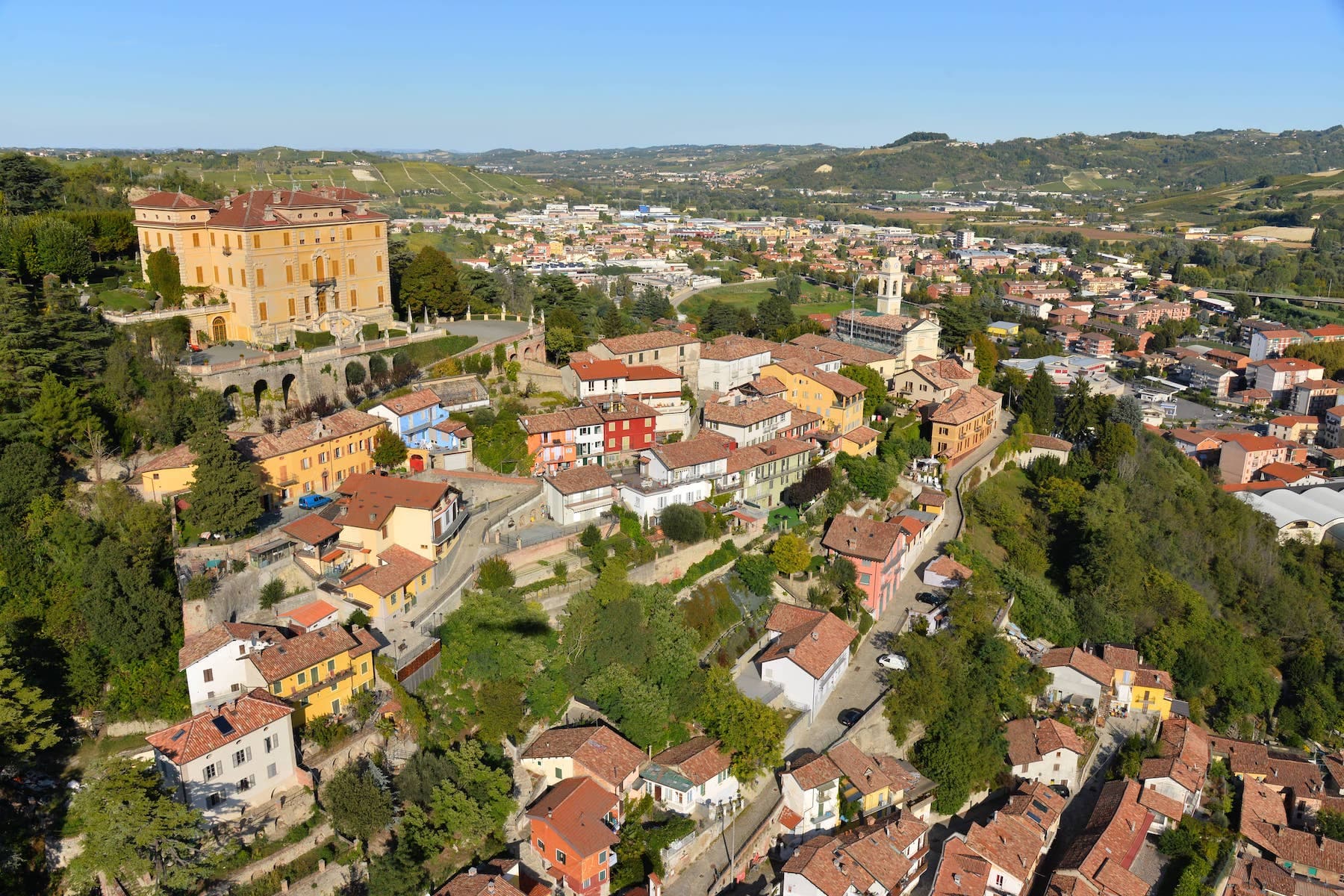
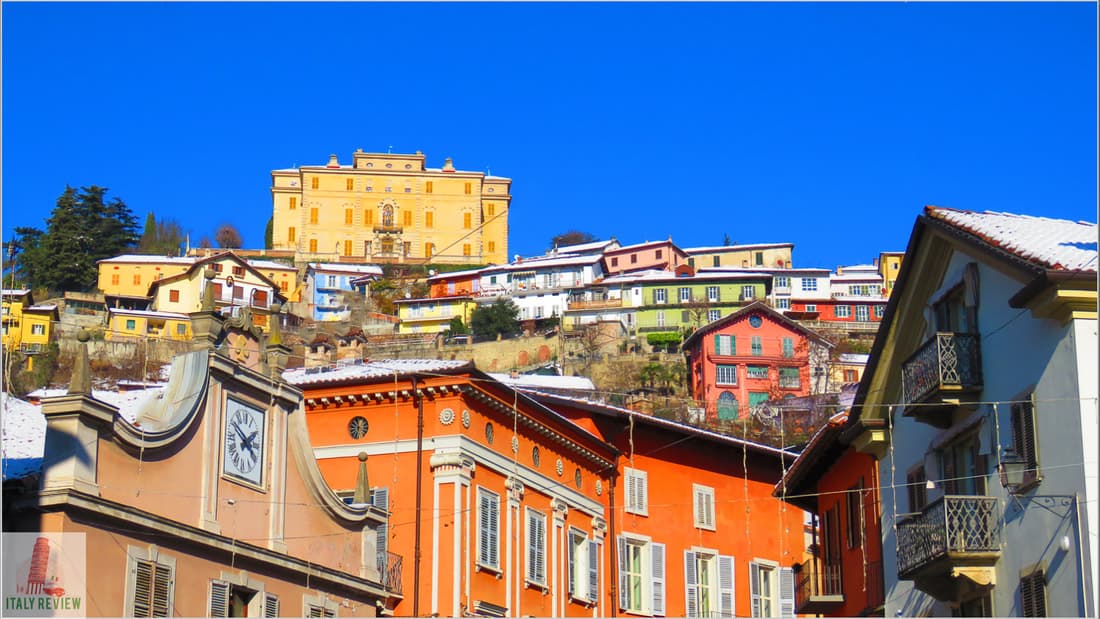
Hilltop castle on the Sternia, fifteenth-century fortress turned Scarampi residence in the 1600s, still privately occupied.
When to visit
Best · Apr–Oct
- J
- F
- M
- A
- M
- J
- J
- A
- S
- O
- N
- D
- Best
- Hot or crowded
- Quiet
- Mostly closed
The festa: Tommaso, 21 December
Why come
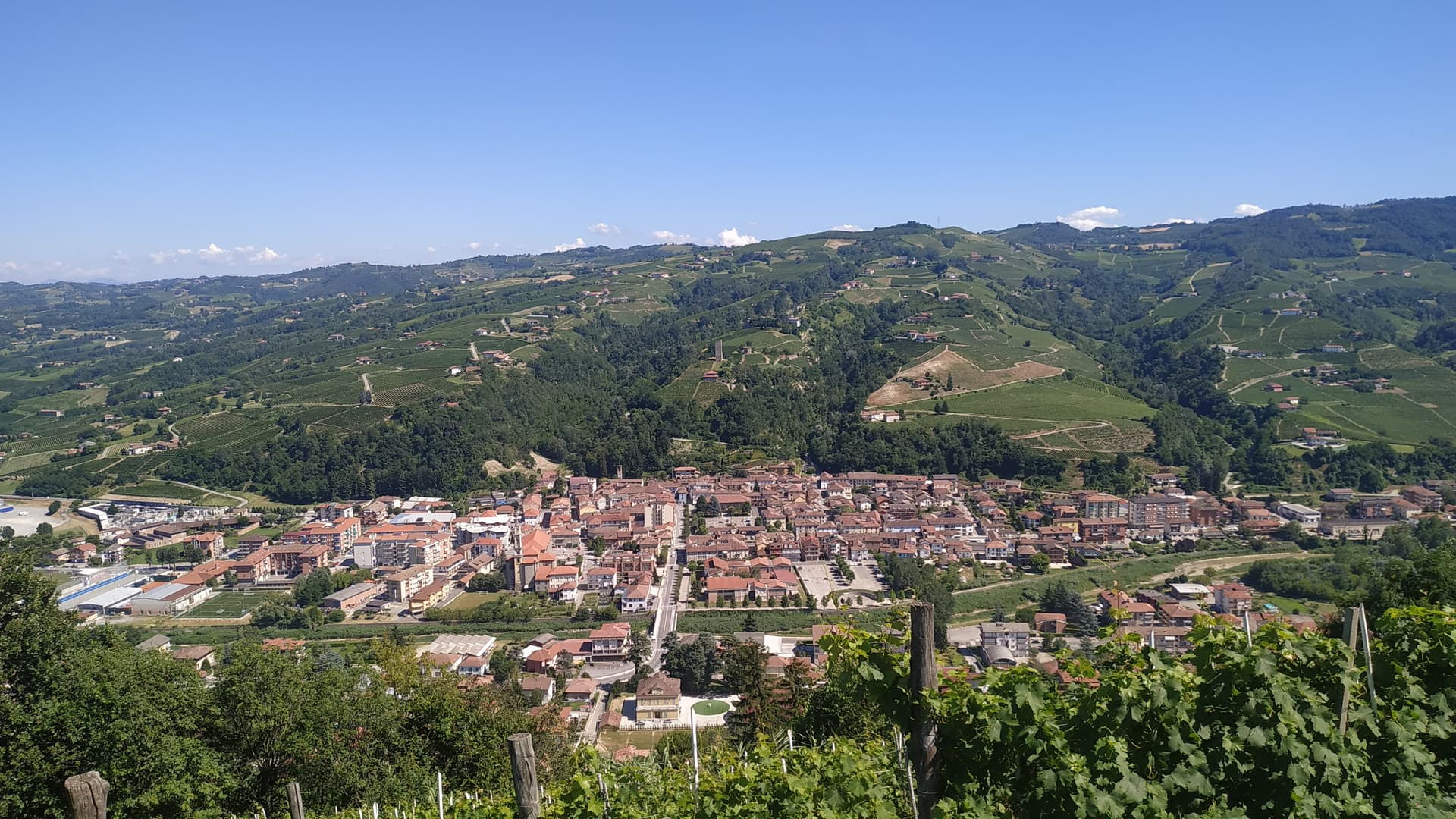
Canelli sits on the Belbo, in the south-east corner of the Asti hills where the Langhe and Monferrato meet. The town is the birthplace of Italian sparkling wine: Carlo Gancia produced the first Asti Spumante here in 1865, on the model of Champagne. Underneath the centro storico runs a network of cellars cut into the tuff by pickaxe and chisel from the sixteenth to the nineteenth century, descending as deep as 32 meters and extending about 20 kilometers through the hill below town.
They are called the Cattedrali Sotterranee, and they were inscribed in the UNESCO Vineyard Landscape of Piedmont in 2014. Above ground, the Sternia, a steep stone street, climbs from the Borgo Villanuova past the Torre dei Contini to the Castello Gancia, a medieval fortress transformed into a noble residence by the Scarampi in the early 1600s and still occupied by the Gancia family. The Belbo grows Moscato Bianco, Barbera and hazelnut.
The Sunday letter
We haven’t written Canelli’s letter yet.
One town every Sunday, with the photo, the food, the festa. Be there when this one comes up. Free, by Peter & Sophia from Pietrasanta.
By subscribing you agree to Substack’s Terms of Use, our Privacy Policy and our Information collection notice.
What to see
Cattedrali Sotterranee
Network of tuff-cut cellars under the centro storico, 20 km of tunnels descending to 32 meters, part of the UNESCO Vineyard Landscape since 2014.
Castello Gancia
Medieval castle on the Sternia hill above town, transformed into a Scarampi residence in the 1600s and now home of the Gancia family.
La Sternia
Historic stone-paved street climbing through Borgo Villanuova to the castle, the original access road to the hilltop fortress.
Torre dei Contini
Viewpoint tower at 371 meters on the Sternia route, with a panorama over the Belbo valley and the south Langhe.
Chiesa di San Tommaso
Medieval church rebuilt in the seventeenth century with a richly decorated Baroque façade and frescoes of Saint Thomas and the Assumption.
The slow-trip planner
Building a trip? Find where Canelli fits in a slow Italy circuit.
Answer five questions. We will shape a geographically coherent slow trip from the 1,000 Italian towns most travelers skip. Yours to save and share.
We recommend
Where to eat and stay
Not our picks, but places the guides put their name to — a Michelin star, a Gambero Rosso fork, a Slow Food snail, a Michelin Key for the hotels. Worth a table, a counter, or a night when you pass through.
Enoteca di Canelli - Casa CrippaRistorante
Enoteca di Canelli - Casa Crippa holds one Gambero Rosso fork (78/100) and a spot in the Michelin Guide.
San MarcoRistorante
One Gambero Rosso fork (78/100) for San Marco, and a spot in the Michelin Guide.
Civico 15Ristorante
Civico 15 carries one Gambero Rosso fork (78/100).
Living here
- Population 10,021
- In-betweeni
- Pharmacy in town
- High school within a 30-minute drive
- Train station in the comune
- Nearest airport Genoa, 1 h 28 min drive
- Regional capital Torino, 1 h 22 min drive
Tags & datadesignations · numbers · sources
The numbers
- Elevation: 157 m
- Population: 10,021
- Surface area: 23.43 km²
These figures were compiled from public directories — ISTAT, OpenStreetMap, Wikidata — and from the official listings of the guides named on this page. Town details change; verify with official sources before you travel.
Close by
More towns near Canelli
Santo Stefano Belbo
Province: Cuneo
A Belbo valley village at 175 meters between the Langhe and Asti hills, birthplace of Cesare Pavese and the largest producer of Moscato d'Asti.
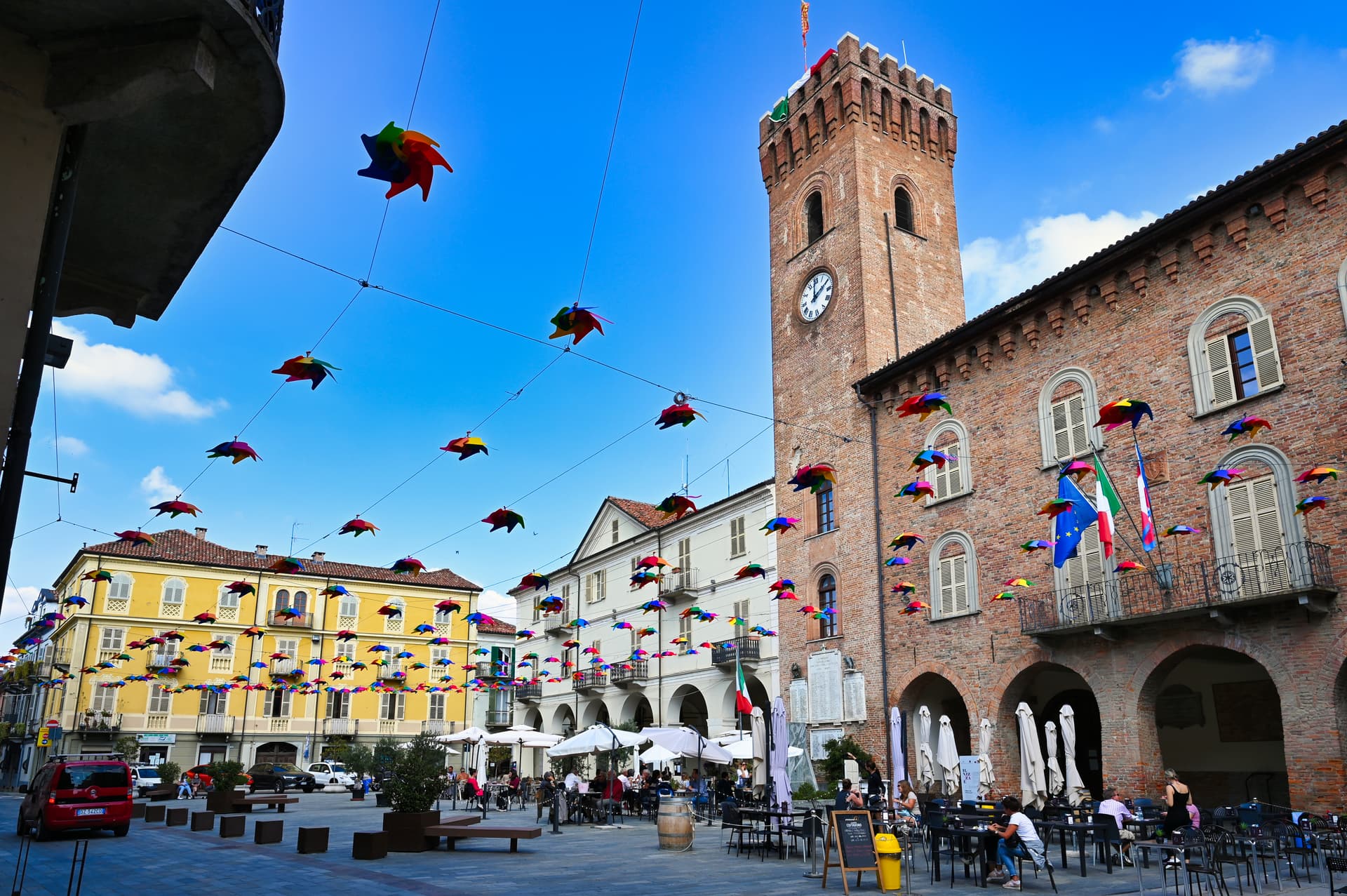
Nizza Monferrato
Province: Asti
The capital of Barbera at 267 meters in the upper Monferrato, founded 1225 and now standalone home of the Nizza DOCG.
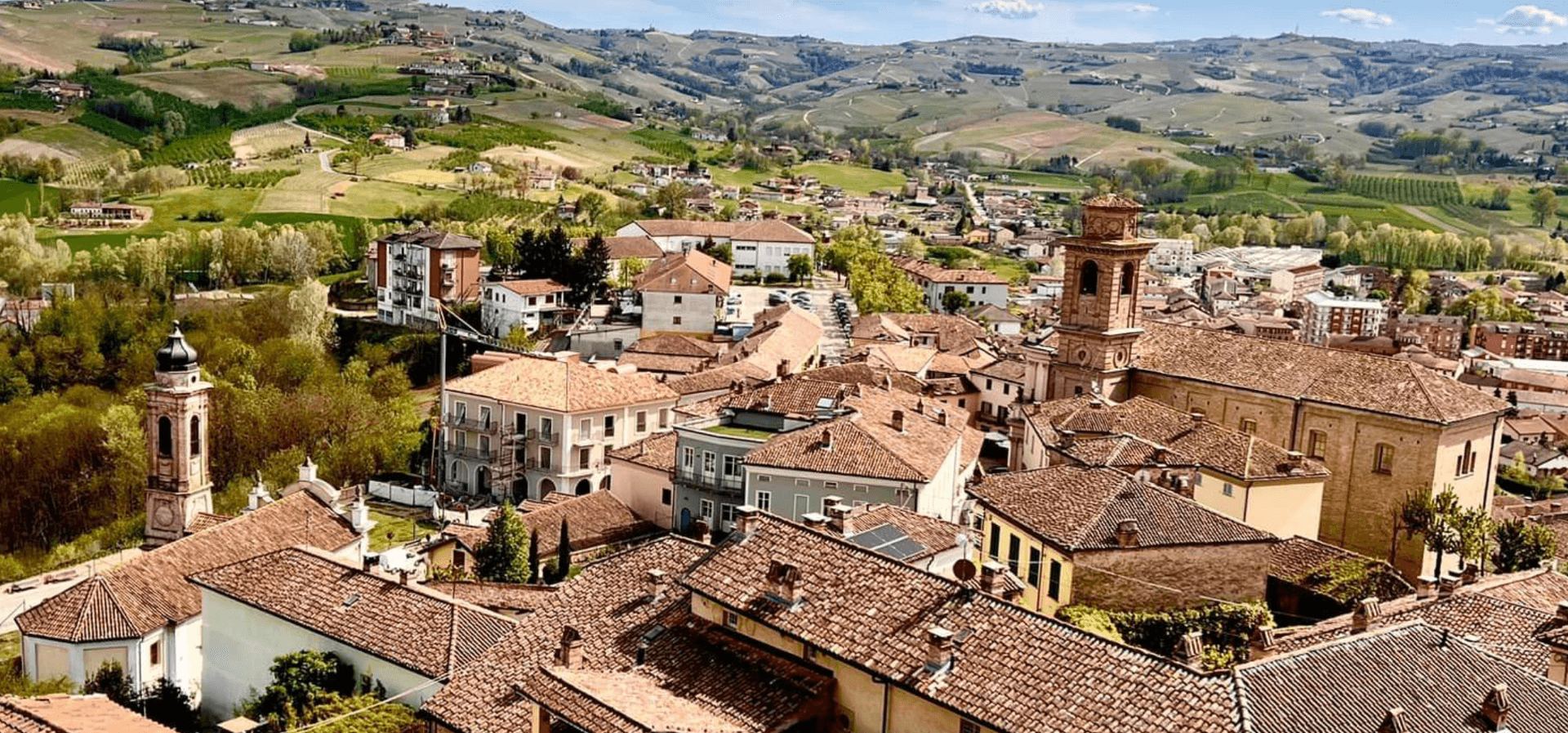
Castagnole delle Lanze
Province: Asti
An Asti hill town at 298 meters between Langhe and Monferrato, with two Baroque churches and a nineteenth-century astronomical tower.
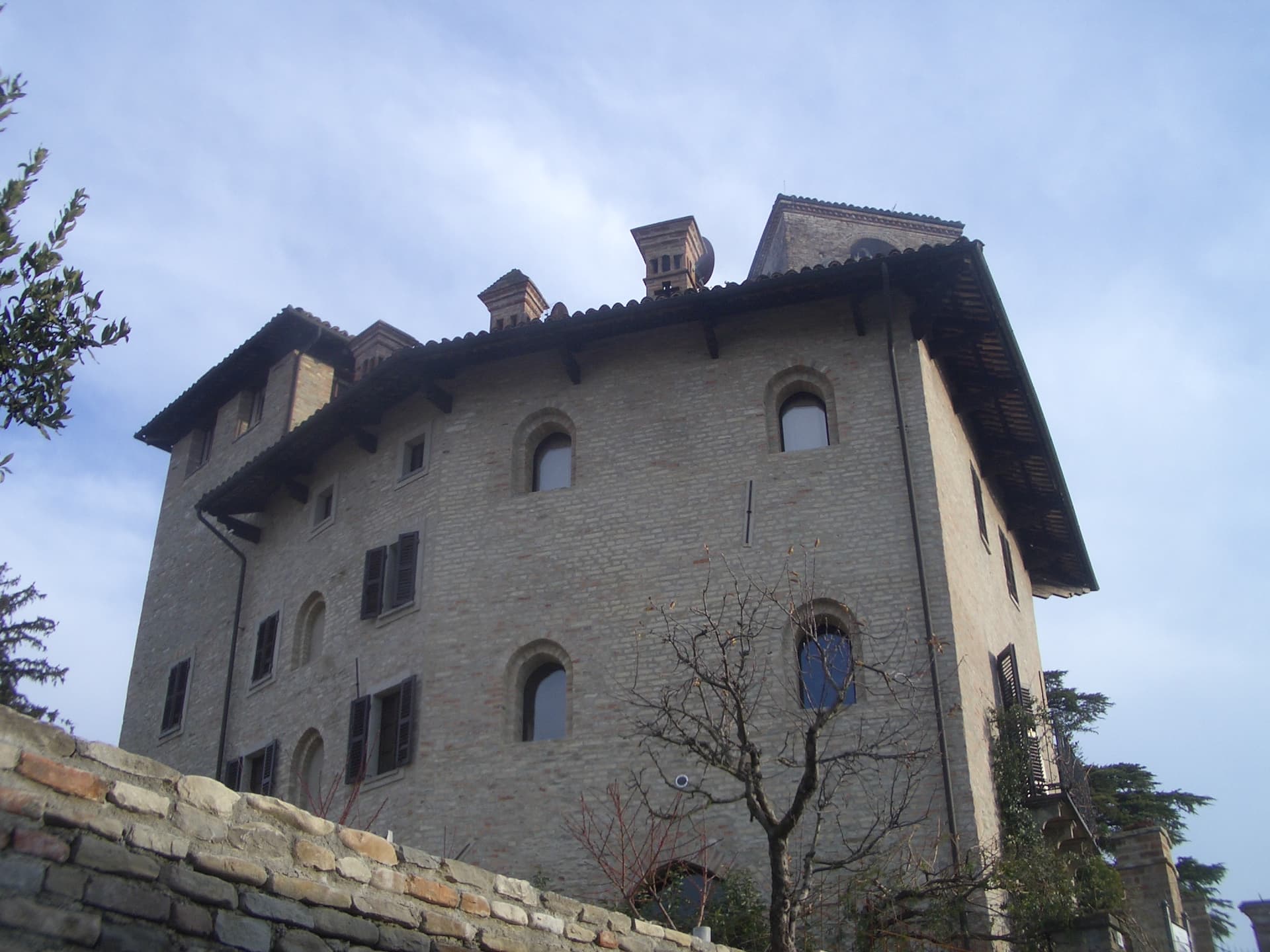
Neive
Province: Cuneo
A hilltop borgo at 308 meters in the Barbaresco zone, named for the Roman gens Naevia, with four wines in commercial volume.
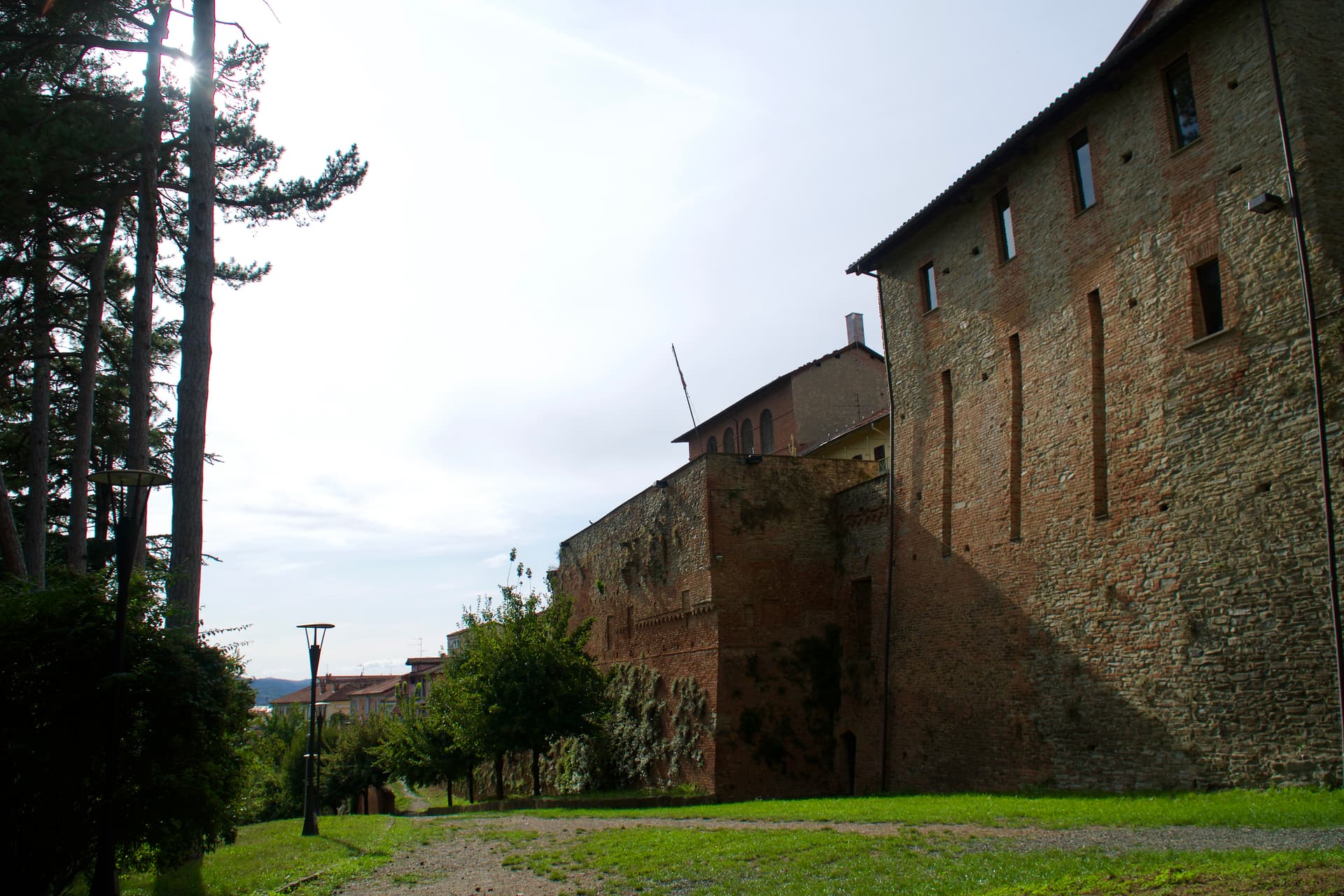
Acqui Terme
Province: Alessandria
A Roman spa town at 156 meters on the Bormida, where a sulphurous spring still surfaces at 74.5 degrees under an 1870 pavilion.
🟠 Bandiera Arancione
More Bandiera Arancione towns in Piedmont
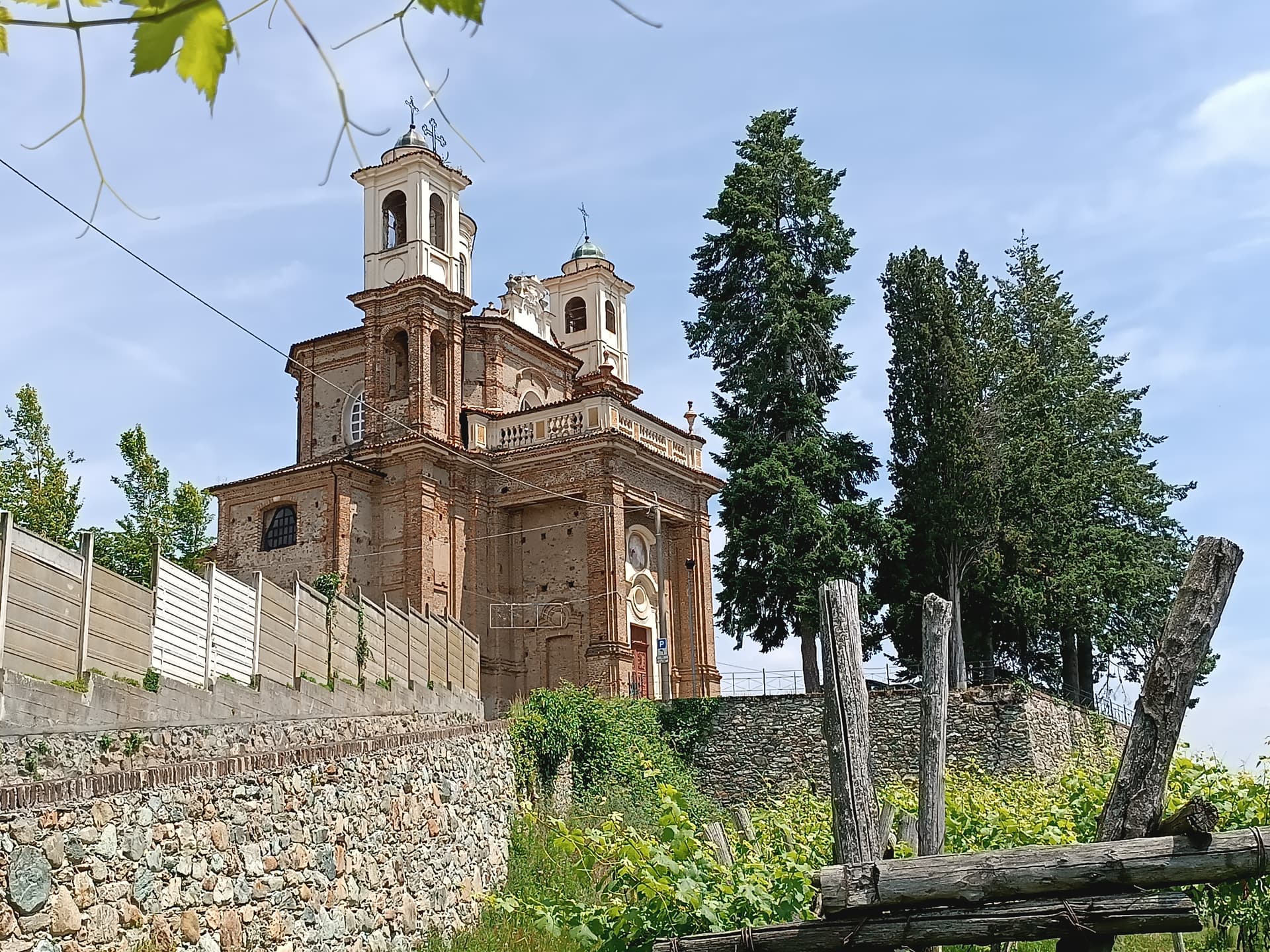
Agliè
Province: Torino
A Canavese borgo at 330 meters whose Castello Ducale, a UNESCO Savoy residence since 1997, has been held by the d'Agliè since 1259.
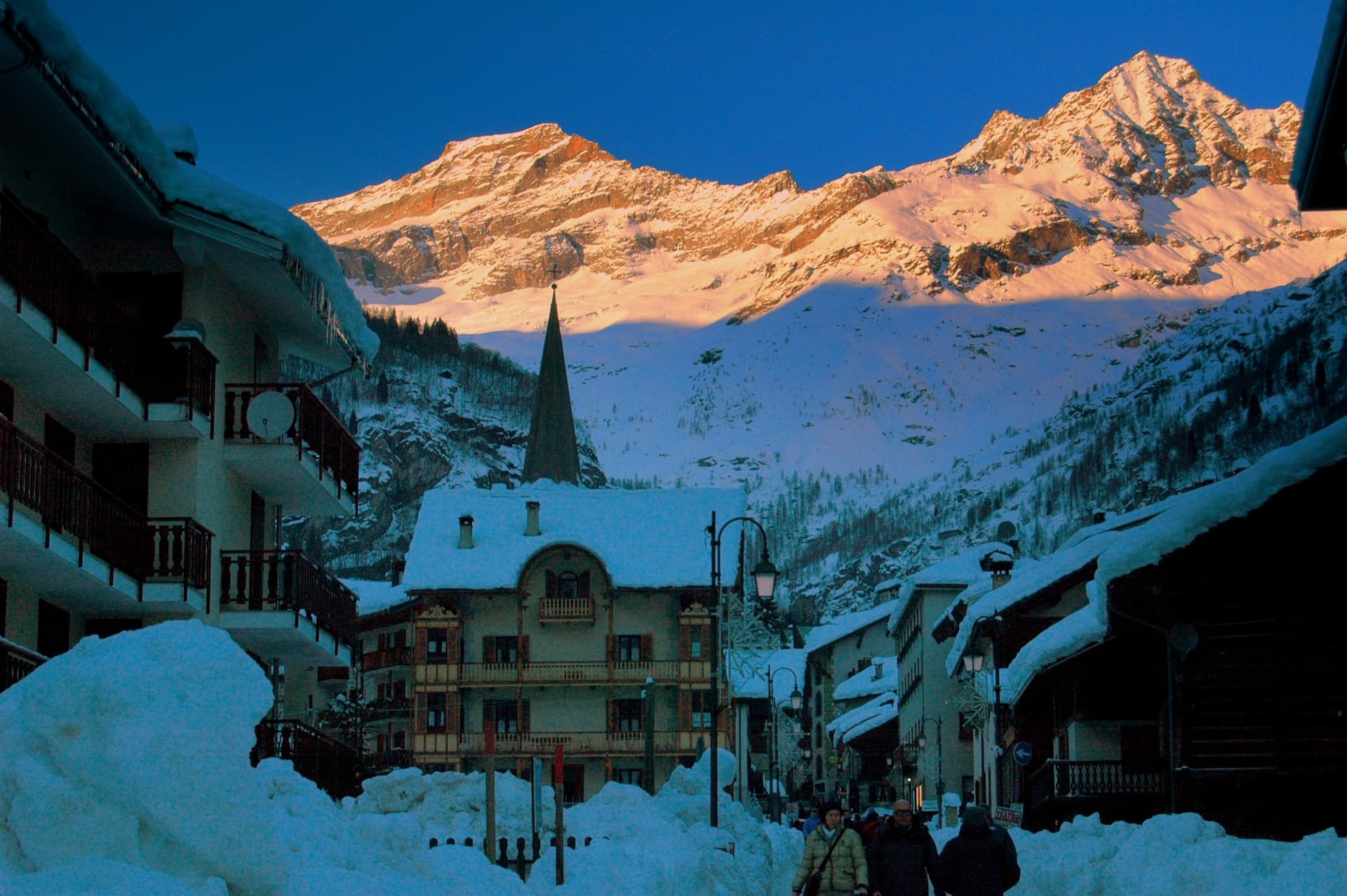
Alagna Valsesia
Province: Vercelli
A Walser village at 1,191 meters under Monte Rosa, settled from the Swiss Valais in the 13th century and known to off-piste skiers worldwide.
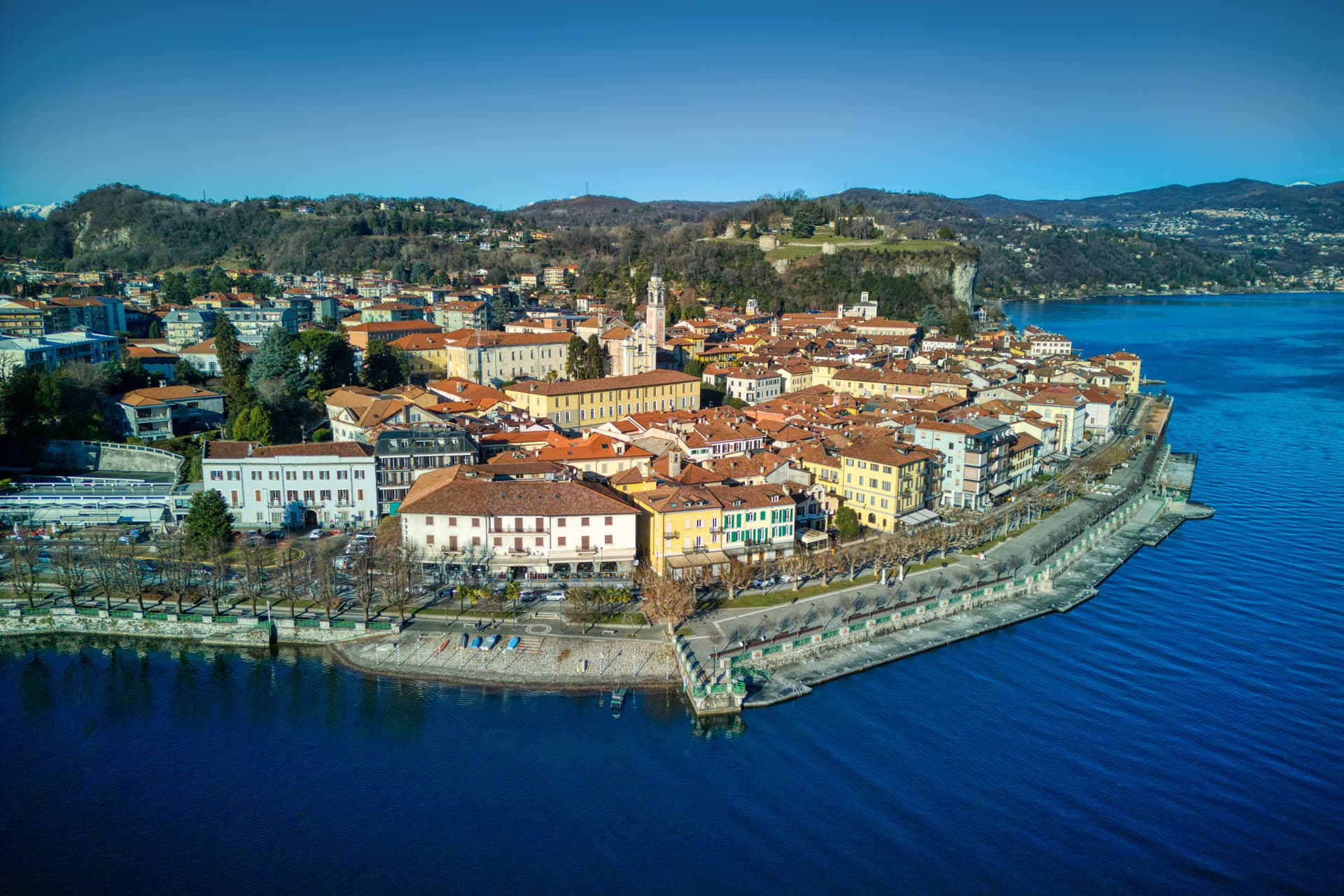
Arona
Province: Novara
A Lake Maggiore town at the southern tip of the lake, watched over by a 35-meter copper colossus of San Carlo Borromeo finished in 1698.
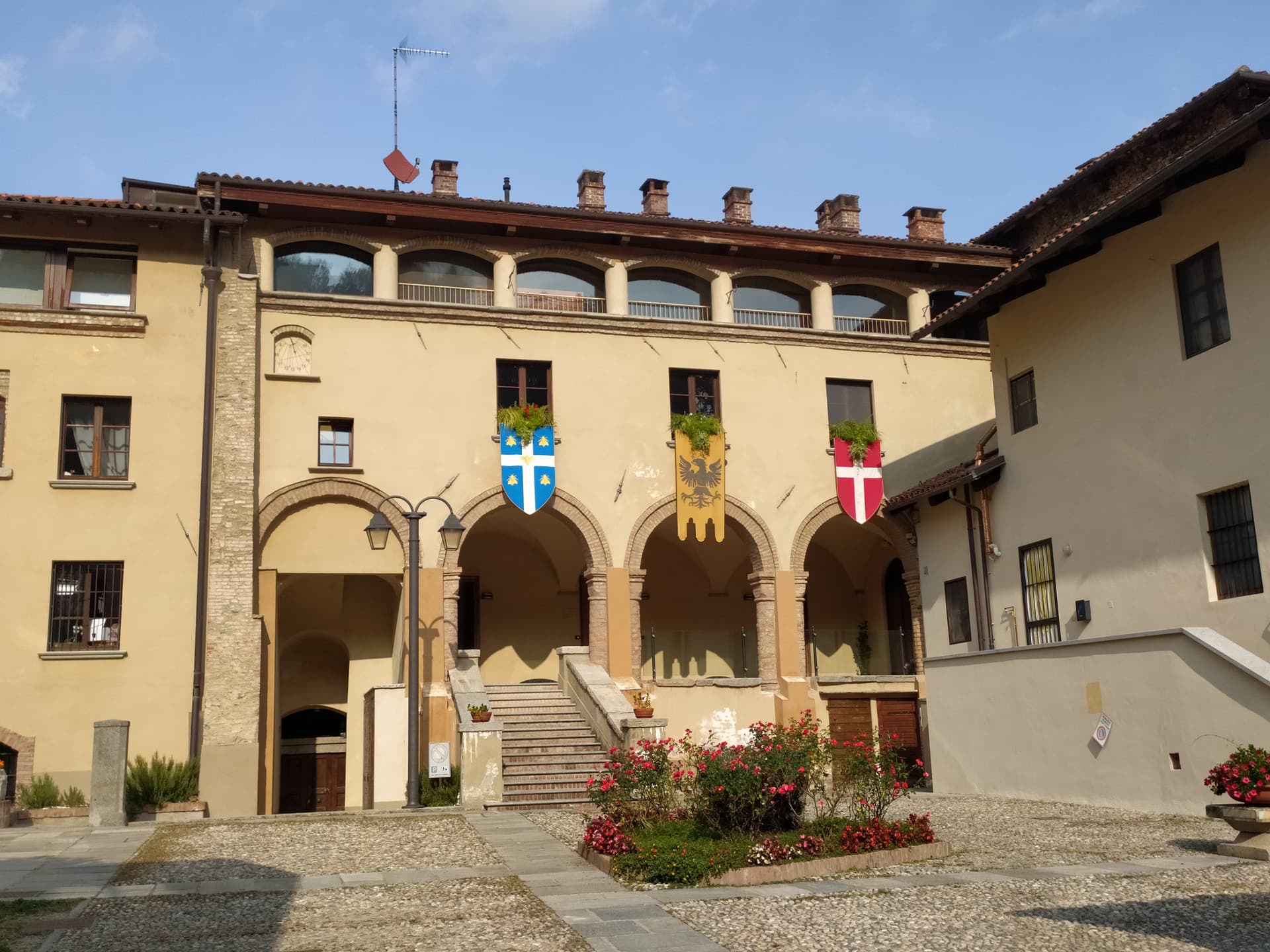
Avigliana
Province: Torino
A medieval Savoy town at 383 meters at the mouth of the Susa Valley, between two glacial lakes and the Sacra di San Michele.
Barolo
Province: Cuneo
A Langhe borgo at 301 meters whose Castello Falletti gave its name to the wine the Marchesi turned dry in the 1830s with Cavour's help.