

Piedmont · Alessandria
Acqui Terme
A Roman spa town on the Bormida, where a sulphurous spring still surfaces at 74.5 degrees under an 1870 pavilion.
Known for
LA BOLLENTE
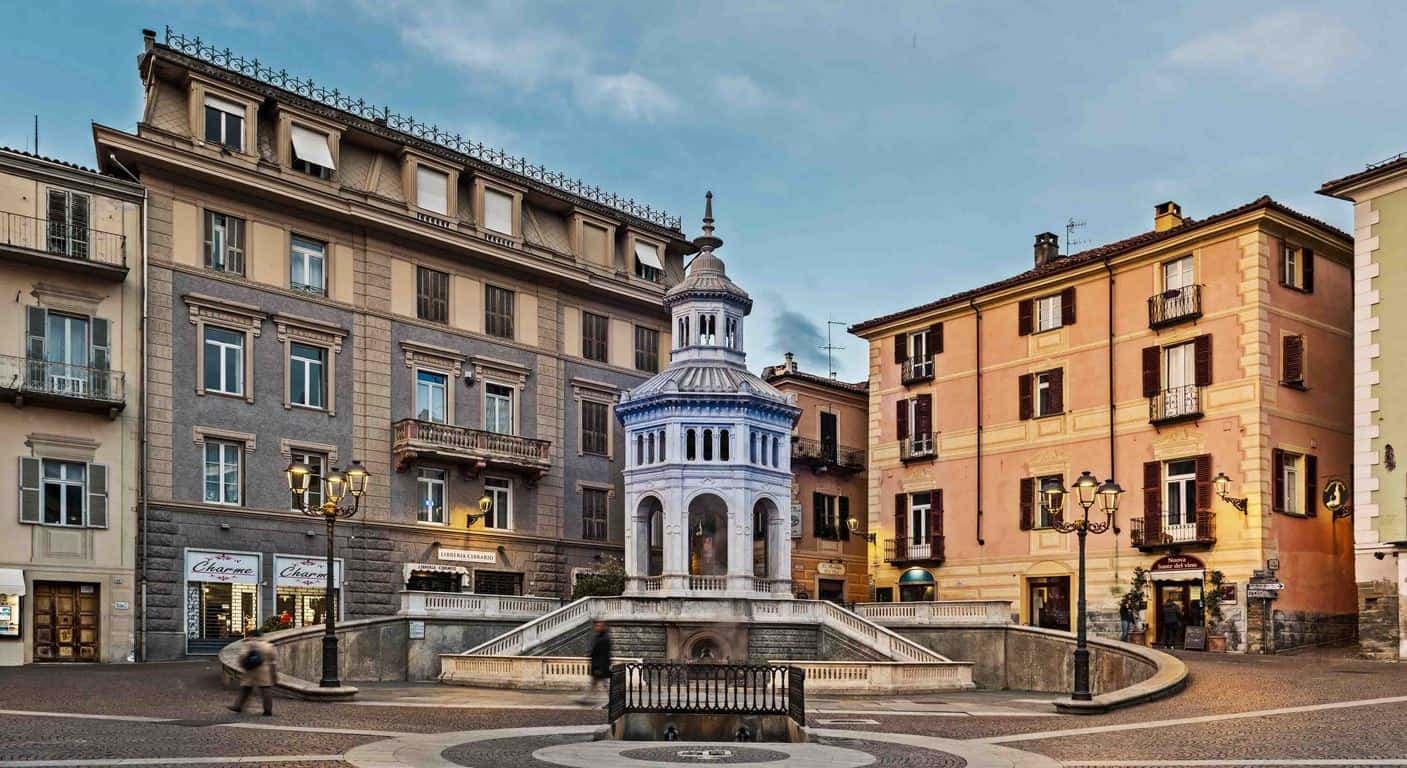
Sulphurous spring rising at 74.5 degrees in the central piazza, the same waters that drew the Romans to Aquae Statiellae.
ROMAN AQUEDUCT
Fifteen pillars and four arches across the Bormida, one of the best preserved imperial aqueducts in northern Italy.
BRACHETTO
Brachetto d'Acqui DOCG, a sparkling red dessert wine produced from at least 97% Brachetto grapes on the surrounding Monferrato hills.
When to visit
Best · All year
- J
- F
- M
- A
- M
- J
- J
- A
- S
- O
- N
- D
- Best
- Hot or crowded
- Quiet
- Mostly closed
The festa: Guido d'Acqui, seconda domenica di luglio
Why come
Acqui Terme sits on the Bormida, fifty kilometers north of Genova in the southern Monferrato hills. The Romans founded it as Aquae Statiellae in the second century BC, around hot sulphur springs Pliny the Elder rated among the best in the empire. The aqueduct they built to feed the baths still stands: fifteen pillars and four arches across the Bormida valley, one of the best preserved in northern Italy.
At the center of the old town, the Bollente spring still pushes water to the surface at 74. 5 degrees Celsius, under a small octagonal pavilion Giovanni Ceruti designed in 1870. The Romanesque cathedral was consecrated in 1067.
The surrounding hills produce Brachetto d'Acqui DOCG, a low-alcohol sparkling red made from at least 97% Brachetto grapes. The town carries three signals at once: Spighe Verdi, Comuni Termali, Città del Vino. The thermal trade runs year-round; the wine and the hills set the pace for everything else.
The Sunday letter
We haven’t written Acqui Terme’s letter yet.
One town every Sunday, with the photo, the food, the festa. Be there when this one comes up. Free, by Peter & Sophia from Pietrasanta.
By subscribing you agree to Substack’s Terms of Use, our Privacy Policy and our Information collection notice.
What to see
Acquedotto Romano
Imperial-era aqueduct, fifteen pillars and four arches across the Bormida valley, originally carrying water 13 km from the Erro stream.
La Bollente
Octagonal marble pavilion designed by Giovanni Ceruti in 1870, covering the sulphurous spring that surfaces at 74.5 degrees in the central piazza.
Duomo di Santa Maria Assunta
Romanesque cathedral consecrated in 1067 by Bishop Guido, built on the Latin cross plan over an earlier 10th-century church.
Castello dei Paleologi
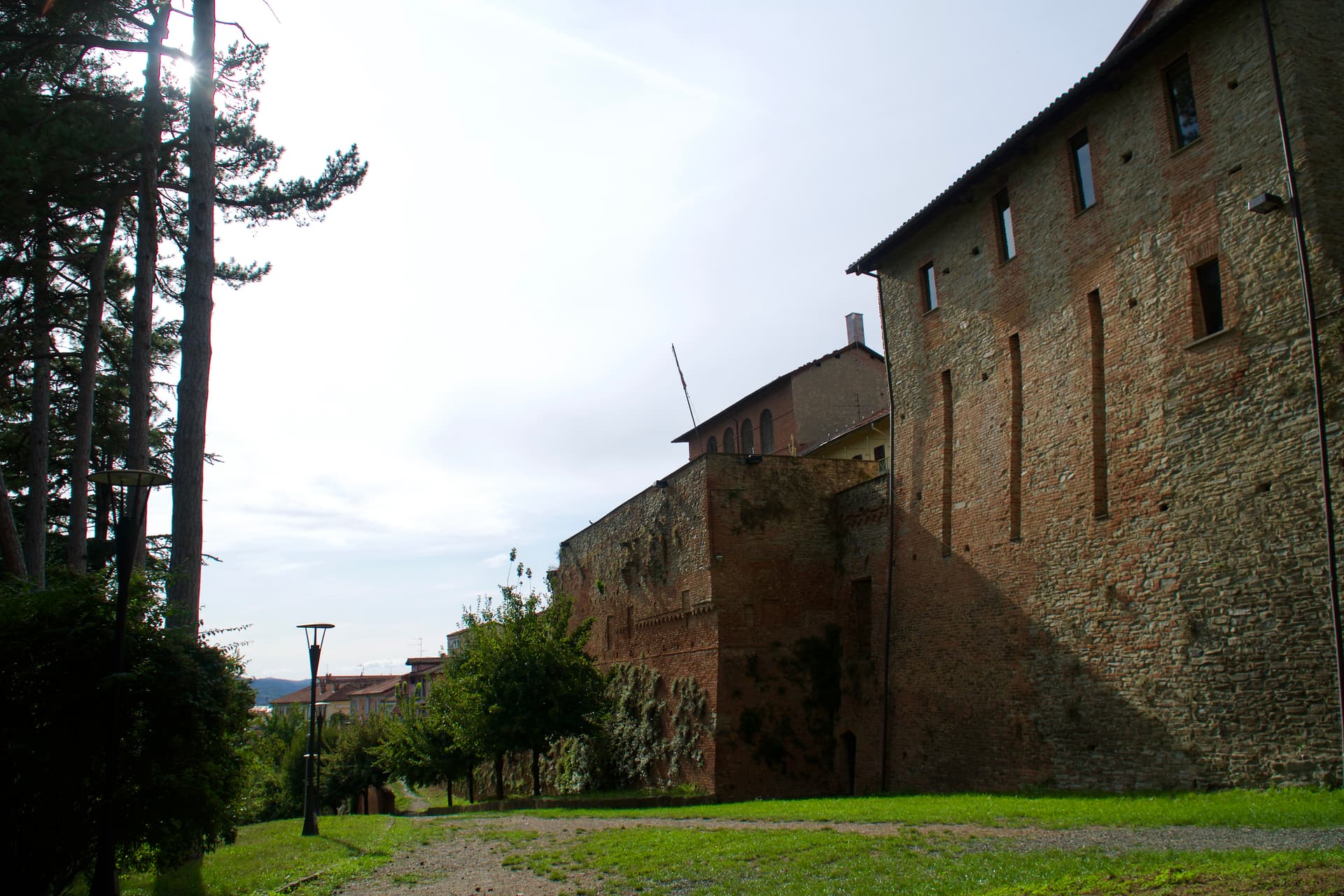
Late medieval castle of the Marquises of Monferrato above the centro storico, now housing the archaeological museum.
Museo Archeologico
Civic archaeological collection inside the Castello dei Paleologi, with finds from the Roman baths, theatre and amphitheatre of Aquae Statiellae.
The slow-trip planner
Building a trip? Find where Acqui Terme fits in a slow Italy circuit.
Answer five questions. We will shape a geographically coherent slow trip from the 1,000 Italian towns most travelers skip. Yours to save and share.
Living here
- Population 18,967
- In-betweeni
- Pharmacy in town
- High school within a 30-minute drive
- Train station in the comune
- Nearest airport Genoa, 1 h 3 min drive
- Regional capital Torino, 1 h 39 min drive
Thermal baths in town: Stabilimento Curativo Nuove Terme.
Tags & datadesignations · numbers · sources
Recognised as
The numbers
- Elevation: 156 m
- Population: 18,967
- Surface area: 33.3 km²
These figures were compiled from public directories — ISTAT, OpenStreetMap, Wikidata — and from the official listings of the guides named on this page. Town details change; verify with official sources before you travel.
Close by
More towns near Acqui Terme
Ovada
Province: Alessandria
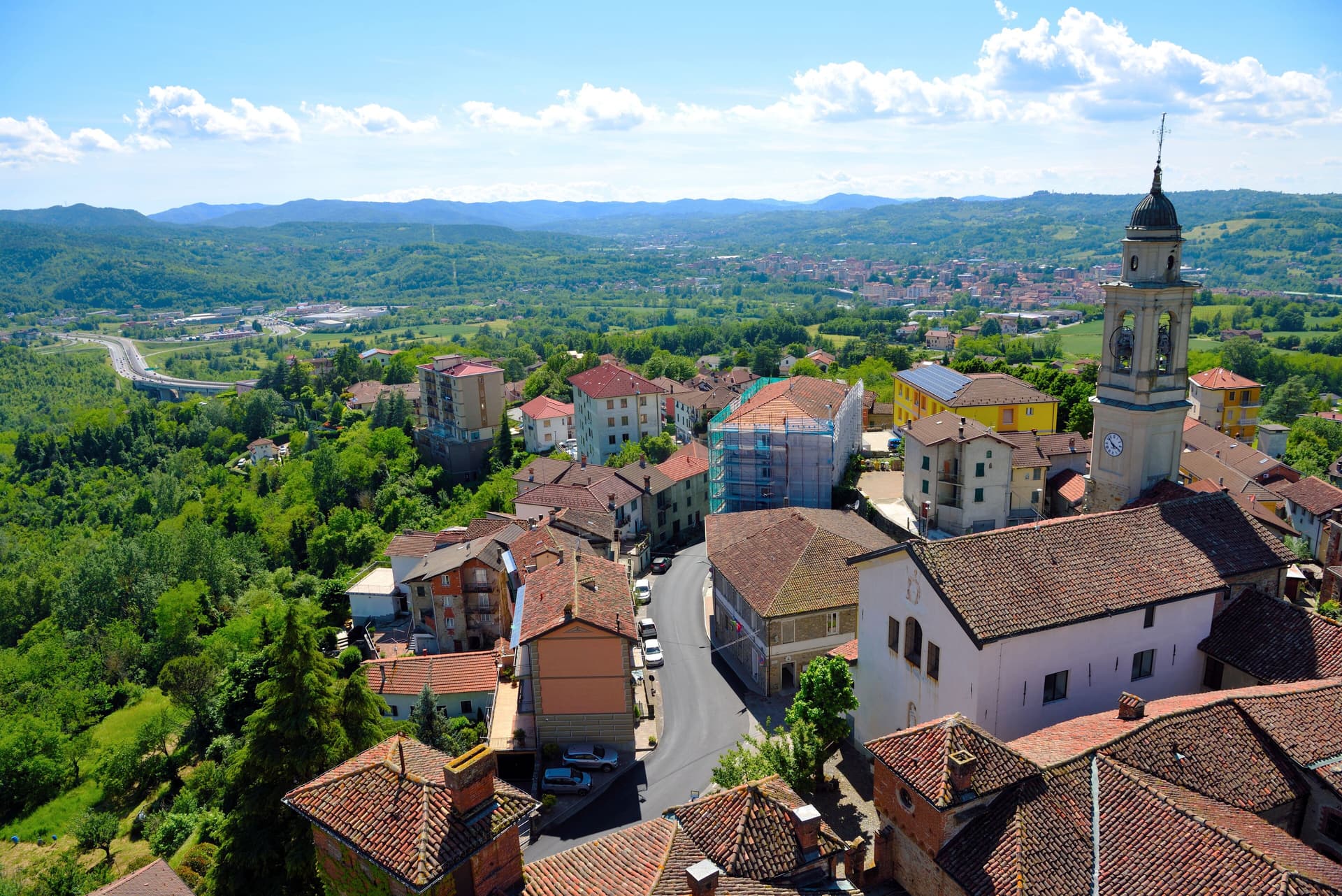
The Monferrato town at 186 meters where the Orba meets the Stura, the first Dolcetto DOC zone in Piemonte and now DOCG.
Mombaldone
Province: Asti
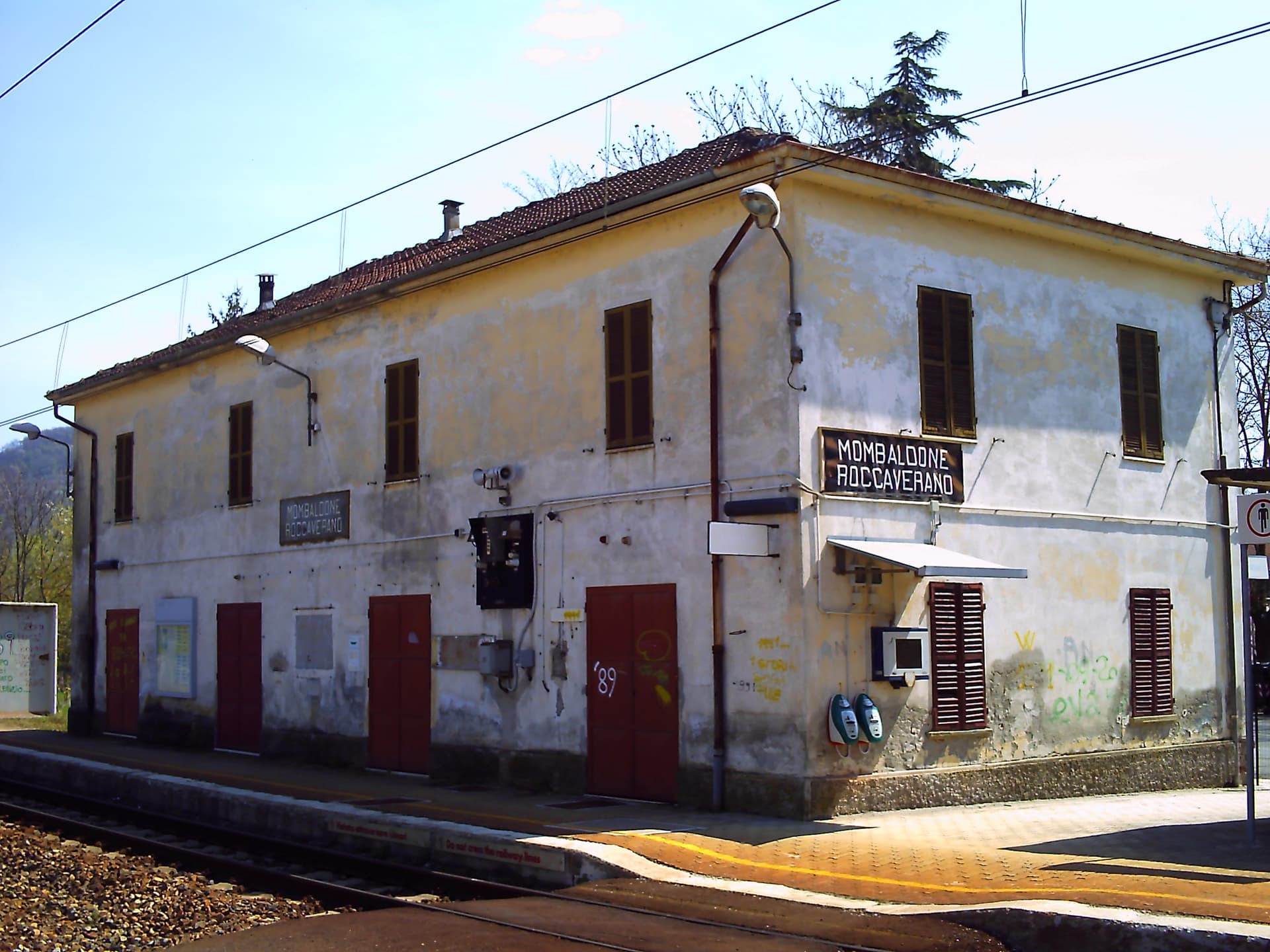
A walled village of 197 residents in the Langa Astigiana, the only borgo in the area that still holds its full medieval perimeter.
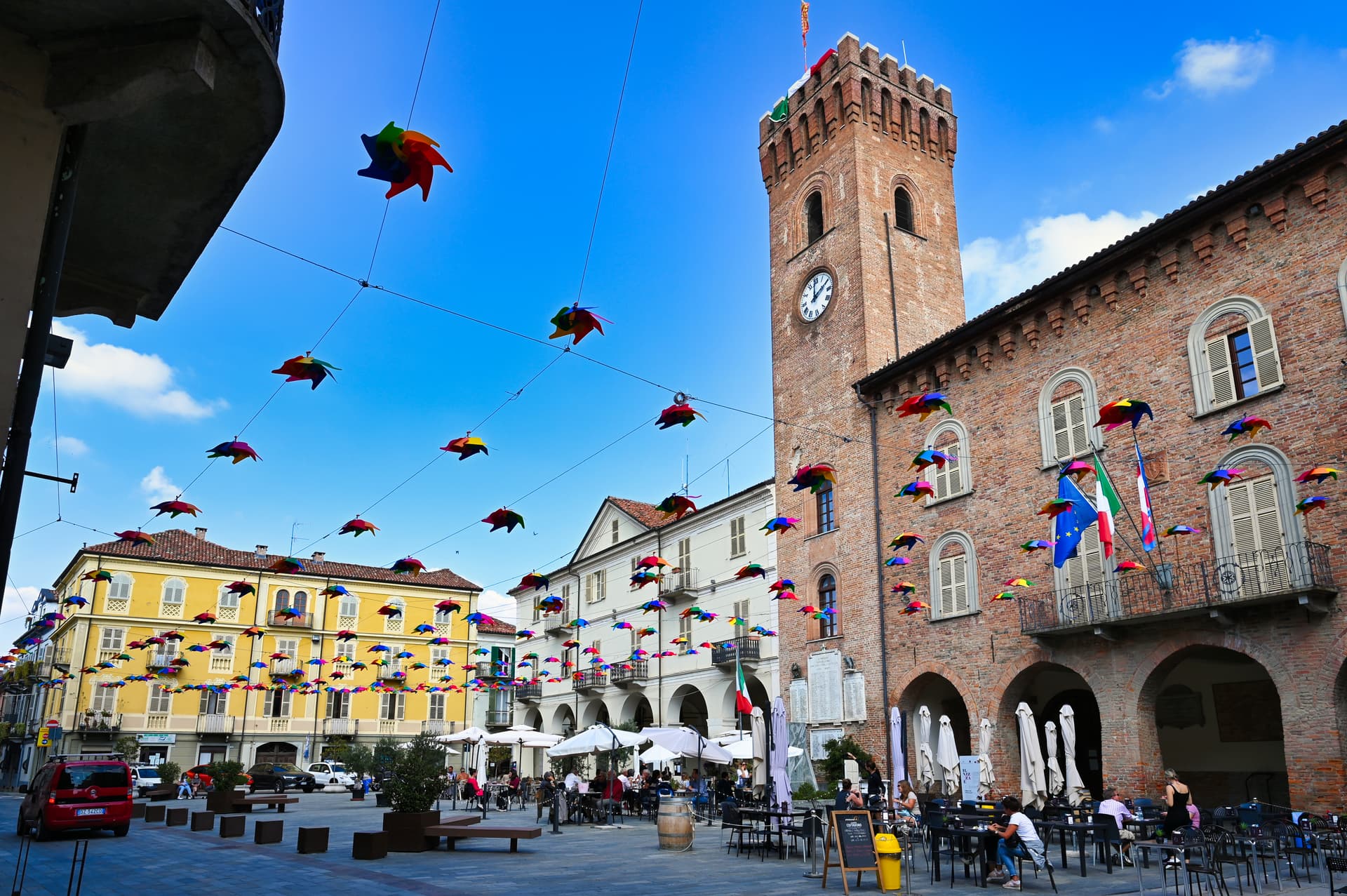
Nizza Monferrato
Province: Asti
The capital of Barbera at 267 meters in the upper Monferrato, founded 1225 and now standalone home of the Nizza DOCG.
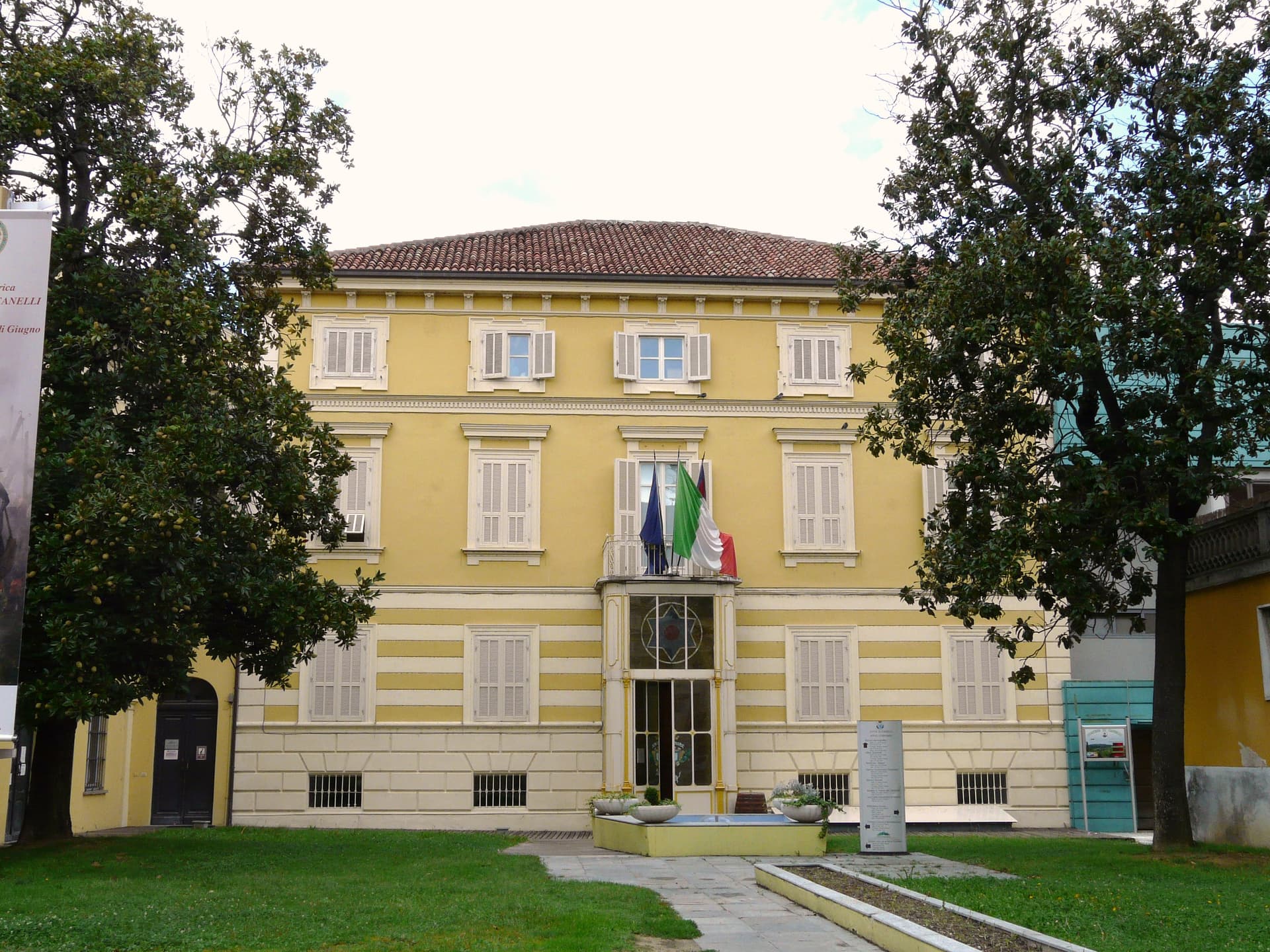
Canelli
Province: Asti
The Asti Spumante town at 157 meters in the Belbo valley, where 20 kilometers of underground tuff cellars hold millions of bottles at constant temperature.
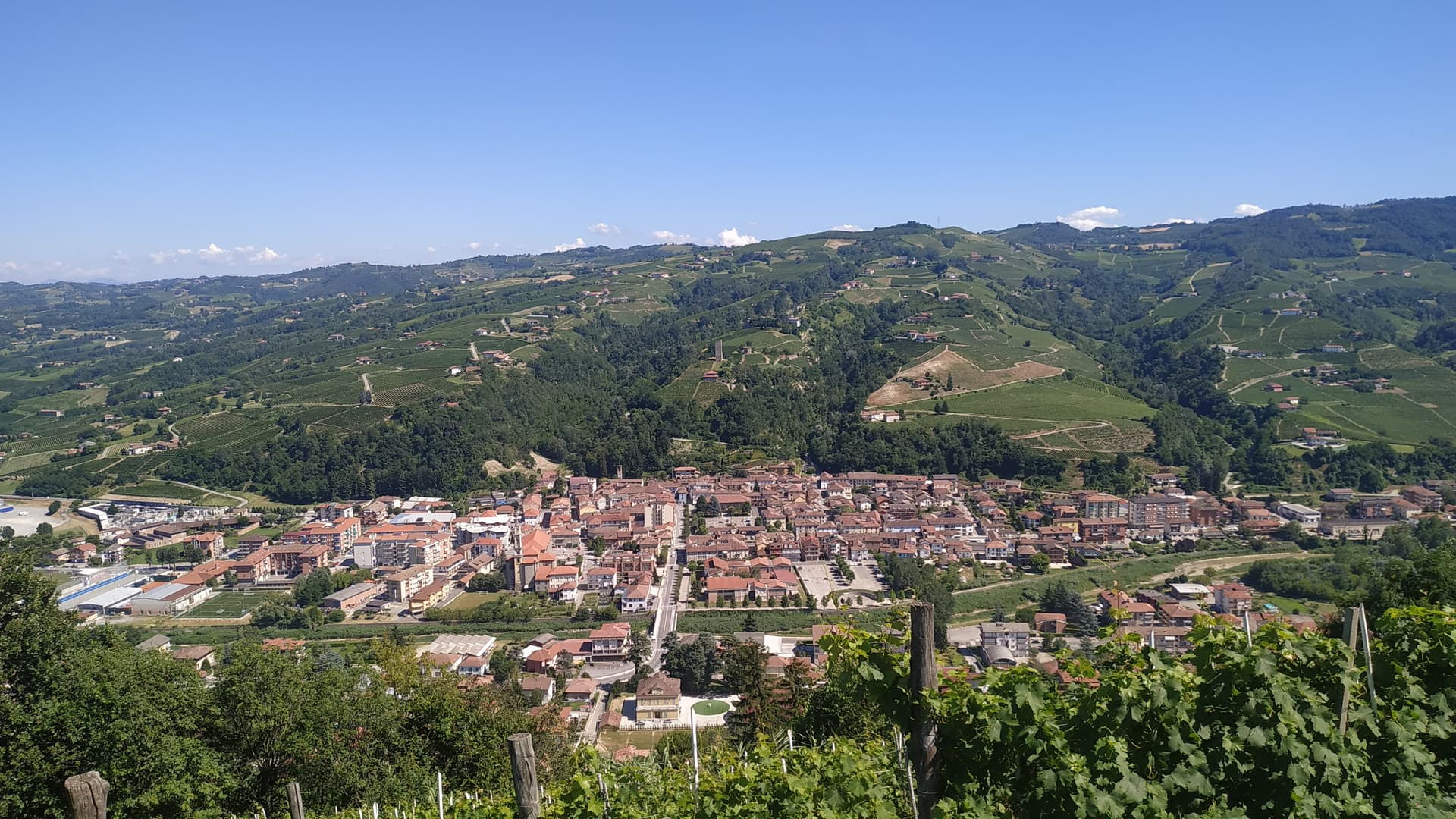
Santo Stefano Belbo
Province: Cuneo
A Belbo valley village at 175 meters between the Langhe and Asti hills, birthplace of Cesare Pavese and the largest producer of Moscato d'Asti.
🌻 Spighe Verdi
More Spighe Verdi towns in Piedmont
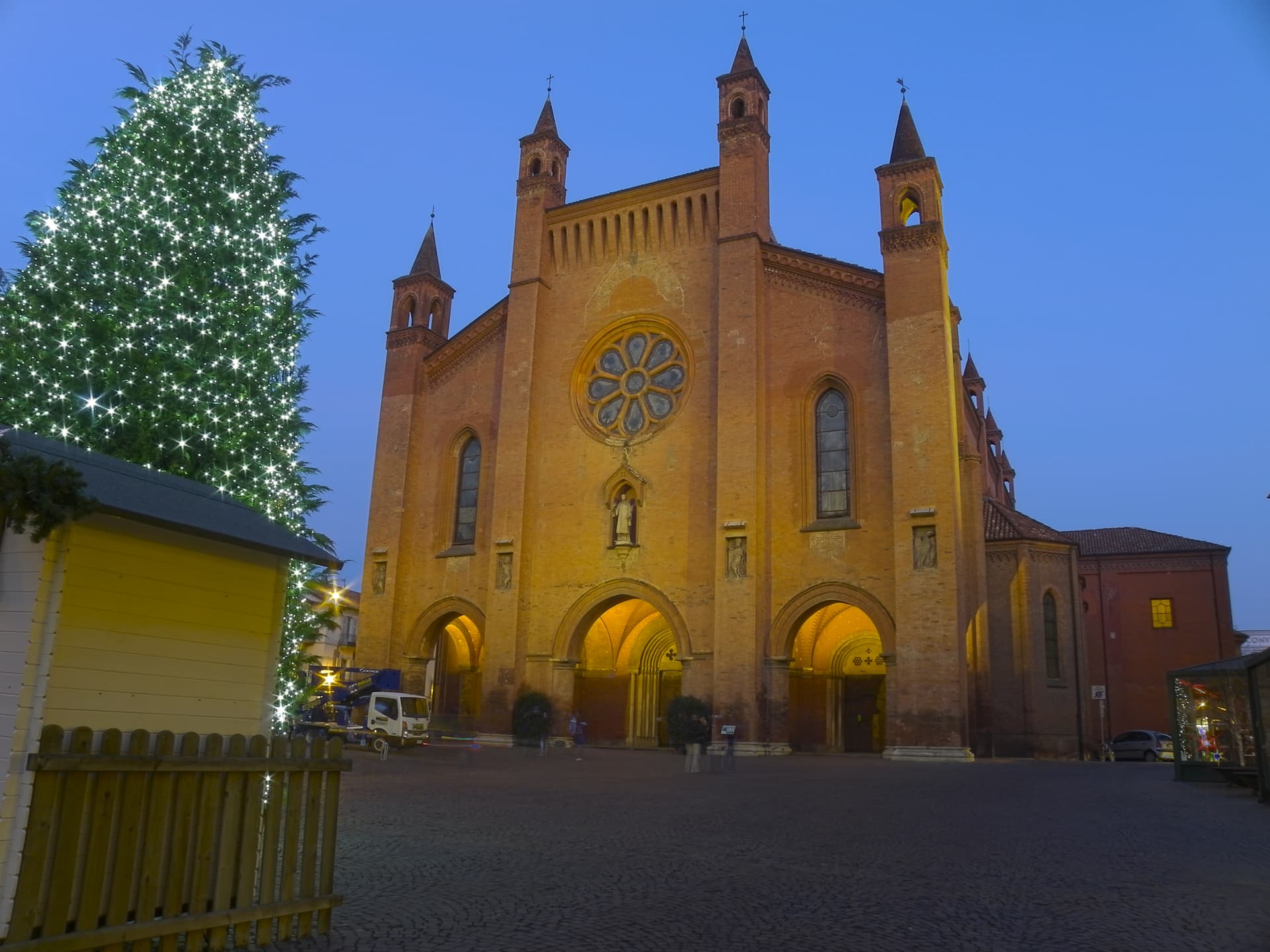
Alba
Province: Cuneo
The Langhe capital at 172 meters on the Tanaro, world reference for white truffle and Nebbiolo, headquarters of Ferrero.
Bra
Province: Cuneo
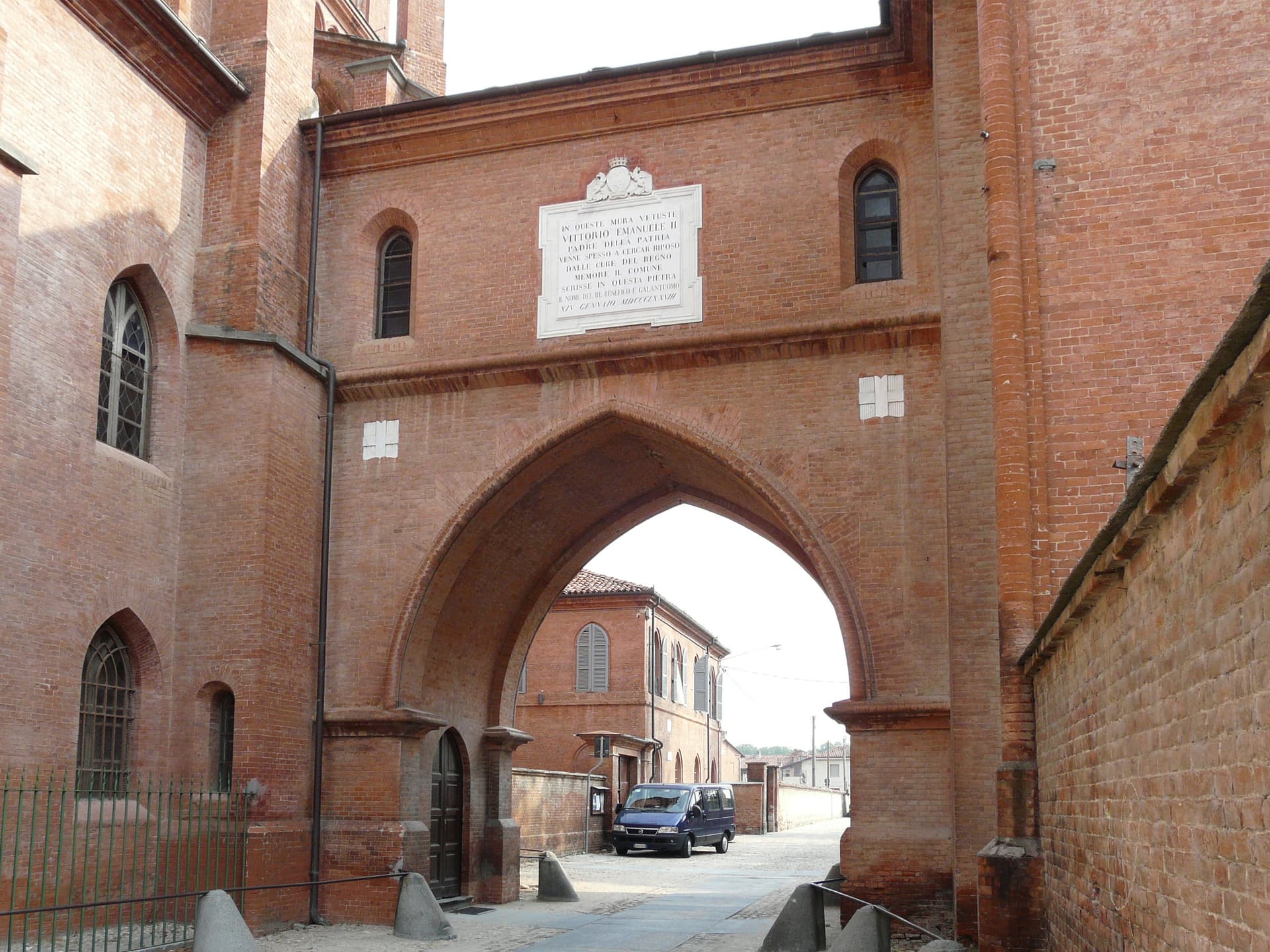
A Roero town at 290 meters where Carlo Petrini founded Slow Food in 1986 and the world's first gastronomic university now teaches food systems.
Castiglione Falletto
Province: Cuneo
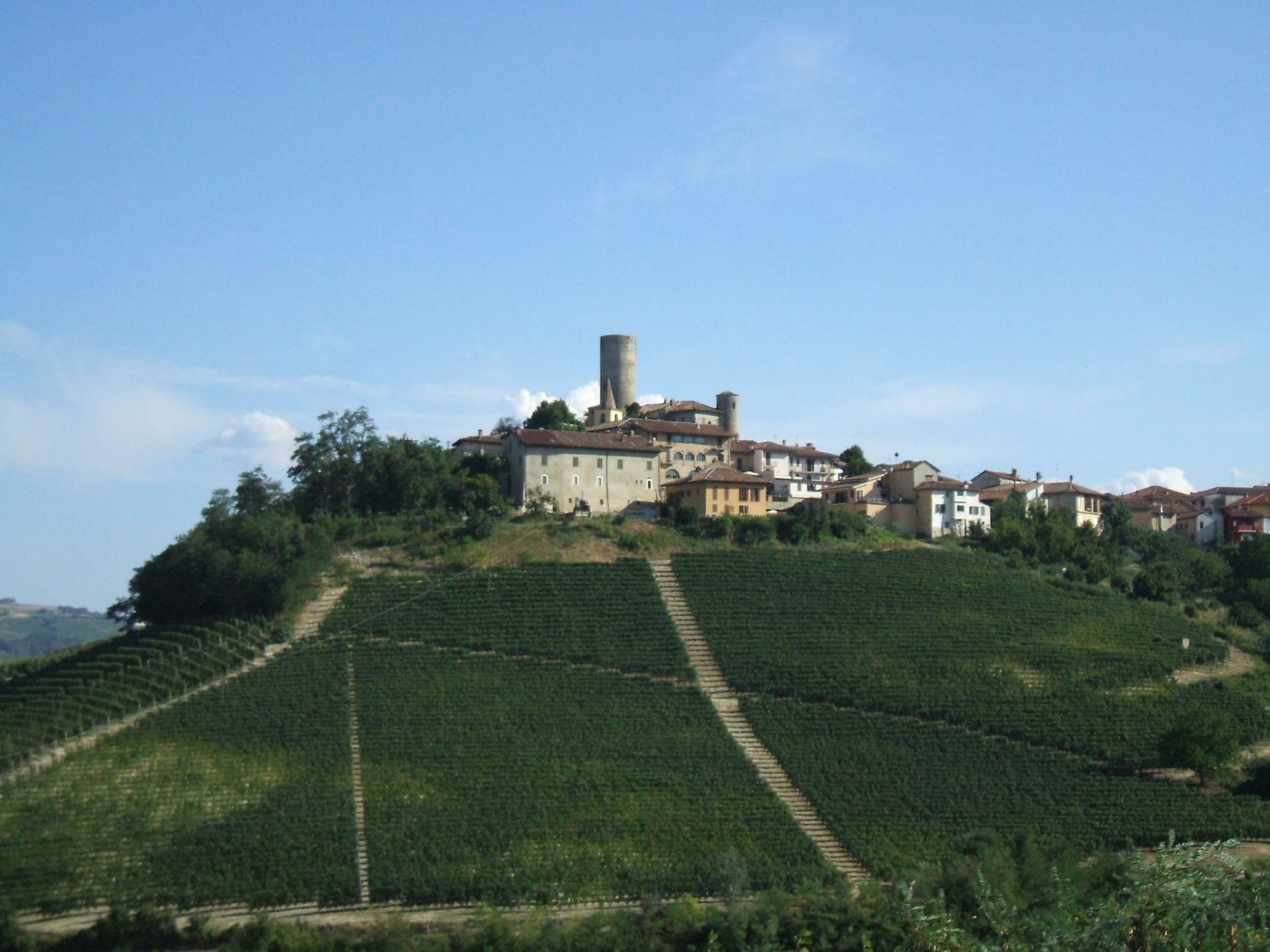
A Barolo hilltop of 672 at 350 meters in the Langhe, with an eleventh-century castle whose circular keep is over seven meters in diameter.
Cherasco
Province: Cuneo
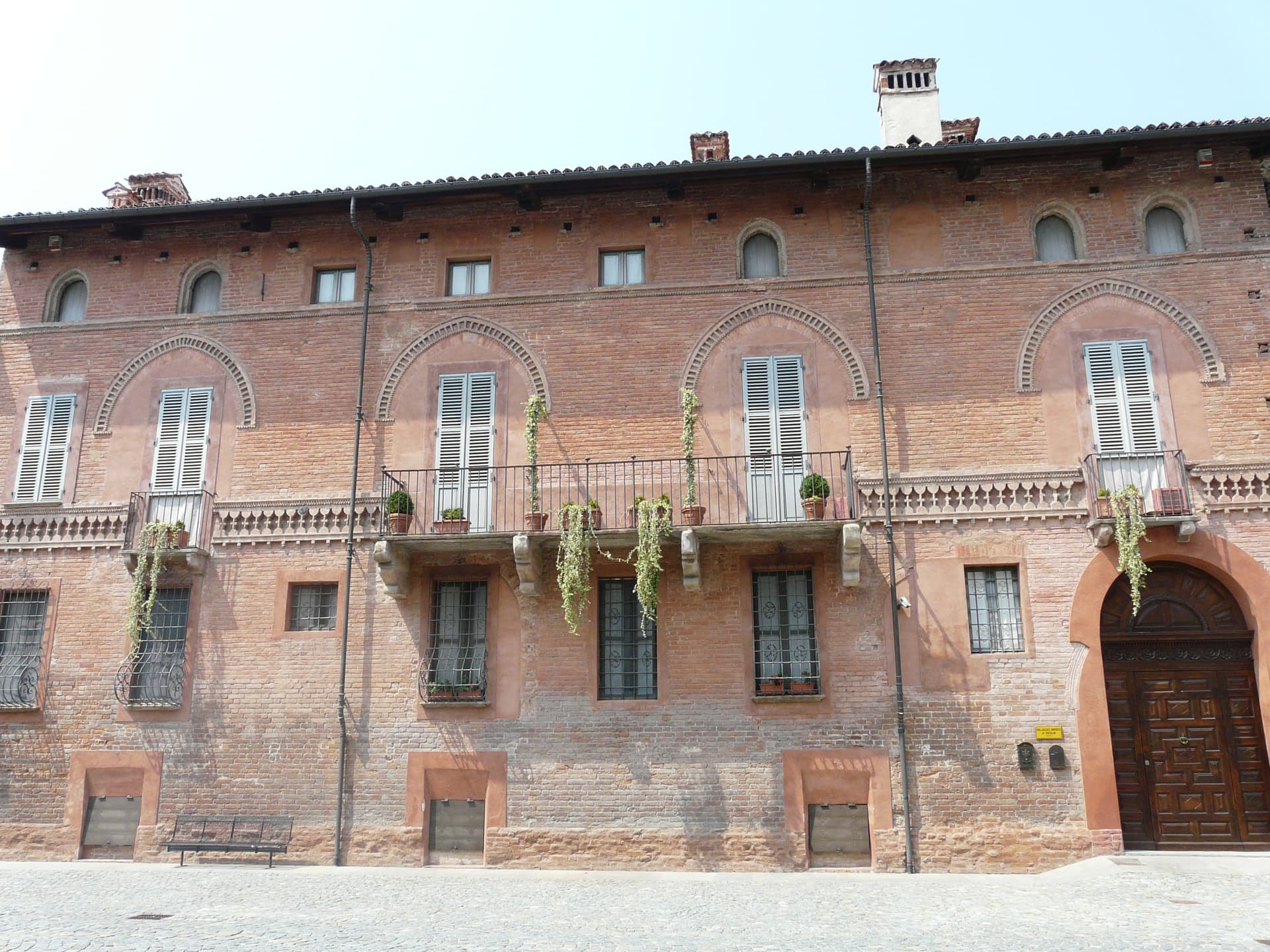
A walled town at 288 meters where the Tanaro meets the Stura, where Napoleon imposed his 1796 armistice on Piedmont.
Chiusa di Pesio
Province: Cuneo
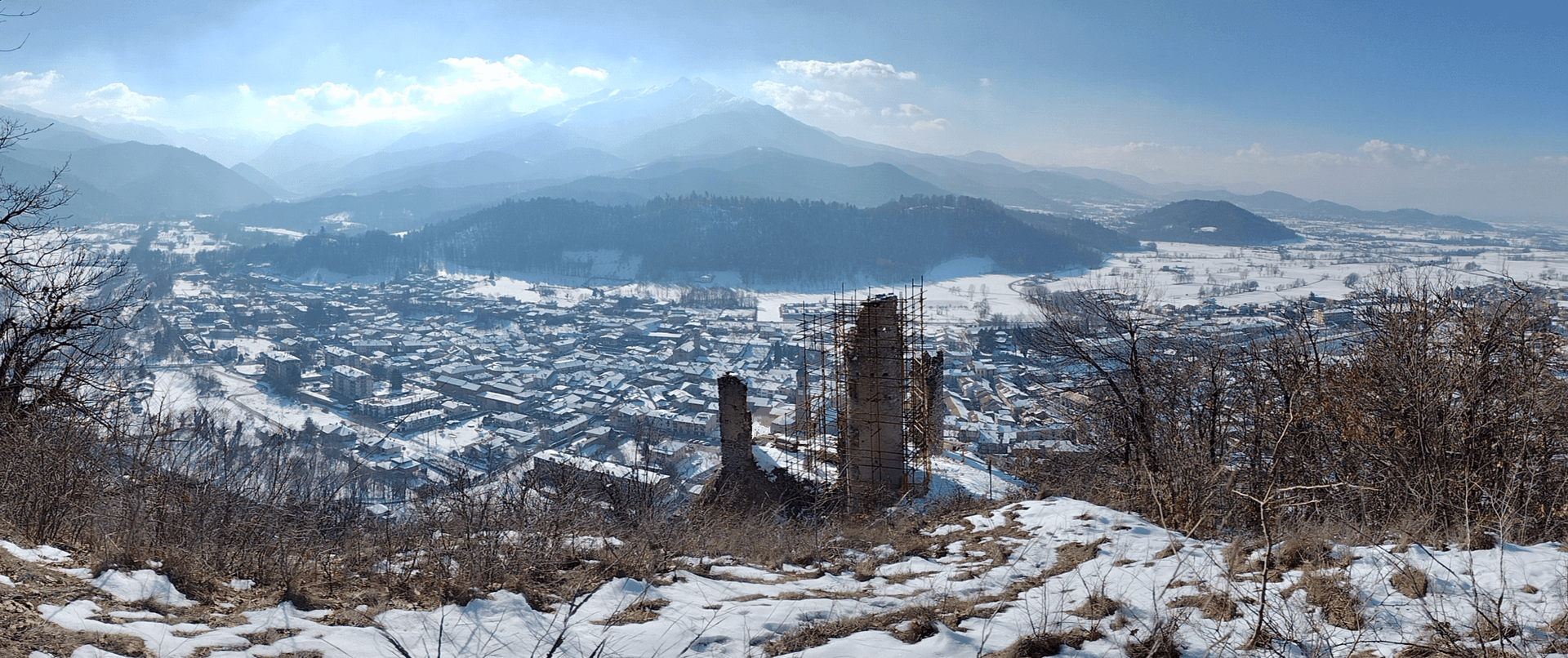
The valley mouth town at 575 meters where the Pesio leaves the Ligurian Alps, founded around a Carthusian monastery donated in 1173.