

Piedmont · Cuneo
Chiusa di Pesio
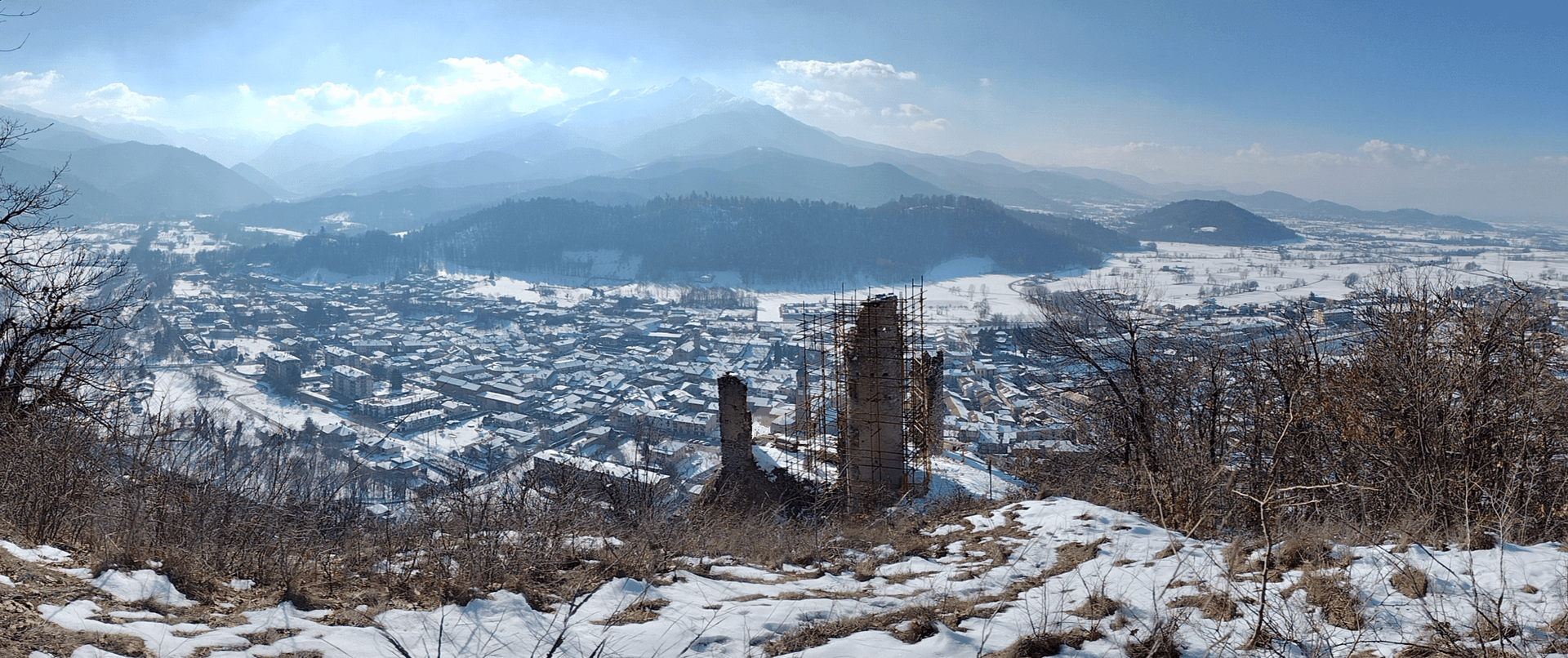
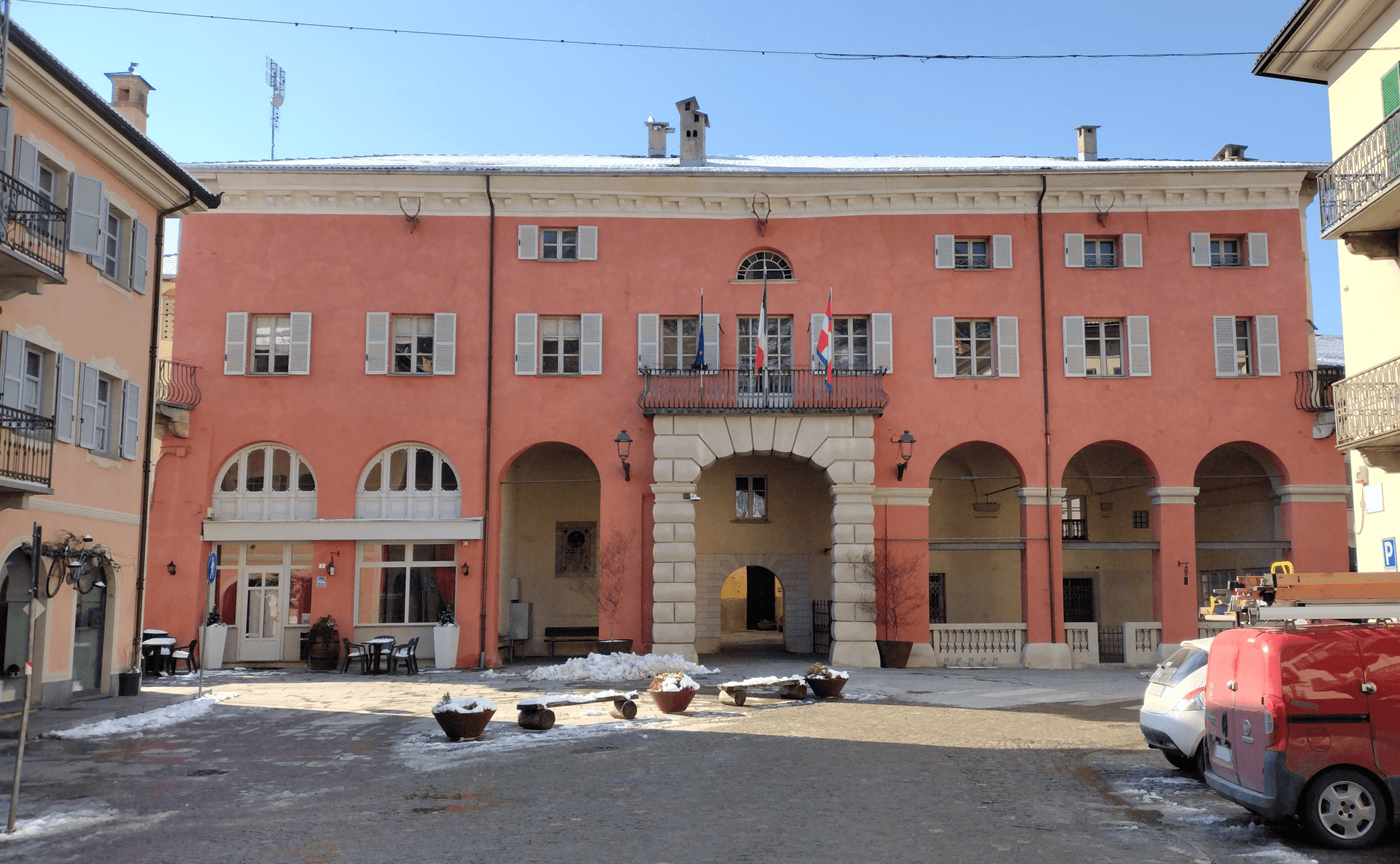
The valley mouth town at 575 meters where the Pesio leaves the Ligurian Alps, founded around a Carthusian monastery donated in 1173.
Known for
CERTOSA DI PESIO
Carthusian monastery founded 1173 after the Morozzo donation, still standing at the foot of Monte Mindino.
THE WOLF PACK
First stable wolf pack documented in the Italian Alps settled in Valle Pesio in the mid-1990s.
CHESTNUTS
Member of Città del Castagno, harvested from the lower-valley woods the Carthusians once managed for the order.
When to visit
Best · Apr–Oct
- J
- F
- M
- A
- M
- J
- J
- A
- S
- O
- N
- D
- Best
- Hot or crowded
- Quiet
- Mostly closed
The festa: Antonino di Apamea, 28 August
Why come
Chiusa di Pesio sits at 575 meters at the gateway of the Valle Pesio, the wedge of the Ligurian Alps that runs fifteen kilometers from the town up to the French border. Municipal territory climbs from 575 meters at the village to over 2,600 meters at the ridge. The town exists because of the Certosa di Pesio: in 1173 the lords of Morozzo donated upper-valley lands to a Carthusian monk named Ulderich from Casale, and the charterhouse that grew on that gift became one of the great spiritual and forestry centers of medieval Piedmont.
The Carthusians left in the eighteenth century. The Missionaries of the Consolata took over the complex, which still stands at the foot of Monte Mindino. Above the Certosa, the Parco Naturale del Marguareis protects 7,900 hectares around the 2,651-meter peak, including the most important alpine karst system in Piedmont, 150 kilometers of explored caves. The first stable wolf pack documented in the Italian Alps settled here in the mid-1990s.
The Sunday letter
We haven’t written Chiusa di Pesio’s letter yet.
One town every Sunday, with the photo, the food, the festa. Be there when this one comes up. Free, by Peter & Sophia from Pietrasanta.
By subscribing you agree to Substack’s Terms of Use, our Privacy Policy and our Information collection notice.
What to see
Certosa di Santa Maria in Valle Pesio
Carthusian monastery founded 1173, now run by the Missionaries of the Consolata, the cultural anchor of the upper valley.
Parco Naturale del Marguareis
Protected area of 7,900 hectares around the 2,651-meter Marguareis peak, with the largest alpine karst system in Piedmont.
Karst caves of the Marguareis
More than 150 kilometers of explored caves reaching 1,000 meters depth, among the most extensive cave systems in the Western Alps.
Monte Marguareis
At 2,651 meters, the highest peak of the Ligurian Alps and the geographical anchor of the protected area above the village.
The slow-trip planner
Building a trip? Find where Chiusa di Pesio fits in a slow Italy circuit.
Answer five questions. We will shape a geographically coherent slow trip from the 1,000 Italian towns most travelers skip. Yours to save and share.
Living here
- Population 3,586
- Commuter belti
- Pharmacy in town
- Nearest high school over ~30 minutes away
- Nearest airport Turin, 1 h 57 min drive
- Regional capital Torino, 1 h 39 min drive
Tags & datadesignations · numbers · sources
The numbers
- Elevation: 575 m
- Population: 3,586
- Surface area: 95.02 km²
These figures were compiled from public directories — ISTAT, OpenStreetMap, Wikidata — and from the official listings of the guides named on this page. Town details change; verify with official sources before you travel.
Close by
More towns near Chiusa di Pesio
Dogliani
Province: Cuneo
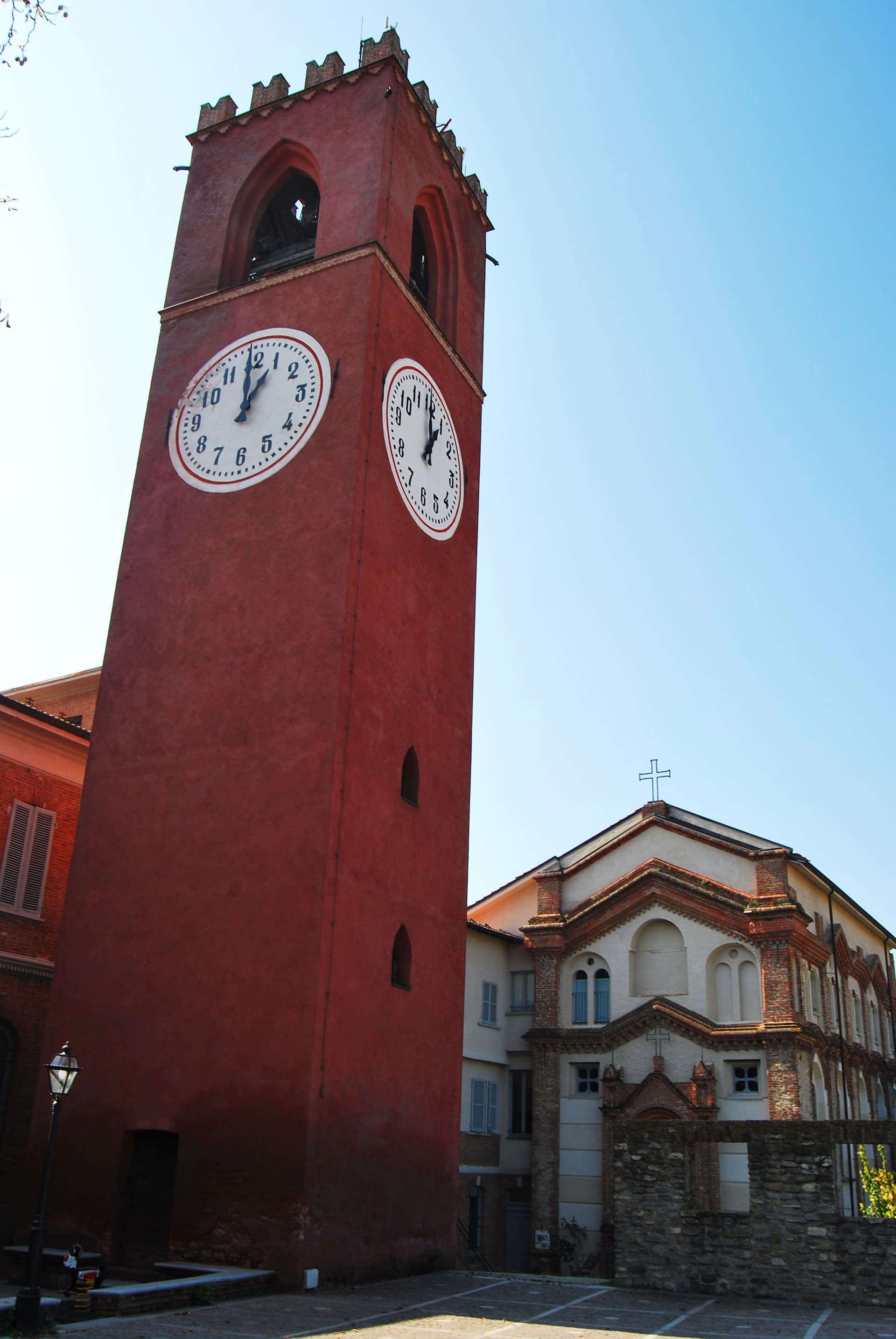
A two-tier Langhe town at 295 meters, the Borgo by the Rea stream and the Castello on the hill, capital of Dolcetto di Dogliani DOCG.
Villar San Costanzo
Province: Cuneo
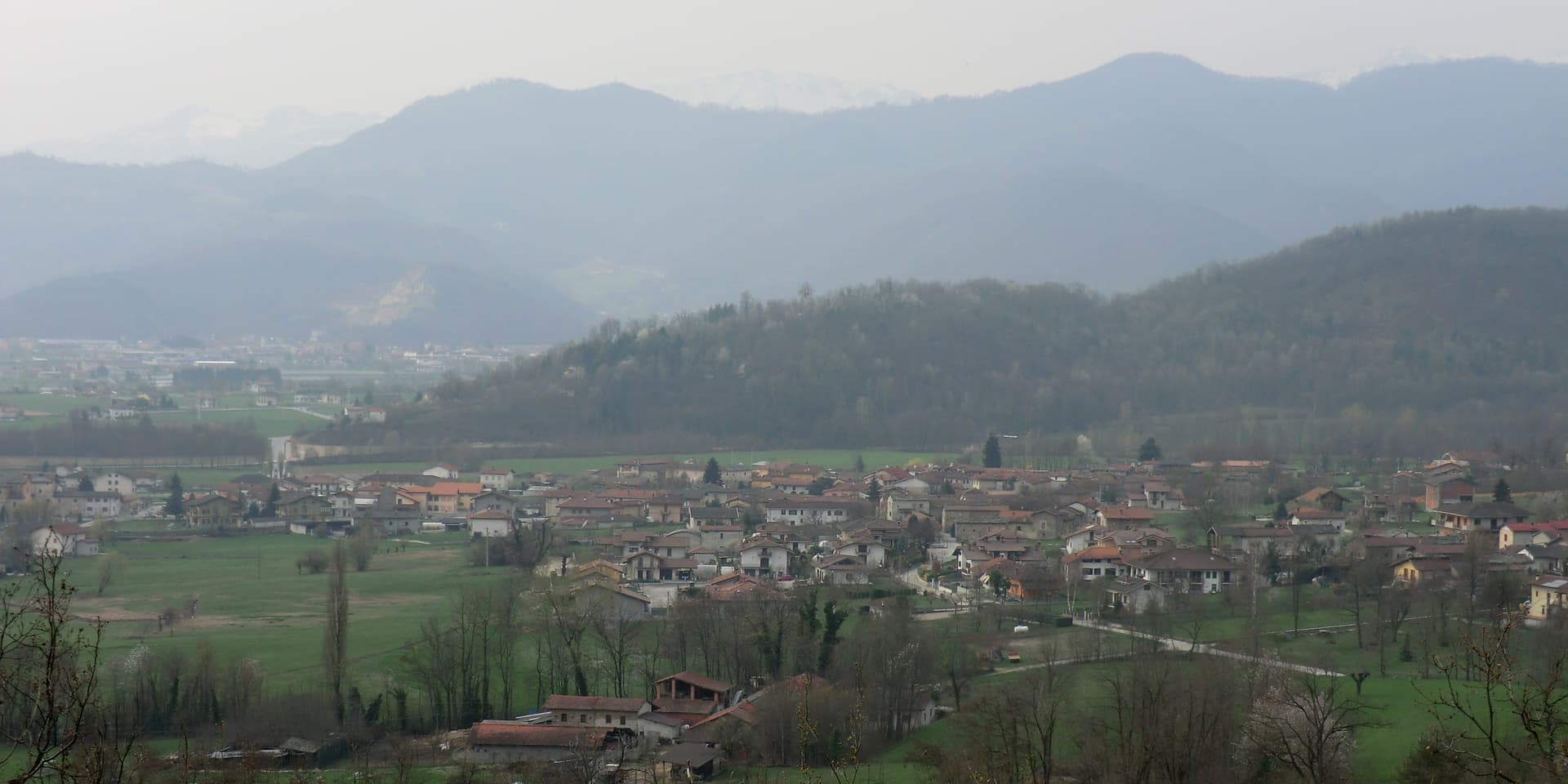
A Val Maira village at 605 meters under Monte San Bernardo, with a reserve of 479 mushroom-shaped erosion columns.
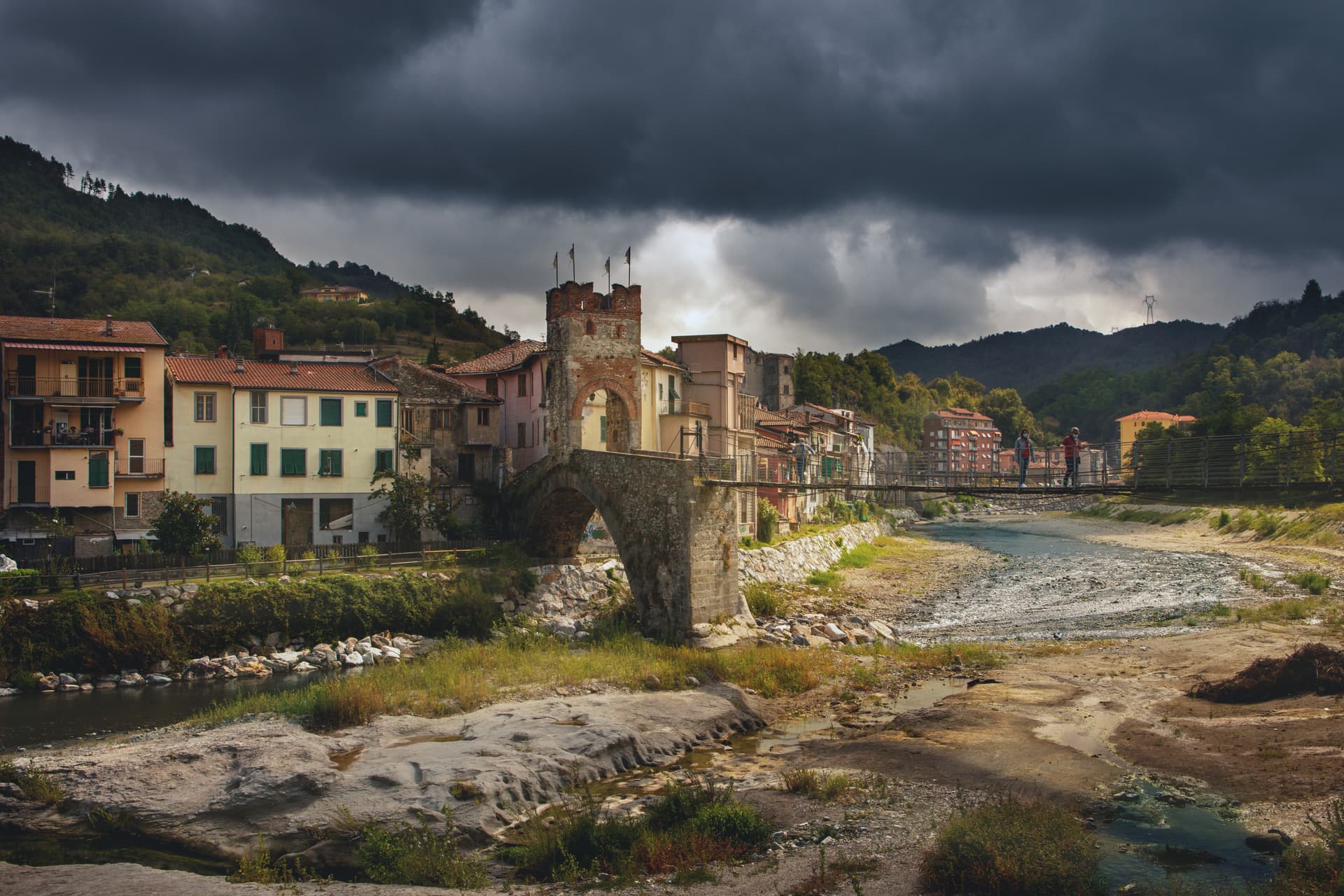
Millesimo
Province: Savona
A fortified Del Carretto borgo at 429 meters in the upper Val Bormida, where Napoleon broke the Austro-Sardinian army in April 1796.
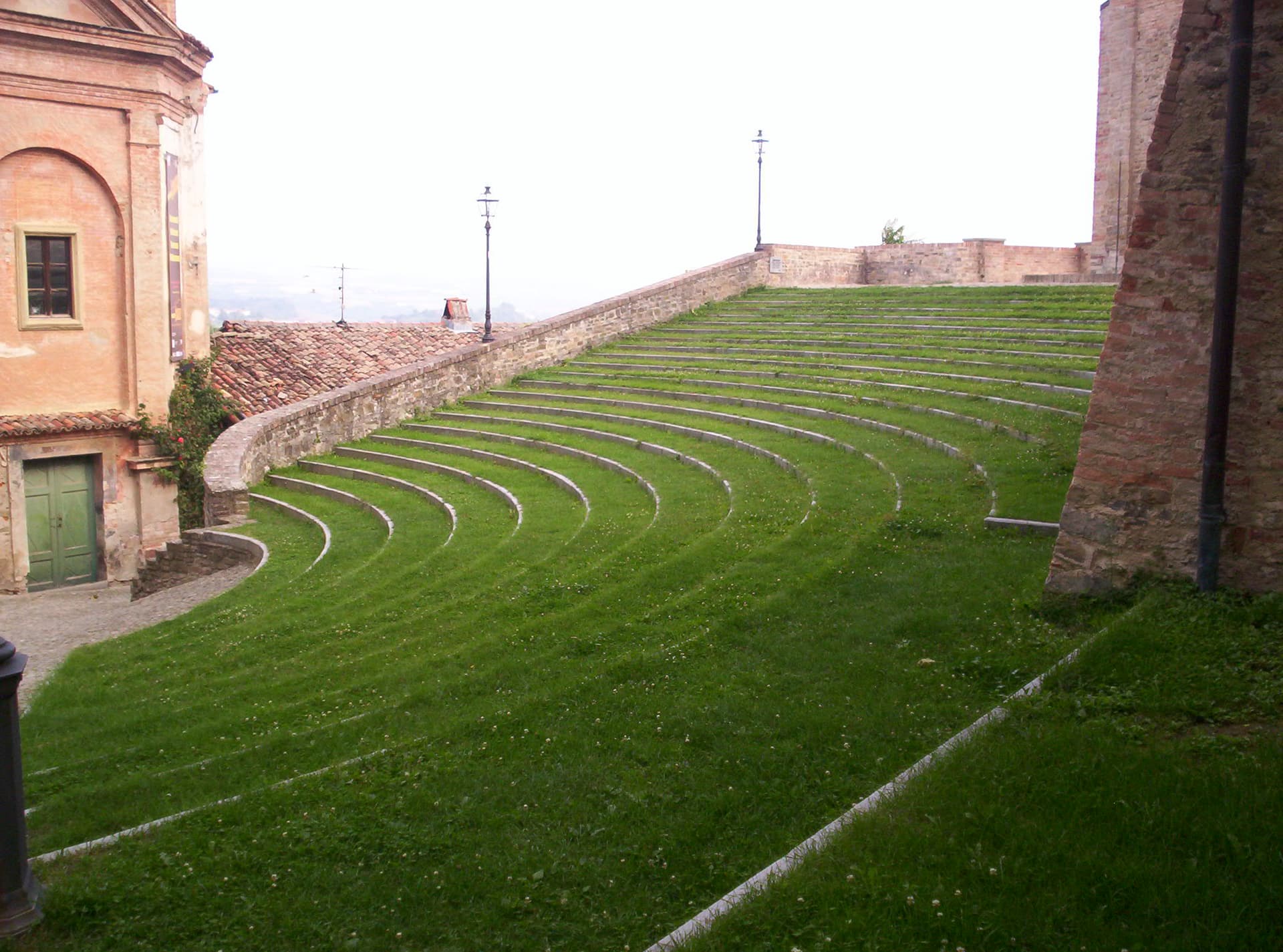
Monforte d'Alba
Province: Cuneo
A Barolo cru village at 480 meters where the Cathars were burned in 1028 and where the summer jazz festival fills the old piazza.
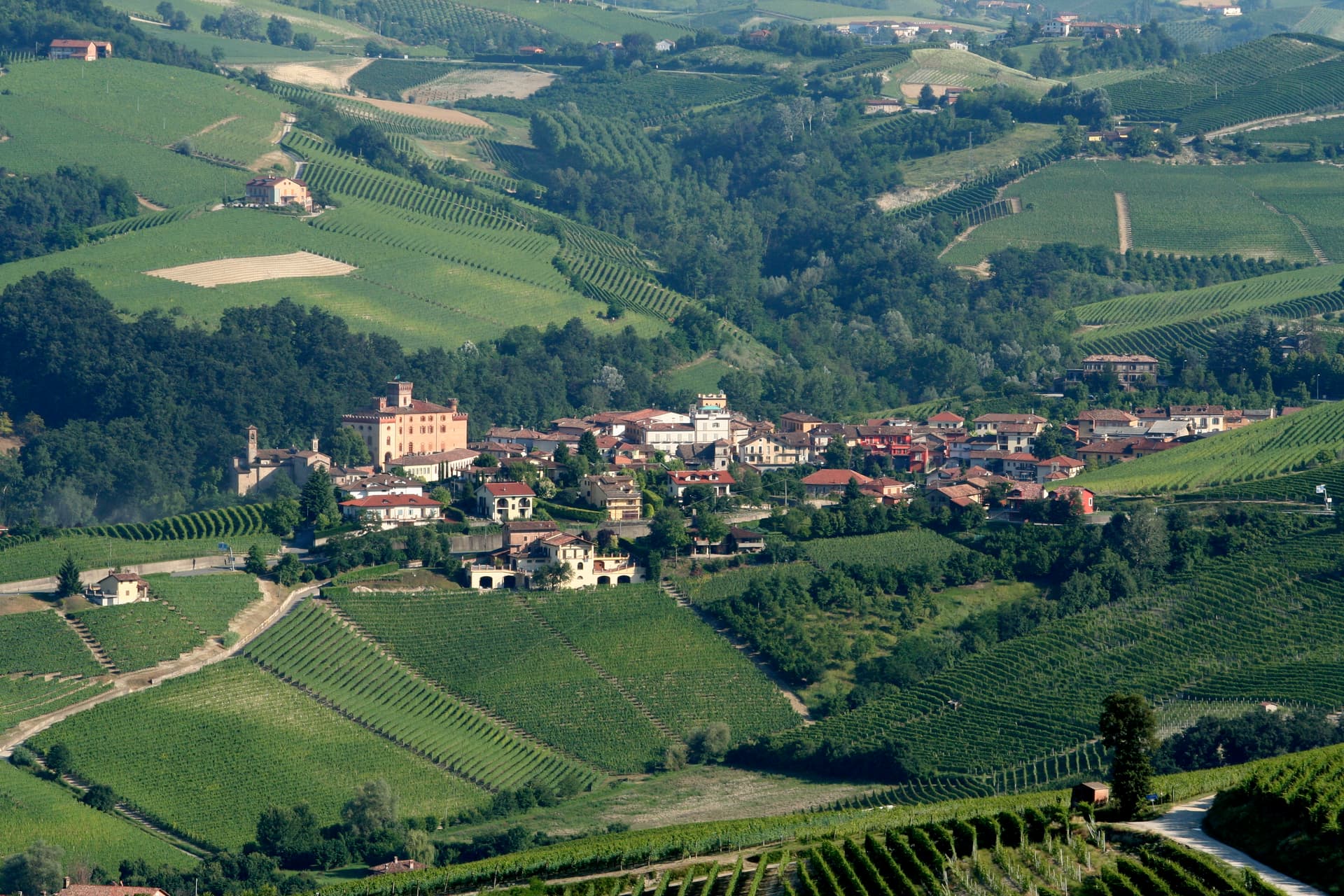
Barolo
Province: Cuneo
A Langhe borgo at 301 meters whose Castello Falletti gave its name to the wine the Marchesi turned dry in the 1830s with Cavour's help.
🟠 Bandiera Arancione
More Bandiera Arancione towns in Piedmont
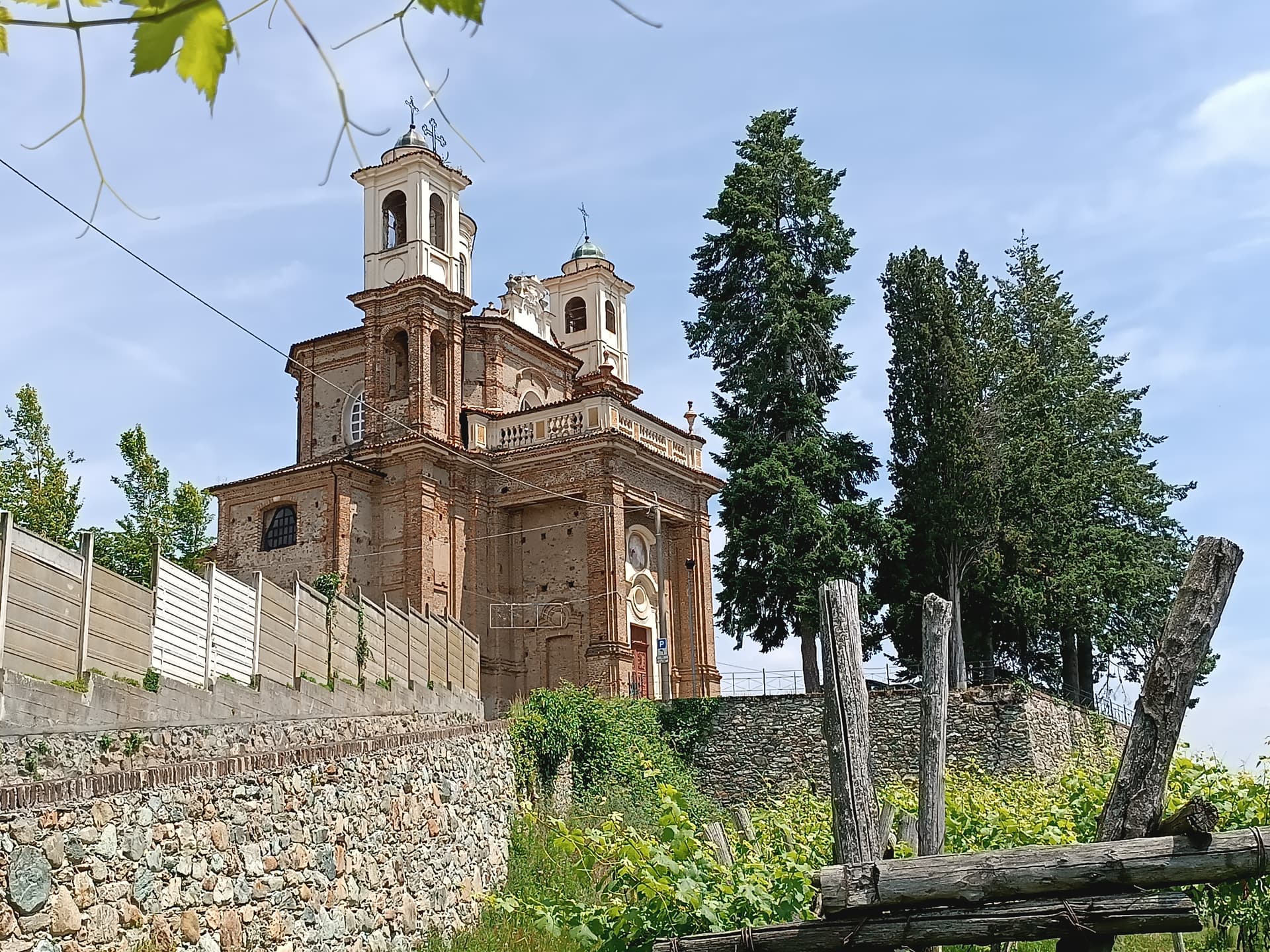
Agliè
Province: Torino
A Canavese borgo at 330 meters whose Castello Ducale, a UNESCO Savoy residence since 1997, has been held by the d'Agliè since 1259.
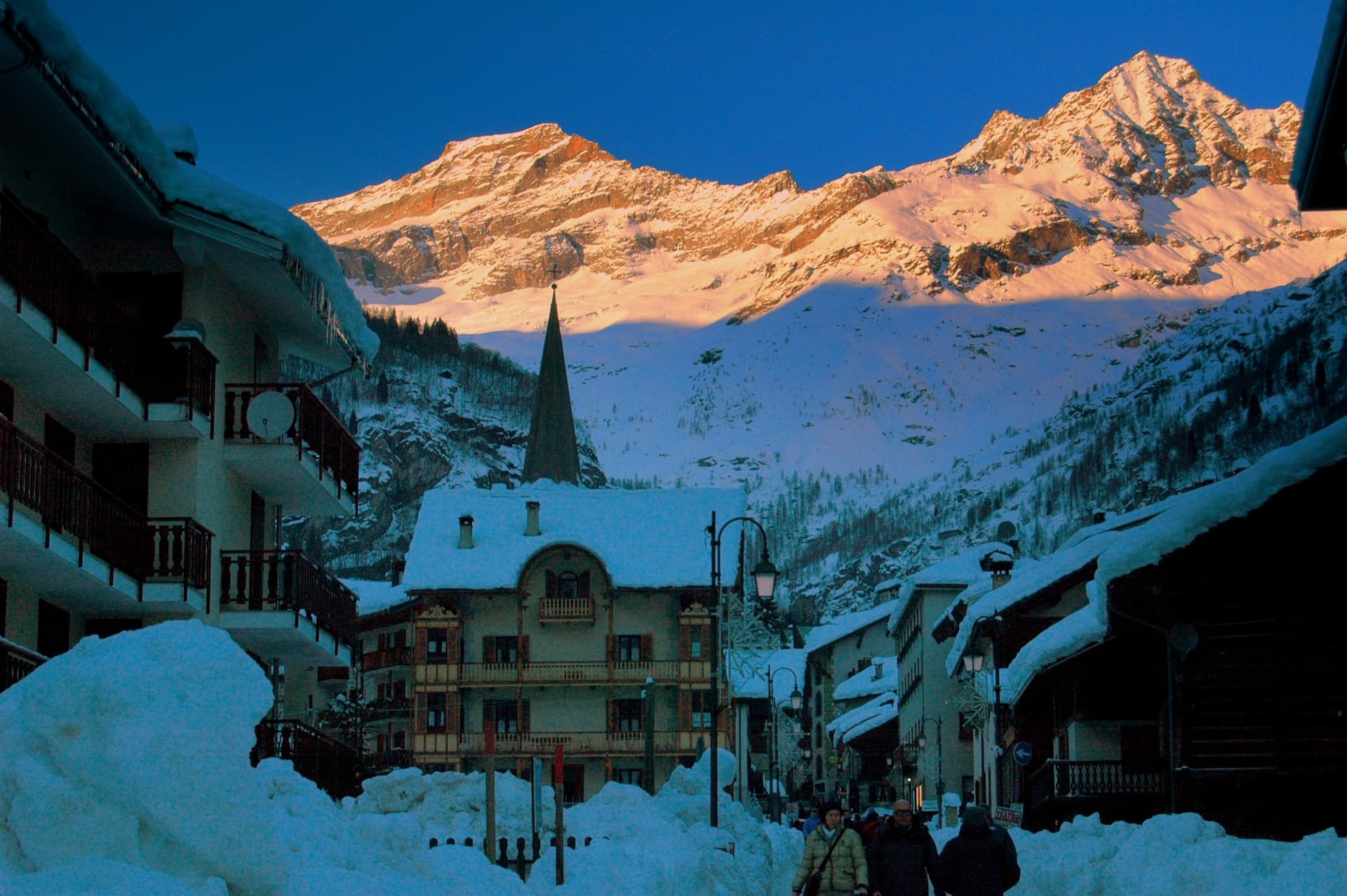
Alagna Valsesia
Province: Vercelli
A Walser village at 1,191 meters under Monte Rosa, settled from the Swiss Valais in the 13th century and known to off-piste skiers worldwide.
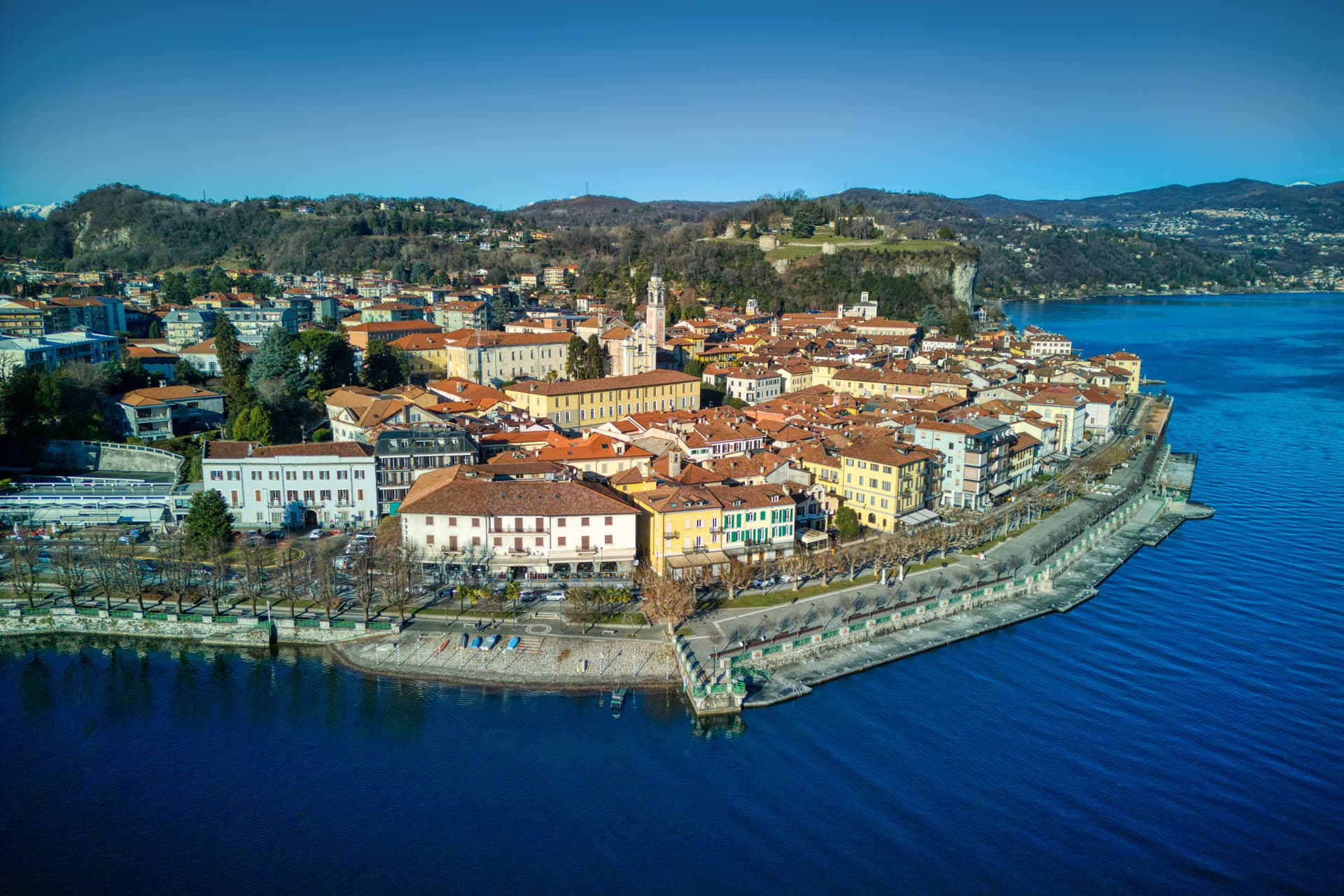
Arona
Province: Novara
A Lake Maggiore town at the southern tip of the lake, watched over by a 35-meter copper colossus of San Carlo Borromeo finished in 1698.
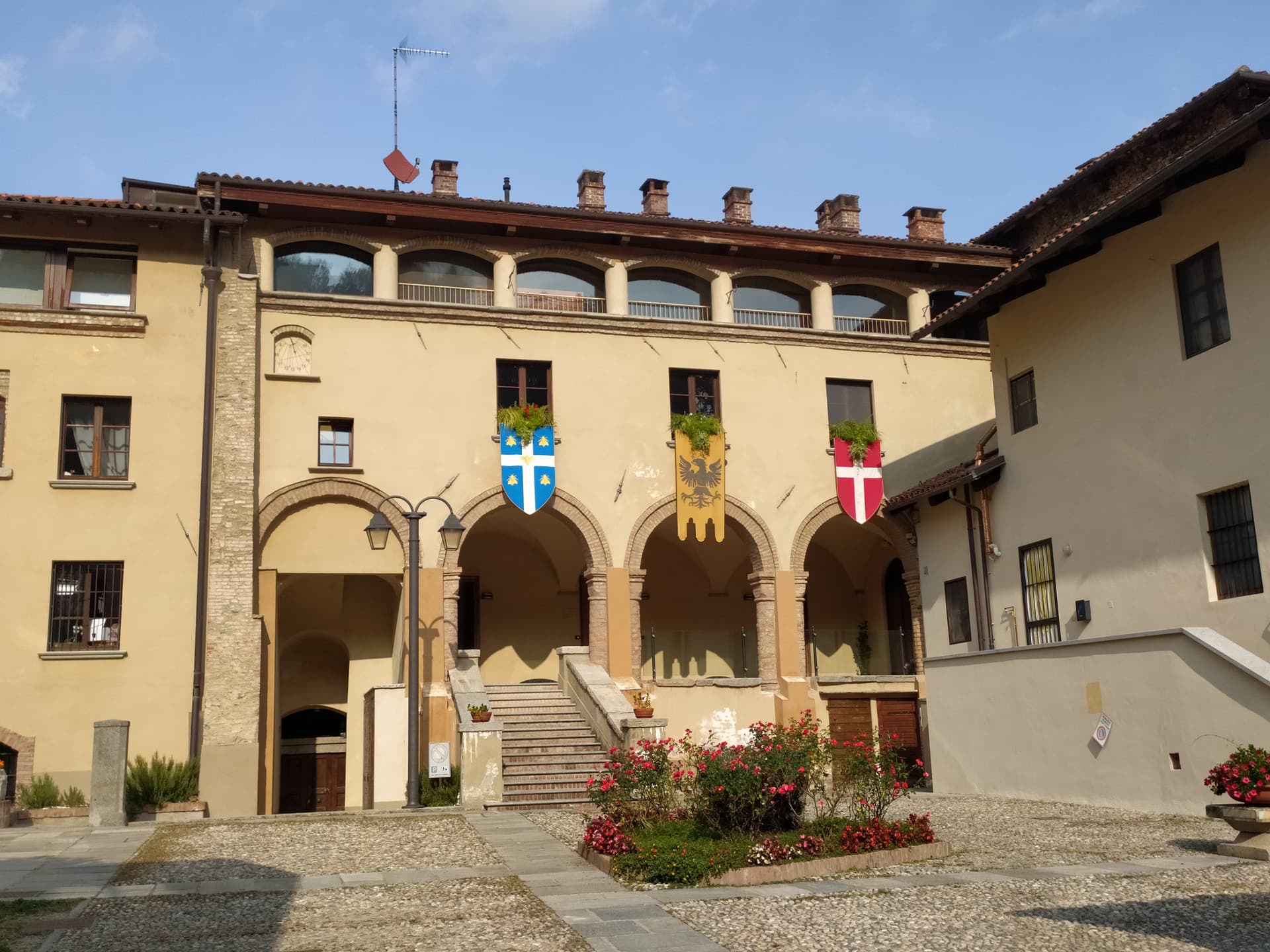
Avigliana
Province: Torino
A medieval Savoy town at 383 meters at the mouth of the Susa Valley, between two glacial lakes and the Sacra di San Michele.
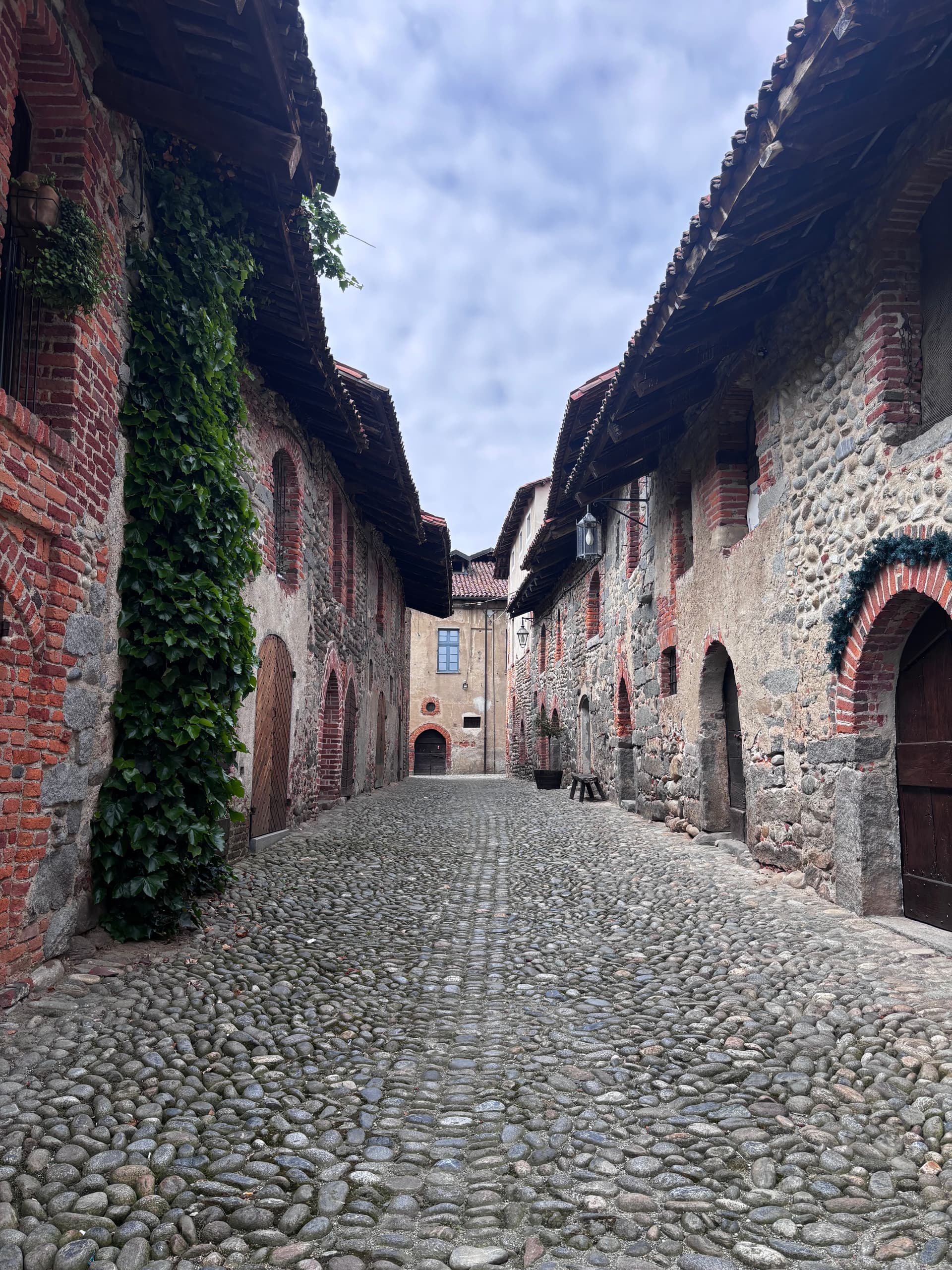
Candelo
Province: Biella
A Biellese commune at 350 meters whose Ricetto, a 13th-century fortified shelter of two hundred stone cellule, is the best-preserved in Piedmont.