

Piedmont · Cuneo
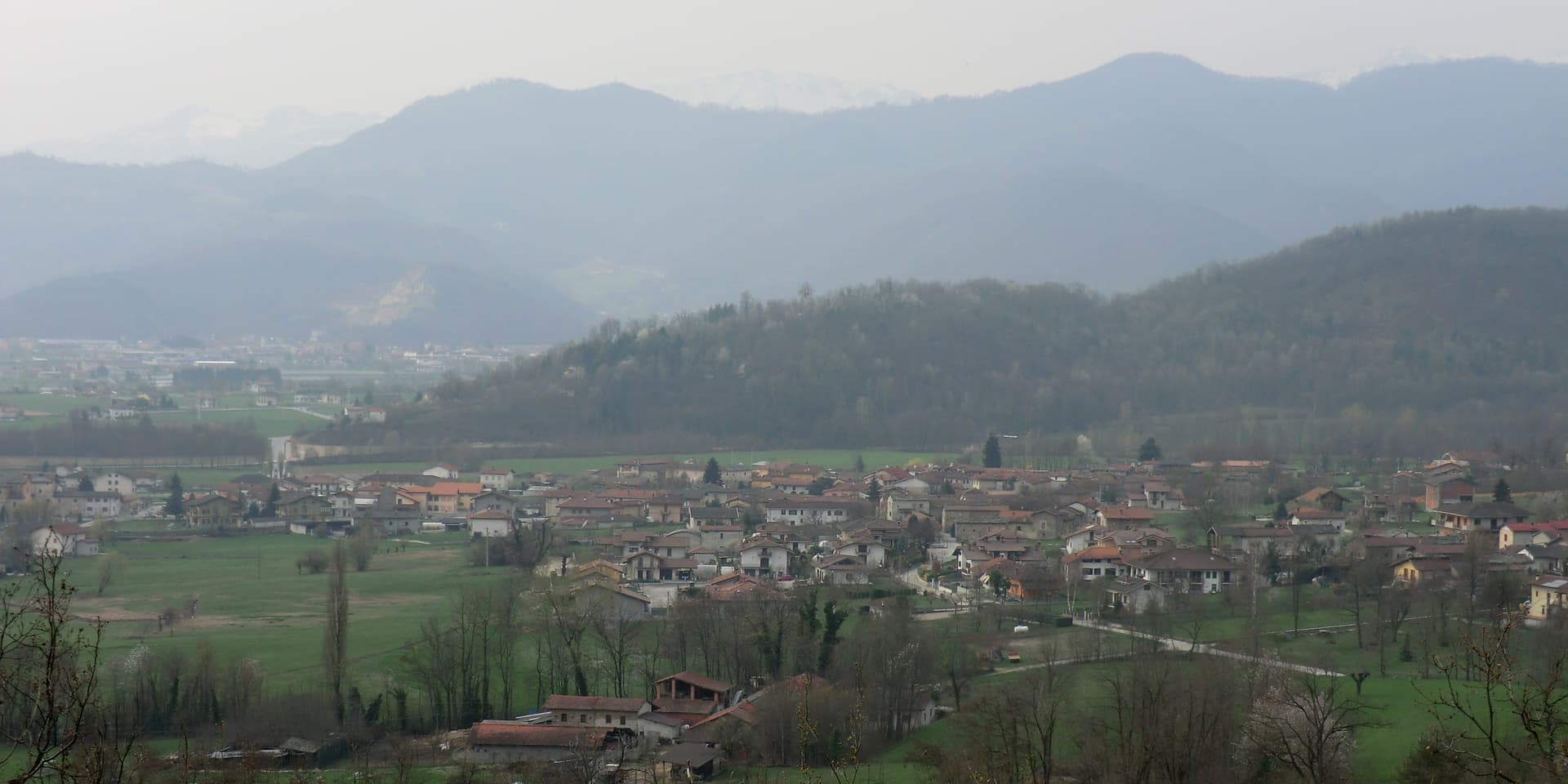
Villar San Costanzo
A Val Maira village at 605 meters under Monte San Bernardo, with a reserve of 479 mushroom-shaped erosion columns.
Known for
I CICIU
Four hundred and seventy-nine mushroom-shaped erosion columns across 64 hectares, capped by erratic boulders and protected since 1989.
SAN COSTANZO AL MONTE
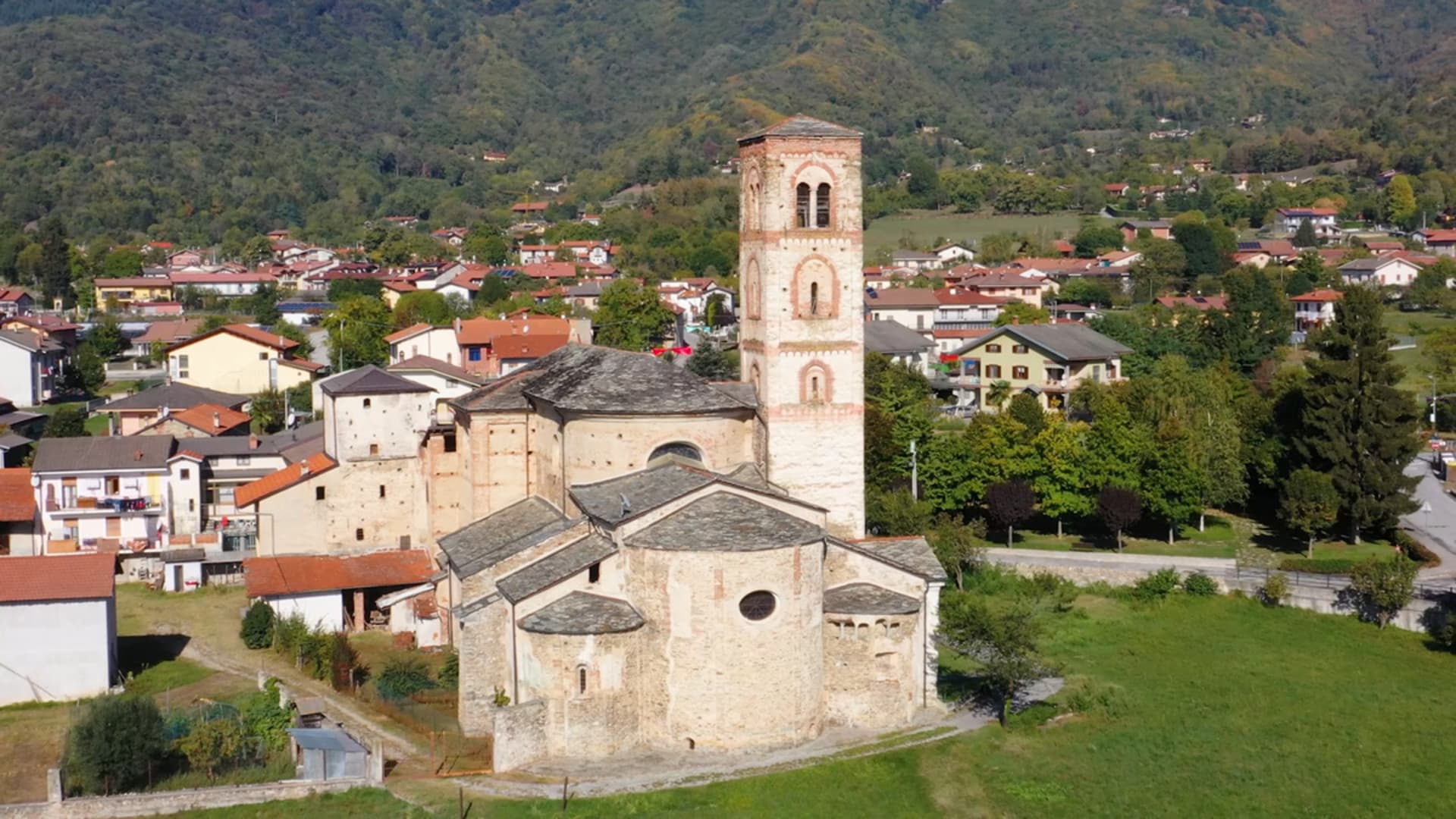
Twelfth-century Romanesque-Gothic church on the slope of the martyrdom, over an earlier eighth-century foundation.
THE LEGEND
Local tradition reads the Ciciu as petrified soldiers of Diocletian, cursed by the martyr Costanzo around 303 AD.
When to visit
Best · May–Oct
- J
- F
- M
- A
- M
- J
- J
- A
- S
- O
- N
- D
- Best
- Hot or crowded
- Quiet
- Mostly closed
The festa: Costanzo, third Sunday of September
Why come
Villar San Costanzo sits at 605 meters at the mouth of the Val Maira, fifteen kilometers northwest of Cuneo at the foot of Monte San Bernardo. The town has two distinct claims. The first is the Riserva Naturale dei Ciciu del Villar, a 64-hectare regional reserve established in 1989, where four hundred and seventy-nine erosion columns rise from the slope between 670 and 1,350 meters.
Each Ciciu, Piedmontese for puppet, is a column of earth and stone capped by a glacial erratic boulder, the cap shielding the soft material beneath from rainfall while the surrounding terrain erodes around it. Local legend says they are the petrified soldiers of Diocletian, frozen by a curse from the martyr Costanzo, a Roman legionary of the Theban Legion killed nearby around 303. The second claim is the Romanesque-Gothic Chiesa di San Costanzo al Monte, built in the twelfth century over an earlier eighth-century foundation, with frescoes from the eleventh century. The complex stands on the slope above the village, on the site of the martyrdom.
The Sunday letter
We haven’t written Villar San Costanzo’s letter yet.
One town every Sunday, with the photo, the food, the festa. Be there when this one comes up. Free, by Peter & Sophia from Pietrasanta.
By subscribing you agree to Substack’s Terms of Use, our Privacy Policy and our Information collection notice.
What to see
Riserva Naturale dei Ciciu del Villar
Sixty-four-hectare regional reserve established in 1989, with 479 mushroom-shaped erosion columns capped by glacial erratic boulders.
Chiesa di San Costanzo al Monte
Romanesque-Gothic church on Monte San Bernardo built in the twelfth century, on the site of the saint's martyrdom around 303 AD.
Abbazia di San Costanzo
Benedictine abbey at the heart of the village, founded in the early eighth century and the historic religious anchor of the commune.
Sentiero dei Ciciu
Marked trail through the reserve, climbing from 670 to 1,350 meters along the Costa Pragamonti among the columns and the larch forest.
Monte San Bernardo
Massif above the village whose erratic deposits feed the Ciciu reserve, with marked routes to the saint's hilltop chapel.
The slow-trip planner
Building a trip? Find where Villar San Costanzo fits in a slow Italy circuit.
Answer five questions. We will shape a geographically coherent slow trip from the 1,000 Italian towns most travelers skip. Yours to save and share.
Living here
- Population 1,549
- Commuter belti
- Pharmacy in town
- High school within a 30-minute drive
- Nearest airport Turin, 1 h 50 min drive
- Regional capital Torino, 1 h 31 min drive
Tags & datadesignations · numbers · sources
Recognised as
The numbers
- Elevation: 605 m
- Population: 1,549
- Surface area: 19.5 km²
These figures were compiled from public directories — ISTAT, OpenStreetMap, Wikidata — and from the official listings of the guides named on this page. Town details change; verify with official sources before you travel.
Close by
More towns near Villar San Costanzo
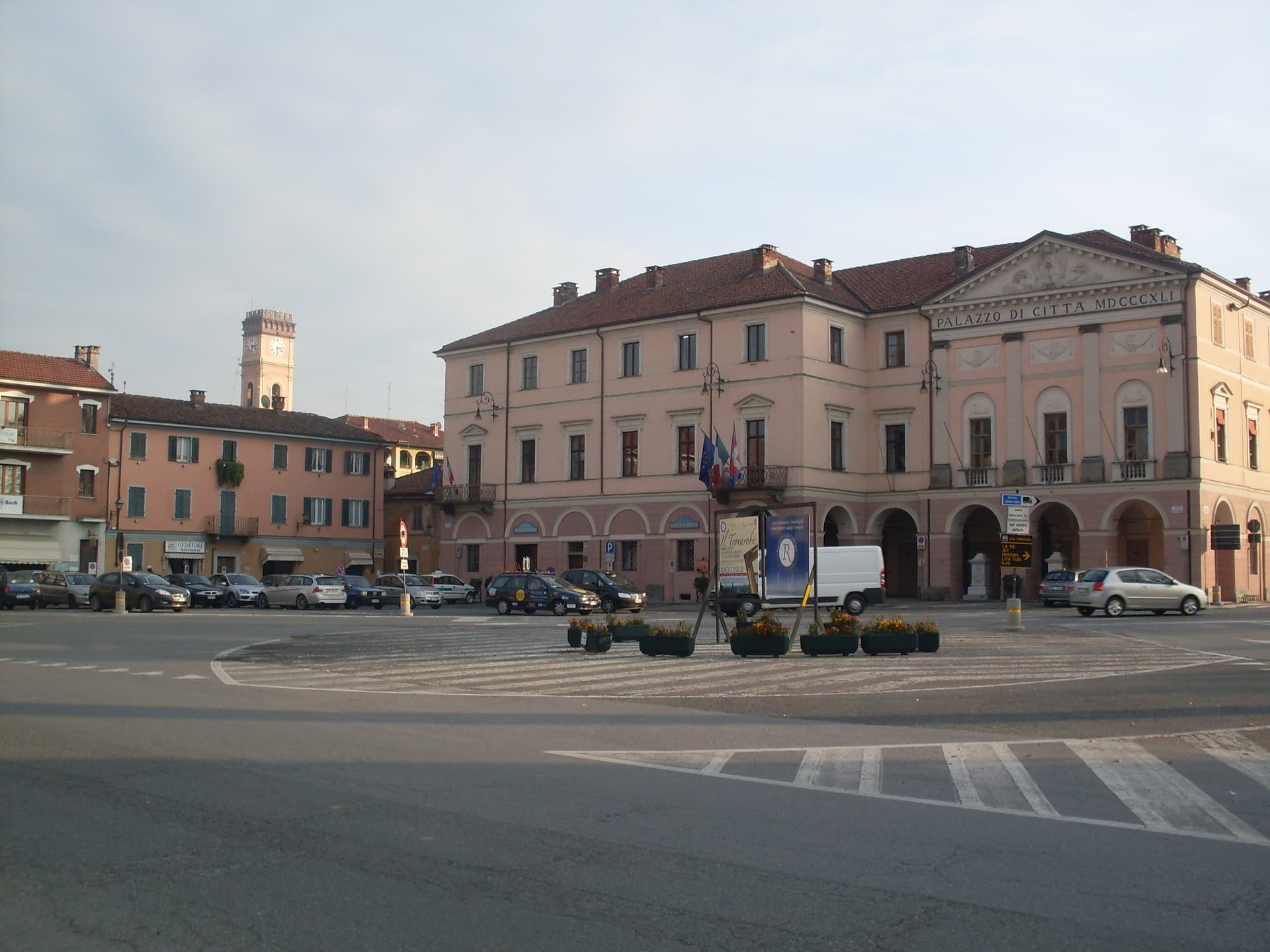
Racconigi
Province: Cuneo
A Po-plain town south of Torino built around the UNESCO Castello Reale, the Carignano Savoy residence whose park holds Italy's largest white-stork colony.
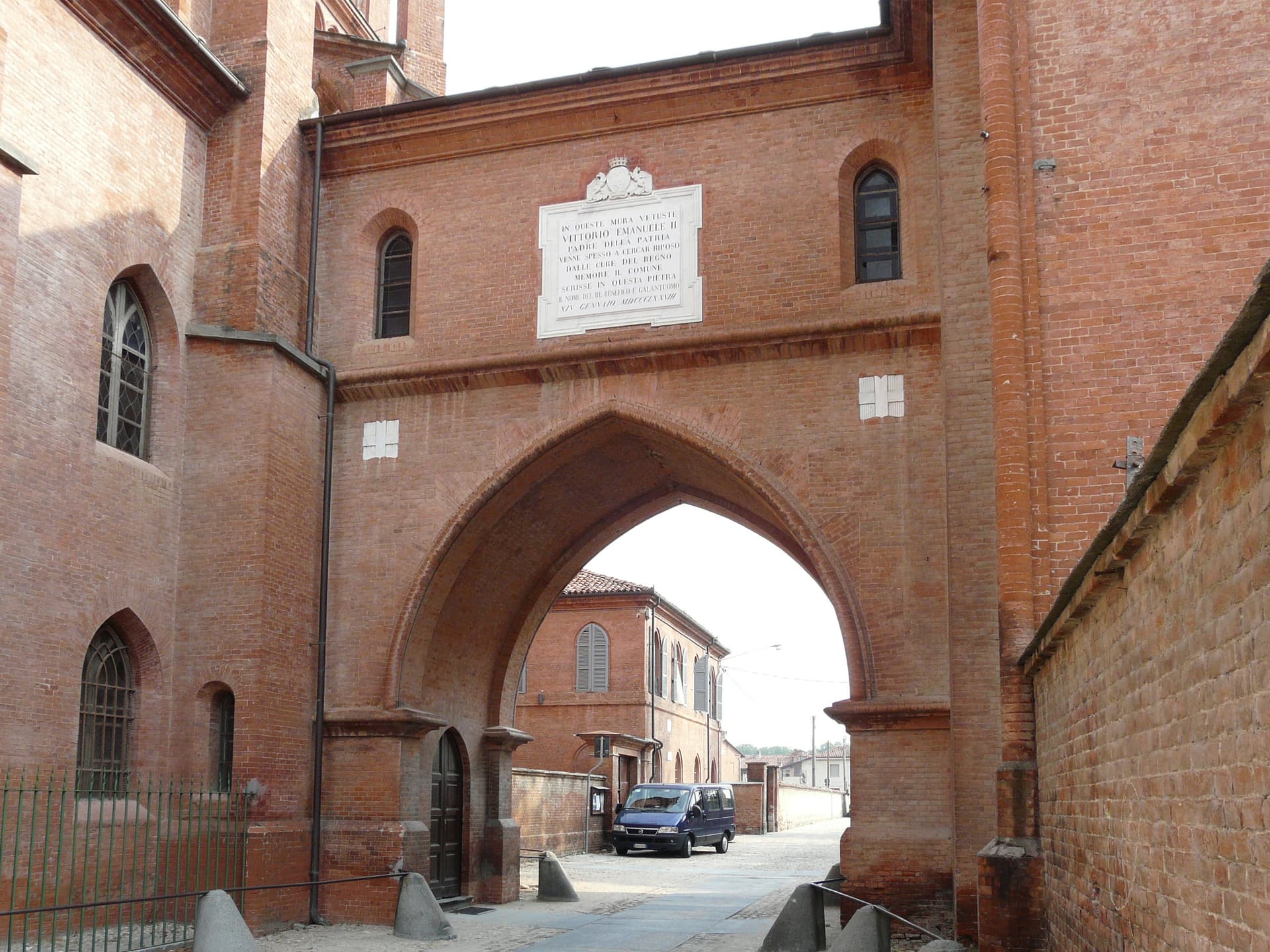
Bra
Province: Cuneo
A Roero town at 290 meters where Carlo Petrini founded Slow Food in 1986 and the world's first gastronomic university now teaches food systems.
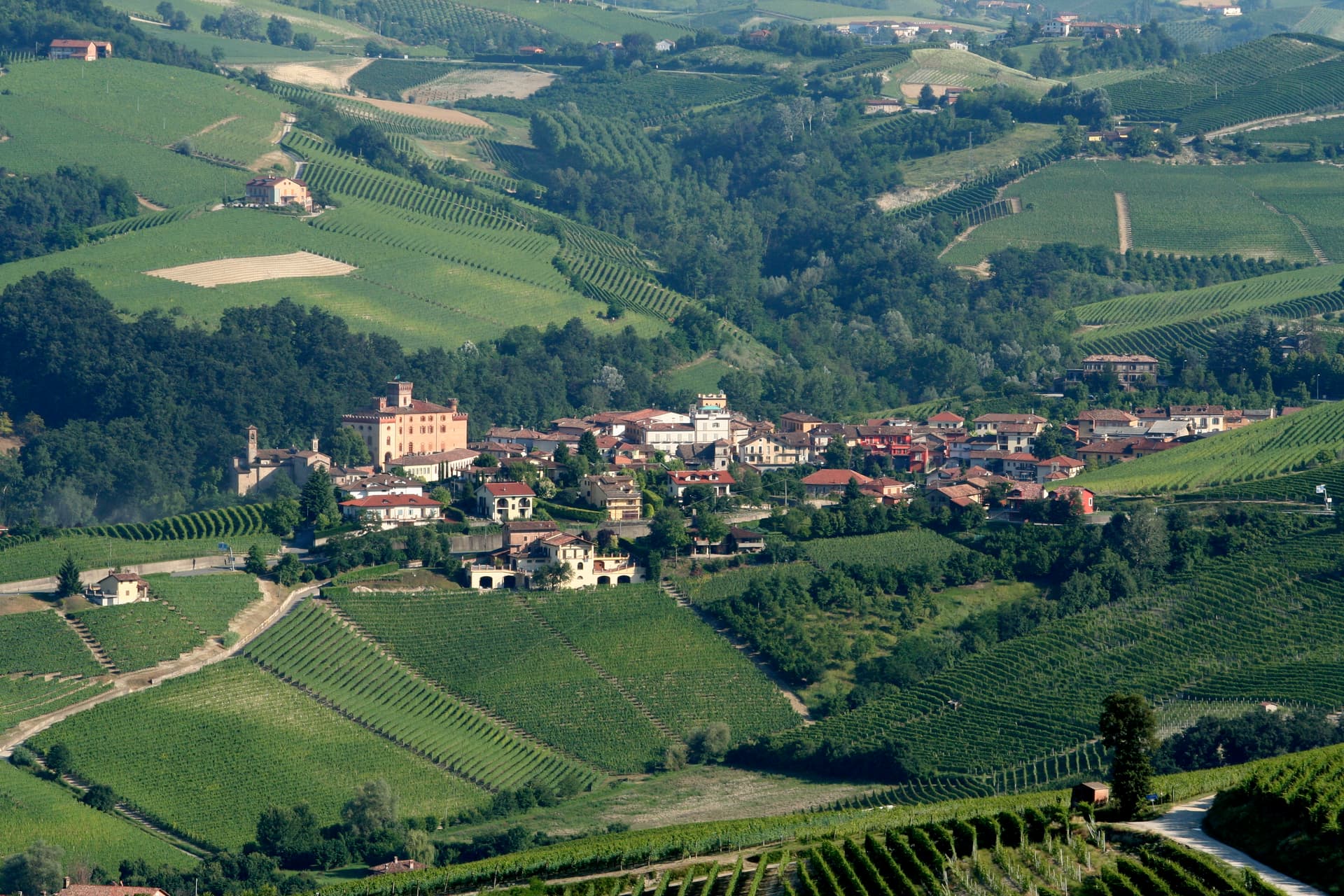
Barolo
Province: Cuneo
A Langhe borgo at 301 meters whose Castello Falletti gave its name to the wine the Marchesi turned dry in the 1830s with Cavour's help.
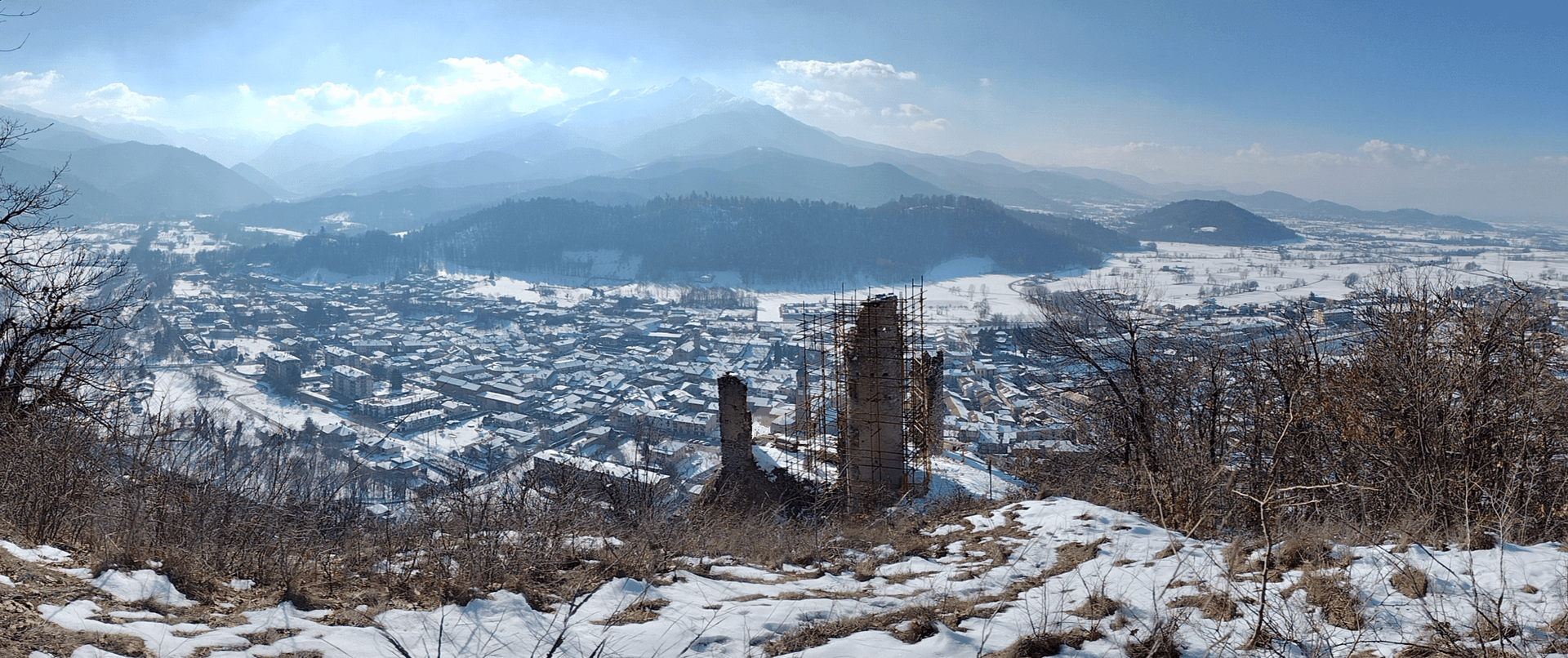
Chiusa di Pesio
Province: Cuneo
The valley mouth town at 575 meters where the Pesio leaves the Ligurian Alps, founded around a Carthusian monastery donated in 1173.
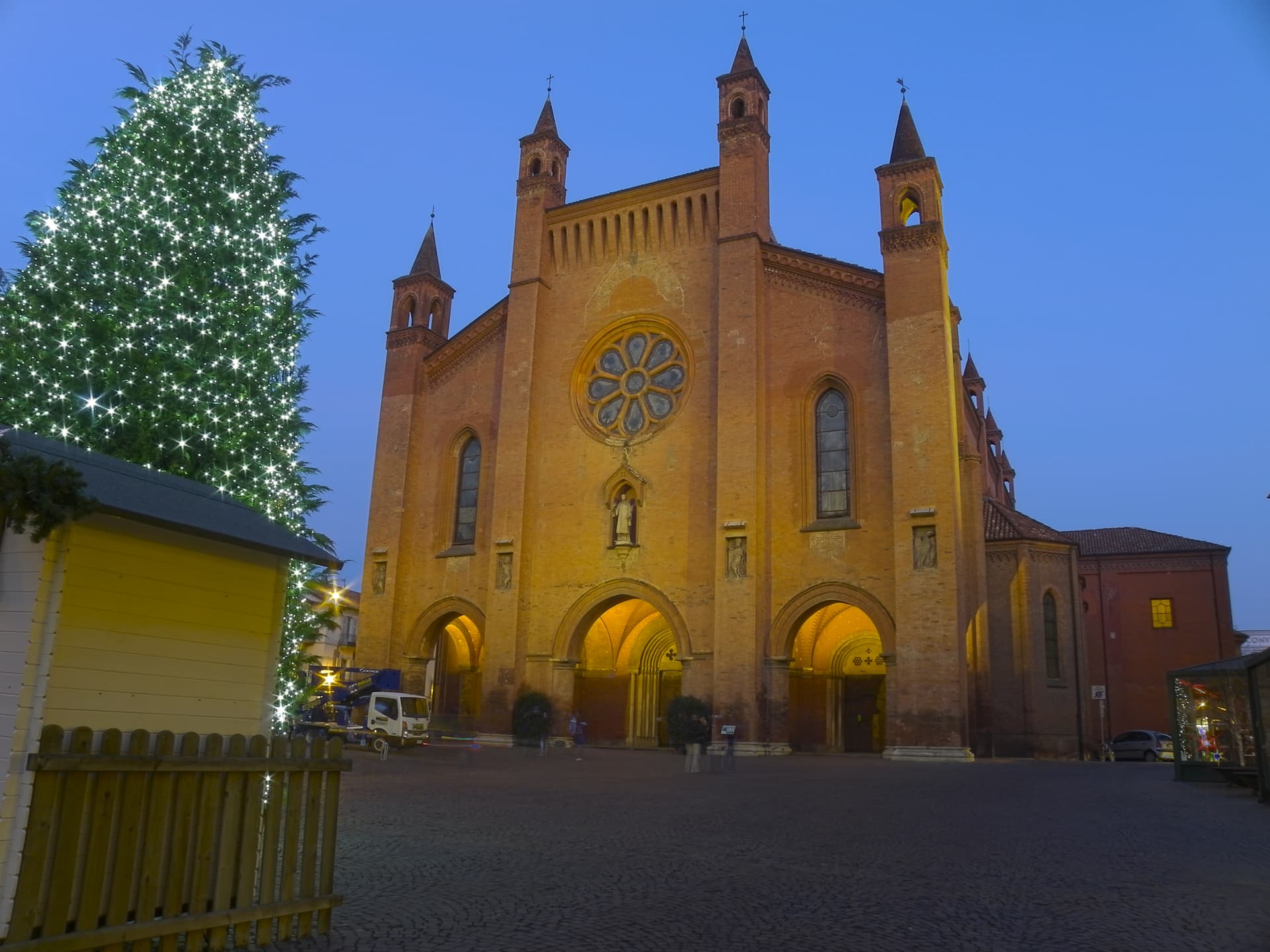
Alba
Province: Cuneo
The Langhe capital at 172 meters on the Tanaro, world reference for white truffle and Nebbiolo, headquarters of Ferrero.
🏆 Borgo dei Borghi
More Borgo dei Borghi towns
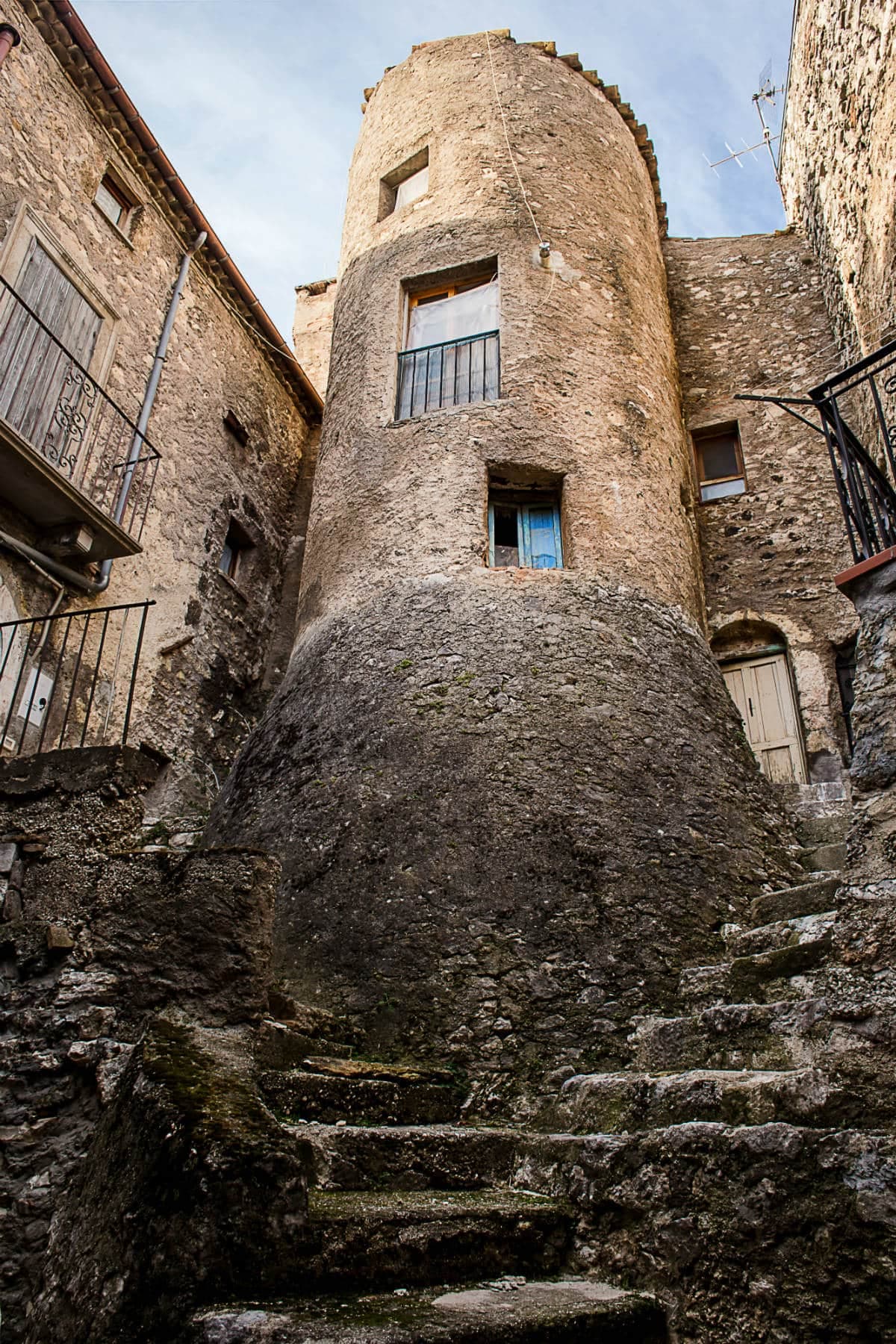
Villalago
Province: L'Aquila
A 930-meter village above three lakes, named for the nine that once filled the valley, with a hermit's cave on the water's edge.
San Fele
Province: Potenza
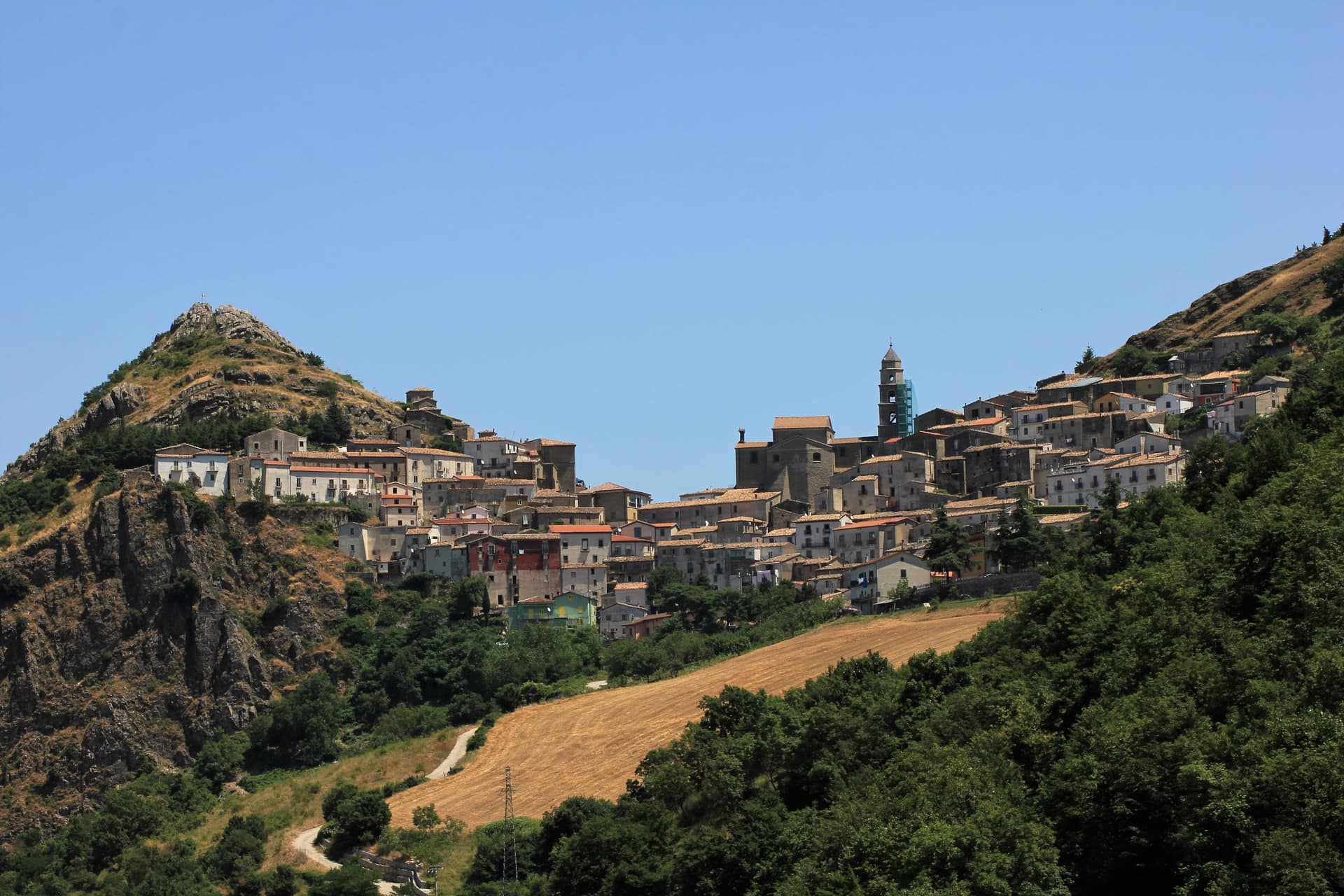
A stone village at 872 meters between Monte Toretta and Castello, anchored by Otto I's 969 fortress and ten waterfalls down the Bradano.
San Nicola Arcella
Province: Cosenza
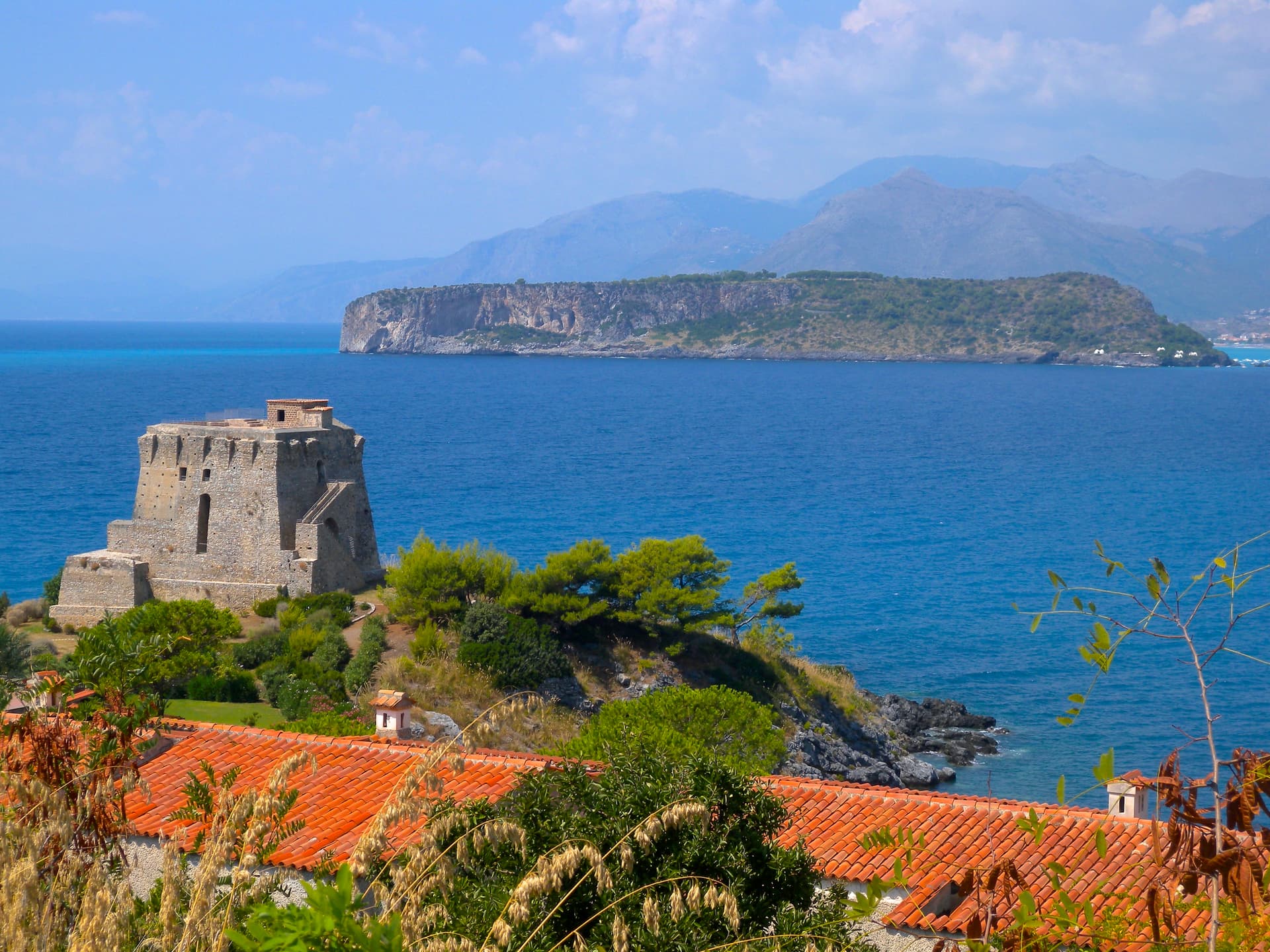
A cliff village above the Tyrrhenian Riviera dei Cedri, where the Arco Magno sea arch fronts a cove only reachable on foot or by boat.
Tropea
Province: Vibo Valentia
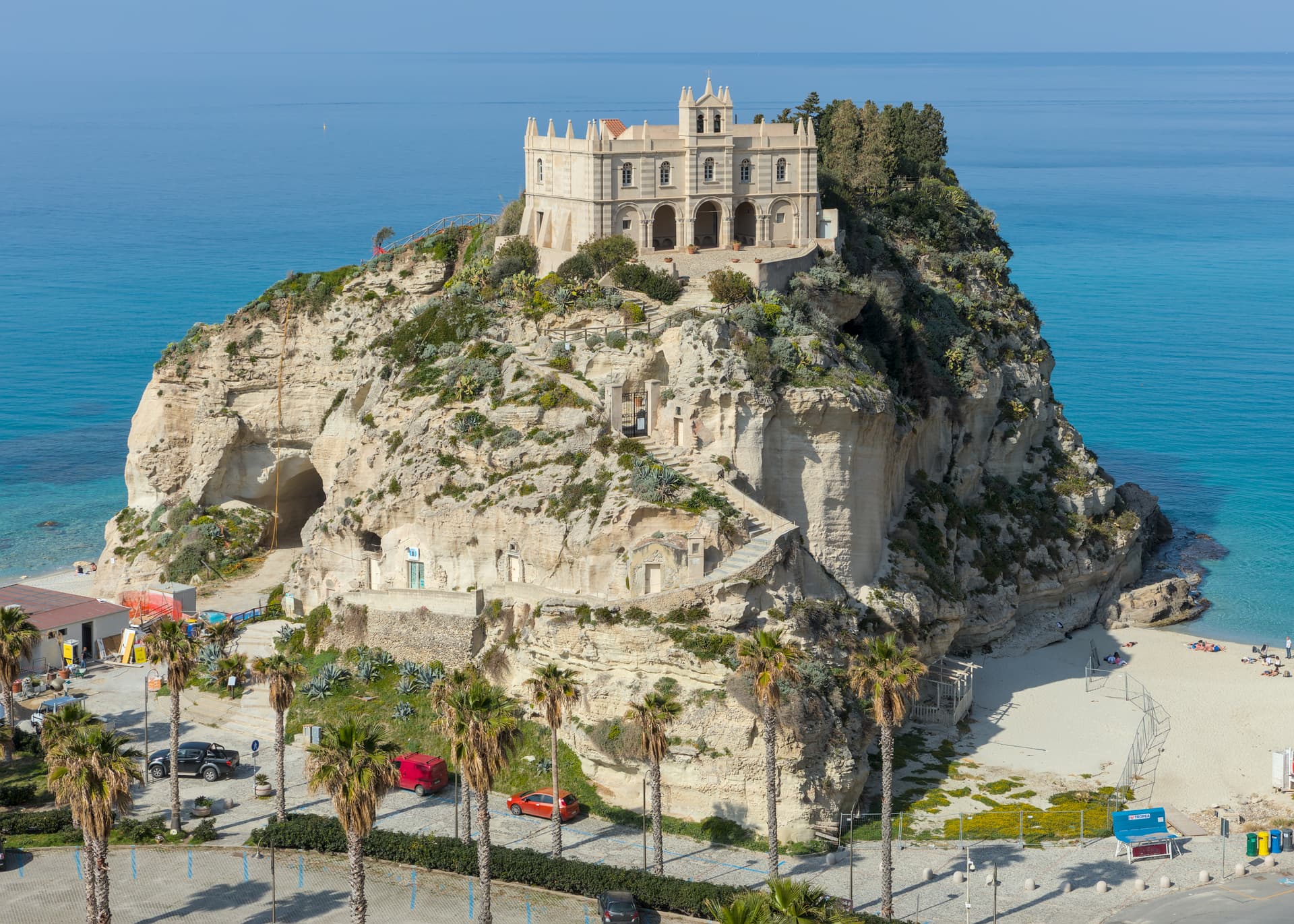
Cliff town on a tufa headland over the Tyrrhenian Coast of the Gods, with a Norman monastery on a sea rock.
Zungoli
Province: Avellino
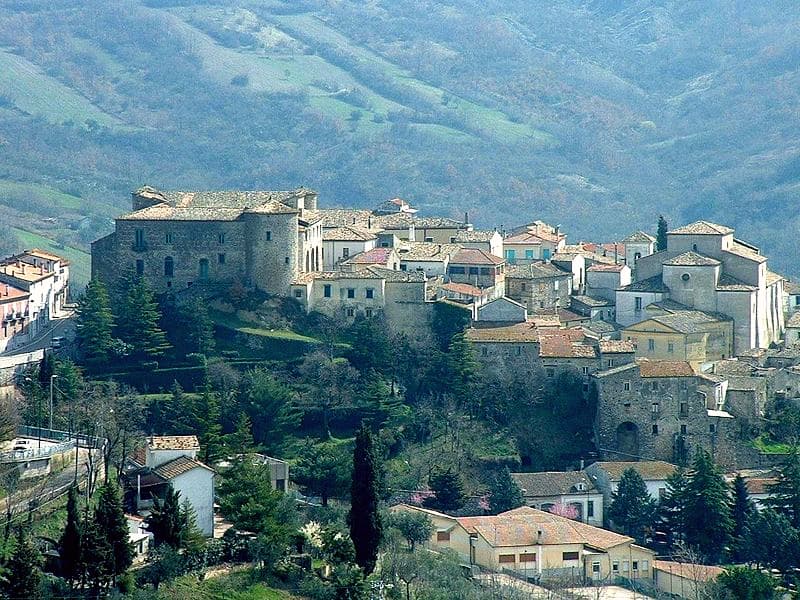
An Irpinia ridge at 657 meters between the Ufita valley and the Daunian hills, with Norman walls above and Byzantine tuff caves below the houses.