

Piedmont · Cuneo
Barolo
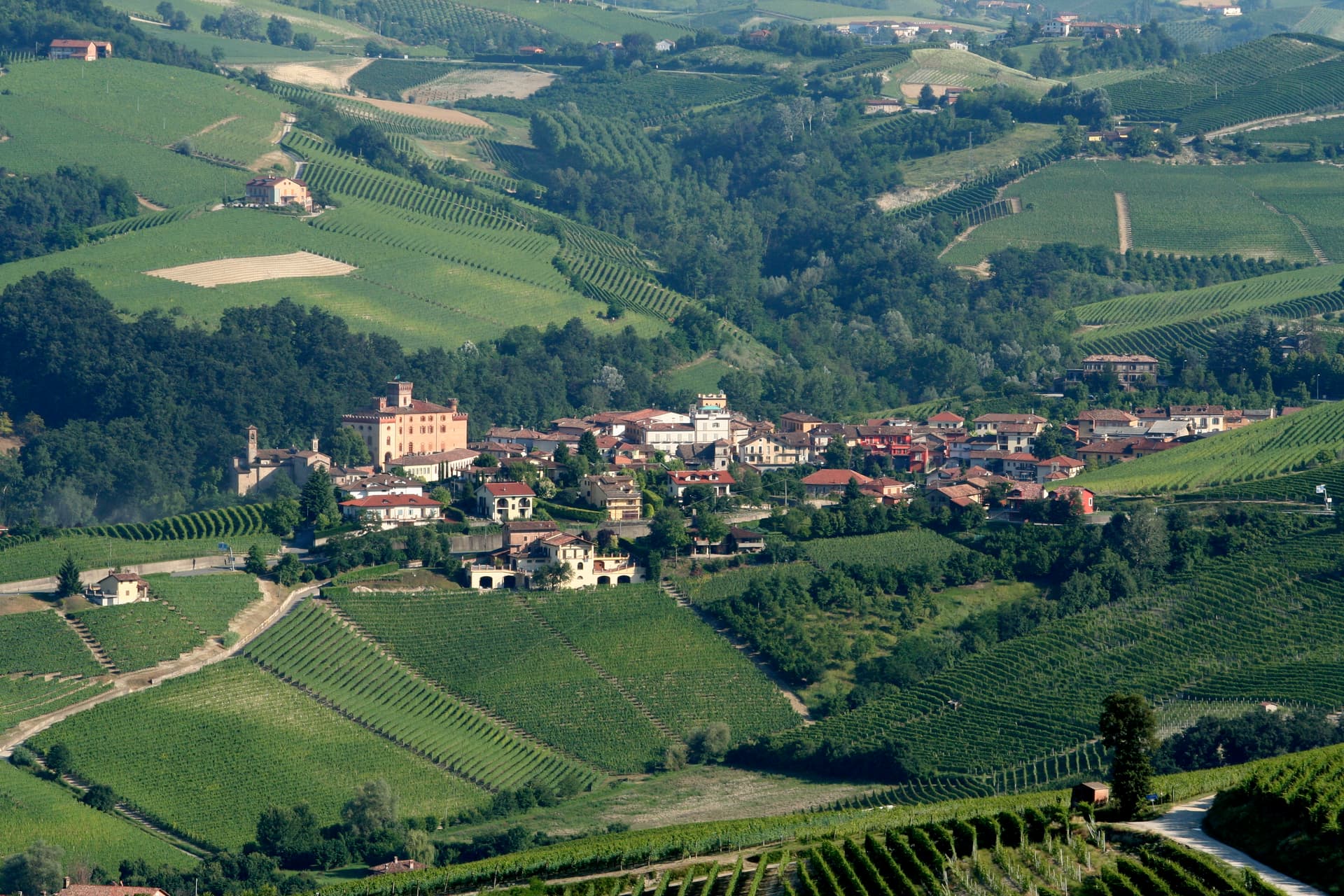
A Langhe borgo whose Castello Falletti gave its name to the wine the Marchesi turned dry in the 1830s with Cavour's help.
Known for
BAROLO DOCG
Nebbiolo wine produced across eleven Langhe communes, first turned dry and age-worthy in the 1830s by Giulia Falletti and Cavour.
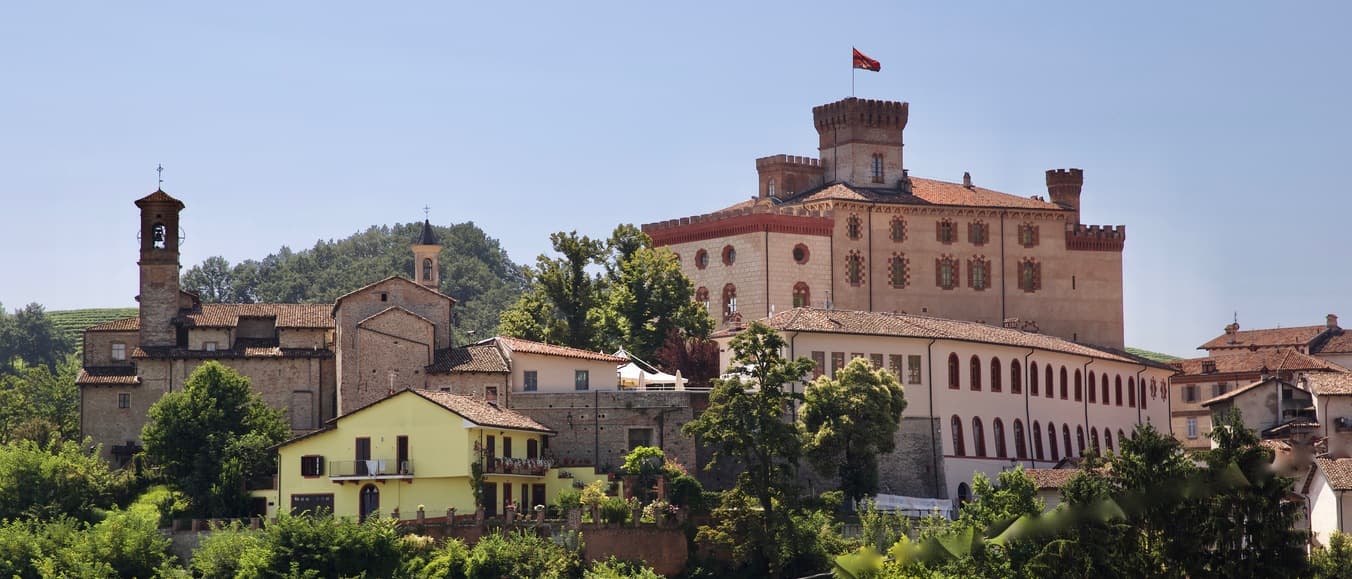
CASTELLO FALLETTI
Falletti family castle from 1325, bought by the village in 1970 through public subscription, now home to the WiMu wine museum.
CANNUBI
Oldest named cru in the appellation, recorded on a 1752 wine label, on the hill immediately east of the village.
When to visit
Best · Apr–Oct
- J
- F
- M
- A
- M
- J
- J
- A
- S
- O
- N
- D
- Best
- Hot or crowded
- Quiet
- Mostly closed
The festa: Luigi IX di Francia, 25 August
Why come
Barolo sits on a Langhe hilltop fifty-five kilometers south of Torino, in the heart of the DOCG appellation that takes its name. The Castello Falletti rises from the centre of the village; its oldest walls date to the eleventh century, when Berengar I of Italy granted local lords permission to fortify against Hungarian and Saracen raids. The Falletti family took the castle in 1325 and held it for five centuries.
In the 1830s the Marchesi Tancredi and Giulia Falletti, working with Camillo Benso di Cavour and the French enologist Louis Oudart, pushed the Nebbiolo of these hills toward dry, age-worthy production for the first time. The village bought the castle by public subscription in 1970. Since 2010 it has housed the WiMu, a wine museum laid out by François Confino.
The Cannubi cru, on the next hill, is the oldest officially named vineyard parcel in the appellation, recognised on a 1752 wine label. Barolo is one of eleven communes inside the DOCG zone and part of the UNESCO Langhe-Roero and Monferrato landscape inscribed in 2014.
The Sunday letter
We haven’t written Barolo’s letter yet.
One town every Sunday, with the photo, the food, the festa. Be there when this one comes up. Free, by Peter & Sophia from Pietrasanta.
By subscribing you agree to Substack’s Terms of Use, our Privacy Policy and our Information collection notice.
What to see
Castello Falletti
11th-century castle expanded by the Falletti from 1325, bought by the comune in 1970, now home to the WiMu wine museum since 2010.
WiMu - Museo del Vino
Wine museum inside the castle, designed by François Confino, with the Regional Wine Library of Barolo in the cellars.
Vigneto Cannubi
Historic cru on the hill east of the village, recognised on a 1752 wine label as the oldest officially named parcel in the Barolo appellation.
Chiesa di San Donato
Parish church of Barolo on the slope below the castle, the small religious centre of the original Falletti village.
The slow-trip planner
Building a trip? Find where Barolo fits in a slow Italy circuit.
Answer five questions. We will shape a geographically coherent slow trip from the 1,000 Italian towns most travelers skip. Yours to save and share.
We recommend
Where to eat and stay
Not our picks, but places the guides put their name to — a Michelin star, a Gambero Rosso fork, a Slow Food snail, a Michelin Key for the hotels. Worth a table, a counter, or a night when you pass through.
Barolo FriendsBistrot
A Gambero Rosso listing, at Barolo Friends.
Locanda in CannubiRistorante
Locanda in Cannubi holds one Gambero Rosso fork (79/100).
Marchesi di BaroloCantina
Marchesi di Barolo carries a top-100 spot on the World's Best Vineyards.
Signature product
Barolo DOCGDOCG
100% Nebbiolo, the king of Piemonte, from eleven communes around the village that shares its name.
See every town in our catalogue producing Barolo DOCG.
Living here
- Population 638
- Commuter belti
- Pharmacy in town
- High school within a 30-minute drive
- Nearest airport Turin, 1 h 21 min drive
- Regional capital Torino, 1 h 3 min drive
Tags & datadesignations · numbers · sources
The numbers
- Elevation: 301 m
- Population: 638
- Surface area: 5.69 km²
These figures were compiled from public directories — ISTAT, OpenStreetMap, Wikidata — and from the official listings of the guides named on this page. Town details change; verify with official sources before you travel.
Close by
More towns near Barolo
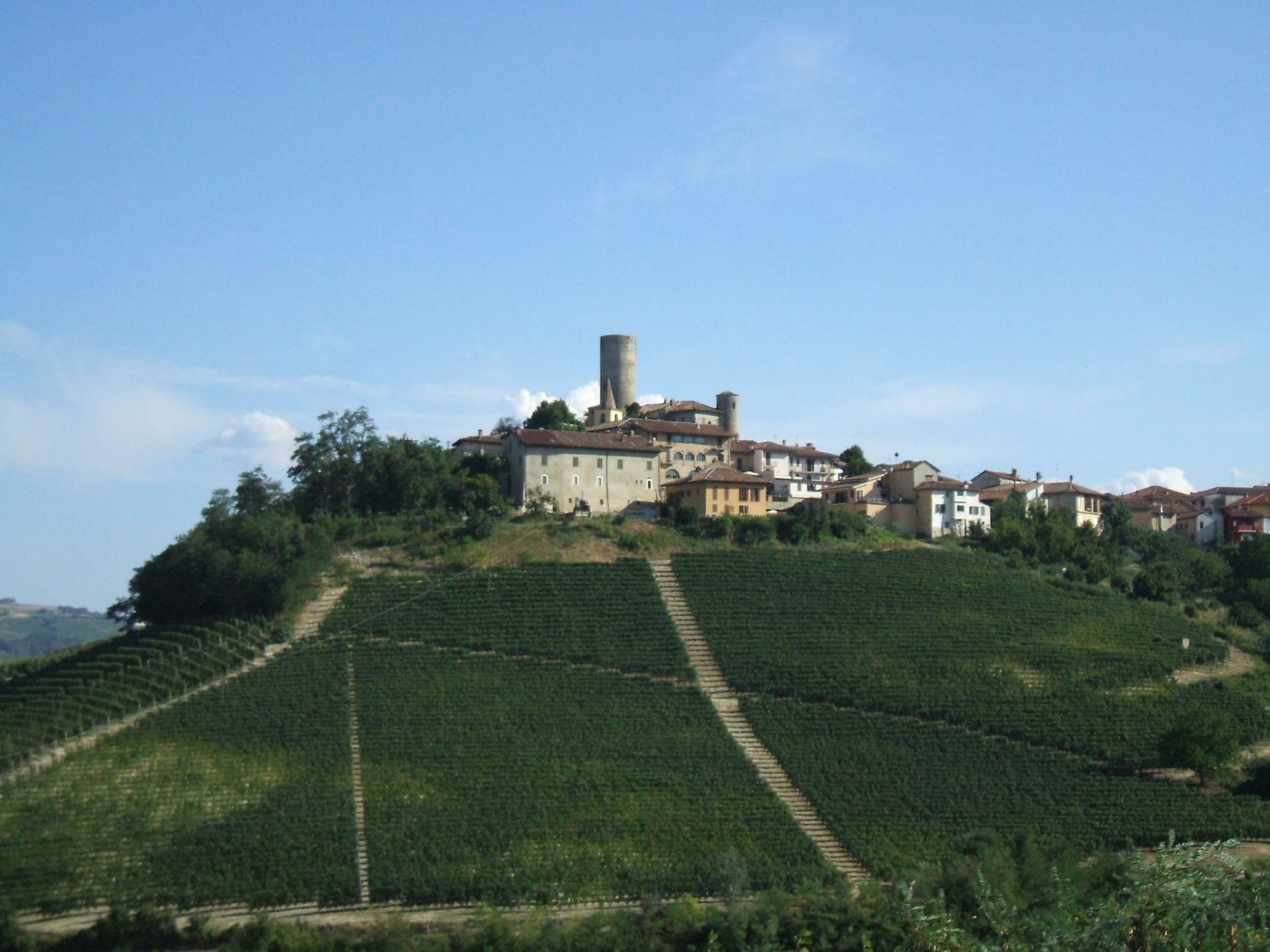
Castiglione Falletto
Province: Cuneo
A Barolo hilltop of 672 at 350 meters in the Langhe, with an eleventh-century castle whose circular keep is over seven meters in diameter.
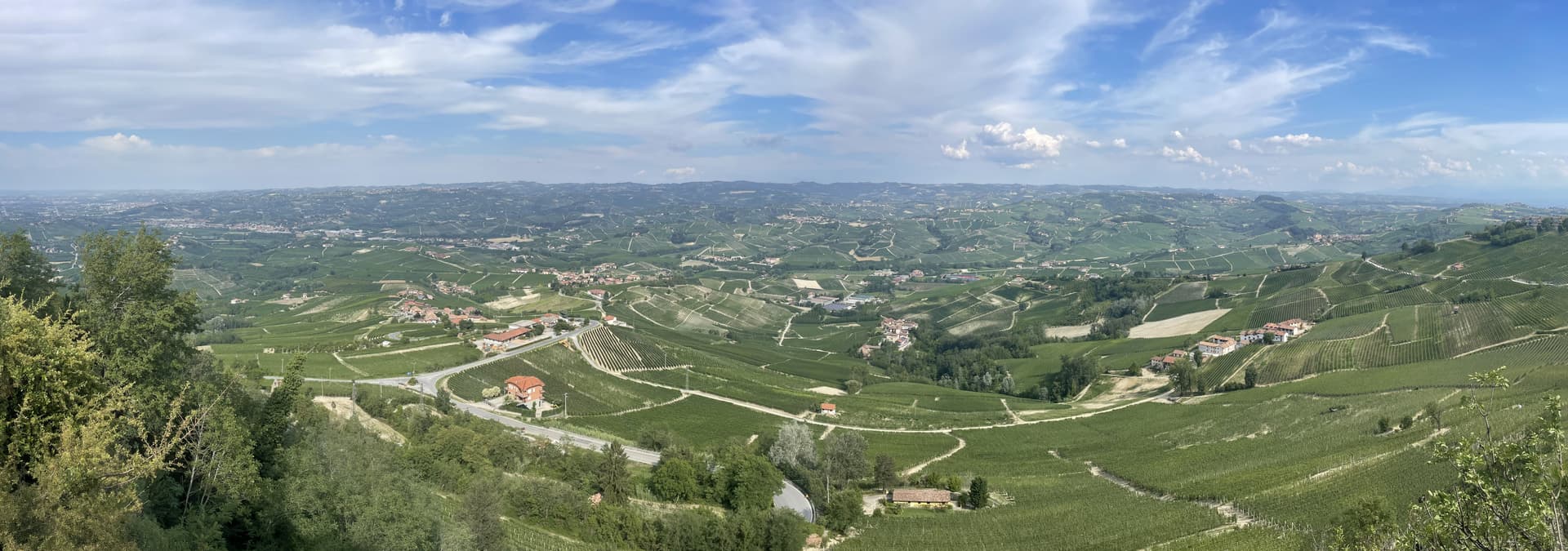
La Morra
Province: Cuneo
The hilltop above the Barolo zone at 513 meters, more Nebbiolo acreage than any other commune and 62 wineries inside its perimeter.
Monforte d'Alba
Province: Cuneo
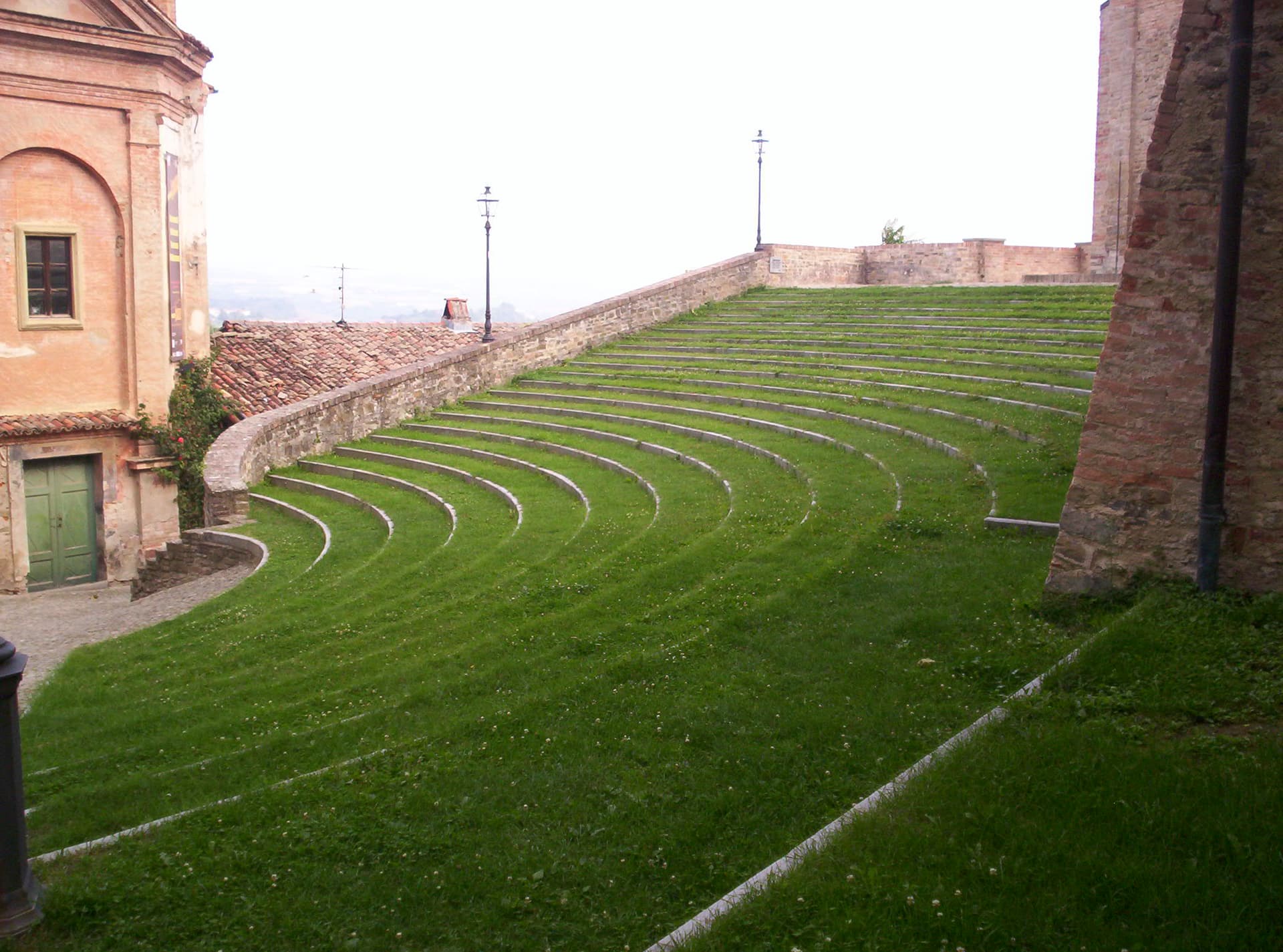
A Barolo cru village at 480 meters where the Cathars were burned in 1028 and where the summer jazz festival fills the old piazza.
Serralunga d'Alba
Province: Cuneo
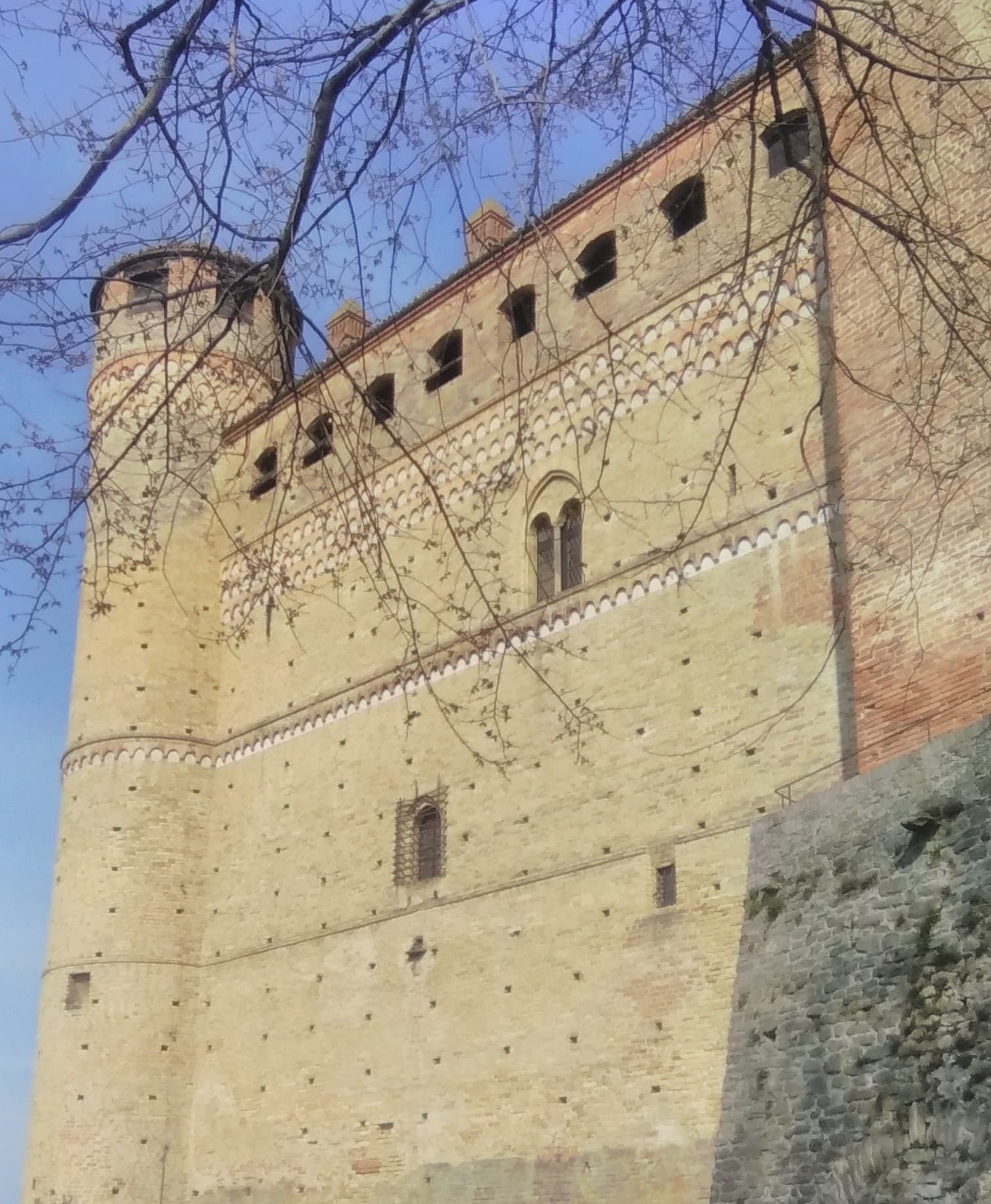
A 527-inhabitant Barolo cru village at 414 meters on a Langhe ridge, crowned by a 14th-century French-style donjon castle of the Falletti.
Verduno
Province: Cuneo
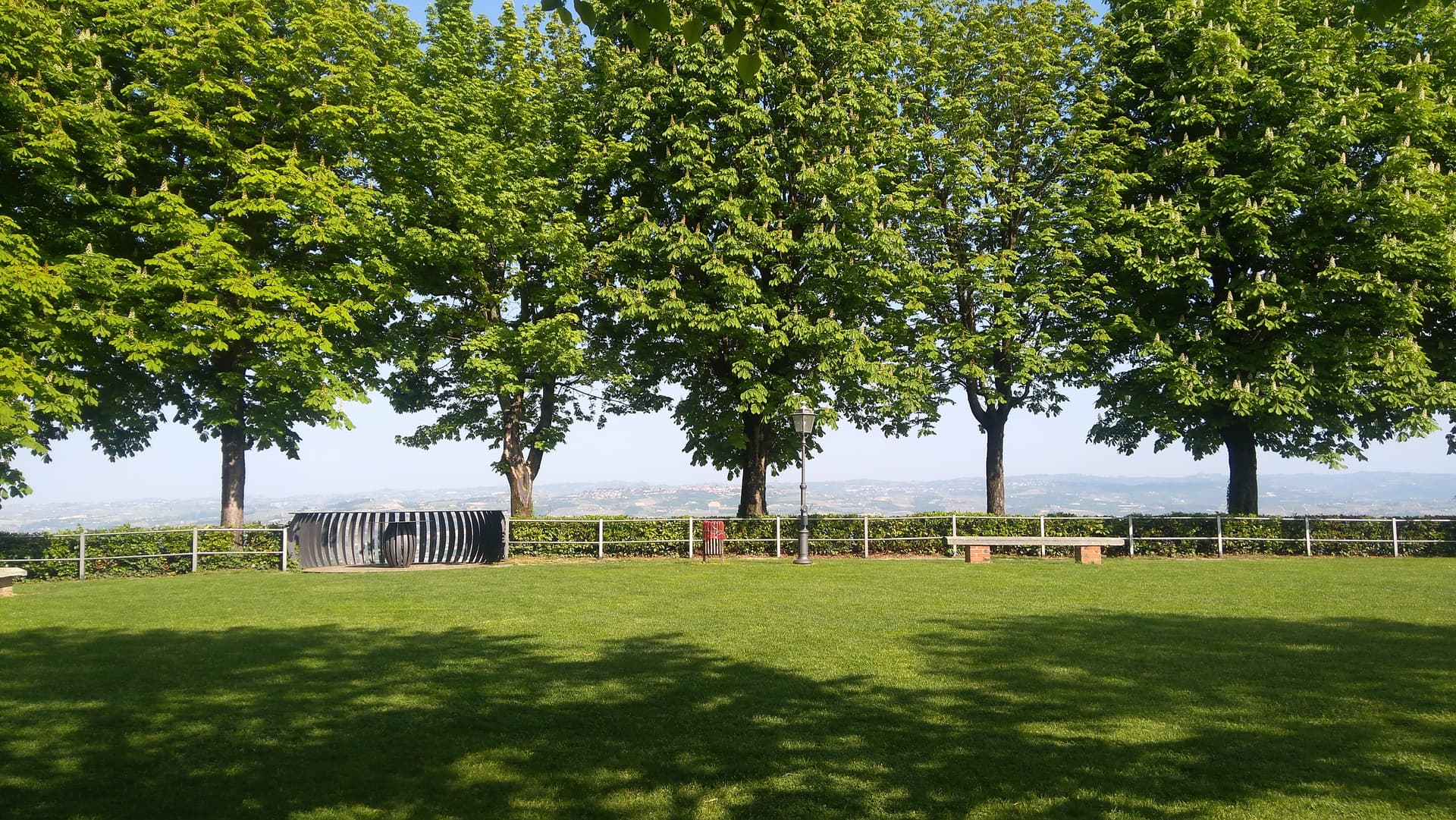
A Langhe hilltop at 381 meters on the northwestern edge of the Barolo DOCG, the home village of the Pelaverga grape.
🎨 Borghi più belli d'Italia
More Borghi più belli d'Italia towns in Piedmont
Biella
Province: Biella
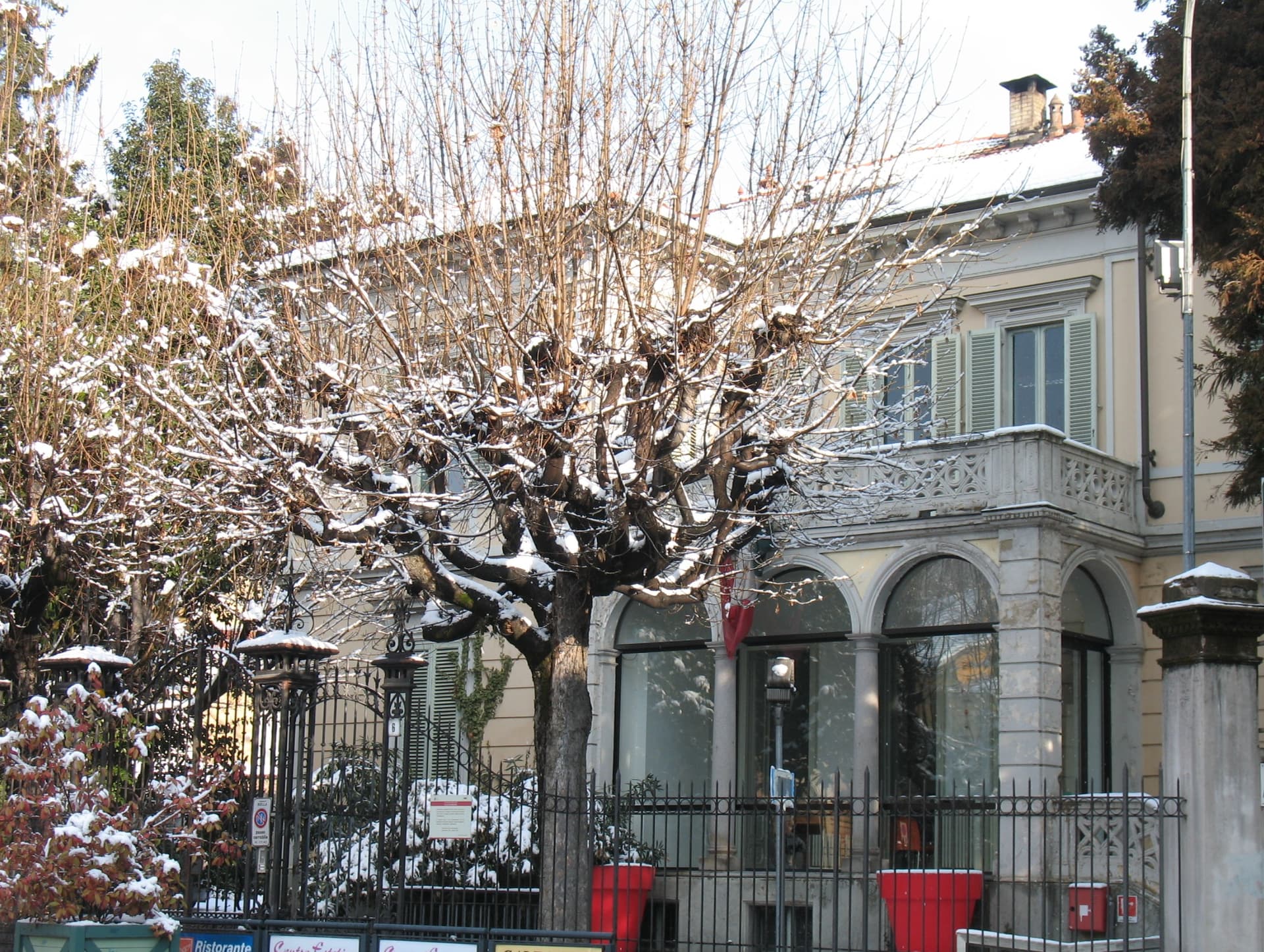
A wool city at 417 meters in the Alpine foothills, where the medieval Piazzo sits above the modern Piano, connected by a funicular since 1885.
Candelo
Province: Biella
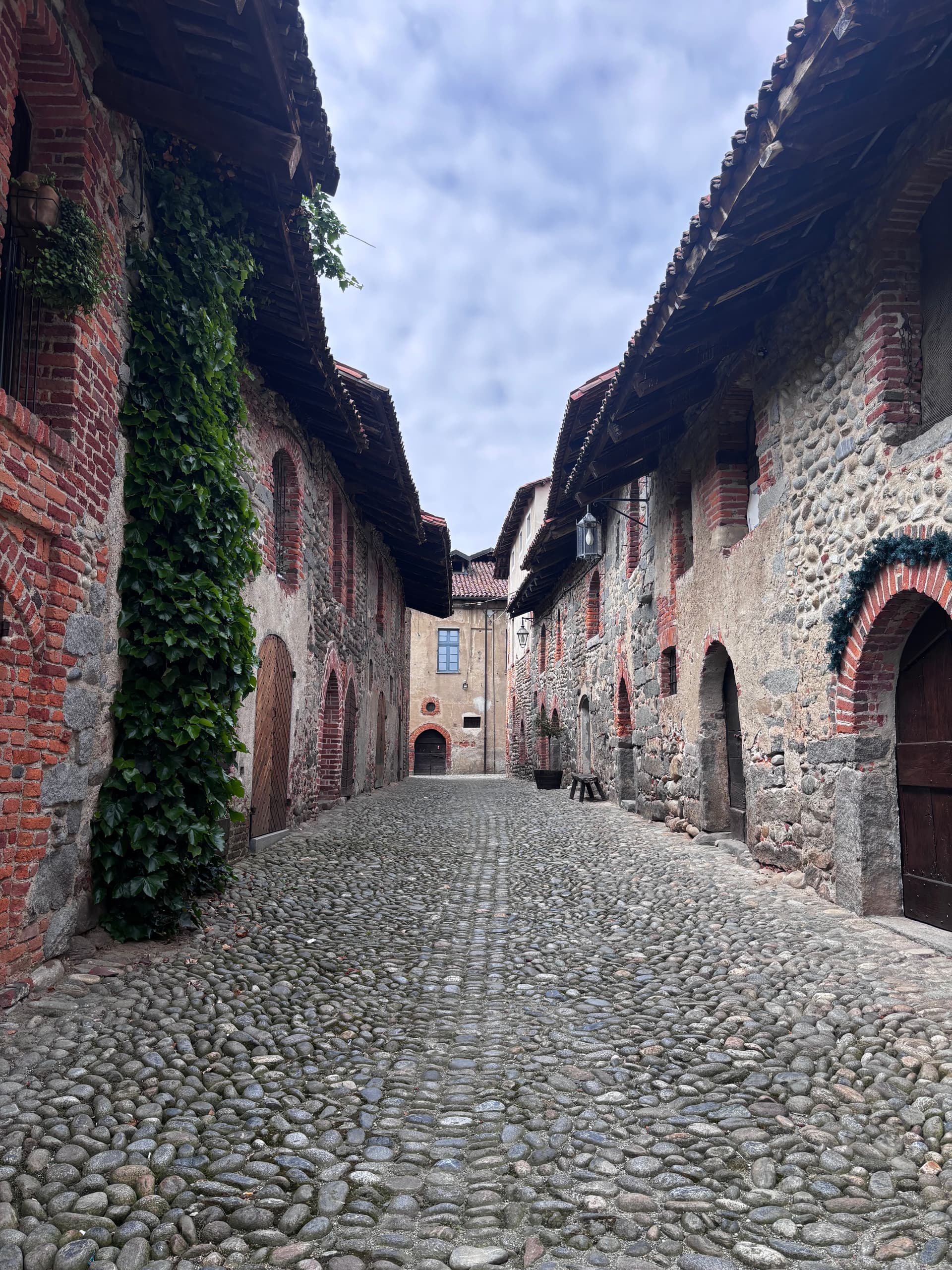
A Biellese commune at 350 meters whose Ricetto, a 13th-century fortified shelter of two hundred stone cellule, is the best-preserved in Piedmont.
Castagnole delle Lanze
Province: Asti
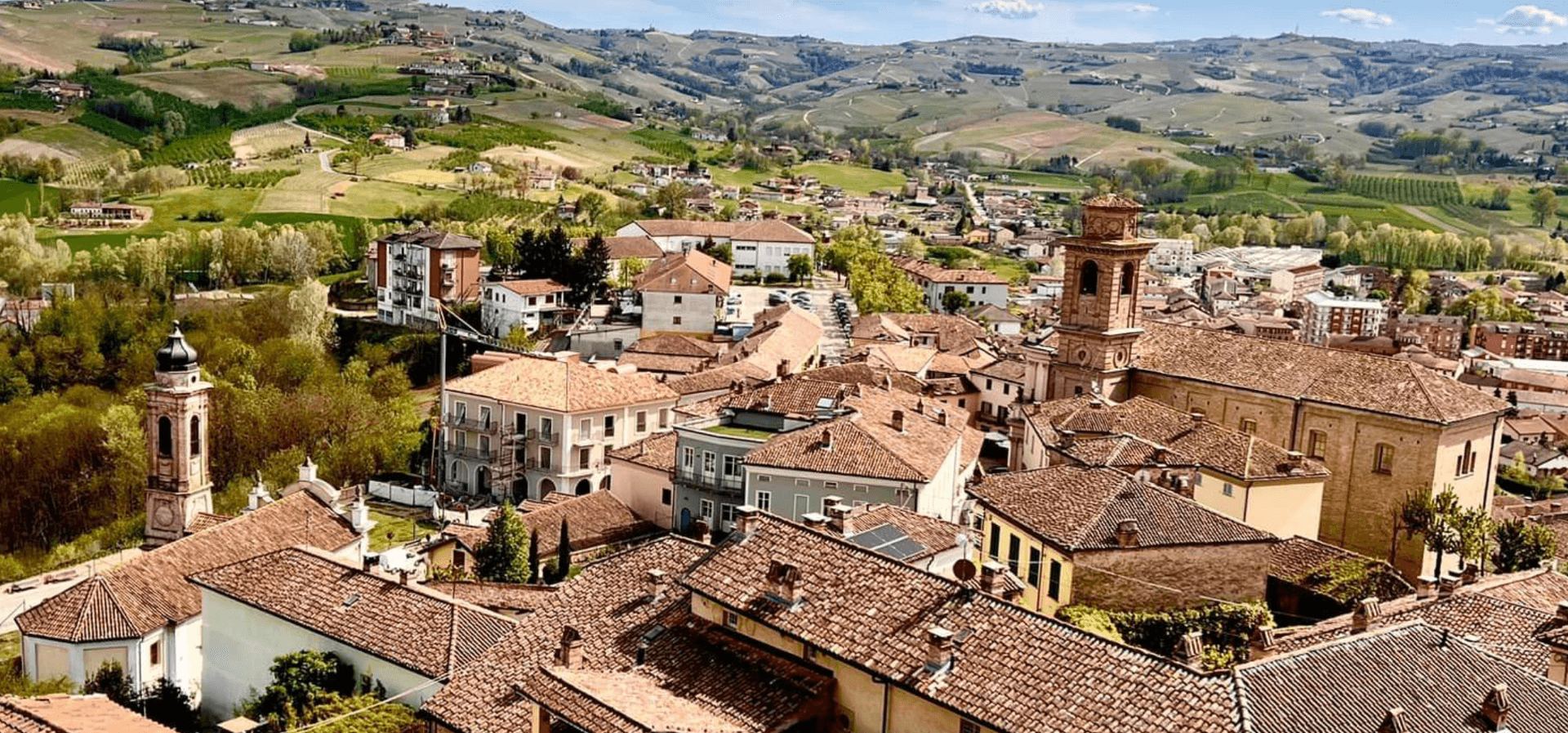
An Asti hill town at 298 meters between Langhe and Monferrato, with two Baroque churches and a nineteenth-century astronomical tower.
Cella Monte
Province: Alessandria
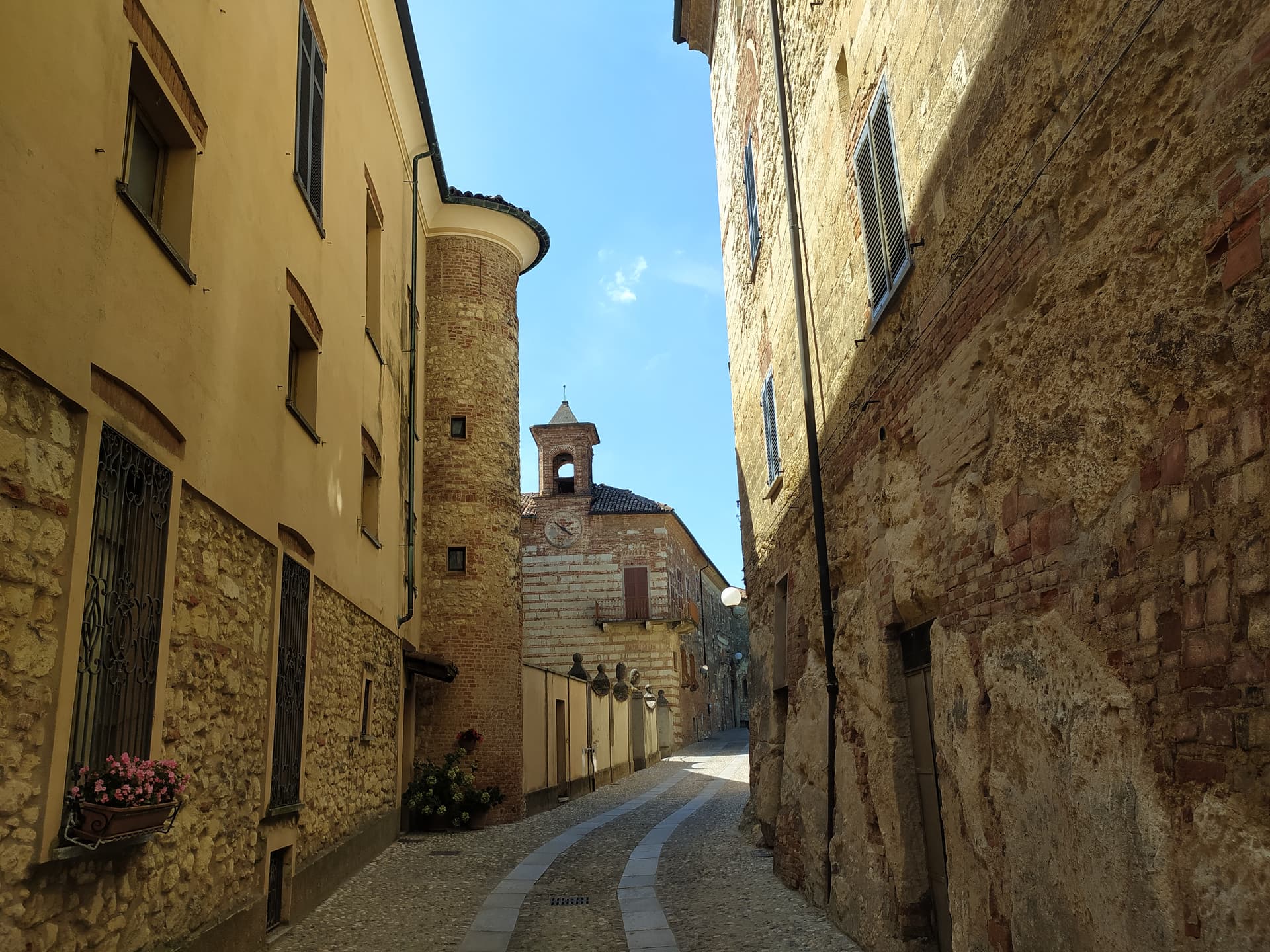
A 465-person Monferrato Casalese borgo at 268 meters built in pietra da cantoni, with infernot cellars listed under the UNESCO Vineyard Landscape.
Cocconato
Province: Asti
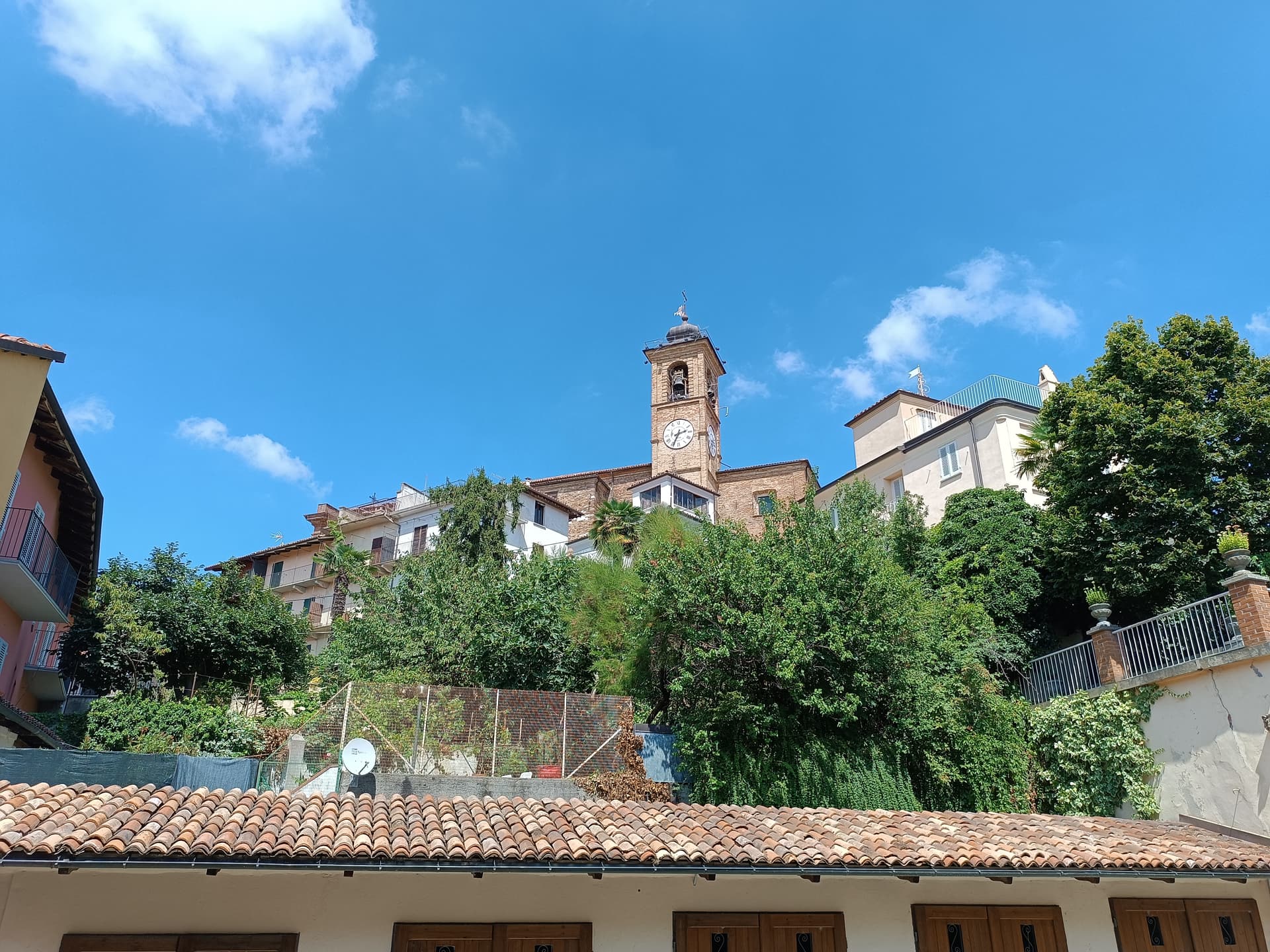
A Monferrato ridge town at 491 meters with a microclimate mild enough to grow palms and olives this far north.