

Piedmont · Biella
Biella
A wool city in the Alpine foothills, where the medieval Piazzo sits above the modern Piano, connected by a funicular since 1885.
Known for
WOOL
Centre of Italian fine-wool weaving since the thirteenth century; Zegna, Cerruti, Loro Piana, Piacenza and Fila all founded in the Biellese.
SACRO MONTE DI OROPA
Pilgrimage complex above the city, dedicated to the Black Madonna, inscribed in the UNESCO Sacri Monti site in 2003.
FUNICOLARE DEL PIAZZO
Water-counterbalance funicular from 1885 that still carries riders the 60 meters between the lower Piano and the medieval Piazzo.
When to visit
Best · Apr–Oct
- J
- F
- M
- A
- M
- J
- J
- A
- S
- O
- N
- D
- Best
- Hot or crowded
- Quiet
- Mostly closed
The festa: Stefano, 26 December
Why come
Biella sits at the foot of the Biellese Alps, in a basin where fast Alpine streams cut down from Mont Mars and the Oropa range. The statutes of 1245 already named the woolworkers' and weavers' guilds, and the city built itself around them: by the nineteenth century, vertical mills along the streams had turned Biella into the Manchester of Italy. The names still on the labels, Zegna, Cerruti, Loro Piana, Piacenza, Fila, were founded here.
The upper town, Biella Piazzo, sits above the modern Piano on a small hill, reached since 1885 by a water-counterbalance funicular that still runs the same 60-meter climb. The Romanesque Baptistery on Piazza Duomo is the city's oldest stone, ninth or tenth century, set next to the cathedral. Above the city, the Sacro Monte di Oropa belongs to the UNESCO Sacri Monti site, and Biella was named a UNESCO Creative City for Crafts and Folk Art in 2019.
The Sunday letter
We haven’t written Biella’s letter yet.
One town every Sunday, with the photo, the food, the festa. Be there when this one comes up. Free, by Peter & Sophia from Pietrasanta.
By subscribing you agree to Substack’s Terms of Use, our Privacy Policy and our Information collection notice.
What to see
Biella Piazzo
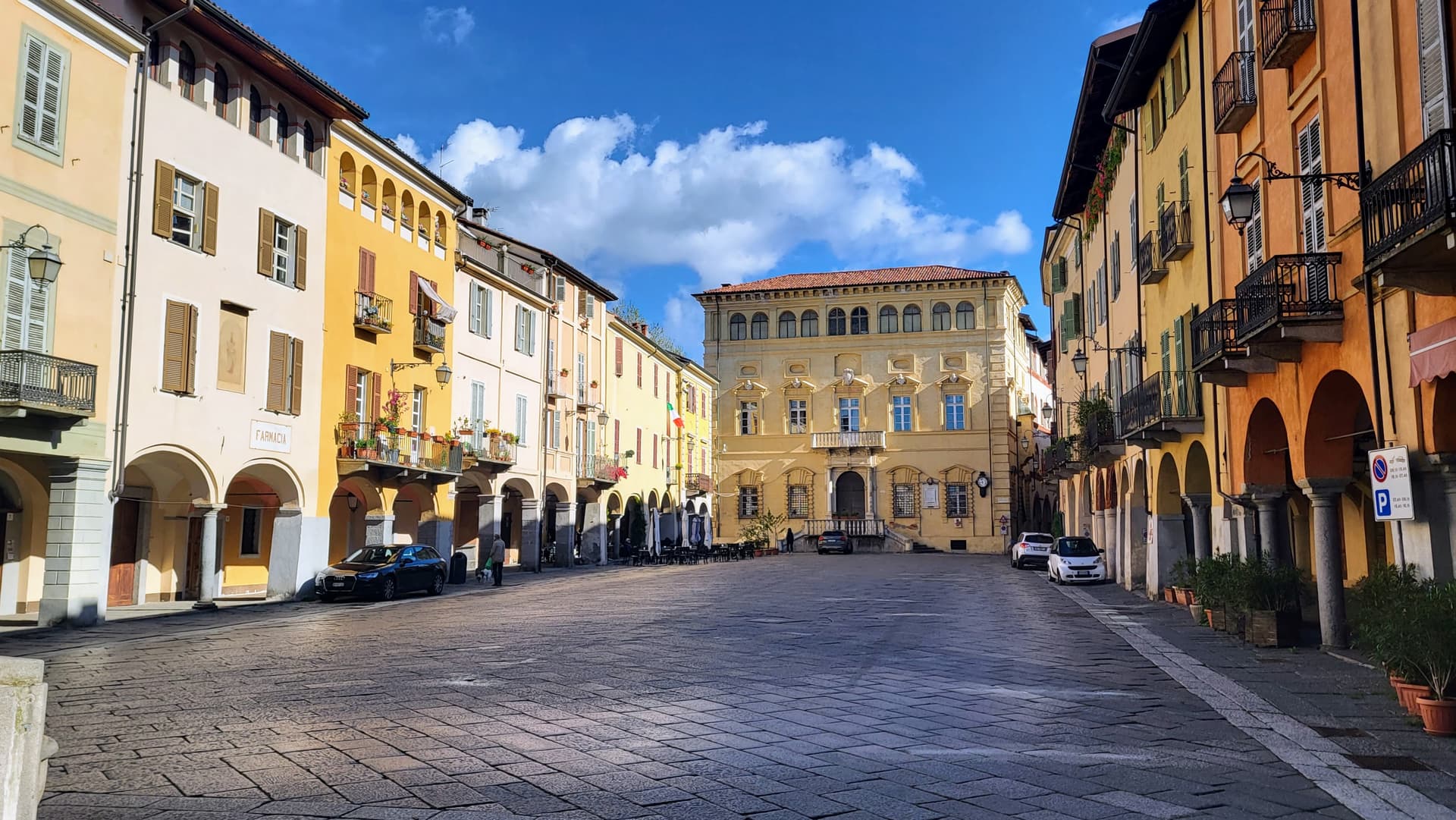
Medieval upper town on a small hill above the modern Piano, with arcaded palazzi and narrow stone streets, reached by funicular since 1885.
Funicolare del Piazzo
Historic funicular opened in December 1885, covering a 60-meter altitude gradient in 177 meters between Via Curiel and Via Avogadro.
Battistero di Biella
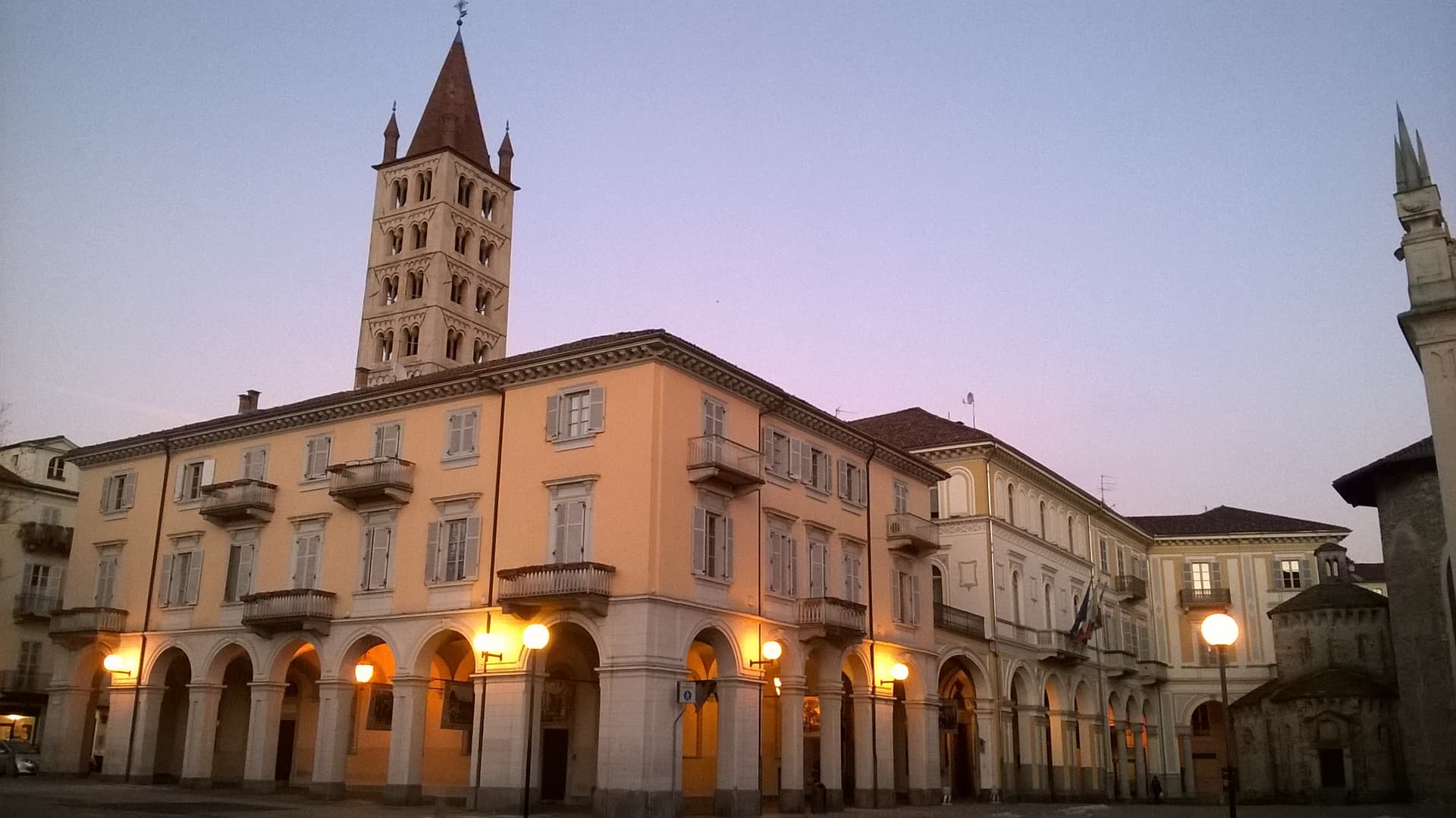
Romanesque baptistery on Piazza Duomo, ninth to tenth century, the oldest standing monument in the city.
Duomo di Biella
Gothic cathedral dedicated to Santo Stefano, rebuilt in the fifteenth and sixteenth centuries on the site of an earlier church.
Sacro Monte di Oropa
Pilgrimage complex above the city in the Oropa basin, part of the UNESCO Sacri Monti of Piedmont and Lombardy site.
Museo del Territorio Biellese
Civic museum in the former monastery of San Sebastiano, with archaeology, sacred art and a section on the Biellese wool district.
The slow-trip planner
Building a trip? Find where Biella fits in a slow Italy circuit.
Answer five questions. We will shape a geographically coherent slow trip from the 1,000 Italian towns most travelers skip. Yours to save and share.
We recommend
Where to eat and stay
Not our picks, but places the guides put their name to — a Michelin star, a Gambero Rosso fork, a Slow Food snail, a Michelin Key for the hotels. Worth a table, a counter, or a night when you pass through.
Matteo RistoranteRistorante
Two Gambero Rosso forks (80/100) for Matteo Ristorante, and a spot in the Michelin Guide.
CaminettoRistorante
Caminetto carries one Gambero Rosso fork (75/100).
Chez SophieRistorante
Chez Sophie carries two Gambero Rosso forks (80/100).
Il PatioRistorante
One Michelin star, at Il Patio.
RegalloRistorante
Regallo carries a spot in the Michelin Guide.
Living here
- Population 42,619
- A local hubi
- Pharmacy in town
- High school within a 30-minute drive
- Train station in the comune
- Nearest airport Turin, 1 h 21 min drive
- Regional capital Torino, 1 h 21 min drive
Tags & datadesignations · numbers · sources
Recognised as
The numbers
- Elevation: 417 m
- Population: 42,619
- Surface area: 46.69 km²
These figures were compiled from public directories — ISTAT, OpenStreetMap, Wikidata — and from the official listings of the guides named on this page. Town details change; verify with official sources before you travel.
Close by
More towns near Biella
Candelo
Province: Biella
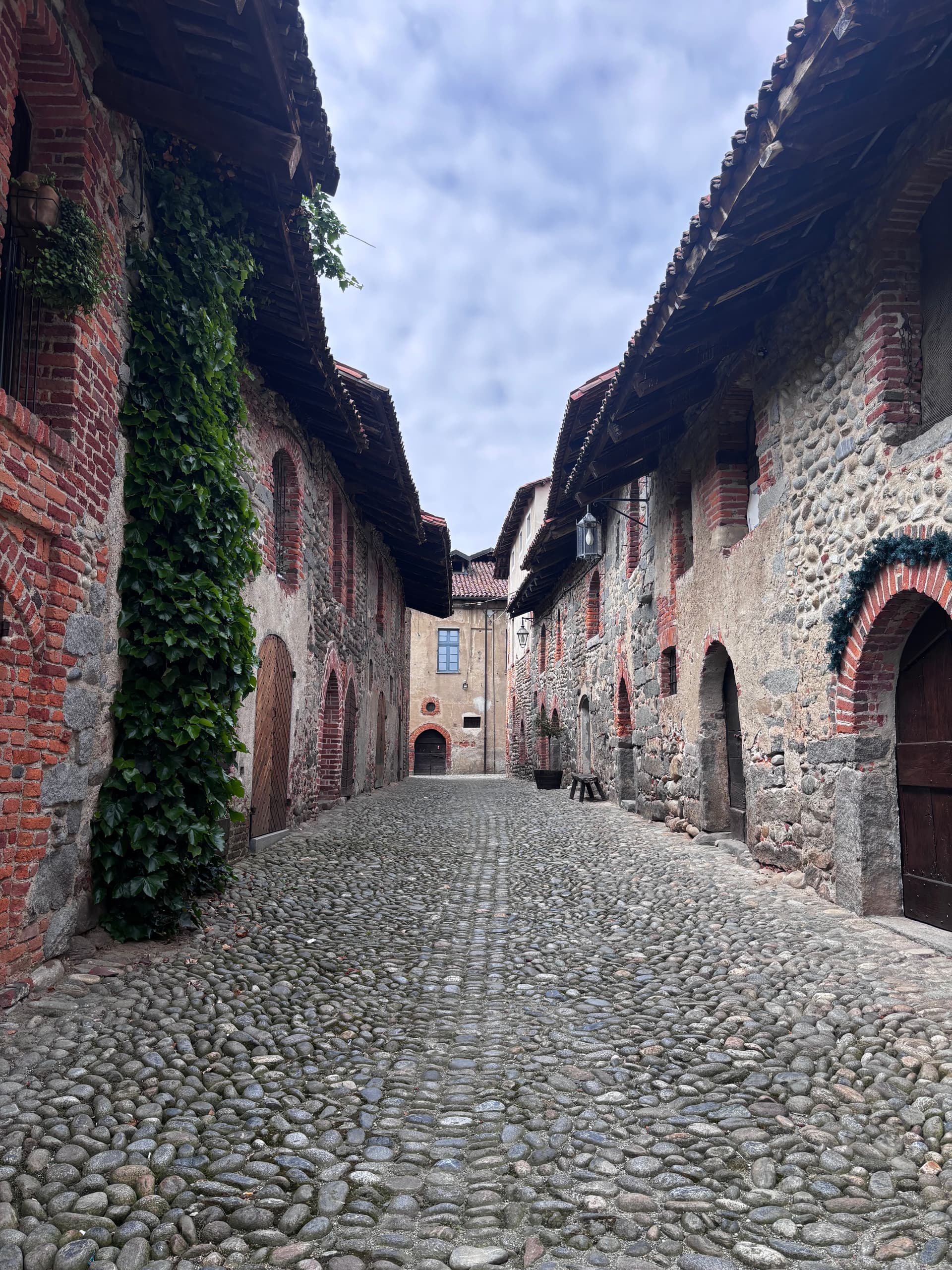
A Biellese commune at 350 meters whose Ricetto, a 13th-century fortified shelter of two hundred stone cellule, is the best-preserved in Piedmont.
Gattinara
Province: Vercelli
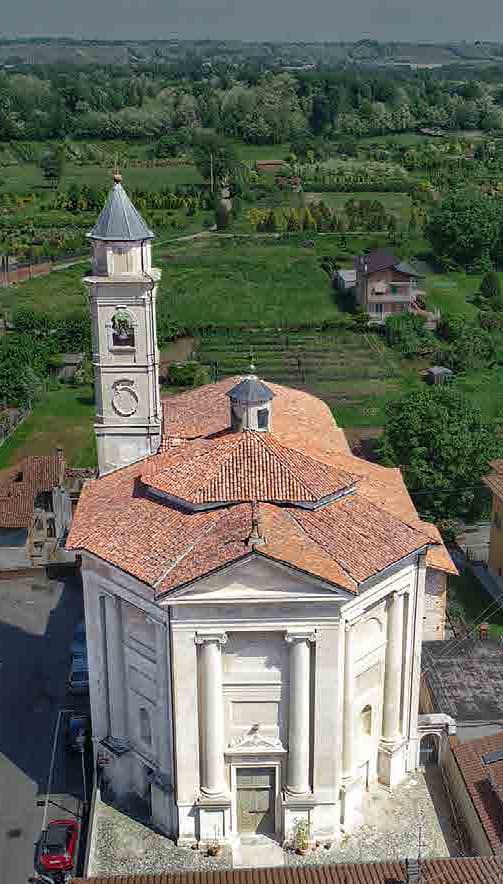
The Alto Piemonte Nebbiolo town on volcanic soil between the Sesia and Monte Rosa, DOCG since 1990, with a tenth-century watchtower above the vines.
Ivrea
Province: Torino
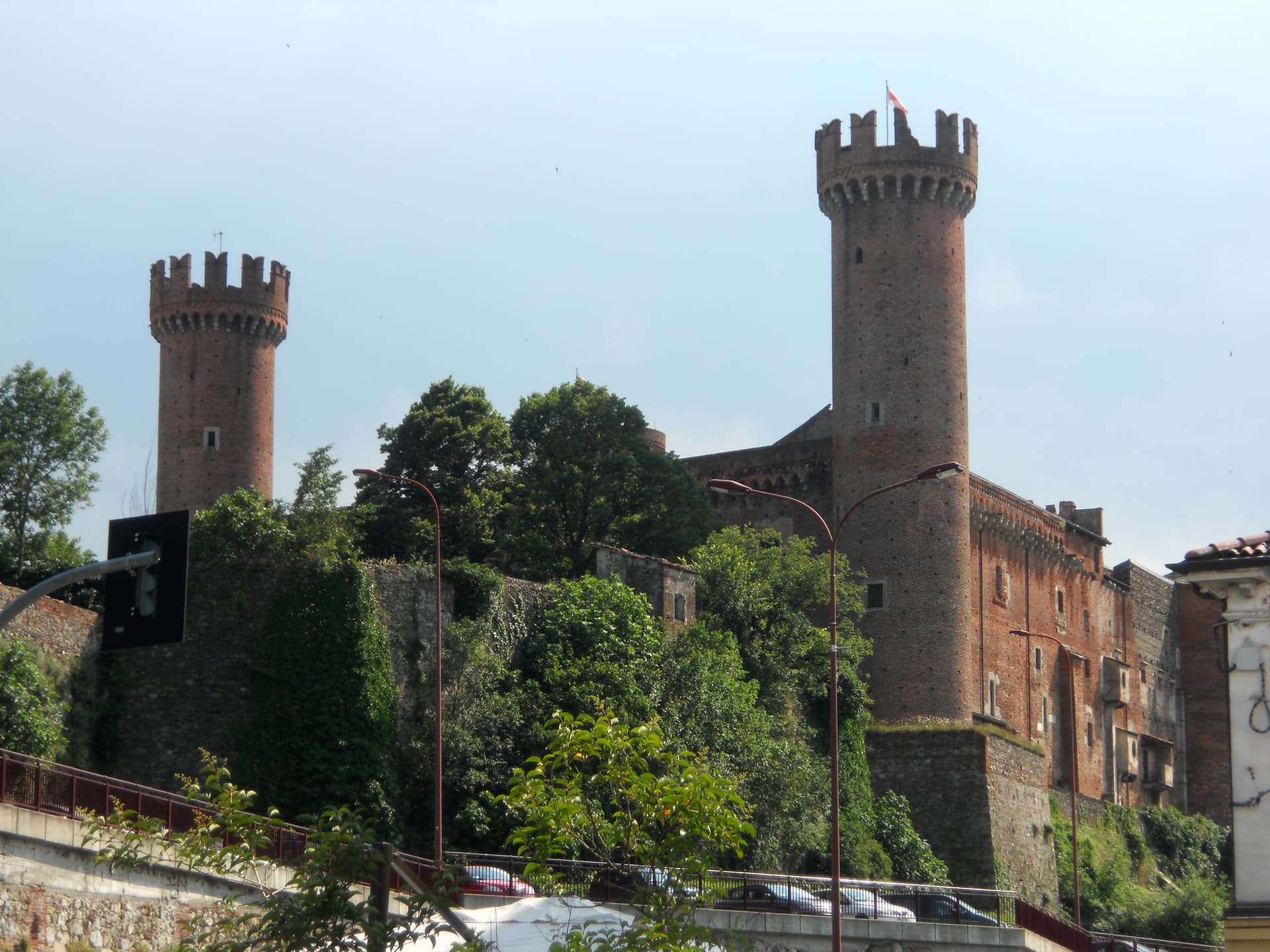
Roman Eporedia on the Dora Baltea, Olivetti's twentieth-century industrial city, UNESCO since 2018, where every February three hundred tons of oranges are thrown.
Gozzano
Province: Novara
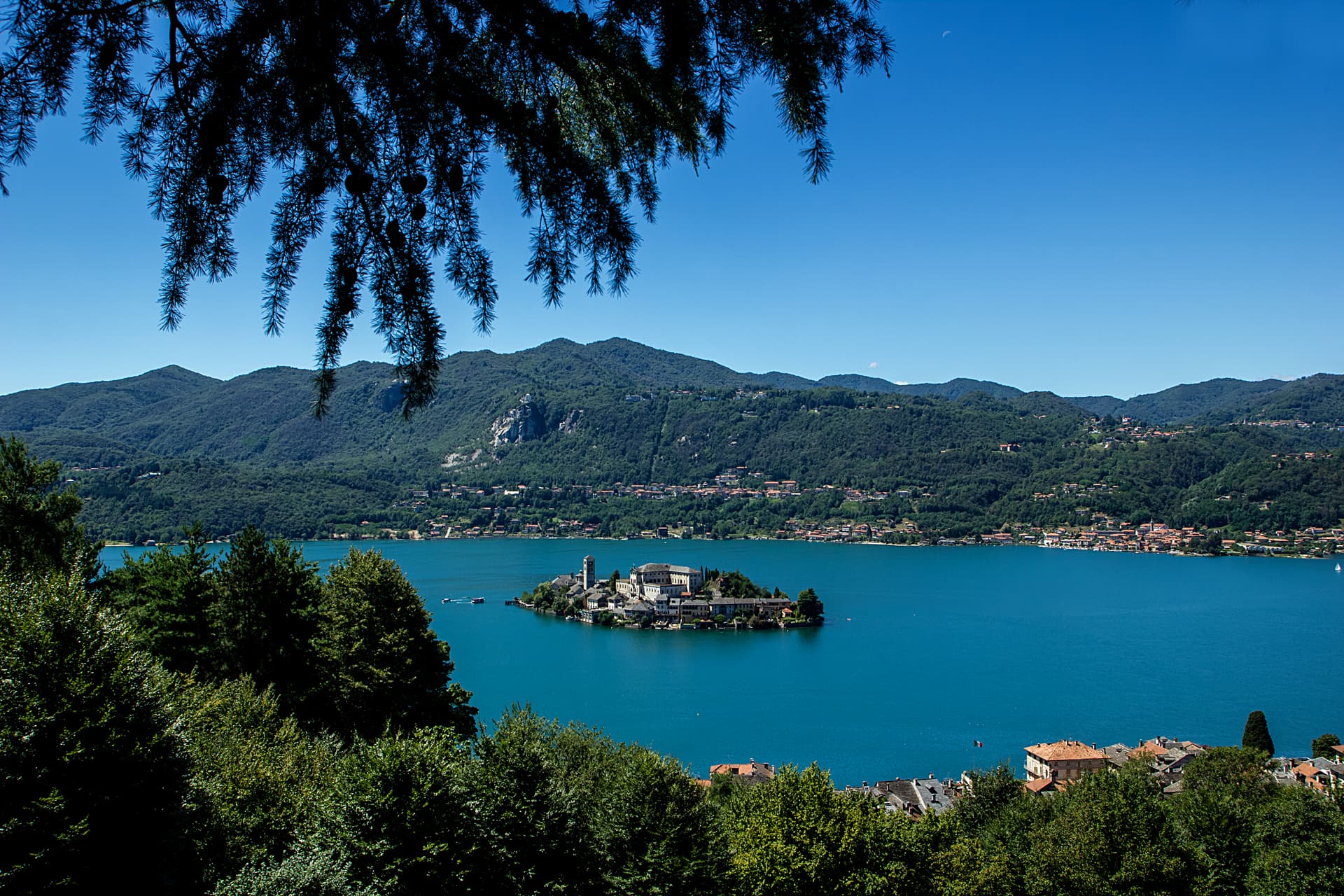
The town at the southern tip of Lake Orta, with a ninth-century basilica for Saint Julian and a twelfth-century signaling tower above the water.
Bard
Province: Aosta Valley
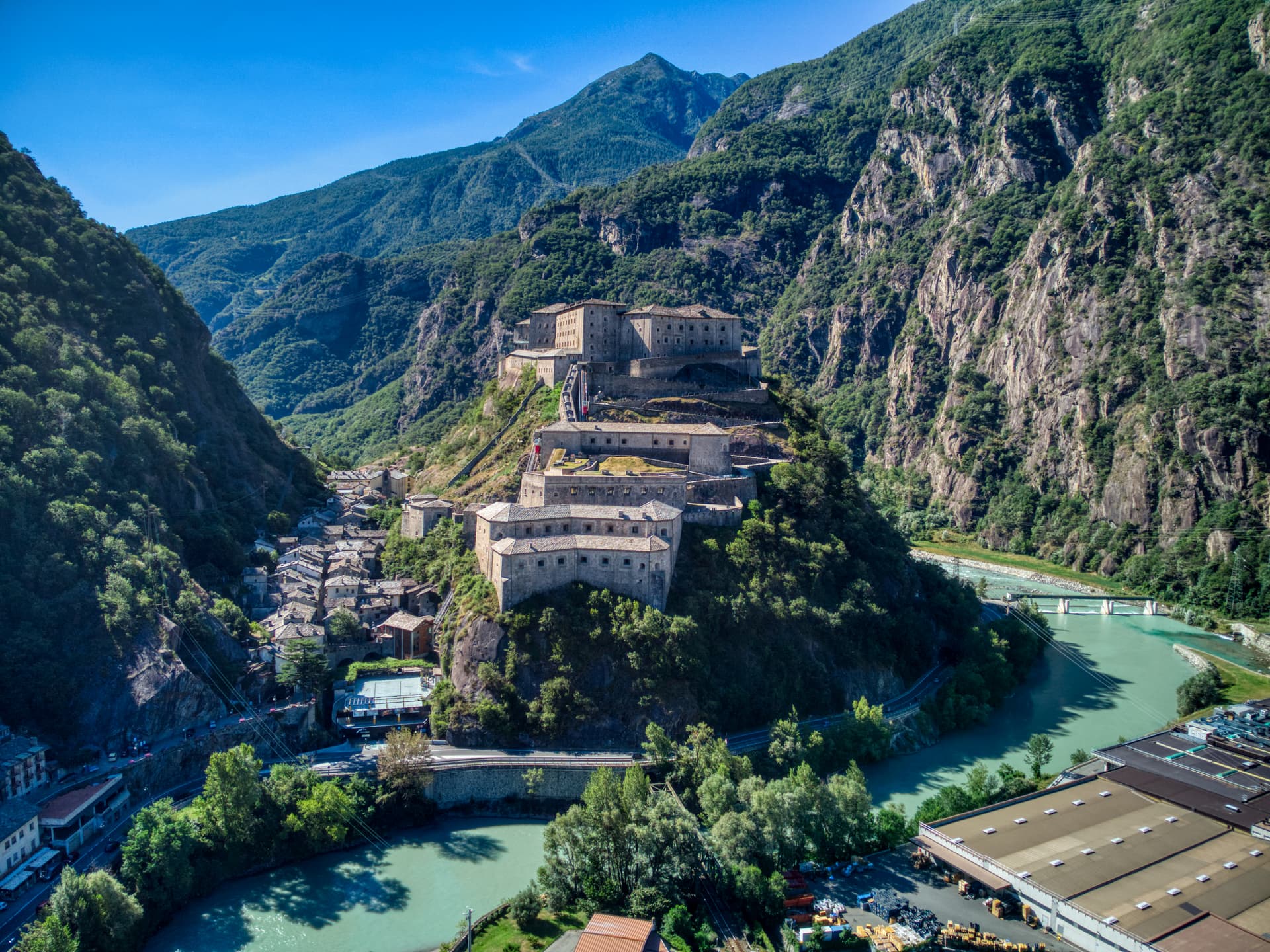
A 108-person village under the largest Savoy fortress in the Alps, where 400 soldiers held off Napoleon's 40,000 for two weeks in 1800.
🎨 Borghi più belli d'Italia
More Borghi più belli d'Italia towns in Piedmont
Barolo
Province: Cuneo
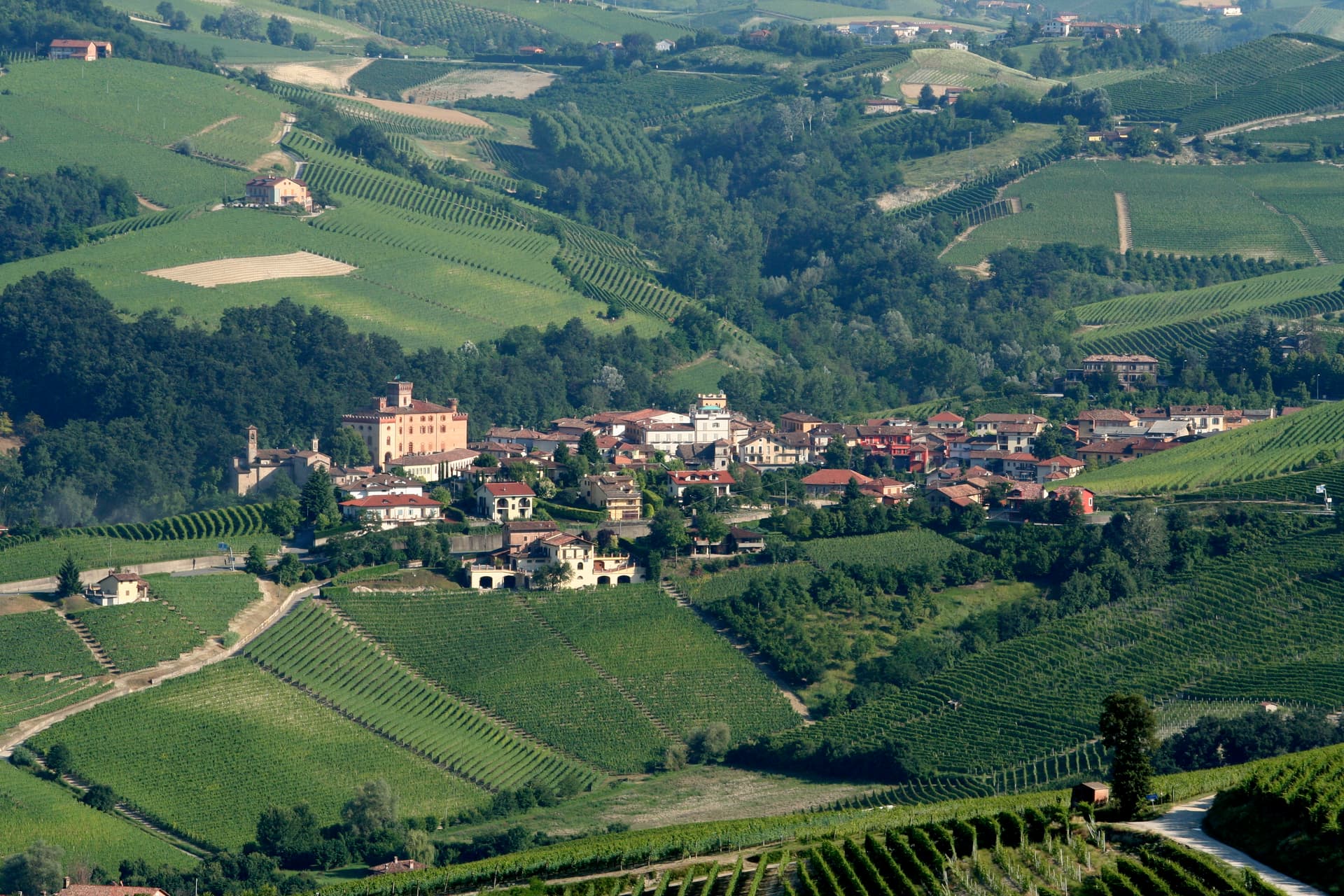
A Langhe borgo at 301 meters whose Castello Falletti gave its name to the wine the Marchesi turned dry in the 1830s with Cavour's help.
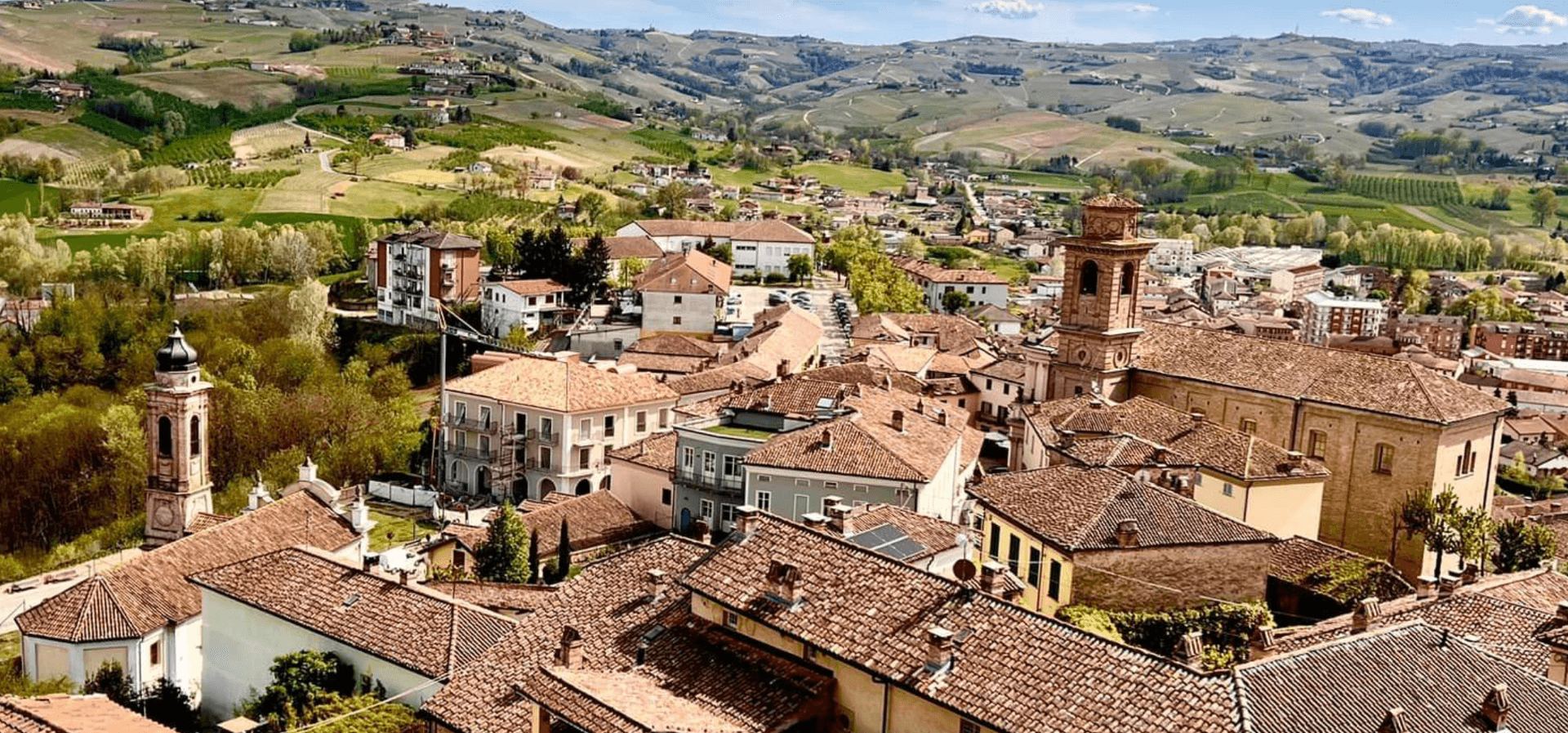
Castagnole delle Lanze
Province: Asti
An Asti hill town at 298 meters between Langhe and Monferrato, with two Baroque churches and a nineteenth-century astronomical tower.
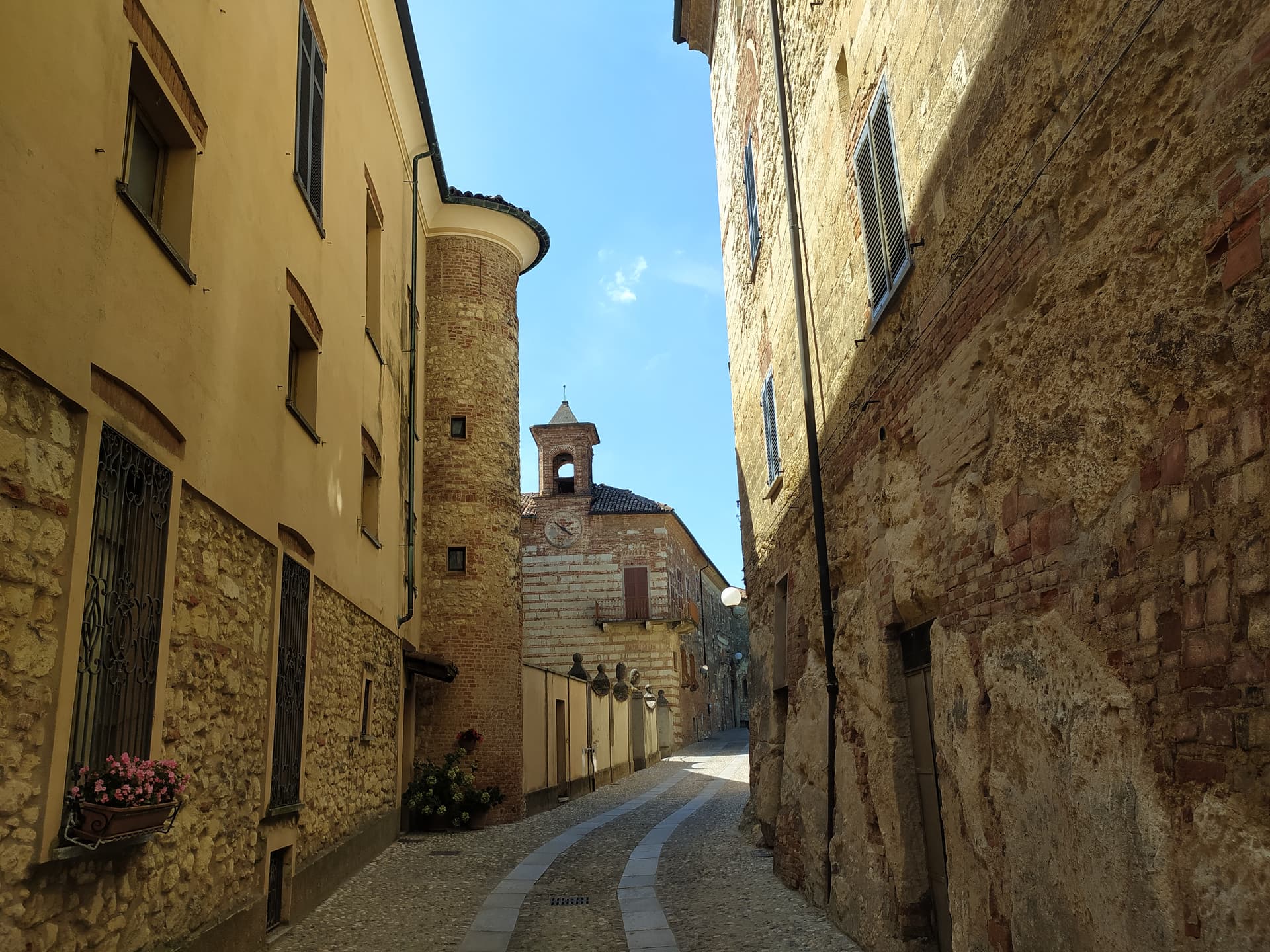
Cella Monte
Province: Alessandria
A 465-person Monferrato Casalese borgo at 268 meters built in pietra da cantoni, with infernot cellars listed under the UNESCO Vineyard Landscape.
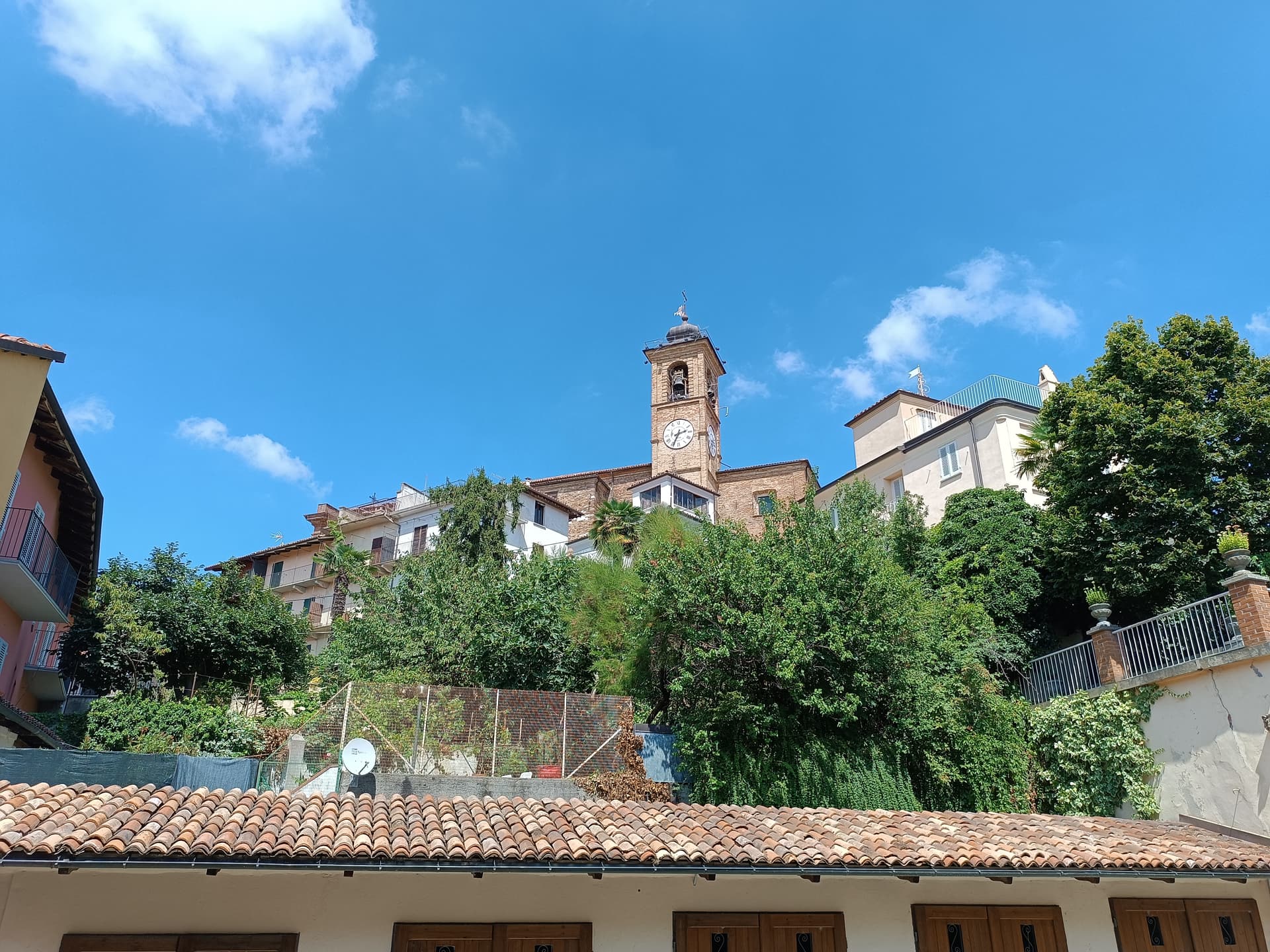
Cocconato
Province: Asti
A Monferrato ridge town at 491 meters with a microclimate mild enough to grow palms and olives this far north.
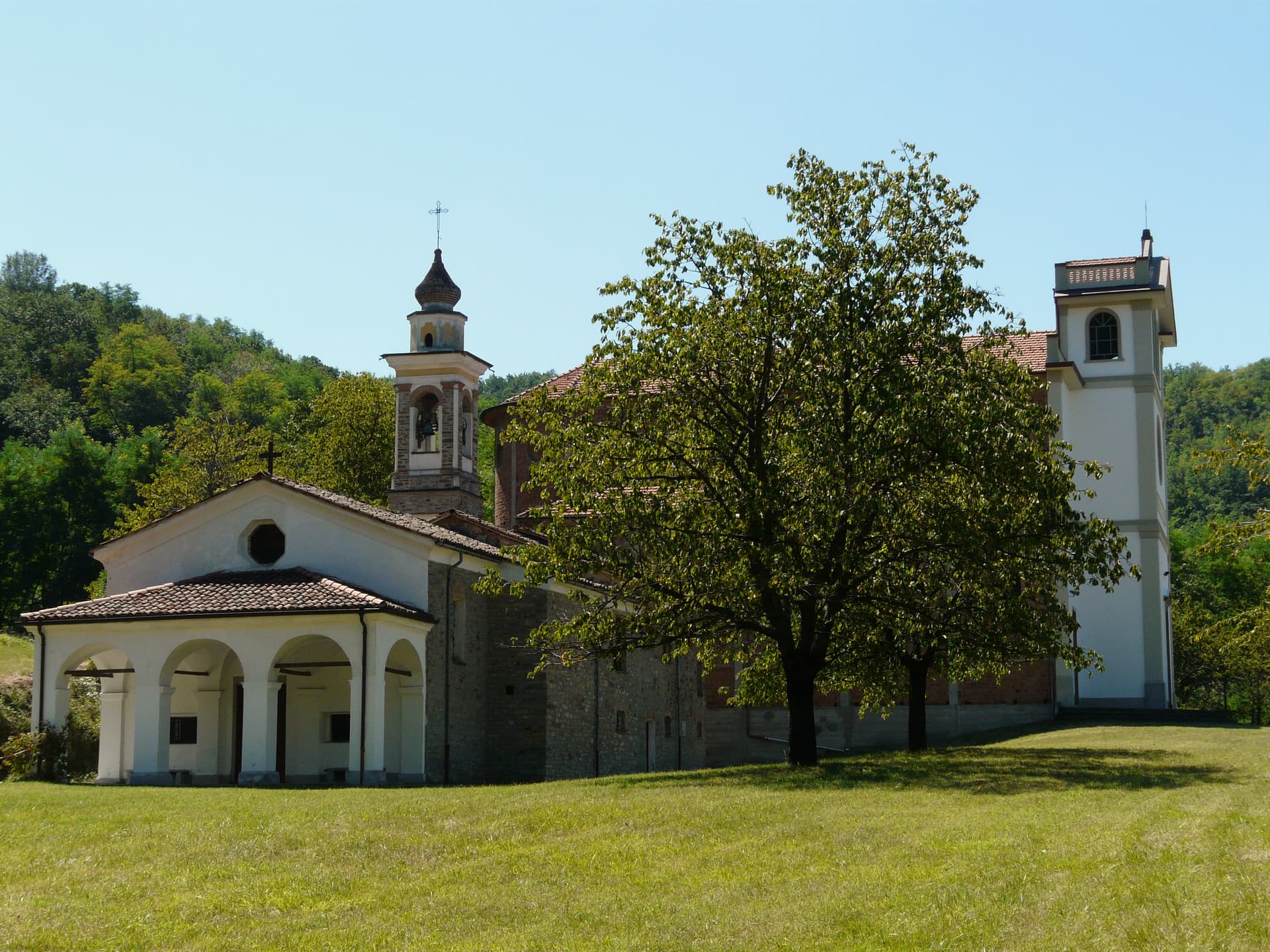
Garbagna
Province: Alessandria
A Val Curone borgo at 270 meters with tall Ligurian-style houses, home of the Ciliegia Bella di Garbagna cherry.