

Piedmont · Torino
Ivrea
Roman Eporedia on the Dora Baltea, Olivetti's twentieth-century industrial city, UNESCO since 2018, where every February three hundred tons of oranges are thrown.
Known for
OLIVETTI CITY
Adriano Olivetti's industrial city rebuilt 1945-1955, UNESCO World Heritage since 2018, with glass factories, worker housing, and the Programma 101 from 1965.
BATTLE OF ORANGES
300-700 tons of oranges thrown each February by costumed teams reenacting a 1200 revolt; nine teams on foot against shooters on wagons.
EPOREDIA
Roman foundation in 100 BC as a military outpost on the Alpine route, later capital of the March of Ivrea and briefly of the Kingdom of Italy.
When to visit
Best · Apr–Oct
- J
- F
- M
- A
- M
- J
- J
- A
- S
- O
- N
- D
- Best
- Hot or crowded
- Quiet
- Mostly closed
The festa: Savino di Spoleto, 4 July
Why come
Ivrea sits on the Dora Baltea, the river that drains the Aosta valley before it reaches the Po. The Romans founded it as Eporedia in 100 BC, a military outpost against the Salassi guarding the Alpine routes into Gaul. The medieval town was capital of the March of Ivrea and briefly of the Kingdom of Italy in the eleventh century.
Then the modern story: Camillo Olivetti opened a typewriter factory in 1908. His son Adriano Olivetti rebuilt Ivrea between 1945 and 1955 as an industrial city designed around its workers, with glass-walled factories so workers could see the mountains, plus housing, schools, libraries, and cultural centers integrated into the surrounding landscape. The Programma 101, launched here in 1965, is considered the world's first commercial desktop computer.
UNESCO inscribed Ivrea, Industrial City of the Twentieth Century, in 2018. Every February the Storico Carnevale stages the Battle of the Oranges, when three hundred to seven hundred tons of oranges are thrown by costumed teams reenacting a 1200 popular revolt.
The Sunday letter
We haven’t written Ivrea’s letter yet.
One town every Sunday, with the photo, the food, the festa. Be there when this one comes up. Free, by Peter & Sophia from Pietrasanta.
By subscribing you agree to Substack’s Terms of Use, our Privacy Policy and our Information collection notice.
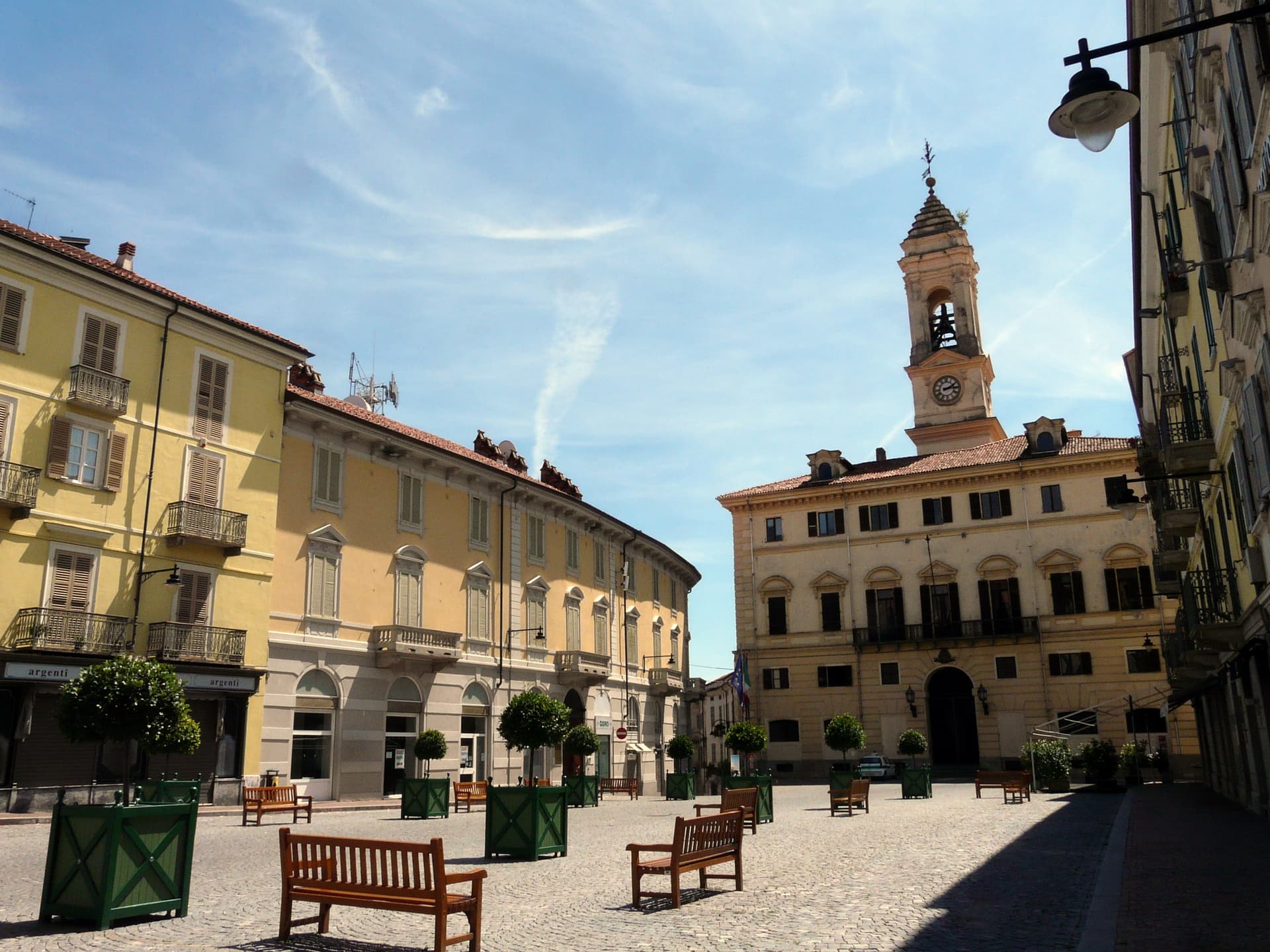
What to see
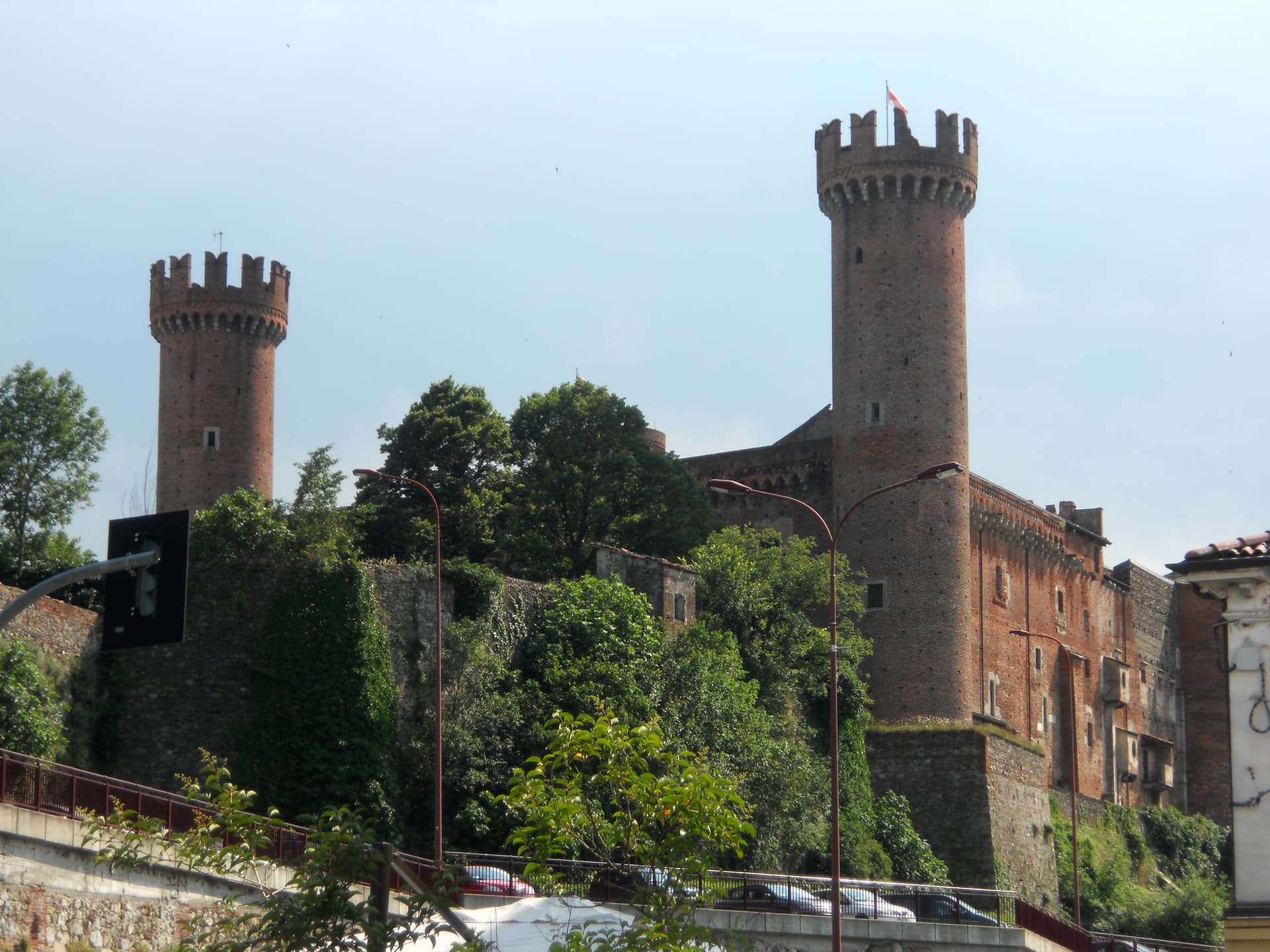
Castello di Ivrea
Fourteenth-century red-brick castle of the Savoy on the hill above the centro storico, with four towers and views over the Dora Baltea.
Duomo di Santa Maria Assunta
Ninth-century cathedral on the site of a Roman temple, with Romanesque crypt and bell tower, the religious anchor of medieval Ivrea.
MAAM - Museo a Cielo Aperto dell'Architettura Moderna
Open-air museum of Olivetti-era architecture, the UNESCO site, including the ICO factories and the Talponia underground housing.
Storico Carnevale di Ivrea
Italy's oldest historical carnival, reenacting a 1200 revolt with the Battle of the Oranges, three to seven hundred tons of oranges thrown each February.
Cinque Laghi di Ivrea
Five small morainic lakes north of the town, formed by the Balteo glacier, with walking paths and swimming areas.
The slow-trip planner
Building a trip? Find where Ivrea fits in a slow Italy circuit.
Answer five questions. We will shape a geographically coherent slow trip from the 1,000 Italian towns most travelers skip. Yours to save and share.
Living here
- Population 22,357
- A local hubi
- Pharmacy in town
- High school within a 30-minute drive
- Train station in the comune
- Nearest airport Turin, 53 min drive
- Regional capital Torino, 56 min drive
Tags & datadesignations · numbers · sources
Recognised as
The numbers
- Elevation: 267 m
- Population: 22,357
- Surface area: 30.11 km²
These figures were compiled from public directories — ISTAT, OpenStreetMap, Wikidata — and from the official listings of the guides named on this page. Town details change; verify with official sources before you travel.
Close by
More towns near Ivrea
Agliè
Province: Torino
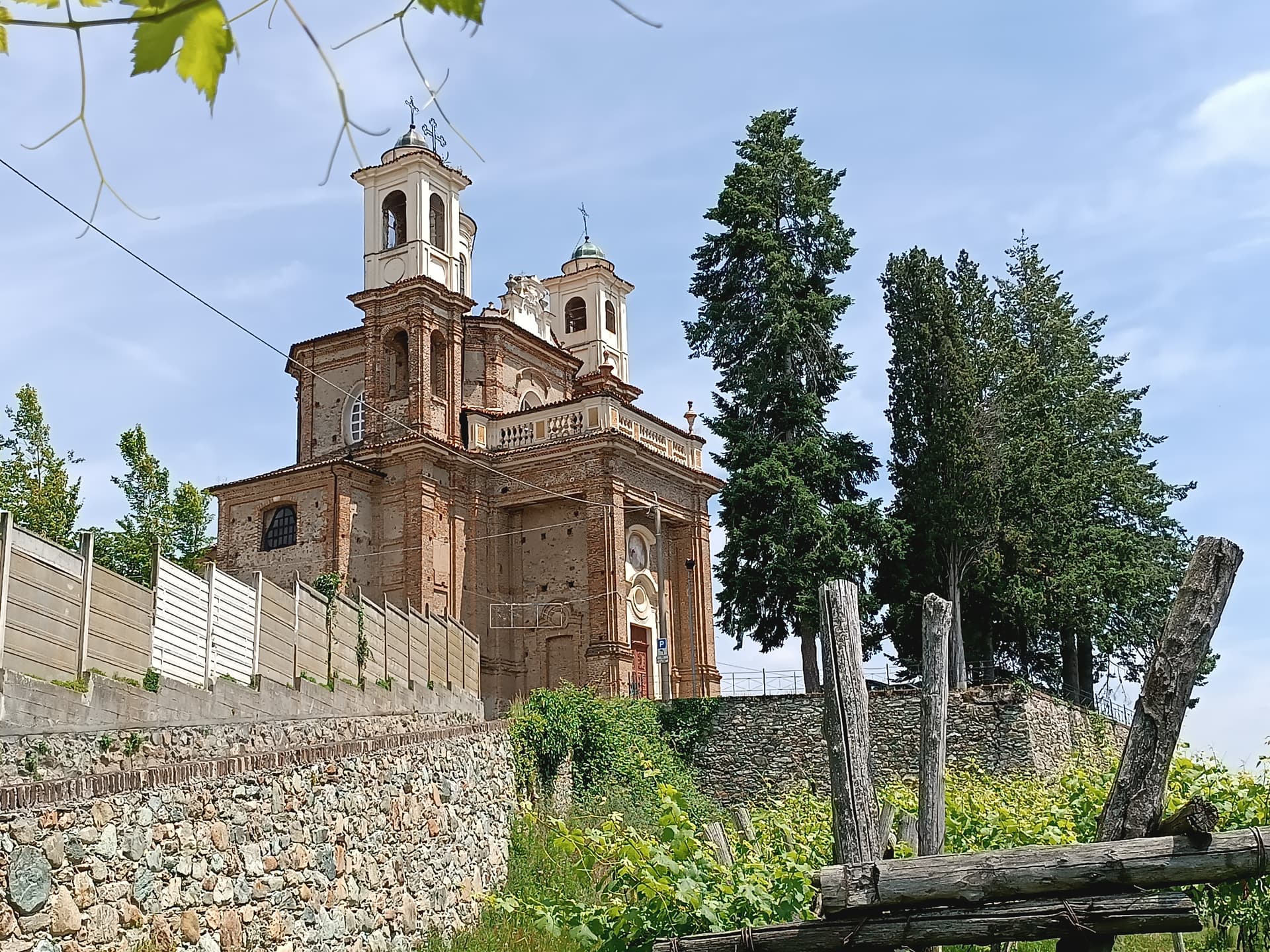
A Canavese borgo at 330 meters whose Castello Ducale, a UNESCO Savoy residence since 1997, has been held by the d'Agliè since 1259.
Bard
Province: Aosta Valley
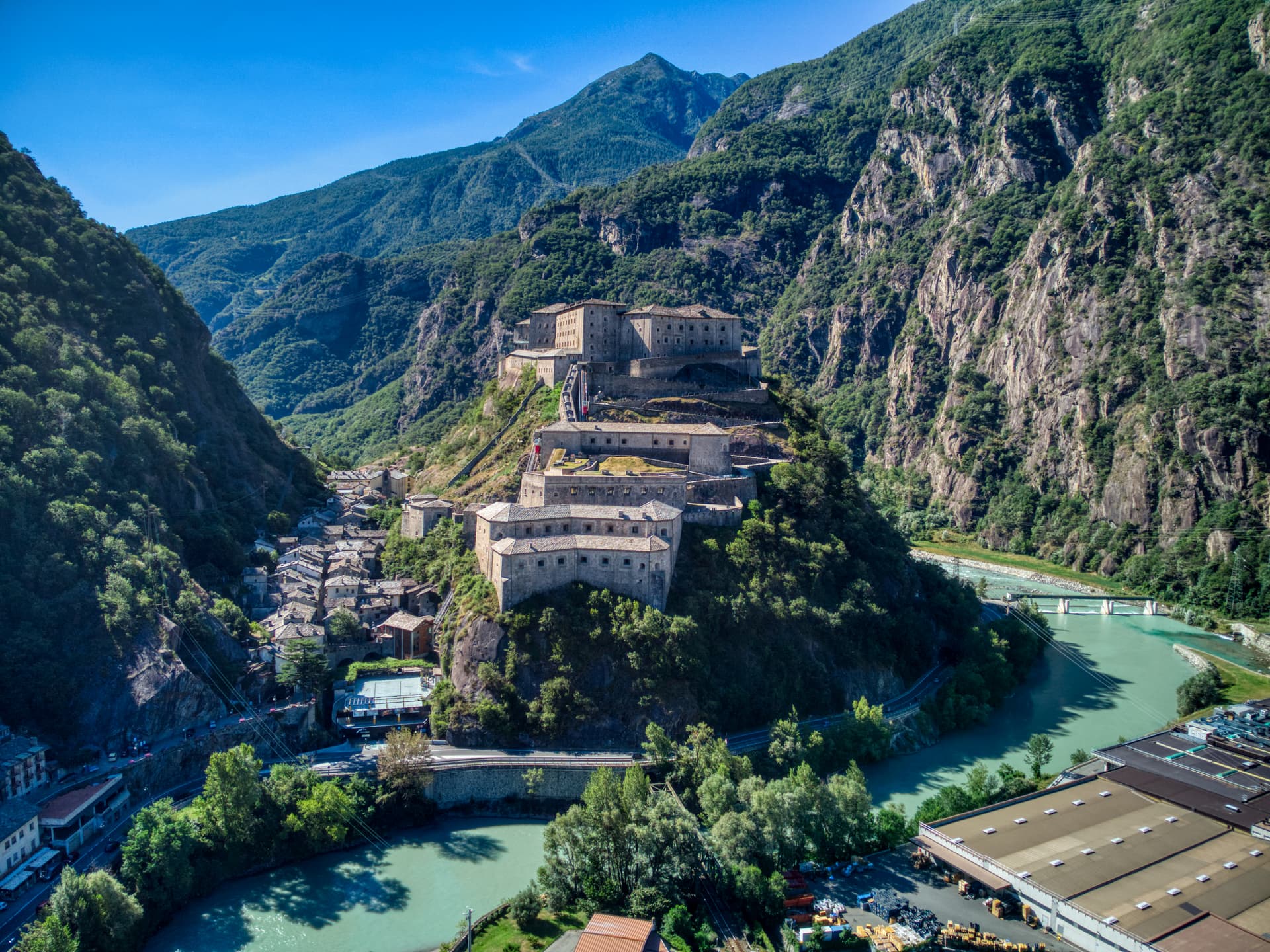
A 108-person village under the largest Savoy fortress in the Alps, where 400 soldiers held off Napoleon's 40,000 for two weeks in 1800.
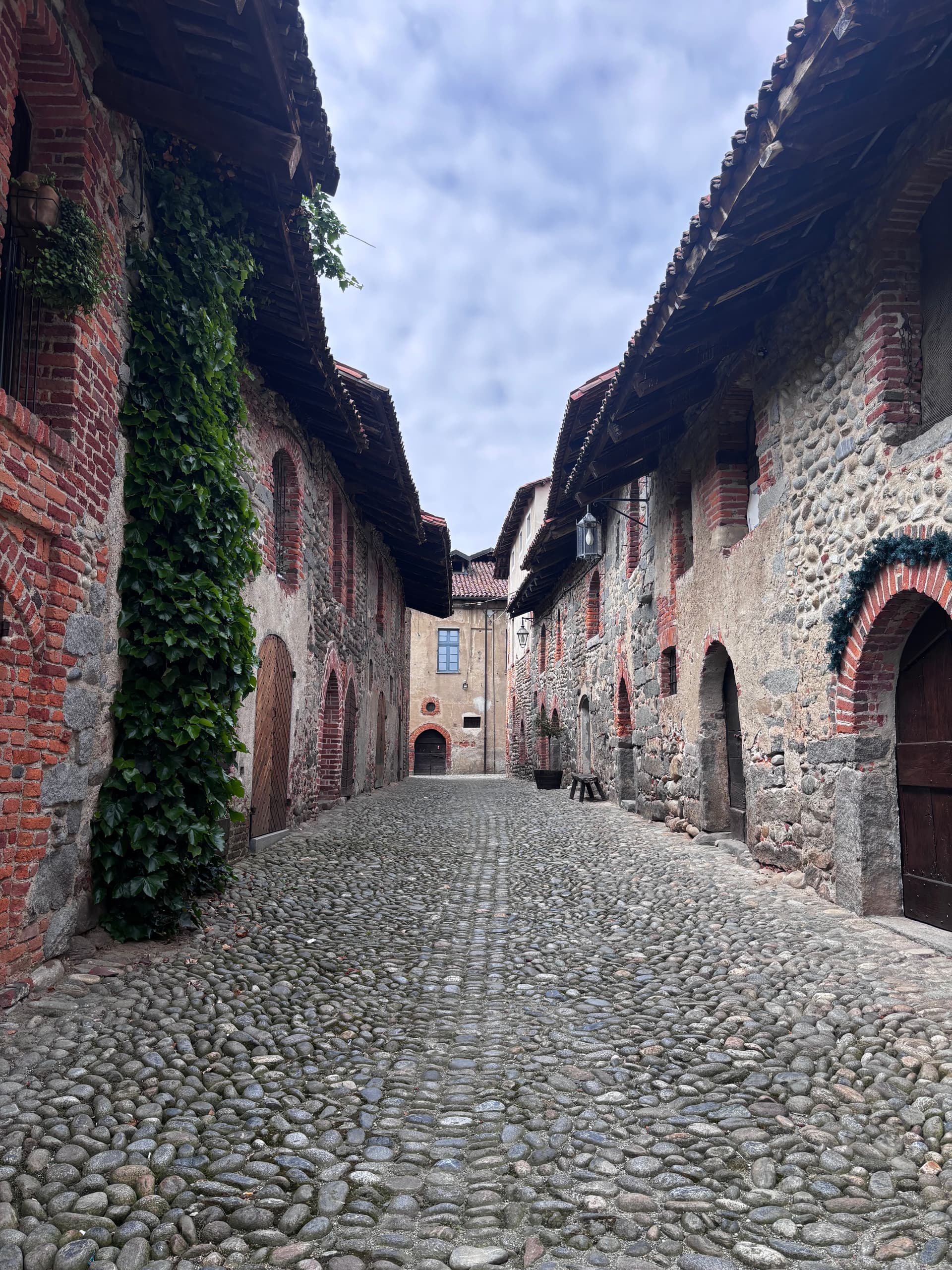
Candelo
Province: Biella
A Biellese commune at 350 meters whose Ricetto, a 13th-century fortified shelter of two hundred stone cellule, is the best-preserved in Piedmont.
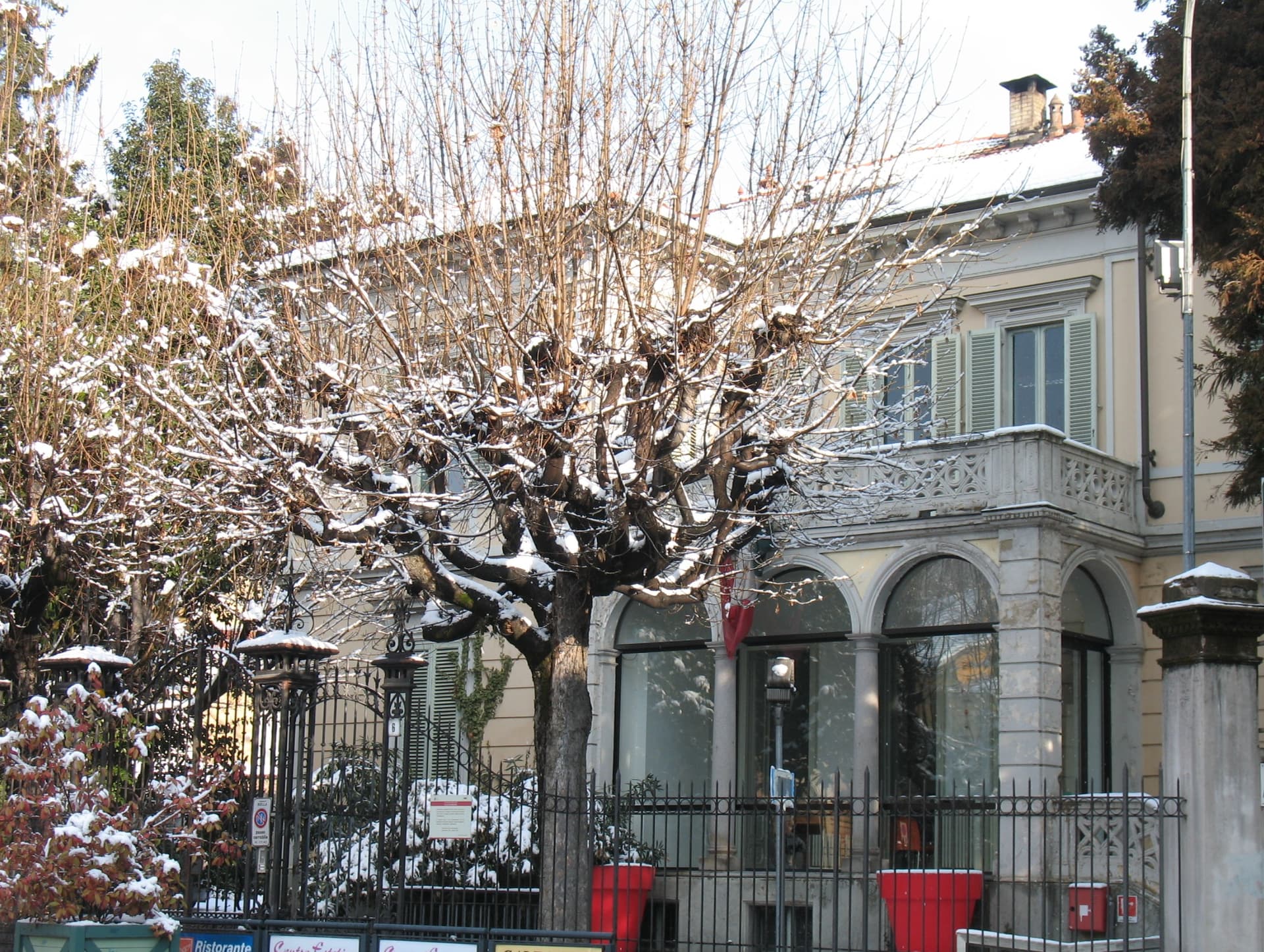
Biella
Province: Biella
A wool city at 417 meters in the Alpine foothills, where the medieval Piazzo sits above the modern Piano, connected by a funicular since 1885.
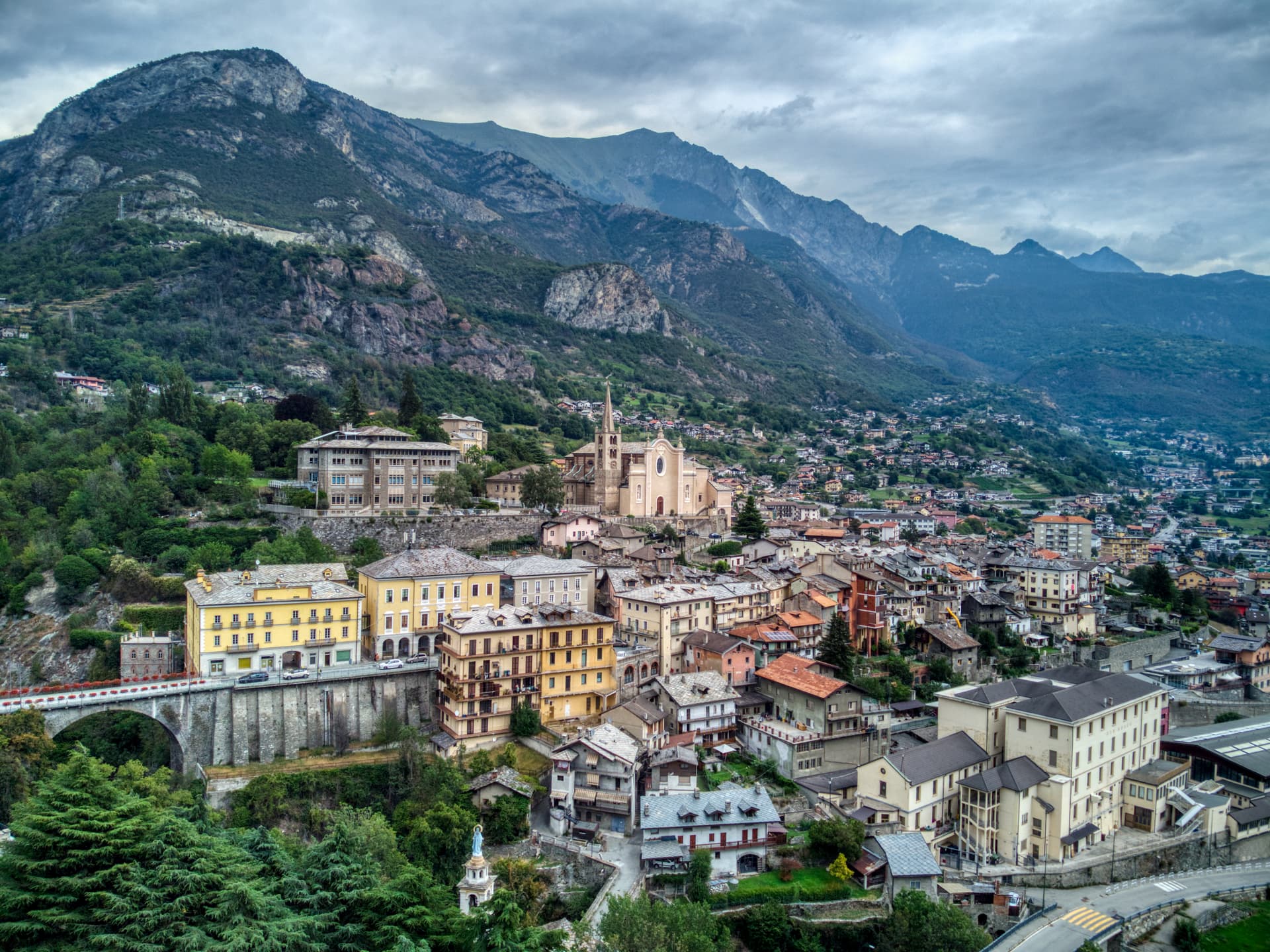
Châtillon
Province: Aosta Valley
The Aosta Valley's three-castle commune — a 4,358-resident town at 549m at the mouth of the Valtournenche where it meets the main valley, with the Castello Gamba (now the Valle d'Aosta regional contemporary art museum), the medieval Castello di Ussel + the Renaissance Castello Passerin d'Entrèves, and direct access up the road to the Cervino/Matterhorn at Cervinia 26 km north.
🏛️ UNESCO
More UNESCO towns in Piedmont
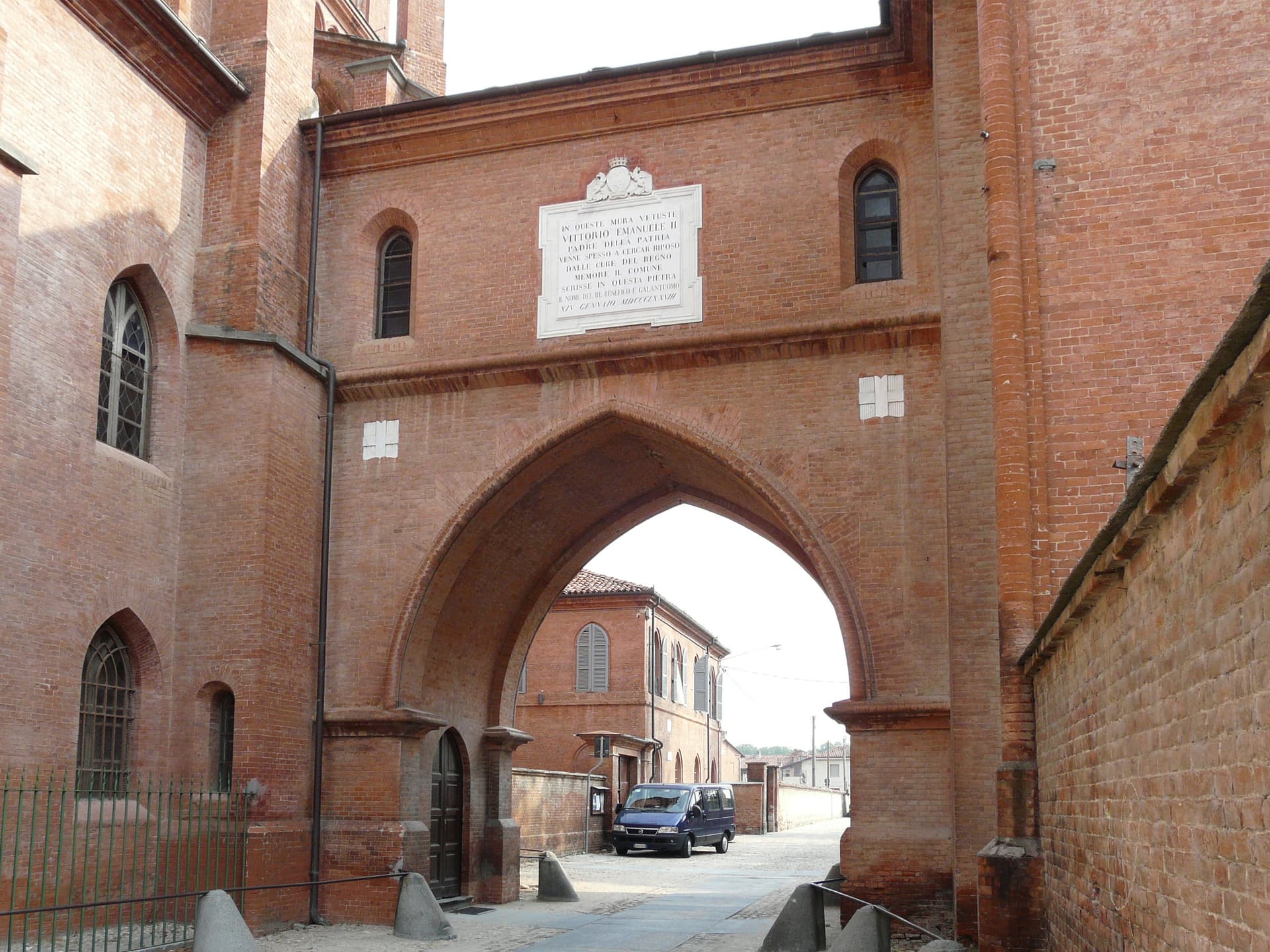
Bra
Province: Cuneo
A Roero town at 290 meters where Carlo Petrini founded Slow Food in 1986 and the world's first gastronomic university now teaches food systems.
Domodossola
Province: Verbano-Cusio-Ossola
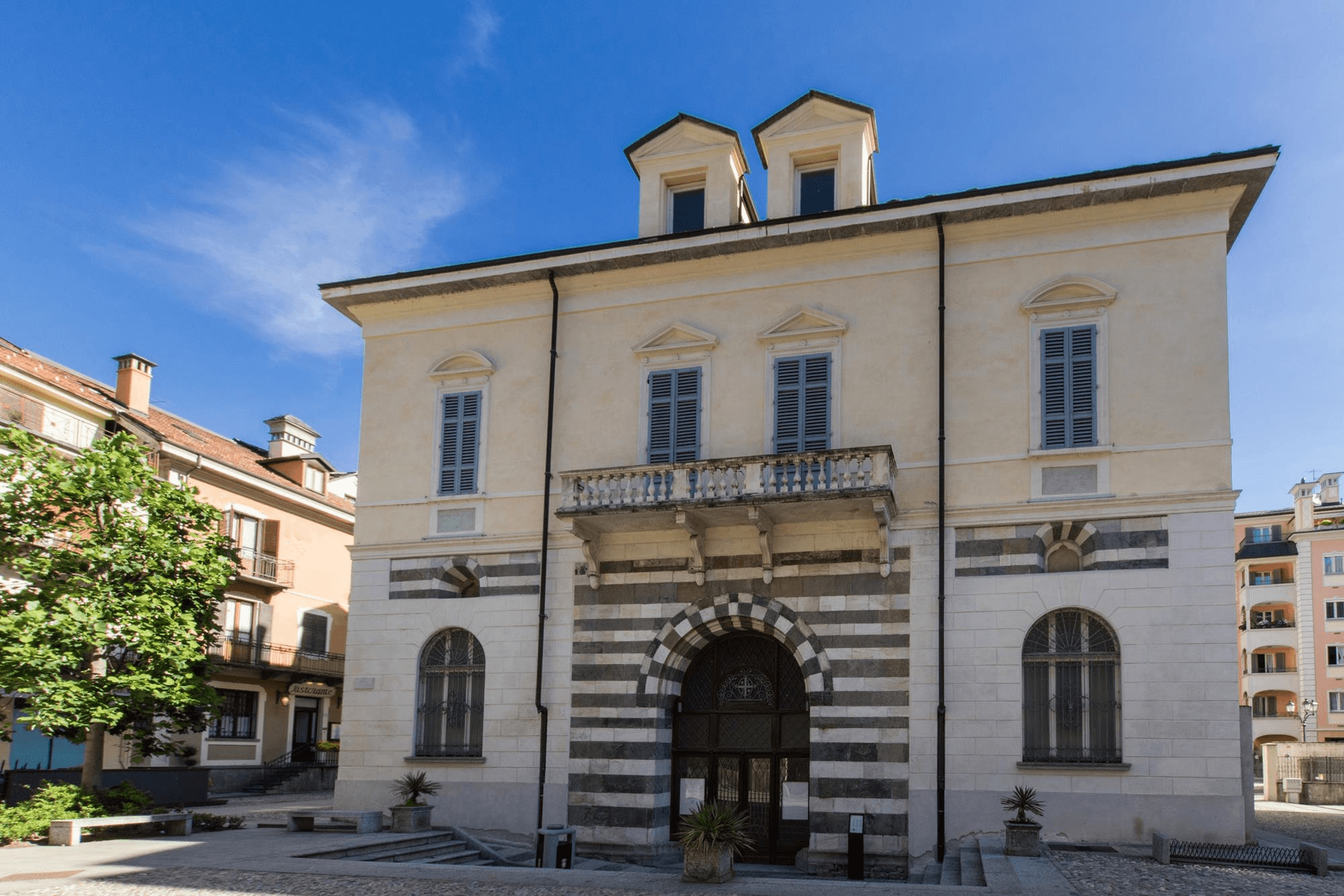
The Ossola capital at 272 meters at the foot of the Simplon Pass, with a UNESCO Sacro Monte on the hill above.
Ghiffa
Province: Verbano-Cusio-Ossola
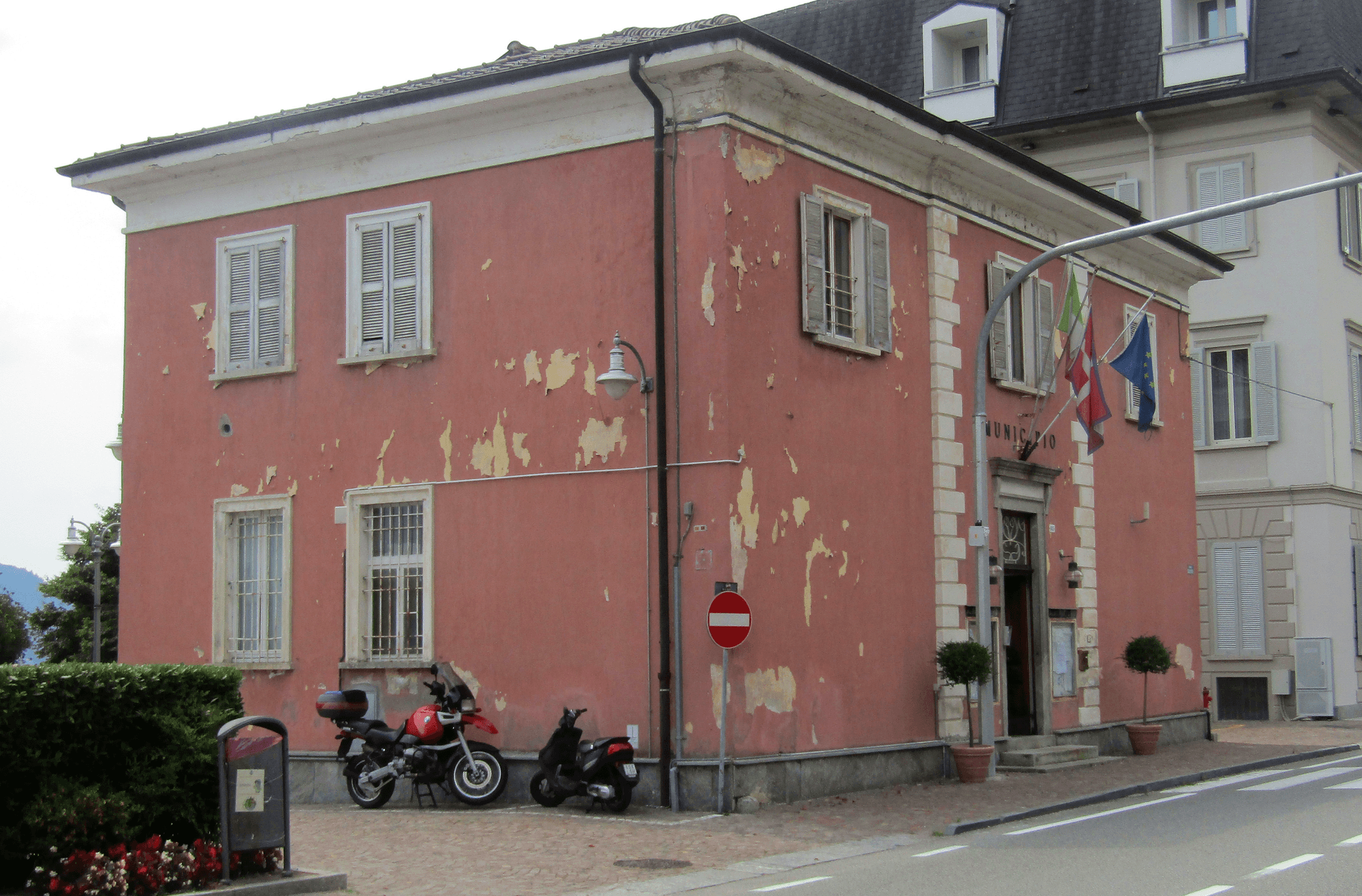
A Lake Maggiore lakeside village whose Sacro Monte della SS. Trinità above town belongs to the UNESCO nine Sacri Monti of Piemonte and Lombardia.
Govone
Province: Cuneo
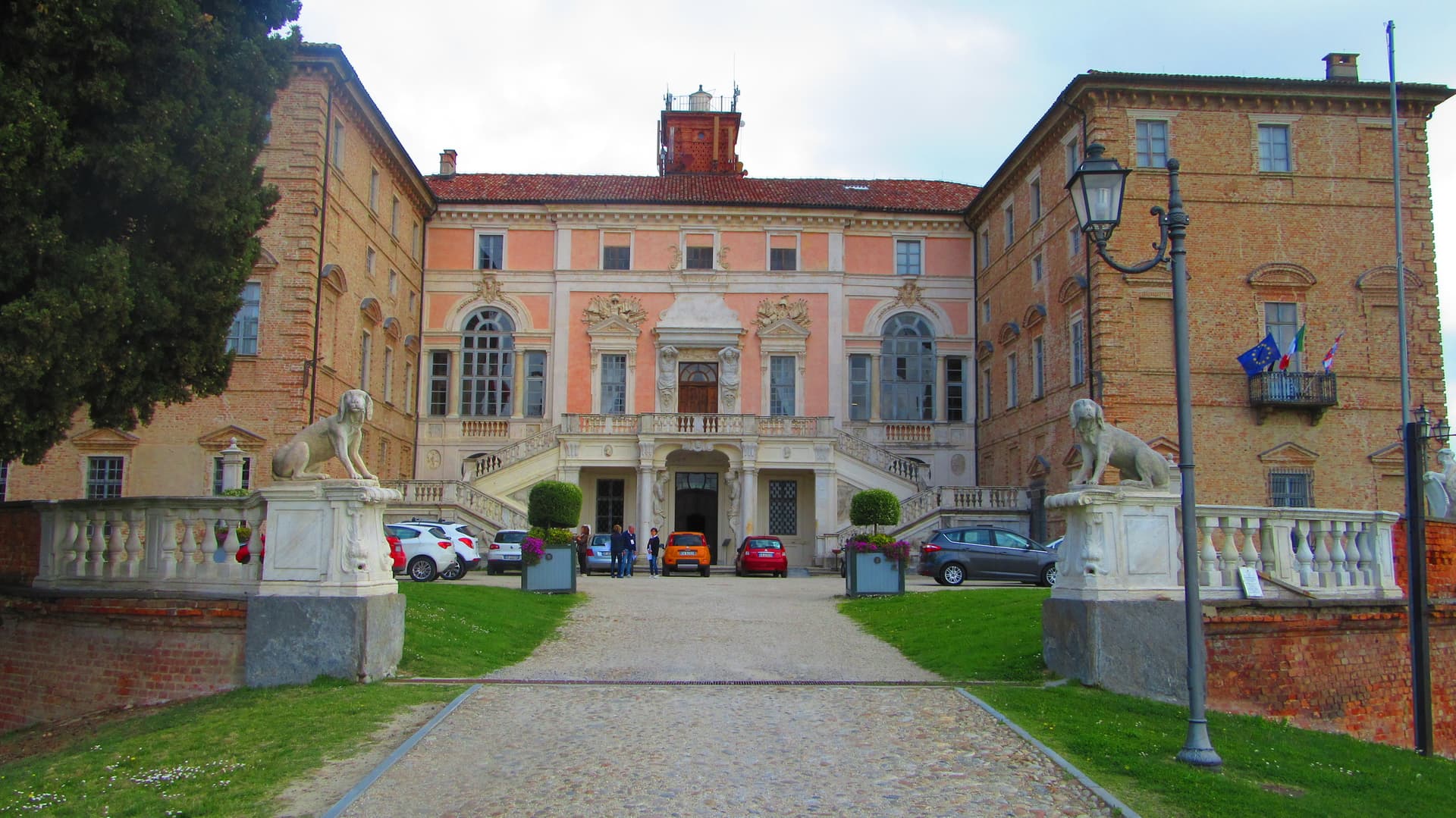
A Roero hill village at 301 meters whose eighteenth-century Savoy royal castle is on the UNESCO Residences list, between Alba and Asti above the Tanaro.