

Aosta Valley · Aosta Valley
Châtillon
The Aosta Valley's three-castle commune — a 4,358-resident town at 549m at the mouth of the Valtournenche where it meets the main valley, with the Castello Gamba (now the Valle d'Aosta regional contemporary art museum), the medieval Castello di Ussel + the Renaissance Castello Passerin d'Entrèves, and direct access up the road to the Cervino/Matterhorn at Cervinia 26 km north.
Known for
CASTELLO GAMBA ART MUSEUM
Regional contemporary art collection in a neo-Gothic castle — Casorati, Burri, Fontana, Pomodoro. The largest single regional contemporary-art museum in the Western Alps.
THREE-CASTLE COMMUNE
Castello Gamba + Castello di Ussel + Castello Passerin d'Entrèves — more castles per capita than any other Aostan commune. Strategic crossing of the Valtournenche + main valley.
CERVINIA/MATTERHORN GATEWAY
Châtillon is the SS406 base for the road up the Valtournenche to the famous Cervino/Matterhorn ski + mountain resort, 26 km north.
ACQUA CHÂTILLON SINCE 1859
The local mineral water source has been bottled commercially since 1859 — one of the oldest commercial mineral water operations in Italy.
When to visit
Best · Apr–Jun, Sep–Oct
- J
- F
- M
- A
- M
- J
- J
- A
- S
- O
- N
- D
- Best
- Hot or crowded
- Quiet
- Mostly closed
The festa: Pietro, 29 June
Why come
Châtillon sits at one of the strategic geographic junctions of the Aosta Valley — the point on the main Aosta-Turin road (SS26) where the Valtournenche side-valley enters the main Dora Baltea trench, which made the town a controlled crossing in every period of Aostan history and gave it three surviving castles, more per capita than any other commune in the region. The 4,358-resident town is at 549m altitude, 26 km east of Aosta along the SS26, with the Marmore stream cutting through the middle of the centro and the three castles arranged on the surrounding ridges: the Castello Gamba (early 20th-c neo-Gothic, on the south-facing slope, built 1900-1903 for Baron Carlo Maurizio Gamba by the architect Cesare Saroldi, donated to the Region in 1982 and reopened in 2012 as the Pinacoteca della Valle d'Aosta — the regional contemporary art collection with works by Casorati, Carrà, De Pisis, Burri, Manzù, Fontana, Pomodoro, the largest single regional contemporary-art museum in the Western Alps); the Castello di Ussel (14th-c, the prototype monoblock castle that influenced the design of Fénis and other 14th-c Aostan fortresses, restored in the 1990s + now a venue for temporary exhibitions); and the Castello Passerin d'Entrèves (Renaissance 17th-c, still in private family ownership, partially visible from the SS26). The town centro itself is quietly handsome with the Chiesa di San Pietro (15th-c parish, with later restorations + an 18th-c bell tower), the Ponte Romano sul Marmore (Roman-era stone bridge over the Marmore stream, still in use for pedestrian traffic), and the 19th-c Châtillon thermal-water-pumping installations (the local mineral water source — Acqua Châtillon — has been bottled commercially since 1859).
The town is the natural base for visits to Cervinia (the famous Cervino/Matterhorn ski + mountain resort, 26 km north up the Valtournenche side-valley), the Lago di Lod thermal lake (5 km north), and the surrounding upper Valtournenche villages. The food is Valdostan-Alpine: fontina (the regional cheese), seuppa à la valpellinentse, Mocetta, polenta concia, the local Petit Rouge red and Müller Thurgau white from the south-facing vineyards along the Dora Baltea. The Marché aux Vins Valdôtains every February (in Aosta but with major Châtillon producer presence) and the Festa di San Pietro on 29 June are the year's main events.
The Sunday letter
We haven’t written Châtillon’s letter yet.
One town every Sunday, with the photo, the food, the festa. Be there when this one comes up. Free, by Peter & Sophia from Pietrasanta.
By subscribing you agree to Substack’s Terms of Use, our Privacy Policy and our Information collection notice.
What to see
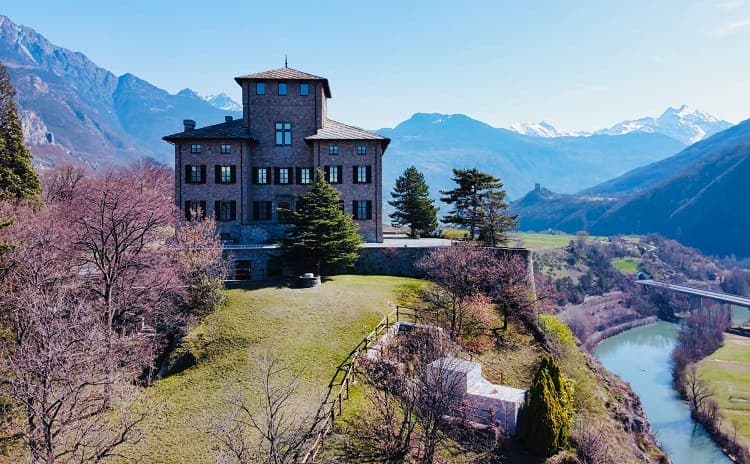
Castello Gamba (Pinacoteca della Valle d'Aosta)
Early 20th-c neo-Gothic castle (1900-1903) now the regional contemporary art museum. Casorati, Carrà, De Pisis, Burri, Manzù, Fontana, Pomodoro — largest single regional contemporary-art museum in the Western Alps.
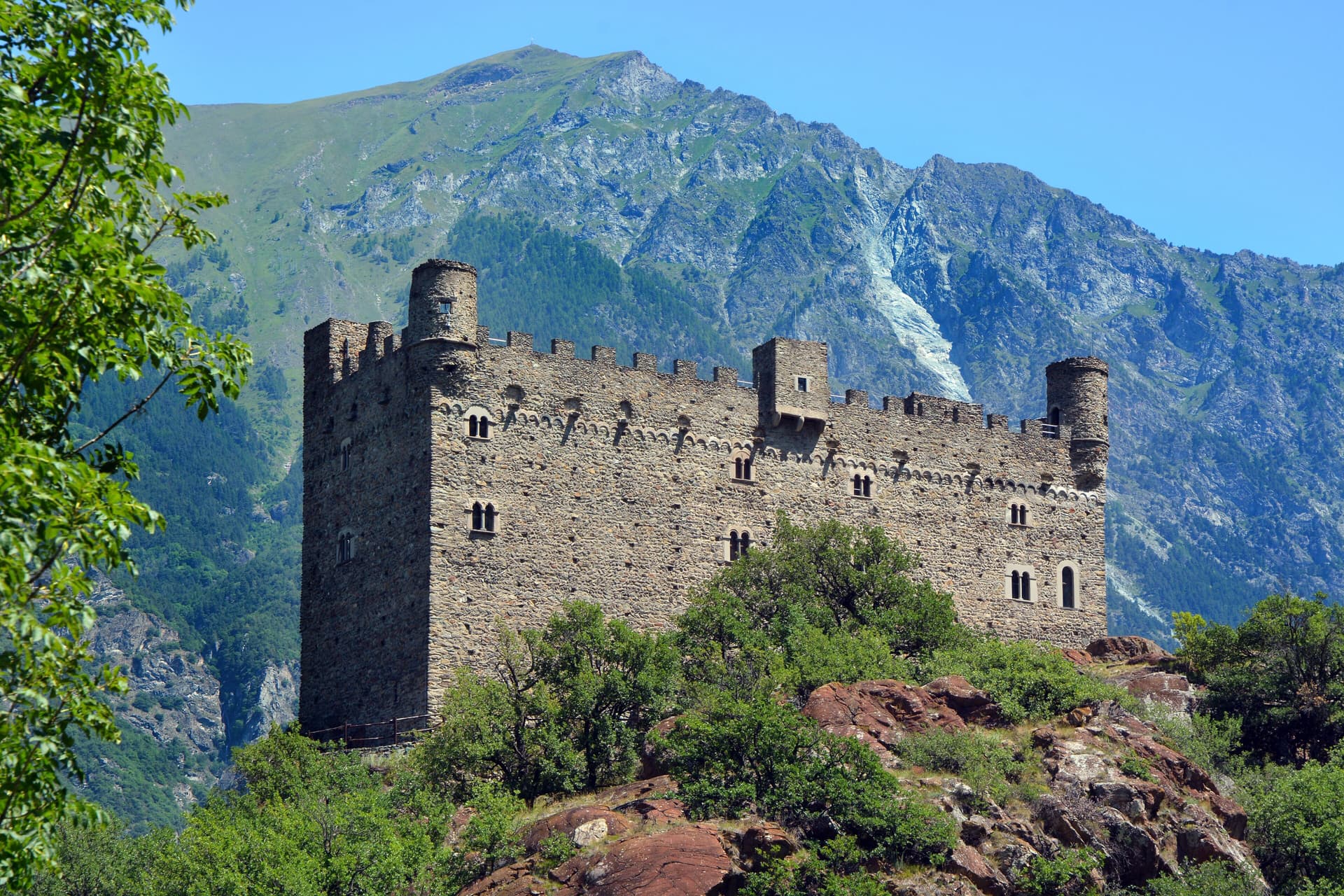
Castello di Ussel
14th-c prototype monoblock castle — the architectural model that influenced Fénis and other 14th-c Aostan fortresses. Restored 1990s, now hosts temporary exhibitions.
Castello Passerin d'Entrèves
Renaissance 17th-c castle still in private family ownership. Partially visible from the SS26 — the third castle in Châtillon's unusual three-castle ensemble.
Ponte Romano sul Marmore
Roman-era stone bridge over the Marmore stream — still in use for pedestrian traffic. The original Roman crossing that gave Châtillon its strategic importance.
Cervinia/Matterhorn gateway
Châtillon is the natural base for the SS406 road up the Valtournenche to Cervinia (26 km north) — the ski and mountain resort at the foot of the Cervino/Matterhorn.
The slow-trip planner
Building a trip? Find where Châtillon fits in a slow Italy circuit.
Answer five questions. We will shape a geographically coherent slow trip from the 1,000 Italian towns most travelers skip. Yours to save and share.
Living here
- Population 4,358
- Commuter belti
- Pharmacy in town
- High school within a 30-minute drive
- Train station in the comune
- Nearest airport Turin, 1 h 14 min drive
- Regional capital Aosta, 28 min drive
Tags & datadesignations · numbers · sources
The numbers
- Elevation: 549 m
- Population: 4,358
- Surface area: 39.68 km²
These figures were compiled from public directories — ISTAT, OpenStreetMap, Wikidata — and from the official listings of the guides named on this page. Town details change; verify with official sources before you travel.
Close by
More towns near Châtillon
Saint-Vincent
Province: Aosta Valley
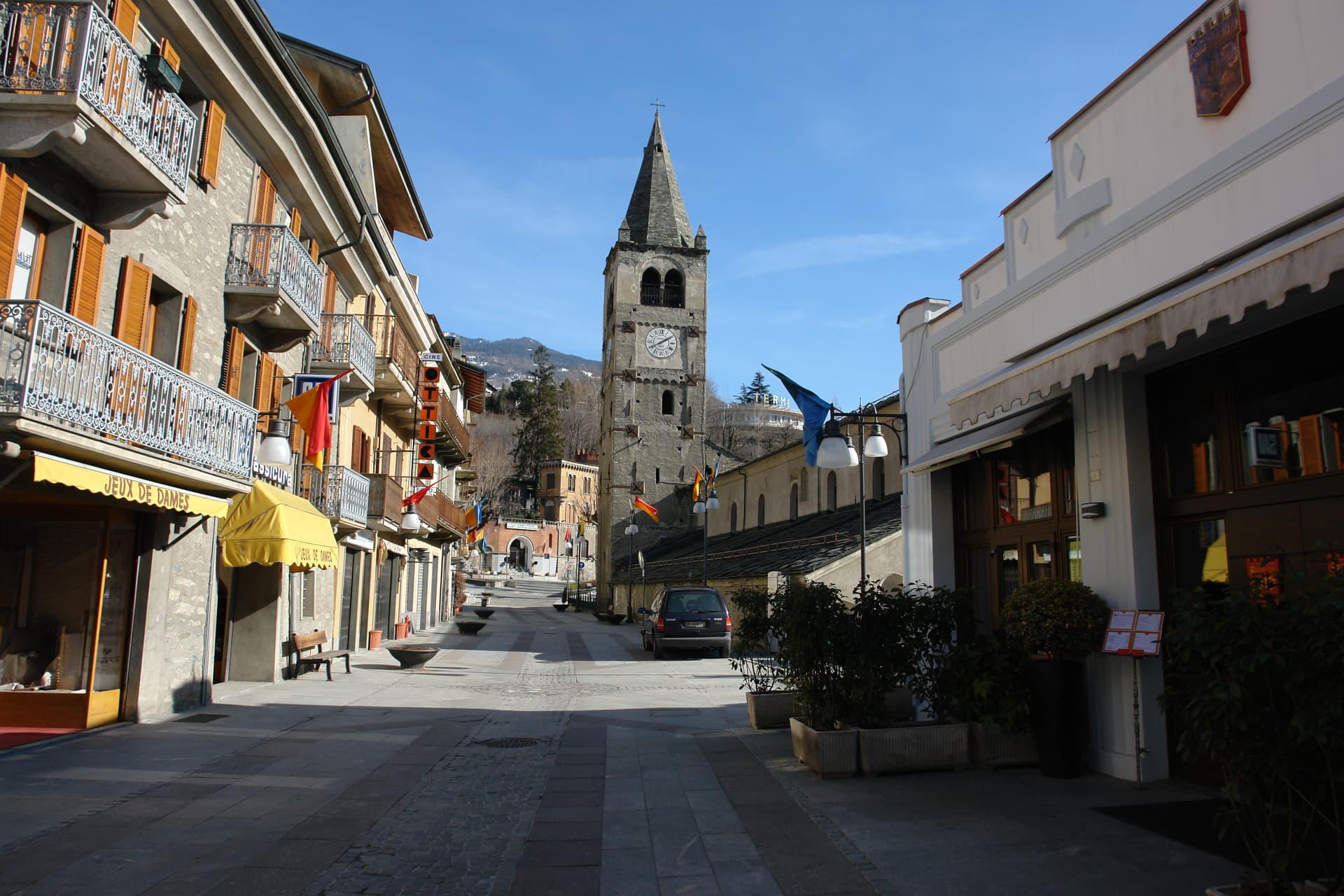
The Aosta Valley's belle-époque thermal town — a 4,400-resident commune on a sunny south-facing terrace at 575m with the Fonte Salée mineral spring (in use since 1770), the Casinò de la Vallée (Italy's second-largest legal casino since 1947), and the Matterhorn peak visible north of town.
Bard
Province: Aosta Valley
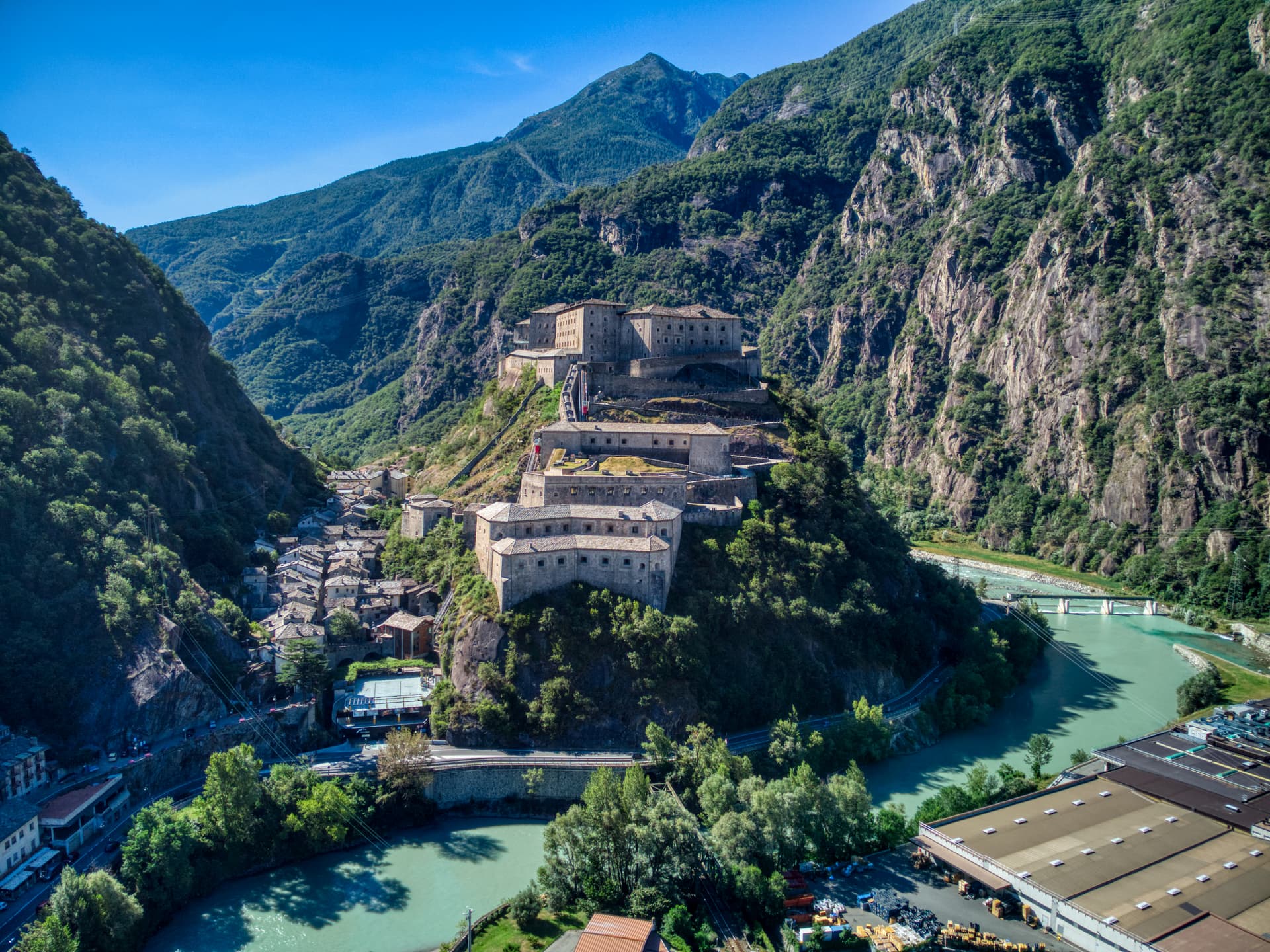
A 108-person village under the largest Savoy fortress in the Alps, where 400 soldiers held off Napoleon's 40,000 for two weeks in 1800.
Aymavilles
Province: Aosta Valley
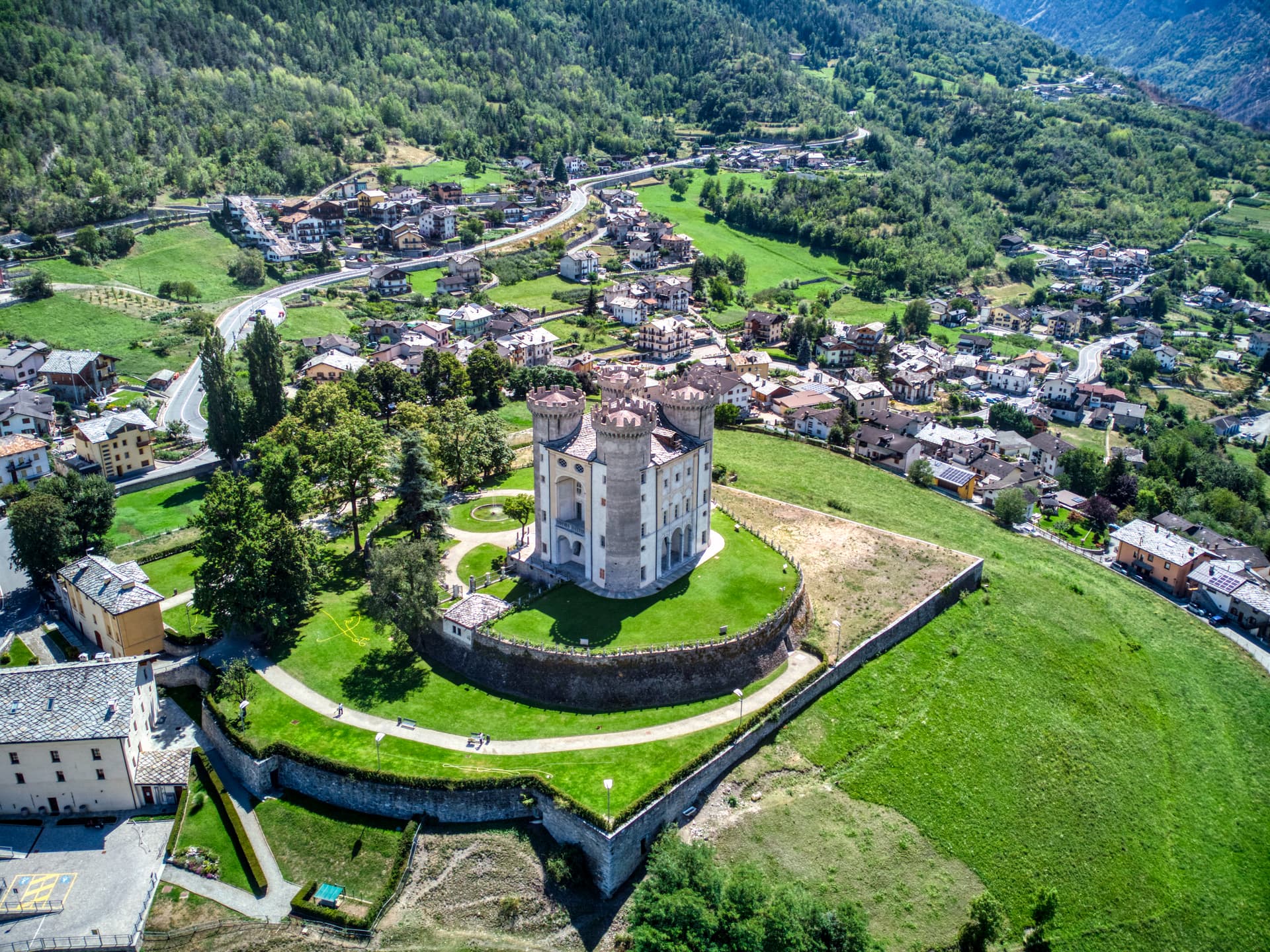
Gateway to the Gran Paradiso at 646 metres, with a four-towered Challant castle and a 3 BC Roman aqueduct above the Grand'Eyvia.
Fénis
Province: Aosta Valley
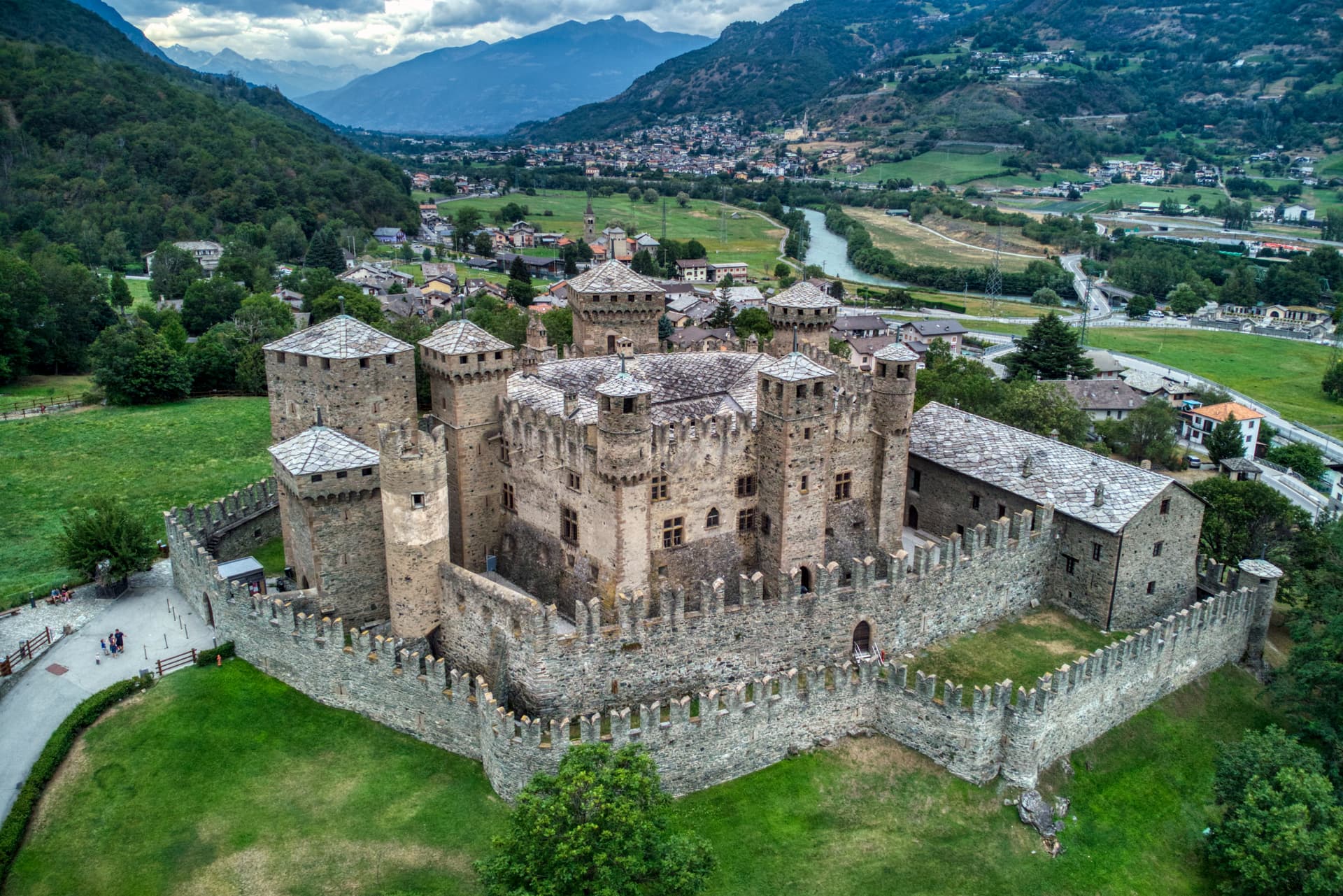
Italy's most photographed medieval castle — the Castello di Fénis (14th-c, Challant family) with its double-ring of crenellated walls, eight cylindrical towers, and frescoed inner courtyard sits at the centre of a 1,770-resident Aostan commune 18 km east of Aosta, with the Valle di Clavalité Apennine reserve climbing south to 3,000m.
Ivrea
Province: Torino
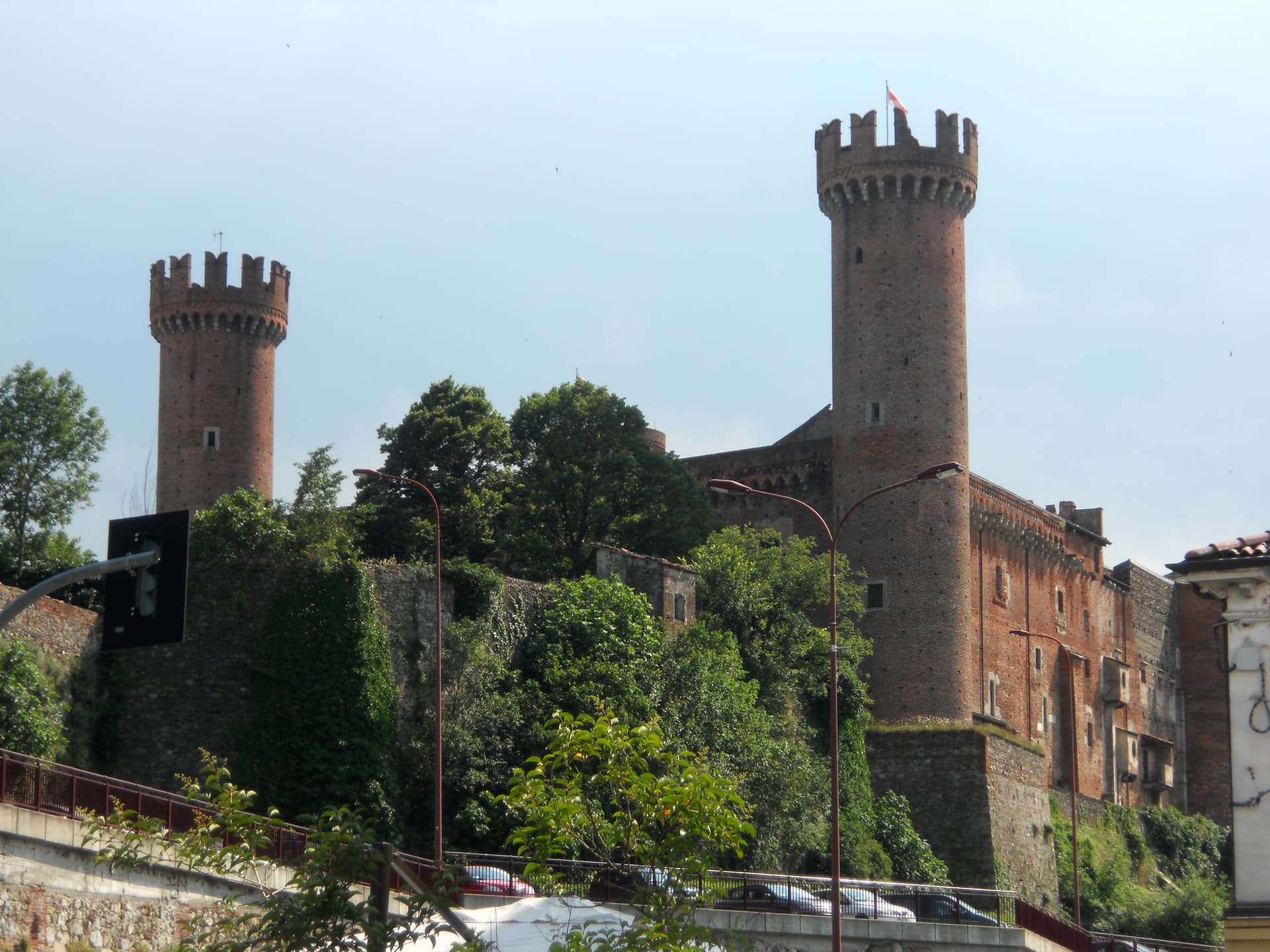
Roman Eporedia on the Dora Baltea, Olivetti's twentieth-century industrial city, UNESCO since 2018, where every February three hundred tons of oranges are thrown.