

Aosta Valley · Aosta Valley
Fénis
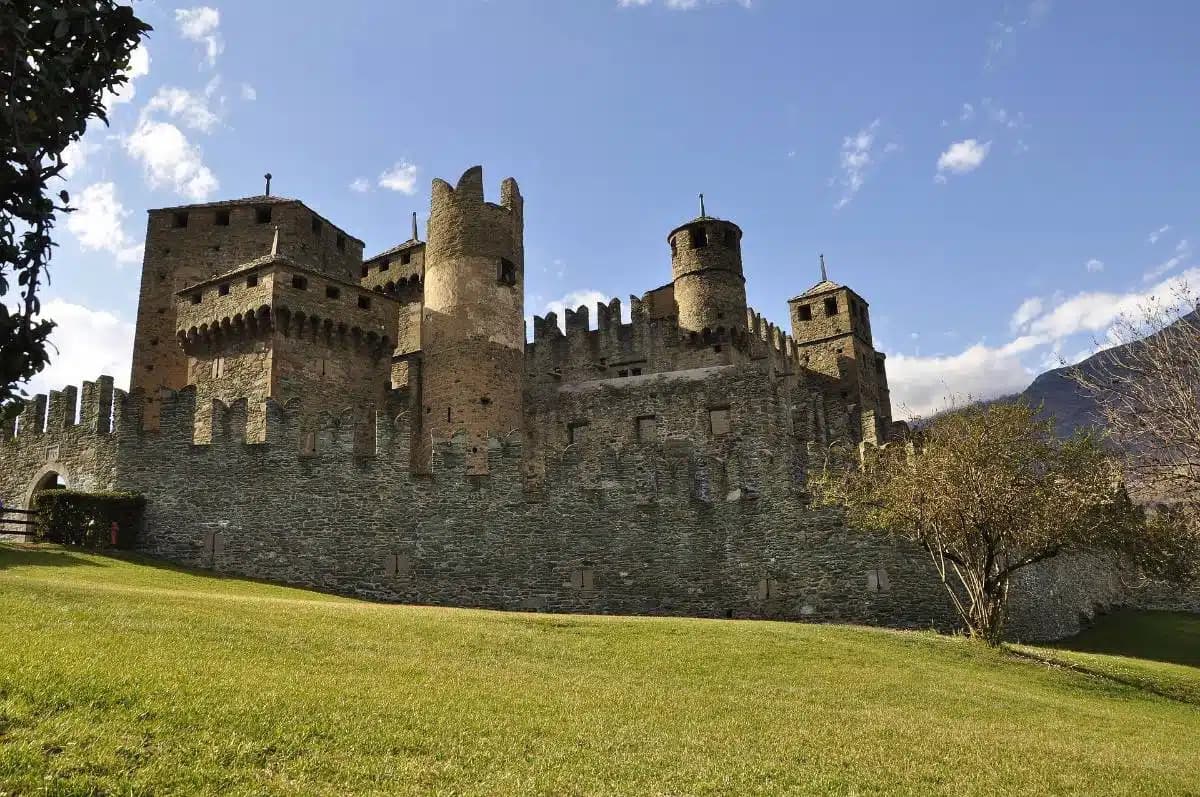
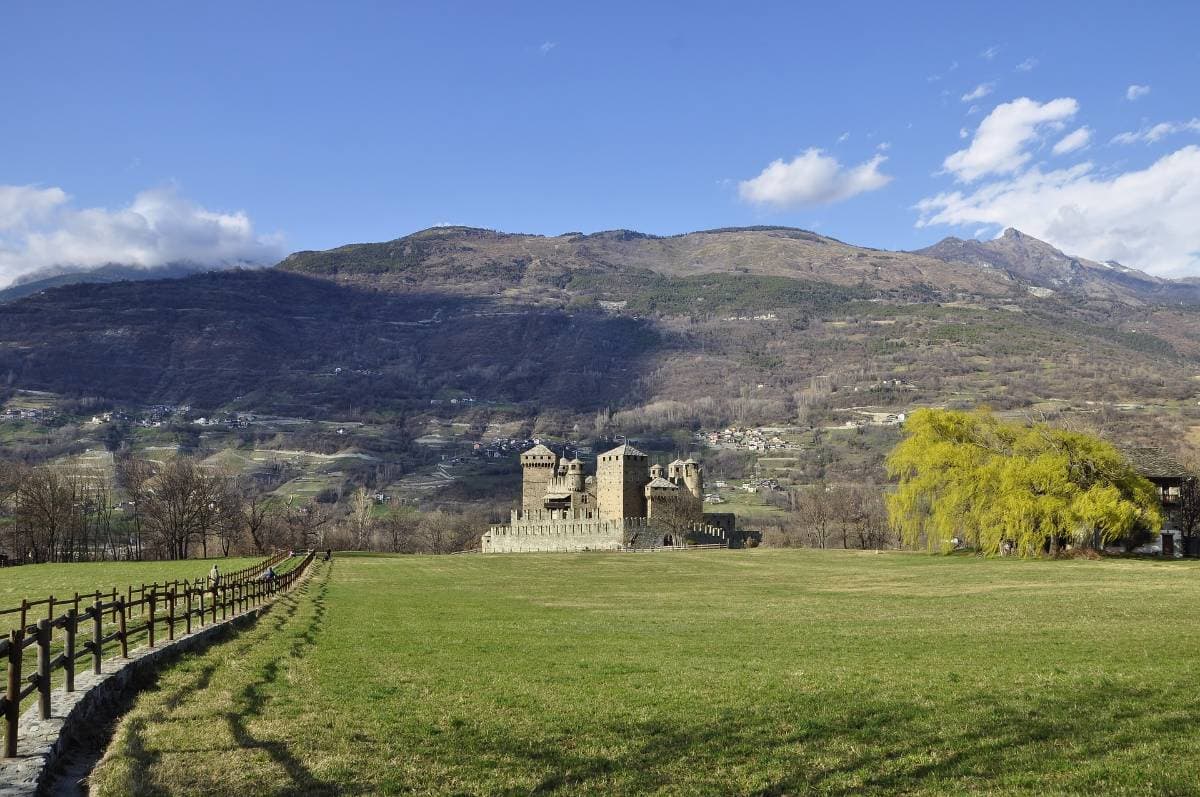
Italy's most photographed medieval castle — the Castello di Fénis (14th-c, Challant family) with its double-ring of crenellated walls, eight cylindrical towers, and frescoed inner courtyard sits at the centre of a 1,770-resident Aostan commune 18 km east of Aosta, with the Valle di Clavalité Apennine reserve climbing south to 3,000m.
Known for
CASTELLO DI FÉNIS
The most-photographed medieval castle in northern Italy. Challant family build, 14th c. Double crenellated walls + 8 cylindrical towers + Jaquerio frescoes in the courtyard.
JAQUERIO FRESCOES
The courtyard fresco cycle (early 15th c) by Giacomo Jaquerio — the leading Valle d'Aosta painter of his generation, same hand as the Aosta cathedral cycles.
MONT AVIC PARK ACCESS
Valle di Clavalité climbs from the village into the Mont Avic Regional Park — 3,000m peaks, larch + stone-pine forests, marmot territory.
VALDOSTAN KITCHEN
Fontina country. Seuppa à la valpellinentse, Mocetta, lard d'Arnad nearby, Petit Rouge red. Sagra del Castello mid-August.
When to visit
Best · May–Sep
- J
- F
- M
- A
- M
- J
- J
- A
- S
- O
- N
- D
- Best
- Hot or crowded
- Quiet
- Mostly closed
The festa: San Maurizio, 22 September
Why come
Fénis is here for the castle, full stop. The Castello di Fénis (built between 1242 and the 1390s by the Challant viscounts of Aosta) is the most-photographed and most-visited medieval fortress in the Valle d'Aosta, and arguably the most architecturally complete medieval castle in northern Italy — double pentagonal ring of crenellated walls, eight cylindrical corner towers, a square donjon at the centre, and the courtyard with its semicircular staircase and 15th-century fresco cycle by Giacomo Jaquerio (the same painter who did Aosta's cathedral). It's the image on every Valle d'Aosta tourist board poster, the cover of countless medieval-architecture textbooks, and it appears in dozens of films set in any vaguely medieval European setting.
The Challant ran the castle until 1716, the Savoy royals owned it 1716-1895, the Italian state restored it 1895-1939 under the architect Alfredo D'Andrade (who did similar work at Borgo Medievale in Turin), and it's been a state-run museum since 1942. The village around the castle is small — 1,770 residents across the main settlement and several upland frazioni, with a quietly handsome stone-house centro at 537m, parish church (15th c, with detached Romanesque bell tower), and the Valle di Clavalité opening south behind it. The Clavalité is a wild Apennine side-valley climbing into the Mont Avic Regional Park (one of the protected areas of the Valle d'Aosta), with marked trails up to 3,000m peaks and the Tersiva massif, larch and stone-pine forests, marmot and chamois territory.
Down at the village level, the food is Valdostan-mountain: fontina (the regional cheese, produced just up-valley), seuppa à la valpellinentse (a thick bread-cheese-cabbage soup, the regional warming dish), Mocetta cured beef, lard d'Arnad pork lard from the next village, polenta concia, and the local Petit Rouge red. The Sagra del Castello in mid-August is the year's main event with a medieval-pageant + costumed-procession theme. Aosta — capital of the Valle d'Aosta with its Roman walls and arch — is 18 km west.
The Sunday letter
We haven’t written Fénis’s letter yet.
One town every Sunday, with the photo, the food, the festa. Be there when this one comes up. Free, by Peter & Sophia from Pietrasanta.
By subscribing you agree to Substack’s Terms of Use, our Privacy Policy and our Information collection notice.
What to see
Castello di Fénis
The reason you came. Double pentagonal ring of crenellated walls, eight cylindrical corner towers, square donjon, semicircular staircase + Jaquerio fresco cycle in the courtyard. State museum since 1942, ~100k visitors/year.
Chiesa parrocchiale di San Maurizio + bell tower
15th-c parish church in the village centro, with a detached Romanesque campanile that survives from the earlier 11th-c church. Quiet, well-preserved, often empty.
Valle di Clavalité + Mont Avic Regional Park
Wild Apennine side-valley climbing south behind the village into the Mont Avic park — marked trails up to 3,000m peaks, larch + stone-pine, marmot and chamois territory.
Fontina + Valdostan kitchen
Fontina DOP cheese produced in the next valleys, seuppa à la valpellinentse (bread-cheese-cabbage soup), Mocetta cured beef, Petit Rouge red. Sagra del Castello mid-August.
Aosta + Roman Valle d'Aosta
Aosta (the regional capital with its Augustan Roman walls + the Arch of Augustus) is 18 km west; the Aosta–Courmayeur road runs up the main valley to Mont Blanc.
The slow-trip planner
Building a trip? Find where Fénis fits in a slow Italy circuit.
Answer five questions. We will shape a geographically coherent slow trip from the 1,000 Italian towns most travelers skip. Yours to save and share.
Living here
- Population 1,771
- Commuter belti
- Pharmacy: none mapped
- Nearest airport Turin, 1 h 44 min drive
- Regional capital Aosta, 45 min drive
Tags & datadesignations · numbers · sources
The numbers
- Elevation: 537 m
- Population: 1,771
- Surface area: 68.12 km²
These figures were compiled from public directories — ISTAT, OpenStreetMap, Wikidata — and from the official listings of the guides named on this page. Town details change; verify with official sources before you travel.
Close by
More towns near Fénis
Châtillon
Province: Aosta Valley
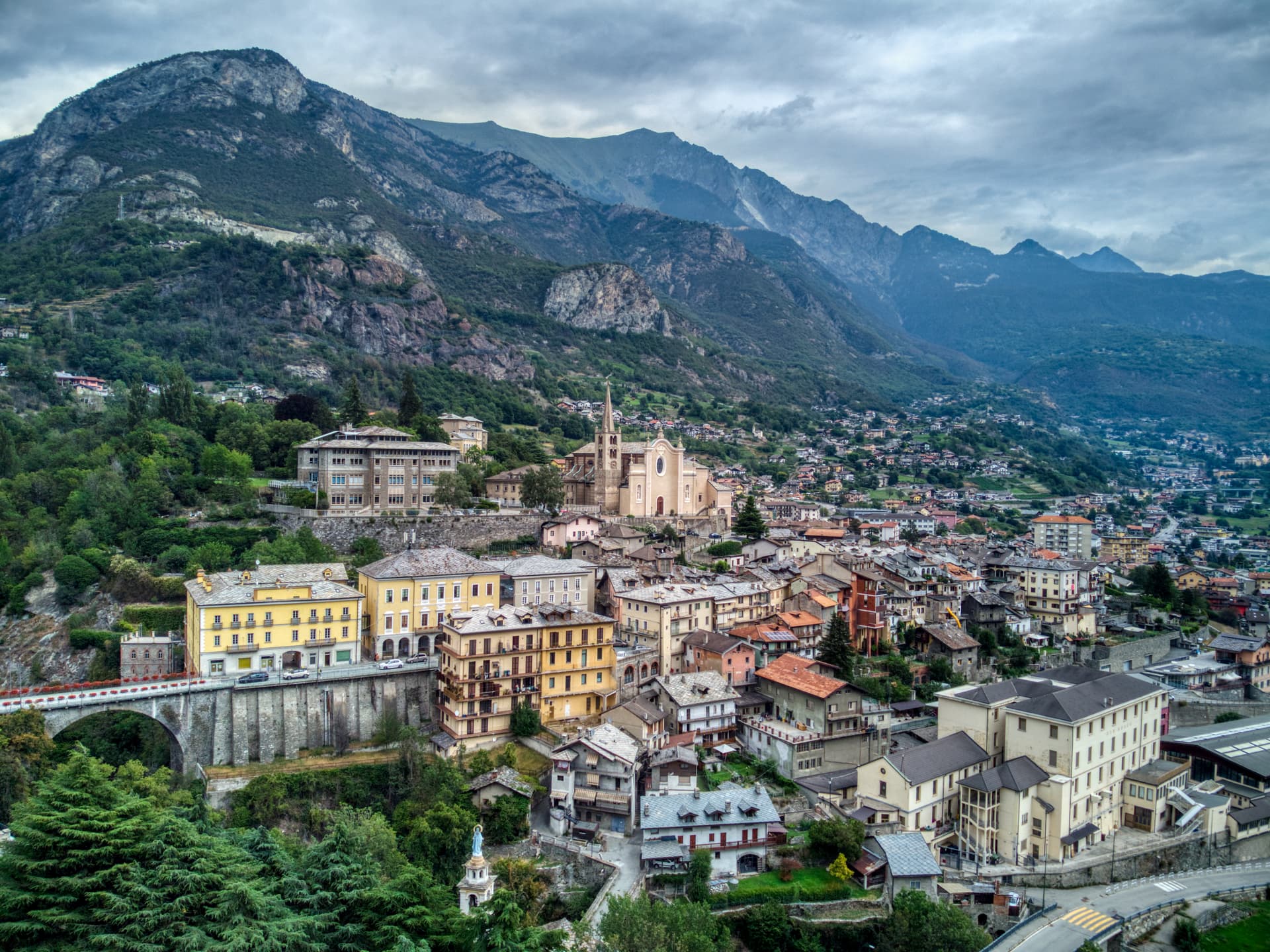
The Aosta Valley's three-castle commune — a 4,358-resident town at 549m at the mouth of the Valtournenche where it meets the main valley, with the Castello Gamba (now the Valle d'Aosta regional contemporary art museum), the medieval Castello di Ussel + the Renaissance Castello Passerin d'Entrèves, and direct access up the road to the Cervino/Matterhorn at Cervinia 26 km north.
Saint-Vincent
Province: Aosta Valley
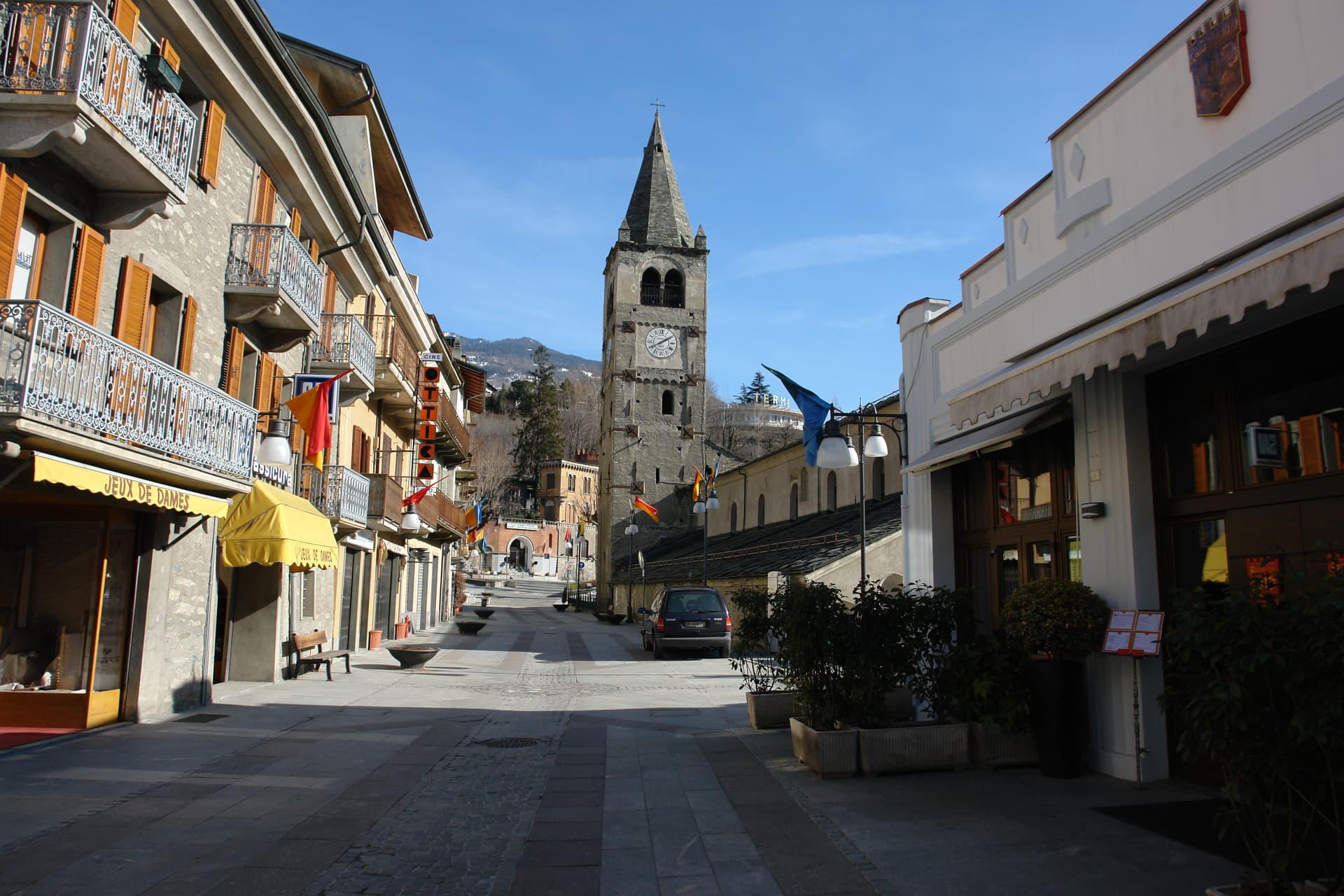
The Aosta Valley's belle-époque thermal town — a 4,400-resident commune on a sunny south-facing terrace at 575m with the Fonte Salée mineral spring (in use since 1770), the Casinò de la Vallée (Italy's second-largest legal casino since 1947), and the Matterhorn peak visible north of town.
Aymavilles
Province: Aosta Valley
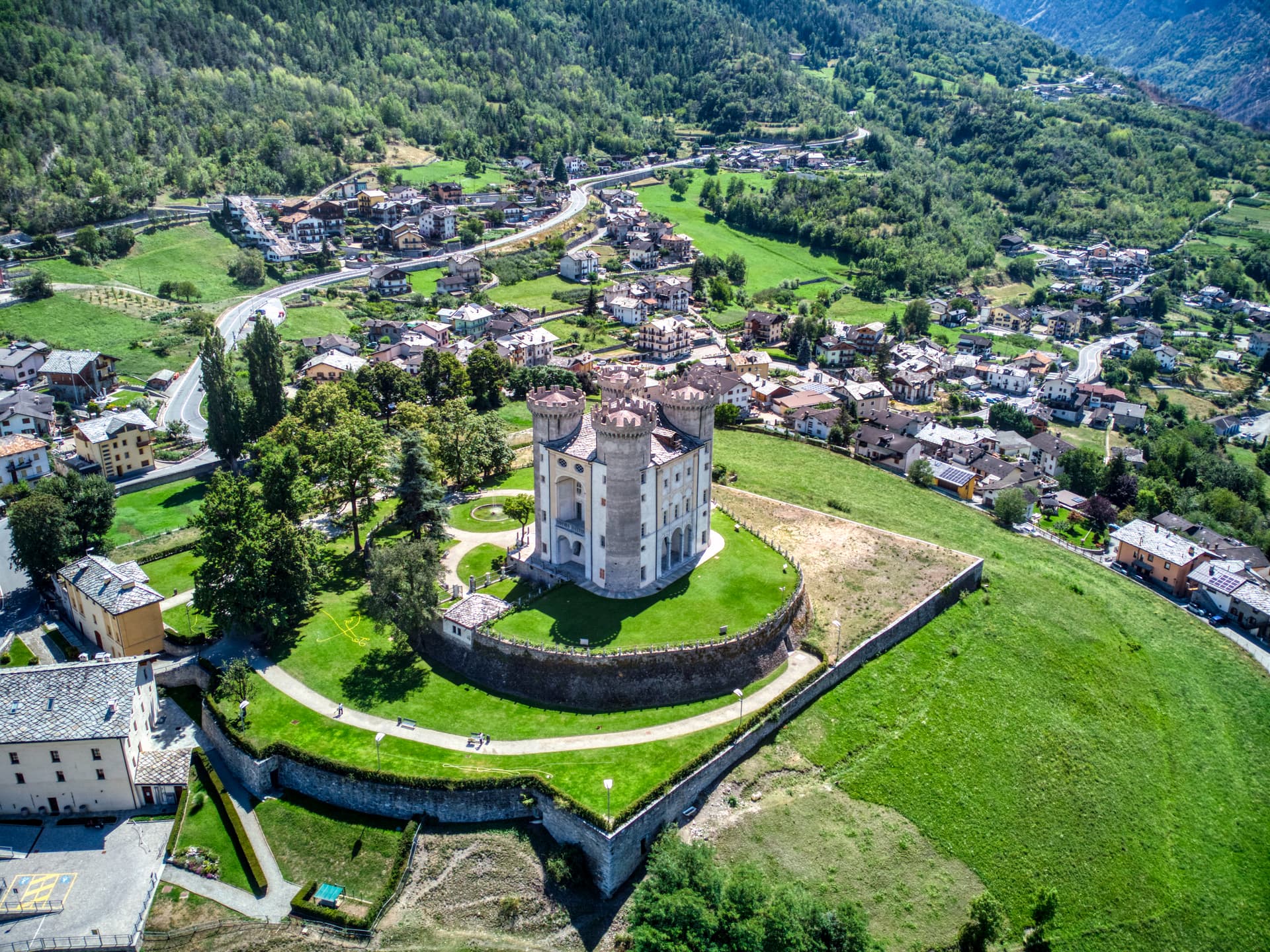
Gateway to the Gran Paradiso at 646 metres, with a four-towered Challant castle and a 3 BC Roman aqueduct above the Grand'Eyvia.
Bard
Province: Aosta Valley
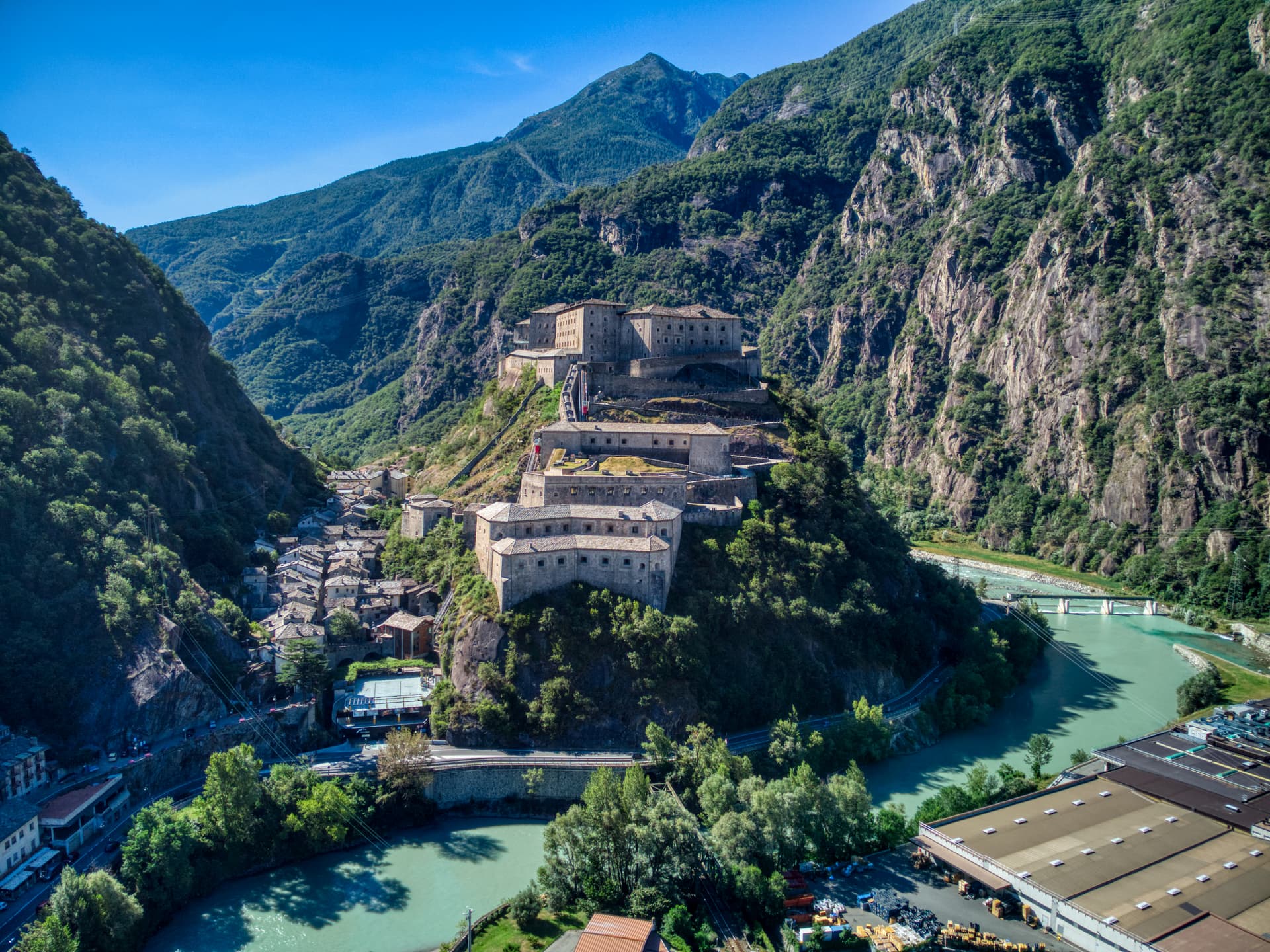
A 108-person village under the largest Savoy fortress in the Alps, where 400 soldiers held off Napoleon's 40,000 for two weeks in 1800.
Cogne
Province: Aosta Valley
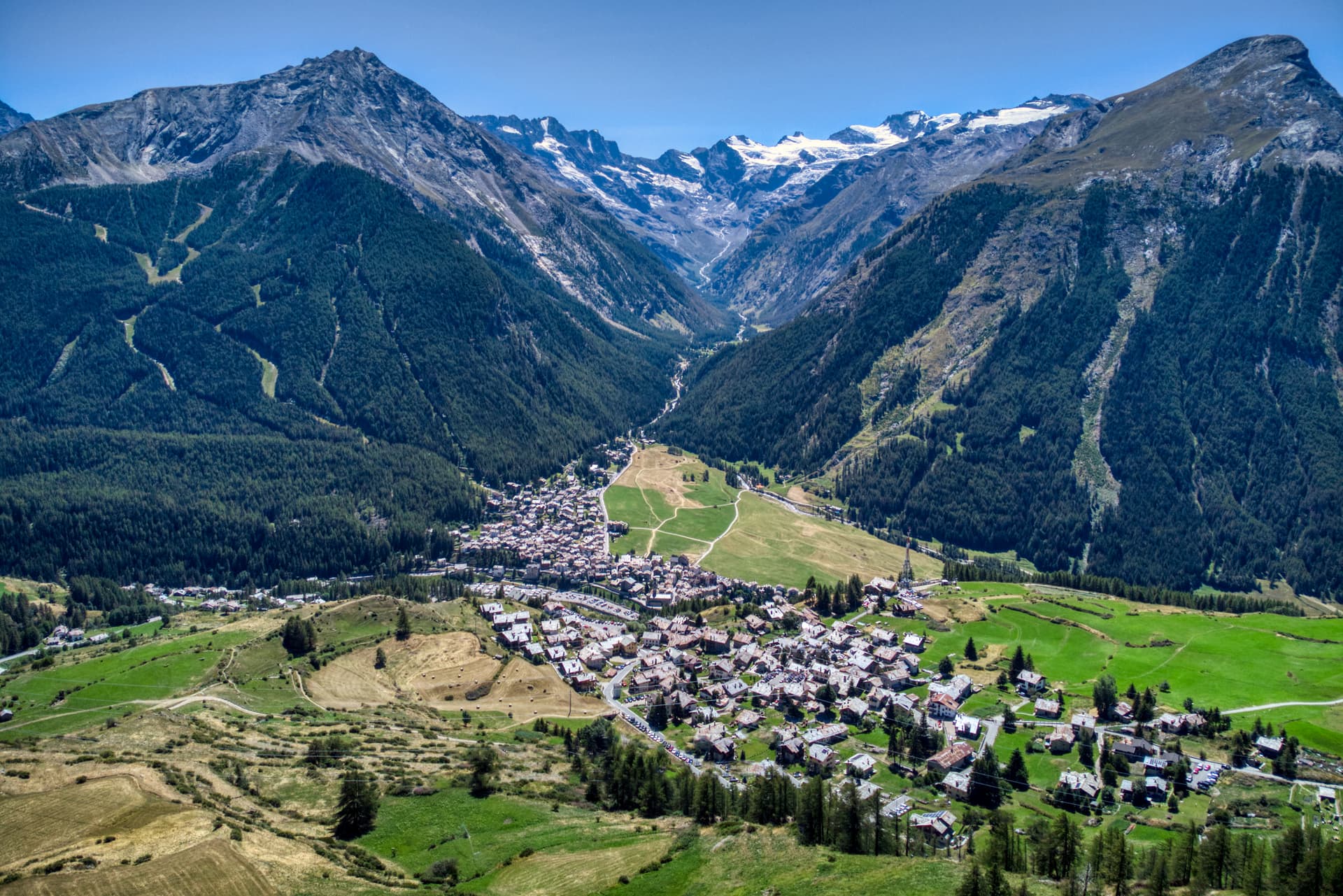
The mining town turned capital of the Gran Paradiso, the Aosta Valley's largest commune with 95 percent of its land inside Italy's oldest park.