

Aosta Valley · Aosta Valley
Cogne
The mining town turned capital of the Gran Paradiso, the Aosta Valley's largest commune with 95 percent of its land inside Italy's oldest park.
Known for
GRAN PARADISO
Southern capital of Italy's oldest national park, established 1922, with 95 percent of the commune inside park boundaries.
NORDIC SKIING
Forty kilometers of cross-country tracks on the Prato di Sant'Orso, a long-running stop on the international Nordic circuit.
THE IRON MINES
Magnetite extracted at the Colonna mine above the village until 1979, when closure ended the industrial chapter and the ski economy took over.
When to visit
Best · Jun–Sep, Dec–Mar
- J
- F
- M
- A
- M
- J
- J
- A
- S
- O
- N
- D
- Best
- Hot or crowded
- Quiet
- Mostly closed
Why come
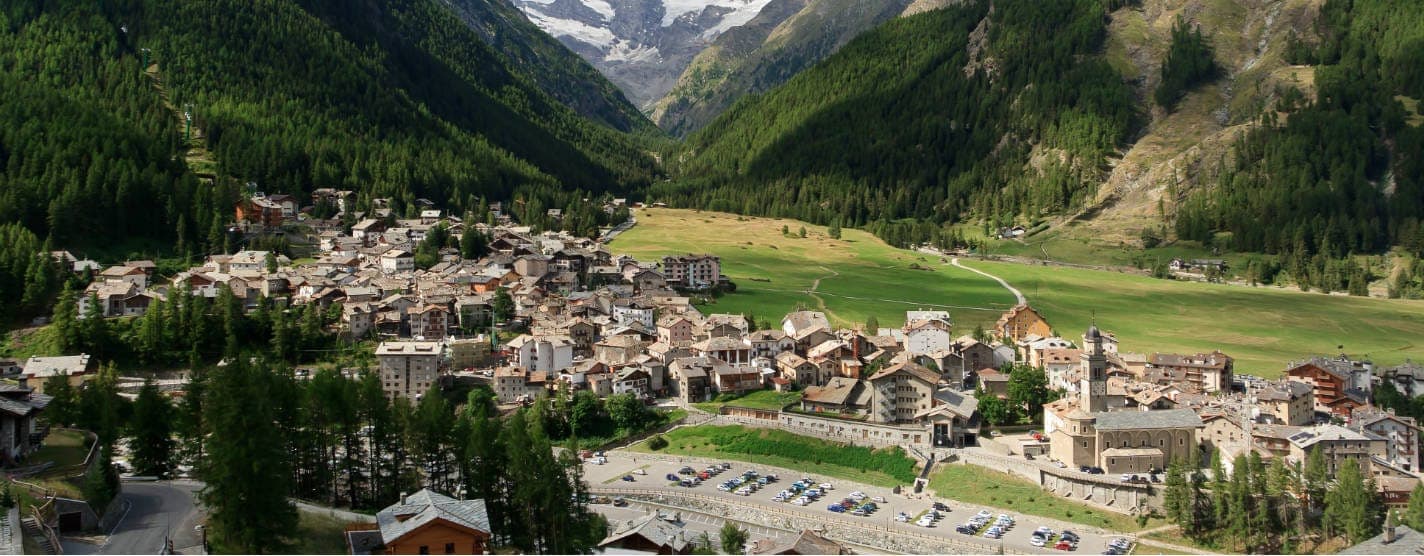
Cogne sits at 1,534 meters on the Grand Eyvia torrent, the largest commune in the Aosta Valley by surface area and the southern gateway to the Gran Paradiso National Park. More than 95 percent of its territory falls inside the park, established in 1922 as Italy's first. Until 1979 this was an iron-mining town: magnetite was extracted from the Colonna mine above the village and carried down by cableway and rail to the foundries in Aosta.
When the mines closed, the village pivoted to cross-country skiing and ice climbing. The Prato di Sant'Orso, the flat meadow at the foot of the village, holds 40 kilometers of groomed Nordic tracks in winter and grazing cattle in summer. The Cascate di Lillaz, three drops totaling roughly 150 meters along the Urtier, freeze solid between December and March and draw climbers to more than 150 ice routes on the surrounding walls. The parish church of Sant'Orso fronts the centro storico.
The Sunday letter
We haven’t written Cogne’s letter yet.
One town every Sunday, with the photo, the food, the festa. Be there when this one comes up. Free, by Peter & Sophia from Pietrasanta.
By subscribing you agree to Substack’s Terms of Use, our Privacy Policy and our Information collection notice.
What to see
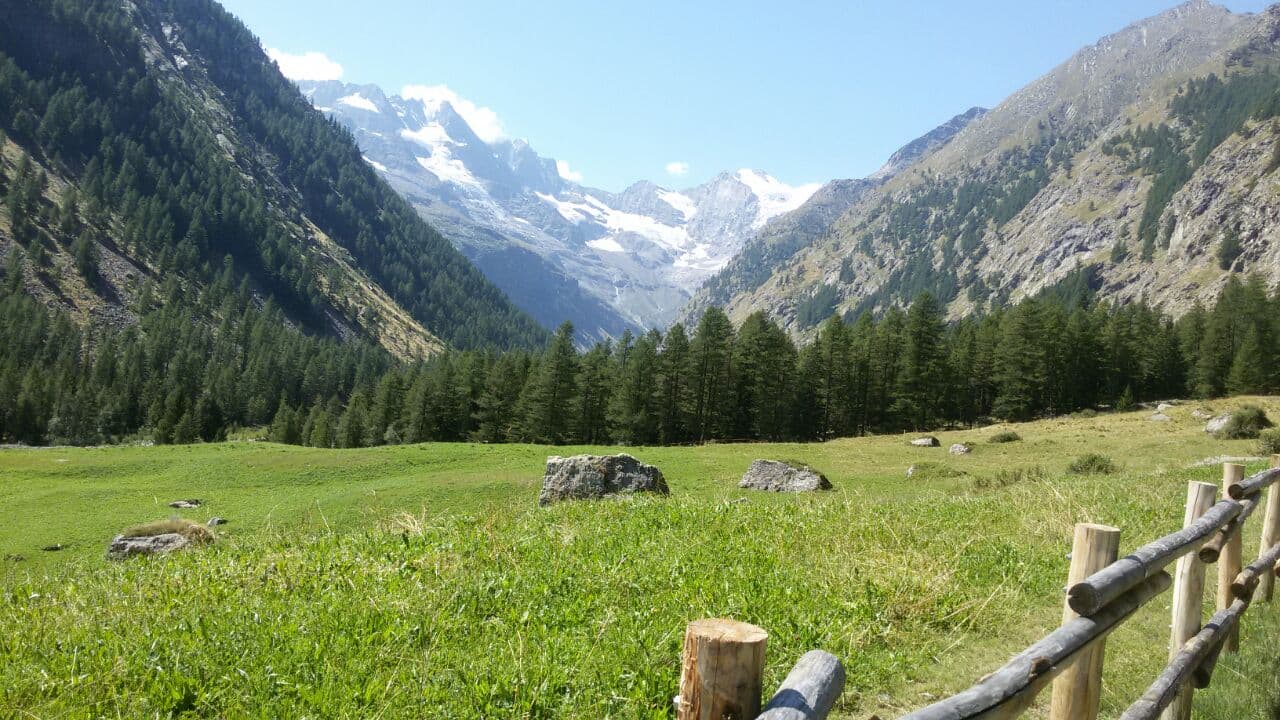
Prato di Sant'Orso
Flat alpine meadow at the foot of the village facing the Gran Paradiso, used for grazing in summer and 40 kilometers of cross-country ski tracks in winter.
Cascate di Lillaz
Three-tiered waterfall on the Urtier torrent in the hamlet of Lillaz, around 150 meters total drop, a major ice-climbing site in winter.
Chiesa di Sant'Orso
Parish church in the centro storico dedicated to the patron saint, fronting the village square.
Miniere di Cogne
Magnetite iron mines worked from the Middle Ages until 1979, with the Colonna site above the village now open as a museum and guided tour.
Valnontey
Side valley climbing toward the glaciers of the Gran Paradiso massif, home to the Giardino Alpino Paradisia botanical garden.
Gimillan
Hamlet above the village with a viewpoint over the Pré de Saint Ours, the Valnontey and the pyramid of the Grivola.
The slow-trip planner
Building a trip? Find where Cogne fits in a slow Italy circuit.
Answer five questions. We will shape a geographically coherent slow trip from the 1,000 Italian towns most travelers skip. Yours to save and share.
We recommend
Where to eat and stay
Not our picks, but places the guides put their name to — a Michelin star, a Gambero Rosso fork, a Slow Food snail, a Michelin Key for the hotels. Worth a table, a counter, or a night when you pass through.
Le Petit BellevueRistorante
One Michelin star for Le Petit Bellevue, along with two Gambero Rosso forks (83/100) and a place in L'Espresso's Top 300.
Coeur de BoisRistorante
A Gambero Rosso listing for Coeur de Bois, and a spot in the Michelin Guide.
Bar à FromageRistorante
Bar à Fromage has a spot in the Michelin Guide to its name.
Lou RessignonRistorante
Lou Ressignon holds a spot in the Michelin Guide.
Bellevue Hotel & SpaHotel
Bellevue Hotel & Spa holds two Michelin Keys and a place on Italy's historic-locali register.
Hotel MiramontiHotel
Hotel Miramonti holds a place on Italy's historic-locali register.
Living here
- Population 1,320
- Off the beaten pathi
- Pharmacy in town
- Nearest airport Turin, 1 h 58 min drive
- Regional capital Aosta, 37 min drive
Tags & datadesignations · numbers · sources
Recognised as
The numbers
- Elevation: 1534 m
- Population: 1,320
- Surface area: 213.04 km²
These figures were compiled from public directories — ISTAT, OpenStreetMap, Wikidata — and from the official listings of the guides named on this page. Town details change; verify with official sources before you travel.
Close by
More towns near Cogne
Aymavilles
Province: Aosta Valley
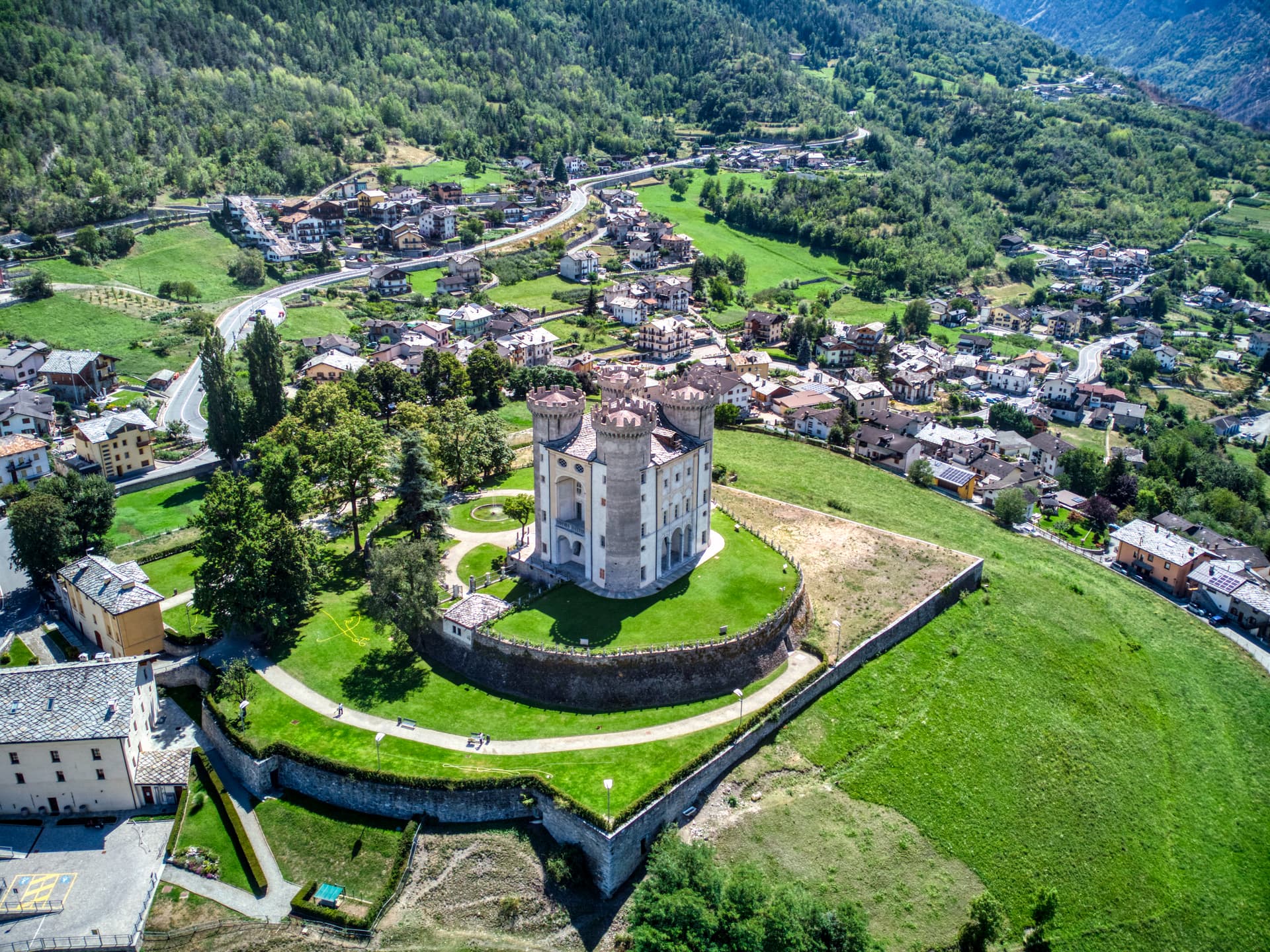
Gateway to the Gran Paradiso at 646 metres, with a four-towered Challant castle and a 3 BC Roman aqueduct above the Grand'Eyvia.
Courmayeur
Province: Aosta Valley
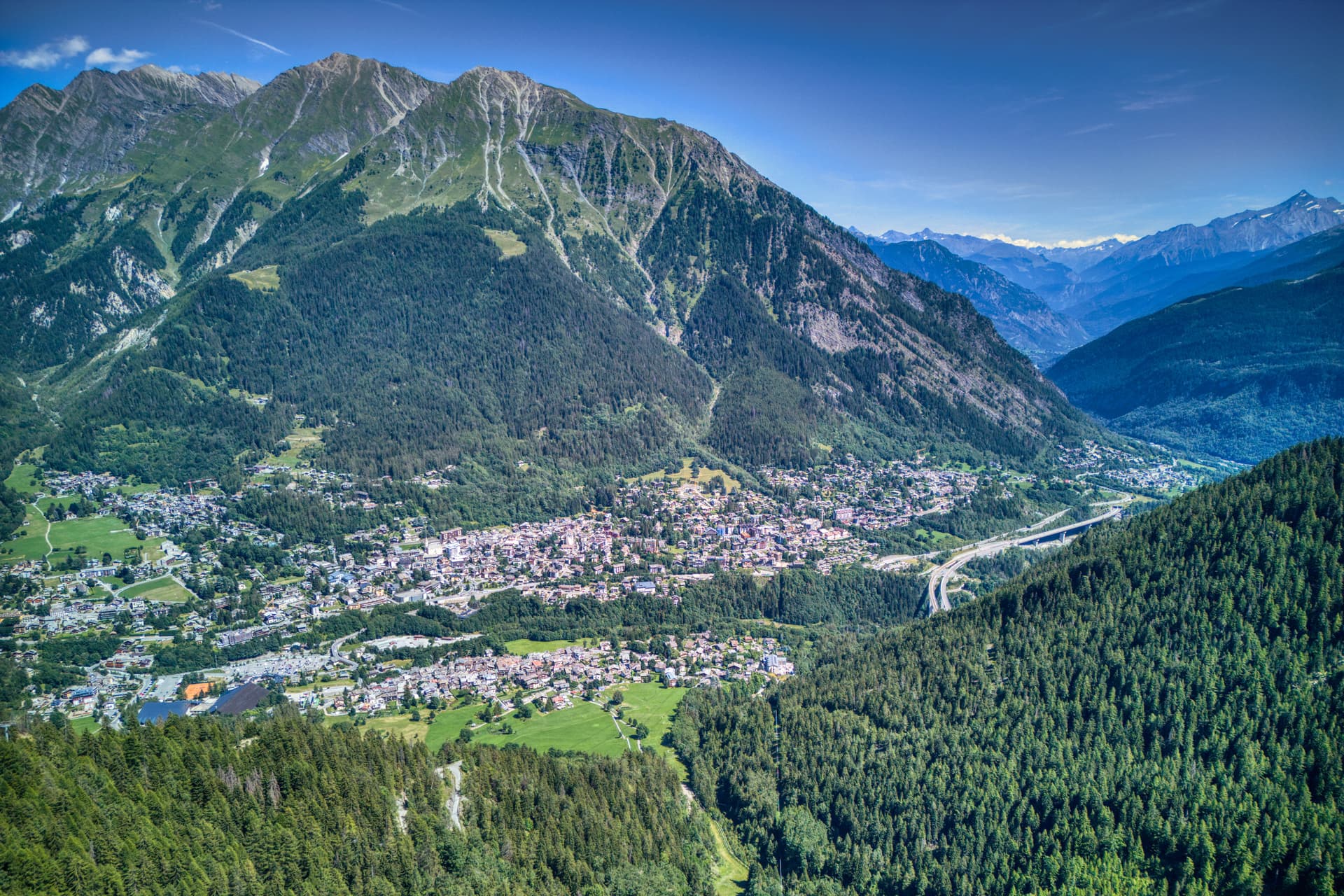
The Italian base of Mont Blanc, a Roman waystation on the Via delle Gallie that became the country's highest commune and its best-known ski address.
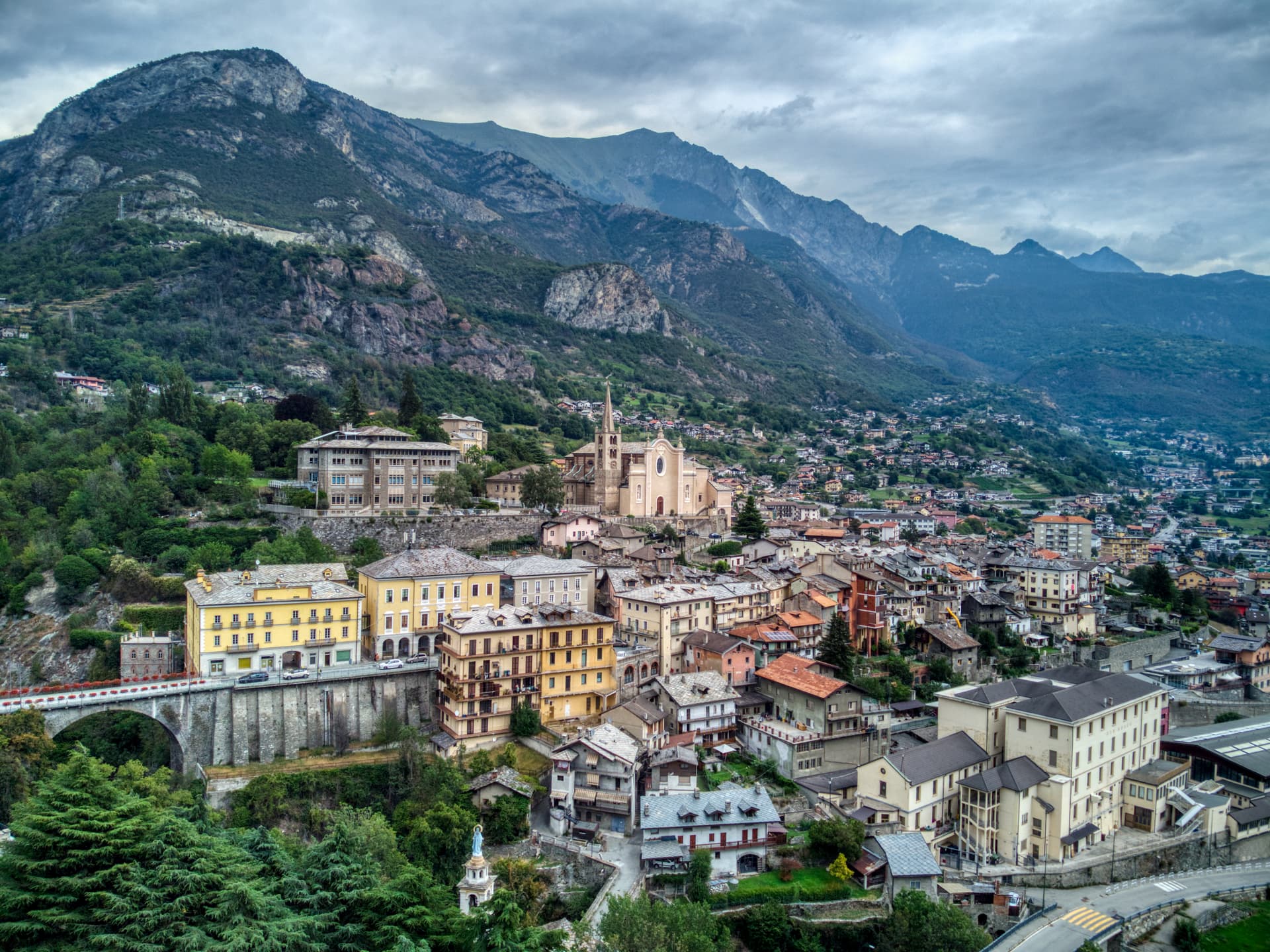
Châtillon
Province: Aosta Valley
The Aosta Valley's three-castle commune — a 4,358-resident town at 549m at the mouth of the Valtournenche where it meets the main valley, with the Castello Gamba (now the Valle d'Aosta regional contemporary art museum), the medieval Castello di Ussel + the Renaissance Castello Passerin d'Entrèves, and direct access up the road to the Cervino/Matterhorn at Cervinia 26 km north.
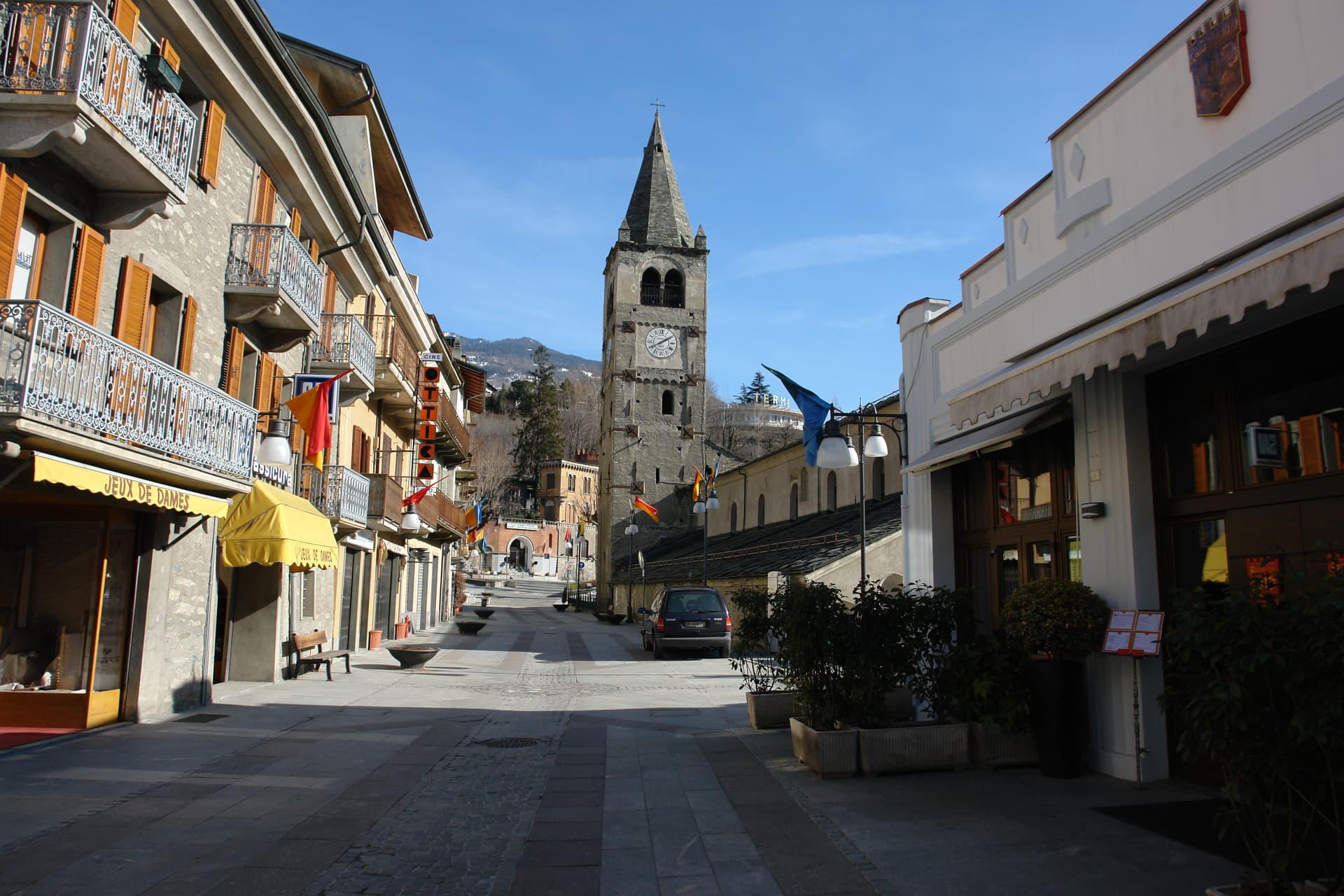
Saint-Vincent
Province: Aosta Valley
The Aosta Valley's belle-époque thermal town — a 4,400-resident commune on a sunny south-facing terrace at 575m with the Fonte Salée mineral spring (in use since 1770), the Casinò de la Vallée (Italy's second-largest legal casino since 1947), and the Matterhorn peak visible north of town.
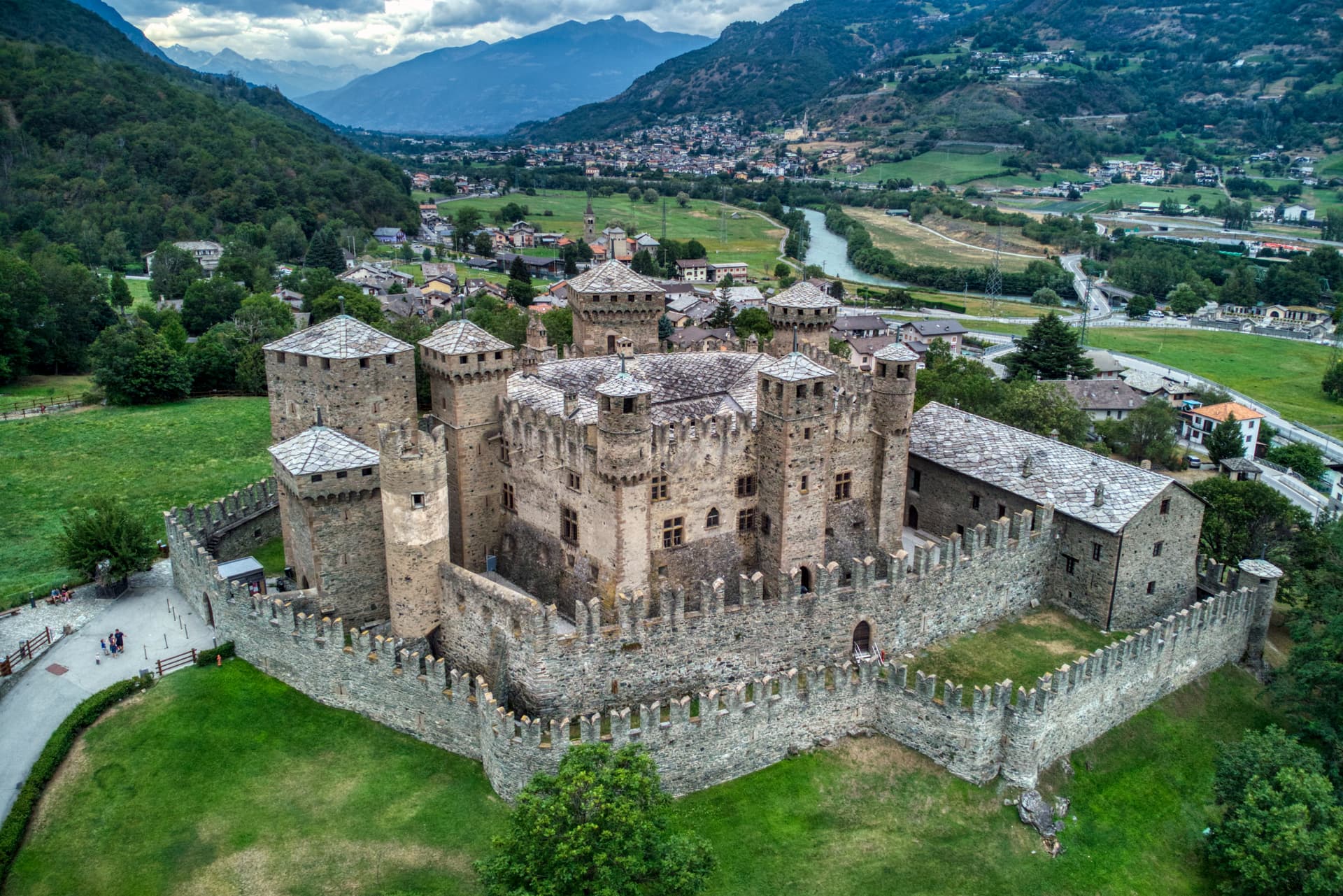
Fénis
Province: Aosta Valley
Italy's most photographed medieval castle — the Castello di Fénis (14th-c, Challant family) with its double-ring of crenellated walls, eight cylindrical towers, and frescoed inner courtyard sits at the centre of a 1,770-resident Aostan commune 18 km east of Aosta, with the Valle di Clavalité Apennine reserve climbing south to 3,000m.
🌲 Parco Nazionale
More Parco Nazionale towns
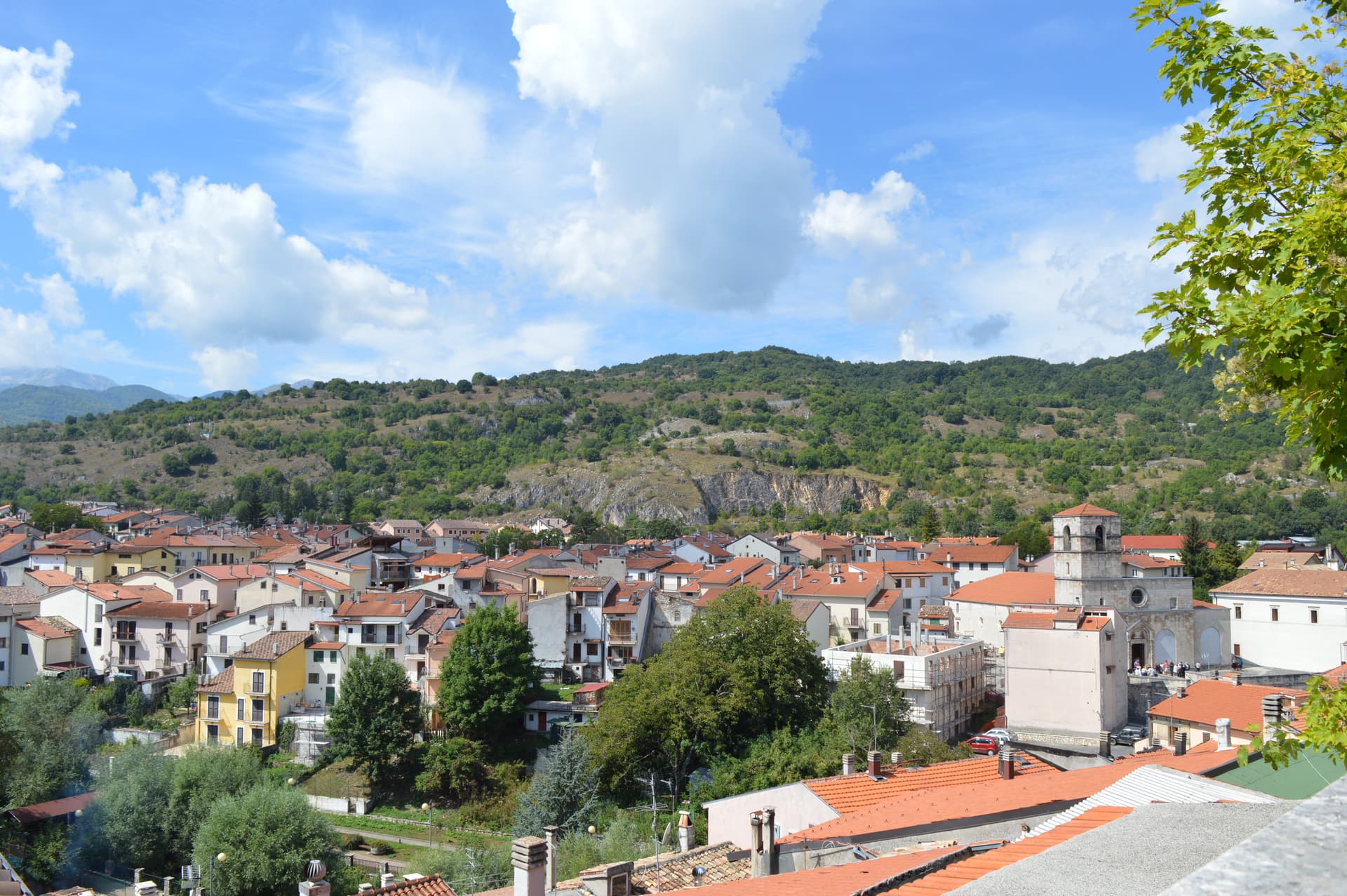
Alfedena
Province: L'Aquila
At 914 meters at the head of the upper Sangro valley, the Samnite Aufidena, with a 15,000-tomb necropolis and a Roman conquest in 298 BC.
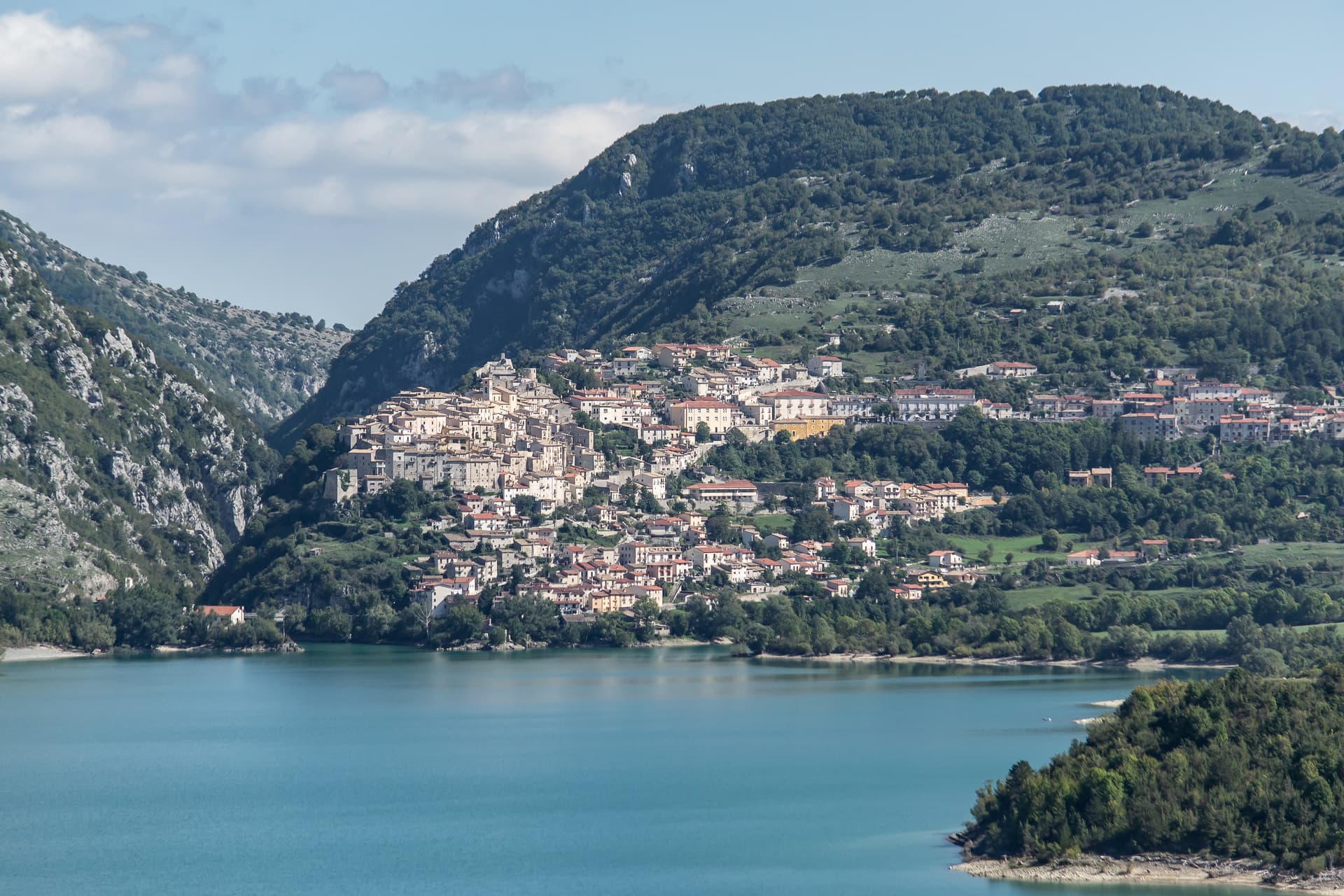
Barrea
Province: L'Aquila
A 1,066-meter spur above an artificial lake at the heart of the Abruzzo National Park, with a Samnite necropolis and an 11th-century di Sangro castle.
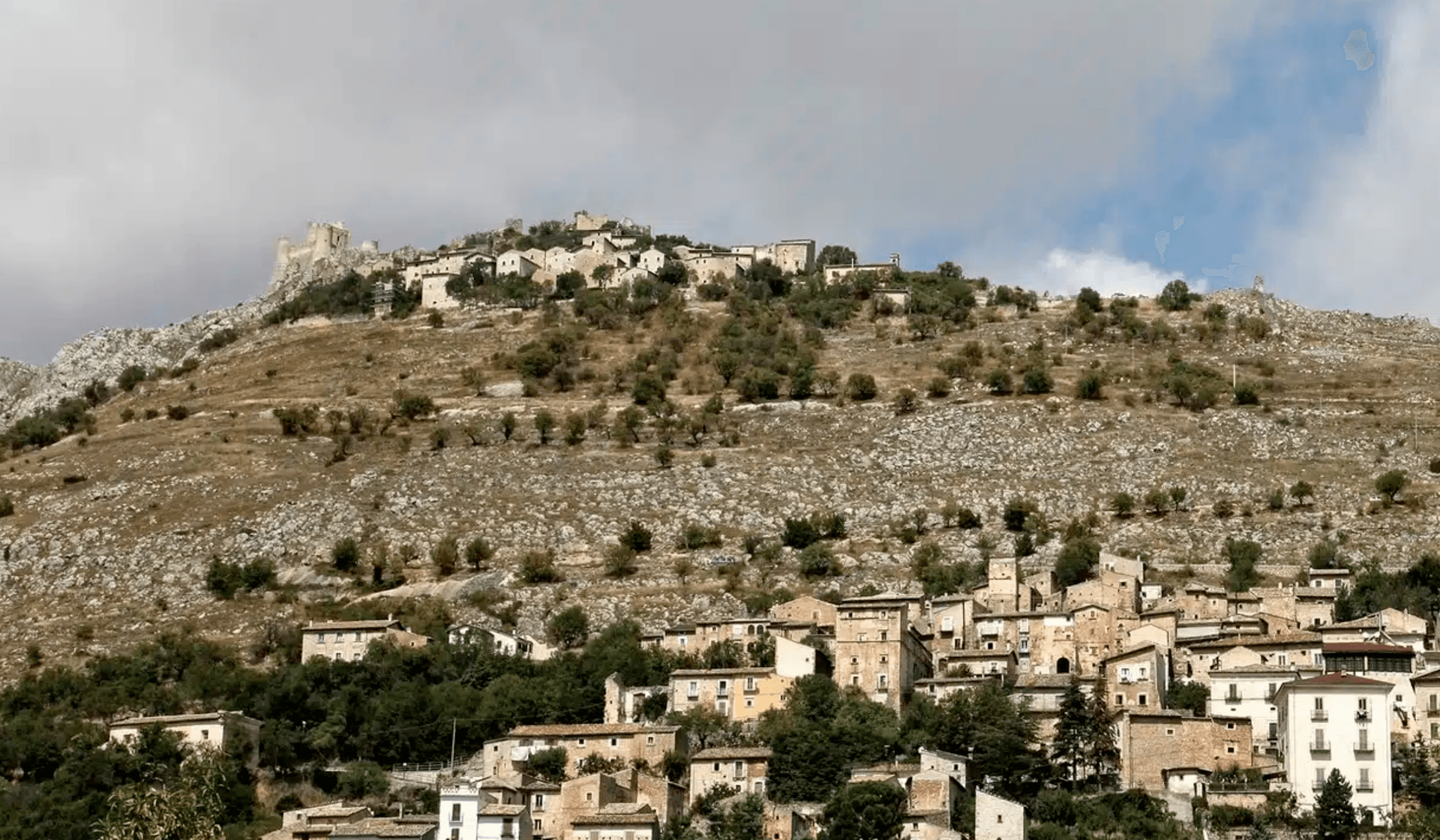
Calascio
Province: L'Aquila
At 1,200 meters under the highest castle in the Apennines, a village of 125 people that played the monk's refuge in Ladyhawke.
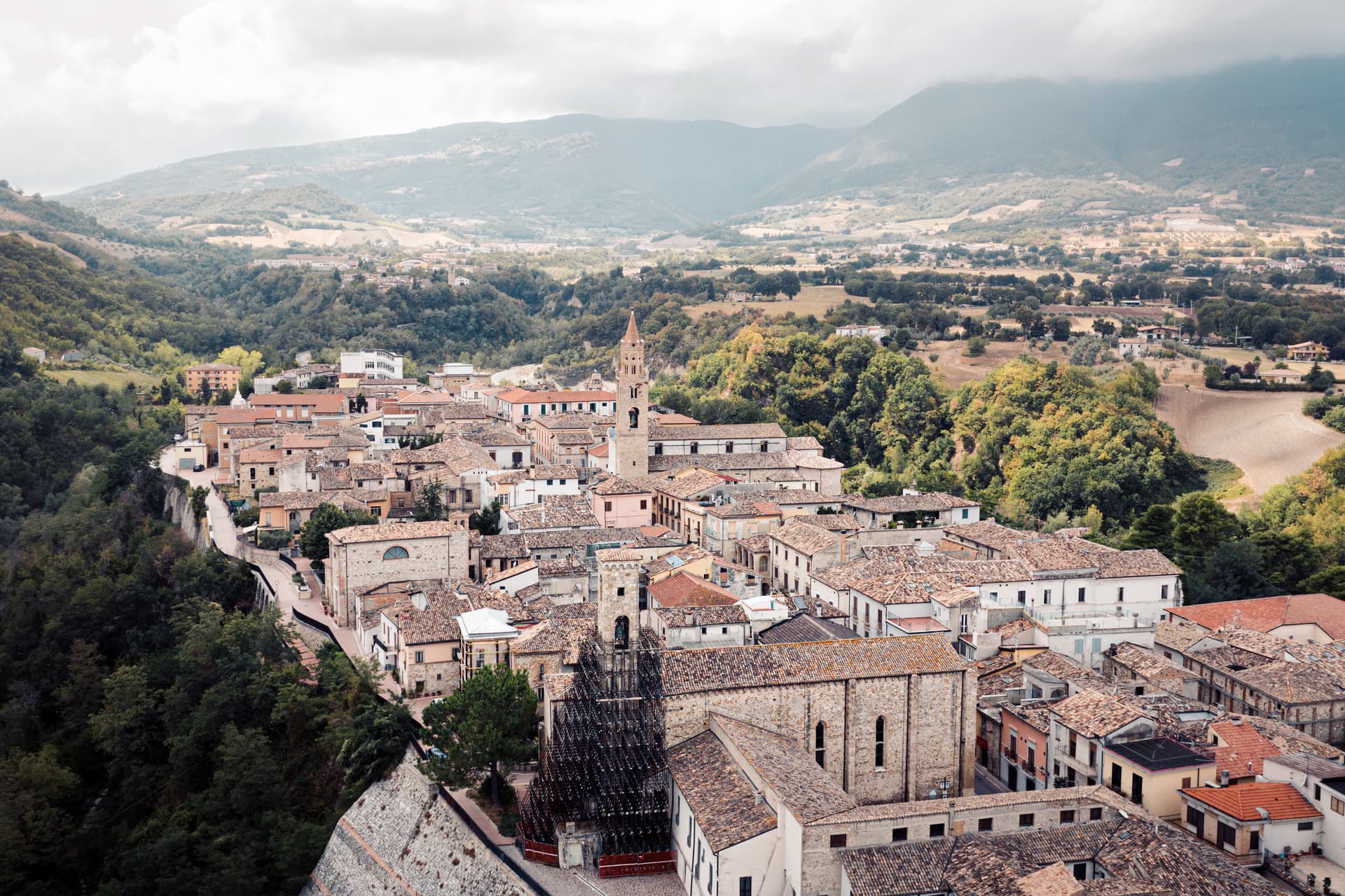
Campli
Province: Teramo
A 393-meter town under the Monti della Laga, held by the Farnese for two centuries, with a Scala Santa carrying papal indulgence.
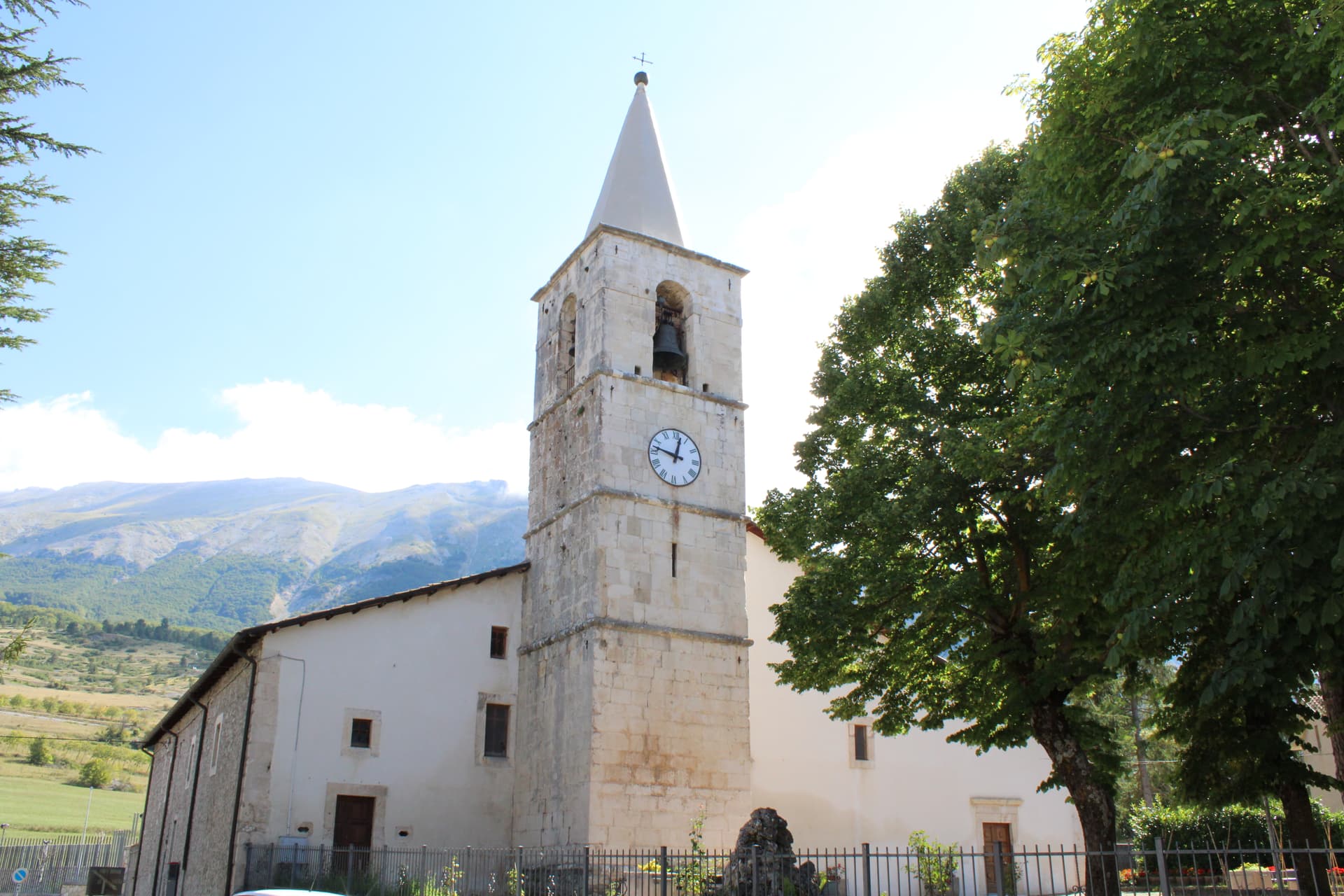
Campo di Giove
Province: L'Aquila
At 1,064 meters under the southwestern Maiella, the highest village in the park, named for a Roman temple to Jupiter.