
Themed picks · Turin · Mountains
10 mountain comuni near Turin
10 comuni · within 120 minutes of Torino · drive times OSRM-computed
The Western Alps west and north of Turin hold the highest concentration of high-elevation comuni in Italy: the Val di Susa runs from the city's edge to the French border at the Frejus tunnel; the Val Pellice climbs into the Cottian Alps; the Valle d'Aosta arc spreads across the north and holds the country's highest villages (Gressoney-La-Trinité, Ayas, Cogne, Courmayeur). Many are full-on ski resorts in winter; in summer they reset as hiking and high-pasture villages, with the Aosta cheeses (Fontina DOP), the Piemontese mountain salumi, and the wine produced at the highest altitudes in Europe (the Cave du Vin du Blanc at Morgex, 1,200 m).
Turin is the right base because the city's motorway and rail position puts the Val di Susa inside an hour, the lower Aosta valleys inside 90 minutes, and the high villages of Aosta and Valle Pellice inside two hours. The city itself rewards a long stay (the Porta Palazzo market, the Egyptian Museum, the Mole Antonelliana cinema museum, the porticoes of via Po and via Roma), and the rail spine handles the day trips when you do not want to drive: the Torino-Aosta line runs into the lower Aosta valley, and the Torino-Bardonecchia line handles the upper Val di Susa.
We picked ten comuni with deliberate spread across the Val di Susa, Valle d'Aosta arc, Val Pellice, and the Occitan-dialect villages of the lower Cottian Alps. Drive times below are OSRM-computed from Turin Porta Nuova by car. The two-hour radius is deliberate: the highest Aosta villages (Cogne, Courmayeur) sit at the edge of it but are central to the mountain story.
 1
1Torino · Piedmont · 101 min from Torino
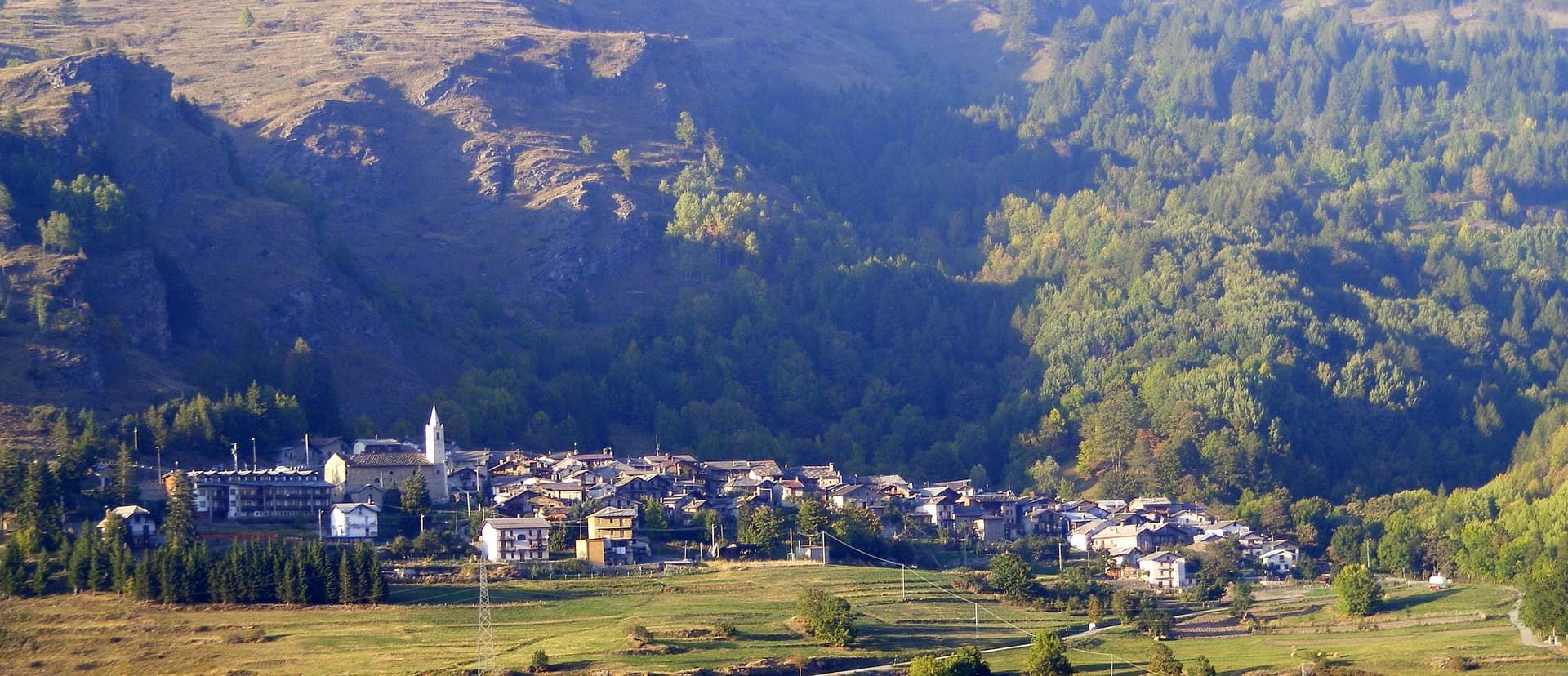
Usseaux
A Val Chisone village at 1,416 meters with four scattered borgate and more than forty murals painted across the stone facades.
More than forty wall paintings turn the four borgate into an open-air alpine gallery of peasant life and forest scenes.
High-Alpine comune at 1416 m.
 2
2Aosta Valley · Aosta Valley · 87 min from Torino
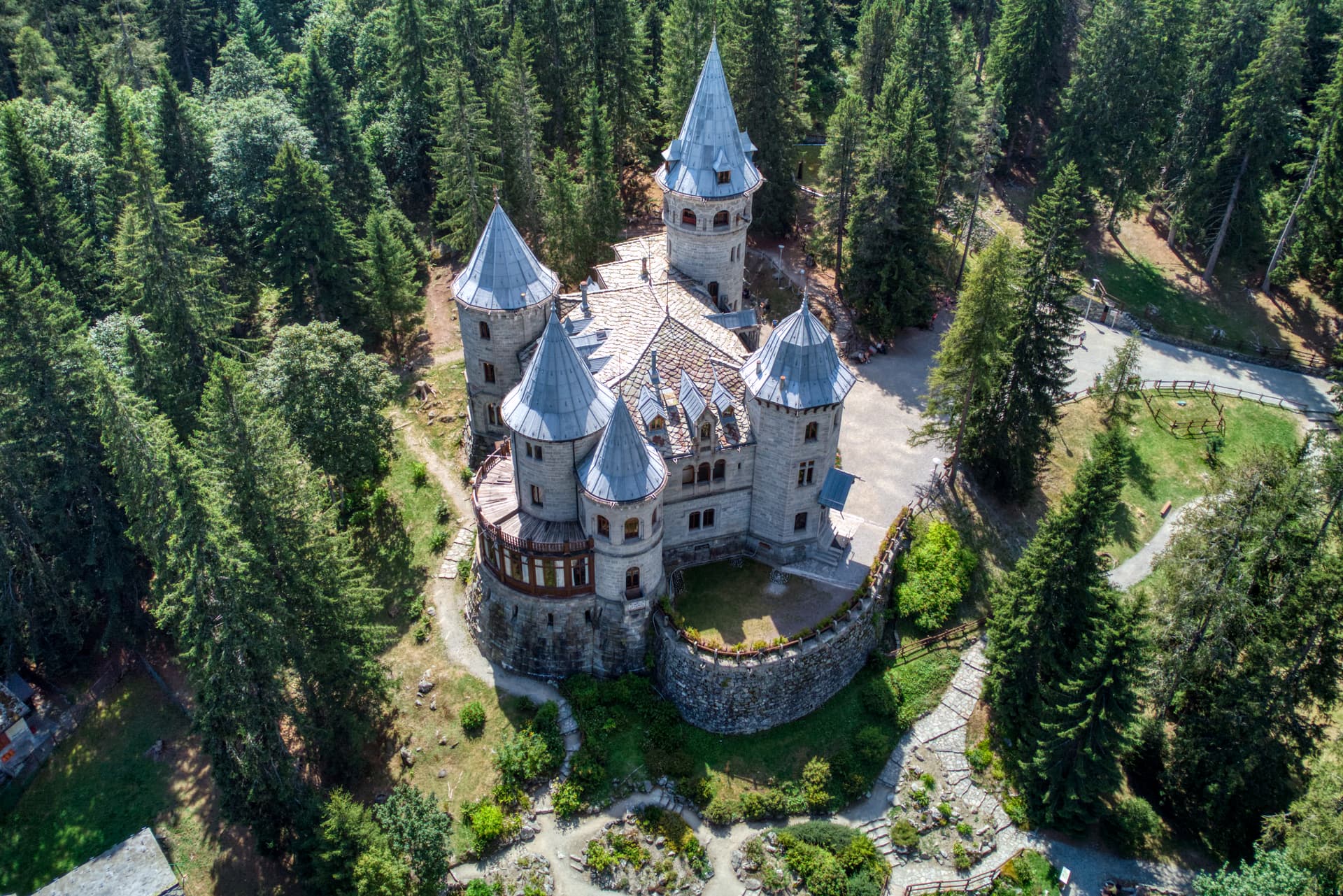
Gressoney-Saint-Jean
A Walser village in the Lys valley where Titsch is still spoken, Queen Margherita summered, and the Lyskamm glacier closes the view.
Southernmost Walser community in the Alps, with Titsch still spoken and traditional stadel architecture preserved in the hamlets.
High-Alpine comune at 1385 m.
 3
3Cuneo · Piedmont · 103 min from Torino
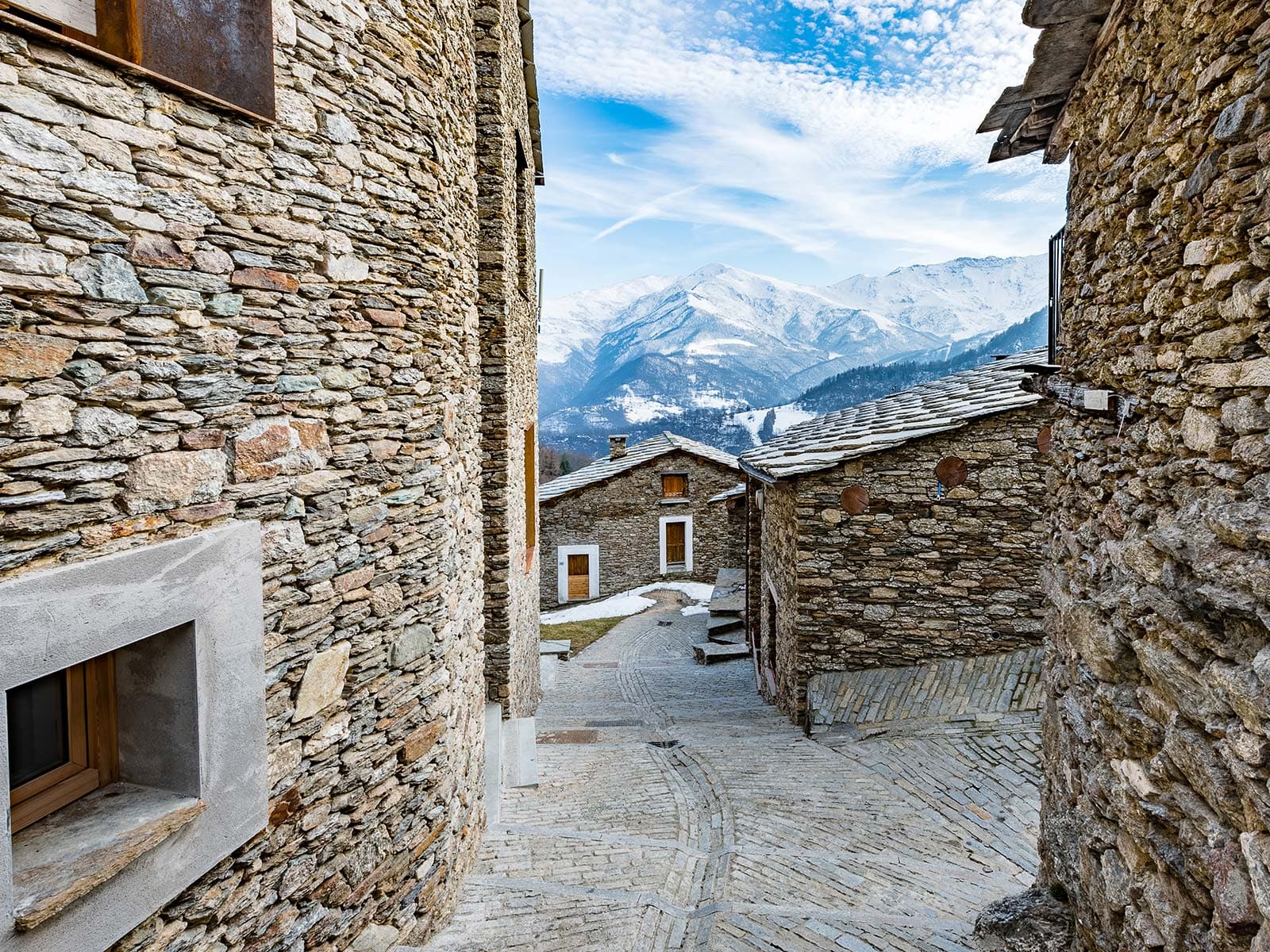
Ostana
Italy's most spectacular Monviso belvedere — an 85-resident Occitan-speaking alpine borgo at 1,280m in the upper Po valley, with a direct frontal view of Monviso (3,841m), an architecturally celebrated mountain renaissance (60+ ruined stone houses rebuilt 2000-2024 by a regional master plan), and Borghi più belli d'Italia inscription despite the small population.
The most spectacular Italian-village head-on view of Monviso (3,841m, source of the Po). Picture-postcard angle from every village terrace.
Occitan-Alpine comune at 1280 m.
 4
4Torino · Piedmont · 93 min from Torino
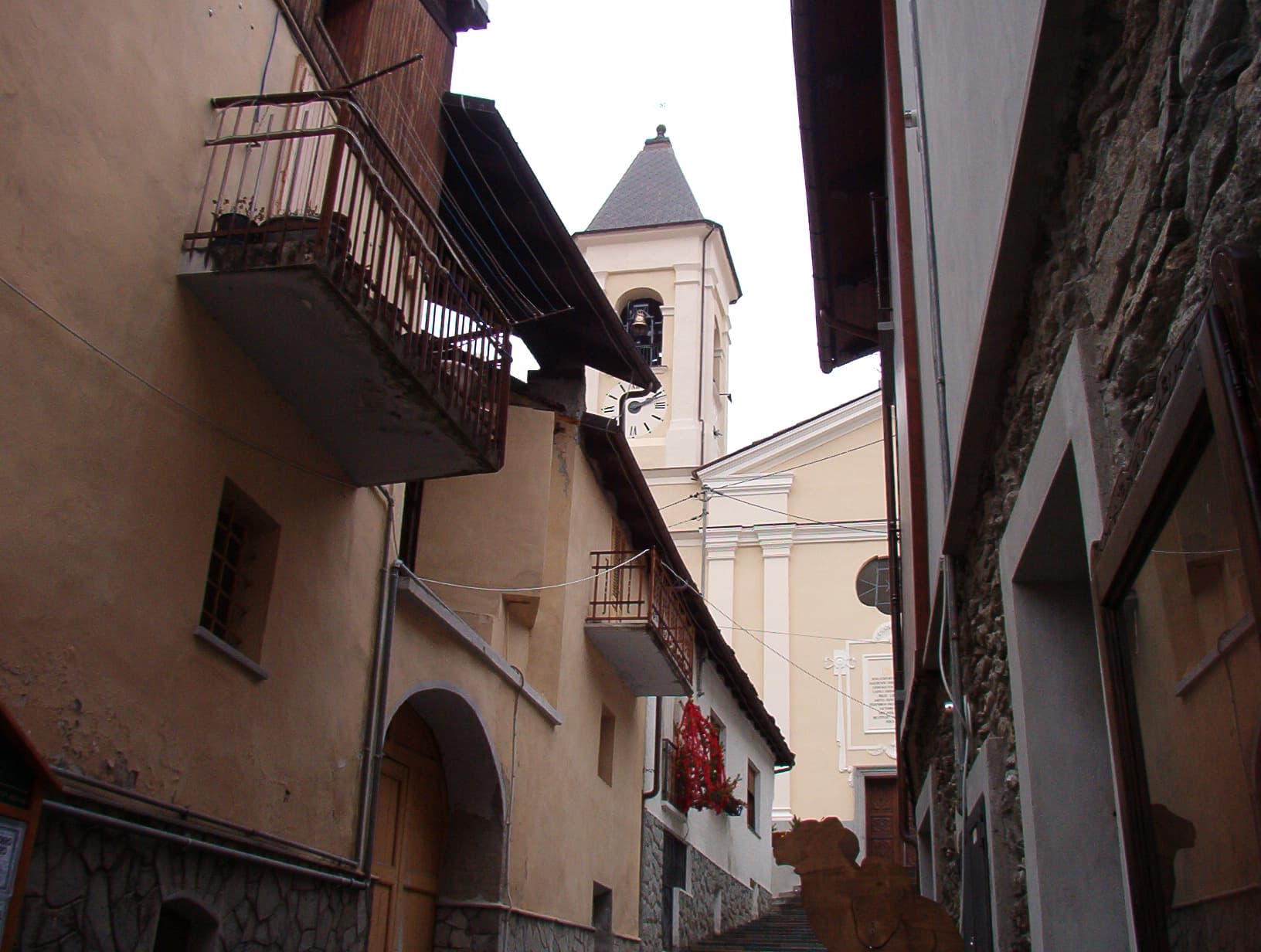
Fenestrelle
A Val Chisone village at 1,154 meters below the largest alpine fortress in Europe, three kilometers of stone climbing 650 vertical meters up the ridge.
Largest alpine fortification in Europe at 130 hectares, second-largest stone fortification in the world after the Great Wall of China.
High-Alpine comune at 1154 m.
 5
5Aosta Valley · Aosta Valley · 79 min from Torino
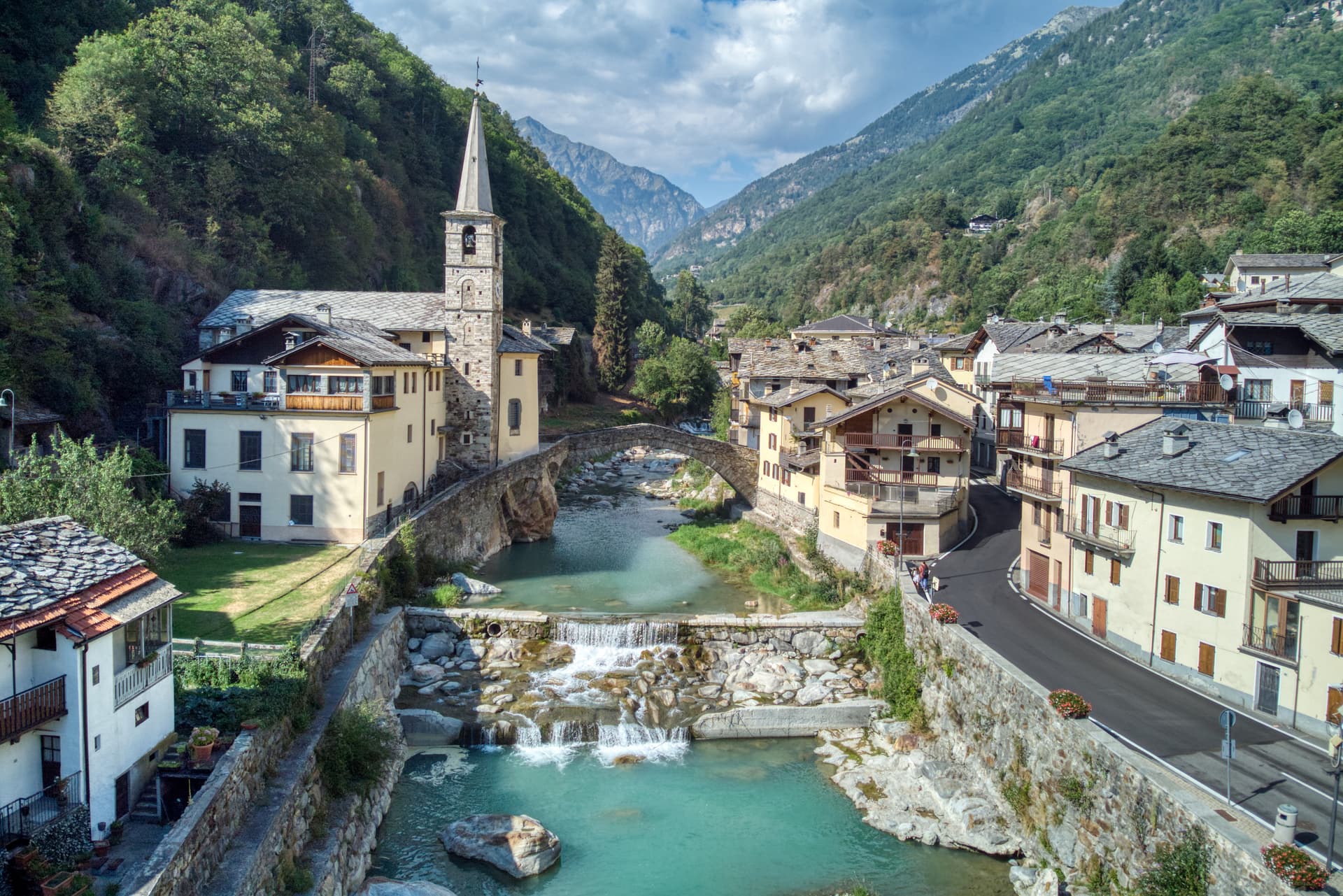
Fontainemore
A 418-person Walser-influenced village at 760 metres in the Lys Valley, with a single-arch medieval bridge and a five-yearly pilgrimage to Oropa.
Five-yearly procession to the Sanctuary of Oropa over the Colle della Balma, documented since 1557, among the oldest Marian walks in the western Alps.
Alpine valley comune at 760 m.
The slow-trip planner
Building a trip? Find where Turin fits in a slow Italy circuit.
Answer five questions. We will shape a geographically coherent slow trip from the 1,000 Italian towns most travelers skip. Yours to save and share.
 6
6Torino · Piedmont · 73 min from Torino
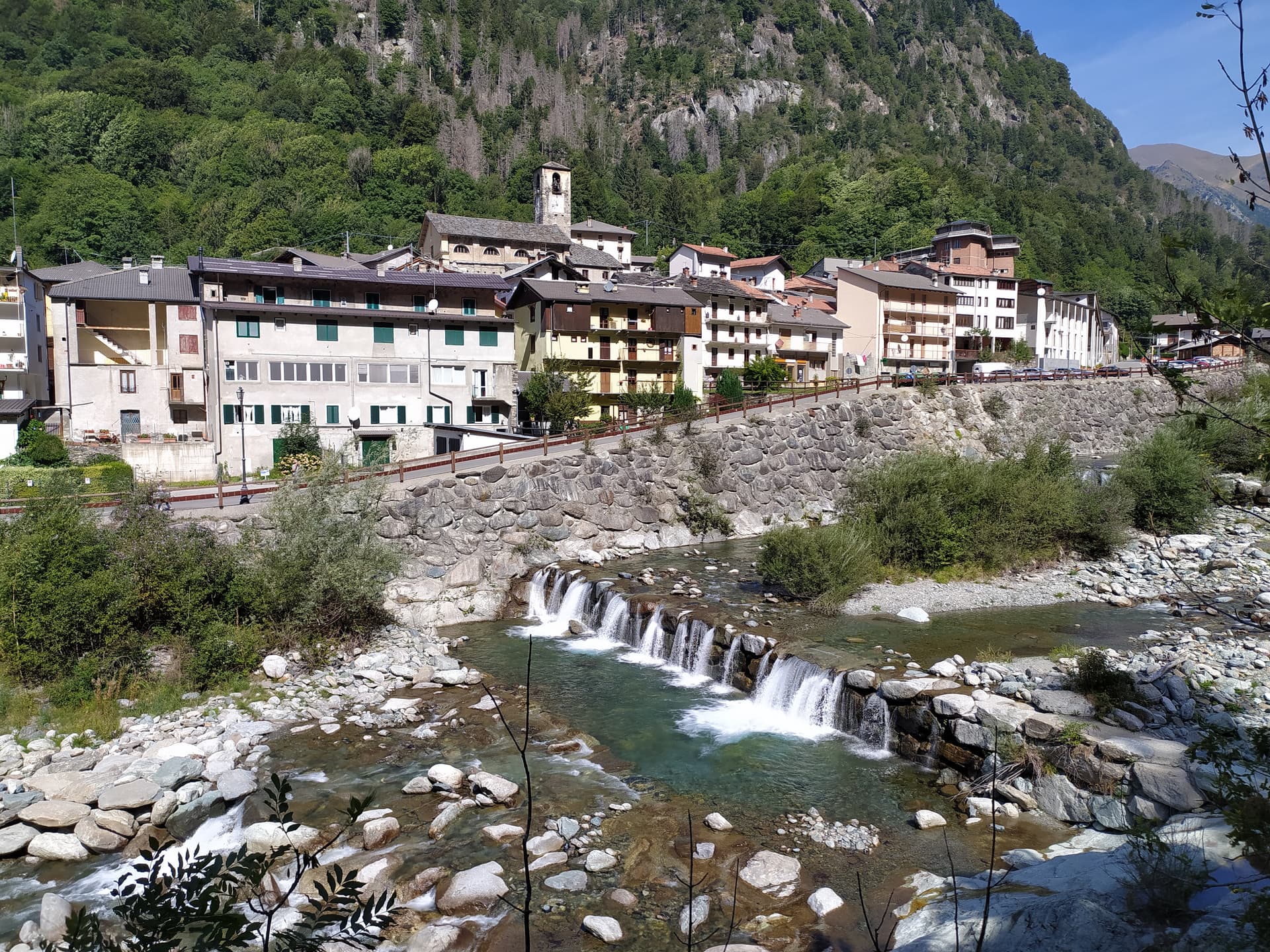
Ronco Canavese
A 271-inhabitant Francoprovenzale village at 956 meters in the Valle Soana, on the Piemonte side of the Gran Paradiso National Park.
Piemonte gateway to Italy's oldest national park, with terrain climbing from 774 meters to over 3,400 meters of alpine summits.
Alpine valley comune at 956 m.
 7
7Aosta Valley · Aosta Valley · 95 min from Torino
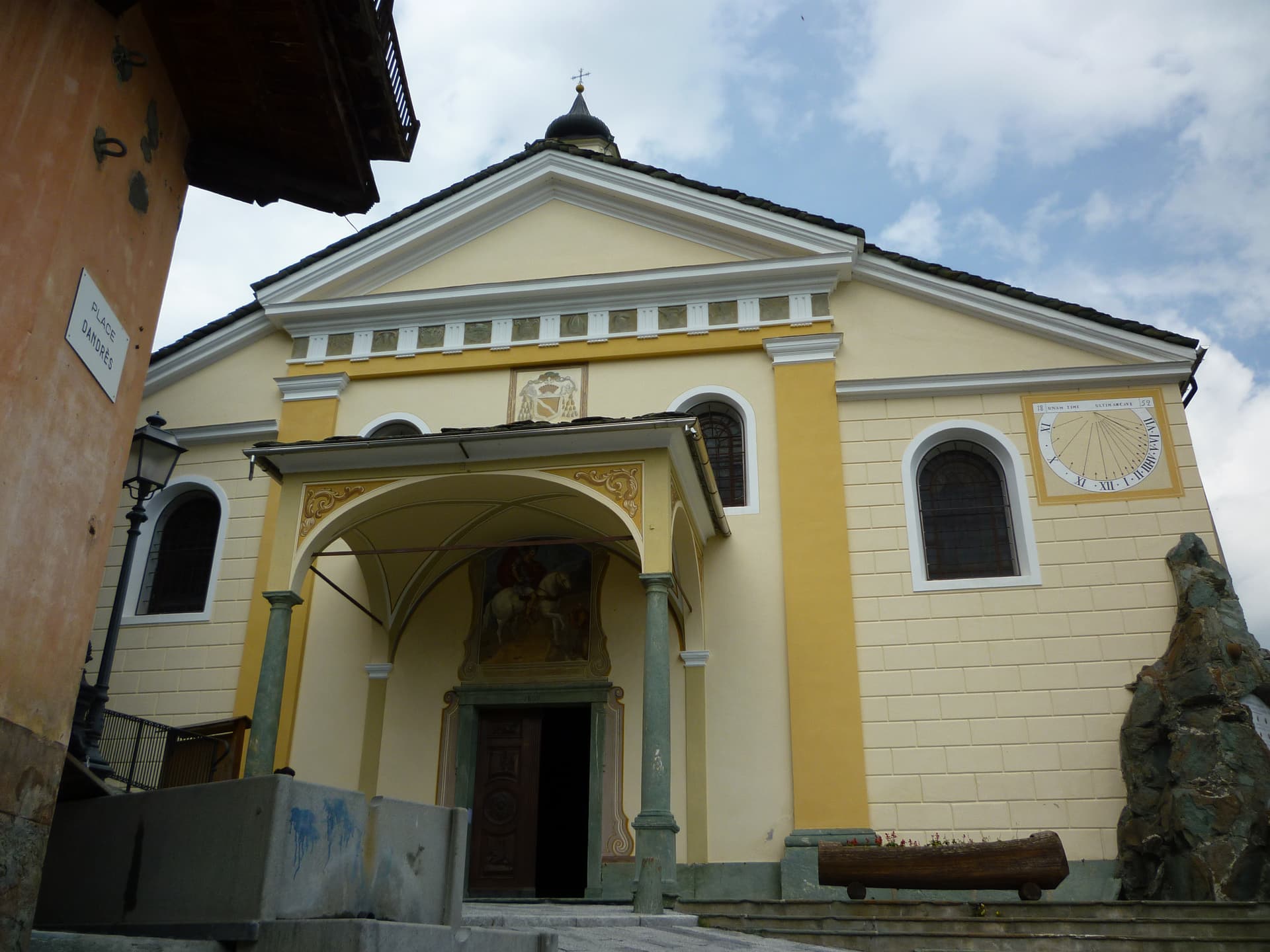
Ayas
A scattered upper-valley commune of three villages under the Monte Rosa, where Walser settlers and Romance-speaking herders share the slopes below Castor and Pollux.
The 4,000-meter peaks of Castor, Pollux and the Breithorn close the valley head, fed by the Verra glacier.
High-Alpine comune at 1710 m.
 8
8Aosta Valley · Aosta Valley · 118 min from Torino
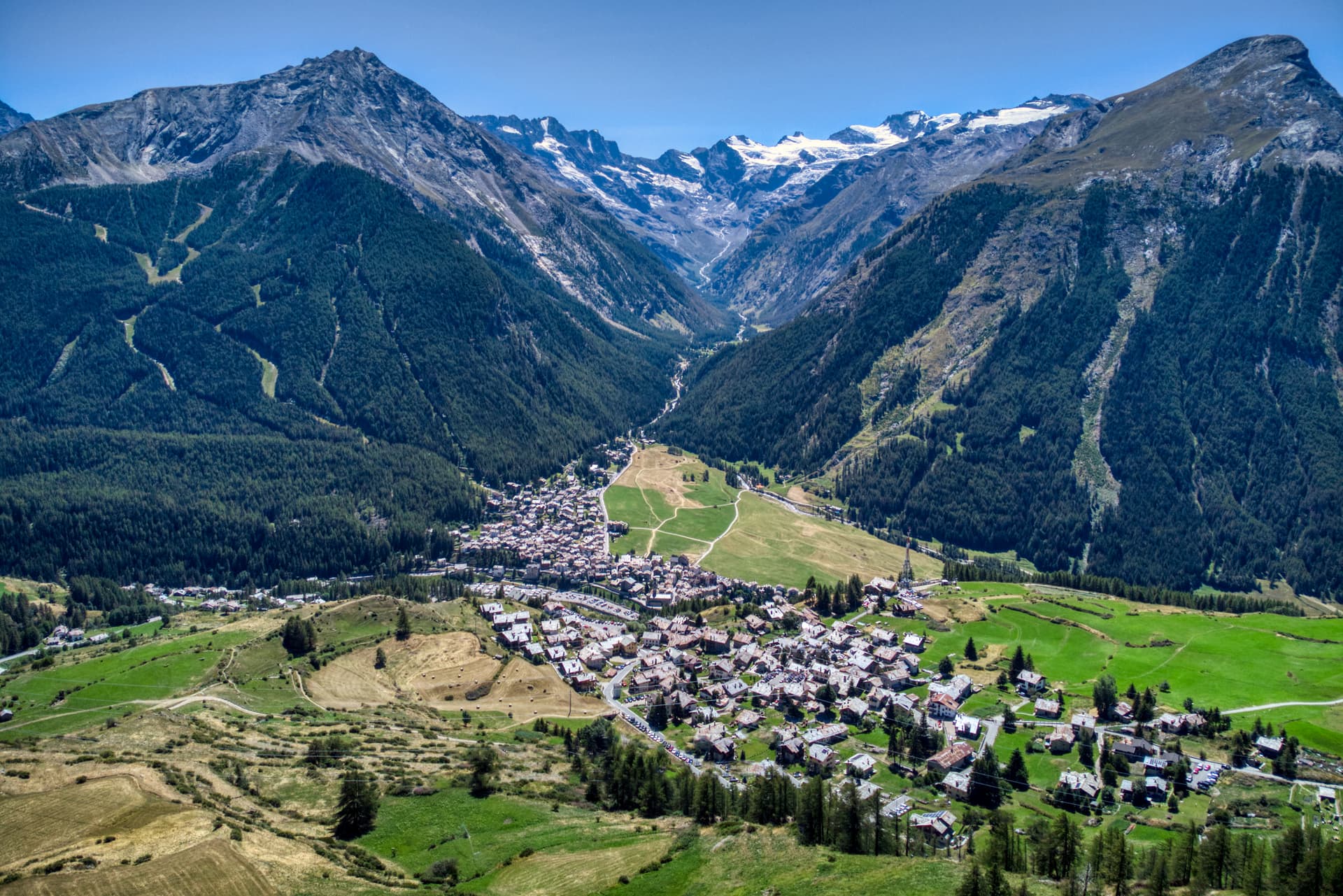
Cogne
The mining town turned capital of the Gran Paradiso, the Aosta Valley's largest commune with 95 percent of its land inside Italy's oldest park.
Southern capital of Italy's oldest national park, established 1922, with 95 percent of the commune inside park boundaries.
High-Alpine comune at 1534 m.
 9
9Torino · Piedmont · 55 min from Torino
Susa
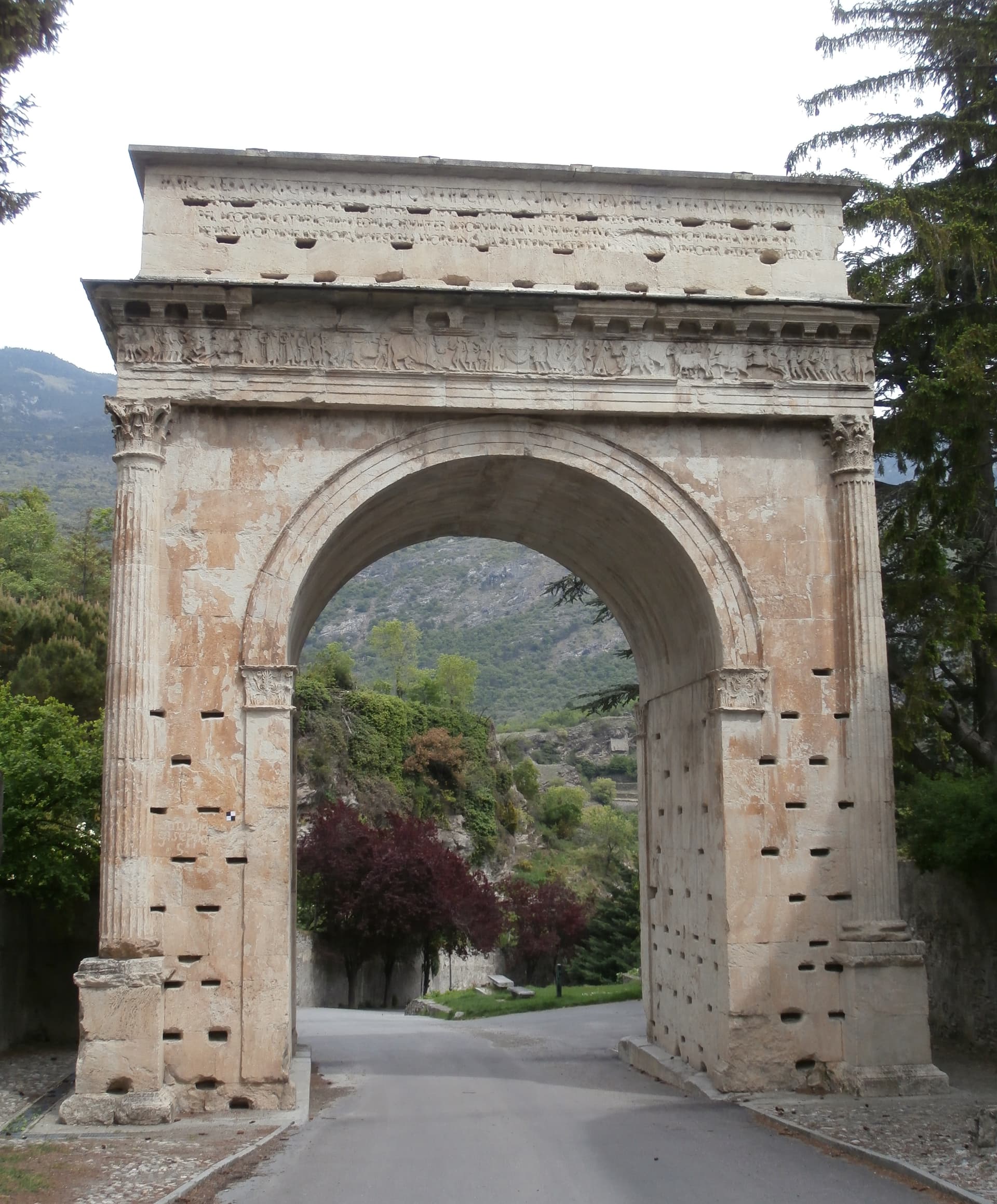
The Roman gateway to the Cottian Alps at 503 meters, capital of the Alpes Cottiae and seat of the Cozii under Augustus and Cottius.
Capital of the Alpes Cottiae under Cottius and Augustus, with the Arch of 9 to 8 BC and a small amphitheatre still standing in the centre.
Mountain comune at 503 m.
 10
10Aosta Valley · Aosta Valley · 118 min from Torino
Courmayeur
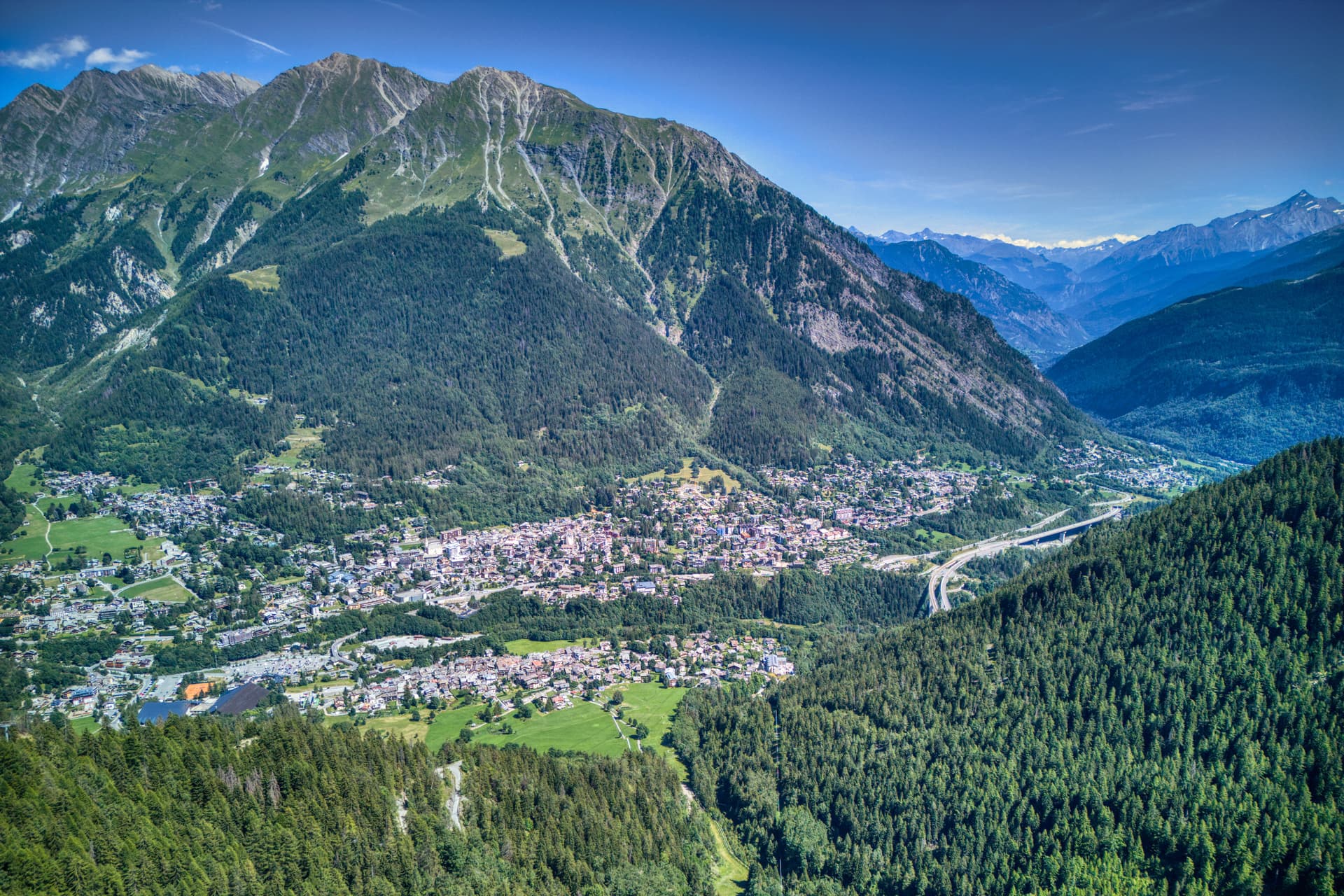
The Italian base of Mont Blanc, a Roman waystation on the Via delle Gallie that became the country's highest commune and its best-known ski address.
Italian base of the 4,810-meter peak, shared with Saint-Gervais-les-Bains across the French border and linked to Chamonix by the 1965 tunnel.
High-Alpine comune at 1224 m.
We write about towns like these every Sunday, one town a week, with the photo, the food, the festa. Free, from Pietrasanta.
By subscribing you agree to Substack’s Terms of Use, our Privacy Policy and our Information collection notice.
Why Torino is the base
Turin holds the only Centrale-grade rail station in north-west Italy, the airport (TRN) at Caselle, and the A32 motorway running straight up the Val di Susa to the Mont Blanc tunnel. The city itself is the largest urban centre against the Alps in Europe: from the porticoes of via Roma you see the Susa valley peaks framing the western horizon. The cooking closes the loop on a mountain trip: tajarin with Bra cheese, the agnolotti del plin, and the various polenta dishes that travel between the city and the alpine valleys.
When to go
May through October for the mountain comuni: the snow clears late at high altitude (sometimes through May above 1,500 m), the higher villages only fully open from late June, and the September larch-needle colour turn through the Aosta valleys runs into late October. July and August are the high-season mountain months; the villages fill with Italian families. December through April is the ski season — the Sestriere / Val di Susa circuit (Olympic 2006 venues) and the Aosta resorts run full programmes.
Questions people ask
- What is the highest comune in this list?
- Ayas in Valle d'Aosta, at 1,710 m. Cogne sits at 1,534 m; Usseaux in the upper Val di Susa at 1,416 m; Gressoney-Saint-Jean at 1,385 m. All are open year-round, all are reachable by car from Turin in 90 to 120 minutes.
- Can I take a day trip to the Alps from Turin by train?
- Yes. The Torino-Bardonecchia regional line runs the spine of the Val di Susa, with stops at Susa, Oulx, and Bardonecchia. The Torino-Aosta line handles the lower Aosta valley with stops at Pont-Saint-Martin and Aosta itself. From those rail hubs, the upper villages need a bus or a taxi but are reachable for the day.
- What is Occitan-dialect Piedmont?
- The Cottian Alps west and south-west of Turin contain a chain of comuni where the historical language is Occitan (the same language family as Provençal in southern France). Ostana, Crissolo, Sampeyre and the Val Maira villages are the main centres; the dialect is still spoken by some older residents and supported by a cultural-association network. The food crosses the border too: the local cheeses, the bagna càuda variants, the chestnut traditions.
- Is Courmayeur worth visiting in summer?
- Yes. The winter ski crowds clear out, the Mont Blanc cable car (Skyway Monte Bianco) runs to Punta Helbronner at 3,466 m year-round (clear-weather summer is the best window), and the high-pasture cheese-making at the malghe above the village runs from late June through early September. About two hours by car from Turin.
How we picked these · We filtered every town within two hours of Turin (37 candidates within 90 min plus the higher Aosta villages on the 90–120 min ring), kept those at elevation ≥500 m or with alpine geography, and ranked by elevation plus signal density (Borghi più belli, Borghi Autentici, Bandiera Arancione). The two-hour radius brings in the upper Aosta villages (Cogne, Courmayeur, Gressoney) which sit above 1,200 m and are central to the mountain story but slow on the alpine roads.
Subscribe — free
Get the best guides on hidden Italian towns.
One letter on Sundays. The week’s town, with the photo, the food, the festa. Free, by Peter & Sophia from Pietrasanta.
Substack sends a confirmation link to your inbox. The signup finishes when it’s clicked.
From elsewhere in Italy
Five more towns to discover
Putignano
Province: Bari
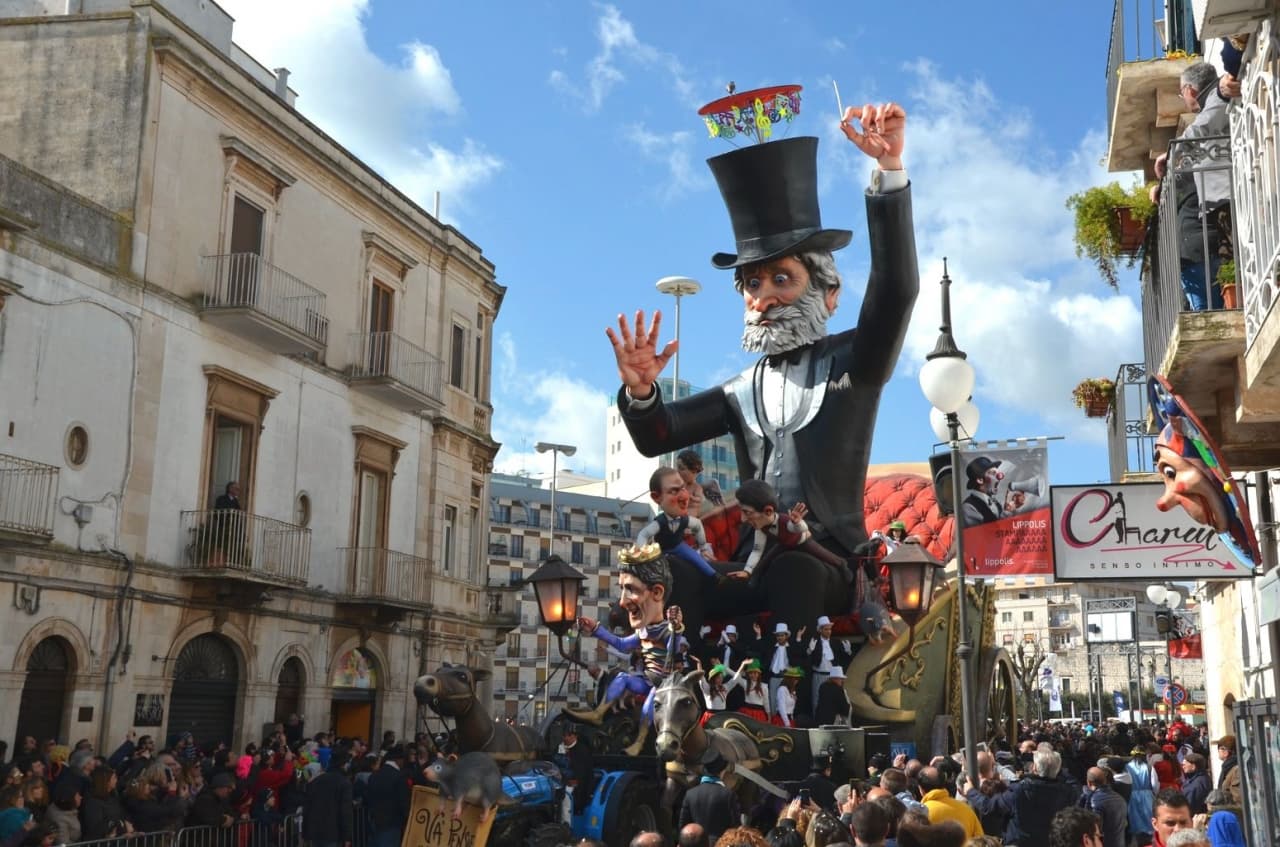
Europe's longest-running carnival — Putignano Carnevale has run continuously since 1394, with 631 years of cartapesta papier-mâché floats, a 26,000-resident Murgia town on the Bari–Lecce plateau, and the Grotta del Trullo karst cave inside the centro.

Pistoia
Province: Pistoia
Italy's nursery capital and the medieval Tuscan rival that gave its name to the pistol — a quietly extraordinary centro storico of zebra-striped Romanesque churches, Andrea della Robbia's polychrome frieze on the Ospedale del Ceppo, and Italy's Capital of Culture 2017, all 30 minutes from Florence by train.
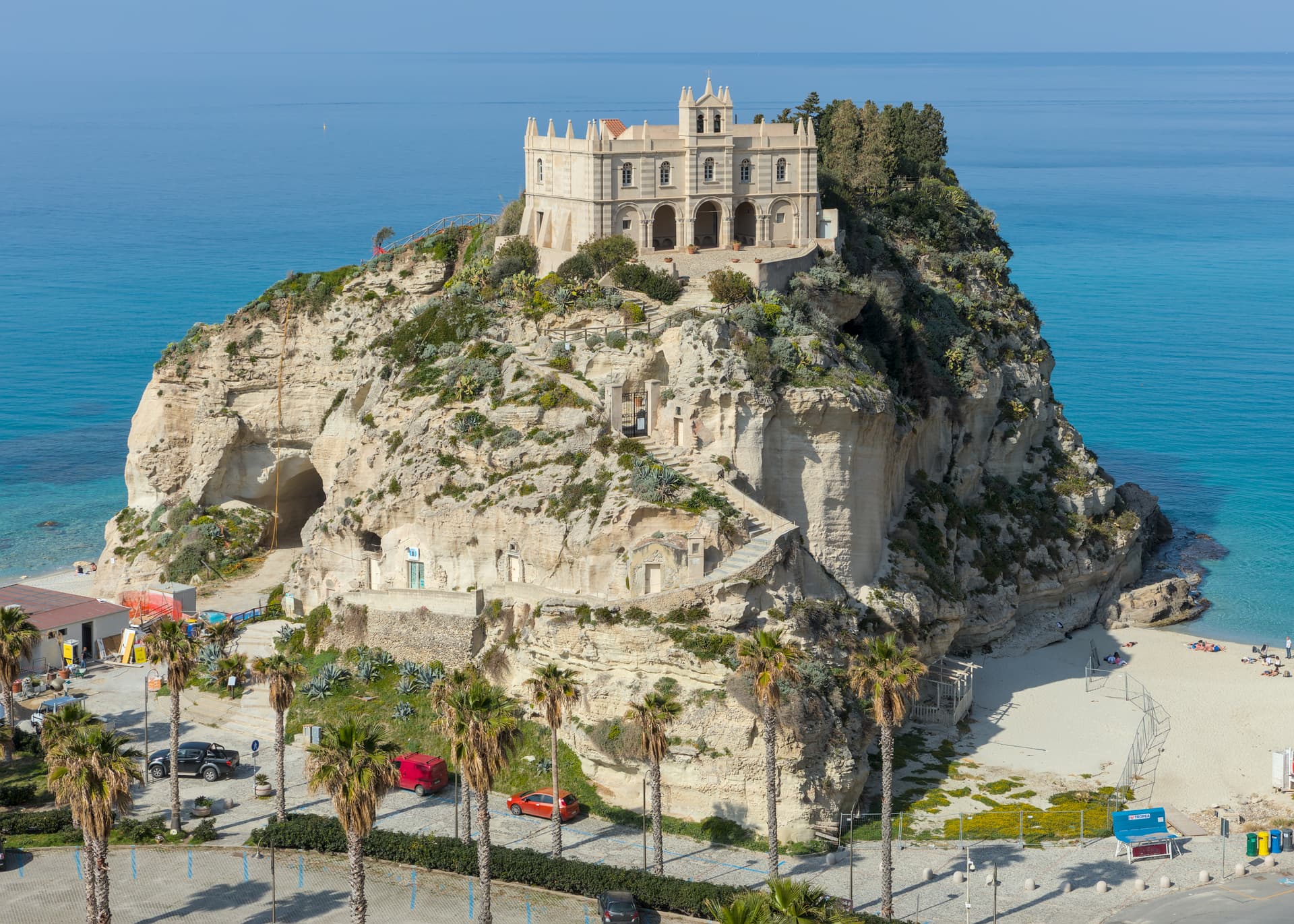
Tropea
Province: Vibo Valentia
Cliff town on a tufa headland over the Tyrrhenian Coast of the Gods, with a Norman monastery on a sea rock.
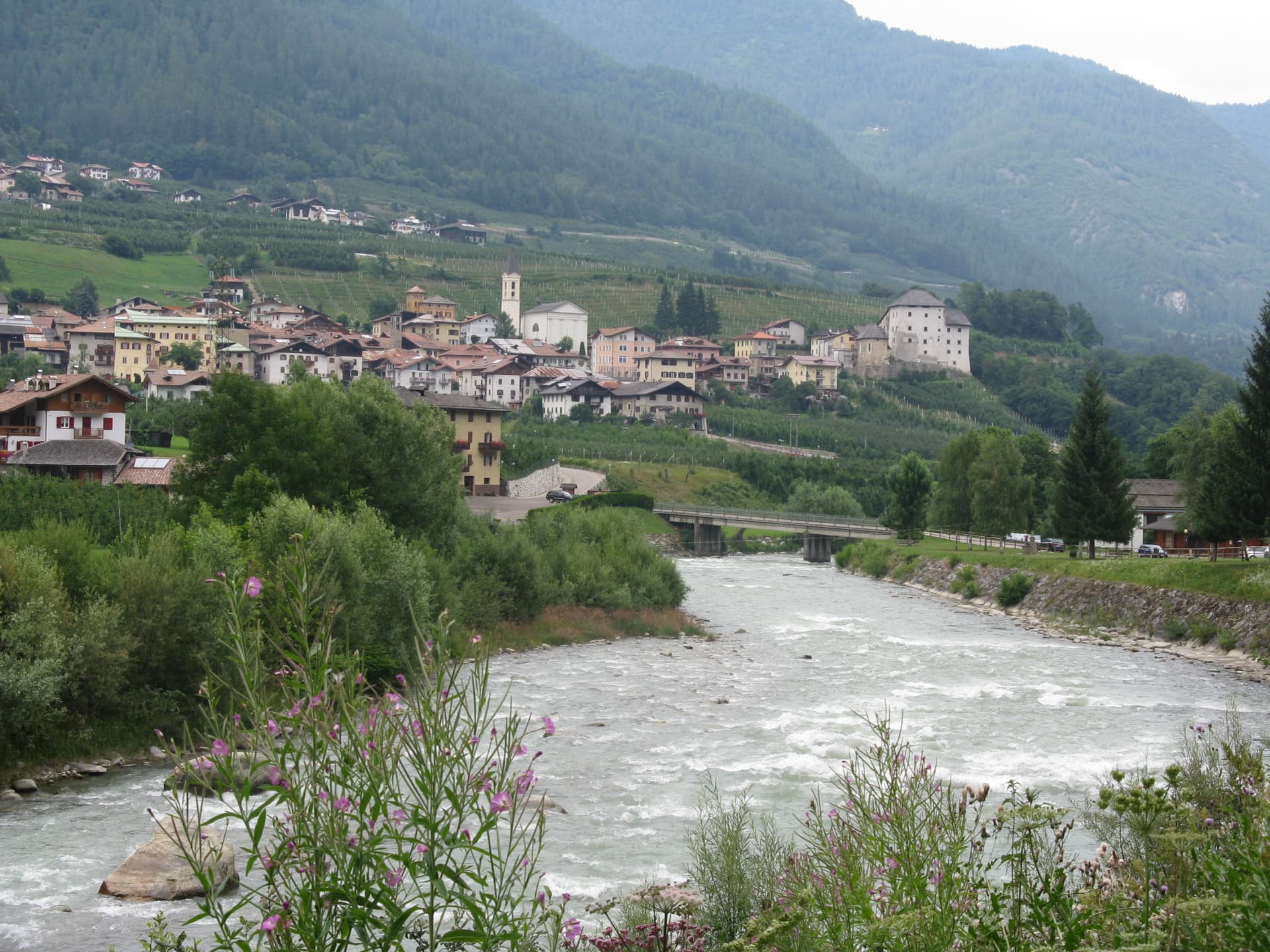
Caldes
Province: Trento
A scattered Val di Sole commune on the Noce, six hamlets gathered around a thirteenth-century tower-house castle that once belonged to the Thun family.
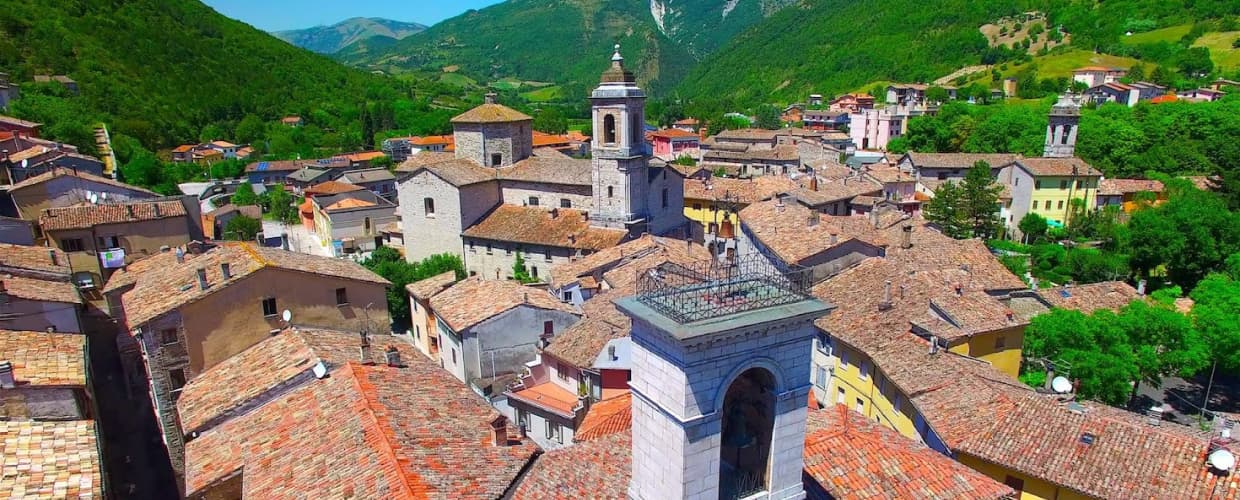
Cantiano
Province: Pesaro e Urbino
A border borgo at 374 meters under Monte Catria on the old Via Flaminia, known for the Good Friday Turba and the sour-cherry visciola harvest.