
Themed picks · Turin · Slow Food
10 Slow Food comuni near Turin
10 comuni · within 90 minutes of Torino · drive times OSRM-computed
Slow Food was founded in Bra, a small comune 50 kilometres south of Turin, in 1986. The organisation's headquarters is still there, and the territorial map it drew of the surrounding country (the Langhe, the Roero, the Monferrato) is now also the territorial map of Italian food's most-cited region. Barolo, Barbaresco, Nebbiolo, Dolcetto, hazelnut, white truffle, Castelmagno, the salumi of the Cuneo plain. Most of it is produced inside a 90-minute drive of Turin.
Turin is the right base because it is the only Piemontese city with the rail and motorway centrality to put all three sub-regions on day-trip range. The Langhe is 90 minutes south (Alba, Barolo, La Morra). The Roero, 60 minutes south. The Monferrato, 90 minutes southeast (Asti, Nizza Monferrato, Casale). And the alpine valleys west (Susa, Pinerolo) start at 30 minutes' drive. The food at each stretch is different and the dialects shift inside an hour's drive.
We picked ten comuni that anchor the Slow Food map, with a weight toward those that hold a Cittaslow designation (the spinoff certification, also founded in Italy in 1999) or a recognised DOP product. Drive times below are OSRM-computed from Turin Porta Nuova by car.
 1
1Asti · Piedmont · 62 min from Torino
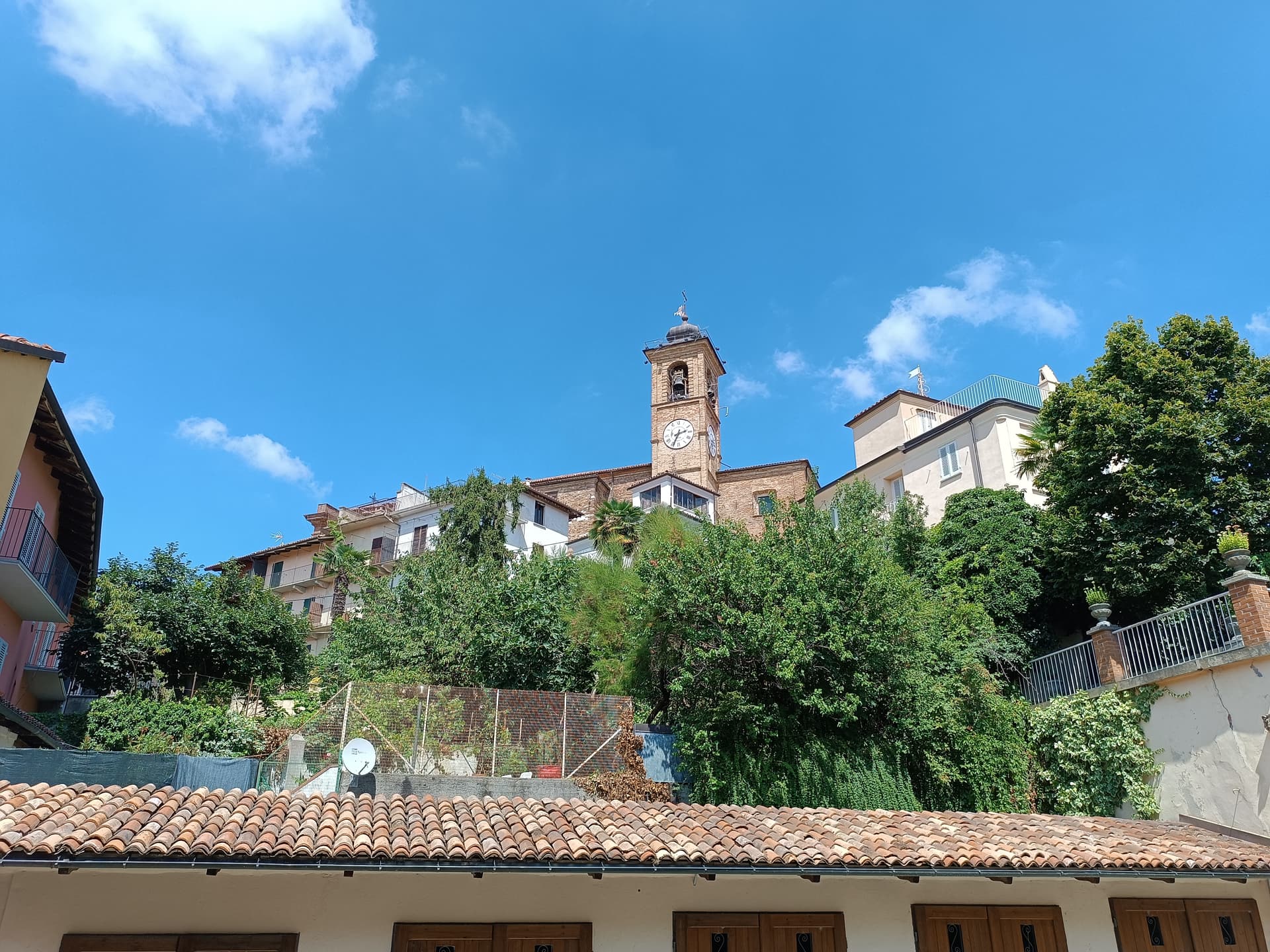
Cocconato
A Monferrato ridge town at 491 meters with a microclimate mild enough to grow palms and olives this far north.
Microclimate on the south-facing ridge mild enough for palms, olives and mimosas at 491 meters in northern Piedmont.
Named on the Città del Vino trail.
 2
2Cuneo · Piedmont · 77 min from Torino
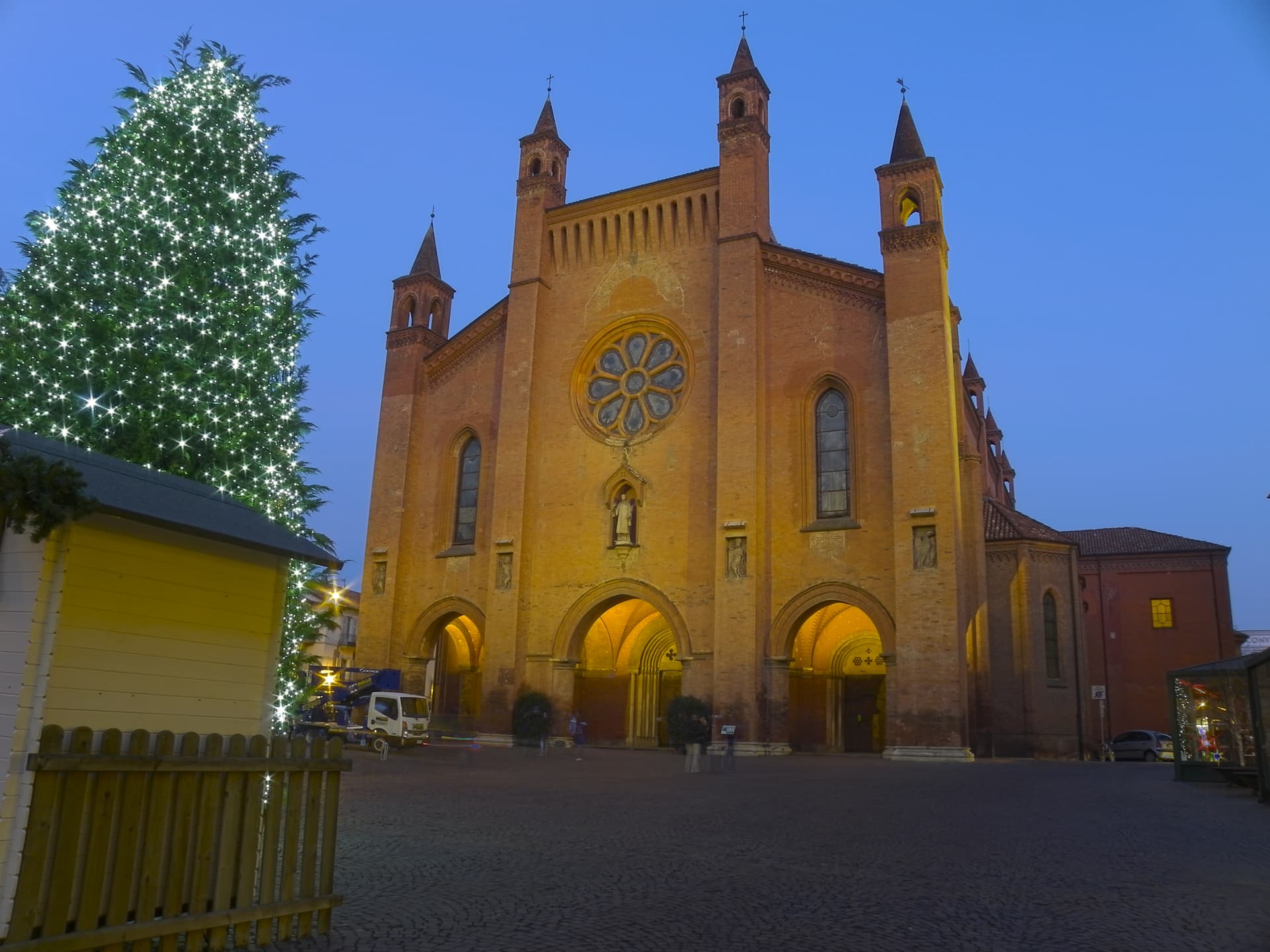
Alba
The Langhe capital at 172 meters on the Tanaro, world reference for white truffle and Nebbiolo, headquarters of Ferrero.
Italy's most prized white truffle, hunted in the woods around Alba from October through January.
Signature product: Tartufo Bianco d'Alba (IGP).
 3
3Cuneo · Piedmont · 81 min from Torino
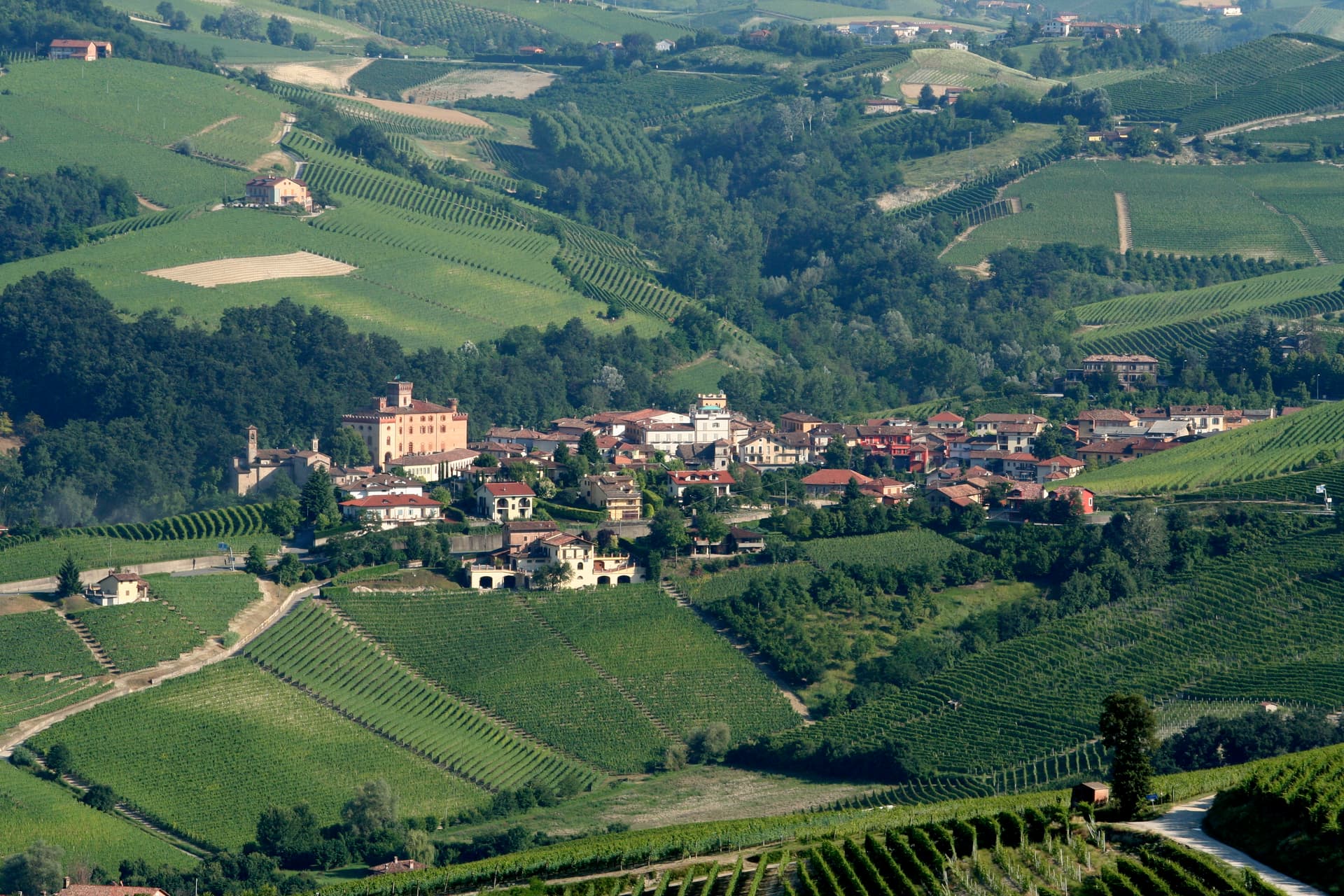
Barolo
A Langhe borgo at 301 meters whose Castello Falletti gave its name to the wine the Marchesi turned dry in the 1830s with Cavour's help.
100% Nebbiolo, the king of Piemonte, from eleven communes around the village that shares its name.
Signature product: Barolo DOCG (DOCG).
 4
4Cuneo · Piedmont · 73 min from Torino
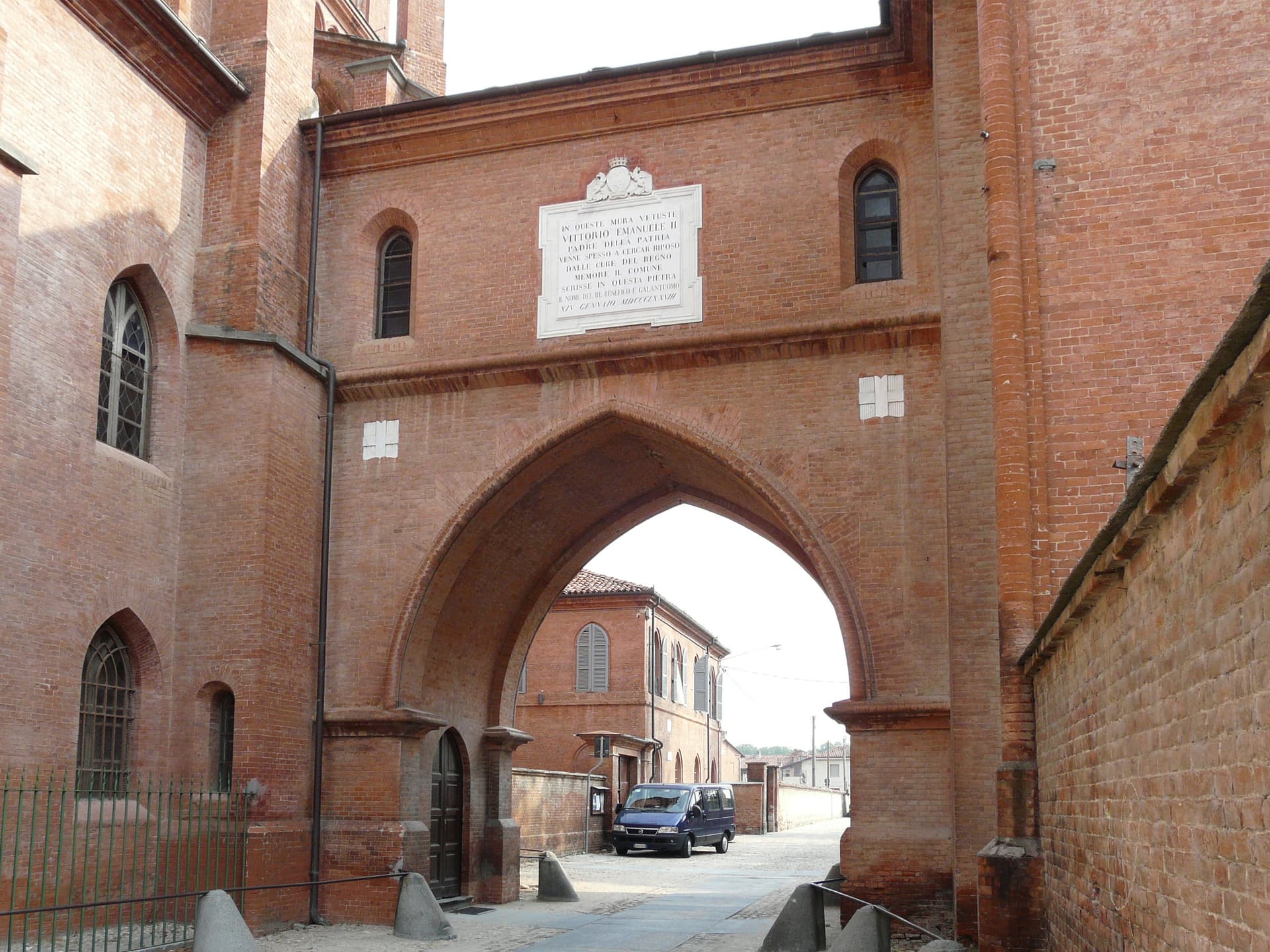
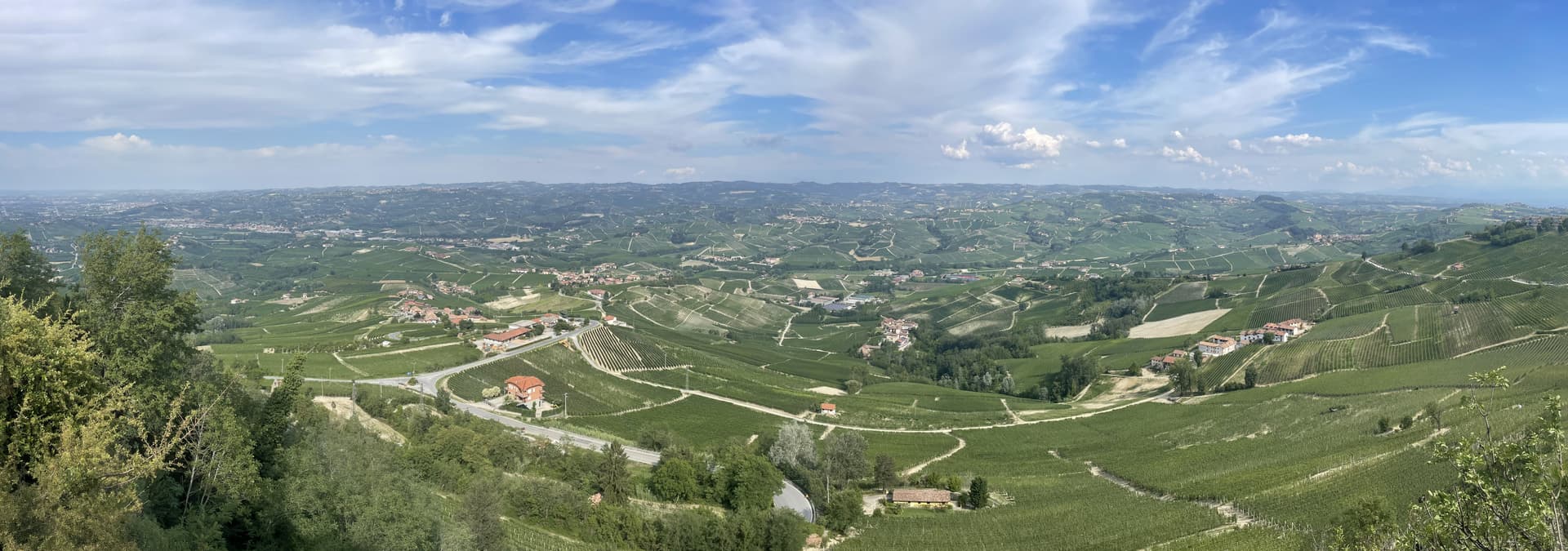
Bra
A Roero town at 290 meters where Carlo Petrini founded Slow Food in 1986 and the world's first gastronomic university now teaches food systems.
Cuneo-province cow's-milk cheese, semi-hard, in two ages (tenero, duro); named for the town that holds the late-September Slow Food cheese fair.
Cittaslow-certified.
 5
5Cuneo · Piedmont · 78 min from Torino
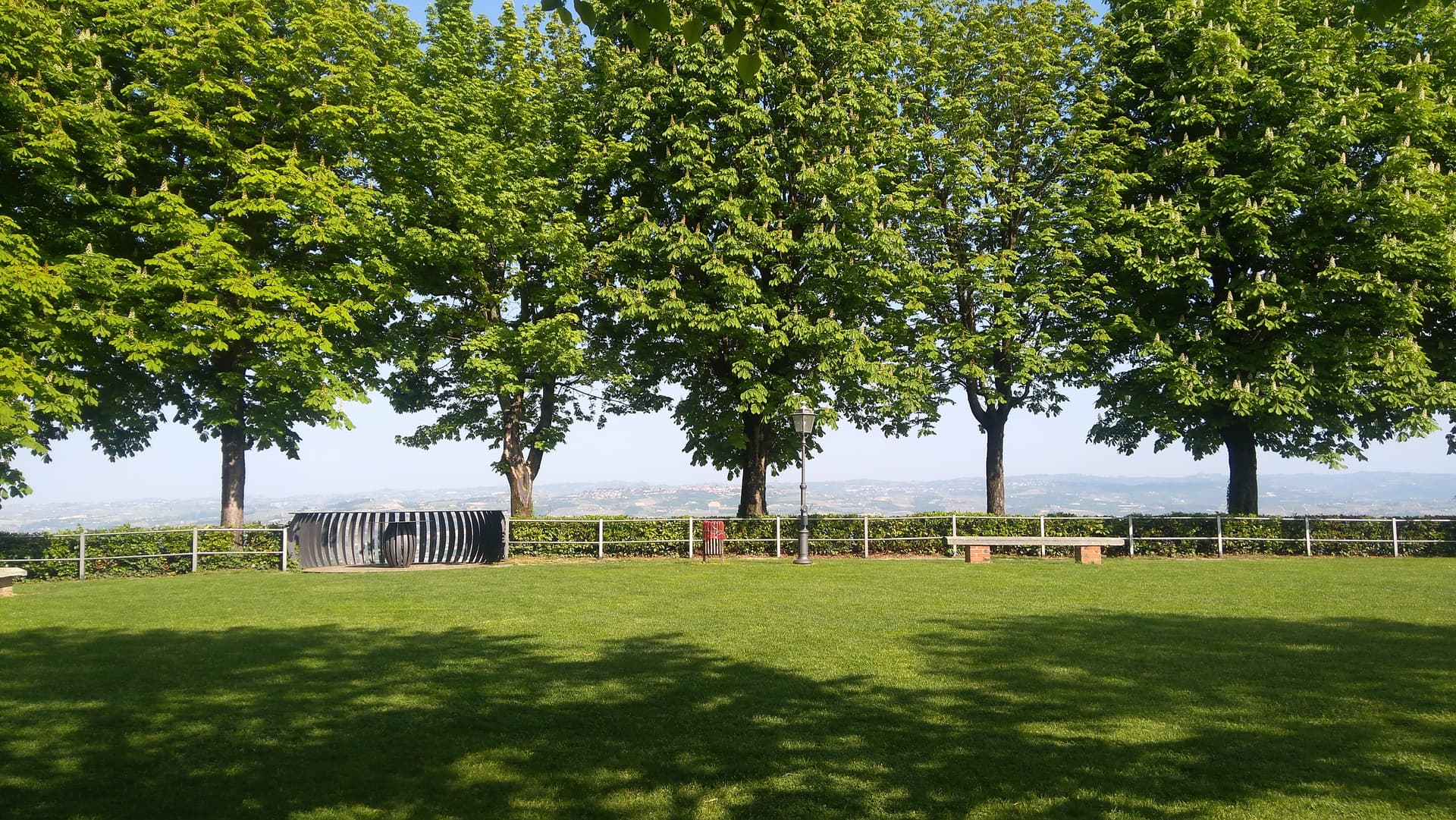
La Morra
The hilltop above the Barolo zone at 513 meters, more Nebbiolo acreage than any other commune and 62 wineries inside its perimeter.
One of eleven Barolo-producing communes; La Morra's vineyards face the village across the valley.
The slow-trip planner
Building a trip? Find where Turin fits in a slow Italy circuit.
Answer five questions. We will shape a geographically coherent slow trip from the 1,000 Italian towns most travelers skip. Yours to save and share.
 6
6Cuneo · Piedmont · 79 min from Torino
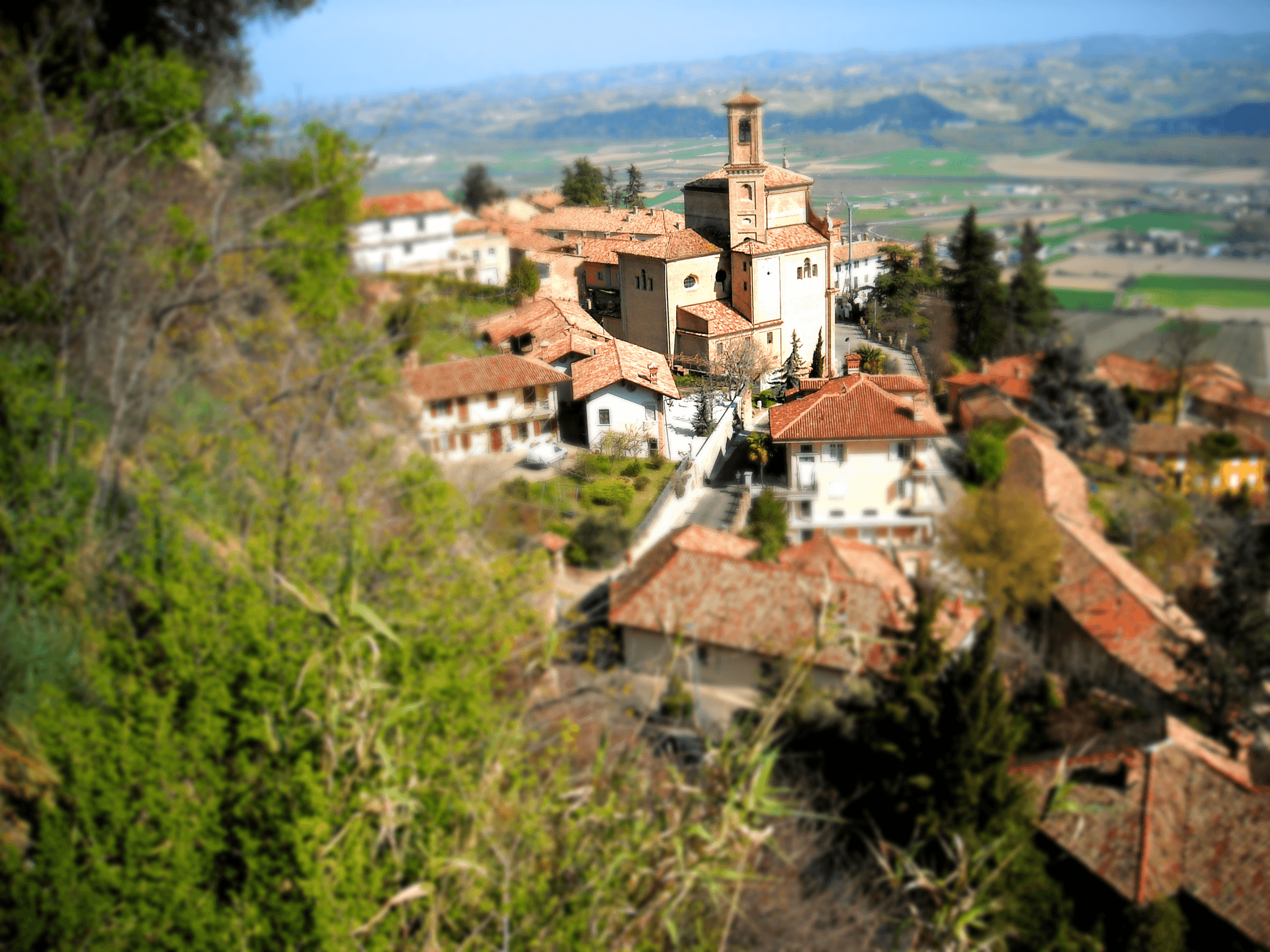
Verduno
A Langhe hilltop at 381 meters on the northwestern edge of the Barolo DOCG, the home village of the Pelaverga grape.
Barolo commune at the northern edge of the production zone.
 7
7Cuneo · Piedmont · 80 min from Torino
Guarene
A Roero hilltop village at 360 meters above the Tanaro, whose Roero family baroque castle is now a luxury hotel and contemporary art destination.
Eighteenth-century baroque castle of the Roero bankers of Asti, rebuilt from 1726, now a Relais & Châteaux hotel and museum.
 8
8Cuneo · Piedmont · 82 min from Torino
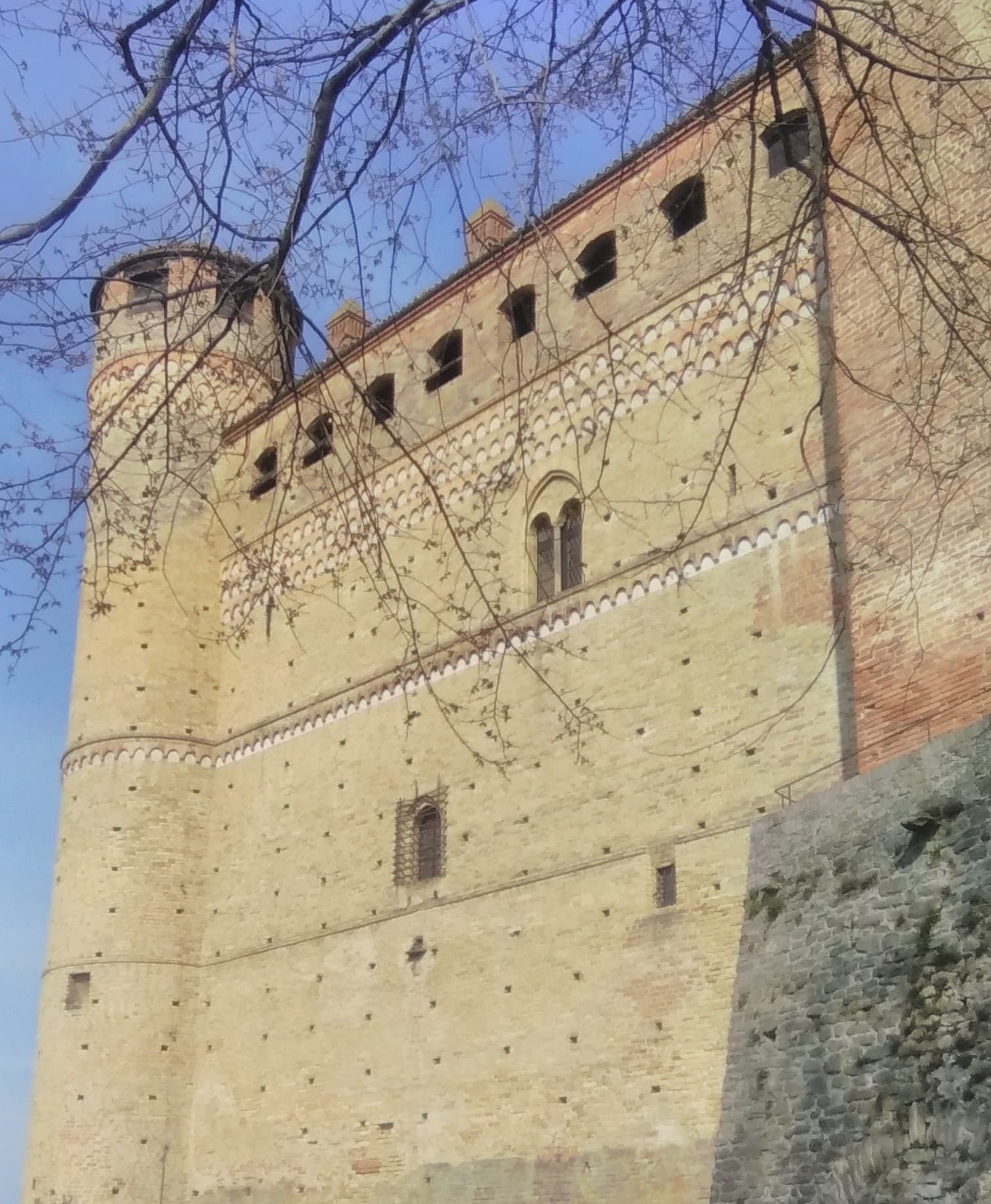
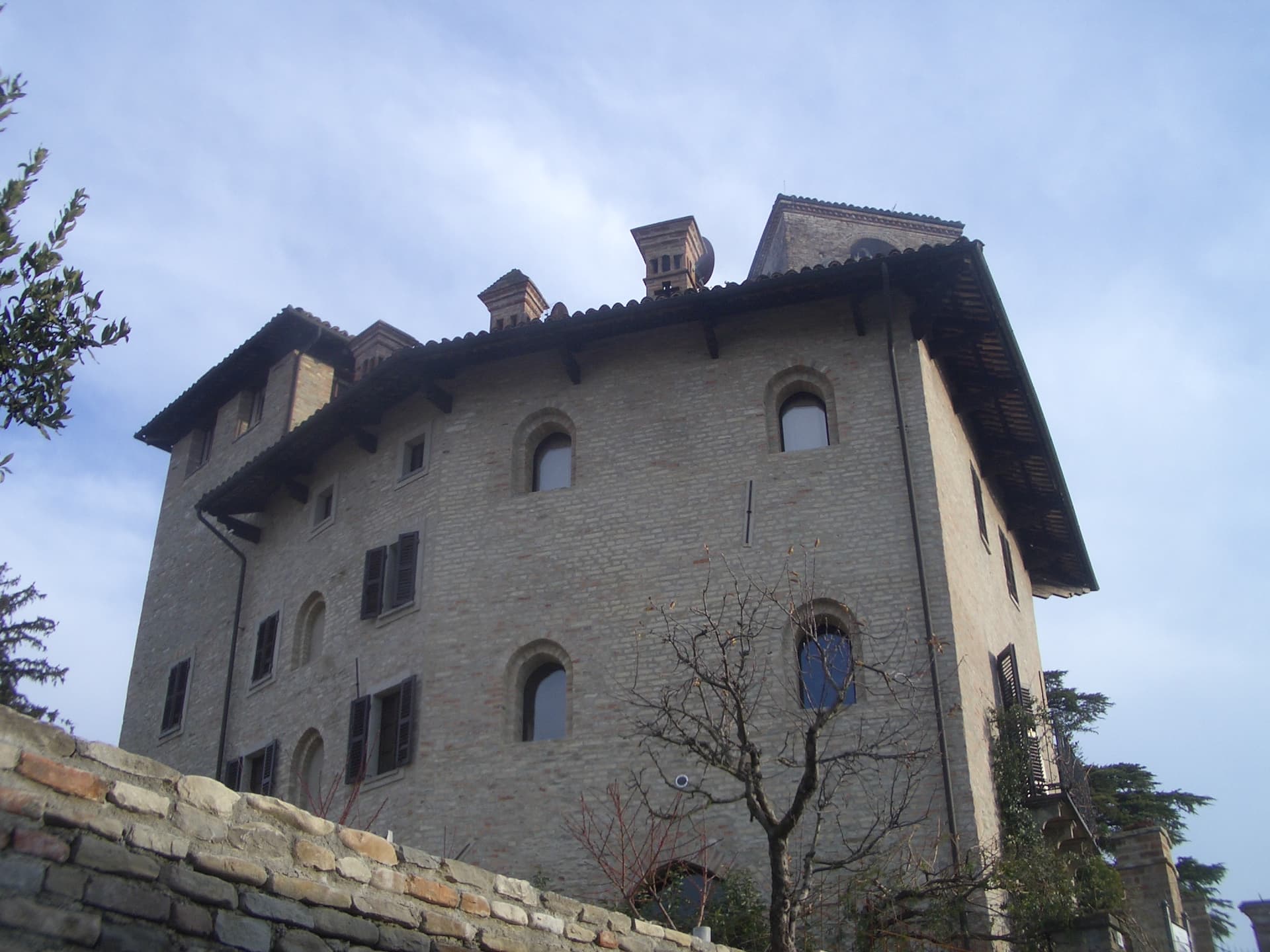
Serralunga d'Alba
A 527-inhabitant Barolo cru village at 414 meters on a Langhe ridge, crowned by a 14th-century French-style donjon castle of the Falletti.
Barolo commune on the eastern ridge, known for the most structured, longest-aging wines of the zone.
 9
9Cuneo · Piedmont · 84 min from Torino
Neive
A hilltop borgo at 308 meters in the Barbaresco zone, named for the Roman gens Naevia, with four wines in commercial volume.
One of three Barbaresco-producing communes; vineyards on the slopes above the Tanaro river.
Signature product: Barbaresco DOCG (DOCG).
 10
10Aosta Valley · Aosta Valley · 69 min from Torino
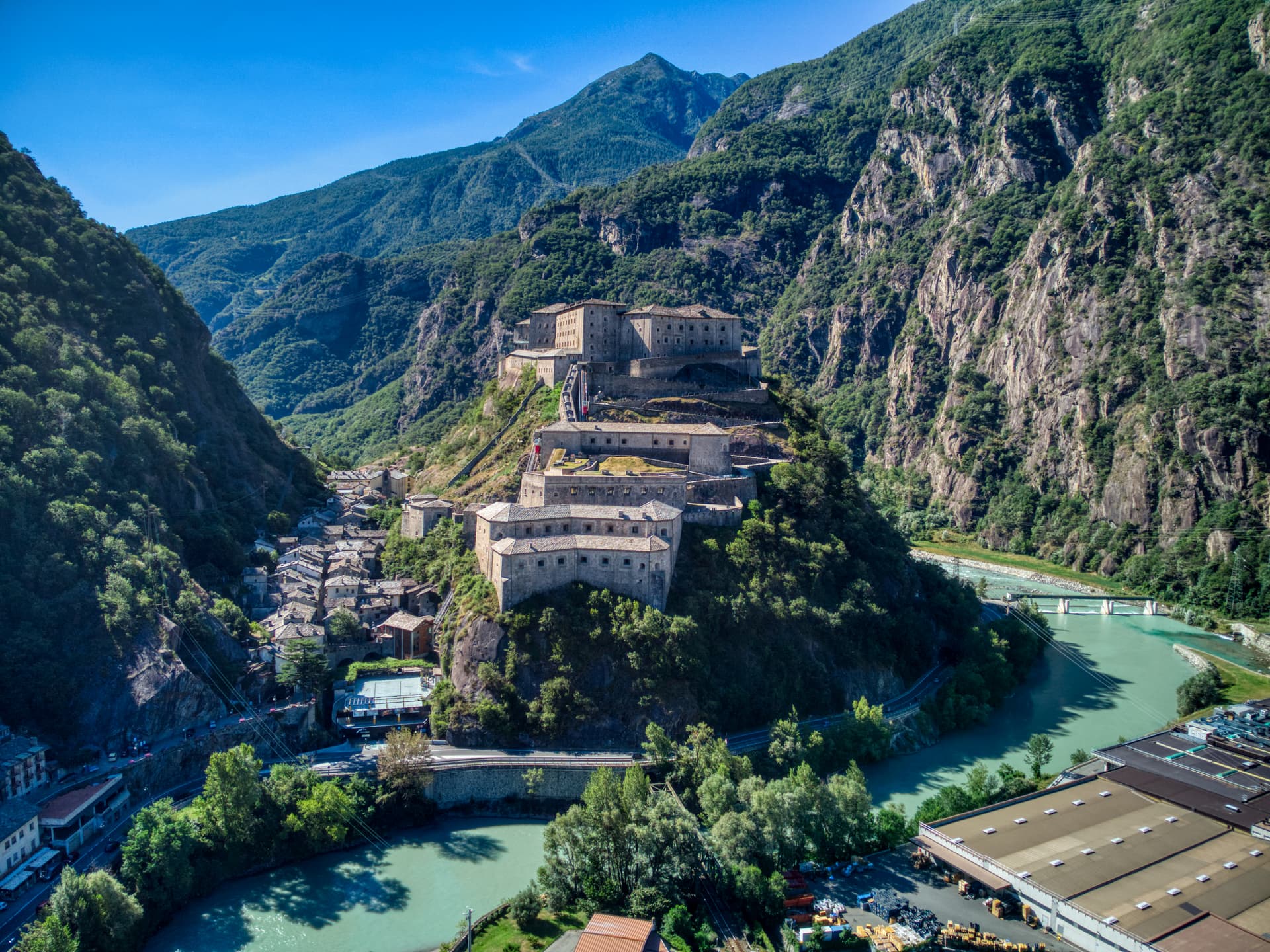
Bard
A 108-person village under the largest Savoy fortress in the Alps, where 400 soldiers held off Napoleon's 40,000 for two weeks in 1800.
Three-tier Savoy fortress rebuilt 1830-1838 between 400 and 467 metres above the village, now Museo delle Alpi and exhibition complex.
Piemontese food comune, day-trip from Turin.
We write about towns like these every Sunday, one town a week, with the photo, the food, the festa. Free, from Pietrasanta.
By subscribing you agree to Substack’s Terms of Use, our Privacy Policy and our Information collection notice.
Why Torino is the base
Turin gives you the city itself (Egyptian Museum, Royal Palace, Mole Antonelliana, the porticoes), the Slow Food university just south at Pollenzo, and direct rail or motorway access to every Piemontese food zone. The cooking in the city closes the loop: the historic cafés (Mulassano, Baratti & Milano) for the vermouth that was invented here; Tre Galline, Consorzio and Vintage 1997 for the heavier Piemontese register; the Saturday Porta Palazzo market for everything that came in from the surrounding hills that morning.
When to go
October and November for white-truffle season in Alba (the fair runs weekends from early October to early December) and for the hazelnut harvest in the Roero. April through June for the spring sagre and the asparagus around Santena and Poirino. Late September for the Cheese fair in Bra (biannual, odd years). Mid-summer is the off-season because the towns empty out into the alpine valleys.
Questions people ask
- Where is Slow Food headquartered?
- In Bra, a comune of about 30,000 people in the Roero, 50 kilometres south of Turin. The movement was founded there in 1986 by Carlo Petrini. The Università di Scienze Gastronomiche, the Slow Food university, sits at Pollenzo just east of Bra.
- When is the Alba White Truffle Fair?
- Weekends from the first Saturday of October through the first weekend of December, every year. The covered market in central Alba is the main venue; the surrounding restaurants and cellars run their own programming through the season.
- What is the difference between Barolo and Barbaresco?
- Both are made from 100% Nebbiolo, both are DOCG, and both come from a small group of comuni in the Langhe. Barolo's villages (Barolo, La Morra, Castiglione Falletto, Serralunga d'Alba, Monforte d'Alba) sit on heavier, more tannic soil and produce wines that need longer aging. Barbaresco's three comuni (Barbaresco, Treiso, Neive) produce a slightly lighter, earlier-drinking wine.
- Is Cittaslow the same as Slow Food?
- No. Cittaslow is a separate organisation, founded in 1999 by the mayors of four Italian towns (Bra, Greve in Chianti, Orvieto, Positano) and Carlo Petrini. Cittaslow certifies whole comuni against a set of urban-quality criteria (food, environment, hospitality, infrastructure). Slow Food certifies products and producers.
How we picked these · We filtered every town within 90 minutes of Turin (37 candidates), kept those carrying Cittaslow, a Slow Food presidium, a Città del Vino or Città dell'Olio designation, or a signature DOP product, and ranked by signal density plus drive-time tightness. The Langhe and Roero anchor the list; the Monferrato and the alpine valleys round it out.
Subscribe — free
Get the best guides on hidden Italian towns.
One letter on Sundays. The week’s town, with the photo, the food, the festa. Free, by Peter & Sophia from Pietrasanta.
Substack sends a confirmation link to your inbox. The signup finishes when it’s clicked.
From elsewhere in Italy
Five more towns to discover
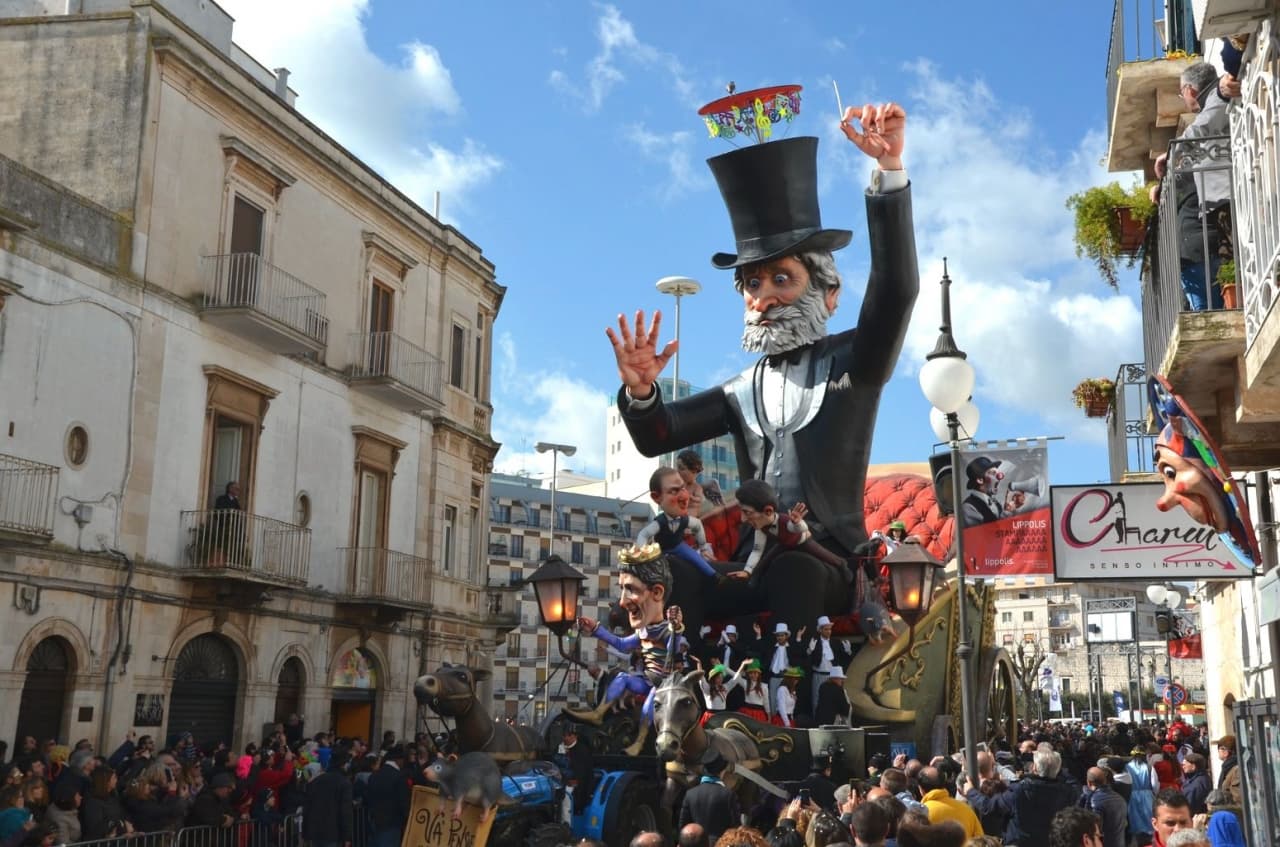
Putignano
Province: Bari
Europe's longest-running carnival — Putignano Carnevale has run continuously since 1394, with 631 years of cartapesta papier-mâché floats, a 26,000-resident Murgia town on the Bari–Lecce plateau, and the Grotta del Trullo karst cave inside the centro.

Pistoia
Province: Pistoia
Italy's nursery capital and the medieval Tuscan rival that gave its name to the pistol — a quietly extraordinary centro storico of zebra-striped Romanesque churches, Andrea della Robbia's polychrome frieze on the Ospedale del Ceppo, and Italy's Capital of Culture 2017, all 30 minutes from Florence by train.
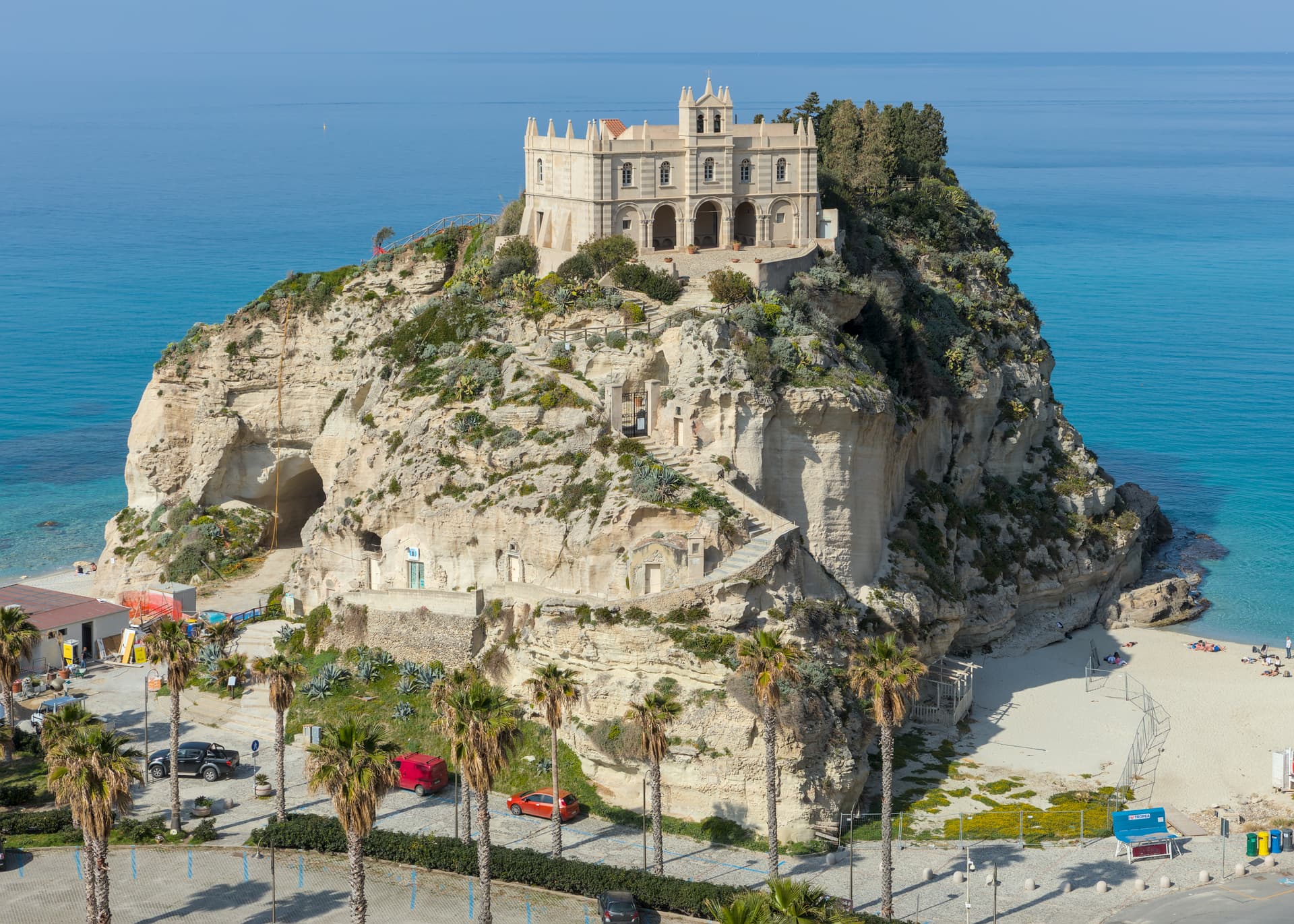
Tropea
Province: Vibo Valentia
Cliff town on a tufa headland over the Tyrrhenian Coast of the Gods, with a Norman monastery on a sea rock.
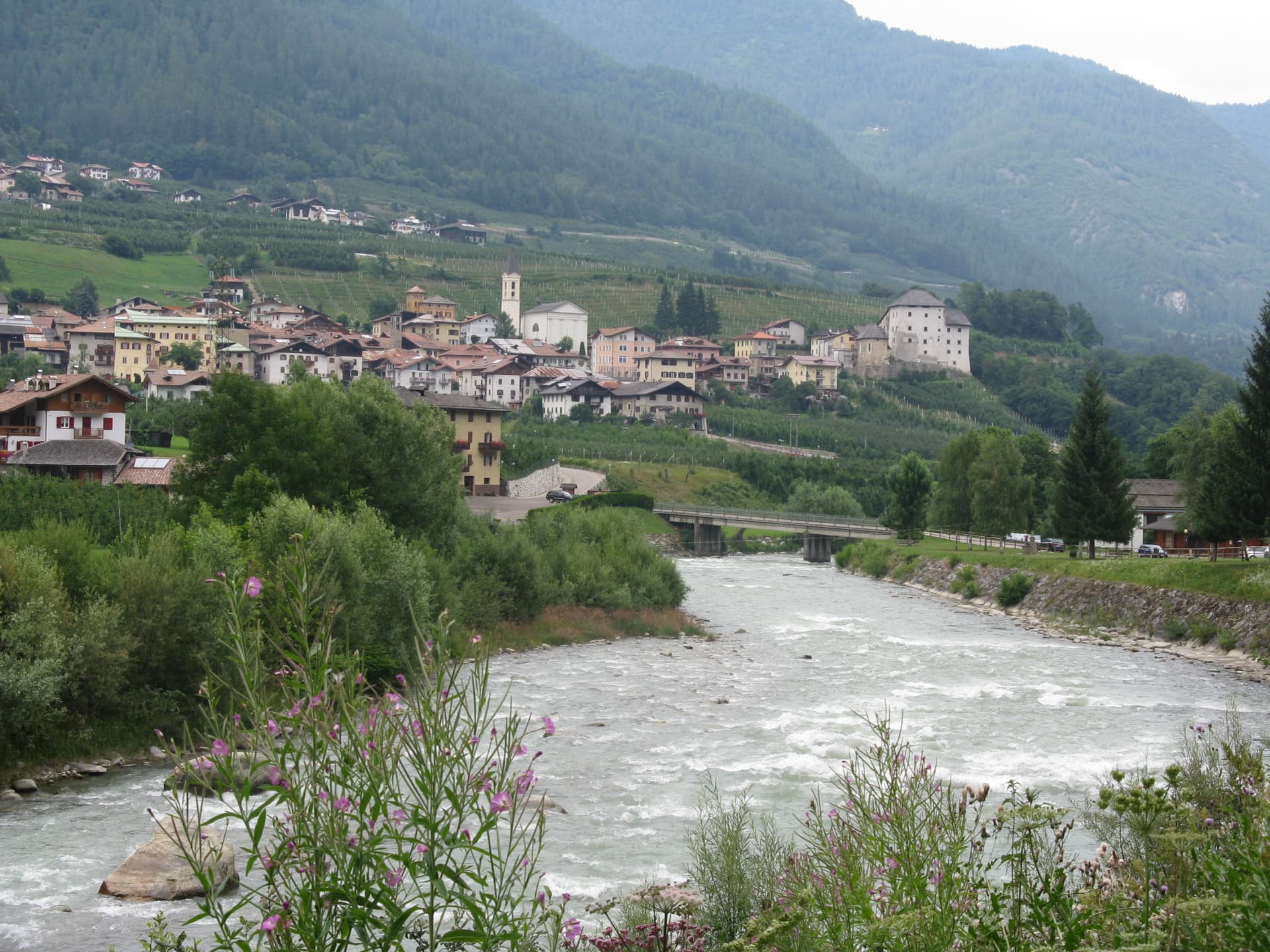
Caldes
Province: Trento
A scattered Val di Sole commune on the Noce, six hamlets gathered around a thirteenth-century tower-house castle that once belonged to the Thun family.
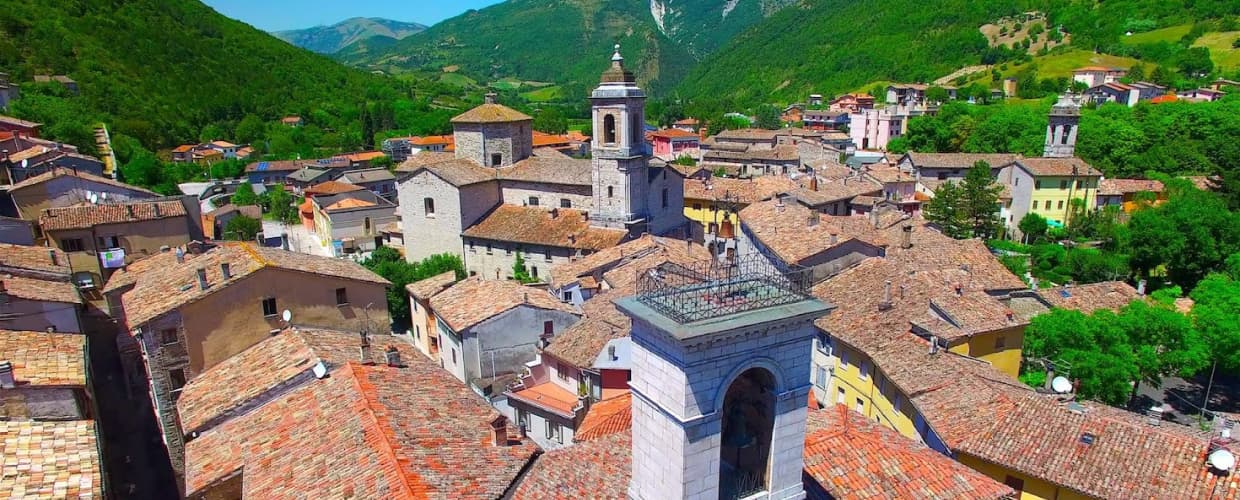
Cantiano
Province: Pesaro e Urbino
A border borgo at 374 meters under Monte Catria on the old Via Flaminia, known for the Good Friday Turba and the sour-cherry visciola harvest.