

Aosta Valley · Aosta Valley
Gressoney-Saint-Jean
A Walser village in the Lys valley where Titsch is still spoken, Queen Margherita summered, and the Lyskamm glacier closes the view.
Known for
WALSER
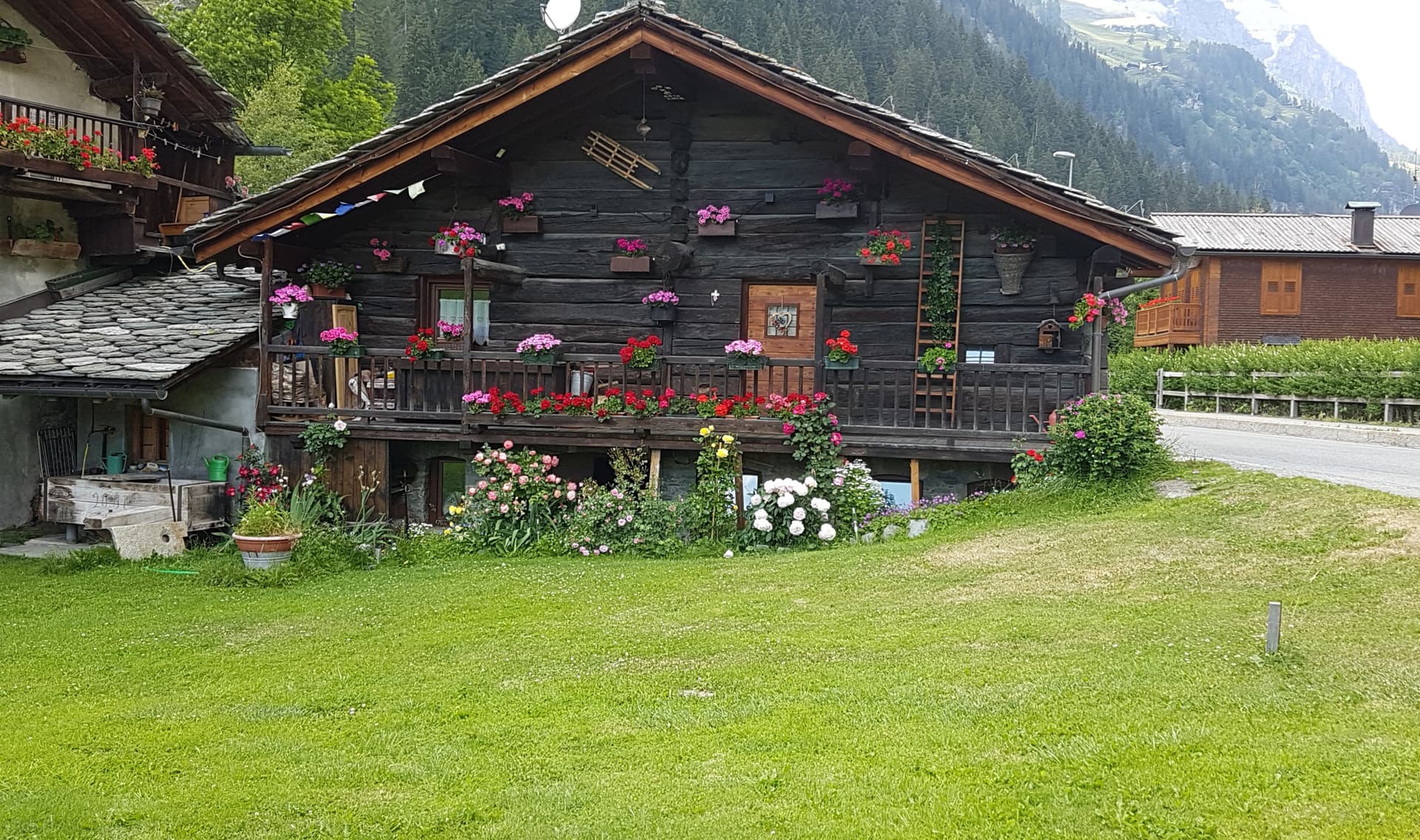
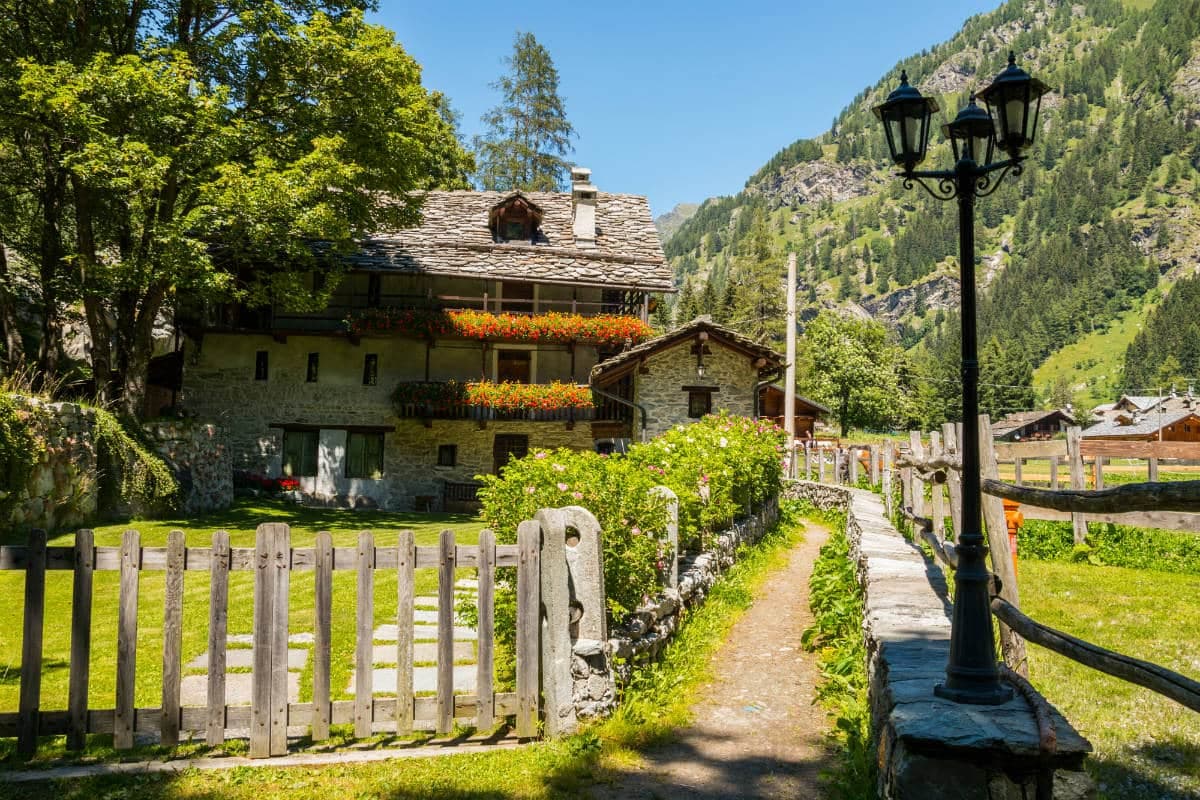
Southernmost Walser community in the Alps, with Titsch still spoken and traditional stadel architecture preserved in the hamlets.
QUEEN MARGHERITA
The first queen of unified Italy summered here from the 1880s and built Castel Savoia, completed in 1904 and now a regional museum.
BANDIERA ARANCIONE
Awarded by the Touring Club Italiano for the preservation of the Walser village fabric and the quality of the cultural offer.
When to visit
Best · Jun–Sep, Dec–Mar
- J
- F
- M
- A
- M
- J
- J
- A
- S
- O
- N
- D
- Best
- Hot or crowded
- Quiet
- Mostly closed
The festa: Giovanni Battista, 24 June
Why come
Gressoney-Saint-Jean sits at 1,385 meters in the upper Lys valley, the southernmost outpost of the Walser, a German-speaking people who crossed the Theodul Pass from the Valais in the thirteenth century and settled the slopes around Monte Rosa. The local dialect, Titsch, is an Alemannic variant still taught in the village school and protected by the Walser Cultural Center on Via Castello. The traditional Walser stadel, a wood-and-stone barn raised on staddle stones, survives in dozens of hamlets above the village.
Queen Margherita of Savoy, the first queen of unified Italy, spent her summers here from the 1880s onward and commissioned Castel Savoia, completed in 1904 with five turrets of different sizes and grey stone walls quarried locally. The Aosta Valley region bought it in 1981 and opened it as a museum. The village holds Bandiera Arancione status from the Touring Club Italiano.
The Sunday letter
We haven’t written Gressoney-Saint-Jean’s letter yet.
One town every Sunday, with the photo, the food, the festa. Be there when this one comes up. Free, by Peter & Sophia from Pietrasanta.
By subscribing you agree to Substack’s Terms of Use, our Privacy Policy and our Information collection notice.
What to see
Castel Savoia
Royal summer residence of Queen Margherita completed in 1904, with five asymmetric turrets and walls of grey local stone, open as a regional museum.
Walser Cultural Center / Ecomuseum
Museum on Via Castello documenting Walser language, costume, architecture and migration, with reconstructed stadel and traditional interiors.
Chiesa di San Giovanni Battista
Parish church in the village centre, replaced over the centuries on the site of the earliest medieval chapel of the upper Lys.
Belvedere
Hamlet at the foot of the Colle Ranzola where Titsch is the everyday language of the older residents and many original Walser houses survive.
Lyskamm and Monte Rosa
The 4,533-meter Lyskamm and the Punta Gnifetti close the valley head, with the Lys glacier feeding the river that gives the valley its name.
Lago Gover
Small artificial lake on the valley floor near the village centre, reflecting Castel Savoia from across the water.
The slow-trip planner
Building a trip? Find where Gressoney-Saint-Jean fits in a slow Italy circuit.
Answer five questions. We will shape a geographically coherent slow trip from the 1,000 Italian towns most travelers skip. Yours to save and share.
Living here
- Population 775
- Off the beaten pathi
- Pharmacy in town
- Nearest airport Turin, 1 h 27 min drive
- Regional capital Aosta, 1 h 10 min drive
Tags & datadesignations · numbers · sources
Recognised as
The numbers
- Elevation: 1385 m
- Population: 775
- Surface area: 69.65 km²
These figures were compiled from public directories — ISTAT, OpenStreetMap, Wikidata — and from the official listings of the guides named on this page. Town details change; verify with official sources before you travel.
Featured on
Gressoney-Saint-Jean appears on this themed pick from our Collections:
Close by
More towns near Gressoney-Saint-Jean
Fontainemore
Province: Aosta Valley
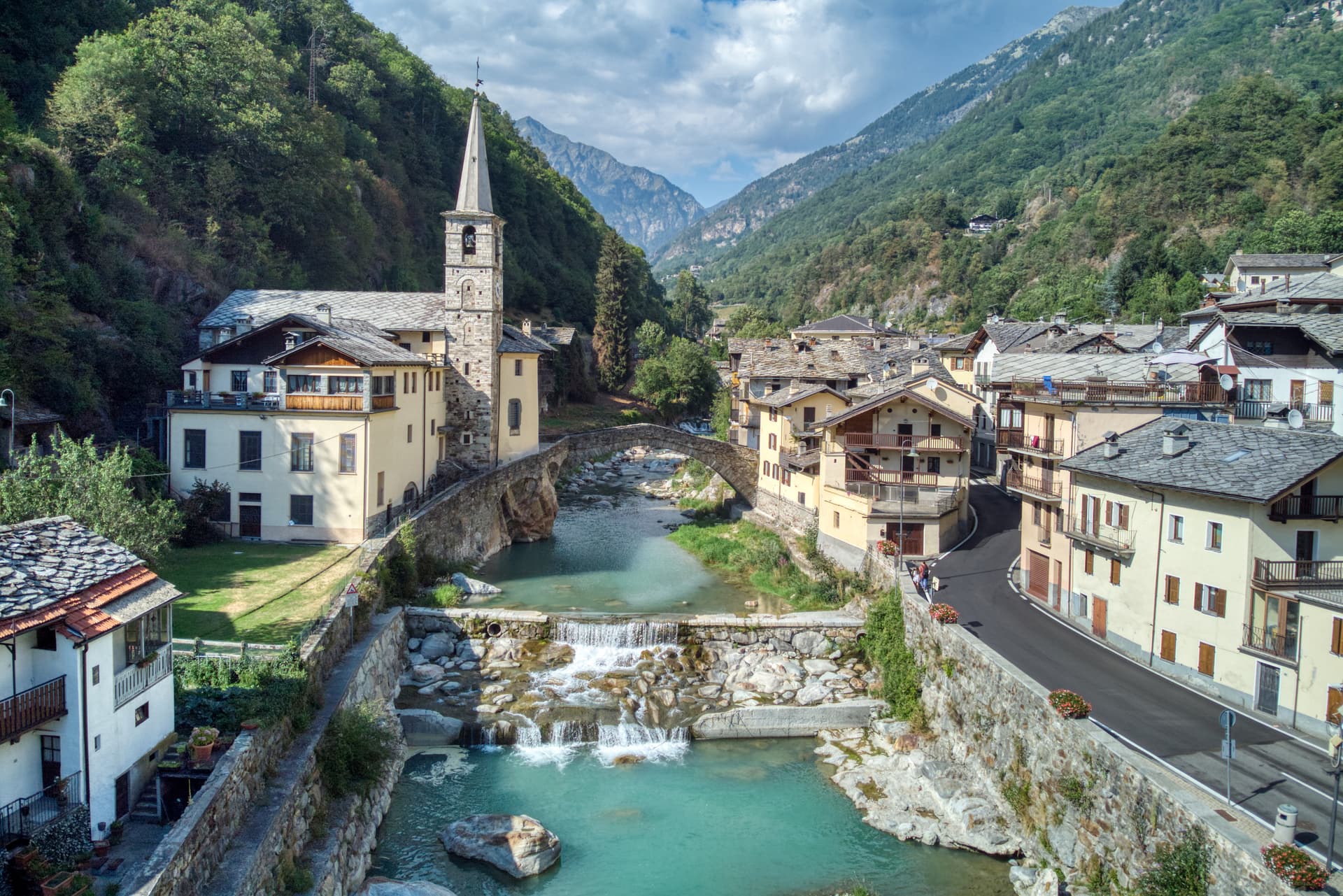
A 418-person Walser-influenced village at 760 metres in the Lys Valley, with a single-arch medieval bridge and a five-yearly pilgrimage to Oropa.
Bard
Province: Aosta Valley
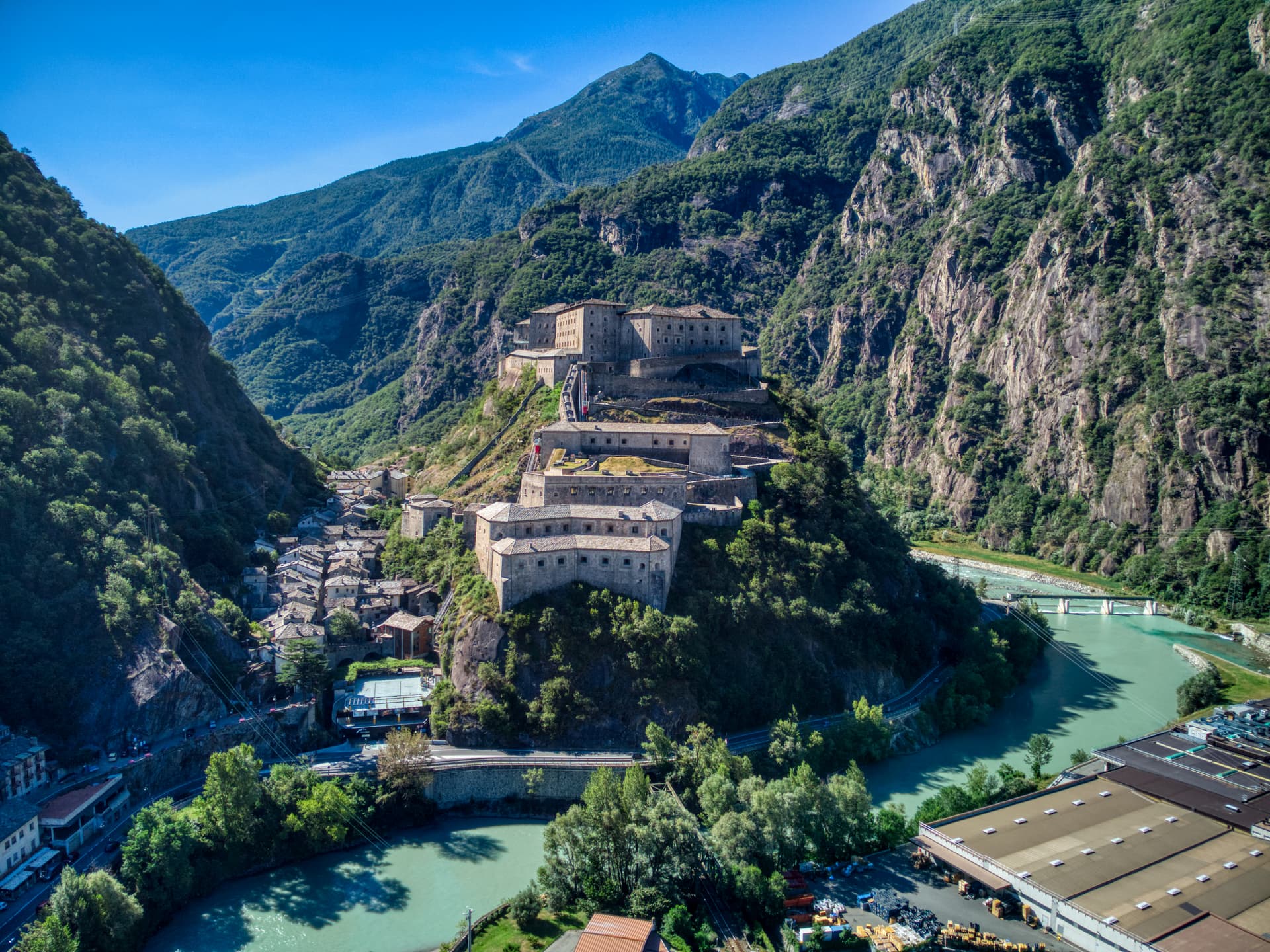
A 108-person village under the largest Savoy fortress in the Alps, where 400 soldiers held off Napoleon's 40,000 for two weeks in 1800.
Châtillon
Province: Aosta Valley
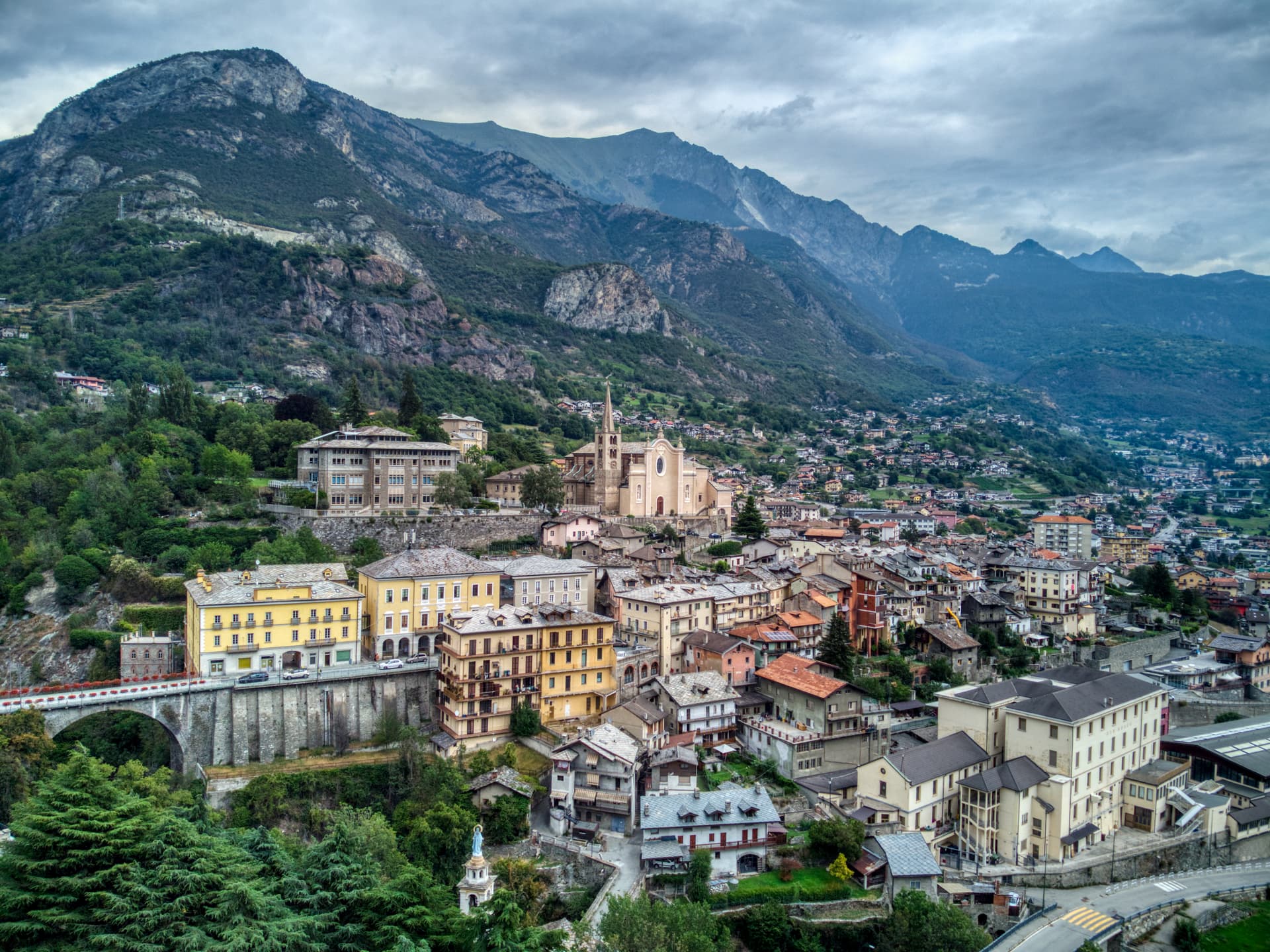
The Aosta Valley's three-castle commune — a 4,358-resident town at 549m at the mouth of the Valtournenche where it meets the main valley, with the Castello Gamba (now the Valle d'Aosta regional contemporary art museum), the medieval Castello di Ussel + the Renaissance Castello Passerin d'Entrèves, and direct access up the road to the Cervino/Matterhorn at Cervinia 26 km north.
Donnas
Province: Aosta Valley
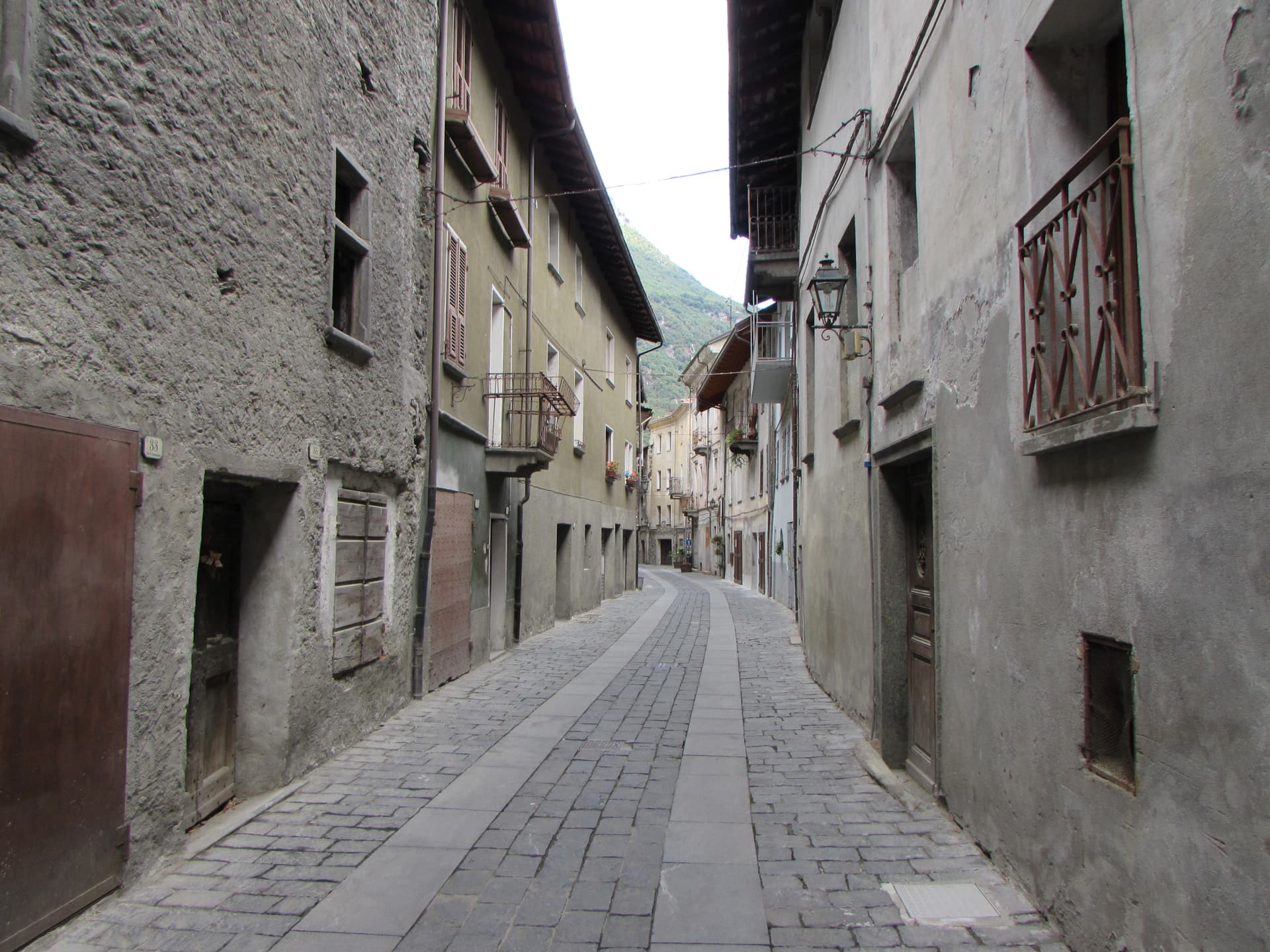
The first DOC of Valle d'Aosta, a Nebbiolo-on-terraces wine town at 322 metres where the Roman Via delle Gallie was carved into living rock.
Ivrea
Province: Torino
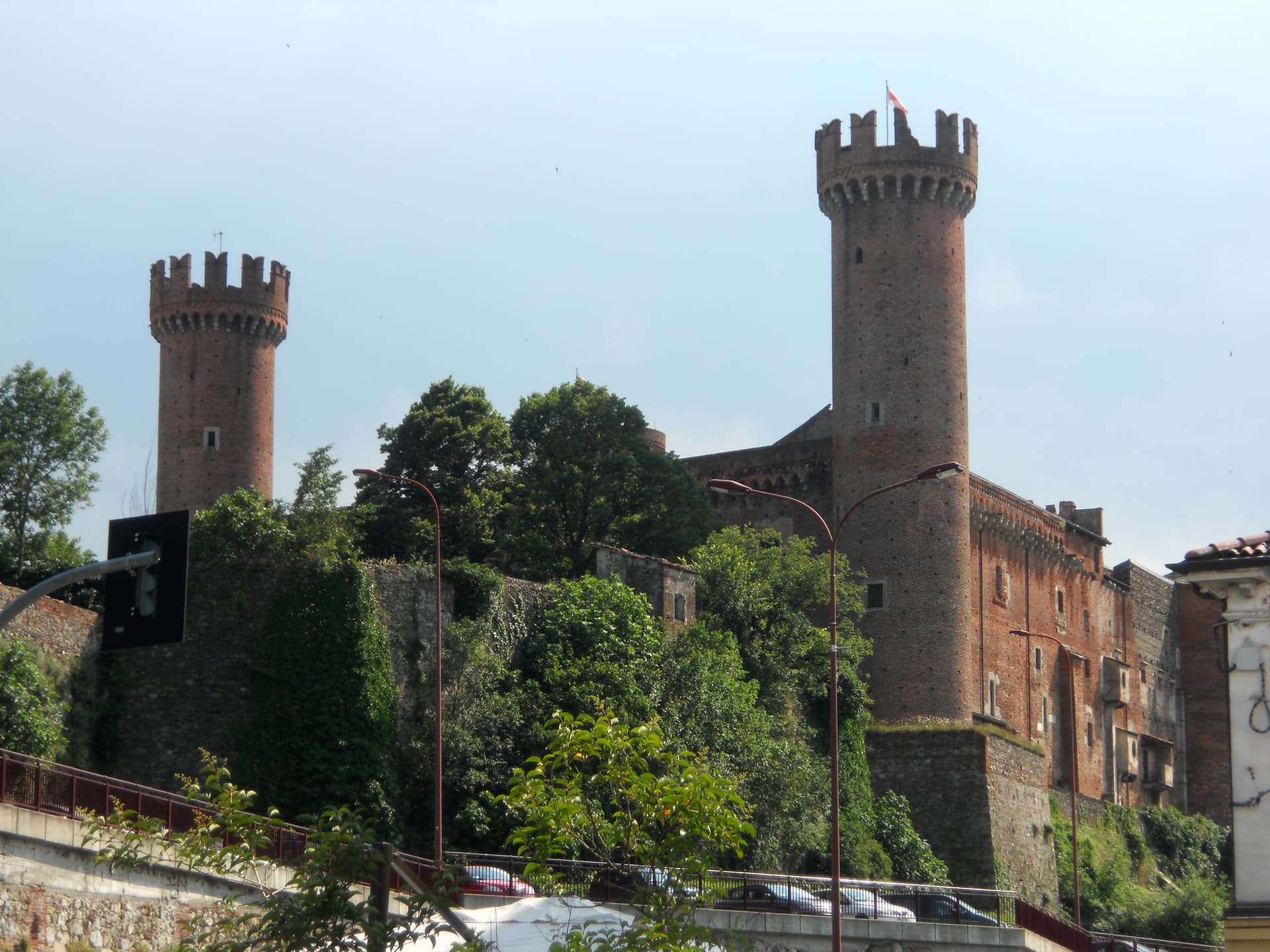
Roman Eporedia on the Dora Baltea, Olivetti's twentieth-century industrial city, UNESCO since 2018, where every February three hundred tons of oranges are thrown.
🟠 Bandiera Arancione
More Bandiera Arancione towns
Civitella Alfedena
Province: L'Aquila
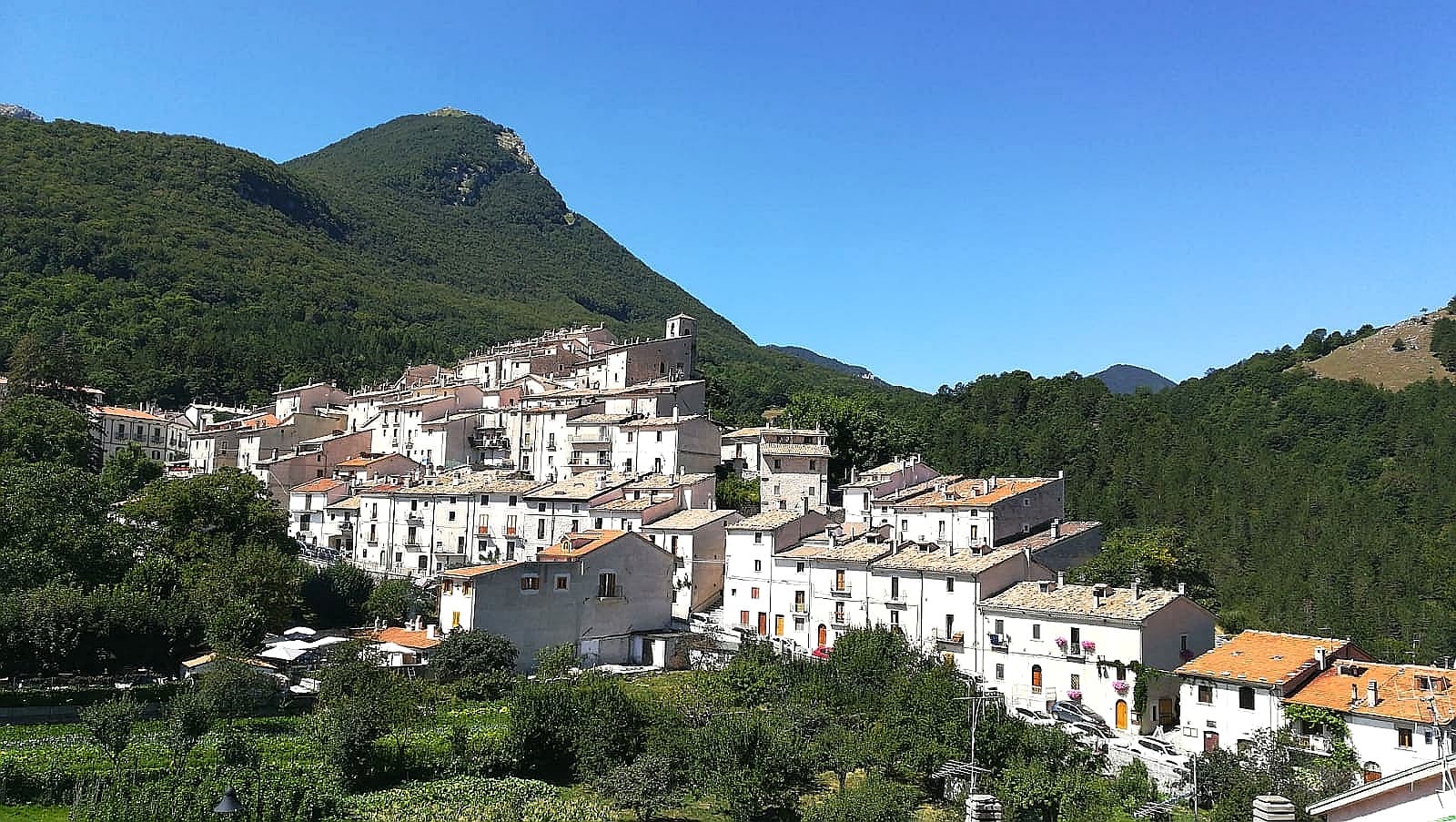
At 1,123 meters above Lake Barrea, 285 residents, the trailhead for the Camosciara reserve and home of the Apennine Wolf Museum.
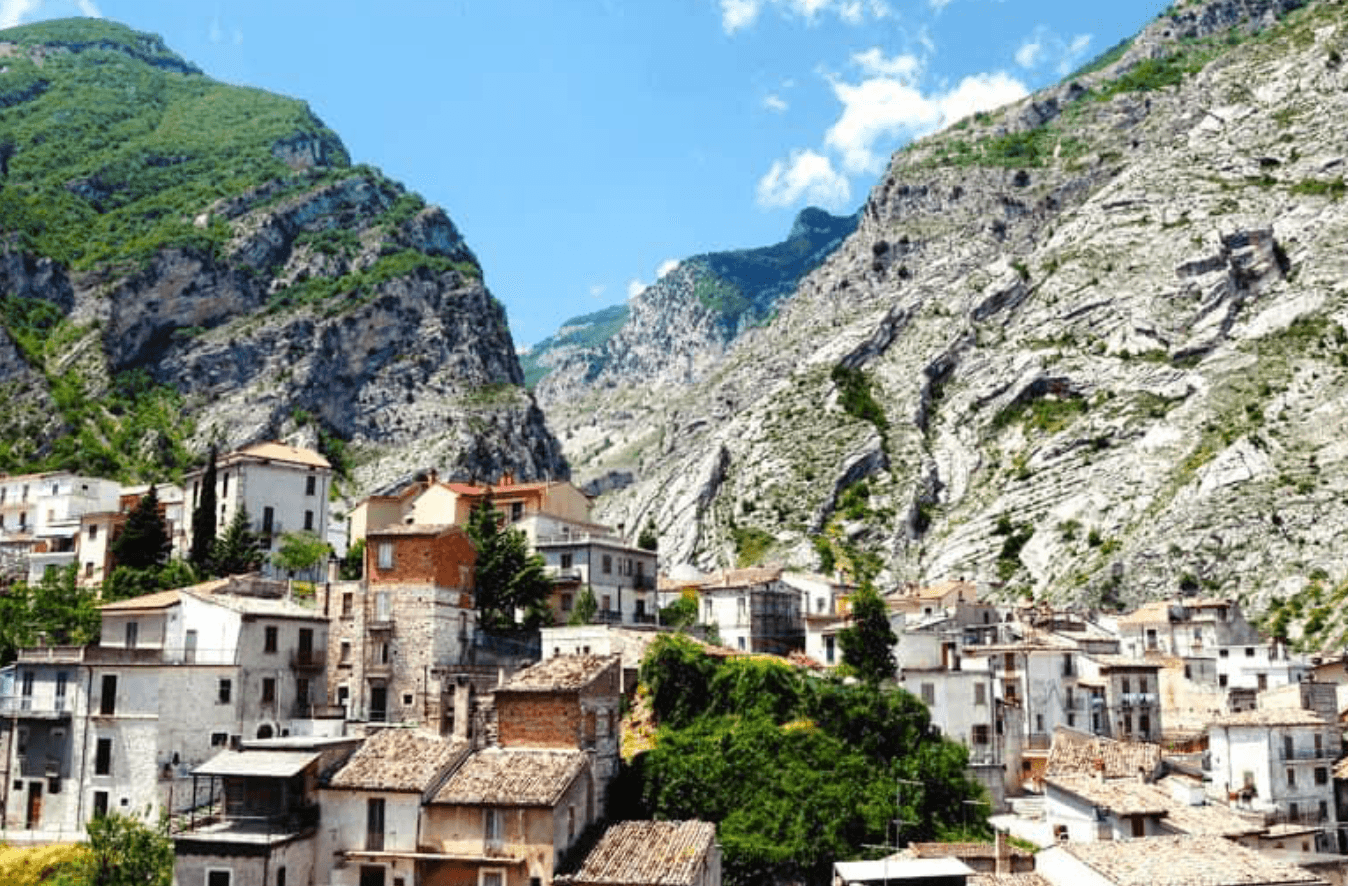
Fara San Martino
Province: Chieti
The pasta capital of Italy at 440 meters, where De Cecco was founded in 1886 and the Verde river runs out of a two-meter slot in the Majella wall.
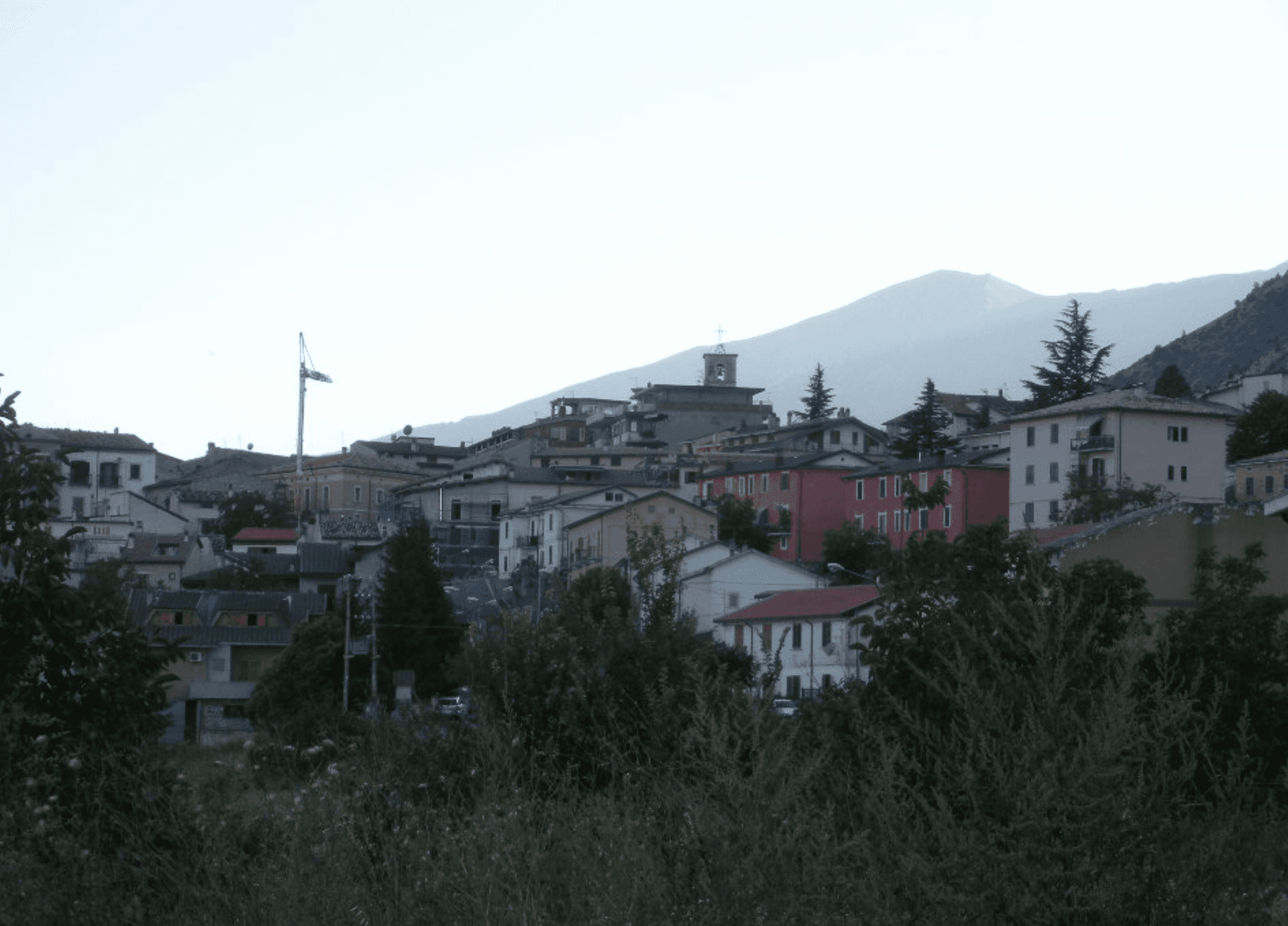
Lama dei Peligni
Province: Chieti
A 669-meter Majella village known for chamois, the Cavallone cave, and a prehistoric burial dug from Fonterossi dated 7000 to 5000 BC.
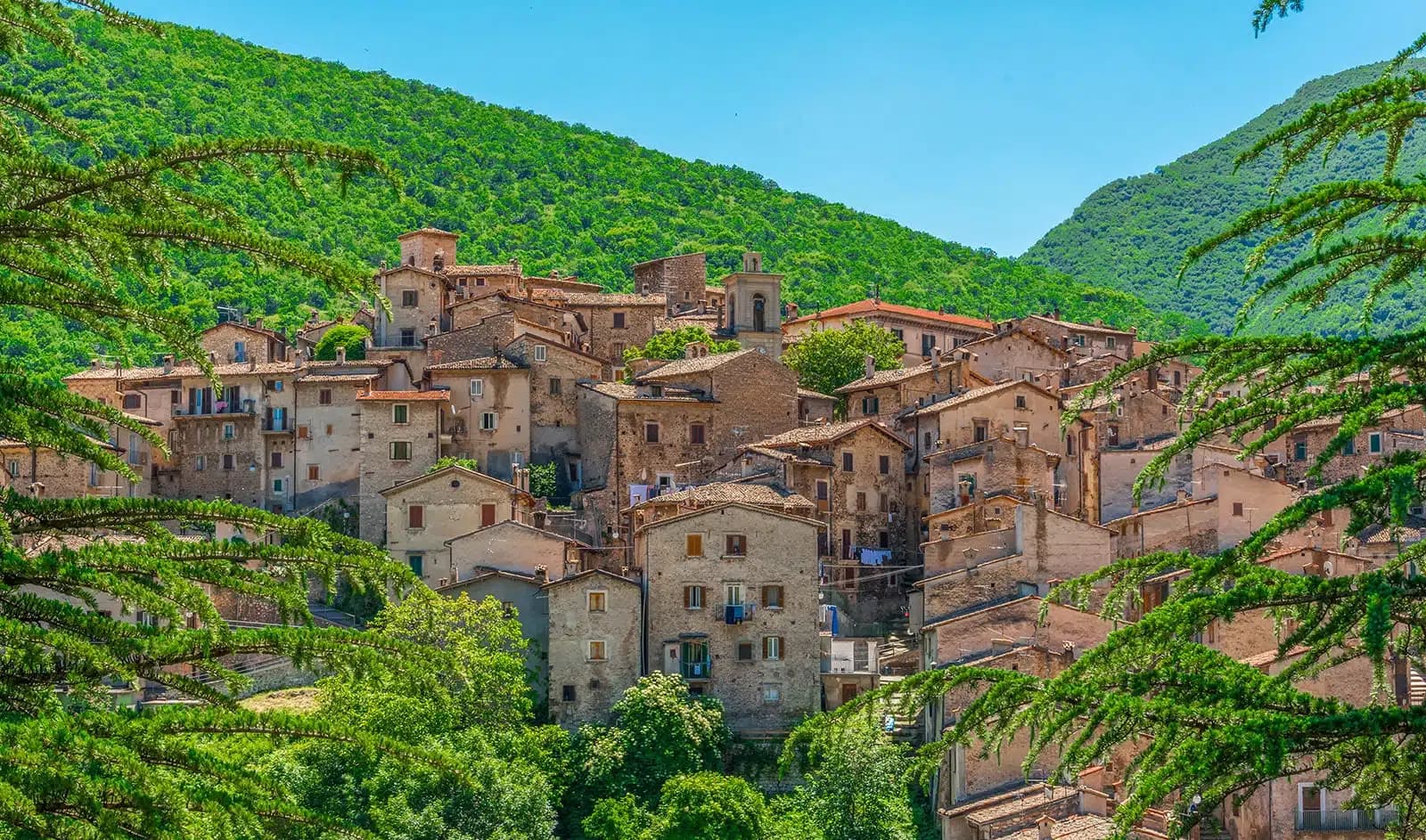
Scanno
Province: L'Aquila
A 1,057-meter Sagittario valley village photographed by Cartier-Bresson and Giacomelli, where women in black still walk the same alleys as the 1957 series.
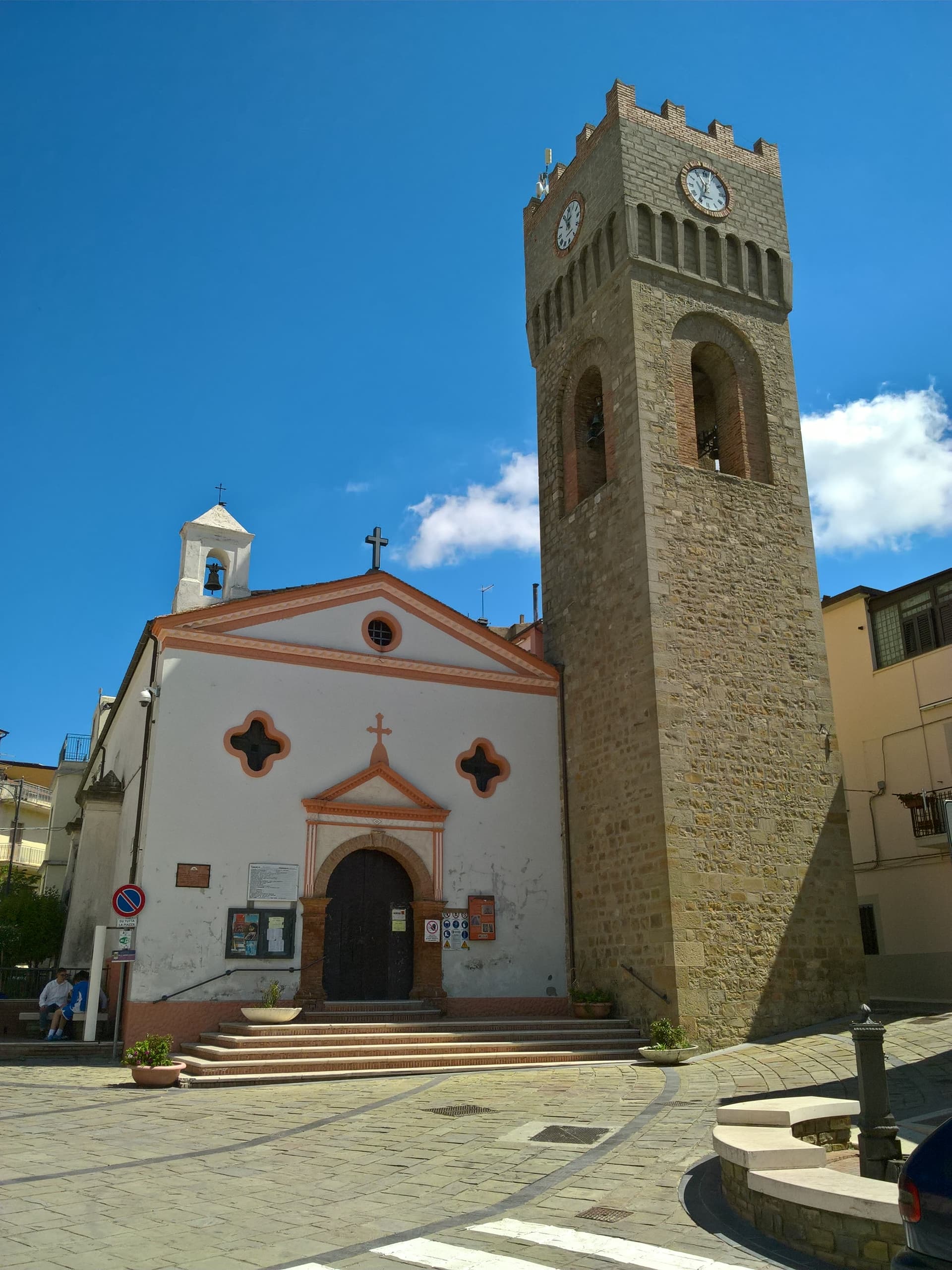
Aliano
Province: Matera
The clay-hill village at 555 meters above the Agri valley where Carlo Levi served his 1935 exile and is buried in the cemetery.