

Abruzzo · Chieti
Fara San Martino
The pasta capital of Italy, where De Cecco was founded in 1886 and the Verde river runs out of a two-meter slot in the Majella wall.
Known for
PASTA
De Cecco founded here in 1886, Delverde and Cocco still in operation; the town is called the world capital of dry pasta.
GOLE DI SAN MARTINO
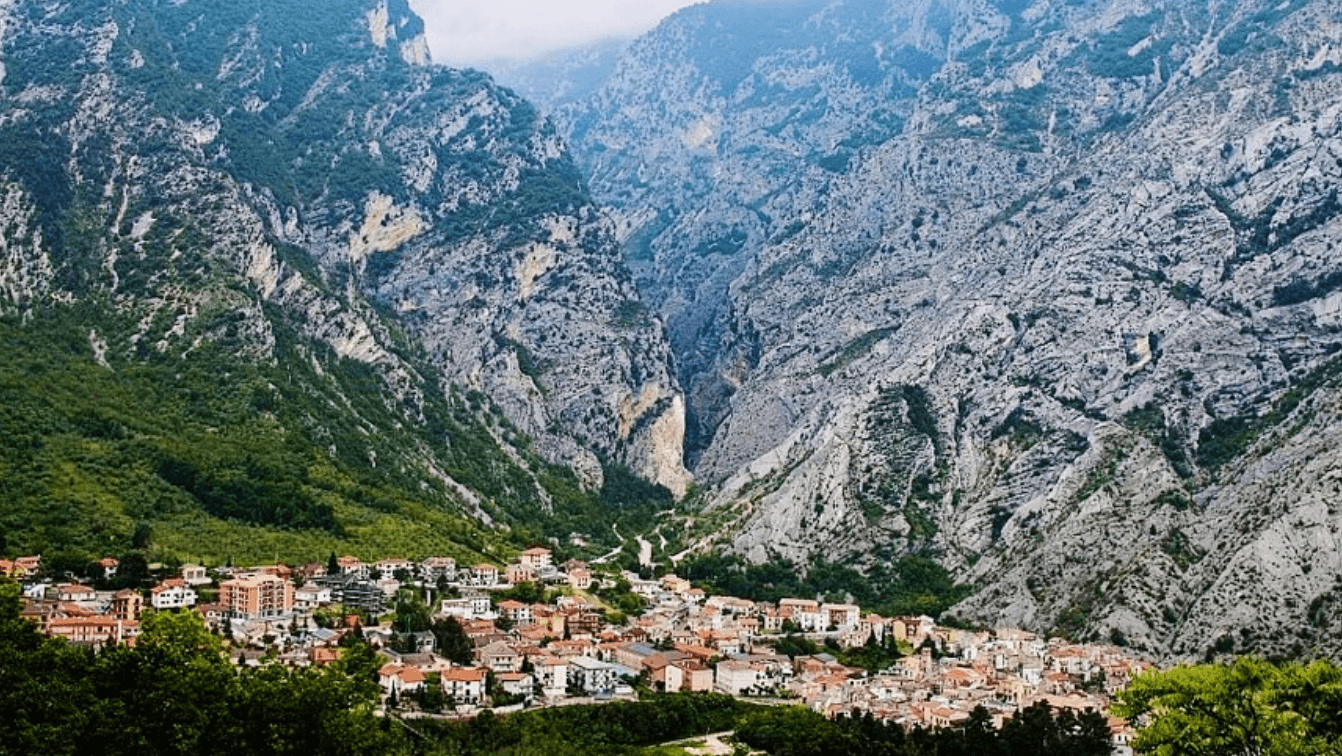
Two-meter slot gorge cut into the Majella wall, with the Verde river running out at its base and the abbey ruins inside.
MAJELLA NATIONAL PARK
The eastern gateway into Majella park, with trails climbing 2,300 meters from the gorge to Monte Amaro's summit.
When to visit
Best · Apr–Oct
- J
- F
- M
- A
- M
- J
- J
- A
- S
- O
- N
- D
- Best
- Hot or crowded
- Quiet
- Mostly closed
The festa: Antonio di Padova, 24 August
Why come
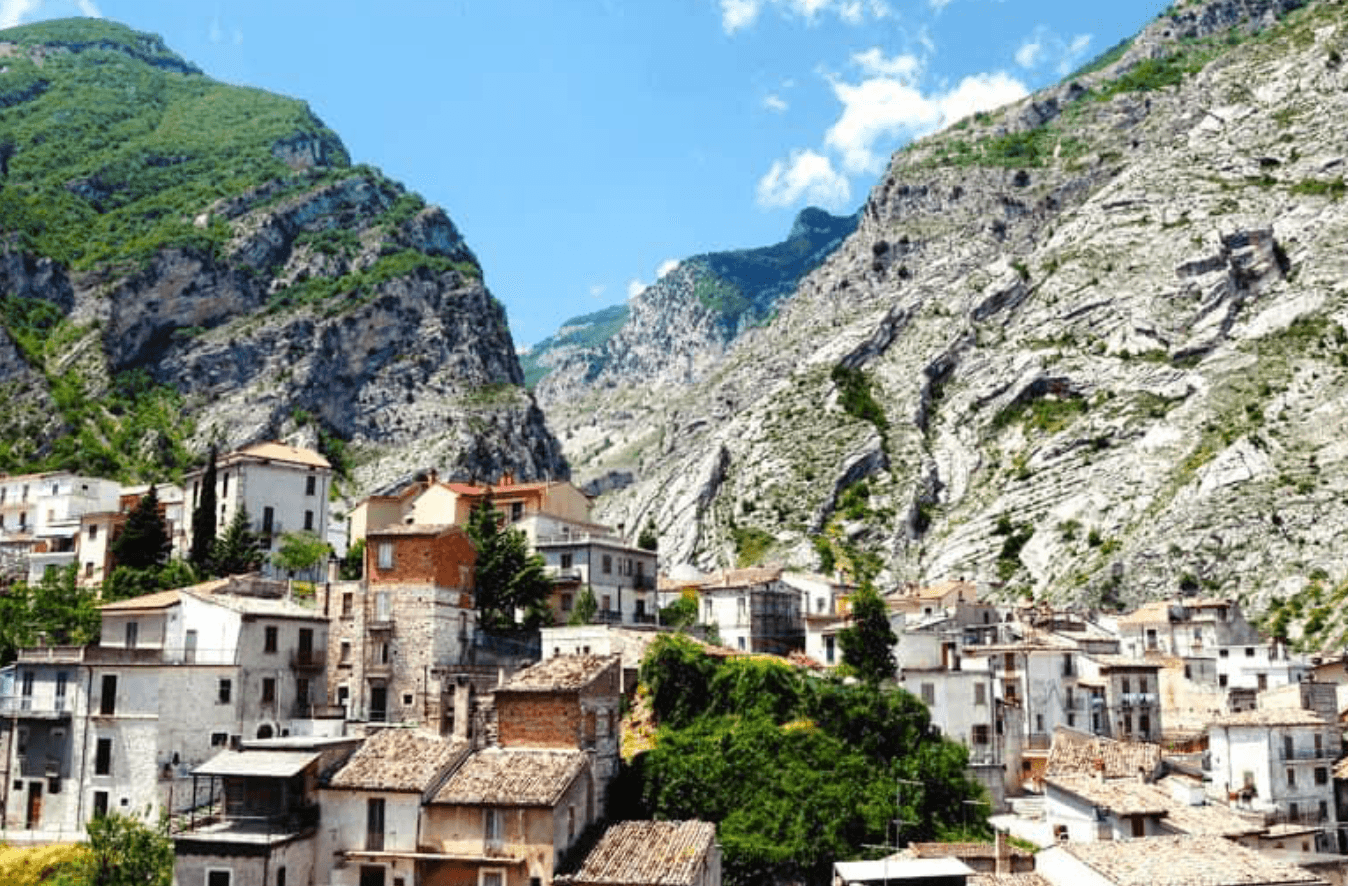
Fara San Martino sits on the eastern slopes of the Majella, where the Verde river emerges from a slot in the rock barely two meters wide at its narrowest. The town name is Lombard: Fara meant a settled clan, and the San Martino was added for the ninth-century Benedictine abbey of San Martino in Valle, walled into the gorge above the village and flood-buried in 1818, then dug out again in 2009. The river water made the town.
De Cecco was founded here in 1886, Delverde in 1967, and Cocco still ships from the same valley, three pasta makers that together send dry pasta to every continent. Walking from the borgo into the Gole takes ten minutes and drops the temperature by five degrees. The Valley of the Holy Spirit rises behind the gorge to Monte Amaro, the second-highest peak in the central Apennines.
The Sunday letter
We haven’t written Fara San Martino’s letter yet.
One town every Sunday, with the photo, the food, the festa. Be there when this one comes up. Free, by Peter & Sophia from Pietrasanta.
By subscribing you agree to Substack’s Terms of Use, our Privacy Policy and our Information collection notice.
What to see
Gole di San Martino
Narrow rock gorge two meters wide at the entrance, opening into the Valle Santo Spirito and the Majella massif behind the town.
Monastero di San Martino in Valle
Ninth-century Benedictine abbey ruins inside the gorge, buried by a 1818 flood and excavated again from 2009 onward.
Valle Santo Spirito
Long Apennine valley rising from the gorge toward Monte Amaro at 2,793 meters, a 2,300-meter drop along its length.
Centro storico
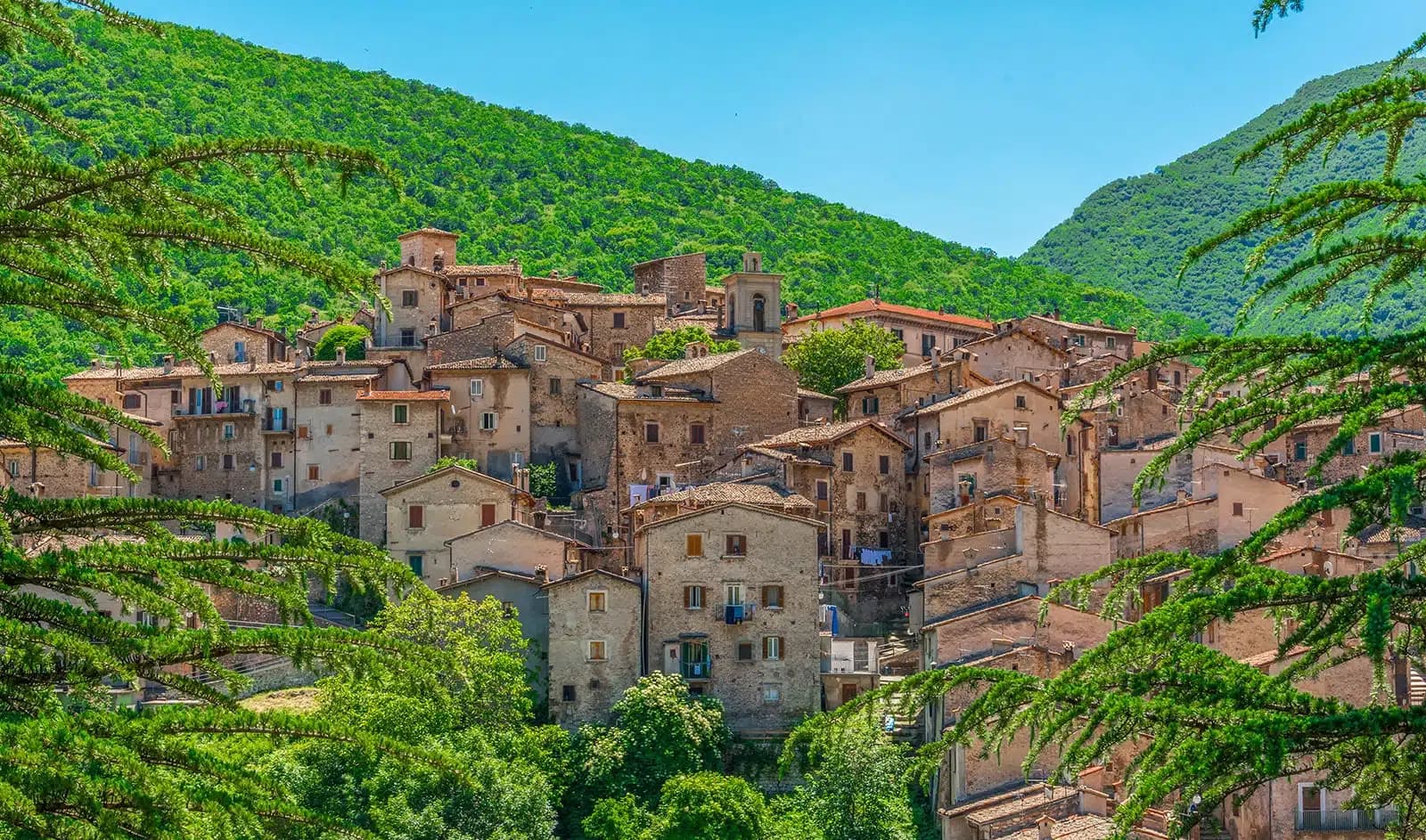
Small medieval borgo of stone houses on the slope, with the Chiesa di San Remigio as the parish church and pasta mills along the river.
Sorgenti del Verde
Karst springs at the foot of the gorge, the cold water source that pasta makers De Cecco, Delverde and Cocco have used since 1886.
The slow-trip planner
Building a trip? Find where Fara San Martino fits in a slow Italy circuit.
Answer five questions. We will shape a geographically coherent slow trip from the 1,000 Italian towns most travelers skip. Yours to save and share.
Living here
- Population 1,289
- Off the beaten pathi
- Pharmacy in town
- Nearest high school over ~30 minutes away
- Nearest airport Ancona / Pescara, 4 h 4 min drive
- Regional capital L'Aquila, 3 h 30 min drive
Tags & datadesignations · numbers · sources
The numbers
- Elevation: 440 m
- Population: 1,289
- Surface area: 44.69 km²
These figures were compiled from public directories — ISTAT, OpenStreetMap, Wikidata — and from the official listings of the guides named on this page. Town details change; verify with official sources before you travel.
Close by
More towns near Fara San Martino
Casoli
Province: Chieti
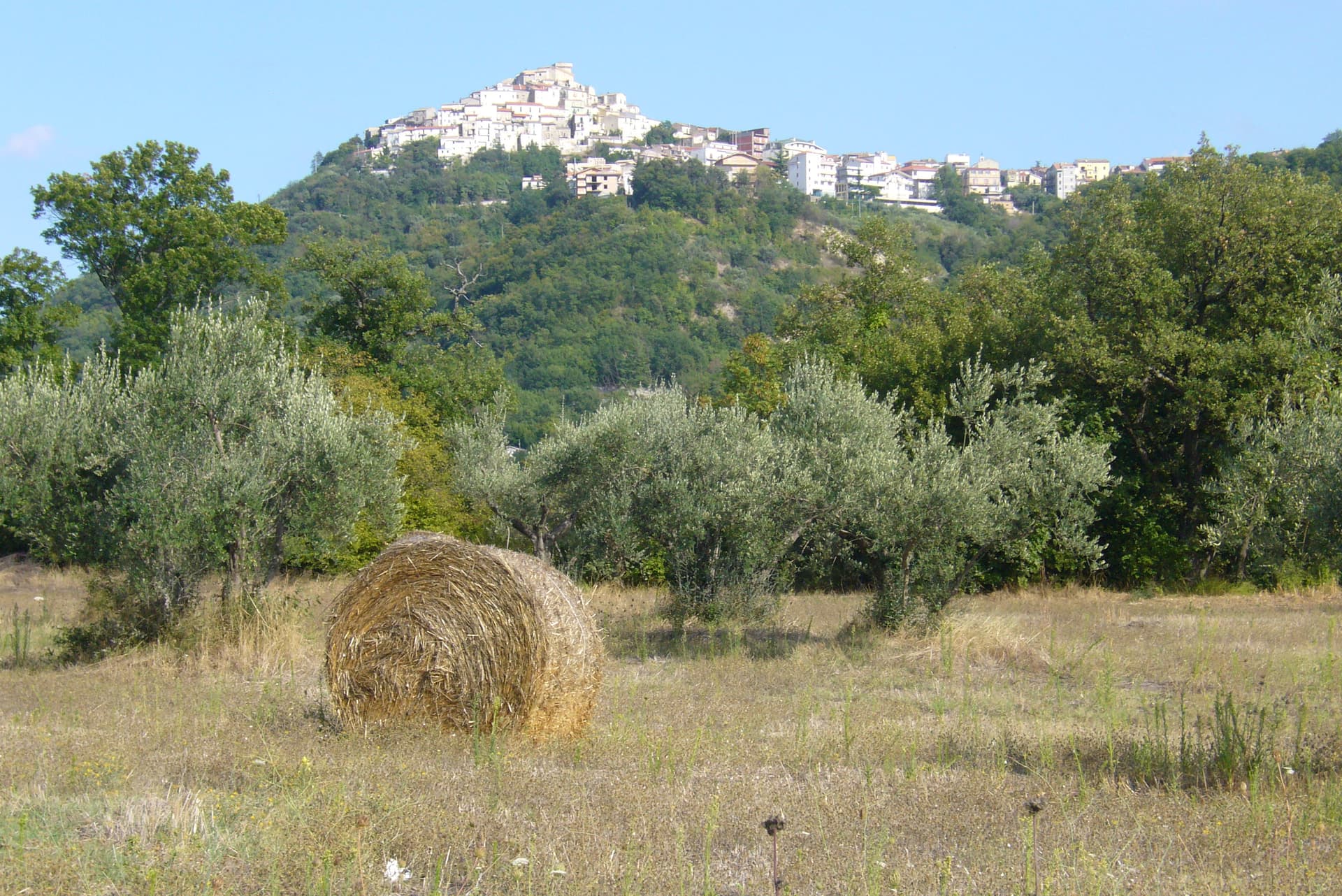
A 378-meter hill town above the Aventino under the Maiella, with a pentagonal Norman tower where Gabriele D'Annunzio held a Renaissance court of artists.
Guardiagrele
Province: Chieti
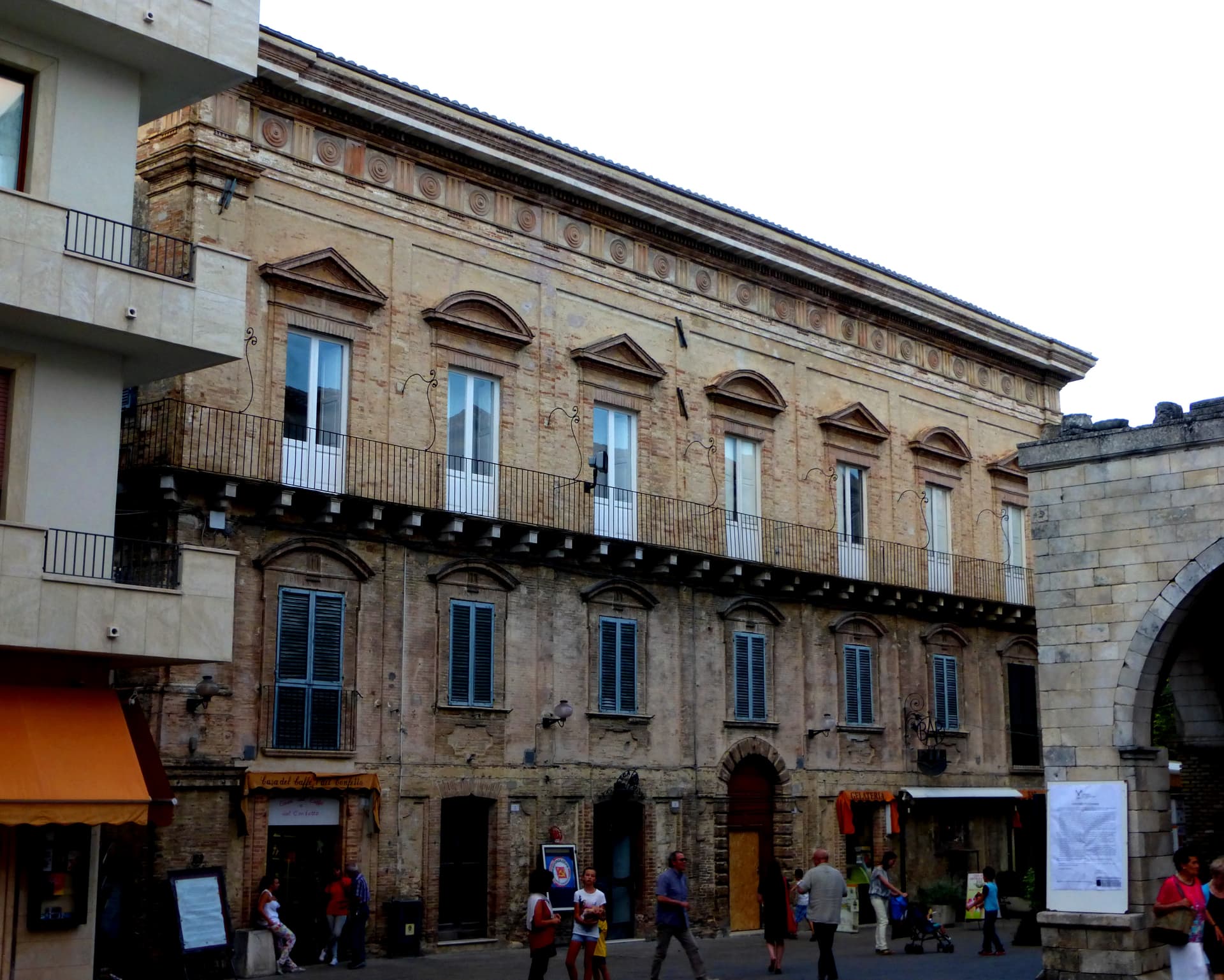
The 576-meter terrazza d'Abruzzo on the Majella's foothills, hometown of fifteenth-century goldsmith Nicola da Guardiagrele and seat of the Majella park.
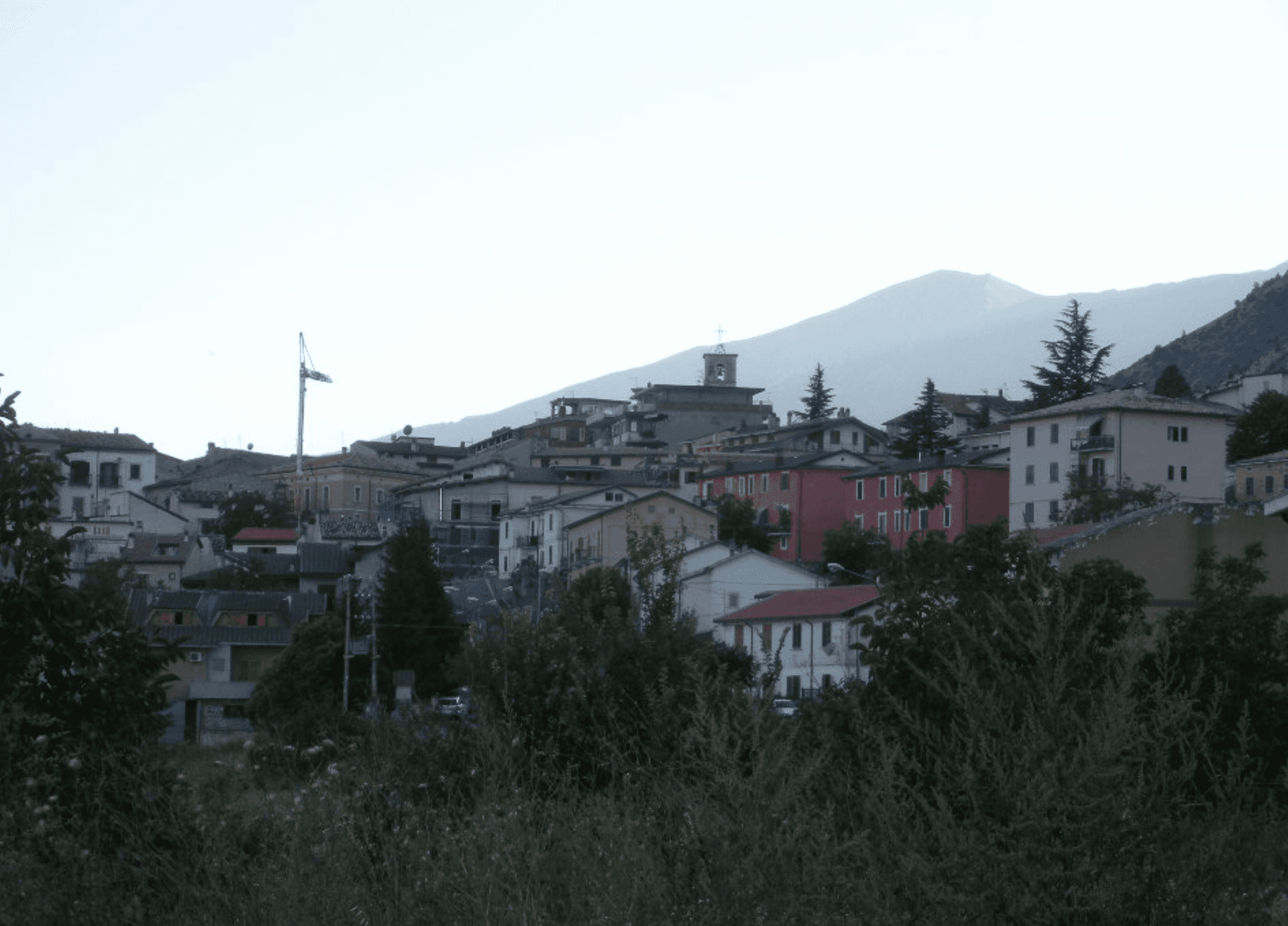
Lama dei Peligni
Province: Chieti
A 669-meter Majella village known for chamois, the Cavallone cave, and a prehistoric burial dug from Fonterossi dated 7000 to 5000 BC.
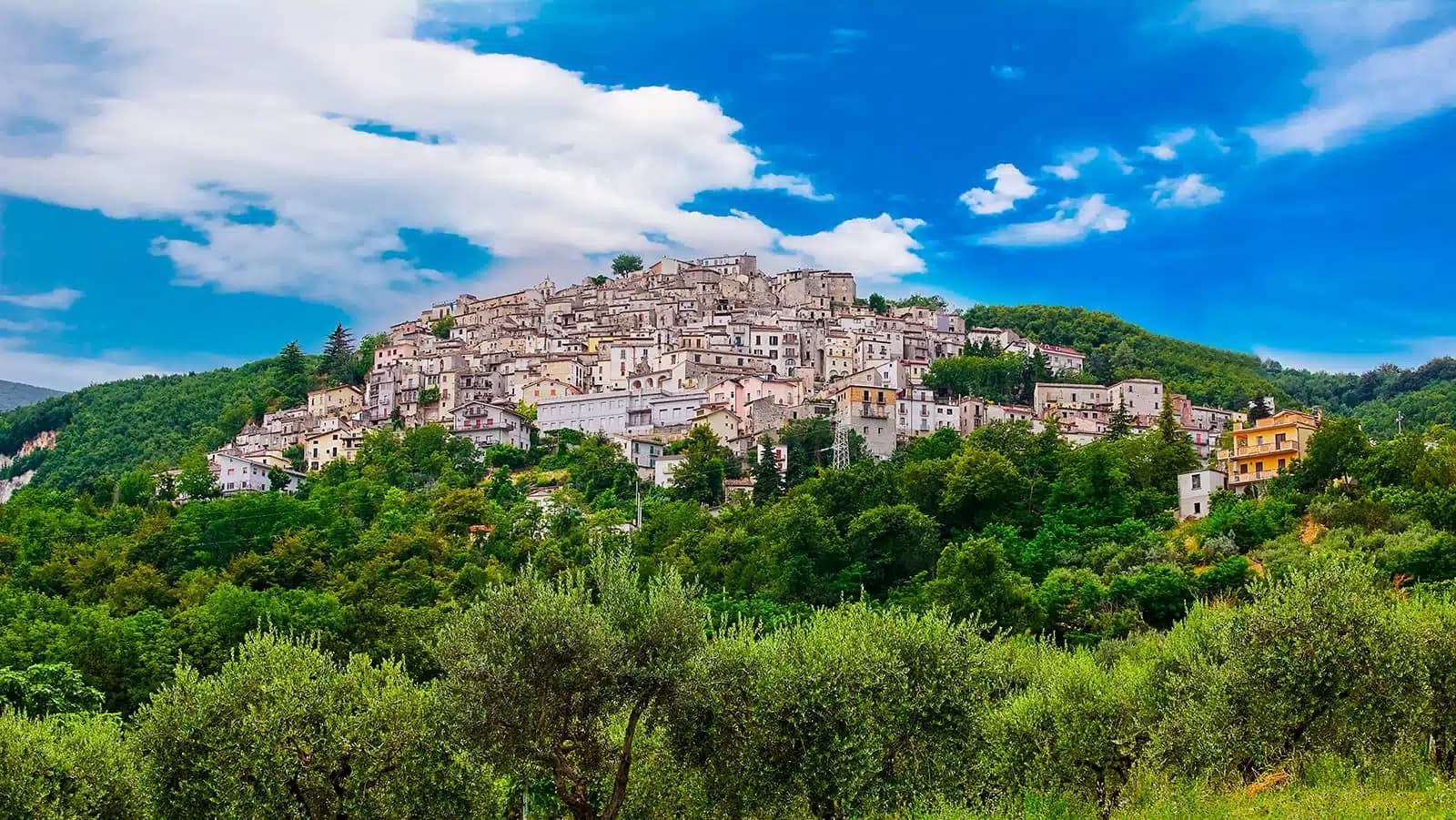
Pretoro
Province: Chieti
A village of 856 stacked at 530 meters on the eastern Maiella, with wolves in a fenced enclosure and woodturners still working on Via Roma.
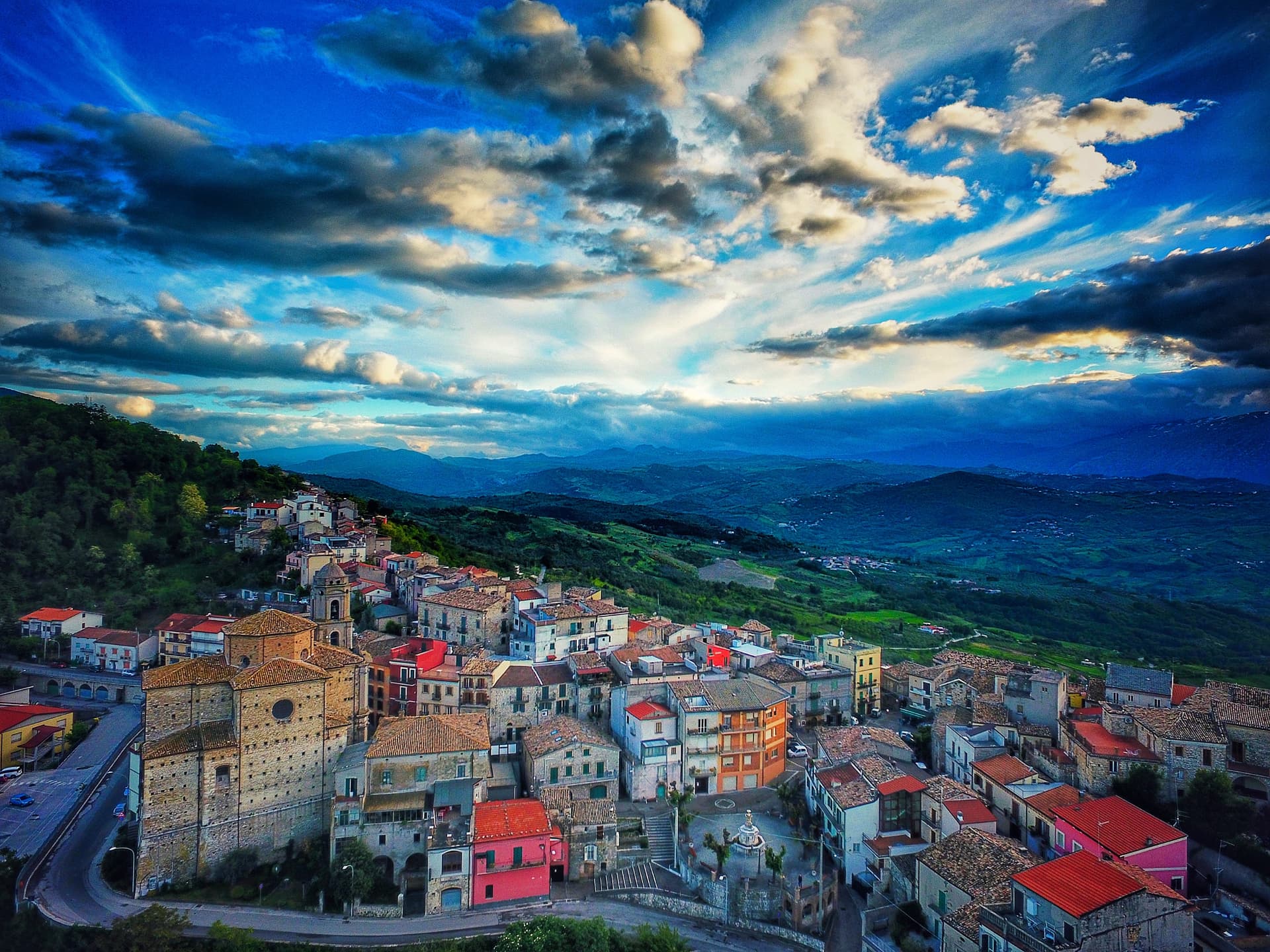
Archi
Province: Chieti
A 492-meter rocky spur called the Terrazza sul Sangro, fief of del Balzo, Cantelmo, Colonna and Carafa, now Città del Tartufo and Città dell'Olio.
🟠 Bandiera Arancione
More Bandiera Arancione towns in Abruzzo
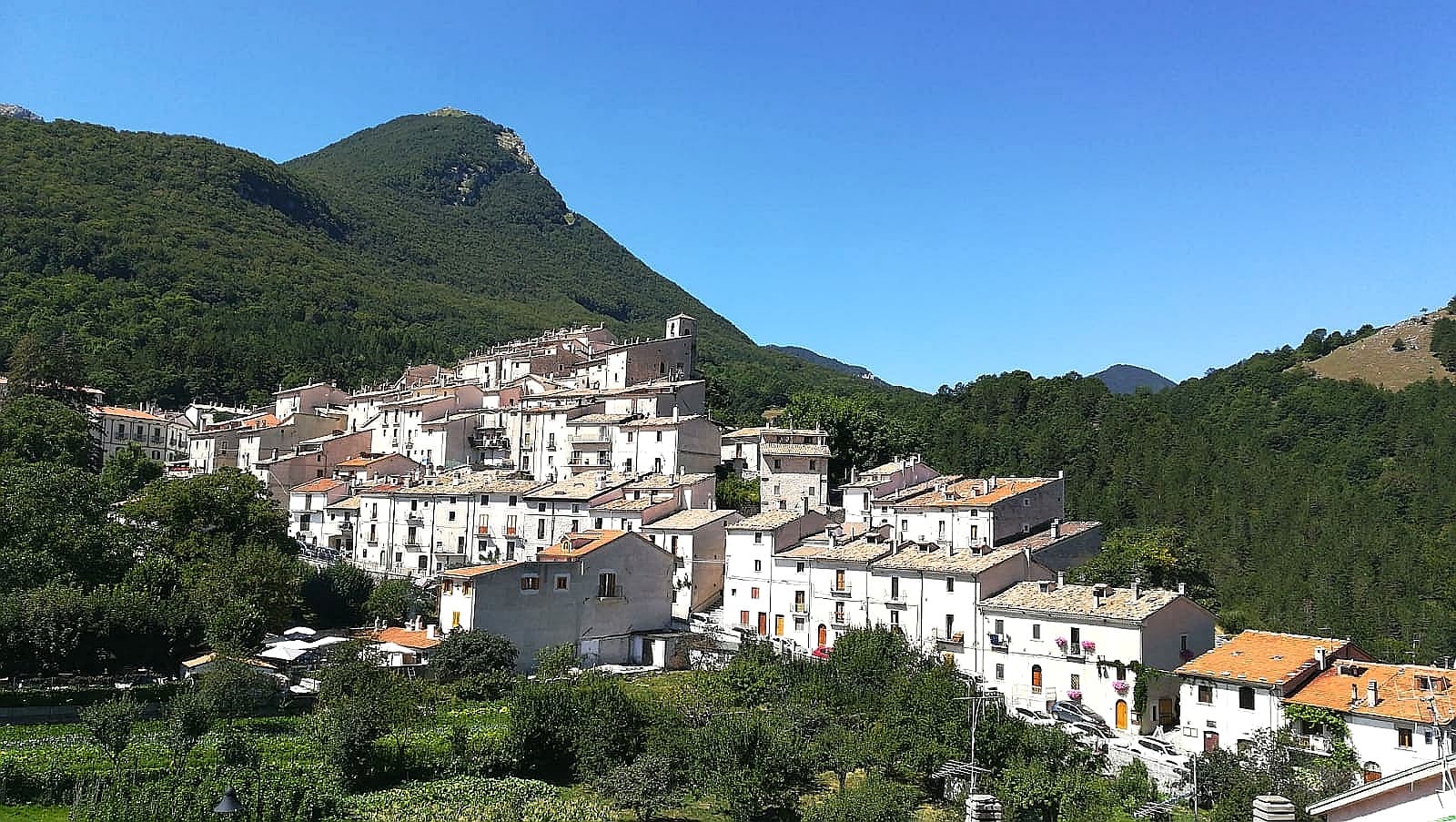
Civitella Alfedena
Province: L'Aquila
At 1,123 meters above Lake Barrea, 285 residents, the trailhead for the Camosciara reserve and home of the Apennine Wolf Museum.
Scanno
Province: L'Aquila
A 1,057-meter Sagittario valley village photographed by Cartier-Bresson and Giacomelli, where women in black still walk the same alleys as the 1957 series.