

Piedmont · Torino
Susa
The Roman gateway to the Cottian Alps at 503 meters, capital of the Alpes Cottiae and seat of the Cozii under Augustus and Cottius.
Known for
ROMAN GATEWAY
Capital of the Alpes Cottiae under Cottius and Augustus, with the Arch of 9 to 8 BC and a small amphitheatre still standing in the centre.
SAN GIUSTO
Cathedral founded 1029 as a Benedictine abbey for the saint's relics, with a 51-meter Romanesque campanile crowned in Gothic terracotta spires.
COTTIAN ALPS
Town at the foot of the Cottian Alps and the historic ascent to the Moncenisio and Montgenèvre passes between Italy and France.
When to visit
Best · Apr–Oct
- J
- F
- M
- A
- M
- J
- J
- A
- S
- O
- N
- D
- Best
- Hot or crowded
- Quiet
- Mostly closed
Why come
Susa sits at 503 meters at the foot of the Cottian Alps, fifty kilometers west of Torino on the road that climbs to the Moncenisio and Montgenèvre passes. Ligurians and Celts settled here around 500 BC. The site emerged as the capital of the kingdom of the Cozii under Marcus Julius Cottius, son of King Donnus, who allied with Rome and was confirmed as Roman prefect of the new province of Alpes Cottiae, with Segusio (modern Susa) as its capital.
The Arch of Augustus, built between 9 and 8 BC, records the alliance and is one of the best-preserved Roman triumphal arches in northern Italy at over 13 meters tall. The Cattedrale di San Giusto was founded in 1029 as the church of a Benedictine abbey to house the relics of the saint, with a 51-meter Romanesque campanile crowned in the late 1480s with terracotta Gothic spires by Cardinal d'Estouteville. The Castello della Contessa Adelaide rises beside the cathedral, and the Via Francigena passes through the town on its descent from the Moncenisio.
The Sunday letter
We haven’t written Susa’s letter yet.
One town every Sunday, with the photo, the food, the festa. Be there when this one comes up. Free, by Peter & Sophia from Pietrasanta.
By subscribing you agree to Substack’s Terms of Use, our Privacy Policy and our Information collection notice.
What to see
Arco di Augusto
Roman triumphal arch built 9 to 8 BC for the alliance between Augustus and Cottius, over 13 meters tall in white marble, one of the best preserved in north Italy.
Cattedrale di San Giusto
Cathedral founded 1029 by Olderico Manfredi as the church of a Benedictine abbey, with a 51-meter Romanesque campanile and Gothic terracotta spires of 1480s.
Castello della Contessa Adelaide
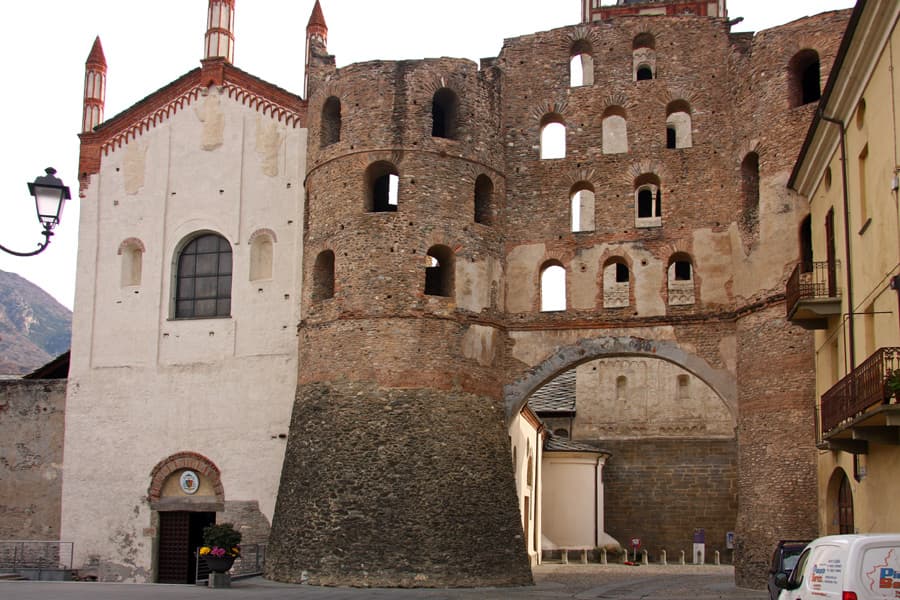
Castle built into a Roman gate on the line of the old walls, transformed into a noble residence with medieval towers and Renaissance windows.
Anfiteatro romano
Remains of the small Roman amphitheatre of Segusio, just outside the historic core, capable of seating around 4,000 spectators.
Via Francigena - tappa di Susa
Susa is the first major stop in Italy on the southern descent of the Francigena from the Moncenisio pass towards the Po valley.
The slow-trip planner
Building a trip? Find where Susa fits in a slow Italy circuit.
Answer five questions. We will shape a geographically coherent slow trip from the 1,000 Italian towns most travelers skip. Yours to save and share.
Living here
- Population 5,911
- In-betweeni
- Pharmacy in town
- High school within a 30-minute drive
- Train station in the comune
- Nearest airport Turin, 55 min drive
- Regional capital Torino, 53 min drive
Tags & datadesignations · numbers · sources
The numbers
- Elevation: 503 m
- Population: 5,911
- Surface area: 10.99 km²
These figures were compiled from public directories — ISTAT, OpenStreetMap, Wikidata — and from the official listings of the guides named on this page. Town details change; verify with official sources before you travel.
Close by
More towns near Susa
Avigliana
Province: Torino
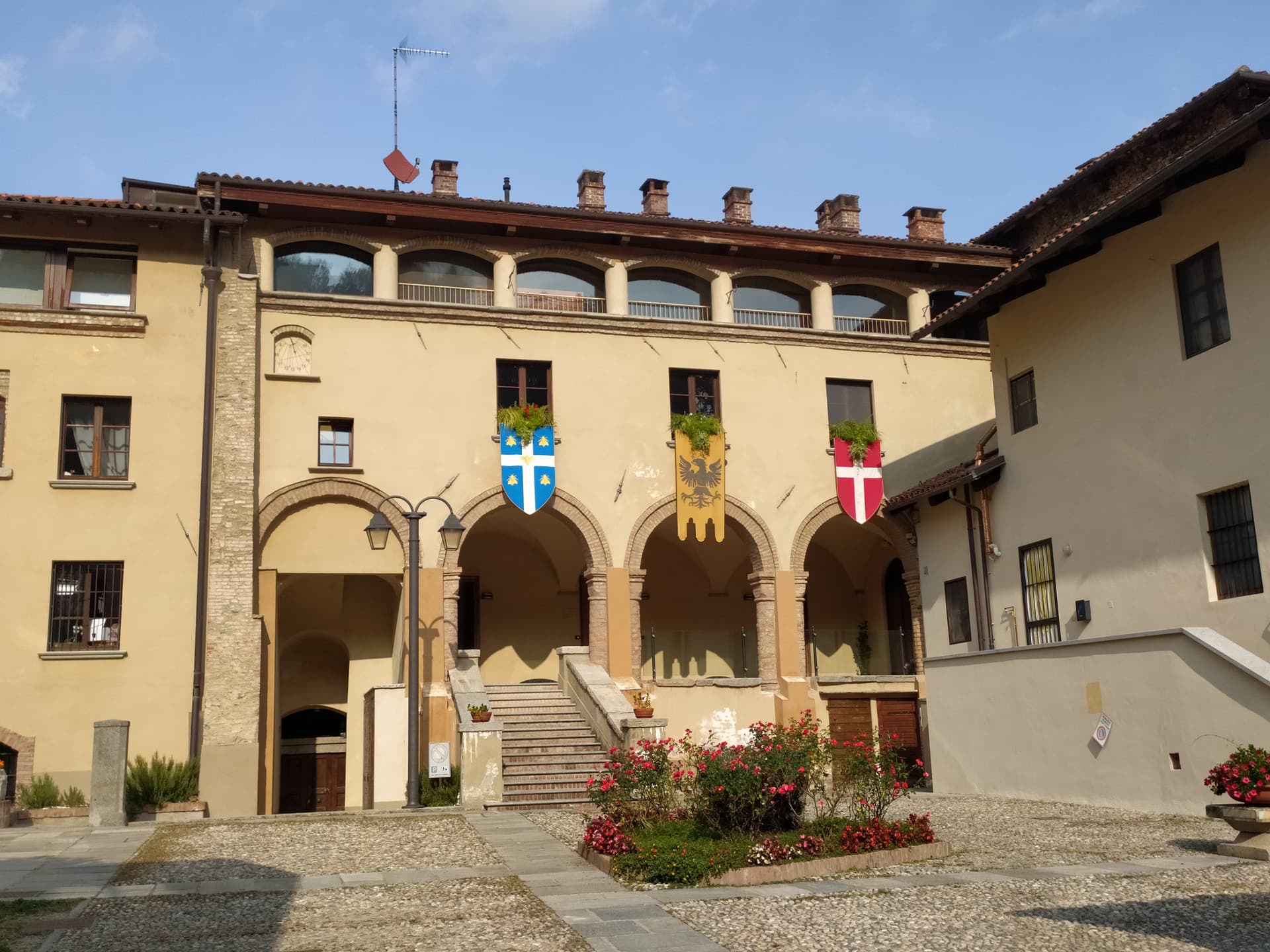
A medieval Savoy town at 383 meters at the mouth of the Susa Valley, between two glacial lakes and the Sacra di San Michele.
Venaria Reale
Province: Torino
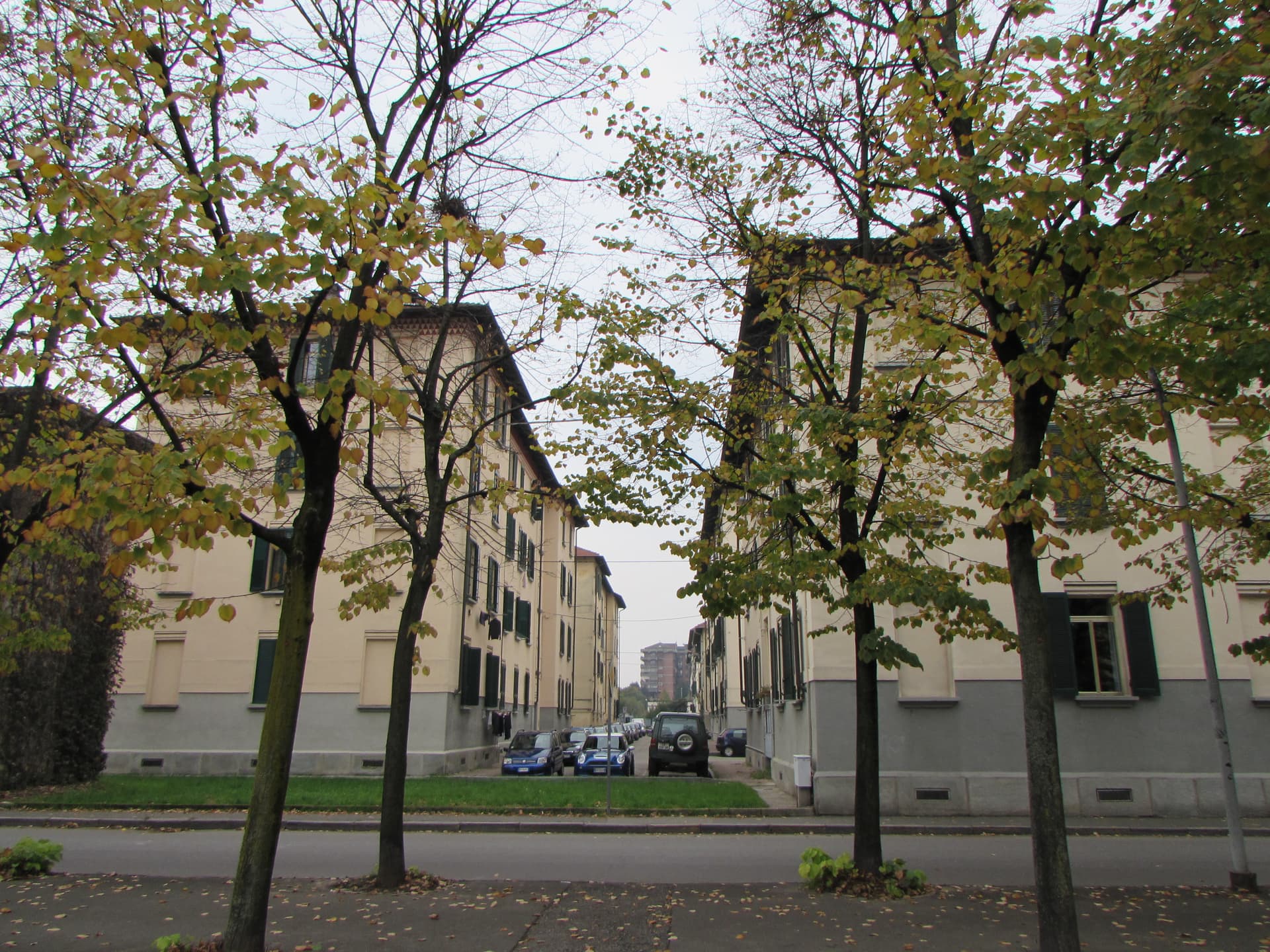
A Savoy town on the edge of Torino, built around the Reggia di Venaria, a UNESCO baroque palace with sixty hectares of gardens.
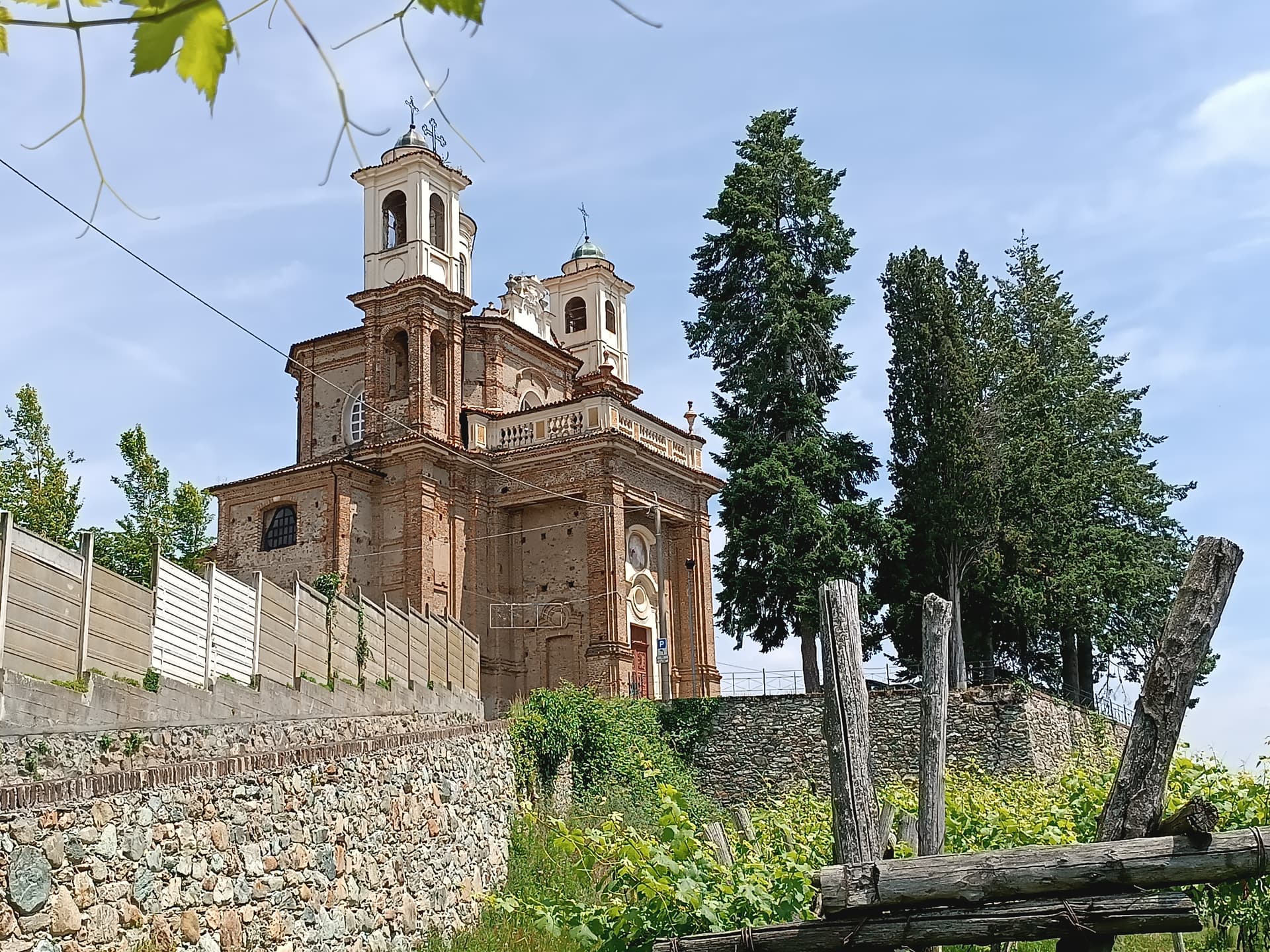
Agliè
Province: Torino
A Canavese borgo at 330 meters whose Castello Ducale, a UNESCO Savoy residence since 1997, has been held by the d'Agliè since 1259.
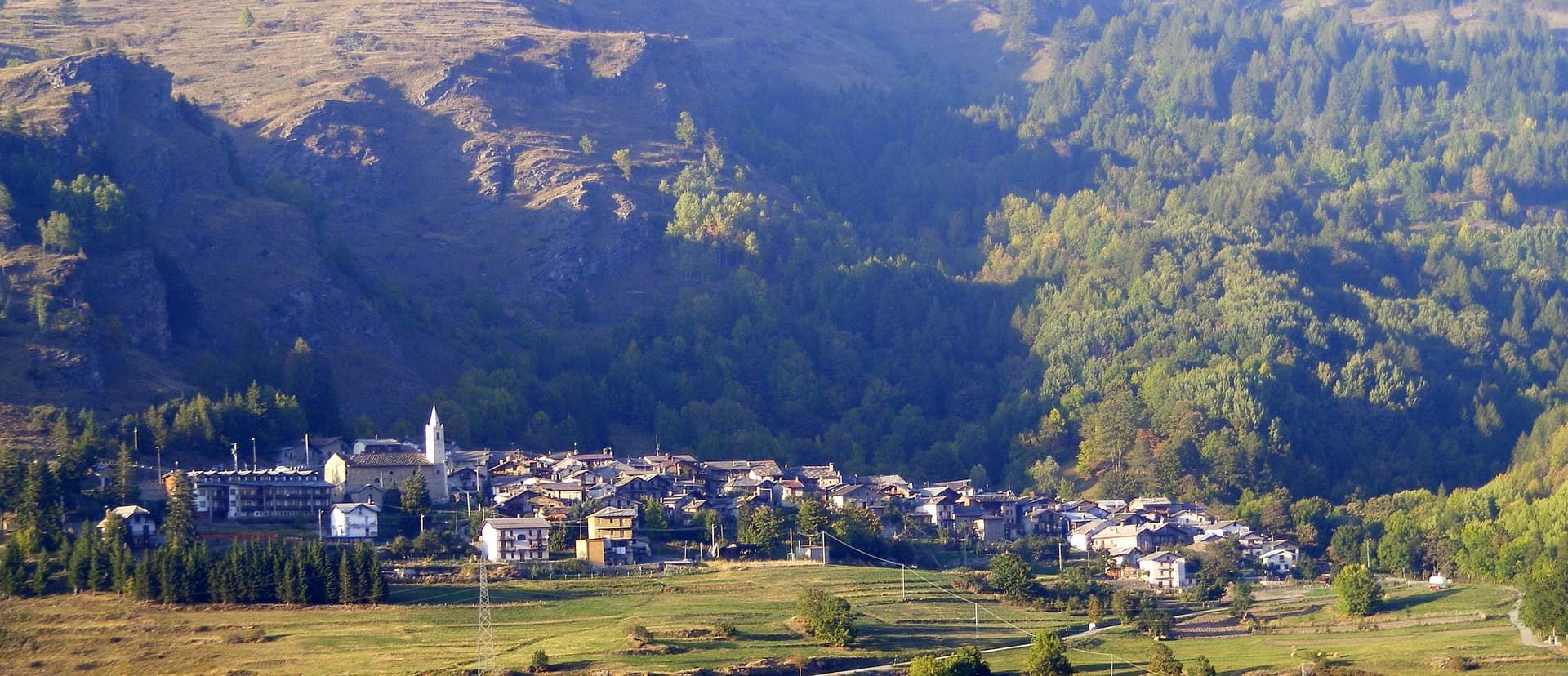
Usseaux
Province: Torino
A Val Chisone village at 1,416 meters with four scattered borgate and more than forty murals painted across the stone facades.
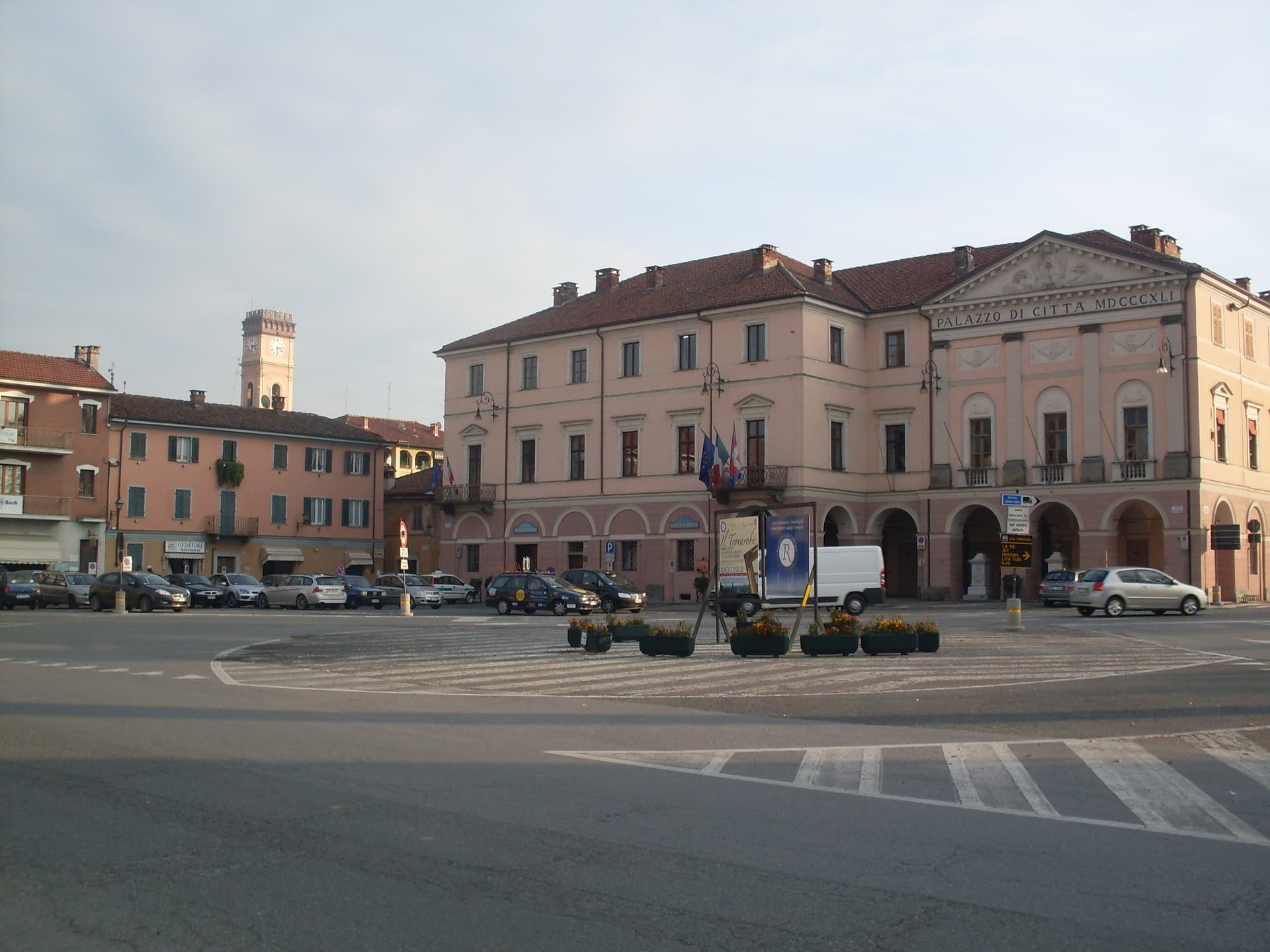
Racconigi
Province: Cuneo
A Po-plain town south of Torino built around the UNESCO Castello Reale, the Carignano Savoy residence whose park holds Italy's largest white-stork colony.
🟠 Bandiera Arancione
More Bandiera Arancione towns in Piedmont
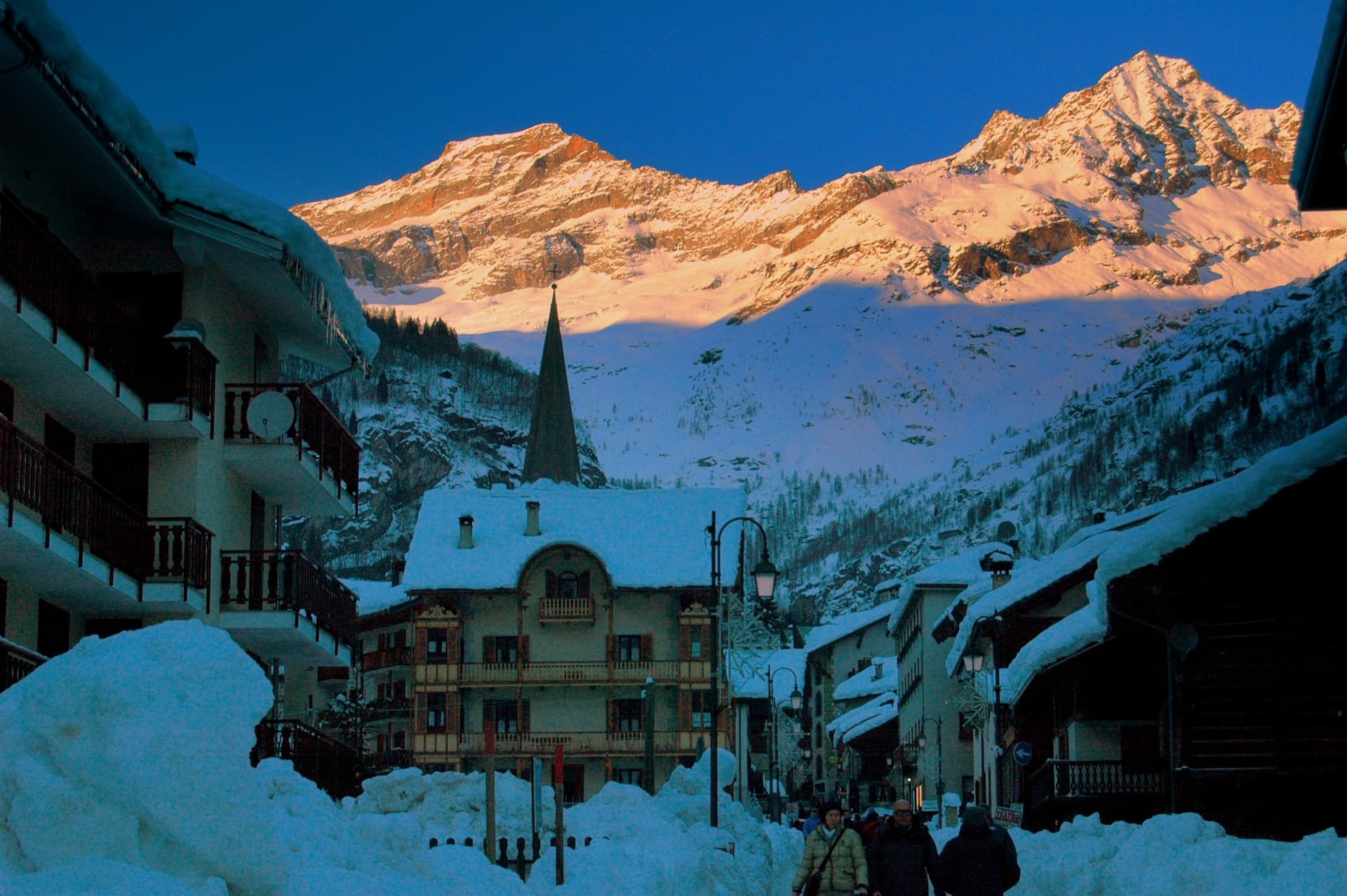
Alagna Valsesia
Province: Vercelli
A Walser village at 1,191 meters under Monte Rosa, settled from the Swiss Valais in the 13th century and known to off-piste skiers worldwide.
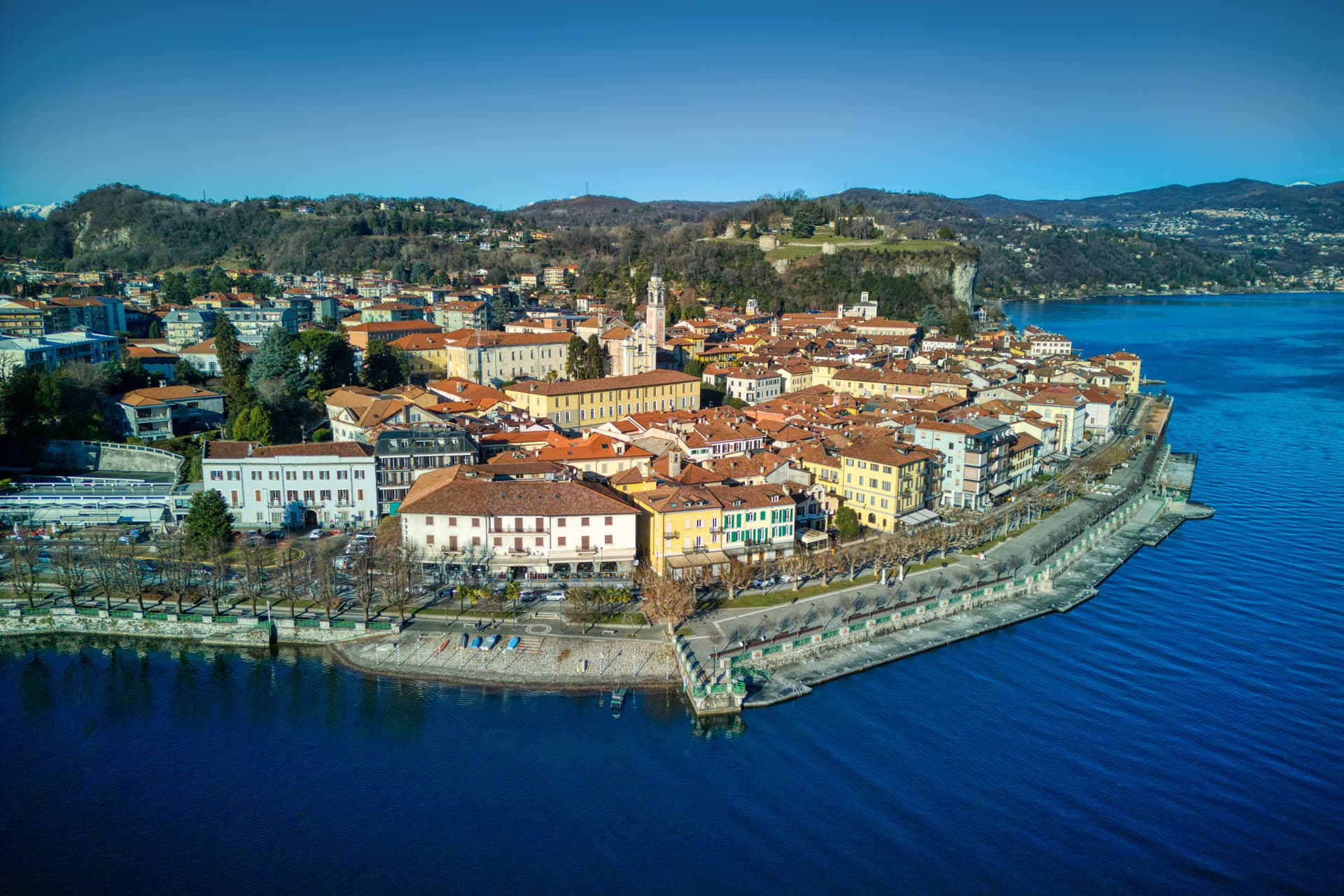
Arona
Province: Novara
A Lake Maggiore town at the southern tip of the lake, watched over by a 35-meter copper colossus of San Carlo Borromeo finished in 1698.
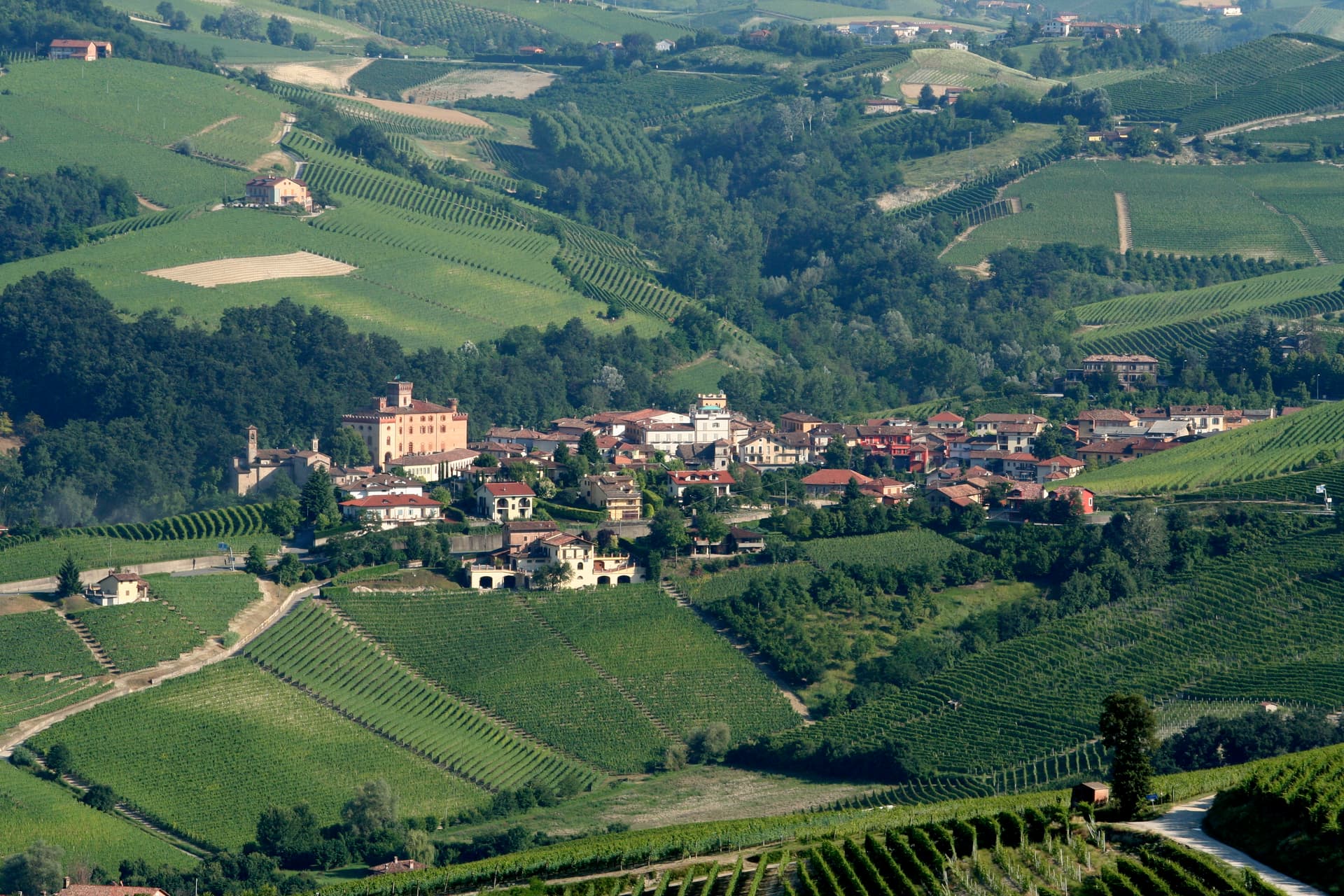
Barolo
Province: Cuneo
A Langhe borgo at 301 meters whose Castello Falletti gave its name to the wine the Marchesi turned dry in the 1830s with Cavour's help.
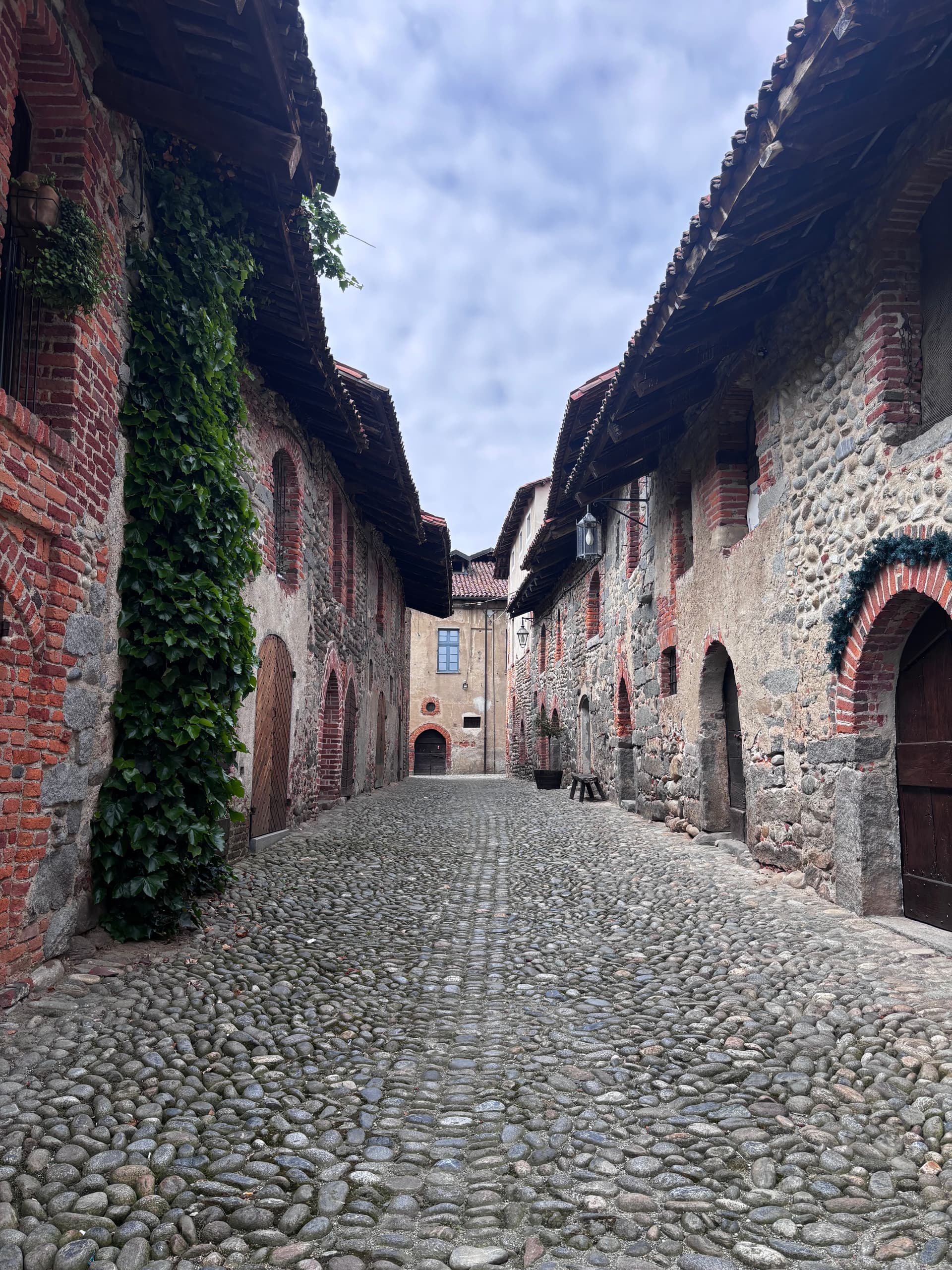
Candelo
Province: Biella
A Biellese commune at 350 meters whose Ricetto, a 13th-century fortified shelter of two hundred stone cellule, is the best-preserved in Piedmont.