

Piedmont · Vercelli
Alagna Valsesia
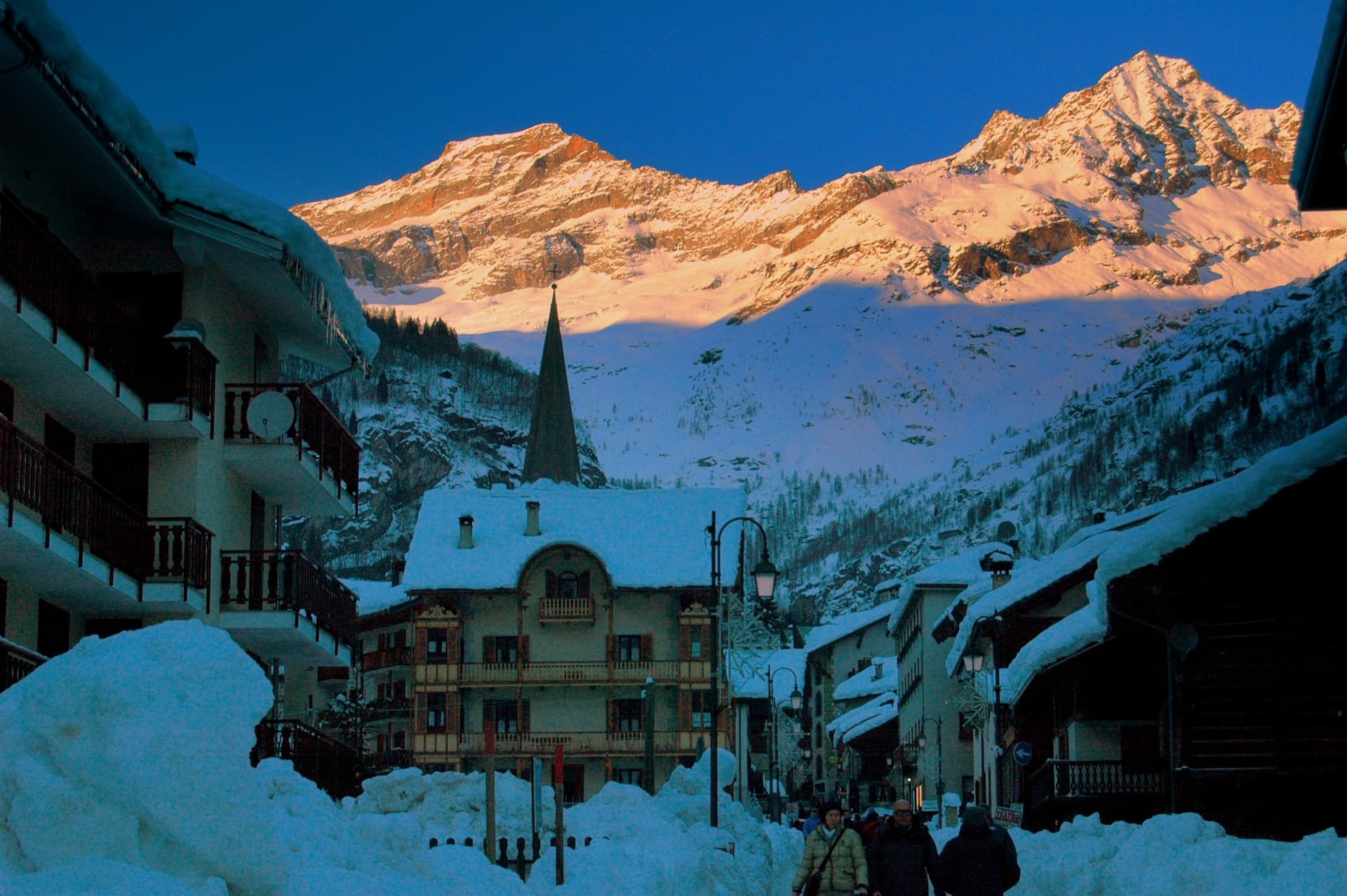
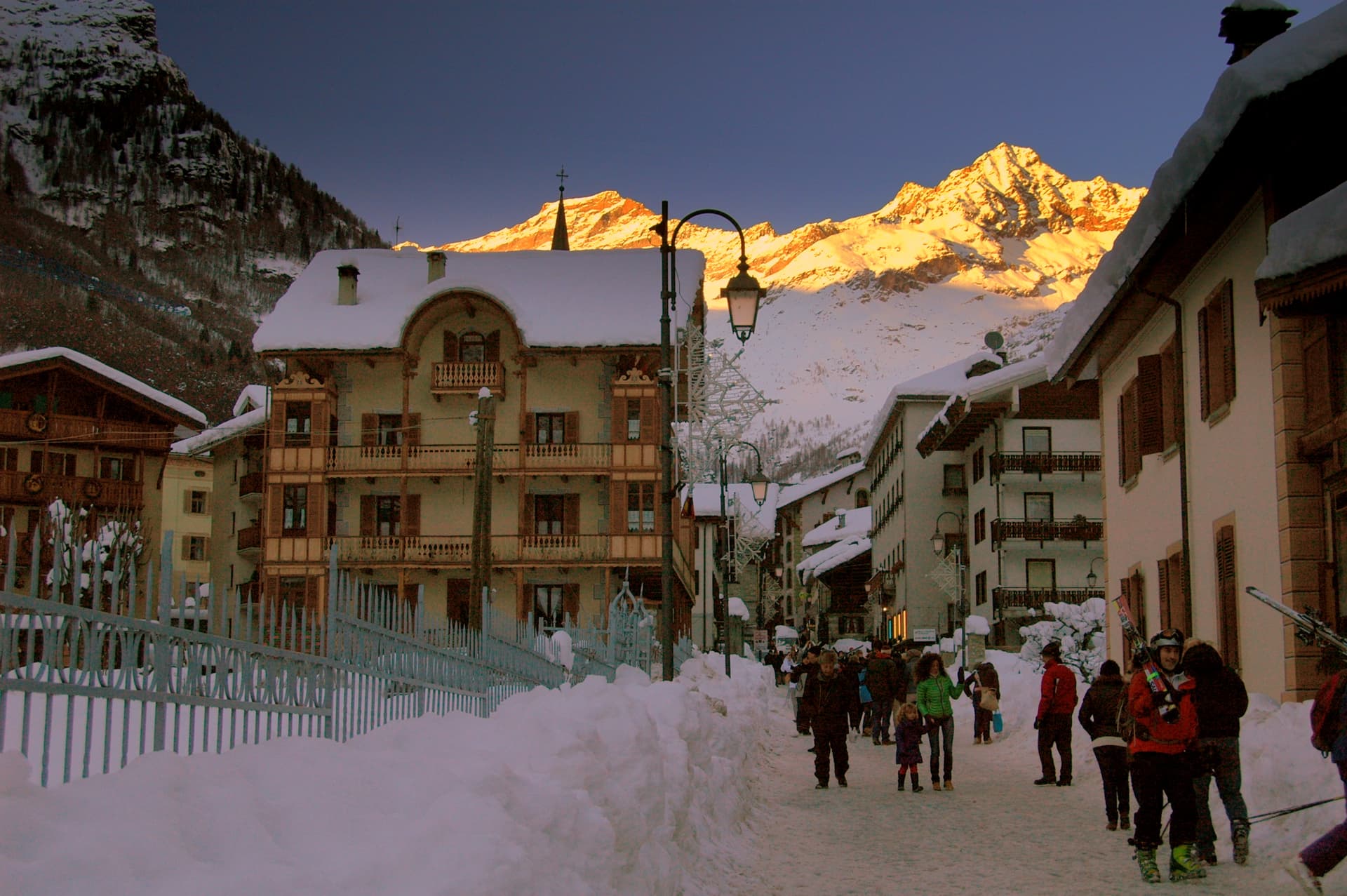
A Walser village at 1,191 meters under Monte Rosa, settled from the Swiss Valais in the 13th century and known to off-piste skiers worldwide.
Known for
WALSER
Settled from the Swiss Valais in the 13th century; the wooden houses of Pedemonte and Riale are 1500s and 1600s originals.
MONTE ROSA
South face of the 4,638-meter massif rises directly above the village, anchor of the 180-kilometer Monterosa Ski domain.
FREERIDE
Off-piste descents from Punta Indren and the Passo dei Salati, the reason the village is on the international ski map.
When to visit
Best · Jun–Sep, Dec–Mar
- J
- F
- M
- A
- M
- J
- J
- A
- S
- O
- N
- D
- Best
- Hot or crowded
- Quiet
- Mostly closed
The festa: Giovanni Battista, 24 June
Why come
Alagna Valsesia sits at 1,191 meters at the head of the Valsesia, directly under the south face of Monte Rosa, the second-highest peak in the Alps at 4,638 meters. Walser settlers from the Swiss Valais reached the upper valley in the thirteenth century and stayed; their wood-and-stone houses, built between 1500 and 1700, still line the hamlets of Pedemonte, Riale and Resiga. The commune covers 72.
8 square kilometers, the largest by surface area in the province of Vercelli. The Guides Association of Alagna was founded in 1872, the second-oldest in Italy after Courmayeur. The lifts opened in stages from the 1950s; today Alagna is the eastern access to Monterosa Ski, a 180-kilometer domain that crosses into the Aosta Valley.
Internationally, the village is known less for groomed pistes than for the Monte Rosa freeride terrain, the off-piste descents from Punta Indren and the Passo dei Salati. The Bandiera Arancione of the Touring Club fires here.
The Sunday letter
We haven’t written Alagna Valsesia’s letter yet.
One town every Sunday, with the photo, the food, the festa. Be there when this one comes up. Free, by Peter & Sophia from Pietrasanta.
By subscribing you agree to Substack’s Terms of Use, our Privacy Policy and our Information collection notice.
What to see
Frazione Pedemonte
Oldest Walser hamlet in Alagna, with three-storey wooden houses dating from the 1500s and 1600s, still in their original form.
Museo Walser
Opened in 1976 in a 1628 Walser house in Pedemonte, reconstructing the interiors, tools and furnishings of a traditional German-Alpine household.
Chiesa di San Giovanni Battista
Parish church built in 1511, holding sculptures by Giovanni d'Enrico, the Valsesian sculptor active around the Sacro Monte di Varallo.
Monterosa Ski
180-kilometer ski domain linking Alagna, Gressoney and Champoluc across three valleys, the eastern gateway to the Monte Rosa massif.
Punta Indren e Passo dei Salati
Upper stations above Alagna, starting points for the off-piste descents that made the village a freeride reference in the Alps.
The slow-trip planner
Building a trip? Find where Alagna Valsesia fits in a slow Italy circuit.
Answer five questions. We will shape a geographically coherent slow trip from the 1,000 Italian towns most travelers skip. Yours to save and share.
Living here
- Population 712
- Very remotei
- Pharmacy in town
- Nearest high school over ~30 minutes away
- Nearest airport Turin, 2 h 17 min drive
- Regional capital Torino, 2 h 17 min drive
Tags & datadesignations · numbers · sources
Recognised as
The numbers
- Elevation: 1191 m
- Population: 712
- Surface area: 133.17 km²
These figures were compiled from public directories — ISTAT, OpenStreetMap, Wikidata — and from the official listings of the guides named on this page. Town details change; verify with official sources before you travel.
Close by
More towns near Alagna Valsesia
Varallo
Province: Vercelli
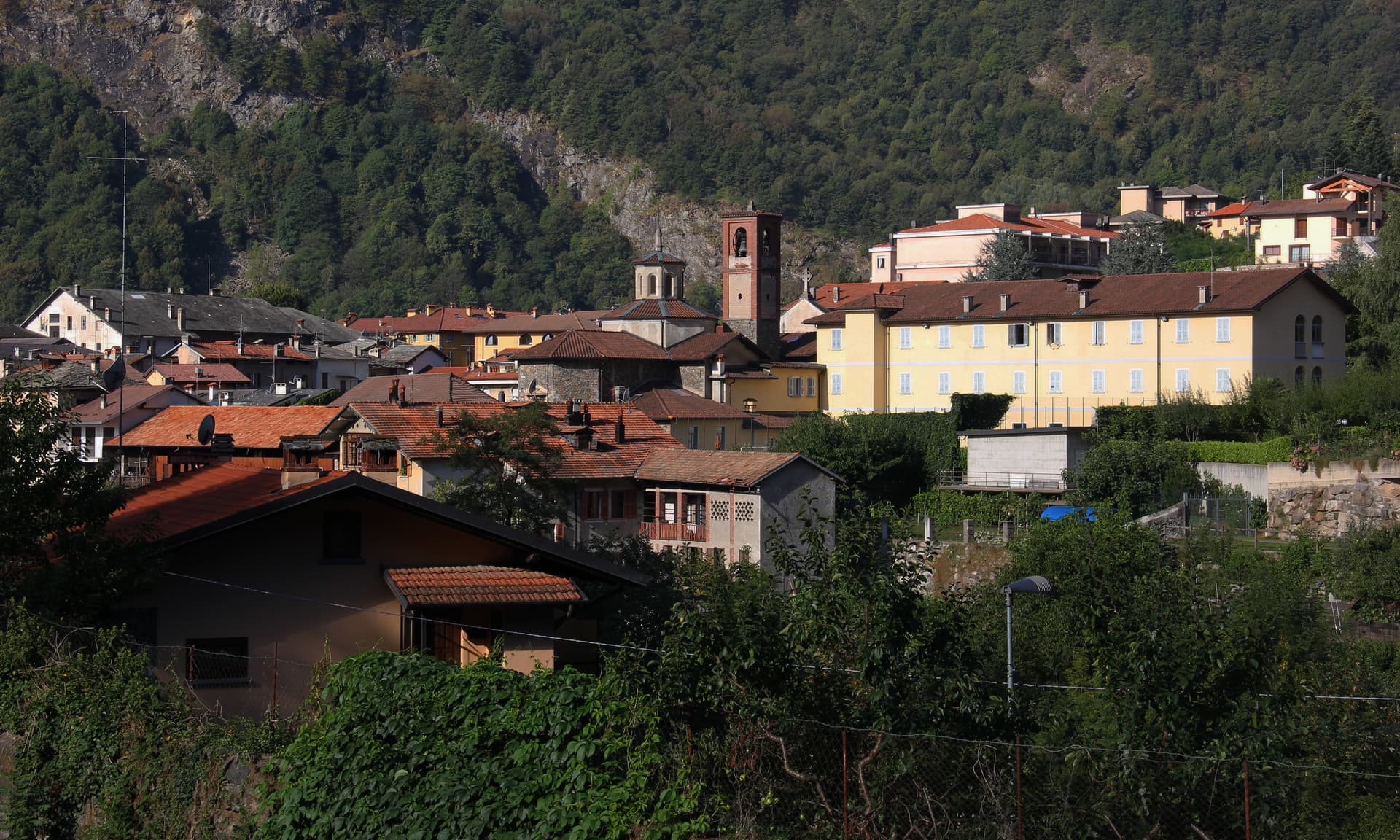
The capital of Valsesia at 450 meters, the oldest Sacro Monte in Europe and a forty-five-chapel devotional complex on the rock above town.
Gozzano
Province: Novara
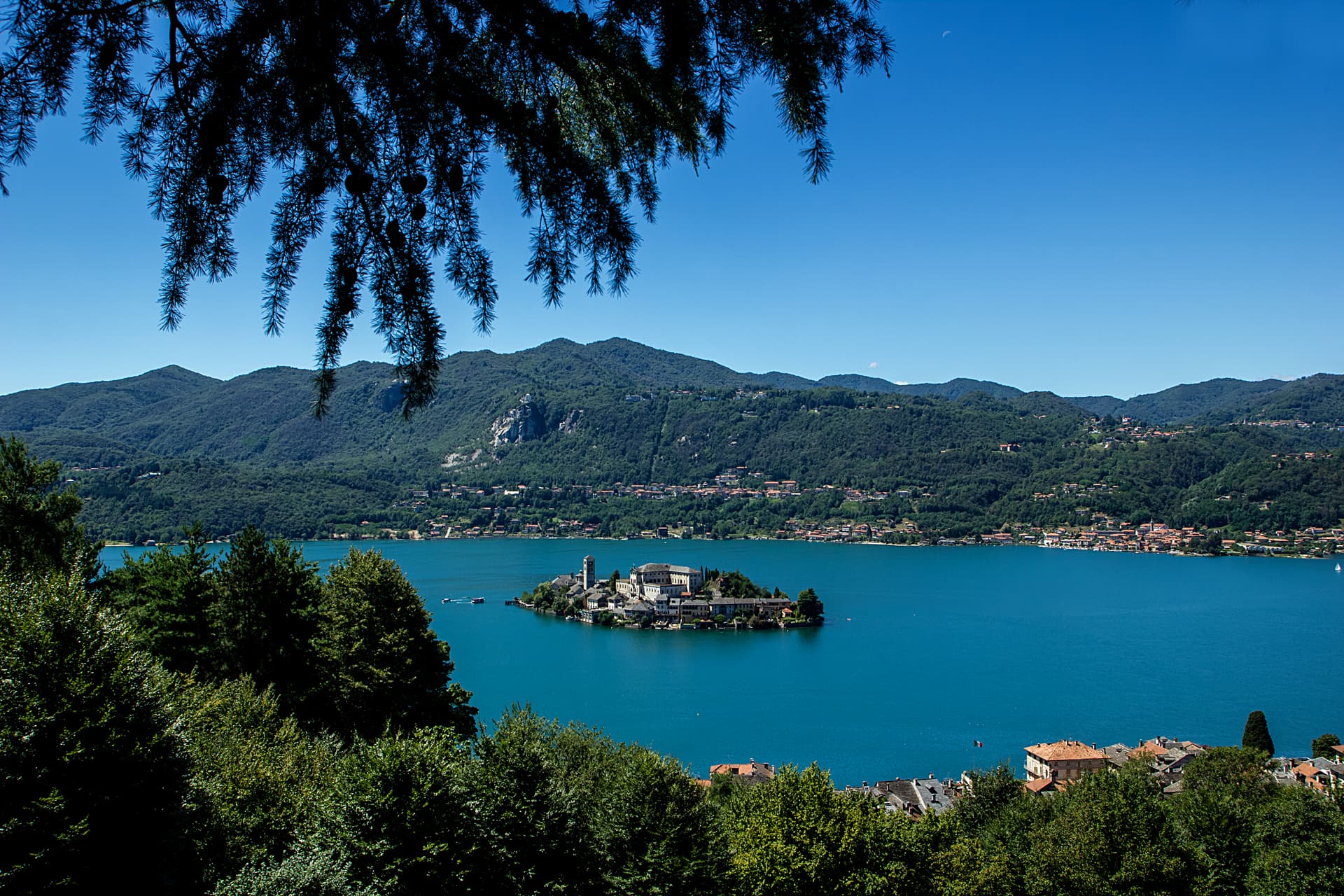
The town at the southern tip of Lake Orta, with a ninth-century basilica for Saint Julian and a twelfth-century signaling tower above the water.
Gattinara
Province: Vercelli
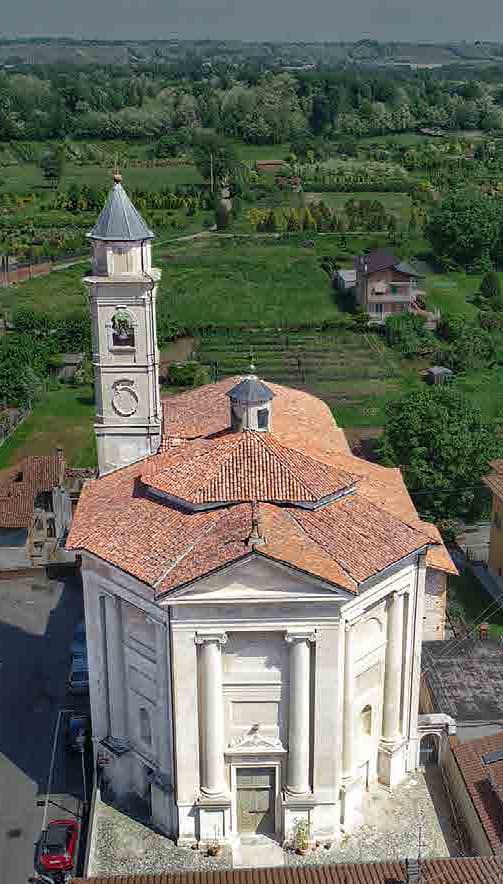
The Alto Piemonte Nebbiolo town on volcanic soil between the Sesia and Monte Rosa, DOCG since 1990, with a tenth-century watchtower above the vines.
Omegna
Province: Verbano-Cusio-Ossola
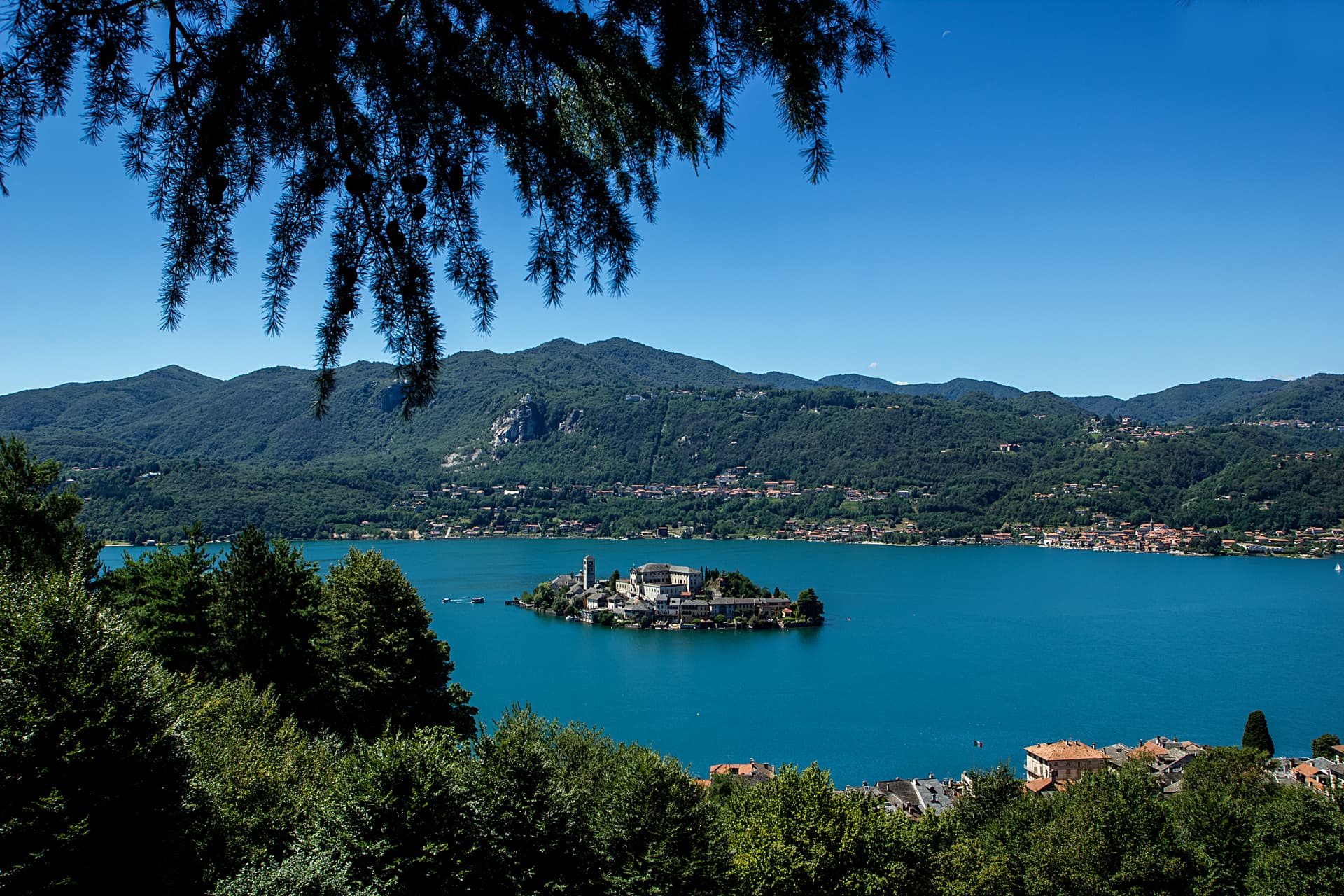
The Lake Orta town at 295 meters where Bialetti, Lagostina and Alessi turned a steel valley into Italy's household-goods capital.
Orta San Giulio
Province: Novara
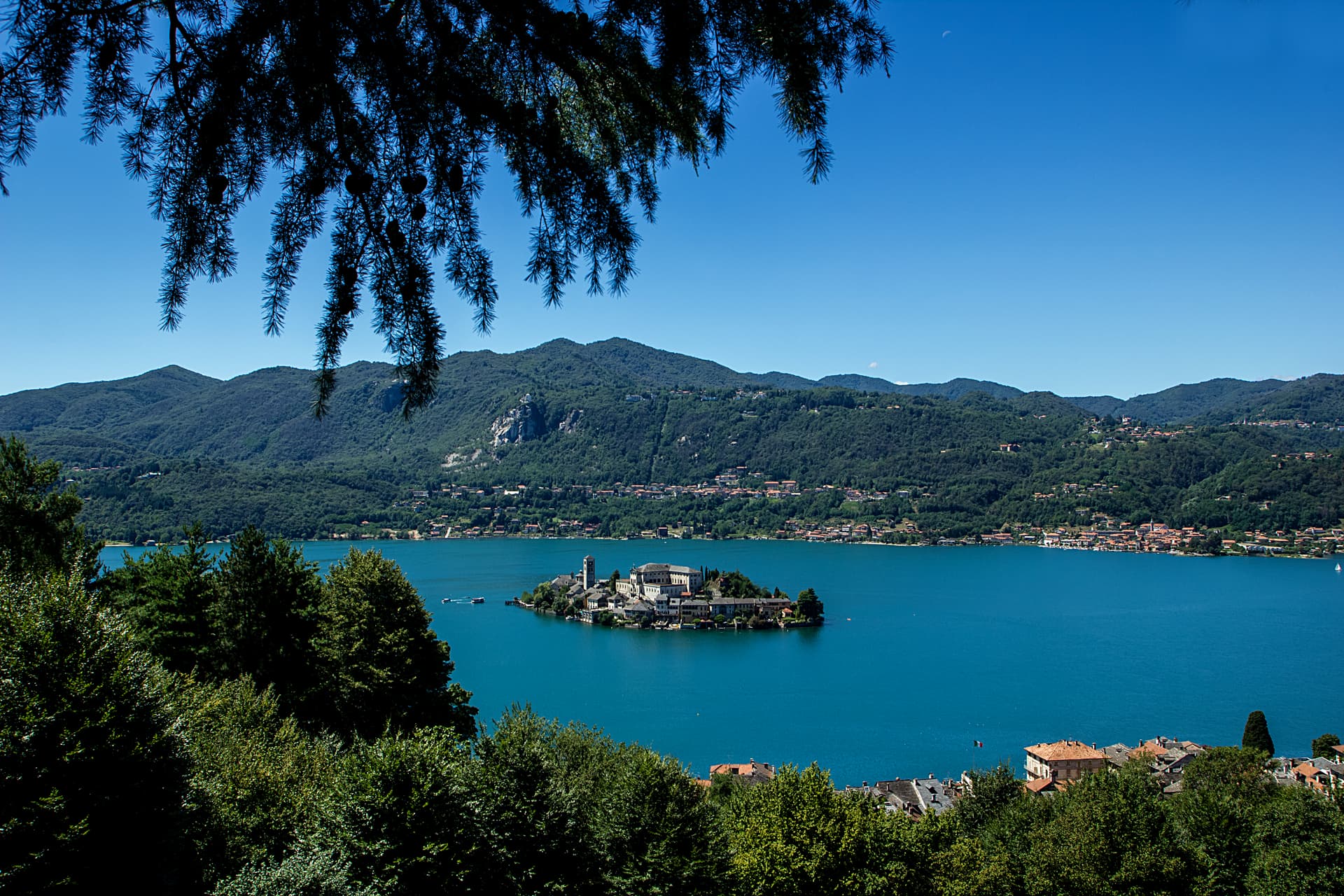
A Lake Orta promontory facing an islet with a Romanesque basilica, plus a UNESCO Sacro Monte of twenty Francis-of-Assisi chapels on the hill above.
🟠 Bandiera Arancione
More Bandiera Arancione towns in Piedmont
Agliè
Province: Torino
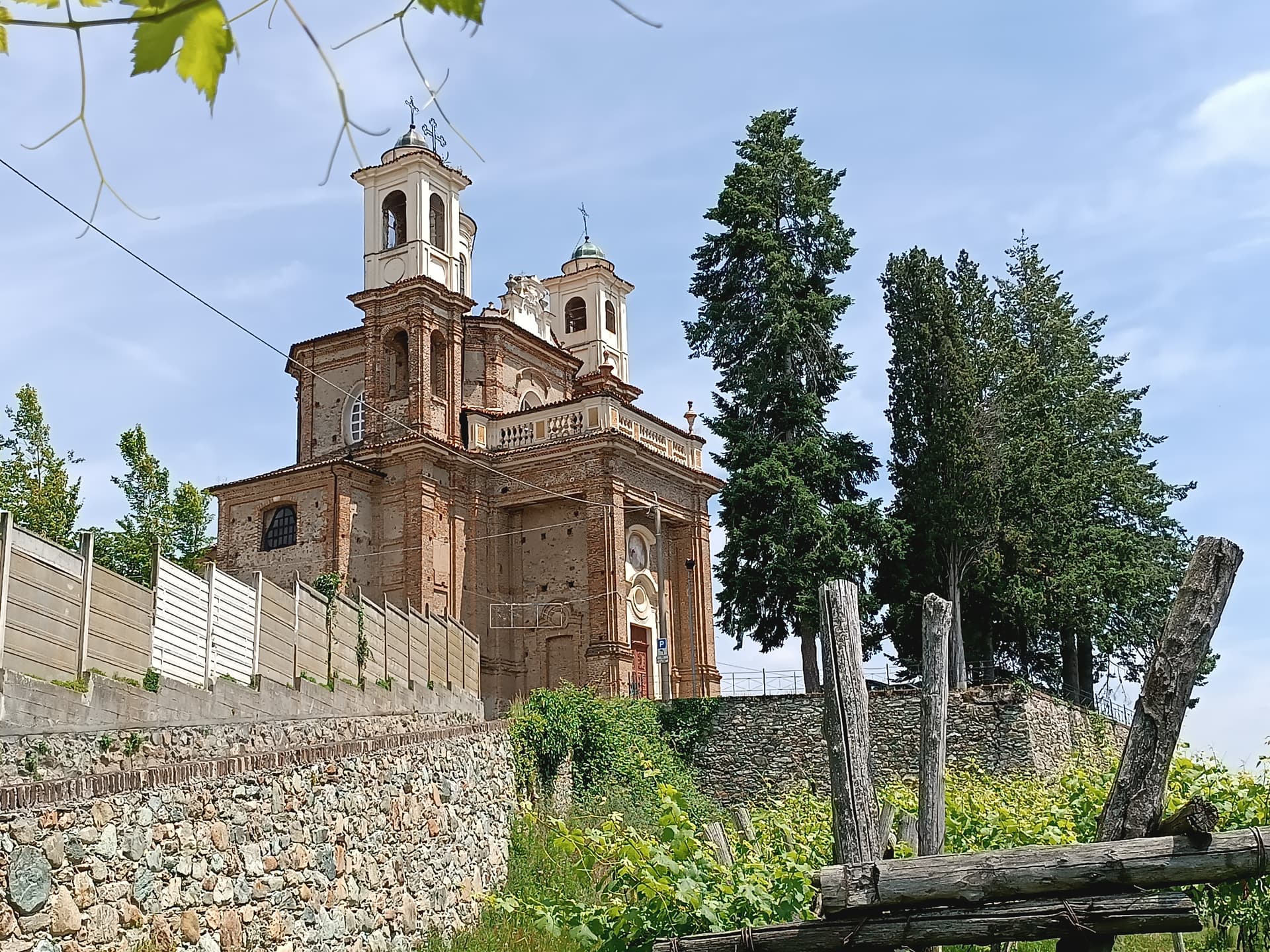
A Canavese borgo at 330 meters whose Castello Ducale, a UNESCO Savoy residence since 1997, has been held by the d'Agliè since 1259.
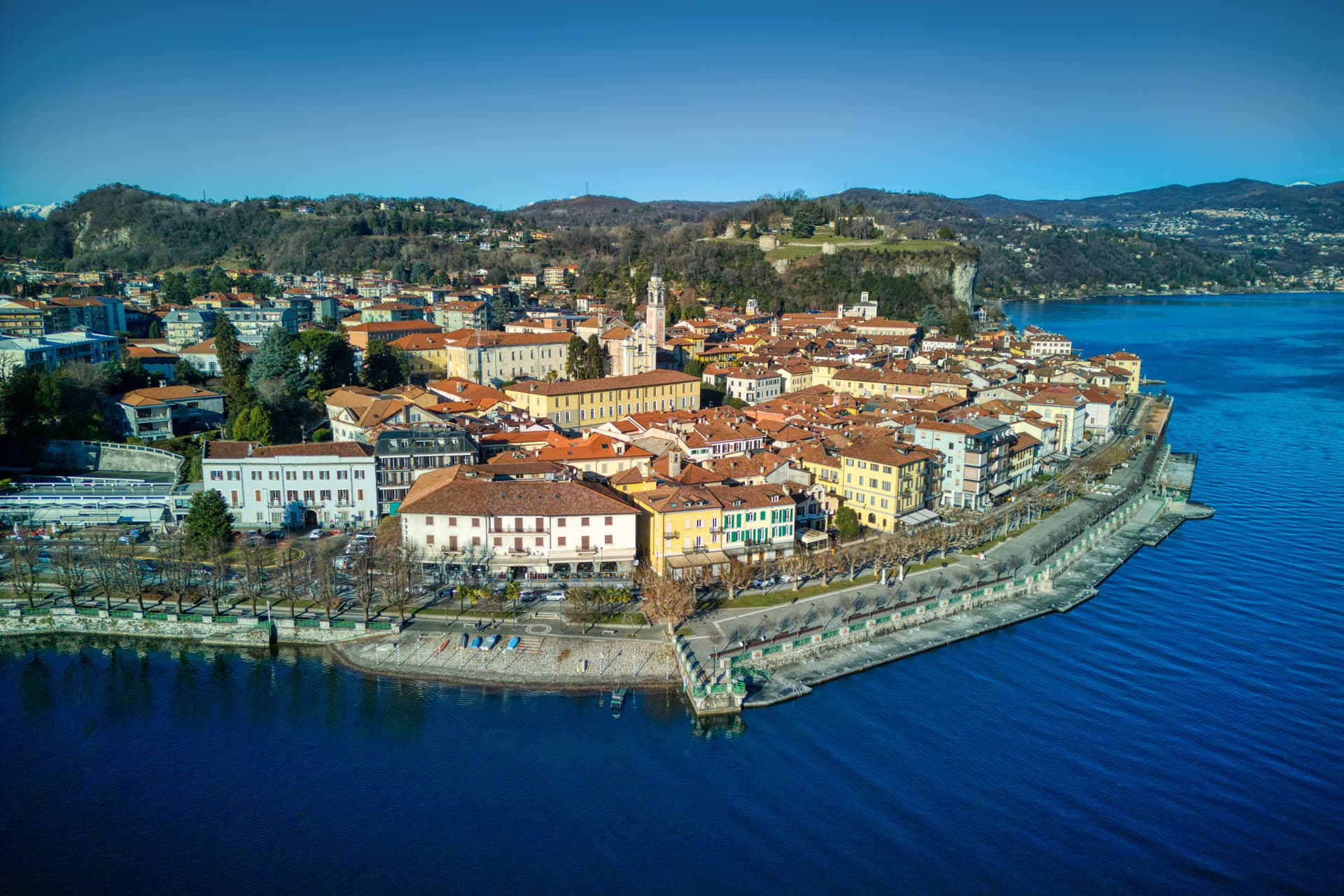
Arona
Province: Novara
A Lake Maggiore town at the southern tip of the lake, watched over by a 35-meter copper colossus of San Carlo Borromeo finished in 1698.
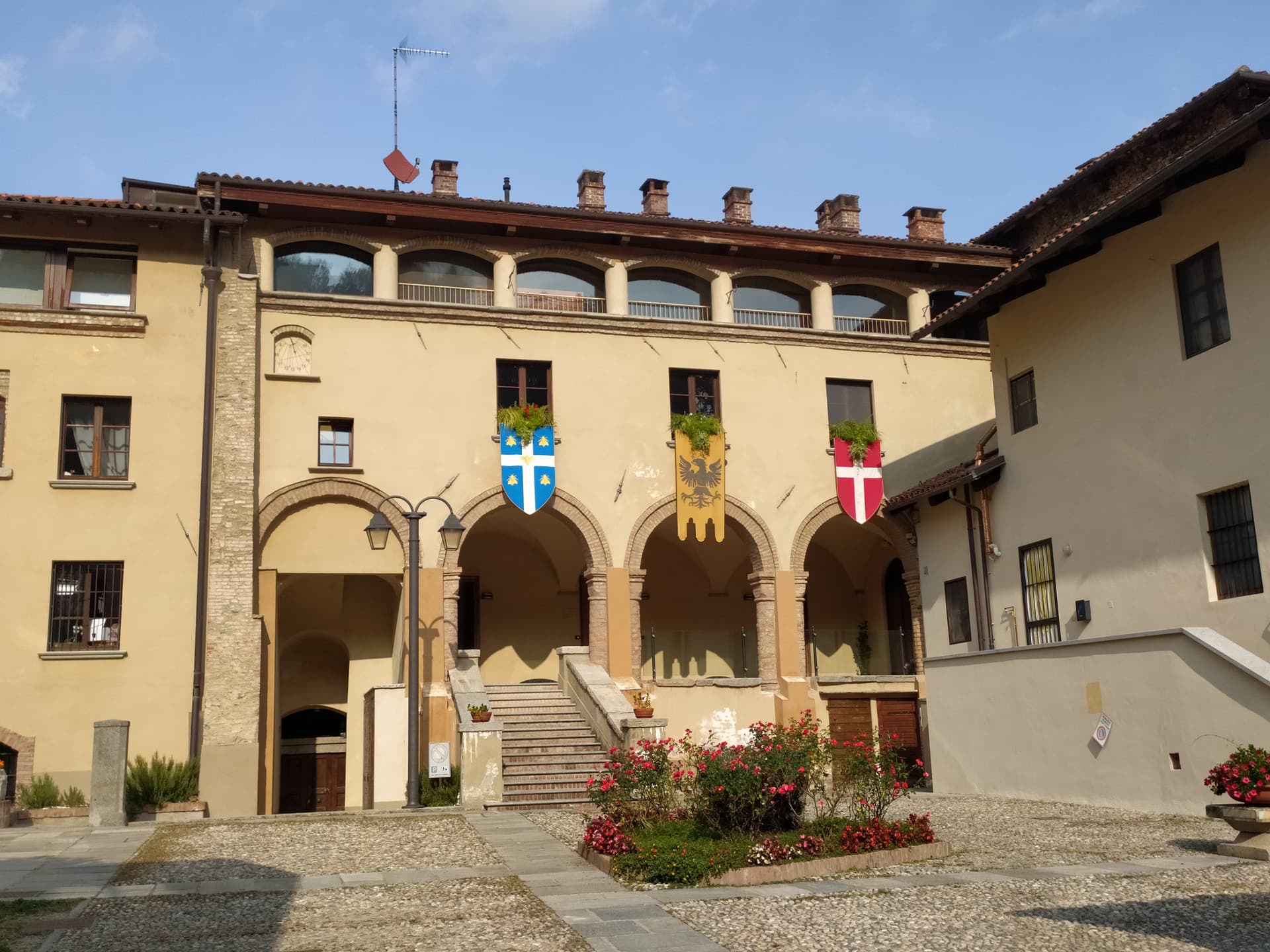
Avigliana
Province: Torino
A medieval Savoy town at 383 meters at the mouth of the Susa Valley, between two glacial lakes and the Sacra di San Michele.
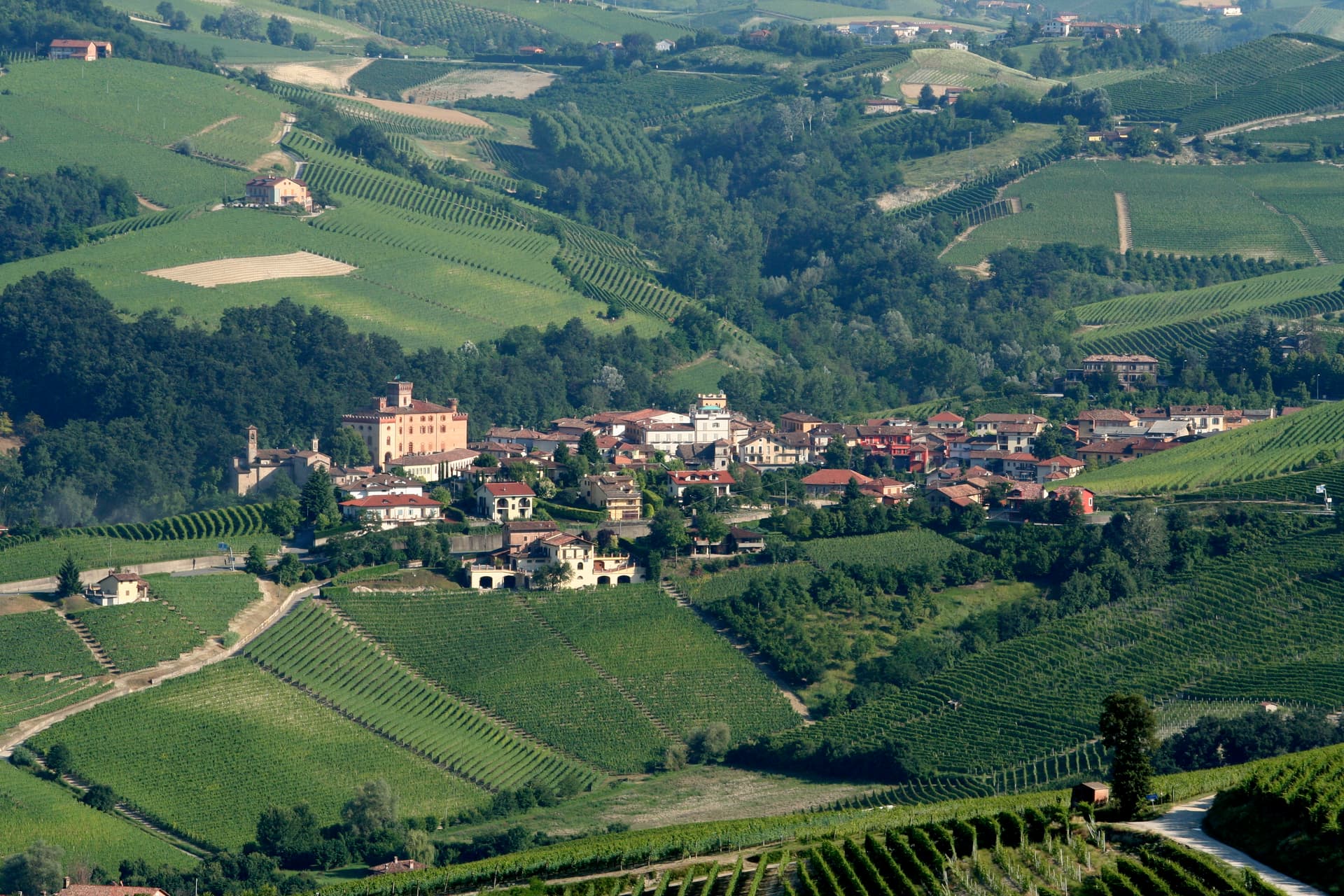
Barolo
Province: Cuneo
A Langhe borgo at 301 meters whose Castello Falletti gave its name to the wine the Marchesi turned dry in the 1830s with Cavour's help.
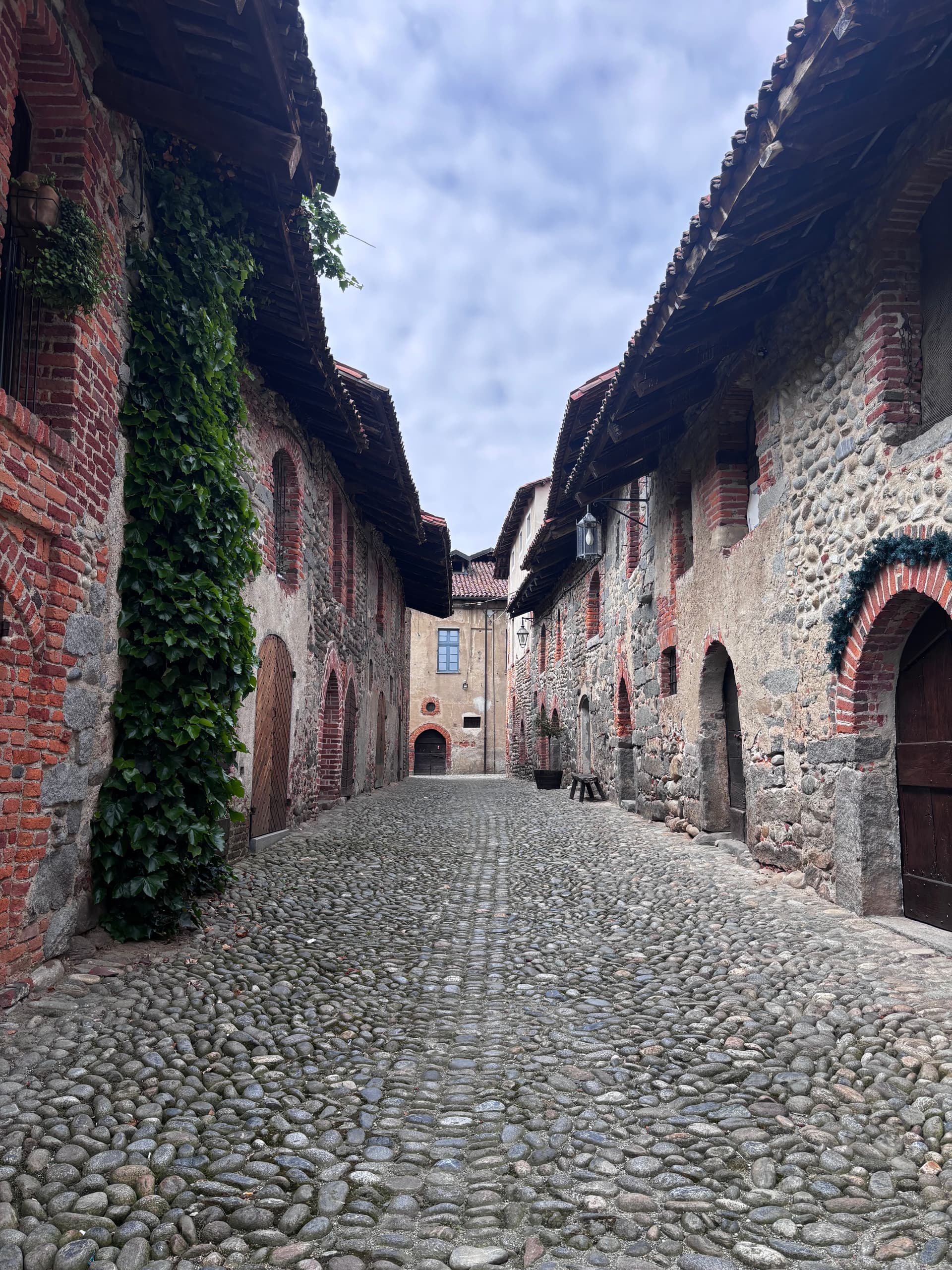
Candelo
Province: Biella
A Biellese commune at 350 meters whose Ricetto, a 13th-century fortified shelter of two hundred stone cellule, is the best-preserved in Piedmont.