

Piedmont · Verbano-Cusio-Ossola
Omegna
The Lake Orta town where Bialetti, Lagostina and Alessi turned a steel valley into Italy's household-goods capital.
Known for
MOKA AND PRESSURE COOKERS
Industrial hub for Alessi, Bialetti, Lagostina and Girmi, the cluster that built Italy's twentieth-century kitchenware district.
GIANNI RODARI
Children's writer and Hans Christian Andersen Award winner, born in Omegna in 1920, now celebrated in the lakeside Parco della Fantasia.
THE NIGOGLIA
Lake Orta's only outflow, leaving Omegna northward toward the Toce, one of the rare south-to-north rivers in the Alpine arc.
When to visit
Best · Apr–Oct
- J
- F
- M
- A
- M
- J
- J
- A
- S
- O
- N
- D
- Best
- Hot or crowded
- Quiet
- Mostly closed
The festa: Sant'Ambrogio, 7 December
Why come
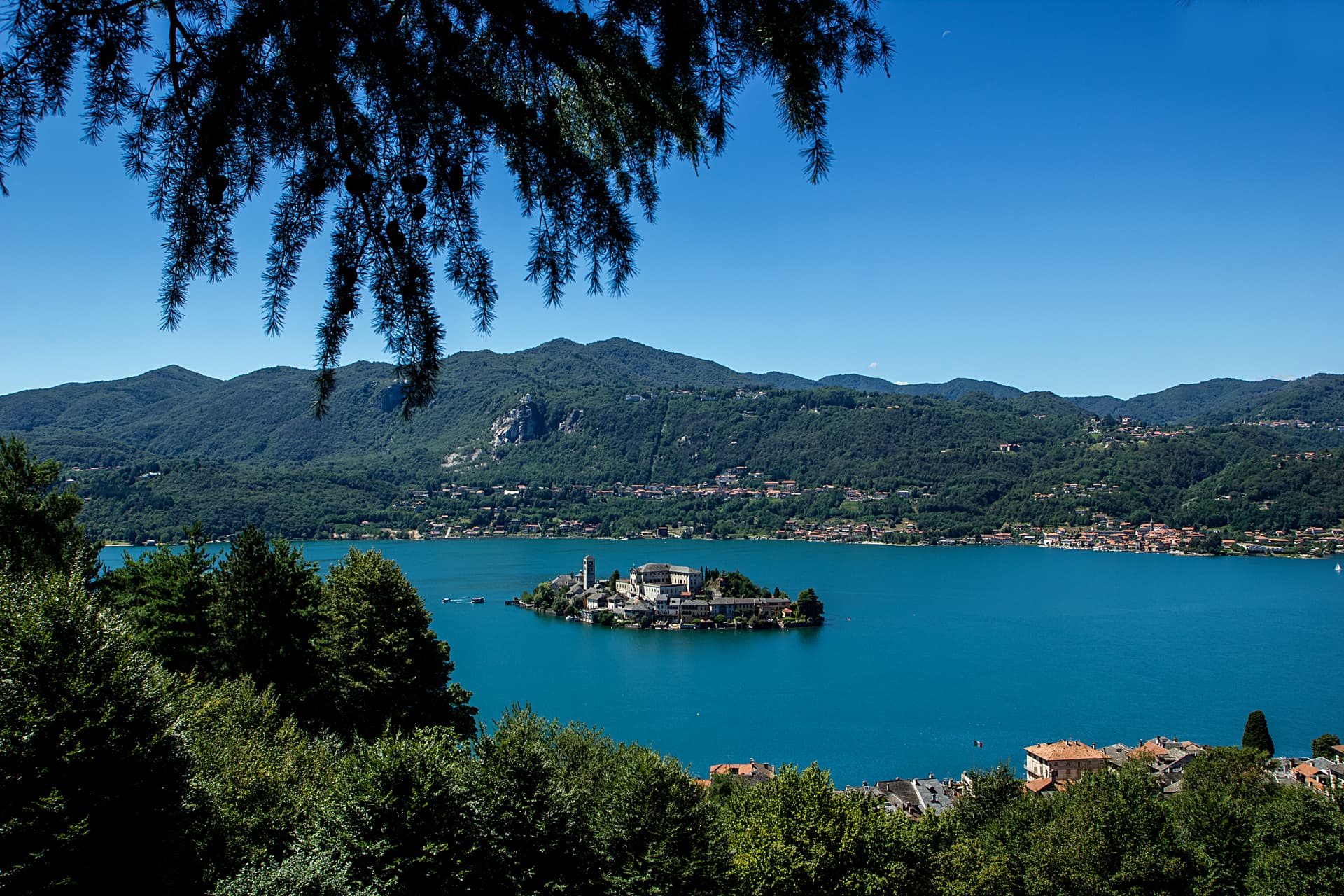
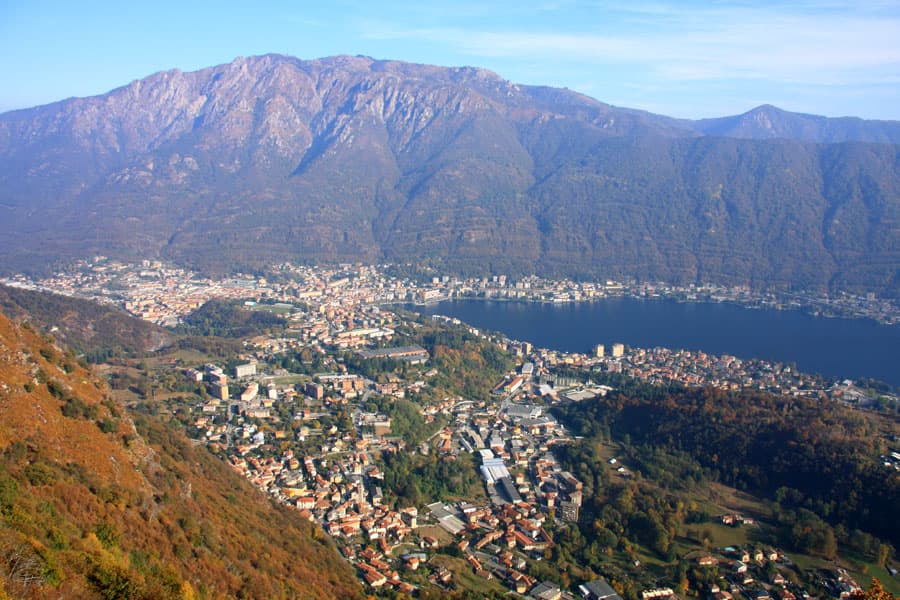
Omegna sits at the northern tip of Lake Orta, in the Verbano-Cusio-Ossola, where the Nigoglia leaves the lake and runs north toward the Toce, one of the few Italian rivers that flows uphill on a map. The town first appears in records in 1221, when it swore allegiance to the commune of Novara. The Sant'Ambrogio collegiate church goes back to the tenth century, with a Romanesque nave and a Porta Romana that survives from the medieval walls.
The real shift came after 1900, when Alessi (founded 1921), Bialetti, Lagostina and Girmi turned the Strona valley into the production hub for Italian pots, moka pots and pressure cookers. Gianni Rodari was born here in 1920; the lakefront still carries the Parco della Fantasia named after him. The Forum, a steel works converted into a museum, holds the permanent collection of the local household-goods district. The lake stays close on three sides.
The Sunday letter
We haven’t written Omegna’s letter yet.
One town every Sunday, with the photo, the food, the festa. Be there when this one comes up. Free, by Peter & Sophia from Pietrasanta.
By subscribing you agree to Substack’s Terms of Use, our Privacy Policy and our Information collection notice.
What to see
Collegiata di Sant'Ambrogio
Tenth-century Romanesque collegiate church with three naves, side chapels and an ossuary, the oldest building in the centro storico.
Porta Romana
Eleventh-century medieval gate, the last surviving of the five gates of the original city walls, standing above the Nigoglia.
Ponte Antico
Late fifteenth-century Sforza-Visconti bridge over the Nigoglia, built after 1490 on Duke Ludovico Sforza's prompting.
Forum Museo Arti e Industria
Cultural centre inside a former steelworks, holding the permanent collection of household items from Alessi, Bialetti, Lagostina, Girmi and the local district.
Lungolago Buozzi e Parco della Fantasia
Lakefront promenade at the head of Lake Orta and the park dedicated to Gianni Rodari, born in Omegna in 1920.
The slow-trip planner
Building a trip? Find where Omegna fits in a slow Italy circuit.
Answer five questions. We will shape a geographically coherent slow trip from the 1,000 Italian towns most travelers skip. Yours to save and share.
Living here
- Population 14,294
- Commuter belti
- Pharmacy in town
- High school within a 30-minute drive
- Train station in the comune
- Nearest airport Milan, 1 h 47 min drive
- Regional capital Torino, 1 h 47 min drive
Tags & datadesignations · numbers · sources
Recognised as
The numbers
- Elevation: 295 m
- Population: 14,294
- Surface area: 30.37 km²
These figures were compiled from public directories — ISTAT, OpenStreetMap, Wikidata — and from the official listings of the guides named on this page. Town details change; verify with official sources before you travel.
Close by
More towns near Omegna
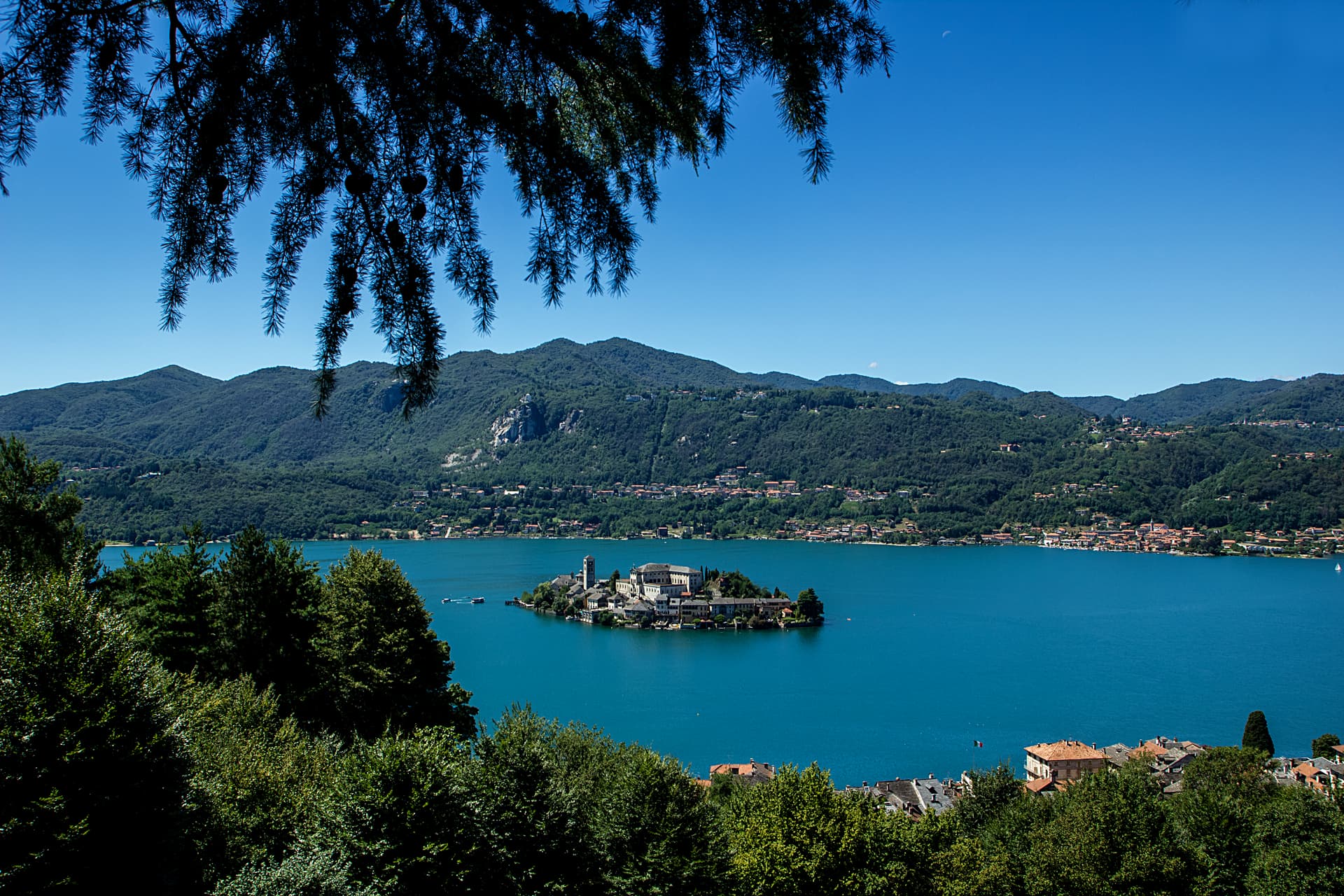
Orta San Giulio
Province: Novara
A Lake Orta promontory facing an islet with a Romanesque basilica, plus a UNESCO Sacro Monte of twenty Francis-of-Assisi chapels on the hill above.
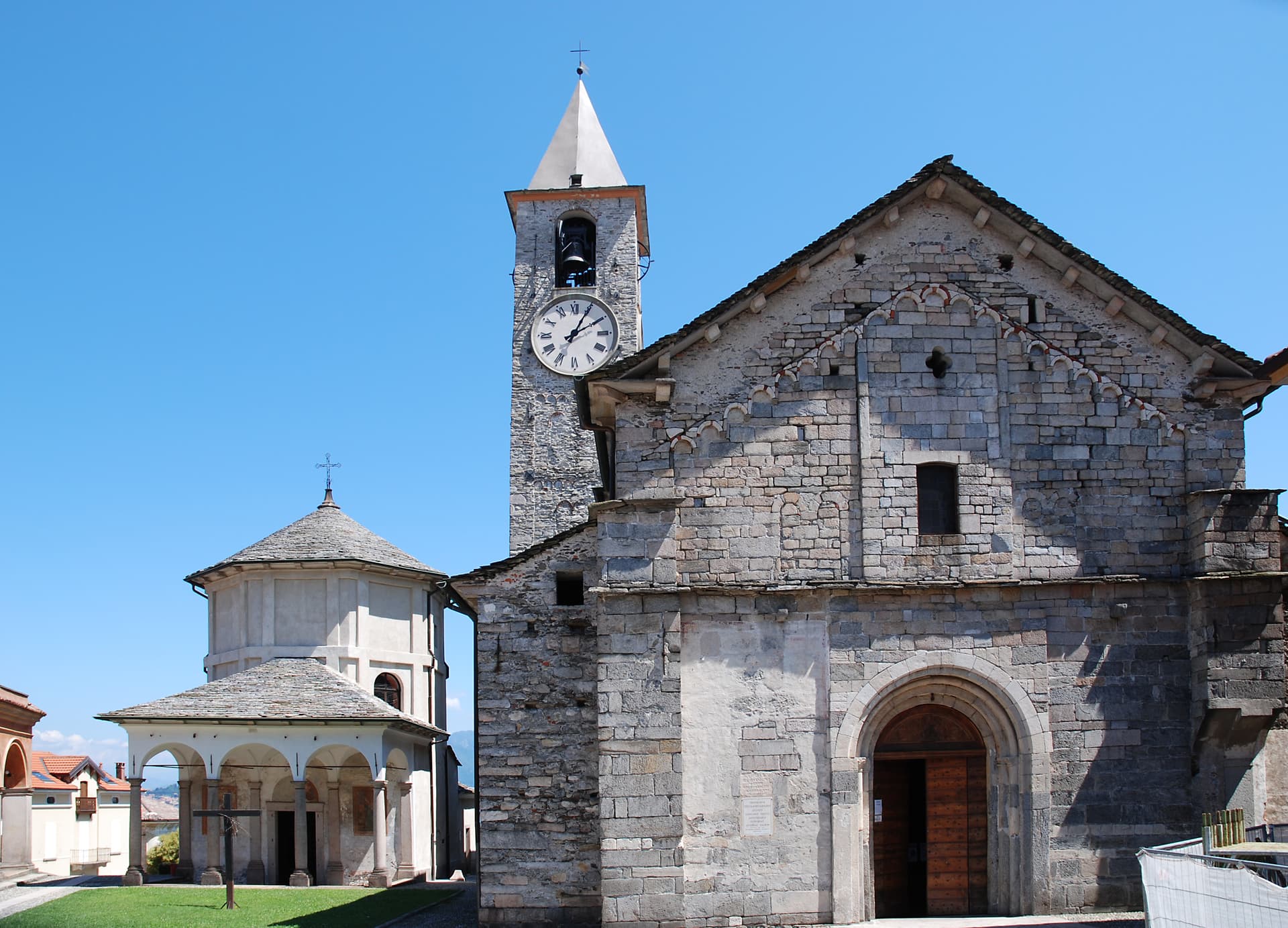
Baveno
Province: Verbano-Cusio-Ossola
A Lake Maggiore town at 205 meters whose red granite columns hold up Milano's cathedral and Rome's San Paolo fuori le Mura.
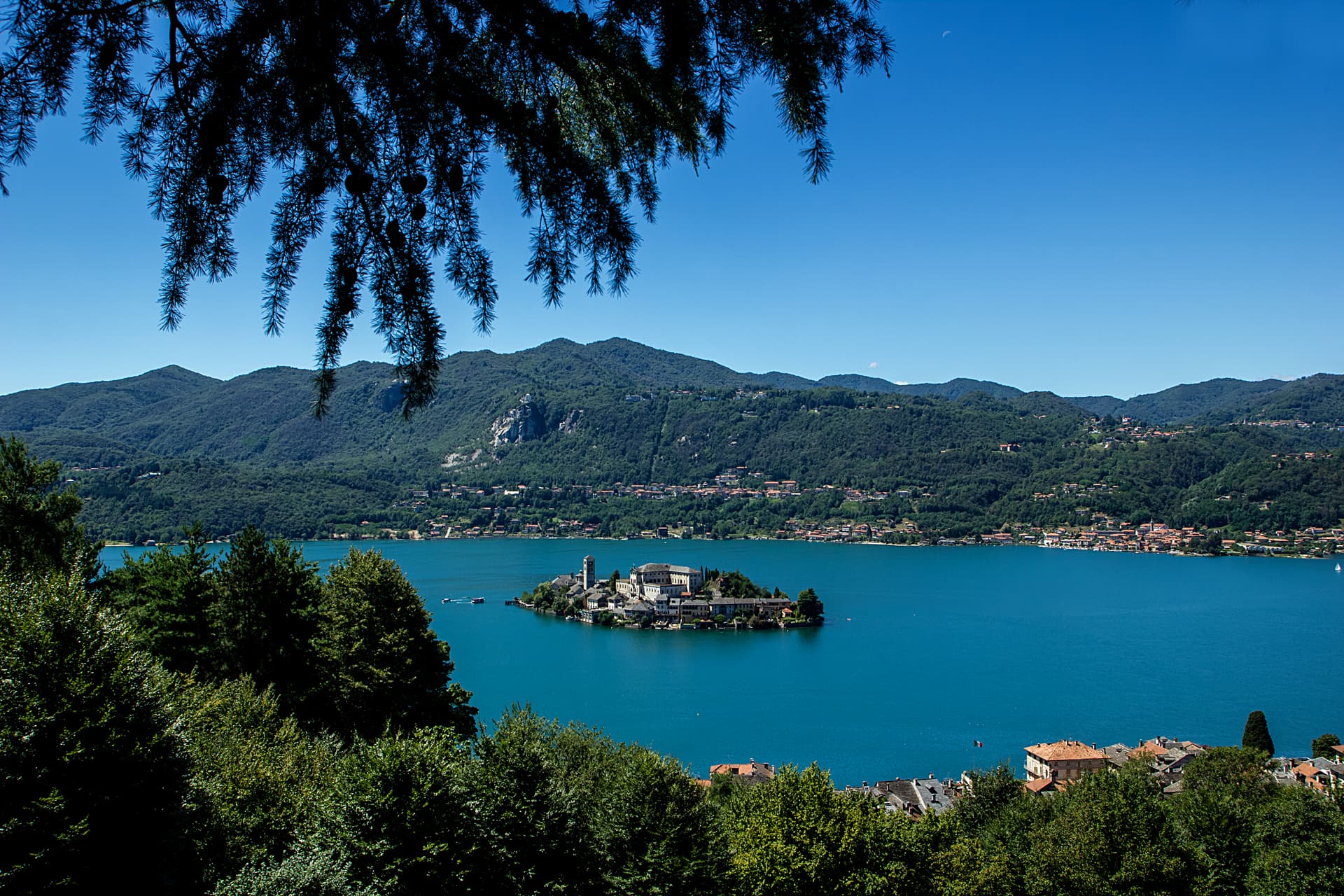
Gozzano
Province: Novara
The town at the southern tip of Lake Orta, with a ninth-century basilica for Saint Julian and a twelfth-century signaling tower above the water.
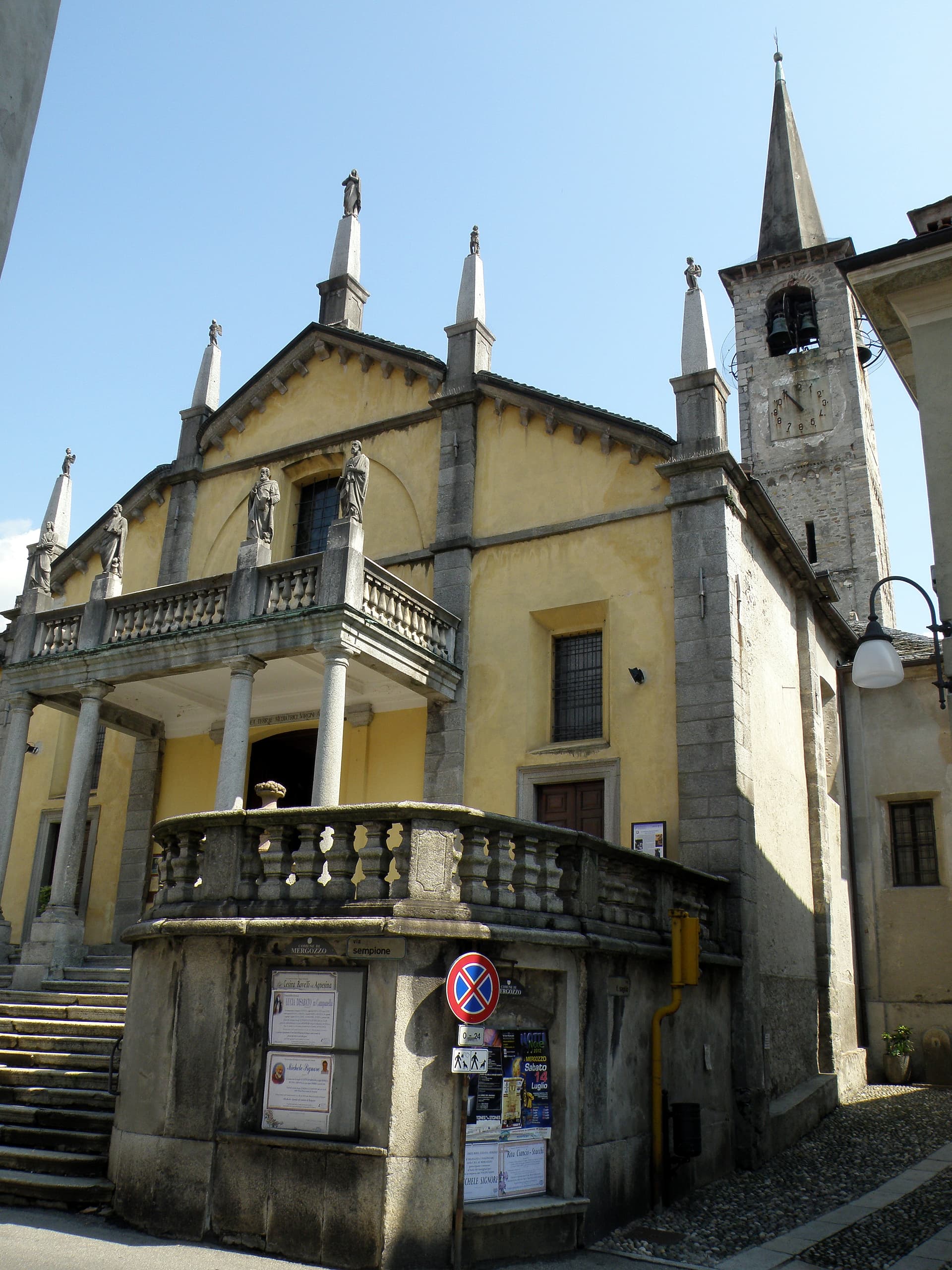
Mergozzo
Province: Verbano-Cusio-Ossola
A 2.5-kilometer lake cut from Lago Maggiore by Toce flood sediments, with a centuries-old elm on its lakefront piazza.
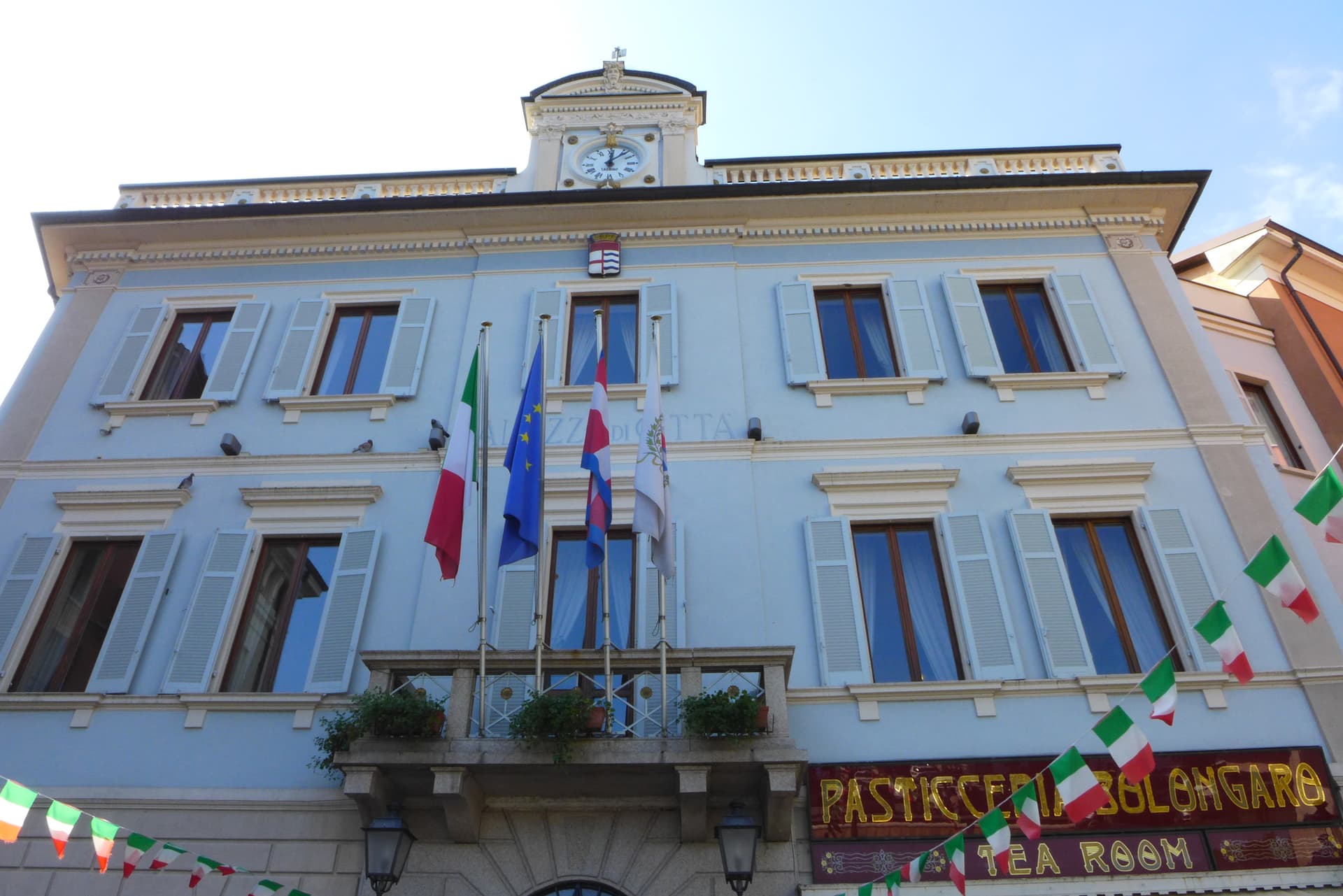
Stresa
Province: Verbano-Cusio-Ossola
A Lake Maggiore resort town at 200 meters facing the Borromean Islands, grand-hotel waterfront and home of the Settimane Musicali since 1962.
⛷️ Ski Area
More Ski Area towns in Piedmont
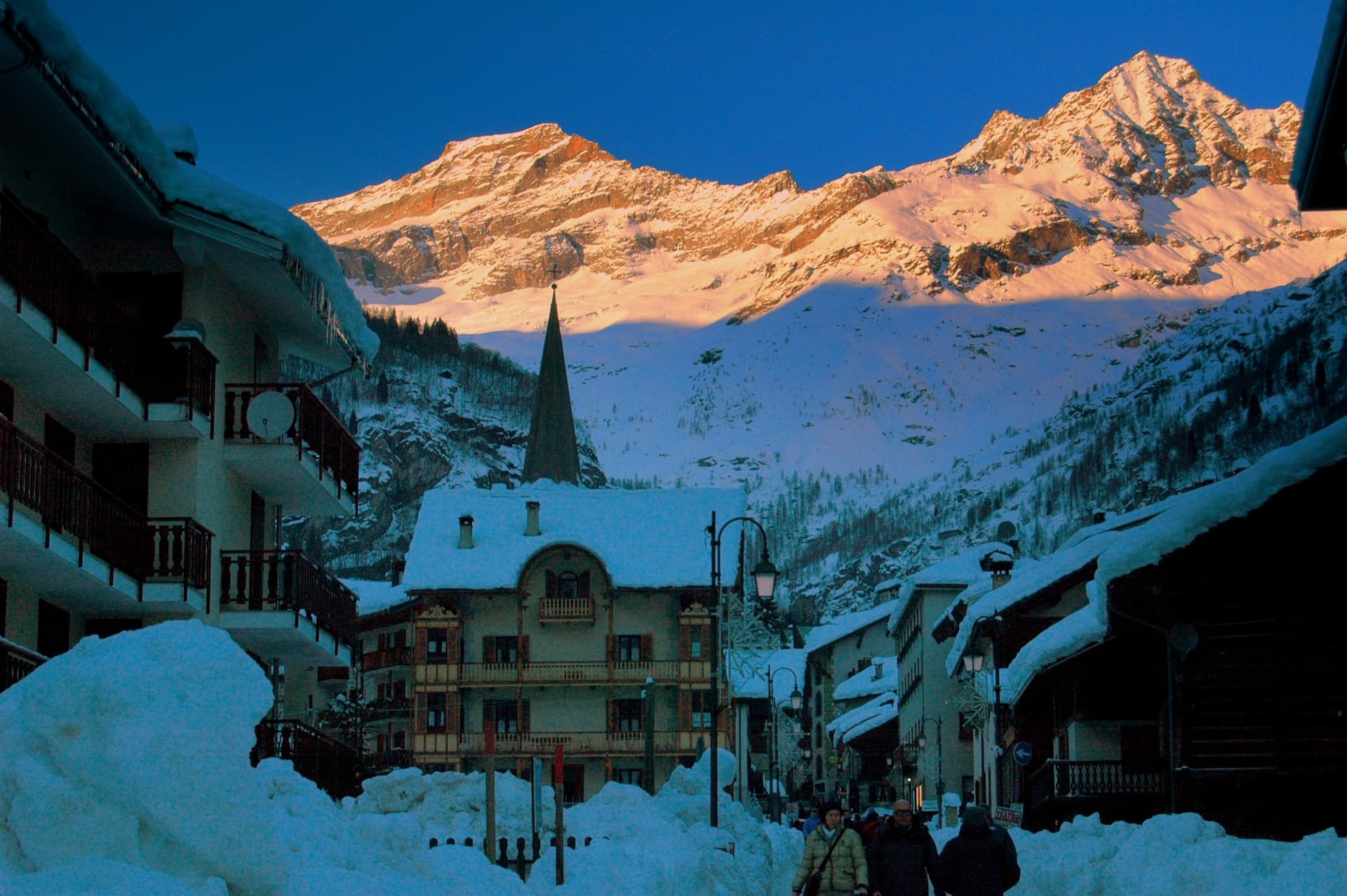
Alagna Valsesia
Province: Vercelli
A Walser village at 1,191 meters under Monte Rosa, settled from the Swiss Valais in the 13th century and known to off-piste skiers worldwide.
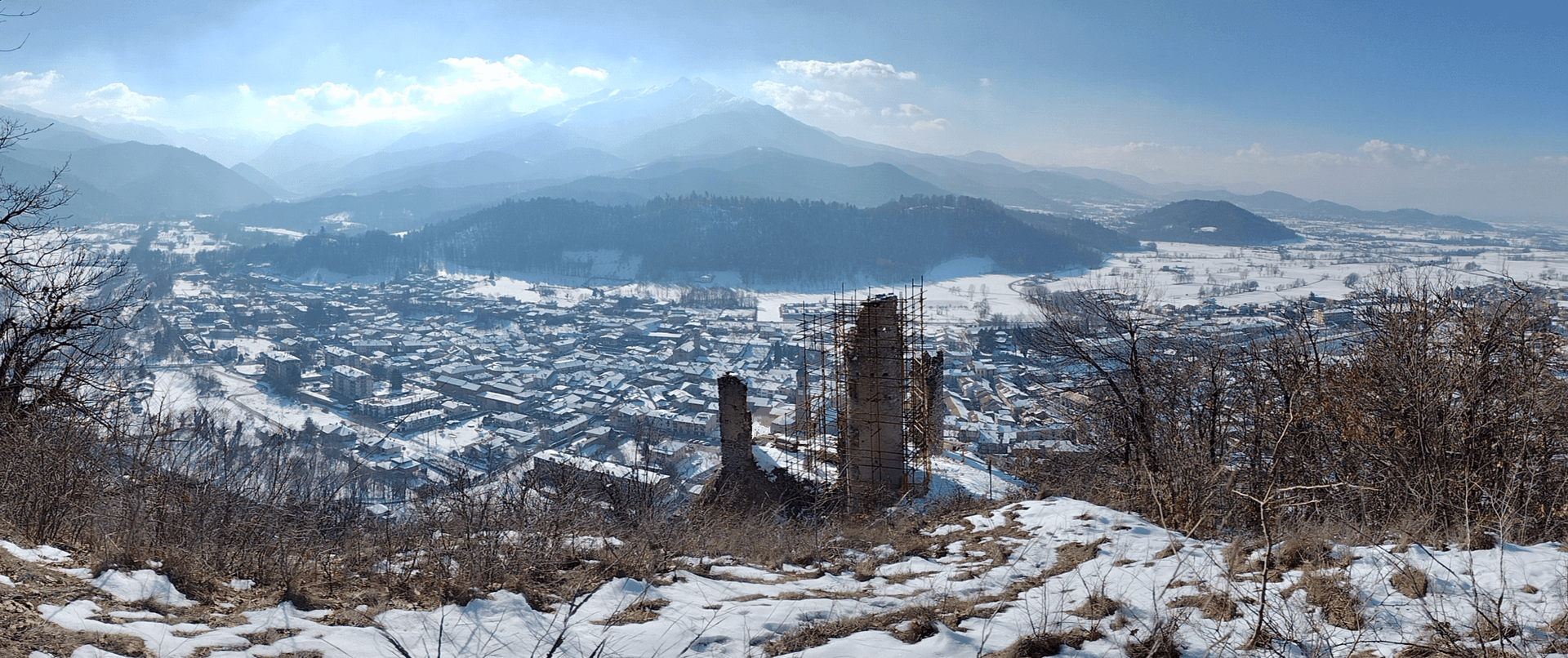
Chiusa di Pesio
Province: Cuneo
The valley mouth town at 575 meters where the Pesio leaves the Ligurian Alps, founded around a Carthusian monastery donated in 1173.
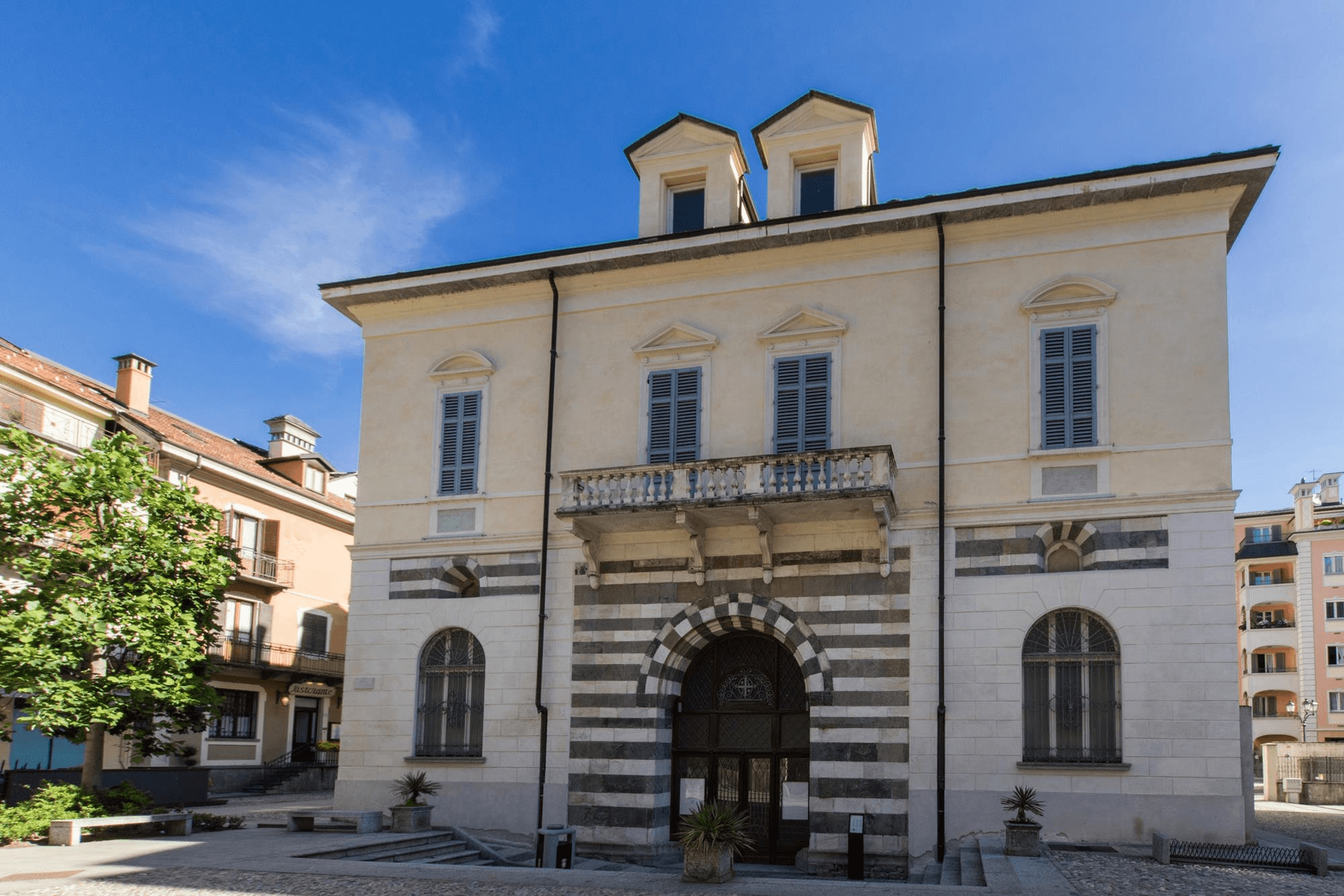
Domodossola
Province: Verbano-Cusio-Ossola
The Ossola capital at 272 meters at the foot of the Simplon Pass, with a UNESCO Sacro Monte on the hill above.
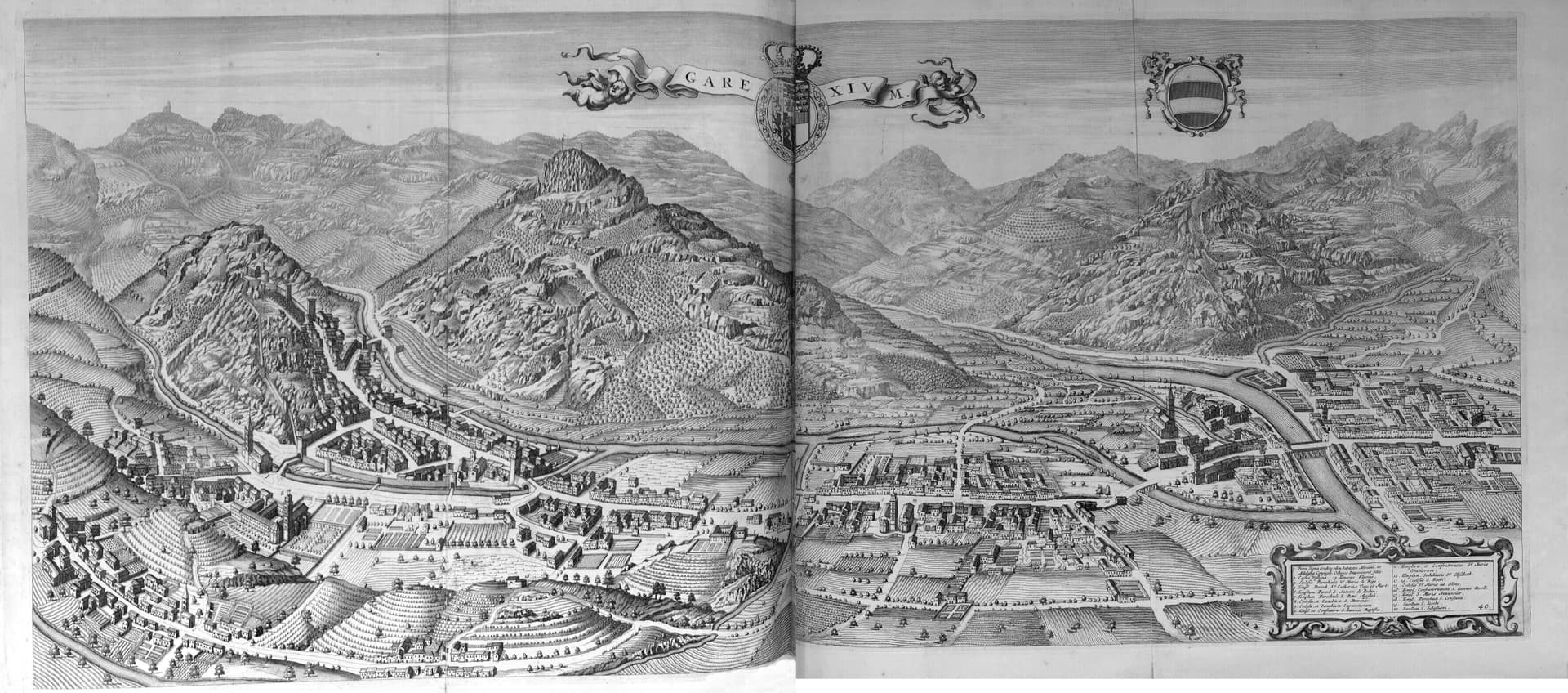
Garessio
Province: Cuneo
A four-borgo medieval town at 621 meters on the Liguria-Piemonte border, built on the salt road and the source of the Acqua San Bernardo.
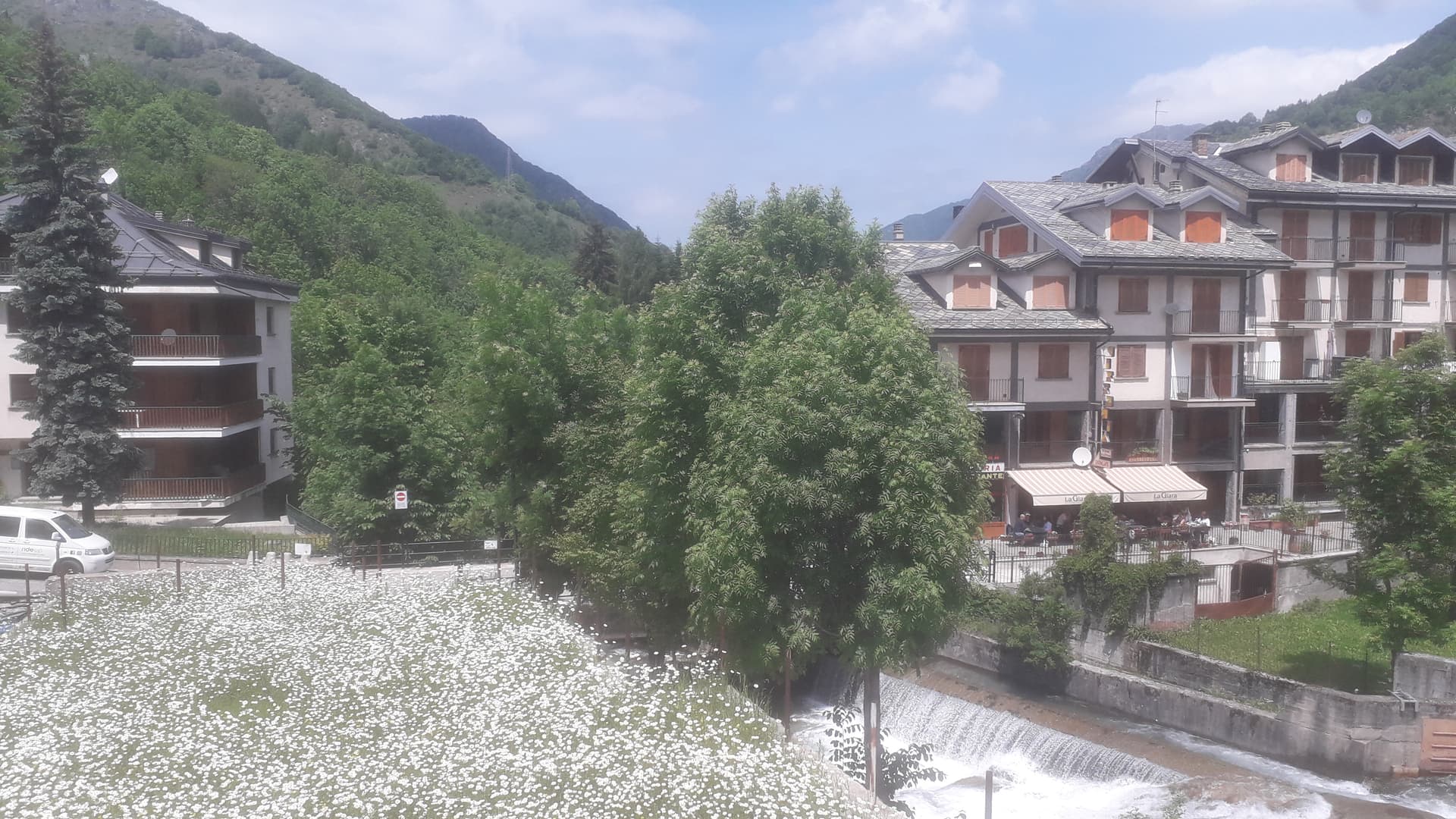
Limone Piemonte
Province: Cuneo
A ski village at 1,000 meters in the Vermenagna valley, the southern end of the Alps where the Tenda tunnel drops toward the Côte d'Azur.