

Piedmont · Cuneo
Ostana
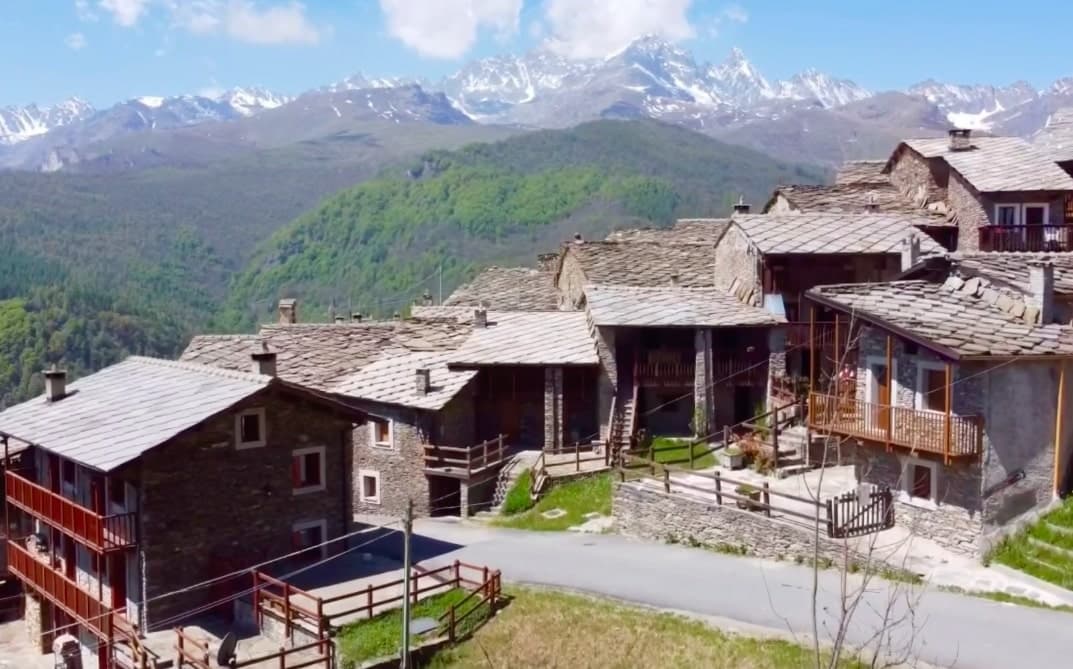
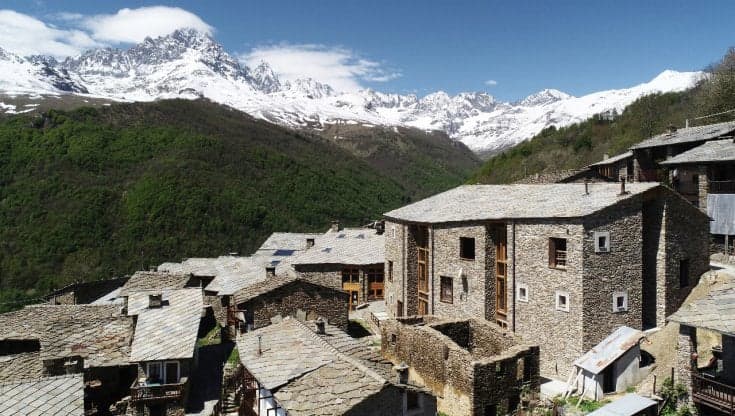
Italy's most spectacular Monviso belvedere — an 85-resident Occitan-speaking alpine borgo at 1,280m in the upper Po valley, with a direct frontal view of Monviso (3,841m), an architecturally celebrated mountain renaissance (60+ ruined stone houses rebuilt 2000-2024 by a regional master plan), and Borghi più belli d'Italia inscription despite the small population.
Known for
MONVISO VIEW
The most spectacular Italian-village head-on view of Monviso (3,841m, source of the Po). Picture-postcard angle from every village terrace.
ALPINE VILLAGE REBIRTH MODEL
1985 masterplan rebuilt 60+ ruined houses in traditional style with Class A insulation. Architectural press across Europe cites Ostana as the alpine rebirth template.
OCCITAN CULTURAL CENTRE
Italian Occitan linguistic island. Premio Ostana — Scritture in Lingua Madre, international minority-language literary prize, 15th year.
GTA + PO SOURCE
The Grande Traversata delle Alpi trail crosses the village. Po source at Pian del Re 12 km west. The Monviso massif trail network.
When to visit
Best · Jun–Sep
- J
- F
- M
- A
- M
- J
- J
- A
- S
- O
- N
- D
- Best
- Hot or crowded
- Quiet
- Mostly closed
Why come
Ostana is the most photographed Italian Monviso village — a 85-resident Occitan-speaking commune at 1,280m altitude on the south-facing slope of the upper Po valley, with a direct head-on view of Monviso (the 3,841m pyramidal peak that's the source of the Po river and the visual symbol of the Italian western Alps). The geography and the depopulation story are equally part of the appeal: in 1921 Ostana had 1,200 residents working high-altitude rye + pasture + chestnut economies; by 1985 it was 25 residents, with 60+ ruined stone houses and the village near-officially abandoned. The reinvention started in 1985 when the new mayor Giacomo Lombardo (an architect) launched a 30-year masterplan to rebuild the ruined houses in their original 17th-19th-c stone-and-larch style, attract Occitan-culture residents (Ostana sits in the Italian Occitan linguistic island — the Provençal-related dialect still spoken across the upper valleys of Cuneo + Torino provinces, with maybe 50,000 speakers total), and reposition the village as both an alpine architecture showcase and a cultural-Occitan centre.
It worked: by 2024 the resident population was back to 85 (still tiny but stable, with the demographic curve reversed), 60+ houses had been restored using traditional materials + insulation modern enough to pass Class A energy ratings, the Lou Pourtoun (cultural centre + library + restaurant) anchors the new community life, the village holds the Borghi più belli d'Italia inscription, and architectural press across Europe regularly cites Ostana as a model for Alpine village rebirth. The Premio Ostana — Scritture in Lingua Madre (annual international literary prize for writers in minority/native languages, ranging from Occitan to Sardinian to Maori to Wales-Welsh) is now in its 15th year. Beyond architecture + culture: Monviso direct view from every angle, the GTA (Grande Traversata delle Alpi) long-distance trail crosses the village, the Sentiero del Re (royal hunting trail), and the Po river source 12 km west at the Pian del Re.
The food is Occitan-alpine: gnocchi con bagna cauda, cunsa di bietole, raviolas di rapa, raclette + fontina mountain cheese, the local Barolo + Barbaresco from the Langhe 60 km east. Like all alpine villages, Ostana is winter-quiet — the high season is summer June-September.
The Sunday letter
We haven’t written Ostana’s letter yet.
One town every Sunday, with the photo, the food, the festa. Be there when this one comes up. Free, by Peter & Sophia from Pietrasanta.
By subscribing you agree to Substack’s Terms of Use, our Privacy Policy and our Information collection notice.
What to see
Monviso direct view (3,841m)
The most spectacular head-on village view of the Monviso pyramid in the Italian Alps. Belvedere terraces across the centro give the framed picture-postcard angle.
Restored 17th-19th-c stone borgo
60+ ruined houses rebuilt since 1985 in traditional larch-and-stone style with modern Class A energy insulation. Borghi più belli d'Italia inscribed despite the 85-resident population.
Occitan culture + Premio Ostana
Italian Occitan linguistic island. The annual Premio Ostana — Scritture in Lingua Madre is an international prize for writers in minority/native languages, in its 15th year.
Lou Pourtoun (cultural centre)
Restored building combining library + restaurant + cultural events space. Anchor of the village's new community life since 2012.
GTA + Sentiero del Re + Pian del Re
The Grande Traversata delle Alpi long-distance trail crosses the village. The Sentiero del Re (royal hunting trail). Po river source at Pian del Re 12 km west.
The slow-trip planner
Building a trip? Find where Ostana fits in a slow Italy circuit.
Answer five questions. We will shape a geographically coherent slow trip from the 1,000 Italian towns most travelers skip. Yours to save and share.
Living here
- Population 85
- Off the beaten pathi
- Pharmacy: none mapped
- Nearest high school over ~30 minutes away
- Nearest airport Turin, 1 h 43 min drive
- Regional capital Torino, 1 h 34 min drive
Tags & datadesignations · numbers · sources
Recognised as
The numbers
- Elevation: 1280 m
- Population: 85
- Surface area: 14.09 km²
These figures were compiled from public directories — ISTAT, OpenStreetMap, Wikidata — and from the official listings of the guides named on this page. Town details change; verify with official sources before you travel.
Close by
More towns near Ostana
Racconigi
Province: Cuneo
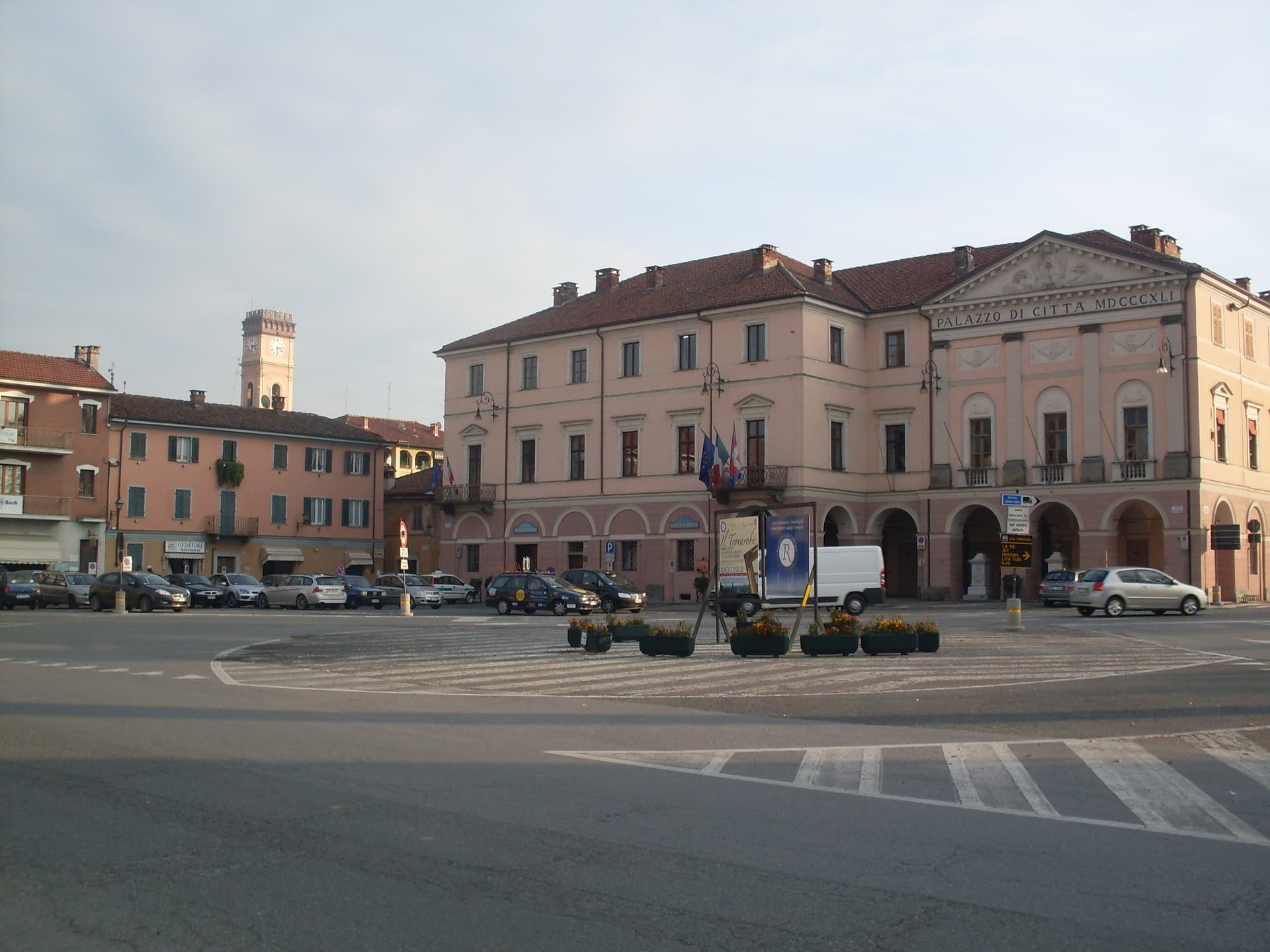
A Po-plain town south of Torino built around the UNESCO Castello Reale, the Carignano Savoy residence whose park holds Italy's largest white-stork colony.
Villar San Costanzo
Province: Cuneo
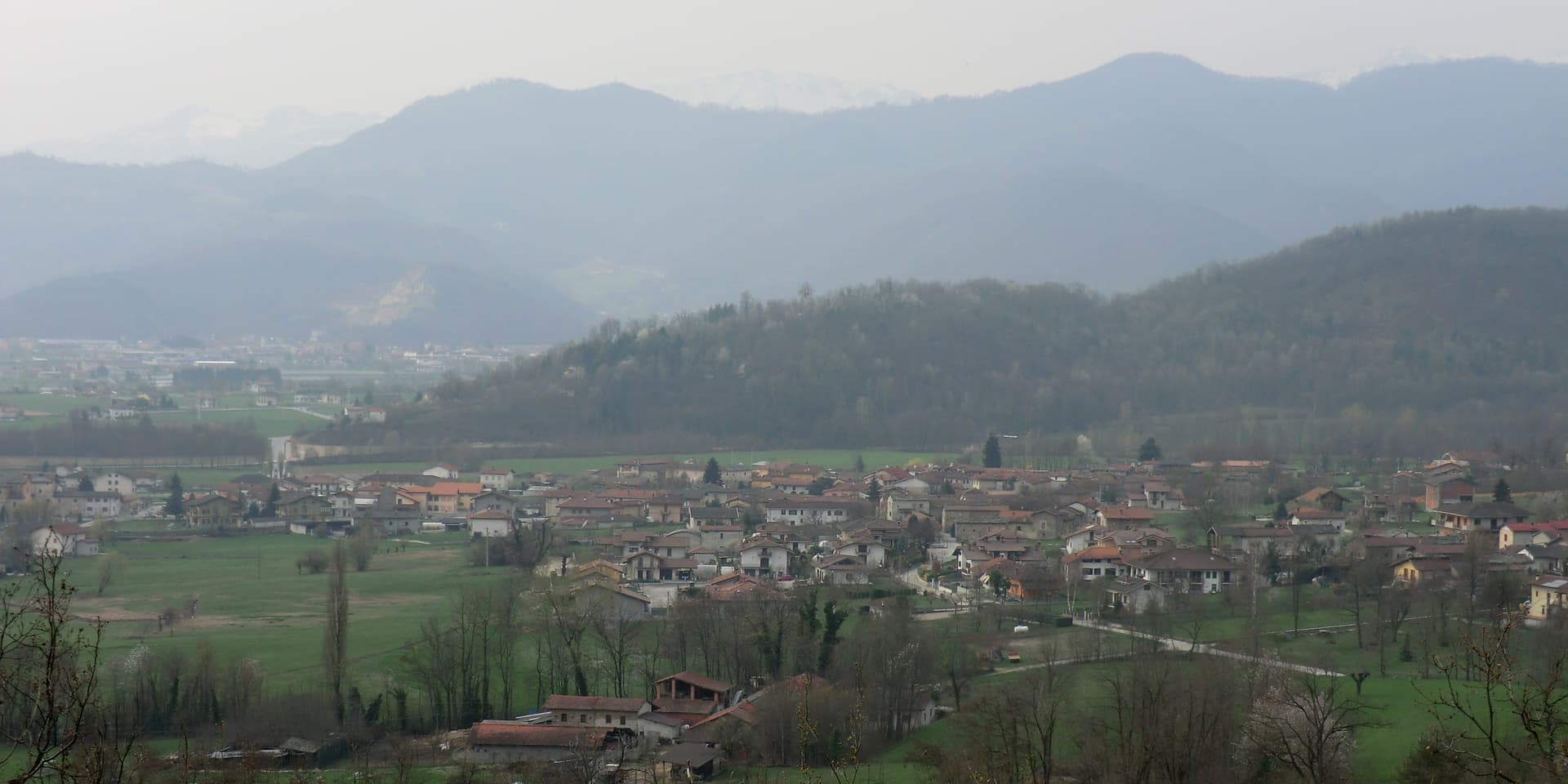
A Val Maira village at 605 meters under Monte San Bernardo, with a reserve of 479 mushroom-shaped erosion columns.
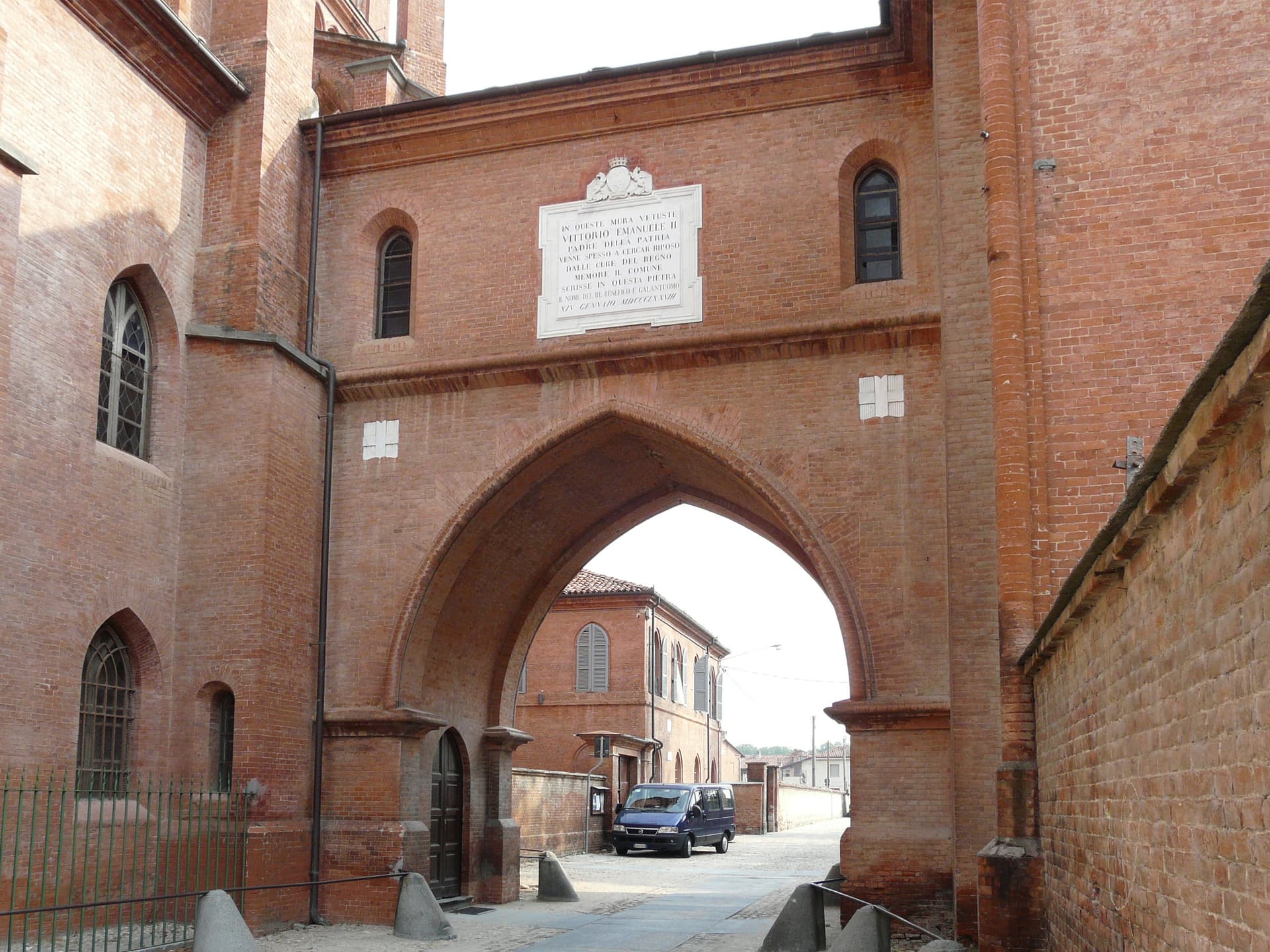
Bra
Province: Cuneo
A Roero town at 290 meters where Carlo Petrini founded Slow Food in 1986 and the world's first gastronomic university now teaches food systems.
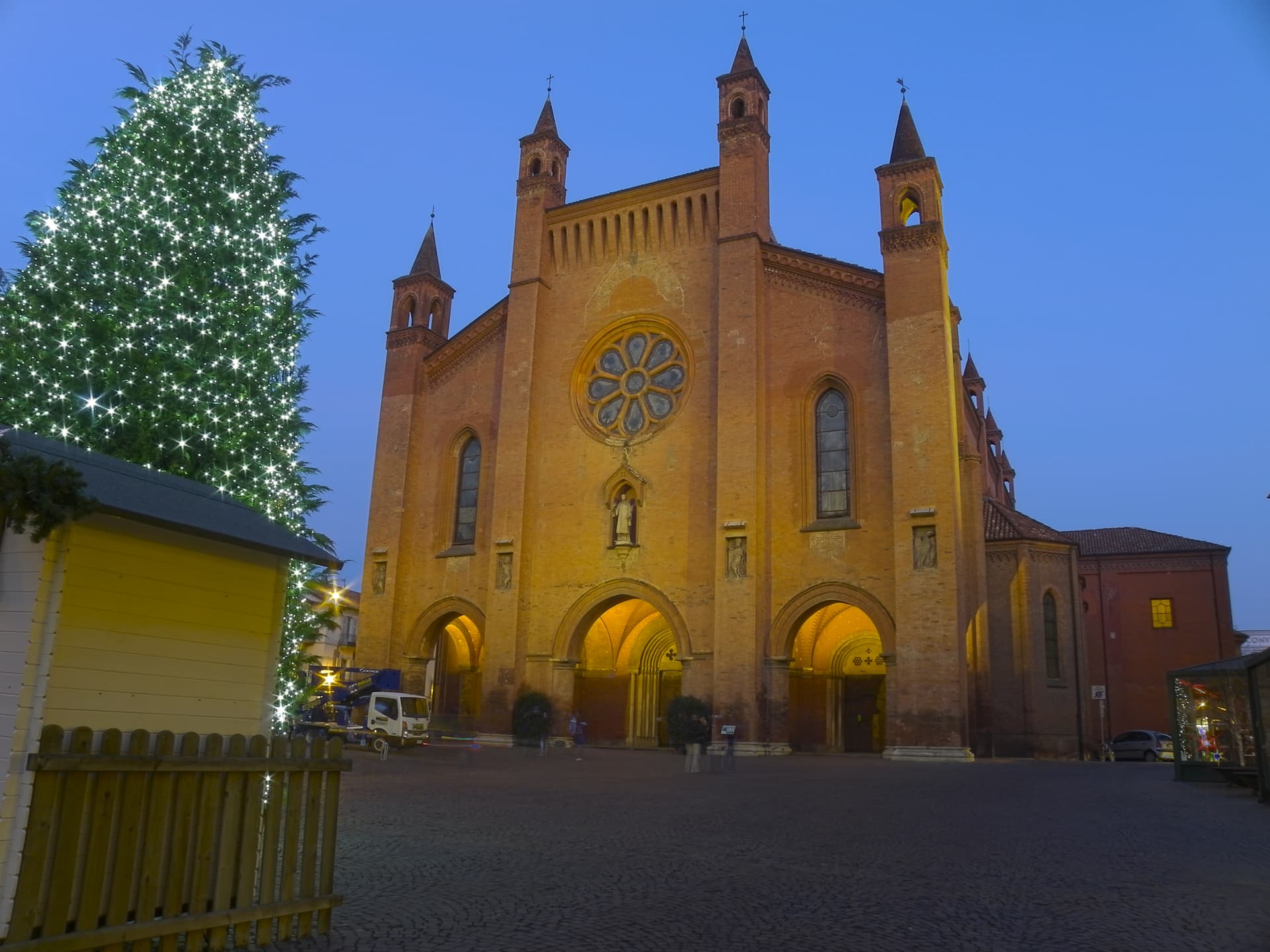
Alba
Province: Cuneo
The Langhe capital at 172 meters on the Tanaro, world reference for white truffle and Nebbiolo, headquarters of Ferrero.
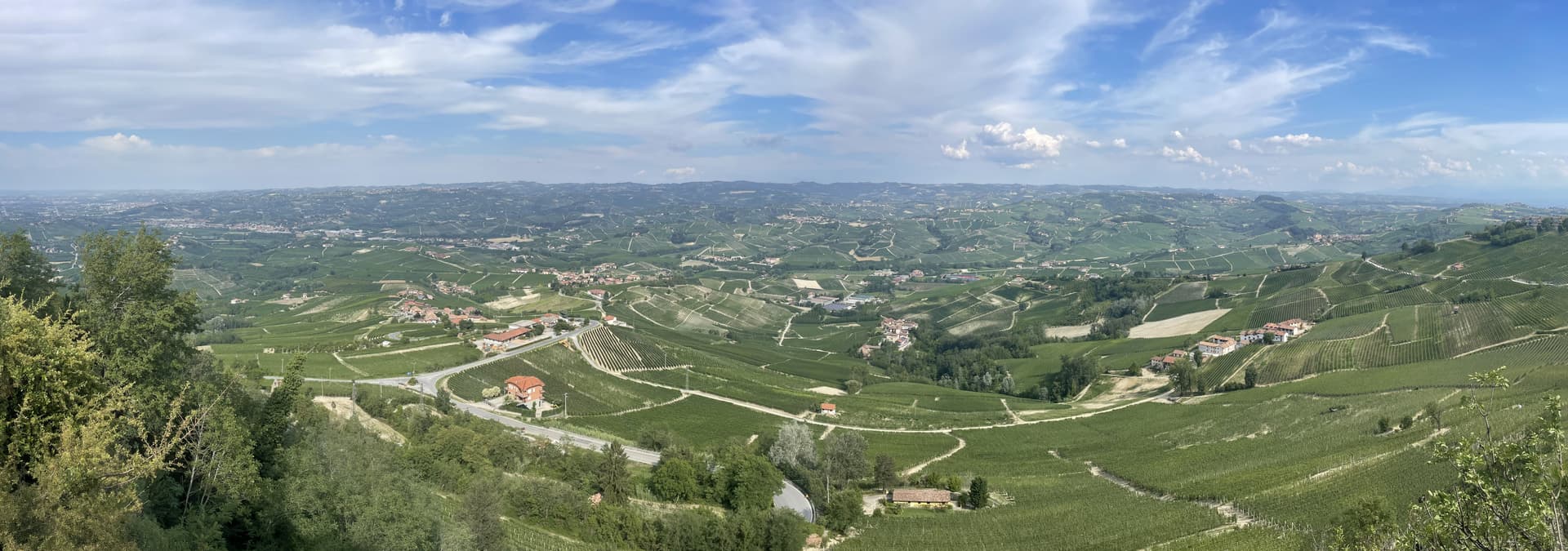
La Morra
Province: Cuneo
The hilltop above the Barolo zone at 513 meters, more Nebbiolo acreage than any other commune and 62 wineries inside its perimeter.
🎨 Borghi più belli d'Italia
More Borghi più belli d'Italia towns in Piedmont
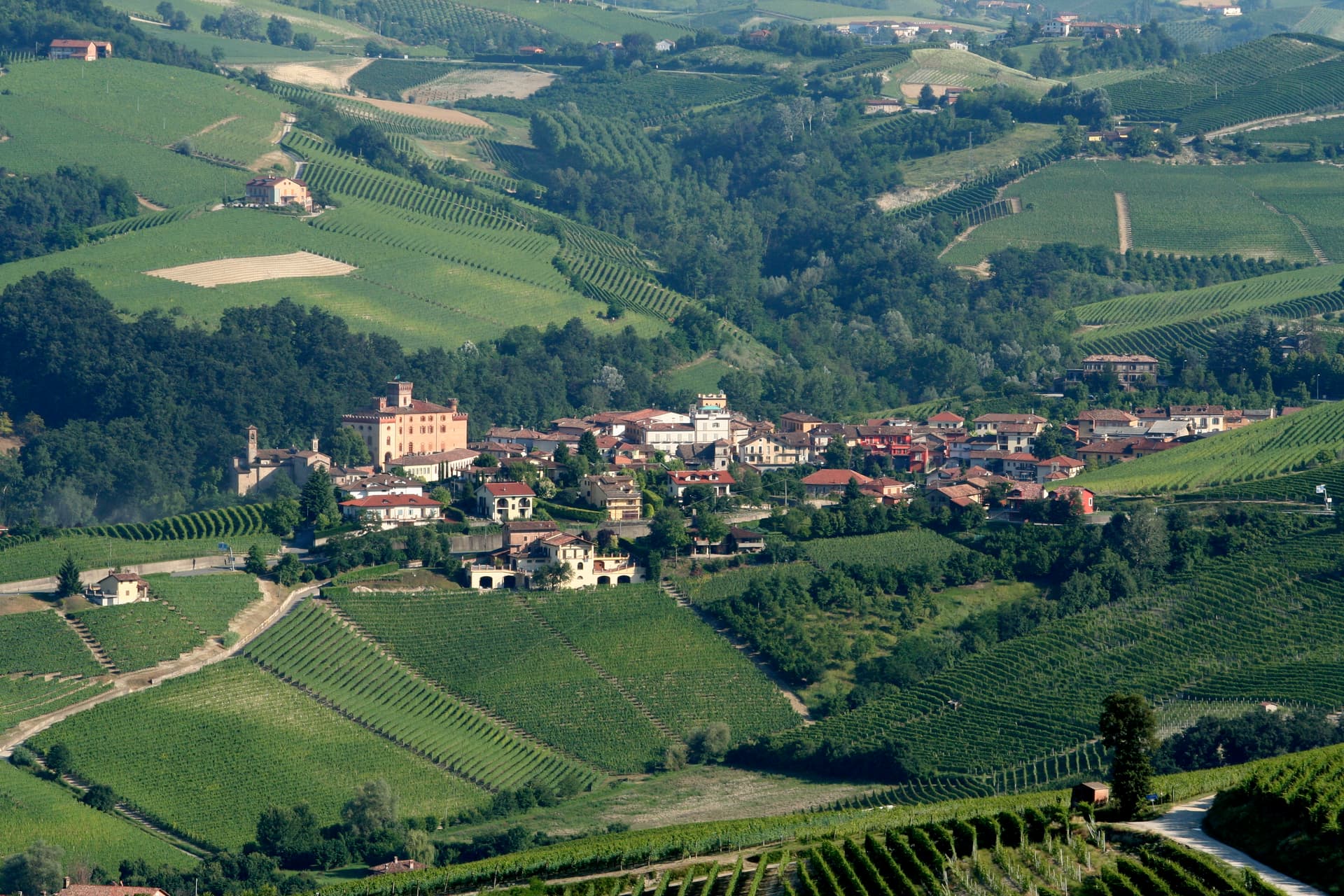
Barolo
Province: Cuneo
A Langhe borgo at 301 meters whose Castello Falletti gave its name to the wine the Marchesi turned dry in the 1830s with Cavour's help.
Biella
Province: Biella
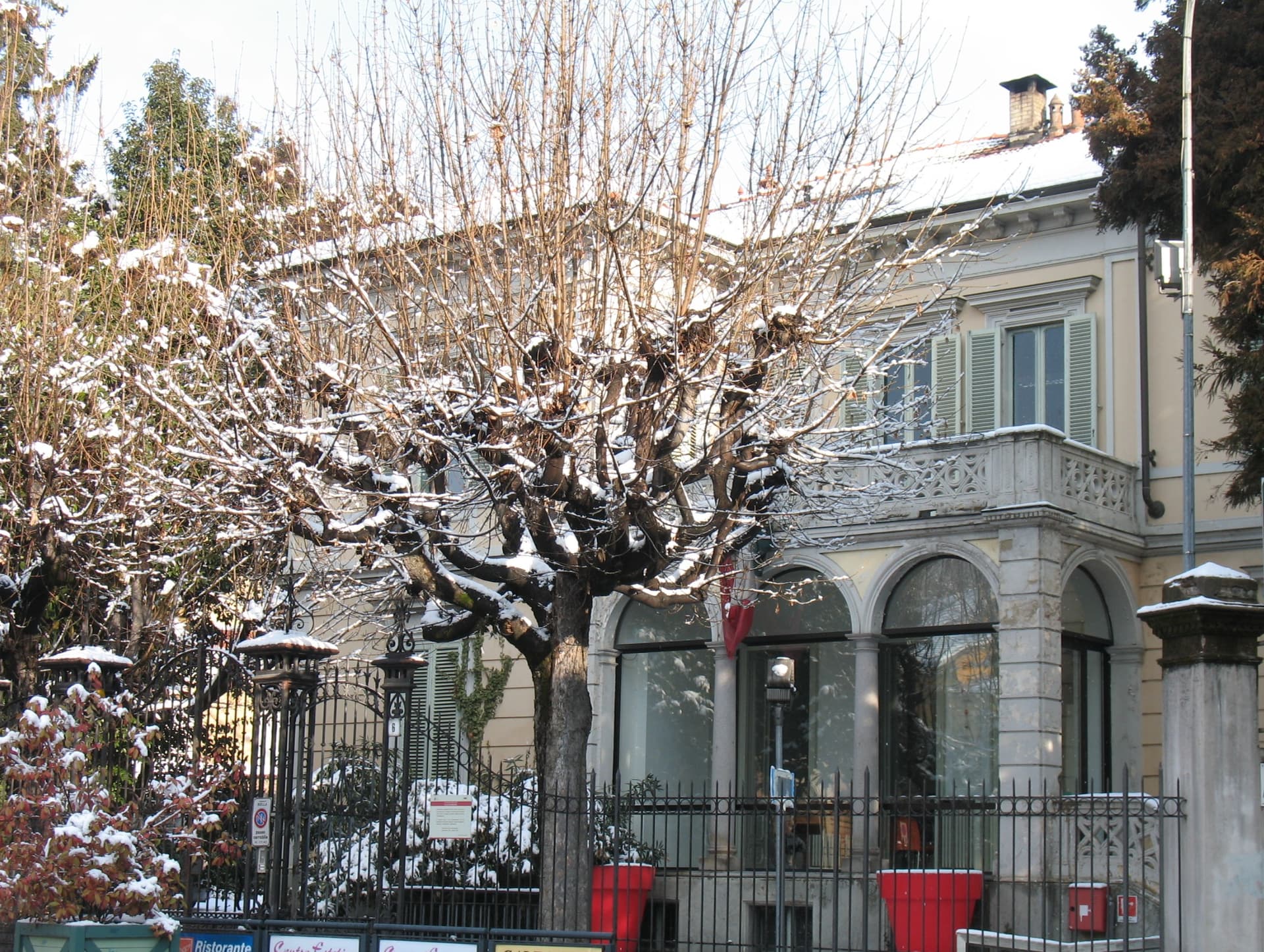
A wool city at 417 meters in the Alpine foothills, where the medieval Piazzo sits above the modern Piano, connected by a funicular since 1885.
Candelo
Province: Biella
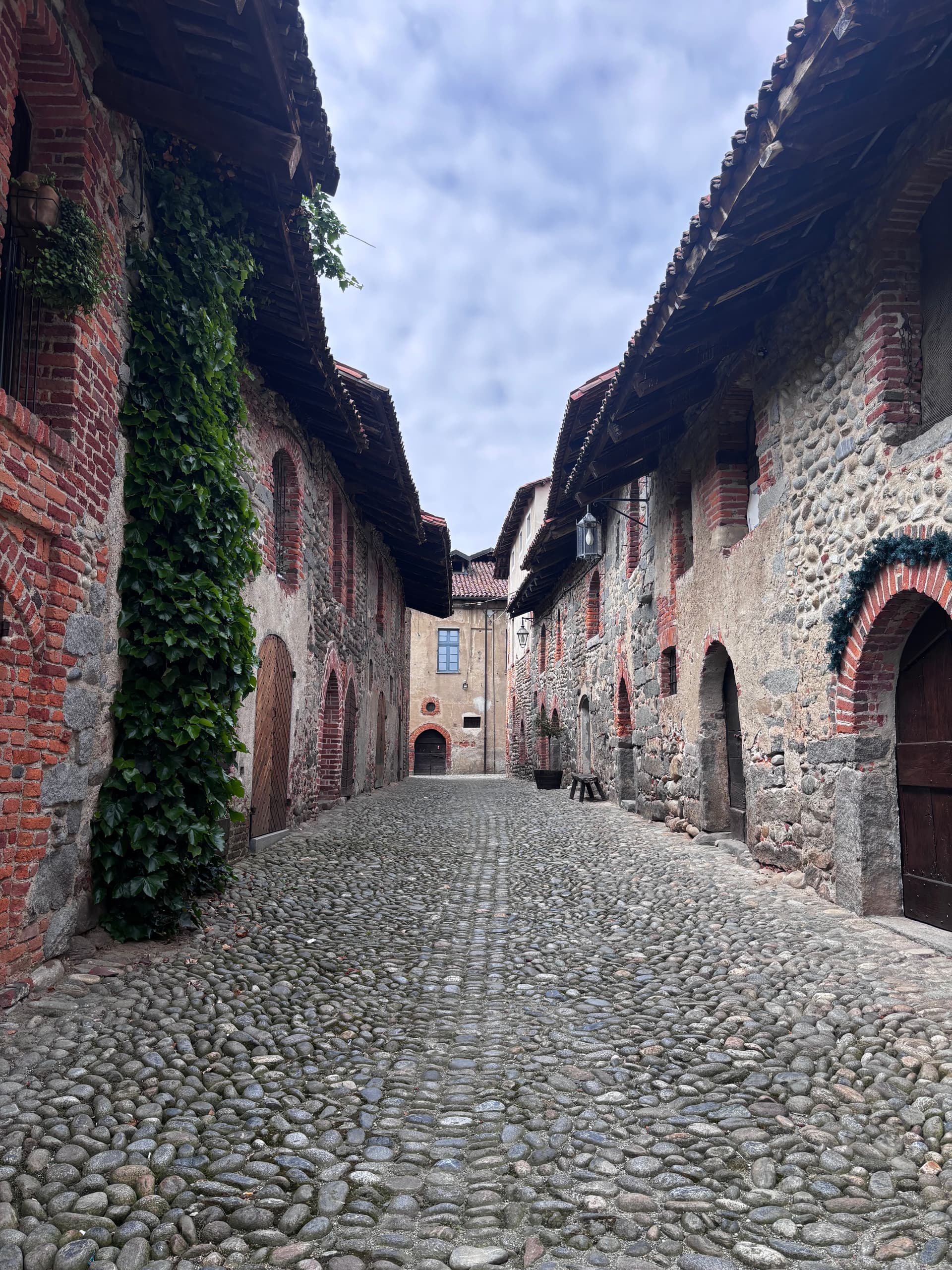
A Biellese commune at 350 meters whose Ricetto, a 13th-century fortified shelter of two hundred stone cellule, is the best-preserved in Piedmont.
Castagnole delle Lanze
Province: Asti
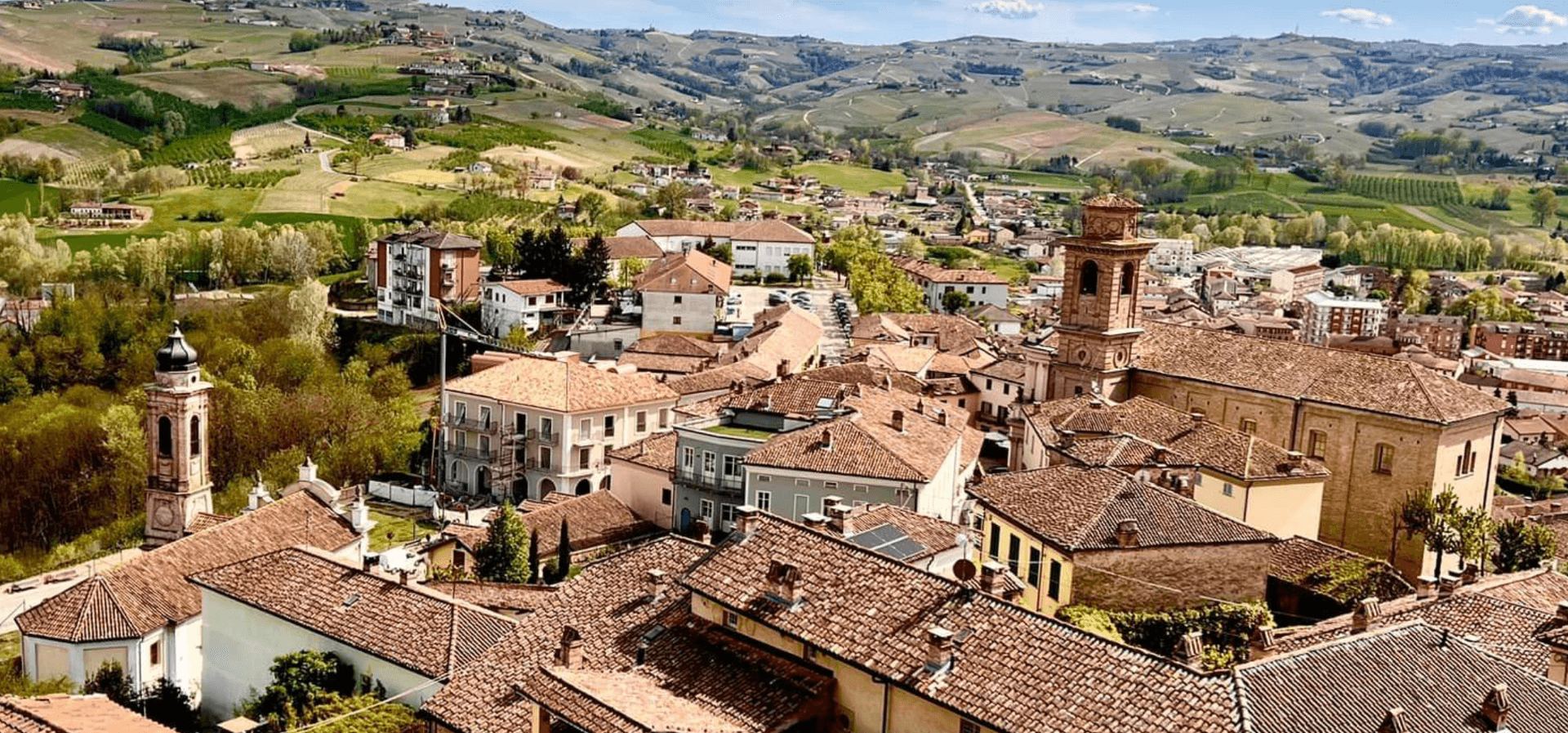
An Asti hill town at 298 meters between Langhe and Monferrato, with two Baroque churches and a nineteenth-century astronomical tower.
Cella Monte
Province: Alessandria
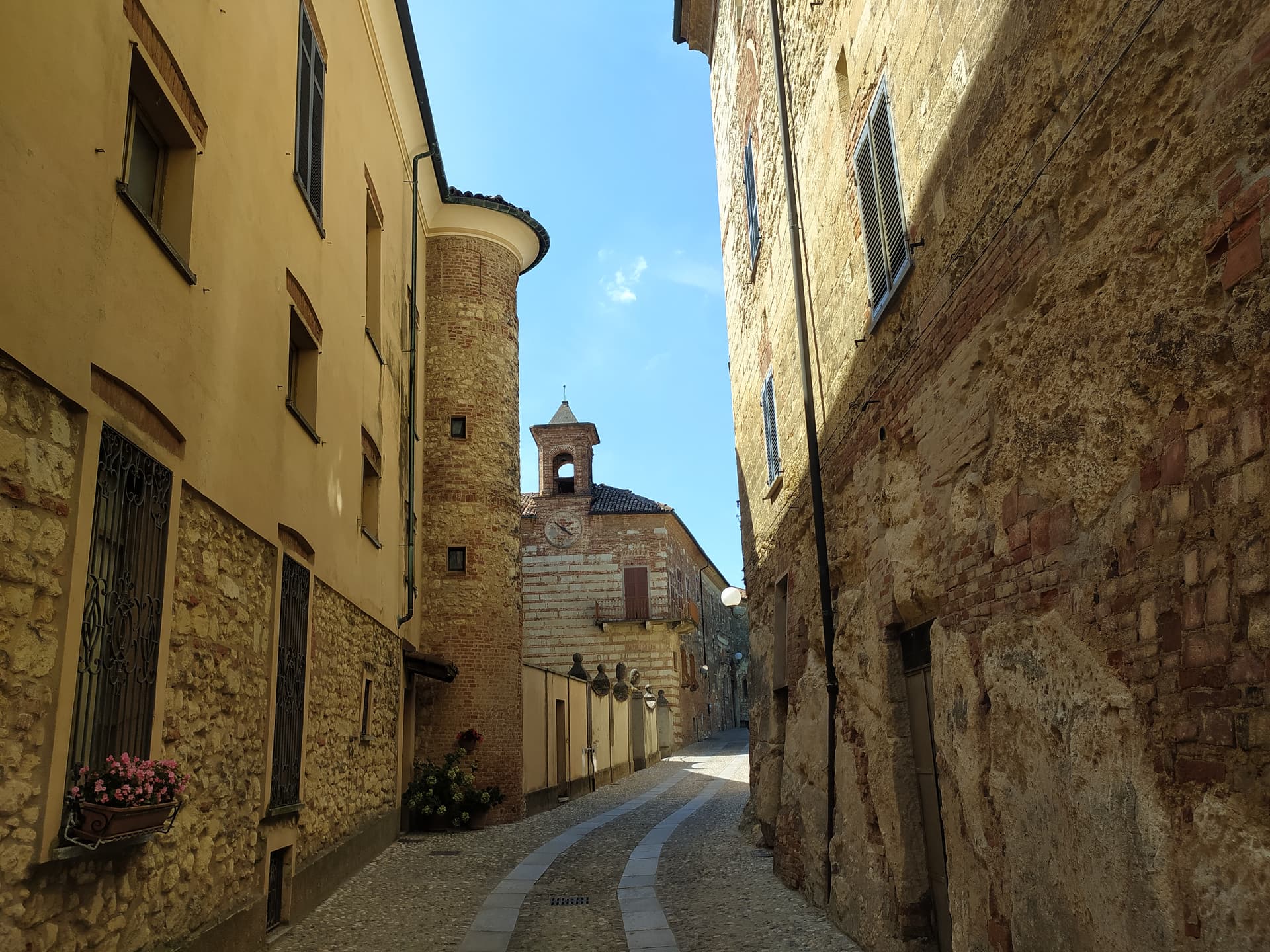
A 465-person Monferrato Casalese borgo at 268 meters built in pietra da cantoni, with infernot cellars listed under the UNESCO Vineyard Landscape.