

Piedmont · Cuneo
Monforte d'Alba
A Barolo cru village where the Cathars were burned in 1028 and where the summer jazz festival fills the old piazza.
Known for
BAROLO
One of the eleven Barolo communes, source of structured and tannic wines from the Bussia, Ginestra and Mosconi crus.
THE CATHARS
In 1028 the village's heretical community, later identified as Cathars, was captured and burned in Milan by Archbishop Ariberto.
MONFORTINJAZZ
Summer jazz festival running in the Auditorium Horszowski since 1976, in the open-air amphitheater above the old village.
When to visit
Best · Apr–Oct
- J
- F
- M
- A
- M
- J
- J
- A
- S
- O
- N
- D
- Best
- Hot or crowded
- Quiet
- Mostly closed
Why come
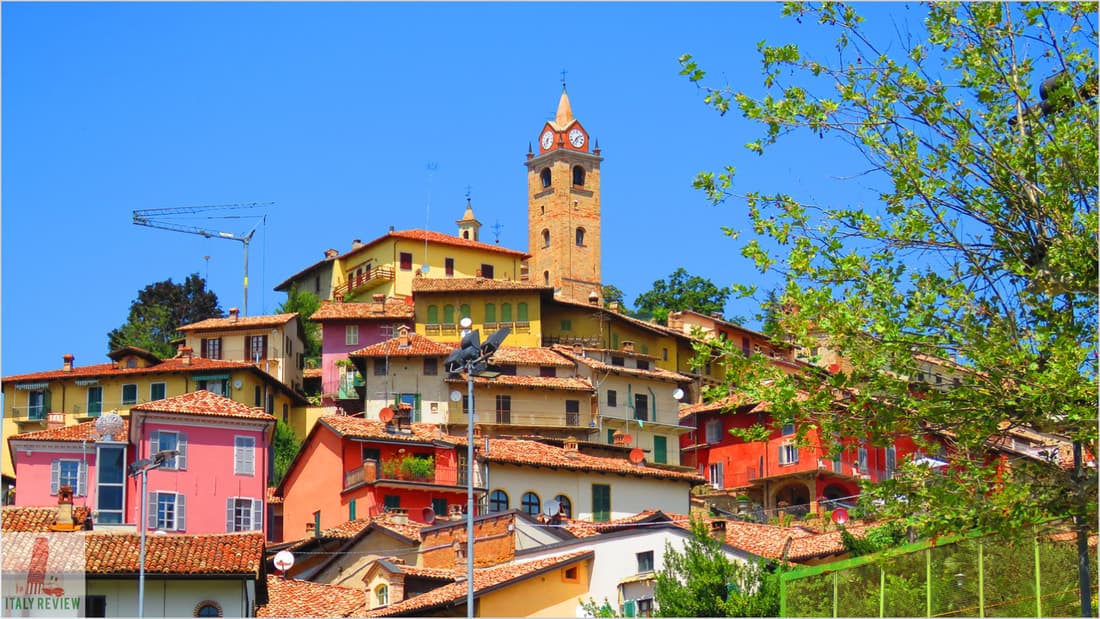
Monforte d'Alba sits in the southeastern corner of the Barolo zone, sixty kilometers from Torino. The name is from Latin mons fortis, fortified hill, and the medieval village climbed steep enough to make it nearly impregnable. In 1028, Archbishop Ariberto d'Intimiano of Milan had the inhabitants of a heretical community here, later identified as Cathars, captured and burned in Milan to halt the spread of their teaching.
Monforte is one of the eleven Barolo communes and accounts for some of the most structured, tannic wines in the zone, particularly from the Bussia and Ginestra crus. At the top of the village, the Auditorium Horszowski occupies what was once the main square: an open-air natural amphitheater of 800 seats named for the pianist Mieczysław Horszowski, who opened it with a concert in 1986. The Monfortinjazz festival has run here every summer since 1976.
The Sunday letter
We haven’t written Monforte d'Alba’s letter yet.
One town every Sunday, with the photo, the food, the festa. Be there when this one comes up. Free, by Peter & Sophia from Pietrasanta.
By subscribing you agree to Substack’s Terms of Use, our Privacy Policy and our Information collection notice.
What to see
Auditorium Horszowski
Open-air amphitheater for 800 carved into the old village square in 1986, named for the pianist who opened it that year.
Centro storico
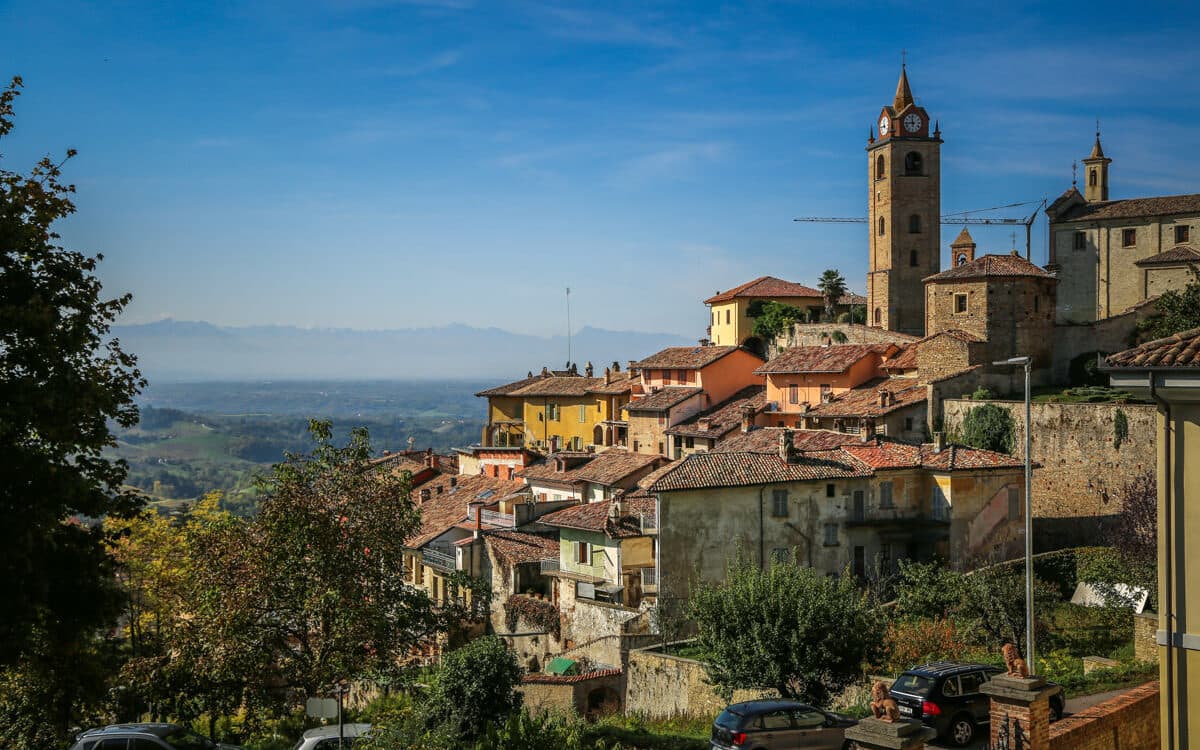
Steep medieval village climbing to the old piazza, with Renaissance palazzi and the surviving bell tower of Sant'Agostino.
Chiesa di Santa Elisabetta
Baroque oratory beside the Palazzo Scarampi at the top of the village, framing the back wall of the Horszowski stage.
Cru Bussia and Ginestra
Two of the most structured Barolo crus, on the south-facing slopes below the village; the source of long-lived wines.
Belvedere di Monforte
View from the top of the village across the Langhe toward La Morra, Serralunga and the Alps on a clear day.
The slow-trip planner
Building a trip? Find where Monforte d'Alba fits in a slow Italy circuit.
Answer five questions. We will shape a geographically coherent slow trip from the 1,000 Italian towns most travelers skip. Yours to save and share.
We recommend
Where to eat and stay
Not our picks, but places the guides put their name to — a Michelin star, a Gambero Rosso fork, a Slow Food snail, a Michelin Key for the hotels. Worth a table, a counter, or a night when you pass through.
Borgo Sant'AnnaRistorante
Borgo Sant'Anna has one Michelin star, two Gambero Rosso forks (84/100) and a place in L'Espresso's Top 300.
FRERistorante
One Michelin star for FRE, and two Gambero Rosso forks (83/100).
Gennaro Di PaceRistorante
Gennaro Di Pace carries a Gambero Rosso listing, plus a spot in the Michelin Guide.
Le Case della SaraccaWine Bar
Le Case della Saracca holds two Gambero Rosso bottles and a spot in the Michelin Guide.
Repubblica di PernoRistorante
Repubblica di Perno has a Slow Food snail and a spot in the Michelin Guide.
Trattoria della PostaRistorante
Trattoria della Posta holds two Gambero Rosso forks (80/100) and a spot in the Michelin Guide.
Giardino da FelicinRistorante
A Gambero Rosso listing, at Giardino da Felicin.
Il Giardino "Da Felicin"Ristorante
Il Giardino "Da Felicin" has a spot in the Michelin Guide to its name.
La Repubblica di PernoTrattoria
La Repubblica di Perno has two Gambero Rosso prawns to its name.
ModaRistorante
Moda holds two Gambero Rosso forks (80/100).
Osteria I RebbiRistorante
One Gambero Rosso fork (79/100), at Osteria I Rebbi.
Signature product
Barolo DOCGDOCG
Barolo commune in the south of the production zone.
See every town in our catalogue producing Barolo DOCG.
Living here
- Population 1,951
- Commuter belti
- Pharmacy in town
- High school within a 30-minute drive
- Nearest airport Turin, 1 h 26 min drive
- Regional capital Torino, 1 h 8 min drive
Tags & datadesignations · numbers · sources
The numbers
- Elevation: 480 m
- Population: 1,951
- Surface area: 25.27 km²
These figures were compiled from public directories — ISTAT, OpenStreetMap, Wikidata — and from the official listings of the guides named on this page. Town details change; verify with official sources before you travel.
Close by
More towns near Monforte d'Alba
Barolo
Province: Cuneo
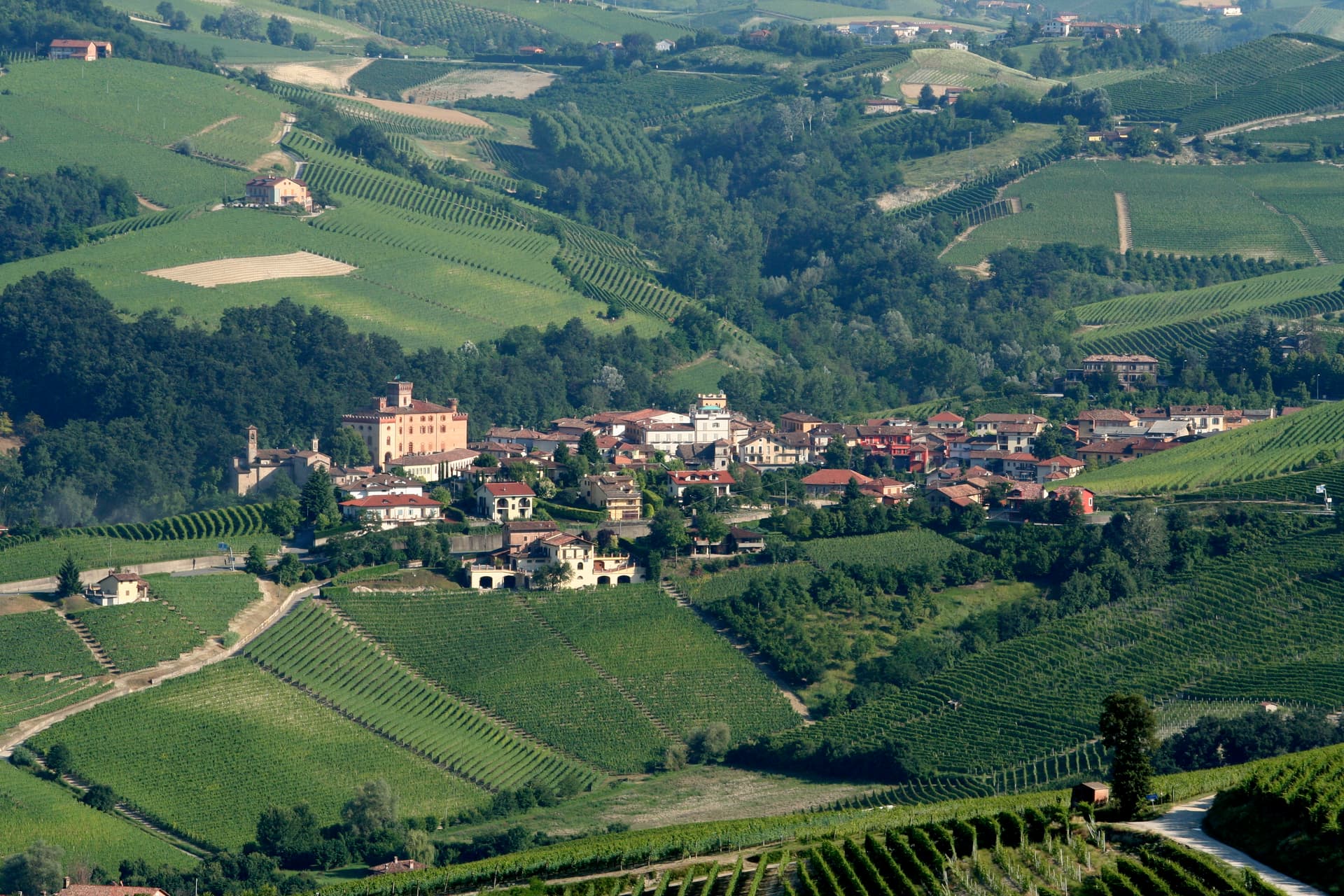
A Langhe borgo at 301 meters whose Castello Falletti gave its name to the wine the Marchesi turned dry in the 1830s with Cavour's help.
Dogliani
Province: Cuneo
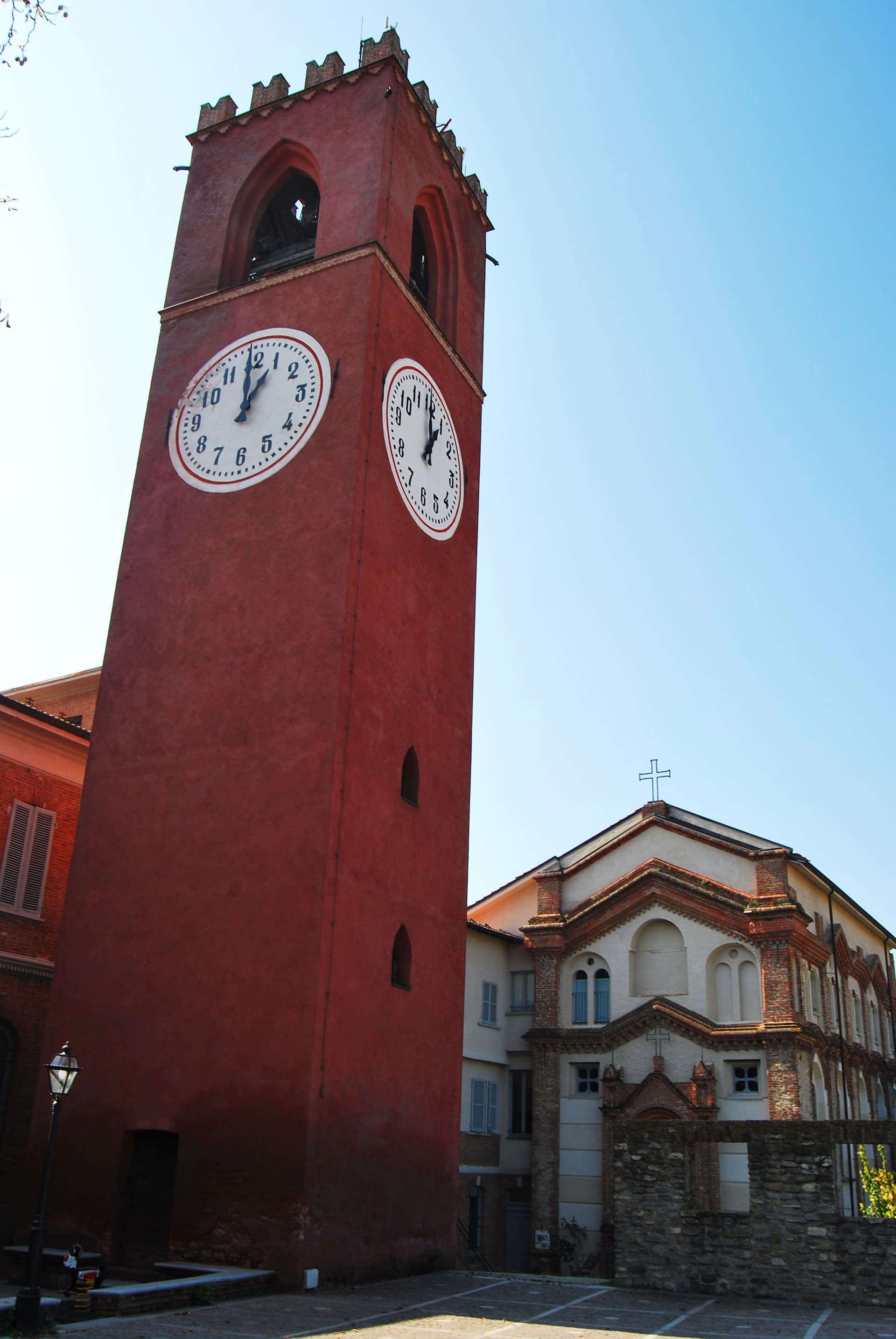
A two-tier Langhe town at 295 meters, the Borgo by the Rea stream and the Castello on the hill, capital of Dolcetto di Dogliani DOCG.
Castiglione Falletto
Province: Cuneo
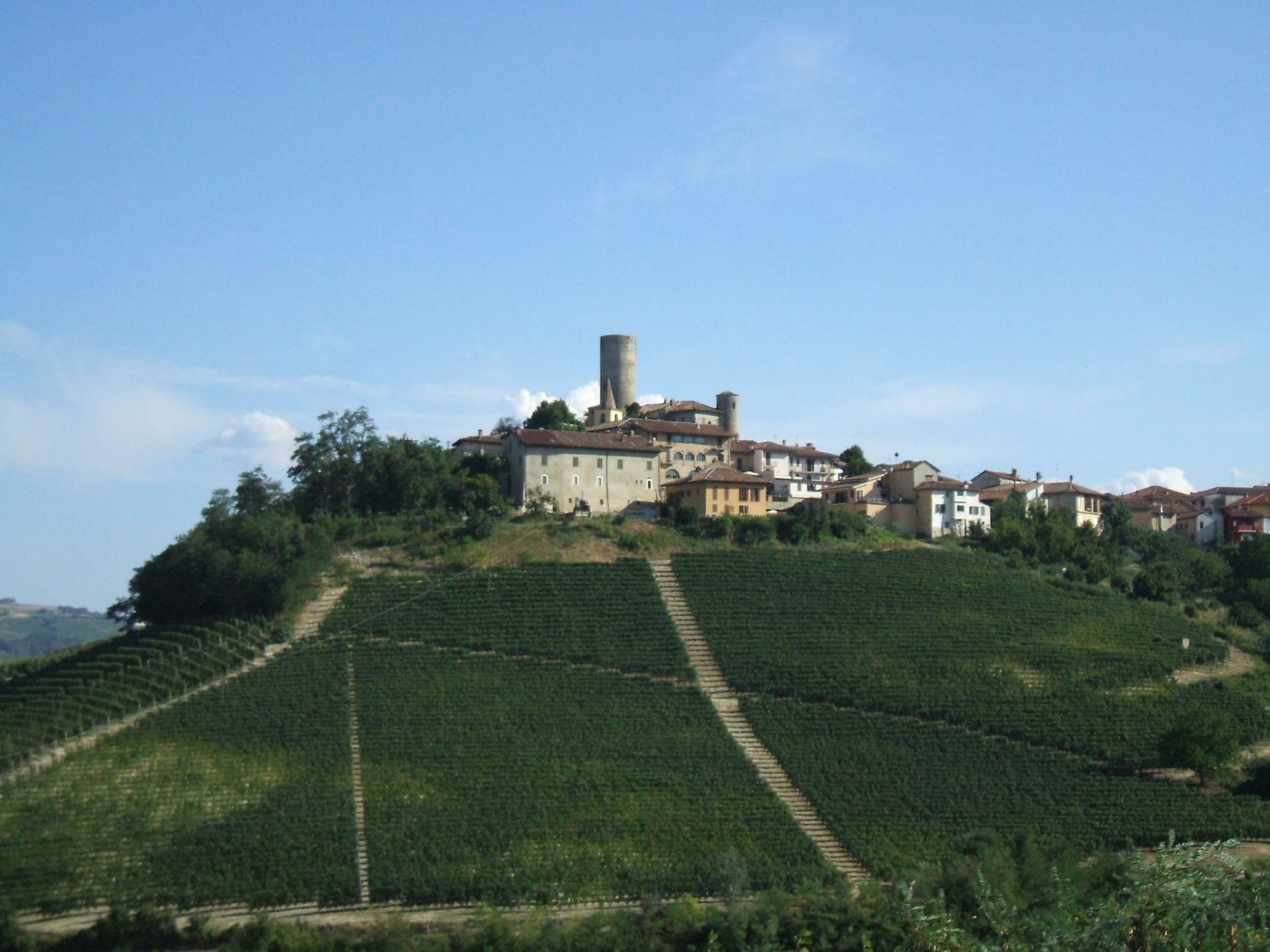
A Barolo hilltop of 672 at 350 meters in the Langhe, with an eleventh-century castle whose circular keep is over seven meters in diameter.
Serralunga d'Alba
Province: Cuneo
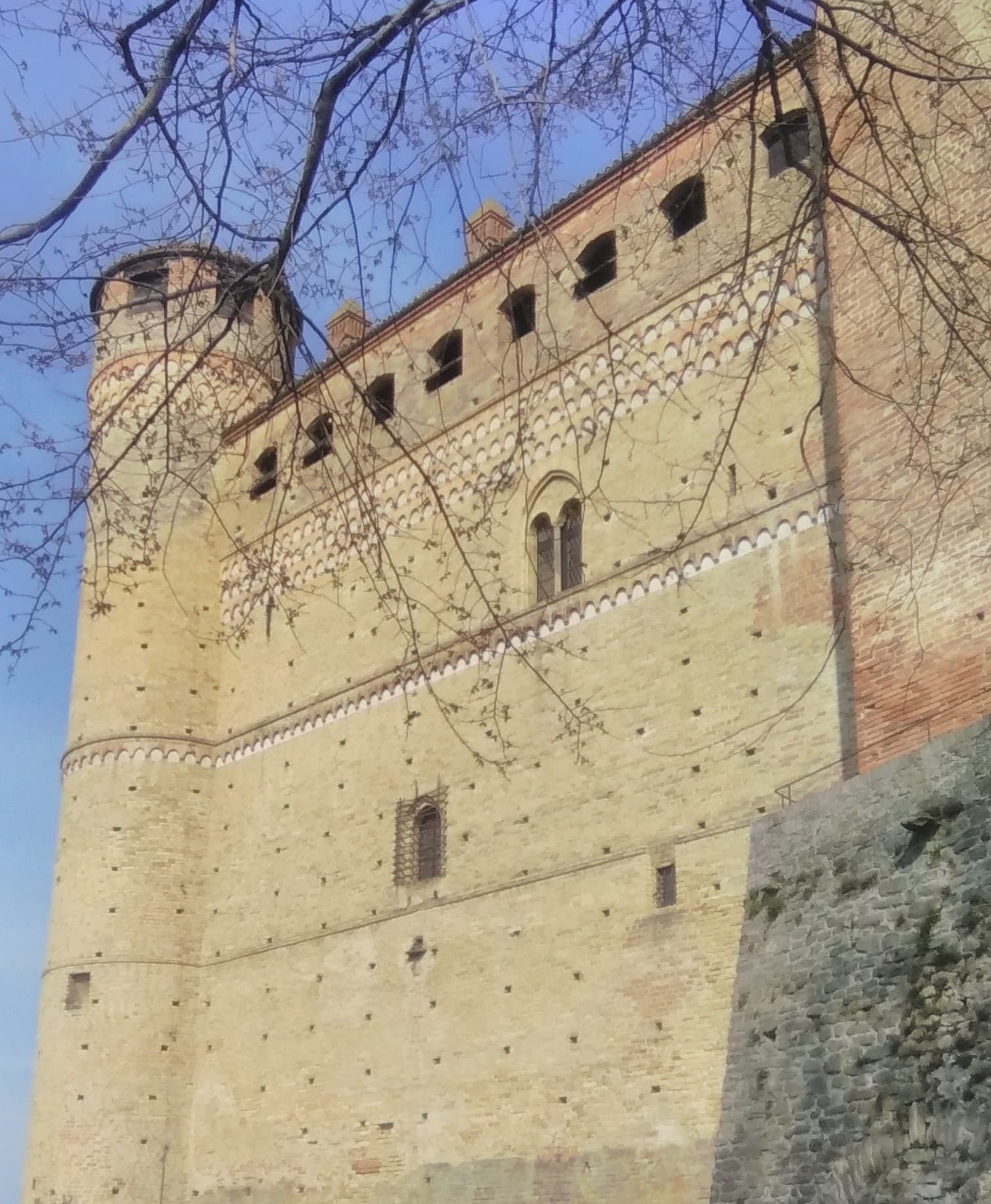
A 527-inhabitant Barolo cru village at 414 meters on a Langhe ridge, crowned by a 14th-century French-style donjon castle of the Falletti.
La Morra
Province: Cuneo
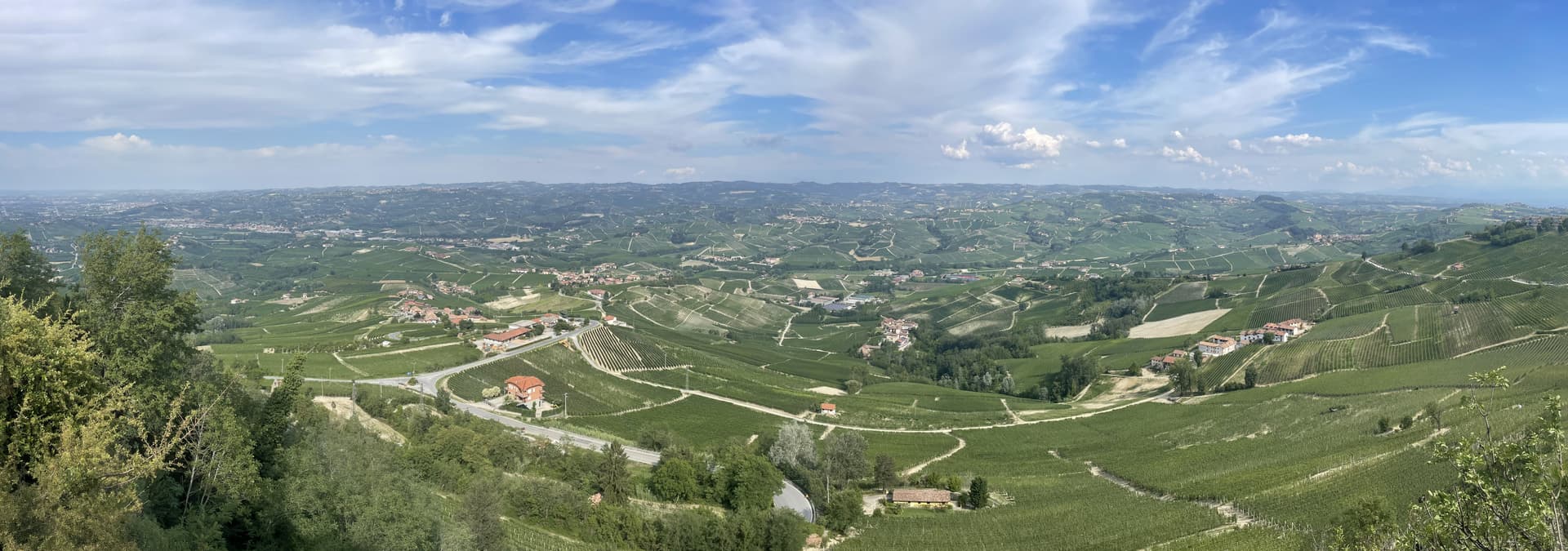
The hilltop above the Barolo zone at 513 meters, more Nebbiolo acreage than any other commune and 62 wineries inside its perimeter.
🎨 Borghi più belli d'Italia
More Borghi più belli d'Italia towns in Piedmont
Biella
Province: Biella
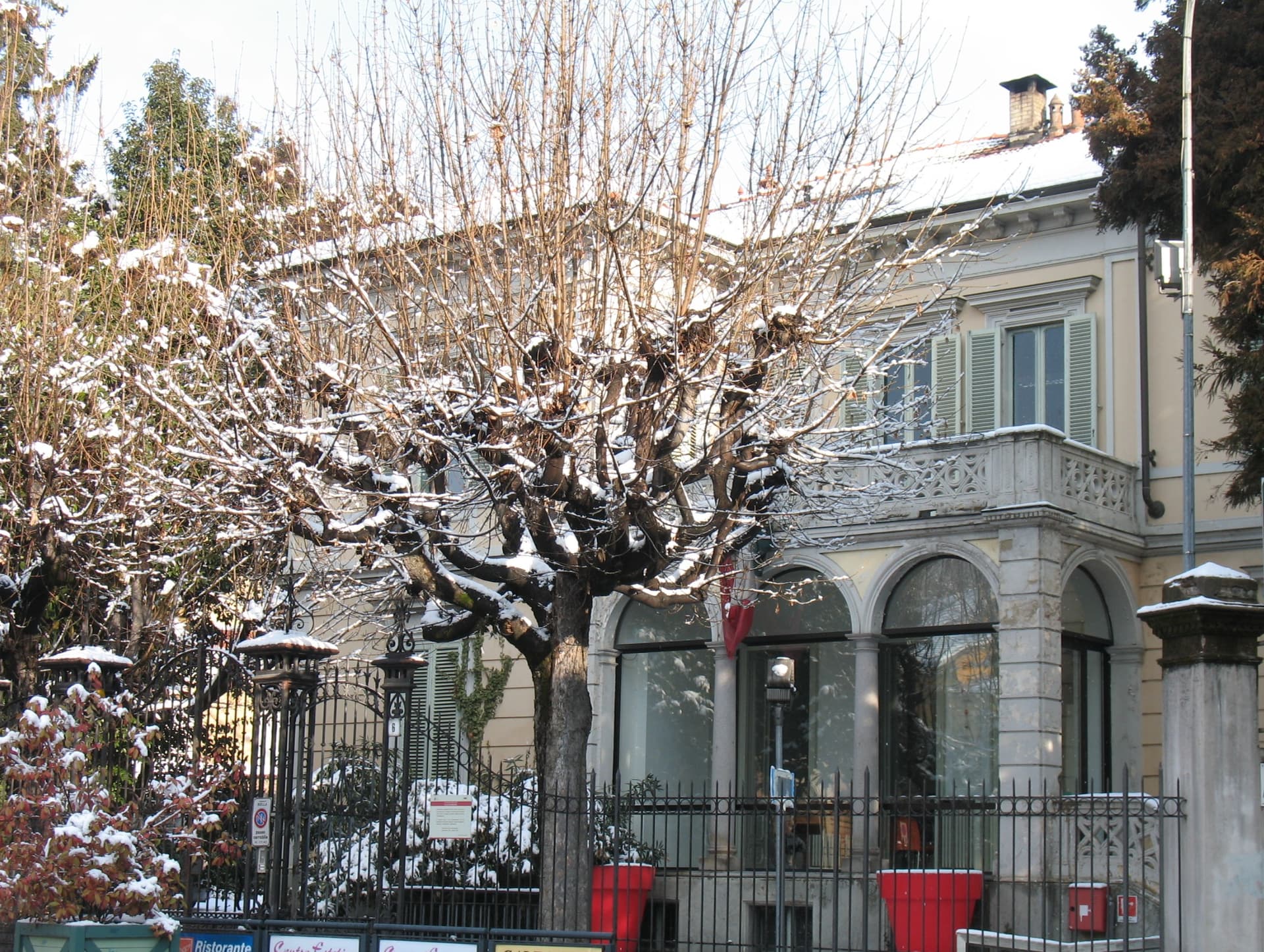
A wool city at 417 meters in the Alpine foothills, where the medieval Piazzo sits above the modern Piano, connected by a funicular since 1885.
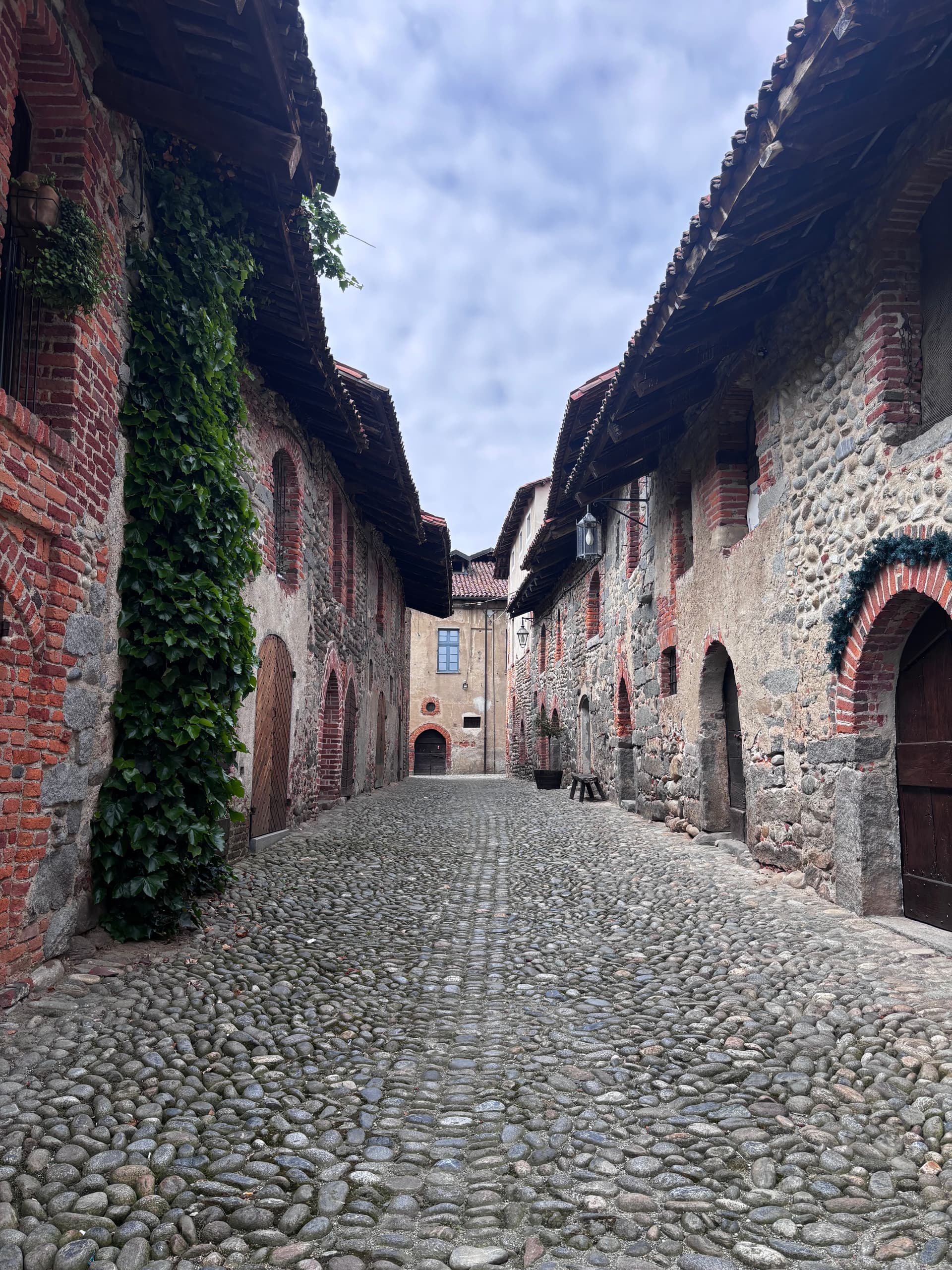
Candelo
Province: Biella
A Biellese commune at 350 meters whose Ricetto, a 13th-century fortified shelter of two hundred stone cellule, is the best-preserved in Piedmont.
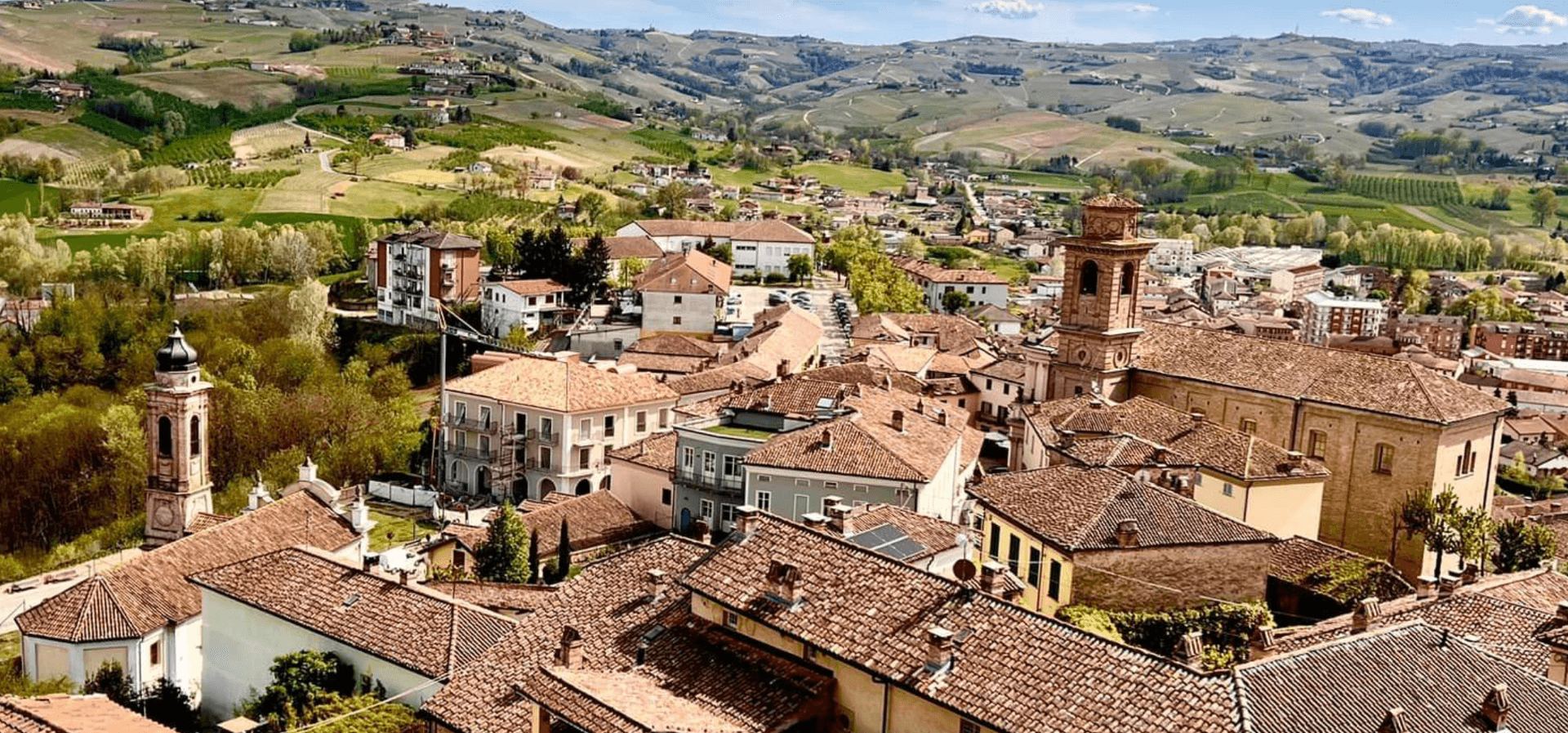
Castagnole delle Lanze
Province: Asti
An Asti hill town at 298 meters between Langhe and Monferrato, with two Baroque churches and a nineteenth-century astronomical tower.
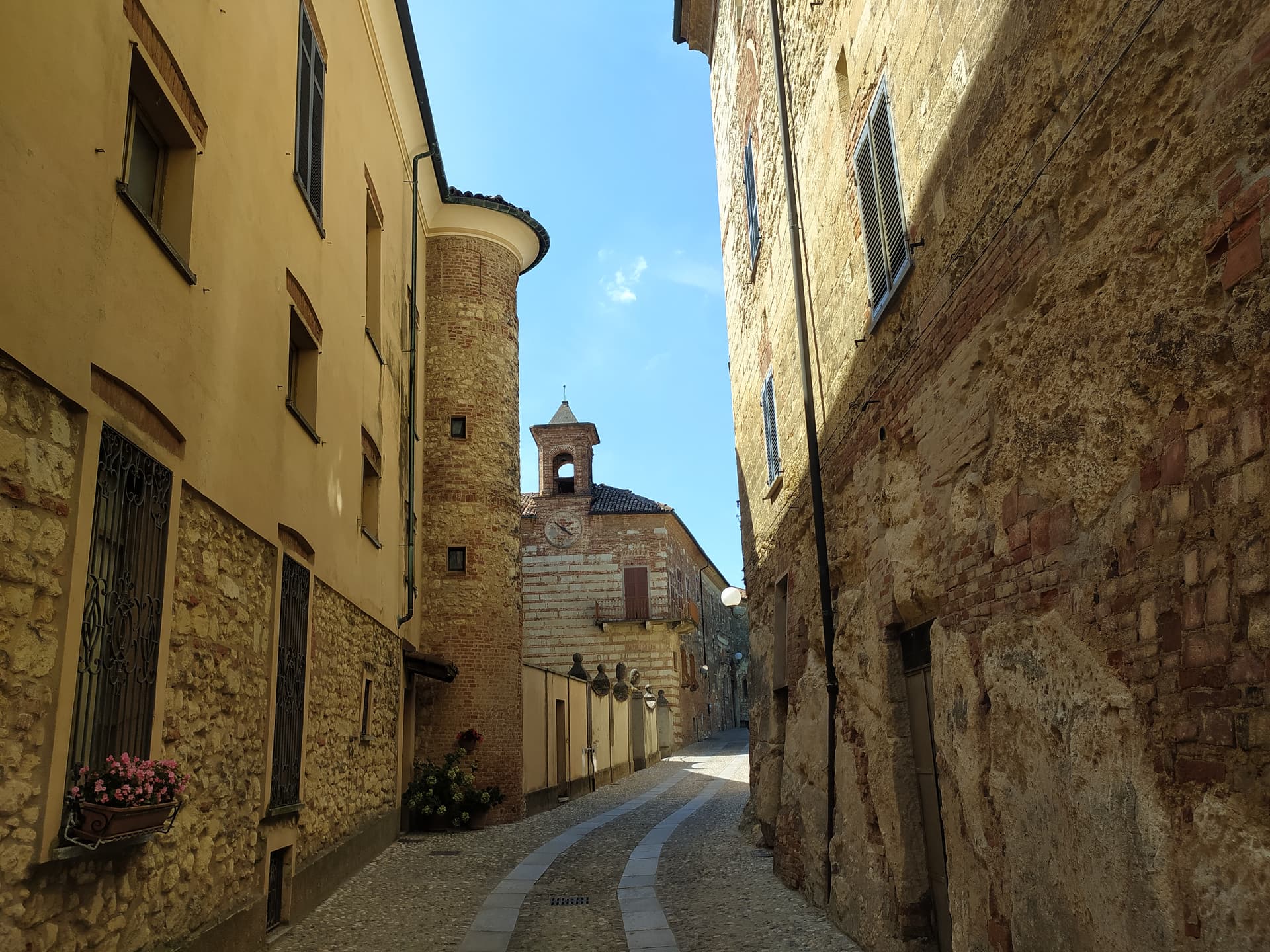
Cella Monte
Province: Alessandria
A 465-person Monferrato Casalese borgo at 268 meters built in pietra da cantoni, with infernot cellars listed under the UNESCO Vineyard Landscape.
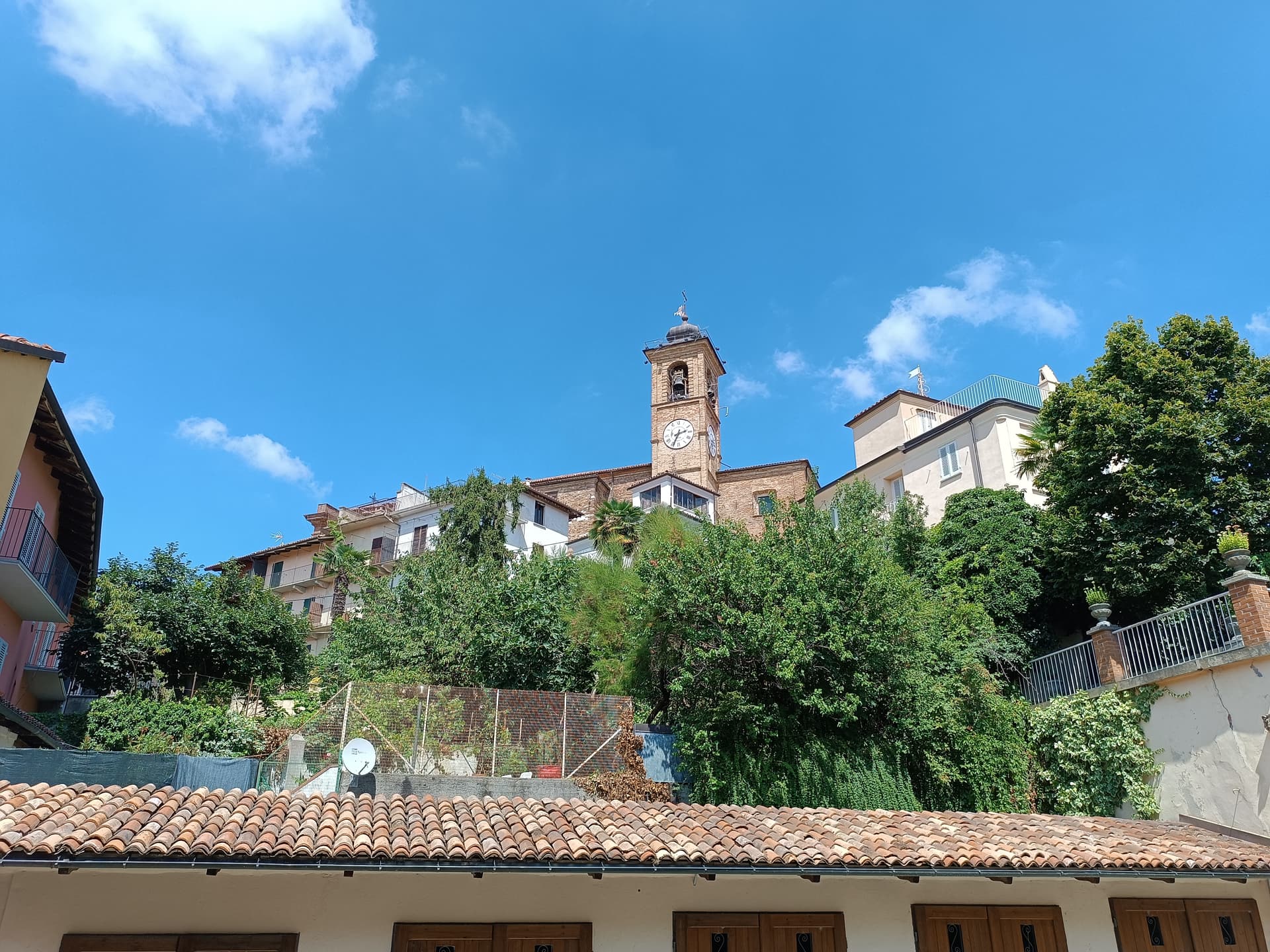
Cocconato
Province: Asti
A Monferrato ridge town at 491 meters with a microclimate mild enough to grow palms and olives this far north.