

Piedmont · Cuneo
Santo Stefano Belbo
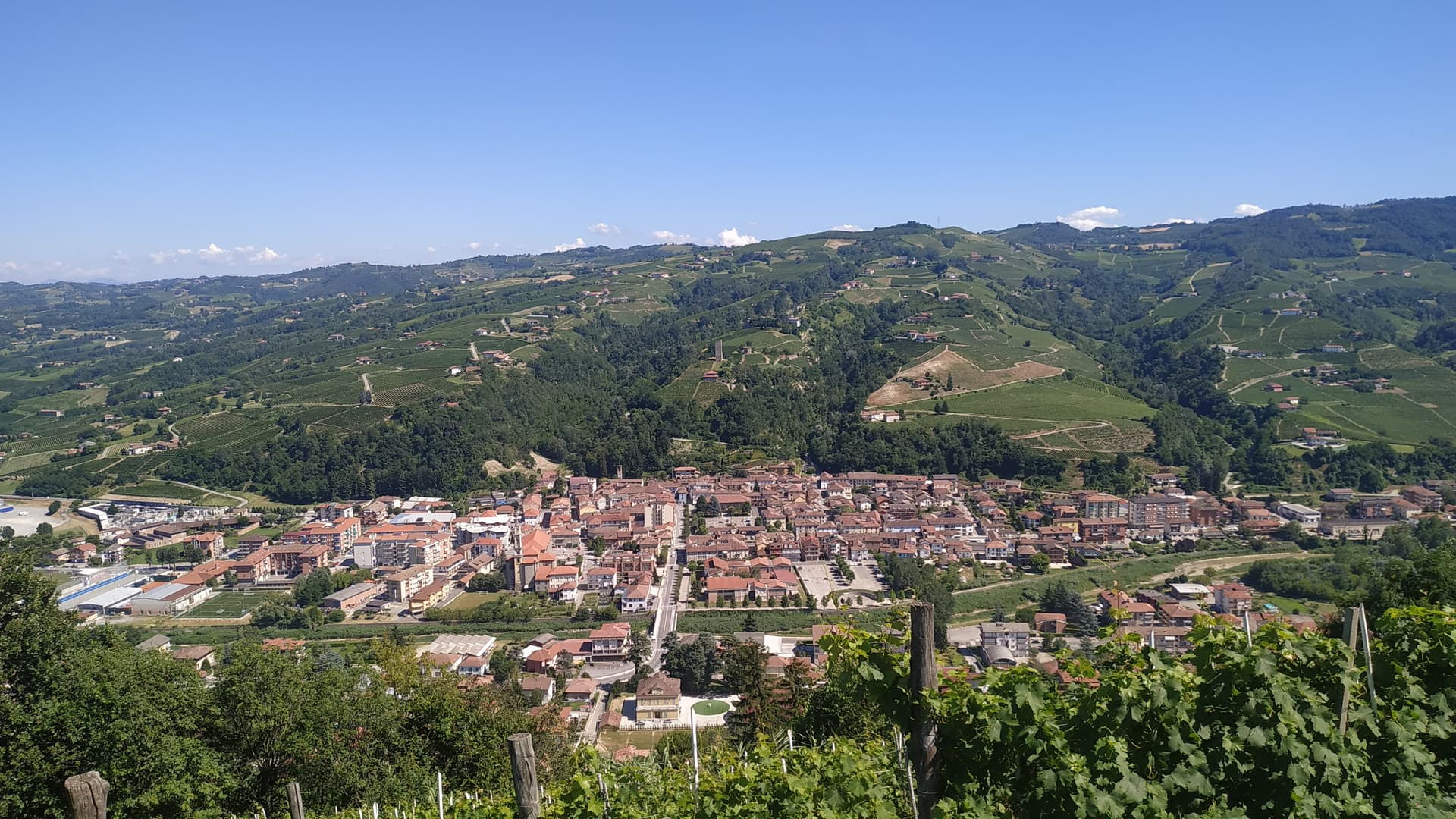
A Belbo valley village between the Langhe and Asti hills, birthplace of Cesare Pavese and the largest producer of Moscato d'Asti.
Known for
CESARE PAVESE
Born here in 1908, set La luna e i falò and most of his late prose in these hills; the Fondazione holds his manuscripts and birthplace.
MOSCATO
Largest producer in the Moscato d'Asti and Asti Spumante DOCG, with around 80,000 hectoliters made each year and 93% in Moscato grapes.
NOCCIOLA
Città della Nocciola for the Tonda Gentile delle Langhe hazelnut grown across the surrounding slopes, supplied to local pasticcerie and Ferrero.
When to visit
Best · Apr–Oct
- J
- F
- M
- A
- M
- J
- J
- A
- S
- O
- N
- D
- Best
- Hot or crowded
- Quiet
- Mostly closed
Why come
Santo Stefano Belbo sits on the Belbo, sixty kilometers southeast of Torino, on the seam between the Langhe and the Asti hills. Cesare Pavese was born here on 9 September 1908; his father came from the village and the family returned every summer. The hills around the town gave him the setting for La luna e i falò and most of his late prose; his birthplace house and the Fondazione Cesare Pavese in the centre keep the manuscripts, photographs and the schoolroom of his early years.
The commune is the largest producer of Moscato d'Asti and Asti Spumante in the DOCG, with close to 80,000 hectoliters of wine made each year, 93 percent of it Moscato. A ruined medieval tower above the town once controlled the Belbo valley road. The recognitions stack up around what the commune actually does: Spighe Verdi for sustainable rural management, Città del Vino for Moscato, Città della Nocciola for the Tonda Gentile hazelnut of the surrounding slopes.
The Sunday letter
We haven’t written Santo Stefano Belbo’s letter yet.
One town every Sunday, with the photo, the food, the festa. Be there when this one comes up. Free, by Peter & Sophia from Pietrasanta.
By subscribing you agree to Substack’s Terms of Use, our Privacy Policy and our Information collection notice.
What to see
Casa natale e Fondazione Cesare Pavese
Birthplace of the writer (1908) and the foundation in the centre, with manuscripts, photographs and audiovisual material on his life and work.
Torre medievale
Ruined medieval watchtower above the village, the surviving fragment of the fortified core that once controlled the Belbo valley road.
Convento dei Santi Giacomo e Cristoforo
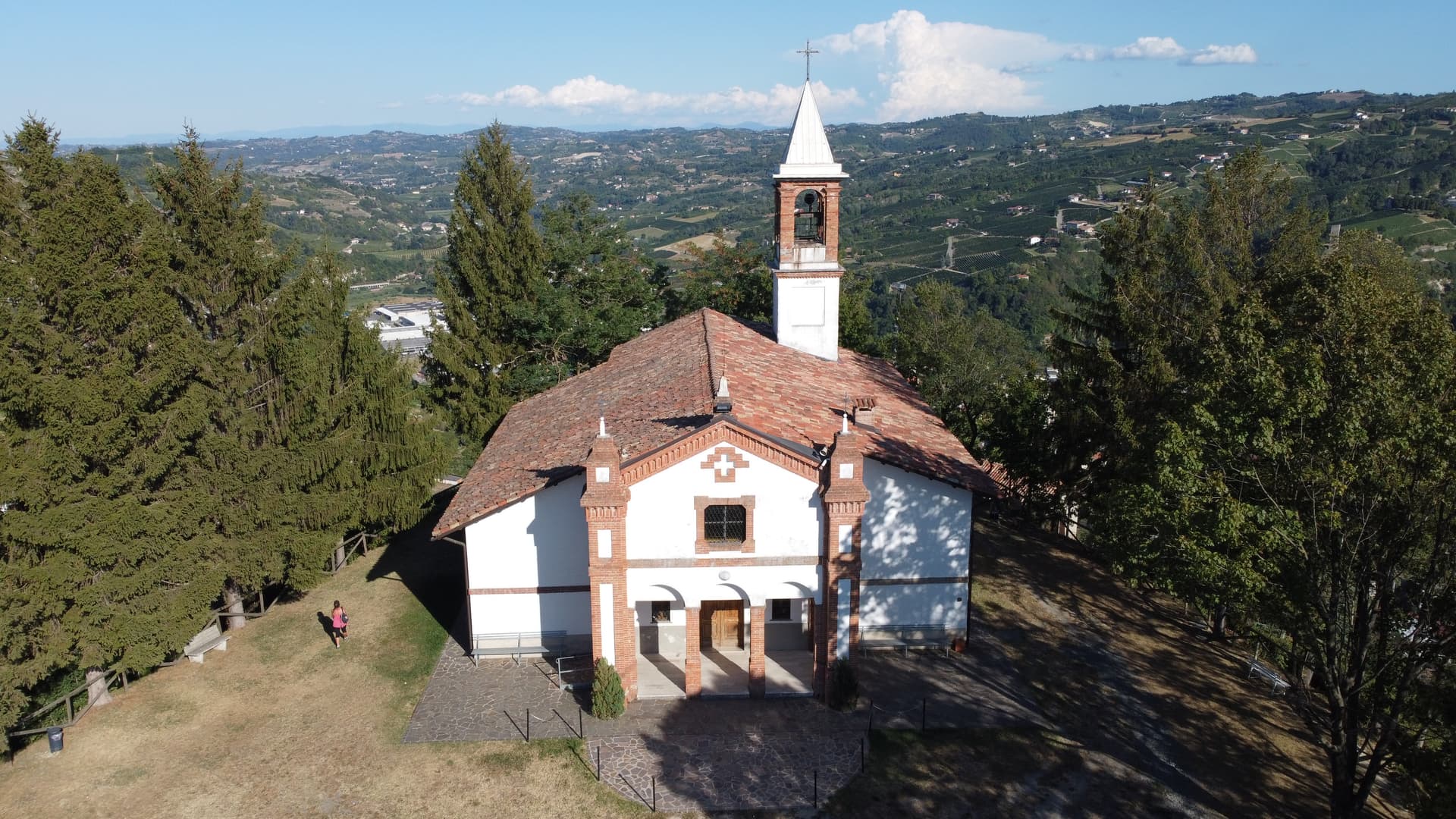
Benedictine convent and church on the hill above town, traditionally said to stand on the foundations of a Roman temple of Jupiter.
Vigneti del Moscato
Hillside vineyards on Falchetto and surrounding slopes, the heart of the largest Moscato d'Asti production area in the DOCG.
The slow-trip planner
Building a trip? Find where Santo Stefano Belbo fits in a slow Italy circuit.
Answer five questions. We will shape a geographically coherent slow trip from the 1,000 Italian towns most travelers skip. Yours to save and share.
We recommend
Where to eat and stay
Not our picks, but places the guides put their name to — a Michelin star, a Gambero Rosso fork, a Slow Food snail, a Michelin Key for the hotels. Worth a table, a counter, or a night when you pass through.
Guido da CostiglioleRistorante
Guido da Costigliole has two Gambero Rosso forks (88/100) to its name.
Il Ristorante di Guido da CostiglioleRistorante
Il Ristorante di Guido da Costigliole carries one Michelin star.
Relais San MaurizioHotel
A Leading Hotels of the World listing, at Relais San Maurizio.
Living here
- Population 3,797
- In-betweeni
- Pharmacy in town
- High school within a 30-minute drive
- Nearest airport Genoa, 1 h 35 min drive
- Regional capital Torino, 1 h 21 min drive
Tags & datadesignations · numbers · sources
Recognised as
The numbers
- Elevation: 175 m
- Population: 3,797
- Surface area: 27.18 km²
These figures were compiled from public directories — ISTAT, OpenStreetMap, Wikidata — and from the official listings of the guides named on this page. Town details change; verify with official sources before you travel.
Close by
More towns near Santo Stefano Belbo
Canelli
Province: Asti
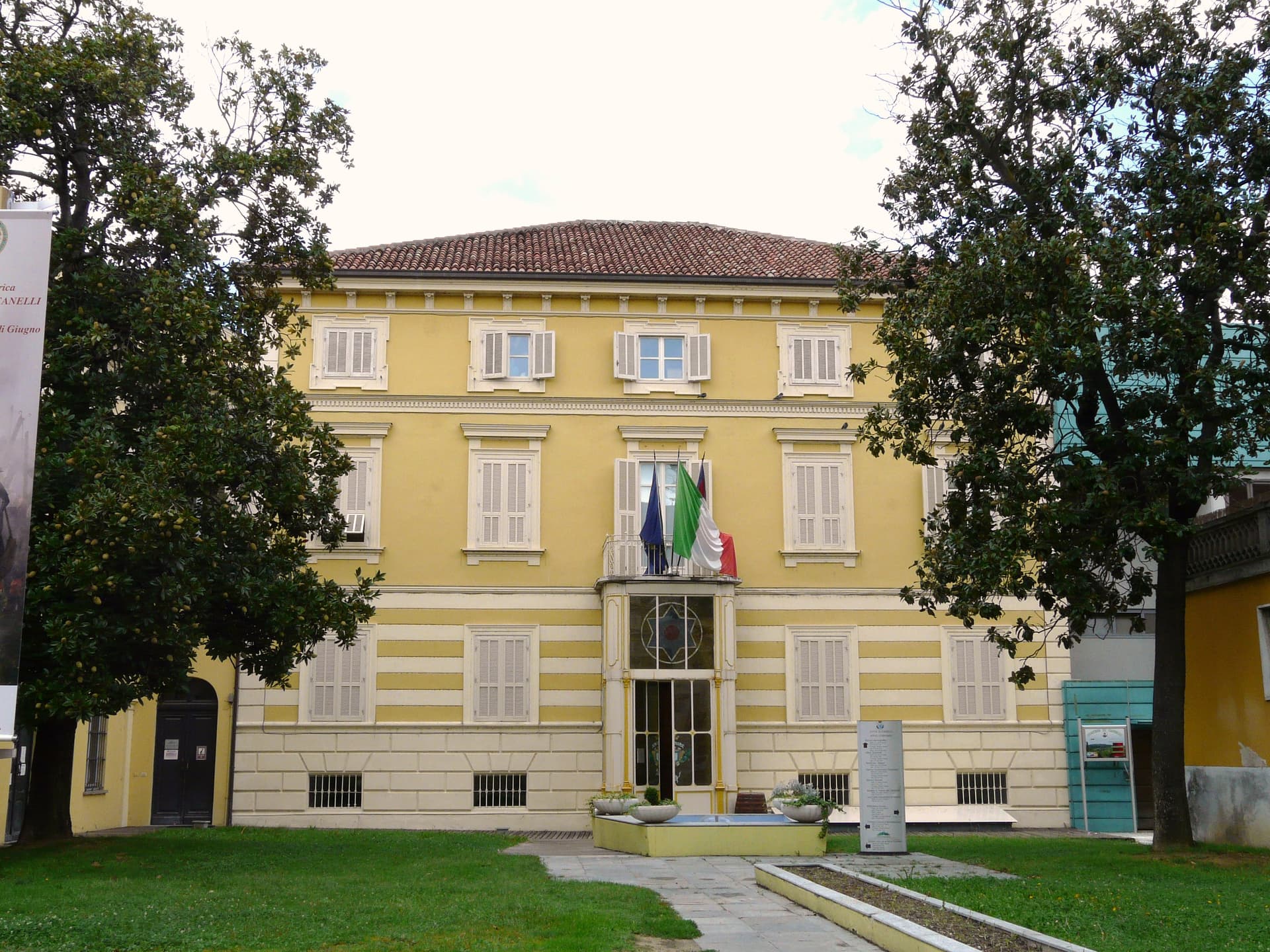
The Asti Spumante town at 157 meters in the Belbo valley, where 20 kilometers of underground tuff cellars hold millions of bottles at constant temperature.
Castagnole delle Lanze
Province: Asti
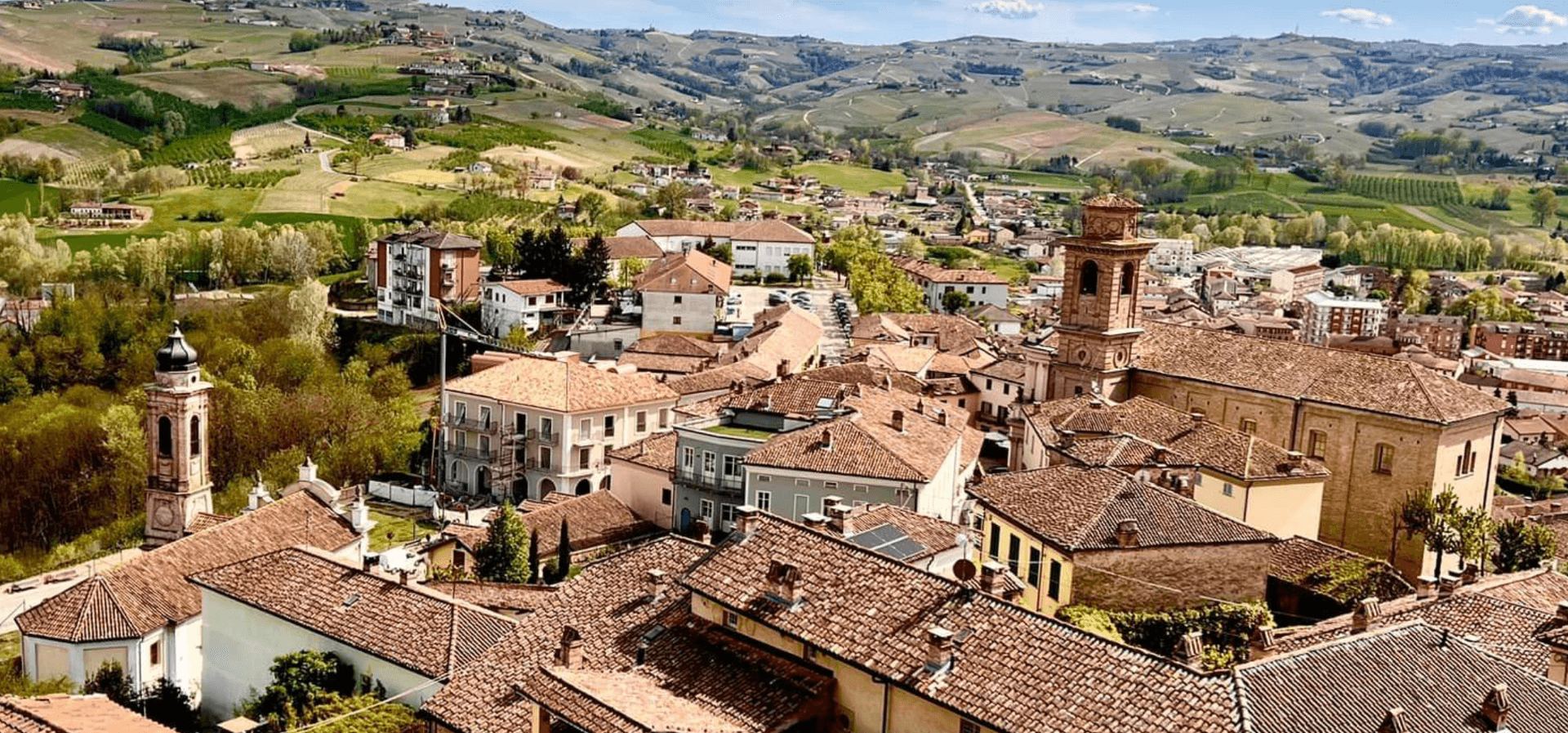
An Asti hill town at 298 meters between Langhe and Monferrato, with two Baroque churches and a nineteenth-century astronomical tower.
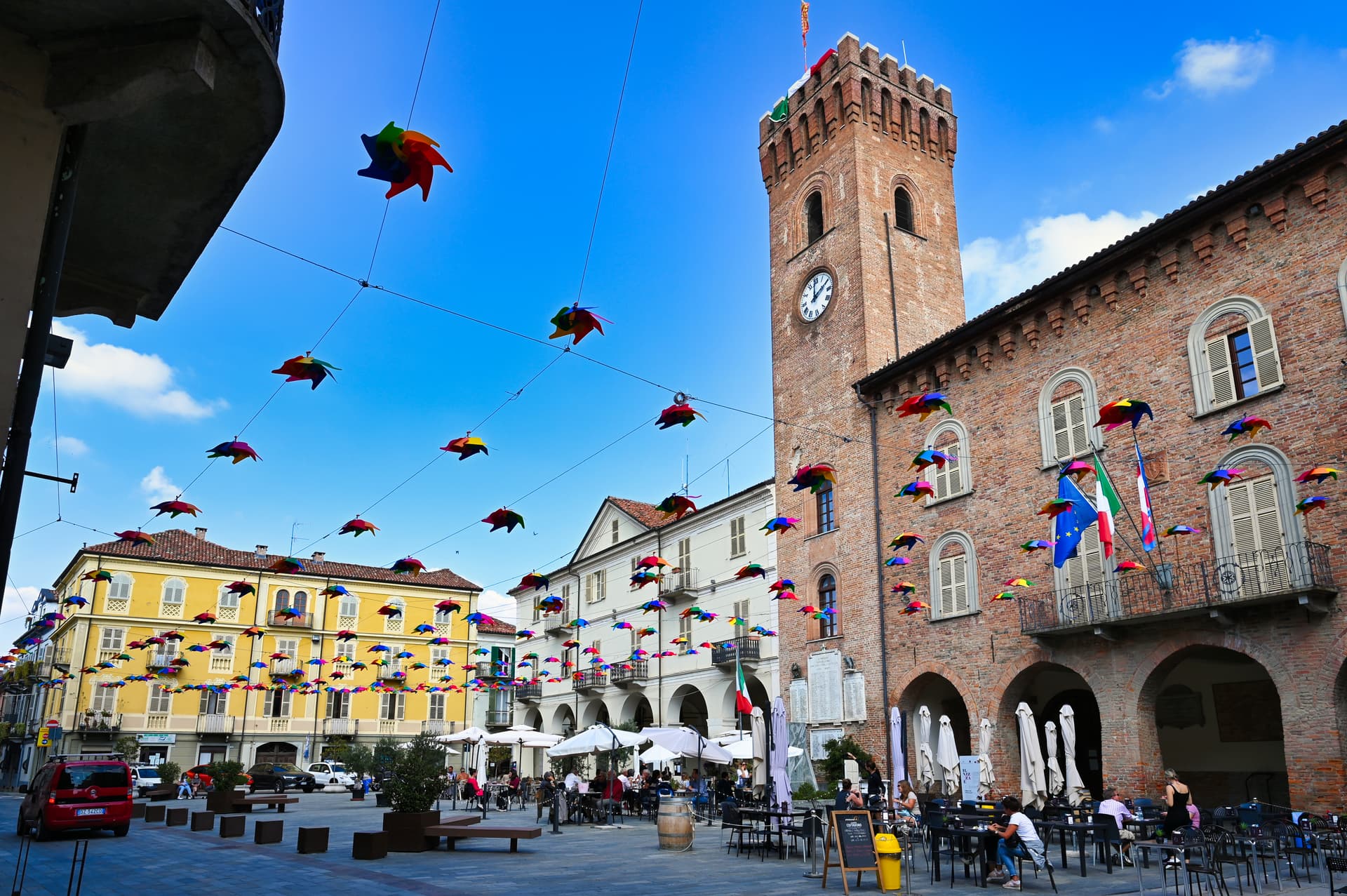
Nizza Monferrato
Province: Asti
The capital of Barbera at 267 meters in the upper Monferrato, founded 1225 and now standalone home of the Nizza DOCG.
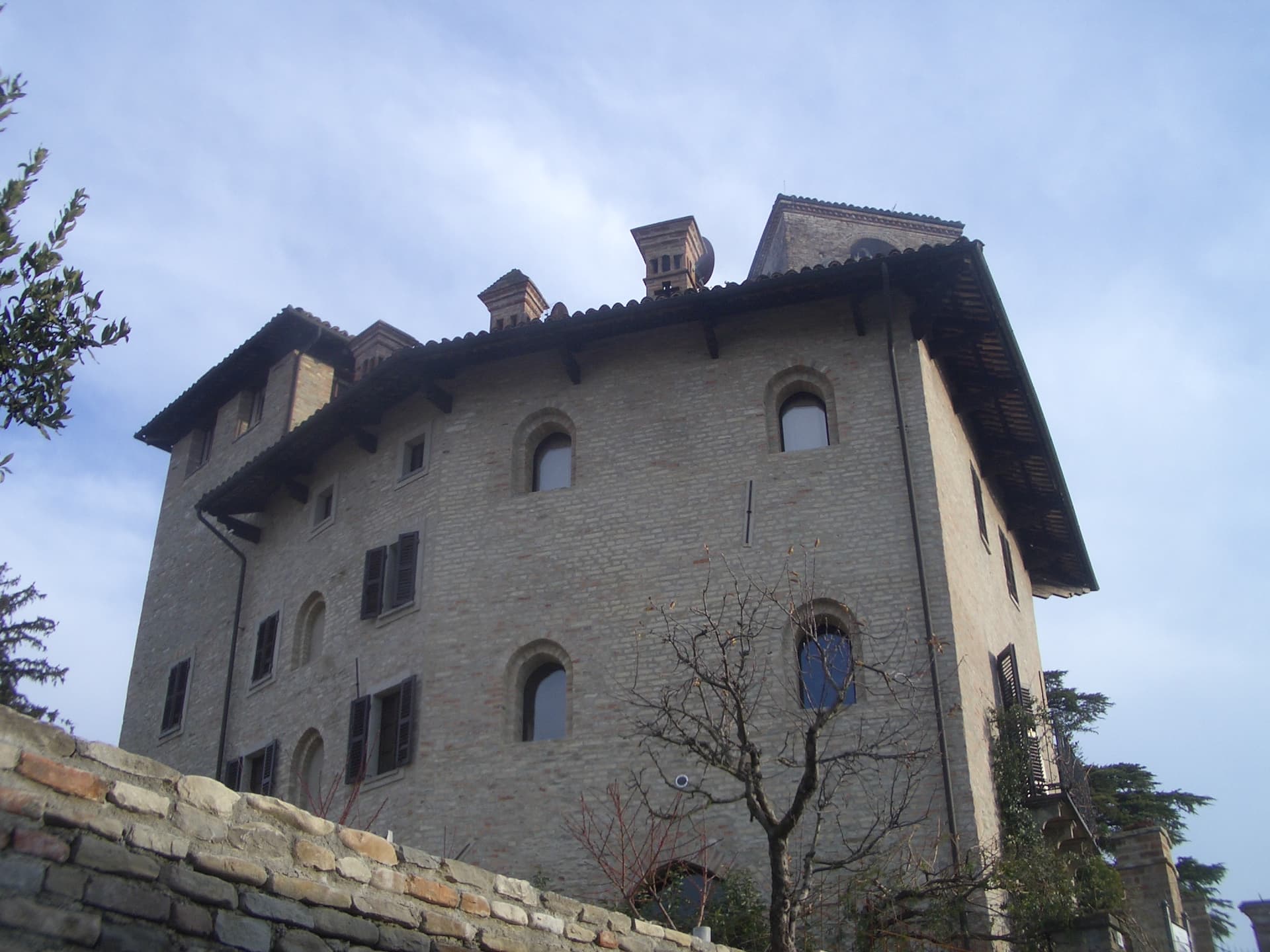
Neive
Province: Cuneo
A hilltop borgo at 308 meters in the Barbaresco zone, named for the Roman gens Naevia, with four wines in commercial volume.
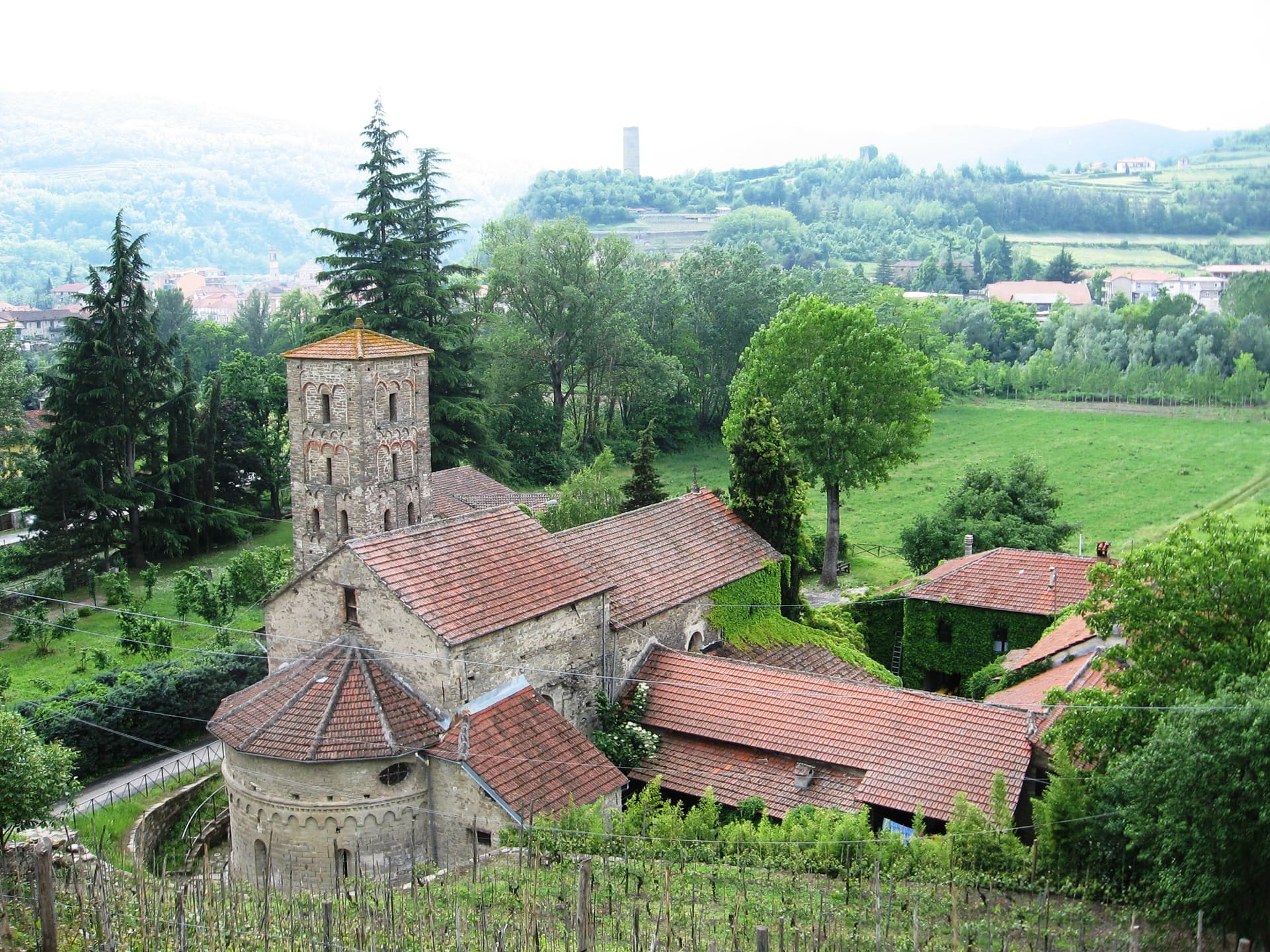
Cortemilia
Province: Cuneo
An Alta Langa town at 247 meters split by the Bormida, capital of the Tonda Gentile di Langa hazelnut.
🌻 Spighe Verdi
More Spighe Verdi towns in Piedmont
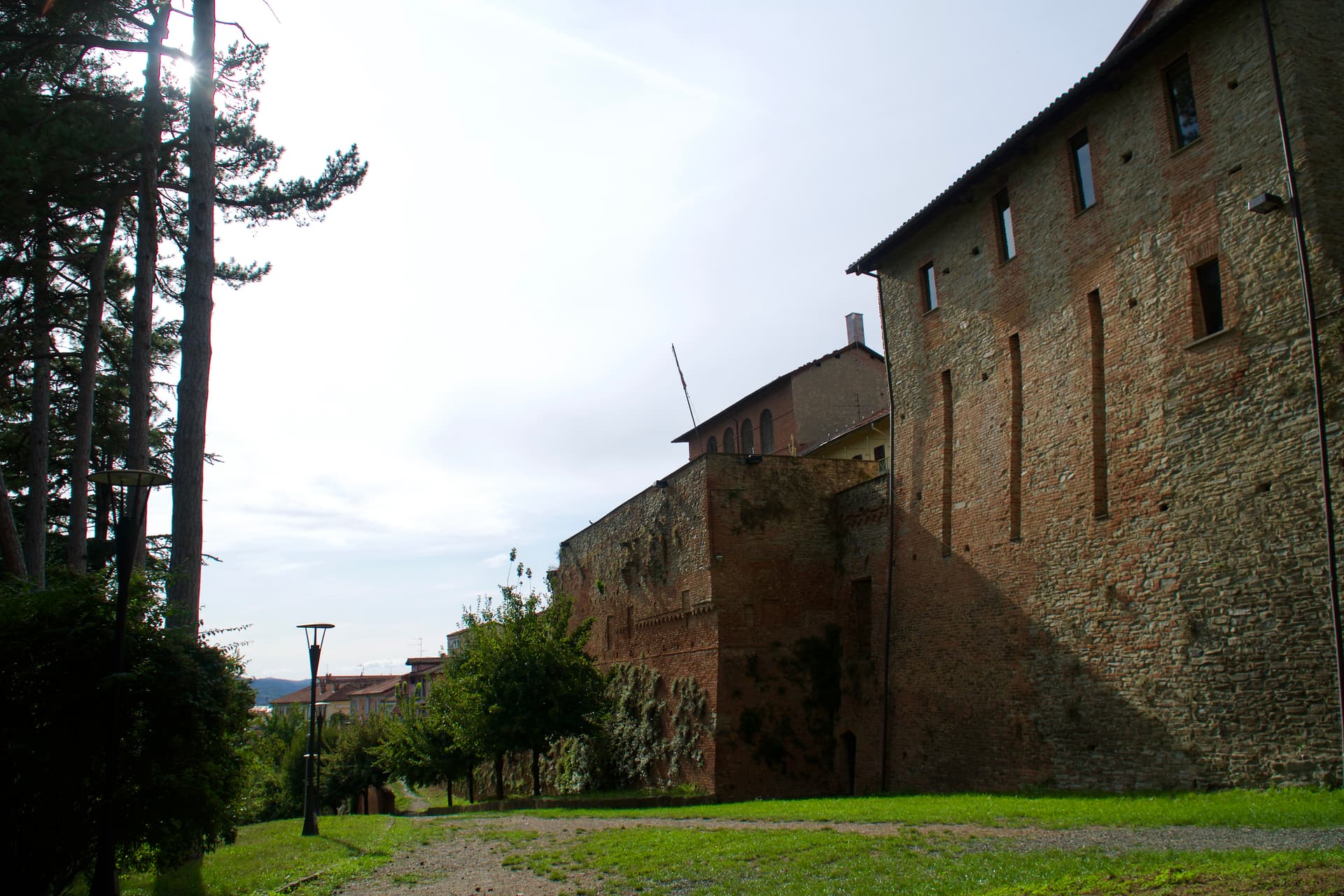
Acqui Terme
Province: Alessandria
A Roman spa town at 156 meters on the Bormida, where a sulphurous spring still surfaces at 74.5 degrees under an 1870 pavilion.
Alba
Province: Cuneo
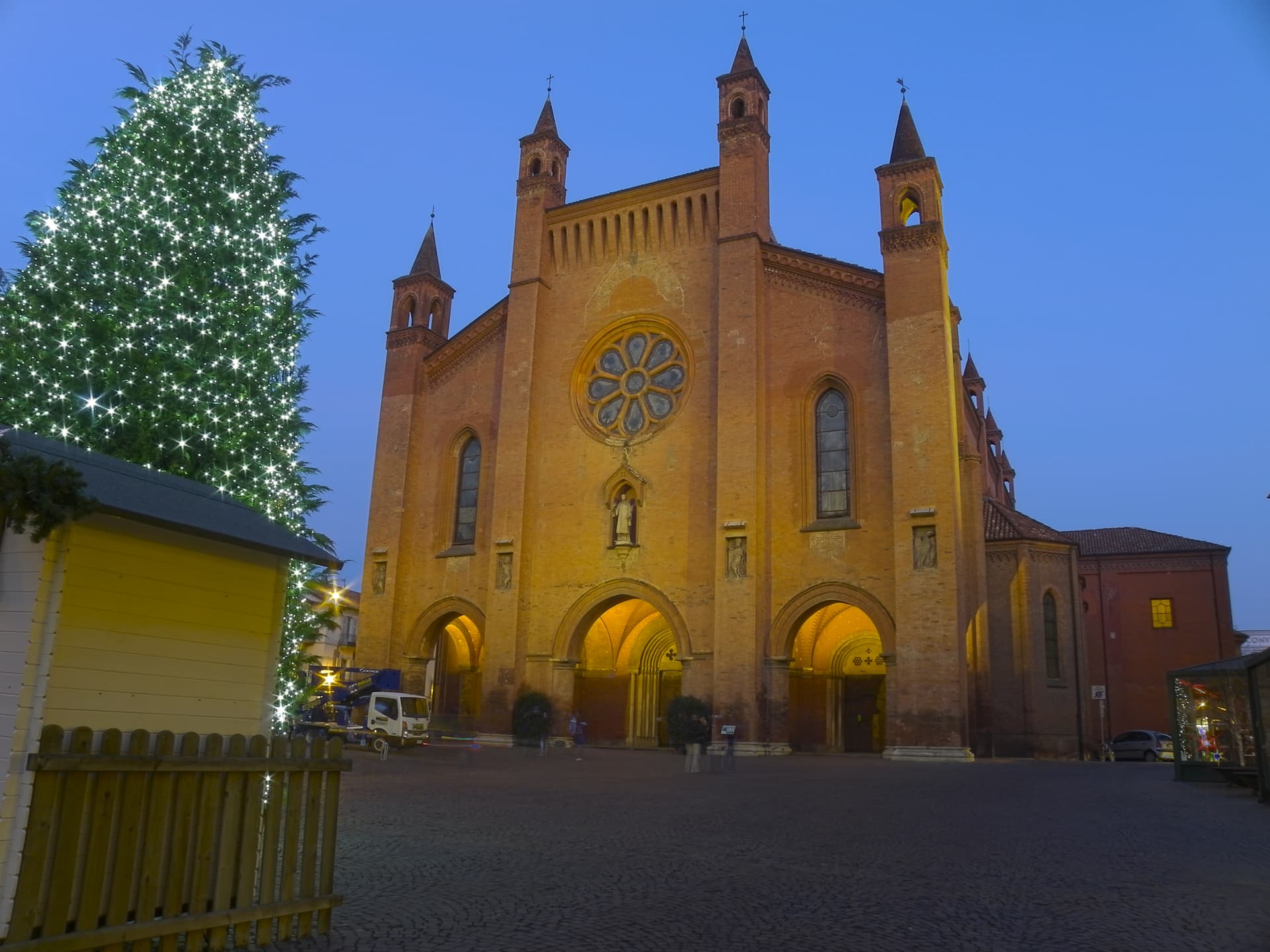
The Langhe capital at 172 meters on the Tanaro, world reference for white truffle and Nebbiolo, headquarters of Ferrero.
Bra
Province: Cuneo
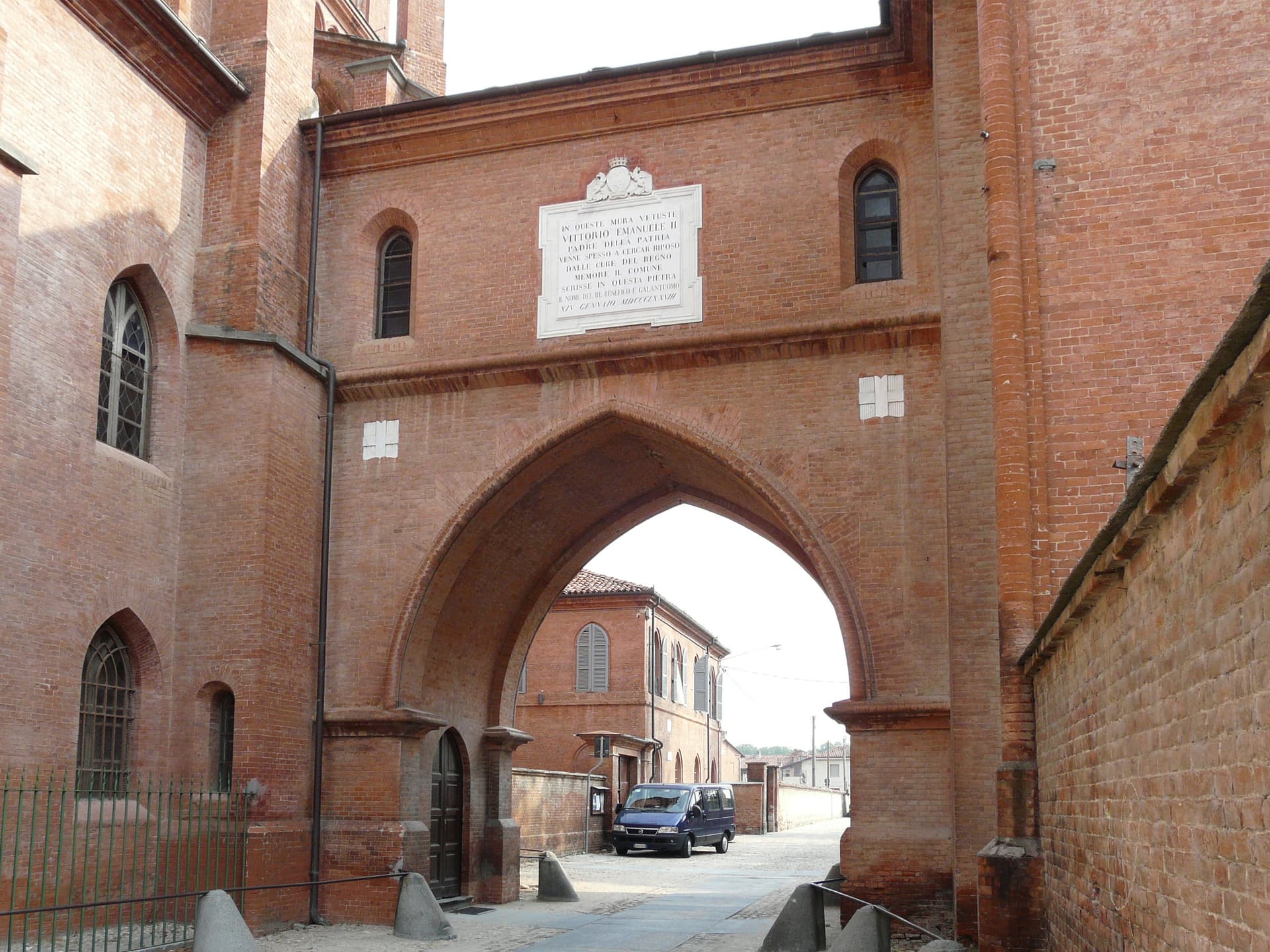
A Roero town at 290 meters where Carlo Petrini founded Slow Food in 1986 and the world's first gastronomic university now teaches food systems.
Castiglione Falletto
Province: Cuneo
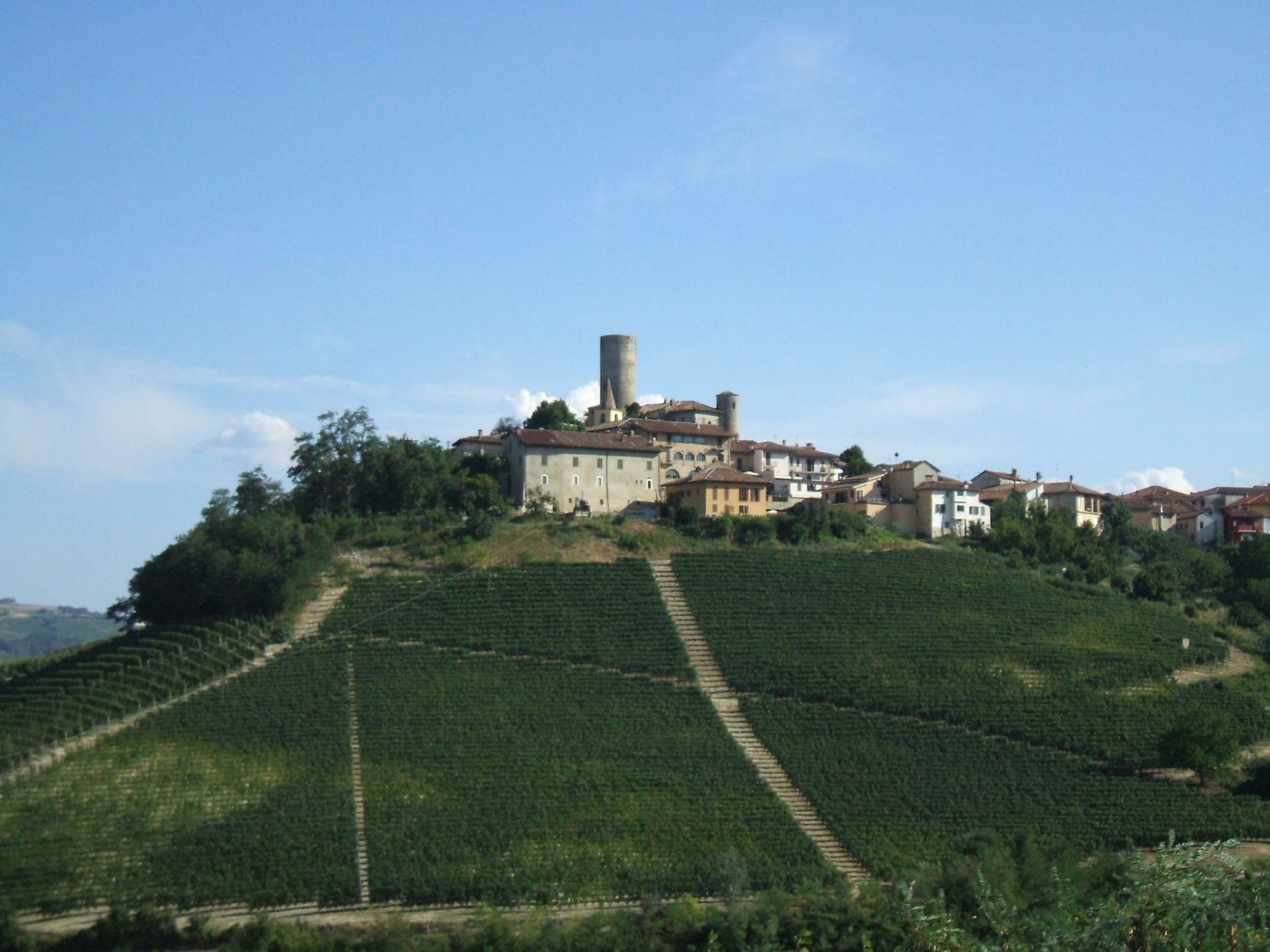
A Barolo hilltop of 672 at 350 meters in the Langhe, with an eleventh-century castle whose circular keep is over seven meters in diameter.
Cherasco
Province: Cuneo
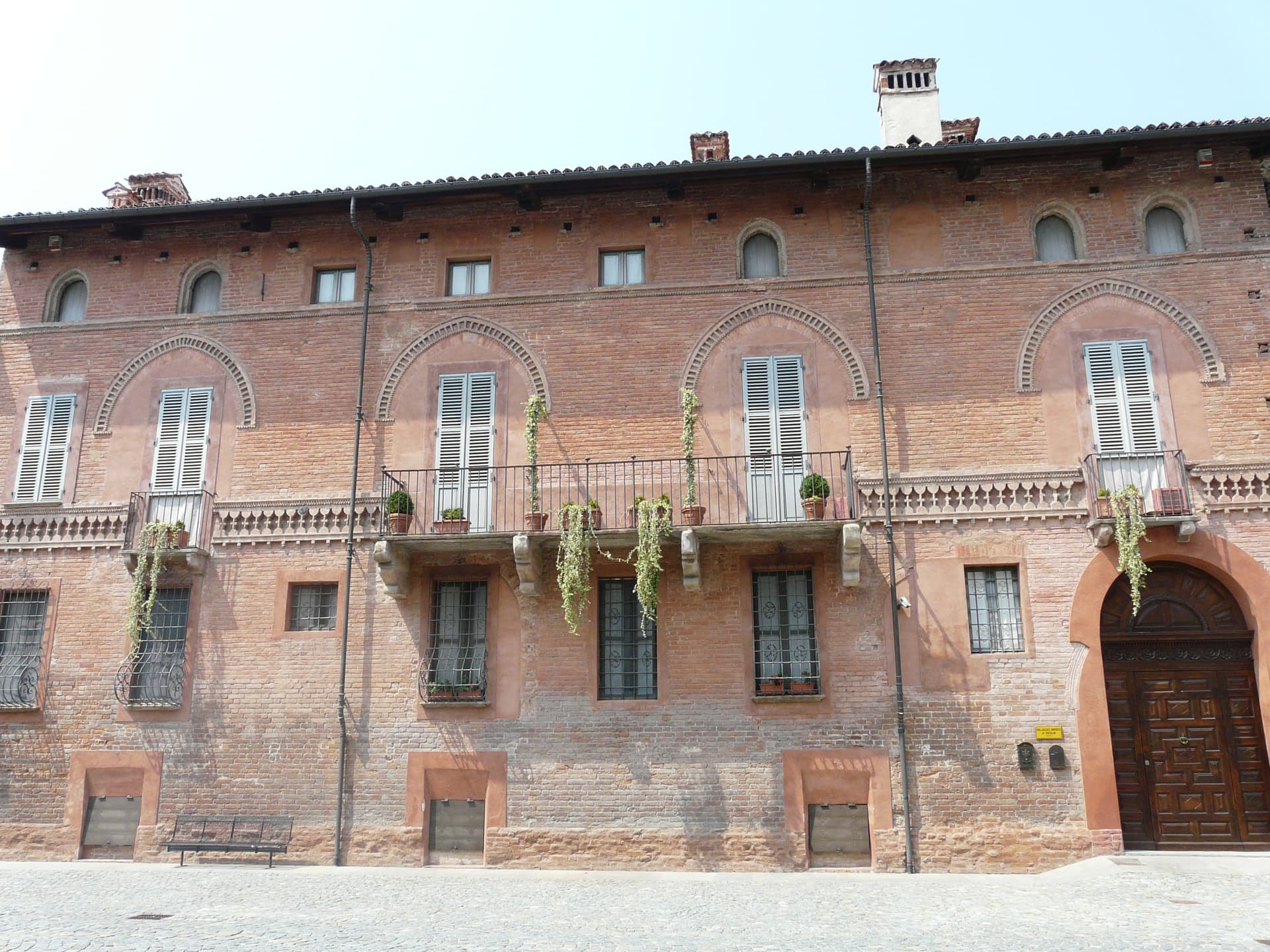
A walled town at 288 meters where the Tanaro meets the Stura, where Napoleon imposed his 1796 armistice on Piedmont.