

Campania · Avellino
Lapio
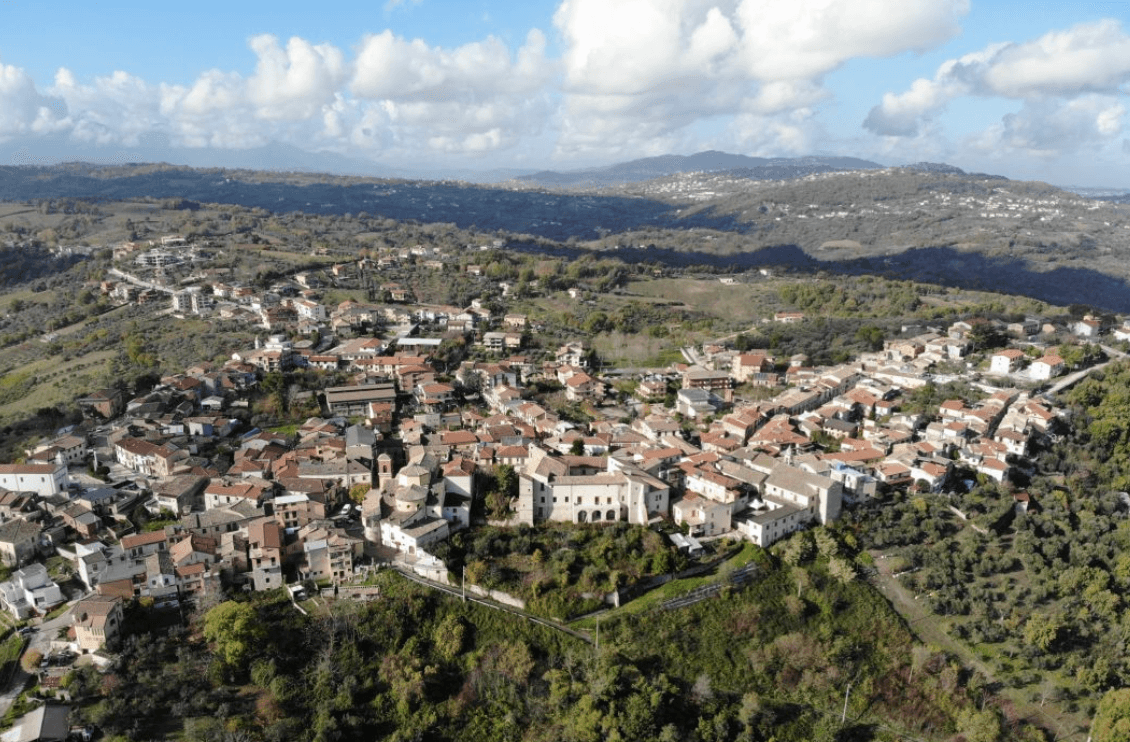
The heart of Fiano di Avellino DOCG country — a 1,428-resident Irpinia borgo at 590m in the hills east of Avellino, with the medieval Castello Filangieri anchoring an intact centro and a rare four-signal combination (Città del Vino + Olio + Miele + Nocciola) recognising the whole local agricultural ecosystem.
Known for
FIANO DI AVELLINO DOCG
Historic cru village for the Campanian white made from the Roman 'Apianum' grape. Modern DOCG since 1990s. 10+ cellars open for tastings.
CASTELLO FILANGIERI
11th-c Norman castle, 16th-c Filangieri rebuild. Panoramic view across the Sabato valley + Partenio massif.
FOUR-SIGNAL TOWN
Città del Vino + dell'Olio + del Miele + della Nocciola — rare 4-signal combination covering the whole local agricultural ecosystem (Fiano + Aglianico, Irpinia DOP oil, Apennine honey, Tonda Romana hazelnut).
FESTA DEL FIANO
Late September — cellar tours + tastings across the comune. The year's main civic + cultural event.
When to visit
Best · May–Jun, Sep–Oct
- J
- F
- M
- A
- M
- J
- J
- A
- S
- O
- N
- D
- Best
- Hot or crowded
- Quiet
- Mostly closed
The festa: Pietro da Verona, 29 April
Why come
Lapio is one of the historic cru villages of Fiano di Avellino DOCG — the Campanian white wine made from the Fiano grape that the Romans called 'Apianum' (because the grape was so sweet that bees, api, were attracted to it), grown across the Irpinia hills east of Avellino since at least the 1st c AD and reborn as a serious modern DOCG only since the 1990s thanks to the producers of Lapio + Montefredane + Summonte + the neighbouring villages. The Lapio comune is 1,428 residents at 590m altitude on a hilltop with the medieval Castello Filangieri (11th-c Norman, 16th-c Filangieri family rebuild) anchoring the high point, narrow stone-paved vicoli climbing from the central piazza to the castle, the Chiesa Madre di San Pietro Apostolo (15th-c), and the Convento dei Cappuccini. The town holds an unusually rich four-signal combination of Città quality marks — Città del Vino (the Fiano + the local Aglianico), Città dell'Olio (Irpinia DOP olive oil from the surrounding terraces), Città del Miele (the Irpinia chestnut + multifloral honey from the Apennine forests above town), and Città della Nocciola (Avellino is the second-largest hazelnut-producing province in Italy after Cuneo; the local Tonda Romana hazelnut variety is the foundation of regional confectionery).
The Festa del Fiano in late September is the year's main event with cellar tours + tastings across the comune. Beyond Lapio: Avellino 24 km west (provincial capital), Mirabella Eclano (with the famous Roman Forum + Carro di San Pellegrino procession) 15 km north, the Parco Naturale Regionale del Partenio + Sannio mountains immediately east. The food is Irpinia-Campanian: pasta al ragù di castrato, brodo di tagliolini con scarola, the local Caciocavallo Podolico (matured 12+ months on Apennine pastures), torrone tenero (made with Tonda Romana hazelnuts + honey), and obviously the Fiano with everything. Like all Irpinia inland villages, depopulation is real — 2,400 residents in 1951, 1,428 today.
The Sunday letter
We haven’t written Lapio’s letter yet.
One town every Sunday, with the photo, the food, the festa. Be there when this one comes up. Free, by Peter & Sophia from Pietrasanta.
By subscribing you agree to Substack’s Terms of Use, our Privacy Policy and our Information collection notice.
What to see
Fiano di Avellino DOCG cellars
Lapio is one of the historic cru villages — 'Apianum' grape since Roman times, modern DOCG only since 1990s. 10+ cellars in the comune + immediate neighbours open for tastings.
Castello Filangieri
11th-c Norman castle rebuilt by the Filangieri family in the 16th c. Anchors the high point of the medieval centro with the panoramic view across the Sabato river valley + the Partenio massif.
Centro storico + Chiesa Madre
Intact stone-paved vicoli climbing from the central piazza to the castle. The 15th-c Chiesa Madre di San Pietro Apostolo + the Convento dei Cappuccini just outside the walls.
Tonda Romana hazelnut + Irpinia honey
The local Tonda Romana hazelnut variety (Avellino is Italy's 2nd-largest hazelnut province) is the foundation of regional confectionery. Plus Irpinia chestnut + multifloral honey from the Apennine forests above town.
Partenio + Sannio mountains
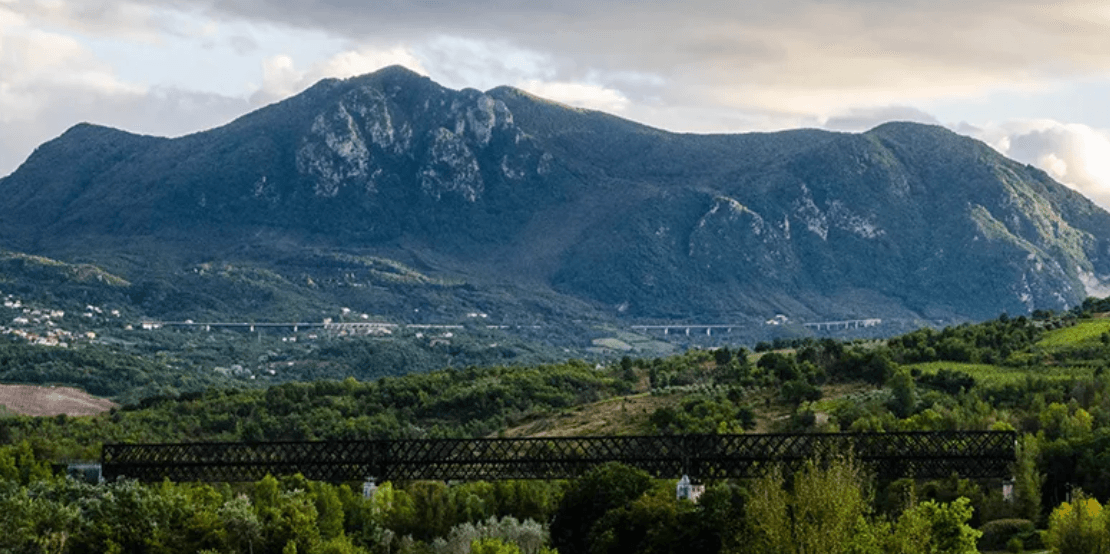
Parco Naturale Regionale del Partenio + Sannio mountains immediately east — the surrounding chestnut + oak forests that feed both the honey and the local game tradition.
The slow-trip planner
Building a trip? Find where Lapio fits in a slow Italy circuit.
Answer five questions. We will shape a geographically coherent slow trip from the 1,000 Italian towns most travelers skip. Yours to save and share.
Living here
- Population 1,428
- Commuter belti
- Pharmacy: none mapped
- High school within a 30-minute drive
- Train station in the comune
- Nearest airport Naples / Salerno, 1 h 6 min drive
- Regional capital Napoli, 1 h 10 min drive
Tags & datadesignations · numbers · sources
The numbers
- Elevation: 590 m
- Population: 1,428
- Surface area: 15.25 km²
These figures were compiled from public directories — ISTAT, OpenStreetMap, Wikidata — and from the official listings of the guides named on this page. Town details change; verify with official sources before you travel.
Close by
More towns near Lapio
Taurasi
Province: Avellino
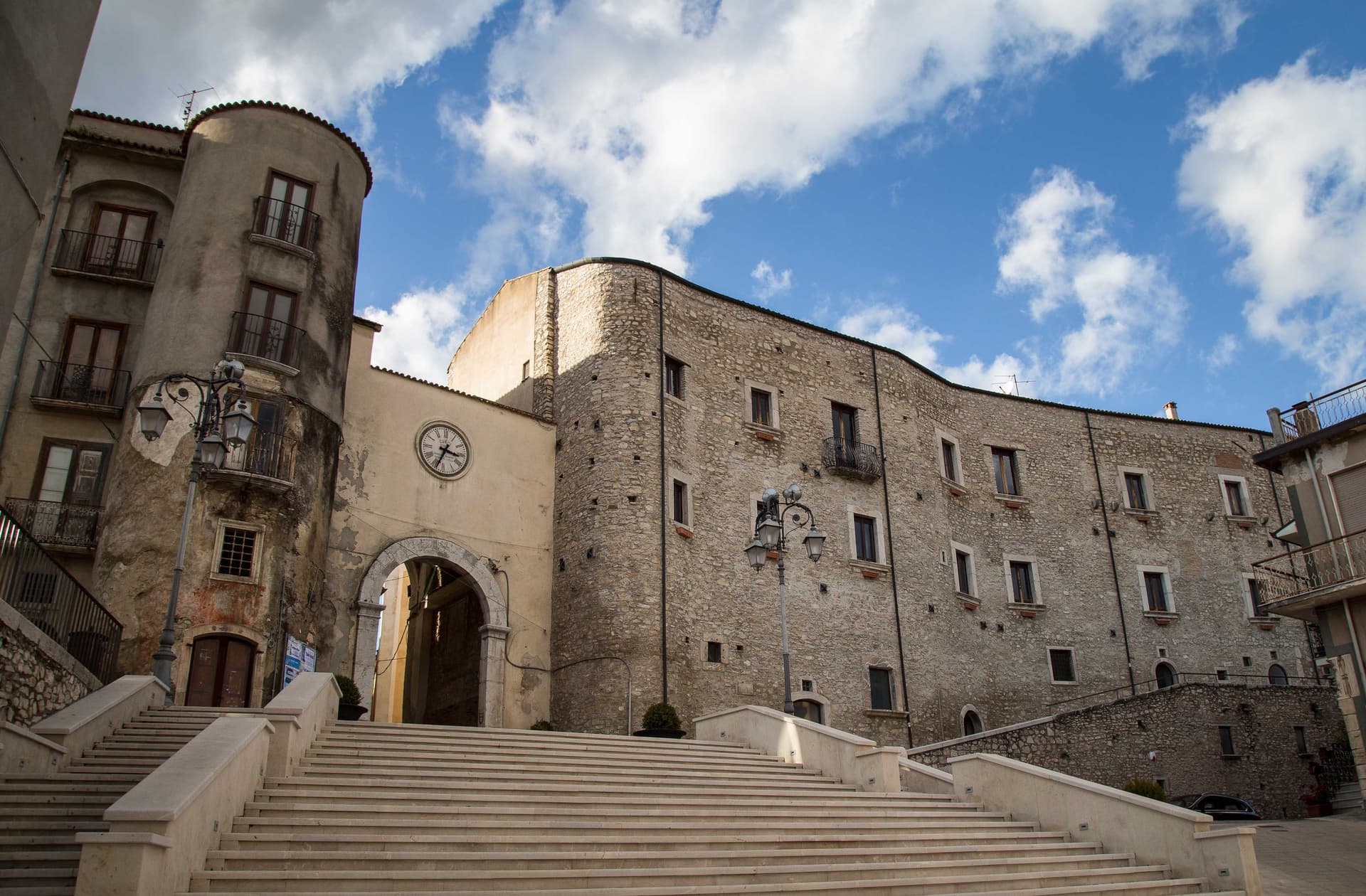
An Irpinia wine village at 400 meters above the Calore valley, the namesake of Taurasi DOCG, the southern Aglianico called Barolo of the South.
Tufo
Province: Avellino
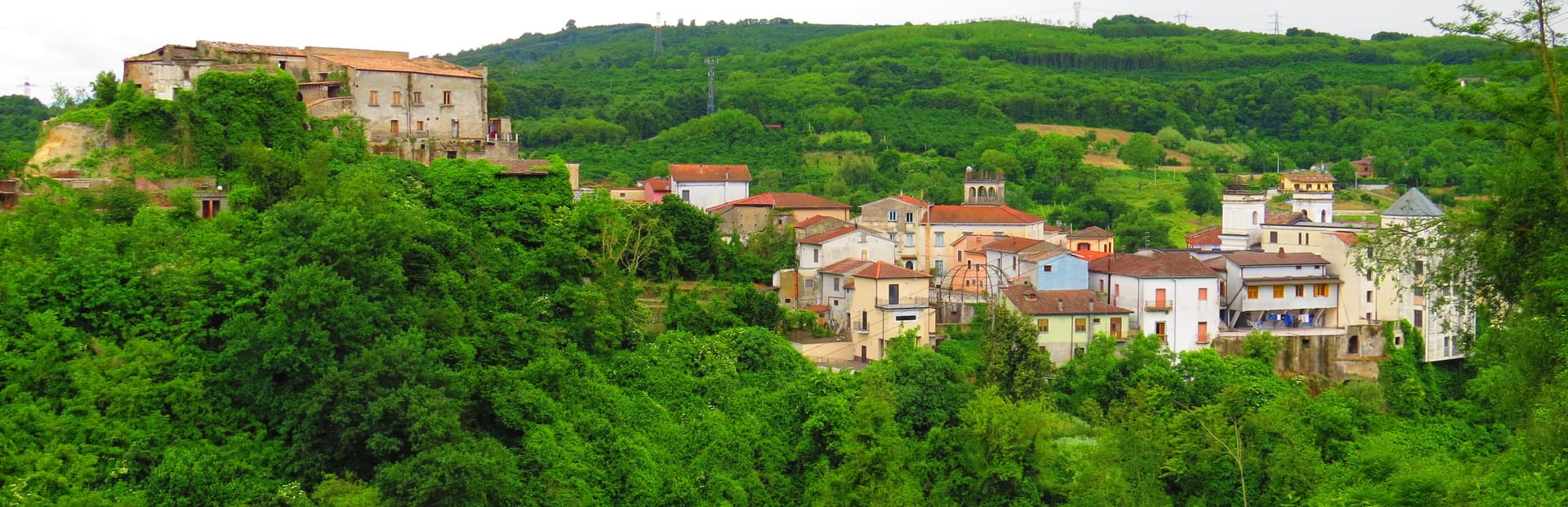
A 250-meter Irpinia hill town that gives its name to Greco di Tufo DOCG, the white wine grown on sulfur-rich limestone slopes around it.
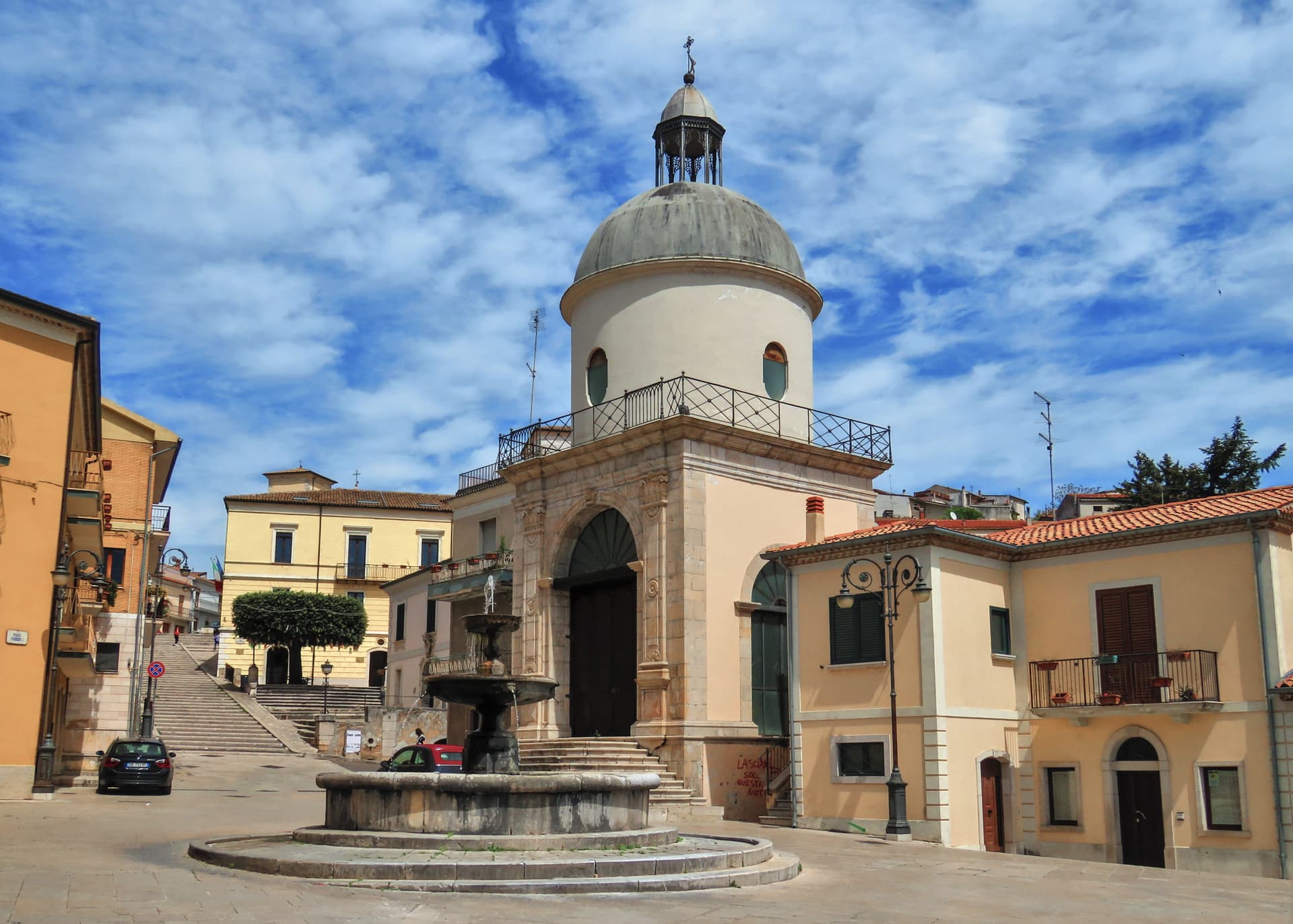
Gesualdo
Province: Avellino
An Irpinia village at 676 meters built around the castle where Carlo Gesualdo, prince of Venosa and madrigalist murderer, wrote his six books of madrigals.
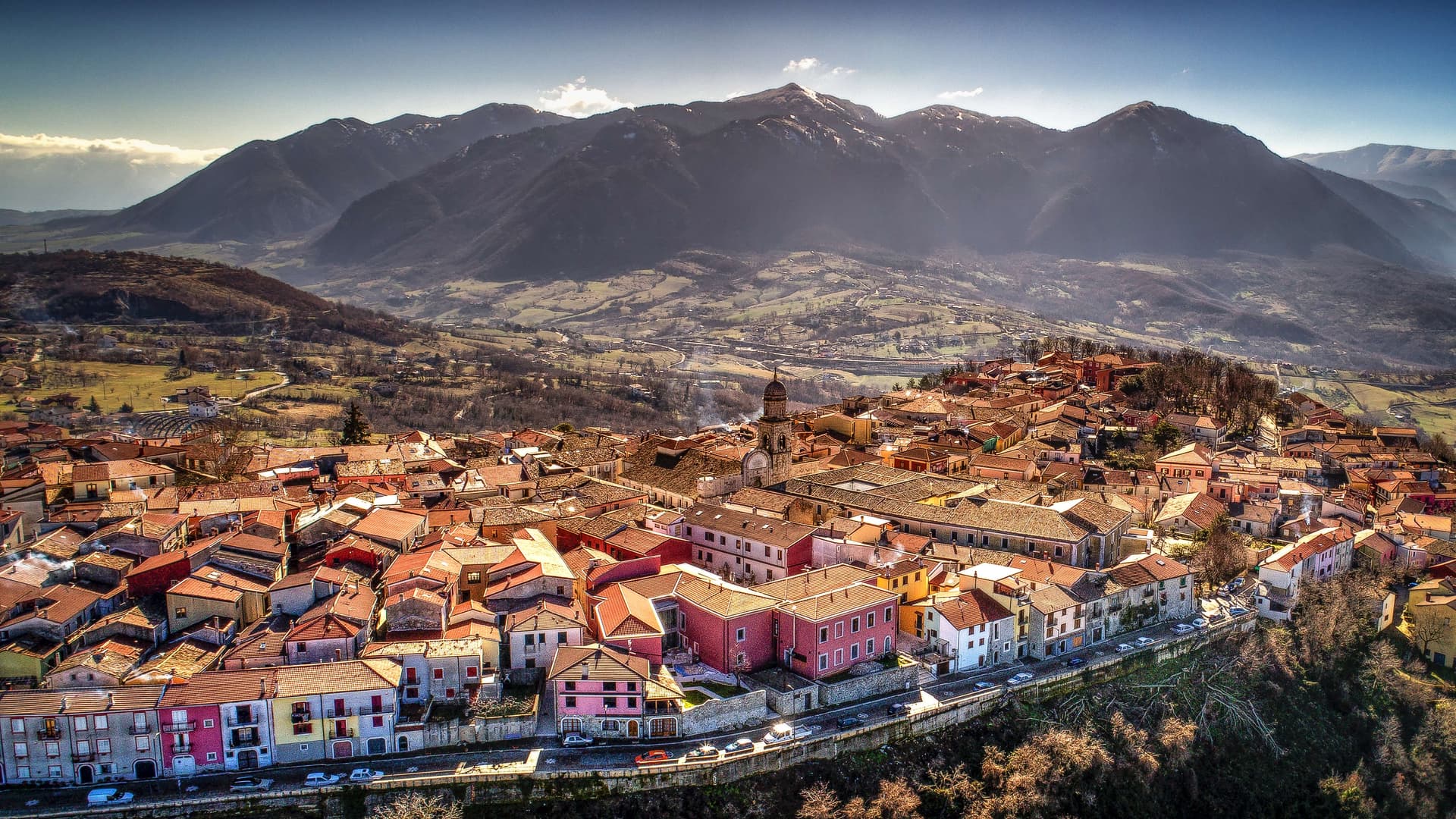
Nusco
Province: Avellino
The Balcony of Irpinia at 914 meters, a ridge town between the Ofanto and Calore valleys, hometown of Prime Minister Ciriaco De Mita.
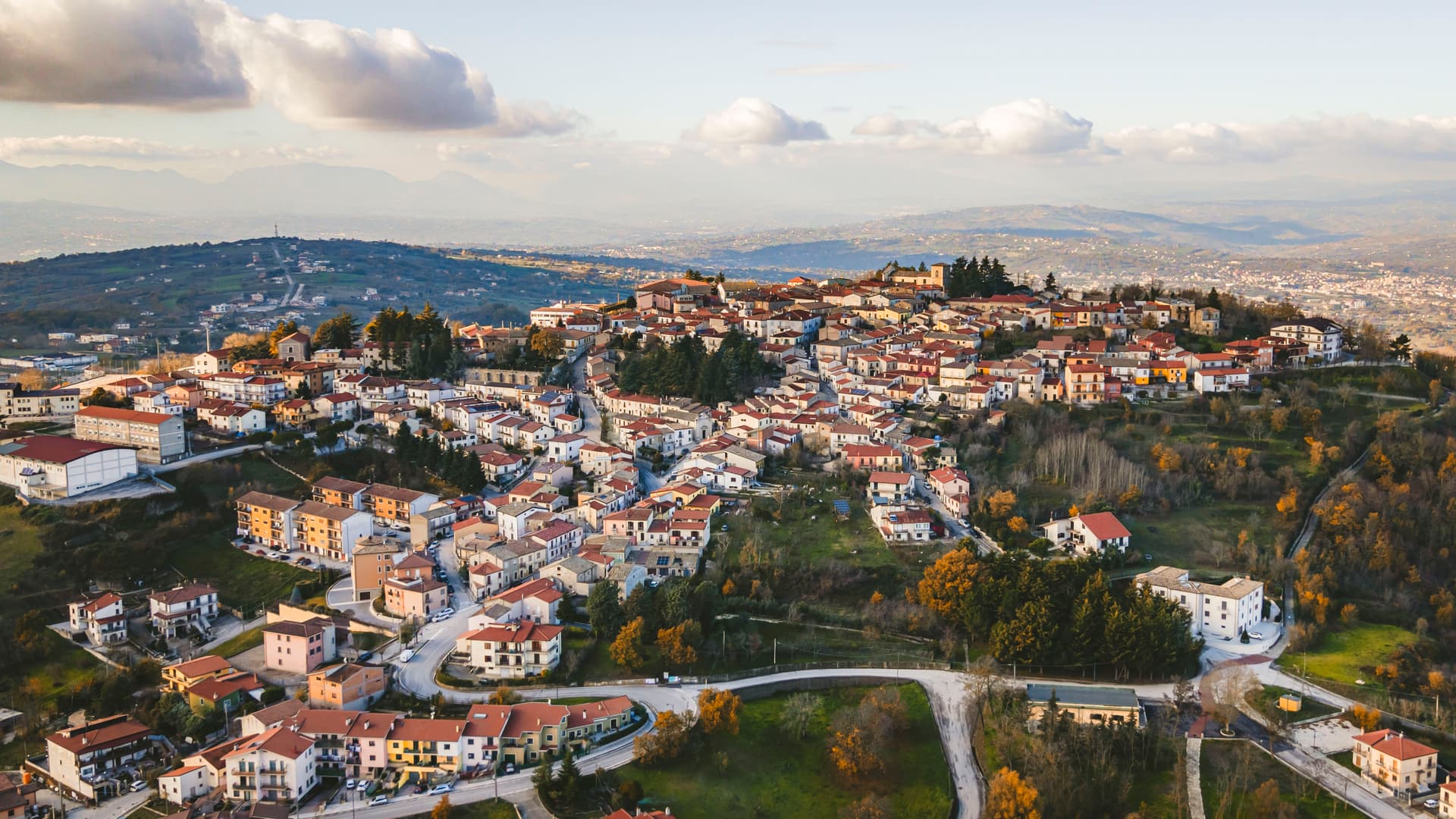
Frigento
Province: Avellino
An Irpinia hill village at 911 meters with a Republican-era Roman cistern complex on its summit and four valleys at its feet.
🍷 Città del Vino
More Città del Vino towns in Campania
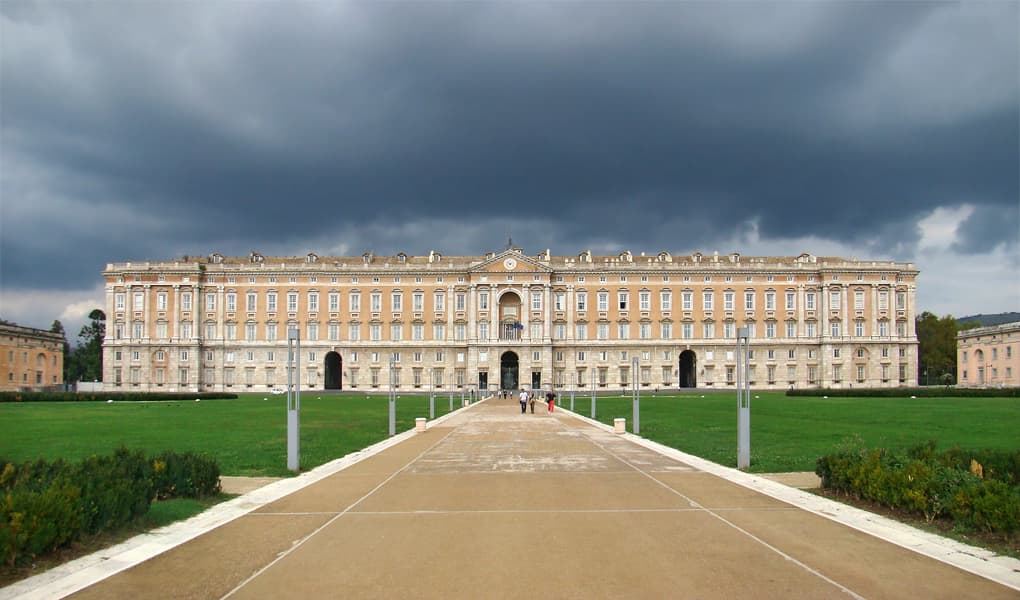
Alife
Province: Caserta
A Roman walled town at the foot of the Matese, founded as a 326 BC oppidum, with Italy's fourth-largest amphitheatre still half-buried.
Benevento
Province: Benevento
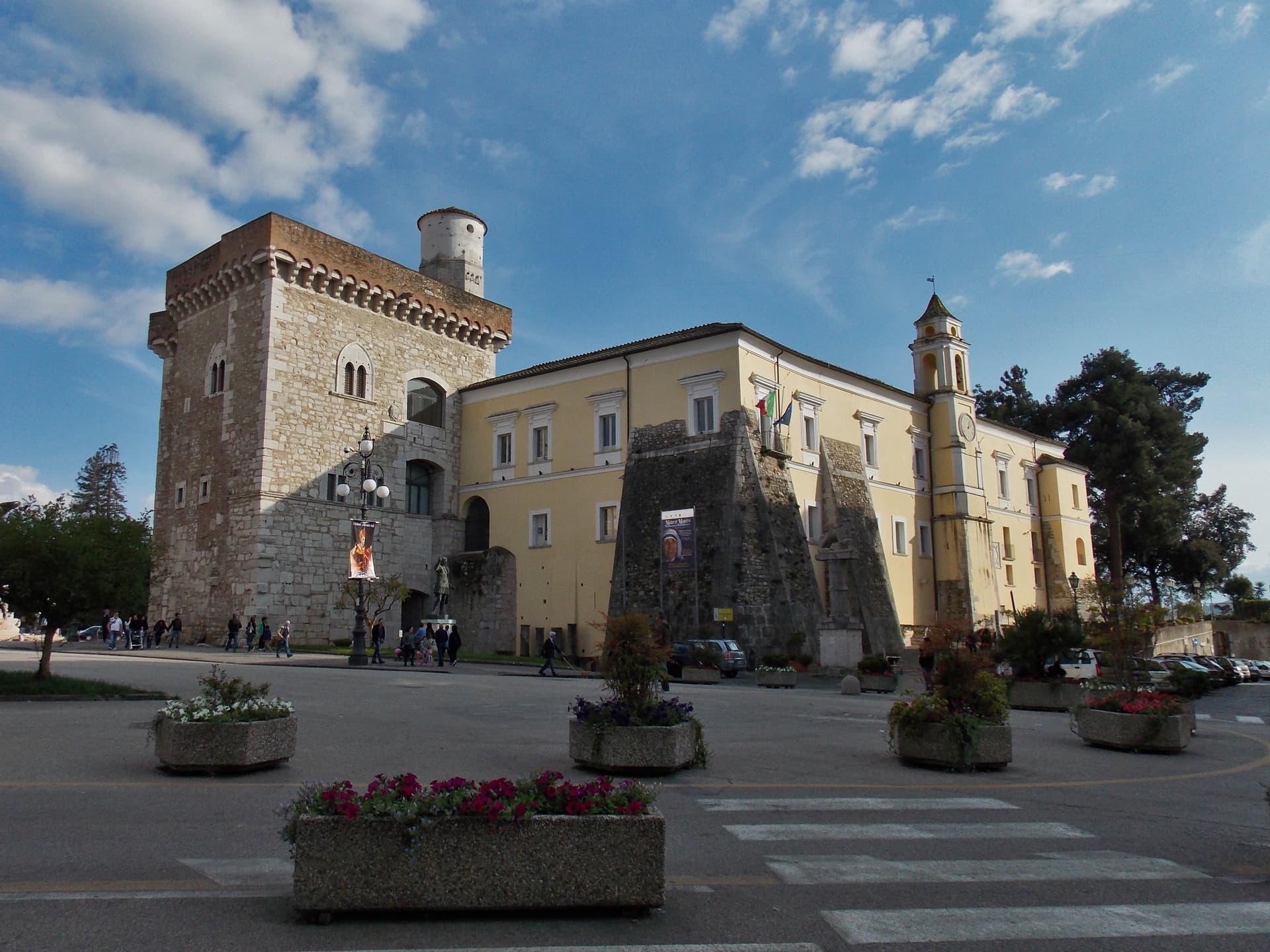
Sannio capital at the Calore-Sabato confluence, with a 114 AD Trajan arch and a Lombard rotunda on the UNESCO list.
Caiazzo
Province: Caserta
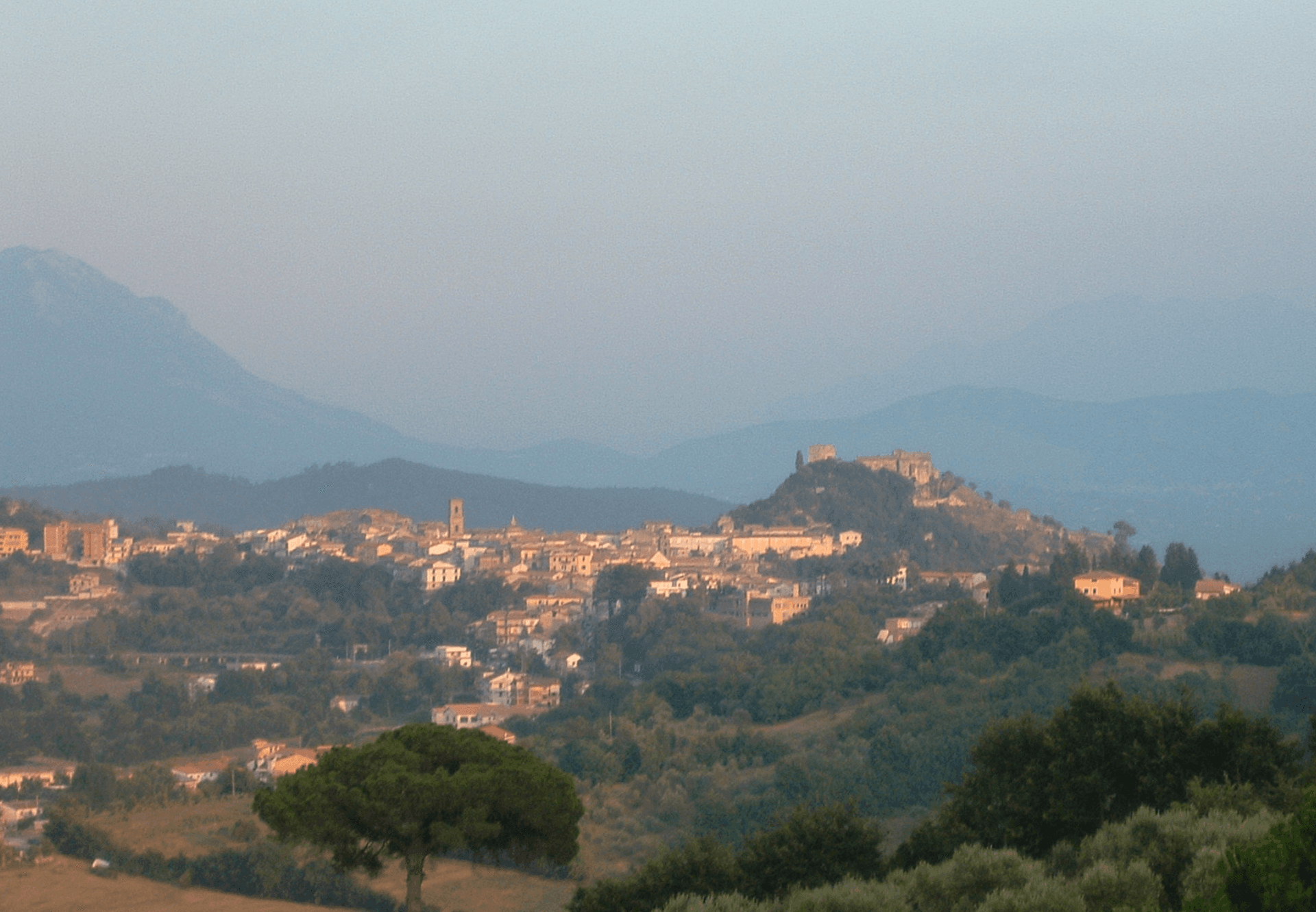
A Cittaslow hill above the Volturno, turned by Franco Pepe's pizza into a destination for 800 covers a day in eighteenth-century rooms.
Centola
Province: Salerno
A Cilento hill village at 336 meters whose seaside frazione, Palinuro, carries the helmsman of Aeneas and a Bandiera Blu coastline.
Cerreto Sannita
Province: Benevento
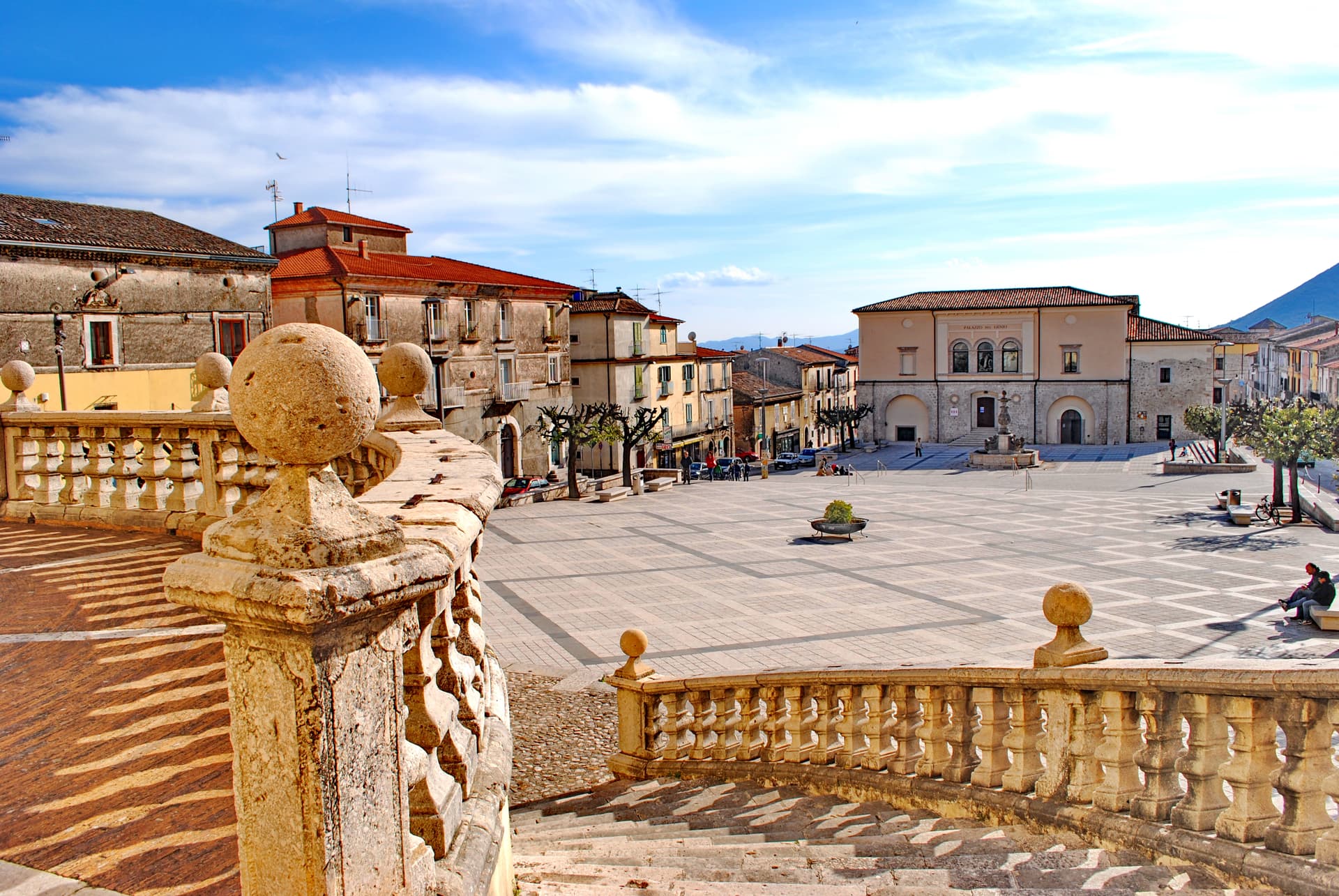
A Sannio ceramics town at 290 meters, rebuilt from scratch by royal engineer Giovanni Battista Manni after the 1688 earthquake leveled the old hill.